



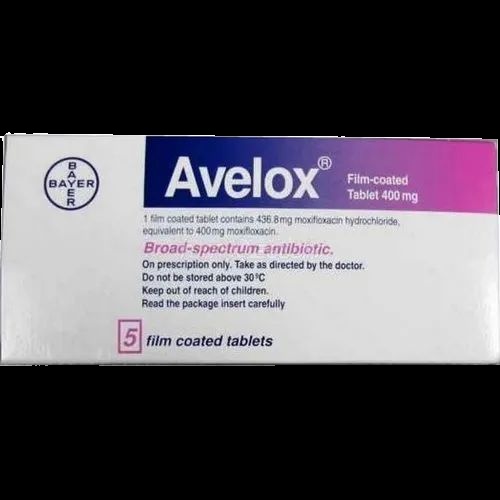
AVALOX 400 mg Tabletki Powlekane

Ocena recepty online
Lekarz przeanalizuje Twój przypadek i zdecyduje, czy wystawienie recepty jest medycznie uzasadnione.

Porozmawiaj z lekarzem o tym leku
Omów swoje objawy i opcje leczenia podczas szybkiej konsultacji online.



Jak stosować AVALOX
Treść ulotki
Avalox 400 mg/250 ml solution for infusion
For use in adults
Moxifloxacin
Read this leaflet carefully before using this medicine as it contains important
information for you.
- Keep this leaflet. You may need to read it again.
- If you have any questions, ask your doctor, pharmacist or nurse.
- If any side effects occur, including any not listed in this leaflet, tell your doctor, pharmacist or nurse. See section 4.
Contents of this leaflet:
- 1. What Avalox is and what it is used for
- 2. What you need to know before Avalox is given to you
- 3. How to use Avalox
- 4. Possible side effects
- 5. How to store Avalox
- 6. Contents of the pack and other information
1. What is Avalox and what it is used for
Avalox contains the active ingredient moxifloxacin, which belongs to a group of antibiotics called
fluoroquinolones. Avalox works by killing the bacteria that cause infections, if these are caused by
bacteria sensitive to moxifloxacin.
Avalox is used in adults to treat the following bacterial infections:
- Lung infection (pneumonia) contracted outside of the hospital
- Skin and soft tissue infections
2. What you need to know before you take Avalox
Contact your doctor if you doubt that you belong to any of the patient groups described below.
Do not take Avalox
- If you are allergic to the active substance moxifloxacin, to any other quinolone antibiotic or to any of the other ingredients of this medicine (listed in section 6).
- If you are pregnant or breastfeeding.
- If you are under 18 years of age.
- If you have a history of tendon disease or disorder related to treatment with quinolone antibiotics (see sections Warnings and precautionsand 4. Possible side effects).
- If you have, from birth, or have had, any condition that involves irregularities in your heart rhythm (found on an ECG, electrical recording of the heart), have an imbalance of salts in your blood (especially low levels of potassium or magnesium in the blood), have a very slow heart rate (called “bradycardia”), have a weak heart (heart failure), have a history of heart rhythm abnormalities, or are taking other medicines that cause changes in the ECG (see section Other medicines and Avalox).
This is because AVALOX can cause changes in the ECG, which consist of a prolongation
of the QT interval, i.e. a delay in the conduction of electrical signals.
- If you have severe liver disease or increased liver enzymes (transaminases) more than 5 times the upper limit of normal.
Warnings and precautions
Before taking this medicine
Do not take antibacterial medicines based on quinolones/fluoroquinolones, including Avalox, if you have previously
had any serious adverse reactionduring treatment with a quinolone or fluoroquinolone. In
this case, inform your doctor as soon as possible.
Tell your doctor before Avalox is given to you for the first time
- Avalox can change the ECGespecially in women and the elderly. If you are taking medicines that reduce potassium levels in the blood, consult your doctor before Avalox is given to you (see also sections Do not use Avaloxand Other medicines and Avalox).
- If you suffer from epilepsyor a condition that makes you prone to seizures, consult your doctor before Avalox is given to you.
- If you have or have had in the past mental problems, consult your doctor before Avalox is given to you.
- If you suffer from myasthenia gravis, taking Avalox may worsen the symptoms of the disease. If you think you are affected, see your doctor immediately.
- If you have been diagnosed with an enlargement or “bulging” of a large blood vessel(aortic aneurysm or peripheral aneurysm of a large blood vessel).
- If you have previously experienced episodes of aortic dissection(a tear in the wall of the aorta).
- If you have a family history of aortic aneurysm, aortic dissectionor other risk factors or predisposing conditions (e.g. connective tissue diseases such as Marfan syndrome, vascular Ehlers-Danlos syndrome, or if you have vascular diseases such as Takayasu arteritis, giant cell arteritis, Behcet's syndrome, high blood pressure or known atherosclerosis).
- If you, or someone in your family, suffers from glucose-6-phosphate dehydrogenase deficiency(a rare inherited disease), tell your doctor, who will advise you whether Avalox is suitable for you.
- Avalox must be given exclusively intravenously (into a vein) and must not be given into an artery. When you use Avalox
- If you experience palpitations or irregular heartbeatduring treatment, tell your doctor immediately, who may perform an ECG to measure your heart rhythm.
- The risk of heart problemsmay increase with increasing dose and with the rate of intravenous infusion.
- There is a remote possibility of developing a severe and sudden allergic reaction(anaphylactic/anaphylactic shock) even with the first dose, with the following symptoms: tightness in the chest,
dizziness, nausea or fainting, dizziness when standing up. In this case, stop taking
Avalox solution for infusion.
- Avalox can cause severe, rapidly progressing liver inflammation, which can lead to life-threatening liver failure (including fatal cases, see section 4. Possible side effects). Contact your doctor before continuing treatment if you experience sudden malaise or notice yellowing of the whites of your eyes, dark urine, itching, a tendency to bleed or disturbances in thinking or attention.
- In case of skin reaction, blistering and/or peeling of the skin and/ormucous membrane reactions(see section 4. Possible side effects), see your doctor immediately before continuing treatment.
- Quinolone antibiotics, including Avalox, can cause seizures. If this happens, treatment with Avalox must be stopped.
- Serious, prolonged, disabling and potentially irreversible side effectsAntibacterial medicines based on fluoroquinolones/quinolones, including Avalox, have been associated with very rare but serious side effects, some of which are prolonged (lasting months or years), disabling or potentially irreversible. These include pain in tendons, muscles and joints of arms and legs, difficulty walking, abnormal sensations such as tingling, prickling, itching, numbness or burning (paresthesia), disorders of the senses such as altered vision, taste, smell and hearing, depression, impaired memory, severe fatigue and severe sleep disturbances.
If you experience any of these side effects after taking Avalox, see your
doctor immediately before continuing treatment. The doctor will decide together with you whether
to continue treatment and will also consider using an antibiotic from another class.
- Rarely, symptoms of nerve damage (neuropathy)such as pain, burning, tingling, numbness and/or weakness may occur, particularly in the feet and legs or hands and arms. In this case, stop treatment with Avalox and inform your doctor immediately to prevent nerve damage from becoming permanent.
- You may experience mental problemseven when taking quinolone antibiotics, including Avalox, for the first time. In very rare cases, depression or mental problems have led to suicidal thoughts and self-harming behavior, such as suicide attempts (see section 4. Possible side effects). If you develop such reactions, treatment with Avalox must be stopped.
- During or after taking antibiotics, including Avalox, you may experience diarrhea. If it worsens or persists, or if you notice blood or mucus in your stool, you should immediately stop taking Avalox and consult your doctor. In this situation, you should not take medicines that block or reduce bowel movements.
- Rarely, pain and swelling in the joints and inflammation or rupture of thetendonsmay occur (see section 2. Do not take Avaloxand 4 Possible side effects). The risk is greater if you are elderly (over 60 years of age), if you have received an organ transplant, if you have kidney problems or if you are being treated with corticosteroids. Inflammation and rupture of tendons can occur within the first 48 hours of treatment and up to several months after stopping Avalox therapy. At the first signs of pain or inflammation in a tendon (e.g. ankle, wrist, elbow, shoulder or knee), stop treatment with Avalox, see your doctor and rest the painful part. Avoid any unnecessary movement, as the risk of tendon rupture may increase.
- If you experience sudden abdominal, chest or back pain,go to the emergency room immediately.
- If you are elderly and suffer from kidney problems, try to drink enough fluids, as dehydration may increase the risk of kidney failure.
- If you notice impaired visionor if your eyesappear to be experiencing other types of effects, consult an ophthalmologist immediately (see sections 2. Driving and using machinesand 4 Possible side effects).
- Fluoroquinolone antibiotics can cause changes in blood sugar levels(glycemia), including a decrease below normal levels (hypoglycemia) or an increase above normal levels (hyperglycemia) (see section 4. Possible side effects). In patients treated with Avalox, changes in blood sugar levels have occurred predominantly in elderly diabetic patients undergoing concomitant treatment with oral antidiabetic medicines that lower blood sugar levels (e.g. sulfonylureas) or with insulin. Loss of consciousness due to severe low blood sugar (hypoglycemic coma) has been reported. If you have diabetes, your blood sugar levels should be carefully monitored.
- Quinolone antibiotics can make your skin more sensitive to sunlight or UV radiation. Avoid prolonged exposure to sunlight, intense sunlight and do not use sunbeds or UV lamps during treatment with Avalox.
- Experience with the sequential (intravenous/oral) use of Avalox for the treatment of pneumonia contracted outside the hospital is limited.
- The efficacy of Avalox in the treatment of severe burns, deep tissue infections, large purulent ulcers (abscesses) and diabetic foot infections with osteomyelitis (bone marrow infection) has not been demonstrated.
Children and adolescents
This medicine should not be given to children and adolescents under 18 years of age
because the efficacy and safety of moxifloxacin have not been established in this age group (see
section Do not use Avalox).
Other medicines and Avalox
Tell your doctor or pharmacist if you are taking, have recently taken or might take any other
medicines in addition to Avalox.
Regarding Avalox, be aware that:
- If you are taking oral anticoagulants (e.g. warfarin), your doctor may need to check your blood clotting time frequently.
Avaloxwith food and drink
The effect of Avalox is not affected by food, including milk, dairy products and cheese.
Pregnancy, breastfeeding and fertility
Do not take Avalox if you are pregnant or breastfeeding.
If you are pregnant or breastfeeding, if you think you may be pregnant or if you are planning a
pregnancy, ask your doctor or pharmacist for advice before taking any medicine. Studies on
animals have not indicated that your fertility is impaired by this medicine.
Driving and using machines
Avalox can cause dizziness or lightheadedness, temporary loss of vision, or brief
loss of consciousness. If this happens to you, do not drive or operate machinery.
Avalox contains sodium
This medicine contains 787 milligrams (approximately 34 millimoles) of sodium per dose (the major component
of table salt) in each vial containing 250 milliliters of solution for infusion. This is equivalent to
39.35% of the recommended maximum daily intake of sodium for an adult.
3. How to use Avalox
Avalox will always be administered to you by a doctor or healthcare professional.
The recommended dose for adults is one bag-in-bottle once a day.
Avalox is for intravenous use. The doctor must ensure that the infusion occurs at a constant rate for a
duration of 60 minutes.
No dose adjustment is necessary in elderly patients, in patients with low body weight or in patients
with kidney problems.
The doctor will decide on the duration of your treatment with Avalox. In some cases, the doctor may
start treatment with Avalox solution for infusion and then continue with Avalox
tablets.
The duration of treatment depends on the type of infection and your response to treatment. However, the recommended duration of use is:
- Lung infection (pneumonia) contracted outside the hospital 7 - 14 days. Most patients with pneumonia switched to oral treatment with Avalox tablets within 4 days.
- Skin and soft tissue infections 7 - 21 days. For patients with complicated skin and soft tissue infections, the average duration of intravenous treatment was approximately 6 days, with an average overall duration (infusion followed by tablets) of 13 days.
It is important that you complete the treatment cycle, even if you start to feel better after a few days. If
you stop taking this medicine too soon, your infection may not be completely
cured, you may have a relapse, or your condition may worsen and may also create antibiotic
resistance.
You must not exceed either the dose or the duration of treatment recommended (see paragraph 2. What you need
to know before taking Avalox, Warnings and precautions).
If you receive more Avalox than you should
If you fear that you have been given an excessive amount of Avalox, contact your doctor immediately.
If you miss a dose of Avalox
If you fear that you have missed a dose of Avalox, contact your doctor immediately.
If you stop taking Avalox
If treatment with this medicine is stopped too early, your infection may not be
completely cured. Consult your doctor if you wish to stop treatment with Avalox solution for
infusion or Avalox tablets before the end of the treatment cycle.
If you have any doubts about the use of this medicine, ask your doctor, pharmacist or nurse.
4. Possible side effects
Like all medicines, this medicine can cause side effects, although not everyone will experience them.
The most serious side effectsobserved during treatment with Avalox are listed below:
If you experience:
- an excessively rapid heart rate (a rare side effect);
- a sudden feeling of unwellness or if you notice that the whites of your eyes are becoming yellowish, dark urine, skin itching, a tendency to bleed, or cognitive activity or insomnia disturbances (these may be signs and symptoms of fulminant liver inflammation which could lead to potentially fatal liver failure (a very rare side effect, fatal cases have been observed));
- skin and mucous membrane changes such as painful blisters in the mouth/nose or on the penis/vagina (Stevens-Johnson syndrome or Toxic Epidermal Necrolysis) (a very rare side effect, potentially fatal);
- Inflammation of the blood vessels (signs may be red spots on the skin, usually on the lower part of the legs or effects such as joint pain) (a very rare side effect);
- a severe, sudden, and widespread allergic reaction including, very rarely, potentially fatal shock (e.g. difficulty breathing, drop in blood pressure, rapid pulse) (a rare side effect);
- swelling, including swelling of the airways (a rare side effect, potentially fatal);
- convulsions (a rare side effect)
- disorders associated with the nervous system such as pain, burning, tingling, numbness and/or weakness of the extremities (a rare side effect)
- depression (leading in very rare cases to self-harm acts, such as suicidal ideation/suicidal thoughts, or suicide attempts) (a rare side effect)
- psychosis (which can lead to self-harm acts, such as suicidal ideation/suicidal thoughts, or suicide attempts) (a very rare side effect)
- severe diarrhea with the presence of blood and/or mucus (antibiotic-associated colitis, including pseudomembranous colitis) which, in very rare circumstances, can evolve into potentially fatal complications (rare side effects)
- tendon pain and swelling (tendinitis) (a rare side effect) or tendon rupture (a very rare side effect); stop taking Avalox and contact your doctor immediately, as you need urgent medical advice. Also, if you experience:
- transient vision loss (a very rare side effect), eye discomfort or pain, especially due to exposure to light (a very rare to rare adverse effect) see an ophthalmologist immediately.
If you have had a potentially fatal irregular heartbeat (torsades de pointes) or cardiac arrest while taking Avalox (very rare side effects), immediately tell your doctor that you took Avalox and do not resume treatment.
In very rare cases, a worsening of myasthenia gravis symptoms has been observed. If this happens, see your doctor immediately.
If you suffer from diabetes and notice that your blood sugar rises or falls (a rare or very rare side effect),
tell your doctor immediately.
If you are elderly and already have kidney problems and notice a decrease in urine production, swelling in the legs, ankles or feet, feeling tired, nausea, drowsiness, shortness of breath or confusion (these may be signs of kidney failure, a rare side effect), see your doctor immediately.
Other side effectsthat have been observed during treatment with Avalox are listed below according to their probability of occurrence:
Common: (may affect up to 1 in 10 people)
- nausea
- diarrhea
- dizziness
- stomach upset and abdominal pain
- vomiting
- headache
- increased levels of a particular liver enzyme in the blood (transaminases)
- infections caused by bacteria or fungi resistant to treatment, such as oral or vaginal infections caused by Candida
- pain or inflammation at the site of infection
- change in heart rhythm (ECG) in patients with low potassium levels in the blood
Not common: (may affect up to 1 in 100 people)
- skin rash
- stomach disorders (indigestion/heartburn)
- changes in taste sensation (in very rare cases loss of taste)
- sleep disturbances (mainly insomnia)
- increased levels of a particular liver enzyme in the blood (gamma-glutamyl transferase and/or alkaline phosphatase)
- decreased levels of some white blood cells in the blood (leukocytes, neutrophils)
- constipation
- itching
- feeling of dizziness (a sensation of spinning or falling)
- drowsiness
- flatulence
- change in heart rhythm (ECG)
- impaired liver function (including increased levels of a particular liver enzyme in the blood (LDH)
- decreased appetite and food intake
- low number of white blood cells in the blood
- pains, such as lower back pain, chest pain, pelvic pain, pain in the extremities
- increased levels of blood cells specialized for coagulation
- sweating
- increased levels of white blood cells specialized (eosinophils),
- anxiety,
- feeling unwell (mainly weakness or fatigue),
- tremor
- joint pain
- palpitations
- fast and irregular heartbeat
- difficulty breathing including asthma-like conditions
- increased levels of a particular digestive enzyme in the blood (amylase)
- restlessness / agitation
- sensation of tingling (prickling and pins and needles) and/or numbness
- urticaria
- dilation of blood vessels
- confusion and disorientation
- decreased levels of blood cells specialized for coagulation
- visual disturbances including diplopia (double vision) and blurred vision
- decreased blood coagulation
- increased levels of lipids (fats) in the blood
- decreased levels of red blood cells in the blood
- muscle pain
- allergic reaction
- increased levels of bilirubin in the blood
- inflammation of a vein
- inflammation of the stomach
- dehydration
- severe heart rhythm abnormalities
- dry skin
- angina pectoris
Rare:(may affect up to 1 in 1,000)
- muscle spasms
- muscle cramps
- hallucinations
- high blood pressure
- swelling (swelling of hands, feet, ankles, lips, mouth, throat)
- low blood pressure
- impaired kidney function (including increased laboratory parameters indicating kidney function, such as urea and creatinine)
- liver inflammation
- inflammation of the mouth
- sound/noise in the ears
- jaundice (yellowing of the whites of the eyes or skin)
- impaired skin sensitivity
- abnormal dreams
- concentration disorders
- difficulty swallowing
- changes in smell (including loss of smell)
- balance disorders and poor coordination (due to dizziness)
- partial or total memory loss
- impaired hearing including deafness (usually reversible)
- increased uric acid levels in the blood
- emotional instability
- difficulty speaking (talking)
- fainting
- muscle weakness
Very rare:(may affect up to 1 in 10,000)
- inflammation of the joints
- heart rhythm abnormalities
- increased skin sensitivity
- sense of depersonalization (not being oneself)
- increased coagulation
- muscle rigidity
- significant reduction of specialized white blood cells (agranulocytosis)
Very rare cases of prolonged (lasting months or years) or permanent adverse drug reactions, such as tendon inflammation, tendon rupture, joint pain, arm or leg pain, difficulty walking, abnormal sensations such as prickling, tingling, itching, burning, numbness or pain (neuropathy), depression, fatigue, sleep disorders, impaired memory and alteration of hearing, vision, taste and smell, have been associated with the use of antibiotics of the quinolone and fluoroquinolone type, in some cases independently of pre-existing risk factors.
The following symptoms have been observed more frequently in patients treated intravenously:
Common: (may affect up to 1 in 10)
increased levels of a particular liver enzyme in the blood (gamma-GT)
Not common: (may affect up to 1 in 100)
- severe diarrhea with the presence of blood and/or mucus (antibiotic-associated colitis) which, in very rare circumstances, can evolve into potentially fatal complications
- abnormal and rapid heart rate
- hallucinations
- low blood pressure
- kidney damage (including increased values of kidney laboratory parameters in blood tests, such as urea and creatinine)
- kidney failure
- edema (swelling of hands, feet, ankles, lips, mouth, throat)
- convulsions
In addition, very rare cases of the following side effects, which cannot be ruled out may also occur during treatment with Avalox, have been reported with other quinolone antibiotics: increased pressure in the skull (symptoms include: headache, visual disturbances including blurred vision, blind spots, double vision, loss of vision) increased levels of sodium in the blood, increased levels of calcium in the blood, a particular type of decrease in red blood cells (hemolytic anemia), muscle reactions with injury to muscle cells, increased skin sensitivity to sunlight or UV rays.
Reporting of side effects
If you experience any side effects, including those not listed in this leaflet, please tell your doctor, pharmacist or nurse.
You can also report side effects directly through the national reporting system at https://www.aifa.gov.it/content/segnalazioni-reazioni-avverse.
By reporting side effects you can help provide more information on the safety of this medicine.
5. How to store Avalox
Keep this medicine out of the sight and reach of children.
Do not use this medicine after the expiry date stated on the label of the bottle-bag and on the carton
after Exp.. The expiry date refers to the last day of that month.
Do not store at a temperature below 15°C.
Use immediately after opening and/or dilution.
This product is for single use only. Any unused solution must be discarded.
If the product is stored at low temperatures, precipitation of the solute may occur, which
will redissolve at room temperature.
Do not use this medicine if visible particles are present or if the solution is cloudy.
Do not dispose of any medicine in wastewater or household waste. Ask your pharmacist how to dispose of
medicines you no longer use. This will help protect the environment.
6. Package contents and other information
What Avalox contains
- The active ingredient is moxifloxacin. Each vial bag contains 400 milligrams of moxifloxacin (as hydrochloride). 1 millilitre contains 1.6 mg of moxifloxacin (as hydrochloride).
- The other ingredients are sodium chloride, hydrochloric acid 1N (for pH adjustment), sodium hydroxide solution 2N (for pH adjustment) and water for injections (see paragraph Avalox contains sodium)
Description of the appearance of Avalox and package contents
Avalox is a clear, yellow-coloured infusion solution.
Avalox is packaged in cardboard cartons containing a 250 ml glass vial with a chlorobutyl or bromobutyl rubber stopper.
Avalox is available in packs of 1 vial and multiple packs of
5 vials, each containing a vial.
Avalox is packaged in cardboard cartons containing 250 ml polyolefin bags with a polypropylene connector,
sealed in an aluminium pouch. Packs of 5 and 12 bags are available.
Not all pack sizes may be marketed.
Marketing authorisation holder and manufacturer
Marketing authorisation holder: Bayer S.p.A. Viale Certosa 130 - Milan
Manufacturer: Bayer AG, D-51368 Leverkusen, Germany.
This medicinal product is authorised in the Member States of the European Economic Area with the following
names:
Austria, Belgium, Cyprus, Czech Republic, Denmark, Estonia, Finland, Greece, Hungary, Ireland, Latvia,
Lithuania, Luxembourg, Malta, Netherlands, Poland, Portugal, Slovakia, Slovenia, Sweden, United Kingdom:
Avelox
France: Izilox
Germany, Italy: Avalox
Spain: Actira
The following information is intended for healthcare professionals only:
Avalox can be administered via a T-piece with the following solutions:
water for injections, 0.9% sodium chloride, 1 molar sodium chloride, 5%/10%/40% glucose,
20% xylitol, Ringer's solution, compound sodium lactate solution (Hartmann's solution, Ringer lactate solution).
Avalox must not be infused with other medicinal products.
The following infusion solutions have been found to be incompatible with Avalox infusion solution:
10% and 20% sodium chloride solutions
4.2% and 8.4% sodium bicarbonate solutions
Avalox 400 mg film-coated tablets
For use in adults
Moxifloxacin
Read this leaflet carefully before you start to take this medicine because it contains important
information for you.
- Keep this leaflet. You may need to read it again.
- If you have any questions, ask your doctor or pharmacist.
- This medicine has been prescribed for you only. Do not pass it on to others, even if their symptoms are the same as yours, as it could be harmful.
- If you get any side effects, even those not listed in this leaflet, tell your doctor or pharmacist. See section 4.
Contents of this leaflet:
- 1. What Avalox is and what it is used for
- 2. What you need to know before you take Avalox
- 3. How to take Avalox
- 4. Possible side effects
- 5. How to store Avalox
- 6. Contents of the pack and other information
1. What is Avalox and what is it used for
Avalox contains the active ingredient moxifloxacin, which belongs to a group of antibiotics called
fluoroquinolones. Avalox works by killing the bacteria that cause infections.
Avalox is used in patients aged 18 years and older to treat the following bacterial infections, when they are
caused by bacteria to which moxifloxacin is active. Avalox should only be used to treat these
infections when commonly used antibiotics cannot be used or have not worked:
Sinus infection, sudden worsening of a long-lasting inflammation of the airways
or lung infection (pneumonia) contracted outside of hospital (with the exception of severe cases).
Mild or moderate infections of the upper genital tract (pelvic inflammatory
disease), including infections affecting the fallopian tubes and uterine mucosa.
Avalox tablets are not sufficient alone for the therapy of this type of infection and the doctor must therefore
prescribe another antibiotic for the treatment of infections of the upper genital tract
female, in addition to Avalox tablets (see paragraph 2. What you need to know before taking
Avalox, Warnings and precautions, Tell your doctor before taking Avalox).
If the following bacterial infections have shown improvement during initial treatment with
Avalox solution for infusion, your doctor may also prescribe Avalox tablets to complete the cycle
of therapy: lung infection (pneumonia) contracted outside of hospital, skin and soft tissue infections.
Avalox tablets should not be used to start therapy for any type of skin and soft tissue infection or in severe lung infections.
2. What you need to know before taking Avalox
Contact your doctor if you doubt you belong to any of the patient groups described below.
Do not take Avalox
- If you are allergic to the active ingredient moxifloxacin, to any other quinolone antibiotic or to any of the other ingredients of this medicine (listed in section 6).
- If you are pregnant or breastfeeding.
- If you are under 18 years of age.
- If you have a history of tendon disease or disorder related to treatment with quinolone antibiotics (see sections Warnings and precautions… and 4. Possible side effects).
- If you have, from birth, or have had, any condition that involves abnormalities in heart rhythm (found on an ECG, electrical recording of the heart), have an imbalance of salts in the blood (especially low levels of potassium or magnesium in the blood), have a very slow heart rate (called “bradycardia”), have a weak heart (heart failure), have a history of heart rhythm abnormalities, or are taking other medicines that cause changes in the ECG (see section Other medicines and Avalox). This is because Avalox can cause changes in the ECG, which consist of a prolongation of the QT interval, i.e. a delay in the conduction of electrical signals.
- If you have a severe liver disease or increased liver enzymes (transaminases) more than 5 times the upper limit of normal.
Warnings and precautions
Before taking this medicine
Do not take antibacterial medicines based on fluoroquinolones/quinolones, including Avalox, if you have previously
had any serious adverse reaction during treatment with a quinolone or fluoroquinolone. In
such case, inform your doctor as soon as possible.
Tell your doctor before taking Avalox
- In case of complicated infection of the upper genital tract in women(e.g. associated with an abscess of the fallopian tubes and ovaries or the pelvis), for which your doctor considers intravenous treatment necessary, treatment with Avalox tablets is not appropriate.
- For the treatment of mild or moderate infections of the upper genital tract in women, your doctor should prescribe you another antibiotic in addition to Avalox. If your symptoms do not improve after 3 days of treatment, consult your doctor.
When taking Avalox
- If you experience palpitations or irregular heartbeatduring treatment, immediately inform your doctor, who may perform an ECG to measure your heart rate.
- The risk of heart problemsmay increase with increasing dose. Therefore, you must adhere to the recommended dosage.
- There is a remote possibility of developing a severe and sudden allergic reaction(anaphylactic/anaphylactic shock) even with the first dose, with the following symptoms: chest tightness, dizziness, nausea or fainting, dizziness when standing up. In this case, stop takingAvalox and consult your doctor immediately.
- Avalox can cause severe, rapidly progressing liver inflammation, which can lead to life-threatening liver failure (including fatal cases, see section 4. Possible side effects). Contact your doctor before continuing treatment if you rapidly develop signs such as feeling unwell and/or nausea associated with yellowing of the whites of the eyes, dark urine, itching, a tendency to bleed, or hepatic encephalopathy (symptoms of reduced liver function or severe, rapidly progressing liver inflammation).
- In case of skin reaction, blistering and/or peeling of the skin and/orreactions of the mucous membranes(see section 4. Possible side effects), consult your doctor immediately before continuing treatment.
- Quinolone antibiotics, including Avalox, can cause seizures. If this happens, treatment with Avalox must be stopped.
- Serious, prolonged, disabling and potentially irreversible side effectsAntibacterial medicines based on fluoroquinolones/quinolones, including Avalox, have been associated with very rare but serious side effects, some of which are prolonged (lasting months or years), disabling or potentially irreversible. These include pain in tendons, muscles and joints of arms and legs, difficulty walking, abnormal sensations such as tingling, prickling, itching, numbness or burning (paresthesia), sensory organ disorders such as altered vision, taste, smell and hearing, depression, memory impairment, severe fatigue and severe sleep disorders.
If you experience any of these side effects after taking Avalox, consult
your doctor immediately before continuing treatment. The doctor will decide together with you whether to
continue treatment and will also consider the use of an antibiotic from another class.
- Rarely, symptoms of nerve damage (neuropathy)such as pain, burning, tingling, numbness and/or weakness, especially in the feet and legs or hands and arms, may occur. In this case, stop treatment with Avalox and inform your doctor immediately to prevent nerve damage from becoming permanent.
- You may experience mental problemseven when taking quinolone antibiotics, including Avalox, for the first time. In very rare cases, depression or mental problems have led to suicidal thoughts and self-harming behaviors, such as suicide attempts (see section 4. Possible side effects). If you develop such reactions, treatment with Avalox must be stopped.
- Diarrheamay occur during or after taking antibiotics (including Avalox). If it worsens or persists, or if you notice blood or mucus in your stools, you should immediately stop taking Avalox and consult your doctor. In this situation, you should not take medicines that block or reduce intestinal movements.
- Rarely, pain and swelling in the joints and inflammation or rupture of thetendonsmay occur (see Do not take Avaloxand 4. Possible side effects). The risk is higher if you are elderly (over 60 years of age), have received an organ transplant, have kidney problems or are being treated with corticosteroids. Inflammation and tendon ruptures can occur within the first 48 hours of treatment and up to several months after stopping Avalox therapy. At the first signs of pain or inflammation in a tendon (e.g. in the ankle, wrist, elbow, shoulder or knee), stop treatment with Avalox, consult your doctor and rest the painful part. Avoid any unnecessary physical activity, as the risk of tendon rupture may increase.
- If you experience sudden pain in the abdomen, chest, or back, go to the emergency room immediately.
- If you are elderly and suffer from kidney problems, try to drink enough fluids, as dehydration may increase the risk of kidney failure.
- If you notice impaired visionor if your eyesappear to be undergoing other types of effects, consult an ophthalmologist immediately (see sections 2. Driving and operating machineryand 4 . Possible side effects).
- Fluoroquinolone antibiotics can cause changes in blood sugar levels(glycemia), including a decrease below normal levels (hypoglycemia) or an increase above normal levels (hyperglycemia) (see section 4. Possible side effects). In patients treated with Avalox, changes in blood sugar levels have occurred predominantly in elderly diabetic patients undergoing concomitant treatment with oral antidiabetic medicines that lower blood sugar levels (e.g. sulfonylureas) or with insulin. Loss of consciousness due to severe decrease in blood sugar (hypoglycemic coma) has been reported. If you have diabetes, your blood sugar levels should be carefully monitored.
- Quinolone antibiotics can make the skin more sensitive to sunlight or UV radiation. Avoid prolonged exposure to sunlight, intense sunlight and do not use tanning beds or UV lamps during treatment with Avalox.
- The efficacy of moxifloxacin solution for infusion in the treatment of severe burns, deep tissue infections, large purulent ulcers (abscesses) and diabetic foot infections with osteomyelitis (bone marrow infection) has not been demonstrated.
Children and adolescents
Do not give this medicine to children and adolescents under 18 years of age because efficacy and
tolerability have not been established in this age group (see Do not take Avalox).
Other medicines and Avalox
Tell your doctor or pharmacist if you are taking, have recently taken or might take any other
medicines in addition to Avalox.
Regarding Avalox, be aware that:
- If you are taking Avalox and other medicines that affect the heart, there is an increased risk of heart rhythm abnormalities. Therefore, do not take Avalox with the following medicines: medicines that belong to the group of antiarrhythmics (e.g. quinidine, hydroquinidine, disopyramide, amiodarone, sotalol, dofetilide, ibutilide), antipsychotics (e.g. phenothiazines, pimozide, sertindole, haloperidol, sultopride), tricyclic antidepressants, some antimicrobials (e.g. saquinavir, sparfloxacin, intravenous erythromycin, pentamidine, antimalarials, especially halofantrine), some antihistamines (e.g. terfenadine, astemizole, mizolastine) and other medicines (e.g. cisapride, intravenous vincamine, bepridil, difemanil).
- You should inform your doctor if you are taking other medicines that can lower potassium levels in the blood (e.g. some diuretics, some laxatives and enemas [at high doses] or corticosteroids [anti-inflammatory drugs]), or slow down the heart rate, as these can also increase the risk of serious heart rhythm abnormalities while taking Avalox.
- Medicines containing magnesium or aluminum, such as antacids for indigestion, iron or zinc, didanosine or sucralfate for the treatment of gastrointestinal disorders, can reduce the action of Avalox tablets. If you take one of these medicines, take the Avalox tablet 6 hours before or 6 hours after.
- Taking medicinal charcoal orally together with Avalox tablets reduces the action of Avalox. It is therefore recommended not to use these medicines together.
- If you are taking oral anticoagulants (e.g. warfarin), your doctor may need to check your blood clotting time frequently.
Avalox with food and drink
The effect of Avalox is not affected by food, including milk, dairy products and cheese.
Pregnancy, breastfeeding and fertility
If you are pregnant or breastfeeding, do not take Avalox.
If you are pregnant or breastfeeding, if you think you may be pregnant or if you are planning a
pregnancy, ask your doctor or pharmacist for advice before taking this medicine.
Studies in animals have not indicated that your fertility is impaired by this medicine.
Driving and operating machinery
Avalox can cause dizziness or lightheadedness, temporary loss of vision, or brief
loss of consciousness. If this happens to you, do not drive vehicles or operate machinery.
Avalox contains lactose and sodium
If your doctor has diagnosed you with intolerance to certain sugars, contact him before taking Avalox.
This medicine contains less than 1 mmol (23 mg) of sodium per film-coated tablet, which is
essentially ‘sodium-free’.
3. How to take Avalox
Take this medicine following exactly the instructions of your doctor or pharmacist. If you have
any doubts, ask your doctor or pharmacist.
The recommended dose for adults is one film-coated tablet of 400 mg once a day.
Avalox tablets are for oral use. Swallow the tablet whole (to avoid tasting the bitter flavour) with plenty of water
or other beverage. You can take Avalox with or without food. It is recommended to take the
tablet at approximately the same time each day.
No dose adjustment is necessary in elderly patients, patients with low body weight or patients
with kidney problems.
The duration of treatment depends on the type of infection. Unless otherwise indicated by your doctor, the recommended duration of use for Avalox film-coated tablets is:
- Sudden worsening of chronic bronchitis (including exacerbation of chronic obstructive pulmonary disease including bronchitis) 5-10 days
- Lung infection (pneumonia) contracted outside of hospital, with the exception of severe cases 10 days
- Acute sinus infection (acute bacterial sinusitis) 7 days
- Mild or moderate infections of the upper genital tract in women (pelvic inflammatory disease), including infections affecting the fallopian tubes and uterine mucosa 14 days
When Avalox film-coated tablets are used to complete a course of therapy started
with Avalox solution for infusion, the recommended doses are:
- Lung infection (pneumonia) contracted outside of hospital, 7 - 14 days Most patients with pneumonia are switched to oral treatment with Avalox film-coated tablets within 4 days
- Skin and soft tissue infection 7 - 21 days Most patients with skin and soft tissue infection are switched to oral treatment with Avalox film-coated tablets within 6 days
It is important that you complete the course of treatment, even if you begin to feel better after a few days. If
you stop taking this medicine too early, your infection may not be completely cured,
you may have a relapse or your condition may worsen, and it may also create bacterial resistance
to the antibiotic.
You must not exceed either the dose or the duration of treatment recommended (see paragraph 2. What you need
to know before you take Avalox, Warnings and precautions).
If you take more Avalox than you should
If you take more than the prescribed dose of one tablet a day, consult a doctor immediately and, if
possible, bring with you any remaining tablets, the packaging, or this leaflet, to show the doctor
or pharmacist what you have taken.
If you forget to take Avalox
If you forget to take the tablet, take it as soon as you remember on the same day. If you happen to miss
a day, take your normal dose (one tablet) the next day. Do not take a double dose to
make up for a missed dose.
If you are unsure what to do, ask your doctor or pharmacist.
If you stop taking Avalox
If you stop taking this medicine too early, your infection may not be completely
cured. Consult your doctor if you wish to stop taking the tablets before the end of the course of
treatment.
If you have any further questions on the use of this medicine, ask your doctor or pharmacist.
4. Possible side effects
Like all medicines, this medicine can cause side effects, although not everyone will experience them.
The most serious side effectsobserved during treatment with Avalox are listed below:
If you experience:
- a excessively rapid heart rate (a rare side effect);
- a sudden feeling of unwellness or if you notice that the whites of your eyes are becoming yellowish, dark urine, skin itching, a tendency to bleed or disturbances in cognitive activity or insomnia (these may be signs and symptoms of fulminant liver inflammation which could lead to potentially fatal liver failure) (a very rare side effect, fatal cases have been observed);
- skin and mucous membrane changes such as painful blisters in the mouth/nose or on the penis/vagina (Stevens-Johnson syndrome or Toxic Epidermal Necrolysis) (a very rare side effect, potentially fatal);
- Inflammation of blood vessels (signs may be red spots on the skin, usually on the lower part of the legs or effects such as joint pain) (a very rare side effect);
- a severe, sudden and widespread allergic reaction including, very rarely, potentially fatal shock (e.g. difficulty breathing, drop in blood pressure, rapid pulse) (a rare side effect);
- swelling including swelling of the airways (a rare side effect, potentially fatal);
- convulsions (a rare side effect)
- disorders associated with the nervous system such as pain, burning, tingling, numbness and/or weakness in the extremities (a rare side effect)
- depression (leading in very rare cases to self-harming acts, such as suicidal ideation/suicidal thoughts, or suicide attempts) (a rare side effect)
- psychosis (which can lead to self-harming acts, such as suicidal ideation/suicidal thoughts, or suicide attempts) (a very rare side effect)
- severe diarrhea with the presence of blood and/or mucus (antibiotic-associated colitis, including pseudomembranous colitis) which in very rare circumstances can develop into potentially fatal complications (rare side effects)
- pain and swelling of the tendons (tendinitis) (a rare side effect) or rupture of the tendons (a very rare side effect); stop taking Avalox and contact your doctor immediately, as you require urgent medical advice.
Also, if you experience:
- transient vision loss (a very rare side effect),
- disorders or pain in the eyes, especially due to exposure to light (a very rare to rare adverse effect) seek immediate attention from an ophthalmologist. If you have had an irregular and potentially fatal heart rate (torsades de pointes) or cardiac arrest while taking Avalox (very rare side effects), immediately inform the doctor who prescribed Avalox and do not resume treatment.In very rare cases, a worsening of symptoms of myasthenia gravis has been observed. If this happens, seek immediate medical attention. If you suffer from diabetes and notice that your blood sugar rises or falls (a rare or very rare side effect), inform your doctor immediately.
If you are elderly and already have kidney problems and notice a decrease in urine production, swelling in the legs,
ankles or feet, feeling tired, nausea, drowsiness, shortness of breath or confusion (these may be
signs of kidney failure, a rare side effect), seek immediate medical attention.
Other side effectsthat have been observed during treatment with Avalox are listed below according to their probability of occurrence:
Common: (may affect up to 1 in 10 people)
- nausea
- diarrhea
- dizziness
- stomach discomfort and abdominal pain
- vomiting
- headache
- increased levels of a particular liver enzyme in the blood (transaminases)
- infections caused by bacteria or fungi resistant to treatment, such as oral or vaginal infections caused by Candida
- pain or inflammation at the site of infection
- change in heart rhythm (ECG) in patients with low potassium levels in the blood
Not common: (may affect up to 1 in 100 people)
- skin rash
- stomach disorders (indigestion/heartburn)
- changes in taste (in very rare cases loss of taste)
- sleep disorders (mainly insomnia)
- increased levels of a particular liver enzyme in the blood (gamma-glutamyl transferase and/or alkaline phosphatase)
- decreased number of some white blood cells in the blood (leukocytes, neutrophils)
- constipation
- itching
- feeling of dizziness (feeling of spinning or falling)
- drowsiness
- flatulence
- change in heart rhythm (ECG)
- impaired liver function (including increased levels of a particular liver enzyme in the blood (LDH)
- decreased appetite and food intake
- low number of white blood cells in the blood
- pains, such as lower back pain, chest pain, pelvic pain, pain in the extremities
- increased number of blood cells specialized for coagulation
- sweating
- increased levels of white blood cells specialized (eosinophils)
- anxiety
- feeling unwell (mainly weakness or fatigue)
- tremor
- joint pain
- palpitations
- fast and irregular heartbeat
- difficulty breathing including asthma-like conditions
- increased levels of a particular digestive enzyme in the blood (amylase)
- restlessness / agitation
- sensation of tingling (pins and needles) and/or numbness
- urticaria
- dilation of blood vessels
- confusion and disorientation
- decreased number of blood cells specialized for coagulation
- visual disturbances including diplopia (double vision) and blurred vision
- decreased blood coagulation
- increased levels of lipids (fats) in the blood
- decreased number of red blood cells in the blood
- muscle pain
- allergic reaction
- increased bilirubin in the blood
- inflammation of the stomach
- dehydration
- severe heart rhythm abnormalities
- dry skin
- angina pectoris
Rare(may affect up to 1 in 1,000)
- muscle spasms
- muscle cramps
- hallucinations
- high blood pressure
- swelling (swelling of hands, feet, ankles, lips, mouth, throat)
- low blood pressure
- impaired kidney function (including increased laboratory parameters indicating kidney function, such as urea and creatinine)
- liver inflammation
- inflammation of the mouth
- sound/noise in the ears
- jaundice (yellowing of the whites of the eyes or skin)
- impaired skin sensitivity
- abnormal dreams
- concentration disorders
- difficulty swallowing
- changes in smell (including loss of smell)
- balance disorders and poor coordination (due to dizziness)
- partial or total memory loss
- impaired hearing including deafness (usually reversible)
- increased uric acid levels in the blood
- emotional instability
- difficulty speaking (speaking)
- fainting
- muscle weakness
Very rare(may affect up to 1 in 10,000)
- inflammation of the joints
- heart rhythm abnormalities
- increased skin sensitivity
- feeling of depersonalization (not being oneself)
- increased coagulation
- muscle rigidity
- significant reduction in specialized white blood cells (agranulocytosis)
Very rare cases of prolonged (lasting months or years) or permanent adverse drug reactions, such as
inflammation of the tendons, tendon rupture, joint pain, pain in arms or legs, difficulty
walking, abnormal sensations such as tingling, prickling, itching, burning, numbness or pain
(neuropathy), depression, fatigue, sleep disorders, impaired memory and alteration
of hearing, vision, taste and smell, have been associated with the use of antibiotics of the quinolone and
fluoroquinolone type, in some cases independently of pre-existing risk factors.
In addition, very rare cases of the following side effects, which cannot be ruled out may also occur
during treatment with Avalox, have been reported with other quinolone antibiotics: increased levels of
sodium in the blood, increased levels of calcium in the blood, a particular type of decrease in red blood cells
(hemolytic anemia), muscle reactions with muscle cell injury, increased sensitivity of the
skin to sunlight or UV.
Reporting of side effects
If you experience any side effects, including those not listed in this leaflet, please inform your
doctor or pharmacist. You can also report side effects directly through the national reporting system at
https://www.aifa.gov.it/content/segnalazioni-reazioni-avverse.
By reporting side effects you can help provide more information on the safety of
this medicine.
5. How to store Avalox
Keep this medicine out of the sight and reach of children.
Do not use this medicine after the expiry date stated on the blister and the carton after Exp.. The expiry
date refers to the last day of that month.
Do not store at a temperature above 25°C.
Store in the original package to protect the medicine from moisture.
Do not dispose of any medicine in wastewater or household waste. Ask your pharmacist how to dispose of
medicines you no longer use. This will help protect the environment.
6. Contents of the pack and other information
What Avalox contains
- The active ingredient is moxifloxacin. Each film-coated tablet contains 400 milligrams of moxifloxacin as hydrochloride.
- The excipients are: Tablet core: microcrystalline cellulose, sodium croscarmellose, lactose monohydrate (see paragraph Avalox contains lactose) and magnesium stearate. Film coating: hypromellose, macrogol 4000, iron oxide (E172) and titanium dioxide (E171).
What Avalox looks like and contents of the pack
Each film-coated tablet, of a muted red colour, oblong in shape, convex with bevel and of
dimensions 17 x 7 mm is marked with “M400” on one side and “BAYER” on the other.
Avalox is packaged in cartons containing blisters of colorless transparent polypropylene or of
opaque white polypropylene/aluminium or blisters of polyvinyl chloride/polyvinylidene chloride/aluminium
colorless transparent.
Avalox is available in packs for public sale of 5, 7 and 10 film-coated tablets, in
hospital packs of 25, 50 or 70 film-coated tablets and in hospital multiple packs
consisting of 5 cartons each containing 16 tablets or 10 cartons each containing 10 tablets.
Avalox is also available as a medical sample of one film-coated tablet in a carton
containing an aluminium/aluminium blister.
Not all pack sizes may be marketed.
Marketing Authorisation Holder and Manufacturer
Marketing Authorisation Holder:
Bayer S.p.A. Viale Certosa 130 - Milan
Manufacturer:
The manufacturer is identified by the batch number printed on the side flap of the carton and on each blister:
If the first and second character are BX, the manufacturer is
- Bayer AG Kaiser-Wilhelm-Allee 51368 Leverkusen Germany
If the first and second character are IT, the manufacturer is
- Bayer HealthCare Manufacturing S.r.l. Via delle Groane, 126, 20024 Garbagnate Milanese Italy
This medicinal product is authorised in the Member States of the European Economic Area with the following
names:
Austria, Belgium, Cyprus, Czech Republic, Denmark, Estonia, Finland, Greece, Hungary, Ireland, Latvia,
Lithuania, Luxembourg, Malta, Netherlands, Poland, Portugal, Slovenia, Sweden, United Kingdom: Avelox
France: Izilox
Germany, Italy: Avalox

Nie jesteś pewien, czy ten lek jest odpowiedni dla ciebie?
Omów swoje objawy i leczenie z lekarzem online.

Zacząłeś przyjmować lek i masz pytania?
Omów swoje objawy i leczenie z lekarzem online.
- Kraj rejestracji
- Postać farmaceutycznaFilm-coated tablet, 400 MG
- Kod ATCJ01MA14
- Substancja czynna
- Wymaga receptyTak
- Producent
- Te treści mają charakter wyłącznie informacyjny i nie zastępują konsultacji lekarskiej.
- Zamienniki AVALOXPostać farmaceutyczna: Film-coated tablet, 400 MGSubstancja czynna: moxifloxacinProducent: AUROBINDO PHARMA (ITALIA) S.R.L.Wymaga receptyPostać farmaceutyczna: Film-coated tablet, 400 MGSubstancja czynna: moxifloxacinProducent: TOWA PHARMACEUTICAL S.P.A.Wymaga receptyPostać farmaceutyczna: Film-coated tablet, 250 MGSubstancja czynna: levofloxacinProducent: KONPHARMA S.R.L.Wymaga recepty
Odpowiedniki AVALOX w innych krajach
Leki z tą samą substancją czynną dostępne w innych krajach.
Odpowiednik AVALOX w Hiszpania
Odpowiednik AVALOX w Polska
Odpowiednik AVALOX w Ukraina
Lekarze online w sprawie AVALOX
Omów stosowanie AVALOX, bezpieczeństwo i ocenę zasadności recepty zgodnie z obowiązującymi przepisami.









Uzyskaj receptę na AVALOX online
Wypełnij 2-minutowy formularz
Opisz swoje objawy, historię choroby i lek, o który prosisz.
Wybierz lekarza lub pozwól nam przydzielić
Wybierz specjalistę lub dopasujemy Cię do najbliższego dostępnego lekarza.
Lekarz analizuje Twój przypadek
Zazwyczaj w ciągu 30 minut. Może zadawać dodatkowe pytania przez czat.
Odbierz w dowolnej aptece
Recepta elektroniczna wysłana na Twój e-mail — ważna w całej Polsce.
Często zadawane pytania
AVALOX wymaga recepty w Włochy. Możesz skonsultować się z lekarzem online, aby sprawdzić, czy ten lek może być odpowiedni w Twojej sytuacji.
Substancją czynną w AVALOX jest moxifloxacin. Informacja ta pomaga rozpoznać leki o tym samym składzie, ale pod różnymi nazwami handlowymi.
AVALOX jest produkowany przez BAYER S.P.A.. Nazwy handlowe i opakowania mogą się różnić w zależności od dystrybutora.
Lekarze, tacy jak Lekarze rodzinni, Psychiatrzy, Dermatolodzy, Kardiolodzy, Endokrynolodzy, Gastroenterolodzy, Pulmonolodzy, Nefrolodzy, Reumatolodzy, Hematolodzy, Zakaźnicy, Alergolodzy, Geriatrzy, Pediatrzy, Onkolodzy, mogą ocenić, czy stosowanie AVALOX jest odpowiednie w Twoim przypadku, w zależności od sytuacji klinicznej i lokalnych przepisów. Możesz umówić konsultację online, aby omówić objawy i możliwe dalsze kroki.
Polska posiada dobrze rozwiniętą infrastrukturę ochrony zdrowia w dużych miastach, takich jak Warszawa, Kraków, Wrocław i Gdańsk. Apteki są łatwo dostępne i działają zgodnie z obowiązującymi przepisami, zapewniając dostęp do leków na receptę.
Możesz kupić AVALOX w Warszawie, Krakowie, Wrocławiu lub Gdańsku w każdej aptece, posiadając ważną receptę.
Aby uzyskać receptę, możesz skorzystać z Oladoctor:
Inne leki zawierające tę samą substancję czynną (moxifloxacin) to m.in. MOXIFLOXAKINA AUROBINDO, MOXIFLOXAKINA PENSA, AJILEV. Mogą one różnić się nazwą handlową lub postacią, ale zawierają ten sam składnik terapeutyczny. Przed zmianą lub rozpoczęciem nowego leku skonsultuj się z lekarzem.
