



ASALEX 2 G Zawiesina doodbytnicza

Ocena recepty online
Lekarz przeanalizuje Twój przypadek i zdecyduje, czy wystawienie recepty jest medycznie uzasadnione.

Porozmawiaj z lekarzem o tym leku
Omów swoje objawy i opcje leczenia podczas szybkiej konsultacji online.



Jak stosować ASALEX
Treść ulotki
- ASALEX 400 mg gastro-resistant modified-release tablets, 800 mg gastro-resistant modified-release tablets
- ASALEX 2 g rectal suspension, 4 g rectal suspension
- ASALEX 1.5 g granules for rectal suspension
ASALEX 400 mg gastro-resistant modified-release tablets, 800 mg gastro-resistant modified-release tablets
Mesalazine
Read this leaflet carefully before taking this medicine as it contains important information for you.
- Keep this leaflet. You may need to read it again.
- If you have any questions, ask your doctor or pharmacist.
- This medicine has been prescribed for you only. Do not pass it on to others, even if they have the same symptoms as you, as it may be harmful.
- If you get any side effects, even those not listed in this leaflet, tell your doctor or pharmacist. See section 4.
Contents of this leaflet:
- 1. What Asalex is and what it is used for
- 2. What you need to know before you take Asalex
- 3. How to take Asalex
- 4. Possible side effects
- 5. How to store Asalex
- 6. Contents of the pack and other information
1. What is Asalex and what is it used for
Asalex is a medicine based on mesalazine, an active ingredient that belongs to the class of
Non-Steroidal Anti-Inflammatory Drugs (NSAIDs).
Asalex is indicated in adults and in children over six years of agein the treatment of
intestinal inflammations (ulcerative colitis, chronic inflammatory bowel disease not
classifiable (IBDU), Crohn's disease) and in the prevention of relapses.
In some more severe cases, your doctor may advise you to take cortisone together with mesalazine.
2. What you need to know before taking Asalex
Do not take Asalex if:
- you are allergic to mesalazine, to any medicine belonging to the class of non-steroidal anti-inflammatory drugs (NSAIDs) or to any of the other components of this medicine (listed in section 6);
- you suffer from severe kidney disease (severe impairment of renal function, severe nephropathies) or liver disease (severe impairment of hepatic function);
- you suffer from lesions of the stomach and the first part of the intestine (peptic ulcer) in an active phase;
- the child is less than six years of age.
Do nottake Asalex during the last weeks of pregnancy.
Tell your doctor before using mesalazine:
- if you have ever developed a severe skin rash or exfoliation of the skin, blisters and/or ulcers in the mouth after using mesalazine.
Warnings and precautions
Consult your doctor or pharmacist before taking Asalex.
Before starting treatment, your doctor may want to perform blood tests, tests to
assess liver enzyme levels (ALT, AST, serum creatinine) and/or urine tests. Your doctor
will decide how often to repeat these tests.
Prolonged use of the product may give rise to allergic reactions (sensitization).
After discontinuation of treatment with Asalex and during inadequate maintenance treatment, a
recurrence of the disease symptoms may occur.
In particular, consult your doctor if:
- you suffer from kidney disorders. Your doctor will subject you to checks during treatment;
- you suffer from liver disorders;
- you are taking one or more of the following medicines:
- medicines to lower blood sugar levels (oral hypoglycemic agents);
- medicines to increase the amount of urine produced (diuretics);
- medicines to prevent blood clotting (coumarins, e.g. warfarin);
- medicines to treat inflammation (corticosteroids);
- you suffer from particularly slow digestion or a disease of the stomach and intestine characterized by narrowing of the pylorus, the valve located between the stomach and the intestine that allows food to reach the intestine (pyloric stenosis);
- you suffer from lung disorders (particularly asthma);
- you have had adverse effects to preparations containing sulfasalazine in the past (see section 4 Possible side effects);
- you experience severe or recurrent headache, visual disturbances, ringing or whistling in the ears, contact your doctor immediately.
Following treatment with mesalazine, some problems may develop (e.g. appearance of
bruises, bleeding of unknown origin, anemia), fever and sore throat. In this case, your doctor
will subject you to blood tests and, if necessary, tell you to stop treatment.
The use of mesalazine can cause the formation of kidney stones. Symptoms may include
pain on the sides of the abdomen and blood in the urine. It is recommended to drink a sufficient amount of
liquids during treatment with mesalazine.
Mesalazine can cause a reddish-brown discoloration of the urine after contact with
sodium hypochlorite contained in bleach present in the toilet water. This is caused by a
harmless chemical reaction that occurs between mesalazine and bleach.
Take particular care with mesalazine:
Severe skin adverse reactions, including drug-induced hypersensitivity syndrome with eosinophilia and systemic symptoms (DRESS), Stevens-Johnson syndrome (SJS)and toxic epidermal necrolysis (TEN)have been reported in association with treatment with mesalazine. Stop using mesalazine and
consult your doctor immediately if you observe any of the symptoms related to these severe
skin reactions described in section 4.
Children
Asalex is contraindicated in children under 2 years of age (see section “Do not use Asalex”).
Other medicines and Asalex
Tell your doctor or pharmacist if you are taking, have recently taken or may take
any other medicine.
In particular, tell your doctor if you are using medicines:
- such as lactulose (medicine used in case of constipation); as it may slow down the absorption of mesalazine;
- to lower blood sugar levels (oral hypoglycemic agents or sulfonylureas);
- to increase the amount of urine produced (diuretics such as furosemide);
- to prevent blood clotting (coumarins, e.g. warfarin);
- to treat inflammation (corticosteroids and non-steroidal anti-inflammatory drugs, NSAIDs). However, in cases of severe inflammation of the intestine, your doctor may also prescribe oral treatment with corticosteroids;
- to treat blood cancers (leukemia), such as 6-mercaptopurine and thioguanine;
- to treat diseases of the immune system (the body's defense system) such as azathioprine;
- to treat tumors (methotrexate);
- to treat high levels of uric acid in the blood (probenecid);
- to treat blood circulation disorders (sulfinpyrazone);
- to treat infections (rifampicin);
- to treat high blood pressure (spironolactone).
Pregnancy and breastfeeding
If you are pregnant, suspect you are pregnant or are planning to become pregnant, or if you are breastfeeding with
breast milk, ask your doctor or pharmacist for advice before taking this medicine.
Pregnancy
Do nottake Asalex in the last weeks of pregnancy.
In the first part of pregnancy, take Asalex only if absolutely necessary and under the direct
control of your doctor.
Breastfeeding
Mesalazine is present in breast milk. During breastfeeding, take Asalex only if
absolutely necessary and under the direct control of your doctor. If the child develops diarrhea
stop breastfeeding.
Driving and using machines
Asalex does not impair the ability to drive vehicles or operate machinery.
Asalex contains sodium
This medicine contains less than 1 mmol (23 mg) of sodium per tablet, i.e. essentially
“sodium-free”.
3. How to take Asalex
Take this medicine following exactly the instructions of your doctor or pharmacist. If you
have any doubts, consult your doctor or pharmacist.
Adults
Asalex400 mg gastro-resistant modified-release tablets
The average doseis: 2 tablets three times a day.
In acute phasesthe dose can be increased up to 10 tablets (4 g of mesalazine) per day, according to
your doctor’s advice.
Asalex800 mg gastro-resistant modified-release tablets
The average doseis 1 tablet three times a day.
In acute phasesthe dose can be increased up to 5 tablets (4 g of mesalazine) per day, according to
your doctor’s advice.
In case of first-time treatment, it is advisable to reach the full dose after a few days of
treatment, gradually increasing the dose.
The duration of treatment is 4-6 weeks during the active phase.
For maintenance periods, absence of symptoms, your doctor will prescribe the frequency and dosage
of Asalex to prevent relapses.
Swallow the tablets whole with a sip of water and away from meals.
Use in children and adolescents
In children over six years of age, your doctor will prescribe the appropriate doses.
If you take more Asalex than you should
In case of accidental ingestion/intake of an excessive dose of Asalex, immediately inform
your doctor or go to the nearest hospital.
If you forget to take Asalex
Do not take a double dose to make up for a missed tablet.
If you stop taking Asalex
If you have any doubts about the use of this medicine, ask your doctor or pharmacist.
4. Possible side effects
Like all medicines, this medicine can cause side effects, although not everyone will experience them or the risk of side effects.
Stop taking Asalex and consult your doctor immediatelyif during treatment you should experience allergic reactions, with symptoms such as cramps and abdominal pain, bloody diarrhea, fever, severe headache and skin rash.
Discontinue treatment with mesalazine and consult your doctor immediatelyif you observe any of the following symptoms:
- reddish, non-raised patches on the trunk, shaped like a target or circular, often with central blisters, skin exfoliation, ulcers in the mouth, throat, nose, genitals and eyes, widespread rash, fever and swollen lymph nodes. These severe skin rashes may be preceded by fever and flu-like symptoms.
The possible side effects are listed below according to frequency:
Common (may affect up to 1 in 10 people):
- nausea;
- diarrhea;
- tense abdomen;
- skin lesions (rashes);
- headache;
- high blood pressure (hypertension);
- weakness (asthenia);
- fever (pyrexia). Uncommon (may affect up to 1 in 100 people):
- abdominal pain;
- itching;
- drowsiness;
- tremors;
- increased heart rate (tachycardia);
- low blood pressure (hypotension);
- fatigue;
- facial swelling. Rare (may affect up to 1 in 1,000 people):
- increased skin sensitivity to sunlight and ultraviolet light (photosensitivity);
- dizziness;
- emission of gas from the intestines (flatulence);
- vomiting; Very rare (may affect up to 1 in 10,000 people):
- decreased number of cells (leukopenia, neutropenia, thrombocytopenia, pancytopenia, agranulocytosis) in the blood;
- decreased amount of hemoglobin in the blood due to failure of the bone marrow to produce a type of cell (aplastic anemia);
- hair loss (alopecia);
- kidney disease (impaired kidney function including acute and chronic interstitial nephritis and renal failure);
- muscle and joint pain (myalgia and arthralgia);
- allergic reactions (allergic rash, drug fever, lupus erythematosus syndrome, pancolitis);
- decreased number of sperm produced (oligospermia). This side effect is reversible;
- inflammation of the membrane lining the heart (pericarditis);
- inflammation of the heart muscle (myocarditis);
- allergic reactions and inflammation of the lungs (including difficulty breathing, cough, bronchospasm, alveolitis, pulmonary eosinophilia, lung infiltration, pneumonia);
- inflammation of the pancreas (pancreatitis, including acute);
- inflammation of the liver (hepatitis, cholestatic hepatitis);
- temporary changes in tests to assess liver function;
- gallstones (cholelithiasis);
- disease of the nerves that causes abnormalities of sensation and movement, including internal organs (peripheral neuropathy).
- Not known (frequency cannot be estimated from available data):
- swelling of the face, lips and throat caused by an allergic reaction (angioedema);
- kidney stones and associated kidney pain (see also section 2).
- severe or recurrent headache, vision disturbances, ringing or buzzing in the ears. These may be symptoms of increased pressure inside the skull (idiopathic intracranial hypertension).
Reporting of side effects
If you get any side effects, talk to your doctor or pharmacist. This includes any possible side effects not listed in this leaflet. You can also report side effects directly through the national reporting system at https://www.aifa.gov.it/content/segnalazioni-reazioni-avverse.
By reporting side effects you can help provide more information on the safety of this medicine.
5. How to store Asalex
Keep this medicine out of sight and reach of children.
Store at a temperature below 30°C.
Do not use this medicine after the expiry date which is stated on the pack after the word ‘Exp’.
The expiry date refers to the last day of that month. This date applies to the product in
intact packaging, correctly stored.
Do not dispose of any medicine in wastewater or household waste. Ask your pharmacist how to
dispose of medicines you no longer use. This will help protect the environment.
6. Contents of the pack and other information
What Asalex contains
Asalex400 mg gastro-resistant modified-release tablets
- The active ingredient is: mesalazine (400 mg per tablet)
- The other ingredients are: microcrystalline cellulose, sodium carboxymethylamide, corn starch, povidone, mannitol, methacrylic acid - methyl methacrylate copolymer (1:2), hydrated colloidal silica, magnesium stearate, talc, triethyl citrate, titanium dioxide, red iron oxide (E172). Asalex800 mg gastro-resistant modified-release tablets
- The active ingredient is: mesalazine (800 mg per tablet)
- The other ingredients are: microcrystalline cellulose, sodium carboxymethylamide, corn starch, povidone, mannitol, methacrylic acid - methyl methacrylate copolymer (1:2), magnesium stearate, talc, triethyl citrate, titanium dioxide, red iron oxide (E172).
Description of the appearance of Asalex and contents of the pack
Asalex is available in packs of 60 tablets containing 400 mg or 800 mg of mesalazine.
Marketing Authorisation Holder and Manufacturer
Marketing Authorisation Holder
CHIESI FARMACEUTICI S.p.A.
Via Palermo 26/A
Parma
Manufacturer
SOFAR S.p.A.,
Via Firenze 40
Trezzano Rosa (MI)
ASALEX 2 g rectal suspension, 4 g rectal suspension
Mesalazine
Read this leaflet carefully before using this medicine, as it contains important
information for you.
- Keep this leaflet. You may need to read it again.
- If you have any questions, ask your doctor or pharmacist.
- This medicine has been prescribed for you only. Do not pass it on to others, even if they have the same symptoms as you, as it may be harmful.
- If you get any side effects, even those not listed in this leaflet, tell your doctor or pharmacist. See section 4.
Contents of this leaflet:
- 1. What Asalex is and what it is used for
- 2. What you need to know before you use Asalex
- 3. How to use Asalex
- 4. Possible side effects
- 5. How to store Asalex
- 6. Contents of the pack and other information
1. What is Asalex and what is it used for
Asalex is a medicine based on mesalazine, an active ingredient that belongs to the class of
Non-Steroidal Anti-Inflammatory Drugs (NSAIDs).
Asalex is indicated in adults and children over two years of agefor the treatment of
intestinal inflammation (ulcerative colitis and idiopathic acute and chronic intestinal inflammation located in the rectosigmoid) and in the prevention of relapses.
In some more severe cases, your doctor may advise you to take cortisone together with mesalazine.
2. What you need to know before using Asalex
Do not use Asalex if:
- you are allergic to mesalazine, to any medicine belonging to the class of non-steroidal anti-inflammatory drugs (NSAIDs) or to any of the other components of this medicine (listed in section 6);
- you suffer from severe kidney disease (severe impairment of renal function, severe nephropathies) or liver disease (severe impairment of hepatic function);
- the child is less than two years old.
- active peptic ulcer.
Do notuse Asalex during the last weeks of pregnancy.
Inform your doctor before using mesalazine:
- if you have ever developed a severe skin rash or skin exfoliation, blisters and/or mouth ulcers after using mesalazine.
Warnings and precautions
Consult your doctor or pharmacist before using Asalex.
Before starting treatment, your doctor may want to perform blood tests, tests to
assess liver enzyme levels (ALT, AST, serum creatinine) and/or urine tests. Your doctor
will decide how often to repeat these tests.
Prolonged use of the product may lead to allergic reactions (sensitization).
After stopping treatment with Asalex and during inadequate maintenance treatment, recurrence of the disease symptoms may occur.
In particular, consult your doctor if:
- you suffer from kidney disorders. Your doctor will monitor you during treatment;
- you suffer from liver disorders;
- you are taking one or more of the following medicines:
- medicines to lower blood sugar levels (oral hypoglycemic agents);
- medicines to increase the amount of urine produced (diuretics);
- medicines to prevent blood clotting (coumarins, e.g. warfarin);
- medicines to treat inflammation (corticosteroids);
- you suffer from lung disorders (particularly asthma);
- you have previously experienced undesirable effects with preparations containing sulfasalazine (see section 4 Possible side effects).
- you experience severe or recurrent headache, visual disturbances, ringing or whistling in the ears, contact your doctor immediately.
Following treatment with mesalazine, some problems may develop (e.g. appearance of
bruises, bleeding of unknown origin, anemia), fever and sore throat. In this case, your doctor
will perform blood tests and, if necessary, tell you to stop treatment.
The use of mesalazine can cause the formation of kidney stones. Symptoms may include
pain in the sides of the abdomen and blood in the urine. It is recommended to drink a sufficient amount of
fluids during treatment with mesalazine.
Mesalazine can cause a red-brown discoloration of the urine after contact with
sodium hypochlorite contained in bleach present in the toilet water. This is caused by a
harmless chemical reaction that occurs between mesalazine and bleach.
Take particular care with mesalazine:
Serious skin adverse reactions, including drug reaction with eosinophilia and systemic symptoms (DRESS), Stevens-Johnson syndrome (SJS) and toxic epidermal necrolysis (TEN) have been reported in association with treatment with mesalazine. Stop using mesalazine and
contact your doctor immediately if you observe any of the symptoms related to these serious
skin reactions described in section 4.
Children
Asalex is contraindicated in children under 2 years of age (see section “Do not use Asalex”).
Other medicines and Asalex
Tell your doctor or pharmacist if you are taking, have recently taken or might take
any other medicine.
In particular, tell your doctor if you are using medicines:
- to lower blood sugar levels (oral hypoglycemic agents or sulfonylureas);
- to increase the amount of urine produced (diuretics such as furosemide);
- to prevent blood clotting (coumarins, e.g. warfarin);
- to treat inflammation (corticosteroids and non-steroidal anti-inflammatory drugs, NSAIDs). However, in cases of severe intestinal inflammation, your doctor may also prescribe oral treatment with corticosteroids;
- to treat blood cancers (leukemia), such as 6-mercaptopurine and thioguanine;
- to treat diseases of the immune system (the body's defense system) such as azathioprine;
- to treat tumors (methotrexate);
- to treat high levels of uric acid in the blood (probenecid);
- to treat blood circulation disorders (sulfinpyrazone);
- to treat infections (rifampicin);
- to treat high blood pressure (spironolactone).
Pregnancy and breastfeeding
If you are pregnant, suspect you are pregnant or are planning to become pregnant, or if you are breastfeeding with
breast milk, ask your doctor or pharmacist for advice before taking this medicine.
Pregnancy
Do notuse Asalex during the last weeks of pregnancy.
In the first part of pregnancy, use Asalex only if absolutely necessary and under the direct
control of your doctor.
Breastfeeding
Mesalazine is present in breast milk. During breastfeeding, use Asalex only if absolutely
necessary and under the direct control of your doctor. If the child develops diarrhea, stop
breastfeeding.
Driving and operating machinery
Asalex does not impair the ability to drive vehicles or operate machinery.
Asalex contains parabens
Asalex contains parabens: may cause allergic reactions (also delayed).
3. How to use Asalex
Use this medicine following the instructions of your doctor or pharmacist exactly. If you have any
doubts, consult your doctor or pharmacist.
Adults
Asalex2 g rectal suspension
The recommended dose is: 1 enema (1 bottle) twice a day, in the morning and in the evening.
For maintenance periods and in the prevention of relapses, the recommended dose is: 1 enema
(1 bottle) per day in the evening before bedtime.
Asalex4 g rectal suspension
The recommended dose is: 1 enema (1 bottle) per day in the evening before bedtime for 2 - 3 weeks.
For maintenance periods, the recommended dose is: 1 enema (1 bottle) every 2 days.
Use in children and adolescents
In children over two years of age, the doctor will prescribe the correct doses.
Instructions for use of the enema
Preparation of the enema:
- shake the bottle before use;
- remove the cannula cap; Method of administration:
- the intestine must be free of stool before administering the enema;
- lie on your left side and bend your right leg;
- gently insert the cannula into the rectum;
- gently press the bottle until it is completely empty;
- remove the enema;
- remain lying down for at least 30 minutes, to favor a correct and widespread distribution of the medicine in the intestine;
- retain the liquid inside the intestine for as long as possible (at least 8 hours). After administration, discard the cannula and the bottle.
If you use more Asalex than you should
In case of accidental use of an excessive dose compared to what is prescribed by the treating doctor
of Asalex, immediately inform your doctor or go to the nearest hospital.
If you forget to use Asalex
Do not use a double dose to make up for a missed dose.
If you stop taking Asalex
If you have any doubts about the use of this medicine, consult your doctor or pharmacist.
4. Possible side effects
Like all medicines, this medicine can cause side effects, although not everyone will experience them or the risk of side effects.
Stop using Asalex and consult your doctor immediatelyif during treatment you should experience allergic reactions, with symptoms such as cramps and abdominal pain, bloody diarrhea, fever, severe headache and rash.
Discontinue treatment with mesalazine and consult your doctor immediatelyif you observe any of the following symptoms:
- reddish-purple blotches that do not raise the skin on the trunk, shaped like targets or circles, often with central blisters, skin peeling, ulcers in the mouth, throat, nose, genitals and eyes, widespread rash, fever and swollen lymph nodes. These severe skin rashes may be preceded by fever and flu-like symptoms.
The possible side effects are listed below according to frequency:
Common (may affect up to 1 in 10 people):
- nausea;
- diarrhea;
- tense abdomen;
- skin lesions (rashes);
- headache;
- high blood pressure (hypertension);
- weakness (asthenia);
- fever (pyrexia). Uncommon (may affect up to 1 in 100 people):
- abdominal pain;
- itching;
- drowsiness;
- tremors;
- increased heart rate (tachycardia);
- low blood pressure (hypotension);
- fatigue;
- facial swelling. Rare (may affect up to 1 in 1,000 people):
- increased skin sensitivity to sunlight and ultraviolet light (photosensitivity);
- dizziness;
- emission of gas from the intestine (flatulence);
- vomiting. Very rare (may affect up to 1 in 10,000 people):
- decreased number of cells (leukopenia, neutropenia, thrombocytopenia, pancytopenia, agranulocytosis) in the blood;
- decreased amount of hemoglobin in the blood due to failure to produce a type of cells by the bone marrow (aplastic anemia);
- hair loss (alopecia);
- kidney disease (impaired kidney function including acute and chronic interstitial nephritis and renal failure);
- muscle and joint pain (myalgia and arthralgia);
- allergic reactions (allergic rash, drug fever, lupus erythematosus syndrome, pancolitis);
- decreased number of sperm produced (oligospermia). This side effect is reversible;
- inflammation of the membrane lining the heart (pericarditis);
- inflammation of the heart muscle (myocarditis);
- allergic reactions and inflammation of the lungs (including difficulty breathing, cough, bronchospasm, alveolitis, pulmonary eosinophilia, lung infiltration, pneumonia);
- inflammation of the pancreas (pancreatitis, including acute);
- inflammation of the liver (hepatitis, cholestatic hepatitis);
- temporary changes in tests to assess liver function;
- gallstones (cholelithiasis).
- disease of the nerves that causes abnormalities of sensation and movement, including internal organs (peripheral neuropathy).
- Not known (frequency cannot be estimated from available data):
- swelling of the face, lips and throat caused by an allergic reaction (angioedema);
- kidney stones and associated kidney pain (see also section 2).
- severe or recurring headache, vision disturbances, ringing or whistling in the ears. These may be symptoms of increased pressure inside the skull (idiopathic intracranial hypertension).
Reporting of side effects
If you get any side effects, even those not listed in this leaflet, tell your doctor or pharmacist. You can also report side effects directly through the national reporting system at the address “https://www.aifa.gov.it/content/segnalazioni-reazioni-avverse
By reporting side effects you can help provide more information on the safety of this medicine.
5. How to store Asalex
Keep this medicine out of the sight and reach of children.
Store at a temperature below 30°C.
Do not use this medicine after the expiry date which is stated on the pack after the wording ‘Exp.’.
The expiry date refers to the last day of that month. This date applies to the product in
intact packaging, correctly stored.
Do not dispose of any medicine in waste water or household waste. Ask your pharmacist how to
dispose of medicines you no longer use. This will help protect the environment.
6. Contents of the pack and other information
What Asalex contains
Asalex2 g rectal suspension
- The active ingredient is: mesalazine (2 g per a 60 ml bottle).
- The other ingredients are: xanthan gum, citric acid, sodium citrate, sodium sulfite, methylp-hydroxybenzoate, propyl p-hydroxybenzoate(see paragraph “Asalex contains sodium sulfite and para-hydroxybenzoates”), purified water.
Asalex 4 g rectal suspension
- The active ingredient is: mesalazine (4 g per a 60 ml bottle)
- The other ingredients are: xanthan gum, citric acid, sodium citrate, sodium sulfite, methylp-hydroxybenzoate, propyl p-hydroxybenzoate(see paragraph “Asalex contains sodium sulfite and para-hydroxybenzoates”), purified water.
Description of the appearance of Asalex and contents of the pack
Asalex is available in packs of 7 plastic bottles of 60 ml of rectal suspension containing 2
g or 4 g of mesalazine.
Marketing Authorisation Holder and Manufacturer
Marketing Authorisation Holder
CHIESI FARMACEUTICI S.p.A.
Via Palermo 26/A
Parma
Manufacturer
SOFAR S.p.A.,
Via Firenze 40
Trezzano Rosa (MI)

Nie jesteś pewien, czy ten lek jest odpowiedni dla ciebie?
Omów swoje objawy i leczenie z lekarzem online.
ASALEX 1.5 g granules for rectal suspension
Mesalazine
Read this leaflet carefully before using this medicine as it contains important
information for you.
- Keep this leaflet. You may need to read it again.
- If you have any questions, ask your doctor or pharmacist.
- This medicine has been prescribed only for you. Do not pass it on to others, even if their symptoms are the same as yours, as it could be harmful.
- If any side effects occur, including those not listed in this leaflet, tell your doctor or pharmacist. See section 4.
Contents of this leaflet:
- 1. What Asalex is and what it is used for
- 2. What you need to know before you use Asalex
- 3. How to use Asalex
- 4. Possible side effects
- 5. How to store Asalex
- 6. Contents of the pack and other information
1. What is Asalex and what is it used for
Asalex is a medicine based on mesalazine, an active ingredient that belongs to the class of
Non-Steroidal Anti-Inflammatory Drugs (NSAIDs).
Asalex is indicated in adults and children over two years of agefor the treatment of
intestinal inflammation (ulcerative colitis and idiopathic acute and chronic intestinal inflammation localized to the
rectosigmoid) and in the prevention of relapses.
In some more severe cases, your doctor may advise you to take cortisone together with mesalazine.
2. What you need to know before using Asalex
Do not use Asalex if:
- you are allergic to mesalazine, to any medicine belonging to the class of non-steroidal anti-inflammatory drugs (NSAIDs) or to any of the other components of this medicine (listed in section 6);
- you suffer from severe kidney disease (severe impairment of renal function, severe nephropathies) or liver disease (severe impairment of hepatic function);
- the child is less than two years old;
- active peptic ulcer
Do notuse Asalex during the last weeks of pregnancy.
Inform your doctor before using mesalazine:
- if you have ever developed a severe skin rash or skin exfoliation, blisters and/or ulcers in the mouth after using mesalazine.
Warnings and precautions
Consult your doctor or pharmacist before using Asalex.
Before starting treatment, your doctor may want to perform blood tests, tests to
assess liver enzyme levels (ALT, AST, serum creatinine) and/or urine tests. Your doctor will
decide how often to repeat these tests.
Prolonged use of the product may lead to allergic reactions (sensitization).
After stopping treatment with Asalex and during inadequate maintenance treatment, the symptoms of the disease may reappear.
In particular, consult your doctor if:
- you suffer from kidney disorders. Your doctor will perform checks during treatment;
- you suffer from liver disorders;
- you are taking one or more of the following medicines:
- medicines to lower blood sugar levels (oral hypoglycemic agents);
- medicines to increase the amount of urine produced (diuretics);
- medicines to prevent blood clotting (coumarins, e.g. warfarin);
- medicines to treat inflammation (corticosteroids);
- you suffer from lung disorders (particularly asthma);
- you have had adverse effects to preparations containing sulfasalazine in the past (see section 4 Possible side effects);
- you experience severe or recurrent headache, visual disturbances, ringing or whistling in the ears, contact your doctor immediately.
Following treatment with mesalazine, some problems may develop (e.g. bruising, bleeding of unknown origin, anemia), fever and sore throat. In this case, your doctor will
perform blood tests and tell you if necessary to stop treatment.
The use of mesalazine can cause the formation of kidney stones. Symptoms may include
pain in the sides of the abdomen and blood in the urine. It is recommended to drink a sufficient amount of
liquids during treatment with mesalazine.
Mesalazine can cause a red-brown discoloration of the urine after contact with
sodium hypochlorite contained in bleach present in the toilet water. This is caused by a
harmless chemical reaction that occurs between mesalazine and bleach.
Take particular care with mesalazine:
Serious skin adverse reactions, including drug reaction with eosinophilia and systemic symptoms (DRESS), Stevens-Johnson syndrome (SJS)and toxic epidermal necrolysis (TEN), have been reported in association with treatment with mesalazine. Stop using mesalazine and
contact your doctor immediately if you observe any of the symptoms related to these serious
skin reactions described in section 4.
Children
Asalex is contraindicated in children under 2 years of age (see section “Do not use Asalex”).
Other medicines and Asalex
Tell your doctor or pharmacist if you are taking, have recently taken or might take
any other medicine.
In particular, tell your doctor if you are using medicines:
- to lower blood sugar levels (oral hypoglycemic agents or sulfonylureas);
- to increase the amount of urine produced (diuretics such as furosemide);
- to prevent blood clotting (coumarins, e.g. warfarin);
- to treat inflammation (corticosteroids and non-steroidal anti-inflammatory drugs, NSAIDs). However, in cases of severe inflammation of the intestine, your doctor may also prescribe oral treatment with corticosteroids;
- to treat blood cancers (leukemia), such as 6-mercaptopurine and thioguanine;
- to treat diseases of the immune system (the body's defense system) such as azathioprine;
- to treat tumors (methotrexate);
- to treat high levels of uric acid in the blood (probenecid);
- to treat blood circulation disorders (sulfinpyrazone);
- to treat infections (rifampicin);
- to treat high blood pressure (spironolactone).
Pregnancy and breastfeeding
If you are pregnant, suspect you are pregnant, are planning to become pregnant, or are breastfeeding with
breast milk, ask your doctor or pharmacist for advice before taking this medicine.
Pregnancy
Do notuse Asalex in the last weeks of pregnancy.
In the first part of pregnancy, use Asalex only if absolutely necessary and under the direct
control of your doctor.
Breastfeeding
Mesalazine is present in breast milk. During breastfeeding, use Asalex only if absolutely
necessary and under the direct control of your doctor. If the child develops diarrhea, stop
breastfeeding.
Driving and operating machinery
Asalex does not impair the ability to drive vehicles or operate machinery.
3. How to use Asalex
Use this medicine following the instructions of your doctor or pharmacist exactly. If you have
any doubts, consult your doctor or pharmacist.
Adults
The average dose during the active phase is: one 1.5 g enema (one sachet) of mesalazine twice a
day, morning and evening, or one 3 g enema (two sachets) of mesalazine per day, in the evening before
going to bed, unless otherwise prescribed by your doctor.
The duration of treatment is 4-6 weeks during the active phase.
For maintenance periods, absence of symptoms, the doctor will prescribe the frequency and dosage
of Asalex to prevent relapses.
Use in children and adolescents
In children over two years of age, the doctor will prescribe the correct doses.
Instructions for use of the enema
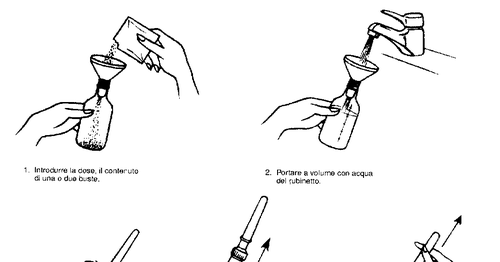
Asalex extemporaneous enemas can be prepared by using 1 or 2 sachets dissolved in a
volume of water varying from 50 to 100 ml depending on the ability to retain liquid in the intestine.
Preparation of the enema:
- introduce the prescribed dose of medicine (one or two sachets) into the graduated bottle contained in the Asalex package (see fig.1);
- bring to the desired volume with lukewarm or cold tap water (see fig.2);
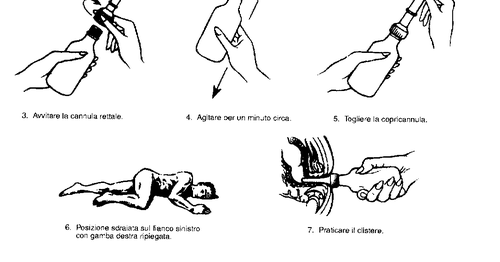
- screw the rectal cannula onto the bottle (see fig.3);
- shake for about a minute, to obtain a homogeneous suspension (see fig.4);
- the enema is now ready to be administered.
Method of administration:
- the intestine must be free of stools before applying the enema;
- remove the cannula cover (see fig.5);
- lie on your left side and bend your right leg (see fig.6);
- insert the cannula into the rectum in the direction of the navel (see fig.7);
- press the bottle until it is completely empty;
- remove the enema;
- remain lying down for at least 30 minutes, rotating your body onto your left and right sides in order to favor correct and widespread distribution of the medicine in the intestine;
- retain the liquid inside the intestine for as long as possible.
After administration:
- unscrew the cannula;
- dispose of the used cannula;
- rinse the used bottle and store it for other enemas with the remaining rectal cannulae attached.
If you use more Asalex than you should
In case of accidental use of a dose higher than that prescribed by your doctor
of Asalex, immediately inform your doctor or go to the nearest hospital.
If you forget to use Asalex
Do not use a double dose to make up for a missed dose.
If you stop using Asalex
If you have any doubts about the use of this medicine, consult your doctor or pharmacist.
4. Possible side effects
Like all medicines, this medicine can cause side effects, although not everyone will experience them or the risk of side effects.
Stop using Asalex and consult your doctor immediatelyif during treatment you should experience allergic reactions, with symptoms such as cramps and abdominal pain, bloody diarrhea, fever, severe headache and rash.
Discontinue treatment with mesalazine and consult your doctor immediatelyif you observe any of the following symptoms:
- reddish-purple blotches that do not raise the skin on the trunk, shaped like a target or circular, often with central blisters, skin exfoliation, ulcers in the mouth, throat, nose, genitals and eyes, widespread rash, fever and swollen lymph nodes. These severe skin rashes may be preceded by fever and flu-like symptoms.
The possible side effects are listed below according to frequency:
Common (may affect up to 1 in 10 people):
- nausea;
- diarrhea;
- tense abdomen;
- skin lesions (rashes);
- headache;
- high blood pressure (hypertension);
- weakness (asthenia);
- fever (pyrexia). Uncommon (may affect up to 1 in 100 people):
- abdominal pain;
- itching;
- drowsiness;
- tremors;
- increased heart rate (tachycardia);
- low blood pressure (hypotension);
- fatigue;
- facial swelling. Rare (may affect up to 1 in 1,000 people):
- dizziness;
- increased skin sensitivity to sunlight and ultraviolet light (photosensitivity);
- emission of gas from the intestine (flatulence);
- vomiting.
Very rare (may affect up to 1 in 10,000 people):
- decreased number of cells (leukopenia, neutropenia, thrombocytopenia, pancytopenia, agranulocytosis) in the blood;
- decreased amount of hemoglobin in the blood due to failure of the bone marrow to produce a type of cells (aplastic anemia);
- hair loss (alopecia);
- kidney disease (impaired renal function including acute and chronic interstitial nephritis and renal failure);
- muscle and joint pain (myalgia and arthralgia);
- allergic reactions (allergic rash, drug fever, lupus erythematosus syndrome, pancolitis);
- decreased number of sperm produced (oligospermia). This side effect is reversible;
- inflammation of the membrane lining the heart (pericarditis);
- inflammation of the heart muscle (myocarditis);
- allergic reactions and inflammation of the lungs (including difficulty breathing, cough, bronchospasm, alveolitis, pulmonary eosinophilia, lung infiltration, pneumonia);
- inflammation of the pancreas (pancreatitis, even acute);
- inflammation of the liver (hepatitis, cholestatic hepatitis);
- temporary changes in tests to assess liver function;
- gallstones (cholelithiasis);
- nerve disease that causes abnormalities in sensation and movement, including internal organs (peripheral neuropathy). Not known (frequency cannot be estimated from available data):
- swelling of the face, lips and throat caused by an allergic reaction (angioedema);
- kidney stones and associated kidney pain (see also section 2);
- severe or recurrent headache, vision disturbances, ringing or buzzing in the ears. These may be symptoms of increased pressure inside the skull (idiopathic intracranial hypertension).
Reporting of side effects
If you get any side effects, talk to your doctor or pharmacist. You can also report side effects directly through the national reporting system at https://www.aifa.gov.it/content/segnalazioni-reazioni-avverse”.
By reporting side effects you can help provide more information on the safety of this medicine.
5. How to store Asalex
Keep this medicine out of sight and reach of children.
Store at a temperature below 30°C.
Do not use this medicine after the expiry date which is stated on the pack after the word ‘Exp’.
The expiry date refers to the last day of that month. This date applies to the product in
intact packaging, correctly stored.
Do not dispose of any medicine in wastewater or household waste. Ask your pharmacist how to
dispose of medicines you no longer use. This will help protect the environment.
6. Contents of the pack and other information
What Asalex contains
- The active ingredient is: mesalazine (1.50 g per sachet)
- The other ingredients are: microcrystalline cellulose, povidone, simethicone.
Description of the appearance of Asalex and contents of the pack
Asalex is available in packs of 20 sachets of granules for rectal suspension, containing the
accessories for preparation and administration: 20 single-use rectal cannulae, a graduated
bottle and a funnel.
Marketing Authorisation Holder and Manufacturer
Marketing Authorisation Holder
CHIESI FARMACEUTICI S.p.A.
Via Palermo 26/A
Parma
Manufacturer
SOFAR S.p.A.,
Via Firenze 40
Trezzano Rosa (MI)

Zacząłeś przyjmować lek i masz pytania?
Omów swoje objawy i leczenie z lekarzem online.
- Kraj rejestracji
- Postać farmaceutycznaRectal suspension, 2 G
- Kod ATCA07EC02
- Substancja czynna
- Wymaga receptyNie
- Producent
- Te treści mają charakter wyłącznie informacyjny i nie zastępują konsultacji lekarskiej.
- Zamienniki ASALEXPostać farmaceutyczna: Enteric-coated tablet, 400 MGSubstancja czynna: mesalazineProducent: DICOFARM S.P.A.Wymaga receptyPostać farmaceutyczna: Enteric-coated tablet, 400 MGSubstancja czynna: mesalazineProducent: GIULIANI SPAWymaga receptyPostać farmaceutyczna: Enteric-coated tablet, 400 MGSubstancja czynna: mesalazineProducent: CA.DI. GROUP S.P.A.Wymaga recepty
Odpowiedniki ASALEX w innych krajach
Leki z tą samą substancją czynną dostępne w innych krajach.
Odpowiednik ASALEX w Hiszpania
Odpowiednik ASALEX w Polska
Odpowiednik ASALEX w Ukraina
Lekarze online w sprawie ASALEX
Omów stosowanie ASALEX, bezpieczeństwo i ocenę zasadności recepty zgodnie z obowiązującymi przepisami.









Uzyskaj receptę na ASALEX online
Wypełnij 2-minutowy formularz
Opisz swoje objawy, historię choroby i lek, o który prosisz.
Wybierz lekarza lub pozwól nam przydzielić
Wybierz specjalistę lub dopasujemy Cię do najbliższego dostępnego lekarza.
Lekarz analizuje Twój przypadek
Zazwyczaj w ciągu 30 minut. Może zadawać dodatkowe pytania przez czat.
Odbierz w dowolnej aptece
Recepta elektroniczna wysłana na Twój e-mail — ważna w całej Polsce.
Często zadawane pytania
ASALEX nie wymaga recepty w Włochy. Możesz skonsultować się z lekarzem online, aby sprawdzić, czy ten lek może być odpowiedni w Twojej sytuacji.
Substancją czynną w ASALEX jest mesalazine. Informacja ta pomaga rozpoznać leki o tym samym składzie, ale pod różnymi nazwami handlowymi.
ASALEX jest produkowany przez CHIESI FARMACEUTICI S.P.A.. Nazwy handlowe i opakowania mogą się różnić w zależności od dystrybutora.
Lekarze, tacy jak Lekarze rodzinni, Psychiatrzy, Dermatolodzy, Kardiolodzy, Endokrynolodzy, Gastroenterolodzy, Pulmonolodzy, Nefrolodzy, Reumatolodzy, Hematolodzy, Zakaźnicy, Alergolodzy, Geriatrzy, Pediatrzy, Onkolodzy, mogą ocenić, czy stosowanie ASALEX jest odpowiednie w Twoim przypadku, w zależności od sytuacji klinicznej i lokalnych przepisów. Możesz umówić konsultację online, aby omówić objawy i możliwe dalsze kroki.
Polska posiada dobrze rozwiniętą infrastrukturę ochrony zdrowia w dużych miastach, takich jak Warszawa, Kraków, Wrocław i Gdańsk. Apteki są łatwo dostępne i działają zgodnie z obowiązującymi przepisami, zapewniając dostęp do leków na receptę.
Możesz kupić ASALEX w Warszawie, Krakowie, Wrocławiu lub Gdańsku w każdej aptece, posiadając ważną receptę.
Aby uzyskać receptę, możesz skorzystać z Oladoctor:
Inne leki zawierające tę samą substancję czynną (mesalazine) to m.in. ARGONAL, ASAKOL, ASAMAX. Mogą one różnić się nazwą handlową lub postacią, ale zawierają ten sam składnik terapeutyczny. Przed zmianą lub rozpoczęciem nowego leku skonsultuj się z lekarzem.
