



ASACOL 400 mg Энтеросолюбильные Таблетки

Рассмотрение рецепта онлайн
Врач рассмотрит ваш случай и примет решение о назначении рецепта, если это медицински оправдано.

Поговорите с врачом об этом лекарстве
Обсудите симптомы и возможные дальнейшие шаги на онлайн-консультации.



Инструкция по применению ASAKOL
Содержание инструкции
- ASACOL 400 mg gastro-resistant tablets, 800 mg gastro-resistant tablets
- ASACOL 400 mg
- ASACOL 1 g suppositories, 500 mg suppositories
- ASACOL 2g/50 mL rectal suspension, 4g/50 mL rectal suspension, 4g/100 mL rectal suspension
- ASACOL 2 g
- ASACOL 1 g rectal foam, 2 g rectal foam, 4 g rectal foam
ASACOL 400 mg gastro-resistant tablets, 800 mg gastro-resistant tablets
mesalazine
Read this leaflet carefully before you start taking this medicine as it contains important
information for you.
- Keep this leaflet. You may need to read it again.
- If you have any questions, ask your doctor or pharmacist.
- This medicine has been prescribed for you only. Do not pass it on to others, even if their symptoms are the same as yours, as it could be harmful.
- If you get any side effects, even those not listed in this leaflet, tell your doctor or pharmacist. See section 4.
Contents of this leaflet:
- 1. What ASACOL is and what it is used for
- 2. What you need to know before you use ASACOL
- 3. How to use ASACOL
- 4. Possible side effects
- 5. How to store ASACOL
- 6. Contents of the pack and other information
1. What is ASACOL and what is it used for
ASACOL contains the active ingredient mesalazine, belonging to the category of anti-inflammatory
intestinal drugs.
This medicine is used in adults and children over 6 years of age for the treatment of ulcerative colitis
and Crohn's disease (long-lasting inflammatory bowel diseases) and unclassifiable chronic inflammatory
bowel disease (IBD).
The medicine is indicated both in the treatment of active phases of the disease and in the prevention of
relapses. In the active phase of severe degree, association with a corticosteroid medicine is recommended.
Contact your doctor if you do not feel better or if you feel worse after the prescribed treatment period.
2. What you need to know before using ASACOL
Do not use ASACOL
- If you are allergic to mesalazine, to other related medicines (such as salicylates), or to any of the other ingredients of this medicine (listed in section 6), particularly metabisulfites.
- If you have severe kidney problems (severe impairment of renal function, severe nephropathy), damage to the inner lining, mucosa, of the stomach or intestine (gastric or duodenal ulcer, active peptic ulcer).
- If you have severe impairment of liver function.
- If you have a predisposition to the development of bleeding (haemorrhagic diathesis).
- In children under the age of 2 years. In children under the age of 6 years, the doctor will assess the need for treatment with tablets (see section “Children”).
- In the last weeks of pregnancy and during breastfeeding (see section “Pregnancy and breastfeeding”).
Warnings and precautions
Talk to your doctor or pharmacist before using ASACOL.
If you experience severe or recurrent headache, vision disturbances, ringing or whistling in the ears, contact
your doctor immediately.
Avoid using the tablets in children under the age of 6 years.
Before starting treatment with ASACOL, you will need to undergo the necessary clinical investigations
to define the diagnosis and therapeutic indications.
Before and during treatment with ASACOL, at the doctor's discretion, blood and urine tests should be performed. The doctor will decide how often to repeat the tests.
Before starting treatment with ASACOL, tell your doctor if you have ever experienced allergic reactions to
medicines called sulfasalazine.
After stopping treatment and during inadequate maintenance treatment, a recurrence of the disease symptoms may occur.
Be particularly careful and tell your doctor if any of the following applies to you:
- If you have reduced kidney or liver function (of the liver).
- If you have known kidney dysfunction, the doctor will carefully assess the need for treatment with mesalazine. The doctor will assess kidney function for all patients before starting therapy, and periodically during treatment, especially in the presence of kidney diseases.
- If you have heart problems affecting the myocardium and pericardium (myocarditis or pericarditis).
- If you have lung problems (especially if you suffer from asthma).
- If you are being treated with one or more of the following medicines: oral hypoglycemic agents (medicines to lower blood sugar levels), diuretics (medicines to increase the amount of urine produced), coumarins (medicines to reduce blood clotting) and corticosteroids (medicines to treat inflammation).
- If you suffer from digestive problems (such as slow digestion) or if you suffer from a condition called “pyloric stenosis” (narrowing of the pylorus, i.e. the valve connecting the final part of the stomach to the duodenum causing an obstruction).
- If you have ever developed a severe rash or exfoliation of the skin, blisters and/or ulcers in the mouth after using mesalazine. Be particularly careful with mesalazine: severe skin reactions, including drug reaction with eosinophilia and systemic symptoms (DRESS), Stevens-Johnson syndrome (SJS) and toxic epidermal necrolysis (TEN) have been reported in association with treatment with mesalazine. Stop using mesalazine and consult your doctor immediately if you notice any of the symptoms related to these severe skin reactions described in section 4. Stop treatment (see also section “Possible side effects”) and inform your doctor:
- If, following treatment with ASACOL, you experience bleeding, bruising, red spots on the skin due to leakage of superficial blood vessels (purpura), decreased hemoglobin levels in the blood (anemia), fever or sore throat.
- In the case of suspected acute intolerance syndrome which can manifest with symptoms such as, cramps, acute abdominal pain and bloody diarrhea, sometimes fever, headache and erythema. Prolonged use of ASACOL may lead to sensitization phenomena.
The use of mesalazine may cause the formation of kidney stones. Symptoms may include pain in the sides
of the abdomen and blood in the urine. It is recommended to drink a sufficient amount of fluids during
treatment with mesalazine.
Mesalazine may cause a reddish-brown discoloration of the urine after contact with sodium hypochlorite
contained in bleach present in the toilet water. This is caused by a harmless chemical reaction that
occurs between mesalazine and bleach.
Children
ASACOL is contraindicated in children under the age of 2 years (see section “Do not use ASACOL”).
ASACOL is not recommended for use in children under the age of 6 years unless after careful
assessment by the doctor.
Other medicines and ASACOL
Tell your doctor or pharmacist if you are taking, have recently taken or might take any
other medicines.
Avoid the simultaneous administration of lactulose or other preparations that, by lowering the pH of the
colon, can hinder the release of mesalazine.
Use with caution the medicine together with:
- Sulfonylureas (used to treat diabetes) whose effect can be potentiated (reduction of blood sugar levels).
- Medicines to reduce blood clotting (anticoagulants belonging to the coumarin family such as warfarin).
- Methotrexate (medicine used in people with psoriasis, Crohn's disease, rheumatoid arthritis and in the treatment of some forms of cancer).
- Probenecid (medicine used to decrease the concentration of uric acid in the blood).
- Sulfinpyrazone (medicine used in the prevention following a heart attack).
- Spironolactone (potassium-sparing diuretic).
- Furosemide (diuretic medicine, which increases urine production, used in case of fluid retention).
- Rifampicin (antibiotic).
- Non-steroidal anti-inflammatory drugs (NSAIDs).
- Azathioprine (medicine with anti-inflammatory and immunosuppressive action).
- 6-mercaptopurine and thioguanine (medicines used for the treatment of blood cancers).
The use of ASACOL together with corticosteroids may potentiate the latter's side effects on the
stomach.
Pregnancy and breastfeeding
If you are pregnant, suspect you are pregnant or are planning to become pregnant, or if you are breastfeeding,
ask your doctor or pharmacist for advice before using this medicine.
If pregnancy is confirmed or suspected, take the medicine only if absolutely necessary and under
strict medical supervision.
Do not use ASACOL in the last weeks of pregnancy and during breastfeeding (see section “Do not use
ASACOL”).
ASACOL should be used during breastfeeding only if absolutely necessary and under strict
medical supervision. If the infant develops diarrhea, breastfeeding should be discontinued.
Driving and using machines
ASACOL does not alter or alters negligibly the ability to drive vehicles or operate machinery.
ASACOL contains sodium
This medicine contains less than 1 mmol (23 mg) of sodium per dose, i.e. essentially ‘sodium-free’.
3. How to use ASACOL
Use this medicine following the instructions of your doctor or pharmacist exactly. If you have doubts
consult your doctor or pharmacist.
The doctor will adjust the dosage based on the extent and severity of your condition.
In case of first-time treatment, it is advisable to gradually increase the dosage for a few days before
reaching the maximum dosage.
400 mg tablet: The recommended dose is 1-2 gastro-resistant tablets 3 times a day. The
dosage may be increased up to 10 tablets a day in patients with severe forms, according to the
doctor's judgment.
800 mg tablet: The recommended dose is 1 gastro-resistant tablet, 3 times a day. The
dosage may be increased up to 5 800 mg tablets a day in patients with severe forms, according to
the doctor's judgment.
Use in children and adolescents
ASACOL is contraindicated in children under 2 years of age. ASACOL is not recommended for use in
children under 6 years of age. The doctor, after careful evaluation, may decide to administer reduced
doses.
Children over 6 years:
- Active phase of the disease:the doctor will determine the correct dose on a case-by-case basis. The recommended average dose is 30-50 mg / kg per day in divided doses. Maximum dose: 75 mg / kg per day in divided doses. The total dose should not exceed 4 g per day (maximum dose in adults).
- Maintenance treatment:the doctor will determine the correct dose on a case-by-case basis. The recommended average dose is 15-30 mg / kg per day in divided doses. The total dose should not exceed 2 g per day (recommended dose in adults). Take the tablets whole, without breaking or chewing them, preferably with a glass of water and away from meals. The duration of treatment for active phases is on average 4-6 weeks and may vary, at the doctor's discretion, according to the patient's condition and the evolution of the disease. In long-term treatments to prevent relapses, the daily dosage and duration of treatment must be established by the doctor according to the patient's condition and the evolution of the disease. If you take more ASACOL than you shouldIn case of accidental intake of an excessive dose of the medicine, immediately inform your doctor or go to the nearest hospital. If you forget to take ASACOLDo not take a double dose to compensate for a missed dose, but resume the normal dosage as indicated. If you stop taking ASACOLAfter stopping treatment, a recurrence of symptoms may occur (see section “Warnings and precautions”). If you have any doubts about the use of this medicine, ask your doctor or pharmacist.
4. POSSIBLE SIDE EFFECTS
Like all medicines, this medicine can cause side effects, although not everybody gets them.
Serious side effects:
Stop taking mesalazine and contact your doctor immediately if you notice any of the
following symptoms:
Reddish, non-raised, target-shaped or circular patches on the trunk, often with central blisters,
skin peeling, ulcers in the mouth, throat, nose, genitals and eyes, widespread rash,
fever and swollen lymph nodes. These serious skin rashes may be preceded by fever and flu-like symptoms.
Immediately inform your doctor in case of severe or recurring headache, vision disturbances, ringing or whistling
in the ears. These could be symptoms of increased pressure inside the skull
(idiopathic intracranial hypertension).
If you notice any of the following side effects, stop treatment and contact your
doctor immediately:
- Allergic reactions (skin rashes, itching).
- Episodes of acute intestinal intolerance with abdominal pain.
- Presence of blood in watery stools (bloody diarrhea).
- Cramps.
- Headache.
- Fever.
- Rash.
While using ASACOL, the following side effects may occur:
Common (may affect up to 1 in 10 people):
- Headache.
- Rashes.
- Nausea.
- Diarrhea.
- Tense abdomen.
- High blood pressure (hypertension).
- General weakness (asthenia).
- Fever (pyrexia).
Not common (may affect up to 1 in 100 people):
- Itching.
- Pain in the upper abdomen.
- Presence of blood in watery stools (bloody diarrhea).
- Cramps and abdominal pains.
- Drowsiness.
- Tremor.
- Increased heart rate (tachycardia).
- Low blood pressure (hypotension).
- Fatigue.
- Facial swelling.
Rare (may affect up to 1 in 1,000 people):
- Increased skin sensitivity to sunlight and ultraviolet light (photosensitivity).
- Dizziness.
- Vomiting.
- Release of gas from the intestines (flatulence).
Very rare (may affect up to 1 in 10,000 people):
- Inflammatory diseases affecting the heart and the membrane surrounding it (pericarditis, myocarditis).
- Decreased number of white blood cells in the blood (leukopenia, neutropenia), decreased number of platelets in the blood (thrombocytopenia), a form of anemia characterized by insufficient production in the bone marrow of blood cells of all types (aplastic anemia, severe decrease in the number of blood cells called granulocytes (agranulocytosis), reduction in the number of all cells present in the blood (pancytopenia).
- Inflammation of the pancreas (pancreatitis, including acute).
- Inflammation of the liver (hepatitis, cholestatic hepatitis).
- Temporary changes in tests to assess liver function.
- Gallstones (cholelithiasis).
- Kidney inflammation (acute and chronic interstitial nephritis), pathology at the renal and urinary level (nephrotic syndrome) and reduced kidney function (renal insufficiency).
- Allergic and fibrotic lung reactions (including difficulty breathing, cough, bronchospasm, alveolitis).
- Inflammation of the lower respiratory tract (eosinophilic pneumonia), lung infiltration, inflammation at the interstitial lung tissue level (interstitial pneumonitis) and pneumonia.
- High fever (hyperpyrexia).
- Allergic reactions such as allergic rash (skin rash with the appearance of red spots and/or pustules, blisters, bubbles), drug fever, skin manifestations similar to those of lupus erythematosus (lupoid-like syndrome), inflammation of the colon (pancolitis).
- Decreased number of hairs and hairs in a circumscribed or widespread area (alopecia).
- Decreased number of sperm in semen (oligospermia).
- Abnormality or damage to nerves causing a sensation of numbness and tingling (peripheral neuropathy).
- Muscle pain (myalgia) and joint pain (arthralgia).
Not known (frequency cannot be estimated based on available data):
- Swelling of the skin, mucous membranes and submucosal tissues (angioedema).
- Kidney stones and associated kidney pain (see also paragraph 2).
Reporting of side effects
If you get any side effects, even those not listed in this leaflet, tell your
doctor or pharmacist. You can also report side effects directly through the national
reporting system at https://www.aifa.gov.it/content/segnalazioni-reazioni-avverse. By reporting
side effects you can help provide more information on the safety of this medicine.
5. HOW TO STORE ASACOL
Keep this medicine out of the sight and reach of children.
Do not use this medicine after the expiry date which is stated on the packaging after “Exp.”. The expiry
date refers to the last day of that month.
Do not store at a temperature above 30°C.
Do not use this medicine if you notice visible signs of deterioration.
Do not dispose of any medicine in waste water or household waste. Ask your pharmacist how to dispose of
medicines you no longer use. This will help protect the environment.
6. CONTENTS OF THE PACK AND OTHER INFORMATION
What ASACOL 400 mg gastro-resistant tablets contain
- The active ingredient is mesalazine (5-aminosalicylic acid, 5-ASA). Each tablet contains 400 mg of mesalazine.
- The other ingredients are: Mannitol, Povidone K30, Povidone K90, Sodium starch glycolate type A, Magnesium stearate, Talc, Colloidal anhydrous silica, Type B methacrylic acid copolymer, Triethyl citrate, Red iron oxide (E 172), Yellow iron oxide (E 172), Macrogol 6000. What ASACOL 800 mg gastro-resistant tablets contain
- The active ingredient is mesalazine (5-aminosalicylic acid, 5-ASA). Each tablet contains 800 mg of mesalazine.
- The other ingredients are: Mannitol, Povidone K30, Povidone K90, Sodium starch glycolate type A, Magnesium stearate, Talc, Colloidal anhydrous silica, Type B methacrylic acid copolymer, Triethyl citrate, Red iron oxide (E 172), Yellow iron oxide (E 172), Macrogol 6000. Description of the appearance of ASACOL and contents of the packASACOL is presented in the form of gastro-resistant tablets in blisters placed in a cardboard box
ASACOL is available in the following pack sizes:
- 30 gastro-resistant tablets of 400 mg, in blisters
- 60 gastro-resistant tablets of 400 mg, in blisters
- 24 gastro-resistant tablets of 800 mg, in blisters
- 60 gastro-resistant tablets of 800 mg, in blisters
- 96 gastro-resistant tablets of 800 mg, in blisters
Not all pack sizes may be marketed.
Marketing Authorisation Holder and Manufacturer
Marketing Authorisation Holder
GIULIANI S.p.A., via Palagi, n 2-20129, Milano.
Manufacturer
COSMO SpA, via C. Colombo n. 1, 20045 Lainate (MI).
ASACOL 400 mg
Hard capsules with modified release
mesalazine
Read this leaflet carefully before taking this medicine as it contains important
information for you.
- Keep this leaflet. You may need to read it again.
- If you have any questions, ask your doctor or pharmacist.
- This medicine has been prescribed for you only. Do not pass it on to others, even if they have the same symptoms as you, as it may be harmful.
- If you get any side effects, even those not listed in this leaflet, tell your doctor or pharmacist. See section 4.
Contents of this leaflet:
- 1. What ASACOL is and what it is used for
- 2. What you need to know before you use ASACOL
- 3. How to use ASACOL
- 4. Possible side effects
- 5. How to store ASACOL
- 6. Contents of the pack and other information
1. What is ASACOL and what is it used for
ASACOL contains the active ingredient mesalazine, belonging to the category of anti-inflammatory
intestinal drugs.
This medicine is used in adults and children over 2 years of age for the treatment of ulcerative colitis and
Crohn's disease (long-lasting inflammatory bowel diseases) and unclassifiable chronic inflammatory
bowel disease (IBD).
The medicine is indicated both in the treatment of active phases of the disease and in the prevention of
relapses. In the severe active phase, association with a corticosteroid medicine is recommended.
Contact your doctor if you do not feel better or if you feel worse after the prescribed treatment period.
2. What you need to know before using ASACOL
Do not use ASACOL
- If you are allergic to mesalazine, to other related medicines (such as salicylates), or to any of the other ingredients of this medicine (listed in section 6), in particular metabisulfites.
- If you have severe kidney problems (severe impairment of kidney function, severe nephropathy), damage to the inner lining, mucosa, of the stomach or intestine (gastric or duodenal ulcer, active peptic ulcer).
- If you have severe impairment of liver function.
- If you have a predisposition to the development of bleeding (haemorrhagic diathesis).
- In children under 2 years of age (see section “Children”).
- In the last few weeks of pregnancy and during breastfeeding (see section “Pregnancy and breastfeeding”).
Warnings and precautions
Talk to your doctor or pharmacist before using ASACOL.
If you experience severe or recurrent headache, vision disturbances, ringing or buzzing in the ears, contact
your doctor immediately.
Before starting treatment with ASACOL, you should undergo the clinical investigations necessary to
define the diagnosis and therapeutic indications.
Before and during treatment with ASACOL, at the doctor’s discretion, blood and urine tests should be performed. The doctor will decide how often to repeat the tests.
Before starting treatment with ASACOL, tell your doctor if you have ever experienced allergic reactions to
medicines called sulfasalazine.
After stopping treatment and during inadequate maintenance treatment, a recurrence of the disease symptoms may occur.
Take particular care and tell your doctor if any of the following applies to you:
- If you have reduced kidney or liver function (of the liver).
- If you have known kidney dysfunction, your doctor will carefully assess the need for treatment with mesalazine. The doctor will assess kidney function for all patients before starting therapy, and periodically during treatment, especially in the presence of kidney disease.
- If you have heart disease affecting the myocardium and pericardium (myocarditis or pericarditis).
- If you have lung problems (especially if you suffer from asthma).
- If you are being treated with one or more of the following medicines: oral hypoglycemic agents (medicines to lower blood sugar levels), diuretics (medicines to increase the amount of urine produced), coumarins (medicines to reduce blood clotting) and corticosteroids (medicines to treat inflammation).
- If you suffer from digestive problems (such as slow digestion) or if you suffer from a condition called “pyloric stenosis” (narrowing of the pylorus, i.e. the valve connecting the final part of the stomach to the duodenum causing an obstruction).
- If you have ever developed a severe skin rash or exfoliation of the skin, blisters and/or ulcers in the mouth after using mesalazine.
Take particular care with mesalazine:
Severe skin reactions, including drug reaction with eosinophilia and systemic symptoms (DRESS), Stevens-Johnson syndrome (SJS) and toxic epidermal necrolysis (TEN) have been reported in association with treatment with mesalazine. Stop using mesalazine and consult your doctor immediately if you notice any of the symptoms related to these severe skin reactions described in section 4.
Stop treatment (see also section “Possible side effects”) and tell your doctor:
- if, following treatment with ASACOL, you experience bleeding, bruising, red spots on the skin due to leakage of superficial blood vessels (purpura), decreased hemoglobin levels in the blood (anemia), fever or sore throat.
- In the case of suspected acute intolerance syndrome which can manifest with symptoms such as, cramps, acute abdominal pain and diarrhea with blood, sometimes fever, headache and erythema.
Prolonged use of ASACOL may lead to sensitization phenomena.
The use of mesalazine can cause the formation of kidney stones. Symptoms may include pain in the sides
of the abdomen and blood in the urine. It is recommended to drink sufficient fluids during
treatment with mesalazine.
Mesalazine can cause a red-brown discoloration of the urine after contact with sodium hypochlorite
contained in bleach present in the toilet water. This is caused by a harmless chemical reaction that
occurs between mesalazine and bleach.
Children
ASACOL is contraindicated in children under 2 years of age (see section “Do not use ASACOL”).
Other medicines and ASACOL
Tell your doctor or pharmacist if you are taking, have recently taken or might take any
other medicines.
Avoid the simultaneous administration of lactulose or other preparations that, by lowering the pH of the colon,
can hinder the release of mesalazine.
Use with caution the medicine together with:
- Sulfonylureas (used for the treatment of diabetes) whose hypoglycemic effect (reduction of blood sugar levels) may be potentiated.
- Medicines to reduce blood clotting (anticoagulants belonging to the coumarin family such as warfarin).
- Methotrexate (medicine used in patients with psoriasis, Crohn's disease, rheumatoid arthritis and in the treatment of some forms of cancer).
- Probenecid (medicine used to decrease the concentration of uric acid in the blood).
- Sulfinpyrazone (medicine used in prevention following a heart attack).
- Spironolactone (potassium-sparing diuretic).
- Furosemide (diuretic medicine, which increases urine production, used in case of fluid retention).
- Rifampicin (antibiotic).
- Non-steroidal anti-inflammatory drugs (NSAIDs).
- Azathioprine (medicine with anti-inflammatory and immunosuppressive action).
- 6-mercaptopurine and thioguanine (medicines used for the treatment of blood cancers).
The use of ASACOL together with corticosteroids may potentiate the undesirable effects of the latter on
the stomach.
Pregnancy and breastfeeding
If you are pregnant, suspect you are pregnant or are planning to become pregnant, ask your doctor or pharmacist for advice before taking this medicine. If pregnancy is confirmed or suspected, take the medicine only if absolutely necessary and under strict medical supervision.
Do not use ASACOL in the last few weeks of pregnancy and during breastfeeding (see section “Do not use
ASACOL”).
ASACOL should be used during breastfeeding only if absolutely necessary and under strict
medical supervision. If the infant develops diarrhea, breastfeeding should be discontinued.
Driving and operating machinery
ASACOL does not impair or impairs negligibly the ability to drive vehicles or operate machinery.
3. How to use ASACOL
Use this medicine following the instructions of your doctor or pharmacist exactly. If you have any doubts
consult your doctor or pharmacist.
The doctor will adjust the dosage based on the extent and severity of your condition.
In case of first-time treatment, it is advisable to gradually increase the dosage for a few days before
reaching the maximum dosage.
The recommended dose in adults is 1-2 modified-release capsules, 3 times a day.
In patients with severe forms, the dosage may be increased up to 10 capsules, at the doctor's discretion.
Use in children and adolescents
Children over 2 years: the dose will be proportionally reduced at the doctor's discretion.
Children from 6 years of age:
- Active phase of the disease:the doctor will determine the correct dose on a case-by-case basis. The average recommended dose is 30-50 mg / kg per day in divided doses. Maximum dose: 75 mg / kg per day in divided doses. The total dose should not exceed 4 g per day (maximum dose in adults).
- Maintenance treatment: the doctor will determine the correct dose on a case-by-case basis. The average recommended dose is 15-30 mg / kg per day in divided doses. The total dose should not exceed 2 g per day (recommended dose in adults).
Take the modified-release capsules whole, preferably with a glass of water and away from
meals. If you are unable to swallow the capsules whole, open the capsule and take all the
microgranules after dispersing them in an aqueous solution. Caution: do not chew the microgranules.
The duration of treatment for active phases is on average 4-6 weeks and may vary, at the doctor's discretion,
according to the patient's condition and the evolution of the disease.
In long-term treatments to prevent relapses, the daily dosage and duration of treatment
must be established by the doctor according to the patient's condition and the evolution of the disease.
If you use more ASACOL than you should
In case of accidental intake of an excessive dose of the medicine, immediately inform your doctor or
go to the nearest hospital.
If you forget to use ASACOL
Do not use a double dose to compensate for a missed dose, but resume the normal dosage of
intake as indicated.
If you stop using ASACOL
After stopping treatment, a recurrence of symptoms may occur (see section “Warnings
and precautions”).
If you have any doubts about the use of this medicine, consult your doctor or pharmacist.
4. Possible side effects
Like all medicines, this medicine can cause side effects, although not everybody gets them.
Serious side effects:
Stop taking mesalazine and contact your doctor immediately if you notice any of the
following symptoms:
reddish, non-raised, target-shaped or circular patches on the trunk, often with central blisters,
skin peeling, ulcers in the mouth, throat, nose, genitals and eyes, widespread rash,
fever and swollen lymph nodes. These serious skin rashes may be preceded by fever and flu-like symptoms.
Immediately inform your doctor in case of severe or recurrent headache, vision disturbances, ringing or buzzing
in the ears. These could be symptoms of increased pressure inside the skull
(idiopathic intracranial hypertension).
If you notice any of the following side effects, stop treatment and contact your
doctor immediately:
- Allergic reactions (skin rashes, itching).
- Episodes of acute intestinal intolerance with abdominal pain.
- Presence of blood in liquid stools (bloody diarrhea).
- Cramps.
- Headache.
- Fever.
- Rash.
During the use of ASACOL, the following side effects may occur:
Common (may affect up to 1 in 10 people):
- Headache.
- Rash.
- Nausea.
- Diarrhea.
- Tense abdomen.
- High blood pressure (hypertension).
- General weakness (asthenia).
- Fever (pyrexia).
Not common (may affect up to 1 in 100 people):
- Itching.
- Pain in the upper abdomen.
- Presence of blood in liquid stools (bloody diarrhea).
- Cramps and abdominal pain.
- Drowsiness.
- Tremor.
- Increased heart rate (tachycardia).
- Low blood pressure (hypotension).
- Fatigue.
- Facial swelling.
Rare (may affect up to 1 in 1,000 people):
- Increased skin sensitivity to sunlight and ultraviolet light (photosensitivity).
- Dizziness.
- Vomiting.
- Emission of gas from the intestine (flatulence).
Very rare (may affect up to 1 in 10,000 people):
- Inflammatory diseases affecting the heart and the membrane surrounding it (pericarditis, myocarditis).
- Decrease in the number of white blood cells in the blood (leukopenia, neutropenia), decrease in the number of platelets in the blood (thrombocytopenia), a form of anemia characterized by insufficient production in the bone marrow of blood cells of all types (aplastic anemia), severe decrease in the number of blood cells called granulocytes (agranulocytosis), reduction in the number of all cells present in the blood (pancytopenia).
- Inflammation of the pancreas (pancreatitis, including acute).
- Inflammation of the liver (hepatitis, cholestatic hepatitis).
- Temporary changes in tests to assess liver function.
- Gallstones (cholelithiasis).
- Kidney inflammation (impaired kidney function, acute and chronic interstitial nephritis), pathology at the renal and urinary level (nephrotic syndrome) and reduced kidney function (renal failure).
- Allergic and fibrotic lung reactions (including dyspnea, cough, bronchospasm, alveolitis).
- Inflammation of the lower respiratory tract (eosinophilic pneumonia), lung infiltration, inflammation at the interstitial lung tissue level (interstitial pneumonitis) and pneumonia.
- High fever (hyperpyrexia).
- Allergic reactions such as allergic rash (skin eruption with the appearance of red spots and/or pustules, blisters, bullae), drug fever, skin manifestations similar to those of lupus erythematosus (lupoid-like syndrome), inflammation of the colon (pancolitis).
- Decreased number of hairs and hair in a circumscribed or widespread area (alopecia).
- Decreased number of spermatozoa in seminal fluid (oligospermia).
- Abnormality or damage to nerves causing a sensation of numbness and tingling (peripheral neuropathy).
- Muscle pain (myalgia) and joint pain (arthralgia).
Not known (frequency cannot be estimated from available data):
- Swelling of the skin, mucous membranes and subcutaneous tissues (angioedema).
- Kidney stones and associated kidney pain (see also paragraph 2).
Reporting of side effects
If you get any side effects, talk to your doctor or pharmacist. This includes any possible side effects not listed in this leaflet. You can also report side effects directly through the national reporting system at https://www.aifa.gov.it/content/segnalazioni-reazioni-avverse.
By reporting side effects you can help provide more information on the safety of this medicine.
5. How to store ASACOL
Keep this medicine out of the sight and reach of children.
Store in the original packaging to protect the medicine from light.
Do not use this medicine after the expiry date which is stated on the packaging after “Scad.”. The expiry
date refers to the last day of that month.
Do not use this medicine if you notice visible signs of deterioration.
Do not dispose of any medicine in wastewater or household waste. Ask your pharmacist how to dispose of
medicines you no longer use. This will help protect the environment.
6. Contents of the pack and other information
What ASACOL 400 mg modified-release hard capsules contain
- The active ingredient is mesalazine (5-aminosalicylic acid, 5-ASA). Each capsule contains 400 mg of mesalazine.
- The other ingredients are: hypromellose, Methacrylic acid copolymer (methacrylic acid-methyl methacrylate copolymer 1:2), Triethyl citrate, Talc, Anhydrous colloidal silica, Gelatin, Red iron oxide (E172), Yellow iron oxide (E172), Titanium dioxide.
Description of the appearance of ASACOL and contents of the pack
ASACOL is presented in the form of modified-release hard capsules and is available in packs of 50
capsules of 400 mg, in blisters.
Marketing Authorisation Holder and Manufacturer
Marketing Authorisation Holder
GIULIANI S.p.A., via Palagi, n 2- 20129 Milano.
Manufacturer
COSMO S.p.A., via C. Colombo, n.1- 20045 Lainate Milano.

Не уверены, подходит ли вам это лекарство?
Обсудите симптомы и варианты лечения с врачом онлайн.
ASACOL 1 g suppositories, 500 mg suppositories
mesalazine
Read this leaflet carefully before using this medicine as it contains important
information for you.
- Keep this leaflet. You may need to read it again.
- If you have any questions, ask your doctor or pharmacist.
- This medicine has been prescribed for you only. Do not pass it on to others, even if they have the same symptoms as you, as it may be harmful.
- If you get any side effects, even those not listed in this leaflet, tell your doctor or pharmacist. See section 4.
Contents of this leaflet:
- 1. What ASACOL is and what it is used for
- 2. What you need to know before you use ASACOL
- 3. How to use ASACOL
- 4. Possible side effects
- 5. How to store ASACOL
- 6. Contents of the pack and other information
1. What ASACOL is and what it is used for
ASACOL contains the active ingredient mesalazine, belonging to the category of anti-inflammatory
intestinal medicines.
This medicine is used in adults and children over 2 years of age for the treatment of ulcerative colitis
(a long-lasting inflammatory bowel disease affecting the final parts of the intestine) located in the
rectal area.
The medicine is indicated both in the treatment of active phases of the disease and in the prevention of
relapses. In the active phase of severe degree, association with a corticosteroid medicine is recommended.
Contact your doctor if you do not feel better or if you feel worse after the prescribed treatment period.
2. What you need to know before using ASACOL
Do not use ASACOL
- If you are allergic to mesalazine, to other related medicines (such as salicylates), or to any of the other components of this medicine (listed in section 6), in particular metabisulfites.
- If you have severe kidney problems (severe impairment of kidney function, severe nephropathy), damage to the inner lining, mucosa, of the stomach or intestine (gastric or duodenal ulcer, active peptic ulcer).
- If you have severe impairment of liver function.
- If you have a predisposition to the development of bleeding (haemorrhagic diathesis).
- In children under 2 years of age (see section “Children”).
- In the last weeks of pregnancy and during breastfeeding (see section “Pregnancy and breastfeeding”).
Warnings and precautions
Consult your doctor or pharmacist before using ASACOL.
In case of severe or recurrent headache, vision disturbances, ringing or whistling in the ears, contact
your doctor immediately.
Before starting treatment with ASACOL, you will need to undergo the clinical investigations necessary to
define the diagnosis and therapeutic indications.
Before and during treatment with ASACOL, at the doctor’s discretion, blood and urine tests should be performed. Your doctor will decide how often to repeat the tests.
Before starting treatment with ASACOL, tell your doctor if you have ever experienced allergic reactions to
medicines called sulfasalazines.
After stopping treatment and during inadequate maintenance treatment, a recurrence of the disease symptoms may occur.
Pay particular attention and tell your doctor if any of the following applies to you:
- If you have reduced kidney or liver function (of the liver).
- If you have known kidney dysfunction, the doctor will carefully assess the need for treatment with mesalazine. The doctor will assess kidney function for all patients before starting therapy, and periodically during treatment, especially in the presence of kidney disease.
- If you have heart problems affecting the myocardium and pericardium (myocarditis or pericarditis).
- If you have lung problems (especially if you suffer from asthma).
- If you are being treated with one or more of the following medicines: oral hypoglycemic agents (medicines to lower blood sugar levels), diuretics (medicines to increase the amount of urine produced), coumarins (medicines to reduce blood clotting) and corticosteroids (medicines to treat inflammation).
- If you have ever developed a severe skin rash or exfoliation of the skin, blisters and/or ulcers in the mouth after using mesalazine. Pay particular attention with mesalazine: severe skin reactions, including drug reaction with eosinophilia and systemic symptoms (DRESS), Stevens-Johnson syndrome (SJS) and toxic epidermal necrolysis (TEN) have been reported in association with mesalazine treatment. Stop using mesalazine and consult your doctor immediately if you notice any of the symptoms related to these severe skin reactions described in section 4. Stop treatment (see also section “Possible side effects”) and inform your doctor:
- if, following treatment with ASACOL, you experience bleeding, bruising, red spots on the skin due to leakage of superficial blood vessels (purpura), decreased hemoglobin levels in the blood (anemia), fever or sore throat.
- In the case of suspected acute intolerance syndrome which can manifest with symptoms such as, cramps, acute abdominal pain and bloody diarrhoea, sometimes fever, headache and erythema. Prolonged use of ASACOL may give rise to sensitization phenomena. The use of mesalazine can cause the formation of kidney stones. Symptoms may include pain in the sides of the abdomen and blood in the urine. It is recommended to drink a sufficient amount of fluids during treatment with mesalazine.
Mesalazine can cause a red-brown discoloration of the urine after contact with sodium hypochlorite
contained in bleach present in the toilet water. This is caused by a harmless chemical reaction that
occurs between mesalazine and bleach.
Children
ASACOL is contraindicated in children under 2 years of age (see section “Do not use ASACOL”).
Other medicines and ASACOL
Tell your doctor or pharmacist if you are taking, have recently taken or might take any other
medicines.
Use with caution the medicine together with:
- Sulfonylureas (used to treat diabetes) whose effect on blood sugar reduction may be potentiated.
- Medicines to reduce blood clotting (anticoagulants belonging to the coumarin family such as warfarin).
- Methotrexate (medicine used in people with psoriasis, Crohn's disease, rheumatoid arthritis and in the treatment of some forms of cancer).
- Probenecid (medicine used to decrease the concentration of uric acid in the blood).
- Sulfinpyrazone (medicine used in prevention following a heart attack).
- Spironolactone (potassium-sparing diuretic).
- Furosemide (diuretic medicine, which increases urine production, used in case of fluid retention).
- Rifampicin (antibiotic).
- Non-steroidal anti-inflammatory drugs (NSAIDs)
- Azathioprine (drug with anti-inflammatory and immunosuppressive action),
- 6-mercaptopurine and thioguanine (medicines used for the treatment of blood cancers).
The use of ASACOL together with corticosteroids may potentiate the latter’s side effects on the
stomach.
Pregnancy and breastfeeding
If you are pregnant, suspect you are pregnant or are planning to become pregnant, or if you are breastfeeding,
ask your doctor or pharmacist for advice before using this medicine. If pregnancy is confirmed or
suspected, take the medicine only if absolutely necessary and under strict medical supervision.
Do not use ASACOL in the last weeks of pregnancy and during breastfeeding (see section “Do not use
ASACOL”).
ASACOL should be used during breastfeeding only if absolutely necessary and under strict
medical supervision. If the newborn develops diarrhoea, breastfeeding should be discontinued.
Driving and operating machinery
ASACOL does not alter or negligibly alters the ability to drive vehicles or operate machinery.
3. How to use ASACOL
Use this medicine following exactly the instructions of your doctor or pharmacist. If you have any doubts
consult your doctor or pharmacist.
The doctor will adjust the dosage based on the extent and severity of your condition.
The average recommended dose in adults is 1 suppository of 1 g per day or 3 suppositories of 500 mg per day,
divided into 2-3 administrations rectally.
Use in children and adolescents
Children over 2 years: the dose will be proportionally reduced at the doctor's discretion.
To obtain a better therapeutic effect it is important to retain the suppository for at least 30 minutes, preferably
if you retain it for longer periods (e.g. all night long).
The duration of treatment for active phases is on average 4-6 weeks and may vary, at the doctor's discretion,
according to the patient's condition and the evolution of the disease.
In long-term treatments to prevent relapses, the daily dosage and the duration of treatment
must be established by the doctor according to the patient's condition or the evolution of the disease.
If you use more ASACOL than you should
No cases of overdose following rectal administrations are known.
If you forget to use ASACOL
Do not use a double dose to compensate for a missed dose, but resume the normal dosage of
administration as indicated.
If you stop using ASACOL
After stopping treatment, a recurrence of symptoms may occur (see paragraph “Warnings
and precautions”).
If you have any doubts about the use of this medicine, ask your doctor or pharmacist.
4. Possible side effects
Like all medicines, this medicine can cause side effects, although not everybody gets them.
Serious side effects:
Stop taking mesalazine and contact your doctor immediately if you experience any of the
following symptoms:
reddish, non-raised patches on the trunk, target-shaped or circular, often with central blisters,
skin peeling, ulcers in the mouth, throat, nose, genitals and eyes, widespread rash,
fever and swollen lymph nodes. These serious skin rashes may be preceded by fever and flu-like symptoms.
Inform your doctor immediately in case of severe or recurrent headache, vision disturbances, ringing or whistling
in the ears. These could be symptoms of increased pressure inside the skull
(idiopathic intracranial hypertension).
If you notice any of the following side effects, stop treatment and contact your
doctor immediately:
- Allergic reactions (skin rashes, itching).
- Episodes of acute intestinal intolerance with abdominal pain.
- Presence of blood in watery stools (bloody diarrhea).
- Cramps.
- Headache.
- Fever.
- Rash.
During the use of ASACOL, the following side effects may occur:
Common (may affect up to 1 in 10 people):
- Headache.
- Rash.
- Nausea.
- Diarrhea.
- Tense abdomen.
- High blood pressure (hypertension).
- General weakness (asthenia).
- Fever (pyrexia).
Not common (may affect up to 1 in 100 people):
- Itching.
- Pain in the upper abdomen.
- Presence of blood in watery stools (bloody diarrhea).
- Cramps and abdominal pain.
- Drowsiness.
- Tremor.
- Increased heart rate (tachycardia).
- Low blood pressure (hypotension).
- Fatigue.
- Facial swelling.
Rare (may affect up to 1 in 1,000 people):
- Increased skin sensitivity to sunlight and ultraviolet light (photosensitivity).
- Dizziness.
- Vomiting.
- Emission of gas from the intestine (flatulence).
Very rare (may affect up to 1 in 10,000 people):
- Inflammatory diseases affecting the heart and the membrane surrounding it (pericarditis, myocarditis).
- Decreased number of white blood cells in the blood (leukopenia, neutropenia), decreased number of platelets in the blood (thrombocytopenia), a form of anemia characterized by insufficient production in the bone marrow of all types of blood cells (aplastic anemia), severe decrease in the number of blood cells called granulocytes (agranulocytosis), reduction in the number of all cells present in the blood (pancytopenia).
- Inflammation of the pancreas (pancreatitis, including acute).
- Inflammation of the liver (hepatitis, cholestatic hepatitis).
- Temporary changes in tests to assess liver function.
- Gallstones (cholelithiasis).
- Kidney inflammation (impaired kidney function, acute and chronic interstitial nephritis), pathology at the renal and urinary level (nephrotic syndrome) and reduced kidney function (renal insufficiency).
- Allergic and fibrotic lung reactions (including difficulty breathing, cough, bronchospasm, alveolitis).
- Inflammation of the lower respiratory tract (eosinophilic pneumonia), lung infiltration, inflammation at the interstitial lung tissue level (interstitial pneumonitis) and pneumonia.
- High fever (hyperpyrexia).
- Allergic reactions such as allergic rash (skin rash with the appearance of red spots and/or pustules, blisters, bubbles), drug fever, skin manifestations similar to those of lupus erythematosus (lupoid-like syndrome), inflammation of the colon (pancolitis).
- Decreased number of hair and hairs in a circumscribed or widespread area (alopecia).
- Decreased number of sperm in seminal fluid (oligospermia).
- Abnormality or damage to nerves causing a sensation of numbness and tingling (peripheral neuropathy).
- Muscle pain (myalgia) and joint pain (arthralgia).
Not known (frequency cannot be estimated based on available data):
- Swelling of the skin, mucous membranes and submucosal tissues (angioedema).
- Kidney stones and associated kidney pain (see also paragraph 2).
Reporting of side effects
If you get any side effects, talk to your doctor or pharmacist. This includes any side effects not listed in this leaflet. You can also report side effects directly through the national
reporting system at: https://www.aifa.gov.it/content/segnalazioni-reazioni-avverse.
By reporting side effects you can help provide more information on the safety of this
medicine.
5. HOW TO STORE ASACOL
Keep this medicine out of the sight and reach of children.
Do not use this medicine after the expiry date which is stated on the packaging after “Scad.”. The expiry date
refers to the last day of that month.
Do not store at a temperature above 30°C.
Do not use this medicine if you notice visible signs of deterioration.
Do not dispose of any medicine in waste water or household waste. Ask your pharmacist how to dispose of
medicines you no longer use. This will help protect the environment.
6. Contents of the pack and other information
What ASACOL 1g suppositories contain
- The active ingredient is mesalazine (5-aminosalicylic acid, 5-ASA). Each suppository contains 1 g of mesalazine.
- The other ingredients are: Solid semi-synthetic glycerides (with vegetable lecithin).
What ASACOL 500 mg suppositories contain
- The active ingredient is mesalazine (5-aminosalicylic acid, 5-ASA). Each suppository contains 500 mg of mesalazine.
- The other ingredients are: Solid semi-synthetic glycerides (with vegetable lecithin).
Description of the appearance of ASACOL and contents of the pack
ASACOL is presented in the form of suppositories. The suppositories are contained in pre-formed blisters made of
ASACOL is available in the following pack sizes:
28 suppositories of 1 g
10 suppositories of 500 mg
20 suppositories of 500 mg.
Marketing Authorisation Holder and Manufacturer
Marketing Authorisation Holder
GIULIANI S.p.A., via Palagi, n 2- 20129 Milano.
Manufacturer
COSMO S.p.A., via C. Colombo, n.1-20045, Lainate Milano.
ASACOL 2g/50 mL rectal suspension, 4g/50 mL rectal suspension, 4g/100 mL rectal suspension
mesalazine
Read this leaflet carefully before you use this medicine because it contains important
information for you.
- Keep this leaflet. You may need to read it again.
- If you have any questions, ask your doctor or pharmacist.
- This medicine has been prescribed for you only. Do not pass it on to others, even if they have the same symptoms as you, as it may be harmful.
- If you get any side effects, even those not listed in this leaflet, tell your doctor or pharmacist. See section 4.
Contents of this leaflet:
- 1. What ASACOL is and what it is used for
- 2. What you need to know before you use ASACOL
- 3. How to use ASACOL
- 4. Possible side effects
- 5. How to store ASACOL
- 6. Contents of the pack and other information
1. What is ASACOL and what is it used for
ASACOL contains the active ingredient mesalazine, belonging to the category of anti-inflammatory
intestinal drugs.
This medicine is used for the treatment in adults and children over 2 years of age of ulcerative colitis
(a long-lasting inflammatory bowel disease affecting the final parts of the intestine) localized to the
recto-sigmoid level.
The medicine is indicated both in the treatment of the active phases of the disease and in the prevention of
relapses. In the severe active phase, association with a corticosteroid medicine is recommended.
Contact your doctor if you do not feel better or if you feel worse after the prescribed treatment period.
2. What you need to know before using ASACOL
Do not use ASACOL
- If you are allergic to mesalazine, to other related medicines (such as salicylates), or to any of the other components of this medicine (listed in section 6), in particular metabisulfites.
- If you have severe kidney problems (severe impairment of kidney function, severe nephropathy), damage to the inner lining, mucosa, of the stomach or intestine (gastric or duodenal ulcer, active peptic ulcer).
- If you have severe impairment of liver function.
- If you have a predisposition to the development of bleeding (haemorrhagic diathesis).
- In children under 2 years of age (see section “Children”).
- In the last weeks of pregnancy and during breastfeeding (see section “Pregnancy and breastfeeding”).
Warnings and precautions
Talk to your doctor or pharmacist before using ASACOL.
If you experience severe or recurrent headache, vision disturbances, ringing or whistling in the ears, contact
your doctor immediately.
Before starting treatment with ASACOL, you will need to undergo the clinical investigations necessary to
define the diagnosis and therapeutic indications.
Before and during treatment with ASACOL, at the doctor's discretion, blood and urine tests should be performed. The doctor will decide how often to repeat the tests.
Before starting treatment with ASACOL, tell your doctor if you have ever experienced allergic reactions to
medicines called sulfasalazine.
After stopping treatment and during inadequate maintenance treatment, a recurrence of the disease symptoms may occur.
Take particular care and tell your doctor if any of the following applies to you:
- If you have reduced kidney or liver (liver) function.
- If you have known kidney dysfunction, the doctor will carefully assess the need for treatment with mesalazine. The doctor will assess kidney function for all patients before starting therapy, and periodically during treatment, especially in the presence of kidney diseases.
- If you have heart problems affecting the myocardium and pericardium (myocarditis or pericarditis).
- If you have lung problems (especially if you suffer from asthma).
- If you are being treated with one or more of the following medicines: oral hypoglycemic agents (medicines to lower blood sugar levels), diuretics (medicines to increase the amount of urine produced), coumarins (medicines to reduce blood clotting) and corticosteroids (medicines to treat inflammation).
- If you have ever developed a severe skin rash or skin exfoliation, blisters and/or mouth ulcers after using mesalazine.
Take particular care with mesalazine:
Severe skin reactions, including drug reaction with eosinophilia and systemic symptoms (DRESS), Stevens-Johnson syndrome (SJS) and toxic epidermal necrolysis (TEN) have been reported in association with treatment with mesalazine. Stop using mesalazine and consult your doctor immediately if you notice
any of the symptoms related to these severe skin reactions described in section 4.
Stop treatment (see also section “Possible side effects”) and tell your doctor:
- If, following treatment with ASACOL, you experience bleeding, bruising, red spots on the skin due to leakage of superficial blood vessels (purpura), decreased hemoglobin levels in the blood (anemia), fever or sore throat.
- In the case of suspected acute intolerance syndrome, which can manifest with symptoms such as, cramps, acute abdominal pain and diarrhea with blood, sometimes fever, headache and erythema. Prolonged use of ASACOL can lead to sensitization phenomena. The use of mesalazine can cause the formation of kidney stones. Symptoms may include pain in the sides of the abdomen and blood in the urine. It is recommended to drink a sufficient amount of fluids during treatment with mesalazine.
Mesalazine can cause a red-brown discoloration of the urine after contact with sodium hypochlorite
contained in bleach present in the toilet water. This is caused by a harmless chemical reaction that
occurs between mesalazine and bleach.
Children
ASACOL is contraindicated in children under 2 years of age (see section “Do not use ASACOL”).
Other medicines and ASACOL
Tell your doctor or pharmacist if you are taking, have recently taken or might take any
other medicines.
Use with caution the medicine together with:
- Sulfonylureas (used for the treatment of diabetes) whose hypoglycemic effect (reduction of blood sugar levels) may be potentiated.
- Medicines to reduce blood clotting (anticoagulants belonging to the coumarin family such as warfarin).
- Methotrexate (medicine used in people affected by psoriasis, Crohn's disease, rheumatoid arthritis and in the treatment of some forms of cancer).
- Probenecid (medicine used to decrease the concentration of uric acid in the blood).
- Sulfinpyrazone (medicine used in the prevention following a heart attack).
- Spironolactone (potassium-sparing diuretic).
- Furosemide (diuretic medicine, which increases urine production, used in case of fluid retention).
- Rifampicin (antibiotic).
- Non-steroidal anti-inflammatory drugs (NSAIDs).
- Azathioprine (drug with anti-inflammatory and immunosuppressive action).
- 6-mercaptopurine and thioguanine (medicines used for the treatment of blood cancers). The use of ASACOL together with corticosteroids, may potentiate the undesirable effects of the latter on the stomach. Pregnancy and breastfeedingIf you are pregnant, suspect you are pregnant or are planning to become pregnant, or if you are breastfeeding, ask your doctor or pharmacist for advice before using this medicine. If pregnancy is confirmed or suspected, take the medicine only if absolutely necessary and under strict medical supervision. Do not use ASACOL in the last weeks of pregnancy and during breastfeeding (see section “Do not use ASACOL”). ASACOL should be used during breastfeeding only if absolutely necessary and under strict medical supervision. If the newborn develops diarrhea, breastfeeding should be discontinued. Driving and operating machineryASACOL does not alter or negligibly alters the ability to drive vehicles or operate machinery. ASACOL 2g/50 mL rectal suspension contains sodium benzoate. This medicine contains 190 mg of sodium benzoate per dose, equivalent to a single-dose container. Sodium benzoate can cause local irritation.
ASACOL 4 g/50 mL rectal suspension contains sodium benzoate.
This medicine contains 190 mg of sodium benzoate per dose, equivalent to a single-dose container.
Sodium benzoate can cause local irritation.
ASACOL 4g/100 mL rectal suspension contains sodium benzoate.
This medicine contains 380 mg of sodium benzoate per dose, equivalent to a single-dose container.
Sodium benzoate can cause local irritation.
ASACOL contains potassium metabisulfite
Rarely it can cause severe hypersensitivity reactions and bronchospasm.
3. How to use ASACOL
Use this medicine following the instructions of your doctor or pharmacist exactly. If you have any doubts
consult your doctor or pharmacist.
The doctor will adjust the dosage based on the extent and severity of your condition.
The average recommended dose in adults is 1 dose of 2 g of mesalazine in 50 mL 1-2 times a day, morning
and/or evening before bedtime, or 1 dose of 4 g of mesalazine in 50 mL or 1 dose of 4 g in 100 mL, 1 time
a day, preferably in the evening before bedtime.
Use in children and adolescents
Children over 2 years: the dose will be proportionally reduced at the doctor's discretion.
For application, proceed as follows:
- 1) Shake the rectal suspension well before use to obtain a homogeneous suspension.
- 2) Break the cap with light pressure and insert the rectal cannula attached to the plastic container.
- 3) Lie on your left side keeping your left leg straight and bending your right leg.
- 4) Insert the cannula into the anal opening, gently pushing it all the way in.
- 5) Press the container with gradual and constant pressure until the contents are completely expelled. After introducing the preparation, turn over onto both sides several times to facilitate better drug distribution and remain lying down for at least 30 minutes. Better efficacy of the product is obtained by retaining the drug for as long as possible or, better still, leaving it in place all night. Therefore, it is preferable that at least one of the daily applications is performed before bedtime. The duration of treatment for active phases is on average 4-6 weeks and may vary, at the doctor's discretion, according to the patient's condition and the evolution of the disease. In long-term treatments to prevent relapses, the daily dosage and duration of treatment must be established by the doctor according to the patient's condition or the evolution of the disease.
If you use more ASACOL than you should
No cases of overdose following rectal administrations are known.
If you forget to use ASACOL
Do not use a double dose to make up for a missed dose, but resume the normal dosage of
intake as indicated.
If you stop using ASACOL
After stopping treatment, a recurrence of symptoms may occur (see section “Warnings
and precautions”).
If you have any doubts about the use of this medicine, ask your doctor or pharmacist.
4. Possible side effects
Like all medicines, this can cause side effects, although not everybody gets them.
Serious side effects:
Stop taking mesalazine and contact your doctor immediately if you experience any of the
following symptoms:
reddish, non-raised, target-shaped or circular patches on the trunk, often with central blisters,
skin peeling, ulcers in the mouth, throat, nose, genitals and eyes, widespread rash,
fever and swollen lymph nodes. These serious skin rashes may be preceded by fever and flu-like symptoms.
Inform your doctor immediately in case of severe or recurrent headache, vision disturbances, ringing or buzzing
in the ears. These could be symptoms of increased pressure inside the skull
(idiopathic intracranial hypertension).
If you notice any of the following side effects, stop treatment and contact your
doctor immediately:
- Allergic reactions (skin rashes, itching).
- Episodes of acute intestinal intolerance with abdominal pain.
- Presence of blood in liquid stools (bloody diarrhea).
- Cramps.
- Headache.
- Fever.
- Rash.
During the use of ASACOL, the following side effects may occur:
Common (may affect up to 1 in 10 people):
- Headache.
- Rash.
- Nausea.
- Diarrhea.
- Tense abdomen.
- High blood pressure (hypertension).
- General weakness (asthenia).
- Fever (pyrexia).
Uncommon (may affect up to 1 in 100 people):
- Itching.
- Pain in the upper abdomen.
- Presence of blood in liquid stools (bloody diarrhea).
- Cramps and abdominal pain.
- Drowsiness.
- Tremor.
- Increased heart rate (tachycardia).
- Low blood pressure (hypotension).
- Fatigue.
- Facial swelling.
Rare (may affect up to 1 in 1,000 people):
- Increased skin sensitivity to sunlight and ultraviolet light (photosensitivity).
- Dizziness.
- Vomiting.
- Emission of gas from the intestines (flatulence).
Very rare (may affect up to 1 in 10,000 people):
- Inflammatory diseases affecting the heart and the membrane surrounding it (pericarditis, myocarditis).
- Decreased number of white blood cells in the blood (leukopenia, neutropenia), decreased number of platelets in the blood (thrombocytopenia), a form of anemia characterized by insufficient production in the bone marrow of blood cells of all types (aplastic anemia), severe decrease in the number of blood cells called granulocytes (agranulocytosis), reduction in the number of all cells present in the blood (pancytopenia).
- Inflammation of the pancreas (pancreatitis, including acute).
- Inflammation of the liver (hepatitis, cholestatic hepatitis).
- Temporary changes in tests to assess liver function.
- Gallstones (cholelithiasis).
- Kidney inflammation (impaired kidney function, acute and chronic interstitial nephritis), pathology at the renal and urinary level (nephrotic syndrome) and reduced kidney function (renal insufficiency).
- Allergic and fibrotic lung reactions (including difficulty breathing, cough, bronchospasm, alveolitis).
- Inflammation of the lower respiratory tract (eosinophilic pneumonia), lung infiltration, inflammation at the interstitial lung tissue level (interstitial pneumonitis) and pneumonia.
- High fever (hyperpyrexia).
- Allergic reactions such as allergic rash (skin rash with the appearance of red spots and/or pustules, blisters, bubbles), drug fever, skin manifestations similar to those of lupus erythematosus (lupoid-like syndrome), inflammation of the colon (pancolitis).
- Decreased number of hair and hairs in a circumscribed or widespread area (alopecia).
- Decreased number of sperm in the seminal fluid (oligospermia).
- Abnormality or damage to the nerves causing a sensation of numbness and tingling (peripheral neuropathy)
- Muscle pain (myalgia) and joint pain (arthralgia).
Not known (frequency cannot be estimated from available data):
- Swelling of the skin, mucous membranes and submucosal tissues (angioedema).
- Kidney stones and associated kidney pain (see also paragraph 2).
Reporting of side effects
If you get any side effects, even those not listed in this leaflet, tell your
doctor or pharmacist. You can also report side effects directly through the national
reporting system at: https://www.aifa.gov.it/content/segnalazioni-reazioni-avverse.
By reporting side effects you can help provide more information on the safety of this
medicine.
5. How to store ASACOL
Keep this medicine out of the sight and reach of children.
Do not use this medicine after the expiry date which is stated on the packaging after “Exp.”. The expiry date refers to the last day of that month.
Do not use this medicine if you notice visible signs of deterioration (for example, encrustations or loss of the
contents).
Do not dispose of any medicine in wastewater or household waste. Ask your pharmacist how to eliminate
medicines that you no longer use. This will help protect the environment.
6. Package Contents and Other Information
What ASACOL 2 g/50 mL rectal suspension contains
- The active ingredient is mesalazine (5-aminosalicylic acid, 5-ASA). Each single-dose container of 50 mL contains 2 g of mesalazine.
- The other ingredients are: Colloidal silica, Povidone, Methylcellulose, Sodium benzoate, Potassium metabisulfite, Phosphoric acid, Water.
What ASACOL 4 g/50 mL rectal suspension contains
- The active ingredient is mesalazine (5-aminosalicylic acid, 5-ASA). Each single-dose container of 50 mL contains 4 g of mesalazine.
- The other ingredients are: Colloidal silica, Povidone, Methylcellulose, Sodium benzoate, Potassium metabisulfite, Phosphoric acid, Water.
What ASACOL 4 g/100 mL rectal suspension contains
- The active ingredient is mesalazine (5-aminosalicylic acid, 5-ASA). Each single-dose container of 100 mL contains 4 g of mesalazine.
- The other ingredients are: Colloidal silica, Povidone, Methylcellulose, Sodium benzoate, Potassium metabisulfite, Phosphoric acid, Water.
Description of the appearance of ASACOL and package contents
ASACOL is available as a rectal suspension and is available in the following packages:
- Rectal suspension 2g/50 mL - 7 single-dose containers of 50 ml with 7 applicators for rectal use.
- Rectal suspension 4g/50 mL - 7 single-dose containers of 50 ml with 7 applicators for rectal use.
- Rectal suspension 4g/100mL - 7 single-dose containers of 100 ml with 7 applicators for rectal use.
Marketing Authorisation Holder and Manufacturer
Marketing Authorisation Holder
GIULIANI S.p.A., via Palagi n. 2, 20129 Milano.
Manufacturer
ZETA FARMACEUTICI S.p.A., via Galvani n. 10, 36066 Sandrigo (VI)
LABORATORIO CHIMICO FARMACEUTICO A. SELLA S.r.l., via Vicenza n. 67, 36015 Schio (VI)

Уже начали прием и появились вопросы?
Обсудите свое состояние и дальнейшие шаги с врачом онлайн.
ASACOL 2 g
Granules for rectal suspension
mesalazine
Read this leaflet carefully before using this medicine as it contains important
information for you.
- Keep this leaflet. You may need to read it again.
- If you have any questions, ask your doctor or pharmacist.
- This medicine has been prescribed for you only. Do not pass it on to others, even if they have the same symptoms as you, as it could be harmful.
- If you get any side effects, even those not listed in this leaflet, tell your doctor or pharmacist. See section 4.
Contents of this leaflet:
- 1. What ASACOL is and what it is used for
- 2. What you need to know before you use ASACOL
- 3. How to use ASACOL
- 4. Possible side effects
- 5. How to store ASACOL
- 6. Contents of the pack and other information
1. What is ASACOL and what is it used for
ASACOL contains the active ingredient mesalazine, belonging to the category of anti-inflammatory
intestinal medicines.
This medicine is used for the treatment in adults and children over 2 years of age of ulcerative colitis
(a long-lasting inflammatory bowel disease affecting the final parts of the intestine) localized to the
rectosigmoid level.
This medicine is indicated both in the treatment of active phases of the disease and in the prevention of
relapses. In the severe active phase, association with a corticosteroid medicine is recommended.
Consult your doctor if you do not feel better or if you feel worse after the prescribed treatment period.
2. What you need to know before using ASACOL
Do not use ASACOL
- If you are allergic to mesalazine, to other related medicines (such as salicylates), or to any of the other components of this medicine (listed in section 6), in particular to metabisulfites.
- If you have severe kidney problems (severe impairment of kidney function, severe nephropathy), damage to the inner lining, mucosa, of the stomach or intestine (gastric or duodenal ulcer, active peptic ulcer).
- If you have severe impairment of liver function.
- If you have a predisposition to the development of bleeding (haemorrhagic diathesis).
- In children under the age of 2 years (see section “Children”).
- In the last weeks of pregnancy and during breastfeeding (see section “Pregnancy and breastfeeding”).
Warnings and precautions
Talk to your doctor or pharmacist before using ASACOL.
In case of severe or recurrent headache, visual disturbances, ringing or buzzing in the ears, contact
your doctor immediately.
Before starting treatment with ASACOL, you will need to undergo the clinical investigations necessary to
define the diagnosis and therapeutic indications.
Before and during treatment with ASACOL, at the doctor's discretion, blood and urine tests must be performed. Your doctor will decide how often to repeat the tests.
Before starting treatment with ASACOL, tell your doctor if you have ever experienced allergic reactions to
medicines called sulfasalazine.
After stopping treatment and during inadequate maintenance treatment, a recurrence of the disease symptoms may occur.
Be particularly careful and tell your doctor if any of the following applies to you:
- If you have reduced kidney or liver (liver) function.
- If you have known kidney dysfunction, the doctor will carefully assess the need for treatment with mesalazine. The doctor will assess kidney function for all patients before starting therapy, and periodically during treatment, especially in the presence of kidney diseases.
- If you have heart problems affecting the myocardium and pericardium (myocarditis or pericarditis).
- If you have lung problems (especially if you suffer from asthma).
- If you are being treated with one or more of the following medicines: oral hypoglycemic agents (medicines to lower blood sugar levels), diuretics (medicines to increase the amount of urine produced), coumarins (medicines to reduce blood clotting) and corticosteroids (medicines to treat inflammation).
- If you have ever developed a severe skin rash or exfoliation of the skin, blisters and/or mouth ulcers after using mesalazine.
Be particularly careful with mesalazine:
Serious skin reactions, including drug reaction with eosinophilia and systemic symptoms (DRESS), Stevens-Johnson syndrome (SJS) and
toxic epidermal necrolysis (TEN), have been reported in association with treatment with mesalazine. Stop using mesalazine and consult your doctor immediately if
you notice any of the symptoms related to these serious skin reactions described in section 4.
Stop treatment (see also section “Possible side effects”) and tell your doctor:
- If, following treatment with ASACOL, you experience bleeding, bruising, red spots on the skin due to leakage of superficial blood vessels (purpura), decreased hemoglobin levels in the blood (anemia), fever or sore throat.
- In the case of suspected acute intolerance syndrome, which can manifest with symptoms such as, cramps, acute abdominal pain and diarrhea with blood, sometimes fever, headache and erythema.
Prolonged use of ASACOL may lead to sensitization phenomena.
The use of mesalazine can cause the formation of kidney stones. Symptoms may include pain in the sides
of the abdomen and blood in the urine. It is recommended to drink a sufficient amount of fluids during
treatment with mesalazine.
Mesalazine can cause a red-brown discoloration of the urine after contact with sodium hypochlorite
contained in bleach present in the toilet water. This is caused by a harmless chemical reaction that
occurs between mesalazine and bleach.
Children
ASACOL is contraindicated in children under the age of 2 years (see section “Do not use ASACOL”).
Other medicines and ASACOL
Tell your doctor or pharmacist if you are taking, have recently taken or might take any
other medicines.
Use with caution the medicine together with:
- Sulfonylureas (used for the treatment of diabetes) whose effect hypoglycemic (reduction of blood sugar levels) may be potentiated.
- Coumarin drugs (used to slow down or inhibit the blood clotting process).
- Methotrexate (medicine used in patients with psoriasis, Crohn's disease, rheumatoid arthritis and in the treatment of some forms of cancer).
- Probenecid (medicine used to decrease the concentration of uric acid in the blood).
- Sulfinpyrazone (medicine used in prevention following a heart attack).
- Spironolactone (potassium-sparing diuretic).
- Furosemide (diuretic medicine, which increases urine production, used in case of fluid retention).
- Rifampicin (antibiotic).
- Non-steroidal anti-inflammatory drugs (NSAIDs).
- Azathioprine (drug with anti-inflammatory and immunosuppressive action).
- 6-mercaptopurine and thioguanine (medicines used for the treatment of blood cancers).
The use of ASACOL together with corticosteroids may potentiate the undesirable effects of the latter on
the stomach.
Pregnancy and breastfeeding
If you are pregnant, suspect you are pregnant, or are planning to become pregnant, or if you are breastfeeding with breast milk
ask your doctor or pharmacist for advice before using this medicine. If pregnancy is confirmed or
suspected, take the medicine only if absolutely necessary and under strict medical supervision.
Do not use ASACOL in the last weeks of pregnancy and during breastfeeding (see section “Do not use
ASACOL”).
ASACOL should be used during breastfeeding only if absolutely necessary and under strict
medical supervision. If the newborn develops diarrhea, breastfeeding should be discontinued.
Driving and using machines
ASACOL does not alter or negligibly alters the ability to drive vehicles or use machines.
3. How to use ASACOL
Use this medicine following exactly the instructions of your doctor or pharmacist. If you have doubts
consult your doctor or pharmacist.
The doctor will adjust the dosage based on the extent and severity of your disease.
The average recommended dose in adults is 2 g of mesalazine in 50 mL, 1-2 times a day,
morning and/or evening before bedtime.
Use in children and adolescents
Children over 2 years: the dose will be proportionally reduced at the doctor's discretion.
For application, you must proceed as follows:
- 1) Pour the rectal suspension granules, contained in a sachet, into the plastic container.
- 2) Add water up to the mark.
- 3) Shake well to obtain a homogeneous suspension and screw the rectal cannula onto the container.
- 4) Lie on your left side, keeping your left leg straight and bending your right leg.
- 5) Completely insert the cannula into the anal opening and gently push it all the way in.
- 6) Press the container, applying gradual and constant pressure, until the contents are completely expelled.
After introducing the preparation, turn onto both sides several times to facilitate better
drug distribution and remain lying down for at least 30 minutes. Better efficacy of the product
is obtained by retaining the drug for as long as possible or, better still, leaving it in place all night.
Therefore, it is preferable that at least one of the daily applications is performed before bedtime.
The duration of treatment expected for active phases is on average 4-6 weeks and may vary,
at the doctor's discretion, according to the patient's condition and the evolution of the disease.
In long-term treatments to prevent relapses, the daily dosage and duration of treatment
must be established by the doctor according to the patient's condition or the evolution of the disease.
If you use more ASACOL than you should
No cases of overdose following rectal administrations are known.
If you forget to use ASACOL
Do not use a double dose to compensate for a missed dose, but resume the normal dosage of
intake as indicated.
If you stop using ASACOL
After stopping treatment, a recurrence of symptoms may occur (see section “Warnings
and precautions”).
If you have any doubts about the use of this medicine, ask your doctor or pharmacist.
4. POSSIBLE SIDE EFFECTS
Like all medicines, this medicine can cause side effects, although not everybody gets them.
Serious side effects:
Stop taking mesalazine and contact your doctor immediately if you experience any of the
following symptoms:
Reddish, non-raised, target-shaped or circular patches on the trunk, often with central blisters,
skin peeling, ulcers in the mouth, throat, nose, genitals and eyes, widespread rash,
fever and swollen lymph nodes. These severe skin reactions may be preceded by fever and flu-like symptoms.
Inform your doctor immediately in case of severe or recurrent headache, vision disturbances, ringing or whistling
in the ears. These could be symptoms of increased pressure inside the skull
(idiopathic intracranial hypertension).
If you notice any of the following side effects, stop treatment and contact your
doctor immediately:
- Allergic reactions (skin rashes, itching).
- Episodes of acute intestinal intolerance with abdominal pain.
- Presence of blood in watery stools (bloody diarrhea).
- Cramps.
- Headache.
- Fever.
- Rash.
During the use of ASACOL, the following side effects may occur:
Common (may affect up to 1 in 10 people):
- Headache.
- Rash.
- Nausea.
- Diarrhea.
- Tense abdomen.
- High blood pressure (hypertension).
- General weakness (asthenia)
- Fever (pyrexia).
Not common (may affect up to 1 in 100 people):
- Itching.
- Pain in the upper abdomen.
- Presence of blood in watery stools (bloody diarrhea).
- Cramps and abdominal pain
- Drowsiness.
- Tremor.
- Increased heart rate (tachycardia).
- Low blood pressure (hypotension).
- Fatigue.
- Facial swelling.
Rare (may affect up to 1 in 1,000 people):
- Increased skin sensitivity to sunlight and ultraviolet light (photosensitivity).
- Dizziness.
- Vomiting.
- Release of gas from the intestine (flatulence).
Very rare (may affect up to 1 in 10,000 people):
- Inflammatory diseases affecting the heart and the membrane surrounding it (pericarditis, myocarditis).
- Decreased number of white blood cells in the blood (leukopenia, neutropenia), decreased number of platelets in the blood (thrombocytopenia), a form of anemia characterized by insufficient production in the bone marrow of blood cells of all types (aplastic anemia), severe decrease in the number of blood cells called granulocytes (agranulocytosis), reduction in the number of all cells present in the blood (pancytopenia).
- Inflammation of the pancreas (pancreatitis, including acute).
- Inflammation of the liver (hepatitis, cholestatic hepatitis).
- Temporary changes in tests to assess liver function.
- Gallstones (cholelithiasis).
- Kidney inflammation (impaired kidney function, acute and chronic interstitial nephritis), pathology at the renal and urinary level (nephrotic syndrome) and reduced kidney function (renal insufficiency).
- Allergic and fibrotic lung reactions (including difficulty breathing, cough, bronchospasm, alveolitis).
- Inflammation of the lower respiratory tract (eosinophilic pneumonia), lung infiltration, inflammation at the level of the interstitial lung tissue (interstitial pneumonitis) and pneumonia.
- High fever (hyperpyrexia).
- Allergic reactions such as allergic rash (skin eruption with the appearance of red spots and/or pustules, blisters, bubbles), drug fever, skin manifestations similar to those of lupus erythematosus (lupoid-like syndrome), inflammation of the colon (pancolitis).
- Decreased number of hair and hairs in a circumscribed or widespread area (alopecia).
- Decreased number of sperm in seminal fluid (oligospermia).
- Abnormality or damage to the nerves causing a sensation of numbness and tingling (peripheral neuropathy).
- Muscle pain (myalgia) and joint pain (arthralgia).
Not known (frequency cannot be estimated from available data):
- Swelling of the skin, mucous membranes and submucosal tissues (angioedema).
- Kidney stones and associated kidney pain (see also paragraph 2).
Reporting of side effects
If you get any side effects, talk to your doctor or pharmacist. This includes any side effects not listed in this
leaflet. You can also report side effects directly through the national reporting system at: https://www.aifa.gov.it/content/segnalazioni-reazioni-avverse. By reporting side effects you can help provide more
information on the safety of this medicine.
5. How to store ASACOL
Keep this medicine out of the sight and reach of children.
Do not use this medicine after the expiry date which is stated on the packaging after “Exp.”. The expiry date refers to the last day of that month.
Do not use this medicine if you notice visible signs of deterioration.
Do not dispose of any medicine in wastewater or household waste. Ask your pharmacist how to dispose of
medicines you no longer use. This will help protect the environment.
6. Contents of the pack and other information
What ASACOL 2 g rectal suspension granules contain
- The active ingredient is mesalazine (5-aminosalicylic acid, 5-ASA). Each sachet contains 2 g of mesalazine.
- Other ingredients: Povidone, Methylcellulose, Colloidal silicon dioxide.
Description of the appearance of ASACOL and contents of the pack
ASACOL is presented in the form of granules for rectal suspension and is available in a pack
containing 10 sachets of 2 g of mesalazine for the extemporaneous preparation of 10 enemas of 50 mL.
Marketing Authorisation Holder and Manufacturer
Marketing Authorisation Holder
GIULIANI S.p.A., via Palagi n 2, 20129 Milano.
Manufacturer
COSMO S.p.A., via C. Colombo n. 1, 20045 Lainate Milano.
ASACOL 1 g rectal foam, 2 g rectal foam, 4 g rectal foam
mesalazine
Read this leaflet carefully before using this medicine as it contains important
information for you.
- Keep this leaflet. You may need to read it again.
- If you have any questions, ask your doctor or pharmacist.
- This medicine has been prescribed for you only. Do not pass it on to others, even if their symptoms are the same as yours, as it may be harmful.
- If you get any side effects, even those not listed in this leaflet, tell your doctor or pharmacist. See section 4.
Contents of this leaflet:
- 1. What ASACOL is and what it is used for
- 2. What you need to know before you use ASACOL
- 3. How to use ASACOL
- 4. Possible side effects
- 5. How to store ASACOL
- 6. Contents of the pack and other information
1. What is ASACOL and what is it used for
ASACOL contains the active ingredient mesalazine, belonging to the category of anti-inflammatory
intestinal drugs.
This medicine is used in adults and children over 2 years of age for the treatment of ulcerative colitis
(a long-lasting inflammatory bowel disease affecting the final parts of the intestine).
The medicine is indicated both in the treatment of active phases of the disease and in the prevention of
relapses. In the active phase of severe degree, association with a corticosteroid medicine is recommended.
Contact your doctor if you do not feel better or if you feel worse after the prescribed treatment period.
2. What you need to know before using ASACOL
Do not use ASACOL
- If you are allergic to mesalazine, to other related medicines (such as salicylates) or to any of the other ingredients of this medicine (listed in section 6), in particular metabisulfites.
- If you have severe kidney problems (severe impairment of kidney function, severe nephropathy), damage to the inner lining, mucosa, of the stomach or intestine (gastric or duodenal ulcer, active peptic ulcer).
- If you have severe impairment of liver function.
- If you have a predisposition to the development of bleeding (haemorrhagic diathesis).
- In children under the age of 2 years (see section “Children”).
- In the last weeks of pregnancy and during breastfeeding (see section “Pregnancy and breastfeeding”).
Warnings and precautions
Talk to your doctor or pharmacist before using ASACOL.
If you experience severe or recurrent headache, vision disturbances, ringing or whistling in the ears, contact
your doctor immediately.
Before starting treatment with ASACOL, you will need to undergo the clinical investigations necessary to
define the diagnosis and therapeutic indications.
Before and during treatment with ASACOL, at the doctor’s discretion, blood and urine tests should be performed. Your doctor will decide how often to repeat the tests.
Before starting treatment with ASACOL, tell your doctor if you have ever experienced allergic reactions to
medicines called sulfasalazine.
After stopping treatment and during inadequate maintenance treatment, a recurrence of the disease symptoms may occur.
Take particular care and tell your doctor if any of the following applies to you:
- If you have reduced kidney or liver function (of the liver).
- If you have known kidney dysfunction, the doctor will carefully assess the need for treatment with mesalazine. The doctor will assess kidney function for all patients before starting therapy, and periodically during treatment, especially in the presence of kidney diseases.
- If you have heart problems affecting the myocardium and pericardium (myocarditis or pericarditis).
- If you have lung problems (especially if you suffer from asthma).
- If you are being treated with one or more of the following medicines: oral hypoglycemic agents (medicines to lower blood sugar levels), diuretics (medicines to increase the amount of urine produced), coumarins (medicines to reduce blood clotting) and corticosteroids (medicines to treat inflammation).
- If you have ever developed a severe skin rash or exfoliation of the skin, blisters and/or ulcers in the mouth after using mesalazine.
Take particular care with mesalazine:
Severe skin reactions, including drug reaction with eosinophilia and systemic symptoms (DRESS), Stevens-Johnson syndrome (SJS) and toxic epidermal necrolysis (TEN) have been reported in association with treatment with mesalazine.
Stop using mesalazine and consult your doctor immediately if you notice any of the symptoms
related to these severe skin reactions described in section 4.
Stop treatment (see also section “Possible side effects”) and tell your doctor:
- If, following treatment with ASACOL, you experience bleeding, bruising, red spots on the skin due to leakage of superficial blood vessels (purpura), decreased hemoglobin levels in the blood (anemia), fever or sore throat.
- In the case of suspected acute intolerance syndrome which can manifest with symptoms such as cramps, acute abdominal pain and bloody diarrhea, sometimes fever, headache and erythema.
Prolonged use of ASACOL may lead to sensitization phenomena.
The use of mesalazine can cause the formation of kidney stones. Symptoms may include pain in the sides
of the abdomen and blood in the urine. It is recommended to drink a sufficient amount of fluids during
treatment with mesalazine.
Mesalazine can cause a red-brown discoloration of the urine after contact with sodium hypochlorite
contained in bleach present in the toilet water. This is caused by a harmless chemical reaction that
occurs between mesalazine and bleach.
Children
ASACOL is contraindicated in children under the age of 2 years (see section “Do not use ASACOL”).
Other medicines and ASACOL
Tell your doctor or pharmacist if you are taking, have recently taken or might take any other
medicines.
Use with caution the medicine together with:
- Sulfonylureas (used for the treatment of diabetes) whose effect may be potentiated (reduction of blood sugar levels).
- Medicines to reduce blood clotting (anticoagulants belonging to the coumarin family such as warfarin).
- Methotrexate (medicine used in people affected by psoriasis, Crohn's disease, rheumatoid arthritis and in the treatment of some forms of cancer).
- Probenecid (medicine used to decrease the concentration of uric acid in the blood).
- Sulfinpyrazone (medicine used in the prevention following a heart attack).
- Spironolactone (potassium-sparing diuretic).
- Furosemide (diuretic medicine, which increases urine production, used in case of fluid retention).
- Rifampicin (antibiotic).
- Non-steroidal anti-inflammatory drugs (NSAIDs).
- Azathioprine (medicine with anti-inflammatory and immunosuppressive action).
- 6-mercaptopurine and thioguanine (medicines used for the treatment of blood cancers). The use of ASACOL together with corticosteroids may potentiate the latter's side effects on the stomach. Pregnancy and breastfeedingIf you are pregnant, suspect you are pregnant or are planning a pregnancy, or if you are breastfeeding, ask your doctor or pharmacist for advice before using this medicine. If pregnancy is confirmed or suspected, take the medicine only if absolutely necessary and under strict medical supervision. Do not use ASACOL in the last weeks of pregnancy and during breastfeeding (see section “Do not use ASACOL”). ASACOL should be used during breastfeeding only if absolutely necessary and under strict medical supervision. If the infant develops diarrhea, breastfeeding should be discontinued. Driving and operating machineryASACOL does not alter or negligibly alters the ability to drive vehicles or operate machinery.
ASACOL 1g rectal foam contains propylene glycol
ASACOL 1 g rectal foam contains methyl parahydroxybenzoate and propyl parahydroxybenzoate
May cause allergic reactions (including delayed) and, exceptionally, bronchospasm.
ASACOL 2 g and ASACOL 4 g rectal foam contains potassium metabisulfite
Rarely can cause severe hypersensitivity reactions and bronchospasm.
ASACOL 2 g rectal foam contains sodium benzoate
This medicine contains 43.70 mg of sodium benzoate per dose, equivalent to a single-dose container.
Sodium benzoate can cause local irritation.
ASACOL 4 g rectal foam contains sodium benzoate
This medicine contains 87.40 mg of sodium benzoate per dose, equivalent to a single-dose container.
Sodium benzoate can cause local irritation.
3. How to use ASACOL
Use this medicine following exactly the instructions of your doctor or pharmacist. If you have any doubts
consult your doctor or pharmacist.
The doctor will adjust the dosage based on the extent and severity of your condition.
Single-dose containers
The average recommended dose is: one single-dose container of 2 g 1-2 times a day, in the morning and/or evening before
going to bed, or one single-dose container of 4 g, 1 time a day, in the evening before going to bed.
Multi-dose containers
The average recommended dose is two consecutive administrations of ASACOL foam 1 g, equal to 2 g of
mesalazine, 1-2 times a day, in the morning and/or evening before going to bed, or three-four consecutive administrations
equal to 3-4 g of mesalazine, once a day, in the evening before going to bed.
Use in children and adolescents
Children over 2 years of age: the dose will be proportionally reduced at the doctor's discretion.
For application, proceed as follows (see figure).
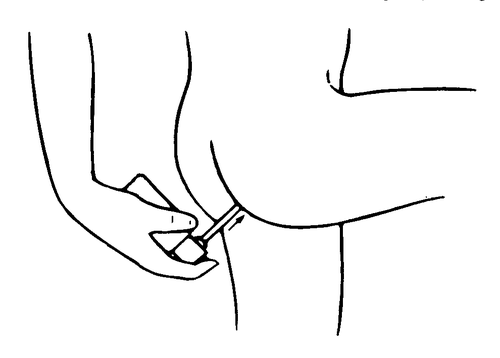
Single-dose containers
- 1) Remove the rectal cannula from its packaging.
- 2) Shake the container vigorously.
- 3) Insert the appropriate rectal cannula into its seat, located in the cap of the container, until it locks.
- 4) Tear off the collar seal all around the base of the container cap.
- 5) Lie on your left side, keeping your left leg straight and bending your right leg.
- 6) Hold the container upside down, keeping your index finger on top of the container cap.
- 7) Insert the cannula into the anal opening, gently pushing it all the way in.
- 8) Without removing the cannula, press the container cap 3-5 times at intervals of a few seconds, until the entire dose is dispensed. For multi-dose containers: without removing the cannula, press the container cap all the way down and then release it completely to dispense the first dose (equal to 1 g of mesalazine). For multi-dose containers:
- 9) after a few seconds, repeat the operation to dispense the second dose, and so on, according to the recommended dosage, keeping in mind that each administration corresponds to 1g of mesalazine. After introducing the preparation, roll over on both sides several times to facilitate better distribution of the drug and remain lying down for at least 30 minutes. Better efficacy of the product is obtained by retaining the drug for as long as possible or, better still, leaving it in place all night. Therefore, it is preferable that at least one of the daily applications is carried out before bedtime. The duration of treatment for active phases is on average 4-6 weeks and may vary, at the doctor's discretion, according to the patient's condition and the evolution of the disease. In long-term treatments to prevent relapses, the daily dosage and duration of treatment must be established by the doctor according to the patient's condition or the evolution of the disease. If you use more ASACOL than you shouldNo cases of overdose following rectal administrations are known. If you forget to use ASACOLDo not use a double dose to make up for a missed dose, but resume the normal dosage as indicated. If you stop using ASACOLAfter stopping treatment, a recurrence of symptoms may occur (see section “Warnings and precautions”). If you have any doubts about the use of this medicine, consult your doctor or pharmacist.
4. Possible side effects
Like all medicines, this medicine can cause side effects, although not everybody gets them.
Serious side effects:
Stop taking mesalazine and contact your doctor immediately if you experience any of the
following symptoms:
reddish, non-raised, target-shaped or circular patches on the trunk, often with central blisters,
skin peeling, ulcers in the mouth, throat, nose, genitals and eyes, widespread rash,
fever and swollen lymph nodes. These serious skin rashes may be preceded by fever and flu-like symptoms.
Immediately inform your doctor in case of severe or recurrent headache, vision disturbances, ringing or whistling
in the ears. These could be symptoms of increased pressure inside the skull
(idiopathic intracranial hypertension).
If you notice any of the following side effects, stop treatment and contact your
doctor immediately:
- Allergic reactions (skin rashes, itching).
- Episodes of acute intestinal intolerance with abdominal pain.
- Presence of blood in liquid stools (bloody diarrhea).
- Cramps.
- Headache.
- Fever.
- Rash.
During the use of ASACOL, the following side effects may occur:
Common (may affect up to 1 in 10 people):
- Headache.
- Rashes.
- Nausea.
- Diarrhea.
- Tense abdomen.
- High blood pressure (hypertension).
- General weakness (asthenia).
- Fever (pyrexia).
Not common (may affect up to 1 in 100 people):
- Itching.
- Pain in the upper abdomen.
- Presence of blood in liquid stools (bloody diarrhea).
- Cramps and abdominal pain.
- Drowsiness.
- Tremor.
- Increased heart rate (tachycardia).
- Low blood pressure (hypotension).
- Fatigue.
- Facial swelling.
Rare (may affect up to 1 in 1,000 people):
- Increased skin sensitivity to sunlight and ultraviolet light (photosensitivity).
- Dizziness.
- Vomiting.
- Passing gas from the intestines (flatulence).
Very rare (may affect up to 1 in 10,000 people):
- Inflammatory diseases affecting the heart and the membrane surrounding it (pericarditis, myocarditis).
- Decreased number of white blood cells in the blood (leukopenia, neutropenia), decreased number of platelets in the blood (thrombocytopenia), a form of anemia characterized by insufficient production in the bone marrow of all types of blood cells (aplastic anemia), severe decrease in the number of blood cells called granulocytes (agranulocytosis), reduction in the number of all cells present in the blood (pancytopenia).
- Inflammation of the pancreas (pancreatitis, including acute).
- Inflammation of the liver (hepatitis, cholestatic hepatitis).
- Temporary changes in tests to evaluate liver function.
- Gallstones (cholelithiasis).
- Kidney inflammation (impaired kidney function, acute and chronic interstitial nephritis), pathology at the renal and urinary level (nephrotic syndrome) and reduced kidney function (renal insufficiency).
- Allergic and fibrotic lung reactions (including dyspnea, cough, bronchospasm, alveolitis).
- Inflammation of the lower respiratory tract (eosinophilic pneumonia), lung infiltration, inflammation at the interstitial lung tissue level (interstitial pneumonitis) and pneumonia.
- High fever (hyperpyrexia).
- Allergic reactions such as allergic rash (skin eruption with the appearance of red spots and/or pustules, blisters, bubbles), drug fever, skin manifestations similar to those of lupus erythematosus (lupoid-like syndrome), inflammation of the colon (pancolitis).
- Decreased number of hair and hairs in a circumscribed or widespread area (alopecia).
- Decreased number of spermatozoa in the seminal fluid (oligospermia).
- Abnormality or damage to the nerves causing a sensation of numbness and tingling (peripheral neuropathy).
- Muscle pain (myalgia) and joint pain (arthralgia).
Not known (frequency cannot be estimated based on available data):
- Swelling of the skin, mucous membranes and submucosal tissues (angioedema).
- Kidney stones and associated kidney pain (see also paragraph 2).
Reporting of side effects
If you get any side effects, even those not listed in this leaflet, tell your
doctor or pharmacist. You can also report side effects directly through the national
reporting system at: https://www.aifa.gov.it/content/segnalazioni-reazioni-avverse. By reporting
side effects you can help provide more information on the safety of this medicine.
5. How to store ASACOL
Keep this medicine out of the sight and reach of children.
Do not use this medicine after the expiry date which is stated on the packaging after “Scad.”. The expiry date refers to the last day of that month.
Do not use this medicine if you notice visible signs of deterioration (for example, encrustations or loss of the
contents).
Do not dispose of any medicine in waste water or household waste. Ask your pharmacist how to eliminate the
medicines that you no longer use. This will help to protect the environment.
6. Package Contents and Other Information
What ASACOL 1 g rectal foam contains
- The active ingredient is: mesalazine (5-aminosalicylic acid or 5-ASA). Each multidose container delivers 14 single doses, each corresponding to 1 g of mesalazine.
- The other components are: Propylene glycol, Caprylic/capric triglycerides ethoxylated, Polysorbate 20, Emulsifying wax, Citric acid monohydrate, Sodium hydroxide, Ascorbyl palmitate, Acid
ascorbic, Methyl-p-hydroxybenzoate, Propyl-p-hydroxybenzoate, Purified water, Isobutane,
Propane, n-Butane.
What ASACOL 2 g rectal foam contains
- The active ingredient is mesalazine (5-aminosalicylic acid, 5-ASA). Each single-dose container contains 2 g of mesalazine.
- The other components are: Xanthan gum, Polysorbate 20, Macrogol monostearate, Sodium edetate, Potassium metabisulfite, Sodium benzoate, Purified water, Propane, Isobutane, n-Butane.
What ASACOL 4 g rectal foam contains
- The active ingredient is mesalazine (5-aminosalicylic acid, 5-ASA). Each single-dose container contains 4 g of mesalazine.
- The other components are: Xanthan gum, Polysorbate 20, Macrogol monostearate, Sodium edetate, Potassium metabisulfite, Sodium benzoate, Purified water, Propane, Isobutane, n-Butane.
Description of the appearance of ASACOL and package contents
ASACOL is available as a rectal foam in the following packages:
- 1 g rectal foam - packs of 1 multidose container, which delivers 14 single doses of 1 g of mesalazine, with 7 attached rectal application cannulae or 2 multidose containers each delivering 14 single doses of 1 g of mesalazine, with 14 attached rectal application cannulae.
- 2 g rectal foam - pack of 7 aluminum single-dose containers.
- 4 g rectal foam - pack of 7 aluminum single-dose containers.
Marketing Authorization Holder and Manufacturer
Marketing Authorization Holder
GIULIANI S.p.A., via Palagi, n. 2- 20129, Milan.
Manufacturer
Farmol Health Care S.r.l., via del Maglio 6, 23868 Valmadrera (Lecco) -Italy
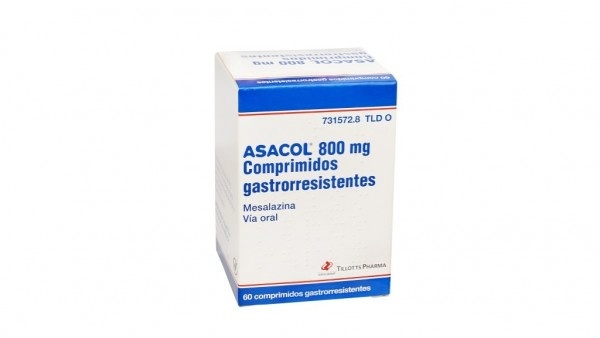
- Страна регистрации
- Форма выпускаEnteric-coated tablet, 400 MG
- Код АТХA07EC02
- Действующее вещество
- Отпускается по рецептуДа
- Производитель
- Информация на этой странице носит справочный характер и не является медицинской консультацией. Перед началом приема лекарства обязательно проконсультируйтесь с врачом.
- Аналоги ASAKOLФорма выпуска: Enteric-coated tablet, 400 MGДействующее вещество: месалазинаПроизводитель: DICOFARM S.P.A.Отпускается по рецептуФорма выпуска: Rectal suspension, 2 GДействующее вещество: месалазинаПроизводитель: CHIESI FARMACEUTICI S.P.A.Отпускается без рецептаФорма выпуска: Enteric-coated tablet, 400 MGДействующее вещество: месалазинаПроизводитель: CA.DI. GROUP S.P.A.Отпускается по рецепту
Аналоги ASAKOL в других странах
Лекарства с тем же действующим веществом, доступные в других странах.
Аналог ASAKOL в Испания
Аналог ASAKOL в Польша
Аналог ASAKOL в Украина
Врачи онлайн по ASAKOL
Обсудите применение ASAKOL и возможные следующие шаги — по оценке врача.









Получите рецепт на ASAKOL онлайн
Заполните форму за 2 минуты
Расскажите о симптомах, истории болезни и нужном препарате.
Выберите врача или мы назначим
Выберите специалиста или мы подберём ближайшего доступного врача.
Врач рассматривает ваш случай
Обычно в течение 30 минут. Может задать уточняющие вопросы в чате.
Получите в любой аптеке
Электронный рецепт отправляется на вашу почту — действителен по всей Польше.
Часто задаваемые вопросы
ASAKOL требует рецепта в Италия. Вы можете уточнить у врача онлайн, подходит ли это лекарство для вашей ситуации.
Действующее вещество ASAKOL — месалазина. Эта информация помогает определить лекарства с тем же составом под другими торговыми названиями.
ASAKOL производится компанией GIULIANI SPA. Упаковка и торговое название могут отличаться в зависимости от дистрибьютора.
Врачи, включая Семейные врачи, Психиатры, Дерматологи, Кардиологи, Эндокринологи, Гастроэнтерологи, Пульмонологи, Нефрологи, Ревматологи, Гематологи, Инфекционисты, Аллергологи, Гериатры, Педиатры, Онкологи, могут оценить целесообразность применения ASAKOL с учетом вашей ситуации и местных правил. Вы можете записаться на онлайн-консультацию, чтобы обсудить возможные варианты.
Польша имеет хорошо развитую систему здравоохранения в крупных городах, таких как Варшава, Краков, Вроцлав и Гданьск. Аптеки широко доступны и работают в соответствии с действующим законодательством, обеспечивая доступ к рецептурным препаратам.
Вы можете купить ASAKOL в Варшаве, Кракове, Вроцлаве или Гданьске в любой аптеке при наличии действующего рецепта.
Чтобы получить рецепт, вы можете воспользоваться Oladoctor:
Другие лекарства с тем же действующим веществом (месалазина) включают ARGONAL, ASALEX, ASAMAX. Они могут отличаться торговым названием или формой выпуска, но содержат одинаковый терапевтический компонент. Перед изменением лечения рекомендуется проконсультироваться с врачом.
