



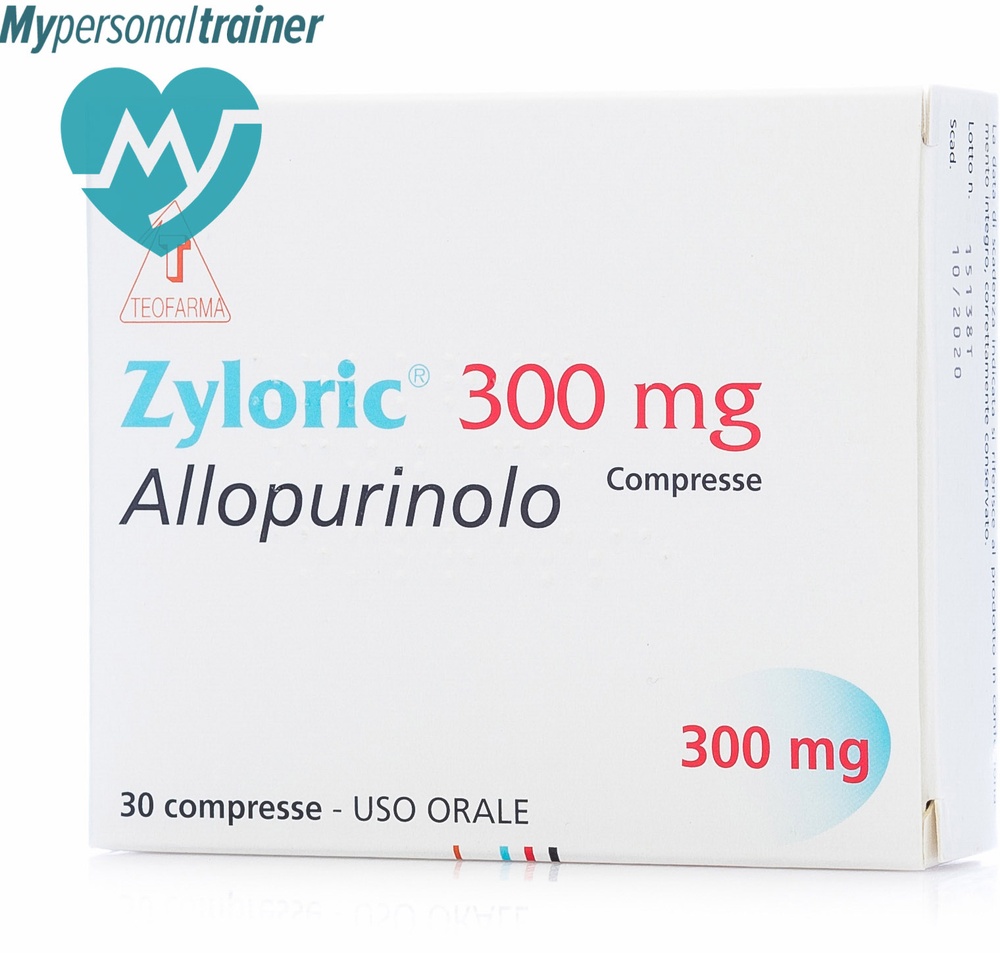
ZYLORIC 100 mg Tablet

Запит на рецепт онлайн
Лікар розгляне ваш випадок і визначить, чи є рецепт медично доцільним.

Поговоріть з лікарем про ці ліки
Обговоріть симптоми та можливі подальші кроки під час короткої онлайн-консультації.



Інструкція із застосування TSYLORIK
Зміст інструкції
Zyloric 100 mg tablets, 300 mg tablets
Allopurinol
Read this leaflet carefully before you start taking this medicine as it contains important information for you.
- Keep this leaflet. You may need to read it again.
- If you have any questions, ask your doctor or pharmacist.
- This medicine has been prescribed for you only. Do not pass it on to others, even if their symptoms are the same as yours, as it could be harmful.
- If you get any side effects, even those not listed in this leaflet, tell your doctor or pharmacist. See section 4.
Contents of this leaflet:
- 1. What Zyloric is and what it is used for
- 2. What you need to know before you take Zyloric
- 3. How to take Zyloric
- 4. Possible side effects
- 5. How to store Zyloric
- 6. Contents of the pack and other information
1. What is Zyloric and what is it used for
Zyloric contains allopurinol, a substance that acts against gout and other diseases, reducing the
amount of uric acid produced by the body.
This medicine is used for:
- treating clinical conditions associated with an excess of uric acid in the body such as gout (a disease characterized by the accumulation of uric acid crystals in the joints and tendons which causes an inflammatory reaction that makes the area around the joint, swollen, sensitive and painful), urinary tract stones (due to the precipitation of uric acid crystals), following some anticancer therapies and in case of some diseases caused by a defect of an enzyme (in particular in Lesch-Nyhan syndrome);
- preventing and treating the formation of calcium oxalate stones, when also the levels of uric acid are elevated.
2. What you need to know before taking Zyloric
Do not use Zyloric
- if you are allergic to the active ingredient or to any of the other ingredients of this medicine (listed in section 6);
- in case of acute gout attacks, as allopurinol may cause further attacks.
Warnings and precautions
Talk to your doctor or pharmacist before taking Zyloric:
- if you have kidney problems or if you suffer from diseases that can cause kidney damage (e.g. hypertension or diabetes mellitus);
- if you have liver problems.
The doctor will want to subject you to regular checks of liver and kidney function and blood tests.
At the beginning of treatment, gout attacks may occur, so the doctor may prescribe you a drug called colchicine or anti-inflammatory drugs. These attacks usually become shorter and less severe after a few months of therapy.
With the use of allopurinol, serious skin reactions have been reported (hypersensitivity syndrome, Stevens-Johnson syndrome, toxic epidermal necrolysis). Often, the rash (“rash”) may include ulcers of the mouth, throat, nose, genitals and conjunctivitis (red and swollen eyes). These serious skin reactions are often preceded by flu-like symptoms such as fever, headache, widespread pain. The rash may progress with the appearance of widespread blisters and exfoliation of the skin.
These serious skin reactions may be more common in individuals of Chinese Han, Thai or Korean origin. Chronic kidney disease may also increase the risk in these patients.
If you develop a rash, the skin symptoms mentioned above or any other sign of an allergic reaction to the medicine, you must stop taking allopurinol and immediately contact your doctor.
If you should experience muscle problems after taking the medicine, the doctor may prescribe some blood tests to check that there is no damage to your muscles and then assess whether to discontinue therapy with Zyloric.
Other medicines and Zyloric
Tell your doctor or pharmacist if you are taking, have recently taken or might take any other medicines.
Be careful and tell your doctor if you are using:
- medicines that alter the activity of the bone marrow by reducing the process of blood cell production; 6-mercaptopurine, (used for the treatment of some blood cancers) and azathioprine(used to prevent rejection after organ transplantation or to treat autoimmune diseases, and for chronic intestinal diseases). The doctor will reduce the dose of these medicines;
- vidarabine,used for the treatment of viral diseases. Be aware that the side effects due to vidarabine may occur more frequently. Pay particular attention if they should occur;
- salicylates, medicines used to reduce pain, fever or inflammation and uricosuric agents, medicines used to reduce levels of uric acid in the body;
- chlorpropamide, used for the treatment of diabetes;
- medicines used to thin the blood(such as warfarin). The doctor will subject you to blood tests to assess the most appropriate dose for you;
- phenytoin, used to treat epilepsy or some painful conditions;
- theophylline,used for the treatment of asthma and other respiratory disorders. The doctor may subject you to blood tests to assess the levels of theophylline;
- ampicillin, amoxicillin,used for the treatment of bacterial infections. The doctor may prescribe you other antibiotics;
- medicines used to treat some cancers:
- cyclophosphamide
- doxorubicin
- bleomycin
- procarbazine
- mechlorethamineThe doctor will subject you to regular blood tests;
- cyclosporine, used for the regulation of the immune system, as happens for the prevention of rejection in organ transplantation, or for the treatment of other disorders. Be aware that the side effects due to cyclosporine may occur more frequently;
- didanosine,used to treat HIV infection;
- thiazide diuretics,medicines used for the treatment of hypertension and in heart failure. The doctor will subject you to tests to assess the health of your kidneys;
- tolbutamide,used for the treatment of type II diabetes mellitus (adult-onset diabetes);
- aluminium hydroxide.If taken simultaneously with aluminium hydroxide, allopurinol may have a reduced effect. There must be an interval of at least 3 hours between taking the two medicines;
- cytostatic agents.With the administration of allopurinol and cytostatic agents (e.g. cyclophosphamide, doxorubicin, bleomycin, procarbazine, alkyl halides), blood dyscrasia occurs more frequently than when these active ingredients are administered alone. Blood count monitoring should therefore be performed at regular intervals.
Pregnancy and breastfeeding
If you are pregnant, suspect you are pregnant or are planning a pregnancy, or if you are breastfeeding with breast milk, ask your doctor for advice before taking this medicine.
Pregnancy
During pregnancy, take Zyloric only if the doctor considers it absolutely necessary and under his/her supervision.
Breastfeeding
Allopurinol is excreted in breast milk. Allopurinol is not recommended during breastfeeding.
Driving and using machines
As adverse reactions such as drowsiness, dizziness and ataxia have been reported in patients taking allopurinol, patients must be careful before driving, using machinery or performing dangerous activities, until they are reasonably certain that allopurinol has no negative impact on their performance.
Zyloric contains lactose:if your doctor has diagnosed you with intolerance to some sugars, contact him/her before taking this medicine.
3. How to take Zyloric
Take this medicine following exactly the instructions of your doctor. If you have any doubts, consult your
doctor or pharmacist.
Dosage
Adults
The usual dose is 300 mg once a day, after a meal, preferably always at the same time
of the day.
The doctor will initially prescribe a dose of 100 mg which will be increased every week
until the optimal dose for you is obtained.
The maximum dose is 800 mg per day to be taken divided into 2 - 3 administrations after meals.
Use in patients with severe kidney problems
The doctor will adjust the dose to your condition.
If you are undergoing dialysis, take the dose prescribed by your doctor immediately after the dialysis session.
Use in the elderly
The doctor will adjust the dose to your condition.
Use in children and adolescents under 15 years of age
The recommended dose is 10 - 20 mg/Kg, that is 100 – 400 mg per day.
Method of administration
Zyloric is for oral use. Take the tablets after meals, every day at the same time.
The score line is to facilitate breaking the tablet if you have difficulty swallowing it
whole.
During therapy drink plenty of fluids, enough to produce at least 2 liters of
urine per day.
If you take more Zyloric than you should
If you take a dose of Zyloric, higher than that prescribed immediately inform your doctoror go to
the nearest hospital. Bring this leaflet with you.
Symptoms of overdose may include: nausea, vomiting, diarrhea and dizziness.
If you have any doubts about the use of this medicine, ask your doctor or pharmacist.
4. Possible side effects
Like all medicines, this medicine can cause side effects, although not everyone will experience them.
If you experience any of these disorders, stop taking the tabletsand immediately inform your doctor:
Rare(may affect up to 1 in 1,000 people):
- fever and chills, headache, muscle pain (flu-like symptoms) and a general feeling of unwellness;
- any skin changes, for example, mouth, throat, nose, genital ulcers and conjunctivitis (red and swollen eyes), widespread blisters and skin exfoliation. These may be symptoms of severe skin reactions called “Stevens-Johnson Syndrome” and “toxic epidermal necrolysis” (see section 2 “Warnings and precautions”).
Very rare(may affect up to 1 in 10,000 people):
- severe hypersensitivity reactions including fever, skin rash, joint pain and changes in blood and liver function tests. These may be signs of a multi-organ hypersensitivity disorder (see section 2 “Warnings and precautions”);
- difficulty breathing, swelling of the face and lips, tongue and other parts of the body. These may be symptoms of anaphylactic shock (severe allergic reaction).
- Hypersensitivity syndrome or DRESS, angioimmunoblastic lymphadenopathy, swelling of the lymph nodes. Severe hypersensitivity reactions, including Stevens-Johnson syndrome and toxic epidermal necrolysis, have been reported rarely.
The following side effects have been reported with the use of this medicine:
Common(may affect up to 1 in 10 people):
- skin rashes;
- increased levels of thyroid-stimulating hormone in the blood.
Uncommon(may affect up to 1 in 100 people):
- nausea, vomiting (these side effects decrease when taking the medicine after meals);
- symptoms of hypersensitivity reactions;
- increased values in liver function test results.
Rare(may affect up to 1 in 1,000 people):
- hepatitis (liver inflammation) and/or impaired liver function;
- swelling of the skin and mucous membranes (angioedema);
- skin reaction that always occurs in the same locations each time the drug is administered (drug fixed eruption).
Very rare(may affect up to 1 in 10,000 people):
- boils;
- changes in blood components: decrease in the number of white blood cells, red blood cells and/or platelets in the blood, increase in the number of white blood cells; occasionally Zyloric tablets may have an effect on the blood and this may manifest as easier bruising, or you may develop a sore throat or other signs of infection. These effects generally occur in people with liver or kidney problems. Inform your doctor as soon as possible;
- high levels of fats in the blood;
- diabetes mellitus;
- inability to move muscles (paralysis) or problems with movement coordination (ataxia), numbness and pain (neuropathy), tingling (paresthesia), drowsiness, headache, altered taste, coma;
- cataract (clouding of the lens) visual disturbances and macular alterations;
- dizziness;
- depression;
- chest pain (angina), slowed heartbeat;
- high blood pressure (hypertension);
- vomiting blood, high amounts of fat in the stool (steatorrhea), inflammation of the mouth mucosa (stomatitis), changes in bowel habits (diarrhea or constipation), bleeding from the stomach or intestines;
- hair loss or discoloration;
- blood in the urine, very high levels of uric acid in the blood due to the kidneys' inability to eliminate it (uremia);
- male infertility, inability to achieve or maintain an erection, breast enlargement in men;
- general feeling of unwellness, fatigue, fever, fluid retention resulting in swelling (edema).
In addition, the following have been reported:
- diarrhea
- peripheral vascular disorders, thrombophlebitis
- hyperlipemia
- tongue edema
- paralysis
- paralysis of the lower limbs
- stomach pain or burning, indigestion (dyspepsia), abdominal pain, loss of appetite (anorexia);
- liver enlargement, yellowing of the skin or the white of the eyes (jaundice);
- increased bilirubin in the blood, increased calcium in the blood;
- inflammation of the nerves including those of the eyes (neuritis and optic neuritis), diseases affecting the muscles (myopathies);
- kidney failure, inflammation of the kidneys (nephritis);
- nosebleeds (epistaxis), bruising, inflammation of blood vessels also associated with the formation of thrombi (blood clots), increased diameter of blood vessels;
- inflammation of the pericardium (a thin membrane surrounding the heart);
- inflammation of the pancreas with bleeding;
- constriction of the bronchial muscles (bronchospasm), inflammation of the bronchi characterized by difficulty breathing (asthma);
- sore throat (pharyngitis), inflammation of the nasal mucosa (rhinitis);
- inflammation of the eye (iritis or conjunctivitis), double vision;
- confusion, dizziness, insomnia, decreased libido;
- ringing in the ears (tinnitus);
- nocturnal urinary incontinence;
- enlargement of the salivary glands.
Reporting of side effects
If you experience any side effects, including those not listed in this leaflet, please tell your
doctor or pharmacist. You can also report side effects directly through the website:
www.agenziafarmaco.gov.it/content/come-segnalare-una-sospetta-reazione-avversa
By reporting side effects you can help provide more information on the safety
of this medicine.
5. How to store Zyloric
Store in a dry place
Keep this medicine out of sight and reach of children.
Do not use this medicine after the expiry date which is stated on the pack after “Exp.”.
The expiry date refers to the last day of that month.
Do not dispose of any medicine in the wastewater or household waste. Ask your pharmacist how
to dispose of medicines you no longer use. This will help protect the environment.
6. Contents of the pack and other information
What Zyloric contains
Zyloric 100 mg tablets
- The active ingredient is allopurinol, one tablet contains 100 mg of allopurinol.
- The other ingredients are lactose, corn starch, povidone, magnesium stearate.
Zyloric 300 mg tablets
- The active ingredient is allopurinol, one tablet contains 300 mg of allopurinol.
- The other ingredients are lactose, corn starch, povidone, magnesium stearate.
Description of the appearance of Zyloric and contents of the pack
Zyloric 100 mg tablets are presented in blisters containing 50 divisible tablets.
Zyloric 300 mg tablets are presented in blisters containing 30 divisible tablets.
Marketing authorisation holder and manufacturer
Marketing authorisation holder
Teofarma S.r.l.
Via F.lli Cervi, 8
27010 Valle Salimbene
Pavia
Manufacturer
Teofarma S.r.l.
Viale Certosa 8/A
27100 Pavia

Не впевнені, чи підходить вам цей лікарський засіб?
Обговоріть симптоми та можливі варіанти лікування з лікарем онлайн.

Виникли питання під час прийому ліків?
Обговоріть свої симптоми та лікування з лікарем онлайн.
- Країна реєстрації
- Лікарська формаTablet, 100 MG
- Код АТХM04AA01
- Діюча речовина
- Потрібен рецептТак
- Виробник
- Ця інформація надана лише для ознайомлення і не є медичною порадою. Рішення щодо лікування завжди приймає лікар.
- Альтернативи до TSYLORIKЛікарська форма: Coated tablet, 100 MGДіюча речовина: аллопуринолВиробник: ACCORD HEALTHCARE, S.L.U.Потрібен рецептЛікарська форма: Tablet, 100 MGДіюча речовина: аллопуринолВиробник: DOC GENERICI SRLПотрібен рецептЛікарська форма: Tablet, 100 MGДіюча речовина: аллопуринолПотрібен рецепт
Аналоги TSYLORIK в інших країнах
Препарати з тією самою діючою речовиною, доступні в інших країнах.
Аналог TSYLORIK у Іспанія
Аналог TSYLORIK у Польща
Аналог TSYLORIK у Україна
Лікарі онлайн щодо TSYLORIK
Застосування, безпека та можливість призначення рецепта — за результатами медичної оцінки.
Отримайте рецепт на TSYLORIK онлайн
Заповніть форму за 2 хвилини
Розкажіть про симптоми, історію хвороби та потрібний препарат.
Оберіть лікаря або ми призначимо
Оберіть спеціаліста або ми підберемо найближчого доступного лікаря.
Лікар розглядає ваш випадок
Зазвичай протягом 30 хвилин. Може ставити уточнювальні запитання в чаті.
Отримайте в будь-якій аптеці
Електронний рецепт надсилається на вашу пошту — дійсний по всій Польщі.
Часті запитання
TSYLORIK потребує рецепта в Італія. Ви можете обговорити з лікарем онлайн, чи підходить цей лікарський засіб для вашої ситуації.
Діюча речовина у TSYLORIK — аллопуринол. Це допомагає визначити препарати з тим самим складом, але під іншими торговими назвами.
TSYLORIK виробляється компанією TEOFARMA S.R.L.. Назва бренду та упаковка можуть відрізнятися залежно від дистрибʼютора.
Лікарі, зокрема Сімейні лікарі, Психіатри, Дерматологи, Кардіологи, Ендокринологи, Гастроентерологи, Пульмонологи, Нефрологи, Ревматологи, Гематологи, Інфекціоністи, Алергологи, Геріатри, Педіатри, Онкологи, можуть оцінити доцільність застосування TSYLORIK з урахуванням вашого стану та місцевих правил. Ви можете записатися на онлайн-консультацію, щоб обговорити симптоми та можливі подальші кроки.
Польща має добре розвинену систему охорони здоров'я у великих містах, таких як Варшава, Краків, Вроцлав і Гданськ. Аптеки широко доступні та працюють відповідно до чинного законодавства, забезпечуючи доступ до рецептурних препаратів.
Ви можете придбати TSYLORIK у Варшаві, Кракові, Вроцлаві або Гданську в будь-якій аптеці за наявності дійсного рецепта.
Щоб отримати рецепт, ви можете скористатися Oladoctor:
Інші препарати з тією самою діючою речовиною (аллопуринол) включають ALLOPURINOLO AKKORD, ALLOPURINOLO DOK JENERIKI, ALLOPURINOLO MOLTENI. Вони можуть відрізнятися торговою назвою або формою випуску, але містять той самий терапевтичний компонент. Перед зміною або початком прийому нового препарату варто проконсультуватися з лікарем.
