



VENLAFAXINA 75 mg Modified-Release Hard Capsules

Запит на рецепт онлайн
Лікар розгляне ваш випадок і визначить, чи є рецепт медично доцільним.

Поговоріть з лікарем про ці ліки
Обговоріть симптоми та можливі подальші кроки під час короткої онлайн-консультації.



Інструкція із застосування VENLAFAXINA ALTER
Зміст інструкції
Venlafaxina Alter 75 mg extended-release hard capsules, 150 mg extended-release hard capsules
Venlafaxina
Generic medicine
Read this leaflet carefully before you start taking this medicine as it contains important information for you.
- Keep this leaflet. You may need to read it again.
- If you have any questions, ask your doctor or pharmacist.
- This medicine has been prescribed for you only. Do not pass it on to others, even if their symptoms are the same as yours, as it could be harmful.
- If you get any side effects, even those not listed in this leaflet, tell your doctor or pharmacist. See section 4. Contents of this leaflet:
- 1. What Venlafaxina Alter is and what it is used for
- 2. What you need to know before you take Venlafaxina Alter
- 3. How to take Venlafaxina Alter
- 4. Possible side effects
- 5. How to store Venlafaxina Alter
- 6. Contents of the pack and other information
1. What is Venlafaxina Alter and what it is used for
Venlafaxina Alter contains the active substance venlafaxine.
Venlafaxina Alter is an antidepressant belonging to a group of medicines called serotonin and noradrenaline reuptake inhibitors (SNRI). This group of medicines is used for the
treatment of depression and other conditions, such as anxiety disorders.
It is believed that people who are depressed and/or anxious have lower levels of serotonin and noradrenaline
in the brain. It is not fully understood how antidepressants work, however they can
be helpful by raising the levels of serotonin and noradrenaline in the brain.
Venlafaxina Alter is a treatment for adults suffering from depression. It is also a treatment for adults with the
following anxiety disorders: generalized anxiety disorder, social anxiety disorder (fear of or tendency to
avoid social situations) and panic disorder (panic attacks). Appropriate treatment of
depression or anxiety disorders is important to help you feel better. If left untreated, your condition
may not resolve and may become more severe and more difficult to treat.
2. What you need to know before taking Venlafaxina Alter
Do not take Venlafaxina Alter
- If you are allergic to venlafaxine or any of the other ingredients of this medicine (listed in section 6).
- If you are currently taking, or have taken within the last 14 days, any of the medicines known as irreversible monoamine oxidase inhibitors (MAOIs), used to treat depression or Parkinson's disease. Taking an irreversible MAOI together with Venlafaxina Alter may lead to serious or even life-threatening side effects. Furthermore, you must
wait at least 7 days after stopping treatment with Venlafaxina Alter before taking any irreversible MAOI (also see the section entitled “Other medicines and Venlafaxina Alter” and the information in that section regarding “Serotonin syndrome”).
Warnings and precautions
Talk to your doctor or pharmacist beforetaking Venlafaxina Alter:
- If you are using other medicines that, when taken with Venlafaxina Alter, may increase the risk of developing serotonin syndrome (see the section “Other medicines and Venlafaxina Alter”).
- If you have eye problems, such as certain types of glaucoma (increased pressure inside the eye).
- If you have a history of high blood pressure.
- If you have a history of heart problems.
- If you have been told you have an abnormal heart rhythm.
- If you have a history of seizures
- If you have a history of low sodium levels in your blood (hyponatraemia)
- If you have a tendency to bruise easily or a tendency to bleed easily (history of bleeding disorders), or if you are using other medicines that may increase the risk of bleeding, such as warfarin (used to prevent blood clots) or if you are pregnant (see section “Pregnancy and breastfeeding”).
- If you have a history or someone in your family has suffered from mania or bipolar disorder (feeling of overexcitement or euphoria)
- If you have a history of aggressive behaviour. Venlafaxina Alter may cause a feeling of restlessness or inability to sit still during the first few weeks of treatment. If you experience these symptoms, you should tell your doctor.
Medicines such as Venlafaxina Alter (so-called selective serotonin reuptake inhibitors (SSRIs) and serotonin-noradrenaline reuptake inhibitors (SNRIs)) can cause symptoms of sexual dysfunction (see section 4). In some cases, these symptoms have been observed to persist after stopping treatment.
Do not drink alcohol during treatment with Venlafaxina Alter as this may cause extreme fatigue and loss of consciousness. Concomitant use with alcohol and/or certain medicines may worsen the symptoms of depression and other conditions, such as anxiety disorders.
Suicidal thoughts and worsening of depression or anxiety disorder
If you are depressed and/or suffer from anxiety disorders, you may sometimes have thoughts of harming yourself or committing suicide. These thoughts may increase when you first start taking antidepressants, as it takes time for all medicines like these to start working, usually about two weeks but sometimes longer.
You are more likely to have these thoughts:
- If you have previously had thoughts of suicide or self-harm.
- If you are a young adult. Clinical study data have shown an increased risk of suicidal behaviour in young people (under 25 years) with psychiatric disorders treated with an antidepressant.
If at any time you develop thoughts of harming yourself or committing suicide, contact your doctor or go to hospital immediately.
It may help to tell a relative or close friend about your depression or anxiety disorder, and ask them to read this leaflet. You can also ask them to watch out for any worsening of your depression or anxiety or any changes in your behaviour.
Dry mouth
Dry mouth is reported in 10% of patients treated with Venlafaxina Alter. This may increase the risk of oral degeneration (tooth decay). You should therefore pay particular attention to your oral hygiene.
Diabetes
In patients with diabetes, treatment with SSRIs or venlafaxine may alter glycaemic control. It may be necessary to adjust the dose of insulin or oral antidiabetic medication.
Children and adolescents
Venlafaxina Alter is normally not used in children and adolescents under 18 years of age. It is important that you know that patients under 18 years of age who take this type of medicine are more exposed to the risk of developing undesirable effects, including suicide attempts, suicidal thoughts and hostility (mainly aggressiveness, oppositional behaviour and anger).
Despite this, your doctor may prescribe this medicine to patients under 18 years of age because they believe it is in their best interest. If your doctor has prescribed this medicine to a patient under 18 years of age and you want to discuss it, talk to your doctor. You should inform your doctor if any of the symptoms listed appear or worsen when a patient under 18 years of age is taking Venlafaxina Alter. Furthermore, the long-term effects on safety regarding growth, maturation and cognitive and behavioural development in this age group have not been demonstrated.
Other medicines and Venlafaxina Alter
Tell your doctor or pharmacist if you are taking, have recently taken or might take any other medicines.
The doctor will decide if you can use Venlafaxina Alter with other medicines.
Do not start or stop taking any medicines, including over-the-counter medicines, herbal remedies, before asking your doctor or pharmacist.
- Monoamine oxidase inhibitors that are used to treat depression or Parkinson's disease must not be taken with Venlafaxina Alter. Tell your doctor if you have taken these medicines in the last 14 days. (MAOIs: see the section “What you need to know before taking Venlafaxina Alter”)
- Serotonin syndrome:A potentially life-threatening condition or reactions like Neuroleptic Malignant Syndrome (NMS) may occur with treatment with venlafaxine, especially when taken with other medicines. Examples of these medicines include:
- Triptans (used for migraine)
- Other medicines for the treatment of depression, for example SNRIs, SSRIs, tricyclics, or medicines containing lithium
- Medicines containing linezolid, an antibiotic (used to treat infections)
- Medicines containing moclobemide, an MAOI (used to treat depression)
- Medicines containing sibutramine (used for weight loss)
- Medicines containing tramadol, fentanyl, tapentadol, pethidine or pentazocine (used to treat acute pain)
- Medicines containing dextromethorphan (used to treat cough)
- Medicines containing methadone (used to treat opioid dependence or acute pain)
- Medicines containing methylene blue (used to treat high levels of methaemoglobin in the blood)
- St John's Wort preparations (also called Hypericum Perforatum, a remedy based on a medicinal plant used to treat mild depression)
- Products containing tryptophan (used for sleep disorders and depression)
- Antipsychotics (used to treat a disease with symptoms such as hearing, seeing or perceiving things that do not exist, false beliefs, unjustified suspicion, unclear reasoning and social isolation)
Signs and symptoms of serotonin syndrome may include a combination of: restlessness, hallucinations, loss of coordination, rapid heartbeat, increased body temperature, rapid fluctuations in blood pressure, overactive reflexes, diarrhoea, coma, nausea, vomiting.
In its most severe form, serotonin syndrome can resemble Neuroleptic Malignant Syndrome (NMS).
Signs and symptoms of NMS may include a combination of fever, rapid heartbeat, sweating, severe muscle rigidity, confusion, increased muscle enzymes (determined by a blood test).
Immediately inform your doctor, or go to the nearest hospital emergency room if you think you have serotonin syndrome.
You must inform your doctor if you are taking medicines that can affect your heart rhythm. Examples of these medicines include:
- Antiarrhythmics such as quinidine, amiodarone, sotalol or dofetilide (used to treat abnormal heart rhythm)
- Antipsychotics such as thioridazine (see also above: serotonin syndrome)
- Antibiotics such as erythromycin or moxifloxacin (used to treat bacterial infections)
- Antihistamines (used to treat allergies)
The following medicines may also interfere with Venlafaxina Alter and must be used with caution. It is particularly important that you tell your doctor or pharmacist if you are using medicines that contain:
- ketoconazole (an antifungal medicine)
- haloperidol or risperidone (for the treatment of psychiatric disorders)
- metoprolol (a beta-blocker for the treatment of high blood pressure and heart problems)
Venlafaxina Alter with food, drinks and alcohol
You should take Venlafaxina Alter with food (see the section “How to take Venlafaxina Alter”).
Do not drink alcohol during treatment with Venlafaxina Alter. Concomitant use with alcohol may cause extreme fatigue and loss of consciousness and worsen the symptoms of depression and other conditions, such as anxiety disorders.
Pregnancy and breastfeeding
If you are pregnant, suspect you may be pregnant or are planning to become pregnant, ask your doctor or pharmacist for advice before taking this medicine. You should only use Venlafaxina Alter after discussing the potential benefits and risks to the foetus with your doctor.
Make sure your midwife and/or doctor know that you are being treated with Venlafaxina Alter. When taken during pregnancy, similar medicines (SSRIs) may increase the risk of a serious condition in babies, called persistent pulmonary hypertension of the newborn (PPHN), which causes rapid breathing and a bluish discoloration of the baby. These symptoms usually appear within the first 24 hours of the baby's birth. If this happens to your baby, you should contact your midwife and/or doctor immediately.
If you are taking this medicine near the end of pregnancy, there may be an increased risk of heavy vaginal bleeding shortly after delivery, especially if you suffer from bleeding disorders (easy bleeding). Inform your doctor or midwife/obstetrician that you are taking Venlafaxina Alter so they can advise you on what to do.
Venlafaxina Alter is excreted in breast milk. There is a risk of adverse effects on the baby. Therefore, you should discuss this with your doctor, who will decide whether to stop breastfeeding or the therapy with this medicine.
Driving and using machines
Do not drive and do not use tools or machines until you understand how this medicine affects you.
3. How to take Venlafaxina Alter
Take this medicine following exactly the instructions of your doctor. If you have any doubts, ask your
doctor or pharmacist.
The usual starting dose recommended for the treatment of depression, generalized anxiety disorder and
social anxiety disorder is 75 mg per day. Your doctor may gradually increase the dose and, if necessary,
up to a maximum dose of 375 mg per day for depression. If you are to be treated for panic disorder, your
doctor will start with a low dose (37.5 mg) and then gradually increase the dose.
The maximum dose for generalized anxiety disorder, social anxiety disorder and panic disorder is 225 mg
per day.
Take Venlafaxina Alter at approximately the same time each day, in the morning or evening. The capsules
must be swallowed whole with a liquid and must not be opened, broken, chewed or dissolved.
You must take Venlafaxina Alter with food.
If you have liver or kidney problems, tell your doctor, as it may be necessary to adjust the dose of this
medicine.
Do not stop treatment with this medicine without consulting your doctor (see section “If you stop taking
Venlafaxina Alter”).
If you take more Venlafaxina Alter than you should
Contact your doctor or pharmacist immediately if you take more of this medicine than has been prescribed
for you by your doctor.
Overdosage can be dangerous to life, especially with the concomitant use of alcohol and/or certain
medicines (see “Other medicines and Venlafaxina Alter”).
Symptoms of a possible overdose may include rapid heartbeat, changes in state of consciousness (ranging
from drowsiness to coma), blurred vision, convulsions and vomiting.
If you forget to take Venlafaxina Alter
If you forget to take a dose, take it as soon as you remember. However, if you are due to take your next
dose when you remember the forgotten dose, skip the forgotten dose and take one dose as usual.
Do not take a double dose to make up for a forgotten dose. Do not take more than your usual daily dose of
Venlafaxina Alter in one day.
If you stop taking Venlafaxina Alter
Do not stop treatment or reduce the dose without first consulting your doctor, even if you feel better.
If your doctor believes that you no longer need to continue taking Venlafaxina Alter, they may ask you to
gradually reduce the dose before stopping treatment completely. It is known that undesirable effects occur
when patients stop treatment with this medicine, especially when it is stopped abruptly or when the dose
is reduced too quickly. Some patients may experience symptoms such as fatigue, dizziness, feeling lightheaded,
headache, insomnia, nightmares, dry mouth, loss of appetite, nausea, diarrhea, nervousness, agitation,
confusion, tinnitus (ringing in the ears), tingling or rarely electric shock sensations, weakness, sweating,
convulsions or flu-like symptoms.
Your doctor will explain how you should gradually stop treatment with Venlafaxina Alter. If you experience
any of these or other symptoms that bother you, consult your doctor for further advice.
If you have any further questions on the use of this medicine, ask your doctor or pharmacist.
4. Possible side effects
Like all medicines, this medicine can cause side effects, although not everyone gets them.
If you experience any of the following effects, do not take any more Venlafaxina Alter. Seek
immediate medical attention, or go to the nearest hospital emergency room:
Uncommon (may affect up to 1 in 100 people)
- Swelling of the face, mouth, tongue, throat, hands or feet, and/or intense itchy rash (urticaria), difficulty swallowing or breathing
Rare (may affect up to 1 in 1,000)
- Chest tightness, wheezing, difficulty swallowing or breathing
- Severe skin rash, itching, or hives (red or pale raised patches of skin that often itch).
- Signs and symptoms of serotonin syndrome which can include restlessness, hallucinations, loss of coordination, fast heart rate, increased body temperature, rapid changes in blood pressure, overactive reflexes, diarrhea, coma, nausea, vomiting. In its most severe form, serotonin syndrome can resemble neuroleptic malignant syndrome (NMS). Signs and symptoms of NMS can include a combination of fever, fast heart rate, sweating, severe muscle rigidity, confusion, increased muscle enzymes (determined by a blood test).
- Signs of infection, such as high temperature, chills, shivering, headache, sweating, flu-like symptoms. This may be a result of a blood disorder leading to an increased risk of infection.
- Severe skin rash, which can lead to serious blistering and peeling of the skin.
- Unexplained muscle pain, tenderness, or weakness. This may be a sign of rhabdomyolysis.
Other side effects that you should tell your doctorabout can include (the frequencies of these side
effects are included in the list “Other side effects that may occur” below):
- Cough, wheezing and shortness of breath that may be accompanied by a high temperature
- Black stools or blood in the stools
- Itching, yellowing of the skin and eyes, or dark urine, which may be symptoms of liver inflammation (hepatitis)
- Heart problems, as well as fast or irregular heartbeat, increased blood pressure
- Eye problems, such as blurred vision, dilated pupils
- Nervous system problems, such as dizziness, tingling, movement disorders (spasms or muscle stiffness), seizures
- Psychiatric problems, such as hyperactivity and a feeling of unusual excitement
- Discontinuation syndrome (see the paragraph "How to take Venlafaxina Alter, If you stop taking Venlafaxina Alter")
- Prolonged bleeding - if you cut or injure yourself, it may take longer than usual for the bleeding to stop.
Other side effects that may occur
Very common (may affect more than 1 in 10 people)
- Dizziness; headache; drowsiness
- Insomnia
- Nausea; dry mouth; constipation
- Sweating (including night sweats)
Common (may affect up to 1 in 10 people)
- Decreased appetite
- Confusion; feeling of being detached (or independent) from oneself; lack of orgasm; decreased libido; agitation; nervousness; abnormal dreams
- Tremor; a feeling of restlessness or an inability to sit or stand still; tingling; altered taste sensation; increased muscle tone
- Vision disorders including blurred vision; dilated pupils; inability of the eye to automatically change focus from distant to near objects
- Ringing in the ears (tinnitus)
- Fast heartbeat; palpitations
- Increased blood pressure; flushing
- Shortness of breath; yawning
- Vomiting; diarrhea
- Mild skin rash; itching
- Increased frequency of urination; inability to urinate; difficulty urinating
- Menstrual irregularities such as increased bleeding or increased and irregular bleeding; abnormal ejaculation/orgasm (males); erectile dysfunction (impotence)
- Weakness (asthenia); fatigue; chills
- Weight gain; weight loss
- Increased cholesterol
Uncommon (may affect up to 1 in 100 people)
- Hyperactivity, racing thoughts and reduced need for sleep (mania)
- Hallucinations; feeling of being detached (or independent) from reality; abnormal orgasm; lack of feelings or emotion; feeling of over-excitement; teeth grinding
- Fainting; involuntary muscle movements; disorders of coordination and balance
- Feeling dizzy (especially when getting up too quickly); decreased blood pressure
- Vomiting blood, black tarry stools or blood in the stools; which may be a sign of internal bleeding
- Sensitivity to sunlight; bruising; abnormal hair loss
- Inability to urinate
- Rigidity; spasms and involuntary muscle movements
- Mild changes in blood levels of liver enzymes
Rare (may affect up to 1 in 1,000)
- Seizures
- Cough; wheezing and shortness of breath that may be accompanied by a high temperature
- Disorientation and confusion often accompanied by hallucinations (delirium)
- Excessive intake of water (known as SIADH)
- Decreased levels of sodium in the blood
- Severe eye pain and decreased or blurred vision
- Abnormal heartbeat, fast or irregular, which can lead to fainting
- Severe abdominal or back pain (which may indicate a serious problem with the liver, intestines, or pancreas)
- Itching; yellowing of the skin and eyes; dark urine; or flu-like symptoms, which are symptoms of liver inflammation (hepatitis)
Very rare (may affect up to 1 in 10,000)
- Prolonged bleeding, which may be a sign of a reduced number of platelets in the blood, leading to an increased risk of bruising or bleeding
- Abnormal production of milk
- Unexpected bleeding, such as bleeding from the gums, blood in the urine or vomit, or the appearance of unexpected bruises or broken blood vessels (broken capillaries)
Frequency not known (cannot be estimated from the available data)
- Suicidal ideation and suicidal behaviours: cases of suicidal ideation and suicidal behaviours have been reported during treatment with venlafaxine or immediately after stopping treatment with venlafaxine (see paragraph 2 “What you need to know before taking Venlafaxina Alter”)
- Aggression
- Vertigo
- Profuse vaginal bleeding shortly after childbirth (postpartum hemorrhage), see paragraph 2, Pregnancy and breastfeeding, for further information. Sometimes Venlafaxina Alter causes side effects that may not be known, such as increases in blood pressure or abnormal heartbeat; mild changes in blood levels of liver enzymes, sodium or cholesterol. More rarely, Venlafaxina Alter may reduce the function of platelets in your blood, resulting in an increased risk of bruising and bleeding. Therefore, your doctor may want to do occasional blood tests, especially if you have been taking Venlafaxina Alter for a long time.
Reporting of side effects
If you get any side effects, talk to your doctor or pharmacist. This includes any side effects not listed in this
leaflet. You can also report side effects directly through the national reporting system at https://www.aifa.gov.it/content/segnalazioni-reazioni-avverse . By reporting side effects you can help provide more information on the safety of this medicine.
5. How to store Venlafaxina Alter
Keep this medicine out of the sight and reach of children.
Do not use this medicine after the expiry date which is stated on the package and on the blister after Exp.
The expiry date refers to the last day of that month.
Do not store at a temperature above 30°C.
Do not dispose of any medicine in waste water or household waste. Ask your pharmacist how to dispose of
medicines you no longer use. This will help protect the environment
6. Package contents and other information
What Venlafaxina Alter contains
- The active ingredient is venlafaxine.
Each modified-release capsule contains 75 mg and 150 mg of venlafaxine as venlafaxine hydrochloride.
- The excipients are: 75 mg modified-release hard capsules:Capsule content:hypromellose, ammonium methacrylate copolymer (type B), sodium lauryl sulfate (E487), magnesium stearate Coating:basic butyl methacrylate copolymer 12.5% Capsule shell:gelatin, titanium dioxide (E171), red iron oxide (E172) Printing ink:Shellac, black iron oxide (E172), propylene glycol (E1520)
150 mg modified-release hard capsules:
Capsule content:hypromellose, ammonium methacrylate copolymer (type B), sodium lauryl sulfate
(E487), magnesium stearate
Coating:basic butyl methacrylate copolymer 12.5%
Capsule shell:gelatin, titanium dioxide (E171), erythrosine (E127), indigo carmine (E132)
Printing ink:Shellac, black iron oxide (E172), propylene glycol (E1520)
Description of the appearance of Venlafaxina Alter and package contents
75 mg modified-release hard capsules: opaque flesh-colored – opaque flesh-colored hard gelatin capsules (type 0) containing two round, biconvex, film-coated tablets, with the inscription VEN on the closing cap and 75 on the body.
150 mg modified-release hard capsules: opaque scarlet-colored – opaque scarlet-colored hard gelatin capsules (type
- 00) containing three round, biconvex, film-coated tablets, with the inscription VEN on the closing cap and 150 on the body. 14, 28, 30 and 98 modified-release hard capsules of 75 mg 10, 28, and 98 modified-release hard capsules of 150 mg
Marketing Authorisation Holder and Manufacturer
Laboratori Alter s.r.l.
Via Egadi 7
20144 Milano
Manufacturers
Pharmathen S.A.
6, Dervenakion str.
15351, Pallini Attikis
Greece
Pharmaten International SA
Sapes, Industrial Park, Block 5,
69300, Rodopi
Greece
This medicinal product is authorised in the Member States of the European Economic Area under the following
names:
Denmark: Venlapete 75 mg, 150 mg depot capsules, hard
Italy: Venlafaxina Alter 75 mg, 150 mg modified-release capsules
Greece: Xadevil 75 mg, 150 mg σκληρά καψάκια παρατεταμένης αποδέσμευσης

Не впевнені, чи підходить вам цей лікарський засіб?
Обговоріть симптоми та можливі варіанти лікування з лікарем онлайн.

Виникли питання під час прийому ліків?
Обговоріть свої симптоми та лікування з лікарем онлайн.
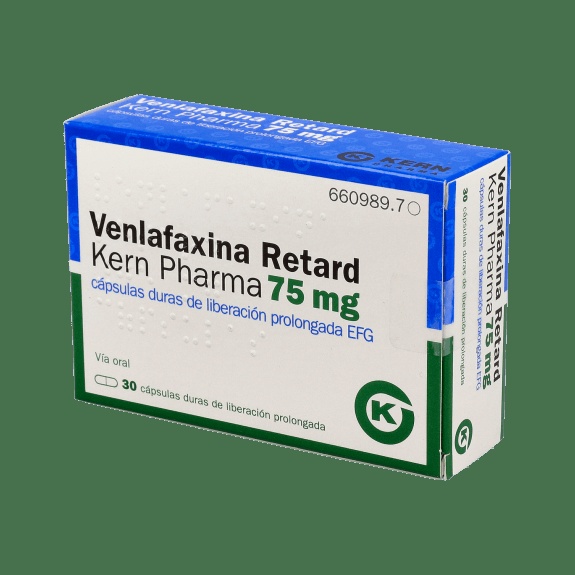
- Країна реєстрації
- Лікарська формаModified-release hard capsule, 75 MG
- Код АТХN06AX16
- Діюча речовина
- Потрібен рецептТак
- Виробник
- Ця інформація надана лише для ознайомлення і не є медичною порадою. Рішення щодо лікування завжди приймає лікар.
- Альтернативи до VENLAFAXINA ALTERЛікарська форма: Prolonged-release hard capsule, 75 MGДіюча речовина: венлафаксинВиробник: VIATRIS PHARMA S.R.L.Потрібен рецептЛікарська форма: Extended-release hard capsule, 75 MGДіюча речовина: венлафаксинВиробник: NEURAXPHARM ITALY S.P.A.Потрібен рецептЛікарська форма: Prolonged-release hard capsule, 37,5 MGДіюча речовина: венлафаксинВиробник: AUROBINDO PHARMA (ITALIA) S.R.L.Потрібен рецепт
Аналоги VENLAFAXINA ALTER в інших країнах
Препарати з тією самою діючою речовиною, доступні в інших країнах.
Аналог VENLAFAXINA ALTER у Іспанія
Аналог VENLAFAXINA ALTER у Польща
Аналог VENLAFAXINA ALTER у Україна
Лікарі онлайн щодо VENLAFAXINA ALTER
Застосування, безпека та можливість призначення рецепта — за результатами медичної оцінки.







Отримайте рецепт на VENLAFAXINA ALTER онлайн
Заповніть форму за 2 хвилини
Розкажіть про симптоми, історію хвороби та потрібний препарат.
Оберіть лікаря або ми призначимо
Оберіть спеціаліста або ми підберемо найближчого доступного лікаря.
Лікар розглядає ваш випадок
Зазвичай протягом 30 хвилин. Може ставити уточнювальні запитання в чаті.
Отримайте в будь-якій аптеці
Електронний рецепт надсилається на вашу пошту — дійсний по всій Польщі.
Часті запитання
VENLAFAXINA ALTER потребує рецепта в Італія. Ви можете обговорити з лікарем онлайн, чи підходить цей лікарський засіб для вашої ситуації.
Діюча речовина у VENLAFAXINA ALTER — венлафаксин. Це допомагає визначити препарати з тим самим складом, але під іншими торговими назвами.
VENLAFAXINA ALTER виробляється компанією LABORATORI ALTER S.R.L.. Назва бренду та упаковка можуть відрізнятися залежно від дистрибʼютора.
Лікарі, зокрема Сімейні лікарі, Психіатри, Дерматологи, Кардіологи, Ендокринологи, Гастроентерологи, Пульмонологи, Нефрологи, Ревматологи, Гематологи, Інфекціоністи, Алергологи, Геріатри, Педіатри, Онкологи, можуть оцінити доцільність застосування VENLAFAXINA ALTER з урахуванням вашого стану та місцевих правил. Ви можете записатися на онлайн-консультацію, щоб обговорити симптоми та можливі подальші кроки.
Польща має добре розвинену систему охорони здоров'я у великих містах, таких як Варшава, Краків, Вроцлав і Гданськ. Аптеки широко доступні та працюють відповідно до чинного законодавства, забезпечуючи доступ до рецептурних препаратів.
Ви можете придбати VENLAFAXINA ALTER у Варшаві, Кракові, Вроцлаві або Гданську в будь-якій аптеці за наявності дійсного рецепта.
Щоб отримати рецепт, ви можете скористатися Oladoctor:
Інші препарати з тією самою діючою речовиною (венлафаксин) включають EFEXOR, IXILANIA, VENLAFAXINA AUROBINDO. Вони можуть відрізнятися торговою назвою або формою випуску, але містять той самий терапевтичний компонент. Перед зміною або початком прийому нового препарату варто проконсультуватися з лікарем.
