



TORA-DOL 10 mg /Ml Injectable Solution

Запит на рецепт онлайн
Лікар розгляне ваш випадок і визначить, чи є рецепт медично доцільним.

Поговоріть з лікарем про ці ліки
Обговоріть симптоми та можливі подальші кроки під час короткої онлайн-консультації.



Інструкція із застосування TORA-DOL
Зміст інструкції
- Tora-Dol 10 mg film-coated tablets, 20 mg/ml oral drops, solution
- Tora-Dol 10 mg/ml injectable solution, 30 mg/ml injectable solution
Tora-Dol 10 mg film-coated tablets, 20 mg/ml oral drops, solution
ketorolac tromethamine
Read this leaflet carefully before taking this medicine as it contains
important information for you.
- Keep this leaflet. You may need to read it again.
- If you have any questions, ask your doctor or pharmacist.
- This medicine has been prescribed for you only. Do not pass it on to others, even if they have the same symptoms as you, as it may be harmful.
- If you get any side effects, even those not listed in this leaflet, tell your doctor or pharmacist. See section 4.
Contents of this leaflet:
- 1. What Tora-Dol is and what it is used for
- 2. What you need to know before you take Tora-Dol
- 3. How to take Tora-Dol
- 4. Possible side effects
- 5. How to store Tora-Dol
- 6. Contents of the pack and other information
1. What is Tora-Dol and what is it used for
Tora-Dol contains the active ingredient ketorolac tromethamine.
It belongs to a group of medicines called “non-steroidal anti-inflammatory/antirheumatic drugs (NSAIDs)”
which perform numerous activities, with an important function in pain control.
Tora-Dol is used onlyfor the short-term treatment (maximum 5 days)of moderate pain,
after a surgical procedure (post-operative pain).
2. What you need to know before you take Tora-Dol
Do not take Tora-Dol
- if you are allergic to ketorolac tromethamine or to any of the other ingredients of this medicine (listed in section 6)
- if you have mild or continuous pain over time (chronic pain)
- if you are allergic to other NSAIDs
- if you have allergic reactions, even severe and sudden (anaphylactic reactions) to aspirin (acetylsalicylic acid) or to other medicines of the same class (prostaglandin synthesis inhibitors)
- if you have nodule-like growths inside your nose (complete or partial nasal polyposis syndrome)
- if you have swelling of the legs, arms, face, mouth or tongue (angioedema)
- if you have difficulty breathing (bronchospasm, asthma)
- if you have a history of blood loss, perforation or lesion or have pain and burning in thestomach or intestines (active peptic ulcer)
- if you have severe heart problems (severe heart failure)
- if you have or have had bleeding in the brain or even suspected bleeding (cerebrovascular hemorrhage)
- if you have a reduced blood volume (hypovolemia) or water deficiency (dehydration)
- if you have moderate or severe kidney problems (moderate or severe renal insufficiency)
- if you have a severe liver injury or inflammation (liver cirrhosis or severe hepatitis)
- if you have a tendency to bleed easily (hemorrhagic diathesis, coagulation disorders)
- if you are taking medicines that thin the blood (anticoagulants)
- if you are taking aspirin (acetylsalicylic acid), other NSAIDs, lithium salts (for mental health problems), probenecid (for the treatment of gout) or pentoxifylline (to improve blood circulation) at the same time (see “Other medicines and Tora-Dol”)
- if you are being treated with medicines that greatly increase urine production
- if you need to prevent pain before or during a surgical procedure
- if you have undergone surgery with a high risk of bleeding (hemorrhage or incomplete hemostasis)
- if you are a child or adolescent under the age of 16
- if you are in the last three months of pregnancy (third trimester of pregnancy), about to give birth (labor), are giving birth or are breastfeeding (see “Pregnancy, breastfeeding and fertility”).
Warnings and precautions
Talk to your doctor or pharmacist before taking Tora-Dol:
- if you have or have had stomach or intestinal diseases, as the risk of toxicity ishigh, especially if you take Tora-Dol outside the authorized indications and/or forprolonged periods (see also “What is Tora-Dol and what is it used for”, “Do not take Tora-Dol”and “How to take Tora-Dol”)
- if you are taking other anti-inflammatory medicines (see “Other medicines and Tora-Dol”)
- if you are elderly or very weak (debilitated) as you may be more likely to experience some of the undesirable effects caused by Tora-Dol such as bleeding and perforation of the stomach and intestines
- if you have chronic inflammatory bowel diseases (ulcerative colitis and Crohn's disease)
- if you are taking corticosteroids (oral anti-inflammatory hormones), blood thinners (anticoagulants such as warfarin), medicines for depression (selective serotonin reuptake inhibitors) or medicines like aspirin or analogues (see “Other medicines and Tora-Dol”)
- if you have significant allergic reactions (anaphylactic reactions, bronchospasm, skin redness, skin rashes, low blood pressure, swelling of the throat and swelling of the legs, arms, face, mouth or tongue) that may occur in patients with or without a history of allergy to Tora-Dol, other NSAIDs or aspirin
- if you have a history of swelling of the legs, arms, face, mouth or tongue (angioedema) or difficulty breathing (bronchospasm, asthma) and the presence of nodule-like growths inside your nose (nasal polyps)
- if you have high blood pressure and/or your heart does not provide blood in sufficient quantity (congestive heart failure from mild to moderate)
- if you have problems with the blood vessels of the heart (chronic ischemic heart disease), legs (peripheral arteriopathy) and brain (cerebrovascular disease)
- if you have too much fat in your blood (hyperlipidemia)
- if you have diabetes
- if you smoke
- if you have kidney problems
- if you have liver problems, as abnormalities in tests evaluating how your liver is functioning may occur with the use of Tora-Dol. If you experience a severe impairment of liver function, immediately inform your doctor who will interrupt the treatment with Tora-Dol
- if you have bleeding problems
- if you have skin reactions (exfoliative dermatitis, Stevens-Johnson syndrome and toxic epidermal necrolysis, skin rash, mucosal lesions) or any other signs of allergy
- if you are planning a pregnancy
- if you have fertility problems or are undergoing fertility investigations.
Tell your doctor if you have recently undergone or are about to undergo surgery on the
stomach or intestinal tract before using Tora-Dol, as Tora-Dol may sometimes worsen
wound healing in the intestine following surgery.
Tora-Dol does not cause dependence. No withdrawal symptoms have been observed following
abrupt discontinuation of treatment.
Although Tora-Dol has not been shown to increase events such as heart attack, such risk cannot
be excluded.
Caution:Tora-Dol should not be considered a simple pain reliever and requires
to be used under strict medical control. It should not be used for the treatment of mild or
chronic pain.
Children and adolescents
Tora-Dol is contraindicated in children and adolescents under the age of 16.
Other medicines and Tora-Dol
Tell your doctor or pharmacist if you are taking, have recently taken or might take
any other medicines.
The concomitant use of Tora-Dol with:
- non-steroidal anti-inflammatory drugs (NSAIDs) and medicines of the same class as aspirin (ASA) should be avoided as they increase the risk of serious side effects
- corticosteroids (hormones used against inflammation) as they increase the risk of serious lesions and bleeding in the stomach and intestines (see “Warnings and precautions”)
- anticoagulants (medicines to thin the blood) as Tora-Dol may increase the effects of anticoagulants, such as warfarin, heparin and dextrans
- antiplatelet agents (aspirin or similar medicines) and selective serotonin reuptake inhibitors (medicines for depression) as they may increase the risk of bleeding in the stomach and intestines and prolong bleeding time
- pentoxifylline (medicine to improve blood circulation) as it causes a greater tendency to bleed
- probenecid (medicine for gout) as it increases the amount and persistence of Tora-Dol in the body
- methotrexate (medicine for tumors and for diseases of the body's defense system) as it remains longer in the body with the possibility of increasing its toxicity
- lithium (medicine for mental health problems) as its amount in the blood may increase following concomitant administration with Tora-Dol
- diuretics, ACE inhibitors and angiotensin II antagonists (medicines to lower blood pressure) as they may have a reduced effect when taken together with Tora-Dol and increase the risk of kidney damage in some dehydrated or elderly patients who already have impaired kidney function
- furosemide (medicine to increase the amount of urine) as its effect is reduced.
Tora-Dol reduces the need to use opioid-derived drugs to control pain following
surgery.
Tora-Dol with food
A meal rich in fat causes a lower effect of Tora-Dol tablets, delayed by about 1 hour.
Pregnancy, breastfeeding and fertility
If you are pregnant, suspect you may be pregnant or are planning a pregnancy, or if you are
breastfeeding, ask your doctor or pharmacist for advice before taking this medicine.
Pregnancy
The use of Tora-Dol is contraindicated during the last 3 months of pregnancy (third trimester of
pregnancy).
Do not take Tora-Dol in the last 3 months of pregnancy, as it may harm the fetus or cause
problems during childbirth. It may cause problems with the kidneys and heart of the fetus. It may affect
your and the baby's tendency to bleed and delay or prolong labor more than expected.
Do not take Tora-Dol during the first and second trimester of pregnancy, unless absolutely
necessary and under the advice of your doctor.
If treatment is needed during this period or during attempts to conceive, the minimum dose should be used for the shortest possible time. From the 20th week of pregnancy onwards,
ketorolac may cause kidney problems in the fetus, if taken for more than a few days, reducing the levels
of amniotic fluid surrounding the baby (oligohydramnios) or causing narrowing of a blood vessel
(ductus arteriosus) in the baby's heart. If treatment is needed for more than
a few days, your doctor may recommend additional monitoring.
If you are of childbearing potential, you should avoid a possible pregnancy before starting treatment and during
treatment with Tora-Dol you should use effective contraception.
Labor and delivery
Tora-Dol is contraindicated during labor and delivery.
Breastfeeding
Tora-Dol is contraindicated during breastfeeding.
Fertility
The use of Tora-Dol may reduce fertility and is not recommended if you are planning a pregnancy. If you
have difficulty getting pregnant or are undergoing fertility investigations, you should consider
stopping Tora-Dol.
Driving and using machines
You may experience drowsiness, dizziness, vertigo, sleep disturbances (insomnia) or mood disturbances
(depression) with the use of Tora-Dol. If you experience these or other similar side effects, avoid
engaging in activities that require attention.
Therefore, caution is advised when driving vehicles and using machinery.
Tora-Dol coated tablets contain:
- sodium.This medicine contains less than 1 mmol (23 mg) of sodium per tablet, i.e. essentially “sodium-free”.
Tora-Dol oral drops, solution contains:
- methyl-parahydroxybenzoate and propyl-parahydroxybenzoate.They may cause allergic reactions (even delayed).
- sodium.This medicine contains less than 1 mmol (23 mg) of sodium per ml of solution, i.e. essentially “sodium-free”.
3. How to take Tora-Dol
Take this medicine following exactly the instructions of your doctor or pharmacist. If you
have any doubts, ask your doctor or pharmacist.
Warning: the duration of treatment should not exceed 5 days.
Adults
The doctor will prescribe the lowest effective dose in relation to the severity of the pain and your response
to treatment.
The recommended dose is 10 mg (equivalent to 1 film-coated tablet or 10 drops of solution),
as needed, every 4-6 hours up to a maximum of 40 mg per day.
In case of switching from injectable therapy to oral therapy with Tora-Dol, your doctor will inform you
on how to proceed with the dose (the total dose must not be exceeded 90 mg per day, remembering
that the maximum oral dose should not exceed 40 mg).
The dose will be appropriately reduced by the doctor in patients weighing less than 50 kg.
Elderly (aged 65 years or older)
If you are elderly, your doctor will carefully determine the dose you need to take.
Use in children and adolescents
The use of the medicine is contraindicated under the age of 16 years.
Tora-Dol oral drops, solution is particularly suitable for those who have difficulty swallowing the
tablets.
Instructions for opening the bottle:
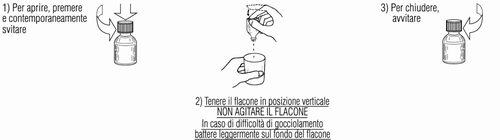
If you take more Tora-Dol than you should
In case of taking an excessive dose of Tora-Dol, immediately inform your doctor or go to the
nearest hospital.
Some of the symptoms of overdose may be abdominal pain, nausea, vomiting, frequent breathing (hyperventilation),
injury to the wall of the stomach or intestine and/or inflammation that
may be accompanied by blood loss (peptic ulcer and/or erosive gastritis, gastrointestinal bleeding), kidney problems (renal dysfunction), severe and rapid general allergic reactions
(anaphylactoid reactions). Rarely, an increase in blood pressure may occur
(hypertension), kidney disease (acute renal failure), difficulty breathing (respiratory depression) and coma.
If you forget to take Tora-Dol
Do not take a double dose to make up for a missed dose.
If you stop taking Tora-Dol
If you have any doubts about the use of this medicine, ask your doctor or pharmacist.
4. Possible side effects
Like all medicines, this medicine can cause side effects, although not everyone will experience them.
The following side effects may occur (frequencies are unknown because effects have been
reported voluntarily by a non-quantifiable number of people after the medicine was placed on
the market):
- inflammation of the membranes surrounding the brain (aseptic meningitis)
- decrease in a type of cells present in the blood (thrombocytopenia)
- red spots on the body (purpura)
- bleeding from the nose (epistaxis)
- severe and rapid general allergic reactions (anaphylaxis, anaphylactoid reactions)
- allergic reactions such as constriction of the bronchi causing difficulty breathing (bronchospasm)
- dilation of blood vessels (vasodilation)
- hot flashes
- skin rash (rash)
- swelling of the throat (laryngeal edema)
- loss of appetite (anorexia)
- increased potassium levels (hyperkalemia) and decreased sodium levels in the blood (hyponatremia)
- abnormal thinking
- mood disorders (depression)
- sleep disorders (insomnia)
- anxiety, irritability, nervousness
- severe alterations of mental balance (psychotic reactions)
- abnormal dreams
- hallucinations
- euphoria
- reduced ability to concentrate
- decreased sensitivity and slowness of reflexes (states of stupor)
- confusion
- headache (cephalalgia)
- dizziness
- convulsions
- altered skin sensitivity, tingling (paresthesia)
- excessive movement (hyperkinesia)
- taste alterations
- visual disturbances, altered vision (abnormal vision)
- ringing in the ears (tinnitus), hearing loss
- vertigo
- irregular or strong heartbeat (palpitations)
- decreased heart rate (bradycardia)
- reduced heart function (heart failure)
- swelling (edema)
- increased blood pressure (hypertension) or decreased blood pressure (hypotension)
- heart problems (cardiac insufficiency)
- bruises (hematomas)
- redness
- pallor
- bleeding from the wound after surgery (post-operative hemorrhage)
- heart attack
- brain vessel injury (stroke)
- presence of fluid in the lungs (pulmonary edema)
- difficulty breathing (dyspnea, asthma)
- injury to the wall of the stomach or intestine which may also be perforated and accompanied by blood loss (peptic ulcer, ulcer, perforation or gastrointestinal bleeding)
- nausea
- vomiting
- diarrhea
- passage of gas from the anus (flatulence)
- constipation
- pain/discomfort in the stomach area (dyspepsia), abdominal pain, feeling of fullness
- blood in the stool (melena) and from the end of the intestine (rectal bleeding)
- vomiting blood (hematemesis)
- inflammation of the mouth (stomatitis, ulcerative stomatitis) and esophagus (esophagitis)
- belching
- inflammation of the pancreas (pancreatitis)
- dry mouth
- worsening of inflammation of a part of the intestine called the colon (exacerbation of colitis), of the stomach (gastritis)
- worsening of a chronic inflammatory bowel disease (Crohn's disease)
- inflammation of the liver (hepatitis)
- yellowing of the skin and eyes (cholestatic jaundice)
- poor liver function (hepatic insufficiency)
- rapid swelling of legs, arms, face or tongue (angioedema)
- skin inflammation with scaling (exfoliative dermatitis)
- sweating
- skin rash with redness and swelling (maculo-papular rash)
- urticaria, itching
- reactions with blisters including a disease called Stevens-Johnson syndrome with severe lesions on the skin, mouth and other parts of the body with high fever, vomiting, diarrhea and joint pain
- skin death (toxic epidermal necrolysis)
- muscle pain (myalgia)
- increased urine output (polyuria), increased urinary frequency, decreased urine output (oliguria)
- kidney diseases (renal insufficiency, uremic-hemolytic syndrome, interstitial nephritis, urinary retention, nephrotic syndrome, flank pain)
- infertility in women
- muscle weakness (asthenia)
- fever
- chest pain
- excessive thirst
- increased bleeding time and alteration of some blood tests (increased urea, increased creatinine, alteration of liver function tests).
Reporting of side effects
If you experience any side effects, including those not listed in this leaflet, please inform your
doctor or pharmacist. You can also report side effects directly through the national reporting system at https://www.aifa.gov.it/content/segnalazioni-reazioni-avverse.
By reporting side effects you can contribute to providing more information on the safety of
this medicine.
5. How to store Tora-Dol
Film-coated tablets:do not store at a temperature above 30°C.
Oral drops, solution:store in the original packaging to protect the medicine from light.
Keep this medicine out of the sight and reach of children.
Do not use this medicine after the expiry date which is stated on the pack after “Exp.”. The expiry
date refers to the last day of that month.
Do not dispose of any medicine in wastewater or household waste. Ask your pharmacist how
to dispose of medicines you no longer use. This will help protect the environment.
6. Contents of the pack and other information
What Tora-Dol contains
Tora-Dol 10 mg film-coated tablets
- The active ingredient is ketorolac tromethamine. Each tablet contains 10 mg of ketorolac tromethamine.
- The other ingredients are microcrystalline cellulose, croscarmellose sodium, pregelatinized starch, magnesium stearate, hypromellose, titanium dioxide, macrogol 8000.
Tora-Dol 20 mg/ml oral drops, solution
- The active ingredient is ketorolac tromethamine. Each ml of solution (1 ml = 20 drops) contains 20 mg of ketorolac tromethamine.
- The other ingredients are citric acid, disodium hydrogen phosphate dihydrate, methyl parahydroxybenzoate, propyl parahydroxybenzoate, sodium hydroxide up to pH 6.5 ± 0.5, purified water.
Description of the appearance of Tora-Dol and contents of the pack
Tora-Dol is available in the form of:
- 10 mg film-coated tablets for oral use. It is available in packs of 10 tablets in blisters
- 20 mg/ml oral drops, solution. A 10 ml glass bottle is available.
Marketing Authorisation Holder and Manufacturer
RECORDATI Industria Chimica e Farmaceutica S.p.A. - Via Matteo Civitali, 1 – 20148 Milano.
Sales representative: Innova Pharma S.p.A. - Via Matteo Civitali, 1 – 20148 Milano.
Tora-Dol 10 mg/ml injectable solution, 30 mg/ml injectable solution
ketorolac trometamine
Read this leaflet carefully before you start to use this medicine as it contains important
information for you.
- Keep this leaflet. You may need to read it again.
- If you have any questions, ask your doctor or pharmacist.
- This medicine has been prescribed for you only. Do not pass it on to others, even if their symptoms are the same as yours, as it could be harmful.
- If you get any side effects, even those not listed in this leaflet, tell your doctor or pharmacist. See section 4.
Contents of this leaflet:
- 1. What Tora-Dol is and what it is used for
- 2. What you need to know before you use Tora-Dol
- 3. How to use Tora-Dol
- 4. Possible side effects
- 5. How to store Tora-Dol
- 6. Contents of the pack and other information
1. What is Tora-Dol and what is it used for
Tora-Dol contains the active ingredient ketorolac tromethamine.
It belongs to a group of medicines called “non-steroidal anti-inflammatory/antirheumatic drugs (NSAIDs)”
which perform numerous activities, with an important function in pain control.
Tora-Dol is used:
- in the short-term (maximum 2 days)treatment of moderate to severe acute pain, after surgery (post-operative pain), administered into a muscle (intramuscularly) or through a vein (intravenously)
- as a support to pain therapy based on opioid derivatives, in cases of major surgery or very intense pain, administered intravenously
- in the treatment of pain due to renal colic, at a dosage of 30 mg/ml.
2. What you need to know before using Tora-Dol
Do not use Tora-Dol
- if you are allergic to ketorolac trometamine or any of the other ingredients of this medicine (listed in section 6)
- if you have mild or continuous pain over time (chronic pain)
- if you are allergic to other NSAIDs
- if you have allergic reactions, even severe and sudden (anaphylactic reactions) to aspirin (acetylsalicylic acid) or other medicines of the same class (prostaglandin synthesis inhibitors)
- if you have nodule-like growths inside your nose (complete or partial nasal polyposis syndrome)
- if you have swelling of the legs, arms, face, mouth or tongue (angioedema)
- if you have difficulty breathing (bronchospasm, asthma)
- if you have a history of blood loss, perforation or lesion or have pain and burning in thestomach or intestines (active peptic ulcer)
- if you have severe heart problems (severe heart failure)
- if you have or have had bleeding in the brain or even suspected bleeding (cerebrovascular hemorrhage)
- if you have a reduced blood volume (hypovolemia) or water deficiency (dehydration)
- if you have moderate or severe kidney problems (moderate or severe renal insufficiency)
- if you have a severe lesion or inflammation of the liver (liver cirrhosis or severe hepatitis)
- if you have a tendency to bleed easily (hemorrhagic diathesis, coagulation disorders)
- if you are taking medicines that thin the blood (anticoagulants)
- if you are taking aspirin (acetylsalicylic acid), other NSAIDs, lithium salts (for mental health problems), probenecid (for the treatment of gout) or pentoxifylline (to improve blood circulation) at the same time (see “Other medicines and Tora-Dol”)
- if you are being treated with medicines that greatly increase urine production
- if you need to prevent pain before or during surgery
- if you have undergone surgery with a high risk of bleeding (hemorrhage or incomplete hemostasis)
- if you are a child or adolescent under the age of 16
- if you are in the last three months of pregnancy (third trimester of pregnancy), about to give birth (labor), are giving birth or are breastfeeding (see “Pregnancy, breastfeeding and fertility”)
- if a particular administration is required (use by neuroaxial route: epidural orintrathecal).
Warnings and precautions
Talk to your doctor or pharmacist before using Tora-Dol:
- if you have or have had stomach or intestinal diseases, as the risk of toxicity ishigh, especially if you use Tora-Dol outside the authorized indications and/or forprolonged periods (see also “What is Tora-Dol and what is it used for”, “Do not use Tora-Dol” and“How to use Tora-Dol”)
- if you are taking other anti-inflammatory medicines (see “Other medicines and Tora-Dol”)
- if you are elderly or very weak (debilitated) as you may be more likely to experience some of the undesirable effects caused by Tora-Dol such as bleeding and perforation of the stomach and intestines
- if you have chronic inflammatory bowel diseases (ulcerative colitis and Crohn's disease)
- if you are taking corticosteroids (oral anti-inflammatory hormones), blood-thinning medicines (anticoagulants such as warfarin), medicines for depression (selective serotonin reuptake inhibitors) or medicines such as aspirin or analogues (see “Other medicines and Tora-Dol”)
- if you have significant allergic reactions (anaphylactic reactions, bronchospasm, skin redness, skin rashes, low blood pressure, swelling of the throat and swelling of the legs, arms, face, mouth or tongue) that may occur in patients with or without a history of allergy to Tora-Dol, other NSAIDs or aspirin
- if you have a history of swelling of the legs, arms, face, mouth or tongue (angioedema) or difficulty breathing (bronchospasm, asthma) and the presence of nodule-like growths inside your nose (nasal polyps)
- if you have high blood pressure and/or your heart does not provide enough blood (congestive heart failure from mild to moderate)
- if you have problems with the blood vessels of the heart (chronic ischemic heart disease), legs (peripheral arteriopathy) and brain (cerebrovascular disease)
- if you have too much fat in your blood (hyperlipidemia)
- if you have diabetes
- if you smoke
- if you have kidney problems
- if you have liver problems, as abnormalities in tests evaluating how your liver is functioning may occur with the use of Tora-Dol. If you experience a severe alteration of
liver function, immediately inform your doctor who will interrupt treatment with
Tora-Dol
- if you have bleeding problems
- if you have skin reactions (exfoliative dermatitis, Stevens-Johnson syndrome and toxic epidermal necrolysis, skin rash, mucosal lesions) or any other sign of allergy
- if you are planning a pregnancy
- if you have fertility problems or are undergoing fertility investigations.
Tell your doctor if you have recently undergone or are about to undergo stomach or intestinal surgery before using Tora-Dol, as Tora-Dol may sometimes worsen
wound healing in the intestine following surgery.
Tora-Dol does not cause dependence. No withdrawal symptoms have been observed following
abrupt discontinuation of treatment.
Although Tora-Dol has not been shown to increase events such as heart attack, such risk cannot
be excluded.
Caution:Tora-Dol cannot be considered a simple pain reliever and requires
to be used under strict medical supervision. It should not be used in the treatment of mild or
chronic pain.
Children and adolescents
Tora-Dol is contraindicated in children and adolescents under the age of 16.
Other medicines and Tora-Dol
Tell your doctor or pharmacist if you are taking, have recently taken or might take any other
medicines.
The concomitant use of Tora-Dol with the following must be avoided:
- non-steroidal anti-inflammatory drugs (NSAIDs) and medicines of the same class as aspirin (ASA) as they increase the risk of serious side effects
- corticosteroids (hormones used against inflammation) as they increase the risk of serious lesions and bleeding in the stomach and intestines (see “Warnings and precautions”)
- anticoagulants (medicines to thin the blood) as Tora-Dol may increase the effects of anticoagulants, such as warfarin, heparin and dextrans
- antiplatelet agents (aspirin or similar medicines) and selective serotonin reuptake inhibitors (medicines for depression) as they may increase the risk of bleeding in the stomach and intestines and prolong bleeding time
- pentoxifylline (medicine to improve blood circulation) as it causes a greater tendency to bleeding
- probenecid (medicine for gout) as it increases the amount and persistence of Tora-Dol in the body
- methotrexate (medicine for tumors and for diseases of the body's defense system) as it remains longer in the body with the possibility of increasing its toxicity
- lithium (medicine for mental health problems) as the amount in the blood may increase following concomitant intake with Tora-Dol
- diuretics, ACE inhibitors and angiotensin II antagonists (medicines to lower blood pressure) as they may have a reduced effect if taken together with Tora-Dol and increase the risk of kidney damage in some dehydrated or elderly patients who already have impaired kidney function
- furosemide (medicine to increase the amount of urine) as its effect is reduced.
Tora-Dol reduces the need to use opioid-derived drugs to control pain following
surgery.
Pregnancy, breastfeeding and fertility
If you are pregnant, suspect you may be pregnant, are planning a pregnancy, or are breastfeeding
with breast milk, ask your doctor or pharmacist for advice before using this medicine.
Pregnancy
The use of Tora-Dol is contraindicated during the last 3 months of pregnancy (third trimester of
pregnancy).
Do not use Tora-Dol in the last 3 months of pregnancy, as it may harm the fetus or cause
problems during childbirth. It may cause problems with the fetus's kidneys and heart. It may affect
your and your baby's tendency to bleed and delay or prolong labor more than expected.
Do not use Tora-Dol during the first and second trimesters of pregnancy unless absolutely
necessary and under the advice of a doctor.
If treatment is needed during this period or during attempts to conceive, the minimum dose should be used for the shortest possible time. From the 20th week of pregnancy onwards,
ketorolac may cause kidney problems in the fetus, if taken for more than a few days, reducing the levels
of amniotic fluid surrounding the baby (oligohydramnios) or causing the narrowing of a blood
vessel (ductus arteriosus) in the baby's heart. If treatment is needed for more than
a few days, your doctor may recommend additional monitoring.
If you are of childbearing potential, you should avoid a possible pregnancy before starting treatment and during
treatment with Tora-Dol you should use effective contraception.
Labor and delivery
Tora-Dol is contraindicated during labor and delivery.
Breastfeeding
Tora-Dol is contraindicated during breastfeeding.
Fertility
The use of Tora-Dol may reduce fertility and is not recommended if you are planning a pregnancy. If you
have difficulty getting pregnant or are undergoing fertility investigations, you should consider
stopping Tora-Dol.
Driving and using machines
You may experience drowsiness, dizziness, vertigo, sleep disturbances (insomnia) or mood
disorders (depression) with the use of Tora-Dol. If you experience these or other similar side effects, avoid
engaging in activities that require attention.
Therefore, caution is advised when driving vehicles and using machinery.
Tora-Dol 30 mg/ml injectable solution contains:
- ethanol.This medicine contains 100 mg of alcohol (ethanol) per vial, which is equivalent to 100 mg/ml (10% w/v). The amount in 1 vial of this medicine is equivalent to less than 3 ml of beer or 2 ml of wine. The small amount of alcohol in this medicine will not produce significant effects.
- sodium.This medicine contains less than 1 mmol (23 mg) of sodium per vial, i.e. essentially “sodium-free”.
Tora-Dol 10 mg/ml injectable solution contains:
- ethanol.This medicine contains 100 mg of alcohol (ethanol) per vial, which is equivalent to 100 mg/ml (10% w/v). The amount in 1 vial of this medicine is equivalent to less than 3 ml of beer or 2 ml of wine. The small amount of alcohol in this medicine will not produce significant effects.
- sodium.This medicine contains less than 1 mmol (23 mg) of sodium per vial, i.e. essentially “sodium-free”. This medicine contains 27 mg of sodium (the main component of table salt) per 9 vials (maximum daily dose). This is equivalent to 1.35% of the recommended maximum daily intake with the diet of an adult.
3. How to use Tora-Dol
Use this medicine following exactly the instructions of your doctor or pharmacist. If you have
any doubts, consult your doctor or pharmacist.
The duration of therapy should not exceed 2 days in case of rapid administration (bolus)
and 1 day in case of slow administration (continuous infusion).
The doctor will prescribe the lowest effective dose in relation to the severity of the pain and your response
to treatment.
Use this medicine following strict hygiene rules.
- Administration into a muscle (intramuscular)AdultsThe recommended initial dose is 10 mg, followed by doses of 10-30 mg to be repeated every 4-6 hours, as needed, up to a maximum of 90 mg per day, using the minimum effective dose. The duration of therapy should not exceed 2 days.
The doctor will inform you how to switch from injectable therapy to oral therapy with Tora-Dol (the total dose of 90 mg per day should not
be exceeded, remembering that the maximum oral dose should not
exceed 40 mg).
The dose will be appropriately reduced by the doctor in patients weighing less than 50 kg.
Elderly (aged 65 years or older)
If you are elderly, your doctor will carefully determine the dose you need to take.
The maximum daily dose should not, however, exceed 60 mg per day.
- Administration into a vein (intravenous)
INTRAVENOUS USE OF THE PREPARATION IS RESERVED FOR HOSPITALS AND
NURSING HOMES.
Adults
In case of severe acute pain, the recommended initial dose is 10 mg, followed by doses of 10-30 mg
to be repeated every 4-6 hours, as needed, using the minimum effective dose. If necessary, the
treatment can continue at longer intervals, but the dose of
90 mg per day should not be exceeded.
Elderly (aged 65 years or older)
The maximum daily dose should not, however, exceed 60 mg per day.
Renal colic
If you suffer from renal colic, the recommended dose is one vial of 30 mg for intramuscular or
intravenous administration.
Use in children and adolescents
The use of the medicine is contraindicated under the age of 16 years.
If you use more Tora-Dol than you should
In case of taking an excessive dose of Tora-Dol, immediately inform your doctor or go
to the nearest hospital.
Some of the symptoms of overdose may be abdominal pain, nausea, vomiting, frequent breathing (hyperventilation), injury to the wall of the stomach or intestine and/or inflammation that
may be accompanied by blood loss (peptic ulcer and/or erosive gastritis, gastrointestinal bleeding), kidney problems (renal dysfunction), severe and rapid general allergic reactions
(anaphylactoid reactions). Rarely, an increase in blood pressure
(hypertension), kidney disease (acute renal failure), difficulty breathing (respiratory depression) and coma may occur.
If you forget to use Tora-Dol
Do not use a double dose to make up for the missed dose.
If you stop treatment with Tora-Dol
If you have any doubts about the use of this medicine, consult your doctor or pharmacist.
4. Possible side effects
Like all medicines, this medicine can cause side effects, although not everybody gets them.
The following side effects may occur (frequencies are unknown because effects have been
reported voluntarily by an unquantifiable number of people, after the medicine was put on
the market):
- inflammation of the membranes surrounding the brain (aseptic meningitis)
- decrease in a type of cells present in the blood (thrombocytopenia)
- red spots on the body (purpura)
- bleeding from the nose (epistaxis)
- severe and rapid general allergic reactions (anaphylaxis, anaphylactoid reactions)
- allergic reactions such as constriction of the bronchi causing difficulty breathing (bronchospasm)
- dilation of blood vessels (vasodilation)
- hot flashes
- skin rash (rash)
- swelling of the throat (laryngeal edema)
- loss of appetite (anorexia)
- increased potassium levels (hyperkalemia) and decreased sodium levels in the blood (hyponatremia)
- abnormal thinking
- mood disorders (depression)
- sleep disorders (insomnia)
- anxiety, irritability, nervousness
- severe alterations of mental balance (psychotic reactions)
- abnormal dreams
- hallucinations
- euphoria
- reduced ability to concentrate
- decreased sensitivity and slowness of reflexes (states of torpor)
- confusion
- headache (cephalalgia)
- dizziness
- convulsions
- altered skin sensitivity, tingling (paresthesia)
- excessive movement (hyperkinesia)
- taste alterations
- visual disturbances, altered vision (abnormal vision)
- ringing in the ears (tinnitus), hearing loss
- vertigo
- irregular or strong heartbeat (palpitations)
- reduced heart rate (bradycardia)
- reduced heart function (heart failure)
- swelling (edema)
- increased blood pressure (hypertension) or decreased blood pressure (hypotension)
- heart problems (cardiac insufficiency)
- bruises (hematomas)
- redness
- pallor
- bleeding from the wound after surgery (post-operative hemorrhage)
- heart attack
- brain vessel injury (stroke)
- presence of fluid in the lungs (pulmonary edema)
- difficulty breathing (dyspnea, asthma)
- injury to the wall of the stomach or intestine which may also be perforated and accompanied by blood loss (peptic ulcer, ulcer, perforation or gastrointestinal bleeding)
- nausea
- vomiting
- diarrhea
- passage of gas from the anus (flatulence)
- constipation
- pain/discomfort in the stomach area (dyspepsia), abdominal pain, feeling of fullness
- blood in the stool (melena) and from the end of the intestine (rectal bleeding)
- vomiting blood (hematemesis)
- inflammation of the mouth (stomatitis, ulcerative stomatitis) and esophagus (esophagitis)
- belching
- inflammation of the pancreas (pancreatitis)
- dry mouth
- worsening of inflammation of a part of the intestine called the colon (exacerbation of colitis), of the stomach (gastritis)
- worsening of a chronic inflammatory bowel disease (Crohn's disease)
- inflammation of the liver (hepatitis)
- yellowing of the skin and eyes (cholestatic jaundice)
- poor liver function (hepatic insufficiency)
- rapid swelling of legs, arms, face or tongue (angioedema)
- skin inflammation with scaling (exfoliative dermatitis)
- sweating
- skin rash with redness and swelling (maculo-papular rash)
- urticaria, itching
- reactions with blisters including a disease called Stevens-Johnson syndrome with severe lesions on the skin, mouth and other parts of the body with high fever, vomiting, diarrhea and joint pain
- skin death (toxic epidermal necrolysis)
- muscle pain (myalgia)
- increased urine output (polyuria), increased frequency of urination, decreased urine output (oliguria)
- kidney diseases (renal insufficiency, uremic-hemolytic syndrome, interstitial nephritis, urinary retention, nephrotic syndrome, flank pain)
- infertility in women
- muscle weakness (asthenia)
- fever
- reactions at the injection site
- chest pain
- excessive thirst
- increased bleeding time and alteration of some blood tests (increased urea, increased creatinine, alteration of liver function tests).
Reporting of side effects
If you get any side effects, even those not listed in this leaflet, tell your
doctor or pharmacist. You can also report side effects directly through the national reporting system at https://www.aifa.gov.it/content/segnalazioni-reazioni-avverse.
By reporting side effects you can help provide more information on the safety of
this medicine.
5. How to store Tora-Dol
This medicine does not require any special storage conditions.
Keep this medicine out of the sight and reach of children.
Do not use this medicine after the expiry date which is stated on the pack after “Exp.”. The expiry
date refers to the last day of that month.
Do not dispose of any medicine in waste water or household waste. Ask your pharmacist how
to dispose of medicines you no longer use. This will help protect the environment.
6. Package Contents and Other Information
What Tora-Dol contains
Tora-Dol 10 mg/ml injectable solution
- The active ingredient is ketorolac tromethamine. Each 1 ml vial contains 10 mg of ketorolac tromethamine.
- The other ingredients are ethanol, sodium chloride, sodium hydroxide, water for injections, pH correctors (sodium hydroxide, hydrochloric acid to pH 7.4 ± 0.2).
Tora-Dol 30 mg/ml injectable solution
- The active ingredient is ketorolac tromethamine. Each 1 ml vial contains 30 mg of ketorolac tromethamine.
- The other ingredients are ethanol, sodium chloride, sodium hydroxide, water for injections, pH correctors (sodium hydroxide, hydrochloric acid to pH 7.4 ± 0.2).
Description of the appearance of Tora-Dol and package contents
Tora-Dol is presented in the form of an injectable solution for intramuscular or intravenous use.
It is available in the following packs:
10 mg /ml injectable solution: 6 vials of 1 ml.
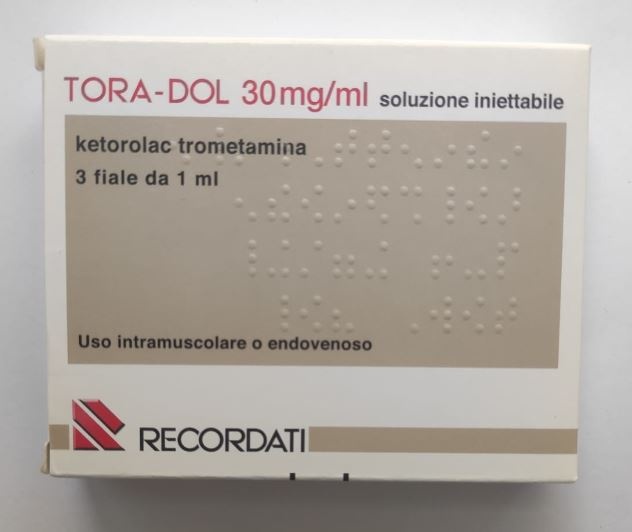
30 mg /ml injectable solution: 3 vials of 1 ml.
Marketing Authorisation Holder
RECORDATI Industria Chimica e Farmaceutica S.p.A. - Via Matteo Civitali, 1 – 20148 Milano.
Sales representative: Innova Pharma S.p.A. - Via Matteo Civitali, 1 – 20148 Milano.
Manufacturer
Biologici Italia Laboratories S.r.l. – Via F. Serpero, 2 – 20060 Masate (MI).
Also for 30 mg/ml vials:
Esseti Farmaceutici S.r.l. – Via Campobello, 15 – 00071 Pomezia (RM).
---------------------------------------------------------------------------------------------------------------------------
The following information is intended exclusively for doctors or healthcare professionals:
Warning:the injectable solution contains ethanol, therefore use via
neuroaxial (epidural or intrathecal) is contraindicated.
Tora-Dol is compatible with aminophylline, xylocaine, morphine, meperidine, dopamine, insulin and heparin
mixed together in a solution contained in an intravenous infusion bag for i.v. administration, but cannot
be mixed with morphine, meperidine, promethazine or hydroxyzine in a syringe.
Injections must be performed according to strict rules of sterilization, asepsis and antisepsis.
The dose administered must be the lowest effective dose in relation to the severity of the pain and the
patient's response.

Не впевнені, чи підходить вам цей лікарський засіб?
Обговоріть симптоми та можливі варіанти лікування з лікарем онлайн.

Виникли питання під час прийому ліків?
Обговоріть свої симптоми та лікування з лікарем онлайн.
- Країна реєстрації
- Лікарська формаInjectable solution, 10 MG/ML
- Код АТХM01AB15
- Діюча речовина
- Потрібен рецептТак
- Виробник
- Ця інформація надана лише для ознайомлення і не є медичною порадою. Рішення щодо лікування завжди приймає лікар.
- Альтернативи до TORA-DOLЛікарська форма: Injectable solution, 30 MG/MLДіюча речовина: ketorolacВиробник: PHARMABER S.R.L.Потрібен рецептЛікарська форма: Injectable solution, 30 MG/MLДіюча речовина: ketorolacВиробник: EPIFARMA S.R.LПотрібен рецептЛікарська форма: Oral drops, solution, 20 MG/MLДіюча речовина: ketorolacВиробник: ABC FARMACEUTICI S.P.A.Потрібен рецепт
Аналоги TORA-DOL в інших країнах
Препарати з тією самою діючою речовиною, доступні в інших країнах.
Аналог TORA-DOL у Україна
Аналог TORA-DOL у Іспанія
Лікарі онлайн щодо TORA-DOL
Застосування, безпека та можливість призначення рецепта — за результатами медичної оцінки.









Отримайте рецепт на TORA-DOL онлайн
Заповніть форму за 2 хвилини
Розкажіть про симптоми, історію хвороби та потрібний препарат.
Оберіть лікаря або ми призначимо
Оберіть спеціаліста або ми підберемо найближчого доступного лікаря.
Лікар розглядає ваш випадок
Зазвичай протягом 30 хвилин. Може ставити уточнювальні запитання в чаті.
Отримайте в будь-якій аптеці
Електронний рецепт надсилається на вашу пошту — дійсний по всій Польщі.
Часті запитання
TORA-DOL потребує рецепта в Італія. Ви можете обговорити з лікарем онлайн, чи підходить цей лікарський засіб для вашої ситуації.
Діюча речовина у TORA-DOL — ketorolac. Це допомагає визначити препарати з тим самим складом, але під іншими торговими назвами.
TORA-DOL виробляється компанією RECORDATI INDUSTRIA CHIMICA E FARMACEUTICA S.P.A.. Назва бренду та упаковка можуть відрізнятися залежно від дистрибʼютора.
Лікарі, зокрема Сімейні лікарі, Психіатри, Дерматологи, Кардіологи, Ендокринологи, Гастроентерологи, Пульмонологи, Нефрологи, Ревматологи, Гематологи, Інфекціоністи, Алергологи, Геріатри, Педіатри, Онкологи, можуть оцінити доцільність застосування TORA-DOL з урахуванням вашого стану та місцевих правил. Ви можете записатися на онлайн-консультацію, щоб обговорити симптоми та можливі подальші кроки.
Польща має добре розвинену систему охорони здоров'я у великих містах, таких як Варшава, Краків, Вроцлав і Гданськ. Аптеки широко доступні та працюють відповідно до чинного законодавства, забезпечуючи доступ до рецептурних препаратів.
Ви можете придбати TORA-DOL у Варшаві, Кракові, Вроцлаві або Гданську в будь-якій аптеці за наявності дійсного рецепта.
Щоб отримати рецепт, ви можете скористатися Oladoctor:
Інші препарати з тією самою діючою речовиною (ketorolac) включають BENKETOL, EUMAT, KETOROLAK ABK. Вони можуть відрізнятися торговою назвою або формою випуску, але містять той самий терапевтичний компонент. Перед зміною або початком прийому нового препарату варто проконсультуватися з лікарем.
