



SCLERYDA 120 mg Enteric-Coated Hard Capsule

Запит на рецепт онлайн
Лікар розгляне ваш випадок і визначить, чи є рецепт медично доцільним.

Поговоріть з лікарем про ці ліки
Обговоріть симптоми та можливі подальші кроки під час короткої онлайн-консультації.



Інструкція із застосування SKLERYDA
Зміст інструкції
Scleryda 120 mg hard gastro-resistant capsules, 240 mg hard gastro-resistant capsules
dimethyl fumarate
Generic medicine
Read this leaflet carefully before taking this medicine as it contains
important information for you.
- Keep this leaflet. You may need to read it again.
- If you have any questions, ask your doctor or pharmacist.
- This medicine has been prescribed for you only. Do not pass it on to others, even if they have the same symptoms as you, as it may be harmful.
- If you get any side effects, even those not listed in this leaflet, tell your doctor or pharmacist. See section 4.
Contents of this leaflet
- 1. What Scleryda is and what it is used for
- 2. What you need to know before you take Scleryda
- 3. How to take Scleryda
- 4. Possible side effects
- 5. How to store Scleryda
- 6. Contents of the pack and other information
1. What is Scleryda and what is it used for
What is Scleryda
Scleryda is a medicine that contains the active substance dimethyl fumarate.
What is Scleryda used for
Scleryda is used to treat relapsing-remitting multiple sclerosis (RRMS) in patients aged 13 years or older.
Multiple sclerosis is a chronic disease that affects the central nervous system (CNS), i.e. the
brain and spinal cord. Relapsing-remitting multiple sclerosis is characterized by repeated attacks (relapses) of symptoms that affect the nervous system. Symptoms vary from patient to
patient, but generally include difficulty walking, a feeling of imbalance and visual impairment (e.g. blurred or double vision). These symptoms may disappear completely when the
relapse resolves, but some problems may remain.
How Scleryda works
It appears that Scleryda works by preventing the body's defense system from damaging the brain and
spinal cord. This may also help to delay future worsening of the disease.
2. What you need to know before you take Scleryda
Do not take Scleryda
- if you are allergic to dimethyl fumarateor to any of the other ingredients of this medicine (listed in section 6).
- if you suspect you have a rare brain infection called progressive multifocal leukoencephalopathy (PML) or if the diagnosis of PML has been confirmed.
Warnings and precautions
Scleryda can affect the number of white blood cells in the blood, the kidneysand the liver. Before
starting to take Scleryda, your doctor will perform a blood test to count the number of
white blood cells and will check that your kidneys and liver are working properly. Your doctor will perform these
tests periodically during treatment. If the number of your white blood cells decreases during treatment, your doctor may consider further tests or stopping
therapy.
Talk to your doctorbefore taking Scleryda if you have:
- a serious illness of the kidneys
- a serious illness of the liver
- an illness of the stomachor intestine
- a serious infection(such as pneumonia)
Cases of herpes zoster infection (shingles) can occur with Scleryda treatment. In some cases, serious complications have occurred. You must tell your doctor
immediately if you suspect you have any symptoms of herpes zoster infection.
If you believe that your MS is worsening (for example, if you experience weakness or changes in vision) or
if you notice new symptoms, contact your doctor immediately as these may be symptoms of
a rare brain infection called progressive multifocal leukoencephalopathy (PML). PML is
a serious condition that can lead to severe disability or death.
With a medicine containing dimethyl fumarate in combination with other fumaric acid esters,
used for the treatment of psoriasis (a skin disease), a rare but serious kidney disorder called Fanconi syndrome has been observed. If you notice that you are urinating more often, if you are thirstier and drink more than usual, if your muscles are weaker, or in case of fracture or just pain, contact your doctor as soon as possible so that further investigations can be carried out.
Children and adolescents
Do not give this medicine to children under 10 years of age because no data are available in
this age group.
Other medicines and Scleryda
Tell your doctor or pharmacist if you are taking, have recently taken or might take
any other medicines, especially:
Tell your doctor or pharmacistif you are taking, have recently taken or might take
any other medicines, especially:
- medicines that contain fumaric acid esters(fumarates) used for the treatment of psoriasis
- medicines that affect the immune system, including chemotherapy drugs, immunosuppressantsor other medicines used to treat MS
- medicines that affect the kidneys, includingsome antibiotics(used to treat infections), “diuretics”, certain types of painkillers(such as ibuprofen and other similar anti-inflammatory drugs and over-the-counter medicines) and medicines that contain lithium
- taking Scleryda with certain types of vaccines (live vaccines) can cause you to become infected and should therefore be avoided. Your doctor will tell you if other types of vaccines (non-live vaccines) should be given.
Scleryda with alcohol
Consumption of high-alcohol beverages (more than 30% alcohol by volume, e.g. spirits) greater
than a small amount (more than 50 ml) should be avoided within one hour of taking Scleryda,
because alcohol can interact with this medicine. This can cause inflammation of the stomach
(gastritis), especially in people already prone to gastritis.
Pregnancy and breastfeeding
If you are pregnant, suspect you are pregnant or are planning to become pregnant, or if you are breastfeeding, ask your doctor or pharmacist for advice before taking this medicine.
Pregnancy
There is limited information on the harmful effects of this medicine on the unborn child if used
during pregnancy. Do not use Scleryda if you are pregnant unless you have discussed this with
your doctor and this medicine is clearly necessary for you.
Breastfeeding
It is not known whether the active ingredient of Scleryda passes into breast milk. Your doctor will advise you whether to stop
breastfeeding or stop taking Scleryda. This involves
assessing the benefit of breastfeeding for your baby versus the benefit of therapy for you.
Driving and using machines
Scleryda is not expected to affect your ability to drive and operate machines.
Scleryda contains sodium
This medicine contains less than 1 mmol (23 mg) of sodium per capsule, that is to say essentially “sodium-free”.
3. How to take Scleryda
Take this medicine following exactly the instructions of your doctor. If you have any doubts, consult your
doctor.
Initial dose: 120 mg twice a day.
Take this initial dose for the first 7 days, and then take the regular dose.
Regular dose: 240 mg twice a day.
Scleryda is for oral use.
Swallow each capsule wholewith a little water. You must not split, crush, dissolve,
suck or chew the capsule, because this may increase certain undesirable effects.
Take Scleryda with food- this may help to reduce some of the more common undesirable effects (listed in
paragraph 4).
If you take more Scleryda than you should
If you have taken too many capsules, seek immediate medical advice. You may experience
undesirable effects similar to those described below in paragraph 4.
If you forget to take Scleryda
If you forget or miss a dose, do not take a double dose to make up for a missed dose.
You can take the missed dose if at least 4 hours have passed between doses. Otherwise, wait until the
next scheduled dose.
If you have any further questions on the use of this medicine, ask your doctor or pharmacist.
4. Possible side effects
Like all medicines, this medicine can cause side effects, although not everybody gets them.
li manifestino.
Serious side effects
Scleryda can lower the levels of lymphocytes (a type of white blood cell). Persistently low levels of
white blood cells can increase the risk of infections, including the risk of a rare brain
infection called progressive multifocal leukoencephalopathy (PML). PML can cause
severe disability or death. PML has been reported after 1-5 years of treatment, so your
doctor must continue to monitor white blood cell counts throughout the duration of treatment. Be alert to
any potential symptoms of PML, as described below. The risk of PML may be higher if you have
previously taken medicines that weaken the immune system.
The symptoms of PML can be similar to those of a multiple sclerosis relapse. Symptoms
may include the onset or worsening of weakness on one side of the body;
clumsiness; changes in vision, thinking, or memory; or confusion or changes in
personality or difficulty with speech and communication lasting more than a few days.
Therefore, if you think your MS is getting worse or if you notice any new symptoms while on therapy
with Scleryda, it is very important that you contact your doctor as soon as possible. Also, inform your
partner or caregiver about your treatment. They may notice symptoms that you may not be
aware of.
→ If you experience any of these symptoms, call your doctor immediately.
Serious allergic reactions
The frequency of serious allergic reactions cannot be defined based on available data (not
known).
Facial or body flushing is a very common side effect. However, if
the flushing is accompanied by a red or hives rash andyou have
any of these symptoms:
- swelling of the face, lips, mouth or tongue ( angioedema)
- shortness of breath, difficulty breathing or shortness of breath ( dyspnea, hypoxia)
- dizziness or loss of consciousness ( hypotension)
this may be a serious allergic reaction ( anaphylaxis).
→ Stop taking Scleryda and call your doctor immediately
Other side effects
Very common(may affect more than 1 in 10 people)
- facial or body flushing, feeling of warmth, heat, burning or itching ( flushing)
- loose stools ( diarrhea)
- feeling sick ( nausea)
- stomach pain or stomach cramps
→ Taking the medicine with foodmay help reduce the above-mentioned side effects
The presence of substances called ketones, which are produced naturally by the body, is very commonly
revealed in urine tests during the intake of Scleryda.
Talk to your doctorfor information on how to manage these side effects. Your doctor may reduce
your dose. Do not reduce the dose unless your doctor tells you to do so.
Common(may affect up to 1 in 10 people)
- inflammation of the lining of the intestine ( gastroenteritis)
- feeling unwell ( vomiting)
- indigestion ( dyspepsia) inflammation of the lining of the stomach ( gastritis)
- gastrointestinal illness
- burning sensation
- hot flush, feeling of heat
- itching
- skin rash
- pink or red spots on the skin ( erythema)
- hair loss ( alopecia)
Side effects that can emerge from blood or urine tests
- low levels of white blood cells ( lymphocytopenia, leucopenia) in the blood. A decrease in the number of white blood cells in the blood may indicate that you are unable to fight off an infection adequately. If you have a serious infection (such as pneumonia), contact your doctor immediately
- protein ( albumin) in the urine
- increased levels of liver enzymes ( alanine aminotransferase, ALT and aspartateaminotransferase, AST) in the blood
Uncommon(may affect up to 1 in 100 people)
- allergic reactions ( hypersensitivity)
- reduced platelets in the blood
Rare(may affect up to 1 in 1,000 people)
- inflammation of the liver and increased levels of liver enzymes ( ALT or AST inassociation with bilirubin)
Not known(frequency cannot be estimated from available data)
- herpes zoster infection (shingles) with symptoms such as blisters, burning, itching or pain on the skin, usually on one side of the torso or face, and other symptoms such as fever and weakness in the early stages of the infection, followed by numbness, red or itchy spots with severe pain
- runny nose (rhinorrhea)
Children (13 years and older) and adolescents
The side effects listed above also apply to children and adolescents.
Some side effects have been reported more frequently in children and adolescents
than in adults, such as headache, stomach pain or cramps, vomiting, sore throat, cough, and painful
menstruation.
Reporting of side effects
If you get any side effects, talk to your doctor or pharmacist. This includes any side effects not listed
in this leaflet. You can also report side effects directly through the national reporting system at
https://www.aifa.gov.it/content/segnalazioni-reazioni-avverse.
By reporting side effects you can help provide more information on the safety of
this medicine.
5. How to store Scleryda
Keep this medicine out of the sight and reach of children.
Do not use this medicine after the expiry date which is stated on the blister and the packaging box after
“Exp.”. The expiry date refers to the last day of that month.
Do not store at a temperature above 30°C.
Do not dispose of any medicine in waste water or household waste. Ask your pharmacist how to
dispose of medicines you no longer use. This will help protect the environment.
6. Contents of the pack and other information
What Scleryda contains
The active ingredient is dimethyl fumarate.
Scleryda 120 mg: each capsule contains 120 mg of dimethyl fumarate.
Scleryda 240 mg: each capsule contains 240 mg of dimethyl fumarate.
The other ingredients are microcrystalline cellulose, sodium croscarmellose (see section 2
“Scleryda contains sodium”), talc, anhydrous colloidal silica, magnesium stearate, triethyl citrate, copolymer
methacrylic acid–methyl methacrylate (1:1), methacrylic acid–ethyl acrylate copolymer (1:1) dispersion
30%, gelatin, titanium dioxide (E171), FD&C Blue No. 2 (E132), yellow iron oxide (E172),
shellac, propylene glycol, ammonium hydroxide, black iron oxide (E172) and purified water
(only in the 240 mg capsules).
Description of the appearance of Scleryda and contents of the pack
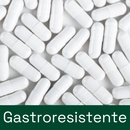
Scleryda 120 mg gastro-resistant hard capsules are blue-green and white gastro-resistant hard capsules, with the
inscription ‘MYLAN’ above ‘DF 120’, containing granules with an enteric coating of
white to off-white colour, and are available in blister packs containing 14 gastro-resistant hard
capsules, divisible blisters for unit dose containing 14 gastro-resistant hard capsules.
Scleryda 240 mg gastro-resistant hard capsules are blue-green gastro-resistant hard capsules, with
the inscription ‘MYLAN’ above ‘DF 240’, containing granules with an enteric coating of
white to off-white colour, and are available in blister packs containing 56 gastro-resistant hard
capsules, divisible blisters for unit dose containing 56 gastro-resistant hard capsules.
Not all pack sizes may be marketed.
Marketing Authorisation Holder
Mylan S.p.A.
Via Vittor Pisani, 20
20124 Milan
Italy
Manufacturer
Mylan Hungary Kft.
H-2900 Komárom,
Mylan utca. 1,
Hungary
This medicinal product is authorised in the Member States with the following denominations:
Cyprus Scleryda 120 mg γαστροανθεκτικά σκληρά καψάκια
Scleryda 240 mg γαστροανθεκτικά σκληρά καψάκια
Greece Scleryda 120 mg γαστροανθεκτικά σκληρά καψάκια
Scleryda 240 mg γαστροανθεκτικά σκληρά καψάκια
Italy Scleryda
Malta Scleryda 120 mg Gastro-Resistant Hard Capsules
Scleryda 240 mg Gastro-Resistant Hard Capsules
Netherlands Scleryda 120 mg, maagsapresistente harde capsules
Scleryda 240 mg, maagsapresistente harde capsules

Не впевнені, чи підходить вам цей лікарський засіб?
Обговоріть симптоми та можливі варіанти лікування з лікарем онлайн.

Виникли питання під час прийому ліків?
Обговоріть свої симптоми та лікування з лікарем онлайн.
- Країна реєстрації
- Лікарська формаEnteric-coated hard capsule, 120 MG
- Код АТХL04AX07
- Діюча речовина
- Потрібен рецептТак
- Виробник
- Ця інформація надана лише для ознайомлення і не є медичною порадою. Рішення щодо лікування завжди приймає лікар.
- Альтернативи до SKLERYDAЛікарська форма: Enteric-coated hard capsule, 120 MGДіюча речовина: ДиметилфумаратВиробник: Abdi Farma GmbHПотрібен рецептЛікарська форма: Enteric-coated hard capsule, 120 mgДіюча речовина: ДиметилфумаратВиробник: ACCORD HEALTHCARE, S.L.U.Потрібен рецептЛікарська форма: Enteric-coated hard capsule, 120 MGДіюча речовина: ДиметилфумаратВиробник: DR. REDDY'S S.R.L.Потрібен рецепт
Аналоги SKLERYDA в інших країнах
Препарати з тією самою діючою речовиною, доступні в інших країнах.
Аналог SKLERYDA у Іспанія
Аналог SKLERYDA у Польща
Аналог SKLERYDA у Україна
Лікарі онлайн щодо SKLERYDA
Застосування, безпека та можливість призначення рецепта — за результатами медичної оцінки.
Отримайте рецепт на SKLERYDA онлайн
Заповніть форму за 2 хвилини
Розкажіть про симптоми, історію хвороби та потрібний препарат.
Оберіть лікаря або ми призначимо
Оберіть спеціаліста або ми підберемо найближчого доступного лікаря.
Лікар розглядає ваш випадок
Зазвичай протягом 30 хвилин. Може ставити уточнювальні запитання в чаті.
Отримайте в будь-якій аптеці
Електронний рецепт надсилається на вашу пошту — дійсний по всій Польщі.
Часті запитання
SKLERYDA потребує рецепта в Італія. Ви можете обговорити з лікарем онлайн, чи підходить цей лікарський засіб для вашої ситуації.
Діюча речовина у SKLERYDA — Диметилфумарат. Це допомагає визначити препарати з тим самим складом, але під іншими торговими назвами.
SKLERYDA виробляється компанією MYLAN S.P.A.. Назва бренду та упаковка можуть відрізнятися залежно від дистрибʼютора.
Лікарі, зокрема Сімейні лікарі, Психіатри, Дерматологи, Кардіологи, Ендокринологи, Гастроентерологи, Пульмонологи, Нефрологи, Ревматологи, Гематологи, Інфекціоністи, Алергологи, Геріатри, Педіатри, Онкологи, можуть оцінити доцільність застосування SKLERYDA з урахуванням вашого стану та місцевих правил. Ви можете записатися на онлайн-консультацію, щоб обговорити симптоми та можливі подальші кроки.
Польща має добре розвинену систему охорони здоров'я у великих містах, таких як Варшава, Краків, Вроцлав і Гданськ. Аптеки широко доступні та працюють відповідно до чинного законодавства, забезпечуючи доступ до рецептурних препаратів.
Ви можете придбати SKLERYDA у Варшаві, Кракові, Вроцлаві або Гданську в будь-якій аптеці за наявності дійсного рецепта.
Щоб отримати рецепт, ви можете скористатися Oladoctor:
Інші препарати з тією самою діючою речовиною (Диметилфумарат) включають DIMETILFUMARATO ABDI, DIMETILFUMARATO AKKORD, DIMETILFUMARATO DR. REDDY'S. Вони можуть відрізнятися торговою назвою або формою випуску, але містять той самий терапевтичний компонент. Перед зміною або початком прийому нового препарату варто проконсультуватися з лікарем.
