



RIKEDOL 30 mg /Ml Injectable Solution

Запит на рецепт онлайн
Лікар розгляне ваш випадок і визначить, чи є рецепт медично доцільним.

Поговоріть з лікарем про ці ліки
Обговоріть симптоми та можливі подальші кроки під час короткої онлайн-консультації.



Інструкція із застосування RIKEDOL
Зміст інструкції
RIKEDOL 20 mg/ml oral drops, solution
ketorolac tromethamine
Generic medicine
Read this leaflet carefully before taking this medicine as it contains important
information for you.
- Keep this leaflet. You may need to read it again.
- If you have any questions, ask your doctor or pharmacist.
- This medicine has been prescribed for you only. Do not pass it on to others, even if they have the same symptoms as you, as it may be harmful.
- If you get any side effects, even those not listed in this leaflet, tell your doctor or pharmacist. See section 4.
Contents of this leaflet:
- 1. What Rikedol is and what it is used for
- 2. What you need to know before you take Rikedol
- 3. How to take Rikedol
- 4. Possible side effects
- 5. How to store Rikedol
- 6. Contents of the pack and other information
1. What is Rikedol and what is it used for
This medicine contains the active ingredient ketorolac tromethamine, belonging to a group of
medicines called non-steroidal anti-inflammatory drugs (“NSAIDs”), used to reduce pain caused by
inflammation.
Rikedol is indicated only for the short-term treatment (maximum five days) of moderate pain
after surgical operations (post-operative pain).
2. What you need to know before you take Rikedol
Do not take Rikedol
- if you are allergic to ketorolac tromethamine, to similar medicines (“NSAIDs”) or to any of the other ingredients of this medicine (listed in section 6);
- if you have had an allergic reaction in the past after taking acetylsalicylic acid (aspirin) or medicines that block the synthesis of inflammatory substances (prostaglandins);
- if you have a respiratory disease characterized by the presence of polyps in the nose (complete or partial nasal polyposis syndrome);
- if you have swelling due to fluid retention around the mouth and eyes (angioedema);
- if you have bronchial muscle contraction (bronchospasm);
- if you suffer from asthma, colds (rhinitis), skin irritation (urticaria);
- if you suffer from or have suffered from a problem with your stomach or intestines (active peptic ulcer);
- if you have had bleeding, ulceration or perforation of the stomach or intestine;
- if you have a serious heart problem (severe heart failure);
- if you have moderate or severe kidney problems (renal insufficiency with serum creatinine levels greater than 442 µmol/L) or if you are at risk of kidney problems due to reduced blood volume (hypovolemia) or water deficiency (dehydration);
- if you are in the last 3 months of pregnancy, near or during childbirth;
- if you have a severe liver disease (cirrhosis or severe hepatitis);
- if you have a predisposition to bleeding (haemorrhagic diathesis) or a problem due to a blood coagulation defect;
- if you have or suspect a cerebral haemorrhage (stroke);
- if you have undergone surgery with a high risk of bleeding or incomplete cessation of blood loss (incomplete haemostasis);
- if you have any other bleeding problems;
- if you are taking acetylsalicylic acid (aspirin), other non-steroidal anti-inflammatory drugs, medicines to prevent blood clot formation in the vessels (anticoagulants, e.g. pentoxifylline), medicines for mood disorders (lithium salts), medicines used to reduce uric acid levels in the blood (probenecid), medicines to eliminate fluids with urine (diuretics) or methotrexate (a chemotherapeutic agent) (see the section “ Other medicines and Rikedol”);
- for the prevention of pain (analgesia) before or during surgical operations, because this medicine increases the risk of bleeding;
- if the person who is to take this medicine is a child or adolescent under the age of 16;
- if you are breastfeeding.
Caution:the medicine is not indicated for mild or chronic pain.
Warnings and precautions
Consult your doctor or pharmacist before taking Rikedol.
Take Rikedol under the supervision of your doctor because this medicine should not be used in the
treatment of mild or chronic pain.
Avoid the consecutive or simultaneous use with other non-steroidal anti-inflammatory drugs (NSAIDs), including
selective cyclooxygenase-2 inhibitors.
Take this medicine at the lowest doses and for short periods of time to reduce the occurrence of
undesirable effects.
Inform your doctor if you have recently undergone or are about to undergo surgery on your
stomach or intestinal tract before receiving/taking/using Rikedol, as Rikedol may sometimes
worsen wound healing in the intestine following surgery.
Take this medicine with great caution and under strict medical supervision:
- if you suffer from or have suffered from stomach or intestinal disorders (peptic ulcer, gastrointestinal bleeding, ulcerative colitis, Crohn's disease);
- if you are elderly or debilitated, as this increases the possibility of lesions or bleeding in the stomach or intestine. In this case, the doctor may decide to reduce the dose or increase the time interval between administrations (see the section “ How to useRikedol”);
- if you suffer from circulatory problems (coagulation disorders);
- if you suffer from or are predisposed to an inflammatory disease of the bronchi called bronchial asthma, as you may experience breathing difficulties (bronchospasm) or allergic reactions;
- if you have suffered in the past from swelling due to fluid retention around the mouth and eyes (angioedema), asthma, bronchospasm or a respiratory disease characterized by the presence of polyps in the nose (complete or partial nasal polyposis syndrome), as you may experience severe allergic reactions that could be life-threatening;
- if you suffer from or have suffered from heart problems (congestive heart failure, chronic ischemic heart disease, heart failure), high blood pressure (hypertension), reduced blood flow
to the legs (peripheral arteriopathy) and the amount of oxygen to the brain (cerebrovascular disease) or
think you may be at risk of these conditions (e.g. if you have high blood pressure, diabetes,
high cholesterol levels or if you smoke). Inform your doctor before taking Rikedol as it may
increase the risk of heart attack or stroke;
- if you suffer from or have suffered from kidney problems (nephrotoxicity, renal hypoperfusion, glomerulonephritis, interstitial nephritis, papillary necrosis, nephrotic syndrome and acute renal failure, reduced kidney function);
- if you suffer from or have suffered from liver problems (cirrhosis or severe hepatic insufficiency).
Avoid taking this medicineif you are taking other non-steroidal anti-inflammatory drugs (NSAIDs).
Pay particular attention and inform your doctor if you experience during treatment:
- swelling due to fluid retention around the mouth and eyes (angioedema), bronchial muscle contractions (bronchospasm), allergic reactions (hypersensitivity) or a respiratory disease characterized by the presence of polyps in the nose (complete or partial nasal polyposis syndrome), as you may experience severe allergic reactions that could be life-threatening;
- liver problems;
- a severe skin reaction that could be life-threatening (exfoliative dermatitis, Stevens-Johnson syndrome and toxic epidermal necrolysis).
Stop treatment with this medicine and consult your doctor in the following cases:
- if you experience blood loss (haemorrhage), lesions (ulcers) of the stomach or intestine;
- if an alteration of liver function occurs;
- if you experience skin irritation or scaling, blisters and bleeding of lips, eyes, mouth, nose and genitals or any other symptom of an allergic reaction.
Cases of bruising (haematomas) have been reported after surgical operations (post-operative period) and
blood loss from wounds following the use of Rikedol before or after surgical operations (peri-operative
period). Therefore, inform your doctor if you are to undergo tonsil removal surgery, prostate surgery (prostate resection) or cosmetic surgery.
Rikedol can cause problems with the stomach and intestines, especially when used for prolonged
periods and without observing the due warnings and precautions.
Children and adolescents
This medicine is not recommended for children.
Other medicines and Rikedol
Tell your doctor or pharmacist if you are taking, have recently taken or might take any
other medicines.
Do not take Rikedol if you are takingnon-steroidal anti-inflammatory drugs (NSAIDs), acetylsalicylic acid (aspirin) because they increase the undesirable effects of Rikedol.
If you are taking any of the following medicines, inform your doctor because they may interact with
Rikedol:
- corticosteroids, medicines used for the treatment of inflammatory states; because they increase the risk of toxic effects of Rikedol on the stomach and intestines;
- anticoagulants(warfarin, heparin, dextrans, antiplatelet agents, aspirin, pentoxifylline), medicines used to prevent blood clot formation in the vessels or selective serotonin reuptake inhibitors, medicines used for the treatment of mood disorders, because they may increase the risk of bleeding in the stomach or intestine;
- lithium, used for the treatment of depression and similar disorders or methotrexate, a chemotherapeutic agent, because their toxicity may increase;
- antihypertensivesor diuretics, medicines used to control blood pressure or heart disorders, because Rikedol may reduce their effects. In this case, the risk of developing kidney problems (acute renal failure) may increase if kidney function is already impaired (e.g. if you are elderly or dehydrated). In this case, consult your doctor, as dose adjustments, water intake and kidney function tests are necessary;
- probenecid, a medicine used to promote the elimination of uric acid with urine.
Pregnancy, breastfeeding and fertility
If you are pregnant, suspect you are pregnant or are planning to become pregnant, or if you are breastfeeding, ask your doctor or pharmacist for advice before taking this medicine.
Pregnancy
Do not take Rikedol during the last 3 months of pregnancy, near or during childbirth, because it may
cause problems for your baby. It may cause problems with the baby's kidneys and heart. It may affect
your and the baby's tendency to bleed and delay or prolong labour more than expected. You should not take Rikedol in the first 6 months of pregnancy unless absolutely necessary and under
medical advice. If treatment is necessary during this period or during attempts to
conceive, the minimum dose should be used for the shortest possible time. From the 20th
week of pregnancy, Rikedol may cause kidney problems in the foetus, if taken for more than a few days, reducing
the levels of amniotic fluid surrounding the baby (oligohydramnios) or constricting a blood vessel
(ductus arteriosus) in the baby's heart.
Breastfeeding
Do not take this medicine if you are breastfeeding, as it passes into breast milk.
Fertility
Rikedol may cause fertility problems in women. Therefore, if you are planning to become pregnant, you should
inform your doctor because this medicine may reduce fertility.
The doctor will inform you about all measures regarding effective conception.
Driving and using machines
This medicine can cause drowsiness. If this occurs, avoid driving vehicles and using
machinery.
Rikedol contains methyl-parahydroxybenzoate and propyl-parahydroxybenzoate
This medicine contains methyl-parahydroxybenzoate and propyl-parahydroxybenzoate which may
cause allergic reactions (also delayed).
Rikedol contains sodium
This medicine contains less than 1 mmol (23 mg) of sodium per dose, i.e. essentially ‘sodium-free’.
3. How to take Rikedol
Take this medicine following exactly the instructions of your doctor or pharmacist. If you have
any doubts, consult your doctor or pharmacist.
Warning: the duration of treatment should not exceed 5 days
Instructions for opening and using the bottle:
- to open the bottle, press on the cap and simultaneously unscrew it;
- hold the bottle in a vertical position and pour the drops into a glass. Do not shake the bottle. Tap on the bottom of the bottle in case of difficulty dripping;
- apply the cap and screw it on to close the bottle.
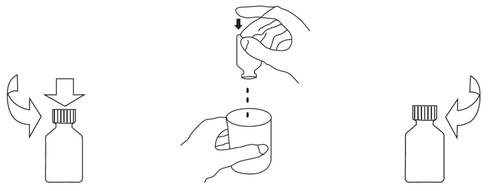
Method of administration: Do not take this medicine for more than 5 days. The recommended dose in
adults is 10 mg (10 drops), every 4-6 hours. The doctor will indicate the dose according to your condition. The
maximum dose is 40 mg per day. Do not exceed the recommended maximum dose.
If your body weight is less than 50 kg, the dose must be reduced.
Use in elderly patients over 65 years of age
The doctor will determine the dose and assess whether to reduce the dosage.
Use in children and adolescents
Do not administer this medicine to children and adolescents under 16 years of age. Safety and
efficacy in children have not been established.
If you take more Rikedol than you should
If you (or someone else) have taken an excessive dose of Rikedol or if you think a child may have
taken this medicine, inform your doctor immediately or go to the Emergency Room of the nearest
hospital.
Following the intake of an excessive dose of this medicine, abdominal pain may occur,
nausea, vomiting, increased breathing rate (hyperventilation), problems with the stomach or intestines
(peptic ulcer, erosive gastritis, gastrointestinal bleeding), kidney problems and severe
allergic reactions (anaphylactoid reactions). Rare cases of increased blood pressure
(hypertension), impaired lung function (respiratory depression) and coma have been reported. The doctor will establish
adequate therapy.
Bring this leaflet, the bottle and its container with you to the hospital or doctor so they know
which medicine was taken.
If you forget to take Rikedol
Do not take a double dose to make up for a missed dose.
If you have any doubts about the use of this medicine, ask your doctor or pharmacist.
4. Possible side effects
Like all medicines, this medicine can cause side effects, although not everybody gets them.
The side effects that may occur with Rikedol are:
Not known(the frequency of which cannot be estimated from available data)
- infection of the central nervous system (aseptic meningitis);
- reduction in the number of platelets (thrombocytopenia), nosebleeds (epistaxis);
- severe allergic reactions (anaphylactic/anaphylactoid reactions), allergic reactions (hypersensitivity reactions): contraction of the bronchial muscles (bronchospasm), increase in blood vessel volume
(vasodilation), flushing, skin irritation (rash), low blood pressure (hypotension), swelling of the throat (laryngeal edema);
- loss of appetite (anorexia), increased potassium in the blood (hyperkalemia), decreased sodium in the blood (hyponatremia);
- changes in thinking, mood disorder (depression), sleep disorder (insomnia), feelings of worry or fear (anxiety), irritability, mental disorders (psychotic reactions), abnormal dreams, hallucinations, feeling of well-being (euphoria), difficulty concentrating, drowsiness, confusion, state of sluggishness (torpor);
- headache, dizziness, convulsions, altered sensation in legs and arms or other parts of the body (paresthesia), increased movements (hyperkinesia), altered taste;
- visual disturbances;
- ringing in the ears (tinnitus), hearing loss, vertigo;
- increased perception of heartbeat (palpitations), slowed heartbeat (bradycardia), swelling in various parts of the body due to fluid retention (edema), heart disorders (hypertension, heart failure and cardiac decompensation), low blood pressure (hypotension), bruising (hematomas), pallor, bleeding from wounds after surgery (post-operative wound bleeding), heart attack, stroke;
- fluid buildup in the lungs (pulmonary edema), difficulty breathing (dyspnea), asthma;
- stomach or intestinal disorders (peptic ulcers), perforation or bleeding from the stomach or intestine sometimes fatal, nausea, vomiting, diarrhea, passage of gas from the intestine (flatulence), constipation, digestive difficulties (dyspepsia), abdominal pain/discomfort, feeling of fullness, passage of dark stools (melena), rectal bleeding, vomiting blood (hematemesis), inflammation of the mouth (stomatitis and ulcerative stomatitis), inflammation of the esophagus (esophagitis), noisy expulsion of gas from the stomach through the mouth (eructation), inflammation of the pancreas (pancreatitis), dry mouth (xerostomia), worsening of intestinal inflammation (colitis and Crohn's disease), inflammation of the stomach (gastritis);
- liver problems (hepatitis, liver failure), reduced bile flow from the liver to the intestine with yellowing of the skin (cholestatic jaundice);
- swelling due to fluid retention around the mouth and eyes (angioedema), skin lesions (exfoliative dermatitis, Stevens-Johnson syndrome, toxic epidermal necrolysis), sweating, red spots on the skin (maculo-papular rash), skin irritation (urticaria), itching, rupture of capillaries under the skin (purpura), blistering of the skin (bullous reactions);
- muscle pain (myalgia);
- increased urine production (polyuria), frequent urination, decreased urine output (oliguria), kidney problems (acute renal failure), blood and kidney problems (hemolytic uremic syndrome), kidney inflammation (interstitial nephritis), inability of the bladder to empty (urinary retention), protein loss in the urine (nephrotic syndrome), flank pain (with or without blood in the urine (hematuria) or increased/decreased blood urea nitrogen (azotemia), increased creatinine and potassium;
- female infertility;
- decreased muscle strength (asthenia), fever, reaction at the injection site, swelling (edema), chest pain, excessive thirst;
- changes in laboratory tests: increased bleeding time, increased serum urea, increased creatinine, alterations in liver function tests.
Reporting of side effects
If you get any side effects, even those not listed in this leaflet, tell your
doctor or pharmacist. You can also report side effects directly through the national
reporting system at https://www.aifa.gov.it/content/segnalazioni-reazioni-avverse
By reporting side effects you can help provide more information on the safety of this
medicine.
5. How to store Rikedol
Keep this medicine out of the sight and reach of children.
Do not use this medicine after the expiry date which is stated on the packaging. The expiry date refers to the last day of that month.
Store in the original package to protect the product from light.
The product must be used within 4 months of the first opening of the bottle.
Do not dispose of any medicine in wastewater or household waste. Ask your pharmacist how to dispose of medicines that you no longer use. This will help protect the environment.
6. Contents of the pack and other information
What Rikedol contains
- The active ingredient is ketorolac tromethamine: 1 ml of solution contains 20 mg of ketorolac tromethamine.
- The other ingredients are: citric acid monohydrate, disodium phosphate dihydrate, sodium methyl-parahydroxybenzoate, sodium propyl-parahydroxybenzoate, purified water.
Description of the appearance of Rikedol and contents of the pack
Pack containing a 10 ml bottle.
Marketing Authorisation Holder
Fidia Farmaceutici S.p.A. – Via Ponte della Fabbrica, 3/A - 35031 Abano Terme (PD)
Manufacturer
Doppel Farmaceutici S.r.l. – Via Martiri delle Foibe, 1 - 29016 Cortemaggiore (PC)
RIKEDOL 30 mg/ml injectable solution
ketorolac trometamine
Generic medicine
Read this leaflet carefully before using this medicine as it contains important
information for you.
- Keep this leaflet. You may need to read it again.
- If you have any questions, ask your doctor, pharmacist or nurse.
- This medicine has been prescribed for you only. Do not pass it on to others, even if their symptoms are the same as yours, as it could be harmful.
- If you get any side effects, even those not listed in this leaflet, tell your doctor, pharmacist or nurse. See section 4.
Contents of this leaflet:
- 1. What Rikedol is and what it is used for
- 2. What you need to know before you use Rikedol
- 3. How to use Rikedol
- 4. Possible side effects
- 5. How to store Rikedol
- 6. Contents of the pack and other information
1. What is Rikedol and what is it used for
This medicine contains the active ingredient ketorolac tromethamine, belonging to a group of
medicines called non-steroidal anti-inflammatory drugs (“NSAIDs”), used to reduce pain caused by
inflammation.
Rikedol is indicated for the treatment:
- of short duration (maximum two days) of acute moderate-to-severe pain after surgical operations (post-operative pain);
- of pain caused by renal colic.
This medicine is also used, when administered intravenously, in addition to pain-relieving medicines
derived from opium or similar to it (opioid analgesics), for the treatment of very intense pain or in
cases of long-lasting surgical interventions (major surgery).
2. What you need to know before using Rikedol
Do not use Rikedol
- if you are allergic to ketorolac trometamine or any of the other ingredients of this medicine (listed in section 6);
- if you have previously had an allergic reaction after taking acetylsalicylic acid, medicines that block the synthesis of inflammatory substances (prostaglandins) or other non-steroidal anti-inflammatory drugs;
- if you suffer from nasal polyposis, a disease of the respiratory system characterized by the presence of polyps in the nose;
- if you have swelling due to fluid accumulation around the mouth and eyes (angioedema);
- if you have difficulty breathing (bronchospasm);
- if you suffer from asthma (asthmatic attacks), if you have skin irritation (urticaria) or if you have nasal congestion (rhinitis);
- if you suffer from, have suffered from or suspect you suffer from a problem with your stomach or intestines (peptic ulcer or gastrointestinal bleeding);
- if you have had bleeding in the stomach or intestines;
- if you have a serious heart problem (severe heart failure);
- if you have or suspect a cerebral hemorrhage (stroke), or if you have had one in the past;
- if you have undergone surgery with a high risk of bleeding or incomplete cessation of blood loss (incomplete hemostasis);
- if you have any other bleeding problems;
- if you have moderate or severe kidney problems (renal insufficiency with serum creatinine levels greater than 442 µmol/L) or if you are at risk of kidney problems due to reduced blood volume (hypovolemia) or water deficiency (dehydration);
- if you have a severe liver disease (liver cirrhosis or severe hepatic insufficiency);
- if you have a predisposition to bleeding (hemorrhagic diathesis) or a problem due to a defect in blood coagulation;
- if you are taking acetylsalicylic acid, other non-steroidal anti-inflammatory drugs, medicines for mood disorders (lithium salts), medicines used to reduce uric acid levels in the blood (probenecid), medicines to eliminate fluids with urine (diuretics) or medicines to prevent blood clots in the vessels (anticoagulants, e.g. pentoxifylline) (see section “Other medicines and Rikedol”);
- for the prevention of pain (analgesia) before or during surgical operations, because this medicine increases the risk of bleeding;
- if the person who needs to use this medicine is a child or adolescent under the age of 16;
- if you are in the last 3 months of pregnancy, near or during childbirth;
- if you are breastfeeding.
Caution:the medicine is not indicated for mild or chronic pain.
Caution:the medicine should not be used for injections via the epidural or intrathecal route (neuraxial route) because it contains ethanol.
Warnings and precautions
Consult your doctor, pharmacist or nurse before using Rikedol.
Use Rikedol under the supervision of a doctor because this medicine should not be used in the treatment of mild or chronic pain.
Avoid the consecutive or simultaneous use with other non-steroidal anti-inflammatory drugs (NSAIDs), including selective cyclooxygenase-2 inhibitors.
Use this medicine at the lowest doses and for short periods of time to reduce the occurrence of unwanted effects.
Tell your doctor if you have recently undergone or are about to undergo surgery on your stomach or intestines before receiving/taking/using Rikedol, as Rikedol may sometimes worsen wound healing in the intestine following surgery.
Use this medicine with great caution and under strict medical supervision:
- if you suffer from or have suffered from stomach or intestinal disorders (peptic ulcer, gastrointestinal bleeding, ulcerative colitis, Crohn's disease);
- if you are elderly or debilitated, as this increases the possibility of injury or bleeding in the stomach or intestines, which can be life-threatening. In this case, the doctor may decide to reduce the dose or increase the time interval between administrations (see section “How to use Rikedol”);
- if you suffer from or are predisposed to an inflammatory disease of the bronchi called bronchial asthma, as you may experience breathing difficulties (bronchospasm) or allergic reactions;
- if you suffer from blood circulation problems (coagulation disorders);
- if you have previously suffered from swelling due to fluid accumulation around the mouth and eyes (angioedema), asthma, bronchospasm or a respiratory disease characterized by the presence of polyps in the nose (complete or partial nasal polyposis syndrome), as you may experience severe allergic reactions that can be life-threatening;
- if you are a woman and intend to become pregnant, as this may impair fertility;
- if you suffer from or have suffered from heart problems (congestive heart failure, chronic ischemic heart disease, heart failure), high blood pressure (hypertension), reduced blood flow to the legs (peripheral arteriopathy) and oxygen to the brain (cerebrovascular disease) or think you may be at risk of these conditions (e.g. if you have high blood pressure, diabetes, high cholesterol levels or if you smoke). Tell your doctor before using Rikedol as it may increase the risk of heart attack or stroke;
- if you suffer from or have suffered from kidney problems (nephrotoxicity, renal hypoperfusion, glomerulonephritis, interstitial nephritis, papillary necrosis, acute renal failure, reduced kidney function);
- if you suffer from or have suffered from liver problems (liver cirrhosis or severe hepatic insufficiency).
Pay particular attention and tell your doctor if you experience during treatment:
- swelling due to fluid accumulation around the mouth and eyes (angioedema), difficulty breathing (bronchospasm), allergic reactions (hypersensitivity) or a respiratory disease characterized by the presence of polyps in the nose (complete or partial nasal polyposis syndrome), as you may experience severe allergic reactions that can be life-threatening;
- liver problems;
- a severe skin reaction potentially fatal (exfoliative dermatitis, Stevens-Johnson syndrome and toxic epidermal necrolysis).
Stop treatment with this medicine and consult your doctor in the following cases:
- if you experience blood loss (hemorrhages), lesions (ulcers) of the stomach or intestines;
- if an alteration of liver function occurs;
- if you experience skin irritation or flaking, blisters and bleeding of lips, eyes, mouth, nose and genitals or any other symptom of an allergic reaction.
Cases of bruising (hematomas) have been reported after operations (post-operative period) and blood loss from wounds following the use of Rikedol before or after surgical operations (peri-operative period). Therefore, inform your doctor if you are to undergo tonsil removal, prostate surgery (prostate resection) or cosmetic surgery.
Rikedol can cause problems with the stomach and intestines compared, especially when used for prolonged periods and without observing the due warnings and precautions.
Children and adolescents
This medicine is not recommended for children and adolescents under the age of 16.
Other medicines and Rikedol
Tell your doctor, pharmacist or nurse if you are taking, have recently taken or might take any other medicines.
Do not use Rikedol if you are taking:
- non-steroidal anti-inflammatory drugs (NSAIDs), acetylsalicylic acid (aspirin) because they increase the risk of unwanted effects of Rikedol.
If you are taking any of the following medicines, tell your doctor because these may interact with Rikedol:
- corticosteroids, medicines used for the treatment of inflammatory states; because they increase the risk of toxic effects of Rikedol on the stomach and intestines;
- anticoagulants, (warfarin, heparin, dextrans, antiplatelet agents, aspirin, pentoxifylline), medicines used to prevent blood clots in the vessels or selective serotonin reuptake inhibitors, medicines used for the treatment of mood disorders, because they can increase the risk of bleeding in the stomach or intestines;
- lithium, used for the treatment of depression and similar disorders or methotrexate, a chemotherapeutic agent, because their toxicity may increase;
- antihypertensivesor diuretics, medicines used for the control of blood pressure or heart disorders, because Rikedol may reduce their effects. In this case, the risk of developing kidney problems (acute renal failure) may increase if kidney function is already impaired (e.g. if you are elderly or dehydrated). In this case, consult your doctor, as dose adjustments, water intake and kidney function tests are necessary;
- probenecid, a medicine used to promote the elimination of uric acid with urine.
Pregnancy, breastfeeding and fertility
If you are pregnant, suspect you are pregnant or are planning to become pregnant, or if you are breastfeeding, ask your doctor or pharmacist for advice before using this medicine.
Pregnancy
Do not use Rikedol during the last 3 months of pregnancy, near or during childbirth, as it may cause problems for your baby. It may cause kidney and heart problems in the fetus. It may affect your and your baby's tendency to bleed and delay or prolong labor more than expected. You should not use Rikedol in the first 6 months of pregnancy unless absolutely necessary and under the advice of a doctor. If treatment is needed during this period or during attempts to conceive, the minimum dose should be used for the shortest possible time. From the 20th week of pregnancy, Rikedol may cause kidney problems in the fetus if taken for more than a few days, reducing the levels of amniotic fluid surrounding the baby (oligohydramnios) or constricting a blood vessel (ductus arteriosus) in the baby's heart. If treatment is needed for more than a few days, your doctor may recommend additional monitoring.
Breastfeeding
Do not take this medicine if you are breastfeeding, as it passes into breast milk.
Fertility
Rikedol may cause fertility problems in women. Therefore, if you are planning to become pregnant, you should inform your doctor because this medicine may reduce fertility.
The doctor will inform you about all measures regarding effective conception.
Driving and using machines
This medicine can cause drowsiness, dizziness, vertigo, sleep disorders (insomnia) or mood disorders (depression). If you experience these effects, avoid driving vehicles and using machinery.
Rikedol contains ethanol and sodium
This medicine contains 100 mg of alcohol (ethanol) per vial, which is equivalent to 100 mg/ml (10% w/v). The amount in one vial of this medicine is equivalent to less than 3 ml of beer or 2 ml of wine.
The small amount of alcohol in this medicine will not produce significant effects.
This medicine contains less than 1 mmol (23 mg) of sodium per vial, i.e. essentially ‘sodium-free’.
3. How to use Rikedol
Use this medicine following the instructions of your doctor, pharmacist or
nurse exactly. If you have any doubts, ask your doctor, pharmacist or nurse.
This medicine will be administered to you by a doctor or nurse, through injection into the muscle
(intramuscular) or injection into a vein (intravenous). The intravenous injection can only be performed in
hospitals and other medical facilities.
Do not use Rikedol for epidural or intrathecal administrations and do not mix this medicine in the same
syringe with morphine, meperidine, promethazine or hydroxyzine.
Do not use this medicine for more than 2 days if the dose is administered all at once
(bolus administration) and 1 day if the dose is administered via infusion (continuous
infusion).
Use in adults
The recommended initial dose for intramuscular or intravenous administrations is 10 mg, followed by a dose of
10-30 mg every 4-6 hours. The doctor will indicate the dose according to your condition. The maximum dose is
90 mg per day. Do not exceed the recommended maximum dose.
If your body weight is less than 50 kg, the dose must be reduced.
For renal colic, the recommended dose is one 30 mg vial, for administration into the muscle or
vein.
Use in elderly patients over 65 years of age
The doctor will determine the dose and assess whether to reduce the dosage. Do not exceed the maximum dose of 60 mg per day.
Use in children and adolescents
Do not administer this medicine to children and adolescents under 16 years of age. Safety and
efficacy in children have not been established.
If you use more Rikedol than you should
Following the administration of an excessive dose of this medicine, abdominal pain may occur,
nausea, vomiting, increased breathing rate (hyperventilation), problems with the stomach or
intestines (peptic ulcer, erosive gastritis, gastrointestinal bleeding), kidney problems and severe
allergic reactions (anaphylactoid reactions). Rare cases of increased blood pressure (hypertension), impaired lung function (respiratory depression) and coma have been reported. The doctor
will establish an appropriate therapy.
In case of accidental use/ingestion of an excessive dose of this medicine, immediately inform
your doctor or go to the nearest hospital Emergency Room.
If you forget to use Rikedol
Do not use a double dose to make up for a missed dose.
If you have any doubts about the use of this medicine, ask your doctor, pharmacist or nurse.
4. Possible side effects
Like all medicines, this medicine can cause side effects, although not everybody gets them.
The side effects that may occur with Rikedol are:
Not known(the frequency of which cannot be estimated from the available data)
- infection of the central nervous system (aseptic meningitis);
- reduction in the number of platelets (thrombocytopenia), rupture of capillaries under the skin (purpura), nosebleeds (epistaxis);
- severe allergic reactions (anaphylactic/anaphylactoid reactions), allergic reactions (hypersensitivity reactions): difficulty breathing (bronchospasm), increased blood vessel volume (vasodilation), flushing, rash, decreased blood pressure (hypotension), swelling of the throat (laryngeal edema);
- loss of appetite (anorexia), increased potassium in the blood (hyperkalemia), decreased sodium in the blood (hyponatremia);
- abnormal thoughts, mood disorders (depression), sleep disorders (insomnia), feelings of worry or fear (anxiety), nervousness, mental disorders (psychotic reactions), abnormal dreams, hallucinations, feeling of well-being (euphoria), difficulty concentrating, drowsiness, reduced sensitivity and movement of the body or part of it (states of stupor), confusion;
- headache, dizziness, convulsions, sensory disturbances of legs and arms or other parts of the body (paresthesia), increased movements (hyperkinesia), altered taste.
- vision disorders (impaired vision);
- ringing in the ear (tinnitus), hearing loss, vertigo;
- increased perception of heartbeat (palpitations), decreased heartbeat (bradycardia), swelling in various parts of the body due to fluid accumulation in the body (edema), heart disorders (hypertension, heart failure and cardiac decompensation), increased blood vessel volume (vasodilation), decreased blood pressure (hypotension), bruising (hematomas), flushing, decreased skin color (pallor), blood loss from wounds after surgery (post-operative wound bleeding), heart attack, stroke;
- increased fluid in the lungs (pulmonary edema), difficulty breathing (dyspnea), asthma;
- stomach or intestinal disorders (peptic ulcers), perforation or bleeding from the stomach or intestine which can be life-threatening, nausea, vomiting, diarrhea, emission of gas from the intestine (flatulence), constipation, digestive difficulties (dyspepsia), abdominal pain/discomfort, feeling of fullness, emission of dark stools (melena), blood loss from the rectum, blood loss with vomiting (hematemesis), inflammation of the mouth (stomatitis and ulcerative stomatitis), inflammation of the esophagus (esophagitis), noisy release of stomach gas through the mouth (eructation), inflammation of the pancreas (pancreatitis), dry mouth, worsening of intestinal inflammation (colitis and Crohn's disease), inflammation of the stomach (gastritis);
- liver problems (hepatitis, liver failure), reduced flow of bile from the liver to the intestine with yellowing of the skin (cholestatic jaundice);
- swelling due to fluid accumulation around the mouth and eyes (angioedema), skin lesions (exfoliative dermatitis, Stevens-Johnson syndrome, toxic epidermal necrolysis), increased sweating, red spots on the skin (maculopapular rash), itching, rupture of capillaries under the skin (purpura), appearance of blisters on the skin (bullous reactions);
- muscle pain (myalgia);
- increased urine production (polyuria), emission of small amounts of urine with high frequency (pollachiuria), decreased urine excretion (oliguria), kidney problems (acute renal failure), blood and kidney problems (hemolytic uremic syndrome), inflammation of the kidneys (interstitial nephritis), inability of the bladder to empty (urinary retention), loss of protein with urine (nephrotic syndrome), flank pain (with or without blood in the urine (hematuria) or increased/decreased amount of non-protein nitrogen in the blood (azotemia)), increased creatinine and potassium;
- female infertility;
- fatigue (asthenia), fever, injection site reactions, swelling (edema), chest pain, excessive thirst;
- changes in laboratory tests: increased bleeding time, increased serum urea, increased creatinine, alterations in liver function tests.
Reporting of side effects
If you get any side effects, even those not listed in this leaflet, tell your
doctor or pharmacist. You can also report side effects directly through the national
reporting system at https://www.aifa.gov.it/content/segnalazioni-reazioni-avverse .
By reporting side effects you can help provide more information on the safety of this
medicine
5. How to store Rikedol
Keep this medicine out of the sight and reach of children.
Do not use this medicine after the expiry date which is stated on the packaging. The expiry date refers to the last day of that month.
Store in the original packaging to protect the product from light.
Do not dispose of any medicine in wastewater or household waste. Ask your pharmacist how to dispose of medicines you no longer use. This will help protect the environment.
6. Contents of the pack and other information
What Rikedol contains
- The active ingredient is ketorolac tromethamine: 1 vial contains 30 mg of ketorolac tromethamine.
- The other components are: ethanol, sodium chloride, sodium hydroxide, water for injections.
Description of the appearance of Rikedol and contents of the pack
Amber type I glass vials. Pack of 3 vials of 1 ml.
Marketing Authorisation Holder
Fidia Farmaceutici S.p.A. – Via Ponte della Fabbrica, 3/A - 35031 Abano Terme (PD)
Manufacturer
Doppel Farmaceutici S.r.l. – Via Volturno, 48 - Quinto de Stampi (Rozzano) - Milan

Не впевнені, чи підходить вам цей лікарський засіб?
Обговоріть симптоми та можливі варіанти лікування з лікарем онлайн.

Виникли питання під час прийому ліків?
Обговоріть свої симптоми та лікування з лікарем онлайн.
- Країна реєстрації
- Лікарська формаInjectable solution, 30 MG/ML
- Код АТХM01AB15
- Діюча речовина
- Потрібен рецептТак
- Виробник
- Ця інформація надана лише для ознайомлення і не є медичною порадою. Рішення щодо лікування завжди приймає лікар.
- Альтернативи до RIKEDOLЛікарська форма: Injectable solution, 30 MG/MLДіюча речовина: ketorolacВиробник: PHARMABER S.R.L.Потрібен рецептЛікарська форма: Injectable solution, 30 MG/MLДіюча речовина: ketorolacВиробник: EPIFARMA S.R.LПотрібен рецептЛікарська форма: Oral drops, solution, 20 MG/MLДіюча речовина: ketorolacВиробник: ABC FARMACEUTICI S.P.A.Потрібен рецепт
Аналоги RIKEDOL в інших країнах
Препарати з тією самою діючою речовиною, доступні в інших країнах.
Аналог RIKEDOL у Україна
Аналог RIKEDOL у Іспанія
Лікарі онлайн щодо RIKEDOL
Застосування, безпека та можливість призначення рецепта — за результатами медичної оцінки.









Отримайте рецепт на RIKEDOL онлайн
Заповніть форму за 2 хвилини
Розкажіть про симптоми, історію хвороби та потрібний препарат.
Оберіть лікаря або ми призначимо
Оберіть спеціаліста або ми підберемо найближчого доступного лікаря.
Лікар розглядає ваш випадок
Зазвичай протягом 30 хвилин. Може ставити уточнювальні запитання в чаті.
Отримайте в будь-якій аптеці
Електронний рецепт надсилається на вашу пошту — дійсний по всій Польщі.
Часті запитання
RIKEDOL потребує рецепта в Італія. Ви можете обговорити з лікарем онлайн, чи підходить цей лікарський засіб для вашої ситуації.
Діюча речовина у RIKEDOL — ketorolac. Це допомагає визначити препарати з тим самим складом, але під іншими торговими назвами.
RIKEDOL виробляється компанією FIDIA FARMACEUTICI S.P.A.. Назва бренду та упаковка можуть відрізнятися залежно від дистрибʼютора.
Лікарі, зокрема Сімейні лікарі, Психіатри, Дерматологи, Кардіологи, Ендокринологи, Гастроентерологи, Пульмонологи, Нефрологи, Ревматологи, Гематологи, Інфекціоністи, Алергологи, Геріатри, Педіатри, Онкологи, можуть оцінити доцільність застосування RIKEDOL з урахуванням вашого стану та місцевих правил. Ви можете записатися на онлайн-консультацію, щоб обговорити симптоми та можливі подальші кроки.
Польща має добре розвинену систему охорони здоров'я у великих містах, таких як Варшава, Краків, Вроцлав і Гданськ. Аптеки широко доступні та працюють відповідно до чинного законодавства, забезпечуючи доступ до рецептурних препаратів.
Ви можете придбати RIKEDOL у Варшаві, Кракові, Вроцлаві або Гданську в будь-якій аптеці за наявності дійсного рецепта.
Щоб отримати рецепт, ви можете скористатися Oladoctor:
Інші препарати з тією самою діючою речовиною (ketorolac) включають BENKETOL, EUMAT, KETOROLAK ABK. Вони можуть відрізнятися торговою назвою або формою випуску, але містять той самий терапевтичний компонент. Перед зміною або початком прийому нового препарату варто проконсультуватися з лікарем.
