



REMERON 15 mg Dispersible Tablet

Запит на рецепт онлайн
Лікар розгляне ваш випадок і визначить, чи є рецепт медично доцільним.

Поговоріть з лікарем про ці ліки
Обговоріть симптоми та можливі подальші кроки під час короткої онлайн-консультації.



Інструкція із застосування REMERON
Зміст інструкції
- Remeron 15 mg orodispersible tablets, 30 mg orodispersible tablets
- What is Remeron and what it is used for
- What you need to know before taking Remeron
- How to take Remeron
- Do not break the orally disintegrating tablet
- Detach one tablet imprint
- Lift the cover sheet
- Remove the orally disintegrating tablet
- Possible side effects
- How to store Remeron
- Package contents and other information
Remeron 15 mg orodispersible tablets, 30 mg orodispersible tablets
mirtazapine
Read this leaflet carefully before you start taking this medicine as it contains important information for you.
- Keep this leaflet. You may need to read it again.
- If you have any questions, ask your doctor or pharmacist.
- This medicine has been prescribed for you only. Do not pass it on to others, even if they have the same symptoms as you, as it may be harmful.
- If you get any side effects, even those not listed in this leaflet, tell your doctor or pharmacist. See section 4.
Contents of this leaflet
- 1. What Remeron is and what it is used for
- 2. What you need to know before you take Remeron
- 3. How to take Remeron
- 4. Possible side effects
- 5. How to store Remeron
- 6. Contents of the pack and other information
1. What is Remeron and what it is used for
Remeron belongs to a group of medicines called antidepressants.
Remeron is used to treat depressive disorders in adults.
Remeron will take 1 to 2 weeks before it starts to work. After a period of between
2 and 4 weeks you may start to feel better. You should contact your doctor if you do not feel better or if
you feel worse after a period of between 2 and 4 weeks. More information is provided in
paragraph 3, under “When can you expect to feel better”.
2. What you need to know before taking Remeron
Do not take Remeron
- if you are allergic to mirtazapine or any of the other ingredients of this medicine (listed in section 6). In this case, you should tell your doctor as soon as possible before taking Remeron.
- if you are taking or have recently taken (within the last 2 weeks) medicines called monoamine oxidase inhibitors (MAOIs).
Warnings and precautions
Talk to your doctor or pharmacist before taking Remeron.
Tell your doctor before taking Remeron
If you have had a severe skin rash or exfoliation of the skin, blisters and/or mouth ulcers after taking Remeron in the past.
Children and adolescents
Remeron is generally not recommended for use in children and adolescents under 18 years of age as efficacy has not been demonstrated. In addition, it is important to know that in patients under 18 years of age, this class of drugs is associated with an increased risk of undesirable effects, such as suicide attempts, suicidal thoughts and hostility (particularly aggression, argumentative behavior and anger). Nevertheless, a doctor may decide to prescribe Remeron to patients under 18 years of age if they consider it to be in their best interests. If the doctor has prescribed Remeron to a patient under 18 years of age and you would like clarification, please contact them directly. Tell your doctor if any of the symptoms described above occur or worsen in patients under 18 years of age while taking Remeron. Furthermore, the long-term safety effects of Remeron in this age group in terms of growth, maturation and cognitive and behavioral development have not yet been demonstrated. In addition, a significant weight gain during treatment with Remeron has been observed more frequently in this age group compared to adults.
Suicidal thoughts and worsening of depression
If you are depressed, you may sometimes think about harming yourself or committing suicide. These thoughts may increase immediately after starting treatment with antidepressants, as these medicines take time to work, usually about two weeks but sometimes longer.
You are more likely to have thoughts of this kind if:
- you have thought about committing suicide or harming yourself in the past.
- if you are a young adult. Information from clinical studies has shown an increased risk of suicidal behavior in adults under 25 years of age with mental illnesses treated with antidepressants. → If at any time you find yourself thinking about committing suicide or harming yourself, contact your doctor or go to hospital immediately.
It may be helpful to confide in a family member or friendwho is suffering from depression and ask them to read this leaflet. You can ask them to let you know if they think your depression is getting worse, or if they are worried about changes in your behavior.
Be particularly careful with Remeron also
- if you suffer or have suffered in the past from any of the conditions listed below. → If you have not already done so, tell your doctor about these conditions before taking Remeron.
- seizures (epilepsy). If you start having seizures or if the seizures become more frequent, stop taking Remeron and contact your doctor immediately;
- liver diseases, including jaundice. If you develop jaundice, stop taking Remeron and contact your doctor immediately;
- kidney diseases;
- heart disease or low blood pressure;
- schizophrenia. If psychotic symptoms, such as paranoid thoughts, become more frequent or severe, contact your doctor immediately;
- manic depression (periods of alternating euphoria/hyperactivity and depressed mood). If you start to feel euphoric or overexcited, stop taking Remeron and contact your doctor immediately;
- diabetes (it may be necessary to adjust the dose of insulin or other anti-diabetic medicines);
- eye diseases, such as increased pressure in the eye (glaucoma);
- difficulty urinating, which may be caused by an enlarged prostate;
- some types of heart conditions that can change the heart rhythm, a recent heart attack, heart failure or taking some medicines that can affect the heart rhythm.
- If you experience signs of infection, such as high unexplained fever, sore throat and ulcers in the mouth. → Stop taking Remeron and contact your doctor immediately for a blood test. In rare cases, these symptoms may be signs of a disorder of blood cell production in the bone marrow. Although rare, these symptoms are more common after 4-6 weeks of treatment.
- if you are elderly. You may be more sensitive to the side effects of antidepressants.
- Serious skin reactions have been reported with the use of Remeron, including Stevens-Johnson syndrome (SJS), toxic epidermal necrolysis (TEN) and drug reaction with eosinophilia and systemic symptoms (DRESS). Stop using it and seek immediate medical attention if you notice any of the symptoms described in section 4 in relation to these serious skin reactions. If you have had serious skin reactions in the past, treatment with Remeron should not be restarted.
Other medicines and Remeron
Tell your doctor or pharmacist if you are taking, have recently taken or might take any other medicines.
Do not take Remeronin combination with:
- monoamine oxidase inhibitors(MAO inhibitors). Also, do not take Remeron within two weeks of stopping MAO inhibitors. Similarly, if you stop taking Remeron, do not take MAO inhibitors within two weeks afterwards. Examples of MAO inhibitors are moclobemide, tranylcypromine (both are antidepressants) and selegiline (used in Parkinson's disease).
Be careful whentaking Remeron in combination with:
- antidepressants such as SSRIs, venlafaxine and L-tryptophan or triptans(used to treat migraine), tramadol(for pain relief), linezolid(an antibiotic), lithium(used to treat some mental illnesses), methylene blue(used to treat high levels of methemoglobin in the blood) and preparations based on St. John's wort -HypericumPerforatum(a herbal medicine for depression). Very rarely, Remeron, alone or in combination with these medicines, can lead to the so-called serotonin syndrome. Some of the symptoms of this syndrome are: unexplained fever, sweating, increased heart rate, diarrhea, muscle contractions (involuntary), tremor, hyperactive reflexes, restlessness, mood changes and loss of consciousness. If you experience a combination of these symptoms, tell your doctor immediately.
- the antidepressant called nefazodone, which can increase the amount of Remeron in the blood. Tell your doctor if you are using this medicine because this may require a reduction in the dose of Remeron or, when the use of nefazodone is stopped, an increase in the dose of Remeron.
- medicines for anxiety or insomnia, such as benzodiazepines; medicines for schizophrenia, such as olanzapine; medicines for allergies, such as cetirizine; medicines for severe pain, such as morphine. In combination with these medicines, Remeron can increase the drowsiness caused by these medicines.
- medicines to treat infections;medicines for bacterial infections (such as erythromycin), medicines to treat fungal infections (such as ketoconazole) and medicines to treat HIV/AIDS (such as HIV protease inhibitors) and medicines for stomach ulcers(such as cimetidine). These medicines, in combination with Remeron, can increase the amount of Remeron in the blood. Tell your doctor if you are using these medicines. It may be necessary to reduce the dose of Remeron or, when the use of these medicines is stopped, increase the dose of Remeron again.
- medicines for epilepsy, such as carbamazepine and phenytoin; medicines for tuberculosis, such as rifampicin. These medicines, in combination with Remeron, can decrease the amount of Remeron in the blood. Tell your doctor if you are using these medicines. It may be necessary to increase the dose of Remeron or, when the use of these medicines is stopped, decrease the dose of Remeron again.
- medicines that prevent blood clotting, such as warfarin. Remeron can increase the effects of warfarin in the blood. Tell your doctor if you are using this medicine. In combination, the doctor must keep the blood under close control.
- medicines that can affect the heart rhythmsuch as some antibiotics and some antipsychotics.
Remeron with food and alcohol
You may feel drowsy if you drink alcohol while taking Remeron.
It is advisable not to drink alcohol.
Remeron can be taken with or without food.
Pregnancy and breastfeeding
If you are pregnant, suspect you are pregnant or are planning a pregnancy, ask your doctor or pharmacist for advice before taking this medicine.
Limited experience with the use of Remeron in pregnant women does not indicate an increased risk. However, caution should be exercised when administering Remeron during pregnancy.
If you use Remeron up to or immediately before delivery, the newborn must be carefully monitored for possible undesirable effects.
When taken during pregnancy, similar drugs (SSRIs) can increase the risk of a serious disorder in babies, called persistent pulmonary hypertension of the newborn (PPHN), causing the baby to breathe faster and with a bluish skin color. These symptoms usually appear during the first 24 hours after the baby's birth.
If this happens to your baby, you should contact your midwife and/or doctor immediately.
Driving and using machines
Remeron can affect concentration or alertness. Make sure your abilities are not impaired before driving or using machines. If the doctor has prescribed Remeron to a patient under 18 years of age, make sure that concentration and alertness are not impaired before traveling on the road (e.g. cycling).
Remeron orodispersible tablets contains sugar spheres, containing sucrose
Remeron orodispersible tablets contains sugar spheres based on sucrose.
If your doctor has diagnosed you with an intolerance to certain sugars, contact them before taking this medicine.
Remeron orodispersible tablets contains aspartame, a source of phenylalanine
This medicine contains aspartame, a source of phenylalanine. Each 15mg orodispersible tablet contains 4.65mg of aspartame. Each 30mg orodispersible tablet contains 9.3mg of aspartame. It may be harmful if you have phenylketonuria, a rare genetic disorder that causes an accumulation of phenylalanine because the body cannot dispose of it properly.
Remeron orodispersible tablets contains sodium
This medicine contains less than 1 mmol (23 mg) of sodium per orodispersible tablet, i.e. essentially “sodium-free”.
3. How to take Remeron
Take this medicine following the instructions of your doctor or pharmacist exactly as given. If you
have any doubts, ask your doctor or pharmacist.
How much Remeron to take
The recommended starting dose is 15 or 30 mg per day.Your doctor may advise you to increase the
dose after a few days to reach the appropriate amount (between 15 and 45 mg per day). Usually the
dose is the same for all ages. However, your doctor may adjust the dose if you are elderly or if you have had a
kidney or liver disease.
When to take Remeron
→ Take Remeron every day at the same time.
It is best to take Remeron as a single dose before going to bed. In any case, your doctor may
suggest dividing the dose of Remeron, once in the morning and once in the evening before going to
bed. The higher dose should be taken before bedtime.
Take the orally disintegrating tablet as indicated below
Take the tablets orally.
1. Do not break the orally disintegrating tablet
To prevent breakage of the orally disintegrating tablet, do not press on the imprint of the
tablet on the blister (Figure A).
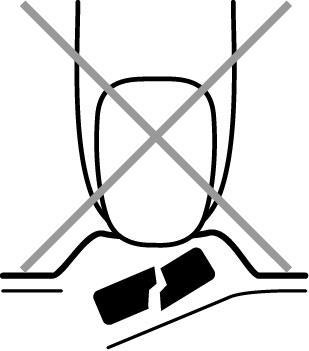
Fig. A.
2. Detach one tablet imprint
Each blister contains 6 tablets (imprints), which are separated by perforated lines. Detach one
portion by tearing along the perforated lines (Figure 1).
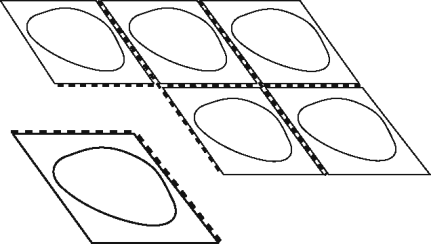
Fig. 1.
3. Lift the cover sheet
Carefully lift the cover sheet, starting from the corner indicated by the arrow (Figures 2
and 3).
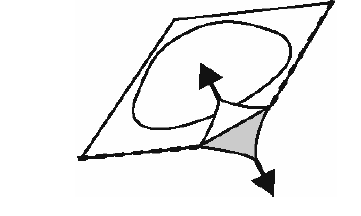
Fig. 2.
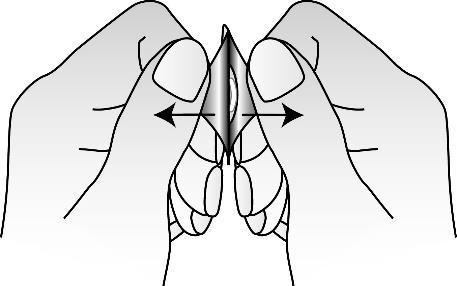
Fig. 3.
4. Remove the orally disintegrating tablet
The orally disintegrating tablet must be removed from its compartment with dry hands and placed
on the tongue.
(Figure 4).
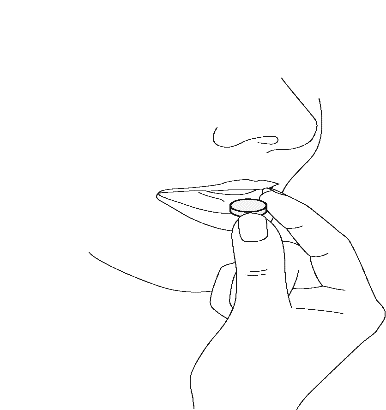
Fig. 4.
It will disintegrate rapidly and can be swallowed without water.
When you can expect to feel better
Usually Remeron takes 1-2 weeks to start working and after 2-4 weeks you may notice an
improvement.
It is important that you inform your doctor about the effects of Remeron during the first few weeks of treatment.
→ 2-4 weeks after starting to take Remeron, discuss with your doctor the effects that the
medicine has had on you.
If you continue to notice no improvement, your doctor may prescribe a higher dose. In this
case, talk to your doctor again after another 2-4 weeks.
Usually you need to take Remeron for 4-6 months after the symptoms of
depression have disappeared.
If you take more Remeron than you should
If you or someone else has taken too much Remeron, call your doctor immediately.
The most likely signs of a Remeron overdose (without other medicines or alcohol) are drowsiness,
disorientation and increased heart rate. Symptoms of a possible overdose
may include changes in heart rhythm (fast, irregular heartbeat) and/or
fainting, which may be symptoms of a life-threatening condition known as torsade de pointes.
If you forget to take Remeron
If you need to take the dose once a day
- Do not take a double dose to make up for a missed dose. Take the next dose at the usual time. If you need to take the dose twice a day
- if you forget the morning dose, simply take this dose together with the evening dose.
- if you forget the evening dose, you should not take it together with the morning dose afterwards; skip the dose and continue normally with the morning and evening dose.
- if you have forgotten to take both doses, you should not try to make up the missed dose. Skip both doses and continue the next day normally with the morning and evening dose.
If you stop taking Remeron
→ You can only stop taking Remeron after consulting your doctor.
If you stop taking it too soon, the depression may return. When you feel better, talk to your doctor.
Your doctor will decide when to stop treatment.
Do not suddenly stop taking Remeron, even if the depression has disappeared. If
you suddenly stop taking Remeron you may feel unwell, dizzy, agitated
or anxious and have a headache. These symptoms can be avoided by stopping treatment
gradually. Your doctor will tell you how to reduce the dose gradually.
If you have any doubts about using this medicine, ask your doctor or pharmacist.
4. Possible side effects
Like all medicines, this medicine can cause side effects, although not everybody gets them.
If you experience any of the following serious side effects, stop taking mirtazapine and tell your doctor immediately.
Uncommon(may affect up to 1 in 100 people)
- euphoria or emotional excitement (mania).
Rare(may affect up to 1 in 1,000)
- yellowing of the eyes or skin; this can indicate liver function disorders (jaundice).
Not known(frequency cannot be estimated from the available data)
- signs of infection such as sudden and unexplained high fever, sore throat and ulcers in the mouth (agranulocytosis). In rare cases, mirtazapine may cause disorders of blood cell production (bone marrow depression). Some people become less resistant to infections because mirtazapine can cause a temporary deficiency of white blood cells (granulocytopenia). In rare cases, mirtazapine can also cause a deficiency of red blood cells and white blood cells, and platelets (aplastic anemia), a deficiency of platelets (thrombocytopenia) or an increase in the number of white blood cells (eosinophilia).
- seizures (convulsions).
- a combination of symptoms such as unexplained fever, sweating, increased heart rate, diarrhea, muscle contractions (involuntary), tremor, overactive reflexes, agitation, mood changes, loss of consciousness and increased salivation. Very rarely these may be symptoms of serotonin syndrome.
- thinking about harming yourself or ending your life.
- severe skin reactions:
- reddish patches on the trunk, i.e. macules in the shape of a target or circular, often with blisters in the center, skin peeling, ulcers of the mouth, throat, nose, genitals and eyes. These severe skin rashes may be preceded by fever and flu-like symptoms (Stevens-Johnson syndrome, toxic epidermal necrolysis)
- widespread rash, high fever and swollen lymph nodes (DRESS syndrome or drug reaction with eosinophilia and systemic symptoms).
Other possible side effects with mirtazapine are:
Very common(may affect more than 1 in 10 people)
- increased appetite and body weight
- confusion or drowsiness
- headache
- dry mouth
Common(may affect up to 1 in 10 people)
- lethargy
- dizziness
- tremor
- nausea
- diarrhea
- vomiting
- constipation
- rash or skin eruptions (exanthema)
- joint pain (arthralgia) or muscle pain (myalgia)
- back pain
- feeling dizzy or fainting when getting up suddenly (orthostatic hypotension)
- swelling (usually of the ankles and feet) caused by fluid retention (edema)
- fatigue
- vivid dreams
- confusion
- anxiety
- sleep problems
- memory problems, which in most cases resolved with discontinuation of treatment
Uncommon(may affect up to 1 in 100 people)
- abnormal skin sensations, e.g. burning, tingling, itching or prickling (paresthesia)
- restless legs
- fainting (syncope)
- feeling of numbness in the mouth (oral hypoesthesia)
- low blood pressure
- nightmares
- agitation
- hallucinations
- need to move
Rare(may affect up to 1 in 1,000)
- muscle contraction (myoclonus)
- aggression
- abdominal pain and nausea; this can indicate inflammation of the pancreas (pancreatitis)
Not known(frequency cannot be estimated from the available data)
- abnormal sensation in the mouth (oral paresthesia)
- swelling in the mouth (oral edema)
- swelling throughout the body (generalized edema)
- localized swelling
- hyponatremia
- inappropriate secretion of antidiuretic hormone
- severe skin reactions (bullous dermatitis, erythema multiforme)
- sleepwalking
- speech disorder
- increased blood levels of creatine kinase
- difficulty urinating (urinary retention)
- muscle pain, stiffness and/or weakness, dark or discolored urine (rhabdomyolysis)
- increased levels of the hormone prolactin in the blood (hyperprolactinemia, including symptoms of breast enlargement and/or milky nipple discharge)
- prolonged and painful erection of the penis
Additional side effects in children and adolescents
In children under 18 years of age, the following side effects have been commonly observed in clinical studies: significant weight gain, hives and increased triglycerides in the blood.
Reporting of side effects
If you get any side effects, even those not listed in this leaflet, tell your doctor or pharmacist. You can also report side effects directly through the Italian Medicines Agency, website: https://www.aifa.gov.it/content/segnalazioni-reazioni-avverse.
By reporting side effects you can help provide more information on the safety of this medicine.
5. How to store Remeron
Keep this medicine out of the sight and reach of children.
Do not use this medicine after the expiry date which is stated on the package and on the blister. The expiry
date refers to the last day of that month.
Store in the original package to protect the medicine from light and moisture.
Do not dispose of any medicine in waste water or household waste.
Ask your pharmacist how to dispose of medicines you no longer use. This will help to protect
the environment.
6. Package contents and other information
What Remeron contains
- The active ingredient is mirtazapine. Remeron 15 mg orodispersible tablets contain 15 mg of mirtazapine per orodispersible tablet. Remeron 30 mg orodispersible tablets contain 30 mg of mirtazapine per orodispersible tablet.
- The other ingredients are sugar spheres, hypromellose, povidone K30, magnesium stearate, basic butyl methacrylate copolymer, aspartame (E951), anhydrous citric acid, crospovidone (type A), mannitol (E421), microcrystalline cellulose, natural and artificial orange flavour (No. SN027512) and sodium bicarbonate.
Description of Remeron and package contents
Remeron are orodispersible tablets.
Remeron 15 mg orodispersible tablets are round, white tablets with a beveled edge
standard, marked on one side with the code “TZ1”.
Remeron 30 mg orodispersible tablets are round, white tablets with a beveled edge
standard, marked on one side with the code “TZ2”.
The orodispersible tablets are packaged in child-resistant blisters with unit doses
perforated.
The following packs of Remeron 15 and 30 mg orodispersible tablets are available: 6, 18, 30,
48, 90, 96 and 180 orodispersible tablets (not all pack sizes may be
marketed).
Marketing Authorisation Holder and Manufacturer
Marketing Authorisation Holder
Organon Italia S.r.l.
Piazza Carlo Magno, 21
00162 Rome
Manufacturer
N.V. Organon, Kloosterstraat 6, 5349 AB Oss (Netherlands)
This medicinal product is authorised in the Member States of the European Economic Area under the
following denominations:
Netherlands, Portugal, Romania Remeron SolTab
Belgium, Luxembourg Remergon SolTab
Germany Remergil SolTab
Hungary, Italy Remeron
Ireland, United Kingdom Zispin SolTab
Norway, Sweden Remeron-S
Slovak Republic Remeron Soltab
Spain Rexer Flas

Не впевнені, чи підходить вам цей лікарський засіб?
Обговоріть симптоми та можливі варіанти лікування з лікарем онлайн.

Виникли питання під час прийому ліків?
Обговоріть свої симптоми та лікування з лікарем онлайн.

- Країна реєстрації
- Лікарська формаDispersible tablet, 15 MG
- Код АТХN06AX11
- Діюча речовина
- Потрібен рецептТак
- Виробник
- Ця інформація надана лише для ознайомлення і не є медичною порадою. Рішення щодо лікування завжди приймає лікар.
- Альтернативи до REMERONЛікарська форма: Tablet, 15 MGДіюча речовина: миртазапинаВиробник: ALMUS S.R.L.Потрібен рецептЛікарська форма: Film-coated tablet, 30 MGДіюча речовина: миртазапинаВиробник: LABORATORI ALTER S.R.L.Потрібен рецептЛікарська форма: Orodispersible tablet, 30 MGДіюча речовина: миртазапинаВиробник: AUROBINDO PHARMA (ITALIA) S.R.L.Потрібен рецепт
Аналоги REMERON в інших країнах
Препарати з тією самою діючою речовиною, доступні в інших країнах.
Аналог REMERON у Іспанія
Аналог REMERON у Польща
Аналог REMERON у Україна
Лікарі онлайн щодо REMERON
Застосування, безпека та можливість призначення рецепта — за результатами медичної оцінки.







Отримайте рецепт на REMERON онлайн
Заповніть форму за 2 хвилини
Розкажіть про симптоми, історію хвороби та потрібний препарат.
Оберіть лікаря або ми призначимо
Оберіть спеціаліста або ми підберемо найближчого доступного лікаря.
Лікар розглядає ваш випадок
Зазвичай протягом 30 хвилин. Може ставити уточнювальні запитання в чаті.
Отримайте в будь-якій аптеці
Електронний рецепт надсилається на вашу пошту — дійсний по всій Польщі.
Часті запитання
REMERON потребує рецепта в Італія. Ви можете обговорити з лікарем онлайн, чи підходить цей лікарський засіб для вашої ситуації.
Діюча речовина у REMERON — миртазапина. Це допомагає визначити препарати з тим самим складом, але під іншими торговими назвами.
REMERON виробляється компанією ORGANON ITALIA S.R.L.. Назва бренду та упаковка можуть відрізнятися залежно від дистрибʼютора.
Лікарі, зокрема Сімейні лікарі, Психіатри, Дерматологи, Кардіологи, Ендокринологи, Гастроентерологи, Пульмонологи, Нефрологи, Ревматологи, Гематологи, Інфекціоністи, Алергологи, Геріатри, Педіатри, Онкологи, можуть оцінити доцільність застосування REMERON з урахуванням вашого стану та місцевих правил. Ви можете записатися на онлайн-консультацію, щоб обговорити симптоми та можливі подальші кроки.
Польща має добре розвинену систему охорони здоров'я у великих містах, таких як Варшава, Краків, Вроцлав і Гданськ. Аптеки широко доступні та працюють відповідно до чинного законодавства, забезпечуючи доступ до рецептурних препаратів.
Ви можете придбати REMERON у Варшаві, Кракові, Вроцлаві або Гданську в будь-якій аптеці за наявності дійсного рецепта.
Щоб отримати рецепт, ви можете скористатися Oladoctor:
Інші препарати з тією самою діючою речовиною (миртазапина) включають MIRTATSAPINA ALMUS, MIRTATSAPINA ALTER, MIRTATSAPINA AUROBINDO. Вони можуть відрізнятися торговою назвою або формою випуску, але містять той самий терапевтичний компонент. Перед зміною або початком прийому нового препарату варто проконсультуватися з лікарем.
