



LASIX 25 mg Tablet

Запит на рецепт онлайн
Лікар розгляне ваш випадок і визначить, чи є рецепт медично доцільним.

Поговоріть з лікарем про ці ліки
Обговоріть симптоми та можливі подальші кроки під час короткої онлайн-консультації.



Інструкція із застосування LASIX
Зміст інструкції
- LASIX 10 mg/ml oral solution
- LASIX 25 mg tablets
- LASIX 250 mg/25 ml solution for infusion
- LASIX 500 mg tablets
LASIX 10 mg/ml oral solution
furosemide
Read this leaflet carefully before taking this medicine as it contains important
information for you.
- Keep this leaflet. You may need to read it again.
- If you have any questions, ask your doctor or pharmacist.
- This medicine has been prescribed for you only. Do not pass it on to others, even if they have the same symptoms as you, as it may be harmful.
- If you get any side effects, even those not listed in this leaflet, tell your doctor or pharmacist. See section 4.
Contents of this leaflet:
- 1. What Lasix is and what it is used for
- 2. What you need to know before you take Lasix
- 3. How to take Lasix
- 4. Possible side effects
- 5. How to store Lasix
- 6. Contents of the pack and other information
1. What is Lasix and what is it used for
Lasix contains furosemide, a substance that belongs to a group of drugs called diuretics, which
help to produce more urine, thus helping to relieve discomfort caused by an excessive accumulation of
fluid in the body (edema).
Lasix is used to treat edema caused by heart disease (obstruction or heart failure), liver disease (hepatic ascites caused by cirrhosis), kidneys (nephrotic syndrome; in this case Lasix can also be used
in association with other medicines, such as ACTH or corticosteroids) and peripheral edema (for example
in the ankles and legs).
Lasix is also used in cases of hypertension (high blood pressure) of mild or moderate type.
See your doctor if you do not feel better or if you feel worse.
2. What you need to know before taking Lasix
Do not take Lasix
- if you are allergic to the active ingredient, to any of the antibiotics belonging to the class of sulfonamides(or sulfonylureas: you may also be allergic to these substances); or to any of the other ingredients of this medicine (listed in section 6);
- if you are dehydrated;
- if you do not urinate or your urine output is significantly reduced (kidney failure with oliguria or anuria) and do not respond to treatment with medicines containing a substance called furosemide;
- if your potassium levels in the blood are lower than normal (hypokalaemia);
- if your sodium levels in the blood are lower than normal (hyponatraemia);
- if your body is unable to produce an adequate amount of adrenal hormones (Addison's disease);
- if you are in the first trimester of pregnancy or if you are breastfeeding;
- if you have taken too much (overdose) of digitalis.
Lasix must not beused also in the following conditions:
- in case of pre-coma (a condition characterized by mental confusion, apathy, muscle weakness);
- in case of coma due to a malfunction of the liver (hepatic encephalopathy);
- in case of hypovolemia (a severe decrease in your blood volume).
Warnings and precautions
Consult your doctor or pharmacist before taking Lasix.
The doctor will subject you to a series of clinical tests before prescribing Lasix, if:
- you are a patient with problems of obstruction of the urinary tract (for example if you have problems emptying the bladder due to an enlarged prostate or narrowing of the urethra); since Lasix is a drug that increases diuresis, it is important to ensure that urine can flow freely;
- if you suffer from low blood pressure (hypotension);
- if you suffer from sudden drops in blood pressure, especially if you are a patient with narrowing (stenosis) of the heart (coronary) arteries or blood vessels that irrigate the brain;
- if you are elderly, if you are taking other medicines that can cause a drop in blood pressure and if you suffer from other diseases that entail risks of low blood pressure;
- if you have diabetes;
- if you have gout;
- if you have severe liver and kidney problems (hepato-renal syndrome);
- if you have a disease of the adrenal glands (see section 2 “What you need to know before taking Lasix”);
- if your blood protein levels are low (hypoproteinaemia).
The doctor may also prescribe you regular tests to check the amount of sugar in your
blood and urine, creatinine or uric acid in the blood, as well as to control the levels of certain
salts, such as potassium and sodium, which are particularly important especially if you suffer from disorders that
regulate salts in your body or following vomiting, diarrhea or heavy sweating.
The doctor will also correct any decrease in circulating blood volume, dehydration
and any significant alteration of the balance of mineral salts and the degree of acidity and basicity of the blood.
This may require a temporary suspension of the administration of the medicine.
It is possible that, following the results of clinical tests, the doctor will decide to change the dose of Lasix that
you must take.
If you suffer from a chronic autoimmune disease that can affect various organs and tissues of the body
called Systemic Lupus erythematosus, taking this medicine may worsen the condition of your
disease, making it worse. Following the use of the drug, this disease may begin in subjects in whom
it is not yet established (see section 4 “Possible side effects”).
Children
Administration in premature newborns will be accompanied by appropriate medical checks to prevent the
development of kidney complications (nephrolithiasis or nephrocalcinosis).
Other medicines and Lasix
Tell your doctor or pharmacist if you are taking, have recently taken or might take any
other medicine.
In particular, you need to be careful if Lasix is to be taken with:
- chloral hydrate(a drug with sedative properties): skin flushing, sudden sweating, agitation, nausea, increased blood pressure and increased heart rate (tachycardia) may occur if furosemide is taken less than 24 hours after taking chloral hydrate; the combination of furosemide with chloral hydrate is not recommended;
- aminoglycoside antibiotics(e.g. gentamicin, amikacin, neomycin, netilmicin, tobramycin, vancomycin) and other medicines toxic to the ear (ototoxic), such as cisplatin (an anticancer drug): furosemide may potentiate the toxic effects, even irreversible, that all these medicines exert on the ear (auditory apparatus). The association of these drugs should therefore only occur if necessary;
- sucralfate (a drug used to treat stomach ulcers): administration of this medicine should be at least 2 hours apart, as sucralfate may reduce the effect of furosemide;
- lithium salts (used to treat mental disorders): furosemide may potentiate the onset of toxic effects of lithium on the heart and nervous system;
- ACE inhibitors and angiotensin II antagonists (drugs used to lower blood pressure): due to the risk of developing a severe drop in blood pressure and altering kidney function; if you are taking these medicines with furosemide, carefully follow your doctor's instructions;
- risperidone (an antipsychotic drug, to treat mental disorders): the doctor will consider the risks and benefits before having you take furosemide together with this medicine due to the increased risk of death that can occur, especially in elderly patients with dementia;
- levothyroxine (a medicine used to stimulate the thyroid): high doses of furosemide may lead to an overall decrease in thyroid hormone;
- non-steroidal anti-inflammatory drugs (NSAIDs; including acetylsalicylic acid): may reduce the effect of furosemide and furosemide may increase the toxicity of salicylates;
- phenytoin (an antiepileptic drug): may reduce the effect of furosemide;
- corticosteroids, carbenoxolone, liquorice and prolonged use of laxatives: concomitant use with Lasix may increase the risk of reducing potassium levels in the blood (hypokalaemia);
- diuretics: taking furosemide together with other drugs belonging to the same category induces a greater reduction in blood pressure;
- probenecid (a drug used to treat gout) and methotrexate (a drug used to treat some typesof cancer and some severe inflammatory diseases): may reduce the effects of furosemide and at the same time increase its side effects;
- antidiabetics (such as biguanides, sulfonylureas and thiazolidinediones) and sympathomimetics (such as adrenaline andnoradrenaline): furosemide may reduce their action;
- peripheral muscle relaxants (curariforms) and theophylline (a drug used in some respiratory diseases):furosemide may increase their action;
- antibiotics belonging to the cephalosporin class: the concomitant administration of these drugs and Lasix may cause a malfunction of your kidneys;
- cyclosporine A (used to prevent transplant rejection): taking it with furosemide increases the risk of developing gouty arthritis (an acute inflammatory form of arthritis);
- contrast agents(substances used in some radiological examinations): furosemide may increase the harmful effects exerted by these substances on the kidneys;
- aliskiren(used in the treatment of high blood pressure): may reduce blood concentrations of furosemide, administered orally.
Lasix with food
Lasix can rarely lead to a decrease in potassium in the blood; it is still important that you
follow a diet rich in this mineral by consuming potatoes, bananas, oranges, tomatoes, spinach and dried fruit,
during the assumption of the medicine.
In addition, the therapeutic action of Lasix may decrease if the drug is taken during meals: take the
medicine always on an empty stomach (see also section “How to take Lasix”).
Pregnancy and breastfeeding
If you are pregnant, suspect you are pregnant or are planning a pregnancy, or if you are breastfeeding, ask your doctor or pharmacist for advice before taking this medicine.
Pregnancy
If you are in the first three months of pregnancy, you should absolutely not take this medicine as
furosemide crosses the placental barrier. You can take Lasix in the second and third trimester of
pregnancy only if deemed strictly necessary by your doctor, who will periodically monitor the
growth of your baby.
Breastfeeding
If you are breastfeeding, you should not take Lasix, as furosemide passes into breast milk and may
decrease milk production.
Driving and using machines
Lasix may alter your ability to drive vehicles or use machines.
Do not drive or use machinery that requires particular attention while taking this
medicine, as it may cause a decrease in blood pressure and therefore, decrease the promptness
of reflexes and the degree of attention.
Lasix contains:
- sorbitol:this medicine contains 35 g of sorbitol per 100 ml of solution. Sorbitol is a source of fructose. If your doctor has told you that you (or your child) are intolerant to certain sugars, or if you have a diagnosis of hereditary fructose intolerance, a rare genetic disease in which patients cannot transform fructose, talk to your doctor before you (or your child) take this medicine;
- methyl parahydroxybenzoate and propyl parahydroxybenzoate:may cause allergic reactions (even delayed);
- ethanol:this medicine contains 10 g of alcohol (ethanol) per 100 ml of solution. A single dose equivalent to 20 mg of furosemide (2 ml of this medicine) contains 200 mg of ethanol, equivalent to 5 ml of beer and 2 ml of wine. A maximum dose of 250 mg of furosemide (25 ml of this medicine) contains 2.5 g of ethanol, equivalent to 62.5 ml of beer and 25 ml of wine. The amount of alcohol in this medicine does not seem to have an effect on adults and adolescents and its effects in children are not evident. Some effects may occur in young children, for example feeling sleepy. The alcohol in this medicine may alter the effects of other medicines. Talk to your doctor or pharmacist if you are taking other medicines. If you are pregnant or breastfeeding, talk to your doctor or pharmacist before taking this medicine. If you have an alcohol addiction, talk to your doctor before taking this medicine.
- sodium:for a single dose of 20 mg of furosemide (2 ml of Lasix) this medicine contains less than 1 mmol (23 mg) of sodium, i.e. essentially sodium-free. For a maximum daily dose of 250 mg of furosemide (25 ml of Lasix) this medicine contains 26 mg of sodium (the main component of table salt). This corresponds to 1.3% of the recommended maximum daily intake with the diet of an adult.
- yellow sunset FCF (E110):may cause allergic reactions.
For those who play sports:the use of the drug without therapeutic need constitutes doping and may
however determine positivity to anti-doping tests.
3. How to take Lasix
Take this medicine following exactly the instructions of your doctor. If you have any doubts, ask your doctor or pharmacist.
The dose used must be thelowest sufficient to achieve the desired effect.
The dose and duration of treatment will be established by your doctor based on your health condition and your response to the medicine.
Below are the doses that are usually prescribed.
Treatment of edema (swelling due to fluid retention in the body) due to heart, liver or
kidney diseases)
In adultsthe recommended initial dose is 40 mg.
If the increased urine output (diuretic effect) obtained is not sufficient, you can take a second dose after 6 hours, equal to 80 mg. However, if the dose is still not sufficient, after another 6 hours you can further increase the dose and take 160 mg.
Depending on your health condition, your doctor may prescribe a starting treatment dose of over 200 mg.
The daily maintenance dose is approximately 40 - 80 mg.
Keep in mind that weight loss, due to the strong increase in urine output (diuresis), should not exceed 1 kg per day; inform your doctor if you should lose weight excessively.
In childrenthe recommended dose is 1 - 2 mg/kg per day and the maximum dose should not exceed 40 mg per day.
Treatment of edema (swelling due to fluid retention in the body) due to burns
The recommended dose ranges from 40 mg to 100 mg per day.
However, if your kidney function is severely impaired, your doctor may prescribe an initial dose of Lasix higher (up to 250 mg).
Treatment of high blood pressure (hypertension):
Lasix can be used alone or in combination with other antihypertensive drugs. The maintenance dose is from 20 mg to 40 mg per day. In hypertension associated with chronic renal failure, your doctor may prescribe higher doses.
If you are taking other drugs for high blood pressure, your doctor will carefully define the dose of furosemide you need to take in order to avoid excessive lowering of your blood pressure.
Patients with kidney or liver problems
In case of kidney disease (low glomerular filtration rate) or liver (hepatic cirrhosis) or in case of insufficient functioning of the kidneys and liver simultaneously, your doctor may modify the dose.
Method of administration
Lasix should be taken on an empty stomach.
If you are an adult, always use the graduated measuring device to define the exact volume of the dose to be taken.
Graduated measuring device:
20 mg of furosemide corresponds to 2 ml of oral solution
40 mg of furosemide corresponds to 4 ml of oral solution
60 mg of furosemide corresponds to 6 ml of oral solution
80 mg of furosemide corresponds to 8 ml of oral solution
If, instead, you have to administer the medicine to your child, use the graduated dropper to define the exact volume of the dose that you have to administer to him. For doses less than 4 mg, you will have to fill the dropper beyond this value, then let the Lasix drip in excess, until the dose to be taken is reached.
The dropper, once screwed onto the bottle, acts as a closure for it.
Droppers:
4 mg of furosemide corresponds to 0.4 ml of oral solution
5 mg of furosemide corresponds to 0.5 ml of oral solution
6 mg of furosemide corresponds to 0.6 ml of oral solution
7 mg of furosemide corresponds to 0.7 ml of oral solution
8 mg of furosemide corresponds to 0.8 ml of oral solution
9 mg of furosemide corresponds to 0.9 ml of oral solution
10 mg of furosemide corresponds to 1.0 ml of oral solution
If you take more Lasix than you should
In case of taking a dose higher than that prescribed, immediately notify your doctor or go to the nearest hospital. The disorders of overdose depend on the excessive loss of fluids with the urine such as dehydration, excessive concentration of the blood, heart rhythm disturbances (A-V block and ventricular fibrillation), decrease in blood pressure even severe (severe hypotension up to shock), kidney disorders (acute renal failure), formation of blood clots in blood vessels (thrombosis), states of delirium, paralysis of the muscles, apathy and confused state.
If you forget to take Lasix
Do not take a double dose to make up for the missed dose.
If you stop taking Lasix
Ask your doctor for advice if you intend to stop treatment.
If you have any doubts about the use of this medicine, ask your doctor or pharmacist.
4. Possible side effects
Like all medicines, this medicine can cause side effects, although not everyone will experience them.
Stop treatment with this medicine and contact your doctor or
nurse immediatelyif you experience the following symptoms:
difficulty breathing or swallowing, swelling of the face, eyes, lips and/or tongue, skin irritation;
these may be symptoms of a severe allergic reaction (anaphylactic shock), which is rare.
The side effects that may occur with furosemide are as follows.
Very common (may affect more than 1 in 10 people)
- electrolyte disturbances (alteration of the balance of salts in the blood);
- dehydration; decreased blood volume (hypovolemia), especially in elderly patients
- increased values of some blood tests (creatinine and triglycerides).
Common (may affect up to 1 in 10 people)
- increased blood concentration (hemoconcentration);
- decreased sodium in the blood (hyponatremia);
- decreased chlorine in the blood (hypochloremia);
- decreased potassium in the blood (hypokalemia);
- increased cholesterol value in the blood test;
- increased uric acid levels in the blood (hyperuricemia);
- gout (inflammation of the joints causing pain and swelling);
- brain alterations as a result of liver disorders (hepatic encephalopathy);
- production of a large amount of urine (polyuria).
Uncommon (may affect up to 1 in 100 people)
- decreased number of blood cells called platelets (thrombocytopenia);
- diabetes and worsening of initial diabetes (impaired glucose tolerance, clinical manifestation of latent diabetes mellitus);
- drowsiness;
- headache;
- dizziness;
- confusional state;
- visual impairment;
- hearing disorders, sometimes irreversible (deafness);
- alterations of the heartbeat (cardiac arrhythmias);
- dry mouth;
- nausea;
- motility disorders of the intestine;
- itching, urticaria, skin irritation, formation of blisters on the skin and mucous membranes (these are the symptoms of skin diseases such as bullous dermatitis, exfoliative dermatitis, erythema multiforme or pemphigoid);
- appearance of small red or purple spots widespread on the skin, associated or not with joint pain, muscle pain, weakness and fever (these may be symptoms of inflammation of the blood vessel walls, called purpura);
- allergic reaction to sunlight that manifests as skin irritation accompanied by itching (photosensitivity reaction);
- severe sudden muscle pain, caused by the involuntary contraction of one or more muscles (cramps);
- muscle weakness (myasthenia);
- cramps, muscle spasms, involuntary muscle contraction and tremors (these are the symptoms of a disease known as tetany);
- fatigue.
Rare (may affect up to 1 in 1,000 people)
- decreased white blood cells in the blood (leukopenia);
- increased white blood cells in the blood (eosinophilia);
- alteration of the sensitivity of the limbs or other parts of the body (paresthesia);
- inflammation of the blood vessels (vasculitis);
- vomiting and diarrhea;
- kidney disease called interstitial nephritis;
- fever.
Very rare (may affect up to 1 in 10,000 people)
- insufficient production in the bone marrow of all types of blood cells (aplastic anemia);
- severe decrease in the number of white blood cells called granulocytes (agranulocytosis);
- excessive reduction of hemoglobin concentration in the blood caused by abnormal destruction of red blood cells (hemolytic anemia);
- ringing in the ears (tinnitus);
- severe inflammation of the pancreas (acute pancreatitis);
- impaired correct flow of bile (cholestasis);
- increased values of some liver enzymes in the blood (transaminases).
Not known (frequency cannot be estimated on the basis of available data)
- decreased levels of calcium in the blood (hypocalcemia);
- decreased levels of magnesium in the blood (hypomagnesemia);
- alteration of the acidity of the blood (metabolic alkalosis);
- increased urea value in the blood test;
- Bartter's syndrome (a rare disease that affects the kidneys) in case of abuse or prolonged use of furosemide;
- formation of blood clots inside the blood vessels (thrombosis);
- skin diseases, such as urticaria, formation of red or blister-like papules widespread and desquamation in particular on legs, arms, hands and feet, which may extend to the face and lips, occasionally accompanied by fever. These may be symptoms of severe skin diseases such as Stevens-Johnson syndrome, toxic epidermal necrolysis, acute generalized exanthematous pustulosis (AGEP) or Dress syndrome;
- lichenoid reactions, characterized by small, itchy, reddish-purple, polygonal lesions on the skin, genitals or in the mouth;
- increased sodium value in the urine test;
- increased chlorine value in the urine test;
- difficulty emptying the bladder (urinary retention, in patients with prostatic hypertrophy, urethral stenosis or other difficulty emptying the bladder);
- alteration of kidney function (renal failure);
- appearance or worsening of a chronic autoimmune disease, which can affect various organs and tissues of the body called Systemic Lupus Erythematosus;
- dizziness, fainting and loss of consciousness (due to symptomatic hypotension or other causes);
- severe damage to skeletal muscle and release into the blood of substances contained in the muscles (rhabdomyolysis), generally in the context of severe potassium deficiency in the blood.
Additional side effects in children
- kidney stones (nephrolithiasis) or calcifications at the level of the kidneys (nephrocalcinosis) in premature newborns;
- increased risk of heart alterations (patent ductus arteriosus) in premature infants to whom furosemide is administered during the first weeks of life.
Reporting of side effects
If you experience any side effects, including those not listed in this leaflet, please inform your
doctor or pharmacist. You can also report side effects directly through the national reporting system at the address: http://www.aifa.gov.it/content/segnalazioni-reazioni-avverse.
By reporting side effects, you can contribute to providing more information on the safety of this
medicine.
5. How to store Lasix
Keep this medicine out of the sight and reach of children.
Do not store at a temperature above 25°C.
Store in the original packaging to protect the medicine from light.
This medicine must NOT be used for more than 60 days after first opening.
Do not use this medicine after the expiry date which is stated on the packaging after “Scad.”. The expiry
date refers to the last day of that month.
Do not dispose of any medicine in wastewater or household waste. Ask your pharmacist how to eliminate
medicines that you no longer use. This will help protect the environment.
6. Contents of the pack and other information
What Lasix contains
- The active ingredient is furosemide. 1 ml of solution contains 10 mg of furosemide.
- The other ingredients are sodium hydroxide, non-crystallizing liquid sorbitol, glycerol, methyl parahydroxybenzoate, propyl parahydroxybenzoate, quinoline yellow (E104), sunset yellow FCF (E110), orange flavour, 96 percent ethanol and purified water.
Description of the appearance of Lasix and contents of the pack
Lasix 10 mg/ml oral solution is presented in a pack containing a 100 ml glass bottle.
Marketing Authorisation Holder and Manufacturer
Marketing Authorisation Holder
Sanofi S.r.l. - Viale L. Bodio, 37/B - Milan
Manufacturer
- A. Nattermann & CIE GmbH, Nattermannallee, 1 - 50829 Cologne (Germany)
LASIX 25 mg tablets
furosemide
Read this leaflet carefully before you start taking this medicine as it contains important
information for you.
- Keep this leaflet. You may need to read it again.
- If you have any questions, ask your doctor or pharmacist.
- This medicine has been prescribed for you only. Do not pass it on to others, even if they have the same symptoms as you, as it could be harmful.
- If you get any side effects, even those not listed in this leaflet, tell your doctor or pharmacist. See section 4.
Contents of this leaflet:
- 1. What Lasix is and what it is used for
- 2. What you need to know before you take Lasix
- 3. How to take Lasix
- 4. Possible side effects
- 5. How to store Lasix
- 6. Contents of the pack and other information
1. What is Lasix and what is it used for
Lasix contains furosemide, a substance that belongs to a group of drugs called diuretics, which
help to produce more urine, thus helping to relieve discomfort caused by an excessive accumulation of
fluid in the body (edema).
Lasix is used to treat edema caused by heart disease (obstruction or heart failure), liver disease (hepatic ascites caused by cirrhosis), kidneys (nephrotic syndrome; in this case Lasix can also be used
in association with other medications, such as ACTH or corticosteroids) and peripheral edema (for example
in the ankles and legs).
Lasix is also used in cases of hypertension (high blood pressure) of mild or moderate type.
See your doctor if you do not feel better or if you feel worse.
2. What you need to know before taking Lasix
Do not take Lasix
- if you are allergic to the active ingredient, to any of the antibiotics belonging to the class of sulfonamides(or sulfonylureas: you may also be allergic to these substances); or to any of the other components of this medicine (listed in section 6);
- if you are dehydrated;
- if you do not urinate or your urine output is significantly reduced (kidney failure with oliguria or anuria) and do not respond to treatment with medicines containing a substance called furosemide;
- if your potassium levels in the blood are lower than normal (hypokalemia);
- if your sodium levels in the blood are lower than normal (hyponatremia);
- if your body is unable to produce an adequate amount of adrenal hormones (Addison's disease);
- if you are in the first trimester of pregnancy or if you are breastfeeding;
- if you have taken too much (overdose) of digitalis.
Lasix must not beused also in the following conditions:
- in case of precoma (a condition characterized by mental confusion, apathy, muscle weakness);
- in case of coma due to a malfunction of the liver (hepatic encephalopathy);
- in case of hypovolemia (severe decrease in your blood volume).
Warnings and precautions
Consult your doctor or pharmacist before taking Lasix.
The doctor will subject you to a series of clinical tests before prescribing Lasix, if:
- you are a patient with problems of obstruction of the urinary tract (for example if you have problems emptying the bladder due to an enlarged prostate or narrowing of the urethra); being Lasix a drug that increases diuresis, it is in fact necessary to ensure the outflow of urine;
- if you suffer from low blood pressure (hypotension);
- if you suffer from sudden drops in blood pressure, especially if you are a patient with narrowing (stenosis) of the heart (coronary) arteries or blood vessels that irrigate the brain;
- if you are elderly, if you are taking other medicines that can cause a lowering of blood pressure and if you suffer from other diseases that involve risks of lowering blood pressure;
- if you have diabetes;
- if you have gout;
- if you have severe liver and kidney problems (hepatorenal syndrome);
- if you have a disease of the adrenal glands (see section 2 “What you need to know before taking Lasix”);
- if your blood protein levels are low (hypoproteinemia). The doctor may also prescribe regular tests to check the amount of sugar in the blood and urine, creatinine or uric acid in the blood, as well as to control the levels of certain salts, such as potassium and sodium, which are particularly important especially if you suffer from disorders that regulate salts in your body or following vomiting, diarrhea or excessive sweating. The doctor will also correct any decrease in circulating blood volume, dehydration and any significant alteration of the balance of mineral salts and the degree of acidity and basicity of the blood. This may require a temporary suspension of the administration of the medicine. It is possible that, following the results of clinical tests, the doctor decides to change the dose of Lasix that you must take.
If you suffer from a chronic autoimmune disease, which can affect various organs and tissues of the body
called Systemic Lupus Erythematosus, taking this medicine may worsen the condition of your
disease, making it worse. Following the use of the drug, this disease may begin in subjects in whom
it is not yet established (see section 4 “Possible side effects”).
Children
Administration in premature infants will be accompanied by appropriate medical checks to prevent the
development of kidney complications (nephrolithiasis or nephrocalcinosis).
Other medicines and Lasix
Tell your doctor or pharmacist if you are taking, have recently taken or might take any
other medicine.
In particular, you need to be careful if Lasix is to be taken with:
- chloral hydrate (a drug with sedative properties): skin flushing, sudden sweating, agitation, nausea, increased blood pressure and increased heart rate (tachycardia) may occur if furosemide is taken less than 24 hours after taking chloral hydrate; the combination of furosemide with chloral hydrate is not recommended;
- aminoglycoside antibiotics(e.g. gentamicin, amicacin, neomycin, netilmicin, tobramycin, vancomycin) and other medicines toxic to the ear (ototoxic), such as cisplatin (an anticancer drug): furosemide may potentiate the toxic effects, even irreversible,
that all these medicines exert on the ear (auditory apparatus). The association of these drugs
should therefore only occur if absolutely necessary;
- sucralfate (a drug used to treat stomach ulcers): administration of this medicine should be at least 2 hours apart, as sucralfate may reduce the effect of furosemide;
- lithium salts (used to treat mental disorders): furosemide may potentiate the onset of toxic effects of lithium on the heart and nervous system;
- ACE inhibitors and angiotensin II antagonists (drugs used to lower blood pressure): due to the risk of developing a severe drop in blood pressure and altering kidney function; if you are taking these medicines with furosemide, carefully follow your doctor's instructions;
- risperidone (an antipsychotic drug, for treating mental disorders): the doctor will consider the risks and benefits before having you take furosemide together with this medicine due to the increased risk of death that can occur, especially in elderly patients with dementia;
- levothyroxine (a medicine used to stimulate the thyroid): high doses of furosemide can lead to an overall decrease in thyroid hormone;
- non-steroidal anti-inflammatory drugs (NSAIDs, including acetylsalicylic acid): they may reduce the effect of furosemide and furosemide may increase the toxicity of salicylates;
- phenytoin (an antiepileptic drug): may reduce the effect of furosemide;
- corticosteroids, carbenoxolone, licorice and prolonged use of laxatives: concomitant use with Lasix may increase the risk of reducing potassium levels in the blood (hypokalemia) too much;
- diuretics: taking furosemide together with other drugs belonging to the same category induces a greater reduction in blood pressure;
- probenecid (a drug used to treat gout) and methotrexate (a drug used to treat some typesof cancer and some severe inflammatory diseases): may reduce the effects of furosemide and at the same time increase its side effects;
- antidiabetics (such as biguanides, sulfonylureas and thiazolidinediones) and sympathomimetics (such as adrenaline andnoradrenaline): furosemide may reduce their action;
- peripheral muscle relaxants (curarics) and theophylline (a drug used in some respiratory diseases):furosemide may increase their action;
- antibiotics belonging to the cephalosporin class: concomitant administration of these drugs and Lasix may cause an alteration of your kidney function;
- cyclosporine A (used to prevent transplant rejection): taking it with furosemide increases the risk of developing gouty arthritis (an acute inflammatory form of arthritis);
- contrast agents (substances used in some radiological examinations): furosemide may increase the harmful effects exerted by these substances on the kidneys;
- aliskiren (used to treat high blood pressure): may reduce blood concentrations of furosemide, administered orally.
Lasix with food
Lasix can rarely lead to a decrease in potassium in the blood; it is still important that you
follow a diet rich in this mineral by consuming potatoes, bananas, oranges, tomatoes, spinach and dried fruit,
during the intake of the medicine.
Furthermore, the therapeutic action of Lasix may decrease if the drug is taken during meals: take the
medicine always on an empty stomach (see also section “How to take Lasix”).
Pregnancy and breastfeeding
If you are pregnant, suspect or are planning a pregnancy, or if you are breastfeeding with breast milk
ask your doctor or pharmacist for advice before taking this medicine.
Pregnancy
If you are in the first three months of pregnancy, you must absolutely not take this medicine as
furosemide crosses the placental barrier. You can take Lasix in the second and third trimester of
pregnancy only if deemed strictly necessary by your doctor, who will periodically monitor the
growth of your baby.
Breastfeeding
If you are breastfeeding, you should not take Lasix, as furosemide passes into breast milk and can
decrease milk production.
Driving and using machines
Lasix may alter the ability to drive vehicles or use machinery.
Do not drive and do not use machinery that requires particular attention while taking this
medicine, as it may cause a decrease in blood pressure and therefore decrease the promptness
of reflexes and the degree of attention.
Lasix contains lactose:if your doctor has diagnosed you with intolerance to some sugars, contact him
before taking this medicine.
For those who play sports:the use of the drug without therapeutic necessity constitutes doping and may
anyway determine positivity to doping tests .
3. How to take Lasix
Take this medicine following exactly the instructions of your doctor. If you have any doubts, ask your
doctor or pharmacist.
This medicine must always be taken under the control of your doctor.
Treatment of edema (swelling due to fluid retention in the body)
The recommended dose is 1 - 3 tablets of 25 mg once a day, preferably in the morning or
choosing the time most suitable for when you want the effect.
Depending on the effect obtained, you can take a second dose 4 hours apart.
However, if the dose is still not sufficient, you can increase the dose to 1 - 2 tablets to be taken
every 4 hours until the desired therapeutic effect is achieved. If necessary, the dose may be
further increased at the doctor's discretion.
Treatment of hypertension (high blood pressure):
The recommended dose is 1 - 3 tablets of 25 mg to be taken throughout the day.
If you are taking other medicines for high blood pressure, your doctor will carefully define the dose of
furosemide that you must take in order to avoid excessive lowering of your blood pressure.
Patients with kidney or liver disorders
In case of kidney disease (low glomerular filtration rate) or liver (liver cirrhosis) or in case of insufficient
functioning of the kidneys and liver simultaneously, the doctor may modify the dose.
In the most serious situations, the doctor may decide to start treatment in hospital to adequately control
any undesirable effects (hepatic coma).
Method of administration
Lasix must be taken on an empty stomach.
If you take more Lasix than you should
In case of taking a dose greater than that prescribed, immediately inform your doctor or go to the
nearest hospital. The disorders of overdose depend on excessive fluid loss with
urine such as dehydration, excessive blood concentration, heart rhythm disturbances (A-V block
and ventricular fibrillation), decrease in blood pressure even severe (severe hypotension up to
shock), kidney disorders (acute renal failure), formation of blood clots in blood vessels (thrombosis), states
of delirium, paralysis of the muscles, apathy and confusion.
If you forget to take Lasix
Do not take a double dose to make up for a missed dose.
If you stop taking Lasix
Ask your doctor for advice if you intend to stop treatment.
If you have any doubts about the use of this medicine, ask your doctor or pharmacist.
4. Possible side effects
Like all medicines, this medicine can cause side effects, although not everyone will experience them.
Stop treatment with this medicine and immediately contact your doctor or
nurseif you experience the following symptoms:
difficulty breathing or swallowing, swelling of the face, eyes, lips and/or tongue, skin irritation;
these may be symptoms of a severe allergic reaction (anaphylactic shock), which is rare.
The side effects that may occur with furosemide are as follows.
Very common (may affect more than 1 in 10 people)
- electrolyte disturbances (alteration of the balance of salts in the blood);
- dehydration; decreased blood volume (hypovolemia), especially in elderly patients
- increased values of some blood tests (creatinine and triglycerides).
Common (may affect up to 1 in 10 people)
- increased blood concentration (hemoconcentration);
- reduced sodium in the blood (hyponatremia);
- reduced chlorine in the blood (hypochloremia);
- reduced potassium in the blood (hypokalemia);
- increased cholesterol levels in the blood test;
- increased uric acid levels in the blood (hyperuricemia);
- gout (inflammation of the joints causing pain and swelling);
- brain alterations as a result of liver disorders (hepatic encephalopathy);
- production of a large amount of urine (polyuria).
Uncommon (may affect up to 1 in 100 people)
- reduction in the number of blood cells called platelets (thrombocytopenia);
- diabetes and worsening of initial diabetes (impaired glucose tolerance, clinical manifestation of latent diabetes mellitus);
- drowsiness;
- headache;
- dizziness;
- confusional state;
- vision impairment;
- hearing disorders, sometimes irreversible (deafness);
- alterations in heart rate (cardiac arrhythmias);
- dry mouth;
- nausea;
- motility disorders of the intestine;
- itching, urticaria, skin irritation, formation of blisters on the skin and mucous membranes (these are the symptoms of skin diseases such as bullous dermatitis, exfoliative dermatitis, erythema multiforme or pemphigoid);
- appearance of small red or purple spots spread over the skin, associated or not with pain in the joints, muscles, weakness and fever (these may be symptoms of inflammation of the walls of blood vessels, called purpura);
- allergic reaction to sunlight that manifests as skin irritation accompanied by itching (photosensitivity reaction);
- severe sudden muscle pain, caused by the involuntary contraction of one or more muscles (cramps);
- muscle weakness (myasthenia);
- cramps, muscle spasms, involuntary muscle contraction and tremors (these are the symptoms of a disease known as tetany);
- fatigue.
Rare (may affect up to 1 in 1,000 people)
- reduction of white blood cells in the blood (leukopenia);
- increased white blood cells in the blood (eosinophilia);
- alteration of the sensitivity of the limbs or other parts of the body (paresthesia);
- inflammation of blood vessels (vasculitis);
- vomiting and diarrhea;
- kidney disease called interstitial nephritis;
- fever.
Very rare (may affect up to 1 in 10,000 people)
- insufficient production in the bone marrow of all types of blood cells (aplastic anemia);
- severe reduction in the number of white blood cells called granulocytes (agranulocytosis);
- excessive reduction in hemoglobin concentration in the blood caused by abnormal destruction of red blood cells (hemolytic anemia);
- ringing in the ears (tinnitus);
- severe inflammation of the pancreas (acute pancreatitis);
- impaired correct flow of bile (cholestasis);
- increased values of some liver enzymes in the blood (transaminases).
Not known (frequency cannot be estimated based on available data)
- decreased levels of calcium in the blood (hypocalcemia);
- decreased levels of magnesium in the blood (hypomagnesemia);
- alteration of blood acidity (metabolic alkalosis);
- increased urea value in the blood test;
- Bartter's syndrome (a rare disease affecting the kidneys) in case of abuse or prolonged use of furosemide;
- formation of blood clots inside blood vessels (thrombosis);
- skin diseases, such as urticaria, formation of red or blistered papules spread out and desquamation in particular on legs, arms, hands and feet, which may extend to the face and lips, occasionally accompanied by fever. These may be symptoms of severe skin diseases such as Stevens-Johnson syndrome, toxic epidermal necrolysis, acute generalized exanthematous pustulosis (AGEP) or Dress syndrome;
- lichenoid reactions, characterized by small, itchy, reddish-purple, polygonal lesions on the skin, genitals or in the mouth;
- increased sodium value in the urine test;
- increased chlorine value in the urine test;
- difficulty emptying the bladder (urinary retention, in patients with prostatic hypertrophy, urethral stenosis or other difficulties in bladder emptying);
- impaired kidney function (renal failure);
- appearance or worsening of a chronic autoimmune disease, which can affect various organs and tissues of the body called Systemic Lupus Erythematosus;
- dizziness, fainting and loss of consciousness (due to symptomatic hypotension or other causes);
- severe damage to skeletal muscle and release into the blood of substances contained in the muscles (rhabdomyolysis), generally in the context of a severe potassium deficiency in the blood.
Additional side effects in children
- kidney stones (nephrolithiasis) or calcifications at the level of the kidneys (nephrocalcinosis) in premature newborns;
- increased risk of heart alterations (patent ductus arteriosus) in premature newborns to whom furosemide is administered during the first weeks of life.
Reporting of side effects
If you experience any side effects, including those not listed in this leaflet, please inform your
doctor or pharmacist. You can also report side effects directly through the national reporting system at:
http://www.aifa.gov.it/content/segnalazioni-reazioni-avverse .
By reporting side effects you can help provide more information on the safety of this
medicine.
5. How to store Lasix
Keep this medicine out of the sight and reach of children.
Store in the original package to protect the medicine from light.
Do not use this medicine after the expiry date which is stated on the pack after “Exp.”. The expiry date
refers to the last day of that month.
Do not dispose of any medicine in wastewater or household waste. Ask your pharmacist how to dispose of
medicines you no longer use. This will help protect the environment.
6. Contents of the pack and other information
What Lasix contains
- The active ingredient is furosemide. Each tablet contains 25 mg of furosemide.
- The other ingredients are corn starch, pregelatinized starch, lactose monohydrate, talc, anhydrous colloidal silica and magnesium stearate.
Description of the appearance of Lasix and contents of the pack
Lasix 25 mg tablets are presented in a carton containing a blister pack of 30 tablets.
Marketing Authorisation Holder and Manufacturer
Marketing Authorisation Holder
Sanofi S.r.l. - Viale L. Bodio, 37/B - Milan
Manufacturer
Sanofi S.r.l. - S.S. n. 17, Km 22 – 67019 - Scoppito (AQ)

Не впевнені, чи підходить вам цей лікарський засіб?
Обговоріть симптоми та можливі варіанти лікування з лікарем онлайн.
LASIX 250 mg/25 ml solution for infusion
sodium furosemide
LASIX 500 mg tablets
furosemide
Read this leaflet carefully before you start to take this medicine as it contains important
information for you.
- Keep this leaflet. You may need to read it again.
- If you have any questions, ask your doctor or pharmacist.
- This medicine has been prescribed for you only. Do not pass it on to others, even if they have the same symptoms as you, as it may be harmful.
- If you get any side effects, even those not listed in this leaflet, tell your doctor or pharmacist. See section 4.
Contents of this leaflet:
- 1. What Lasix is and what it is used for
- 2. What you need to know before you take Lasix
- 3. How to take Lasix
- 4. Possible side effects
- 5. How to store Lasix
- 6. Contents of the pack and other information
1. What Lasix is and what it is used for
Lasix contains furosemide, a substance that belongs to a group of drugs called diuretics, which
help to produce more urine, thus contributing to relieve the discomfort caused by an excessive accumulation of
fluids in the body (edema).
Lasix 250 mg/25 ml solution for infusion and Lasix 500 mg tablets are used in patients with the
following kidney diseases:
- poor urine elimination (severely impaired glomerular filtration);
- acute renal failure (oligoanuria), for example in the postoperative phase of severe infectious diseases;
- chronic renal failure (in the stage preceding dialysis or during dialysis with fluid retention), in particular when there is also a frequent presence of fluid in the lungs (chronic pulmonary edema);
- nephrotic syndrome associated with a severely limited renal function (i.e. patients affected by various diseases such as chronic glomerulonephritis, lupus erythematosus, kidney disease in diabetics (Kimmelstiel-Wilson syndrome), with excessive fluid retention in the body (uncontrolled edema), who do not respond or cannot take corticosteroid medicines);
- chronic renal failure without fluid retention;
- shock state (a syndrome due to a decrease in blood flow to the tissues). Lasix 500 mg tablets can also be used as maintenance therapy in patients who have responded positively to treatment with high doses of furosemide administered by infusion.
2. What you need to know before taking Lasix
Do not take Lasix
- if you are allergic to the active ingredient, to any of the antibiotics belonging to the class of sulfonamides(or sulfonylureas: you may also be allergic to these substances); or to any of the other ingredients of this medicine (listed in section 6);
- if you are dehydrated;
- if you do not urinate or your urine output is significantly reduced (kidney failure with oliguria or anuria) and do not respond to treatment with medicines containing a substance called furosemide;
- if your potassium levels in the blood are lower than normal (hypokalaemia);
- if your sodium levels in the blood are lower than normal (hyponatraemia);
- if your body is unable to produce an adequate amount of adrenal hormones (Addison's disease);
- if you are in the first trimester of pregnancy or if you are breastfeeding;
- if you have taken too much (overdose) of digitalis.
Lasix must not beused also in the following conditions:
- in case of pre-coma (a condition characterized by mental confusion, apathy, muscle weakness);
- in case of coma due to a malfunction of the liver (hepatic encephalopathy);
- in case of hypovolemia (severe decrease in your blood volume).
Warnings and precautions
Consult your doctor or pharmacist before taking Lasix.
The doctor will subject you to a series of clinical tests before prescribing Lasix, if:
- you are a patient with problems of urinary obstruction (for example if you have difficulty emptying the bladder due to an enlarged prostate or narrowing of the urethra); being Lasix a drug that increases diuresis, it is in fact necessary to ensure the outflow of urine;
- if you suffer from low blood pressure (hypotension);
- if you suffer from sudden drops in blood pressure, especially if you are a patient with narrowing (stenosis) of the heart (coronary) arteries or blood vessels that irrigate the brain;
- if you are elderly, if you are taking other medicines that can cause a drop in blood pressure and if you suffer from other diseases that involve risks of low blood pressure;
- if you have diabetes;
- if you have gout;
- if you have severe liver and kidney problems (hepato-renal syndrome);
- if you have a disease of the adrenal glands (see section 2 “What you need to know before taking Lasix”);
- if your blood protein levels are low (hypoproteinaemia).
The doctor may also prescribe you regular tests to check the amount of sugar in your
blood and urine, creatinine or uric acid in the blood, as well as to control the levels of certain
salts, such as potassium and sodium, particularly important especially if you suffer from disorders that regulate the
salts in your body or following vomiting, diarrhea or heavy sweating.
The doctor will correct any decrease in circulating blood volume, dehydration and
any significant alteration of the balance of mineral salts and the degree of acidity and basicity of the blood.
This may require a temporary suspension of the administration of the medicine.
It is possible that, following the results of clinical tests, the doctor decides to change the dose of Lasix that
you must take.
If you suffer from a chronic autoimmune disease, which can affect different organs and tissues of the body
called Systemic Lupus erythematosus, taking this medicine may worsen the condition of your
disease, worsening it. Following the use of the drug, this disease may begin in subjects in whom
it is not yet established (see section 4 “Possible side effects”).
.
Children
Administration in premature infants will be accompanied by appropriate medical checks to prevent
the development of kidney complications (nephrolithiasis or nephrocalcinosis).
Other medicines and Lasix
Tell your doctor or pharmacist if you are taking, have recently taken or might take any
other medicine.
In particular, you need to be careful if Lasix is taken with:
- chloral hydrate(a drug with sedative properties): skin flushing, sudden sweating, agitation, nausea, increased blood pressure and increased heart rate (tachycardia) may occur if furosemide is taken less than 24 hours after taking chloral hydrate; the combination of furosemide with chloral hydrate is not recommended;
- aminoglycoside antibiotics(for example gentamicin, amikacin, neomycin, netilmicin, tobramycin, vancomycin) and other medicines toxic to the ear (ototoxic), such as for example cisplatin(an anticancer drug): furosemide may potentiate the toxic effects, even irreversible, that all these medicines exert on the ear (auditory apparatus). The association of these drugs should therefore only occur if absolutely necessary;
- sucralfate (a drug used to treat stomach ulcers): administration of this medicine should be given at least 2 hours apart, as sucralfate may reduce the effect of furosemide;
- lithium salts (used to treat mental disorders): furosemide may potentiate the onset of toxic effects of lithium on the heart and nervous system;
- ACE inhibitors and angiotensin II antagonists (drugs used to lower blood pressure): for the risk of developing severe low blood pressure and altering kidney function; if you are taking these medicines with furosemide, carefully follow your doctor's instructions;
- risperidone (an antipsychotic drug, to treat mental disorders): the doctor will consider the risks and benefits before having you take furosemide together with this medicine for the increased risk of death that can occur, especially in elderly patients with dementia;
- levothyroxine (a medicine used to stimulate the thyroid):high doses of furosemide can lead to an overall decrease in thyroid hormone;
- non-steroidal anti-inflammatory drugs (NSAIDs; including acetylsalicylic acid): may reduce the effect of furosemide and furosemide may increase the toxicity of salicylates;
- phenytoin (an antiepileptic drug): may reduce the effect of furosemide;
- corticosteroids, carbenoxolone, licorice and prolonged use of laxatives: concomitant intake with Lasix may increase the risk of reducing potassium levels in the blood (hypokalaemia);
- diuretics: taking furosemide together with other drugs belonging to the same category induces a greater reduction in blood pressure;
- probenecid (a drug used to treat gout) and methotrexate (a drug used to treat some typesof cancer and in some severe inflammatory diseases): may reduce the effects of furosemide and at the same time increase its side effects;
- antidiabetics (such as biguanides, sulfonylureas and thiazolidinediones) and sympathomimetics (such as adrenaline andnoradrenaline): furosemide may reduce their action;
- peripheral muscle relaxants (curare) and theophylline (a drug used in some respiratory diseases):furosemide may increase their action;
- antibiotics belonging to the cephalosporin class: the simultaneous administration of these drugs and Lasix may cause a deterioration of your kidney function;
- cyclosporine A (used to prevent transplant rejection): taking it with furosemide increases the risk of developing gouty arthritis (an acute inflammatory form of arthritis);
- contrast agents(substances used in some radiological examinations): furosemide may increase the harmful effects exerted by these substances on the kidneys;
- aliskiren(used in the treatment of high blood pressure): may reduce the concentrations of furosemide in the blood, administered orally .The effects of aliskiren on intravenous furosemide solution have not been studied.
Lasix with food
Lasix can rarely lead to a decrease in potassium levels in the blood; it is still important
that you follow a diet rich in this mineral by consuming potatoes, bananas, oranges, tomatoes, spinach and
dried fruit, during the intake of the medicine.
Furthermore, the therapeutic action of Lasix may decrease if the drug is taken during meals; take the
medicine always on an empty stomach (see also section “How to take Lasix”).
Pregnancy and breastfeeding
If you are pregnant, suspect you are pregnant or are planning a pregnancy, or if you are breastfeeding
ask your doctor or pharmacist for advice before taking this medicine.
Pregnancy
If you are in the first three months of pregnancy, you should absolutely not take this medicine as
furosemide crosses the placental barrier. You can take Lasix in the second and third trimester of
pregnancy only if deemed strictly necessary by your doctor, who will periodically monitor the
growth of your baby.
Breastfeeding
If you are breastfeeding, you should not take Lasix, as furosemide passes into breast milk and may
decrease milk production.
Driving and using machines
Lasix may alter your ability to drive vehicles or use machines.
Do not drive and do not use machinery that requires particular attention while taking this
medicine, as it may cause a decrease in blood pressure and therefore decrease the speed of
reflexes and the degree of attention.
Lasix 250 mg/25 ml contains sodium:one vial contains 19.1 mg of sodium (the main component of table
salt). A maximum daily dose (7 vials) contains 133.6 mg of sodium equivalent to 6.7%
of the maximum recommended daily intake by the WHO which corresponds to 2 g of sodium for an adult.
Lasix 500mg tablets contains sodium: this medicine contains less than 1 mmol (23 mg) of sodium per
tablet, i.e. essentially sodium-free.
Lasix 500 mg contains lactose:if your doctor has diagnosed you with intolerance to some sugars, contact
him before taking this medicine.
For those who play sports:the use of the drug without therapeutic necessity constitutes doping and may
anyway determine positivity to doping tests .
3. How to take Lasix
Take this medicine following the instructions of your doctor exactly. If you have any doubts, consult your
doctor or pharmacist.
Lasix 250 mg/25 ml solution for infusion
The dose used must be the lowest sufficient to achieve the desired effect.
The doctor will establish the most suitable dose for you based on your response to treatment.
Below are the doses that are usually prescribed.
The recommended dose at the beginning of treatment is 1 vial appropriately diluted in 250 ml of solution
for infusion. An increase in urine output (diuresis) should be obtained already during the infusion,
which will last approximately 1 hour.
If a satisfactory increase in diuresis is not obtained, one hour after the end of the first administration, a
second infusion with 2 vials of Lasix appropriately diluted in solution for
infusion may be performed. The duration of this administration will be decided by healthcare personnel based on your
condition.
If the desired effect is not obtained even after the second administration, one hour after the end of the
second administration, a third infusion with 4 vials of Lasix
appropriately diluted in solution for infusion may be performed.
If the desired effects are not obtained even after the third administration, the doctor will consider the possibility of subjecting you to dialysis.
If you are a hypervolemic patient (excessive blood volume), Lasix 250 mg/25 ml
solution for infusion may be administered to you without first being diluted in solution for infusion, to
avoid administering an excessive amount of fluids (hyperhydration). The duration of this
administration must be carefully regulated by healthcare personnel.
Patients with renal insufficiency
In case of kidney disease, the doctor may modify the dose.
How to take
Lasix 250 mg/25 ml solution for infusion is administered intravenously (administration into a vein)
by slow infusion only by healthcare personnel, who will regulate the rate of infusion and dilute the contents of the
vial in appropriate solution for infusion, to which no other drugs should be added.
Lasix infusion solutions must be used immediately after dilution.
Lasix 500 mg tablets
The dose used must be the lowest sufficient to achieve the desired effect.
Treatment in case of chronic renal failure
The doctor will establish the most suitable dose for you based on your response to treatment (the effective
dose will allow a urine output of approximately 2.5 liters of urine).
The recommended dose at the beginning of treatment is ½ 500 mg tablet.
If a satisfactory increase in urine production (diuresis) does not occur within 4-6 hours, the doctor
will increase the initial dose by ½ tablet to be taken every 4-6 hours until the desired effect is achieved.
The maximum dose to be taken, which will be established by the doctor, may range from 250 mg to 2 g (from ½ tablet
to 4 tablets).
Maintenance therapy
The recommended dose in maintenance therapy, in patients who have responded positively to
treatment with high doses of furosemide administered parenterally (by intravenous infusion), is equal to
the effective dose that was administered to them by infusion.
If a satisfactory increase in diuresis does not occur within 4-6 hours, the doctor will increase the dose by ½ - 1
tablet.
How to take
Lasix 500 mg tablets should be taken with a little water in the morning during breakfast.
If you take more Lasix than you should
In case of taking a dose greater than that prescribed, immediately inform your doctor or go to the
nearest hospital. The disorders of overdose depend on excessive loss of fluids with
urine such as dehydration, excessive concentration of the blood, disturbances of the heartbeat (A-V block
and ventricular fibrillation), decrease in blood pressure even severe (severe hypotension up to
shock), kidney disorders (acute renal failure), formation of blood clots in blood vessels (thrombosis), states
of delirium, paralysis of the muscles, apathy and confusion.
If you forget to take Lasix
Do not take a double dose to make up for the missed dose.
If you stop taking Lasix
Ask your doctor for advice if you intend to stop treatment.
If you have any doubts about the use of this medicine, consult your doctor or pharmacist.
4. Possible side effects
Like all medicines, this medicine can cause side effects, although not everyone will experience them.
Stop treatment with this medicine and contact your doctor or
nurse immediatelyif you experience the following symptoms: difficulty breathing or swallowing, swelling of the face,
eyes, lips and/or tongue, skin irritation: these may be symptoms of a severe allergic reaction (anaphylactic shock), which occurs rarely.
The side effects that may occur with furosemide are as follows.
Very common (may affect more than 1 in 10 people)
- electrolyte disturbances (alteration of the balance of salts in the blood);
- dehydration; decreased blood volume (hypovolemia), especially in elderly patients
- increased values of some blood tests (creatinine and triglycerides);
- reduction of blood pressure (including orthostatic hypotension) following administration by intravenous infusion.
Common (may affect up to 1 in 10 people)
- increased blood concentration (hemoconcentration);
- reduced sodium in the blood (hyponatremia);
- reduced chlorine in the blood (hypochloremia);
- reduced potassium in the blood (hypokalemia);
- increased cholesterol value in the blood test;
- increased uric acid levels in the blood (hyperuricemia);
- gout (inflammation of the joints causing pain and swelling);
- brain alterations as a consequence of liver disorders (hepatic encephalopathy);
- production of a large amount of urine (polyuria).
Uncommon (may affect up to 1 in 100 people)
- reduction in the number of blood cells called platelets (thrombocytopenia);
- diabetes and worsening of initial diabetes (impaired glucose tolerance, clinical manifestation of latent diabetes mellitus);
- drowsiness;
- headache;
- dizziness;
- confusional state;
- visual impairment;
- hearing disorders, sometimes irreversible (deafness);
- alterations of the heartbeat (cardiac arrhythmias);
- dry mouth;
- nausea;
- motility disorders of the intestine;
- itching, urticaria, skin irritation, formation of blisters on the skin and mucous membranes (these are the symptoms of skin diseases such as bullous dermatitis, exfoliative dermatitis, erythema multiforme or pemphigoid);
- appearance of small red or purple spots widespread on the skin, associated or not with pain in the joints, muscles, weakness and fever (these may be symptoms of inflammation of the walls of blood vessels, called purpura);
- allergic reaction to sunlight that manifests as skin irritation accompanied by itching (photosensitivity reaction);
- severe sudden muscle pain, caused by the involuntary contraction of one or more muscles (cramps);
- muscle weakness (myasthenia);
- cramps, muscle spasms, involuntary muscle contraction and tremors (these are the symptoms of a disease known as tetany);
- fatigue.
Rare (may affect up to 1 in 1,000 people)
- reduction of white blood cells in the blood (leukopenia);
- increase of white blood cells in the blood (eosinophilia);
- alteration of the sensitivity of the limbs or other parts of the body (paresthesia);
- inflammation of blood vessels (vasculitis);
- vomiting and diarrhea;
- kidney disease called interstitial nephritis;
- fever.
Very rare (may affect up to 1 in 10,000 people)
- insufficient production in the bone marrow of all types of blood cells (aplastic anemia);
- severe reduction in the number of white blood cells called granulocytes (agranulocytosis);
- excessive reduction of hemoglobin concentration in the blood caused by abnormal destruction of red blood cells (hemolytic anemia);
- ringing in the ears (tinnitus);
- severe inflammation of the pancreas (acute pancreatitis);
- impaired correct flow of bile (cholestasis);
- increased values of some liver enzymes in the blood (transaminases).
Not known (frequency cannot be estimated based on available data)
- decrease in calcium levels in the blood (hypocalcemia);
- decrease in magnesium levels in the blood (hypomagnesemia);
- alteration of blood acidity (metabolic alkalosis);
- increased urea value in the blood test;
- Bartter's syndrome (a rare disease that affects the kidneys) in case of abuse or prolonged use of furosemide;
- formation of blood clots inside blood vessels (thrombosis);
- skin diseases, such as urticaria, formation of red papules or blisters widespread and desquamation particularly on legs, arms, hands and feet, which may extend to the face and lips, occasionally accompanied by fever. These may be symptoms of severe skin diseases such as Stevens-Johnson syndrome, toxic epidermal necrolysis, acute generalized exanthematous pustulosis (AGEP) or Dress syndrome;
- lichenoid reactions, characterized by small, itchy, reddish-purple, polygonal lesions on the skin, genitals or in the mouth;
- increased sodium value in the urine test;
- increased chlorine value in the urine test;
- difficulty emptying the bladder (urinary retention, in patients with prostatic hypertrophy, urethral stenosis or other difficulties in bladder emptying);
- impaired kidney function (renal failure);
- localized pain at the injection site if the drug is administered intravenously;
- appearance or worsening of a chronic autoimmune disease, which can affect various organs and tissues of the body called Systemic Lupus Erythematosus;
- dizziness, fainting and loss of consciousness (due to symptomatic hypotension or other causes);
- severe damage to skeletal muscle cells and release into the blood of substances contained in the muscles (rhabdomyolysis), generally in the context of a severe potassium deficiency in the blood.
Additional side effects in children
- kidney stones (nephrolithiasis) or calcifications at the level of the kidneys (nephrocalcinosis) in premature newborns;
- increased risk of heart alterations (patent ductus arteriosus) in premature infants to whom furosemide is administered during the first weeks of life.
Reporting of side effects
If you experience any side effects, including those not listed in this leaflet, please inform your
doctor or pharmacist. You can also report side effects directly through the national reporting system at: http://www.aifa.gov.it/content/segnalazioni-reazioni-avverse
.By reporting side effects, you can contribute to providing more information on the safety of this
medicine.
5. How to store Lasix
Keep this medicine out of the sight and reach of children.
Store in the original package to protect the medicine from light.
Do not use this medicine after the expiry date which is stated on the pack after “Exp.”. The expiry
date refers to the last day of that month.
Do not dispose of any medicine in waste water or household waste. Ask your pharmacist how to dispose of
medicines you no longer use. This will help protect the environment.
6. Package contents and other information
What Lasix contains
Lasix 250 mg/25 ml solution for infusion
- The active ingredient is furosemide. Each vial contains 250 mg of furosemide (equivalent to 266.6 mg of sodium furosemide) in 25 ml.
- The other ingredients are mannitol and water for injections.
Lasix 500 mg tablets
- The active ingredient is furosemide. Each tablet contains 500 mg of furosemide.
- The other ingredients are corn starch, lactose monohydrate, powdered cellulose, sodium carboxymethyl cellulose (Type C), talc, anhydrous colloidal silica, magnesium stearate and quinoline yellow (E104).
Description of the appearance of Lasix and contents of the pack
Lasix 250 mg/25 ml solution for infusionis presented in a box containing 5 glass vials.
Lasix 500 mg tabletsis presented in a box containing a blister pack of 20 divisible tablets.
Marketing authorisation holder and manufacturer
Marketing authorisation holder
Sanofi S.r.l. - Viale L. Bodio, 37/B - Milan
Lasix 250 mg/25 ml solution for infusion
Manufacturer
Sanofi-Aventis Deutschland GmbH - Industriepark Höchst - 65926 Frankfurt am Main - Germany
Delpharm Dijon - 6, Boulevard de l’Europe - 21800 Quétigny (France)
Lasix 500 mg tablets
Manufacturer
Sanofi S.r.l. - S.S. n. 17, Km 22 - 67019 - Scoppito (AQ)
Opella Healthcare International SAS - 56, Route de Choisy – 60200 Compiegne - France
-----------------------------------------------------------------------------------------------------------------------------------
The following information is intended exclusively for healthcare professionals:
Therapeutic indications:
The use of Lasix 250 mg/25 ml solution for infusion and 500 mg tablets is
indicated exclusively in patients with:
- severely impaired glomerular filtration (GFR < 0.33 ml/s = 20 ml/min.);
- acute renal failure (oligoanuria), for example in the postoperative phase in septic processes;
- chronic renal failure in the predialytic and dialytic stage with fluid retention, particularly in chronic pulmonary edema;
- nephrotic syndrome with severely limited renal function, for example in chronic glomerulonephritis and lupus erythematosus; Kimmelstiel-Wilson syndrome. In nephrotic syndrome, therapy with corticosteroids is of paramount importance. Lasix is still indicated in cases of insufficient control of edema, in patients refractory to corticosteroid therapy or in cases where the latter is contraindicated;
- chronic renal failure without fluid retention. In these patients, a therapeutic trial with Lasix is possible; if diuresis remains insufficient (less than 2.5 l/day) the patient should be considered for the dialysis program;
- shock; before starting diuretic therapy, hypovolemia and hypotension must be resolved with appropriate measures. Severe electrolyte disturbances and acid-base balance must also be corrected beforehand. Furosemide, due to its high therapeutic reserve, can induce a significant increase in saluresis even in clinical situations where other diuretic measures are ineffective (severe renal impairment, hypoalbuminemia, metabolic acidosis).
Special warnings and precautions for use
Lasix 250 mg/25 ml solution for infusion must not be used for intravenous injections, but only for
slow venous infusion using pumps to control the volume or infusion rate, in order to
reduce the risk of accidental overdose.
Lasix 500 mg tablets must be used only for patients with a marked reduction in
glomerular filtration, otherwise there is a risk of excessive fluid and electrolyte loss.
Dosage and administration
Lasix 250 mg/25 ml solution for infusion
The rate of infusion must always be adjusted so that no more than 4 mg of
furosemide/min are administered. In patients with severe impairment of renal function (serum creatinine > 5 mg/dL) it is recommended not to exceed an infusion rate of 2.5 mg per minute.
The pH of the infusion solution ready for use must not be less than 7, because in acidic solution the
furosemide may precipitate.
The furosemide solution must not be infused with other drugs.
If the test dose of 40 - 80 mg of furosemide, administered slowly intravenously (2 - 5 min. approximately), does not determine
significant increase in diuresis within 30 min., the infusion treatment with Lasix 250 mg can be started.
The contents of 1 vial of Lasix 250 mg/25 ml solution for infusion must be diluted in 250 ml of
isotonic Ringer's solution or other isotonic neutral or alkaline solution.
Considering the prescribed infusion rate, in this case (250 mg in 275 ml) the duration
of the infusion is approximately 1 hour. If the patient responds to this dose, an increase in diuresis should be detected during
the infusion. From a therapeutic point of view, an increase in diuresis of at least
- 40 - 50 ml/hour will be sought. If a satisfactory increase in diuresis is not obtained with the first dose of Lasix, one hour after the end of the first infusion a second one with 2 vials of Lasix 250 mg/25 ml solution for infusion (500 mg in 50 ml) will be practiced, diluting the contents with appropriate infusion solution and adjusting the volume of the infusion to the patient's hydration status. The duration of the infusion will always be regulated by the possibility of infusing a maximum of 4 mg/min. of active ingredient. If even with this dose the diuresis is not what is desired, one hour after the end of the second infusion a third one with 4 vials of Lasix 250 mg/25 ml solution for infusion (1000 mg in 100 ml) can be carried out. For the total volume of the infusion solution, as well as for the rate of administration, the previously indicated directives apply. If even with this dose a satisfactory diuretic effect is not obtained, the possibility of switching to dialysis should be considered.
In hypervolemic patients, it is preferable, if the test dose of 40 - 80 mg i.v. has proved ineffective,
to administer the Lasix 250 mg/25 ml solution for infusion without diluting it or adding it
to the volume of infusion solution compatible with the patient's hydration status in order to avoid
hyperhydration. Direct infusion of the vial contents can only be carried out if the
administration rate of no more than 4 mg of furosemide/min. (= 0.4 ml/min.) is guaranteed.
Infusion solutions containing furosemide must be used immediately after
preparation.
Water retention associated with chronic renal failure
The natriuretic response to furosemide depends on a number of factors, including the severity of renal
failure and sodium balance, and therefore the effect of a dose cannot be predicted with certainty. In
patients with chronic renal failure, the dose must be carefully titrated so that the initial fluid loss is gradual.
Maintenance of fluid excretion in acute renal failure
Hypovolemia, hypotension and significant electrolyte and acid-base disturbances must be corrected before
starting therapy with furosemide. It is recommended that transfer from the intravenous route to the oral route be carried out as soon as possible.
Lasix 250 mg/25 ml solution for infusion
The vials are equipped with a pre-breakage collar.
Incompatibilities
Lasix 250 mg/25 ml solution for infusion
Furosemide, as a derivative of anthranilic acid, is soluble in an alkaline environment. The Lasix solution
250 mg/25 ml solution for infusion in fact contains the sodium salt of furosemide; this solution has a pH of about
9 and has no buffering effect.
At pH values below 7, the active ingredient may precipitate and therefore, for administration by
infusion, the Lasix 250 mg/25 ml solution for infusion can only be mixed with
weakly alkaline or neutral solutions, with modest buffering capacity: for example, isotonic solution of
sodium chloride or Ringer's solution.
Acidic solutions, especially those with high buffering capacity, must not be mixed with Lasix.
Lasix must not, however, be combined with other drugs in the same syringe.
Once diluted, the solution is recommended to be used as soon as possible.
Lasix 500mg tablets
The dose used must be the lowest sufficient to achieve the desired effect.
Treatment for chronic renal failure
The doctor will establish the most suitable dose for you based on your response to treatment (the effective
dose will allow an elimination of urine of approximately 2.5 liters of urine).
The recommended dose at the start of treatment is ½ tablet of 500 mg.
If a satisfactory increase in urine production (diuresis) does not occur within 4 - 6 hours, the doctor
will increase the initial dose by ½ tablet to be taken every 4 - 6 hours until the desired effect is achieved.
The maximum dose to be taken, which will be established by the doctor, can range from 250 mg to 2 g (from ½ tablet
to 4 tablets).
Maintenance therapy
The recommended dose in maintenance therapy, in patients who have responded positively to
treatment with high doses of furosemide administered parenterally (for intravenous infusion), is equal to
the effective dose that was administered to them for infusion.
If a satisfactory increase in diuresis does not occur within 4 - 6 hours, the doctor will increase the dose by ½ - 1
tablet.

Виникли питання під час прийому ліків?
Обговоріть свої симптоми та лікування з лікарем онлайн.
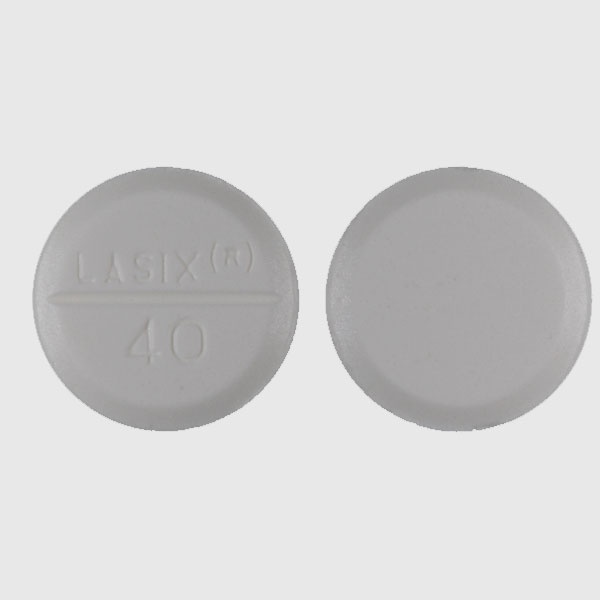
- Країна реєстрації
- Лікарська формаTablet, 25 MG
- Код АТХC03CA01
- Діюча речовина
- Потрібен рецептТак
- Виробник
- Ця інформація надана лише для ознайомлення і не є медичною порадою. Рішення щодо лікування завжди приймає лікар.
- Альтернативи до LASIXЛікарська форма: Coated tablet, 25 MGДіюча речовина: ФуросемидВиробник: AUROBINDO PHARMA (ITALIA) S.R.L.Потрібен рецептЛікарська форма: Tablet, 500 MGДіюча речовина: ФуросемидВиробник: DOC GENERICI SRLПотрібен рецептЛікарська форма: Injectable solution, 20 MG/2 MLДіюча речовина: ФуросемидВиробник: FISIOPHARMA S.R.L.Потрібен рецепт
Аналоги LASIX в інших країнах
Препарати з тією самою діючою речовиною, доступні в інших країнах.
Аналог LASIX у Іспанія
Аналог LASIX у Польща
Аналог LASIX у Україна
Лікарі онлайн щодо LASIX
Застосування, безпека та можливість призначення рецепта — за результатами медичної оцінки.
Отримайте рецепт на LASIX онлайн
Заповніть форму за 2 хвилини
Розкажіть про симптоми, історію хвороби та потрібний препарат.
Оберіть лікаря або ми призначимо
Оберіть спеціаліста або ми підберемо найближчого доступного лікаря.
Лікар розглядає ваш випадок
Зазвичай протягом 30 хвилин. Може ставити уточнювальні запитання в чаті.
Отримайте в будь-якій аптеці
Електронний рецепт надсилається на вашу пошту — дійсний по всій Польщі.
Часті запитання
LASIX потребує рецепта в Італія. Ви можете обговорити з лікарем онлайн, чи підходить цей лікарський засіб для вашої ситуації.
Діюча речовина у LASIX — Фуросемид. Це допомагає визначити препарати з тим самим складом, але під іншими торговими назвами.
LASIX виробляється компанією SANOFI S.R.L.. Назва бренду та упаковка можуть відрізнятися залежно від дистрибʼютора.
Лікарі, зокрема Сімейні лікарі, Психіатри, Дерматологи, Кардіологи, Ендокринологи, Гастроентерологи, Пульмонологи, Нефрологи, Ревматологи, Гематологи, Інфекціоністи, Алергологи, Геріатри, Педіатри, Онкологи, можуть оцінити доцільність застосування LASIX з урахуванням вашого стану та місцевих правил. Ви можете записатися на онлайн-консультацію, щоб обговорити симптоми та можливі подальші кроки.
Польща має добре розвинену систему охорони здоров'я у великих містах, таких як Варшава, Краків, Вроцлав і Гданськ. Аптеки широко доступні та працюють відповідно до чинного законодавства, забезпечуючи доступ до рецептурних препаратів.
Ви можете придбати LASIX у Варшаві, Кракові, Вроцлаві або Гданську в будь-якій аптеці за наявності дійсного рецепта.
Щоб отримати рецепт, ви можете скористатися Oladoctor:
Інші препарати з тією самою діючою речовиною (Фуросемид) включають FUROSEMIDE AUROBINDO, FUROSEMIDE DOK JENERIKI, FUROSEMIDE FISIOPARMA. Вони можуть відрізнятися торговою назвою або формою випуску, але містять той самий терапевтичний компонент. Перед зміною або початком прийому нового препарату варто проконсультуватися з лікарем.
