



KARVEZIDE 150 mg /12.5 Mg Coated Tablet

Запит на рецепт онлайн
Лікар розгляне ваш випадок і визначить, чи є рецепт медично доцільним.

Поговоріть з лікарем про ці ліки
Обговоріть симптоми та можливі подальші кроки під час короткої онлайн-консультації.



Інструкція із застосування KARVETSIDE
Зміст інструкції
- Karvezide 150 mg/12,5 mg tablets
- Karvezide 300 mg/12,5 mg tablets
- Karvezide 150 mg/12,5 mg film-coated tablets
- Karvezide 300 mg/12,5 mg film-coated tablets
- Karvezide 300 mg/25 mg film-coated tablets
Karvezide 150 mg/12,5 mg tablets
irbesartan/hydrochlorothiazide
Read this leaflet carefully before you start taking this medicine because
it contains important information for you.
- Keep this leaflet. You may need to read it again.
- If you have any questions, ask your doctor or pharmacist.
- This medicine has been prescribed for you only. Do not pass it on to others. It may be harmful to people even if their symptoms are the same as yours.
- If you get any side effects, even those not listed in this leaflet, tell your doctor or pharmacist. See section 4.
Contents of this leaflet:
- 1. What Karvezide is and what it is used for
- 2. What you need to know before you take Karvezide
- 3. How to take Karvezide
- 4. Possible side effects
- 5. How to store Karvezide
- 6. Contents of the pack and other information
1. What is Karvezide and what is it used for
Karvezide is a combination of two active substances: irbesartan and hydrochlorothiazide.
Irbesartan belongs to a group of drugs known as angiotensin-II receptor antagonists.
Angiotensin-II is a substance produced in the body that binds to its receptors, located in blood vessels, causing a narrowing of the latter. This leads to an increase in blood pressure. Irbesartan prevents the binding of angiotensin-II to these receptors, causing a relaxation of blood vessels and a lowering of blood pressure.
Hydrochlorothiazide belongs to a group of medicines (so-called thiazide diuretics) that determine an increased production of urine with a consequent lowering of blood pressure.
The two active ingredients of Karvezide work together, determining a reduction in blood pressure values that is greater than that caused by the individual drugs administered separately.
Karvezide is used to treat high blood pressurewhen treatment with irbesartan or hydrochlorothiazide alone has not adequately controlled your blood pressure.
2. What you need to know before taking Karvezide
Do not take Karvezide
- if you are allergicto irbesartan or any of the other ingredients of this medicine (listed in section 6).
- if you are allergicto hydrochlorothiazide or any medicines derived from sulfonamides
- if you are pregnant for more than 3 months(it is best to avoid taking Karvezide even in the early stages of pregnancy - see section Pregnancy)
- if you have serious problems with your liver or kidneys
- if you have difficulty urinating
- if your doctor finds that you have a persistently high level of calcium or a low level of potassiumin your blood
- if you suffer from diabetes or your kidney function is impairedand you are being treated with a medicine that lowers blood pressure, containing aliskiren.
Warnings and precautions
Talk to your doctor before taking Karvezide and if you are in any of the following conditions:
- excessive vomiting or diarrhoea
- if you suffer from kidney problemsor have had a kidney transplant
- if you suffer from heart problems
- if you suffer from liver problems
- if you suffer from diabetes
- if you develop low blood sugar levels(symptoms can include sweating, weakness, hunger, dizziness, trembling, headache, flushing or paleness, numbness, fast and pounding heartbeat), especially if you are being treated for diabetes
- if you suffer from lupus erythematosus(also known as lupus or SLE)
- if you suffer from primary aldosteronism(a condition related to high production of the hormone aldosterone, which causes sodium retention and, subsequently, an increase in blood pressure)
- if you are taking any of the following medicines used to treat high blood pressure:
- an "ACE inhibitor" (for example enalapril, lisinopril, ramipril), especially if you suffer from kidney problems related to diabetes
- aliskiren
- if you have had skin cancer in the past or if you are developing an unexpected skin lesion during treatment. Treatment with hydrochlorothiazide, especially long-term use with high doses, may increase the risk of certain types of skin cancer and lip cancer (non-melanoma skin cancer). Protect your skin from exposure to the sun and UV rays while taking Karvezide
- if you have had breathing or lung problems (including inflammation or fluid in the lungs) following the use of hydrochlorothiazide in the past. If you experience shortness of breath or severe difficulty breathing after taking Karvezide, consult a doctor immediately.
The doctor may check your kidney function, blood pressure, and the amount of electrolytes
(e.g. potassium) in your blood at regular intervals.
See also what is stated under "Do not take Karvezide"
You must tell your doctor if you think you may be pregnant (or if there is a possibility of becoming
pregnant). Karvezide is not recommended in early pregnancy and must not be
taken if you are pregnant for more than 3 months, as it can cause serious harm to the baby if
taken during this period (see section Pregnancy).
In addition, tell your doctor:
- if you are following a low-salt diet
- if you have symptoms such as excessive thirst, dry mouth, general weakness, drowsiness, muscle pain or cramps, nausea, vomiting,or a very fast heartbeatthat may indicate an excessive effect of hydrochlorothiazide (contained in Karvezide)
- if you have noticed an increase, faster than normal, in skin sensitivity to the sunwith symptoms of sunburn (such as redness, itching, swelling, rash)
- if you are to undergo surgeryor receive anaesthetics
- if you experience decreased vision or pain in one or both eyes while taking Karvezide. These may be symptoms of fluid accumulation in the vascular layer of the eye (choroidal effusion) or an increase in pressure in the eye (glaucoma) and may occur from a few hours to a week after taking Karvezide. If left untreated, they can lead to permanent vision loss. If you have previously had an allergy to penicillin or sulfonamides, you may be at greater risk of developing this consequence. You should stop taking Karvezide and consult your doctor promptly.
Hydrochlorothiazide, contained in this medicine, can give positive results in doping tests.
Children and adolescents
Karvezide should not be given to children and adolescents (under 18 years of age)
Other medicines and Karvezide
Tell your doctor or pharmacist if you are taking, have recently taken or might take
any other medicines.
Diuretic medicines like hydrochlorothiazide contained in Karvezide can have an effect on other
medicines. Lithium preparations should not be taken together with Karvezide unless
under strict medical control.
The doctor may need to adjust the dose and/or take other precautions:
If you are taking an ACE inhibitor or aliskiren (see also "Do not take
Karvezide” and "Warnings and precautions”)
You may need blood tests if you are using:
- potassium supplements
- salt substitutes containing potassium
- potassium-sparing diuretics or other diuretics
- some laxatives
- medicines for the treatment of gout
- vitamin D supplements
- medicines to control your heartbeat
- medicines for diabetes (oral medicines such as repaglinide or insulin)
- carbamazepine (a medicine for the treatment of epilepsy).
It is also important to tell your doctor if you are taking other medicines to lower your blood
pressure, steroids, cancer medicines, pain medicines, for arthritis or colestyramine and
colestipol to lower cholesterol levels in the blood.
Karvezide with food and drink
Karvezide can be taken with or without food.
Due to the hydrochlorothiazide contained in Karvezide, if you drink alcohol during therapy with this
medicine, you may feel more dizzy when standing up, especially when moving from a
sitting to an upright position.
Pregnancy, breastfeeding and fertility
Pregnancy
Tell your doctor if you think you may be pregnant (or if there is a possibility of becoming
pregnant); your doctor will usually advise you to stop taking Karvezide before
becoming pregnant or as soon as you find out you are pregnant and will advise you to take another medicine instead of Karvezide. Karvezide is not recommended
in early pregnancy and must not be taken if you are pregnant for more than 3 months
as it can cause serious harm to the baby if taken after the third month of pregnancy.
Breastfeeding
Tell your doctor if you are breastfeeding or are planning to start breastfeeding. Karvezide is not recommended
for women who are breastfeeding and your doctor may choose another treatment for you if you wish
to breastfeed, especially if the baby is newborn or premature.
Driving and using machines
It is unlikely that Karvezide will affect your ability to drive vehicles or use machines.
However, dizziness or fatigue may occasionally occur during treatment for
high blood pressure. If this happens, talk to your doctor before driving vehicles or using machines.
Karvezide contains lactose.If you have been diagnosed with intolerance to some sugars, contact
your doctor before taking this medicine.
Karvezide contains sodium. This medicine contains less than 1 mmol of sodium (23 mg) per
tablet, i.e. essentially ‘sodium-free’.
3. How to take Karvezide
Take this medicine following the instructions of your doctor exactly. If you have any doubts, consult
your doctor or pharmacist.
Dosage
The recommended dose of Karvezide is one or two tablets a day. Karvezide will be prescribed by your
doctor if previous therapy has not sufficiently reduced your blood pressure. Your
doctor will advise you on how to switch from previous treatment to treatment with Karvezide.
Method of administration
Karvezide is for oral use. Swallow the tablets with a sufficient amount of liquid (for example
a glass of water). You can take Karvezide with or without food. You should try to take the
medicine at the same time each day. It is important to continue the therapy unless otherwise indicated by
your doctor.
The maximum blood pressure lowering effect should be achieved after 6-8 weeks
from the start of treatment.
If you take more Karvezide than you should
If you accidentally take too many tablets, contact your doctor immediately.
Children should not take Karvezide
Karvezide should not be given to children under 18 years of age. If a child swallows some
tablets, contact your doctor immediately.
If you forget to take Karvezide
If you forget to take a dose of the medicine, continue with the therapy as normal. Do not take a
double dose to make up for a missed dose.
If you have any doubts about the use of this medicine, ask your doctor or pharmacist.
4. Possible side effects
Like all medicines, this medicine can cause side effects, although not everyone will experience them.
Some of these effects may be serious and may require medical attention.
In patients treated with irbesartan, rare cases of allergic skin reactions (rash, urticaria) have been reported as well as localized swelling of the face, lips and/or tongue. If you experience any of the above symptoms or have difficulty breathing, stop taking Karvezide and contact your doctor immediately.
The frequency of the side effects listed below is defined using the following convention:
Common: may affect up to 1 in 10 people
Uncommon: may affect up to 1 in 100 people
The side effects reported in clinical studies in patients treated with Karvezide were:
Common side effects(may affect up to 1 in 10 people)
- nausea/vomiting
- urinary disorders
- fatigue
- dizziness (even when moving from a sitting or lying position to an upright position)
- blood tests may show an increase in the levels of an enzyme that measures muscle and cardiac function (creatine kinase) or an increase in the levels of substances that measure kidney function (azotemia, creatinine). Tell your doctor if any of these side effects cause you problems.
Uncommon side effects(may affect up to 1 in 100 people)
- diarrhea
- hypotension
- weakness
- fast heartbeat
- hot flushes
- swelling
- sexual dysfunction (problems with sexual activity)
- blood tests may show a decrease in potassium and sodium levels in the blood. Tell your doctor if any of these side effects cause you problems.
Side effects reported after marketing of Karvezide
Since Karvezide was marketed, some side effects have been reported. The side effects with unknown frequency are: headache, tinnitus, cough, taste disturbances, indigestion, joint and muscle pain, abnormal liver function and kidney dysfunction, high levels of potassium in the blood and allergic reactions (rash, urticaria, localized swelling of the face, lips, mouth, tongue or throat). Uncommon cases of jaundice (yellowing of the skin and/or whites of the eyes) have also been reported.
As with any combination of two active substances, side effects associated with each of the components cannot be excluded.
Side effects associated with irbesartan alone
In addition to the side effects listed above, chest pain, severe allergic reactions (anaphylactic shock), decreased number of red blood cells (anemia - symptoms may include fatigue, headache, shortness of breath during physical activity, dizziness and paleness) and decreased number of platelets (blood cells essential for blood clotting) have also been reported.
Side effects associated with hydrochlorothiazide alone
Loss of appetite; stomach irritation; stomach cramps; constipation; jaundice (yellowing of the skin and/or whites of the eyes); inflammation of the pancreas characterized by severe pain in the upper part of the stomach, often with nausea and vomiting; sleep disturbances; depression; blurred vision; lack of white blood cells, which can lead to frequent infections, fever; decreased number of platelets (essential component for blood clotting), decreased number of red blood cells (anemia) characterized by fatigue, headache, shortness of breath during exercise, dizziness and paleness; kidney problems; lung problems including pneumonia or increased fluid in the lungs; increased skin sensitivity to the sun; inflammation of blood vessels; a skin disorder characterized by scaling of the skin all over the body; lupus erythematosus, identified by a rash that may appear on the face, neck and scalp; allergic reactions; muscle weakness and spasm; altered heartbeat; lowering of blood pressure following a change in body position; swelling of the salivary glands; high blood sugar levels; sugar in the urine; increases in certain types of fat in the blood; high levels of uric acid in the blood which can cause gout.
Very rare(may affect up to 1 in 10,000) acute respiratory distress (signs include severe shortness of breath, fever, weakness and confusion).
Not known (the frequency cannot be established based on available data): skin and lip cancer (non-melanoma skin cancer), decreased vision or eye pain due to high pressure (possible signs of fluid accumulation in the vascular layer of the eye (choroidal effusion) or acute angle-closure glaucoma).
It is known that the side effects associated with hydrochlorothiazide may increase with higher doses of hydrochlorothiazide.
Reporting of side effects
If you get any side effects, even those not listed in this leaflet, tell your doctor or pharmacist .
You can also report side effects directly through the national reporting system reported in Annex V.
By reporting side effects you can help provide more information on the safety of this medicine.
5. How to store Karvezide
Keep this medicine out of the sight and reach of children.
Do not use this medicine after the expiry date which is stated on the package and on the blister after
Exp. The expiry date refers to the last day of that month.
Do not store at a temperature above 30°C.
Store in the original package to protect it from moisture.
Do not dispose of any medicine in wastewater or household waste. Ask your pharmacist how to
dispose of medicines you no longer use. This will help protect the environment.
6. Package contents and other information
What Karvezide contains
- The active ingredients are irbesartan and hydrochlorothiazide. Each Karvezide 150 mg/12.5 mg tablet contains 150 mg of irbesartan and 12.5 mg of hydrochlorothiazide.
- Other ingredients are: microcrystalline cellulose, reticulated sodium carboxymethyl cellulose, lactose monohydrate, magnesium stearate, hydrated colloidal silica, pregelatinized maize starch, red and yellow iron oxides (E172). See section 2 “Karvezide contains lactose”.
Description of Karvezide and package contents
Karvezide 150 mg/12.5 mg tablets are peach-colored, biconvex, oval-shaped, with a heart imprinted on one side and the number 2775 on the other side.
Karvezide 150 mg/12.5 mg tablets are supplied in packs containing blisters of 14, 28, 56, or 98 tablets. Packs containing divisible blisters for unit dose administration of 56 x 1 tablet for hospital use are also available.
Not all pack sizes may be marketed.
Marketing Authorisation Holder
Sanofi Winthrop Industrie
82 avenue Raspail
94250 Gentilly
France
Manufacturer
SANOFI WINTHROP INDUSTRIE
1, rue de la Vierge
Ambarès & Lagrave
F-33565 Carbon Blanc Cedex - France
SANOFI WINTHROP INDUSTRIE
30-36 Avenue Gustave Eiffel
37100 Tours - France
For further information on this medicinal product, contact the local representative of the Marketing Authorisation Holder:
België/Belgique/Belgien
Sanofi Belgium
Tél/Tel: +32 (0)2 710 54 00
Lietuva
Swixx Biopharma UAB
Tel: +370 5 236 91 40
България
Swixx Biopharma EOOD
Тел.: +359 (0)2 4942 480
Luxembourg/Luxemburg
Sanofi Belgium
Tél/Tel: +32 (0)2 710 54 00 (Belgique/Belgien)
Česká republika
sanofi-aventis, s.r.o.
Tel: +420 233 086 111
Magyarország
sanofi-aventis zrt., Magyarország
Tel.: +36 1 505 0050
Danmark
Sanofi A/S
Tlf: +45 45 16 70 00
Malta
Sanofi S.r.l.
Tel: +39 02 39394275
Deutschland
Sanofi-Aventis Deutschland GmbH
Tel: 0800 52 52 010
Tel. aus dem Ausland: +49 69 305 21 131
Nederland
Sanofi B.V.
Tel: +31 20 245 4000
Eesti
Swixx Biopharma OÜ
Tel: +372 640 10 30
Norge
sanofi-aventis Norge AS
Tlf: +47 67 10 71 00
Ελλάδα
Sanofi-Aventis Μονοπρόσωπη AEBE
Τηλ: +30 210 900 16 00
Österreich
sanofi-aventis GmbH
Tel: +43 1 80 185 – 0
España
sanofi-aventis, S.A.
Tel: +34 93 485 94 00
Polska
sanofi-aventis Sp. z o.o.
Tel.: +48 22 280 00 00
France
Sanofi Winthrop Industrie
Tél: 0 800 222 555
Appel depuis l’étranger : +33 1 57 63 23 23
Portugal
Sanofi - Produtos Farmacêuticos, Lda
Tel: +351 21 35 89 400
Hrvatska
Swixx Biopharma d.o.o.
Tel: +385 1 2078 500
România
Sanofi Romania SRL
Tel: +40 (0) 21 317 31 36
Ireland
sanofi-aventis Ireland Ltd. T/A SANOFI
Tel: +353 (0) 1 403 56 00
Slovenija
Swixx Biopharma d.o.o.
Tel: +386 1 235 51 00
Ísland
Vistor hf.
Sími: +354 535 7000
Slovenská republika
Swixx Biopharma s.r.o.
Tel: +421 2 208 33 600
Italia
Sanofi S.r.l.
Tel: 800 536389
Suomi/Finland
Sanofi Oy
Puh/Tel: +358 (0) 201 200 300
Κύπρος
C.A. Papaellinas Ltd.
Τηλ: +357 22 741741
Sverige
Sanofi AB
Tel: +46 (0)8 634 50 00
Latvija
Swixx Biopharma SIA
Tel: +371 6616 47 50
United Kingdom (Northern Ireland)
sanofi-aventis Ireland Ltd. T/A SANOFI
Tel: +44 (0) 800 035 2525
More detailed information on this medicinal product is available on the website of the European Medicines Agency: http://www.ema.europa.eu.
Karvezide 300 mg/12,5 mg tablets
irbesartan/hydrochlorothiazide
Read this leaflet carefully before you start to take this medicine because
it contains important information for you.
- Keep this leaflet. You may need to read it again.
- If you have any questions, ask your doctor or pharmacist.
- This medicine has been prescribed for you only. Do not pass it on to others. It may be harmful to people even if their symptoms are the same as yours.
- If you get any side effects, even those not listed in this leaflet, tell your doctor or pharmacist. See section 4. Contents of this leaflet:
- 1. What Karvezide is and what it is used for
- 2. What you need to know before you take Karvezide
- 3. How to take Karvezide
- 4. Possible side effects
- 5. How to store Karvezide
- 6. Contents of the pack and other information
1. What is Karvezide and what is it used for
Karvezide is a combination of two active substances: irbesartan and hydrochlorothiazide.
Irbesartan belongs to a group of drugs known as angiotensin-II receptor antagonists.
Angiotensin-II is a substance produced in the body that binds to its receptors, located in blood vessels, causing a narrowing of the latter. This leads to an increase in blood pressure. Irbesartan prevents the binding of angiotensin-II to these receptors, causing a relaxation of the blood vessels and a lowering of blood pressure.
Hydrochlorothiazide belongs to a group of medicines (so-called thiazide diuretics) that determine an increased production of urine with a consequent lowering of blood pressure.
The two active ingredients of Karvezide work together to determine a decrease in blood pressure values that is greater than that caused by the individual drugs administered separately.
Karvezide is used to treat high blood pressurewhen treatment with irbesartan or hydrochlorothiazide alone has not adequately controlled its blood pressure.
2. What you need to know before taking Karvezide
Do not take Karvezide
- if you are allergicto irbesartan or to any of the other ingredients of this medicine (listed in section 6).
- if you are allergicto hydrochlorothiazide or to any medicines derived from sulfonamides
- if you are pregnant for more than 3 months(it is best to avoid taking Karvezide even in the early stages of pregnancy - see section Pregnancy)
- if you have serious problems with your liver or kidneys
- if you have difficulty urinating
- if your doctor finds that you have a persistently high level of calcium or a low level of potassiumin your blood
- if you suffer from diabetes or your kidney function is impairedand you are being treated with a medicine that lowers your blood pressure, containing aliskiren
Warnings and precautions
Talk to your doctor before taking Karvezide and if you are in any of the following conditions:
- excessive vomiting or diarrhea
- if you suffer from kidney disordersor have had a kidney transplant
- if you suffer from heart disorders
- if you suffer from liver disorders
- if you suffer from diabetes
- if you develop low blood sugar levels(symptoms can include sweating, weakness, hunger, dizziness, trembling, headache, flushing or paleness, numbness, fast and pounding heartbeat), especially if you are being treated for diabetes
- if you suffer from lupus erythematosus(also known as lupus or SLE)
- if you suffer from primary aldosteronism(a condition related to high production of the hormone aldosterone, which causes sodium retention and, subsequently, an increase in blood pressure)
- if you are taking any of the following medicines used to treat high blood pressure:
- an "ACE inhibitor" (for example enalapril, lisinopril, ramipril), especially if you have kidney problems related to diabetes
- aliskiren
- if you have had skin cancer in the past or if you are developing an unexpected skin lesion during treatment. Treatment with hydrochlorothiazide, especially long-term use with high doses, may increase the risk of some types of skin cancer and lip cancer (non-melanoma skin cancer). Protect your skin from exposure to the sun and UV rays while taking Karvezide
- if you have had breathing or lung problems (including inflammation or fluid in the lungs) following the use of hydrochlorothiazide in the past. If you experience shortness of breath or severe difficulty breathing after taking Karvezide, consult your doctor immediately.
The doctor may check your kidney function, blood pressure, and the amount of electrolytes
(for example potassium) in your blood at regular intervals.
See also what is stated under "Do not take Karvezide"
You must inform your doctor if you think you may be pregnant (or if there is a possibility of becoming
pregnant). Karvezide is not recommended in early pregnancy and must not be
taken if you are pregnant for more than 3 months, as it can cause serious harm to the baby if
taken during this period (see the section Pregnancy).
Also, tell your doctor:
- if you are following a low-salt diet
- if you have symptoms such as excessive thirst, dry mouth, general weakness, drowsiness, muscle pain or cramps, nausea, vomiting,or a very fast heartbeatwhich may indicate an excessive effect of hydrochlorothiazide (contained in Karvezide)
- if you have noticed an increase, faster than normal, in skin sensitivity to the sunwith symptoms of sunburn (such as redness, itching, swelling, rash)
- if you are going to have surgeryor receive anesthesia
- if you experience decreased vision or pain in one or both eyes while taking Karvezide. These may be symptoms of fluid accumulation in the vascular layer of the eye (choroidal effusion) or increased pressure in the eye (glaucoma) and may occur from a few hours to a week after taking Karvezide. If left untreated, they can lead to permanent vision loss. If you have previously had an allergy to penicillin or sulfonamides, you may be at greater risk of developing this consequence. You should stop Karvezide and consult your doctor promptly.
Hydrochlorothiazide, contained in this medicine, can give positive results in doping tests.
Children and adolescents
Karvezide should not be given to children and adolescents (under 18 years of age)
Other medicines and Karvezide
Tell your doctor or pharmacist if you are taking, have recently taken or might take
any other medicines.
Diuretic medicines like hydrochlorothiazide contained in Karvezide can have an effect on other
medicines. Preparations containing lithium should not be taken together with Karvezide, unless
under strict medical control.
The doctor may need to adjust the dose and/or take other precautions:
If you are taking an ACE inhibitor or aliskiren (see also what is stated under: "Do not take
Karvezide” and "Warnings and precautions”)
You may need blood tests if you are using:
- potassium supplements
- salt substitutes containing potassium
- potassium-sparing diuretics or other diuretics
- some laxatives
- medicines for the treatment of gout
- vitamin D supplements
- medicines to control your heartbeat
- medicines for diabetes (oral medicines such as repaglinide or insulin)
- carbamazepine (a medicine for the treatment of epilepsy).
It is also important to tell your doctor if you are taking other medicines to lower your blood
pressure, steroids, cancer medicines, pain medicines, for arthritis or colestyramine and
colestipol to lower cholesterol levels in the blood.
Karvezide with food and drink
Karvezide can be taken with or without food.
Due to the hydrochlorothiazide contained in Karvezide, if you drink alcohol during therapy with this
medicine, while standing, you may feel more dizzy, especially when moving from
a sitting to an upright position.
Pregnancy, breastfeeding and fertility
Pregnancy
You must tell your doctor if you think you may be pregnant (or if there is a possibility of becoming
pregnant); your doctor will usually advise you to stop taking Karvezide before
becoming pregnant or as soon as you find out you are pregnant and will advise you to take another
medicine instead of Karvezide. Karvezide is not recommended
in early pregnancy and must not be taken if you are pregnant for more than 3 months
as it can cause serious harm to the baby if taken after the third month of pregnancy.
Breastfeeding
Tell your doctor if you are breastfeeding or are planning to start breastfeeding. Karvezide is not recommended
for women who are breastfeeding and your doctor may choose another treatment for you if you wish
to breastfeed, especially if the baby is newborn or premature.
Driving and using machines
It is unlikely that Karvezide will affect your ability to drive vehicles or operate machinery.
However, dizziness or fatigue may occasionally occur during treatment for
high blood pressure. If this happens to you, talk to your doctor before driving vehicles or operating machinery.
Karvezide contains lactose.If you have been diagnosed with intolerance to some sugars, contact
your doctor before taking this medicine.
Karvezide contains sodium. This medicine contains less than 1 mmol of sodium (23 mg) per
tablet, i.e. essentially ‘sodium-free’.
3. How to take Karvezide
Take this medicine following exactly the instructions of your doctor. If you have any doubts, consult
your doctor or pharmacist.
Dosage
The recommended dose of Karvezide is one tablet a day. Karvezide will be prescribed by your
doctor if previous therapy has not sufficiently reduced your blood pressure. The
doctor will advise you on how to switch from previous treatment to treatment with Karvezide.
Method of administration
Karvezide is for oral use. Swallow the tablets with a sufficient amount of liquid (for example
a glass of water). You can take Karvezide with or without food. You should try to take the
medicine at the same time each day. It is important to continue therapy unless otherwise indicated by
your doctor.
The maximum blood pressure lowering effect should be achieved after 6-8 weeks
from the start of treatment.
If you take more Karvezide than you should
If you accidentally take too many tablets, contact your doctor immediately.
Children should not take Karvezide
Karvezide should not be given to children under 18 years of age. If a child swallows any
tablets, contact your doctor immediately.
If you forget to take Karvezide
If you forget to take a dose of the medicine, continue with therapy as normal. Do not take a
double dose to make up for a missed dose.
If you have any doubts about the use of this medicine, ask your doctor or pharmacist.
4. Possible side effects
Like all medicines, this medicine can cause side effects, although not everyone will experience them.
Some of these effects may be serious and may require medical attention.
In patients treated with irbesartan, rare cases of allergic skin reactions (rash, urticaria) have been reported as well as localized swelling of the face, lips and/or tongue. If you experience any of the above symptoms or have difficulty breathing, stop taking Karvezide and contact your doctor immediately.
The frequency of the side effects listed below is defined using the following convention:
Common: may affect up to 1 in 10 people
Uncommon: may affect up to 1 in 100 people
The side effects reported in clinical studies in patients treated with Karvezide were:
Common side effects(may affect up to 1 in 10 people)
- nausea/vomiting
- urinary disorders
- fatigue
- dizziness (even when moving from a sitting or lying position to an upright position)
- blood tests may show an increase in the levels of an enzyme that measures muscle and cardiac function (creatine kinase) or an increase in the levels of substances that measure kidney function (azotemia, creatinine). Tell your doctor if any of these side effects cause you problems.
Uncommon side effects(may affect up to 1 in 100 people)
- diarrhea
- hypotension
- weakness
- fast heartbeat
- hot flushes
- swelling
- sexual dysfunction (problems with sexual activity)
- blood tests may show a decrease in potassium and sodium levels in the blood. Tell your doctor if any of these side effects cause you problems.
Side effects reported after marketing of Karvezide
Since Karvezide was marketed, some side effects have been reported. The side effects with unknown frequency are: headache, tinnitus, cough, taste disturbances, indigestion, joint and muscle pain, abnormal liver function and renal dysfunction, elevated levels of potassium in the blood and allergic reactions (rash, urticaria, localized swelling of the face, lips, mouth, tongue or throat). Uncommon cases of jaundice (yellowing of the skin and/or whites of the eyes) have also been reported.
As with any combination of two active substances, side effects associated with each of the components cannot be ruled out.
Side effects associated with irbesartan alone
In addition to the side effects listed above, chest pain, severe allergic reactions (anaphylactic shock), decreased number of red blood cells (anemia - symptoms may include fatigue, headache, shortness of breath during physical activity, dizziness and paleness) and decreased number of platelets (blood cells essential for blood clotting) have also been reported.
Side effects associated with hydrochlorothiazide alone
Loss of appetite; stomach irritation; stomach cramps; constipation; jaundice (yellowing of the skin and/or whites of the eyes); inflammation of the pancreas characterized by severe pain in the upper abdomen, often with nausea and vomiting; sleep disturbances; depression; blurred vision; lack of white blood cells, which can lead to frequent infections, fever; decreased number of platelets (essential component for blood clotting), decreased number of red blood cells (anemia) characterized by fatigue, headache, shortness of breath during exercise, dizziness and paleness; kidney problems; lung problems including pneumonia or fluid buildup in the lungs; increased sensitivity of the skin to the sun; inflammation of blood vessels; a skin disorder characterized by peeling skin all over the body; lupus erythematosus, identified by a rash that may appear on the face, neck and scalp; allergic reactions; muscle weakness and spasm; altered heartbeat; lowering of blood pressure following a change in body position; swelling of the salivary glands; elevated blood sugar levels; sugar in the urine; increases in certain types of fat in the blood; elevated uric acid levels in the blood, which can cause gout.
Very rare(may affect up to 1 in 10,000) acute respiratory distress (signs include severe shortness of breath, fever, weakness and confusion).
Not known (the frequency cannot be estimated based on available data): skin and lip cancer (non-melanoma skin cancer), decreased vision or eye pain due to high pressure (possible signs of fluid buildup in the vascular layer of the eye (choroidal effusion) or acute angle-closure glaucoma).
It is known that the side effects associated with hydrochlorothiazide may increase with higher doses of hydrochlorothiazide.
Reporting of side effects
If you experience any side effects, including those not listed in this leaflet, tell your doctor or pharmacist .
You can also report side effects directly through the national reporting system reported in Annex V.
By reporting side effects, you can help provide more information on the safety of this medicine.
5. How to store Karvezide
Keep this medicine out of the sight and reach of children.
Do not use this medicine after the expiry date which is stated on the package and on the blister after
Exp. The expiry date refers to the last day of that month.
Do not store at a temperature above 30°C.
Store in the original package to protect it from moisture.
Do not dispose of any medicine in wastewater or household waste. Ask your pharmacist how to
dispose of medicines you no longer use. This will help protect the environment.
6. Package contents and other information
What Karvezide contains
- The active ingredients are irbesartan and hydrochlorothiazide. Each Karvezide 300 mg/12.5 mg tablet contains 300 mg of irbesartan and 12.5 mg of hydrochlorothiazide.
- Other ingredients are: microcrystalline cellulose, cross-linked sodium carboxymethyl cellulose, anhydrous lactose, magnesium stearate, hydrated colloidal silica, pregelatinized corn starch, red and yellow iron oxides (E172). See section 2 “Karvezide contains lactose”.
Description of Karvezide and package contents
Karvezide 300 mg/12.5 mg tablets are peach-colored, biconvex, oval-shaped, with a heart imprinted on one side and the number 2776 on the other side.
Karvezide 300 mg/12.5 mg tablets are supplied in packs containing blisters of 14, 28, 56, or 98 tablets. Packs containing divisible blisters for unit dose administration of 56 x 1 tablet for hospital use are also available.
Not all pack sizes may be marketed.
Marketing Authorisation Holder
Sanofi Winthrop Industrie
82 avenue Raspail
94250 Gentilly
France
Manufacturer
SANOFI WINTHROP INDUSTRIE
1, rue de la Vierge
Ambarès & Lagrave
F-33565 Carbon Blanc Cedex - France
SANOFI WINTHROP INDUSTRIE
30-36 Avenue Gustave Eiffel
37100 Tours – France
For further information on this medicinal product, contact the local representative of the Marketing Authorisation Holder:
Lietuva
Swixx Biopharma UAB
Tel: +370 5 236 91 40
България
Swixx Biopharma EOOD
Тел.: +359 (0)2 4942 480
België/Belgique/Belgien
Sanofi Belgium
Tél/Tel: +32 (0)2 710 54 00
Luxembourg/Luxemburg
Sanofi Belgium
Tél/Tel: +32 (0)2 710 54 00 (Belgique/Belgien)
Česká republika
sanofi-aventis, s.r.o.
Tel: +420 233 086 111
Magyarország
sanofi-aventis zrt., Magyarország
Tel.: +36 1 505 0050
Danmark
Sanofi A/S
Tlf: +45 45 16 70 00
Malta
Sanofi S.r.l.
Tel: +39 02 39394275
Deutschland
Sanofi-Aventis Deutschland GmbH
Tel: 0800 52 52 010
Tel. aus dem Ausland: +49 69 305 21 131
Nederland
Sanofi B.V.
Tel: +31 20 245 4000
Eesti
Swixx Biopharma OÜ
Tel: +372 640 10 30
Norge
sanofi-aventis Norge AS
Tlf: +47 67 10 71 00
Ελλάδα
Sanofi-Aventis Μονοπρόσωπη AEBE
Τηλ: +30 210 900 16 00
Österreich
sanofi-aventis GmbH
Tel: +43 1 80 185 – 0
España
sanofi-aventis, S.A.
Tel: +34 93 485 94 00
Polska
sanofi-aventis Sp. z o.o.
Tel.: +48 22 280 00 00
France
Sanofi Winthrop Industrie
Tél: 0 800 222 555
Appel depuis l’étranger : +33 1 57 63 23 23
Portugal
Sanofi - Produtos Farmacêuticos, Lda
Tel: +351 21 35 89 400
Hrvatska
Swixx Biopharma d.o.o.
Tel: +385 1 2078 500
România
Sanofi Romania SRL
Tel: +40 (0) 21 317 31 36
Ireland
sanofi-aventis Ireland Ltd. T/A SANOFI
Tel: +353 (0) 1 403 56 00
Slovenija
Swixx Biopharma d.o.o.
Tel: +386 1 235 51 00
Ísland
Vistor hf.
Sími: +354 535 7000
Slovenská republika
Swixx Biopharma s.r.o.
Tel: +421 2 208 33 600
Italia
Sanofi S.r.l.
Tel: 800 536389
Suomi/Finland
Sanofi Oy
Puh/Tel: +358 (0) 201 200 300
Κύπρος
C.A. Papaellinas Ltd.
Τηλ: +357 22 741741
Sverige
Sanofi AB
Tel: +46 (0)8 634 50 00
Latvija
Swixx Biopharma SIA
Tel: +371 6616 47 50
United Kingdom (Northern Ireland)
sanofi-aventis Ireland Ltd. T/A SANOFI
Tel: +44 (0) 800 035 2525
Further details on this medicinal product are available on the website of the European Medicines Agency: http://www.ema.europa.eu.

Не впевнені, чи підходить вам цей лікарський засіб?
Обговоріть симптоми та можливі варіанти лікування з лікарем онлайн.
Karvezide 150 mg/12,5 mg film-coated tablets
irbesartan/hydrochlorothiazide
Read this leaflet carefully before you start taking this medicine because
it contains important information for you.
- Keep this leaflet. You may need to read it again.
- If you have any questions, ask your doctor or pharmacist.
- This medicine has been prescribed for you only. Do not pass it on to others. It may be harmful to people even if their symptoms are the same as yours.
- If you get any side effects, even those not listed in this leaflet, tell your doctor or pharmacist. See section 4.
Contents of this leaflet:
- 1. What Karvezide is and what it is used for
- 2. What you need to know before you take Karvezide
- 3. How to take Karvezide
- 4. Possible side effects
- 5. How to store Karvezide
- 6. Contents of the pack and other information
1. What is Karvezide and what is it used for
Karvezide is a combination of two active substances: irbesartan and hydrochlorothiazide.
Irbesartan belongs to a group of drugs known as angiotensin-II receptor antagonists.
Angiotensin-II is a substance produced in the body that binds to its receptors, located in blood vessels, causing their constriction. This leads to an increase in blood pressure. Irbesartan prevents the binding of angiotensin-II to these receptors, causing relaxation of the blood vessels and a lowering of blood pressure.
Hydrochlorothiazide belongs to a group of medicines (so-called thiazide diuretics) that determine an increased production of urine with a consequent lowering of blood pressure.
The two active ingredients of Karvezide work together to determine a lowering of blood pressure values that is greater than that caused by the individual drugs administered separately.
Karvezide is used to treat high blood pressurewhen treatment with irbesartan or hydrochlorothiazide alone has not adequately controlled your blood pressure.
2. What you need to know before taking Karvezide
Do not take Karvezide
- if you are allergicto irbesartan or any of the other ingredients of this medicine (listed in section 6).
- if you are allergicto hydrochlorothiazide or any medicines derived from sulfonamides
- if you are pregnant for more than 3 months(it is best to avoid taking Karvezide even in the early stages of pregnancy - see section Pregnancy)
- if you have severe liver or kidney problems
- if you have difficulty urinating
- if your doctor finds that you have a persistently high level of calcium or a low level ofpotassium in your blood
- if you suffer from diabetes or your kidney function is impairedand you are being treated with a medicine that lowers blood pressure, containing aliskiren.
Warnings and precautions
Talk to your doctor before taking Karvezide and if you are in any of the following conditions:
- excessive vomiting or diarrhea
- if you suffer from kidney disordersor have had a kidney transplant
- if you suffer from heart disorders
- if you suffer from liver disorders
- if you suffer from diabetes
- if you develop low blood sugar levels(symptoms may include sweating, weakness, hunger, dizziness, tremor, headache, flushing or pallor, numbness, fast or pounding heartbeat), especially if you are being treated for diabetes
- if you suffer from lupus erythematosus(also known as lupus or SLE)
- if you suffer from primary aldosteronism(a condition related to high production of the hormone aldosterone, which causes sodium retention and subsequently an increase in blood pressure)
- if you are taking any of the following medicines used to treat high blood pressure:
- an "ACE inhibitor" (for example enalapril, lisinopril, ramipril), especially if you suffer from kidney problems related to diabetes
- aliskiren
- if you have had skin cancer in the past or if you are developing an unexpected skin lesion during treatment. Treatment with hydrochlorothiazide, especially long-term use with high doses, can increase the risk of some types of skin cancer and lip cancer (non-melanoma skin cancer). Protect your skin from exposure to the sun and UV rays while taking Karvezide
- if you have had breathing or lung problems (including inflammation or fluid in the lungs) following the use of hydrochlorothiazide in the past. If you experience shortness of breath or severe difficulty breathing after taking Karvezide, consult a doctor immediately.
The doctor may check your kidney function, blood pressure, and the amount of electrolytes
(for example potassium) in your blood at regular intervals.
See also what is stated under "Do not take Karvezide”
You must inform your doctor if you think you may be pregnant (or if there is a possibility of starting
a pregnancy). Karvezide is not recommended in early pregnancy and should not be
taken if you are pregnant for more than 3 months, as it can cause serious harm to the baby if
taken during this period (see the section "Pregnancy").
Also, tell your doctor:
- if you are following a low-salt diet
- if you have symptoms such as excessive thirst, dry mouth, general weakness, drowsiness, muscle pain or cramps, nausea, vomiting,or a very fast heartbeatthat may indicate an excessive effect of hydrochlorothiazide (contained in Karvezide)
- if you have noticed an increase, faster than normal, in the sensitivity of your skin to the sunwith symptoms of sunburn (such as redness, itching, swelling, rash)
- if you are going to have surgeryor receive anesthesia
- if you experience decreased vision or pain in one or both eyes while taking Karvezide. These may be symptoms of fluid accumulation in the vascular layer of the eye (choroidal effusion) or an increase in pressure in the eye (glaucoma) and may occur within a period ranging from a few hours to a week after taking Karvezide. If left untreated, they can lead to permanent vision loss. If you have previously had an allergy to penicillin or sulfonamides, you may be at greater risk of developing this consequence. You should stop Karvezide and consult your doctor promptly.
Hydrochlorothiazide, contained in this medicine, can give positive results in doping tests.
Children and adolescents
Karvezide should not be given to children and adolescents (under 18 years of age)
Other medicines and Karvezide
Tell your doctor or pharmacist if you are taking, have recently taken or might take
any other medicines.
Diuretic medicines like hydrochlorothiazide contained in Karvezide can have an effect on other
medicines. Lithium preparations should not be taken together with Karvezide, unless
under strict medical control.
The doctor may need to adjust the dose and / or take other precautions:
If you are taking an ACE inhibitor or aliskiren (see also "Do not take Karvezide” and "Warnings and precautions”)
You may need blood tests if you are using:
- potassium supplements
- salt substitutes containing potassium
- potassium-sparing diuretics or other diuretics
- some laxatives
- medicines for the treatment of gout
- vitamin D supplements
- medicines to control your heartbeat
- medicines for diabetes (oral medicines such as repaglinide or insulin)
- carbamazepine (a medicine for the treatment of epilepsy).
It is also important to tell your doctor if you are taking other medicines to lower your blood
pressure, steroids, cancer medicines, pain medicines, for arthritis or colestyramine and
colestipol to lower cholesterol levels in the blood.
Karvezide with food and drink
Karvezide can be taken with or without food.
Due to the hydrochlorothiazide contained in Karvezide, if you drink alcohol during therapy with this
medicine, while standing, you may feel more dizzy, especially when moving from
a sitting to an upright position.
Pregnancy, breastfeeding and fertility
Pregnancy
You must tell your doctor if you think you may be pregnant (or if there is a possibility of starting
a pregnancy); your doctor will usually advise you to stop taking Karvezide before
starting a pregnancy or as soon as you find out you are pregnant and will advise you to take another medicine instead of Karvezide. Karvezide is not recommended
in early pregnancy and should not be taken if you are pregnant for more than 3 months
as it can cause serious harm to the baby if taken after the third month of pregnancy.
Breastfeeding
Tell your doctor if you are breastfeeding or planning to start breastfeeding. Karvezide is not recommended
for women who are breastfeeding and your doctor may choose another treatment for you if you wish
to breastfeed, especially if the baby is newborn or premature.
Driving and using machines
It is unlikely that Karvezide will affect your ability to drive vehicles or use machines.
However, dizziness or fatigue may occasionally occur during treatment for
high blood pressure. If this happens to you, talk to your doctor before driving vehicles or using machines.
Karvezide contains lactose. If your doctor has diagnosed you with intolerance to some sugars, contact
him/her before taking this medicine.
Karvezide contains sodium. This medicine contains less than 1 mmol of sodium (23 mg) per
tablet, i.e. essentially ‘sodium-free’.
3. How to take Karvezide
Take this medicine following exactly the instructions of your doctor. If you have any doubts, consult
your doctor or pharmacist.
Dosage
The recommended dose of Karvezide is one or two tablets a day. Karvezide will be prescribed by your
doctor if previous therapy has not sufficiently reduced your blood pressure. The
doctor will advise you on how to switch from previous treatment to treatment with Karvezide.
Method of administration
Karvezide is for oral use. Swallow the tablets with a sufficient amount of liquid (for example
a glass of water). You can take Karvezide with or without food. You should try to take the
medicine at the same time each day. It is important to continue the therapy unless otherwise indicated by
your doctor.
The maximum blood pressure lowering effect should be achieved after 6-8 weeks
from the start of treatment.
If you take more Karvezide than you should
If you accidentally take too many tablets, contact your doctor immediately.
Children should not take Karvezide
Karvezide should not be given to children under the age of 18. If a child swallows some
tablets, contact your doctor immediately.
If you forget to take Karvezide
If you forget to take a dose of the medicine, continue with the therapy as normal. Do not take a
double dose to compensate for a missed dose.
If you have any doubts about the use of this medicine, ask your doctor or pharmacist.
4. Possible side effects
Like all medicines, this medicine can cause side effects, although not everyone will experience them.
Some of these effects may be serious and may require medical attention.
In patients treated with irbesartan, rare cases of allergic skin reactions (rash, urticaria) have been reported as well as localised swelling of the face, lips and/or tongue. If you experience any of the above symptoms or if you have difficulty breathing, stop taking Karvezide and contact your doctor immediately.
The frequency of the side effects listed below is defined using the following convention:
Common: may affect up to 1 in 10 people
Uncommon: may affect up to 1 in 100 people
The side effects reported in clinical studies in patients treated with Karvezide were:
Common side effects(may affect up to 1 in 10 people)
- nausea/vomiting
- urinary disorders
- fatigue
- dizziness (even when moving from a sitting or lying position to an upright position)
- blood tests may show an increase in the levels of an enzyme that measures muscle and cardiac function (creatine kinase) or an increase in the levels of substances that measure kidney function (azotemia, creatinine). Tell your doctor if any of these side effects cause you problems.
Uncommon side effects(may affect up to 1 in 100 people)
- diarrhoea
- hypotension
- weakness
- fast heartbeat
- hot flushes
- swelling
- sexual dysfunction (problems with sexual activity)
- blood tests may show a decrease in potassium and sodium levels in the blood. Tell your doctor if any of these side effects cause you problems.
Side effects reported after marketing of Karvezide
Since Karvezide was marketed, some side effects have been reported. The following side effects have unknown frequency: headache, tinnitus, cough, taste disturbances, indigestion, joint and muscle pain, abnormal liver function and kidney dysfunction, high levels of potassium in the blood and allergic reactions (rash, urticaria, localised swelling of the face, lips, mouth, tongue or throat). Uncommon cases of jaundice (yellowing of the skin and/or whites of the eyes) have also been reported.
As with any combination of two active substances, side effects associated with each of the components cannot be ruled out.
Side effects associated with irbesartan alone
In addition to the side effects listed above, chest pain, severe allergic reactions (anaphylactic shock), decreased number of red blood cells (anaemia - symptoms may include fatigue, headache, shortness of breath during physical activity, dizziness and paleness) and decreased number of platelets (blood cells essential for blood clotting) have also been reported.
Side effects associated with hydrochlorothiazide alone
Loss of appetite; stomach irritation; stomach cramps; constipation; jaundice (yellowing of the skin and/or whites of the eyes); inflammation of the pancreas characterised by severe pain in the upper part of the stomach, often with nausea and vomiting; sleep disturbances; depression; blurred vision; lack of white blood cells, which may lead to frequent infections, fever; decreased number of platelets (essential component for blood clotting), decreased number of red blood cells (anaemia) characterised by fatigue, headache, shortness of breath during exercise, dizziness and paleness; kidney problems; lung problems including pneumonia or increased fluid in the lungs; increased sensitivity of the skin to the sun; inflammation of blood vessels; a skin disorder characterised by scaling of the skin all over the body; lupus erythematosus, identified by a rash that may appear on the face, neck and scalp; allergic reactions; muscle weakness and spasm; altered heartbeat; lowering of blood pressure following a change in body position; swelling of the salivary glands; high blood sugar levels; sugar in the urine; increases in certain types of fat in the blood; high levels of uric acid in the blood which can cause gout.
Very rare(may affect up to 1 in 10,000) acute respiratory distress (signs include severe shortness of breath, fever, weakness and confusion).
Not known (the frequency cannot be estimated based on available data): skin and lip cancer (non-melanoma skin cancer), decreased vision or eye pain due to high pressure (possible signs of fluid accumulation in the vascular layer of the eye (choroidal effusion) or acute angle-closure glaucoma).
It is known that the side effects associated with hydrochlorothiazide may increase with higher doses of hydrochlorothiazide.
Reporting of side effects
If you get any side effect, even if not listed in this leaflet, tell your doctor or pharmacist .
You can also report side effects directly through the national reporting system listed in Annex V.
By reporting side effects you can help provide more information on the safety of this medicine.
5. How to store Karvezide
Keep this medicine out of the sight and reach of children.
Do not use this medicine after the expiry date which is stated on the package and on the blister after Exp.
The expiry date refers to the last day of that month.
Do not store at a temperature above 30°C.
Store in the original package to protect it from moisture.
Do not dispose of any medicine in wastewater or household waste. Ask your pharmacist how
to dispose of medicines you no longer use. This will help protect the environment.
6. Contents of the pack and other information
What Karvezide contains
- The active ingredients are irbesartan and hydrochlorothiazide. Each film-coated tablet of Karvezide 150 mg/12.5 mg contains 150 mg of irbesartan and 12.5 mg of hydrochlorothiazide.
- The other ingredients are: lactose monohydrate, microcrystalline cellulose, sodium carboxymethylcellulose, hypromellose, silicon dioxide, magnesium stearate, titanium dioxide, macrogol 3000, red and yellow iron oxides, carnauba wax. See section 2 “Karvezide contains lactose”.
Description of the appearance of Karvezide and contents of the pack
Karvezide 150 mg/12.5 mg film-coated tablets are peach-coloured, biconvex, oval-shaped, with a
heart imprinted on one side and the number 2875 on the other side.
Karvezide 150 mg/12.5 mg film-coated tablets are supplied in packs containing blisters
of 14, 28, 30, 56, 84, 90 or 98 film-coated tablets. Packs containing divisible blisters for unit dose
administration of 56 x 1 film-coated tablet for hospital use are also available.
Not all pack sizes may be marketed.
Marketing Authorisation Holder
Sanofi Winthrop Industrie
82 avenue Raspail
94250 Gentilly
France
Manufacturer
SANOFI WINTHROP INDUSTRIE
1, rue de la Vierge
Ambarès & Lagrave
F-33565 Carbon Blanc Cedex - France
SANOFI WINTHROP INDUSTRIE
30-36 Avenue Gustave Eiffel
37100 Tours - France
Sanofi-Aventis, S.A.
Ctra. C-35 (La Batlloria-Hostalric), km. 63.09
17404 Riells i Viabrea (Girona)
Spain
For further information on this medicinal product, contact the local representative of the marketing
authorisation holder.
Lietuva
Swixx Biopharma UAB
Tel: +370 5 236 91 40
България
Swixx Biopharma EOOD
Тел.: +359 (0)2 4942 480
België/Belgique/Belgien
Sanofi Belgium
Tél/Tel: +32 (0)2 710 54 00
Luxembourg/Luxemburg
Sanofi Belgium
Tél/Tel: +32 (0)2 710 54 00 (Belgique/Belgien)
Česká republika
sanofi-aventis, s.r.o.
Tel: +420 233 086 111
Magyarország
sanofi-aventis zrt., Magyarország
Tel.: +36 1 505 0050
Danmark
Sanofi A/S
Tlf: +45 45 16 70 00
Malta
Sanofi S.r.l.
Tel: +39 02 39394275
Deutschland
Sanofi-Aventis Deutschland GmbH
Tel: 0800 52 52 010
Tel. aus dem Ausland: +49 69 305 21 131
Nederland
Sanofi B.V.
Tel: +31 20 245 4000
Eesti
Swixx Biopharma OÜ
Tel: +372 640 10 30
Norge
sanofi-aventis Norge AS
Tlf: +47 67 10 71 00
Ελλάδα
Sanofi-Aventis Μονοπρόσωπη AEBE
Τηλ: +30 210 900 16 00
Österreich
sanofi-aventis GmbH
Tel: +43 1 80 185 – 0
España
sanofi-aventis, S.A.
Tel: +34 93 485 94 00
Polska
sanofi-aventis Sp. z o.o.
Tel.: +48 22 280 00 00
France
Sanofi Winthrop Industrie
Tél: 0 800 222 555
Appel depuis l’étranger : +33 1 57 63 23 23
Portugal
Sanofi - Produtos Farmacêuticos, Lda
Tel: +351 21 35 89 400
Hrvatska
Swixx Biopharma d.o.o.
Tel: +385 1 2078 500
România
Sanofi Romania SRL
Tel: +40 (0) 21 317 31 36
Ireland
sanofi-aventis Ireland Ltd. T/A SANOFI
Tel: +353 (0) 1 403 56 00
Slovenija
Swixx Biopharma d.o.o.
Tel: +386 1 235 51 00
Ísland
Vistor hf.
Sími: +354 535 7000
Slovenská republika
Swixx Biopharma s.r.o.
Tel: +421 2 208 33 600
Italia
Sanofi S.r.l.
Tel: 800 536389
Suomi/Finland
Sanofi Oy
Puh/Tel: +358 (0) 201 200 300
Κύπρος
C.A. Papaellinas Ltd.
Τηλ: +357 22 741741
Sverige
Sanofi AB
Tel: +46 (0)8 634 50 00
Latvija
Swixx Biopharma SIA
Tel: +371 6616 47 50
United Kingdom (Northern Ireland)
sanofi-aventis Ireland Ltd. T/A SANOFI
Tel: +44 (0) 800 035 2525
More detailed information on this medicinal product is available on the website of the European Medicines
Agency: http://www.ema.europa.eu.
Karvezide 300 mg/12,5 mg film-coated tablets
irbesartan/hydrochlorothiazide
Read this leaflet carefully before you start taking this medicine because
it contains important information for you.
- Keep this leaflet. You may need to read it again.
- If you have any questions, ask your doctor or pharmacist.
- This medicine has been prescribed for you only. Do not pass it on to others. It may be harmful to people even if their symptoms are the same as yours.
- If you get any side effects, even those not listed in this leaflet, tell your doctor or pharmacist. See section 4. Contents of this leaflet:
- 1. What Karvezide is and what it is used for
- 2. What you need to know before you take Karvezide
- 3. How to take Karvezide
- 4. Possible side effects
- 5. How to store Karvezide
- 6. Contents of the pack and other information
1. What is Karvezide and what is it used for
Karvezide is a combination of two active substances: irbesartan and hydrochlorothiazide.
Irbesartan belongs to a group of drugs known as angiotensin-II receptor antagonists.
Angiotensin-II is a substance produced in the body that binds to its
receptors, located in blood vessels, causing a narrowing of the latter. This leads to an
increase in blood pressure. Irbesartan prevents the binding of angiotensin-II to these
receptors, causing a relaxation of blood vessels and a lowering of blood pressure.
Hydrochlorothiazide belongs to a group of medicines (so-called thiazide diuretics) that
determine an increased production of urine with a consequent lowering of blood
pressure.
The two active ingredients of Karvezide work together to determine a lowering of blood pressure
values that is greater than that caused by the individual drugs administered separately.
Karvezide is used to treat high blood pressurewhen treatment with irbesartan or
hydrochlorothiazide alone has not adequately controlled your blood pressure.
2. What you need to know before taking Karvezide
Do not take Karvezide
- if you are allergicto irbesartan or to any of the other ingredients of this medicine (listed in section 6).
- if you are allergicto hydrochlorothiazide or to any medicines derived from sulfonamides
- if you are pregnant for more than 3 months(it is best to avoid taking Karvezide even in the early stages of pregnancy - see section Pregnancy)
- if you have severe liver or kidney problems
- if you have difficulty urinating
- if your doctor finds that you have a persistently high level of calcium or a low level ofpotassium in your blood
- if you suffer from diabetes or your kidney function is impairedand you are being treated with a medicine that lowers blood pressure, containing aliskiren
Warnings and precautions
Talk to your doctor before taking Karvezide and if you are in any of the following conditions:
- excessive vomiting or diarrhoea
- if you suffer from kidney problemsor have had a kidney transplant
- if you suffer from heart problems
- if you suffer from liver problems
- if you suffer from diabetes
- if you develop low blood sugar levels(symptoms can include sweating, weakness, hunger, dizziness, tremor, headache, flushing or paleness, numbness, fast and pounding heartbeat), especially if you are being treated for diabetes
- if you suffer from lupus erythematosus(also known as lupus or SLE)
- if you suffer from primary aldosteronism(a condition related to excessive production of the hormone aldosterone, which causes sodium retention and, subsequently, an increase in blood pressure)
- if you are taking any of the following medicines used to treat high blood pressure:
- an "ACE inhibitor" (for example enalapril, lisinopril, ramipril), especially if you have kidney problems related to diabetes
- aliskiren
- if you have had skin cancer in the past or if you are developing an unexpected skin lesion during treatment. Treatment with hydrochlorothiazide, especially long-term use with high doses, can increase the risk of some types of skin cancer and lip cancer (non-melanoma skin cancer). Protect your skin from exposure to the sun and UV rays while taking Karvezide
- if you have had breathing or lung problems (including inflammation or fluid in the lungs) following the use of hydrochlorothiazide in the past. If you experience shortness of breath or severe difficulty breathing after taking Karvezide, consult your doctor immediately.
Your doctor may check your kidney function, blood pressure, and the amount of electrolytes
(for example potassium) in your blood at regular intervals.
See also what is stated under "Do not take Karvezide”
You must tell your doctor if you think you may be pregnant (or if there is a possibility of becoming
pregnant). Karvezide is not recommended in early pregnancy and must not be
taken if you are pregnant for more than 3 months, as it can cause serious harm to the baby if
taken during this period (see section "Pregnancy").
Also, tell your doctor:
- if you are following a low-salt diet
- if you have symptoms such as excessive thirst, dry mouth, general weakness, drowsiness, musclepain or cramps, nausea, vomiting,or a very fast heartbeatwhich may indicate an excessive effect of hydrochlorothiazide (contained in Karvezide)
- if you have noticed an increase, faster than normal, in skin sensitivity to the sunwith symptoms of sunburn (such as redness, itching, swelling, rash)
- if you are going to have surgeryor receive anaesthetics
- if you experience decreased vision or pain in one or both eyes while taking Karvezide. These may be symptoms of fluid accumulation in the vascular layer of the eye (choroidal effusion) or increased pressure in the eye (glaucoma) and may occur from a few hours to a week after taking Karvezide. If left untreated, they can lead to permanent vision loss. If you have previously had an allergy to penicillin or sulfonamides, you may be at greater risk of developing this condition. You should stop taking Karvezide and consult your doctor promptly.
Hydrochlorothiazide, contained in this medicine, can give positive results in doping tests.
Children and adolescents
Karvezide should not be given to children and adolescents (under 18 years of age)
Other medicines and Karvezide
Tell your doctor or pharmacist if you are taking, have recently taken or might take
any other medicines.
Diuretics such as hydrochlorothiazide contained in Karvezide can have an effect on other
medicines. Preparations containing lithium should not be taken together with Karvezide, unless
under strict medical control.
The doctor may need to adjust the dose and/or take other precautions:
If you are taking an ACE inhibitor or aliskiren (see also "Do not take
Karvezide” and "Warnings and precautions”)
You may need blood tests if you are using:
- potassium supplements
- salt substitutes containing potassium
- potassium-sparing diuretics or other diuretics
- some laxatives
- medicines for the treatment of gout
- vitamin D supplements
- medicines to control your heartbeat
- medicines for diabetes (oral medicines such as repaglinide or insulin)
- carbamazepine (a medicine for the treatment of epilepsy).
It is also important to tell your doctor if you are taking other medicines to lower your blood
pressure, steroids, cancer medicines, pain medicines, for arthritis or colestyramine and
colestipol to lower cholesterol levels in the blood.
Karvezide with food and drink
Karvezide can be taken with or without food.
Due to the hydrochlorothiazide contained in Karvezide, if you drink alcohol during therapy with this
medicine, while standing, you may feel more dizzy, especially when moving from
a sitting to an upright position.
Pregnancy, breastfeeding and fertility
Pregnancy
Tell your doctor if you think you may be pregnant (or if there is a possibility of becoming
pregnant); your doctor will usually advise you to stop taking Karvezide before
becoming pregnant or as soon as you find out you are pregnant and will advise you to take another
medicine instead of Karvezide. Karvezide is not recommended
in early pregnancy and must not be taken if you are pregnant for more than 3 months
as it can cause serious harm to the baby if taken after the third month of pregnancy.
Breastfeeding
Tell your doctor if you are breastfeeding or are about to start breastfeeding. Karvezide is not recommended
for women who are breastfeeding and your doctor may choose another treatment for you if you wish
to breastfeed, especially if the baby is newborn or premature.
Driving and using machines
It is unlikely that Karvezide will affect your ability to drive or operate machinery.
However, dizziness or fatigue may occasionally occur during treatment for
high blood pressure. If this happens, talk to your doctor before driving or operating machinery.
Karvezide contains lactose. If you have been diagnosed with intolerance to some sugars, contact
your doctor before taking this medicine.
Karvezide contains sodium. This medicine contains less than 1 mmol of sodium (23 mg) per
tablet, i.e. essentially ‘sodium-free’.
3. How to take Karvezide
Take this medicine following exactly the instructions of your doctor. If you have any doubts, consult your
doctor or pharmacist.
Dosage
The recommended dose of Karvezide is one tablet a day. Karvezide will be prescribed by your
doctor if previous therapy has not sufficiently reduced your blood pressure. The
doctor will advise you on how to switch from previous treatment to treatment with Karvezide.
Method of administration
Karvezide is for oral use. Swallow the tablets with a sufficient amount of liquid (for example
a glass of water). You can take Karvezide with or without food. You should try to take the
medicine at the same time each day. It is important to continue therapy unless otherwise indicated by
your doctor.
The maximum blood pressure lowering effect should be achieved after 6-8 weeks
from the start of treatment.
If you take more Karvezide than you should
If you accidentally take too many tablets, contact your doctor immediately.
Children should not take Karvezide
Karvezide should not be given to children under 18 years of age. If a child swallows some
tablets, contact your doctor immediately.
If you forget to take Karvezide
If you forget to take a dose of the medicine, continue with the therapy as normal. Do not take a
double dose to make up for a missed dose.
If you have any doubts about the use of this medicine, ask your doctor or pharmacist.
4. Possible side effects
Like all medicines, this medicine can cause side effects, although not everyone gets them.
Some of these effects may be serious and may require medical attention.
In patients treated with irbesartan, rare cases of allergic skin reactions (rash, hives) as well as localized swelling of the face, lips and/or tongue have been reported. If you experience any of the above symptoms or have difficulty breathing, stop taking Karvezide and contact your doctor immediately.
The frequency of the side effects listed below is defined using the following convention:
Common: may affect up to 1 in 10 people
Uncommon: may affect up to 1 in 100 people
The side effects reported in clinical studies in patients treated with Karvezide were:
Common side effects(may affect up to 1 in 10 people)
- nausea/vomiting
- urinary disorders
- fatigue
- dizziness (even when moving from a sitting or lying position to standing)
- blood tests may show an increase in the levels of an enzyme that measures muscle and cardiac function (creatine kinase) or an increase in the levels of substances that measure kidney function (azotemia, creatinine). Tell your doctor if any of these side effects cause you problems.
Uncommon side effects(may affect up to 1 in 100 people)
- diarrhea
- hypotension
- weakness
- fast heartbeat
- hot flushes
- swelling
- sexual dysfunction (problems with sexual activity)
- blood tests may show a decrease in potassium and sodium levels in the blood. Tell your doctor if any of these side effects cause you problems.
Side effects reported after marketing of Karvezide
Since Karvezide was marketed, some side effects have been reported. The side effects with unknown frequency are: headache, tinnitus, cough, taste disturbances, indigestion, joint and muscle pain, abnormal liver function and kidney dysfunction, high levels of potassium in the blood and allergic reactions (rash, hives, localized swelling of the face, lips, mouth, tongue or throat). Uncommon cases of jaundice (yellowing of the skin and/or whites of the eyes) have also been reported.
As with any combination of two active substances, side effects associated with each of the components cannot be ruled out.
Side effects associated with irbesartan alone
In addition to the side effects listed above, chest pain, severe allergic reactions (anaphylactic shock), decreased number of red blood cells (anemia - symptoms may include fatigue, headache, shortness of breath during physical activity, dizziness and paleness) and decreased number of platelets (blood cells essential for blood clotting) have also been reported.
Side effects associated with hydrochlorothiazide alone
Loss of appetite; stomach irritation; stomach cramps; constipation; jaundice (yellowing of the skin and/or whites of the eyes); inflammation of the pancreas characterized by severe pain in the upper part of the stomach, often with nausea and vomiting; sleep disturbances; depression; blurred vision; lack of white blood cells, which can lead to frequent infections, fever; decreased number of platelets (essential component for blood clotting), decreased number of red blood cells (anemia) characterized by fatigue, headache, shortness of breath during exercise, dizziness and paleness; kidney problems; lung problems including pneumonia or increased fluid in the lungs; increased sensitivity of the skin to the sun; inflammation of blood vessels; a skin disorder characterized by scaling of the skin all over the body; lupus erythematosus, identified by a rash that may appear on the face, neck and scalp; allergic reactions; muscle weakness and spasm; altered heartbeat; lowering of blood pressure following a change in body position; swelling of the salivary glands; high levels of sugar in the blood; sugar in the urine; increases in certain types of fat in the blood; high levels of uric acid in the blood which can cause gout.
Very rare(may affect up to 1 in 10,000) acute respiratory distress (signs include severe shortness of breath, fever, weakness and confusion).
Not known (the frequency cannot be estimated based on available data): skin and lip cancer (non-melanoma skin cancer), decreased vision or eye pain due to high pressure (possible signs of fluid accumulation in the vascular layer of the eye (choroidal effusion) or acute angle-closure glaucoma).
It is known that the side effects associated with hydrochlorothiazide may increase with higher doses of hydrochlorothiazide.
Reporting of side effects
If you get any side effects, even those not listed in this leaflet, tell your doctor or pharmacist .
You can also report side effects directly through the national reporting system reported in Annex V.
By reporting side effects you can help provide more information on the safety of this medicine.
5. How to store Karvezide
Keep this medicine out of the sight and reach of children.
Do not use this medicine after the expiry date that is stated on the package and on the blister after Exp.
The expiry date refers to the last day of that month.
Do not store at a temperature above 30°C.
Store in the original package to protect it from moisture.
Do not dispose of any medicine in wastewater or household waste. Ask your pharmacist how
to eliminate medicines that you no longer use. This will help protect the environment.
6. Package contents and other information
What Karvezide contains
- The active ingredients are irbesartan and hydrochlorothiazide. Each film-coated tablet of Karvezide 300 mg/12.5 mg contains 300 mg of irbesartan and 12.5 mg of hydrochlorothiazide.
- Other ingredients are: lactose monohydrate, microcrystalline cellulose, sodium carboxymethylcellulose, hypromellose, silicon dioxide, magnesium stearate, titanium dioxide, macrogol 3000, red and yellow iron oxides, carnauba wax. See section 2 “Karvezide contains lactose”.
Description of Karvezide and package contents
Karvezide 300 mg/12.5 mg film-coated tablets are peach-colored, biconvex, oval, with a
heart imprinted on one side and the number 2876 on the other side.
Karvezide 300 mg/12.5 mg film-coated tablets are supplied in packs containing blisters
of 14, 28, 30, 56, 84, 90 or 98 film-coated tablets. Packs containing
divisible blisters for unit dose of 56 x 1 film-coated tablet for hospital
use are also available.
Not all pack sizes may be marketed.
Marketing Authorisation Holder
Sanofi Winthrop Industrie
82 avenue Raspail
94250 Gentilly
France
Manufacturer
SANOFI WINTHROP INDUSTRIE
1, rue de la Vierge
Ambarès & Lagrave
F-33565 Carbon Blanc Cedex - France
SANOFI WINTHROP INDUSTRIE
30-36 Avenue Gustave Eiffel
37100 Tours - France
Sanofi-Aventis, S.A.
Ctra. C-35 (La Batlloria-Hostalric), km. 63.09
17404 Riells i Viabrea (Girona)
Spain
For further information on this medicinal product, contact the local representative of the
marketing authorisation holder.
Lietuva
Swixx Biopharma UAB
Tel: +370 5 236 91 40
България
Swixx Biopharma EOOD
Тел.: +359 (0)2 4942 480
België/Belgique/Belgien
Sanofi Belgium
Tél/Tel: +32 (0)2 710 54 00
Luxembourg/Luxemburg
Sanofi Belgium
Tél/Tel: +32 (0)2 710 54 00 (Belgique/Belgien)
Česká republika
sanofi-aventis, s.r.o.
Tel: +420 233 086 111
Magyarország
sanofi-aventis zrt., Magyarország
Tel.: +36 1 505 0050
Danmark
Sanofi A/S
Tlf: +45 45 16 70 00
Malta
Sanofi S.r.l.
Tel: +39 02 39394275
Deutschland
Sanofi-Aventis Deutschland GmbH
Tel: 0800 52 52 010
Tel. aus dem Ausland: +49 69 305 21 131
Nederland
Sanofi B.V.
Tel: +31 20 245 4000
Eesti
Swixx Biopharma OÜ
Tel: +372 640 10 30
Norge
sanofi-aventis Norge AS
Tlf: +47 67 10 71 00
Ελλάδα
Sanofi-Aventis Μονοπρόσωπη AEBE
Τηλ: +30 210 900 16 00
Österreich
sanofi-aventis GmbH
Tel: +43 1 80 185 – 0
España
sanofi-aventis, S.A.
Tel: +34 93 485 94 00
Polska
sanofi-aventis Sp. z o.o.
Tel.: +48 22 280 00 00
France
Sanofi Winthrop Industrie
Tél: 0 800 222 555
Appel depuis l’étranger : +33 1 57 63 23 23
Portugal
Sanofi - Produtos Farmacêuticos, Lda
Tel: +351 21 35 89 400
Hrvatska
Swixx Biopharma d.o.o.
Tel: +385 1 2078 500
România
Sanofi Romania SRL
Tel: +40 (0) 21 317 31 36
Ireland
sanofi-aventis Ireland Ltd. T/A SANOFI
Tel: +353 (0) 1 403 56 00
Slovenija
Swixx Biopharma d.o.o.
Tel: +386 1 235 51 00
Ísland
Vistor hf.
Sími: +354 535 7000
Slovenská republika
Swixx Biopharma s.r.o.
Tel: +421 2 208 33 600
Italia
Sanofi S.r.l.
Tel: 800 536389
Suomi/Finland
Sanofi Oy
Puh/Tel: +358 (0) 201 200 300
Κύπρος
C.A. Papaellinas Ltd.
Τηλ: +357 22 741741
Sverige
Sanofi AB
Tel: +46 (0)8 634 50 00
Latvija
Swixx Biopharma SIA
Tel: +371 6616 47 50
United Kingdom (Northern Ireland)
sanofi-aventis Ireland Ltd. T/A SANOFI
Tel: +44 (0) 800 035 2525
More detailed information on this medicinal product is available on the website of the European
Medicines Agency: http://www.ema.europa.eu.

Виникли питання під час прийому ліків?
Обговоріть свої симптоми та лікування з лікарем онлайн.
Karvezide 300 mg/25 mg film-coated tablets
irbesartan/hydrochlorothiazide
Read this leaflet carefully before you start to take this medicine because
it contains important information for you.
- Keep this leaflet. You may need to read it again.
- If you have any questions, ask your doctor or pharmacist.
- This medicine has been prescribed for you only. Do not pass it on to others. It may be harmful to people even if their symptoms are the same as yours.
- If you get any side effects, even those not listed in this leaflet, tell your doctor or pharmacist. See section 4.
Contents of this leaflet:
- 1. What Karvezide is and what it is used for
- 2. What you need to know before you take Karvezide
- 3. How to take Karvezide
- 4. Possible side effects
- 5. How to store Karvezide
- 6. Contents of the pack and other information
1. What is Karvezide and what is it used for
Karvezide is a combination of two active substances: irbesartan and hydrochlorothiazide.
Irbesartan belongs to a group of drugs known as angiotensin-II receptor antagonists.
Angiotensin-II is a substance produced in the body that binds to its receptors, located in blood vessels, causing their constriction. This leads to an increase in blood pressure. Irbesartan prevents the binding of angiotensin-II to these receptors, causing relaxation of the blood vessels and a lowering of blood pressure.
Hydrochlorothiazide belongs to a group of medicines (so-called thiazide diuretics) that determine an increased production of urine with a consequent lowering of blood pressure.
The two active ingredients of Karvezide work together to determine a lowering of blood pressure values that is greater than that caused by the individual drugs administered separately.
Karvezide is used to treat high blood pressurewhen treatment with irbesartan or hydrochlorothiazide alone has not adequately controlled your blood pressure.
2. What you need to know before taking Karvezide
Do not take Karvezide
- if you are allergicto irbesartan or any of the other ingredients of this medicine (listed in section 6).
- if you are allergicto hydrochlorothiazide or any medicines derived from sulfonamides
- if you are pregnant for more than 3 months(it is best to avoid taking Karvezide even in the early stages of pregnancy - see section Pregnancy)
- if you have severe liver or kidney problems
- if you have difficulty urinating
- if your doctor finds that you have a persistently high level of calcium or a low level ofpotassium in your blood
- if you suffer from diabetes or your kidney function is impairedand you are being treated with a medicine that lowers blood pressure, containing aliskiren.
Warnings and precautions
Talk to your doctor before taking Karvezide and if you are in any of the following conditions:
- excessive vomiting or diarrhea
- if you suffer from kidney disordersor have had a kidney transplant
- if you suffer from heart disorders
- if you suffer from liver disorders
- if you suffer from diabetes
- if you develop low blood sugar levels(symptoms can include sweating, weakness, hunger, dizziness, tremor, headache, flushing or paleness, numbness, fast or pounding heartbeat), especially if you are being treated for diabetes
- if you suffer from lupus erythematosus(also known as lupus or SLE)
- if you suffer from primary aldosteronism(a condition related to high production of the hormone aldosterone, which causes sodium retention and, subsequently, an increase in blood pressure).
- if you are taking any of the following medicines used to treat high blood pressure:
- an "ACE inhibitor" (for example enalapril, lisinopril, ramipril), especially if you suffer from kidney problems related to diabetes
- aliskiren
- if you have had skin cancer in the past or if you are developing an unexpected skin lesion during treatment. Treatment with hydrochlorothiazide, especially long-term use with high doses, may increase the risk of some types of skin cancer and lip cancer (non-melanoma skin cancer). Protect your skin from exposure to the sun and UV rays while taking Karvezide
- if you have had breathing or lung problems (including inflammation or fluid in the lungs) following the use of hydrochlorothiazide in the past. If you experience shortness of breath or severe difficulty breathing after taking Karvezide, consult a doctor immediately.
The doctor may check your kidney function, blood pressure, and the amount of electrolytes
(for example potassium) in your blood at regular intervals.
See also what is stated under "Do not take Karvezide”
You must tell your doctor if you think you may be pregnant (or if there is a possibility of becoming
pregnant). Karvezide is not recommended in early pregnancy and must not be
taken if you are pregnant for more than 3 months, as it can cause serious harm to the baby if
taken during this period (see the section "Pregnancy").
Also, tell your doctor:
- if you are following a low-salt diet
- if you have symptoms such as excessive thirst, dry mouth, general weakness, drowsiness, muscle pain or cramps, nausea, vomiting,or a fast heartbeatthat may indicate an excessive effect of hydrochlorothiazide (contained in Karvezide)
- if you have noticed an increase, faster than normal, in skin sensitivity to the sunwith symptoms of sunburn (such as redness, itching, swelling, rash)
- if you are going to have surgeryor receive anesthesia
- if you experience decreased vision or pain in one or both eyes while taking Karvezide. These may be symptoms of fluid accumulation in the vascular layer of the eye (choroidal effusion) or increased pressure in the eye (glaucoma) and may occur from a few hours to a week after taking Karvezide. If left untreated, they can lead to permanent vision loss. If you have previously had an allergy to penicillin or sulfonamides, you may be at greater risk of developing this consequence. You should stop taking Karvezide and consult your doctor promptly.
Hydrochlorothiazide, contained in this medicine, can give positive results in doping tests.
Children and adolescents
Karvezide should not be given to children and adolescents (under 18 years of age)
Other medicines and Karvezide
Tell your doctor or pharmacist if you are taking, have recently taken, or might take
any other medicines.
Diuretic medicines like hydrochlorothiazide contained in Karvezide can have an effect on other
medicines. Lithium preparations should not be taken together with Karvezide, unless
under strict medical control.
The doctor may need to adjust the dose and/or take other precautions:
If you are taking an ACE inhibitor or aliskiren (see also what is stated under: "Do not take
Karvezide” and "Warnings and precautions”)
You may need blood tests if you are using:
- potassium supplements
- salt substitutes that contain potassium
- potassium-sparing diuretics or other diuretics
- some laxatives
- medicines for the treatment of gout
- vitamin D supplements
- medicines to control the heartbeat
- medicines for diabetes (oral medicines such as repaglinide or insulin)
- carbamazepine (a medicine for the treatment of epilepsy).
It is also important to tell your doctor if you are taking other medicines to lower blood
pressure, steroids, cancer medicines, pain medicines, for arthritis or colestyramine and
colestipol to lower cholesterol levels in the blood.
Karvezide with food and drink
Karvezide can be taken with or without food.
Due to the hydrochlorothiazide contained in Karvezide, if you drink alcohol during therapy with this
medicine, while standing, you may feel more dizzy, especially when moving from
a sitting to an upright position.
Pregnancy, breastfeeding and fertility
Pregnancy
Tell your doctor if you think you may be pregnant (or if there is a possibility of becoming
pregnant); your doctor will usually advise you to stop taking Karvezide before
becoming pregnant or as soon as you find out you are pregnant and will advise you to take another medicine instead of Karvezide. Karvezide is not recommended
in early pregnancy and must not be taken if you are pregnant for more than 3 months
as it can cause serious harm to the baby if taken after the third month of pregnancy.
Breastfeeding
Tell your doctor if you are breastfeeding or are planning to start breastfeeding. Karvezide is not recommended
for women who are breastfeeding and your doctor may choose another treatment for you if you wish
to breastfeed, especially if the baby is newborn or premature.
Driving and using machines
It is unlikely that Karvezide will affect your ability to drive vehicles or use machines.
However, dizziness or fatigue may occasionally occur during treatment for
high blood pressure. If this happens to you, talk to your doctor before driving vehicles or using machines.
Karvezide contains lactose. If your doctor has told you that you have an intolerance to some sugars, contact
him before taking this medicine.
Karvezide contains sodium. This medicine contains less than 1 mmol of sodium (23 mg) per
tablet, i.e. essentially ‘sodium-free’.
3. How to take Karvezide
Take this medicine following exactly the instructions of your doctor. If you have any doubts, consult your
doctor or pharmacist.
Dosage
The recommended dose of Karvezide is one tablet a day. Karvezide will be prescribed by your
doctor if previous therapy has not sufficiently reduced your blood pressure. The
doctor will advise you on how to switch from previous treatment to treatment with Karvezide.
Method of administration
Karvezide is for oral use. Swallow the tablets with a sufficient amount of liquid (for example
a glass of water). You can take Karvezide with or without food. You should try to take the
medicine at the same time each day. It is important to continue the therapy unless otherwise indicated by
your doctor.
The maximum blood pressure lowering effect should be achieved after 6-8 weeks
from the start of treatment.
If you take more Karvezide than you should
If you accidentally take too many tablets, contact your doctor immediately.
Children should not take Karvezide
Karvezide should not be given to children under 18 years of age. If a child swallows any
tablets, contact your doctor immediately.
If you forget to take Karvezide
If you forget to take a dose of the medicine, continue with the therapy as normal. Do not take a
double dose to compensate for a missed dose.
If you have any doubts about the use of this medicine, ask your doctor or pharmacist.
4. Possible side effects
Like all medicines, this medicine can cause side effects, although not everyone will experience them.
Some of these effects may be serious and may require medical attention.
In patients treated with irbesartan, rare cases of allergic skin reactions (rash, urticaria) as well as localized swelling of the face, lips and/or tongue have been reported. If you experience any of the
aforementioned symptoms or if you have difficulty breathing, stop taking Karvezide and contact
your doctor immediately.
The frequency of the side effects listed below is defined using the following convention:
Common: may affect up to 1 in 10 people
Uncommon: may affect up to 1 in 100 people
The side effects reported in clinical studies in patients treated with Karvezide were:
Common side effects(may affect up to 1 in 10 people)
- nausea/vomiting
- urinary disorders
- fatigue
- dizziness (even when moving from a sitting or lying position to standing)
- blood tests may show an increase in the levels of an enzyme that measures muscle and cardiac function (creatine kinase) or an increase in the levels of substances that measure kidney function (azotemia, creatinine). Inform your doctor if any of these side effects cause you problems.
Uncommon side effects(may affect up to 1 in 100 people)
- diarrhea
- hypotension
- weakness
- fast heartbeat
- hot flushes
- swelling
- sexual dysfunction (problems with sexual activity)
- blood tests may show a decrease in potassium and sodium levels in the blood. Inform your doctor if any of these side effects cause you problems.
Side effects reported after Karvezide was placed on the market
Some side effects have been reported since Karvezide was marketed. The effects
undesirable with unknown frequency are: headache, tinnitus, cough, taste disorders, indigestion,
joint and muscle pain, abnormal liver function and renal dysfunction, high levels of
potassium in the blood and allergic reactions (rash, urticaria, localized swelling of the face, lips,
mouth, or tongue). Uncommon cases of jaundice (yellowing of the skin and/or whites of the eyes) have also been reported.
As with any combination of two active substances, side effects associated with each of the
components cannot be excluded.
Side effects associated with irbesartan alone
In addition to the side effects listed above, chest pain, severe allergic reactions (anaphylactic shock), decreased number of red blood cells (anemia - symptoms may
include fatigue, headache, shortness of breath during physical activity, dizziness and pale appearance) and decreased number of platelets (blood cells essential for blood clotting) have also been reported.
Side effects associated with hydrochlorothiazide alone
Loss of appetite; stomach irritation; stomach cramps; constipation; jaundice (yellowing of the skin and/or whites of the eyes); inflammation of the pancreas characterized by severe pain in the
upper part of the stomach, often with nausea and vomiting; sleep disorders; depression; blurred vision; lack of white blood cells, which can lead to frequent infections, fever; decreased
number of platelets (essential component for blood clotting), decreased
number of red blood cells (anemia) characterized by fatigue, headache, shortness of breath during
exercise, dizziness and pale appearance; kidney problems; lung problems including pneumonia or
increased fluid in the lungs; increased sensitivity of the skin to the sun; inflammation of the blood
vessels; a skin disorder characterized by scaling of the skin all over the body; lupus
erythematosus, identified by a rash that may appear on the face, neck and scalp;
allergic reactions; muscle weakness and spasm; altered heartbeat; lowering of the
blood pressure following a change in body position; swelling of the
salivary glands; high blood sugar levels; sugar in the urine; increases in certain types of
fat in the blood; high uric acid levels in the blood, which can cause gout.
Very rare(may affect up to 1 in 10,000) acute respiratory distress (signs
include severe shortness of breath, fever, weakness and confusion).
Not known (the frequency cannot be established based on available data): skin and
lip cancer (non-melanoma skin cancer), decreased vision or eye pain due to
high pressure (possible signs of fluid accumulation in the vascular layer of the eye
(choroidal effusion) or acute angle-closure glaucoma).
It is known that the side effects associated with hydrochlorothiazide may increase with higher doses of
hydrochlorothiazide.
Reporting of side effects
If you experience any side effects, including those not listed in this leaflet,
tell your doctor or pharmacist .
You can also report side effects directly through the national reporting system
reported in Annex V.
By reporting side effects, you can help provide more information on the safety of
this medicine.
5. How to store Karvezide
Keep this medicine out of sight and reach of children.
Do not use this medicine after the expiry date which is stated on the package and on the blister after Exp.
The expiry date refers to the last day of that month.
Do not store at a temperature above 30°C.
Store in the original package to protect it from moisture.
Do not dispose of any medicine in wastewater or household waste. Ask your pharmacist how
to eliminate medicines that you no longer use. This will help protect the environment.
6. Package contents and other information
What Karvezide contains
- The active ingredients are irbesartan and hydrochlorothiazide. Each film-coated tablet of Karvezide 300 mg/25 mg contains 300 mg of irbesartan and 25 mg of hydrochlorothiazide.
- The other ingredients are: lactose monohydrate, microcrystalline cellulose, sodium carboxymethylcellulose, hypromellose, silicon dioxide, magnesium stearate, titanium dioxide, macrogol 3350, red, yellow and black iron oxide, pregelatinized starch, carnauba wax. See section 2 “Karvezide contains lactose”.
Description of Karvezide and package contents
Karvezide 300 mg/25 mg film-coated tablets are pink, biconvex, oval, with a heart
impressed on one side and the number 2788 on the other side.
Karvezide 300 mg/25 mg film-coated tablets are supplied in packs containing blisters of
14, 28, 30, 56, 84, 90 or 98 film-coated tablets. Also available are packs containing
divisible blisters for unit dose of 56 x 1 film-coated tablet for hospital use.
Not all pack sizes may be marketed.
Marketing Authorisation Holder
Sanofi Winthrop Industrie
82 avenue Raspail
94250 Gentilly
France
Manufacturer
SANOFI WINTHROP INDUSTRIE
1, rue de la Vierge
Ambarès & Lagrave
F-33565 Carbon Blanc Cedex - France
SANOFI WINTHROP INDUSTRIE
30-36 Avenue Gustave Eiffel
37100 Tours - France
For further information on this medicinal product, contact the local representative of the marketing
authorisation holder.
België/Belgique/Belgien
Sanofi Belgium
Tél/Tel: +32 (0)2 710 54 00
Lietuva
Swixx Biopharma UAB
Tel: +370 5 236 91 40
България
Swixx Biopharma EOOD
Тел.: +359 (0)2 4942 480
Luxembourg/Luxemburg
Sanofi Belgium
Tél/Tel: +32 (0)2 710 54 00 (Belgique/Belgien)
Česká republika
sanofi-aventis, s.r.o.
Tel: +420 233 086 111
Magyarország
sanofi-aventis zrt., Magyarország
Tel.: +36 1 505 0050
Danmark
Sanofi A/S
Tlf: +45 45 16 70 00
Malta
Sanofi S.r.l.
Tel: +39 02 39394275
Deutschland
Sanofi-Aventis Deutschland GmbH
Tel: 0800 52 52 010
Tel. aus dem Ausland: +49 69 305 21 131
Nederland
Sanofi B.V.
Tel: +31 20 245 4000
Eesti
Swixx Biopharma OÜ
Tel: +372 640 10 30
Norge
sanofi-aventis Norge AS
Tlf: +47 67 10 71 00
Ελλάδα
Sanofi-Aventis Μονοπρόσωπη AEBE
Τηλ: +30 210 900 16 00
Österreich
sanofi-aventis GmbH
Tel: +43 1 80 185 – 0
España
sanofi-aventis, S.A.
Tel: +34 93 485 94 00
Polska
sanofi-aventis Sp. z o.o.
Tel.: +48 22 280 00 00
France
Sanofi Winthrop Industrie
Tél:
0 800 222 555
Appel depuis l’étranger : +33 1 57 63 23 23
Portugal
Sanofi - Produtos Farmacêuticos, Lda
Tel: +351 21 35 89 400
Hrvatska
Swixx Biopharma d.o.o.
Tel: +385 1 2078 500
România
Sanofi Romania SRL
Tel: +40 (0) 21 317 31 36
Ireland
sanofi-aventis Ireland Ltd. T/A SANOFI
Tel: +353 (0) 1 403 56 00
Slovenija
Swixx Biopharma d.o.o.
Tel: +386 1 235 51 00
Ísland
Vistor hf.
Sími: +354 535 7000
Slovenská republika
Swixx Biopharma s.r.o.
Tel: +421 2 208 33 600
Italia
Sanofi S.r.l.
Tel: 800 536389
Suomi/Finland
Sanofi Oy
Puh/Tel: +358 (0) 201 200 300
Κύπρος
C.A. Papaellinas Ltd.
Τηλ: +357 22 741741
Sverige
Sanofi AB
Tel: +46 (0)8 634 50 00
Latvija
Swixx Biopharma SIA
Tel: +371 6616 47 50
United Kingdom (Northern Ireland)
sanofi-aventis Ireland Ltd. T/A SANOFI
Tel: +44 (0) 800 035 2525
More detailed information on this medicinal product is available on the website of the European Medicines
Agency: http://www.ema.europa.eu.
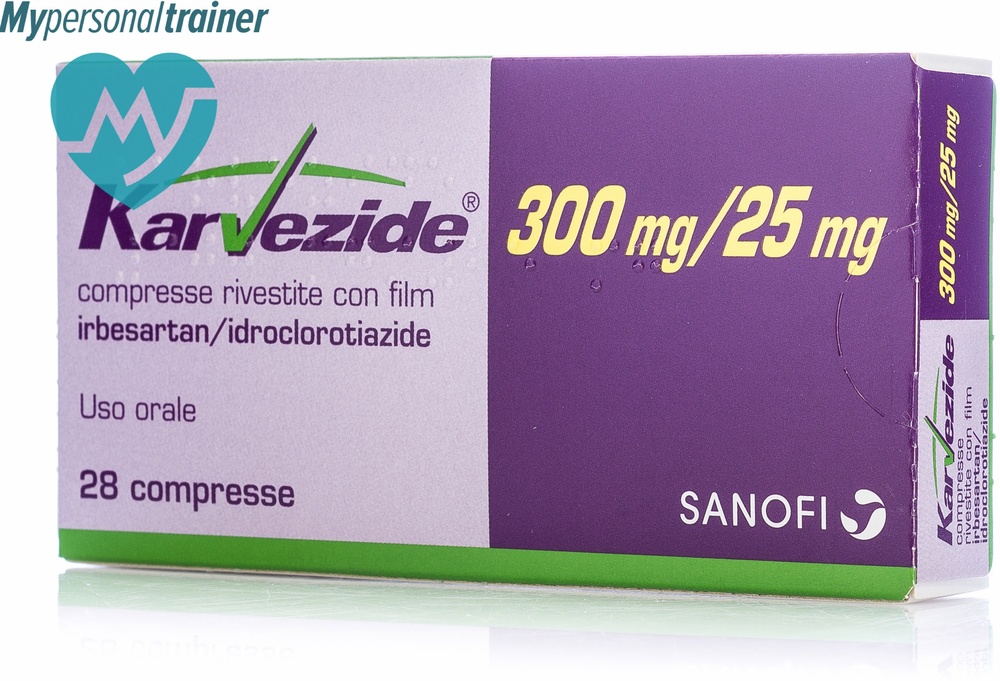
- Країна реєстрації
- Лікарська формаCoated tablet, 150 MG /12,5 MG
- Код АТХC09DA04
- Діюча речовина
- Потрібен рецептТак
- Виробник
- Ця інформація надана лише для ознайомлення і не є медичною порадою. Рішення щодо лікування завжди приймає лікар.
- Альтернативи до KARVETSIDEЛікарська форма: Film-coated tablet, 150 MG/12,5 MGДіюча речовина: irbesartan and diureticsВиробник: S.F. GROUP S.R.L.Потрібен рецептЛікарська форма: Coated tablet, 150 MG /12,5 MGДіюча речовина: irbesartan and diureticsВиробник: SANOFI WINTHROP INDUSTRIEПотрібен рецептЛікарська форма: Film-coated tablet, 150 MG/12,5 MGДіюча речовина: irbesartan and diureticsВиробник: KRKA D.D. NOVO MESTOПотрібен рецепт
Аналоги KARVETSIDE в інших країнах
Препарати з тією самою діючою речовиною, доступні в інших країнах.
Аналог KARVETSIDE у Іспанія
Аналог KARVETSIDE у Польща
Аналог KARVETSIDE у Україна
Лікарі онлайн щодо KARVETSIDE
Застосування, безпека та можливість призначення рецепта — за результатами медичної оцінки.
Отримайте рецепт на KARVETSIDE онлайн
Заповніть форму за 2 хвилини
Розкажіть про симптоми, історію хвороби та потрібний препарат.
Оберіть лікаря або ми призначимо
Оберіть спеціаліста або ми підберемо найближчого доступного лікаря.
Лікар розглядає ваш випадок
Зазвичай протягом 30 хвилин. Може ставити уточнювальні запитання в чаті.
Отримайте в будь-якій аптеці
Електронний рецепт надсилається на вашу пошту — дійсний по всій Польщі.
Часті запитання
KARVETSIDE потребує рецепта в Італія. Ви можете обговорити з лікарем онлайн, чи підходить цей лікарський засіб для вашої ситуації.
Діюча речовина у KARVETSIDE — irbesartan and diuretics. Це допомагає визначити препарати з тим самим складом, але під іншими торговими назвами.
KARVETSIDE виробляється компанією SANOFI WINTHROP INDUSTRIE. Назва бренду та упаковка можуть відрізнятися залежно від дистрибʼютора.
Лікарі, зокрема Сімейні лікарі, Психіатри, Дерматологи, Кардіологи, Ендокринологи, Гастроентерологи, Пульмонологи, Нефрологи, Ревматологи, Гематологи, Інфекціоністи, Алергологи, Геріатри, Педіатри, Онкологи, можуть оцінити доцільність застосування KARVETSIDE з урахуванням вашого стану та місцевих правил. Ви можете записатися на онлайн-консультацію, щоб обговорити симптоми та можливі подальші кроки.
Польща має добре розвинену систему охорони здоров'я у великих містах, таких як Варшава, Краків, Вроцлав і Гданськ. Аптеки широко доступні та працюють відповідно до чинного законодавства, забезпечуючи доступ до рецептурних препаратів.
Ви можете придбати KARVETSIDE у Варшаві, Кракові, Вроцлаві або Гданську в будь-якій аптеці за наявності дійсного рецепта.
Щоб отримати рецепт, ви можете скористатися Oladoctor:
Інші препарати з тією самою діючою речовиною (irbesartan and diuretics) включають KOABESART, KOAPROVEL, IFIRMAKOMBI. Вони можуть відрізнятися торговою назвою або формою випуску, але містять той самий терапевтичний компонент. Перед зміною або початком прийому нового препарату варто проконсультуватися з лікарем.
