



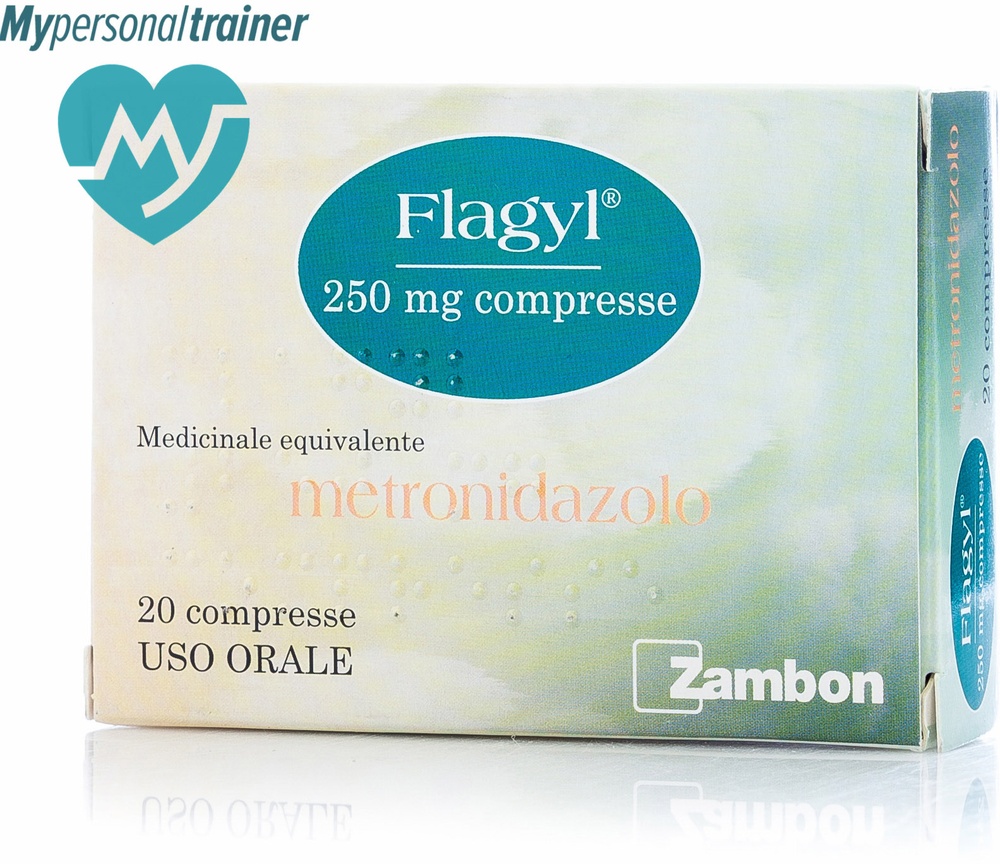
FLAGYL 250 mg Coated Tablet

Запит на рецепт онлайн
Лікар розгляне ваш випадок і визначить, чи є рецепт медично доцільним.

Поговоріть з лікарем про ці ліки
Обговоріть симптоми та можливі подальші кроки під час короткої онлайн-консультації.



Інструкція із застосування FLAGYL
Зміст інструкції
Flagyl 250 mg tablets
Metronidazole
Read this leaflet carefully before you start taking this medicine as it contains important information for you.
- Keep this leaflet. You may need to read it again.
- If you have any questions, ask your doctor or pharmacist.
- This medicine has been prescribed for you only. Do not pass it on to others, even if their symptoms are the same as yours, as it may be harmful.
- If you get any side effects, even those not listed in this leaflet, tell your doctor or pharmacist. See section 4.
Contents of this leaflet:
- 1. What Flagyl is and what it is used for
- 2. What you need to know before you take Flagyl
- 3. How to take Flagyl
- 4. Possible side effects
- 5. How to store Flagyl
- 6. Contents of the pack and other information
1. What is Flagyl and what is it used for
Flagyl belongs to the pharmaceutical category of antiprotozoal drugs (medicines used against
protozoal infections), anti-infectives and gynecological antiseptics (medicines that prevent or
slow down the development of microorganisms).
This medicine is used for:
Symptomatic urethritis and vaginitis due to Trichomonas vaginalisin adults and children (inflammation
of the urethra or vagina caused by the protozoan Trichomonas vaginalis);
Eradication of Helicobacter pyloriin adults and children (bacterium that causes inflammation
of the stomach lining), as part of an appropriate therapeutic protocol.
2. What you need to know before taking Flagyl
Do not take Flagyl
- if you are allergic to metronidazole or other nitroimidazole derivatives or to any of the other components of this medicine (listed in section 6);
- if you suffer from blood diseases or diseases of the central nervous system (C.N.S.) in an active phase;
active;
- if you are or suspect you are pregnant and during breastfeeding (see “Pregnancy and breastfeeding”).
Warnings and precautions
Consult your doctor or pharmacist before taking Flagyl.
If you experience signs or symptoms of an allergic reaction, immediately stop the
treatment and consult your doctor.
Cases of liver toxicity
(severe hepatotoxicity/acute hepatic failure) have been reported with medicines containing metronidazole,
including cases that have led to
death, in patients suffering from Cockayne syndrome.
If you suffer from Cockayne syndrome, your doctor will also frequently monitor your
liver function both during treatment with metronidazole and
afterwards.
Immediately inform your doctor and stop taking metronidazole if you experience:
- stomach pain, anorexia, nausea, vomiting, fever, malaise, fatigue, jaundice, dark urine, pale and greenish-grey stools, or itching.
Pay particular attention:
- if you suffer from severe liver and kidney dysfunction
- if it is necessary to prolong the treatment for more than 10 days, as in this case a clinical and laboratory check (blood count with white blood cell formula) is recommended.
Use this medicine under strict medical supervision.
During treatment, urine may turn reddish-brown due to
soluble pigments of the medicine.
The medicine has demonstrated carcinogenic properties in animals under particular
experimental conditions; therefore, the duration and repetition of treatments must be carefully
evaluated by the doctor.
Other medicines and Flagyl
Inform your doctor or pharmacist if you are taking, have recently taken or might
take any other medicines, including those available without a prescription.
Do not drink alcohol during treatment with Flagyl as the combination with metronidazole
can give rise to a disulfiram-like syndrome with nausea, vomiting and abdominal cramps.
Flagyl can influence or be influenced by other drugs.
- Disulfiram (medicine for the treatment of chronic alcohol dependence) when taken in the previous two weeks: Flagyl can cause psychotic reactions (e.g. confusion, behavioral changes and hallucinations).
- Warfarin, acenocoumarol, dicoumarol, phenprocoumon (oral anticoagulant drugs):
Flagyl can increase the bleeding time, so your doctor may ask you
to undergo frequent prothrombin time (INR) tests and possibly
adjust the dosage of the anticoagulant drug.
- Lithium: Flagyl can increase lithium levels in the blood (lithiemia), so lithium therapy should be discontinued if metronidazole is taken; if it should be necessary to take lithium and Flagyl simultaneously, it is important to regularly monitor lithium, creatinine and electrolyte (sodium, potassium and chlorine) levels in the blood.
- Phenytoin, phenobarbital (antiepileptic drugs): by increasing liver activity, they can accelerate the elimination of Flagyl, decreasing its concentration in the blood.
- Cyclosporine (immunosuppressant drug): Flagyl can reduce the liver’s elimination capacity of cyclosporine, which can accumulate in the blood with a risk of toxicity.
- Cimetidine (drug used in ulcers, reflux esophagitis or gastritis): can slow down the elimination of Flagyl from the blood, increasing its concentration.
- Tacrolimus (drug used in preventing transplant rejection): concomitant use with Flagyl can increase the risk of heart problems (QT prolongation and arrhythmias). Flagyl can also reduce the liver’s elimination of tacrolimus, which can accumulate in the blood with a risk of toxicity.
- Drugs that cause heart problems (QT prolongation): concomitant use with Flagyl can increase the risk of these problems.
- Cholestyramine (drug used to reduce blood cholesterol): the effectiveness of Flagyl may be reduced.
- Carbamazepine (drug used in the treatment of epilepsy and trigeminal neuralgia): Flagyl can slow down the elimination of carbamazepine, which can accumulate in the blood with a risk of toxicity to the central nervous system.
- Amprenavir (drug used to treat HIV): Flagyl should not be administered together with amprenavir oral solution due to the potential risk of toxicity of an excipient of amprenavir (propylene glycol).
- Mycophenolate mofetil (drug used to prevent acute rejection after
organ transplant): if Flagyl is administered simultaneously with
norfloxacin (antibiotic) and mycophenolate mofetil, exposure to the latter
drug may be reduced. No interactions have been observed if Flagyl or
norfloxacin are administered together with mycophenolate mofetil but
separately from each other.
- Herbal preparations based on silymarin (e.g. milk thistle): can reduce the concentration of Flagyl in the blood and therefore reduce its effectiveness.
- Ergotamine and dihydroergotamine (drugs for the treatment of migraine): Flagyl can cause an increase in the concentrations of these drugs in the blood with a risk of toxicity.
- Busulfan (drug indicated for the preparative treatment for hematopoietic stem cell transplantation): Flagyl can cause an increase in the concentrations of busulfan in the blood with a risk of toxicity.
- 5-fluorouracil (medicinal (antitumor drug): Flagyl can cause an increase in the concentrations of this drug in the blood with a risk of toxicity.
Pregnancy and breastfeeding
If you are pregnant, suspect you are pregnant, are planning a pregnancy, or are breastfeeding
with breast milk, ask your doctor or pharmacist for advice before taking this
medicine.
You should not take Flagyl in confirmed or suspected pregnancy and during breastfeeding (see section “Do not take Flagyl”).
Driving and operating machinery
Due to its neurological effects, metronidazole may impair the ability to drive or
operate machinery.
Flagyl tablets contains lactose
This medicine contains lactose. If your doctor has diagnosed you with an intolerance to some
sugars, contact him before taking this medicine.
3. How to take Flagyl
Take this medicine following exactly the instructions of your doctor or pharmacist. If you have any doubts, consult your doctor or pharmacist.
The recommended doses are:
For symptomatic urethritis and vaginitis due to Trichomonas vaginalis
Adults and adolescents: 8 tablets in a single dose (2,000 mg per day, in both women and
men).
Children under 10 years of age: 40 mg/kg orally as a single dose or 15-30 mg/kg per
day divided into 2-3 doses for 7 days. Do not exceed the dose of 2,000 mg per dose.
For eradication of Helicobacter pylori:
Adults: 4-6 tablets per day, divided into 2-3 administrations, for periods between 7 and
14 days.
Children: as part of combination therapy, 20 mg/kg per day, without exceeding 500 mg
twice a day, for 7-14 days.
Metronidazole has proven effective and well tolerated when used within an
appropriate therapeutic protocol (usually associated with proton pump inhibitors and
other antibiotics), at dosages between 1000 and 1500 mg (4-6 tablets).
If you forget to take Flagyl
Do not take a double dose to make up for a missed dose
If you take more Flagyl than you should
In case of accidental ingestion/intake of an excessive dose of Flagyl, immediately inform
your doctor or go to the nearest hospital.
If you have any doubts about the use of this medicine, ask your doctor or pharmacist.
4. Possible side effects
Like all medicines, Flagyl can cause side effects in adults and children, although not
everyone gets them.
- gastrointestinal disorders (of the digestive system),
- anorexia (loss of appetite),
- nausea,
- vomiting,
- coated tongue,
- dry mouth,
- metallic taste,
- glossitis (inflammation of the tongue),
- stomatitis (inflammation of the mouth mucosa),
- headache,
- skin rashes.
Less frequently:
- drowsiness,
- dizziness,
- ataxia (lack of coordination of movements),
- depression,
- insomnia,
- nasal congestion (stuffy nose).
Exceptionally, the following may occur:
- urticaria (hives),
- itching,
- angioedema (swelling of the skin of the face and mucous membranes that can cause difficulty swallowing and breathing),
- anaphylaxis (severe allergic reaction with rapid onset),
- dysuria (difficulty in passing urine),
- cystitis (inflammation of the urinary bladder),
- fever,
- polyuria (emission of an amount of urine higher than normal),
- pyuria (presence of pus in the urine),
- decreased libido (reduced sexual desire),
- psychotic disorders, including confusion, hallucinations,
- encephalopathy (manifesting with confusion, fever, headache, hallucinations, paralysis, slight sensitivity, visual disturbances and movement disorders, stiff neck),
- subacute cerebellar syndrome (manifesting with ataxia, dysarthria, gait disturbance, nystagmus and tremor),
- eye disorders, such as diplopia, myopia, optic neuropathy/neuritis,
- cardiac pathologies such as tachycardia, palpitations
- ear disorders, such as hearing impairment, hearing loss (including sensorineural), tinnitus,
- liver and pancreas disorders (increased liver enzymes, cholestatic hepatitis, hepatocellular damage, jaundice and pancreatitis)
- muscle pain
- joint pain.
Very rarely:
- Stevens-Johnson syndrome and Toxic Epidermal Necrolysis (two serious skin diseases that can be potentially fatal), acute generalized exanthematous pustulosis (AGEP).
With frequency not known:
acute hepatic failure in patients with Cockayne syndrome (see section 2
“Warnings and precautions”).
Following prolonged or intensive therapies, sporadic cases of transient leukopenia
, agranulocytosis, neutropenia, thrombocytopenia, pancytopenia (low number of
white blood cells, granulocytes, platelets in the blood) or peripheral neuropathy (damage to the
peripheral nerve endings) have been reported.
During treatment, urine may turn reddish-brown due to
drug-soluble pigments.
If you notice the onset of neurological symptoms, stop treatment immediately.
Reporting of side effects
If you experience any side effects, including those not listed in this leaflet,
tell your doctor or pharmacist. You can also report side effects
directly through the national reporting system
https://www.aifa.gov.it/content/segnalazioni-reazioni-avverse
By reporting side effects you can help provide more information on
the safety of this medicine.
5. How to store Flagyl
Keep this medicine out of sight and reach of children.
Do not use this medicine after the expiry date which is stated on the packaging. The expiry date refers to the last day of that month.
Store in the original package to protect the medicine from light.
Do not dispose of any medicine in wastewater or household waste. Ask your pharmacist
how to dispose of medicines you no longer use. This will help protect the environment.
6. Contents of the pack and other information
- The active ingredient is metronidazole. 1 tablet contains 250 mg of metronidazole.
- The other ingredients are: corn starch, polyvinylpyrrolidone, microgranular cellulose, sodium croscarmellose, magnesium stearate, lactose.
Description of the appearance of Flagyl and contents of the pack
Pack of 20 tablets
Marketing Authorisation Holder and Manufacturer
TEOFARMA S.r.l. via F.lli Cervi, 8 – 27010 Valle Salimbene (PV)
Manufacturer
TEOFARMA S.r.l. Viale Certosa, 8/A – 27100 Pavia

Не впевнені, чи підходить вам цей лікарський засіб?
Обговоріть симптоми та можливі варіанти лікування з лікарем онлайн.

Виникли питання під час прийому ліків?
Обговоріть свої симптоми та лікування з лікарем онлайн.
- Країна реєстрації
- Лікарська формаCoated tablet, 250 MG
- Код АТХP01AB01
- Діюча речовина
- Потрібен рецептТак
- Виробник
- Ця інформація надана лише для ознайомлення і не є медичною порадою. Рішення щодо лікування завжди приймає лікар.
- Альтернативи до FLAGYLЛікарська форма: Coated tablet, 250 MGДіюча речовина: МетронидазолВиробник: SPA SOCIETA' PRODOTTI ANTIBIOTICI S.P.A.Потрібен рецептЛікарська форма: Film-coated tablet, 250 MGДіюча речовина: МетронидазолВиробник: AUROBINDO PHARMA (ITALIA) S.R.L.Потрібен рецептЛікарська форма: Coated tablet, 500 MGДіюча речовина: тинидазолПотрібен рецепт
Аналоги FLAGYL в інших країнах
Препарати з тією самою діючою речовиною, доступні в інших країнах.
Аналог FLAGYL у Польща
Аналог FLAGYL у Іспанія
Лікарі онлайн щодо FLAGYL
Застосування, безпека та можливість призначення рецепта — за результатами медичної оцінки.









Отримайте рецепт на FLAGYL онлайн
Заповніть форму за 2 хвилини
Розкажіть про симптоми, історію хвороби та потрібний препарат.
Оберіть лікаря або ми призначимо
Оберіть спеціаліста або ми підберемо найближчого доступного лікаря.
Лікар розглядає ваш випадок
Зазвичай протягом 30 хвилин. Може ставити уточнювальні запитання в чаті.
Отримайте в будь-якій аптеці
Електронний рецепт надсилається на вашу пошту — дійсний по всій Польщі.
Часті запитання
FLAGYL потребує рецепта в Італія. Ви можете обговорити з лікарем онлайн, чи підходить цей лікарський засіб для вашої ситуації.
Діюча речовина у FLAGYL — Метронидазол. Це допомагає визначити препарати з тим самим складом, але під іншими торговими назвами.
FLAGYL виробляється компанією TEOFARMA S.R.L.. Назва бренду та упаковка можуть відрізнятися залежно від дистрибʼютора.
Лікарі, зокрема Сімейні лікарі, Психіатри, Дерматологи, Кардіологи, Ендокринологи, Гастроентерологи, Пульмонологи, Нефрологи, Ревматологи, Гематологи, Інфекціоністи, Алергологи, Геріатри, Педіатри, Онкологи, можуть оцінити доцільність застосування FLAGYL з урахуванням вашого стану та місцевих правил. Ви можете записатися на онлайн-консультацію, щоб обговорити симптоми та можливі подальші кроки.
Польща має добре розвинену систему охорони здоров'я у великих містах, таких як Варшава, Краків, Вроцлав і Гданськ. Аптеки широко доступні та працюють відповідно до чинного законодавства, забезпечуючи доступ до рецептурних препаратів.
Ви можете придбати FLAGYL у Варшаві, Кракові, Вроцлаві або Гданську в будь-якій аптеці за наявності дійсного рецепта.
Щоб отримати рецепт, ви можете скористатися Oladoctor:
Інші препарати з тією самою діючою речовиною (Метронидазол) включають DEFLAMON, METRONIDATSOLO AUROBINDO, TRIMONASE. Вони можуть відрізнятися торговою назвою або формою випуску, але містять той самий терапевтичний компонент. Перед зміною або початком прийому нового препарату варто проконсультуватися з лікарем.
