



XELJANZ 5 мг Фильм-coated таблетки

Рассмотрение рецепта онлайн
Врач рассмотрит ваш случай и примет решение о назначении рецепта, если это медицински оправдано.

Поговорите с врачом об этом лекарстве
Обсудите симптомы и возможные дальнейшие шаги на онлайн-консультации.



Инструкция по применению XELJANTS
Содержание инструкции
- XELJANZ 5 mg film-coated tablets, 10 mg film-coated tablets
- XELJANZ 11 mg extended-release tablets
- XELJANZ 1 mg/mL oral solution
XELJANZ 5 mg film-coated tablets, 10 mg film-coated tablets
tofacitinib
Read this leaflet carefully before you start taking this medicine because it contains
important information for you.
- Keep this leaflet. You may need to read it again.
- If you have any questions, ask your doctor or pharmacist.
- This medicine has been prescribed for you only. Do not pass it on to others, even if their symptoms are the same as yours, as it could be harmful.
- If you get any side effects, even those not listed in this leaflet, tell your doctor or pharmacist. See section 4.
In addition to this leaflet, your doctor will also give you a Patient Alert Card, which
contains important safety information that you should be aware of before taking
XELJANZ and during treatment with XELJANZ. Keep this Patient Alert Card with
you.
Contents of this leaflet
- 1. What XELJANZ is and what it is used for
- 2. What you need to know before you take XELJANZ
- 3. How to take XELJANZ
- 4. Possible side effects
- 5. How to store XELJANZ
- 6. Contents of the pack and other information
1. What is XELJANZ and what is it used for
XELJANZ is a medicine that contains the active ingredient tofacitinib.
XELJANZ is used for the treatment of the following inflammatory diseases:
- rheumatoid arthritis
- psoriatic arthritis
- ulcerative colitis
- ankylosing spondylitis
- polyarticular juvenile idiopathic arthritis and juvenile psoriatic arthritis
Rheumatoid arthritis
XELJANZ is used for the treatment of adult patients with moderate to
severe rheumatoid arthritis, a long-term disease that causes mainly pain and swelling in its joints.
XELJANZ is used together with methotrexate when previous treatment for rheumatoid
arthritis has not been sufficient or has not been well tolerated. XELJANZ can also be taken by
alone in cases where treatment with methotrexate is not tolerated or is not recommended.
XELJANZ has been shown to reduce joint pain and swelling and improve the
ability to perform daily activities when administered alone or in combination with
methotrexate.
Psoriatic arthritis
XELJANZ is used for the treatment of adult patients with a condition called psoriatic
arthritis. This is an inflammatory disease of the joints, often accompanied by psoriasis.
If you have active psoriatic arthritis, you will first be given another medicine to treat
psoriatic arthritis. If you respond inadequately or are intolerant to the medicine, you may be
given XELJANZ to reduce the signs and symptoms of active psoriatic arthritis and improve the
ability to perform daily activities.
XELJANZ is used in association with methotrexate for the treatment of adult patients with
active psoriatic arthritis.
Ankylosing spondylitis
XELJANZ is used for the treatment of a condition called ankylosing spondylitis. This is a
inflammatory disease of the spine.
If you suffer from ankylosing spondylitis, you may first be given other medicines. If
you do not respond well enough to these medicines, you will be given XELJANZ. XELJANZ can
help reduce back pain and improve physical condition. These effects can make it easier to
normal daily activities and therefore improve the quality of life.
Ulcerative colitis
Ulcerative colitis is an inflammatory disease of the colon. XELJANZ is used in adult patients to
reduce the signs and symptoms of ulcerative colitis in cases where you have not responded well or have
shown intolerance to previous treatment for ulcerative colitis.
Polyarticular juvenile idiopathic arthritis and juvenile psoriatic arthritis
XELJANZ is used for the treatment of active polyarticular juvenile idiopathic arthritis,
a long-term disease that causes mainly pain and swelling in the joints, in
patients aged 2 years or older.
XELJANZ is also used for the treatment of juvenile psoriatic arthritis, a condition
inflammatory disease of the joints often accompanied by psoriasis, in patients aged 2 years or older.
XELJANZ can be used together with methotrexate when previous treatment for polyarticular
juvenile idiopathic arthritis or juvenile psoriatic arthritis has not been sufficient or has not
been well tolerated. XELJANZ can also be taken alone in cases where treatment with methotrexate
is not tolerated or is not recommended.
2. What you need to know before taking XELJANZ
Do not take XELJANZ
- if you are allergic to tofacitinib or to any of the other ingredients of this medicine (listed in section 6)
- if you have a serious infection, such as bloodstream infection or active tuberculosis
- if you have been told you have severe liver problems, including cirrhosis (scarring of the liver)
- if you are pregnant or breastfeeding
If you are unsure about any of the above information, contact your doctor.
Warnings and precautions
Talk to your doctor or pharmacist before taking XELJANZ:
- if you think you have an infection or have symptoms of an infectionsuch as fever, sweating, chills, muscle aches, cough, shortness of breath, appearance of mucus or changes in mucus, weight loss, warm or red or painful skin or sores on the body, difficulty or pain when swallowing, diarrhea or stomach pain, burning when urinating or more frequent urination than usual, feeling excessively tired
- if you have any condition that increases the likelihood of infection(e.g., diabetes, HIV/AIDS or a weakened immune system)
- if you have any type of infection, are being treated for any infection, or have infections that keep coming back. Tell your doctor immediately if you feel unwell. XELJANZ can reduce the body's ability to respond to infections and can worsen an existing infection or increase your chance of getting a new infection
- if you have or have a history of tuberculosisor have been in close contact with someone with tuberculosis. Your doctor will perform tests for tuberculosis before starting XELJANZ and may repeat the test during treatment
- if you have a chronic lung disease
- if you have liver problems
- if you have or have had hepatitis B or hepatitis C(viruses that affect the liver). The virus may become active while you are taking XELJANZ. Your doctor may perform blood tests for hepatitis before starting treatment with XELJANZ and while you are taking XELJANZ
- if you are 65 years of age or older, if you have had cancerin the past, if you currently smoke or have smoked in the past. XELJANZ may increase the risk of certain cancers. White blood cell cancer, lung cancer and other cancers (e.g., breast, skin, prostate and pancreas) have been reported in patients treated with XELJANZ. If you develop cancer while taking XELJANZ, your doctor will assess whether to stop treatment with XELJANZ
- if you are at known risk of fractures, for example, if you are 65 years of age or older, are a woman or are taking corticosteroids (e.g., prednisone)
- cases of non-melanoma skin cancerhave been observed in patients taking XELJANZ. While taking XELJANZ, your doctor may recommend that you undergo regular skin checks. If new skin lesions appear during or after therapy or if existing lesions change in appearance, tell your doctor.
- if you have had diverticulitis(a type of inflammation of the large intestine) or ulcers in the stomach or intestine(see section 4)
- if you have kidney problems
- if you are planning to get vaccinated, tell your doctor. Some types of vaccines should not be given while taking XELJANZ. Before starting XELJANZ, you should be up to date with all recommended vaccinations. Your doctor will decide if you should be vaccinated against shingles
- if you have heart problems, high blood pressure, high cholesterol, if you currently smoke or have smoked in the past
There have been reports of patients treated with XELJANZ who have developed blood clots
in the lungs or veins. The doctor will assess the risk of developing blood clots in the lungs or
veins and determine if XELJANZ is suitable for you. If you have previously developed blood clots
in the lungs and veins or are at higher risk of developing them (e.g.: you are severely
overweight, if you have cancer, heart problems, diabetes, have had a heart attack (within the 3 months
prior), have undergone recent major surgery, use hormonal contraceptives/hormone replacement therapy if you or your close relatives have been diagnosed with a coagulation defect), if you are elderly, or if you currently smoke or have smoked in the past, the doctor may
decide that XELJANZ is not suitable for you.
Contact your doctor immediately:
- If, while taking XELJANZ, you experience sudden shortness of breath or difficulty breathing, chest pain or pain in the upper back, swelling of a leg or arm, pain or tenderness in the legs or redness or change in color of a leg or arm, as these may be signs of a blood clot in the lungs or veins.
- If you experience sudden changes in vision(blurred vision, partial or complete loss of vision), as this could be a sign of blood clots in the eyes.
- If you develop signs and symptoms of a heart attack, including severe chest pain or tightness (which may spread to arms, jaw, neck, back), shortness of breath, cold sweat, lightheadedness or sudden dizziness. Cases of patients
treated with XELJANZ who have had a heart problem, including a heart attack, have been reported. The doctor
will assess the risk of developing a heart problem and determine if XELJANZ is suitable for you.
- If you, your partner or the person assisting you notice a new onset or worsening of neurological symptoms including general muscle weakness, visual disturbances, changes in thinking, memory and orientation leading to confusion and personality changes, contact your doctor immediately as these may be symptoms of a very rare and serious brain infection called progressive multifocal leukoencephalopathy (PML).
Further monitoring tests
Your doctor must perform blood tests before you start taking XELJANZ, after 4-8
weeks of treatment and then every 3 months, to determine if your white blood cell (neutrophil or lymphocyte) or red blood cell count is low (anemia).
You should not take XELJANZ if your white blood cell (neutrophil or lymphocyte) or red blood cell
count is too low. If necessary, your doctor may stop treatment with XELJANZ to reduce the
risk of infection (when the white blood cell count is too low) or anemia (when the red blood cell
count is too low).
Your doctor may also perform other tests, for example to check cholesterol levels in the blood
or monitor your liver health. Your doctor should check cholesterol levels 8 weeks
after starting treatment with XELJANZ. Your doctor should perform liver tests periodically.
Elderly
There is an increased incidence of infections, some of which may be serious, in patients aged
65 years or older. Tell your doctor as soon as you notice signs or symptoms of infection.
Patients aged 65 years or older may be at greater risk of infections, heart attack
and certain types of cancer. The doctor may decide that XELJANZ is not suitable for you.
Asian patients
There is an increased incidence of shingles in Japanese and Korean patients. Tell your doctor if
you notice the presence of painful blisters on the skin.
You may also be at higher risk of some lung problems. Tell your doctor if you notice difficulty
breathing.
Children and adolescents
The safety and efficacy of XELJANZ in children have not yet been established in patients under 2 years of age.
Other medicines and XELJANZ
Tell your doctor or pharmacist if you are taking, have recently taken or may take
any other medicines.
Tell your doctor if you have diabetesor are taking medicines for the treatment of diabetes. The
doctor may decide whether you need to reduce the dose of antidiabetic medicines while taking
tofacitinib.
Some medicines must not be taken with XELJANZ. If taken with XELJANZ, they can
change the concentration of XELJANZ in the body and the dose of XELJANZ may be changed.
You must tell your doctor if you are taking medicines that contain any of the following
active ingredients:
antibiotics such as rifampicin, used to treat bacterial infections
fluconazole, ketoconazole, used to treat fungal infections
XELJANZ is not recommended for use with medicines that suppress the immune system,
including so-called targeted biological therapies (antibodies), such as tumor necrosis factor inhibitors, interleukin-17, interleukin-12/interleukin-23, anti-integrins, and strong chemical immunosuppressants including azathioprine, mercaptopurine, cyclosporine and tacrolimus.
Taking XELJANZ with these drugs may increase the risk of side effects, including
infection.
Serious infections and fractures may occur more frequently in people who are also taking corticosteroids
(e.g., prednisone).
Pregnancy and breastfeeding
If you are a woman of childbearing potential, you must use an effective method of contraception during
treatment with XELJANZ and for at least 4 weeks after the last dose.
If you are pregnant, suspect you are pregnant or are planning a pregnancy, or if you are breastfeeding, ask
your doctor for advice before taking this medicine. XELJANZ should not be
used during pregnancy. Tell your doctor immediately if you become pregnant during
taking XELJANZ.
If you are taking XELJANZ and are breastfeeding, you should stop breastfeeding until you
consult your doctor about stopping treatment with XELJANZ.
Driving and using machines
XELJANZ does not impair or negligibly impairs the ability to drive vehicles and use machines.
XELJANZ contains lactose
If your doctor has told you that you have an intolerance to some sugars, contact your doctor before
taking this medicine.
Xeljanz contains Sodium
This medicine contains less than 1 mmol (23 mg) of sodium per tablet. That is to say it can be considered
essentially “sodium-free”.
3. How to take XELJANZ
This medicine is prescribed and monitored by a specialist doctor who knows how to treat your
condition.
Take this medicine following exactly the instructions of the doctor; the recommended dose
must not be exceeded. If you have doubts, consult your doctor or pharmacist.
Rheumatoid arthritis
- The recommended dose is 5 mg administered twice a day. Psoriatic arthritis
- The recommended dose is 5 mg administered twice a day.
If you suffer from rheumatoid arthritis or psoriatic arthritis, your doctor may switch you from treatment with
XELJANZ 5 mg film-coated tablets twice a day to XELJANZ 11 mg extended-release tablets once a day and vice versa. You can start taking XELJANZ extended-release tablets once a day or XELJANZ film-coated tablets twice a day the
day after the last dose of the other treatment. Unless indicated by your doctor, you should not switch
from XELJANZ film-coated tablets to XELJANZ extended-release tablets.
Ankylosing spondylitis
- The recommended dose is 5 mg administered twice a day.
- The doctor may decide to discontinue XELJANZ if XELJANZ has no effect on you within 16 weeks.
Ulcerative colitis
- The recommended dose is 10 mg administered twice a day for 8 weeks, followed by 5 mg twice a day.
- The doctor may decide to extend the initial treatment of 10 mg twice a day for another 8 weeks (16 weeks in total), followed by 5 mg twice a day.
- The doctor may decide to discontinue XELJANZ if XELJANZ has no effect on you within 16 weeks.
- For patients who have previously taken biological drugs to treat ulcerative colitis (such as those that block the activity of tumor necrosis factor in the body), and these medicines have not had an effect, the doctor may decide to increase the dose of XELJANZ to 10 mg twice a day if you do not respond adequately to 5 mg twice a day. The doctor will assess the potential risks, including the risk of developing blood clots in the lungs or veins, and the potential benefits for you. The doctor will tell you if this applies to you.
- If treatment is interrupted, the doctor may decide to restart it.
Use in children and adolescents
Polyarticular juvenile idiopathic arthritis and juvenile psoriatic arthritis
- The recommended dose is 5 mg twice a day for patients ≥40 kg.
Try to take the tablet at the same time each day (one tablet in the morning and one
tablet in the evening).
Tofacitinib tablets can be crushed and taken with water.
The doctor may reduce the dose if you have liver or kidney problems or if you are prescribed
specific medicines. The doctor may also temporarily or
definitively interrupt the treatment if your blood tests show a low count of white blood cells or red blood
cells.
XELJANZ is for oral use. You can take XELJANZ with or without food.
If you take more XELJANZ than you should
If you take more tablets than you should, inform your doctor or pharmacist immediately.
If you forget to take XELJANZ
Do not take a double dose to make up for a missed tablet. Take the next tablet
at the usual time and continue as before.
If you stop taking XELJANZ
You should not stop taking XELJANZ without talking to your doctor.
If you have any doubts about the use of this medicine, ask your doctor or pharmacist.
4. Possible side effects
Like all medicines, this medicine can cause side effects, although not everyone will experience them.
Some may be serious and require medical attention.
Side effects in patients with polyarticular juvenile idiopathic arthritis and psoriatic arthritis
juvenile have been consistent with those observed in adult patients with rheumatoid arthritis, except for
some infections (influenza, pharyngitis, sinusitis, viral infection) and gastrointestinal or general
disorders (abdominal pain, nausea, vomiting, fever, headache, cough), more common
in the pediatric population with juvenile idiopathic arthritis.
Possible serious side effects
In rare cases, infection can be potentially life-threatening. Cancer of the
lung, white blood cell cancer and heart attack have also been reported.
If you notice any of the following side effects, you should inform your doctor immediately.
Signs of serious infections (common) include
- fever or chills
- cough
- blisters on the skin
- stomach pain
- persistent headache
Signs of stomach ulcers or perforation (uncommon) include
- fever
- stomach or abdominal pain
- blood in the stool
- unexplained changes in bowel habits
Perforations in the stomach and intestine occur more often in people who are also taking
non-steroidal anti-inflammatory drugs or corticosteroids (e.g., prednisone).
Signs of allergic reactions (frequency not known) include
- chest tightness
- shortness of breath
- severe dizziness or feeling lightheaded
- swelling of lips, tongue or throat
- hives (itching or skin rash)
Signs of blood clots in the lungs or veins or in the eyes (uncommon: venous thromboembolism) include
- sudden shortness of breath or difficulty breathing
- chest pain or pain in the upper back
- swelling of a leg or arm
- pain or tenderness in the legs
- redness or color change of a leg or arm
- sudden changes in vision
The signs of a heart attack (uncommon) include
- intense chest pain or tightness (which may spread to arms, jaw, neck, back)
- shortness of breath
- cold sweat
- sudden mild confusion or dizziness
Other side effectsthat have been observed with XELJANZ are listed below.
Common(may affect up to 1 in 10 people): lung infection (pneumonia and bronchitis),
shingles, infections of the nose, throat or trachea (nasopharyngitis), influenza, sinusitis, urinary
bladder infections (cystitis), sore throat (pharyngitis), increased muscle enzymes in the blood
(sign of muscle problems), stomach pain (belly) (which may be caused by inflammation
of the stomach lining), vomiting, diarrhea, feeling unwell (nausea), indigestion, low
white blood cell count, low red blood cell count (anemia), swelling of the feet and hands,
headache, high blood pressure (hypertension), cough, skin rash, acne.
Uncommon(may affect up to 1 in 100 people): lung cancer, tuberculosis, kidney
infection, skin infection, herpes simplex or cold sores (oral herpes), increased serum creatinine
(a possible sign of kidney problems), increased cholesterol (including increased LDL),
fever, fatigue (tiredness), weight gain, dehydration, muscle strain, tendinitis,
joint swelling, joint sprain, changes in sensation, insomnia, sinus congestion,
shortness of breath or difficulty breathing, skin redness, itching, fatty liver,
painful inflammation of small pouches in the lining of your intestine (diverticulitis), viral
infections, viral infections affecting the intestine, some types of skin cancer (non-melanoma types).
Rare(may affect up to 1 in 1,000): blood infection (sepsis), lymphoma (cancer of the
white blood cells), disseminated tuberculosis involving bones and other organs, other unusual
infections, joint infection, increased liver enzymes in the blood (sign of liver problems), pain
in muscles and joints.
Very rare(may affect up to 1 in 10,000): tuberculosis involving the brain and
spinal cord, meningitis, infection of soft tissues and fascia.
In general, a smaller number of side effects have been observed when XELJANZ was used by
alone, compared to the combination with methotrexate, for the treatment of rheumatoid arthritis.
Reporting of side effects
If you get any side effects, even those not listed in this leaflet, tell your
doctor or pharmacist. You can also report side effects directly through the national reporting system
reported in Annex V. By reporting side effects you can help provide more information on the safety
of this medicine.
5. How to store XELJANZ
Keep this medicine out of the sight and reach of children.
Do not use this medicine after the expiry date which is stated on the blister, the bottle or the
pack. The expiry date refers to the last day of that month.
This medicine does not require any particular storage temperature.
Store in the original package to protect the medicine from moisture.
Do not use this medicine if you notice that the tablets show visible signs of deterioration (for
example, they are broken or discolored).
Do not dispose of any medicine in wastewater or household waste. Ask your pharmacist how to
dispose of medicines you no longer use. This will help protect the environment.
6. Contents of the pack and other information
What XELJANZ contains
XELJANZ film-coated tablet 5 mg
- The active ingredient is tofacitinib.
- Each 5 mg film-coated tablet contains 5 mg of tofacitinib (as tofacitinib citrate).
- The other ingredients are microcrystalline cellulose, lactose monohydrate (see section 2 “XELJANZ contains lactose”), sodium croscarmellose (see section 2 “XELJANZ contains sodium”), magnesium stearate, hypromellose (E464), titanium dioxide (E171), macrogol and triacetin
XELJANZ film-coated tablet 10 mg
- The active ingredient is tofacitinib.
- Each 10 mg film-coated tablet contains 10 mg of tofacitinib (as tofacitinib citrate). The other ingredients are microcrystalline cellulose, lactose monohydrate (see section 2 “XELJANZ contains lactose”), sodium croscarmellose (see section 2 “XELJANZ contains sodium”), magnesium stearate, hypromellose (E464), titanium dioxide (E171), macrogol, triacetin, FD&C Blue No.1/Indigo Carmine, indigo carmine (E132) and FD&C Blue No.2/Brilliant Blue FCF (E133)
Description of the appearance of XELJANZ and contents of the pack
XELJANZ film-coated tablet 5 mg
XELJANZ 5 mg film-coated tablet is white and round in shape.
The tablets are available in blisters containing 14 tablets. Each pack contains 56, 112 or
182 tablets and each bottle contains 60 or 180 tablets.
XELJANZ film-coated tablet 10 mg
XELJANZ 10 mg film-coated tablet is blue and round in shape.
The tablets are available in blisters containing 14 tablets. Each pack contains 56, 112 or
182 tablets and each bottle contains 60 or 180 tablets.
Not all pack sizes may be marketed.
Marketing Authorisation Holder
Pfizer Europe MA EEIG
Boulevard de la Plaine 17
1050 Brussels
Belgium
Manufacturer
Pfizer Manufacturing Deutschland GmbH
Mooswaldallee 1
79108 Freiburg Im Breisgau
Germany
For further information on this medicinal product, please contact the local representative of the marketing
authorisation holder:
België /Belgique / Belgien
Luxembourg/Luxemburg
Lietuva
Pfizer NV/SA Pfizer Luxembourg SARL filialas Lietuvoje
Tel: +32 (0)2 554 62 11 Tel. +3705 2514000
БългарияMagyarország
Пфайзер Люксембург САРЛ, Клон България Pfizer Kft.
Тел.: +359 2 970 4333 Tel.: +36 1 488 37 00
Česká republikaMalta
Pfizer, spol. s r.o. Vivian Corporation Ltd.
Tel: +420 283 004 111 Tel: +35621 344610
DanmarkNederland
Pfizer ApS Pfizer bv
Tlf.: +45 44 20 11 00 Tel: +31 (0)10 406 43 01
DeutschlandNorge
Pfizer Pharma GmbH Pfizer AS
Tel: +49 (0)30 550055-51000 Tlf: +47 67 52 61 00
EestiÖsterreich
Pfizer Luxembourg SARL Eesti filiaal Pfizer Corporation Austria Ges.m.b.H.
Tel: +372 666 7500 Tel: +43 (0)1 521 15-0
ΕλλάδαPolska
PFIZER ΕΛΛΑΣ A.E. Pfizer Polska Sp. z o.o.,
Τηλ.: +30 210 67 85 800 Tel.: +48 22 335 61 00
EspañaPortugal
Pfizer, S.L. Laboratórios Pfizer, Lda.
Tel: +34 91 490 99 00 Tel: +351 21 423 5500
FranceRomânia
Pfizer Pfizer Romania S.R.L.
Tél: +33 (0)1 58 07 34 40 Tel: +40 21 207 28 00
HrvatskaSlovenija
Pfizer Croatia d.o.o. Pfizer Luxembourg SARL
Tel: +385 1 3908 777 Pfizer, podružnica za svetovanje s področja
farmacevtske dejavnosti, Ljubljana
Tel.: +386 (0) 1 52 11 400
IrelandSlovenská republika
Pfizer Healthcare Ireland Pfizer Luxembourg SARL, organizačná zložka
Tel: 1800 633 363 (toll free) Tel: +421-2-3355 5500
+44 (0)1304 616161
ÍslandSuomi/Finland
Icepharma hf. Pfizer Oy
Sími: +354 540 8000 Puh/Tel: +358 (0)9 430 040
ItaliaSverige
Pfizer S.r.l. Pfizer AB
Tel: +39 06 33 18 21 Tel: +46 (0)8 550 520 00
ΚύπροςUnited Kingdom (Northern Ireland)
PFIZER ΕΛΛΑΣ A.E. (CYPRUS BRANCH) Pfizer Limited
Τηλ: +357 22 817690 Tel: +44 (0)1304 616161
Latvija
Pfizer Luxembourg SARL filiāle Latvijā
Tel.: +371 670 35 775
Altre fonti d’informazioni
More detailed information on this medicinal product is available on the website of the European
Medicines Agency, https://www.ema.europa.eu.
XELJANZ 11 mg extended-release tablets
tofacitinib
Read this leaflet carefully before you start taking this medicine as it contains
important information for you.
- Keep this leaflet. You may need to read it again.
- If you have any questions, ask your doctor or pharmacist.
- This medicine has been prescribed for you only. Do not pass it on to others, even if they have the same symptoms as you, as it could be harmful.
- If you get any side effects, even those not listed in this leaflet, tell your doctor or pharmacist. See section 4.
In addition to this leaflet, your doctor will also give you a Patient Alert Card, which
contains important safety information that you should be aware of before taking
XELJANZ and during treatment with XELJANZ. Keep this Patient Alert Card with you.
Contents of this leaflet
- 1. What XELJANZ is and what it is used for
- 2. What you need to know before you take XELJANZ
- 3. How to take XELJANZ
- 4. Possible side effects
- 5. How to store XELJANZ
- 6. Contents of the pack and other information
1. What is XELJANZ and what is it used for
XELJANZ is a medicine that contains the active ingredient tofacitinib.
XELJANZ is used for the treatment of the following inflammatory diseases:
- rheumatoid arthritis
- psoriatic arthritis
- ankylosing spondylitis
Rheumatoid arthritis
XELJANZ is used for the treatment of adult patients with moderate to
severe rheumatoid arthritis, a long-term disease that causes pain and swelling in their joints.
XELJANZ is used together with methotrexate when previous treatment for rheumatoid
arthritis has not been sufficient or has not been well tolerated. XELJANZ can also be taken by
alone in cases where treatment with methotrexate is not tolerated or is not recommended.
XELJANZ has been shown to reduce pain and swelling of the joints and improve the
ability to perform daily activities when administered alone or in combination with
methotrexate.
Psoriatic arthritis
XELJANZ is used for the treatment of adult patients with a condition called psoriatic
arthritis. This is an inflammatory disease of the joints, often accompanied by psoriasis.
If you have active psoriatic arthritis, you will first be given another medicine to treat
psoriatic arthritis. If you respond inadequately or are intolerant to the medicine, you may be
given XELJANZ to reduce the signs and symptoms of active psoriatic arthritis and improve the
ability to perform daily activities.
XELJANZ is used in association with methotrexate for the treatment of adult patients with
active psoriatic arthritis.
Ankylosing spondylitis
XELJANZ is used for the treatment of a condition called ankylosing spondylitis. This is a
inflammatory disease of the spine.
If you suffer from ankylosing spondylitis, you may first be given other medicines. If
you do not respond well enough to these medicines, you will be given XELJANZ. XELJANZ can
help reduce back pain and improve physical function. These effects can make it easier to
perform normal daily activities and therefore improve quality of life.
2. What you need to know before taking XELJANZ
Do not take XELJANZ
- if you are allergic to tofacitinib or any of the other ingredients of this medicine (listed in section 6)
- if you have a serious infection, such as blood infection or active tuberculosis
- if you have been told you have severe liver problems, including cirrhosis (scarring of the liver)
- if you are pregnant or breastfeeding. If you are unsure about any of the above information, contact your doctor.
Warnings and precautions
Talk to your doctor or pharmacist before taking XELJANZ:
- if you think you have an infection or have symptoms of an infectionsuch as fever, sweating, chills, muscle aches, cough, shortness of breath, appearance of mucus or changes in mucus, weight loss, warm or red or painful skin or sores on the body, difficulty or pain when swallowing, diarrhea or stomach pain, burning when urinating or more frequent urination than usual, feeling excessively tired
- if you have any condition that increases the likelihood of infection(e.g., diabetes, HIV/AIDS or a weakened immune system)
- if you have any type of infection, are being treated for any infection, or have infections that keep recurring. Tell your doctor immediately if you feel unwell. XELJANZ can reduce the body's ability to respond to infections and can worsen an existing infection or increase the chance of getting a new infection
- if you have or have a history of tuberculosisor have been in close contact with someone with tuberculosis. Your doctor will perform tests for tuberculosis before starting XELJANZ and may repeat the test during treatment
- if you have a chronic lung disease
- if you have liver problems
- if you have or have had hepatitis B or hepatitis C(viruses that affect the liver). The virus may become active while you are taking XELJANZ. Your doctor may perform blood tests for hepatitis before starting treatment with XELJANZ and while you are taking XELJANZ.
- if you are 65 years of age or older, if you have had cancerin the past, if you currently smoke or have smoked in the past. XELJANZ may increase the risk of certain cancers. Cases of white blood cell cancer, lung cancer and other cancers (e.g., breast, skin, prostate and pancreas) have been reported in patients treated with XELJANZ. If you develop cancer while taking XELJANZ, your doctor will assess whether to stop treatment with XELJANZ
- if you are at known risk of fractures, for example, if you are 65 years of age or older, are a woman or are taking corticosteroids (e.g., prednisone)
- cases of non-melanoma skin cancerhave been observed in patients taking XELJANZ. While taking XELJANZ, your doctor may recommend that you undergo regular dermatological check-ups. If new skin lesions appear during or after therapy or if existing lesions change in appearance, tell your doctor.
- if you have had diverticulitis(a type of inflammation of the large intestine) or ulcers in the stomach or intestine(see section 4)
- if you have kidney problems
- if you are planning to get vaccinated, tell your doctor. Some types of vaccines should not be given while taking XELJANZ. Before starting XELJANZ, you should be up to date with all recommended vaccinations. Your doctor will decide if you should be vaccinated against shingles
- if you have heart problems, high blood pressure, high cholesterol, if you currently smoke or have smoked in the past
- if you have a narrowing of the digestive tract, tell your doctor as rare cases of obstruction in the digestive tract have been reported in patients taking other medicines in the form of prolonged-release tablets
- when taking XELJANZ 11 mg prolonged-release tablets, you may see something in your stool that looks like a tablet. This is the empty shell of the prolonged-release tablet after the medicine has been absorbed by your body. This is normal and should not cause any concern
There have been reports of patients treated with XELJANZ who have developed blood clots
in the lungs or veins. The doctor will assess the risk of developing blood clots in the lungs or
veins and determine if XELJANZ is suitable for you. If you have previously developed blood clots
in the lungs and veins or have a higher risk of developing them (e.g.: you are severely
overweight, if you have cancer, heart problems, diabetes, have had a heart attack (within the last 3
months), have undergone major surgery recently, use hormonal contraceptives/hormone replacement therapy, if you or your close relatives have been diagnosed with a clotting disorder), if you are of advanced age, or if you currently smoke or have smoked in the past, your doctor may
decide that XELJANZ is not suitable for you.
Contact your doctor immediately:
- If while taking XELJANZ you experience sudden shortness of breath or difficulty breathing, chest pain or pain in the upper back, swelling of a leg or arm, pain or tenderness in the legs or redness or change in color of a leg or arm, as these may be signs of a blood clot in the lungs or veins.
- If you experience sudden changes in vision(blurred vision, partial or complete loss of vision), as this could be a sign of blood clots in the eyes.
- If you develop signs and symptoms of a heart attack, including severe chest pain or tightness (which may spread to arms, jaw, neck, back), shortness of breath, cold sweat, lightheadedness or sudden dizziness. Cases of patients treated with XELJANZ who have had a heart problem, including a heart attack, have been reported. The doctor will assess the risk of developing a heart problem and determine if XELJANZ is suitable for you.
- If you, your partner or the person assisting you notice a new onset or worsening of neurological symptoms including general muscle weakness, visual disturbances, changes in thinking, memory and orientation leading to confusion and changes in personality, contact your doctor immediately as these may be symptoms of a very rare and serious brain infection called progressive multifocal leukoencephalopathy (PML).
Further monitoring tests
Your doctor must perform blood tests before you start taking XELJANZ, after 4-8
weeks of treatment and subsequently every 3 months, to determine if your white blood cell count (neutrophils or lymphocytes) or red blood cell count is low (anemia).
You should not take XELJANZ if the white blood cell count (neutrophils or lymphocytes) or red blood cell count
is too low. If necessary, your doctor may stop treatment with XELJANZ to reduce the
risk of infections (when the white blood cell count is too low) or anemia (when the red blood cell count is too low).
Your doctor may also perform other tests, for example to check cholesterol levels in the blood
or monitor the health of your liver. The doctor should analyze cholesterol levels 8 weeks
after starting treatment with XELJANZ. The doctor should perform checks on liver function periodically.
Elderly
There is an increased incidence of infections, some of which may be serious, in patients aged
65 years or older. Tell your doctor as soon as you notice signs or symptoms of infections.
Patients aged 65 years or older may be at greater risk of infections, heart attack and certain types of cancer. The doctor may decide that XELJANZ is not suitable for you.
Asian patients
There is an increased incidence of herpes zoster in Japanese and Korean patients. Tell your doctor if
you notice the presence of painful blisters on the skin.
You may also be at higher risk of some lung problems. Tell your doctor if you notice difficulty
breathing.
Children and adolescents
XELJANZ is not recommended in children or adolescents under 18 years of age. The safety and benefits
of XELJANZ in children or adolescents have not yet been established.
Other medicines and XELJANZ
Tell your doctor or pharmacist if you are taking, have recently taken or may take
any other medicines.
Tell your doctor if you have diabetesor are taking medicines for the treatment of diabetes. The
doctor may decide if you need to reduce the dose of antidiabetic medicines while taking
tofacitinib.
Some medicines must not be taken with XELJANZ. If taken with XELJANZ, they may
change the concentration of XELJANZ in the body and the dose of XELJANZ may need to be
modified. You must tell your doctor if you are taking medicines that contain any of the
following active ingredients:
antibiotics such as rifampicin, used to treat bacterial infections
fluconazole, ketoconazole, used to treat fungal infections
XELJANZ is not recommended for use with medicines that suppress the immune system,
including so-called targeted biological therapies (antibodies), such as tumor necrosis factor inhibitors, interleukin-17, interleukin-12/interleukin-23, anti-integrins, and strong chemical immunosuppressants including azathioprine, mercaptopurine, cyclosporine and tacrolimus.
Taking XELJANZ with these drugs may increase the risk of side effects, including
infection.
Serious infections and fractures may occur more frequently in people taking corticosteroids as well
(e.g., prednisone).
Pregnancy and breastfeeding
If you are a woman of childbearing potential you must use an effective method of contraception during treatment
with XELJANZ and for at least 4 weeks after the last dose.
If you are pregnant, suspect you are pregnant or are planning a pregnancy or if you are breastfeeding with breast
milk, ask your doctor for advice before taking this medicine. XELJANZ should not be
used during pregnancy. Tell your doctor immediately if you become pregnant during
taking XELJANZ.
If you are taking XELJANZ and are breastfeeding, you should stop breastfeeding until you
consult your doctor about stopping treatment with XELJANZ.
Driving and using machines
XELJANZ does not impair or negligibly impairs the ability to drive and use machines.
XELJANZ 11 mg prolonged-release tablets contain sorbitol
This medicine contains approximately 152 mg of sorbitol in each prolonged-release tablet.
3. How to take XELJANZ
This medicine is prescribed and monitored by a specialist doctor who knows how to treat your
condition.
Take this medicine following exactly the instructions of the doctor; the recommended dose
must not be exceeded. If you have any doubts, consult your doctor or pharmacist.
Rheumatoid arthritis, psoriatic arthritis and ankylosing spondylitis
The recommended dose is one 11 mg extended-release tablet administered once a
day.
Try to take the tablet (one 11 mg extended-release tablet) at the same time each
day, for example in the morning or evening.
Swallow XELJANZ 11 mg extended-release tablet whole to ensure that the complete dose is
taken correctly. You must not crush, split or chew the tablets.
The doctor may reduce the dose if you have liver or kidney problems or if you are prescribed other
specific medicines. The doctor may also temporarily or
definitely interrupt the treatment if your blood tests show a low white blood cell or red blood cell
count.
If you suffer from rheumatoid arthritis, psoriatic arthritis or ankylosing spondylitis, the doctor may
switch you from treatment with XELJANZ 5 mg film-coated tablets twice a day to
XELJANZ 11 mg extended-release tablets once a day, and vice versa. You can start
taking XELJANZ extended-release tablets once a day or XELJANZ film-coated
tablets twice a day, the day after the last dose of both tablets.
If not indicated by the doctor, you must not switch from XELJANZ 5 mg film-coated tablet to
XELJANZ extended-release tablet, and vice versa.
XELJANZ is for oral use. You can take XELJANZ with or without food.
Ankylosing spondylitis
- The doctor may decide to stop XELJANZ if XELJANZ does not have an effect on you within 16 weeks.
If you take more XELJANZ than you should
If you take more extended-release tablets than you should, inform your doctor or
pharmacist immediately.
If you forget to take XELJANZ
Do not take a double dose to make up for forgetting the 11 mg extended-release
tablet. Take the next extended-release tablet at the usual time and continue as before.
If you stop taking XELJANZ
You must not stop taking XELJANZ without talking to your doctor.
If you have any further questions on the use of this medicine, ask your doctor or pharmacist.
4. Possible side effects
Like all medicines, this medicine can cause side effects, although not everyone will experience them.
Some may be serious and require medical attention.
Possible serious side effects
In rare cases, the infection may be potentially life-threatening. Cancer of the
lung, white blood cell cancer and heart attack have also been reported.
If you notice any of the following side effects, you should inform your doctor immediately.
Signs of serious infections (common) include
- fever or chills
- cough
- blisters on the skin
- stomach pain
- persistent headache
Signs of stomach ulcers or perforation (uncommon) include
- fever
- stomach or abdominal pain
- blood in the stool
- unexplained changes in bowel habits
Perforations in the stomach and intestine occur more often in people who are also taking
non-steroidal anti-inflammatory drugs or corticosteroids (e.g., prednisone).
Signs of allergic reactions (frequency not known) include
- chest tightness
- shortness of breath
- severe dizziness or feeling lightheaded
- swelling of lips, tongue or throat
- hives (itching or skin rash)
Signs of blood clots in the lungs or veins or eyes (uncommon: venous thromboembolism) include
- sudden shortness of breath or difficulty breathing
- chest pain or pain in the upper back
- swelling of one leg or arm
- pain or tenderness in the legs
- redness or color change of a leg or arm
- sudden changes in vision
The signs of a heart attack (uncommon) include
- intense chest pain or tightness (which may spread to arms, jaw, neck, back)
- shortness of breath
- cold sweat
- sudden mild confusion or dizziness
Other side effectsthat have been observed with XELJANZ are listed below.
Common(may affect up to 1 in 10 people): lung infection (pneumonia and bronchitis),
shingles, infections of the nose, throat or windpipe (nasopharyngitis), influenza, sinusitis, urinary
tract infections (cystitis), sore throat (pharyngitis), increased muscle enzymes in the blood
(sign of muscle problems), stomach pain (belly) (which may be caused by inflammation
of the stomach lining), vomiting, diarrhea, feeling unwell (nausea), indigestion, low
white blood cell count, low red blood cell count (anemia), swelling of the feet and hands,
headache, high blood pressure (hypertension), cough, skin rash, acne.
Uncommon(may affect up to 1 in 100 people): lung cancer, tuberculosis, kidney
infection, skin infection, herpes simplex or cold sores (oral herpes), increased serum creatinine
(a possible sign of kidney problems), increased cholesterol (including increased LDL),
fever, fatigue (tiredness), weight gain, dehydration, muscle strain, tendinitis,
joint swelling, joint sprain, changes in sensation, insomnia, sinus congestion,
shortness of breath or difficulty breathing, skin redness, itching, fatty liver,
painful inflammation of small pouches in the lining of your intestine (diverticulitis), viral
infections, viral infections affecting the intestine, some types of skin cancer (non-melanoma types).
Rare(may affect up to 1 in 1,000): blood infection (sepsis), lymphoma (cancer of the
white blood cells), disseminated tuberculosis involving bones and other organs, other unusual
infections, joint infection, increased liver enzymes in the blood (sign of liver problems), pain
in muscles and joints.
Very rare(may affect up to 1 in 10,000): tuberculosis involving the brain and
spinal cord, meningitis, infection of soft tissues and fascia.
In general, a smaller number of side effects have been observed when XELJANZ was used alone,
compared to the combination with methotrexate, for the treatment of rheumatoid arthritis.
Reporting of side effects
If you get any side effects, even those not listed in this leaflet, tell your
doctor or pharmacist. You can also report side effects directly through the national reporting system
listed in Annex V. By reporting side effects you can help provide more information on the safety of
this medicine.
5. How to store XELJANZ
Keep this medicine out of the sight and reach of children.
Do not use this medicine after the expiry date which is stated on the blister, bottle or the
pack. The expiry date refers to the last day of that month.
This medicine does not require any particular storage temperature.
Store in the original package to protect the medicine from moisture.
Do not use this medicine if you notice that the tablets show visible signs of deterioration (for
example, they are broken or discolored).
Do not dispose of any medicine in waste water or household waste. Ask your pharmacist how to
dispose of medicines you no longer use. This will help protect the environment.
6. Contents of the pack and other information
What XELJANZ contains
- The active ingredient is tofacitinib.
- Each 11 mg extended-release tablet contains 11 mg of tofacitinib (as tofacitinib citrate).
- The other ingredients are sorbitol (E420) (see section 2 “XELJANZ 11 mg extended-release contains sorbitol”), hydroxyethylcellulose, copovidone, magnesium stearate, cellulose acetate, hydroxypropylcellulose (E463), hypromellose (E464), titanium dioxide (E171), triacetin, iron oxide red (E172), shellac (E904), ammonium hydroxide (E527), propylene glycol (E1520) and iron oxide black (E172).
Description of XELJANZ and contents of the pack
XELJANZ 11 mg extended-release tablet is pink in colour and oval in shape.
The tablets are available in blisters containing 7 tablets. Each pack contains 28 or
91 tablets.
The tablets are also available in bottles with a desiccant gel pack containing 30 or
90 tablets.
Not all pack sizes may be marketed.
Marketing Authorisation Holder
Pfizer Europe MA EEIG
Boulevard de la Plaine 17
1050 Brussels
Belgium
Manufacturer
Pfizer Manufacturing Deutschland GmbH
Mooswaldallee 1
79108 Freiburg Im Breisgau
Germany
For further information on this medicinal product, contact the local representative of the marketing
authorisation holder:
België /Belgique / Belgien
Luxembourg/Luxemburg
Lietuva
Pfizer NV/SA Pfizer Luxembourg SARL filialas Lietuvoje
Tél/Tel: +32 (0)2 554 62 11 Tel. +3705 2514000
БългарияMagyarország
Пфайзер Люксембург САРЛ, Клон България Pfizer Kft.
Тел.: +359 2 970 4333 Tel.: +36 1 488 37 00
Česká republikaMalta
Pfizer, spol. s r.o. Vivian Corporation Ltd.
Tel: +420 283 004 111 Tel: +35621 344610
DanmarkNederland
Pfizer ApS Pfizer bv
Tlf.: +45 44 20 11 00 Tel: +31 (0)10 406 43 01
DeutschlandNorge
Pfizer Pharma GmbH Pfizer AS
Tel: +49 (0)30 550055-51000 Tlf: +47 67 52 61 00
EestiÖsterreich
Pfizer Luxembourg SARL Eesti filiaal Pfizer Corporation Austria Ges.m.b.H.
Tel: +372 666 7500 Tel: +43 (0)1 521 15-0
ΕλλάδαPolska
PFIZER ΕΛΛΑΣ A.E. Pfizer Polska Sp. z o.o.,
Τηλ.: +30 210 67 85 800 Tel.: +48 22 335 61 00
EspañaPortugal
Pfizer, S.L. Laboratórios Pfizer, Lda.
Tel: +34 91 490 99 00 Tel: +351 21 423 5500
FranceRomânia
Pfizer Pfizer Romania S.R.L.
Tél: +33 (0)1 58 07 34 40 Tel: +40 21 207 28 00
HrvatskaSlovenija
Pfizer Croatia d.o.o. Pfizer Luxembourg SARL
Tel: +385 1 3908 777 Pfizer, podružnica za svetovanje s področja
farmacevtske dejavnosti, Ljubljana
Tel.: +386 (0) 1 52 11 400
IrelandSlovenská republika
Pfizer Healthcare Ireland Pfizer Luxembourg SARL, organizačná zložka
Tel: 1800 633 363 (toll free) Tel: +421-2-3355 5500
+44 (0)1304 616161
ÍslandSuomi/Finland
Icepharma hf. Pfizer Oy
Sími: +354 540 8000 Puh/Tel: +358 (0)9 430 040
ItaliaSverige
Pfizer S.r.l. Pfizer AB
Tel: +39 06 33 18 21 Tel: +46 (0)8 550 520 00
ΚύπροςUnited Kingdom (Northern Ireland)
PFIZER ΕΛΛΑΣ A.E. (CYPRUS BRANCH) Pfizer Limited
Τηλ: +357 22 817690 Tel: +44 (0)1304 616161
Latvija
Pfizer Luxembourg SARL filiāle Latvijā
Tel.: +371 670 35 775
Altre fonti d’informazioni
More detailed information on this medicinal product is available on the website of the European
Medicines Agency, https://www.ema.europa.eu.

Не уверены, подходит ли вам это лекарство?
Обсудите симптомы и варианты лечения с врачом онлайн.
XELJANZ 1 mg/mL oral solution
tofacitinib
Read this leaflet carefully before taking this medicine as it contains
important information for you.
- Keep this leaflet. You may need to read it again.
- If you have any questions, ask your doctor or pharmacist.
- This medicine has been prescribed for you only. Do not pass it on to others, even if their symptoms are the same as yours, as it could be harmful.
- If you get any side effects, even those not listed in this leaflet, tell your doctor or pharmacist. See section 4.
In addition to this leaflet, your doctor will also give you a Patient Alert Card, which
contains important safety information that you should be aware of before taking
XELJANZ and during treatment with XELJANZ. Keep this Patient Alert Card with
you.
Contents of this leaflet
- 1. What XELJANZ is and what it is used for
- 2. What you need to know before you take XELJANZ
- 3. How to take XELJANZ
- 4. Possible side effects
- 5. How to store XELJANZ
- 6. Contents of the pack and other information
- 7. Instructions for use of XELJANZ oral solution
1. What is XELJANZ and what it is used for
XELJANZ 1 mg/mL oral solution is a medicine that contains the active ingredient tofacitinib.
XELJANZ 1 mg/mL oral solution is used for the treatment of active polyarticular juvenile idiopathic arthritis,
a long-term disease that causes mainly pain and swelling of the joints, in patients aged 2 years or older.
XELJANZ 1 mg/mL oral solution is also used for the treatment of juvenile psoriatic arthritis,
an inflammatory condition of the joints often accompanied by psoriasis, in patients aged 2 years or older.
XELJANZ 1 mg/mL oral solution can be used together with methotrexate when previous treatment for polyarticular juvenile idiopathic arthritis or juvenile psoriatic arthritis has not been sufficient or has not been well tolerated. XELJANZ 1 mg/mL oral solution can also be taken alone
in cases where treatment with methotrexate is not tolerated or is not recommended.
2. What you need to know before taking XELJANZ
Do not take XELJANZ
- if you are allergic to tofacitinib or any of the other ingredients of this medicine (listed in section 6)
- if you have a serious infection, such as blood infection or active tuberculosis
- if you have been told you have severe liver problems, including cirrhosis (scarring of the liver)
- if you are pregnant or breastfeeding
If you are unsure about any of the above information, contact your doctor.
Warnings and precautions
Talk to your doctor or pharmacist before taking XELJANZ:
- if you think you have an infection or have symptoms of an infectionsuch as fever, sweating, chills, muscle aches, cough, shortness of breath, appearance of mucus or changes in mucus, weight loss, warm or red or painful skin or sores on the body, difficulty or pain when swallowing, diarrhea or stomach pain, burning when urinating or more frequent urination than usual, feeling excessively tired
- if you have any condition that increases the likelihood of infection(e.g., diabetes, HIV/AIDS or a weakened immune system)
- if you have any type of infection, are being treated for any infection, or have infections that keep coming back. Tell your doctor immediately if you feel unwell. XELJANZ can reduce the body's ability to respond to infections and can worsen an existing infection or increase the chance of getting a new infection
- if you have or have a history of tuberculosisor have been in close contact with someone with tuberculosis. Your doctor will perform tests for tuberculosis before starting XELJANZ and may repeat the test during treatment
- if you have a chronic lung disease
- if you have liver problems
- if you have or have had hepatitis B or hepatitis C(viruses that affect the liver). The virus may become active while you are taking XELJANZ. Your doctor may perform blood tests for hepatitis before starting treatment with XELJANZ and while you are taking XELJANZ
- if you have or have had cancer, if you currently smoke or have smoked in the past. XELJANZ may increase the risk of certain cancers. White blood cell cancer, lung cancer and other cancers (e.g., breast, skin, prostate and pancreas) have been reported in patients treated with XELJANZ. If you develop cancer while taking XELJANZ, your doctor will assess whether to stop treatment with XELJANZ
- if you are at known risk of fractures, for example, if you are 65 years of age or older, are a woman or are taking corticosteroids (e.g., prednisone)
- cases of non-melanoma skin cancerhave been observed in patients taking XELJANZ. While taking XELJANZ, your doctor may recommend that you undergo regular dermatological checks. If new skin lesions appear during or after therapy or if existing lesions change in appearance, tell your doctor.
- if you have had diverticulitis(a type of inflammation of the large intestine) or ulcers in thestomach or intestine(see section 4)
- if you have kidney problems
- if you are planning to get vaccinated, tell your doctor. Some types of vaccines should not be given while taking XELJANZ. Before starting XELJANZ, you should be up to date with all recommended vaccinations. Your doctor will decide if you should be vaccinated against shingles
- if you have heart problems, high blood pressure, high cholesterol, if you currently smoke or have smoked in thepast
There have been reports of patients treated with XELJANZ who have developed blood clots,
in the lungs or in the veins. The doctor will assess the risk of developing blood clots in the lungs or
in the veins and determine if XELJANZ is suitable for you. If you have developed blood clots
in the lungs and veins in the past or have an increased risk of developing them (e.g.: you are severely
overweight, if you have cancer, heart problems, diabetes, have had a heart attack (within the last 3
months), have undergone recent major surgery, use hormonal contraceptives/hormone replacement therapy, if you or your close relatives have been diagnosed with a clotting disorder) or if you currently smoke or have smoked in the past, your doctor may decide that
XELJANZ is not suitable for you.
Contact your doctor immediately:
- If while taking XELJANZ you experience sudden shortness of breath or difficulty breathing, chest pain or pain in the upper back, swelling of one
leg or one arm, pain or tenderness in the legs or redness or discoloration of one leg or one arm, as these may be signs of a clot in the
lungs or veins.If you experience sudden changes in vision(blurred vision, partial or complete loss of vision), as this could be a sign of blood clots
in the eyes.
- If you develop signs and symptoms of a heart attack, including severe chest pain or tightness (which may spread to arms, jaw, neck, back), shortness of breath, cold sweat, lightheadedness or sudden dizziness. Cases of patients treated with XELJANZ having a heart problem, including heart attack, have been reported. The doctor will assess the risk of developing a heart problem and determine if XELJANZ is suitable for you.
- If you, your partner or the person assisting you notice a new onset or worsening of neurological symptoms including general muscle weakness, visual disturbances, changes in thinking, memory and orientation leading to confusion and changes in personality, contact your doctor immediately as these may be symptoms of a very rare and serious brain infection called progressive multifocal leukoencephalopathy (PML).
Further monitoring tests
Your doctor should perform blood tests before you start taking XELJANZ, after 4-8
weeks of treatment and then every 3 months, to determine if your white blood cell (neutrophil or lymphocyte) or red blood cell count is low (anemia).
You should not take XELJANZ if your white blood cell (neutrophil or lymphocyte) or red blood cell
count is too low. If necessary, your doctor may stop treatment with XELJANZ to reduce the
risk of infections (when the white blood cell count is too low) or anemia (when the red blood cell
count is too low).
Your doctor may also perform other tests, for example, to check cholesterol levels in the blood
or monitor your liver health. Your doctor should check cholesterol levels 8 weeks
after starting treatment with XELJANZ. Your doctor should perform checks on liver function periodically.
Elderly
The safety and efficacy of tofacitinib 1 mg/mL oral solution in the elderly have not been established.
Asian patients
There is a higher incidence of herpes zoster in Japanese and Korean patients. Tell your doctor if
you notice the presence of painful blisters on the skin.
You may also be at higher risk of some lung problems. Tell your doctor if you notice difficulty
breathing.
Children and adolescents
This medicine should not be given to patients under 2 years of age.
This medicine contains propylene glycol and should be used with caution in patients aged
2 years or older and only on the advice of a doctor (see “XELJANZ contains
propylene glycol”).
Other medicines and XELJANZ
Tell your doctor or pharmacist if you are taking, have recently taken or might take
any other medicines.
Tell your doctor if you have diabetesor are taking medicines for the treatment of diabetes. The
doctor may decide if you need to reduce the dose of antidiabetic medicines while taking
tofacitinib.
Some medicines must not be taken with XELJANZ. If taken with XELJANZ, they can
change the concentration of XELJANZ in the body and the dose of XELJANZ may need to be
modified. You must tell your doctor if you are taking medicines that contain any of the
following active ingredients:
antibiotics such as rifampicin, used to treat bacterial infections
fluconazole, ketoconazole, used to treat fungal infections
XELJANZ is not recommended for use with medicines that suppress the immune system,
including so-called targeted biological therapies (antibodies), such as tumor necrosis factor inhibitors, interleukin-17, interleukin-12/interleukin-23, anti-integrins, and strong chemical immunosuppressants including azathioprine, mercaptopurine, cyclosporine and tacrolimus.
Taking XELJANZ with these drugs may increase the risk of side effects, including
infection.
Serious infections and fractures may occur more frequently in people who are also taking corticosteroids
(e.g., prednisone).
Pregnancy and breastfeeding
If you are a woman of childbearing potential you must use effective contraception during treatment
with XELJANZ and for at least 4 weeks after the last dose.
If you are pregnant, suspect you are pregnant or are planning to become pregnant, or if you are breastfeeding, ask your doctor for advice before taking this medicine. XELJANZ must not
be used during pregnancy. Tell your doctor immediately if you become pregnant during
taking XELJANZ.
If you are taking XELJANZ and are breastfeeding, you must stop breastfeeding until you
consult your doctor about stopping treatment with XELJANZ.
Driving and using machines
XELJANZ does not alter or negligibly alters the ability to drive vehicles and use machines.
XELJANZ contains propylene glycol
This medicine contains 2.39 mg of propylene glycol per mL of oral solution.
XELJANZ contains sodium benzoate
This medicine contains 0.9 mg of sodium benzoate per mL of oral solution.
Xeljanz contains Sodium
This medicine contains less than 1 mmol (23 mg) of sodium per mL, i.e. it can be defined
as essentially “sodium-free”.
3. How to take XELJANZ
This medicine is prescribed and monitored by a specialist doctor who knows how to treat your
condition.
Take this medicine following exactly the instructions of the doctor; the recommended dose
must not be exceeded. If you have doubts, consult your doctor or pharmacist.
The recommended dose in patients aged 2 years or older is based on the following weight
categories (see Table 1).
Table 1. Dose of XELJANZ for patients with juvenile idiopathic polyarthritis and juvenile PsA
aged 2 years or older:
The doctor may reduce the dose if you have liver or kidney problems or if you are prescribed
specific medicines. The doctor may also temporarily or
definitively interrupt the treatment if your blood tests show a low white blood cell or red blood cell
count.
If you suffer from juvenile idiopathic polyarthritis or juvenile psoriatic arthritis, your doctor may
switch you from XELJANZ 5 mL oral solution twice a day to XELJANZ 5 mg film-coated tablets
twice a day.
XELJANZ is for oral use. You can take XELJANZ with or without food.
Try to take XELJANZ at the same time each day (one dose in the morning and one in the evening).
If you take more XELJANZ than you should
If you take more XELJANZ 1 mg/mL oral solution than you should, inform your doctor or
pharmacist immediately.
If you forget to take XELJANZ
Do not take a double dose to make up for a missed dose. Take the next dose
at the usual time and continue as before.
If you stop taking XELJANZ
You should not stop taking XELJANZ without talking to your doctor.
If you have any doubts about the use of this medicine, ask your doctor or pharmacist.
| Body weight (kg) | Dosage |
| 3.2 mg (3.2 mL of oral solution) twice a day |
| o 4 mg (4 mL of oral solution) twice a day |
| ≥40 | c 5 mg (5 mL of oral solution or 5 mg film-coated tablet) twice a day |
4. Possible side effects
Like all medicines, this medicine can cause side effects, although not everybody gets them.
Some can be serious and require medical attention.
Side effects in patients with polyarticular juvenile idiopathic arthritis and psoriatic arthritis
juvenile have been consistent with those observed in adult patients with rheumatoid arthritis, except for
some infections (influenza, pharyngitis, sinusitis, viral infection) and gastrointestinal or general
disorders (abdominal pain, nausea, vomiting, fever, headache, cough), more common
in the pediatric population with juvenile idiopathic arthritis.
Possible serious side effects
In rare cases, infection can be potentially life-threatening. Cancer of the
lung, white blood cell cancer and heart attack have also been reported.
If you notice any of the following serious side effects, you should inform your doctor immediately.
Signs of serious infections (common) include
- fever or chills
- cough
- blisters on the skin
- stomach pain
- persistent headache
Signs of stomach ulcers or perforation (uncommon) include
- fever
- stomach or abdominal pain
- blood in the stool
- unexplained changes in bowel habits
Perforations in the stomach and intestine occur more often in people who also take
non-steroidal anti-inflammatory drugs or corticosteroids (e.g., prednisone).
Signs of allergic reactions (frequency not known) include
- chest tightness
- wheezing
- severe dizziness or mild confusion
- swelling of lips, tongue or throat
- hives (itching or skin rash)
Signs of blood clots in the lungs or veins or in the eyes (uncommon: venous thromboembolism) include
- sudden shortness of breath or difficulty breathing
- chest pain or pain in the upper back
- swelling of a leg or arm
- pain or tenderness in the legs
- redness or color change of a leg or arm
- acute changes in vision
The signs of a heart attack (uncommon) include
- intense chest pain or tightness (which may spread to arms, jaw, neck, back)
- shortness of breath
- cold sweat
- sudden lightheadedness or dizziness
Other side effectsthat have been observed with XELJANZ are listed below.
Common(may affect up to 1 in 10 people): lung infection (pneumonia and bronchitis),
shingles, infections of the nose, throat or windpipe (nasopharyngitis), influenza, sinusitis, urinary
tract infections (cystitis), sore throat (pharyngitis), increased muscle enzymes in the blood
(sign of muscle problems), stomach (belly) pain (which may be caused by inflammation
of the stomach lining), vomiting, diarrhea, nausea, indigestion, low white blood cell count,
low red blood cell count (anemia), swelling of the feet and hands, headache, high blood
pressure (hypertension), cough, rash, acne.
Uncommon(may affect up to 1 in 100 people): lung cancer, tuberculosis, kidney infection,
skin infection, herpes simplex or cold sores (oral herpes), increased serum creatinine (a possible
sign of kidney problems), increased cholesterol (including increased LDL),
fever, fatigue (tiredness), weight gain, dehydration, muscle strain, tendinitis,
joint swelling, joint sprain, changes in sensation, insomnia, sinus congestion,
shortness of breath or difficulty breathing, skin redness, itching, fatty liver,
painful inflammation of small pouches in the lining of your intestine (diverticulitis), viral
infections, viral infections affecting the intestine, some types of skin cancer (non-melanoma types).
Rare(may affect up to 1 in 1,000): blood infection (sepsis), lymphoma (cancer of the
white blood cells), disseminated tuberculosis involving bones and other organs, other unusual
infections, joint infection, increased liver enzymes in the blood (sign of liver problems), pain
in muscles and joints.
Very rare(may affect up to 1 in 10,000): tuberculosis involving the brain and the
spinal cord, meningitis, infection of soft tissues and fascia.
In general, a smaller number of side effects have been observed when XELJANZ was used alone,
compared to the combination with methotrexate, for the treatment of rheumatoid arthritis.
Reporting of side effects
If you get any side effects, even those not listed in this leaflet, tell your
doctor or pharmacist. You can also report side effects directly through the national reporting system
indicated in Annex V. By reporting side effects you can help provide more information on the safety
of this medicine.
5. How to store XELJANZ
Keep this medicine out of the sight and reach of children.
Do not use this medicine after the expiry date which is stated on the pack or the bottle. The expiry
date refers to the last day of that month.
This medicine does not require any particular storage temperature.
Store in the bottle and in the original package to protect the medicine from light.
Dispose of within 60 days of first opening.
Do not use this medicine if you notice that the solution shows visible signs of deterioration.
Do not dispose of any medicine in wastewater or household waste. Ask your pharmacist how
to dispose of medicines you no longer use. This will help protect the environment.
6. Contents of the pack and other information
What XELJANZ contains
- The active ingredient is tofacitinib.
- 1 mL contains 1 mg of tofacitinib (as tofacitinib citrate).
- The other ingredients are grape flavour [containing propylene glycol (E1520) (see section 2 “XELJANZ contains propylene glycol”), glycerin (E422) and natural flavourings], hydrochloric acid, lactic acid (E270), purified water, sodium benzoate (E211) (see section 2
“XELJANZ contains sodium benzoate” and “XELJANZ contains sodium”), sucralose (E955) and
xylitol (E967).
Description of the appearance of XELJANZ and contents of the pack
XELJANZ 1 mg/ mL oral solution is a clear and colourless solution.
1 mg/mL oral solution is available in white HDPE bottles of 250 mL containing
240 mL of solution. Each pack contains one HDPE bottle, a pressure bottle adapter and an oral dosing syringe with graduations of 3.2 mL, 4 mL and 5 mL.
Marketing Authorisation Holder
Pfizer Europe MA EEIG
Boulevard de la Plaine 17
1050 Brussels
Belgium
Manufacturer
Pfizer Service Company BV
Hoge Wei 10
1930 Zaventem
Belgium
For further information on this medicinal product, contact the local representative of the marketing authorisation holder:
België /Belgique / Belgien
Luxembourg/Luxemburg
Lietuva
Pfizer NV/SA Pfizer Luxembourg SARL filialas Lietuvoje
Tel/Tel: +32 (0)2 554 62 11 Tel. +3705 2514000
БългарияMagyarország
Пфайзер Люксембург САРЛ, Клон България Pfizer Kft.
Тел.: +359 2 970 4333 Tel.: +36 1 488 37 00
Česká republikaMalta
Pfizer, spol. s r.o. Vivian Corporation Ltd.
Tel: +420 283 004 111 Tel: +35621 344610
DanmarkNederland
Pfizer ApS Pfizer bv
Tlf.: +45 44 20 11 00 Tel: +31 (0)10 406 43 01
DeutschlandNorge
Pfizer Pharma GmbH Pfizer AS
Tel: +49 (0)30 550055-51000 Tlf: +47 67 52 61 00
EestiÖsterreich
Pfizer Luxembourg SARL Eesti filiaal Pfizer Corporation Austria Ges.m.b.H.
Tel: +372 666 7500 Tel: +43 (0)1 521 15-0
ΕλλάδαPolska
PFIZER ΕΛΛΑΣ A.E. Pfizer Polska Sp. z o.o.,
Τηλ.: +30 210 67 85 800 Tel.: +48 22 335 61 00
EspañaPortugal
Pfizer, S.L. Laboratórios Pfizer, Lda.
Tel: +34 91 490 99 00 Tel: +351 21 423 5500
FranceRomânia
Pfizer Pfizer Romania S.R.L.
Tél: +33 (0)1 58 07 34 40 Tel: +40 21 207 28 00
HrvatskaSlovenija
Pfizer Croatia d.o.o. Pfizer Luxembourg SARL
Tel: +385 1 3908 777 Pfizer, podružnica za svetovanje s področja
farmacevtske dejavnosti, Ljubljana
Tel.: +386 (0) 1 52 11 400
IrelandSlovenská republika
Pfizer Healthcare Ireland Pfizer Luxembourg SARL, organizačná zložka
Tel: 1800 633 363 (toll free) Tel: +421-2-3355 5500
+44 (0)1304 616161
ÍslandSuomi/Finland
Icepharma hf. Pfizer Oy
Sími: +354 540 8000 Puh/Tel: +358 (0)9 430 040
ItaliaSverige
Pfizer S.r.l. Pfizer AB
Tel: +39 06 33 18 21 Tel: +46 (0)8 550 520 00
ΚύπροςUnited Kingdom (Northern Ireland)
PFIZER ΕΛΛΑΣ Α.Ε. (CYPRUS BRANCH) Pfizer Limited
Τηλ: +357 22 817690 Tel: +44 (0)1304 616161
Latvija
Pfizer Luxembourg SARL filiāle Latvijā
Tel.: +371 670 35 775
Altre fonti d’informazioni
More detailed information on this medicinal product is available on the website of the European Medicines Agency, https://www.ema.europa.eu.
For the “Instructions for use of XELJANZ oral solution”, see section 7.
7. Instructions for Use of XELJANZ oral solution
Read these Instructions for Use before starting to take XELJANZ oral solution,
as they may contain new information.
Important information about the dosage of XELJANZ oral solution
To dose and administer the prescribed dose, always use the oral dosing syringe supplied with XELJANZ oral solution.If you have any doubts, ask your doctor
or pharmacist to show you how to measure the prescribed dose.
How should I store XELJANZ?
Keep this medicine out of the sight and reach of children.
Dispose of any remaining XELJANZ oral solution after 60 days.
To help you remember when to dispose of the XELJANZ bottle, you can write the date of first use on the packaging and also note it below:
Date of first use ____/____/____.
Each box of XELJANZ oral solution contains
- 1 pressure adapter for bottle
- 1 bottle of XELJANZ oral solution
- 1 oral dosing syringe
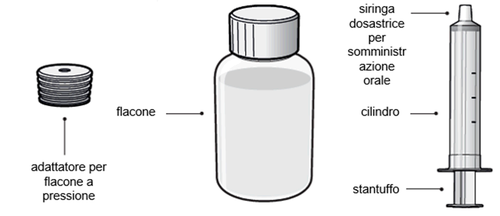
Before each use:
Wash your hands with water and soap and remove the items from the packaging, placing them on a
clean, flat surface.
Step 1. Remove the bottle from the box
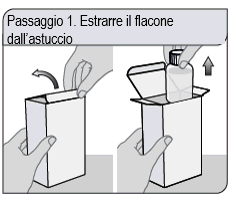
Remove the bottle of XELJANZ oral solution from the box.
Step 2. Open the bottle
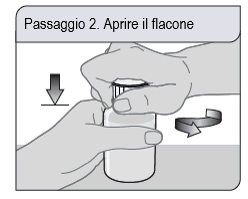
Open the bottle. Remove the seal from the top of the bottle (only the first time).
Do not throw away the child-resistant cap.
Note: itis not necessary to shake the bottle before use.
Step 3. Insert the pressure adapter for bottle
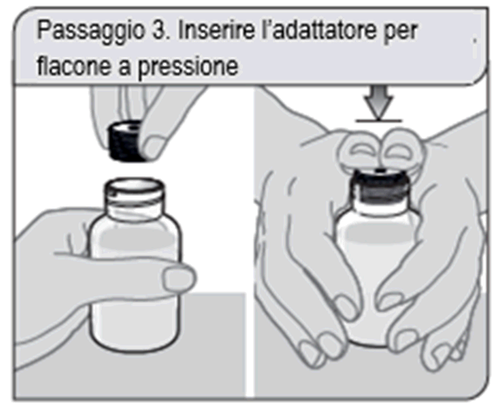
Remove the pressure adapter for bottle and the oral dosing syringe
from the plastic wrapper. With the bottle on a flat surface, push the grooved
end of the pressure adapter for bottle with your thumbs all the way into the neck of the bottle, holding it
firmly.
Note:do not remove the pressure adapter for bottle from the bottle after inserting it.
Step 4. Eliminate air from the oral dosing syringe
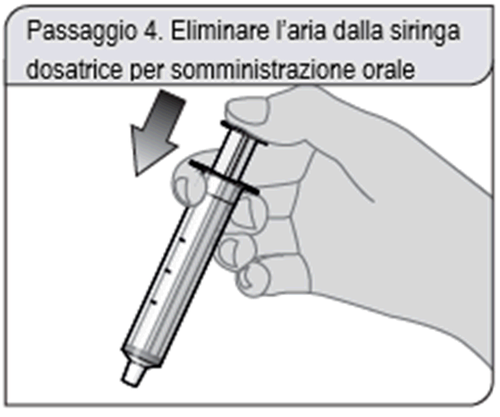
Push the plunger of the oral dosing syringe all the way to the tip of the syringe cylinder to eliminate excess air.
Step 5. Insert the oral dosing syringe
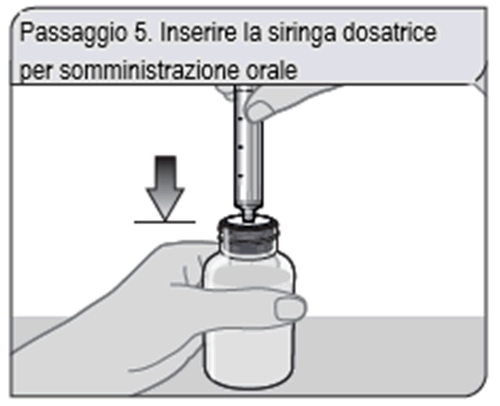
Insert the oral dosing syringe into the bottle vertically through the opening
of the pressure adapter for bottle until it is firmly in place.
Step 6. Draw the dose from the bottle
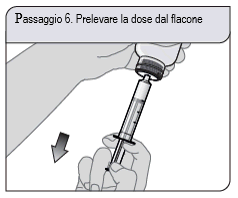
With the oral dosing syringe in place, turn the bottle upside down. Pull the
plunger.
If you notice air bubbles in the oral dosing syringe, push the plunger all the way down to empty the oral solution back into the bottle. Then, draw the prescribed dose of
oral solution.
Step 7. Remove the oral dosing syringe
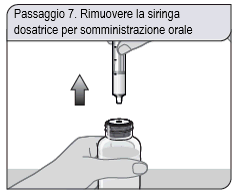
Turn the bottle to an upright position and place it on a flat surface. Remove the oral dosing syringe
from the adapter and bottle by pulling up on the cylinder of the oral dosing syringe.
Step 8. Check the dose drawn
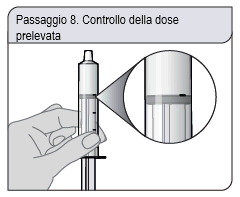
Verify that you have drawn the correct dose into the oral dosing syringe.
If the dose is not correct, firmly insert the tip of the oral dosing syringe into the adapter. Push the plunger all the way down so that the oral solution flows
back into the bottle. Repeat steps 6 and 7.
Step 9. Take the dose of XELJANZ
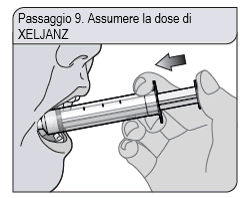
Position the tip of the oral dosing syringe in the patient's mouth, towards
one cheek.
Slowly push the plunger all the way down to administer all the medicine present in the
oral dosing syringe. Make sure the patient has time to swallow the
medicine.
Step 10. Close the bottle
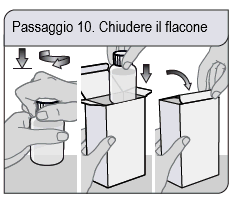
Close the bottle tightly by turning the child-resistant cap clockwise, leaving the
pressure adapter for bottle in place.
Reposition the bottle in the box, closing it to protect XELJANZ oral solution
from light.
Step 11. Clean the oral dosing syringe
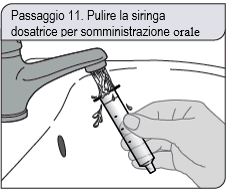
Remove the plunger from the cylinder by pulling them apart in opposite directions.
Rinse both with water after each use.
Let air dry; then put the oral dosing syringe together with the
oral solution back in the box.
Keep the oral dosing syringe with XELJANZ oral solution.
Do not throw away the oral dosing syringe.

Уже начали прием и появились вопросы?
Обсудите свое состояние и дальнейшие шаги с врачом онлайн.
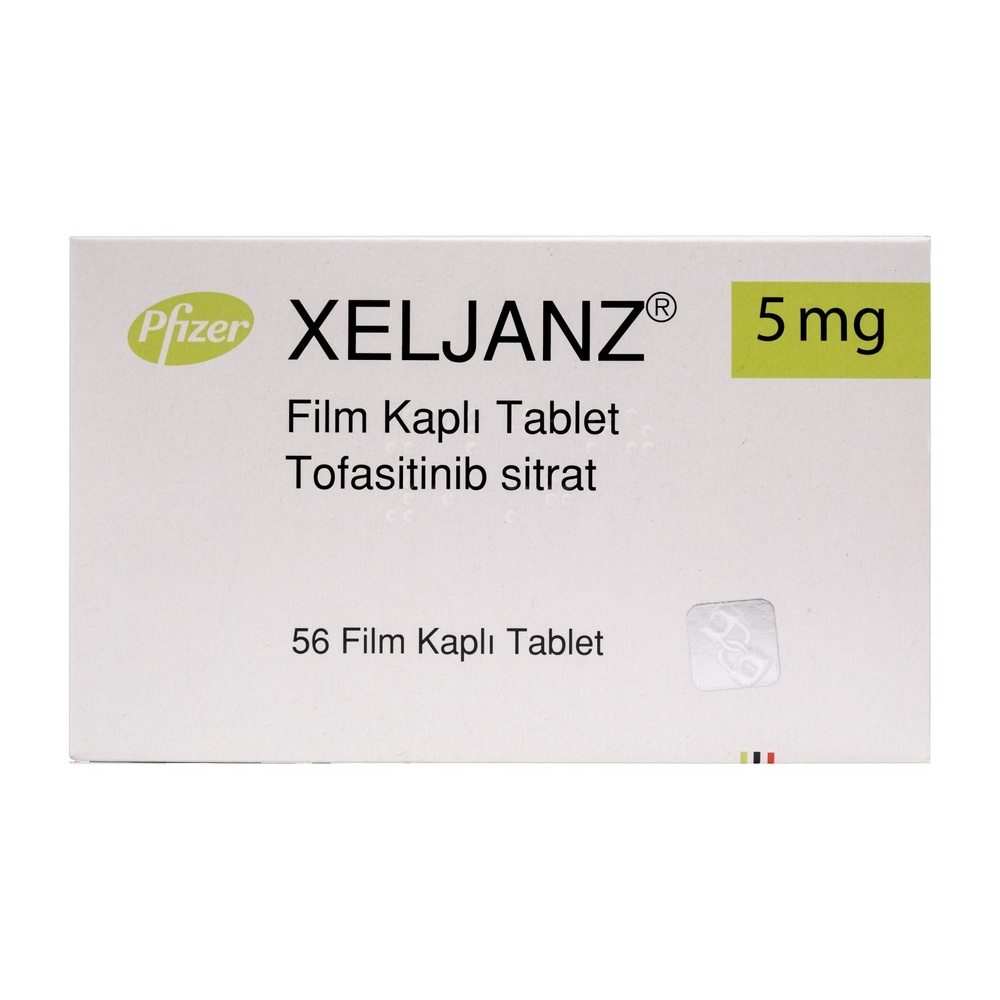
- Страна регистрации
- Форма выпускаFilm-coated tablet, 5 MG
- Код АТХL04AF01
- Действующее вещество
- Отпускается по рецептуДа
- Производитель
- Информация на этой странице носит справочный характер и не является медицинской консультацией. Перед началом приема лекарства обязательно проконсультируйтесь с врачом.
- Аналоги XELJANTSФорма выпуска: Film-coated tablet, 100 MGДействующее вещество: filgotinibПроизводитель: ALFASIGMA S.P.A.Отпускается по рецептуФорма выпуска: Hard capsule, 50 mgДействующее вещество: ritlecitinibПроизводитель: PFIZER EUROPE MA EEIGОтпускается без рецептаФорма выпуска: Film-coated tablet, 2 MGДействующее вещество: БарицитинибПроизводитель: ELI LILLY NEDERLAND B.V.Отпускается по рецепту
Аналоги XELJANTS в других странах
Лекарства с тем же действующим веществом, доступные в других странах.
Аналог XELJANTS в Украина
Аналог XELJANTS в Испания
Получите рецепт на XELJANTS онлайн
Заполните форму за 2 минуты
Расскажите о симптомах, истории болезни и нужном препарате.
Выберите врача или мы назначим
Выберите специалиста или мы подберём ближайшего доступного врача.
Врач рассматривает ваш случай
Обычно в течение 30 минут. Может задать уточняющие вопросы в чате.
Получите в любой аптеке
Электронный рецепт отправляется на вашу почту — действителен по всей Польше.
Часто задаваемые вопросы
XELJANTS требует рецепта в Италия. Вы можете уточнить у врача онлайн, подходит ли это лекарство для вашей ситуации.
Действующее вещество XELJANTS — tofacitinib. Эта информация помогает определить лекарства с тем же составом под другими торговыми названиями.
XELJANTS производится компанией PFIZER EUROPE MA EEIG. Упаковка и торговое название могут отличаться в зависимости от дистрибьютора.
Врачи, включая Семейные врачи, Психиатры, Дерматологи, Кардиологи, Эндокринологи, Гастроэнтерологи, Пульмонологи, Нефрологи, Ревматологи, Гематологи, Инфекционисты, Аллергологи, Гериатры, Педиатры, Онкологи, могут оценить целесообразность применения XELJANTS с учетом вашей ситуации и местных правил. Вы можете записаться на онлайн-консультацию, чтобы обсудить возможные варианты.
Польша имеет хорошо развитую систему здравоохранения в крупных городах, таких как Варшава, Краков, Вроцлав и Гданьск. Аптеки широко доступны и работают в соответствии с действующим законодательством, обеспечивая доступ к рецептурным препаратам.
Вы можете купить XELJANTS в Варшаве, Кракове, Вроцлаве или Гданьске в любой аптеке при наличии действующего рецепта.
Чтобы получить рецепт, вы можете воспользоваться Oladoctor:
Другие лекарства с тем же действующим веществом (tofacitinib) включают JYSELEKA, LITFULO, OLUMIANT. Они могут отличаться торговым названием или формой выпуска, но содержат одинаковый терапевтический компонент. Перед изменением лечения рекомендуется проконсультироваться с врачом.
