



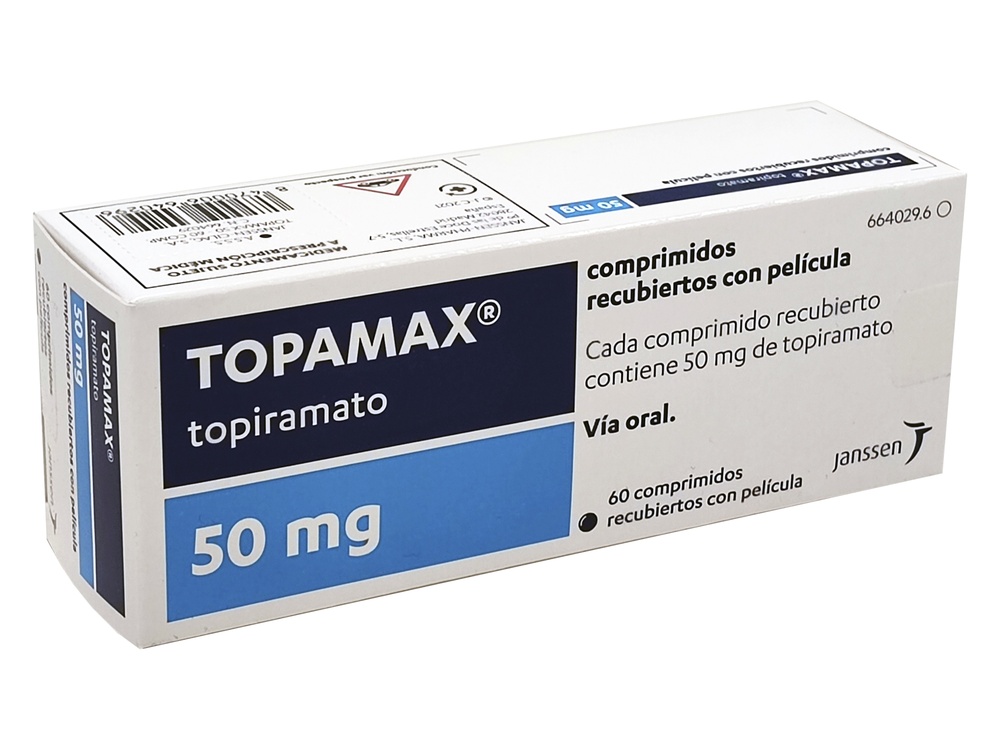
TOPAMAX 50 mg Фильм-Coated Таблетки

Рассмотрение рецепта онлайн
Врач рассмотрит ваш случай и примет решение о назначении рецепта, если это медицински оправдано.

Поговорите с врачом об этом лекарстве
Обсудите симптомы и возможные дальнейшие шаги на онлайн-консультации.



Инструкция по применению TOPAMAX
Содержание инструкции
- Topamax 15 mg hard capsules, 25 mg hard capsules
- Topamax 25 mg film-coated tablets, 50 mg film-coated tablets, 100 mg film-coated tablets, 200 mg film-coated tablets
Topamax 15 mg hard capsules, 25 mg hard capsules
topiramate
Read this leaflet carefully before you start taking this medicine as it contains
important information for you.
- Keep this leaflet. You may need to read it again.
- If you have any questions, ask your doctor or pharmacist.
- This medicine has been prescribed for you only. Do not pass it on to others, even if they have the same symptoms as you, as it may be harmful.
- If you get any side effects, even those not listed in this leaflet, tell your doctor or pharmacist. See section 4.
Contents of this leaflet:
- 1. What Topamax is and what it is used for
- 2. What you need to know before you take Topamax
- 3. How to take Topamax
- 4. Possible side effects
- 5. How to store Topamax
- 6. Contents of the pack and other information
1. What is TOPAMAX and what it is used for
Topamax belongs to a group of medicines called “antiepileptic medicines”. It is used:
- alone for the treatment of epileptic seizures in adults and children over 6 years of age
- with other medicines for the treatment of epileptic seizures in adults and children from 2 years of age
- to prevent migraine in adults
2. What you need to know before you take TOPAMAX
Do not take Topamax
- if you are allergic (hypersensitive) to topiramate or any of the other ingredients of this medicine (listed in section 6).
- for the prevention of migraine if you are pregnant or if you are a woman of childbearing potential unless you are using adequate contraception (see “pregnancy and breastfeeding” section for more information). You should talk to your doctor about the best type of contraception to use while taking Topamax.
If you are not sure whether the conditions mentioned above apply to you, talk to your doctor or pharmacist before using Topamax.
Warnings and precautions
Consult your doctor or pharmacist before taking Topamax if:
- you have kidney problems, particularly kidney stones, or if you are undergoing kidney dialysis
- you have a history of blood and fluid imbalances in the body (metabolic acidosis)
- you have liver problems
- you have eye problems, particularly glaucoma
- you have growth problems
- your diet is high in fat (ketogenic diet)
- you are taking Topamax to treat epilepsy and if you are pregnant or if you are a woman of childbearing potential (for further information see the “pregnancy and breastfeeding” section).
If you are not sure whether any of the conditions mentioned above apply to you, talk to your doctor or pharmacist before starting treatment with Topamax.
It is important that you do not stop taking the medicine without first consulting your doctor.
You should also talk to your doctor before taking any medicine containing topiramate that is given to you as an alternative to Topamax.
With the use of Topamax you may lose weight, so while taking this medicine, your weight should be checked regularly. If you lose too much weight or if a child using the medicine does not gain enough weight, consult your doctor.
A small number of people treated with antiepileptic medicines like Topamax have experienced self-harmful or suicidal thoughts. If you have these types of thoughts at any time, contact your doctor immediately.
Topamax can cause serious skin reactions, tell your doctor immediately if you develop a rash and/or blisters (see also section 4 "Possible side effects").
Topamax can, in rare cases, cause high levels of ammonia in the blood (seen in blood tests) which can lead to a change in brain function, especially if you are taking a medicine called valproic acid or sodium valproate. As this can be a serious condition, tell your doctor immediately if you experience the following symptoms (see also section 4 “Possible side effects”):
- difficulty thinking, remembering information, or solving problems
- being less alert or aware
- feeling very sleepy and lacking energy At higher doses of Topamax, the risk of developing these symptoms may increase.
Other medicines and Topamax
Tell your doctor or pharmacist if you are taking, have recently taken or might take any other medicines. Topamax and some other medicines can interact with each other. Sometimes the dose of some of the medicines you are taking or of Topamax may need to be adjusted.
In particular, tell your doctor or pharmacist if you are taking:
- other medicines that impair or reduce thinking, concentration, or muscle coordination (e.g., central nervous system depressants such as muscle relaxants and sedatives).
- the birth control pill. Topamax can reduce the effectiveness of the birth control pill. You should talk to your doctor about the best type of contraception to use while taking Topamax.
Tell your doctor if you notice a change in your menstrual bleeding while taking the birth control pill and Topamax.
Keep a list of all the medicines you are taking. Show this list to your doctor or pharmacist before you start taking a new medicine.
Other medicines to discuss with your doctor or pharmacist include other antiepileptic medicines, risperidone, lithium, hydrochlorothiazide, metformin, pioglitazone, glibenclamide, amitriptyline, propranolol, diltiazem, venlafaxine, flunarizine, St. John's wort (Hypericum perforatum) (a herbal preparation used to treat depression), warfarin used to thin the blood.
If you are not sure whether any of the conditions mentioned above apply to you, talk to your doctor or pharmacist before using Topamax.
Topamax with food and drink
You can take Topamax during or away from meals. Drink plenty of fluids during the day while taking Topamax to prevent the formation of kidney stones. During treatment with Topamax you should avoid drinking alcohol.
Pregnancy and breastfeeding
Prevention of migraine:
Topamax can harm the unborn child. You should not use Topamax if you are pregnant. You should not use Topamax for the prevention of migraine if you are a woman of childbearing potential unless you are using effective contraception. Ask your doctor about the best type of contraception and whether Topamax is suitable for you. A pregnancy test should be performed before starting treatment with Topamax.
Treatment of epilepsy:
If you are a woman of childbearing potential, you should talk to your doctor about other possible treatments instead of Topamax. If you decide to use Topamax, you must use effective contraception. Talk to your doctor about the best type of contraception to use while taking Topamax. A pregnancy test should be performed before starting treatment with Topamax.
Tell your doctor if you wish to become pregnant.
As with other antiepileptic medicines, there is a risk of harm to the fetus if Topamax is used in pregnancy. Make sure you understand what the risks and benefits of using Topamax for epilepsy during pregnancy are.
- If you take Topamax during pregnancy, your baby has an increased risk of birth defects, particularly cleft lip (a split in the upper lip) and cleft palate (a split in the roof of the mouth). Male newborns may also have a malformation of the penis (hypospadias). These defects can develop early in pregnancy, even before you know you are pregnant.
- If you take Topamax during pregnancy, your baby may be smaller than expected at birth. Talk to your doctor if you have questions about this risk during pregnancy.
- There may be other medicines to treat your condition that have a lower risk of birth defects.
- Tell your doctor immediately if you become pregnant while taking Topamax. You and your doctor need to decide whether to continue taking Topamax during pregnancy.
Breastfeeding
The active substance in Topamax (topiramate) is excreted in human milk. Effects have been observed in infants breastfed by treated mothers, including diarrhea, drowsiness, irritability and poor weight gain. Therefore, your doctor will discuss with you whether to stop breastfeeding or stop treatment with Topamax. The doctor will consider the importance of the treatment for the mother and the risk to the child.
Mothers who are breastfeeding while taking Topamax should inform their doctor as soon as possible if the baby shows anything unusual.
Driving and operating machinery
Dizziness, fatigue and vision problems can occur during treatment with Topamax. Do not drive or use tools or machinery until you have spoken to your doctor.
Topamax contains sucrose
If you have been diagnosed with sugar intolerance, contact your doctor before taking the medicine.
Other components
This medicine contains less than 1 mmol of sodium (23 mg) per capsule, i.e. essentially “sodium-free”.
3. How to take TOPAMAX
Always take this medicine exactly as your doctor has told you. If you have any doubts, ask your doctor or pharmacist.
- Your doctor will usually give you a low dose of Topamax, then gradually increase it until they find the best dose for you.
- The Topamax hard capsules can be swallowed whole or opened to pour the contents into a spoonful of soft food of any kind. For example: applesauce, cream, ice cream, baby food, pudding or yogurt. Drink liquids immediately afterwards to make sure you have swallowed the entire food and medicine mixture.
- Hold the hard capsule upright so you can read the word “TOP”
- Carefully unscrew the transparent part of the capsule. It may be easier to do this on a small portion of food onto which you will then pour the granules.
- Pour the entire contents of the capsule into the spoonful of soft food, making sure that the entire prescribed dose is poured onto the food.
- Make sure to swallow the entire granules/food mixture contained in the spoon immediately. Do not chew. Drink liquids immediately afterwards to ensure that the entire mixture is swallowed.
- Never store the medicine and food mixture for later use.
- Topamax can be taken before, during or after a meal. Drink plenty of fluids during the day to avoid the formation of kidney stones while taking Topamax.
If you take more TOPAMAX than you should
- Consult a doctor immediately. Bring the medicine packaging with you.
- You may feel sleepy, tired, or less alert; lose coordination; experience difficulty speaking or concentrating; have double or blurred vision; feel dizzy due to low blood pressure; feel depressed or agitated; or have abdominal pain or seizures. An overdose may occur if you are taking other medicines together with Topamax.
If you forget to take TOPAMAX
- If you forget to take a dose, take it as soon as you remember. However, if it is almost time for your next dose, skip the forgotten dose and continue as usual. If you forget two or more doses, contact your doctor.
- Do not take a double dose (two doses at the same time) to make up for the forgotten dose.
If you stop taking TOPAMAX
Do not stop taking this medicine unless your doctor tells you to do so. Your symptoms may return. If your doctor decides to stop this medicine, your dose may be gradually reduced over a few days.
If you have any further questions on the use of this medicine, ask your doctor or pharmacist.
4. Possible side effects
Like all medicines, this medicine can cause side effects, although not everybody gets them.
Tell your doctor or seek immediate medical attention if you experience any of the following side effects:
Very common (may affect more than 1 in 10 people)
- Depression (new or worsening)
Common (may affect up to 1 in 10 people)
- Seizures
- Anxiety, irritability, mood changes, confusion, disorientation
- Problems with concentration, slowness of thought, memory loss, problems with memory (new onset, sudden change, or increased severity)
- Kidney stone, frequent or painful urination
Uncommon (may affect up to 1 in 100 people)
- Increased acid level in the blood (can cause breathing problems including shortness of breath, loss of appetite, nausea, vomiting, excessive tiredness, and fast or irregular heartbeats)
- Decreased or loss of sweating (particularly in young children exposed to high temperatures)
- Thoughts of severe self-harm, attempt of severe self-harm
- Loss of part of the visual field
Rare (may affect up to 1 in 1000 people)
- Glaucoma which consists of a retention of fluid in the eye which determines an increased eye pressure, pain or decreased vision
- Difficulty thinking, remembering information, or solving problems, being less alert or aware, feeling very sleepy and with little energy - these symptoms may be a sign of a high level of ammonia in the blood (hyperammonemia), which can lead to a change in brain function (hyperammonemic encephalopathy)
- Severe skin reactions, such as Stevens-Johnson syndrome and toxic epidermal necrolysis - these can appear as rashes with or without blisters. Skin irritation, sores or swelling in the mouth, throat, nose, eyes and around the genitals. Rashes can develop into severe and widespread skin damage (peeling of the epidermis and superficial mucous membranes) with life-threatening consequences.
Not known (frequency cannot be estimated from available data)
- inflammation of the eye (uveitis) with symptoms such as redness, pain, sensitivity to light, tearing, blurred or disturbed vision due to the appearance of small dots in front of the eyes
Other side effects include the following, if these worsen consult your doctor or pharmacist:
Very common (may affect more than 1 in 10 people)
- Stuffy nose, runny nose, or sore throat
- Tingling, pain and/or numbness in various parts of the body
- Drowsiness, fatigue
- Dizziness
- Nausea, diarrhea
- Weight loss
Common (may affect up to 1 in 10 people)
- Anemia (low red blood cell count)
- Allergic reaction (such as rash, redness, itching, swelling of the face, hives)
- Loss of appetite, decreased appetite
- Aggression, agitation, anger, abnormal behavior
- Difficulty falling asleep or staying asleep
- Problems or disorders of speech, difficulty speaking
- Clumsiness or loss of coordination, feeling unsteady when walking
- Decreased ability to perform routine activities
- Decreased, loss, or no sense of taste
- Involuntary tremors or shaking: rapid, uncontrollable eye movements
- Vision disorders such as double vision, blurred vision, decreased vision, difficulty focusing
- Sensation of spinning (vertigo), ringing in the ears, ear pain
- Shortness of breath
- Cough
- Nosebleeds
- Fever, feeling unwell, weakness
- Vomiting, constipation, abdominal pain or discomfort, indigestion, stomach or intestinal infection
- Dry mouth
- Hair loss
- Itching
- Joint pain or swelling, muscle spasms or contractions, muscle pain or weakness, chest pain
- Weight gain
Uncommon (may affect up to 1 in 100 people)
- Decreased platelets (blood cells that help stop bleeding), decreased white blood cells, which help protect against infections, decreased potassium levels in the blood
- Increased levels of liver enzymes, increased eosinophils (a type of white blood cells) in the blood
- Swelling of the glands in the neck, armpits, or groin
- Increased appetite
- Improved mood
- Hearing, seeing, or feeling things that are not there, severe mental disorders (psychosis)
- Not showing and/or feeling emotions, unusual suspiciousness, panic attack
- Problems with reading, difficulty speaking, problems with writing
- Restlessness, hyperactivity
- Slowed thinking, decreased state of wakefulness or alertness
- Slowed or decreased body movements, abnormal or repetitive involuntary muscle movements
- Fainting
- Abnormal or impaired sense of touch
- Compromised, distorted, or absent sense of smell
- Unusual sensation or sensation that may precede migraine or a certain type of seizure
- Dry eyes, eye sensitivity to light, eyelid spasms and tearing
- Decreased or loss of hearing, hearing loss in one ear
- Slow or irregular heartbeat, feeling your heartbeat in your chest
- Low blood pressure, decreased pressure when standing up (as a result, some people taking Topamax may feel weak, dizzy, or may faint when standing up or sitting down suddenly)
- Hot flashes, feeling hot
- Pancreatitis (inflammation of the pancreas)
- Excessive passing of gas or air, heartburn, feeling of fullness or bloating
- Bleeding gums, increased saliva, loss of saliva, bad breath
- Excessive fluid intake, thirst
- Skin discoloration
- Muscle stiffness, flank pain
- Blood in the urine, incontinence (loss of control) of urine, urgent need to urinate, flank or kidney pain
- Difficulty achieving or maintaining an erection, sexual dysfunction
- Flu-like symptoms
- Cold hands and feet
- Feeling drunk
- Difficulty learning
Rare (may affect up to 1 in 1000 people)
- abnormally elevated mood
- Loss of consciousness
- Blindness in one eye, temporary blindness, night blindness
- Lazy eye
- Swelling inside and around the eyes
- Numbness, tingling, and color change (white, blue, and then red) of the fingers of the hands and feet when exposed to cold
- Inflammation of the liver, liver failure
- Abnormal skin odor
- Discomfort in the arms or legs
- Kidney disorder
Not known (frequency cannot be estimated from available data)
- Maculopathy, a disease of the macula, the small part of the retina in which vision is sharpest. If you notice a change or decrease in vision, you should contact your doctor
Children
Side effects in children are generally similar to those seen in adults, but the following side effects may be more common in children than in adults:
- Problems with concentration
- Increased acid level in the blood
- Having thoughts of severe self-harm
- Fatigue
- Decreased or increased appetite
- Aggression, abnormal behavior
- Difficulty falling asleep or staying asleep
- Feeling unsteady when walking
- Feeling unwell
- Decreased potassium levels in the blood
- Not showing and/or feeling emotions
- Tearing
- Slow or irregular heartbeat
Other side effects that may occur in children are:
Common (may affect up to 1 in 10 people)
- Sensation of spinning (vertigo)
- Vomiting
- Fever
Uncommon (may affect up to 1 in 100 people)
- Increased eosinophils (a type of white blood cells) in the blood
- Hyperactivity
- Feeling hot
- Difficulty learning
Reporting of side effects
If you get any side effects, even those not listed in this leaflet, tell your doctor or pharmacist. You can also report side effects directly through the national reporting system at https://www.aifa.gov.it/content/segnalazionireazioni-
By reporting side effects you can help provide more information on the safety of this medicine.
5. How to store TOPAMAX
Keep this medicine out of the sight and reach of children.
Do not use this medicine after the expiry date which is stated on the pack/bottle after Exp. The
expiry date refers to the last day of that month.
Do not store at a temperature above 25°C. Keep the bottle tightly closed to protect the
medicine from moisture.
Do not dispose of any medicine in wastewater or household waste. Ask your pharmacist how to
dispose of medicines you no longer use. This will help protect the environment
6. Package Contents and Other Information
What Topamax contains
- The active ingredient is topiramate.
- Each Topamax hard capsule contains 15 and 25 mg of topiramate.
- The other ingredients of Topamax are:
- sugar spheres (corn starch, sucrose), povidone, cellulose acetate
- capsule: gelatin, titanium dioxide (E171)
- printing ink: black ink (black iron oxide (E172), shellac and propylene glycol)
Description of Topamax and package contents
- 15 mg capsule: small whitish granules in a gelatin capsule with an opaque white body with “15 mg” written on it and a transparent cap with “TOP” written on it.
- 25 mg capsule: small whitish granules in a gelatin capsule with an opaque white body with “25 mg” written on it and a transparent cap with “TOP” written on it.
Opaque high-density polyethylene bottle with tamper-evident closure, containing 20, 28, 60 or
100 granule capsules.
Not all pack sizes may be marketed.
Marketing Authorisation Holder and Manufacturer(s)
Janssen-Cilag SpA - Via M. Buonarroti, 23 - 20093 Cologno Monzese (MI)
MANUFACTURER
Hard capsules
Janssen-Cilag SpA Borgo San Michele – Latina (Italy)
Marketing authorisation for this medicinal product has been granted in the Member States of the
European Economic Area and in the United Kingdom (Northern Ireland) with the following names:
| Austria, Belgium, Cyprus, Germany, Italy, Luxembourg, Malta, Poland, Portugal, Czech Republic, Slovenia: | Topamax |
This leaflet was last approved on:
| Denmark, Finland, Iceland, Norway, Sweden: | Topimax |
| France: | Epitomax |
| Greece: | Topamac |
| Ireland, Netherlands United Kingdom (Northern Ireland): | o Topamax Sprinkle |
| Spain: | Topamax Dispersable |
Topamax 25 mg film-coated tablets, 50 mg film-coated tablets, 100 mg film-coated tablets, 200 mg film-coated tablets
topiramate
Read this leaflet carefully before you start taking this medicine as it contains important information for you.
- Keep this leaflet. You may need to read it again.
- If you have any questions, ask your doctor or pharmacist.
- This medicine has been prescribed for you only. Do not pass it on to others, even if they have the same symptoms as you, as it may be harmful. If you get any side effects, even those not listed in this leaflet, tell your doctor or pharmacist. See section 4.
Contents of this leaflet:
- 1. What Topamax is and what it is used for
- 2. What you need to know before you take Topamax
- 3. How to take Topamax
- 4. Possible side effects
- 5. How to store Topamax
- 6. Contents of the pack and other information
1. What is TOPAMAX and what it is used for
Topamax belongs to a group of medicines called “antiepileptic medicines”. It is used:
- alone for the treatment of epileptic seizures in adults and children over 6 years of age
- with other medicines for the treatment of epileptic seizures in adults and children from 2 years of age
- to prevent migraine in adults
2. What you need to know before you take TOPAMAX
Do not take Topamax
- if you are allergic to topiramate or any of the other ingredients of this medicine (listed in section 6).
- for the prevention of migraine if you are pregnant or if you are a woman of childbearing potential unless you are using adequate contraception (see section “pregnancy and breastfeeding” for more information). You should talk to your doctor about the best type of contraception to use while taking Topamax.
If you are not sure whether the conditions mentioned above apply to you, talk to your doctor or pharmacist before using Topamax.
Warnings and precautions
Consult your doctor or pharmacist before taking Topamax if:
- you have kidney problems, especially kidney stones, or if you are undergoing kidney dialysis
- you have a history of blood and fluid imbalances in the body (metabolic acidosis)
- you have liver problems
- you have eye problems, especially glaucoma
- you have growth problems
- your diet is high in fat (ketogenic diet)
- you are taking Topamax to treat epilepsy and if you are pregnant or if you are a woman of childbearing potential (for further information see section “pregnancy and breastfeeding”).
If you are not sure whether any of the conditions mentioned above apply to you, talk to your doctor or pharmacist before starting treatment with Topamax.
It is important that you do not stop taking the medicine without first consulting your doctor.
You should also talk to your doctor before taking any medicine containing topiramate that is given to you as an alternative to Topamax.
With the use of Topamax you may lose weight, so while taking this medicine, your weight should be checked regularly. If you lose too much weight or if a child using the medicine does not gain enough weight, consult your doctor.
A small number of people treated with antiepileptic medicines like Topamax have experienced self-harmful or suicidal thoughts. If you have these types of thoughts at any time, contact your doctor immediately.
Topamax can cause serious skin reactions, tell your doctor immediately if you develop a rash or blisters (see also section 4 “Possible side effects”).
Topamax can, in rare cases, cause high levels of ammonia in the blood (seen in blood tests) which can lead to a change in brain function, especially if you are taking a medicine called valproic acid or sodium valproate. As this can be a serious condition, tell your doctor immediately if you experience the following symptoms (see also section 4 “Possible side effects”):
- difficulty thinking, remembering information or solving problems
- being less alert or aware
- feeling very sleepy and with little energy
At higher doses of Topamax, the risk of developing these symptoms may increase.
Other medicines and Topamax
Tell your doctor or pharmacist if you are taking, have recently taken or might take any other medicines. Topamax and some other medicines can interact with each other. Sometimes the dose of some of the medicines you are taking or of Topamax may need to be adjusted.
In particular, tell your doctor or pharmacist if you are taking:
- other medicines that impair or reduce thinking, concentration, or muscle coordination (e.g., central nervous system depressant medicines such as muscle relaxants and sedatives).
- contraceptive pill. Topamax can reduce the effectiveness of the contraceptive pill. You should talk to your doctor about the best type of contraception to use while taking Topamax.
Tell your doctor if you notice a change in your menstrual bleeding while taking the contraceptive pill and Topamax.
Keep a list of all the medicines you are taking. Show this list to your doctor or pharmacist before you start taking a new medicine.
Other medicines to discuss with your doctor or pharmacist include other antiepileptic medicines, risperidone, lithium, hydrochlorothiazide, metformin, pioglitazone, glibenclamide, amitriptyline, propranolol, diltiazem, venlafaxine, flunarizine, St John's wort (Hypericum perforatum) (a herbal preparation used to treat depression), warfarin used to thin the blood.
If you are not sure whether any of the conditions mentioned above apply to you, talk to your doctor or pharmacist before using Topamax.
Topamax with food and drink
You can take Topamax during or away from meals. Drink plenty of fluids during the day when taking Topamax to prevent the formation of kidney stones. During treatment with Topamax you should avoid drinking alcohol.
Pregnancy and breastfeeding
Prevention of migraine:
Topamax can harm the unborn child. You should not use Topamax if you are pregnant. You should not use Topamax for the prevention of migraine if you are a woman of childbearing potential unless you are using effective contraception. Ask your doctor about the best type of contraception and whether Topamax is suitable for you. A pregnancy test should be performed before starting treatment with Topamax.
Treatment of epilepsy:
If you are a woman of childbearing potential, you should talk to your doctor about other possible treatments instead of Topamax. If you decide to use Topamax, you must use effective contraception. Talk to your doctor about the best type of contraception to use while taking Topamax. A pregnancy test should be performed before starting treatment with Topamax. Tell your doctor if you wish to become pregnant.
As with other antiepileptic medicines, there is a risk of harm to the fetus if Topamax is used in pregnancy. Make sure you clearly understand what the risks and benefits of using Topamax for epilepsy during pregnancy are.
- If you take Topamax during pregnancy, your baby has an increased risk of birth defects, in particular, cleft lip (a split in the upper lip) and cleft palate (a split in the roof of the mouth). Male newborns may also have a malformation of the penis (hypospadias). These defects can develop early in pregnancy, even before you know you are pregnant.
- If you take Topamax during pregnancy, your baby may be smaller than expected at birth. Talk to your doctor if you have questions about this risk during pregnancy.
- There may be other medicines to treat your condition that have a lower risk of birth defects.
- Tell your doctor immediately if you become pregnant while taking Topamax. You and your doctor will need to decide whether to continue taking Topamax during pregnancy.
Breastfeeding
The active substance in Topamax (topiramate) is excreted in human milk. Effects have been observed in infants of treated mothers, including diarrhea, drowsiness, irritability and poor weight gain. Therefore, your doctor will discuss with you whether to stop breastfeeding or to stop treatment with Topamax. The doctor will consider the importance of the medicine for the mother and the risk for the child.
Mothers who are breastfeeding while taking Topamax should inform their doctor as soon as possible if the baby shows anything unusual.
Driving and operating machinery
Dizziness, fatigue and vision problems can occur during treatment with Topamax. Do not drive or use tools or machinery until you have spoken to your doctor.
Topamax contains lactose
If you have been diagnosed with lactose intolerance, contact your doctor before taking the medicine.
Other components
This medicine contains less than 1 mmol of sodium (23 mg) per tablet, this is to say that it is essentially “sodium-free”.
3. How to take TOPAMAX
Always take this medicine exactly as your doctor has told you. If you have any doubts, ask your doctor or pharmacist.
- Your doctor will usually give you a low dose of Topamax, then gradually increase it until the best dose for you is found.
- Topamax tablets must be swallowed whole. Avoid chewing the tablets as they may leave a bitter taste.
- Topamax can be taken before, during, or after a meal. Drink plenty of fluids during the day to avoid the formation of kidney stones while taking Topamax.
If you take more TOPAMAX than you should
- Consult a doctor immediately. Bring the medicine packaging with you.
- You may feel sleepy, tired, or less alert; lose coordination; experience difficulty speaking or concentrating; have double or blurred vision; feel dizzy due to low blood pressure; feel depressed or agitated; or have abdominal pain or seizures.
If you are taking other medicines together with Topamax, an overdose may occur.
If you forget to take TOPAMAX
- If you forget to take a dose, take it as soon as you remember. However, if it is almost time for the next dose, skip the forgotten dose and continue as usual. If you forget two or more doses, contact your doctor.
- Do not take a double dose (two doses at the same time) to make up for the forgotten dose.
If you stop taking TOPAMAX
Do not stop taking this medicine unless your doctor tells you to do so. Your symptoms may return. If your doctor decides to stop this medicine, your dose may be
gradually reduced over a few days.
If you have any further questions on the use of this medicine, ask your doctor or pharmacist.
4. Possible side effects
Like all medicines, this medicine can cause side effects, although not everyone gets them.
Tell your doctor or seek immediate medical attention if you experience any of the following side effects:
Very common (may affect more than 1 in 10 people)
- Depression (new or worsening)
Common (may affect up to 1 in 10 people)
- Seizures
- Anxiety, irritability, mood changes, confusion, disorientation
- Problems with concentration, slow thinking, memory loss, problems with memory (new onset, sudden change or worsening)
- Kidney stones, frequent or painful urination
Uncommon (may affect up to 1 in 100 people)
- Increased acid level in the blood (can cause breathing problems including shortness of breath, loss of appetite, nausea, vomiting, excessive fatigue and fast or irregular heartbeats)
- Decreased or loss of sweating (particularly in young children exposed to high temperatures)
- Thoughts of serious self-harm, attempt of serious self-harm
- Loss of part of the visual field
Rare (may affect up to 1 in 1000 people)
- Glaucoma, which consists of a retention of fluid in the eye which determines an increased eye pressure, pain or decreased vision
- Difficulty thinking, remembering information or solving problems, being less alert or aware, feeling very sleepy and with little energy - these symptoms may be a sign of a high level of ammonia in the blood (hyperammonemia), which can lead to a change in brain function (hyperammonemic encephalopathy)
- Severe skin reactions, such as Stevens-Johnson syndrome and toxic epidermal necrolysis
- These may appear as skin rashes with or without blisters. Skin irritation, sores or swelling in the mouth, throat, nose, eyes and around the genitals. The rashes can develop into severe and widespread skin damage (peeling of the epidermis and superficial mucous membranes) with life-threatening consequences.
Not known (frequency cannot be estimated from the available data)
- inflammation of the eye (uveitis) with symptoms such as redness, pain, sensitivity to light, tearing, blurred or disturbed vision due to the appearance of small dots in front of the eyes
Other side effects include the following, if these worsen consult your doctor or pharmacist:
Very common (may affect more than 1 in 10 people)
- Blocked or runny nose, or sore throat
- Tingling, pain and/or numbness in various parts of the body
- Sleepiness, fatigue
- Dizziness
- Nausea, diarrhea
- Weight loss
Common (may affect up to 1 in 10 people)
- Anemia (low red blood cell count)
- Allergic reaction (such as skin rash, redness, itching, swelling of the face, hives)
- Loss of appetite, decreased appetite
- Aggressiveness, agitation, anger, abnormal behavior
- Difficulty falling asleep or staying asleep
- Problems or disturbances with speech, difficulty speaking
- Clumsiness or loss of coordination, feeling unsteady when walking
- Decreased ability to perform routine activities
- Decreased, loss, or no sense of taste
- Involuntary tremors or shaking: rapid, uncontrollable eye movements
- Vision disturbances such as double vision, blurred vision, decreased vision, difficulty focusing
- Sensation of spinning (vertigo), ringing in the ears, ear pain
- Shortness of breath
- Cough
- Nosebleeds
- Fever, feeling unwell, weakness
- Vomiting, constipation, abdominal pain or discomfort, indigestion, stomach or intestinal infection
- Dry mouth
- Hair loss
- Itching
- Joint pain or swelling, muscle spasms or contractions, muscle pain or weakness, chest pain
- Weight gain
Uncommon (may affect up to 1 in 100 people)
- Decreased platelets (blood cells that help stop bleeding), decreased white blood cells, which help protect against infections, decreased potassium levels in the blood
- Increased levels of liver enzymes, increased eosinophils (a type of white blood cells) in the blood
- Swelling of the glands in the neck, armpits or groin
- Increased appetite
- Improvement of mood
- Hearing, seeing or feeling things that are not there, severe mental disorders (psychosis)
- Not showing and/or feeling emotions, unusual suspiciousness, panic attack
- Problems with reading, difficulty speaking, problems with writing
- Restlessness, hyperactivity
- Slowed thinking, decreased state of wakefulness or alertness
- Slowed or decreased body movements, abnormal or repetitive involuntary muscle movements
- Fainting
- Abnormal or impaired sense of touch
- Impaired, distorted or absent sense of smell
- Unusual sensation or feeling that can precede migraine or a certain type of seizure
- Dry eyes, eye sensitivity to light, eyelid spasms and tearing
- Decreased or loss of hearing, loss of hearing in one ear
- Slow or irregular heartbeat, feeling your heartbeat in your chest
- Low blood pressure, decreased pressure when getting up (as a result, some people taking Topamax may feel weak, dizzy or may faint when standing up or sitting down suddenly)
- Hot flashes, feeling hot
- Pancreatitis (inflammation of the pancreas)
- Excessive passing of gas or air, heartburn, feeling of fullness or bloating
- Bleeding gums, increased saliva, loss of saliva, bad breath
- Excessive fluid intake, thirst
- Skin discoloration
- Muscle stiffness, flank pain
- Blood in the urine, incontinence (loss of control) of urine, urgent need to urinate, flank or kidney pain
- Difficulty achieving or maintaining an erection, sexual dysfunction
- Flu-like symptoms
- Cold hands and feet
- Feeling drunk
- Difficulty learning
Rare (may affect up to 1 in 1000 people)
- abnormally elevated mood
- Loss of consciousness
- Blindness in one eye, temporary blindness, night blindness
- Lazy eye
- Swelling inside and around the eyes
- Numbness, tingling and color change (white, blue and then red) of the fingers of the hands and feet when exposed to cold
- Inflammation of the liver, liver failure
- Abnormal skin odor
- Discomfort in the arms or legs
- Kidney disorder
Not known (frequency cannot be estimated from the available data)
- Maculopathy, a disease of the macula, the small part of the retina where vision is most acute. If you notice a change or decrease in vision, you should contact your doctor
Children
Side effects in children are generally similar to those seen in adults, but the following side effects may be more common in children than in adults:
- Problems with concentration
- Increased acid level in the blood
- Having thoughts of serious self-harm
- Fatigue
- Decreased or increased appetite
- Aggressiveness, abnormal behavior
- Difficulty falling asleep or staying asleep
- Feeling unsteady when walking
- Feeling unwell
- Decreased potassium levels in the blood
- Not showing and/or not feeling emotions
- Tearing
- Slow or irregular heartbeat
Other side effects that may occur in children are:
Common (may affect up to 1 in 10 people)
- Sensation of spinning (vertigo)
- Vomiting
- Fever
Uncommon (may affect up to 1 in 100 people)
- Increased eosinophils (a type of white blood cells) in the blood
- Hyperactivity
- Feeling hot
- Difficulty learning
Reporting of side effects
If you get any side effects, even those not listed in this leaflet, tell your doctor or pharmacist. You can also report side effects directly through the national reporting system at https://www.aifa.gov.it/content/segnalazionireazioni-
avverse. By reporting side effects you can help provide more information on the safety of this medicine.
5. How to store TOPAMAX
Keep this medicine out of the sight and reach of children.
Do not use this medicine after the expiry date which is stated on the pack/bottle after Exp. The
expiry date refers to the last day of that month.
Do not store at a temperature above 25°C.
Blisters: store in the original packaging to protect the tablets from moisture.
Bottles: store in the original packaging and keep the bottle tightly closed to protect the
tablets from moisture.
Do not dispose of any medicine in wastewater or household waste. Ask your pharmacist how to
dispose of medicines you no longer use. This will help protect the environment
6. Package contents and other information
What Topamax contains
The active ingredient is topiramate.
- Each Topamax tablet contains 25, 50, 100, 200 mg of topiramate.
- The other components of Topamax are: core:lactose monohydrate, pregelatinized corn starch, microcrystalline cellulose, sodium starch glycolate (type A), magnesium stearate
Coating:
- White, yellow, pink OPADRY, carnauba wax
OPADRY contains hypromellose, macrogol, polysorbate 80 and as colorants, titanium dioxide E171
(all strengths), yellow iron oxide E172 (50 and 100 mg) and red iron oxide E172 (200 mg).
Description of Topamax and package contents
- 25 mg tablet: white, round, 6 mm in diameter, with “TOP” engraved on one side and “25” on the other side.
- 50 mg tablet: light yellow, round, 7 mm in diameter, with “TOP” engraved on one side and “50” on the other side.
- 100 mg tablet: yellow, round, 9 mm in diameter, with “TOP” engraved on one side and “100” on the other side.
- 200 mg tablet: salmon pink, round, 10 mm in diameter, with “TOP” engraved on one side and “200” on the other side.
Opaque plastic bottle with tamper-evident closure, containing 20, 28, 30, 50, 56, 60, 100 or 200
(2x100) tablets. Each bottle contains a desiccant that must not be swallowed.
Blisters of aluminum / aluminum foil strips. Packs of 10, 20, 28, 30, 50, 56, 60 or 100
tablets; multi-pack containing 200 (2 x 100) tablets. Single blisters (alu / alu) are
packaged inside a foldable box.
Not all pack sizes may be marketed.
Marketing authorization holder and manufacturer(s)
Janssen-Cilag SpA - Via M. Buonarroti, 23 - 20093 Cologno Monzese (MI)
MANUFACTURER
Janssen Pharmaceutica N.V. Beerse (Belgium)
and
Janssen-Cilag SpA Borgo San Michele – Latina (Italy)
and
Lusomedicamenta – Societade Tecnica Farmaceutica S.A. Queluz da Baixo Barcarena (Portugal)
The authorization for this medicinal product has been granted in the Member States of the
European Economic Area and in the United Kingdom (Northern Ireland) with the following names:
This leaflet was last revised on:
| r a Austria, Belgium, Cyprus, Estonia, Germany, Ireland, Italy, Latvia, Lithuania, Luxembourg, Malta, Netherlands, Poland, Portugal, United Kingdom (Northern Ireland), Czech Republic, Romania, Slovakia, Slovenia, Spain, Hungary: | Topamax |
| F Denmark, Finland, Iceland, Norway, Sweden: | Topimax |
| France: | Epitomax |
| Greece: | Topamac |

Не уверены, подходит ли вам это лекарство?
Обсудите симптомы и варианты лечения с врачом онлайн.

Уже начали прием и появились вопросы?
Обсудите свое состояние и дальнейшие шаги с врачом онлайн.
- Страна регистрации
- Форма выпускаFilm-coated tablet, 50 MG
- Код АТХN03AX11
- Действующее вещество
- Отпускается по рецептуДа
- Производитель
- Информация на этой странице носит справочный характер и не является медицинской консультацией. Перед началом приема лекарства обязательно проконсультируйтесь с врачом.
- Аналоги TOPAMAXФорма выпуска: Film-coated tablet, 25 MGДействующее вещество: ТопираматПроизводитель: AUROBINDO PHARMA (ITALIA) S.R.L.Отпускается по рецептуФорма выпуска: Film-coated tablet, 25 MGДействующее вещество: ТопираматПроизводитель: DOC GENERICI SRLОтпускается по рецептуФорма выпуска: Film-coated tablet, 25 MGДействующее вещество: ТопираматПроизводитель: MYLAN S.P.A.Отпускается по рецепту
Аналоги TOPAMAX в других странах
Лекарства с тем же действующим веществом, доступные в других странах.
Аналог TOPAMAX в Испания
Аналог TOPAMAX в Польша
Аналог TOPAMAX в Украина
Врачи онлайн по TOPAMAX
Обсудите применение TOPAMAX и возможные следующие шаги — по оценке врача.



Получите рецепт на TOPAMAX онлайн
Заполните форму за 2 минуты
Расскажите о симптомах, истории болезни и нужном препарате.
Выберите врача или мы назначим
Выберите специалиста или мы подберём ближайшего доступного врача.
Врач рассматривает ваш случай
Обычно в течение 30 минут. Может задать уточняющие вопросы в чате.
Получите в любой аптеке
Электронный рецепт отправляется на вашу почту — действителен по всей Польше.
Часто задаваемые вопросы
TOPAMAX требует рецепта в Италия. Вы можете уточнить у врача онлайн, подходит ли это лекарство для вашей ситуации.
Действующее вещество TOPAMAX — Топирамат. Эта информация помогает определить лекарства с тем же составом под другими торговыми названиями.
TOPAMAX производится компанией JANSSEN CILAG S.P.A.. Упаковка и торговое название могут отличаться в зависимости от дистрибьютора.
Врачи, включая Семейные врачи, Психиатры, Дерматологи, Кардиологи, Эндокринологи, Гастроэнтерологи, Пульмонологи, Нефрологи, Ревматологи, Гематологи, Инфекционисты, Аллергологи, Гериатры, Педиатры, Онкологи, могут оценить целесообразность применения TOPAMAX с учетом вашей ситуации и местных правил. Вы можете записаться на онлайн-консультацию, чтобы обсудить возможные варианты.
Польша имеет хорошо развитую систему здравоохранения в крупных городах, таких как Варшава, Краков, Вроцлав и Гданьск. Аптеки широко доступны и работают в соответствии с действующим законодательством, обеспечивая доступ к рецептурным препаратам.
Вы можете купить TOPAMAX в Варшаве, Кракове, Вроцлаве или Гданьске в любой аптеке при наличии действующего рецепта.
Чтобы получить рецепт, вы можете воспользоваться Oladoctor:
Другие лекарства с тем же действующим веществом (Топирамат) включают TOPIRAMATO AUROBINDO, TOPIRAMATO DOK JENERIKI, TOPIRAMATO MYLAN JENERIKS. Они могут отличаться торговым названием или формой выпуска, но содержат одинаковый терапевтический компонент. Перед изменением лечения рекомендуется проконсультироваться с врачом.
