



SERENASE 1 мг Таблетка

Рассмотрение рецепта онлайн
Врач рассмотрит ваш случай и примет решение о назначении рецепта, если это медицински оправдано.

Поговорите с врачом об этом лекарстве
Обсудите симптомы и возможные дальнейшие шаги на онлайн-консультации.



Инструкция по применению SERENASE
Содержание инструкции
- SERENASE 1 mg tablets, 5 mg tablets, 10 mg tablets
- SERENASE 2 mg/ml oral drops, solution, 10 mg/ml oral drops, solution
- SERENASE 2 mg/2 ml injectable solution, 5 mg/2 ml injectable solution
SERENASE 1 mg tablets, 5 mg tablets, 10 mg tablets
haloperidol
Read this leaflet carefully before you start taking this medicine as it contains
important information for you.
- Keep this leaflet. You may need to read it again.
- If you have any questions, ask your doctor or pharmacist.
- This medicine has been prescribed for you only. Do not pass it on to others, even if they have the same symptoms as you, as it may be harmful.
- If you get any side effects, even those not listed in this leaflet, tell your doctor or pharmacist. See section 4. Contents of this leaflet
- 1. What SERENASE is and what it is used for
- 2. What you need to know before you take SERENASE
- 3. How to take SERENASE
- 4. Possible side effects
- 5. How to store SERENASE
- 6. Contents of the pack and other information
1. What is SERENASE and what is it used for
The name of the medicine is SERENASE.
SERENASE contains the active substance haloperidol. This belongs to a group of medicines
called “antipsychotics”.
SERENASE is used in adults, adolescents and children for illnesses that affect the way they
think, feel and behave. These include mental health problems (such as
schizophrenia and bipolar disorder) and behavioural disorders.
These illnesses can make you:
- feel confused (delusions)
- see, hear or smell things that are not there (hallucinations)
- believe things that are not true (delusions)
- feel unusually suspicious (paranoia)
- feel very excited, agitated, enthusiastic, impulsive or hyperactive
- feel very aggressive, hostile or violent.
In adolescents and children, SERENASE is used to treat schizophrenia in patients aged 13 to
17 years and to treat behavioural disorders in patients aged 6 to 17 years.
SERENASE is also used:
- in adolescents and children aged 10 to 17 years and in adults, for movements or sounds that you cannot control (tics), for example in severe Tourette's syndrome
- in adults to help control movements in Huntington's disease.
SERENASE is sometimes used when other medicines or treatments have not worked or have
caused unacceptable side effects.
2. What you need to know before taking SERENASE
Do not take SERENASE:
- if you are allergic to haloperidol or any of the other ingredients of this medicine (listed in section 6)
- if you are less aware of things around you or your reactions become unusually slow
- if you have Parkinson's disease
- if you suffer from a type of dementia called “Lewy body dementia”
- if you have progressive supranuclear palsy (PSP)
- if you have a heart condition called “prolonged QT interval”, or any other problem with your heart rhythm that shows up as an abnormal tracing on an ECG (electrocardiogram)
- if you suffer from heart failure or recently had a heart attack
- if you have a low level of potassium in your blood, which has not been treated
- if you are taking any of the medicines listed under “Other medicines and SERENASE - Do not take SERENASE if you are taking medicines for” Do not take the medicine if you experience any of the following conditions. If you have doubts, consult your doctor or pharmacist before taking SERENASE.
Warnings and precautions
Serious side effects
SERENASE can cause heart problems, problems with controlling your body or the movements of your limbs
and a serious side effect called “neuroleptic malignant syndrome”. It can also cause serious
allergic reactions and blood clots. You need to be aware of serious side effects
during the use of SERENASE because urgent medical treatment may be necessary. See
“Read carefully about serious side effects” in section 4.
Elderly and people with dementia
A slight increase in deaths and strokes has been reported in elderly people with dementia who are taking
antipsychotic medicines. Talk to your doctor or pharmacist before using SERENASE if you are elderly,
especially if you suffer from dementia.
Talk to your doctor or pharmacist if you have:
- a slow heartbeat, heart disease or someone in your family has suddenly died of heart problems
- low blood pressure, or you feel dizzy when you stand up or sit up
- a low level of potassium or magnesium (or another “electrolyte”) in your blood. Your doctor will decide how to treat it
- ever had bleeding in the brain, or your doctor has told you that you are more likely than other people to have a stroke
- epilepsy or have ever had seizures (convulsions)
- problems with your kidneys, liver or thyroid
- a high level of the hormone “prolactin” in your blood, or a cancer that can be caused by high levels of prolactin (such as breast cancer)
- a history of blood clots, or someone else in your family has a history of blood clots
- depression or bipolar disorder and start to feel depressed.
You may need to be monitored more closely, and the amount of SERENASE
you take may need to be adjusted.
If you are not sure whether any of the above conditions apply to you, consult your doctor or
pharmacist before taking SERENASE.
Medical checks
Your doctor may prescribe an electrocardiogram (ECG) before or during treatment with
SERENASE. The ECG measures the electrical activity of your heart.
Blood tests
Your doctor may decide to check the levels of potassium or magnesium (or another “electrolyte”) in
your blood before or during treatment with SERENASE.
Children under 6 years of age
SERENASE should not be used in children under 6 years of age. This is because it has not been
adequately studied in this age group.
Other medicines and SERENASE
Tell your doctor or pharmacist if you are taking, have recently taken or might take
any other medicines.
Do not take SERENASE if you are taking some medicines for:
- problems with your heartbeat (such as amiodarone, dofetilide, disopyramide, dronedarone, ibutilide, quinidine and sotalol)
- depression (such as citalopram and escitalopram)
- psychoses (such as fluphenazine, levomepromazine, perphenazine, pimozide, prochlorperazine, promazine, sertindole, thioridazine, trifluoperazine, triflupromazine and ziprasidone)
- bacterial infections (such as azithromycin, clarithromycin, erythromycin, levofloxacin, moxifloxacin and telithromycin)
- fungal infections (such as pentamidine)
- malaria (such as halofantrine)
- nausea and vomiting (such as dolasetron)
- cancer (such as toremifene and vandetanib). Also tell your doctor if you are taking bepridil (for chest pain or to lower blood pressure) or methadone (a painkiller or for the treatment of drug addiction). These medicines can increase the risk of heart problems, so tell your doctor if you are taking any of these medicines and do not take SERENASE (see “Do not take SERENASE if”).
You may need special monitoring if you take lithium and SERENASE at the same
time.
Tell your doctor immediately and stop taking both medicines if:
- you have a fever that you cannot explain or movements that you cannot control
- you are confused, disoriented, have a headache, problems with balance and drowsiness. These are signs of a serious condition.
Some medicines can affect how SERENASE works or can cause
heart problems or similar
Tell your doctor if you are taking:
- alprazolam or buspirone (for anxiety)
- duloxetine, fluoxetine, fluvoxamine, nefazodone, paroxetine, sertraline, St John's Wort (Hypericum perforatum) or venlafaxine (for depression)
- bupropion (for depression or to help you stop smoking)
- carbamazepine, phenobarbital or phenytoin (for epilepsy)
- rifampicin (for bacterial infections)
- itraconazole, posaconazole or voriconazole (for fungal infections)
- ketoconazole tablets (for the treatment of Cushing's syndrome)
- indinavir, ritonavir or saquinavir (for the human immunodeficiency virus or HIV)
- chlorpromazine or promethazine (for nausea and vomiting)
- verapamil (for high blood pressure or heart problems).
Also tell your doctor if you are taking other medicines to lower your blood pressure, such as
diuretics (medicines to help you urinate).
Your doctor may need to change the dose of SERENASE if you are taking any of these medicines.
SERENASE can affect how the following types of medicines work
Tell your doctor if you are taking medicines for:
- calming down or for sleeping (tranquilizers)
- pain (strong painkillers)
- depression (“tricyclic antidepressants”)
- lowering blood pressure (such as guanethidine and methyldopa)
- severe allergic reactions (adrenaline)
- attention deficit hyperactivity disorder (ADHD) or narcolepsy (known as "stimulants")
- Parkinson's disease (such as levodopa)
- thinning your blood (phenindione). Tell your doctor before taking SERENASE if you are taking any of these medicines.
SERENASE and alcohol
Drinking alcohol while taking SERENASE may make you feel sleepy and less alert.
This means you need to be careful about how much alcohol you drink. Discuss with your doctor
about alcohol use while taking SERENASE and tell your doctor about how much alcohol you
drink.
Pregnancy, breastfeeding and fertility
Pregnancy- if you are pregnant, suspect you are pregnant or are planning to become pregnant, ask
for advice from your doctor. Your doctor may advise you not to take SERENASE during pregnancy.
The following problems can occur in newborns of mothers who take SERENASE in the last 3
months of pregnancy (the last trimester):
- muscle tremors, weakness or stiffness
- being sleepy or agitated
- breathing or feeding problems. The exact frequency of these problems is unknown. If you have taken SERENASE during pregnancy and your baby develops any of these side effects, contact your doctor.
Breastfeeding- tell your doctor if you are breastfeeding or are planning to breastfeed.
This is because small amounts of the medicine can pass into breast milk and to the baby. Your
doctor will inform you about the risks and benefits of breastfeeding while taking
SERENASE.
Fertility- SERENASE can increase the levels of a hormone called “prolactin”, which can
affect fertility in men and women. Tell your doctor if you have any questions about this.
Driving and using machines
SERENASE can affect your ability to drive and use tools and machines. Side effects,
such as drowsiness, may affect your attention, especially if you are taking it for the
first time or after a high dose. Do not drive or use tools or machines without discussing
this with your doctor first.
SERENASE contains
SERENASE tablets contain lactose. If you have been diagnosed with intolerance to
some sugars, contact your doctor before taking this medicine.
3. How to take SERENASE
Always take this medicine exactly as your doctor or pharmacist has told you. Check
with your doctor or pharmacist if you are not sure.
How much medicine to take
Your doctor will tell you how many tablets to take and for how long. Your doctor will also tell you whether
to take SERENASE one or more times a day. It may take some time before you feel
the full effect of the medicine. Usually your doctor will give you a low dose to start with, and then adjust
the dose that is right for you. It is very important to take the correct amount.
The dose of aloperidol will depend on:
- your age
- what you are being treated for
- if you have kidney or liver problems
- other medicines you are taking
Adults
- The dose will normally be between 0.5 and 10 mg per day.
- The doctor may change it to find the dose that is right for you.
- The maximum dose that adults should take depends on the condition being treated and varies between 5 and 20 mg per day. Elderly
- Elderly people will normally start with 0.5 mg per day or with half the lowest adult dose.
- The number of tablets to be taken will be adjusted until the doctor finds the dose that is right for you.
- The maximum dose that elderly people should take is 5 mg per day, unless the doctor decides that a higher dose is necessary.
Children and adolescents from 6 to 17 years of age
- The dose will normally be between 0.5 mg and 3 mg per day.
- Adolescents up to 17 years of age treated for schizophrenia or behavioral disorders may receive a higher dose, up to 5 mg per day. Taking SERENASE
- SERENASE is for oral use.
- Swallow the tablets with a little water.
If you take more SERENASE than you should
If you take more SERENASE than you have been told or if someone else has taken SERENASE,
consult your doctor or go to the nearest hospital emergency room.
If you forget to take SERENASE
- If you forget to take a dose, take the next dose as usual. Then continue to take the medicine as your doctor has told you.
- Do not take a double dose.
If you stop taking SERENASE
Unless your doctor decides otherwise, you should stop SERENASE gradually.
Suddenly stopping treatment may cause effects such as:
- nausea and vomiting
- sleep disturbances. Always follow your doctor's instructions carefully.
If you have any further questions on the use of this medicine, ask your doctor or pharmacist.
4. Possible side effects
Like all medicines, this medicine can cause side effects, although not everyone will experience them.
Read carefully about serious side effects
Inform your doctor if you notice or suspect any of the following serious side effects. Urgent medical treatment may be needed.
Heart problems
- Abnormal heart rhythm - this stops the heart from working normally and can cause loss of consciousness.
- Excessively fast heartbeat.
- Extra heartbeats. Heart problems are uncommon in people taking SERENASE (may affect up to 1 in 100 people). Sudden deaths have occurred in patients taking this medicine, but the exact frequency of these deaths is unknown. Cardiac arrest (the heart stops beating) has also occurred in people taking antipsychotic medicines.
A serious problem called “malignant neuroleptic syndrome”.This causes high fever, severe
muscle rigidity, confusion and loss of consciousness. It is rare in people taking SERENASE
(may affect up to 1 in 1,000).
Problems with controlling body or limb movements (extrapyramidal disorders), such as:
- movements of the mouth, tongue, jaw and sometimes the limbs (tardive dyskinesia)
- feeling restless or difficulty staying still, increased body movements
- slow or reduced body movements, spasms or twisting movements
- muscle tremors or stiffness, walking with dragging feet
- being unable to move
- a lack of a normal facial expression that sometimes appears as a mask. These are very common in people taking SERENASE (may affect more than 1 in 10). If you experience any of these effects, you may be given an additional medicine. Serious allergic reactionwhich may include:
- swelling of the face, lips, mouth, tongue or throat
- difficulty swallowing or breathing
- skin rashes (urticaria). An allergic reaction is uncommon in people taking SERENASE (may affect up to 1 in 100).
Blood clots in the veins, usually in the legs(deep vein thrombosis or DVT). These have been
reported in people taking antipsychotic medicines. Signs of a DVT in the leg include
swelling, pain and redness in the leg, but the clot can move to the lungs causing chest pain
and shortness of breath. Blood clots can be very serious, so tell your doctor immediately if you notice any of these problems.
Inform your doctor immediately if you notice any of the serious side effects listed above.
Other side effects
Inform your doctor if you notice or suspect any of the following side effects.
Very common(may affect more than 1 in 10 people)
- Feeling agitated
- Difficulty sleeping
- Headache.
Common(may affect up to 1 in 10 people)
- Serious mental health problem, such as believing things that are not true (delusions) or seeing, hearing, or perceiving smells of things that are not there (hallucinations)
- Depression
- Abnormal muscle tension
- Feeling dizzy, even when getting up or sitting down
- Drowsiness
- Upward movement of the eyes or rapid eye movements that you cannot control
- Vision problems, such as blurred vision
- Low blood pressure
- Nausea, vomiting
- Constipation
- Dry mouth or increased salivation
- Skin rash
- Being unable to urinate or completely empty the bladder
- Difficulty getting or maintaining an erection (impotence)
- Weight gain or loss
- Changes that appear in liver blood tests.
Uncommon(may affect up to 1 in 100 people)
- Effects on blood cells - low number of all types of blood cells, including severe decreases in white blood cells and low number of platelets (cells that help blood to clot)
- Feeling confused
- Loss of sexual desire or decreased sexual desire
- Seizures (convulsions)
- Stiff muscles and joints
- Muscle spasms, jerks or contractions that you cannot control, including a spasm in the neck causing the head to twist to one side
- Problems with walking
- Being short of breath
- Inflammation of the liver or a liver problem causing yellowing of the skin or eyes (jaundice)
- Increased sensitivity of the skin to sunlight
- Itching
- Excessive sweating
- Changes in the menstrual cycle (periods), such as no period, or long, heavy, painful periods
- Unexpected production of milk from the breast
- Breast pain or discomfort
- High body temperature
- Swelling caused by fluid buildup in the body.
Rare(may affect up to 1 in 1,000 people)
- High level of the hormone “prolactin” in the blood
- Narrowing of the airways in the lungs, causing difficulty breathing
- Difficulty or being unable to open the mouth
- Problems having sexual intercourse.
The following side effects have also been reported, but their exact frequency is unknown
- High level of the “antidiuretic hormone” in the blood (syndrome of inappropriate antidiuretic hormone secretion)
- Low blood sugar
- Swelling around the larynx, or brief spasm of the vocal cords that can cause difficulty speaking or breathing
- Sudden liver failure
- Decreased flow of bile in the bile duct
- Peeling or flaking of the skin
- Inflammation of small blood vessels, leading to a rash with small red or purple bumps
- Breakdown of muscle tissue (rhabdomyolysis)
- Persistent and painful erection of the penis
- Enlargement of the breasts in men
- Low body temperature
Reporting of side effects
If you get any side effect, talk to your doctor, pharmacist or nurse. This includes any side effects not listed in this leaflet. You can also report side effects directly through the national reporting system at www.aifa.gov.it/content/segnalazioni-
reazioni-avverse . By reporting side effects you can help provide more information on the safety of this medicine.
5. How to store SERENASE
Keep this medicine out of the sight and reach of children.
Do not use this medicine after the expiry date which is reported on the blister or on the carton. The expiry
date refers to the last day of that month.
This medicine does not require any particular storage conditions.
Do not dispose of any medicine in wastewater or household waste. Ask your pharmacist how to
dispose of medicines you no longer use. This will help protect the environment.
6. Contents of the pack and other information
What SERENASE contains
The active ingredient is haloperidol.
SERENASE 1 mg tablets
One tablet contains:
Active ingredient: haloperidol 1 mg
Excipients: lactose, corn starch, talc, hydrogenated vegetable oil.
SERENASE 5 mg tablets
One tablet contains:
Active ingredient: haloperidol 5 mg
Excipients: lactose, corn starch, talc, hydrogenated vegetable oil.
SERENASE 10 mg tablets
One tablet contains:
Active ingredient: haloperidol 10 mg
Excipients: lactose, corn starch, talc, hydrogenated vegetable oil.
Description of the appearance of SERENASE and contents of the pack
20 tablets of 1 mg
20 tablets of 5 mg
20 tablets of 10 mg
Marketing authorisation holder and manufacturer
Holder
LUSOFARMACO
Istituto Luso Farmaco d'Italia S.p.A.
Milanofiori – Strada 6 – Edificio L – Rozzano (MI)
Manufacturer
Berlin-Chemie AG - Glienicker Weg, 125 – Berlin (Germany)
SERENASE 2 mg/ml oral drops, solution, 10 mg/ml oral drops, solution
aloperidol
Read this leaflet carefully before you start using this medicine as it contains important
information for you.
- Keep this leaflet. You may need to read it again.
- If you have any questions, ask your doctor or pharmacist.
- This medicine has been prescribed for you only. Do not pass it on to others, even if their symptoms are the same as yours, as it could be harmful.
- If you get any side effects, even those not listed in this leaflet, tell your doctor or pharmacist. See section 4. Contents of this leaflet
- 1. What SERENASE is and what it is used for
- 2. What you need to know before you take SERENASE
- 3. How to take SERENASE
- 4. Possible side effects
- 5. How to store SERENASE
- 6. Contents of the pack and other information
1. What is SERENASE and what is it used for
The name of the medicine is SERENASE.
SERENASE contains the active substance haloperidol. This belongs to a group of medicines
called “antipsychotics”.
SERENASE is used in adults, adolescents and children for illnesses that affect the way they
think, feel and behave. These include mental health problems (such as
schizophrenia and bipolar disorder) and behavioural disorders.
These illnesses can cause:
- feeling confused (delusions)
- seeing, hearing or perceiving smells of things that are not there (hallucinations)
- believing things that are not true (delusions)
- feeling unusually suspicious (paranoia)
- feeling very excited, agitated, enthusiastic, impulsive or hyperactive
- feeling very aggressive, hostile or violent.
In adolescents and children, SERENASE is used to treat schizophrenia in patients aged 13 to
17 years and to treat behavioural disorders in patients aged 6 to 17 years.
SERENASE is also used:
- in adults, adolescents and children aged 10 to 17 years and in adults, for movements or sounds that they cannot control (tics), for example in severe Tourette's syndrome
- in adults to help control movements in Huntington's disease. SERENASE is sometimes used when other medicines or treatments have not worked or have caused unacceptable side effects.
2. What you need to know before taking SERENASE
Do not take SERENASE:
- if you are allergic to haloperidol or any of the other ingredients of this medicine (listed in section 6)
- if you are less aware of things around you or your reactions become unusually slow after drinking alcohol or after taking other medicines
- if you have Parkinson's disease
- if you suffer from a type of dementia called “dementia with Lewy bodies”
- if you have progressive supranuclear palsy (PSP)
- if you have a heart condition called “prolonged QT interval”, or any other problem with your heart rhythm that shows up as an abnormal tracing on an ECG (electrocardiogram)
- if you suffer from heart failure or have recently had a heart attack
- if you have a low level of potassium in your blood, which has not been treated
- if you are taking any of the medicines listed under ”Other medicines and SERENASE - Do not take SERENASE if you are taking certain medicines for”. The medicine must not be used if you exhibit any of the following conditions. If you have doubts, consult your doctor or pharmacist before taking SERENASE.
Warnings and precautions
Serious side effects
SERENASE can cause heart problems, problems with controlling your body or the movements of your limbs
and a serious side effect called “neuroleptic malignant syndrome”. It can also cause serious
allergic reactions and blood clots. You need to be aware of serious side effects
during the use of SERENASE because urgent medical treatment may be necessary. See
“Read carefully about serious side effects” in section 4.
Elderly and people with dementia
A slight increase in deaths and strokes has been reported in elderly people with dementia who are taking
antipsychotic medicines. Talk to your doctor or pharmacist before using SERENASE if you are elderly,
especially if you suffer from dementia.
Talk to your doctor or pharmacist if you have:
- a slow heartbeat, heart disease or someone in your family has suddenly died of heart problems
- low blood pressure, or you feel dizzy when you stand up or sit down
- a low level of potassium or magnesium (or another “electrolyte”) in your blood. The doctor will decide how to treat it
- ever had bleeding in the brain, or your doctor has told you that you are more likely than other people to have a stroke
- epilepsy or have ever had seizures (convulsions)
- problems with your kidneys, liver or thyroid
- a high level of the hormone “prolactin” in your blood, or a cancer that can be caused by high levels of prolactin (such as breast cancer)
- a history of blood clots, or someone else in your family has a history of blood clots
- depression, or if you have bipolar disorder and start to feel depressed.
You may need to be monitored more closely, and the amount of SERENASE
you take may need to be adjusted.
If you are not sure whether any of the above conditions apply to you, consult your doctor or
pharmacist before taking SERENASE.
Medical checks
Your doctor may prescribe an electrocardiogram (ECG) before or during treatment with
SERENASE. The ECG measures the electrical activity of your heart.
Blood tests
Your doctor may decide to check the levels of potassium or magnesium (or another “electrolyte”) in
your blood before or during treatment with SERENASE.
Children under 6 years of age
SERENASE should not be used in children under 6 years of age. This is because it has not been
adequately studied in this age group.
Other medicines and SERENASE
Tell your doctor or pharmacist if you are taking, have recently taken or might take
any other medicines.
Do not take SERENASE if you are taking certain medicines for
- problems with your heartbeat (such as amiodarone, dofetilide, disopyramide, dronedarone, ibutilide, quinidine and sotalol)
- depression (such as citalopram and escitalopram)
- psychoses (such as fluphenazine, levomepromazine, perphenazine, pimozide, prochlorperazine, promazine, sertindole, thioridazine, trifluoperazine, triflupromazine and ziprasidone)
- bacterial infections (such as azithromycin, clarithromycin, erythromycin, levofloxacin, moxifloxacin and telithromycin)
- fungal infections (such as pentamidine)
- malaria (such as halofantrine)
- nausea and vomiting (such as dolasetron)
- cancer (such as toremifene and vandetanib). Also tell your doctor if you are taking bepridil (for chest pain or to lower blood pressure) or methadone (a painkiller or for the treatment of drug addiction). These medicines can increase the risk of heart problems, so tell your doctor if you are taking any of these medicines and do not take SERENASE (see “Do not take SERENASE if”).
Special monitoring may be necessary if lithium and SERENASE are used at the same
time
Tell your doctor immediately and stop taking both medicines if:
- you have a fever that you cannot explain or movements that you cannot control
- you are confused, disoriented, have a headache, problems with balance and drowsiness. These are signs of a serious condition.
Some medicines can affect how SERENASE works or you may have
heart problems or similar
Tell your doctor if you are taking:
- alprazolam or buspirone (for anxiety)
- duloxetine, fluoxetine, fluvoxamine, nefazodone, paroxetine, sertraline, St John's Wort (Hypericum perforatum) or venlafaxine (for depression)
- bupropion (for depression or to help you stop smoking)
- carbamazepine, phenobarbital or phenytoin (for epilepsy)
- rifampicin (for bacterial infections)
- itraconazole, posaconazole or voriconazole (for fungal infections)
- ketoconazole tablets (for the treatment of Cushing's syndrome)
- indinavir, ritonavir or saquinavir (for the human immunodeficiency virus or HIV)
- chlorpromazine and promethazine (for nausea and vomiting)
- verapamil (for high blood pressure or heart problems).
Also tell your doctor if you are taking other medicines to lower your blood pressure, such as
diuretics (medicines to help you urinate).
Your doctor may need to adjust the dose of SERENASE if you are taking any of these medicines.
SERENASE can affect how the following types of medicines work
Tell your doctor if you are taking medicines for:
- calming down or for sleeping (tranquilizers)
- pain (strong painkillers)
- depression (“tricyclic antidepressants”)
- lowering blood pressure (such as guanethidine and methyldopa)
- severe allergic reactions (adrenaline)
- attention deficit hyperactivity disorder (ADHD) or narcolepsy (known as "stimulants")
- Parkinson's disease (such as levodopa)
- thinning your blood (phenindione). Tell your doctor before taking SERENASE if you are taking any of these medicines.
SERENASE and alcohol
Drinking alcohol while taking SERENASE may make you feel sleepy and less alert.
This means you need to be careful about how much alcohol you drink. Discuss with your doctor
about the use of alcohol while taking SERENASE and tell your doctor about the amount of alcohol you
drink.
Pregnancy, breastfeeding and fertility
Pregnancy- if you are pregnant, suspect you may be pregnant or are planning to become pregnant, ask
for advice from your doctor. Your doctor may advise you not to use SERENASE during pregnancy.
The following problems can occur in newborns of mothers who use SERENASE in the last 3
months of pregnancy (the last trimester):
- muscle tremors, weakness or stiffness
- being sleepy or agitated
- breathing or feeding problems. The exact frequency of these problems is unknown. If SERENASE has been used during pregnancy and the baby develops any of these side effects, contact your doctor.
Breastfeeding- tell your doctor if you are breastfeeding or planning to breastfeed.
This is because small amounts of the medicine can pass into breast milk and to the baby. Your
doctor will explain the risks and benefits of breastfeeding while taking SERENASE.
Fertility- SERENASE can increase the levels of a hormone called “prolactin”, which can
affect fertility in both men and women. Tell your doctor if you have any questions about this.
Driving and using machines
SERENASE can affect your ability to drive and use tools and machines. Side effects,
such as drowsiness, may affect your attention, especially if you are taking it
for the first time or after an increase in the dose. This medicine can impair your ability to drive. Do
not drive or use tools or machines without discussing this with your doctor first.
SERENASE contains
SERENASE oral drops contain parabens. They can cause allergic reactions
(including delayed reactions).
3. How to take SERENASE
Always take this medicine exactly as your doctor or pharmacist has told you. Check
with your doctor or pharmacist if you are not sure.
How much medicine to take
Your doctor will tell you how many tablets to take and for how long. Your doctor will also tell you whether
to take SERENASE one or more times a day. It may take some time before you feel
the full effect of the medicine. Usually your doctor will give you a low dose to start with, and then adjust
the dose that is right for you. It is very important to take the correct amount.
The dose of aloperidol will depend on:
- your age
- what you are being treated for
- if you have kidney or liver problems
- other medicines you are taking
Adults
- The dose will normally be between 0.5 and 10 mg per day.
- The doctor may change it to find the dose that is right for you.
- The maximum dose that adults should take depends on the condition being treated and varies between 5 and 20 mg per day.
Elderly
- Elderly people will normally start with 0.5 mg per day or with half the lowest adult dose.
- The amount of SERENASE to be taken will be adjusted until the doctor finds the dose that is right for you.
- The maximum dose that elderly people should take is 5 mg per day, unless the doctor decides that a higher dose is necessary.
Children and adolescents from 6 to 17 years of age
- The dose will normally be between 0.5 mg and 3 mg per day
- Adolescents up to 17 years of age treated for schizophrenia or behavioral disorders may need a higher dose, up to 5 mg per day. Taking SERENASE
- SERENASE is for oral use.
- SERENASE drops can be mixed with a little water before taking, but do not mix it with other liquids.
- Remove the cap from the bottle by pushing down on the cap while turning it counterclockwise.
- Turn the bottle upside down over a spoon.
- Gently press on the sides of the bottle and count the number of drops you need to take.
- Drink the solution immediately.
- Close the bottle.
If you take more SERENASE than you should
If you take more SERENASE than you have been told or if someone else has taken SERENASE,
consult your doctor or go to the nearest hospital emergency room.
If you forget to take SERENASE
- If you forget to take a dose, take the next dose as usual. Then continue to take the medicine as your doctor has told you.
- Do not take a double dose.
If you stop taking SERENASE
Unless your doctor decides otherwise, you should stop SERENASE gradually.
Suddenly stopping treatment can cause effects such as:
- nausea and vomiting
- sleep disturbances. Always follow your doctor's instructions carefully.
If you have any further questions on the use of this medicine, ask your doctor or pharmacist.
4. Possible side effects
Like all medicines, this medicine can cause side effects, although not everyone will experience them.
Read carefully about serious side effects
Inform your doctor if you notice or suspect any of the following serious side effects. Urgent medical treatment may be needed.
Heart problems
- Abnormal heart rhythm - this stops the heart from working normally and can cause loss of consciousness.
- Excessively fast heartbeat
- Extra heartbeats. Heart problems are uncommon in people who use SERENASE (may affect up to 1 in 100 people). Sudden deaths have occurred in patients taking this medicine, but the exact frequency of these deaths is unknown. Cardiac arrest (the heart stops beating) has also occurred in people taking antipsychotic drugs. A serious problem called “neuroleptic malignant syndrome”.This causes high fever, severe muscle rigidity, confusion and loss of consciousness. It is rare in people using SERENASE (may affect up to 1 in 1,000).
Problems with controlling body movements or limbs (extrapyramidal disorders), such as:
- movements of the mouth, tongue, jaw and sometimes the limbs (tardive dyskinesia)
- feeling restless or difficulty staying still, increased body movements
- slow or reduced body movements, spasms or twisting movements
- muscle tremors or stiffness, walking with dragging feet
- being unable to move
- lack of a normal facial expression that sometimes appears as a mask. These are very common in people who use SERENASE (may affect more than 1 in 10). If you experience any of these effects, you may be given an additional medicine. Serious allergic reactionwhich may include:
- swelling of the face, lips, mouth, tongue or throat
- difficulty swallowing or breathing
- skin rashes (urticaria).
An allergic reaction is uncommon in people who use SERENASE (may affect up to 1 in 100).
Blood clots in the veins, usually in the legs(deep vein thrombosis or DVT). These have been reported in people taking antipsychotic drugs. Signs of a DVT in the leg include swelling, pain and redness in the leg, but the clot can move to the lungs causing chest pain and difficulty breathing. Blood clots can be very serious, so tell your doctor immediately if you notice any of these problems.
Inform your doctor immediately if you notice any of the serious side effects listed above.
Other side effects
Inform your doctor if you notice or suspect any of the following side effects.
Very common(may affect more than 1 in 10 people)
- Feeling agitated
- Difficulty sleeping
- Headache.
Common(may affect up to 1 in 10 people)
- Serious mental health problem, such as believing things that are not true (manias) or seeing, hearing or smelling things that are not there (hallucinations)
- Depression
- Abnormal muscle tension
- Feeling dizzy, even when getting up or sitting down
- Drowsiness
- Upward movement of the eyes or rapid eye movements that you cannot control
- Vision problems, such as blurred vision
- Low blood pressure
- Nausea, vomiting
- Constipation
- Dry mouth or increased salivation
- Skin rash
- Being unable to urinate or completely empty the bladder
- Difficulty getting and maintaining an erection (impotence)
- Weight gain or loss
- Changes that appear in liver blood tests. Uncommon(may affect up to 1 in 100 people)
- Effects on blood cells - low number of all types of blood cells, including severe decreases in white blood cells and low number of “platelets” (cells that help blood clotting)
- Feeling confused
- Loss of sexual desire or decreased sexual desire
- Seizures (convulsions)
- Stiff muscles and joints
- Muscle spasms, spasms or contractions that you cannot control, including a spasm in the neck causing the head to twist to one side
- Problems walking
- Shortness of breath
- Inflammation of the liver or a liver problem causing yellowing of the skin or eyes (jaundice)
- Increased sensitivity to sunlight
- Itching
- Excessive sweating
- Changes in the menstrual cycle (periods), such as no period, or long, heavy, painful periods
- Unexpected production of milk from the breast
- Breast pain or discomfort
- High body temperature
- Swelling caused by fluid buildup in the body.
Rare(may affect up to 1 in 1,000)
- High level of the hormone “prolactin” in the blood
- Narrowing of the airways in the lungs, causing difficulty breathing
- Difficulty or inability to open the mouth
- Problems having sexual intercourse.
The following side effects have also been reported, but their exact frequency is unknown
- High level of the “antidiuretic hormone” in the blood (syndrome of inappropriate antidiuretic hormone secretion)
- Low blood sugar
- Swelling around the larynx, or brief spasm of the vocal cords that can cause difficulty speaking or breathing
- Sudden liver failure
- Decreased bile flow in the bile duct
- Peeling or flaking of the skin
- Inflammation of small blood vessels, leading to a rash with small red or purple bumps
- Muscle tissue breakdown (rhabdomyolysis)
- Persistent and painful erection of the penis
- Enlargement of the breasts in men
- Low body temperature.
Reporting of side effects
If you get any side effects, even those not listed in this leaflet, tell your doctor or pharmacist. You can also report side effects directly through the national reporting system at www.aifa.gov.it/content/segnalazioni-reazioni-avverse .
By reporting side effects you can help provide more information on the safety of this medicine.
5. How to store SERENASE
Keep this medicine out of the sight and reach of children.
Do not use this medicine after the expiry date which is stated on the label or the packaging. The expiry date
refers to the last day of that month.
This medicine does not require any particular storage conditions.
Do not dispose of any medicine in wastewater or household waste. Ask your pharmacist how to
dispose of medicines you no longer use. This will help protect the environment.
6. Package contents and other information
What SERENASE contains
The active ingredient is haloperidol.
SERENASE 2 mg/ml oral drops, solution
One ml of oral solution contains:
Active ingredient: haloperidol 2 mg
Excipients: lactic acid, methylparaben, propylparaben, purified water.
SERENASE 10 mg/ml oral drops, solution
One ml of oral solution contains:
Active ingredient: haloperidol 10 mg
Excipients: lactic acid, methylparaben, propylparaben, purified water.
Description of the appearance of SERENASE and package contents
15 ml oral drops, solution 2 mg/ml
15 ml oral drops, solution 10 mg/ml
Marketing authorisation holder and manufacturer
Holder
LUSOFARMACO
Istituto Luso Farmaco d'Italia S.p.A.
Milanofiori – Strada 6 – Edificio L – Rozzano (MI)
Manufacturer
Berlin-Chemie AG - Glienicker Weg, 125 - Berlin (Germany)
<------------------------------------------------------------------------------------------------------------------------>
The following information is intended for healthcare professionals only.
SERENASE 2 mg/ml oral drops, solution in a dropper container is intended to be
used for doses up to 2 mg of haloperidol (equivalent to 20 drops).
The number of drops needed to reach a given dose using SERENASE 2 mg/ml oral drops
solution is presented below.
Conversion table for SERENASE 2 mg/ml oral drops, solution
mg of haloperidolNumberofdropsof
SERENASE
(dropper container)
0.1 mg 1 drop
0.2 mg 2 drops
0.3 mg 3 drops
0.4 mg 4 drops
0.5 mg 5 drops
1 mg 10 drops
2 mg 20 drops
SERENASE 10 mg/ml oral drops, solution in a dropper container is intended to be
used for doses up to 10 mg of haloperidol (equivalent to 20 drops).
The number of drops needed to reach a given dose using SERENASE 10 mg/ml oral drops
solution is presented below.
Conversion table for SERENASE 10 mg/ml oral drops, solution
mg of haloperidolNumberofdropsof
SERENASE
(dropper container)
0.5 mg 1 drop
1 mg 2 drops
2 mg 4 drops
3 mg 6 drops
4 mg 8 drops
5 mg 10 drops
10 mg 20 drops

Не уверены, подходит ли вам это лекарство?
Обсудите симптомы и варианты лечения с врачом онлайн.
SERENASE 2 mg/2 ml injectable solution, 5 mg/2 ml injectable solution
haloperidol
Read this leaflet carefully before you use this medicine as it contains important
information for you.
- Keep this leaflet. You may need to read it again.
- If you have any questions, ask your doctor, pharmacist or nurse.
- This medicine has been prescribed for you only. Do not pass it on to others, even if their symptoms are the same as yours, as it could be harmful.
- If you get any side effects, even those not listed in this leaflet, tell your doctor, pharmacist or nurse. See section 4. Contents of this leaflet
- 1. What SERENASE is and what it is used for
- 2. What you need to know before you use SERENASE
- 3. How to use SERENASE
- 4. Possible side effects
- 5. How to store SERENASE
- 6. Contents of the pack and other information
1. What is SERENASE and what is it used for
The name of the medicine is SERENASE.
SERENASE contains the active ingredient haloperidol. This belongs to a group of medicines
called “antipsychotics”.
SERENASE is used in adults for illnesses that affect the way you think, feel and
behave. These include mental health problems (such as schizophrenia and bipolar disorder) and behavioural disorders.
These illnesses can cause:
- feeling confused (delusions)
- seeing, hearing or smelling things that are not there (hallucinations)
- believing things that are not true (delusions)
- feeling unusually suspicious (paranoia)
- feeling very excited, agitated, enthusiastic, impulsive or hyperactive
- feeling very aggressive, hostile or violent.
SERENASE is also used in adults:
- to help control movements in Huntington’s disease
- to prevent or treat nausea and vomiting (feeling sick or being sick) after surgery.
SERENASE can be used alone or with other medicines, and it is sometimes used when other medicines or
treatments have not worked, have caused unacceptable side effects or cannot be
taken by mouth.
2. What you need to know before you receive SERENASE
Do not use SERENASE:
- if you are allergic to haloperidol or any of the other ingredients of this medicine (listed in section 6)
- if you are less aware of things around you or your reactions become unusually slow
- if you have Parkinson's disease
- if you suffer from a type of dementia called “Lewy body dementia”
- if you have progressive supranuclear palsy (PSP)
- if you have a heart condition called “prolonged QT interval”, or any other problem with your heart rhythm that shows up as an abnormal tracing on an ECG (electrocardiogram)
- if you suffer from heart failure or have recently had a heart attack
- if you have a low level of potassium in your blood, which has not been treated
- if you are taking any of the medicines listed in the section “Other medicines and SERENASE - Do not use SERENASE if you are taking certain medicines”. The medicine must not be used if you exhibit any of the conditions listed above. If you have any doubts, ask your doctor, pharmacist or nurse before receiving SERENASE.
Warnings and precautions
Serious side effects
SERENASE can cause problems with the heart, problems with controlling your body or the movements of your limbs
and a serious side effect called “neuroleptic malignant syndrome”. It can also cause serious
allergic reactions and blood clots. You need to be aware of the serious side effects
during the use of SERENASE because urgent medical treatment may be required. See
“Read carefully about serious side effects” in section 4.
Elderly people and people with dementia
A slight increase in deaths and strokes has been reported in elderly people with dementia who are taking
antipsychotic medicines. Talk to your doctor before using SERENASE if you are elderly, especially if
you suffer from dementia.
Talk to your doctor if you have:
- a slow heartbeat, heart disease or someone in your family has suddenly died of heart problems
- low blood pressure, or feel dizzy when you stand up or sit down
- a low level of potassium or magnesium (or another “electrolyte”) in your blood. The doctor will decide how to treat it
- ever had bleeding in the brain, or the doctor has told you that you are more likely than other people to have a stroke
- epilepsy or have ever had seizures (convulsions)
- problems with your kidneys, liver or thyroid
- a high level of the hormone 'prolactin' in your blood, or a cancer that can be caused by high levels of prolactin (such as breast cancer)
- a history of blood clots, or someone else in your family has a history of blood clots
- depression or if you have bipolar disorder and start to feel depressed.
You may need to be monitored more closely, and the amount of SERENASE you receive may need to be adjusted.
If you are not sure whether any of the above conditions apply to you, ask your doctor or
nurse before you are given SERENASE.
Medical checks
Your doctor may prescribe an electrocardiogram (ECG) before or during treatment with
SERENASE. The ECG measures the electrical activity of your heart.
Blood tests
Your doctor may decide to check the levels of potassium or magnesium (or another “electrolyte”) in
your blood before or during treatment with SERENASE.
Children and adolescents
SERENASE should not be used in children and adolescents under the age of 18. This is because
it has not been studied in these age groups.
Other medicines and SERENASE
Tell your doctor, pharmacist or nurse if you are taking, have recently taken or might
take any other medicines.
Do not use SERENASE if you are taking certain medicines for:
- problems with your heartbeat (such as amiodarone, dofetilide, disopyramide, dronedarone, ibutilide, quinidine and sotalol)
- depression (such as citalopram and escitalopram)
- psychoses (such as fluphenazine, levomepromazine, perphenazine, pimozide, prochlorperazine, promazine, sertindole, thioridazine, trifluoperazine, triflupromazine and ziprasidone)
- bacterial infections (such as azithromycin, clarithromycin, erythromycin, levofloxacin, moxifloxacin and telithromycin)
- fungal infections (such as pentamidine)
- malaria (such as halofantrine)
- nausea and vomiting (such as dolasetron)
- cancer (such as toremifene and vandetanib). Also tell your doctor if you are taking bepridil (for chest pain or to lower blood pressure) or methadone (a painkiller or for the treatment of drug addiction). These medicines can increase the risk of heart problems, so tell your doctor if you are taking any of these medicines and do not use SERENASE (see section “Do not use SERENASE if”).
Special monitoring may be needed if you use lithium and SERENASE at the same
time
Tell your doctor immediately and stop taking both medicines if:
- you have a fever that you cannot explain or movements that you cannot control
- you are confused, disoriented, have a headache, problems with balance and drowsiness. These are signs of a serious condition.
Some medicines can affect how SERENASE works or create heart problems or similar
Tell your doctor if you are taking:
- alprazolam or buspirone (for anxiety)
- duloxetine, fluoxetine, fluvoxamine, nefazodone, paroxetine, sertraline, St John's Wort (Hypericum perforatum) or venlafaxine (for depression)
- bupropion (for depression or to help you stop smoking)
- carbamazepine, phenobarbital or phenytoin (for epilepsy)
- rifampicin (for bacterial infections)
- itraconazole, posaconazole or voriconazole (for fungal infections)
- ketoconazole tablets (to treat Cushing's syndrome)
- indinavir, ritonavir or saquinavir (for the human immunodeficiency virus or HIV)
- chlorpromazine or promethazine (for nausea and vomiting)
- verapamil (for high blood pressure or heart problems).
Also tell your doctor if you are taking other medicines to lower your blood pressure, such as
medicines to make you urinate (diuretics).
The doctor may change the dose of SERENASE if you are taking any of these medicines.
SERENASE can affect how the following types of medicines work:
Tell your doctor if you are taking medicines for:
- calming down or for sleeping (tranquillisers)
- pain (strong painkillers)
- depression (“tricyclic antidepressants”)
- lowering blood pressure (such as guanethidine and methyldopa)
- severe allergic reactions (adrenaline)
- attention deficit hyperactivity disorder (ADHD) or narcolepsy (known as "stimulants")
- Parkinson's disease (such as levodopa)
- thinning your blood (phenindione). Tell your doctor or nurse before you are given SERENASE if you are taking any of these medicines.
SERENASE and alcohol
Drinking alcohol while taking SERENASE may make you feel sleepy and less alert. This
means you need to be careful about the amount of alcohol you drink. Discuss this with your doctor
about the use of alcohol while taking SERENASE and tell your doctor about the amount of alcohol you drink.
Pregnancy, breastfeeding and fertility
Pregnancy- If you are pregnant, suspect you are pregnant or are planning to become pregnant, ask
for advice from your doctor. Your doctor may advise you not to use SERENASE during pregnancy.
The following problems can occur in newborns of mothers who use SERENASE in the last 3
months of pregnancy (the last trimester):
- muscle tremors, weakness or stiffness
- being sleepy or agitated
- breathing or feeding problems. The exact frequency of these problems is unknown. If SERENASE has been used during pregnancy and the baby develops any of these side effects, contact your doctor. Breastfeeding- tell your doctor if you are breastfeeding or are planning to breastfeed. This is because small amounts of the medicine can pass into breast milk and to the baby. Your doctor will weigh the risks and benefits of breastfeeding while using SERENASE.
Fertility- SERENASE can increase the levels of a hormone called 'prolactin', which can
affect fertility in both men and women. Ask your doctor if you have any questions in
this regard.
Driving and using machines
SERENASE can affect your ability to drive and use tools or machines. Side
effects, such as drowsiness, can affect your attention, especially when you use it for the
first time or after a high dose. This medicine can alter your ability to drive. Do not drive or
use tools or machines until you have discussed this with your doctor.
SERENASE contains
The injectable solution of SERENASE 2 mg/2 ml contains parabens. These can cause
allergic reactions (including delayed reactions) and, exceptionally, bronchospasm.
3. How to use SERENASE
How much medicine you will receive
The doctor will decide how much SERENASE is needed and for how long. It may take some
time before you feel the full effect of the medicine. Usually the doctor will give you a low dose to
start, and then adjust the dose that is right for you. The dose of aloperidol will depend on:
- your age
- for which conditions you are being treated
- if you have kidney or liver problems
- from other medicines you are taking.
Adults
- The starting dose will normally be between 1 and 5 mg. You may be given extra doses, usually 1 to 4 hours apart.
- You will not be given more than 20 mg in total each day.
Elderly
- Elderly patients will normally start with half the lowest adult dose.
- The dose will be adjusted until the doctor finds the dose that is right for you.
- You will not be given more than 5 mg in total each day, unless the doctor decides that a higher dose is needed.
How SERENASE will be given
SERENASE will be given to you by a doctor or nurse. It is for intramuscular use and will be
given by an injection into a muscle.
If you forget a dose or receive too much SERENASE
A doctor or nurse will give you the medicine, so it is unlikely that you will forget a
dose or receive too much. If you are worried, tell the doctor or nurse.
If you stop using SERENASE
Unless the doctor decides otherwise, SERENASE will be stopped gradually. Suddenly stopping
treatment may cause effects such as:
- nausea and vomiting
- sleep disturbances. Always follow the doctor's instructions carefully.
If you have any questions about using this medicine, ask your doctor, pharmacist or nurse.
4. Possible side effects
Like all medicines, this medicine can cause side effects, although not everyone will experience them.
Read carefully about serious side effects
Inform your doctor or nurse if you notice or suspect any of the following serious side effects. Urgent medical treatment may be needed.
Heart problems
- Abnormal heart rhythm - this stops the heart from working normally and can cause loss of consciousness.
- Excessively fast heartbeat.
- Extra heartbeats. Heart problems are not common in people using SERENASE (may affect up to 1 in 100 people). Sudden deaths have occurred in patients using this medicine, but the exact frequency of these deaths is unknown. Cardiac arrest (the heart stops beating) has also occurred in people taking antipsychotic medicines.
A serious problem called “neuroleptic malignant syndrome”.This causes high fever, severe
muscle rigidity, confusion and loss of consciousness. It is rare in people using SERENASE
(may affect up to 1 in 1,000).
Problems with controlling body or limb movements (extrapyramidal disorders), such as:
- movements of the mouth, tongue, jaw and sometimes the limbs (tardive dyskinesia)
- feeling restless or difficulty staying still, increased body movements
- slow or reduced body movements, spasms or twisting movements
- muscle tremors or stiffness, walking with dragging feet
- being unable to move
- a lack of a normal facial expression that sometimes appears as a mask. These are very common in people using SERENASE (may affect more than 1 in 10). If you experience any of these effects, you may be given an additional medicine.
Serious allergic reactionwhich may include:
- swelling of the face, lips, mouth, tongue or throat
- difficulty swallowing or breathing
- skin rashes (urticaria). An allergic reaction is uncommon in people using SERENASE (may affect up to 1 in 100).
Blood clots in the veins, usually in the legs(deep vein thrombosis or DVT). These have been
reported in people taking antipsychotic medicines. Signs of a deep vein thrombosis in the leg include
swelling, pain and redness in the leg, but the clot can move to the
lungs causing chest pain and difficulty breathing. Blood clots can be very
serious, so tell your doctor immediately if you notice any of these problems.
Tell your doctor immediately if you notice any of the serious side effects listed above.
Other side effects
Inform your doctor if you notice or suspect any of the following side effects.
Very common(may affect more than 1 in 10 people)
- Feeling agitated
- Difficulty sleeping
- Headache Common(may affect up to 1 in 10 people)
- Serious mental health problem, such as believing things that are not true (delusions) or seeing, hearing or smelling things that are not there (hallucinations)
- Depression
- Abnormal muscle tension
- Feeling dizzy, even when getting up or sitting down
- Drowsiness
- Upward movement of the eyes and rapid eye movements that you cannot control
- Vision problems, such as blurred vision
- Low blood pressure
- Nausea, vomiting
- Constipation
- Dry mouth or increased salivation
- Skin rash
- Being unable to urinate or empty your bladder completely
- Difficulty getting and maintaining an erection (impotence)
- Weight gain or loss
- Changes that appear in liver blood tests
Uncommon(may affect up to 1 in 100 people)
- Effects on blood cells - low number of all types of blood cells, including serious decreases in white blood cells and low number of “platelets” (cells that help blood clotting)
- Feeling confused
- Loss of sexual desire or decreased sexual desire
- Seizures (convulsions)
- Stiff muscles and joints
- Muscle spasms, jerks or contractions that you cannot control, including a spasm in the neck causing the head to twist to one side
- Problems with walking
- Being short of breath
- Inflammation of the liver or a liver problem causing yellowing of the skin or eyes (jaundice)
- Increased sensitivity to sunlight
- Itching
- Excessive sweating
- Changes in the menstrual cycle (periods), such as no period, or long, heavy, painful periods
- Unexpected production of breast milk
- Breast pain or discomfort
- High body temperature
- Swelling caused by fluid buildup in the body
Rare(may affect up to 1 in 1,000 people)
- High level of the hormone “prolactin” in the blood
- Narrowing of the airways in the lungs, causing difficulty breathing
- Difficulty or being unable to open your mouth
- Problems with sexual intercourse
The following side effects have also been reported, but their exact frequency is unknown
- High level of the 'antidiuretic hormone' in the blood (syndrome of inappropriate antidiuretic hormone secretion)
- Low blood sugar level
- Swelling around the larynx, or brief spasm of the vocal cords affecting speech
- Sudden liver failure
- Decreased flow of bile into the bile duct
- Peeling or flaking of the skin
- Inflammation of small blood vessels, leading to a rash with small red or purple bumps
- Breakdown of muscle tissue (rhabdomyolysis)
- Persistent and painful erection of the penis
- Enlargement of the breasts in men
- Low body temperature
Reporting of side effects
If you get any side effect, even if not listed in this leaflet, tell your
doctor, pharmacist or nurse. You can also report side effects directly
through the national reporting system at www.aifa.gov.it/content/segnalazioni-
reazioni-avverse . By reporting side effects you can help provide more information
about the safety of this medicine.
5. How to store SERENASE
Keep this medicine out of the sight and reach of children.
SERENASE must not be used after the expiry date which is stated on the label and the carton.
The expiry date refers to the last day of that month.
This medicine does not require any particular storage conditions.
Medicines should not be disposed of via wastewater or household waste. Ask your
pharmacist how to dispose of medicines you no longer use. This will help protect
the environment.
6. Contents of the pack and other information
What SERENASE contains
The active ingredient is haloperidol.
SERENASE 2 mg/2 ml injectable solution
Each vial contains:
Active ingredient: haloperidol 2 mg
Excipients: methylparaben, propylparaben, lactic acid, water for
injections.
SERENASE 5 mg/2 ml injectable solution
Each vial contains:
Active ingredient: haloperidol 5 mg
Excipients: lactic acid, water for injections.
Description of the appearance of SERENASE and contents of the pack
5 vials of 2 ml injectable solution 2 mg/2 ml
5 vials of 2 ml injectable solution 5 mg/2 ml
Marketing authorisation holder and manufacturer
Marketing authorisation holder
LUSOFARMACO
Istituto Luso Farmaco d'Italia S.p.A.
Milanofiori – Strada 6 – Edificio L – Rozzano (MI)
Manufacturer
Famar SA Manufacturing Chemists – Alimos Attikis (Greece)

Уже начали прием и появились вопросы?
Обсудите свое состояние и дальнейшие шаги с врачом онлайн.
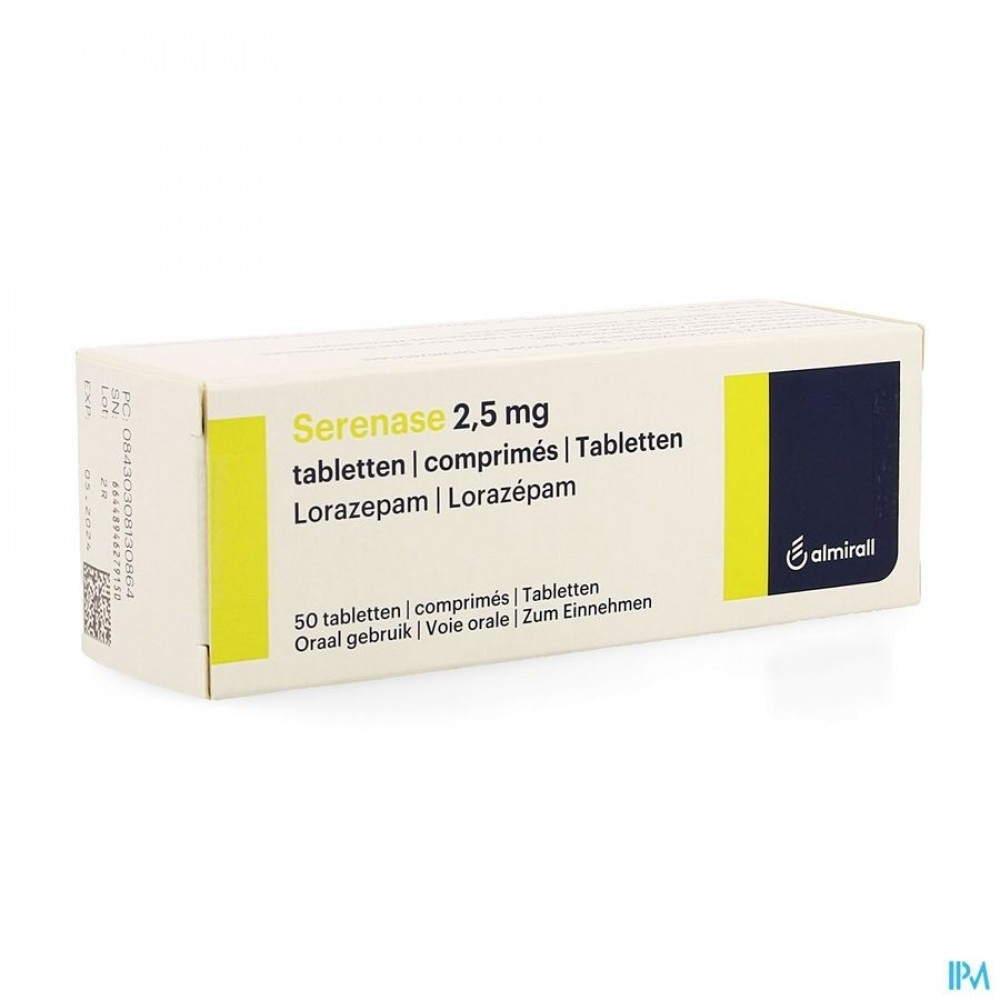
- Страна регистрации
- Форма выпускаTablet, 1 MG
- Код АТХN05AD01
- Действующее вещество
- Отпускается по рецептуДа
- Производитель
- Информация на этой странице носит справочный характер и не является медицинской консультацией. Перед началом приема лекарства обязательно проконсультируйтесь с врачом.
- Аналоги SERENASEФорма выпуска: Injectable solution, 2 MG/MLДействующее вещество: галоперидолаПроизводитель: INDUSTRIA FARMACEUTICA GALENICA SENESE S.R.L.Отпускается по рецептуФорма выпуска: Oral drops, solution, 2 MG/MLДействующее вещество: галоперидолаПроизводитель: TOWA PHARMACEUTICAL S.P.A.Отпускается по рецептуФорма выпуска: Injectable solution, 50 MG/MLДействующее вещество: галоперидолаПроизводитель: ESSENTIAL PHARMA LTDОтпускается по рецепту
Аналоги SERENASE в других странах
Лекарства с тем же действующим веществом, доступные в других странах.
Аналог SERENASE в Польша
Аналог SERENASE в Украина
Аналог SERENASE в Испания
Врачи онлайн по SERENASE
Обсудите применение SERENASE и возможные следующие шаги — по оценке врача.







Получите рецепт на SERENASE онлайн
Заполните форму за 2 минуты
Расскажите о симптомах, истории болезни и нужном препарате.
Выберите врача или мы назначим
Выберите специалиста или мы подберём ближайшего доступного врача.
Врач рассматривает ваш случай
Обычно в течение 30 минут. Может задать уточняющие вопросы в чате.
Получите в любой аптеке
Электронный рецепт отправляется на вашу почту — действителен по всей Польше.
Часто задаваемые вопросы
SERENASE требует рецепта в Италия. Вы можете уточнить у врача онлайн, подходит ли это лекарство для вашей ситуации.
Действующее вещество SERENASE — галоперидола. Эта информация помогает определить лекарства с тем же составом под другими торговыми названиями.
SERENASE производится компанией ISTITUTO LUSO FARMACO D'ITALIA S.P.A.. Упаковка и торговое название могут отличаться в зависимости от дистрибьютора.
Врачи, включая Семейные врачи, Психиатры, Дерматологи, Кардиологи, Эндокринологи, Гастроэнтерологи, Пульмонологи, Нефрологи, Ревматологи, Гематологи, Инфекционисты, Аллергологи, Гериатры, Педиатры, Онкологи, могут оценить целесообразность применения SERENASE с учетом вашей ситуации и местных правил. Вы можете записаться на онлайн-консультацию, чтобы обсудить возможные варианты.
Польша имеет хорошо развитую систему здравоохранения в крупных городах, таких как Варшава, Краков, Вроцлав и Гданьск. Аптеки широко доступны и работают в соответствии с действующим законодательством, обеспечивая доступ к рецептурным препаратам.
Вы можете купить SERENASE в Варшаве, Кракове, Вроцлаве или Гданьске в любой аптеке при наличии действующего рецепта.
Чтобы получить рецепт, вы можете воспользоваться Oladoctor:
Другие лекарства с тем же действующим веществом (галоперидола) включают ALOPERIDOLO GALENIKA SENESE, ALOPERIDOLO PENSA, ALDOL DEKANOAS. Они могут отличаться торговым названием или формой выпуска, но содержат одинаковый терапевтический компонент. Перед изменением лечения рекомендуется проконсультироваться с врачом.
