



ПРОЛАСТИН 1000 МГ/40 МЛ Порошок и раствор для внутривенного инфузионного раствора

Рассмотрение рецепта онлайн
Врач рассмотрит ваш случай и примет решение о назначении рецепта, если это медицински оправдано.

Поговорите с врачом об этом лекарстве
Обсудите симптомы и возможные дальнейшие шаги на онлайн-консультации.



Инструкция по применению PROLASTIN
Содержание инструкции
Prolastin
1000 mg, powder and solvent for infusion solution
alpha-proteinase inhibitor, human
Read this leaflet carefully before you use this medicine as it contains important
information for you.
- Keep this leaflet. You may need to read it again.
- If you have any questions, ask your doctor, pharmacist or nurse.
- This medicine has been prescribed for you only. Do not pass it on to others even if their symptoms are the same as yours, as it could be harmful.
- If you get any side effects, even those not listed in this leaflet, tell your doctor, pharmacist or nurse. See section 4.
Contents of this leaflet:
- 1. What Prolastin is and what it is used for
- 2. What you need to know before you use Prolastin
- 3. How to use Prolastin
- 4. Possible side effects
- 5. How to store Prolastin
- 6. Contents of the pack and other information
1. What is Prolastin and what is it used for
Prolastin belongs to the class of compounds known as protease inhibitors.
Human alpha-1-proteinase inhibitor (alpha-1-PI) is a substance produced by the body that inhibits substances, known as elastases, which damage the lungs. In the event of a hereditary deficiency of alpha-1-proteinase inhibitor, there is an imbalance between the alpha-1-proteinase inhibitor and elastase. This can lead to the progressive destruction of lung tissue and the development of pulmonary emphysema. Pulmonary emphysema is an abnormal swelling of the lungs, accompanied by the destruction of lung tissue.
Prolastin is used to restore the balance between human alpha-1-proteinase inhibitor and elastase in the lung and consequently prevent the worsening of pulmonary emphysema.
Prolastin is indicated for chronic therapy in subjects with alpha-1-proteinase inhibitor deficiency in particular forms as diagnosed by their doctor.
2. What you need to know before using Prolastin
Do not use Prolastin
- if you are allergic (hypersensitive) to the active substance, alpha-proteinase inhibitor, or to any of the other ingredients of Prolastin (listed in section 6).
- if you have a deficiency of certain immunoglobulins (IgA), as in these cases, severe allergic reactions, up to and including anaphylactic shock, may develop.
Warnings and precautions
- Talk to your doctor, pharmacist or nurse before using Prolastin.
- Tell your doctor if your heart is severely weakened (heart failure). Particular attention is required, as Prolastin may cause a temporary increase in blood volume.
Allergic reactions (hypersensitivity)
In rare cases, hypersensitivity reactions to Prolastin may occur even if you have previously tolerated the alpha-proteinase inhibitor well.
Your doctor will inform you about the signs of allergic reactions and what to do if they occur (see also
section 4).
If you experience any signs of an allergic reaction during the infusion of the medicine, inform
your doctor or nurse immediately.
Safety information with reference to the risk of infections
When medicines are produced from human blood or plasma, special precautions are taken to prevent the transmission of infections to patients. These include:
- careful selection of blood and plasma donors, to ensure that donors at risk of transmitting infections are excluded,
- testing for virus/infection markers in both individual donations and plasma pools,
- inclusion of steps in the processing of blood or plasma that are effective in inactivating or removing viruses. Despite these measures, however, the risk of transmitting infections cannot be completely eliminated when administering medicines produced from human blood or plasma. This also applies to unknown or emerging viruses or other types of infections. The measures taken are considered effective against enveloped viruses, such as the human immunodeficiency virus (HIV), hepatitis B and hepatitis C. The measures taken may be of limited effectiveness against non-enveloped viruses such as the hepatitis A virus and parvovirus B19. Infection with parvovirus B19 can be severe in pregnant women (fetal infections) and individuals with a weakened immune system or who suffer from certain forms of anemia (e.g. sickle cell anemia or hemolytic anemia).
If you are treated regularly or repeatedly with proteinase inhibitors derived from human plasma your
doctor may recommend that you consider vaccinations against hepatitis A and B.
It is strongly recommended that, each time you are administered Prolastin, the name and batch number of the
product are recorded in order to maintain a record of the batch of product used.
Smoking
Because the efficacy of Prolastin in the lungs may be compromised by tobacco smoking, smoking cessation is strongly
recommended.
Children and adolescents
No data are available on the use of Prolastin in children and adolescents under 18 years of age.
Other medicines and Prolastin
No interactions between Prolastin and other medicines are known to date.
Tell your doctor or pharmacist if you are taking or have recently taken any other medicines,
including those available without a prescription.
Pregnancy and breastfeeding
Ask your doctor or pharmacist for advice before using any medicine.
There is no experience with the use of Prolastin during pregnancy. Tell your doctor if you are pregnant or
planning a pregnancy.
It is not known whether Prolastin is excreted in breast milk. Ask your doctor if you are breastfeeding.
Driving and using machines
There is no indication that Prolastin impairs the ability to drive vehicles or use machines.
Prolastin contains sodium
Prolastin contains approximately 110.4 mg of sodium (the main component of table salt) per vial. In the case
of a patient weighing 75 kg, this is equivalent to 24.84% of the maximum daily intake of sodium
recommended with the diet for an adult. Talk to your doctor or pharmacist if you have been told to follow a
low-sodium diet.
3. How to use Prolastin
After reconstitution with the solvent provided in the package, Prolastin is administered as an
intravenous infusion. The first infusions with Prolastin will be supervised by a doctor experienced in chronic
obstructive pulmonary diseases.
Home treatment
After the first infusions, a healthcare professional may also administer Prolastin, but only after receiving
adequate training. The treating physician will decide if you are suitable for home treatment, and will ensure
that the healthcare professional is instructed regarding:
- how to prepare and administer the reconstituted infusion solution (see the illustrated instructions at the end of this leaflet),
- how to keep the medicine sterile (aseptic infusion techniques),
- how to keep a treatment diary,
- how to identify undesirable effects, including signs of allergic reactions, and the measures to be taken if such effects occur (see also paragraph 4).
Dose
The amount of Prolastin that is administered to you is based on your body weight. A weekly dose of
60 mg of active substance per kg of body weight (which corresponds, in the case of a 75 kg patient, to
180 ml of reconstituted infusion solution containing 25 mg/ml of alpha-1 proteinase inhibitor (human)) is
usually sufficient to maintain protective levels of alpha-1 proteinase inhibitor in the serum, thus preventing
further worsening of pulmonary emphysema.
Your treating physician will decide the duration of treatment. To date, there are no indications on the need to
limit the duration of treatment.
If you feel that the effect of Prolastin is too strong or too weak, talk to your doctor or pharmacist.
If you use more Prolastin than you should
The consequences of an overdose are unknown.
- If you believe you have used more Prolastin than you should, inform your doctor or healthcare professional, who will take appropriate measures.
If you forget to use Prolastin
- Consult your doctor to decide whether the missed dose should be administered.
- Do not take a double dose to make up for the missed infusion.
If you stop using Prolastin
If treatment with Prolastin is interrupted, your condition may worsen. If you decide to discontinue treatment with
Prolastin prematurely, consult your treating physician.
If you have any questions about the use of this medicine, ask your doctor, pharmacist or nurse.
4. Possible side effects
Like all medicines, Prolastin can cause side effects, although not everybody gets them.
If side effects occur during the infusion of Prolastin, the infusion must be suspended or interrupted
depending on the nature and severity of the side effects.
Possible serious side effects
In rare cases (may affect up to 1 in 1,000 people), reactions of hypersensitivitymay occur; in
very rare cases (may affect up to 1 in 10,000 people); these reactions may present
as anaphylactic reactions of any type, even if you have not shown signs of allergy to previous infusions.
Immediatelyinform the doctor or nurse if you observe any of the following signs:
- Skin rash, urticaria, itching,
- Difficulty swallowing,
- Swelling of the face or mouth,
- Redness,
- Difficulty breathing (dyspnea),
- Low blood pressure,
- Changes in heart rate,
- Chills.
The doctor or healthcare professional will decide whether to slow down or completely stop the infusion and will institute the
necessary therapies.
In case of home treatment , stop the infusion immediatelyand contact the doctor or
healthcare professional.
The following side effects have been observed during treatment with Prolastin:
Uncommon (may affect up to 1 in 100 people):
- Chills, fever, flu-like symptoms, chest pain
- Urticaria
- Dizziness, feeling of “empty head”, headache
- Difficulty breathing (dyspnea)
- Skin rash (rash)
- Nausea
- Joint pain (arthralgia)
Rare (may affect up to 1 in 1,000 people):
- Hypersensitivity reactions
- Fast heartbeat (tachycardia)
- Low blood pressure (hypotension)
- High blood pressure (hypertension)
- Back pain
Very rare (may affect up to 1 in 10,000 people):
- Allergic shock
Reporting of side effects
If you get any side effects, talk to your doctor or pharmacist. You can also report side effects directly through the national reporting system at www.aifa.gov.it/content/segnalazioni-reazioni-avverse .
By reporting side effects you can help provide more information on the safety of this
medicine.
5. How to store Prolastin
Store at a temperature below 25°C.
Do not freeze.
The reconstituted solution must not be refrigerated and must always be used within 3 hours of
preparation. Unused medicine must be discarded.
Do not dispose of any medicine in wastewater or household waste. Ask your pharmacist how to dispose of
medicines you no longer use. This will help protect the environment.
Keep this medicine out of the sight and reach of children.
Do not use Prolastin after the expiry date which is stated on the vial label and on the packaging.
Do not use Prolastin if you notice that the reconstituted solution is not clear.
6. Contents of the pack and other information
What Prolastin contains
- The active substance is alpha-1 proteinase inhibitor, human (i.e. derived from human blood or plasma).
- The other ingredients are sodium chloride, sodium phosphate monobasic, water for injections (solvent/diluent).
Description of the appearance of Prolastin and contents of the pack
Alpha-1 proteinase inhibitor is a powder ranging in colour from white to beige.
The reconstituted solution is clear.
1 ml of the reconstituted solution contains 25 mg of alpha-1 proteinase inhibitor.
The single pack of Prolastin 1000 mg contains:
- 1 vial with powder containing 1,000 mg of alpha-1 proteinase inhibitor, human.
- 1 vial with 40 ml of solvent (water for injections).
- 1 Mix2Vial reconstitution transfer device. The multi-pack of Prolastin contains:
- 4 single packs of Prolastin 1000 mg.
Marketing Authorisation Holder and Manufacturer
Instituto Grifols, S.A.
Can Guasc, 2 - Parets del Vallès
08150 Barcelona – SPAIN
This medicinal product is authorised in the Member States of the European Economic Area with the following
denominations:
| e g Austria Ireland A Italy France Germany Greece | Prolastin |
-----------------------------------------------------------------------------------------------------------------------------------
Information for healthcare professionals and patients eligible for home treatment:
Preparation of the reconstituted infusion solution:
- 1. Work under aseptic conditions (cleaning and sterilisation) to maintain sterility. Perform the reconstitution procedure on a flat work surface.
- 2. Ensure that the vials of Prolastin and the solvent (sterile water for injections) are at room temperature (20-25°C).
- 3. Remove the protective cap from the Prolastin vial and clean the top of the stopper with a swab soaked in alcohol. Allow the rubber stopper to dry.
- 4. Repeat the operation also with the vial of sterile water.
- 5. Open the sterile Mix2Vial pack by tearing off the lid ( Figure 1). Do not remove the device from the pack.
- 6. Place the solvent vial in an upright position on a flat surface. Holding the solvent vial securely, push the blue end of the Mix2Vial downwards until the tip penetrates the stopper ( Figure 2).
- 7. Remove the transparent outer casing from the Mix2Vial and discard it ( Figure 3).
- 8. Place the Prolastin vial in an upright position on a flat surface and invert the solvent vial with the Mix2Vial still attached.
- 9. Holding the Prolastin vial firmly on a flat surface, push the transparent adapter of the Mix2Vial downwards until the tip penetrates the stopper ( Figure 4). The solvent will be automatically transferred into the Prolastin vial due to the vacuum contained within it. Note: if the Mix2Vial is connected obliquely, a loss of vacuum from the product vial may occur and the solvent will not be transferred into the product vial. If the vacuum is lost, use a sterile syringe and needle to remove the sterile water from the solvent vial and inject it into the Prolastin vial, directing the flow of liquid against the wall of the vial.
- 10. With the solvent and Prolastin vials still attached to the Mix2Vial, gently swirl ( Figure 5) until the powder is completely dissolved. Do not shake, to avoid foam formation. The reconstituted solution must be clear. Do not use if particles or discoloration are observed.
- 11. If more than one vial of product is needed to obtain the required dose, repeat the above instructions using a new product pack containing a new Mix2Vial. Do not reuse the Mix2Vial.
- 12. Remove the Mix2Vial ( Figure 6) and proceed with administering the product aseptically.
| Poland Portugal Netherlands | |
| Denmark Finland Norway Spain Sweden | Prolastina |
| Belgium | Pulmolast |
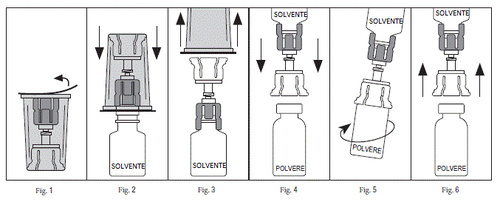
Complete dissolution must be achieved within 5 minutes.
Use only clear solutions. Prolastin must not be mixed with other infusion solutions.
The reconstituted solution must always be administered within 3 hours of its preparation.
The reconstituted solution must be administered by slow intravenous infusion using an appropriate
intravenous infusion set (not included). The infusion rate should not exceed 0.08 ml per kg of body
weight (equivalent to 6 ml in a 75 kg patient) per minute.
Prolastin
4 000 mg powder and solvent for infusion solution
5 000 mg powder and solvent for infusion solution
Alpha1-proteinase inhibitor, human
Read this leaflet carefully before you start to use this medicine as it contains important
information for you.
- Keep this leaflet. You may need to read it again.
- If you have any questions, ask your doctor, pharmacist or nurse.
- This medicine has been prescribed for you only. Do not pass it on to others, even if their symptoms are the same as yours, as it could be harmful.
- If you get any side effects, even those not listed in this leaflet, tell your doctor, pharmacist or nurse. See section 4.
Contents of this leaflet:
- 1. What Prolastin is and what it is used for
- 2. What you need to know before you use Prolastin
- 3. How to use Prolastin
- 4. Possible side effects
- 5. How to store Prolastin
- 6. Contents of the pack and other information
1. What is Prolastin and what is it used for
Prolastin belongs to the class of compounds known as protease inhibitors.
Alpha-1 proteinase inhibitor (alpha-PI) is a substance produced by the body that inhibits substances,
known as elastases, which damage the lungs. In the case of a hereditary deficiency of alpha-PI
there is an imbalance between alpha-PI and elastases. This can lead to the progressive destruction of lung tissue
and the development of pulmonary emphysema. Pulmonary emphysema is an abnormal swelling of the
lungs, accompanied by the destruction of lung tissue. Prolastin is used to restore the
balance between alpha-PI and elastases in the lung and consequently prevent the worsening
of pulmonary emphysema.
Prolastin is indicated for chronic therapy in subjects with alpha-1 proteinase inhibitor deficiency in particular forms
as diagnosed by their doctor.
2. What you need to know before using Prolastin
Do not use Prolastin
- if you are allergic (hypersensitive) to the active ingredient, alpha1-proteinase inhibitor, or to any of the other ingredients of Prolastin (listed in section 6).
- if you have a deficiency of certain immunoglobulins (IgA), as in these cases, severe allergic reactions, up to anaphylactic shock, may develop.
Warnings and precautions
- Talk to your doctor, pharmacist or nurse before using Prolastin.
- Tell your doctor if your heart is severely weakened (heart failure). Particular attention is required, as Prolastin may cause a temporary increase in blood volume.
Allergic reactions (hypersensitivity)
In rare cases, hypersensitivity reactions to Prolastin may occur even if you have previously tolerated the alpha1-proteinase inhibitor well.
The doctor will inform you about the signs of allergic reactions and what to do if they occur (see also
section 4).
If you experience any signs of an allergic reaction during the infusion of the medicine, inform
your doctor or nurse immediately.
Safety information with reference to the risk of infections
When medicines are produced from human blood or plasma, special precautions are taken to prevent the transmission of infections to patients. These include:
- careful selection of blood and plasma donors, to ensure that donors at risk of transmitting infections are excluded,
- testing for virus/infection markers both in individual donations and in plasma pools,
- inclusion of steps in the processing of blood or plasma that are effective in inactivating or removing viruses. Despite these measures, however, the risk of transmitting infections cannot be completely excluded when administering medicines produced from human blood or plasma. This also applies to unknown or emerging viruses or other types of infections.
The measures taken are considered effective against enveloped viruses, such as human immunodeficiency virus (HIV), hepatitis B and hepatitis C. The measures taken may be of limited effectiveness against
non-enveloped viruses such as the hepatitis A virus and parvovirus B19. Parvovirus B19 infection can
be severe in pregnant women (fetal infections) and individuals with a compromised immune system or who suffer from certain forms of anemia (e.g. sickle cell anemia or hemolytic anemia).
If you are treated regularly or repeatedly with proteinase inhibitors derived from human plasma, your
doctor may recommend that you consider vaccination against hepatitis A and B.
It is strongly recommended that, each time you are administered Prolastin, the name and batch number of the
product are recorded in order to maintain a record of the batch of product used.
Smoking
Because the efficacy of Prolastin in the lungs may be compromised by tobacco smoking, smoking cessation is strongly recommended.
Children and adolescents
No data are available on the use of Prolastin in children and adolescents under the age of 18.
Other medicines and Prolastin
No interactions between Prolastin and other medicines are known to date.
Tell your doctor or pharmacist if you are taking or have recently taken any other medicines,
including those available without a prescription.
Pregnancy and breastfeeding
Ask your doctor or pharmacist for advice before using any medicine.
There is no experience with the use of Prolastin during pregnancy. Tell your doctor if you are pregnant or planning a pregnancy.
It is not known whether Prolastin is excreted in breast milk. Ask your doctor if you are breastfeeding.
Driving and using machines
There is no indication that Prolastin impairs the ability to drive vehicles or use machines.
Prolastin contains sodium
Prolastin 4000 mg contains approximately 441.6 mg of sodium (the main component of table salt), Prolastin 5000 mg contains approximately 552 mg of sodium (the main component of table salt).
In the case of a 75 kg patient, a recommended dose is equivalent to 24.84% of the maximum daily intake of sodium recommended with the diet for an adult. Talk to your doctor or pharmacist if you have been recommended to follow a low-salt (sodium) diet.
3. How to use Prolastin
After reconstitution with the solvent provided in the package, Prolastin is administered as an
intravenous infusion. The first infusions with Prolastin will be supervised by a doctor experienced in chronic
obstructive pulmonary diseases.
Home treatment
After the first infusions, a healthcare professional may also administer Prolastin, but only after
receiving adequate training. The treating doctor will decide if you are suitable for home treatment, and will
ensure that the healthcare professional is instructed regarding:
- how to prepare and administer the reconstituted infusion solution (see the illustrated instructions at the end of this leaflet),
- how to keep the medicine sterile (aseptic infusion techniques),
- how to keep a treatment diary,
- how to identify undesirable effects, including signs of allergic reactions, and the measures to be taken if such effects occur (see also paragraph 4).
Dose
The amount of Prolastin that is administered to you is based on your body weight. A weekly dose of
60 mg of active substance per kg of body weight (which corresponds, in the case of a 75 kg patient, to
180 mL of reconstituted infusion solution containing 25 mg/mL of alpha1-proteinase inhibitor,
human) is usually sufficient to maintain protective levels of alpha1-proteinase inhibitor in the serum,
thus preventing further worsening of pulmonary emphysema.
Your treating doctor will decide the duration of treatment. To date, there are no indications on the need to
limit the duration of treatment.
If you feel that the effect of Prolastin is too strong or too weak, talk to your doctor or pharmacist.
If you use more Prolastin than you should
The consequences of an overdose are not known to date.
- If you believe you have used more Prolastin than you should, inform your doctor or healthcare professional, who will take appropriate measures.
If you forget to use Prolastin
- Consult your doctor to decide whether the missed dose should be administered.
- Do not take a double dose to make up for a missed infusion.
If you stop using Prolastin
If treatment with Prolastin is stopped, your condition may worsen. If you decide to discontinue treatment with
Prolastin prematurely, consult your treating doctor.
If you have any questions about the use of this medicine, ask your doctor, pharmacist or nurse.
4. Possible side effects
Like all medicines, Prolastin can cause side effects, although not everybody gets them.
If side effects occur during the Prolastin infusion, the infusion must be suspended or
interrupted in relation to the nature and severity of the side effects.
Possible serious side effects
In rare cases (may affect up to 1 in 1,000 people), reactions of hypersensitivitymay occur; in
very rare cases (may affect up to 1 in 10,000 people) these reactions may present
as anaphylactic reactions of any type, even if you have not shown signs of allergy to previous
infusions.
Immediatelyinform your doctor or nurse if you observe any of the following signs:
- Skin rash, hives, itching,
- Difficulty swallowing,
- Swelling of the face or mouth,
- Redness,
- Difficulty breathing (dyspnea),
- Low blood pressure,
- Changes in heart rate,
- Chills.
The doctor or healthcare professional will decide whether to slow down or completely stop the infusion and will institute the
appropriate therapies necessary.
In case of home treatment , immediately stop the infusionand contact your doctor or
healthcare professional.
The following side effects have been observed during treatment with Prolastin:
Uncommon (may affect up to 1 in 100 people):
- Chills, fever, flu-like symptoms, chest pain
- Hives
- Dizziness, feeling of “emptiness” in the head, headache
- Difficulty breathing (dyspnea)
- Skin rash (rash)
- Nausea
- Joint pain (arthralgia)
Rare (may affect up to 1 in 1,000 people):
- Hypersensitivity reactions
- Fast heartbeat (tachycardia)
- Low blood pressure (hypotension)
- High blood pressure (hypertension)
- Back pain
Very rare (may affect up to 1 in 10,000 people):
- Allergic shock
Reporting of side effects
If you get any side effects, even those not listed in this leaflet, tell your
doctor, pharmacist or nurse. You can also report side effects directly through
the national reporting system at www.aifa.gov.it/content/segnalazioni-reazioni-avverse .
By reporting side effects you can help provide more information on the safety of
this medicine.
5. How to store Prolastin
Store at a temperature below 25°C.
Do not freeze.
The reconstituted solution must not be refrigerated and must always be used within 3 hours of
preparation. Unused medicine must be discarded.
Do not dispose of any medicine in wastewater or household waste. Ask your pharmacist how to dispose of
medicines you no longer use. This will help protect the environment.
Keep this medicine out of sight and reach of children.
Do not use Prolastin after the expiry date which is stated on the vial label and on the packaging.
6. Package Contents and Other Information
Information about the contents of Prolastin
- The active ingredient is alpha1-proteinase inhibitor, human (i.e. derived from human blood or plasma).
- The other ingredients are sodium chloride, disodium hydrogen phosphate, water for injections (solvent/diluent).
Description of the appearance of Prolastin and contents of the pack
Alpha1-proteinase inhibitor is a white, light yellow or light brown, powdery or friable mass.
After reconstitution with water for injections, the solution should be from clear to slightly opalescent, colourless, light green, light yellow or light brown and free from visible particulate matter.
1 mL of the reconstituted solution contains 25 mg of alpha1-proteinase inhibitor.
A single pack contains:
Prolastin 4000 mg powder and solvent for infusion solution:
- 1 vial with powder containing 4000 mg of human alpha1-proteinase inhibitor.
- 1 vial with 160 mL of solvent (water for injections).
- 1 transfer device for reconstitution.
Prolastin 5000 mg powder and solvent for infusion solution:
- 1 vial with powder containing 5000 mg of human alpha1-proteinase inhibitor.
- 1 vial with 200 mL of solvent (water for injections).
- 1 transfer device for reconstitution.
Marketing Authorisation Holder and Manufacturer
Instituto Grifols, S.A.
Can Guasch, 2 - Parets del Vallès
08150 Barcelona - SPAIN
This medicinal product is authorised in the Member States of the European Economic Area with the following
denominations:
Prolastin [4000 mg/5000 mg]: Austria, Ireland, Italy, France, Germany, Greece, Netherlands,
Poland, Portugal
Prolastina [4000 mg/5000 mg]: Denmark, Finland, Norway, Spain, Sweden
Pulmolast [4000 mg/5000 mg]: Belgium.
Detailed information on this medicinal product is available on the website of the Italian Medicines Agency (AIFA): http://www.agenziafarmaco.it .
Information for healthcare professionals and for patients eligible for home treatment:
Preparation of the reconstituted infusion solution:
- 1. Work under aseptic conditions (cleaning and sanitisation) in order to maintain sterility. Perform the reconstitution procedure on a flat work surface.
- 2. Ensure that the vials containing Prolastin powder and the solvent (sterile water for injections) are at room temperature (20 – 25 °C).
- 3. Remove the protective cap from the Prolastin vial and the solvent vial and clean the crimps and stoppers with an alcohol-soaked swab. Allow the rubber stoppers to dry.
a
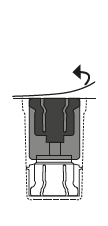 |
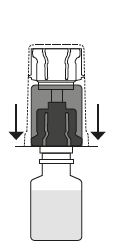 |
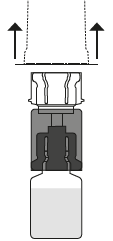 |
- 10. If more than one vial of product is needed to obtain the required dose, repeat the above instructions using another pack of product containing a new transfer adapter. Do not reuse the adapter.
Complete dissolution must be achieved within approximately 15 minutes for Prolastin 4000 mg or 5000 mg.
Use only a solution that is from clear to slightly opalescent, colourless, light green, light yellow or light brown and free from visible particulate matter. Prolastin must not be mixed with other infusion solutions. The reconstituted solution must always be administered within 3 hours of its preparation.
The reconstituted solution must be administered by slow intravenous infusion using a suitable intravenous infusion set (not included). The infusion rate should not exceed 0.08 mL per kg of body weight (equivalent to 6 mL in a 75 kg patient) per minute.
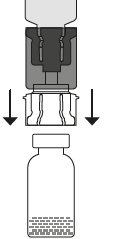 |
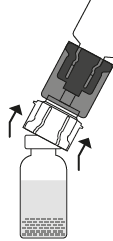 | o
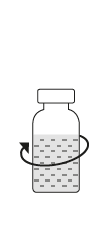 |

Не уверены, подходит ли вам это лекарство?
Обсудите симптомы и варианты лечения с врачом онлайн.

Уже начали прием и появились вопросы?
Обсудите свое состояние и дальнейшие шаги с врачом онлайн.
- Страна регистрации
- Форма выпускаPowder and solvent for intravenous infusion solution, 1000 MG/40 ML
- Код АТХB02AB02
- Действующее вещество
- Отпускается по рецептуДа
- Производитель
- Информация на этой странице носит справочный характер и не является медицинской консультацией. Перед началом приема лекарства обязательно проконсультируйтесь с врачом.
- Аналоги PROLASTINФорма выпуска: Powder and solvent for intravenous infusion solution, 1000 MG/40 MLДействующее вещество: alfa1 antitrypsinПроизводитель: GRIFOLS ITALIA S.P.A.Отпускается по рецептуФорма выпуска: Powder and solvent for injectable solution, 1000 MGДействующее вещество: alfa1 antitrypsinПроизводитель: CSL BEHRING GMBHОтпускается по рецептуФорма выпуска: Film-coated tablet, 500 MGДействующее вещество: Транексамовая кислотаПроизводитель: APC PHARMLOG SP. Z O.O.Отпускается по рецепту
Аналоги PROLASTIN в других странах
Лекарства с тем же действующим веществом, доступные в других странах.
Аналог PROLASTIN в Польша
Аналог PROLASTIN в Испания
Аналог PROLASTIN в Украина
Врачи онлайн по PROLASTIN
Обсудите применение PROLASTIN и возможные следующие шаги — по оценке врача.









Получите рецепт на PROLASTIN онлайн
Заполните форму за 2 минуты
Расскажите о симптомах, истории болезни и нужном препарате.
Выберите врача или мы назначим
Выберите специалиста или мы подберём ближайшего доступного врача.
Врач рассматривает ваш случай
Обычно в течение 30 минут. Может задать уточняющие вопросы в чате.
Получите в любой аптеке
Электронный рецепт отправляется на вашу почту — действителен по всей Польше.
Часто задаваемые вопросы
PROLASTIN требует рецепта в Италия. Вы можете уточнить у врача онлайн, подходит ли это лекарство для вашей ситуации.
Действующее вещество PROLASTIN — alfa1 antitrypsin. Эта информация помогает определить лекарства с тем же составом под другими торговыми названиями.
PROLASTIN производится компанией INSTITUTO GRIFOLS S.A.. Упаковка и торговое название могут отличаться в зависимости от дистрибьютора.
Врачи, включая Семейные врачи, Психиатры, Дерматологи, Кардиологи, Эндокринологи, Гастроэнтерологи, Пульмонологи, Нефрологи, Ревматологи, Гематологи, Инфекционисты, Аллергологи, Гериатры, Педиатры, Онкологи, могут оценить целесообразность применения PROLASTIN с учетом вашей ситуации и местных правил. Вы можете записаться на онлайн-консультацию, чтобы обсудить возможные варианты.
Польша имеет хорошо развитую систему здравоохранения в крупных городах, таких как Варшава, Краков, Вроцлав и Гданьск. Аптеки широко доступны и работают в соответствии с действующим законодательством, обеспечивая доступ к рецептурным препаратам.
Вы можете купить PROLASTIN в Варшаве, Кракове, Вроцлаве или Гданьске в любой аптеке при наличии действующего рецепта.
Чтобы получить рецепт, вы можете воспользоваться Oladoctor:
Другие лекарства с тем же действующим веществом (alfa1 antitrypsin) включают PLITALFA, RESPREETSA, AKIDO TRANEXAMIKO APK PARMLOG. Они могут отличаться торговым названием или формой выпуска, но содержат одинаковый терапевтический компонент. Перед изменением лечения рекомендуется проконсультироваться с врачом.
