



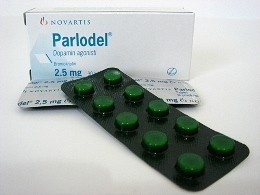
PARLODEL 2.5 мг Коированные таблетки

Рассмотрение рецепта онлайн
Врач рассмотрит ваш случай и примет решение о назначении рецепта, если это медицински оправдано.

Поговорите с врачом об этом лекарстве
Обсудите симптомы и возможные дальнейшие шаги на онлайн-консультации.



Инструкция по применению PARLODEL
Содержание инструкции
PARLODEL 5 mg hard capsules, 10 mg hard capsules
Bromocriptine mesylate
Read this leaflet carefully before taking this medicine because it contains important
information for you.
- Keep this leaflet. You may need to read it again.
- If you have any questions, ask your doctor or pharmacist.
- This medicine has been prescribed for you only. Do not pass it on to others, even if they have the same symptoms as you, as it could be harmful.
- If you get any side effects, even those not listed in this leaflet, tell your doctor or pharmacist. See section 4.
Contents of this leaflet:
- 1. What PARLODEL is and what it is used for
- 2. What you need to know before you take PARLODEL
- 3. How to take PARLODEL
- 4. Possible side effects
- 5. How to store PARLODEL
- 6. Contents of the pack and other information
1. What is PARLODEL and what is it used for
PARLODEL contains bromocriptine, a substance used for the treatment in adultsof Parkinson's disease(idiopathic, arteriosclerotic, post-encephalitic), a disease of the central nervous system that manifests, for example, with tremors, muscle rigidity, slowing of movements, difficulty in maintaining balance.
PARLODEL is useful:
- in patients who no longer respond perfectly to therapy with levodopa (another medicine used for the treatment of Parkinson's disease) or who experience “on-off” phenomena (periods of good mobility alternating with periods of motor blockage);
- as initial or for mild cases, alone or in combination with other medicines;
- for the treatment of disorders of the endocrine system that produce substances called hormones.
See your doctor if you do not feel better or if you feel worse.
2. What you need to know before taking PARLODEL
Do not take PARLODEL
- if you are allergic to bromocriptine mesylate, to another ergot alkaloid or to any of the other ingredients of this medicine (listed in section 6);
- if you have uncontrolled high blood pressure;
- if you have had blood pressure problems during pregnancy or after childbirth, such as eclampsia, pre-eclampsia, pregnancy-induced high blood pressure, high blood pressure after delivery;
- if you have, or have had in the past, heart disease, or other severe diseases of the blood vessels;
- if you have, or have had in the past, serious mental health problems;
- if you have an impairment of your heart function (cardiac valvopathy) and need to undergo long-term treatment with bromocriptine
Warnings and precautions
Talk to your doctor or pharmacist before taking PARLODEL.
Pay particular attention and ask your doctor for advice before taking Parlodel if:
- you suffer from or have suffered from stomach injuries (peptic ulcer) or severe bleeding in the stomach and intestines (gastrointestinal bleeding), because your doctor will advise you to take another medicine;
- you suffer from liver problems (because your doctor will need to assess the dosage most suitable for your case);
- you are a patient with Parkinson's disease and have previously suffered from psychotic disorders, impaired cardiac function, ulcer or gastric bleeding.
You must tell your doctor immediatelyif you experience:
- gastrointestinal disorders, in which case stop treatment;
- difficulty breathing (dyspnea), chest pain, dry cough as these may be symptoms of serious impairment of your lungs or heart (pleural and pericardial effusions, pleural and pulmonary fibrosis or constrictive pericarditis);
- back pain and/or fluid accumulation in the lower limbs (edema) and impaired kidney function, as these may be symptoms of a rare condition characterized by the formation of inflammatory and fibrous tissue in the posterior abdominal wall (retroperitoneal fibrosis);
- visual disturbances.
Also, tell your doctor if you develop behavioral disorders in impulse control (including
gambling addiction, increased obsessive desire and sexual thoughts, compulsive shopping or excessive spending and eating disorders such as bulimia and uncontrolled
urge to eat).
Before starting treatment with PARLODEL, tell someone in your family or who cares for you to
inform the doctor if they notice that you are developing unusual urges, desires, behaviors
or engaging in activities that could harm yourself or others.
The doctor in these cases will evaluate a reduction of the dose or gradual discontinuation until interruption of
treatment.
If you are a woman, before starting treatment and during therapy with this medicine, your doctor will
subject you to gynecological visits every six months or annually and blood tests to assess hormonal levels.
If you are being treated with bromocriptine you must first exclude the presence of a pituitary adenoma (benign
tumor of the pituitary gland), because in this case pregnancy must be avoided. If this
condition is excluded, treatment with bromocriptine should be stopped as soon as possible after
conception; your doctor will tell you how to perform an early pregnancy test.
If you are a sterile patient being treated with bromocriptine for some hormonal disorders such as galactorrhea,
prolactin-dependent amenorrhea, menstrual disorders or acromegaly, keep in mind that bromocriptine
may eliminate infertility and make you fertile. In this case, if you do not want a pregnancy, you must
use a barrier method of contraception (e.g. condom or diaphragm) or other non-hormonal methods to prevent
the establishment of a pregnancy (see also “Pregnancy, breastfeeding and fertility”).
If you have just given birth you may be at higher risk of developing certain conditions.
These may include high blood pressure, headache (with or without visual disturbances), or
mental problems.
Tell your doctor or pharmacist if you have recently taken or are taking medicines that can
alter blood pressure. The doctor will need to monitor blood pressure values regularly in the first few days of treatment.
Talk to your doctor immediately if you experience episodes of increased blood pressure,
chest pain, unusual and persistent headache with or without visual disturbances (see section 4 “Possible
side effects”).
Other medicines and PARLODEL
Tell your doctor or pharmacist if you are taking, have recently taken or might take any
other medicine.
In particular, tell your doctor or pharmacist if you are taking any of the following medicines:
- ergot alkaloids or hypotensive agents(medicines that lower blood pressure);
- medicines that affect how the liver or intestines worksuch as azole antifungals(medicines for the treatment of fungal skin infections) and medicinesfor the treatmentof AIDS(HIV protease inhibitors);
- some medicinesused for the treatment of infections caused by bacteria (erythromycin and josamycin or macrolide antibiotics);
- medicinesthat have an effect on the nervous system, such as antipsychotics (phenothiazines, butyrophenones and thioxanthenes) used for the treatment of mental disorders;
- metoclopramide and domperidone(medicines for vomiting and nausea).
PARLODEL with alcohol
Avoiddrinking alcohol if you are taking this medicine.
Pregnancy and breastfeeding and fertility
If you are pregnant, suspect you may be pregnant, are planning to become pregnant, or are breastfeeding,
ask your doctor for advice before taking this medicine.
Pregnancy
Do not take this medicine during pregnancy or if you suspect you are pregnant, unless your doctor
considers it necessary for you to continue taking it.
The doctor will prescribe PARLODEL only if absolutely necessary.
Breastfeeding
Do not take this medicine if you are breastfeeding.
Fertility
If you start taking this medicine you may return to being fertile, so if you do not intend to become
pregnant you must use an adequate method of mechanical contraception (such as a condom or
diaphragm).
Driving and using machines
Parlodel impairs the ability to drive vehicles and use machines.
In fact, especially at the beginning of therapy, a decrease in blood
pressure with reduced alertness may occur.
Also, if you experience episodes of drowsiness or
sudden sleep attacks during treatment with this medicine, do not drive vehicles and do not use machinery, at least until these
symptoms have resolved.
PARLODEL contains lactose
If your doctor has diagnosed you with intolerance to some sugars, contact him before taking this
medicine.
3. How to take PARLODEL
Take this medicine following exactly the instructions of your doctor or pharmacist. If you have
any doubts, consult your doctor or pharmacist.
How much to take
Initial dose: 2.5 mg 2 times a day.
Recommended dose: 10-20 mg per day.
Maximum recommended dose: 30 mg per day.
If you are also taking levodopa (another medicine to treat Parkinson's disease), your doctor will tell you
how to reduce the dose of levodopa.
The duration of treatment will be established by the doctor according to your state of health.
How to take PARLODEL
The capsules must always be taken with meals.
Use in children and adolescents
There is no indication for a specific use of PARLODEL in children and adolescents.
If you take more PARLODEL than you should
In case of accidental ingestion/intake of an excessive dose of PARLODEL, immediately inform your
doctor or go to the nearest hospital.
The symptomsyou may experience are:
- nausea and vomiting
- dizziness
- decrease in blood pressure
- decrease in blood pressure when moving from a sitting or lying position to a standing position
- increased heart rate
- state of stupor
- drowsiness
- deep sleep with reduced response to normal stimuli
- perception of non-existent things
Treatment
The doctor will perform the appropriate supportive therapy (such as the administration of activated charcoal,
metoclopramide or gastric lavage), after having assessed the symptoms and their severity.
If you forget to take PARLODEL
Do not take a double dose to make up for the forgotten capsule.
If you stop taking PARLODEL
You should not suddenly stop taking this medicine, especially if administered
at high doses. If you intend to stop taking the medicine, talk to your doctor first, who will
advise you when and how to stop it.
If you stop treatment with PARLODEL you may experience a serious nervous system disorder
(Neuroleptic Malignant Syndrome) or drug withdrawal syndrome (see section “Possible side
effects”).
If you have any doubts about the use of this medicine, ask your doctor or pharmacist.
4. Possible side effects
Like all medicines, this medicine can cause side effects, although not everybody gets them.
Contact your doctor immediatelyif you experience any of the following side effects during treatment with PARLODEL, because your doctor will evaluate stoppingthe treatment:
- drowsiness
- sudden sleepiness
- gastrointestinal disorders: stomach lesion (gastrointestinal ulcer)
- severe stomach and intestinal bleeding (gastrointestinal hemorrhage)
- difficulty breathing (dyspnea), chest pain, dry cough, as these may be symptoms of serious changes in the function of your lungs or heart (pleural and pericardial effusions, pleural and pulmonary fibrosis or constrictive pericarditis)
- back pain and swelling of the legs (peripheral edema), as these may be symptoms of a rare condition characterized by the formation of inflammatory and fibrous tissue in the posterior abdominal wall (retroperitoneal fibrosis).
In particular, if you have given birthcontact your doctor immediatelyif you experience any of the following side effects, because treatment will be stoppedwith this medicine:
- increased blood pressure
- severe headache with or without visual disturbances
- chest pain
- seizures.
The following side effects have been observed and reported during treatment with PARLODEL with the frequencies indicated below:
Common(may affect up to 1 in 10 people)
- headache
- state of torpor
- dizziness
- blocked nose (nasal congestion)
- nausea, vomiting, constipation
Uncommon(may affect up to 1 in 100 people)
- confusion
- excessive repetitive motor activity (psychomotor agitation)
- perception of things that do not exist in reality (hallucinations)
- difficulty with movements (dyskinesia)
- decrease in blood pressure
- decrease in blood pressure after moving from a sitting or lying position to standing, accompanied by symptoms such as dizziness/lightheadedness that can lead to fainting
- dry mouth
- allergic skin reactions
- hair loss
- leg cramps
- feeling of fatigue
Rare(may affect up to 1 in 1,000 people)
- mental disorders
- insomnia
- drowsiness
- sensation of numbness and tingling in legs, arms or other parts of the body (paresthesia)
- vision disorders
- blurred vision
- ringing in the ears (tinnitus)
- problems with the lining of the heart called the pericardium (pericardial effusion or constrictive pericarditis)
- increased heart rate (tachycardia)
- decreased heart rate (bradycardia)
- irregular heartbeat (arrhythmia)
- lung problems (pleural effusions, fibrosis of the pleura, pleuritis, pulmonary fibrosis)
- difficulty breathing (dyspnea)
- diarrhea
- abdominal pain
- a rare disease characterized by the formation of inflammatory and fibrous tissue in the posterior abdominal wall (retroperitoneal fibrosis)
- bleeding from the stomach or intestine (gastrointestinal hemorrhage)
- lesions of the stomach or intestine (gastrointestinal ulcer)
- fluid accumulation in the arms or legs (peripheral edema)
Very rare(may affect up to 1 in 10,000 people)
- increased sexual desire (increased libido)
- altered sexual interest (hypersexuality)
- gambling addiction
- excessive daytime sleepiness, sudden sleepiness
- heart valve disease, including regurgitation, pleural and pericardial effusions
- reversible paleness of the fingers of the hands and feet determined by the cold (especially in patients suffering from a blood circulation disorder called Raynaud's phenomenon)
- a neurological problem called Neuroleptic Malignant Syndrome.
Not known(frequency cannot be estimated from the available data)
- Withdrawal syndrome: apathy, anxiety, depression, fatigue, sweating, pain.
The following side effects can occur:
Inability to resist the urge to perform actions that could be harmful, which may include:
- a strong urge to gamble excessively, despite serious personal or family consequences
- altered or increased sexual interest and behavior that causes significant concern to you or others, such as an increased sexual desire
- compulsive shopping or excessive spending
- binge eating (eating large amounts of food in a short period of time) or bulimia (eating more food than normal and more than is needed to satisfy your hunger) Tell your doctor if any of these behaviors occur, so he can decide how to intervene to manage or reduce the symptoms.
Reporting of side effects
If you get any side effects, talk to your doctor or pharmacist. You can also report side effects directly through the national reporting system http://www. aifa.gov.it/content/segnalazioni-reazioni-avverse.
By reporting side effects you can help provide more information on the safety of this medicine.
5. How to store PARLODEL
Keep this medicine out of the sight and reach of children.
Do not store at a temperature above 25°C.
Do not use this medicine after the expiry date which is stated on the pack after “Exp.”. The expiry date refers to the last day of that month.
Do not dispose of any medicine in waste water or household waste. Ask your pharmacist how to dispose of medicines you no longer use. This will help protect the environment.
6. Contents of the pack and other information
What PARLODEL contains
PARLODEL 5 mg hard capsules
- The active ingredient is bromocriptine mesylate. Each capsule contains 5.735 mg of bromocriptine mesylate corresponding to 5 mg of bromocriptine base.
- The other ingredients are: anhydrous colloidal silica, magnesium stearate, maleic acid, dried corn starch, lactose(see paragraph “PARLODEL contains lactose”), titanium dioxide (E171), indigotine, gelatin.
PARLODEL 10 mg hard capsules
- The active ingredient is bromocriptine mesylate. Each capsule contains 11.470 mg of bromocriptine mesylate corresponding to 10 mg of bromocriptine base.
- The other ingredients are: anhydrous colloidal silica, magnesium stearate, maleic acid, corn starch, lactose(see paragraph “PARLODEL contains lactose”), titanium dioxide (E171), gelatin.
Description of the appearance of PARLODEL and contents of the pack
PARLODEL 5 mg hard capsules are presented in the form of white-blue capsules contained in a
blister. Each pack contains 30 capsules.
PARLODEL 10 mg hard capsules are presented in the form of white capsules contained in a blister.
Each pack contains 20 capsules.
Marketing Authorisation Holder
Exeltis Italia S.r.l.
Via Lombardia, 2/A
20068 Peschiera Borromeo (MI)
Italy
Manufacturer
Mylan Hungary Kft/Mylan Hungary Ltd., Mylan utca 1, H-2900 Komárom (Hungary)
Madaus GmbH, Luetticher Strasse 5, 53842 Troisdorf (Germany)
PARLODEL 2,5 mg tablets
Bromocriptine mesylate
Read this leaflet carefully before taking this medicine as it contains important information for you.
- Keep this leaflet. You may need to read it again.
- If you have any questions, ask your doctor or pharmacist.
- This medicine has been prescribed for you only. Do not pass it on to others, even if they have the same symptoms as you, as it may be harmful.
- If you get any side effects, even those not listed in this leaflet, tell your doctor or pharmacist. See section 4.
Contents of this leaflet:
- 1. What PARLODEL is and what it is used for
- 2. What you need to know before you take PARLODEL
- 3. How to take PARLODEL
- 4. Possible side effects
- 5. How to store PARLODEL
- 6. Contents of the pack and other information
1. What is PARLODEL and what is it used for
PARLODEL contains bromocriptine, a substance used for the treatment in adultsof certain disorders
of the endocrine system (responsible for the production of hormones) and to counteract the symptoms associated with
Parkinson's disease.
In particular, for the treatment of endocrine system disorders, this medicine is used:
- to treat galactorrhea(abnormal milky secretion from the nipple), with or without amenorrhea (absence of menstruation), without apparent cause (idiopathic, Argonz-del Castillo syndrome), caused by a tumor (Forbes-Albright syndrome), caused by drugs (e.g. psychotropic or contraceptive) for
- to treat hyperprolactinemic infertility,(infertility associated with increased levels of prolactin in men or women);
- to prevent or stop milk productionexclusively for clinical reasons, if the doctor has decided that it is necessary. Bromocriptine should not be used routinely to stop milk production. Furthermore, it should not be used to relieve the symptoms of painful breast engorgement following childbirth when these can be adequately treated with non-pharmacological measures (such as stable breast support, ice packs…) and/or pain relievers;
- in womento treat prolactin-dependent amenorrhea(absence of menstruation in fertile age caused by altered prolactin production) without galactorrhea;
- in womento treat menstrual cycle disorders(short luteal phase);
- inmento treat prolactin-dependent male hypogonadism(decreased testicular function caused by altered prolactin production);
- to treat acromegaly(disease due to increased production of a substance in the body called growth hormone; during adulthood) as a support to surgical and/or radiotherapy treatment or as independent therapy;
for the treatment of Parkinson's disease(idiopathic or arteriosclerotic) a disease of the central nervous
system that manifests, for example, with tremor, muscle rigidity, slowing of movements,
difficulty maintaining balance, this medicine is used:
- in patients who no longer respond perfectly to levodopa therapy or who experience “on-off” phenomena (periods of good mobility alternating with periods of motor blockage);
- as initial or mild case treatment, alone or in combination with other medicines.
See your doctor if you do not feel better or if you feel worse.
2. What you need to know before taking PARLODEL
Do not take PARLODEL
- if you are allergic to bromocriptine mesylate, to another ergot alkaloid or to any of the other ingredients of this medicine (listed in section 6);
- if you have uncontrolled high blood pressure;
- if you have had blood pressure problems during pregnancy or after childbirth, such as eclampsia, pre-eclampsia, pregnancy-induced high blood pressure, high blood pressure after delivery;
- if you have, or have had in the past, heart disease, or other severe diseases of the blood vessels;
- if you have, or have had in the past, serious mental health problems;
- if you have an impairment of your heart function (cardiac valvopathy) and are to undergo long-term treatment with bromocriptine
Warnings and precautions
Talk to your doctor or pharmacist before taking PARLODEL
Pay particular attention and ask your doctor for advice before taking PARLODEL if:
- you suffer from or have suffered from stomach injuries (peptic ulcer) or severe bleeding in the stomach and intestines (gastrointestinal bleeding), because your doctor will advise you to take another medicine;
- you suffer from liver problems (because your doctor will need to assess the dosage most suitable for your case);
- you are a patient with Parkinson's disease and have previously suffered from psychotic disorders, impaired cardiac function, ulcer or gastric bleeding.
You must tell your doctor immediatelyif you should experience:
- gastrointestinal disorders, in which case interrupt the treatment;
- difficulty breathing (dyspnea), chest pain, dry cough as these may be symptoms of severe impairment of your lungs or heart (pleural and pericardial effusions, pleural and pulmonary fibrosis or constrictive pericarditis);
- back pain and/or fluid accumulation in the lower limbs (edema) and impaired kidney function, as these may be symptoms of a rare condition characterized by the formation of inflammatory and fibrous tissue in the posterior wall of the abdomen (retroperitoneal fibrosis);
- visual disturbances.
Also inform your doctor if you should develop behavioral disorders in impulse control (including
gambling addiction, increased obsessive desire and sexual thoughts, compulsive shopping or excessive spending and eating disorders such as bulimia and uncontrolled
eating urge).
Before starting treatment with PARLODEL, inform someone in your family or who cares for you to
inform the doctor if they notice that you are developing unusual urges, desires, behaviors
or engaging in activities that could harm yourself or others.
The doctor in these cases will evaluate a reduction of the dose or gradual withdrawal up to interruption of
treatment.
If you are a woman, before starting treatment and during therapy with this medicine, your doctor will
subject you to gynecological examinations every six months or annually and blood tests to assess hormone levels.
If you are being treated with bromocriptine, you must first rule out the presence of a pituitary adenoma (benign tumor of the pituitary gland), because in this case pregnancy must be avoided. If this
condition is excluded, treatment with bromocriptine should be discontinued as soon as possible after
conception; your doctor will tell you how to perform an early pregnancy test.
If you are a sterile patient being treated with bromocriptine for galactorrhea, prolactin-dependent amenorrhea, menstrual disorders or acromegaly, be aware that bromocriptine may eliminate
sterility and make you fertile. In this case, if you do not want a pregnancy, you must use a barrier contraceptive method (e.g. condom or diaphragm) or other non-hormonal methods to avoid
the onset of a pregnancy (see also “Pregnancy, breastfeeding and fertility”).
If you have recently given birth, you may be at greater risk of developing certain conditions.
These are very rare, but can include high blood pressure, heart attack, seizures,
stroke or mental problems.
Inform your doctor or pharmacist if you have recently taken or are taking medicines that can
alter blood pressure.
Your doctor will need to monitor your blood pressure values regularly in the first few days of treatment.
Immediately tell your doctor if you experience episodes of increased blood pressure,
chest pain, unusual and persistent headache with or without visual disturbances (see section 4 “Possible
side effects”).
The use of PARLODEL is not recommended in patients with benign breast disease and for the
treatment of pre-menstrual symptoms.
Other medicines and PARLODEL
Tell your doctor or pharmacist if you are taking, have recently taken or might take any
other medicine.
In particular, tell your doctor or pharmacist if you are taking any of the following medicines:
- ergot alkaloids or hypotensive agents(medicines that lower blood pressure);
- medicines that affect the way the liver or intestines worksuch as azole antifungals(medicines for the treatment of fungal skin infections) and medicinesfor the treatmentof AIDS(HIV protease inhibitors);
- some medicinesused to treat infections caused by bacteria(erythromycin and josamycin or macrolide antibiotics);
- octreotide(a medicine used to treat acromegaly);
- medicinesthat have an effect on the nervous system, such as antipsychotics (phenothiazines, butyrophenones and thioxanthenes) used to treat mental disorders;
- metoclopramide and domperidone(medicines for vomiting and nausea).
PARLODEL with alcohol
Avoiddrinking alcohol if you are taking this medicine.
Pregnancy, breastfeeding and fertility
If you are pregnant, suspect you are pregnant or are planning a pregnancy, or if you are breastfeeding with breast
milk, ask your doctor for advice before taking this medicine.
Pregnancy
Do not take this medicine during pregnancy or if you suspect you are pregnant, unless your doctor
considers it necessary for you to continue taking it.
Your doctor will prescribe PARLODEL only if it is actually necessary.
Breastfeeding
Do not take this medicine if you are breastfeeding.
Fertility
If you start taking this medicine, you may become fertile again, so if you do not intend to become
pregnant, you should use an adequate mechanical method of contraception (such as a condom or
diaphragm).
Driving and operating machinery
Parlodel impairs the ability to drive vehicles and operate machinery.
In fact, especially at the beginning of therapy, a decrease in blood
pressure with reduced state of alertness may occur.
Also, if you experience episodes of drowsiness or
sudden sleep attacks during treatment with this medicine, do not drive vehicles and do not use machinery, at least until these
symptoms have resolved.
PARLODEL contains lactose
If your doctor has diagnosed you with intolerance to some sugars, contact him before taking this
medicine.
PARLODEL contains sodium
This medicine contains less than 1 mmol of sodium (23 mg) per tablet, i.e. essentially ‘sodium-free’.
3. How to take PARLODEL
Take this medicine following exactly the instructions of your doctor or pharmacist. If you have
any doubts, ask your doctor or pharmacist.
How much to take
- Galactorrhea, prolactin-dependent amenorrhea, hyperprolactinemic infertility, male hypogonadismThe recommended dose is half a tablet 3 times a day. The doctor may decide to increase the dose up to 1 tablet 2-3 times a day.
- Menstrual cycle disordersThe recommended dose is half a tablet 3 times a day. The doctor may decide to increase the dose up to 1 tablet 2 times a day.
- AcromegalyThe recommended dose is 1 tablet a day. The doctor may decide to increase the dose, within 1-2 weeks, up to 4-8 tablets to be divided into 4 administrations a day.
- Parkinson's diseaseAntiparkinsonian effects can be obtained with low doses, from 10 to 15 mg per day. The maximum daily dose is approximately 30 mg per day.
If bromocriptine is used in association with levodopa or other drugs that inhibit dopa-
decarboxylase, the recommended initial dose is 1 tablet 2 times a day for one week.
Subsequently, the doctor will tell you how to increase the dose.
If you are also taking levodopa (another medicine to treat Parkinson's disease), the doctor will
tell you how to reduce the dose of levodopa.
The duration of treatment will be established by the doctor according to your state of health.
How to take PARLODEL
The tablets must always be taken with meals.
Use in children and adolescents
There is no indication for specific use of PARLODEL in children and adolescents.
If you take more PARLODEL than you should
In case of accidental ingestion/intake of an excessive dose of PARLODEL, immediately inform
your doctor or go to the nearest hospital.
The symptomsyou may experience are:
- nausea and vomiting
- dizziness
- decreased blood pressure
- decreased blood pressure after moving from a sitting or lying position to a standing position
- increased heart rate
- state of stupor
- drowsiness
- deep sleep with reduced response to normal stimuli (lethargy)
- perception of non-existent things in reality
Treatment
The doctor will perform the appropriate supportive therapy (such as the administration of activated charcoal,
metoclopramide or gastric lavage), after evaluating the symptoms and their severity.
If you forget to take PARLODEL
Do not take a double dose to make up for the missed tablet.
If you stop taking PARLODEL
You should not suddenly stop taking this medicine, especially if administered
at high doses. If you intend to stop taking the medicine, talk to your doctor first, who will
advise you when and how to stop it.
If you stop treatment with PARLODEL, you may experience a serious nervous system disorder
(Neuroleptic Malignant Syndrome) or drug withdrawal syndrome (see section “Possible side effects”).
If you have any doubts about the use of this medicine, ask your doctor or pharmacist.
4. Possible side effects
Like all medicines, this medicine can cause side effects, although not everyone will experience them.
Contact your doctor immediatelyduring treatment with PARLODEL if you experience any of the following
side effects, as the doctor will evaluate stoppingtreatment:
- drowsiness
- sudden sleepiness
- gastrointestinal disorders: stomach lesion (gastrointestinal ulcer), severe stomach and intestinal bleeding (gastrointestinal hemorrhage)
- difficulty breathing (dyspnea), chest pain, dry cough, as these may be symptoms of serious changes in the function of your lungs or heart (pleural and pericardial effusions, pleural and pulmonary fibrosis or constrictive pericarditis);
- back pain and swelling of the legs (peripheral edema) as these may be symptoms of a rare condition characterized by the formation of inflammatory and fibrous tissue in the posterior abdominal wall (retroperitoneal fibrosis).
In particular, if you have given birth, contact your doctor immediatelyif you experience any of the following
side effects, as treatment will be stoppedwith this medicine:
- increased blood pressure
- severe headache with or without visual disturbances
- chest pain
- seizures.
During treatment with PARLODEL, the following side effects have been observed and reported with the
frequencies indicated below:
Common(may affect up to 1 in 10 people)
- headache
- state of torpor
- dizziness
- blocked nose (nasal congestion)
- nausea, vomiting, constipation
Uncommon(may affect up to 1 in 100 people)
- confusion
- excessive repetitive motor activity (psychomotor agitation)
- perception of things that do not exist in reality (hallucinations)
- difficulty with movements (dyskinesia)
- decreased blood pressure
- decrease in blood pressure after moving from a sitting or lying position to a standing position accompanied by symptoms such as dizziness/lightheadedness which can lead to fainting
- dry mouth
- allergic skin reactions
- hair loss
- leg cramps
- feeling of fatigue
Rare(may affect up to 1 in 1,000 people)
- mental disorders
- insomnia
- drowsiness
- sensation of numbness and tingling in legs, arms or other parts of the body (paresthesia)
- visual disturbances, blurred vision
- ringing in the ears (tinnitus)
- problems with the lining of the heart called the pericardium (pericardial effusion or constrictive pericarditis)
- increased heart rate (tachycardia)
- decreased heart rate (bradycardia)
- irregular heartbeat (arrhythmia)
- lung problems (pleural effusions, fibrosis of the pleura, pleuritis, pulmonary fibrosis)
- difficulty breathing (dyspnea)
- diarrhea
- abdominal pain
- a rare disease characterized by the formation of inflammatory and fibrous tissue in the posterior abdominal wall (retroperitoneal fibrosis)
- bleeding from the stomach or intestines (gastrointestinal hemorrhage)
- lesions of the stomach or intestines (gastrointestinal ulcer)
- fluid accumulation in the arms or legs (peripheral edema)
Very rare(may affect up to 1 in 10,000 people)
- increased sexual desire (increased libido)
- altered sexual interest (hypersexuality)
- gambling addiction
- excessive daytime sleepiness, sudden sleepiness
- changes in heart function (cardiac valvopathy, including regurgitation, pleural and pericardial effusions)
- reversible paleness of the fingers of the hands and feet determined by the cold (especially in patients suffering from a blood circulation disorder called Raynaud's phenomenon)
- a neurological problem called Neuroleptic Malignant Syndrome.
Not known(frequency cannot be estimated based on available data)
- Withdrawal syndrome: apathy, anxiety, depression, fatigue, sweating, pain.
The following side effects can occur:
Inability to resist the urge to perform actions that could be harmful, which may
include:
- a strong urge to gamble excessively, despite serious personal or family consequences
- altered or increased sexual interest and behavior that causes significant concern to you or others, such as, for example, a greater sexual desire
- uncontrollable shopping or overspending
- compulsive eating (eating large amounts of food in a short period of time) or bulimia (eating more food than normal and more than is needed to satisfy your hunger) Inform your doctor if any of these behaviors occur, so he can decide how to interveneto manage or reduce the symptoms.Reporting of side effectsIf you experience any side effects, including those not listed in this leaflet, please inform your doctor or pharmacist. You can also report side effects directly through the national reporting system http://www. aifa.gov.it/content/segnalazioni-reazioni-avverse. By reporting side effects you can help provide more information on the safety of this medicine.
5. How to store PARLODEL
Keep this medicine out of the sight and reach of children.
Do not store at a temperature above 25°C.
Store in the original packaging to protect the medicine from light.
Do not use this medicine after the expiry date that is stated on the pack after “Exp.”. The expiry date refers to the last day of that month.
Do not dispose of any medicine in waste water or household waste. Ask your pharmacist how to dispose of medicines you no longer use. This will help protect the environment.
6. Contents of the pack and other information
What PARLODEL contains
- The active ingredient is bromocriptine mesylate. Each tablet contains 2.87 mg of bromocriptine mesylate equivalent to 2.5 mg of bromocriptine base.
- The other ingredients are colloidal anhydrous silica, magnesium stearate, maleic acid, lactose(see paragraph “PARLODEL contains lactose”), sodiumedetate (dihydrate), corn starch.
Description of the appearance of PARLODEL and contents of the pack
PARLODEL is presented in whitish-colored tablets with a score line, contained in blisters. Each
pack contains 30 tablets.
Marketing Authorisation Holder
Exeltis Italia S.r.l.
Via Lombardia, 2/A
20068 Peschiera Borromeo (MI)
Italy
Manufacturer
Madaus GmbH, Luetticher Strasse 5, 53842 Troisdorf (Germany)

Не уверены, подходит ли вам это лекарство?
Обсудите симптомы и варианты лечения с врачом онлайн.

Уже начали прием и появились вопросы?
Обсудите свое состояние и дальнейшие шаги с врачом онлайн.
- Страна регистрации
- Форма выпускаCoated tablet, 2.5 MG
- Код АТХG02CB01
- Действующее вещество
- Отпускается по рецептуДа
- Производитель
- Информация на этой странице носит справочный характер и не является медицинской консультацией. Перед началом приема лекарства обязательно проконсультируйтесь с врачом.
- Аналоги PARLODELФорма выпуска: Tablet, 0.5 MGДействующее вещество: каберголинаПроизводитель: PFIZER ITALIA S.R.L.Отпускается по рецептуФорма выпуска: Tablet, 0.5 MGДействующее вещество: каберголинаПроизводитель: DOC GENERICI SRLОтпускается по рецептуФорма выпуска: Tablet, 0.5 MGДействующее вещество: каберголинаПроизводитель: RATIOPHARM GMBHОтпускается по рецепту
Аналоги PARLODEL в других странах
Лекарства с тем же действующим веществом, доступные в других странах.
Аналог PARLODEL в Польша
Аналог PARLODEL в Украина
Аналог PARLODEL в Испания
Врачи онлайн по PARLODEL
Обсудите применение PARLODEL и возможные следующие шаги — по оценке врача.
Получите рецепт на PARLODEL онлайн
Заполните форму за 2 минуты
Расскажите о симптомах, истории болезни и нужном препарате.
Выберите врача или мы назначим
Выберите специалиста или мы подберём ближайшего доступного врача.
Врач рассматривает ваш случай
Обычно в течение 30 минут. Может задать уточняющие вопросы в чате.
Получите в любой аптеке
Электронный рецепт отправляется на вашу почту — действителен по всей Польше.
Часто задаваемые вопросы
PARLODEL требует рецепта в Италия. Вы можете уточнить у врача онлайн, подходит ли это лекарство для вашей ситуации.
Действующее вещество PARLODEL — бромокриптин. Эта информация помогает определить лекарства с тем же составом под другими торговыми названиями.
PARLODEL производится компанией EXELTIS ITALIA S.R.L.. Упаковка и торговое название могут отличаться в зависимости от дистрибьютора.
Врачи, включая Семейные врачи, Психиатры, Дерматологи, Кардиологи, Эндокринологи, Гастроэнтерологи, Пульмонологи, Нефрологи, Ревматологи, Гематологи, Инфекционисты, Аллергологи, Гериатры, Педиатры, Онкологи, могут оценить целесообразность применения PARLODEL с учетом вашей ситуации и местных правил. Вы можете записаться на онлайн-консультацию, чтобы обсудить возможные варианты.
Польша имеет хорошо развитую систему здравоохранения в крупных городах, таких как Варшава, Краков, Вроцлав и Гданьск. Аптеки широко доступны и работают в соответствии с действующим законодательством, обеспечивая доступ к рецептурным препаратам.
Вы можете купить PARLODEL в Варшаве, Кракове, Вроцлаве или Гданьске в любой аптеке при наличии действующего рецепта.
Чтобы получить рецепт, вы можете воспользоваться Oladoctor:
Другие лекарства с тем же действующим веществом (бромокриптин) включают AKTUALENE, KABERGOLINA DOK, KABERGOLINA RATIOPARM. Они могут отличаться торговым названием или формой выпуска, но содержат одинаковый терапевтический компонент. Перед изменением лечения рекомендуется проконсультироваться с врачом.
