



NORVIR 100 mg Софт Капсула

Рассмотрение рецепта онлайн
Врач рассмотрит ваш случай и примет решение о назначении рецепта, если это медицински оправдано.

Поговорите с врачом об этом лекарстве
Обсудите симптомы и возможные дальнейшие шаги на онлайн-консультации.



Инструкция по применению NORVIR
Содержание инструкции
Norvir 100 mg powder for oral suspension
ritonavir
Read this leaflet carefully before taking this medicine as it contains
important information for you or the child.
- Keep this leaflet. You may need to read it again.
- If you have any questions, ask your doctor or pharmacist.
- This medicine has been prescribed only for you. Do not give it to other people, even if their symptoms are the same as yours, because it could be dangerous.
- If any side effects occur, including those not listed in this leaflet, tell your doctor or pharmacist. See section 4.
Contents of this leaflet:
- 1. What Norvir is and what it is used for
- 2. What you need to know before you or the child take Norvir
- 3. How to take Norvir
- 4. Possible side effects
- 5. How to store Norvir
- 6. Contents of the pack and other information
1. What is Norvir and what is it used for
Norvir contains the active ingredient ritonavir. Norvir is a protease enzyme inhibitor used to
control infection with the human immunodeficiency virus (HIV) that causes acquired
immunodeficiency syndrome (AIDS). Norvir is prescribed to be used in combination with
other anti-HIV medicines (antiretrovirals) to control HIV infection. Your doctor will discuss with you
the optimal combination of drugs for your case.
Norvir is used by children 2 years of age and older, adolescents and adults who have been infected with
HIV.
2. What you need to know before you or your child take Norvir
Do not take Norvir
- if you are allergic to ritonavir or any of the other ingredients of Norvir (listed in section 6).
- if you have severe liver disease.
- if you are currently taking any of the following medicines:
- astemizole or terfenadine (commonly used to treat allergy symptoms - these medicines can be bought without a prescription);
- amiodarone, bepridil, dronedarone, encainide, flecainide, propafenone, quinidine (used to correct irregular heartbeat);
- dihydroergotamine, ergotamine (used to treat migraine and headache);
- ergonovine, methylergonovine (used to stop excessive bleeding that can occur during childbirth or abortion);
- chlorazepate, diazepam, estazolam, flurazepam, triazolam or oral midazolam (taken by mouth) (used to relieve sleep and/or anxiety disorders);
- clozapine, pimozide (used to treat abnormal thoughts or feelings);
- quetiapine (used to treat schizophrenia, bipolar disorder and major depressive disorder);
- lurasidone (used to treat depression);
- ranolazine (used to treat chronic chest pain [angina]);
- pethidine, propoxyphene (used for pain relief);
- cisapride (used to relieve some stomach problems);
- rifabutin (used to prevent/treat some infections)*;
- voriconazole (used to treat fungal infections)*;
- simvastatin, lovastatin (used to lower cholesterol levels in the blood);
- neratinib (used to treat breast cancer);
- lomitapide (used to lower cholesterol levels in the blood);
- alfuzosin (used to treat benign prostatic hyperplasia);
- fusidic acid (used to treat bacterial infections);
- sildenafil if you suffer from a lung disease called pulmonary arterial hypertension that causes difficulty breathing. Patients without this condition may use sildenafil for impotence (erectile dysfunction) under the supervision of a doctor (see section Other medicines and Norvir);
- avanafil or vardenafil (used to treat erectile dysfunction);
- colchicine (used to treat gout) if you have kidney or liver problems (see section Other medicines and Norvir);
- products containing St John's Wort (Hypericum perforatum) may stop Norvir from working effectively. St John's Wort is often found in herbal remedies that can be bought without a prescription.
* Your doctor may decide to have you take rifabutin and/or voriconazole with Norvir at a pharmacokinetic enhancer dosage (lower dose), but Norvir at a full dose should not be taken together with these two medicines.
If you are currently taking one of these medicines, ask your doctor if you can use another medicine during the period of taking Norvir.
Also read the list of medicines under “Other medicines and Norvir” for the use with some of these medicines that require special care.
Warnings and precautions
Talk to your doctor before taking Norvir.
Important information
- If Norvir is taken in combination with other antiretroviral medicines, it is important that you read
leaflets may contain further information regarding the situations in which it is better to avoid the use of Norvir. If you have any further questions about Norvir (ritonavir) or any other medicines you have been prescribed, ask your doctor or pharmacist.
- Norvir is not a cure for HIV or AIDS infection.
- People taking Norvir can still develop infections or other illnesses associated with HIV or AIDS infection. Therefore, it is important that you remain under your doctor’s supervision while taking Norvir.
Tell your doctor if you have/have had:
- A history of liver disease.
- Hepatitis B or Cand are taking combination antiretroviral therapy, as you are at increased risk of severe and potentially life-threatening liver effects. You may need to have blood tests more frequently to check your liver function.
- Haemophilia,as cases of increased bleeding episodes (haemorrhages) have been reported in patients with haemophilia who are taking this type of medicine (protease inhibitors). The reason for this is not yet known. You may need a higher dose of factor VIII to control bleeding episodes.
- Erectile dysfunction,as medicines used to treat erectile dysfunction can cause low blood pressure and prolonged erection.
- Diabetes,as cases of worsening or new onset diabetes (diabetes mellitus) have been reported in some patients taking protease inhibitors.
- Kidney disease,as your doctor may need to adjust the dose of other medicines (such as protease inhibitors).
Tell your doctor if you experience:
- Diarrhoea or vomitingthat does not improve (persistent), as this may reduce the effectiveness of the medicines you are taking.
- Feeling unwell(nausea), vomiting or stomach pain,as these may be signs of inflammation of the pancreas (pancreatitis). Some patients taking Norvir may develop serious problems with the pancreas. If you experience these symptoms, tell your doctor as quickly as possible.
- Symptoms of infection- tell your doctor immediately. In some patients with advanced HIV infection (AIDS) shortly after starting anti-HIV treatment, symptoms of infections you may have had in the past may appear. This is thought to be due to an improvement in the body’s immune response, which is now able to fight these infections. In addition to opportunistic infections, autoimmune diseases (a condition that occurs when the immune system attacks healthy tissues in the body) may also occur after taking medicines to treat HIV infection. Autoimmune diseases can develop many months after starting treatment. If you notice any symptoms of infection or any other symptoms such as muscle weakness, weakness starting in the hands and feet and spreading along the body, palpitations, tremor or hyperactivity, tell your doctor immediately for necessary treatment.
- Stiffness and pain in the joints(especially hip, knee and shoulder) and difficulty moving, tell your doctor, as this may be a symptom of a problem that can destroy bone tissue (osteonecrosis). Some patients taking a certain number and type of antiretroviral medicines may develop this disease.
- Muscle pain, tenderness or weakness,particularly in association with antiretroviral therapy including protease inhibitors and nucleoside analogues. In rare cases these muscle disorders have been severe (see section 4 Possible side effects).
- Dizziness, light-headedness, fainting or irregular heartbeat.Some patients taking Norvir may experience changes in their electrocardiogram (ECG). Tell your doctor if you have a heart defect or conduction defect.
- If you have any other concerns about your health, discuss them with your doctor as soon as possible.
Children and adolescents
Norvir is not recommended in children under 2 years of age.
Other medicines and Norvir
Tell your doctor or pharmacist if you are taking, have recently taken or might take any other medicines, including medicines you can buy without a prescription. There are some medicines that you must not take at all with Norvir. These medicines are listed above in section 2, under the heading “Do not take Norvir”. There are some medicines that can only be used under certain circumstances as described below.
The following precautions apply when Norvir is taken at a full dose. However, these precautions may also apply if Norvir is taken at a pharmacokinetic enhancer dose (lower dose) with other medicines.
Inform your doctor if you are taking any of the medicines listed below, as in these cases particular attention is necessary.
- Sildenafil or tadalafilfor impotence (erectile dysfunction). The dosage of these medicines may need to be reduced to avoid low blood pressure and prolonged erection. You should not take Norvir with sildenafil if you also suffer from pulmonary arterial hypertension (see also paragraph 2. What you need to know before you or your child takesNorvir).Inform your doctor if you are taking tadalafil for pulmonary arterial hypertension.
- Colchicine(for gout) as Norvir may increase the levels of this medicine in the blood. You should not take Norvir with colchicine if you have kidney or liver problems (see also ‘ Do not take Norvir’ above).
- Digoxin(heart medicine). Your doctor may need to adjust the dose of digoxin and monitor it while you are taking digoxin and Norvir to avoid heart problems.
- Hormonal contraceptivescontaining ethinylestradiol, as Norvir may reduce the effectiveness of these medicines. It is recommended to use a barrier method or other non-hormonal contraceptives instead. If you take this type of hormonal contraceptive in combination with Norvir, you may experience irregular uterine bleeding (breakthrough bleeding).
- Atorvastatin or rosuvastatin(for high cholesterol). Norvir may increase the levels of these medicines in the blood. Ask your doctor before taking any cholesterol-lowering medicine with Norvir (see also “Do not take Norvir”above).
- Steroids(e.g. dexamethasone, fluticasone propionate, prednisolone, triamcinolone), as Norvir may increase the levels of these medicines in the blood, which can lead to the development of Cushing's syndrome (appearance of a round face) and reduced production of the hormone cortisol. Your doctor may decide to reduce the dose of steroids or monitor their side effects more closely.
- Trazodone(for depression). If administered in combination with Norvir, side effects such as nausea, dizziness, low blood pressure and weakness may occur.
- Rifampicin and saquinavir(for tuberculosis and HIV, respectively), as they can cause serious liver damage if taken with Norvir.
- Bosentan, riociguat(used for pulmonary arterial hypertension), as Norvir may increase the levels of these medicines in the blood.
There are other medicines that cannot be taken together with Norvir because their effects may be increased or decreased if taken together. In some cases, your doctor may need to perform tests, adjust the dosage or monitor the situation regularly. Tell your doctor if you are taking any other medicine available with or without a prescription, including herbal products, but it is particularly important to mention the following medicines:
- amphetamine or amphetamine derivatives;
- antibiotics (e.g. erythromycin, clarithromycin);
- anticancer drugs (e.g. abemaciclib, afatinib, apalutamide, ceritinib, encorafenib, dasatinib, ibrutinib, nilotinib, venetoclax, vincristine, vinblastine);
- medicines used to treat a low number of platelets in the blood (e.g. fostamatinib);
- anticoagulants (e.g. dabigatran etexilate, edoxaban, rivaroxaban, vorapaxar, warfarin);
- antidepressants (e.g. amitriptyline, desipramine, fluoxetine, imipramine, nefazodone, nortriptyline, paroxetine, sertraline, trazodone);
- antifungals (e.g. ketoconazole, itraconazole);
- antihistamines (e.g. loratadine, fexofenadine);
- antiretrovirals including HIV protease inhibitors (amprenavir, atazanavir, darunavir, fosamprevir, indinavir, nelfinavir, saquinavir, tipranavir), non-nucleoside reverse transcriptase inhibitors (NNRTIs) (delavirdine, efavirenz, nevirapine) and others (didanosine, maraviroc, raltegravir, zidovudine);
- anti-tuberculosis medicines (bedaquiline and delamanid);
- antivirals used to treat chronic hepatitis C virus (HCV) infection in adults (e.g. glecaprevir/pibrentasvir and simeprevir);
- anxiolytics, buspirone;
- medicines for asthma, theophylline, salmeterol;
- atovaquone, a medicine used in the treatment of some types of pneumonia and malaria;
- buprenorphine, a medicine used to treat chronic pain;
- bupropion, a medicine used to quit smoking;
- antiepileptics (e.g. carbamazepine, valproate, lamotrigine, phenytoin);
- medicines for the heart (e.g. disopyramide, mexiletine, and calcium channel blockers such as amlodipine, diltiazem and nifedipine);
- medicines that act on the immune system (e.g. cyclosporine, tacrolimus, everolimus);
- levothyroxine (used to treat thyroid problems);
- morphine and morphine-like medicines used to treat severe pain (e.g. methadone, fentanyl);
- oral sedatives (e.g. alprazolam, zolpidem) and also midazolam administered by injection;
- tranquilizers (e.g. haloperidol, risperidone, thioridazine);
- colchicine, a medicine used to treat gout.
There are some medicines that must not be taken with Norvir for any reason. These are listed quickly in paragraph 2 below “ Do not take Norvir”.
Norvir with food and drink
See paragraph 3.
Pregnancy and breastfeeding
If you are pregnant, or suspect you are pregnant or are planning a pregnancy it is very important that you ask your doctor for advice before taking this medicine.
There is a lot of information regarding the use of ritonavir (the active ingredient of Norvir) during pregnancy. In general, pregnant women have taken Norvir at low doses after the first three months of pregnancy in combination with other protease inhibitors. It has not emerged that Norvir increases the risk of developing birth defects compared to that expected for the general population.
Breastfeeding is not recommended for women living with HIV infection as it can be transmitted to the baby with breast milk.
If you are breastfeeding or are thinking about breastfeeding, you should talk to your doctor as soon as possible.
Driving and using machines
Norvir may cause dizziness. If this symptom occurs, do not drive or use machines.
3. How to take Norvir
Take this medicine exactly as your doctor or pharmacist has told you. If you have
any doubts, ask your doctor or pharmacist. Take this medicine one or two times a day, every day
with food.
For doses that require an exact amount of 100 mg (100, 200, 300, 400, 500 or 600 mg) pour the entire
contents of each sachet onto soft food (applesauce or vanilla pudding) or mix with a
small amount of liquid (water, chocolate milk or infant formula) and consume the entire portion.
For doses less than 100 mg or for doses between amounts equal to 100 mg, the contents of the entire
sachet must be mixed with a liquid and then dosed with the appropriate volume in mL as
instructed by your doctor, using the oral dosing syringe.
For administration through a feeding tube, follow the instructions in the ‘How do I take the correct dose of Norvir oral powder solution mixed with liquids?’ section.
Use water to mix the medicineand follow the instructions for the feeding tube to
administer the medicine.
The recommended doses of Norvir are:
- in the case where Norvir is used to boost the effects of certain anti-HIV medicines, the specific dose for adults is 1 or 2 sachets once or twice a day. For more detailed information on dosage recommendations, including those that
administered Norvir.
- if your doctor prescribes the full dosage, adults may initially take a dose of 3 sachets in the morning and 3 sachets after 12 hours, gradually increasing the dose over a period of 14 days to reach the full dosage of 6 sachets twice a day. Children (ages 2 to 12 years) will start treatment with Norvir by taking a lower dose than the one described above and will continue to increase it gradually until they reach the maximum dose allowed for their body weight.
Your doctor will inform you about the dosage to take.
Norvir must be taken every day to help you control the HIV infection, regardless
of how well you feel. If a side effect prevents you from
taking Norvir as prescribed, tell your doctor immediately. During cases of diarrhea, your doctor
may decide whether further monitoring is necessary.
Make sure you always have enough medicine, so you do not run out.
If you are traveling or staying in the hospital, make sure you have enough Norvir until
you have the opportunity to purchase more.
Norvir powder for oral suspension has a prolonged aftertaste. Eating peanut butter,
hazelnut spread chocolate or blackcurrant syrup immediately after taking the medicine
can help eliminate the aftertaste from your mouth.
Prepare only one dose at a time using the correct number of sachets. Once the powder is mixed
with food or liquids, make sure to take the entire dose within 2 hours. Do not mix Norvir
with any other liquids without first consulting your doctor or pharmacist.
How do I take the correct dose of Norvir powder for oral suspension mixed with food
(whole sachet)?
Follow the instructions below:
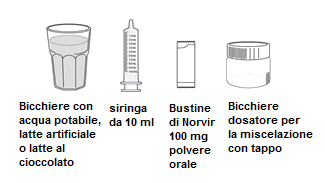
Step 1. Before mixing the dose of Norvir, get
the following accessories: (see Figure 1).
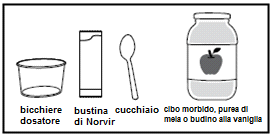
Step 2. Check your prescription for the number
of sachets or contact your doctor or
pharmacist.
Figure 1
Step 3. Before the first use of the measuring
cup for mixing, wash it with warm water and dish
soap. Rinse and air dry.
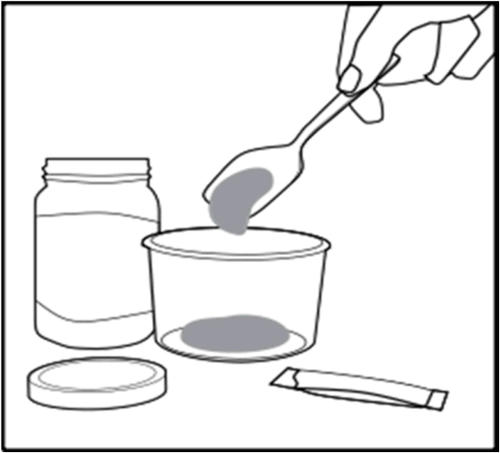
Step 4. Pour a small portion of soft food
(applesauce or vanilla pudding) into the measuring
cup (see Figure 2).
Figure 2
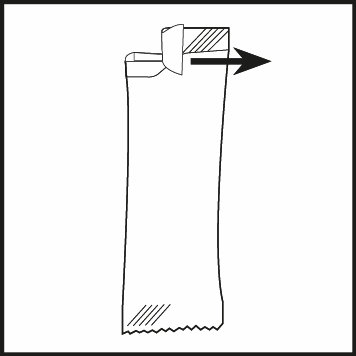
Step 5. Open the sachet (see Figure 3).
Figure 3
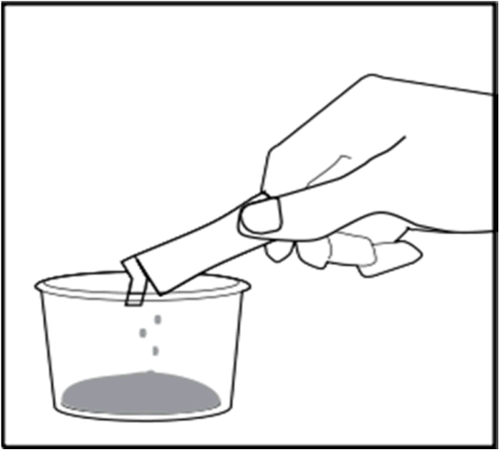
Step 6. Pour ALL the powder from the sachet into
the food (see Figure 4).
Figure 4
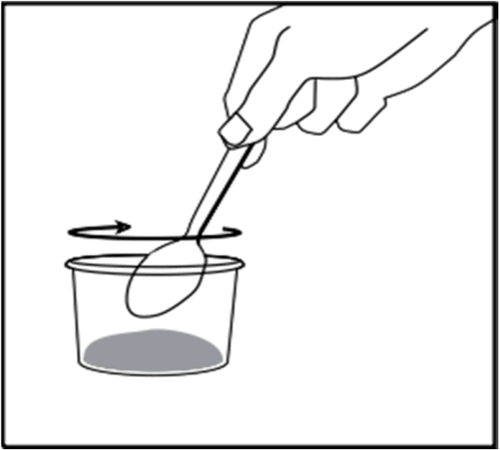
Step 7. Mix thoroughly (see Figure 5).
Figure 5
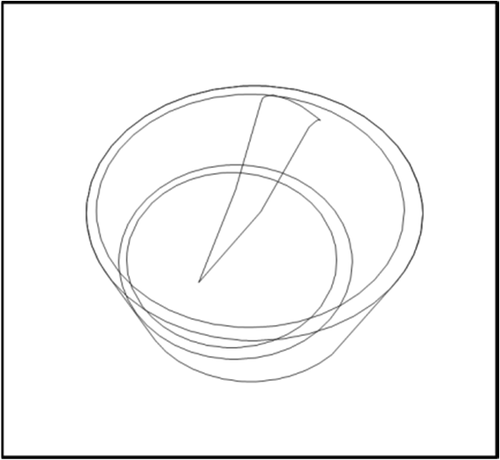
Step 8. Administer the portion to the patient.
Step 9. ALL the portion must be eaten
(see Figure 6). If any residual powderremains,
add more spoonfuls of food and administer
it to the patient. Use within 2 hours.
Figure 6
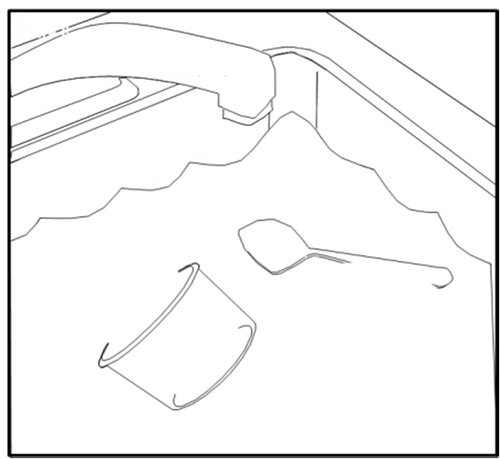
Step 10. Throw the empty sachet in the trash.
Wash and dry the preparation area. Wash
immediately the spoon and the measuring cup
with warm water and dish soap (see
Figure 7). Rinse and air dry.
Figure 7
How do I take the correct dose of Norvir powder for oral suspension mixed with
liquids?
Follow the instructions below:
What you need
Before mixing a dose of Norvir, get the items shown in Figure 1.
You may need more than 1 sachet
for each dose. Check the prescription
instructions on the package or, if you
have any doubts, call your doctor or pharmacist. If
you need more than 1 sachet, repeat all
the steps with each sachet.
Figure 1
Using the syringe
Before the first use of the dosing syringe, wash it with warm water and dish
soap. Rinse and air dry.
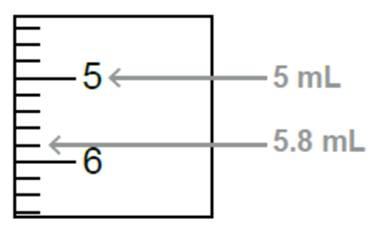
Reading the scale
- a. Each milliliter (mL) is depicted as a number with a large line.
- b. Each 0.2 mL is depicted as a smaller line between the numbers.
Check the syringe before each use
You will need to use a new syringe if:
- you cannot clean the syringe
- you cannot read the scale
- you cannot move the plunger
- the syringe is damaged or has leaks.
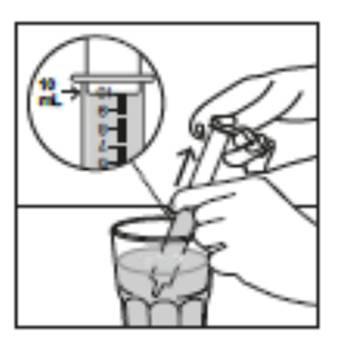
Step 1. Fill the syringe
- a. Push the plunger all the way into the syringe.
- b. Insert the tip of the syringe into the liquid.
- c. Slowly pull the plunger up to the 10 mL mark on the syringe (see Figure 2).
Figure 2
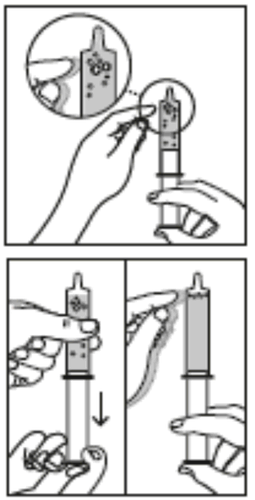
Step 2. Remove any bubbles to the tip of the
syringe
- a. Hold the syringe with the tip pointing upwards
- b. Tap the syringe with the fingers of your other hand. This will move any air bubbles to the tip.
- c. Pull the plunger down. Be careful not to pull the plunger out of the syringe.
- d. Tap the syringe again. This will help eliminate air bubbles and get them all to the tip (see Figure 3).
Figure 3
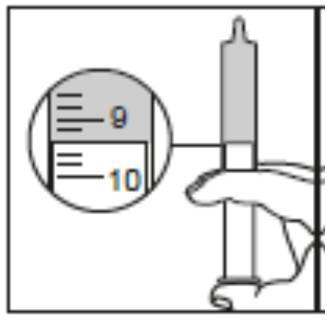
Step 3. Measure the liquid
- a. Hold the syringe upright.
- b. Slowly push the plunger up until the top of the plunger reaches 9.4 mL – this will remove any air bubbles from the syringe (see Figure 4). .
Figure 4Step 4. Empty the syringe
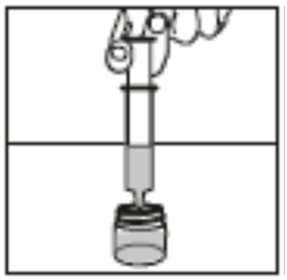
- a. Slowly push the plunger to empty the liquid from the syringe into the measuring cup (see Figure 5).
Figure 5
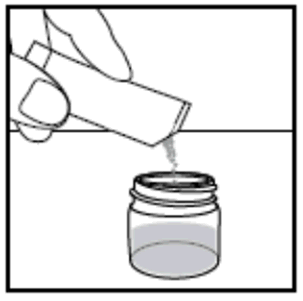
Step 5. Pour the powder into the measuring cup
- a. Open the sachet.
- b. Pour all the powder into the measuring cup.
- c. Check that the sachet is empty. Be careful not to spill the powderout of the measuring cup(see Figure 6). Figure 6
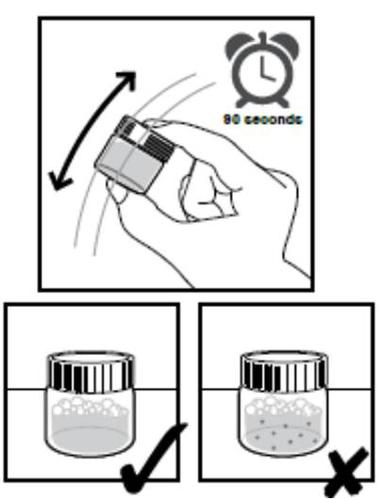
Step 6. Mix the powder and liquid
- a. Screw the cap on tightly and shake the measuring cup for at least 90 seconds until all clumps have disappeared.
- b. Check for any clumps of powder. If there are still clumps, continue shaking until they disappear.
- c. The liquid may appear cloudy – this is fine.
- d. Let the liquid sit for 10 minutes and most of the bubbles will disappear.
- e. You may notice some small bubbles on the surface of the liquid – this is also fine (see Figure 7). Figure 7
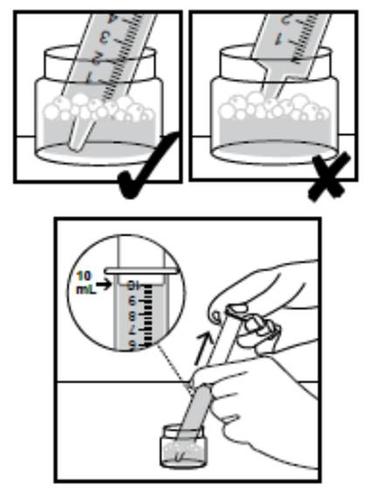
Step 7. Fill the syringe
- a. Push the plunger all the way into the syringe.
- b. Put the tip of the syringe on the bottom of the measuring cup.
- c. Slowly pull the plunger up to the 10 mL mark
- try not to pull any bubbles into the syringe (see Figure 8).
Figure 8
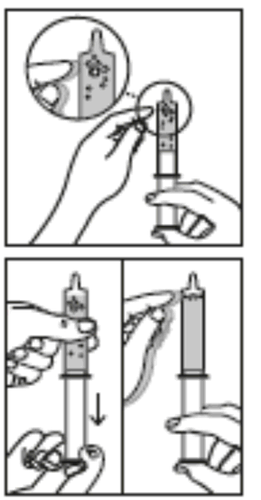
Step 8. Remove all bubbles
- a. Hold the syringe with the tip pointing upwards.
- b. Tap the syringe with the fingers of your other hand. This will move the air bubbles to the tip.
- c. Lower the plunger. Be careful not to pull the plunger out of the syringe.
- d. Tap the syringe again to remove the air bubbles and get them all to the tip (see Figure 9).
- e. Slowly push the plunger up until you see a small amount of liquid on the tip of the syringe.
- f. If there are large air bubbles, empty the liquid from the syringe back into the measuring cup and start again from Step 7. Figure 9
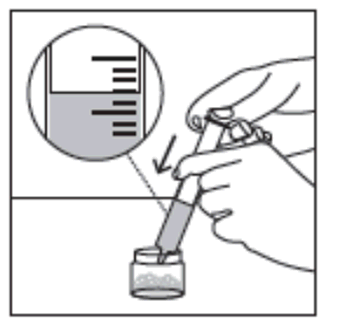
Step 9. Measure the dose
- a. Check the prescription instructions on the package for the dose in mL. If you have any doubts, call your doctor or pharmacist.
- b. Point the syringe at the measuring cup and slowly push the plunger up to the correct mL for the dose (see Figure 10).
- c. If you spill too much liquid, start again from Step 7. Be careful not to spill the liquid out of the measuring cup. Figure 10
Step 10. Administer the dose to the patient
- a. Put the tip of the syringe inside the patient's cheek.
- b. Slowly push the plunger to administer the entire dose (see Figure 11).
- c. Give the patient the entire dose within 2 hours of opening the sachet.
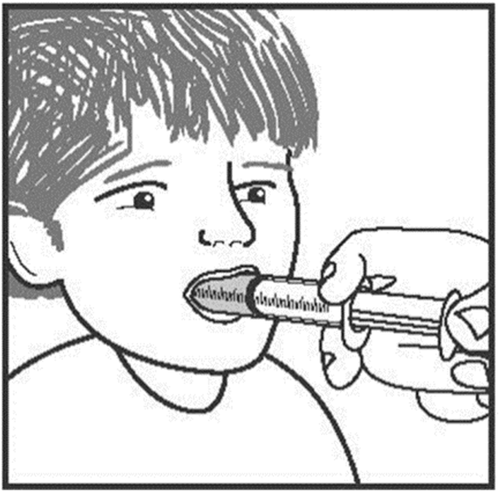
Figure 11
Step 11. (if necessary)
If you need more than one sachet, repeat the
procedure from the beginning.
Step 12. After you are finished
- a. Throw the empty sachet and any remaining medicine in the measuring cup in the trash.
- b. Remove the plunger from the syringe.
- c. Wash the syringe, plunger, measuring cup and cap by hand in warm water and dish soap. Rinse with water and air dry. Do not wash these items in the dishwasher.
- d. Wash and dry the area used to mix the medicine.
If you take more Norvir than you should
If you take too much Norvir, numbness, tingling, or a prickling-pins and needles sensation may occur.
If you realize you have taken a dose of Norvir greater than the correct one, contact your doctor or the emergency room of the nearest hospital immediately.
If you forget to take Norvir
If you miss a dose of medicine, try to take this dose as soon as possible. If little time remains
until the next dose, take only the latter. Do not take a double dose to make up for the missed dose.
If you stop taking Norvir
Even if you feel better, do not stop taking Norvir without talking to your doctor. Taking Norvir
as recommended can give you the best chance of delaying drug resistance.
4. Possible side effects
During therapy for HIV infection, an increase in weight and lipid and blood glucose levels may occur. This is partly related to the restoration of health and lifestyle, and in the case of blood lipids, sometimes to the same medicines against HIV infection. The doctor will check these changes.
Like all medicines, Norvir can cause side effects, although not everyone will experience them. In addition, the side effects of Norvir used together with other antiretroviral medicines depend on these other medicines.
Consequently, it is important to carefully read the paragraph dedicated to side effects
Very common:may affect more than 1 in 10 people
- stomach pain (upper or lower) - tingling or numbness in the hands, feet or around the lips and mouth
- feeling of weakness/fatigue
- bad taste in mouth
- nerve damage that can cause weakness and pain
- itching
- skin rash
- joint pain and back pain
- vomiting
- diarrhea (may be severe)
- feeling unwell (nausea)
- redness, feeling of warmth
- headache
- dizziness
- sore throat
- cough
- stomach pain or indigestion
Common:may affect up to 1 in 10 people
- allergic reactions including skin rash (the skin may be red, raised, itchy), significant swelling of skin and other tissues
- insomnia
- anxiety
- increased cholesterol
- increased triglycerides
- gout
- stomach bleeding
- inflammation of the liver and yellowing of the skin or the whites of the eyes
- increased frequency of urination
- reduced kidney function
- seizures
- low platelet levels in the blood
- thirst (dehydration)
- atypically heavy menstrual cycle
- flatulence
- loss of appetite
- mouth ulcers
- muscle pain, tenderness or muscle weakness
- fever
- weight loss
- blood tests: alteration of the count and chemical parameters
- confusion
- difficulty paying attention
- fainting
- blurred vision
- swelling of the hands and feet
- high blood pressure
- low blood pressure and feeling of fainting when getting up
- cold hands and feet
- acne
Uncommon:may affect up to 1 in 100 people
- heart attack
- diabetes
- kidney impairment
Rare:may affect up to 1 in 1,000 people
- serious or life-threatening reactions including blistering skin manifestations (Stevens Johnson syndrome, toxic epidermal necrolysis)
- severe allergic reactions (anaphylaxis)
- high blood glucose levels
Not known:the frequency cannot be estimated based on available data
- kidney stones
Inform your doctor if you experience a feeling of unwellness (nausea), vomiting or stomach pain, as these may be symptoms of inflammation of the pancreas. Also inform your doctor if you experience stiffness of the joints, tenderness and pain (especially in the hip, knees and shoulder) and difficulty in movement, as this may be a sign of osteonecrosis. See also paragraph 2 What you need to know before you or your child take Norvir.
During treatment with this medicine or other protease inhibitors, increases in bleeding episodes (bleeding) have been described in patients with type A and B hemophilia. If this occurs, seek immediate medical attention.
Cases of diabetes mellitus or increased blood sugar have been reported in patients taking Norvir or other protease inhibitors.
Cases of impaired liver function, hepatitis and rarely jaundice have been described in patients treated with Norvir. Some of these patients had other illnesses or were taking other medicines. Patients with pre-existing liver disease may experience a worsening of these conditions.
Pain, tenderness or muscle weakness have been reported, particularly with the use of cholesterol-lowering medicines associated with antiretroviral therapy including protease inhibitors and nucleoside analogues. In rare cases, these muscle disorders have been severe (rhabdomyolysis). If you experience unexplained or persistent muscle pain, weakness or fatigue, stop taking the medicine, contact your doctor as soon as possible or go to the nearest Hospital or Emergency Room.
Immediately inform your doctor if, after taking Norvir, you notice the appearance of symptoms that may indicate an allergic reaction, such as skin rash, itching or difficulty breathing.
If any of these side effects become severe, or if you notice any other effects not listed in this leaflet, tell your doctor or pharmacist. Or, in case of emergency, seek immediate medical help.
Reporting of side effects
If you get any side effects, talk to your doctor or pharmacist. This includes any possible side effects not listed in this leaflet. You can also report side effects directly through the national reporting system reported in Annex V.
By reporting side effects you can help provide more information on the safety of this medicine.
5. How to store Norvir
Keep this medicine out of the sight and reach of children.
Do not use Norvir oral powder for suspension after the expiry date which is stated on the sachet and
on the packaging. The expiry date refers to the last day of that month.
Norvir oral powder for suspension must be stored at a temperature below 30°C.
Do not use this medicine if you notice that the powder is not in colour from light beige/yellow to yellow.
Do not dispose of any medicine in waste water. Ask your pharmacist how to eliminate medicines that
you no longer use. This will help to protect the environment.
6. Contents of the pack and other information
What Norvir contains
- The active ingredient is ritonavir. Each sachet of Norvir contains 100 mg of ritonavir.
- The other ingredients are copovidone; sorbitan laureate; anhydrous colloidal silica.
Description of the appearance of Norvir and contents of the pack
Norvir powder for oral suspension is supplied in single sachets containing 100 mg of ritonavir.
30 sachets are packaged in a carton containing also 1 measuring cup for mixing
and 2 syringes for oral administration.
Not all pack sizes may be marketed.
Norvir is also available in film-coated tablets containing 100 mg of ritonavir.
Marketing Authorisation Holder
AbbVie Deutschland GmbH & Co. KG, Knollstrasse, 67061 Ludwigshafen, Germany
Manufacturer
AbbVie Deutschland GmbH & Co. KG, Knollstrasse, 67061 Ludwigshafen, Germany
AbbVie Logistics B.V., Zuiderzeelaan 53, 8017 JV Zwolle, Netherlands
AbbVie S.r.l., S.R. 148 Pontina km 52 SNC, 04011 Campoverde di Aprilia (LT), Italy
For further information on this medicinal product, contact the local representative of the marketing
authorisation holder:
België/Belgique/Belgien
AbbVie SA
Tél/Tel: +32 10 477811
Lietuva
AbbVie UAB
Tel: +370 5 205 3023
България
АбВи ЕООД
Тел.: +359 2 90 30 430
Luxembourg/Luxemburg
AbbVie SA
Belgique/Belgien
Tél/Tel: +32 10 477811
Česká republika
AbbVie s.r.o.
Tel: +420 233 098 111
Magyarország
AbbVie Kft.
Tel.: +36 1 455 8600
Danmark
AbbVie A/S
Tlf: +45 72 30-20-28
Malta
V.J.Salomone Pharma Limited
Tel: +356 22983201
Deutschland
AbbVie Deutschland GmbH & Co. KG
Tel: 00800 222843 33 (toll-free)
Tel: +49 (0) 611 / 1720-0
Nederland
AbbVie B.V.
Tel: +31 (0)88 322 2843
Eesti
AbbVie OÜ
Tel: +372 623 1011
Norge
AbbVie AS
Tlf: +47 67 81 80 00
Ελλάδα
AbbVie ΦΑΡΜΑΚΕΥΤΙΚΗ Α.Ε.
Τηλ: +30 214 4165 555
Österreich
AbbVie GmbH
Tel: +43 1 20589-0
España
AbbVie Spain, S.L.U.
Tel: +34 9 1 384 0910
Polska
AbbVie Sp. z o.o.
Tel.: +48 22 372 78 00
France
AbbVie
Tél: +33 (0)1 45 60 13 00
Portugal
AbbVie, Lda.
Tel: +351 (0)21 1908400
Hrvatska
AbbVie d.o.o.
Tel: +385 (0)1 5625 501
România
AbbVie S.R.L.
Tel: +40 21 529 30 35
Ireland
AbbVie Limited
Tel: +353 (0)1 4287900
Slovenija
AbbVie Biofarmacevtska družba d.o.o.
Tel: +386 (1)32 08 060
Ísland
Vistor hf.
Tel: +354 535 7000
Slovenská republika
AbbVie s.r.o.
Tel: +421 2 5050 0777
Italia
AbbVie S.r.l.
Tel: +39 06 928921
Suomi/Finland
AbbVie Oy
Puh/Tel: +358 (0)10 2411 200
Κύπρος
Lifepharma (Z.A.M.) Ltd
Τηλ: +357 22 34 74 40
Sverige
AbbVie AB
Tel: +46 (0)8 684 44 600
Latvija
AbbVie SIA
Tel: +371 67605000
United Kingdom (Northern Ireland)
AbbVie Deutschland GmbH & Co. KG
Tel: +44 (0)1628 561090
More detailed information on this medicinal product is available on the website of the European
Medicines Agency: http://www.ema.europa.eu /.
Norvir 100 mg film-coated tablets
ritonavir
Read this leaflet carefully before taking this medicine as it contains
important information for you orthe child .
- Keep this leaflet. You may need to read it again.
- If you have any questions, ask your doctor or pharmacist.
- This medicine has been prescribed for you only. Do not pass it on to others, even if they have the same symptoms as you, as it may be harmful.
- If any side effects occur, including those not listed in this leaflet, tell your doctor or pharmacist. See section 4.
Contents of this leaflet:
- 1. What Norvir is and what it is used for
- 2. What you need to know before you or the child take Norvir
- 3. How to take Norvir
- 4. Possible side effects
- 5. How to store Norvir
- 6. Contents of the pack and other information
1. What is Norvir and what is it used for
Norvir contains ritonavir as its active substance. Norvir is a protease enzyme inhibitor used
to control infection with the human immunodeficiency virus (HIV) that causes acquired
immunodeficiency syndrome (AIDS). Norvir is prescribed to be used in combination
with other anti-HIV medicines (antiretroviral drugs) to control HIV infection. Your doctor will discuss
with you the optimal combination of drugs for your case.
Norvir is used by children 2 years of age and older, adolescents and adults who have been infected with
HIV.
2. What you need to know before you or your child take Norvir
Do not take Norvir
- if you are allergic to ritonavir or any of the other ingredients of Norvir (listed in section 6).
- if you have severe liver disease.
- if you are currently taking any of the following medicines:
- astemizole or terfenadine (commonly used for the treatment of allergic symptoms - these medicines can be purchased without a prescription);
- amiodarone, bepridil, dronedarone, encainide, flecainide, propafenone, quinidine (used to correct irregular heartbeat);
- dihydroergotamine, ergotamine (used for the treatment of migraine and headache);
- ergonovine, methylergonovine (used to stop excessive bleeding that may occur during childbirth or abortion);
- chlorazepate, diazepam, estazolam, flurazepam, triazolam or oral midazolam (administered orally) (used to relieve sleep and/or anxiety disorders);
- clozapine, pimozide (used for the treatment of abnormal thoughts or feelings);
- quetiapine (used for the treatment of schizophrenia, bipolar disorder and major depressive disorder);
- lurasidone (used for the treatment of depression);
- ranolazine (used for the treatment of chronic chest pain [angina]);
- pethidine, propoxyphene (used for pain relief);
- cisapride (used to relieve some stomach problems);
- rifabutin (used to prevent/treat some infections)*;
- voriconazole (used to treat fungal infections)*;
- simvastatin, lovastatin (used to lower cholesterol levels in the blood);
- neratinib (used for the treatment of breast cancer);
- lomitapide (used to lower cholesterol levels in the blood);
- alfuzosin (used to treat benign prostatic hyperplasia);
- fusidic acid (used to treat bacterial infections);
- sildenafil if you suffer from a lung disease called pulmonary arterial hypertension that causes difficulty breathing. Patients without this disease may use sildenafil for impotence (erectile dysfunction) under the supervision of a doctor (see section Other medicines and Norvir);
- avanafil or vardenafil (used for the treatment of erectile dysfunction);
- colchicine (used to treat gout) if you have kidney or liver problems (see section Other medicines and Norvir);
- products containing St. John's wort (Hypericum perforatum) may interrupt the effectiveness of Norvir. St. John's wort is often contained in herbal products that can be purchased without a prescription.
* Your doctor may decide to have you take rifabutin and/or voriconazole with Norvir at a pharmacokinetic enhancer dosage (lower dosage), but full-dose Norvir should not be taken together with these two medicines.
If you are currently taking one of these medicines, ask your doctor if you can use another medicine during the period of taking Norvir.
Also read the list of medicines under “Other medicines and Norvir” for the use with some of these medicines that require special care.
Warnings and precautions
Ask your doctor before taking Norvir.
Important information
- If Norvir is taken in combination with other antiretroviral medicines, it is important that you read
leaflets may contain further information regarding the situations in which it is better to avoid the use of Norvir. If you have any further questions about Norvir (ritonavir) or other medicines that have been prescribed to you, ask your doctor or pharmacist.
- Norvir is not a cure for HIV or AIDS infection.
- People who take Norvir may still develop infections or other illnesses associated with HIV or AIDS infection. Therefore, it is important that you remain under your doctor's supervision while taking Norvir.
Tell your doctor if you have/have had:
- A history of liver disease.
- Hepatitis B or Cand are taking combination antiretroviral therapy, as you are at increased risk of severe reactions and that can lead to death due to effects on the liver. You may need to have blood tests more frequently to check liver function.
- Hemophilia,as cases of increased bleeding episodes (bleeding) have been reported in patients with hemophilia and undergoing therapy with this type of medicines (protease inhibitors). The reason for this is not yet known. You may need a higher dose of factor VIII to keep bleeding episodes under control.
Erectile dysfunction,as medicines used to treat erectile dysfunction can cause low blood pressure and prolonged erection.
- Diabetes,as cases of worsening or onset of diabetes (diabetes mellitus) have been reported in some patients undergoing therapy with protease inhibitors.
- Kidney disease,as your doctor may need to check the dose of other medicines (such as protease inhibitors).
Tell your doctor if you experience:
- Diarrhea or vomitingthat does not show improvement (persistent), as this condition can reduce the effectiveness of the medicines you are taking.
- Feeling unwell(nausea), vomiting or stomach pain,as these may be signs of inflammation of the pancreas (pancreatitis). Some patients taking Norvir may develop serious problems with the pancreas. If you experience these symptoms, inform your doctor as quickly as possible.
- Symptoms of infection- inform your doctor immediately. In some patients with advanced HIV infection (AIDS) shortly after starting anti-HIV treatment, the appearance of signs and symptoms of infections contracted in the past of which they were not aware may occur. These symptoms are believed to be attributable to an improvement in the body's immune response, which becomes able to fight these infections. In addition to opportunistic infections, autoimmune diseases (a condition that occurs when the immune system attacks healthy tissues of the body) may also occur after taking medicines to treat HIV infection. Autoimmune diseases can manifest months after starting treatment. If you notice any symptoms of infection or any other symptoms such as muscle weakness, weakness starting in the hands and feet and branching along the torso, palpitations, tremors or hyperactivity, inform your doctor immediately to request the necessary treatment.
- Stiffness and pain in the joints(especially hip, knee and shoulder) and difficulty moving, inform your doctor, as this may be a symptom of a problem that can destroy bone tissue (osteonecrosis). Some patients taking a certain number and type of antiretroviral medicines may develop this disease.
- Muscle pain, tenderness or weakness,especially in association with antiretroviral therapy including protease inhibitors and nucleoside analogs. In rare cases, these muscle disorders have been severe (see section 4 Possible side effects).
- Dizziness, lightheadedness, fainting or abnormal heartbeat.Some patients taking Norvir may experience changes in the electrocardiogram (ECG). Tell your doctor if you have a heart defect or a conduction defect.
- If you have any other doubts about your health, discuss them with your doctor as soon as possible.
Children and adolescents
Norvir is not recommended in children under 2 years of age.
Other medicines and Norvir
Tell your doctor or pharmacist if you are taking, have recently taken or might take any other medicines, including those that do not require a prescription. There are some medicines that absolutely cannot be taken in combination with Norvir. These medicines are listed above in section 2, under the heading “Do not take Norvir”. There are some medicines that can only be used under certain circumstances as described below.
The following precautions apply when Norvir is taken at full dosage. However, these precautions may also apply if Norvir is taken at a pharmacokinetic enhancer dosage (lower dosage) with other medicines.
Inform your doctor if you are taking any of the medicines listed below, as in these cases particular attention is necessary.
- Sildenafil or tadalafilfor impotence (erectile dysfunction). The dosage of these medicines may need to be reduced to avoid low blood pressure and prolonged erection. You should not take Norvir with sildenafil if you also suffer from pulmonary arterial hypertension (see also paragraph 2 What you need to know before you or your child takes Norvir).Inform your doctor if you are taking tadalafil for pulmonary arterial hypertension.
- Colchicine(for gout) as Norvir may increase the levels of this medicine in the blood. You should not take Norvir with colchicine if you have kidney or liver problems (see also ‘ Do not take Norvir’ above).
- Digoxin(heart medicine). Your doctor may need to adjust the dose of digoxin and monitor it while you are taking digoxin and Norvir to avoid heart problems.
- Hormonal contraceptivescontaining ethinylestradiol, as Norvir may reduce the effectiveness of these medicines. It is recommended to use a barrier method or other non-hormonal contraceptives instead. If you take this type of hormonal contraceptive in combination with Norvir, you may experience irregular uterine bleeding (breakthrough bleeding).
- Atorvastatin or rosuvastatin(for high cholesterol). Norvir may increase the levels of these medicines in the blood. Ask your doctor before taking any cholesterol-lowering medicine with Norvir (see also “Do not take Norvir”above).
- Steroids(e.g. dexamethasone, fluticasone propionate, prednisolone, triamcinolone) as Norvir may increase the levels of these medicines in the blood, which can lead to the development of Cushing's syndrome (development of a round face) and reduced production of the hormone cortisol. Your doctor may decide to reduce the dose of steroids or monitor their side effects more closely.
- Trazodone(for depression). If administered in combination with Norvir, side effects such as nausea, dizziness, low blood pressure and weakness may occur.
- Rifampicin and saquinavir(for tuberculosis and HIV, respectively), as they can cause serious liver damage if taken with Norvir.
- Bosentan, riociguat(used for pulmonary arterial hypertension), as Norvir may increase the levels of these medicines in the blood.
There are other medicines that cannot be taken together with Norvir because their effects may be increased or decreased if taken together. In some cases, your doctor may need to perform tests, adjust the dosage or monitor the situation regularly. Inform your doctor if you are taking any other medicine available with or without a prescription, including herbal products, but it is particularly important to mention the following medicines:
- amphetamine or amphetamine derivatives;
- antibiotics (e.g. erythromycin, clarithromycin);
- anticancer drugs (e.g. abemaciclib, afatinib, apalutamide, ceritinib, encorafenib, dasatinib, ibrutinib, nilotinib, venetoclax, vincristine, vinblastine);
- medicines used to treat a low number of platelets in the blood (e.g. fostamatinib);
- anticoagulants (e.g. dabigatran etexilate, edoxaban, rivaroxaban, vorapaxar, warfarin);
- antidepressants (e.g. amitriptyline, desipramine, fluoxetine, imipramine, nefazodone, nortriptyline, paroxetine, sertraline, trazodone);
- antifungals (e.g. ketoconazole, itraconazole);
- antihistamines (e.g. loratadine, fexofenadine);
- antiretrovirals including HIV protease inhibitors (amprenavir, atazanavir, darunavir, fosamprenavir, indinavir, nelfinavir, saquinavir, tipranavir), non-nucleoside reverse transcriptase inhibitors (NNRTIs) (delavirdine, efavirenz, nevirapine) and others (didanosine, maraviroc, raltegravir, zidovudine);
- anti-tuberculosis medicines (bedaquiline and delamanid);
- antivirals used to treat chronic hepatitis C virus (HCV) infection in adults (e.g. glecaprevir/pibrentasvir and simeprevir);
- anxiolytics, buspirone;
- medicines for asthma, theophylline, salmeterol;
- atovaquone, a medicine used in the treatment of some types of pneumonia and malaria;
- buprenorphine, a medicine used to treat chronic pain;
- bupropion, a medicine used to quit smoking;
- antiepileptics (e.g. carbamazepine, valproate, lamotrigine, phenytoin);
- medicines for the heart (e.g. disopyramide, mexiletine, and calcium antagonists such as amlodipine, diltiazem and nifedipine);
- medicines that act on the immune system (e.g. cyclosporine, tacrolimus, everolimus);
- levothyroxine (used to treat thyroid problems);
- morphine and morphine-like medicines used to treat severe pain (e.g. methadone, fentanyl);
- oral sedatives (e.g. alprazolam, zolpidem) and also midazolam administered by injection;
- tranquilizers (e.g. haloperidol, risperidone, thioridazine);
- colchicine, a medicine used to treat gout.
There are some medicines that should not be taken with Norvir for any reason. These are quickly listed in paragraph 2 below “ Do not take Norvir”.
Norvir with food and drink
Norvir tablets must be taken with food.
Pregnancy and breastfeeding
If you are pregnant, suspect you are pregnant or are planning a pregnancy it is very important that you ask your doctor for advice before taking this medicine.
There is a lot of information regarding the use of ritonavir (the active ingredient of Norvir) during pregnancy. In general, pregnant women have taken Norvir at low doses after the first three months of pregnancy in combination with other protease inhibitors. It has not emerged that Norvir increases the risk of developing birth defects compared to that expected for the general population.
Breastfeeding is not recommended for women living with HIV infection as it can be transmitted to the baby with breast milk.
If you are breastfeeding or are thinking about breastfeeding, you should talk to your doctor as soon as possible.
Driving and using machines
Norvir may cause dizziness. If this symptom occurs, do not drive or use machines.
Norvir contains sodium
This medicine contains less than 1 mmol (23 mg) of sodium per tablet, i.e. essentially ‘sodium-free’.
3. How to take Norvir
Take this medicine following exactly the instructions of your doctor or pharmacist. If you
have any doubts, ask your doctor or pharmacist. This medicine must be taken one or two times a
day every day with a full stomach.
It is important that the Norvir tablets are swallowed whole and not chewed, divided or crushed.
The recommended doses of Norvir are:
- if Norvir is used to enhance the effects of other anti-HIV medicines, the typical dosage for adults is 1 to 2 tablets once or twice a day. For dosage recommendations
anti-HIV with which Norvir is given in combination.
- in case your doctor prescribes a full dosage, adults may initially take a dose equal to 3 capsules in the morning and 3 tablets after 12 hours, gradually increasing the dosage over 14 days until reaching the complete dosage of 6 tablets twice a day (for a total of 1200 mg per day). Children (aged between 2 and 12 years) will start treatment with Norvir with a lower dose than that indicated above and will continue to increase it gradually until reaching the maximum allowed dose for their body weight.
The doctor will indicate the dosage to be taken.
Norvir must be taken every day to help you control the HIV infection, regardless
of the feeling of well-being that may derive from it. If an undesirable effect prevents you from
taking Norvir as prescribed, inform your doctor immediately. During cases of diarrhea, your doctor
may decide whether further monitoring is necessary.
Make sure you always have a sufficient quantity of medicine, so as not to run out of it.
When traveling or being hospitalized, make sure you have enough Norvir until
you have the opportunity to purchase more.
If you take more Norvir than you should
If you take too much Norvir, you may experience feelings of dizziness, tingling and prickling and
pin and needles. If you notice that you have taken a dose of Norvir greater than the correct one, contact your
doctor or the emergency room of the nearest hospital immediately.
If you forget to take Norvir
If you miss a dose of medicine, try to take this dose as soon as possible. If there is little time
until the next dose, take only the latter. Do not take a double dose to make up for the missed
dose.
If you stop taking Norvir
Even if you feel better, do not stop taking Norvir without talking to your doctor. Taking Norvir
as recommended can give you the best chance of delaying drug resistance.
4. Possible side effects
During therapy for HIV infection, an increase in weight and lipid and blood glucose levels may occur. This is partly related to the restoration of health status and lifestyle, and in the case of blood lipids, sometimes to the same medications used to treat HIV infection. The doctor will check these changes.
Like all medicines, Norvir can cause side effects, although not everyone will experience them. Furthermore, the side effects of Norvir taken with other antiretroviral medicines depend on these other medicines.
Consequently, it is important to carefully read the section dedicated to the side effects of
Very common:may affect more than 1 in 10 people
- stomach pain (upper or lower) - tingling or numbness in the hands, feet or around the lips and mouth
- feeling weak/tired
- bad taste in the mouth
- nerve damage that can cause weakness and pain
- itching
- skin rash
- joint pain and back pain
- vomiting
- diarrhea (may be severe)
- feeling unwell (nausea)
- redness, feeling of warmth
- headache
- dizziness
- sore throat
- cough
- stomach pain or indigestion
Common:may affect up to 1 in 10 people
- allergic reactions including skin rash (the skin may be red, raised, itchy), significant swelling of the skin and other tissues
- insomnia
- anxiety
- increased cholesterol
- increased triglycerides
- gout
- stomach bleeding
- inflammation of the liver and yellowing of the skin or the whites of the eyes
- increased frequency of urination
- reduced kidney function
- seizures
- low platelet levels in the blood
- thirst (dehydration)
- atypically heavy menstrual periods
- flatulence
- loss of appetite
- mouth ulcers
- muscle pain, tenderness or weakness
- fever
- weight loss
- blood tests: changes in count and chemical parameters
- confusion
- difficulty paying attention
- fainting
- blurred vision
- swelling of the hands and feet
- high blood pressure
- low blood pressure and feeling faint when getting up
- cold hands and feet
- acne
Uncommon:may affect up to 1 in 100 people
- heart attack
- diabetes
- kidney impairment
Rare:may affect up to 1 in 1,000 people
- serious or life-threatening reactions including blistering skin manifestations (Stevens Johnson syndrome, toxic epidermal necrolysis)
- severe allergic reactions (anaphylaxis)
- high blood glucose levels
Not known:frequency cannot be estimated based on available data
- kidney stones
Inform your doctor if you experience a feeling of unwellness (nausea), vomiting, or stomach pain, as these may be symptoms of inflammation of the pancreas. Also inform your doctor if you experience joint stiffness, tenderness and pain (especially in the hip, knees and shoulder) and difficulty with movements, as this may be a sign of osteonecrosis. See also section 2 What you need to know before you or your child take Norvir.
During treatment with this medicine or other protease inhibitors, increased episodes of bleeding (hemorrhages) have been described in patients with type A and B hemophilia. If this occurs, seek immediate medical attention.
Cases of altered liver function, hepatitis and, rarely, jaundice have been reported in patients treated with Norvir. Some of these patients had other conditions or were taking other medicines. Patients with pre-existing liver disease may experience a worsening of these conditions.
Pain, tenderness or muscle weakness have been reported, particularly with the use of cholesterol-lowering medicines associated with antiretroviral therapy including protease inhibitors and nucleoside analogs. In rare cases, these muscle disorders have been severe (rhabdomyolysis). If you experience continued muscle pain, weakness and fatigue, stop taking the medicine, contact your doctor as soon as possible or go to the nearest Hospital or Emergency Room.
Immediately inform your doctor if, after taking Norvir, you notice the appearance of symptoms that may indicate an allergic reaction, such as skin rash, itching or difficulty breathing.
If any of these side effects become severe, or if you notice any other side effects not listed in this leaflet, tell your doctor or pharmacist. You can also report side effects directly through the national reporting system detailed in Annex V.
Reporting side effects can help provide more information on the safety of this medicine.
5. How to store Norvir
Keep this medicine out of the sight and reach of children.
Do not use this medicine after the expiry date which is stated on the label. The expiry date
refers to the last day of that month.
This medicine does not require any particular storage temperature. Store in the
original packaging to protect the medicine from humidity.
Do not use this medicine if you notice changes in colour.
Do not dispose of any medicine in wastewater. Ask your pharmacist how to dispose of medicines that
you no longer use. This will help protect the environment.
6. Package contents and other information
What Norvir contains
- The active ingredient is ritonavir. Each film-coated tablet contains 100 mg of ritonavir.
- The other components of the tablet are: copovidone, sorbitan laurate, anhydrous dibasic calcium phosphate, anhydrous colloidal silica, sodium stearyl fumarate.
- The tablet coating consists of: hypromellose, titanium dioxide, macrogol, hydroxypropylcellulose, talc, anhydrous colloidal silica, polysorbate 80.
Description of the appearance of Norvir and contents of the pack
Norvir film-coated tablets are white with the code “NK” imprinted on one side.
Norvir film-coated tablets are available in three presentations:
- 1 bottle of 30 tablets
- 1 bottle of 60 tablets
- Multipack 3 bottles each containing 30 film-coated tablets (90 tablets)
Not all pack sizes may be marketed.
Norvir is also available as an oral suspension powder containing 100 mg of ritonavir.
Marketing Authorisation Holder
AbbVie Deutschland GmbH & Co. KG, Knollstrasse, 67061 Ludwigshafen, Germany
Manufacturer
AbbVie Deutschland GmbH & Co. KG
Knollstrasse
67061 Ludwigshafen
Germany
For further information on this medicinal product, contact the local representative of the marketing
authorisation holder:
België/Belgique/Belgien
AbbVie SA
Tél/Tel: +32 10 477811
Lietuva
AbbVie UAB
Tel: +370 5 205 3023
България
АбВи ЕООД
Тел.: +359 2 90 30 430
Luxembourg/Luxemburg
AbbVie SA
Belgique/Belgien
Tél/Tel: +32 10 477811
Česká republika
AbbVie s.r.o.
Tel: +420 233 098 111
Magyarország
AbbVie Kft.
Tel.: +36 1 455 8600
Danmark
AbbVie A/S
Tlf: +45 72 30-20-28
Malta
V.J.Salomone Pharma Limited
Tel: +356 22983201
Deutschland
AbbVie Deutschland GmbH & Co. KG
Tel: 00800 222843 33 (gebührenfrei)
Tel: +49 (0) 611 / 1720-0
Nederland
AbbVie B.V.
Tel: +31 (0)88 322 2843
Eesti
AbbVie OÜ
Tel: +372 623 1011
Norge
AbbVie AS
Tlf: +47 67 81 80 00
Ελλάδα
AbbVie ΦΑΡΜΑΚΕΥΤΙΚΗ Α.Ε.
Τηλ: +30 214 4165 555
Österreich
AbbVie GmbH
Tel: +43 1 20589-0
España
AbbVie Spain, S.L.U.
Tel: +34 9 1 384 0910
Polska
AbbVie Sp. z o.o.
Tel.: +48 22 372 78 00
France
AbbVie
Tél: +33 (0)1 45 60 13 00
Portugal
AbbVie, Lda.
Tel: +351 (0)21 1908400
Hrvatska
AbbVie d.o.o.
Tel: +385 (0)1 5625 501
România
AbbVie S.R.L.
Tel: +40 21 529 30 35
Ireland
AbbVie Limited
Tel: +353 (0)1 4287900
Slovenija
AbbVie Biofarmacevtska družba d.o.o.
Tel: +386 (1)32 08 060
Ísland
Vistor hf.
Tel: +354 535 7000
Slovenská republika
AbbVie s.r.o.
Tel: +421 2 5050 0777
Italia
AbbVie S.r.l.
Tel: +39 06 928921
Suomi/Finland
AbbVie Oy
Puh/Tel: +358 (0)10 2411 200
Κύπρος
Lifepharma (Z.A.M.) Ltd
Τηλ: +357 22 34 74 40
Sverige
AbbVie AB
Tel: +46 (0)8 684 44 600
Latvija
AbbVie SIA
Tel: +371 67605000
United Kingdom (Northern Ireland)
AbbVie Deutschland GmbH & Co. KG
Tel: +44 (0)1628 561090
More detailed information on this medicinal product is available on the website of the European
Medicines Agency: http://www.ema.europa.eu /.

Не уверены, подходит ли вам это лекарство?
Обсудите симптомы и варианты лечения с врачом онлайн.

Уже начали прием и появились вопросы?
Обсудите свое состояние и дальнейшие шаги с врачом онлайн.
- Страна регистрации
- Форма выпускаSoft capsule, 100 MG
- Код АТХJ05AE03
- Действующее вещество
- Отпускается по рецептуДа
- Производитель
- Информация на этой странице носит справочный характер и не является медицинской консультацией. Перед началом приема лекарства обязательно проконсультируйтесь с врачом.
- Аналоги NORVIRФорма выпуска: Film-coated tablet, 100 MGДействующее вещество: РитонавирПроизводитель: SANDOZ S.P.A.Отпускается по рецептуФорма выпуска: Film-coated tablet, 100 MGДействующее вещество: РитонавирПроизводитель: VIATRIS LIMITEDОтпускается по рецептуФорма выпуска: Hard capsule, 250 MGДействующее вещество: tipranavirПроизводитель: BOEHRINGER INGELHEIM INTERNATIONAL GMBHОтпускается по рецепту
Аналоги NORVIR в других странах
Лекарства с тем же действующим веществом, доступные в других странах.
Аналог NORVIR в Польша
Аналог NORVIR в Украина
Аналог NORVIR в Испания
Врачи онлайн по NORVIR
Обсудите применение NORVIR и возможные следующие шаги — по оценке врача.









Получите рецепт на NORVIR онлайн
Заполните форму за 2 минуты
Расскажите о симптомах, истории болезни и нужном препарате.
Выберите врача или мы назначим
Выберите специалиста или мы подберём ближайшего доступного врача.
Врач рассматривает ваш случай
Обычно в течение 30 минут. Может задать уточняющие вопросы в чате.
Получите в любой аптеке
Электронный рецепт отправляется на вашу почту — действителен по всей Польше.
Часто задаваемые вопросы
NORVIR требует рецепта в Италия. Вы можете уточнить у врача онлайн, подходит ли это лекарство для вашей ситуации.
Действующее вещество NORVIR — Ритонавир. Эта информация помогает определить лекарства с тем же составом под другими торговыми названиями.
NORVIR производится компанией ABBVIE DEUTSCHLAND GMBH & CO. KG. Упаковка и торговое название могут отличаться в зависимости от дистрибьютора.
Врачи, включая Семейные врачи, Психиатры, Дерматологи, Кардиологи, Эндокринологи, Гастроэнтерологи, Пульмонологи, Нефрологи, Ревматологи, Гематологи, Инфекционисты, Аллергологи, Гериатры, Педиатры, Онкологи, могут оценить целесообразность применения NORVIR с учетом вашей ситуации и местных правил. Вы можете записаться на онлайн-консультацию, чтобы обсудить возможные варианты.
Польша имеет хорошо развитую систему здравоохранения в крупных городах, таких как Варшава, Краков, Вроцлав и Гданьск. Аптеки широко доступны и работают в соответствии с действующим законодательством, обеспечивая доступ к рецептурным препаратам.
Вы можете купить NORVIR в Варшаве, Кракове, Вроцлаве или Гданьске в любой аптеке при наличии действующего рецепта.
Чтобы получить рецепт, вы можете воспользоваться Oladoctor:
Другие лекарства с тем же действующим веществом (Ритонавир) включают RITONAVIR SANDOTS, RITONAVIR VIATRIS, APTIVUS. Они могут отличаться торговым названием или формой выпуска, но содержат одинаковый терапевтический компонент. Перед изменением лечения рекомендуется проконсультироваться с врачом.
