



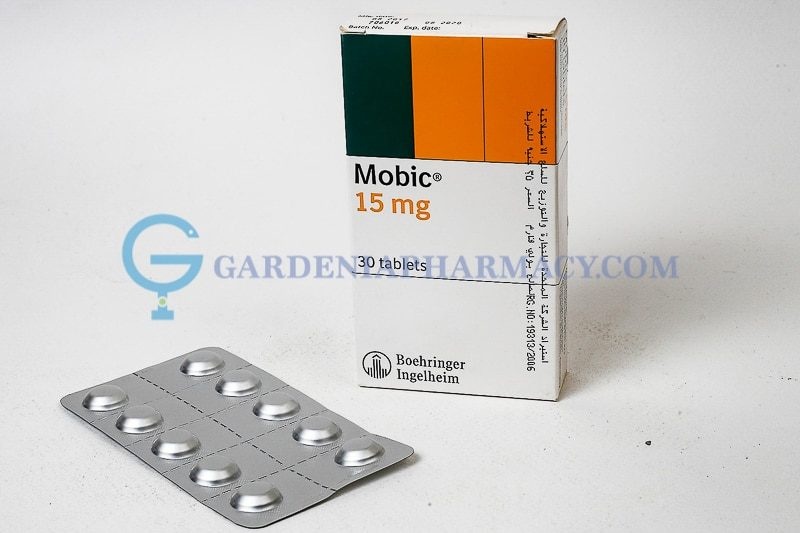
MOBIC 15 mg Таблетки

Рассмотрение рецепта онлайн
Врач рассмотрит ваш случай и примет решение о назначении рецепта, если это медицински оправдано.

Поговорите с врачом об этом лекарстве
Обсудите симптомы и возможные дальнейшие шаги на онлайн-консультации.



Инструкция по применению MOBIK
Содержание инструкции
MOBIC 7,5 mg tablets
Meloxicam
Read this leaflet carefully before you start to take this medicine as it contains important
information for you.
- Keep this leaflet. You may need to read it again.
- If you have any questions, ask your doctor or pharmacist.
- This medicine has been prescribed for you only. Do not pass it on to others, even if their symptoms are the same as yours, as it could be harmful.
- If you get any side effects, even those not listed in this leaflet, tell your doctor or pharmacist. See section 4.
Contents of this leaflet:
- 1. What MOBIC is and what it is used for
- 2. What you need to know before you take MOBIC
- 3. How to take MOBIC
- 4. Possible side effects
- 5. How to store MOBIC
- 6. Contents of the pack and other information
1. What is MOBIC and what is it used for
MOBIC contains the active ingredient meloxicam. Meloxicam belongs to a group of medicines called
Non-Steroidal Anti-Inflammatory Drugs (NSAIDs) used to reduce inflammation and pain in the
joints and muscles.
MOBIC tablets is indicated in adults and children over the age of 16
MOBIC is indicated for:
- short-term treatment of osteoarthritis flare-ups
- long-term treatment of
- rheumatoid arthritis
- ankylosing spondylitis
2. What you need to know before taking MOBIC
Do not take MOBIC:
- if you are allergic to meloxicam or any of the other ingredients of this medicine (listed in section 6)
- during the last three months of pregnancy
- children and adolescents under 16 years of age
- if you have experienced any of the following signs after taking aspirin or other NSAIDs
- wheezing, chest tightness, shortness of breath (asthma)
- nasal obstruction due to swelling of the nasal mucosa (nasal polyps)
- skin rash/urticaria
- sudden swelling of the skin or mucous membranes, such as swelling around the eyes, face, lips, mouth or throat that can make breathing difficult (angioedema)
- after a previous therapy with NSAIDs and a history of:
- bleeding in the stomach or intestines
- perforations in the stomach or intestines
- ulcer or bleeding in the stomach or intestines
- recent history of peptic ulcer or bleeding in the stomach (ulceration or bleeding that has occurred at least twice)
- severe liver disease
- severe kidney disease not treated with dialysis
- recent bleeding in the brain (cerebrovascular hemorrhage)
- any bleeding disorder
- severe heart disease
- intolerance to certain sugars as this medicine contains lactose (see also “MOBIC contains lactose”)
If you think that any of the above events apply to you, contact your doctor.
Warnings and precautions
Talk to your doctor or pharmacist before taking MOBIC.
Warnings
Medicines such as MOBIC may be associated with a modest increase in the risk of heart attack (myocardial infarction) or stroke. Any risk is more likely with high doses and prolonged treatments. Do not exceed the dose or duration of treatment prescribed (see section 3 “How to take MOBIC”).
If you have heart problems, a history of stroke or think you may be at risk for these conditions, you should discuss your therapy with your doctor or pharmacist. For example if:
- you have high blood pressure (hypertension)
- you have high blood sugar levels (diabetes mellitus)
- you have high cholesterol levels in your blood (hypercholesterolemia)
- you are a smoker
Stop taking MOBIC immediately if you experience bleeding (causing tarry stools) or ulceration of the digestive tract (causing abdominal pain).
Potentially life-threatening skin reactions (Stevens-Johnson syndrome, toxic epidermal necrolysis) have been reported with the use of MOBIC, which initially manifest as reddish spots or circular patches on the trunk, often accompanied by central blisters. Further signs to watch out for include ulcers in the mouth, throat, nose, genitals and conjunctivitis (red and swollen eyes). Such potentially life-threatening skin reactions are often accompanied by flu-like symptoms. The rash may progress with the formation of widespread blisters or peeling of the skin. The highest risk of developing severe skin reactions occurs in the first weeks of treatment.
If you have developed Stevens-Johnson syndrome or toxic epidermal necrolysis with the use of MOBIC, you should not reuse MOBIC.
If you develop a skin reaction or the skin symptoms described above, stop taking MOBIC, urgently consult a doctor and report that you are taking this medicine.
MOBIC is not indicated when immediate relief from acute pain is required.
MOBIC can mask the symptoms (e.g. fever) of an ongoing infection. Therefore, if you think you have contracted an infection, consult your doctor.
Precautions for use
Because the dosage may need to be adjusted, it is important to ask your doctor for advice before taking MOBIC in case of:
- a history of inflammation of the esophagus (esophagitis), inflammation of the stomach (gastritis) or a history of any other disease of the digestive tract, e.g. Crohn's disease or ulcerative colitis
- high blood pressure (hypertension)
- advanced age
- heart, liver or kidney disease
- high blood sugar levels (diabetes mellitus)
- reduced blood volume (hypovolemia) that can occur in the event of severe blood loss or a burn, surgery or poor fluid intake
- intolerance diagnosed by your doctor to certain sugars, as this medicine contains lactose
- high levels of potassium in the blood, previously diagnosed by your doctor
The doctor will need to monitor your progress during treatment.
Other medicines and MOBIC
As MOBIC can influence or be influenced by other medicines, tell your doctor or pharmacist if you are taking, have recently taken or might take any other medicines.
In particular, tell your doctor or pharmacist if you are taking or have taken any of the following medicines:
- other NSAIDs
- potassium salts, used to prevent or treat low potassium levels in the blood
- tacrolimus, used after organ transplants
- trimethoprim, used to treat urinary tract infections
- medicines that prevent blood clotting
- medicines that break down blood clots (thrombolytics)
- medicines for the treatment of heart and kidney diseases
- corticosteroids (e.g. used against inflammation or allergic reactions)
- cyclosporine, used after organ transplants or for severe skin diseases, rheumatoid arthritis or nephrotic syndrome
- deferasirox, used to treat chronic iron poisoning due to frequent blood transfusions
- any diuretic Your doctor may monitor your kidney function if you are taking diuretics
- medicines for the treatment of high blood pressure (e.g. beta-blockers)
- lithium, used to treat mood disorders
- selective serotonin reuptake inhibitors (SSRIs) used to treat depression
- methotrexate, used to treat tumors or severe non-controlled skin diseases and active rheumatoid arthritis
- pemetrexed, used to treat cancer
- cholestyramine, used to lower cholesterol levels
- oral antidiabetics (sulfonylureas, nateglinide), used in the treatment of diabetes. Your doctor should carefully monitor your blood sugar levels to prevent hypoglycemia.
Pregnancy, breastfeeding and fertility
If you are pregnant, suspect you may be pregnant or are planning to become pregnant, or if you are breastfeeding, ask your doctor or pharmacist for advice before taking this medicine.
Pregnancy
During the first and second trimester of pregnancy, your doctor will only prescribe this medicine if strictly necessary due to the potential risk of miscarriage or malformation. In this case, the dose should be kept as low as possible and the duration of treatment should be as short as possible.
During the last three months of pregnancy, this medicine is contraindicated: you should NEVER take this medicine as it can have serious or even fatal consequences for the fetus, especially the heart, lungs and/or kidneys, even after a single dose.
If you have taken this medicine during pregnancy, contact your doctor or midwife immediately in order to undertake appropriate monitoring.
Breastfeeding
This medicine is not recommended during breastfeeding.
Fertility
This medicine may alter fertility. You should inform your doctor if you are planning a pregnancy or if you have difficulty getting pregnant.
Driving and using machines
Visual disturbances, including blurred vision, dizziness, drowsiness, vertigo or other disturbances of the central nervous system may occur with the intake of this product. If you experience such effects do not drive vehicles or use machines.
MOBIC contains lactose and sodium
If your doctor has told you that you have an intolerance to some sugars, contact him before taking this medicine.
This medicine contains less than 1 mmol (23 mg) of sodium per tablet, i.e. essentially ‘sodium-free’.
3. How to take MOBIC
Take this medicine following exactly the instructions of your doctor. If you have any doubts, consult your
doctor or pharmacist.
The recommended dose is:
Flare-ups of osteoarthritis:
7.5 mg (one tablet) once a day. The dose may be increased to 15 mg (two tablets) once a
day.
Rheumatoid arthritis:
15 mg (two tablets) once a day. The dose may be reduced to 7.5 mg (one tablet) once a
day.
Ankylosing spondylitis:
15 mg (two tablets) once a day. The dose may be reduced to 7.5 mg (one tablet) once a
day.
Do not exceed the maximum recommended dose of 15 mg per day.
If any of the conditions listed in the chapter “ Warnings and precautions” applies to your case, your
doctor may reduce your dose to 7.5 mg (one tablet) once a day.
Elderly
If you are elderly, the recommended dose for long-term treatment of rheumatoid arthritis and
ankylosing spondylitis is 7.5 mg (one tablet) once a day.
Patients with increased risk of adverse reactions
If you are a patient with an increased risk of adverse reactions, your doctor will start treatment with a dose
of 7.5 mg (one tablet) once a day.
Renal impairment
If you are a patient undergoing dialysis, with severe renal impairment, your dose should not exceed
7.5 mg (one tablet) once a day. No dose reduction is necessary in patients with mild or moderate
renal impairment.
Hepatic impairment
No dose reduction is necessary in patients with mild or moderate hepatic impairment.
Use in children and adolescents
MOBIC should not be administered to children and adolescents under 16 years of age.
Contact your doctor or pharmacist if you feel that the effect of MOBIC is too strong or too weak or if after
several days you do not feel any improvement.
Method of administration
Oral use.
The tablets should be swallowed with water, or other liquid, during a meal.
The score line is to facilitate breaking the tablet if you have difficulty swallowing it whole.
If you take more MOBIC than you should
If you have taken too many tablets or suspect an overdose, contact your doctor or go
immediately to the nearest hospital.
The symptoms of acute NSAID overdose are usually limited to:
- lack of energy (lethargy)
- drowsiness
- feeling unwell (nausea) and vomiting
- pain in the stomach area (epigastric pain) These symptoms are generally reversible by stopping the use of MOBIC. You may experience bleeding from the stomach or intestines (gastrointestinal bleeding).
A severe overdose may induce serious adverse reactions to the drug (see paragraph 4):
- high blood pressure (hypertension)
- acute renal failure
- liver dysfunction (hepatic)
- reduction/flattening or cessation of breathing (respiratory depression)
- loss of consciousness (coma)
- convulsions
- collapse of blood circulation (cardiovascular collapse)
- heart failure (cardiac arrest)
- immediate allergic reactions (hypersensitivity), including:
- fainting
- shortness of breath
- skin reactions
If you forget to take MOBIC
Do not take a double dose to make up for the missed tablet. Take the next dose at the
usual time.
If you have any questions about using this medicine, ask your doctor or pharmacist.
4. Possible side effects
Like all medicines, this medicine can cause side effects, although not everyone will experience them.
Stop taking MOBIC and immediately consult your doctor or the nearest hospital if you notice:
Any allergic reaction (hypersensitivity), which may manifest in the form of:
- skin reactions such as itching, the appearance of blisters or peeling, which can be potentially life-threatening skin reactions (Stevens-Johnson syndrome, toxic epidermal necrolysis), lesions of the soft tissues (mucosal lesions) or erythema multiforme (see paragraph 2). Erythema multiforme is a severe allergic skin reaction that causes spots, red blisters or purplish or blistering areas. It can also affect the mouth, eyes and other moist areas of the body surface.
- swelling of the skin or mucous membranes, such as swelling around the eyes, face, lips, mouth or throat, which can make breathing difficult, swollen ankles or legs (edema of the lower limbs)
- shortness of breath or asthma attack
- inflammation of the liver (hepatitis). This can cause symptoms such as:
- yellowing of the skin and eyes (jaundice)
- abdominal pain
- loss of appetite Any adverse effect of the digestive tract, especially:
- bleeding (causing tarry stools)
- ulceration of the digestive tract (causing abdominal pain)
Bleeding from the digestive tract (gastrointestinal bleeding), the formation of ulcers or
perforations in the digestive tract can sometimes be serious and potentially fatal, especially in elderly patients.
If you have previously suffered from digestive symptoms due to long-term use of NSAIDs,
inform your doctor immediately, especially if you are elderly. Your doctor may monitor improvement
during treatment.
If you experience vision disturbances, do not drive vehicles or use machinery.
General side effects associated with non-steroidal anti-inflammatory drugs (NSAIDs)
The use of some non-steroidal anti-inflammatory drugs (NSAIDs) may be associated with a small increase
in the risk of blockage of the arteries (thrombotic arterial events), e.g. heart attack (myocardial infarction) or stroke (apoplexy), particularly at high doses and for long periods of treatment.
Fluid retention (edema), high blood pressure (hypertension) and heart failure
(heart insufficiency) have been reported in association with treatment with NSAIDs.
The most commonly observed side effects affect the digestive tract (gastrointestinal events):
- ulcers of the stomach and the upper part of the small intestine (peptic/gastroduodenal ulcers)
- a perforation in the wall of the intestine or bleeding from the digestive tract (sometimes fatal, especially in the elderly)
The following side effects have been reported after the administration of NSAIDs:
- feeling unwell (nausea) and vomiting
- loose stools (diarrhea)
- flatulence
- constipation
- indigestion (dyspepsia)
- abdominal pain
- tarry stools due to bleeding in the digestive tract (melena)
- vomiting blood (hematemesis)
- inflammation with ulceration in the mouth (ulcerative stomatitis)
- worsening of inflammation of the digestive tract (such as exacerbation of colitis or Crohn's disease)
Less frequently, inflammation of the stomach (gastritis) has been observed.
Side effects associated with meloxicam the active ingredient of MOBIC
Very common: may affect more than 1 in 10 people
- adverse gastrointestinal events such as indigestion (dyspepsia), feeling unwell (nausea) and malaise (vomiting), abdominal pain, constipation, flatulence, loose stools (diarrhea)
Common: may affect up to 1 in 10 people
- headache
Uncommon: may affect up to 1 in 100 people
- dizziness (confusion of the mind)
- feeling of spinning or whirling (vertigo)
- drowsiness (torpor)
- anemia (reduction in hemoglobin concentration in the blood)
- increased blood pressure (hypertension)
- redness (temporary flushing of the face and neck)
- sodium and water retention
- increased levels of potassium (hyperkalemia), which can lead to symptoms such as:
- changes in heartbeat (arrhythmia)
- palpitations (when the heartbeat is felt more than usual)
- muscle weakness
- belching
- inflammation of the stomach (gastritis)
- bleeding from the digestive tract
- inflammation of the mouth (stomatitis)
- immediate allergic reactions (hypersensitivity)
- itching
- skin rash
- swelling caused by fluid retention (edema), including swelling of the ankles/legs (edema of the lower limbs)
- sudden swelling of the skin or mucous membranes, such as swelling around the eyes, face, lips, mouth or throat that can make breathing difficult (angioedema)
- temporary changes in liver function tests (e.g. increased liver enzymes such as transaminases or an increase in bile pigment bilirubin). The doctor can check this by means of a blood test
- changes in kidney function tests (e.g. increased creatinine or urea)
Rare: may affect up to 1 in 1,000 people
- mood swings
- nightmares
- altered blood cell count, including:
- altered differential blood cell count
- reduced number of white blood cells (leukocytopenia)
- reduced number of platelets (thrombocytopenia) These side effects can lead to an increased risk of infection and symptoms such as bruising or nosebleeds.
- ringing in the ears (tinnitus)
- feeling of heartbeat (palpitations)
- ulcers of the stomach or the upper part of the small intestine (peptic/gastroduodenal ulcer)
- inflammation of the esophagus (esophagitis)
- onset of asthma attacks (found in people who are allergic to aspirin or other NSAIDs)
- severe blistering of the skin or peeling (Stevens-Johnson syndrome and toxic epidermal necrolysis)
- hives
- visual disturbances including:
- blurred vision
- conjunctivitis (inflammation of the eyes or eyelids)
- inflammation of the large intestine (colitis)
Very rare: may affect up to 1 in 10,000 people
- blistering of the skin (bullous reactions) and erythema multiforme. Erythema multiforme is a severe allergic skin reaction that causes spots, red blisters or purplish or blistering areas. It can also affect the mouth, eyes and other moist areas of the body surface.
- inflammation of the liver (hepatitis), which can cause symptoms such as:
- yellowing of the skin or eyes (jaundice)
- abdominal pain
- loss of appetite
- acute kidney failure (renal insufficiency) particularly in patients with risk factors such as heart disease, diabetes or kidney disease
- a perforation in the wall of the intestine
Not known: frequency cannot be estimated based on available data
- state of confusion
- sense of disorientation
- shortness of breath and skin reactions (anaphylactic/anaphylactoid reactions) skin rash caused by exposure to sunlight (photosensitivity reactions)
- heart failure (heart insufficiency) has been reported associated with treatment with NSAIDs
- total loss of a specific type of white blood cells (agranulocytosis), especially in patients taking MOBIC in combination with other medicines that are potentially inhibitors, suppressors or destroyers of a component of the bone marrow (myelotoxic medicines). This can cause:
- sudden fever
- sore throat
- infections
- inflammation of the pancreas (pancreatitis)
- infertility in women, delayed ovulation
Side effects caused by non-steroidal anti-inflammatory drugs (NSAIDs), but not yet
observed after taking MOBIC
Alteration of the structure of the kidney leading to acute renal failure:
- very rare cases of inflammation of the kidney (interstitial nephritis)
- death of some cells inside the kidney (acute tubular or papillary necrosis)
- proteins in the urine (nephrotic syndrome with proteinuria)
Reporting of side effects
If you get any side effects, even those not listed in this leaflet, tell your
doctor, pharmacist or nurse. You can also report side effects directly through the
https://www.aifa.gov.it/content/segnalazioni-reazioni-avverse.
By reporting side effects you can help provide more information on the safety of
this medicine.
5. How to store MOBIC
Keep this medicine out of the sight and reach of children.
Do not use this medicine after the expiry date which is stated on the packaging and the carton. The expiry date refers to the last day of that month.
Store in the original package to protect it from moisture.
Do not dispose of any medicine in the wastewater or household waste. Ask your pharmacist how to dispose of
medicines you no longer use. This will help protect the environment.
6. Contents of the pack and other information
What MOBIC contains
The active ingredient is:
- meloxicam
- one tablet contains 7.5 mg of meloxicam
The other ingredients are:
- sodium citrate
- lactose monohydrate
- microcrystalline cellulose
- povidone
- anhydrous colloidal silica
- crospovidone
- magnesium stearate
Description of the appearance of MOBIC and contents of the pack
MOBIC tablets are light yellow in colour, round with the company logo imprinted on one side and
the code 59D/59D on the other.
Each MOBIC tablet has a break line. The break line is solely intended to allow the
tablet to be broken to facilitate swallowing and not to divide it into equal parts.
MOBIC is available in PVC/PVDC/aluminium blisters
Pack sizes:boxes containing 1, 2, 7, 10, 14, 15, 20, 28, 30, 50, 60, 100, 140, 280, 300, 500, 1,000
tablets.
Not all pack sizes may be marketed.
Other strengths of MOBIC and other pharmaceutical forms of meloxicam
In some countries meloxicam is also available as:
- meloxicam 15 mg tablets
- meloxicam 15 mg 1.5 ml solution for injection
Marketing Authorisation Holder
Boehringer Ingelheim International GmbH
Binger Straße 173
D-55216 Ingelheim am Rhein
Germany
Manufacturer
Boehringer Ingelheim Pharma GmbH & Co. KG
Binger Straße 173
D-55216 Ingelheim am Rhein
Germany
Boehringer Ingelheim Ellas A.E.
5th km Paiania - Markopoulo
194 00 Koropi
Greece
This medicinal product is authorised in the Member States of the European Economic Area under the following
names:
Austria: Movalis 7.5 mg Tabletten
Belgium: --
Bulgaria: Movalis
Croatia: --
Cyprus: Movatec
Denmark: --
Estonia: Movalis
Finland: Mobic 7.5 mg tabletti
France: Mobic
Germany: Mobec 7.5 mg Tabletten
Greece: Movatec
Iceland: --
Ireland: --
Italy: Mobic
Latvia: Movalis 7.5 mg
Liechtenstein: --
Lithuania: Movalis 7.5 mg tabletes
Luxembourg: --
Malta: --
Norway: --
Netherlands: Movicox
Poland: Movalis
Portugal: Movalis
United Kingdom: --
Czech Republic --
Romania: Movalis 7.5 mg, comprimate
Slovakia: --
Slovenia: --
Spain: Movalis 7.5 mg comprimidos
Sweden: --
Hungary: --
MOBIC 15 mg tablets
Meloxicam
Read this leaflet carefully before you start taking this medicineas it contains important
information for you.
- Keep this leaflet. You may need to read it again.
- If you have any questions, ask your doctor or pharmacist.
- This medicine has been prescribed for you only. Do not pass it on to others, even if their symptoms are the same as yours, as it could be harmful.
- If you get any side effects, even those not listed in this leaflet, tell your doctor or pharmacist. See section 4.
Contents of this leaflet:
- 1. What MOBIC is and what it is used for
- 2. What you need to know before you take MOBIC
- 3. How to take MOBIC
- 4. Possible side effects
- 5. How to store MOBIC
- 6. Contents of the pack and other information
1. What is MOBIC and what is it used for
MOBIC contains the active ingredient meloxicam. Meloxicam belongs to a group of medicines called
Non-Steroidal Anti-Inflammatory Drugs (NSAIDs) used to reduce inflammation and pain in the
joints and muscles.
MOBIC tablets is indicated in adults and children over the age of 16 years.
MOBIC is indicated for:
- short-term treatment of osteoarthritis flare-ups
- long-term treatment of
- rheumatoid arthritis
- ankylosing spondylitis
2. What you need to know before taking MOBIC
Do not take MOBIC:
- if you are allergic to meloxicam or any of the other ingredients of this medicine (listed in section 6)
- during the last three months of pregnancy
- children and adolescents under 16 years of age
- if you have experienced any of the following signs after taking aspirin or other NSAIDs:
- wheezing, chest tightness, shortness of breath (asthma)
- nasal obstruction due to swelling of the nasal mucosa (nasal polyps)
- skin rash/urticaria
- sudden swelling of the skin or mucous membranes, such as swelling around the eyes, face, lips, mouth or throat that can make breathing difficult (angioedema)
- after a previous therapy with NSAIDs and a history of:
- bleeding in the stomach or intestines
- perforations in the stomach or intestines
- ulcer or bleeding in the stomach or intestines
- recent history of peptic ulcer or bleeding in the stomach (ulceration or bleeding that has occurred at least twice)
- severe liver disease
- severe kidney disease not treated with dialysis
- recent bleeding in the brain (cerebrovascular hemorrhage)
- any bleeding disorder
- severe heart disease
- intolerance to certain sugars as this medicine contains lactose (see also “MOBIC contains milk sugar (lactose)”)
If you think any of the above events apply to you, contact your doctor.
Warnings and precautions
Talk to your doctor or pharmacist before taking Mobic.
Warnings
Medicines like MOBIC may be associated with a modest increase in the risk of heart attack
(myocardial infarction) or stroke. Any risk is more likely with high doses and prolonged treatments.
Do not exceed the dose or duration of treatment prescribed (see section 3 “How to take
MOBIC”).
If you have heart problems, a history of stroke or think you may be at risk for these conditions, you
should discuss your therapy with your doctor or pharmacist. For example if:
- you have high blood pressure (hypertension)
- you have high blood sugar levels (diabetes mellitus)
- you have high cholesterol levels in your blood (hypercholesterolemia)
- you are a smoker
Immediately stop treatment with MOBIC as soon as you experience bleeding (causing
tarry stools) or ulceration of the digestive tract (causing abdominal pain).
Life-threatening skin reactions (Stevens-Johnson syndrome, toxic epidermal necrolysis) have been reported with the use of MOBIC, which initially manifest as reddish spots or
circular patches on the trunk, often accompanied by central blisters. Further signs to watch out for include ulcers in the mouth, throat, nose, genitals and conjunctivitis (red and swollen eyes). Such
life-threatening skin reactions are often accompanied by flu-like symptoms. The rash
may progress with the formation of widespread blisters or peeling of the skin. The highest risk
of developing severe skin reactions occurs in the first weeks of treatment.
If you have developed Stevens-Johnson syndrome or toxic epidermal necrolysis with the use of MOBIC, you should
not reuse MOBIC.
If you develop a skin reaction or the skin symptoms described above, stop taking MOBIC, urgently
contact a doctor and report that you are taking this medicine.
MOBIC is not indicated when immediate relief from acute pain is required.
MOBIC can mask the symptoms (e.g. fever) of an ongoing infection. Therefore, if you think you have
contracted an infection, consult your doctor.
Precautions for use
Because the dosage may need to be adjusted, it is important to ask your doctor for advice before taking
MOBIC in case of:
- a history of inflammation of the esophagus (esophagitis), inflammation of the stomach (gastritis) or a history of any other disease of the digestive tract, e.g. Crohn's disease or ulcerative colitis
- high blood pressure (hypertension)
- advanced age
- heart, liver or kidney disease
- high blood sugar levels (diabetes mellitus)
- reduced blood volume (hypovolemia) which can occur in case of severe blood loss or a burn, surgery or poor fluid intake
- intolerance diagnosed by your doctor to certain sugars, as this medicine contains lactose
- high levels of potassium in the blood, previously diagnosed by your doctor
The doctor will need to monitor your progress during treatment.
Other medicines and MOBIC
Because MOBIC can affect or be affected by other medicines, tell your doctor or pharmacist
if you are taking, have recently taken or might take any other medicines.
In particular, tell your doctor or pharmacist if you are taking or have taken any of the following
medicines:
- other NSAIDs
- potassium salts, used to prevent or treat low potassium levels in the blood
- tacrolimus, used after organ transplants
- trimethoprim, used to treat urinary tract infections
- medicines that prevent blood clotting
- medicines that break up blood clots (thrombolytics)
- medicines for the treatment of heart and kidney diseases
- corticosteroids (e.g. used against inflammation or allergic reactions)
- cyclosporine, used after organ transplants or for severe skin conditions, rheumatoid arthritis or nephrotic syndrome
- deferasirox, used to treat chronic iron poisoning due to frequent blood transfusions
- any diuretic. The doctor may monitor your kidney function if you are taking diuretics.
- medicines for the treatment of high blood pressure (e.g. beta-blockers)
- lithium, used to treat mood disorders
- selective serotonin reuptake inhibitors (SSRIs) used to treat depression
- methotrexate, used to treat tumors or severe non-controlled skin conditions and active rheumatoid arthritis
- pemetrexed, used to treat cancer
- cholestyramine, used to lower cholesterol levels
- oral antidiabetics (sulfonylureas, nateglinide), used in the treatment of diabetes. Your doctor must carefully monitor your blood sugar levels to prevent hypoglycemia
Pregnancy, breastfeeding and fertility
If you are pregnant, suspect you may be pregnant, are planning a pregnancy, or are breastfeeding with
breast milk, ask your doctor or pharmacist for advice before taking this medicine.
Pregnancy
During the first and second trimester of pregnancy, your doctor will prescribe this medicine only if
strictly necessary due to the potential risk of miscarriage or malformation. In this case,
the dose should be kept as low as possible and the duration of treatment should be as short as
possible.
During the last three months of pregnancy, this medicine is contraindicated: you must NEVER take
this medicine as it can have serious or even fatal consequences for the fetus, especially the heart,
lungs and/or kidneys, even after a single dose. If you have taken this medicine during
pregnancy, contact your doctor or midwife immediately in order to undertake appropriate
monitoring.
Breastfeeding
This medicine is not recommended during breastfeeding.
Fertility
This medicine may affect fertility. You should inform your doctor if you are planning a pregnancy or
have difficulty getting pregnant.
Driving and using machines
Visual disturbances, including blurred vision, dizziness, drowsiness, vertigo or other disturbances at the
central nervous system may occur with the intake of this product. If you experience such effects do
not drive vehicles or use machines.
MOBIC contains milk sugar (lactose) and sodium
If your doctor has diagnosed you with intolerance to certain sugars, contact him before taking this
medicine.
This medicine contains less than 1 mmol (23 mg) of sodium per tablet, i.e. essentially
‘sodium-free’.
3. How to take MOBIC
Take this medicine following exactly the instructions of your doctor. If you have doubts, consult your
doctor or pharmacist.
The recommended dose is:
Flare-ups of osteoarthritis:
7.5 mg (half a tablet) once a day. The dose may be increased to 15 mg (1 tablet) once a
day.
Rheumatoid arthritis:
15 mg (1 tablet) once a day. The dose may be reduced to 7.5 mg (half a tablet) once a
day.
Ankylosing spondylitis:
15 mg (1 tablet) once a day. The dose may be reduced to 7.5 mg (half a tablet) once a
day.
Do not exceed the maximum recommended dose of 15 mg per day.
If any of the conditions listed in the chapter “ Warnings and precautions” applies to your case, your
doctor may reduce your dose to 7.5 mg (half a tablet) once a day.
Elderly
If you are elderly, the recommended dose for the long-term treatment of rheumatoid arthritis and
ankylosing spondylitis is 7.5 mg (half a tablet) once a day.
Patients with increased risk of adverse reactions
If you are a patient with an increased risk of adverse reactions, your doctor will start treatment with a dose
of 7.5 mg (half a tablet) once a day.
Renal impairment
If you are a patient undergoing dialysis, with severe renal impairment, your dose should not exceed
7.5 mg (half a tablet) once a day. No dose reduction is necessary in patients with
mild or moderate kidney damage.
Hepatic impairment
No dose reduction is necessary in patients with mild or moderate hepatic impairment.
Use in children and adolescents
MOBIC should not be administered to children and adolescents under 16 years of age.
Contact your doctor or pharmacist if you feel that the effect of MOBIC is too strong or too weak or if after
several days you do not feel any improvement.
Method of administration
Oral use.
The tablets should be swallowed with water, or other liquid, during a meal.
The tablet can be divided into equal parts. The tablet should be divided by hand and not with a
sharp object (e.g. a knife)
If you take more MOBIC than you should
If you have taken too many tablets or suspect an overdose, contact your doctor or go
immediately to the nearest hospital.
The symptoms of acute NSAID overdose are usually limited to:
- lack of energy (lethargy)
- drowsiness
- feeling unwell (nausea) and vomiting
- pain in the stomach area (epigastric pain) These symptoms are generally reversible by stopping the intake of MOBIC. You may experience bleeding from the stomach or intestines (gastrointestinal bleeding).
A severe overdose may induce serious adverse reactions to the drug (see paragraph 4):
- high blood pressure (hypertension)
- acute kidney failure
- liver dysfunction (hepatic)
- reduction/flattening or cessation of breathing (respiratory depression)
- loss of consciousness (coma)
- seizures
- collapse of blood circulation (cardiovascular collapse)
- heart failure (cardiac arrest)
- immediate allergic reactions (hypersensitivity), including:
- fainting
- shortness of breath
- skin reactions
If you forget to take MOBIC
Do not take a double dose to make up for the missed tablet. Take the next dose at the
usual time.
If you have any doubts about the use of this medicine, ask your doctor or pharmacist.
4. Possible side effects
Like all medicines, this medicine can cause side effects, although not everybody gets them.
manifest.
Stop taking MOBIC and immediately consult a doctor or the nearest hospital if you notice:
Any allergic reaction (hypersensitivity), which may manifest in the form of:
- skin reactions such as itching, blistering or peeling, which can be potentially life-threatening skin reactions (Stevens-Johnson syndrome, toxic epidermal necrolysis), soft tissue lesions (mucous membrane lesions) or erythema multiforme (see paragraph 2). Erythema multiforme is a severe allergic skin reaction that causes spots, red blisters or purplish or blistering areas. It can also affect the mouth, eyes and other moist areas of the body surface.
- swelling of the skin or mucous membranes, such as swelling around the eyes, face, lips, mouth or throat, which can make breathing difficult, swollen ankles or legs (edema of the lower limbs)
- shortness of breath or asthma attack
- inflammation of the liver (hepatitis). This can cause symptoms such as:
- yellowing of the skin and eyes (jaundice)
- abdominal pain
- loss of appetite Any adverse effect of the gastrointestinal tract, especially:
- bleeding (causing tarry stools)
- ulceration of the gastrointestinal tract (causing abdominal pain)
Bleeding from the gastrointestinal tract (gastrointestinal bleeding), the formation of ulcers or
perforations in the gastrointestinal tract can sometimes be serious and potentially fatal, especially in elderly
patients.
If you have previously suffered from gastrointestinal symptoms due to long-term use of NSAIDs,
immediately inform your doctor, especially if you are elderly. The doctor may monitor the improvement
during treatment.
If you experience vision disturbances, do not drive vehicles or use machinery.
General side effects associated with non-steroidal anti-inflammatory drugs (NSAIDs)
The use of some non-steroidal anti-inflammatory drugs (NSAIDs) may be associated with a small increase
in the risk of blockage of the arteries (thrombotic events of the arteries), e.g. heart attack (myocardial
infarction) or stroke (apoplexy), particularly at high doses and for long periods of treatment.
Fluid retention (edema), high blood pressure (hypertension) and heart failure
(heart failure) have been reported in association with treatment with NSAIDs.
The most commonly observed side effects affect the gastrointestinal tract (gastrointestinal events):
- ulcers of the stomach and the upper part of the small intestine (peptic/gastroduodenal ulcers)
- a perforation in the wall of the intestine or bleeding from the gastrointestinal tract (sometimes fatal, especially in the elderly)
The following side effects have been reported after the administration of NSAIDs:
- feeling unwell (nausea) and vomiting
- loose stools (diarrhea)
- flatulence
- constipation
- indigestion (dyspepsia)
- abdominal pain
- tarry stools due to bleeding in the gastrointestinal tract (melena)
- vomiting blood (hematemesis)
- inflammation with ulceration in the mouth (ulcerative stomatitis)
- worsening of inflammation of the gastrointestinal tract (such as exacerbation of colitis or Crohn's disease)
Less frequently, inflammation of the stomach (gastritis) has been observed.
Side effects associated with meloxicam the active ingredient of MOBIC
Very common: may affect more than 1 in 10 people
- gastrointestinal adverse events such as indigestion (dyspepsia), feeling unwell (nausea) and malaise (vomiting), abdominal pain, constipation, flatulence, loose stools (diarrhea)
Common: may affect up to 1 in 10 people
- headache
Uncommon: may affect up to 1 in 100 people
- dizziness (mental confusion)
- feeling of head spinning or whirling (vertigo)
- drowsiness (torpor)
- anemia (reduction in hemoglobin concentration in the blood)
- increased blood pressure (hypertension)
- flushing (temporary redness of the face and neck)
- sodium and water retention
- increased levels of potassium (hyperkalemia), which can lead to symptoms such as:
- changes in heartbeat (arrhythmia)
- palpitations (when the heartbeat is felt more than usual)
- muscle weakness
- belching
- inflammation of the stomach (gastritis)
- bleeding from the gastrointestinal tract
- inflammation of the mouth (stomatitis)
- immediate allergic reactions (hypersensitivity)
- itching
- skin rash
- swelling caused by fluid retention (edema), including swelling of the ankles/legs (edema of the lower limbs)
- sudden swelling of the skin or mucous membranes, such as swelling around the eyes, face, lips, mouth or throat which can make breathing difficult (angioedema)
- temporary changes in liver function tests (e.g. increased liver enzymes such as transaminases or an increase in bile pigment bilirubin). The doctor can check this by means of a blood test
- changes in kidney function tests (e.g. increased creatinine or urea)
Rare: may affect up to 1 in 1,000 people
- mood swings
- nightmares
- altered blood cell count, including:
- altered differential blood cell count
- reduced number of white blood cells (leukocytopenia)
- reduced number of platelets (thrombocytopenia) These side effects can lead to an increased risk of infection and symptoms such as bruising or nosebleeds.
- ringing in the ears (tinnitus)
- feeling of the heartbeat (palpitations)
- ulcers of the stomach or the upper part of the small intestine (peptic/gastroduodenal ulcer)
- inflammation of the esophagus (esophagitis)
- onset of asthma attacks (found in people who are allergic to aspirin or other NSAIDs)
- severe blistering of the skin or peeling (Stevens-Johnson syndrome and toxic epidermal necrolysis)
- hives
- vision disorders including:
- blurred vision
- conjunctivitis (inflammation of the eyes or eyelids)
- inflammation of the large intestine (colitis)
Very rare: may affect up to 1 in 10,000 people
- blistering of the skin (bullous reactions) and erythema multiforme. Erythema multiforme is a severe allergic skin reaction that causes spots, red blisters or purplish or blistering areas. It can also affect the mouth, eyes and other moist areas of the body surface
- inflammation of the liver (hepatitis), which can cause symptoms such as:
- yellowing of the skin or eyes (jaundice)
- abdominal pain
- loss of appetite
- acute kidney failure (renal failure) particularly in patients with risk factors such as heart disease, diabetes or kidney disease
- a perforation in the wall of the intestine
Not known: frequency cannot be estimated on the basis of available data
- state of confusion
- sense of disorientation
- shortness of breath and skin reactions (anaphylactic/anaphylactoid reactions) skin rash caused by exposure to sunlight (photosensitivity reactions)
- heart failure (heart failure) has been reported associated with treatment with NSAIDs
- total loss of a specific type of white blood cells (agranulocytosis), especially in patients taking MOBIC in combination with other medicines that are potentially inhibitors, suppressors or destructive of a component of the bone marrow (myelotoxic medicines), this can cause:
- sudden fever
- sore throat
- infections
- inflammation of the pancreas (pancreatitis)
- Infertility in women, delayed ovulation
Side effects caused by non-steroidal anti-inflammatory drugs (NSAIDs), but not yet
observed after taking MOBIC
Alteration of the structure of the kidney leading to acute renal failure:
- very rare cases of kidney inflammation (interstitial nephritis)
- death of some cells inside the kidney (acute tubular or papillary necrosis)
- proteins in the urine (nephrotic syndrome with proteinuria)
Reporting of side effects
If you get any side effects, even those not listed in this leaflet, tell your
doctor, pharmacist or nurse. You can also report side effects directly through the
https://www.aifa.gov.it/content/segnalazioni-reazioni-avverse.
By reporting side effects you can help provide more information on the safety of
this medicine.
5. How to store MOBIC
Keep this medicine out of the sight and reach of children.
Do not use this medicine after the expiry date which is stated on the packaging and the carton. The expiry date refers to the last day of that month.
Store in the original package to protect it from moisture.
Do not dispose of any medicine in the wastewater or household waste. Ask your pharmacist how to dispose of
medicines you no longer use. This will help protect the environment.
6. Contents of the pack and other information
What MOBIC contains
The active ingredient is:
- meloxicam
- one tablet contains 15 mg of meloxicam. The other ingredients are:
- sodium citrate
- lactose monohydrate
- microcrystalline cellulose
- povidone
- anhydrous colloidal silica
- crospovidone
- magnesium stearate
Description of the appearance of MOBIC and contents of the pack
MOBIC tablet is light yellow in colour, round with the company logo imprinted on one side and
the code 77C/77C on the other. Each MOBIC tablet has a scored line and can be divided into two equal
halves.
MOBIC is available in PVC/PVDC/aluminium blisters
Pack sizes:boxes containing 1, 2, 7, 10, 14, 15, 20, 28, 30, 50, 60, 100, 140, 280, 300, 500, 1,000
tablets.
Not all pack sizes may be marketed.
Other strengths of MOBIC and other pharmaceutical forms of meloxicam
In some countries meloxicam is also available as:
- meloxicam 7.5 mg tablets
- meloxicam 15 mg per 1.5 ml injectable solution
Marketing Authorisation Holder
Boehringer Ingelheim International GmbH
Binger Straße 173
D-55216 Ingelheim am Rhein
Germany
Manufacturer
Boehringer Ingelheim Pharma GmbH & Co. KG
Binger Straße 173
D-55216 Ingelheim am Rhein
Germany
Boehringer Ingelheim Ellas A.E.
5th km Paiania - Markopoulo
194 00 Koropi
Greece
This medicinal product is authorised in the Member States of the European Economic Area under the following
names:
Austria: Movalis 15 mg Tabletten
Belgium: Mobic
Bulgaria: Movalis
Croatia: Movalis® 15 mg tablete
Cyprus: Movatec
Denmark: --
Estonia: Movalis
Finland: Mobic 15 mg tabletti
France: Mobic
Germany: Mobec 15 mg Tabletten
Greece: Movatec
Iceland: --
Ireland:
Italy: Mobic
Latvia: Movalis 15 mg
Liechtenstein: --
Lithuania: Movalis 15 mg tabletes
Luxembourg: Mobic
Malta: Mobic
Norway: --
Netherlands: Movicox
Poland: Movalis
Portugal: Movalis
United Kingdom:
Czech Republic: Movalis 15 mg
Romania: Movalis 15 mg, comprimate
Slovakia: Movalis 15 mg
Slovenia: Movalis 15 mg tablete
Spain: Movalis 15 mg comprimidos
Sweden: --
Hungary: Movalis 15 mg tabletta

Не уверены, подходит ли вам это лекарство?
Обсудите симптомы и варианты лечения с врачом онлайн.

Уже начали прием и появились вопросы?
Обсудите свое состояние и дальнейшие шаги с врачом онлайн.
- Страна регистрации
- Форма выпускаTablet, 15 MG
- Код АТХM01AC06
- Действующее вещество
- Отпускается по рецептуДа
- Производитель
- Информация на этой странице носит справочный характер и не является медицинской консультацией. Перед началом приема лекарства обязательно проконсультируйтесь с врачом.
- Аналоги MOBIKФорма выпуска: Coated tablet, 7.5 MGДействующее вещество: мелоксикамаПроизводитель: MYLAN S.P.A.Отпускается по рецептуФорма выпуска: Tablet, 15 MGДействующее вещество: мелоксикамаПроизводитель: ZENTIVA ITALIA S.R.L.Отпускается по рецептуФорма выпуска: Injectable solution, 15 MG/1,5 MLДействующее вещество: мелоксикамаПроизводитель: BOEHRINGER INGELHEIM INTERNATIONAL GMBHОтпускается без рецепта
Аналоги MOBIK в других странах
Лекарства с тем же действующим веществом, доступные в других странах.
Аналог MOBIK в Польша
Аналог MOBIK в Украина
Аналог MOBIK в Испания
Врачи онлайн по MOBIK
Обсудите применение MOBIK и возможные следующие шаги — по оценке врача.









Получите рецепт на MOBIK онлайн
Заполните форму за 2 минуты
Расскажите о симптомах, истории болезни и нужном препарате.
Выберите врача или мы назначим
Выберите специалиста или мы подберём ближайшего доступного врача.
Врач рассматривает ваш случай
Обычно в течение 30 минут. Может задать уточняющие вопросы в чате.
Получите в любой аптеке
Электронный рецепт отправляется на вашу почту — действителен по всей Польше.
Часто задаваемые вопросы
MOBIK требует рецепта в Италия. Вы можете уточнить у врача онлайн, подходит ли это лекарство для вашей ситуации.
Действующее вещество MOBIK — мелоксикама. Эта информация помогает определить лекарства с тем же составом под другими торговыми названиями.
MOBIK производится компанией BOEHRINGER INGELHEIM INTERNATIONAL GMBH. Упаковка и торговое название могут отличаться в зависимости от дистрибьютора.
Врачи, включая Семейные врачи, Психиатры, Дерматологи, Кардиологи, Эндокринологи, Гастроэнтерологи, Пульмонологи, Нефрологи, Ревматологи, Гематологи, Инфекционисты, Аллергологи, Гериатры, Педиатры, Онкологи, могут оценить целесообразность применения MOBIK с учетом вашей ситуации и местных правил. Вы можете записаться на онлайн-консультацию, чтобы обсудить возможные варианты.
Польша имеет хорошо развитую систему здравоохранения в крупных городах, таких как Варшава, Краков, Вроцлав и Гданьск. Аптеки широко доступны и работают в соответствии с действующим законодательством, обеспечивая доступ к рецептурным препаратам.
Вы можете купить MOBIK в Варшаве, Кракове, Вроцлаве или Гданьске в любой аптеке при наличии действующего рецепта.
Чтобы получить рецепт, вы можете воспользоваться Oladoctor:
Другие лекарства с тем же действующим веществом (мелоксикама) включают MELOXIKAM MYLAN JENERIKS, MELOXIKAM TSENTIVA, MOBIK. Они могут отличаться торговым названием или формой выпуска, но содержат одинаковый терапевтический компонент. Перед изменением лечения рекомендуется проконсультироваться с врачом.
