



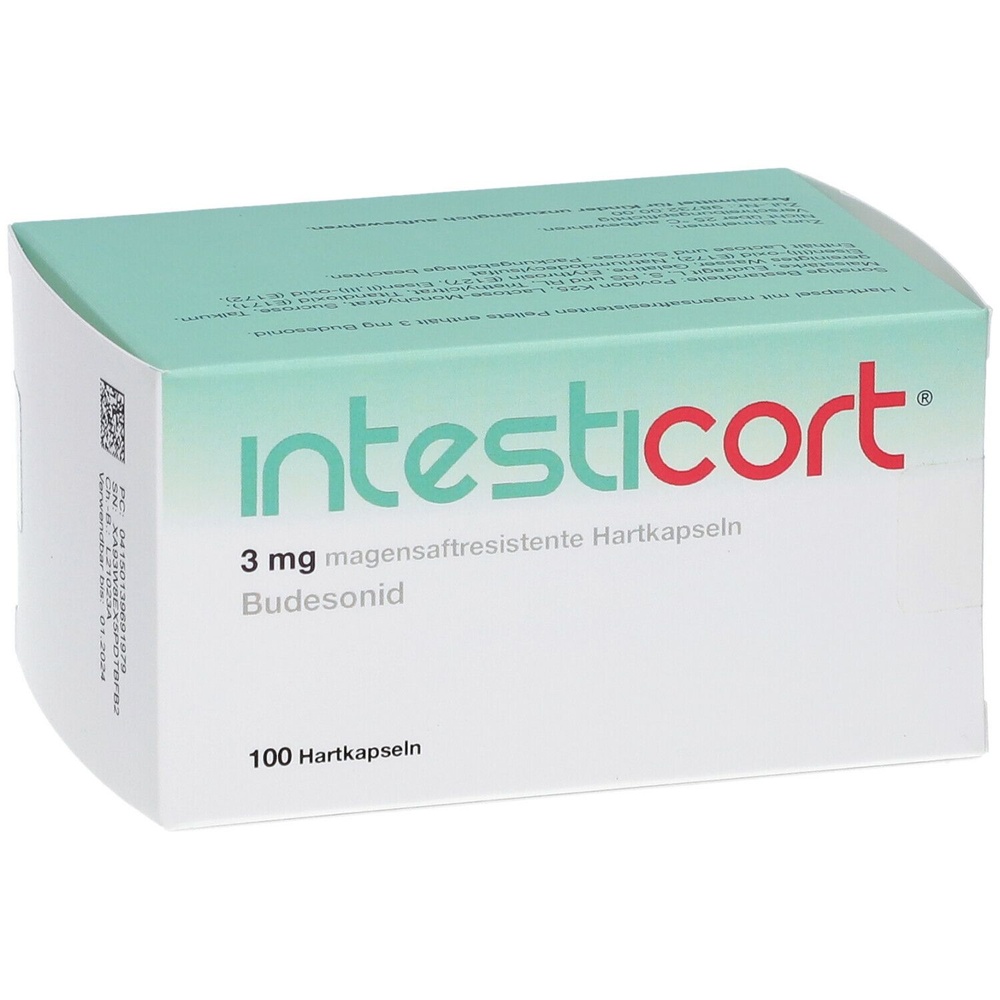
INTESTICORT 3 мг Энтеросолюбильные капсулы

Рассмотрение рецепта онлайн
Врач рассмотрит ваш случай и примет решение о назначении рецепта, если это медицински оправдано.

Поговорите с врачом об этом лекарстве
Обсудите симптомы и возможные дальнейшие шаги на онлайн-консультации.



Инструкция по применению INTESTIKORT
Содержание инструкции
- Intesticort 3 mg gastro-resistant capsules
- Intesticort 3 mg capsule may affect the results of tests performed by your doctor or in
- Intesticort 3 mg capsules, your symptoms may reappear when the medicine is
- Intesticort 2 mg/dose rectal foam
Intesticort 3 mg gastro-resistant capsules
Budesonide
Read this leaflet carefully before you start taking this medicine because it contains
important information for you.
- Keep this leaflet. You may need to read it again.
- If you have any questions, ask your doctor or pharmacist.
- This medicine has been prescribed for you only. Do not pass it on to others, even if they have the same symptoms as you, as it may be harmful.
- If you get any side effects, even those not listed in this leaflet, tell your doctor or pharmacist. See section 4.
Contents of this leaflet:
- 1. What Intesticort 3 mg capsules is and what it is used for
- 2. What you need to know before you take Intesticort 3 mg capsules
- 3. How to take Intesticort 3 mg capsules
- 4. Possible side effects
- 5. How to store Intesticort 3 mg capsules
- 6. Contents of the pack and other information
1. What is Intesticort 3 mg capsules and what is it used for
Intesticort 3 mg capsules contain the active ingredient budesonide, a type of steroid with local action, used in the treatment of chronic inflammatory diseases of the intestine and liver.
Intesticort 3 mg capsules is used in the treatment of:
- Crohn's Disease: mild to moderate acute attacks of chronic intestinal inflammation affecting the last part of the small intestine (ileum) and/or the upper part of the large intestine (ascending colon).
- Acute forms of collagenous colitis(a disease with chronic inflammation of the large intestine, characterized by chronic watery diarrhea).
- Autoimmune hepatitis(a disease with chronic inflammation of the liver).
- 2. What you need to know before you take Intesticort 3 mg capsules DO NOT take Intesticort 3 mg capsules if:
- you are allergicto budesonide or any of the other ingredients of this medicine (listed in section 6)
- you have a serious liver disease(liver cirrhosis)
Warnings and precautions
Talk to your doctor before taking Intesticort 3 mg capsules if you suffer from:
- tuberculosis
- high blood pressure
- diabetes, or if diabetes has been diagnosed in your family
- fragile bones (osteoporosis)
- stomach or duodenal ulcers (peptic ulcer)
- increased pressure inside the eye (glaucoma) or eye problems, such as clouding of the lens (cataract) or if glaucoma has been diagnosed in your family
- serious liver problems Intesticort 3 mg capsules is not indicated in patients with Crohn's disease affecting the upper gastrointestinal tract. Sometimes, the disease can cause symptoms outside the intestine (e.g. affecting the skin, eyes and joints) that do not respond easily to this medicine. Typical effects of corticosteroid preparations may occur, which can affect all parts of the body, especially if you take Intesticort 3 mg capsules at high doses and for a long time (see section 4. Possible side effects).
Other precautions during treatment with Intesticort:
- Tell your doctor if you have an infection. The symptoms of some infections may be unusual or less pronounced.
- Stay away from people with chickenpox or shingles (herpes zoster) if you have never had these diseases, as they can seriously harm you. Contact your doctor immediately if you come into contact with people with chickenpox or shingles.
- Tell your doctor if you have not yet had measles.
- Consult your doctor before getting vaccinated.
- Tell your doctor that you are using Intesticort 3 mg capsules before undergoing surgery.
- If you have received a more potent corticosteroid preparation before starting treatment with Intesticort 3 mg capsules, symptoms may reappear when the medicine is changed. In this case, consult your doctor.
- In case of autoimmune hepatitis, the doctor will regularly perform liver function tests and periodically change the dosage of this medicine.
- Contact your doctor if you experience blurred vision or other visual disturbances. For athletes: the use of the drug without therapeutic need constitutes doping and may still result in positive doping tests.
Other medicines and Intesticort 3 mg capsules
Tell your doctor or pharmacist if you are taking, have recently taken, or might
take any other medicines. In particular:
- cardiac glycosidessuch as digoxin (medicines used in the treatment of heart conditions)
- diuretics(to eliminate excess fluid from the body)
- ketoconazole or itraconazole(for the treatment of fungal infections)
- antibioticsmedicines used to treat infections (such as clarithromycin)
- carbamazepine(used to treat epilepsy)
- rifampicin(for the treatment of tuberculosis)
- estrogens or oral contraceptives
- cimetidine(used to inhibit acid production in the stomach)
Some medicines can increase the effects of Intesticort 3 mg capsules and the doctor may
decide to monitor you closely if you are taking these medicines (including
some medicines for the treatment of HIV: ritonavir, cobicistat).
If you are taking cholestyramine(for hypercholesterolemia as well as in the treatment of diarrhea) or
antacids(for indigestion) in addition to Intesticort 3 mg capsules, these medicines must be taken
at least 2 hours apart.
Intesticort 3 mg capsule may affect the results of tests performed by your doctor or in
hospital. Before undergoing any tests, tell your doctor that you are taking
Intesticort 3 mg capsules.
Intesticort with food and drinks
Donot drink grapefruit juicewhile taking this medicine, as it may alter its
effect.
Pregnancy and breastfeeding
If you are pregnant, suspect you are pregnant, or are planning a pregnancy, or if you are
breastfeeding, ask your doctor for advice before taking this medicine.
Take Intesticort 3 mg capsules during pregnancy only if prescribed by your doctor.
Budesonide passes in small amounts into breast milk. If you are breastfeeding, take
Intesticort 3 mg capsules only if prescribed by your doctor.
Driving and operating machinery
Intesticort 3 mg capsules should not impair your ability to drive or operate
machinery.
Intesticort 3 mg capsules contains sucrose and lactose
If your doctor has diagnosed you with an intolerance to certain sugars, contact him/her before taking
this medicine.
- 3. How to take Intesticort 3 mg capsules
Always take this medicine exactly as your doctor has told you. If you have
any doubts, ask your doctor or pharmacist.
The recommended dose is
Crohn's disease
Adults (over 18 years)
Take three capsules once a day in the morning, or one capsule three times a day
(morning, noon and evening), unless your doctor prescribes otherwise.
Collagenous colitis
Adults (over 18 years)
Take three capsules once a day in the morning, unless your doctor prescribes otherwise.
Autoimmune hepatitis
Adults (over 18 years)
Treatment of acute inflammation
Unless otherwise prescribed by your doctor, take one capsule 3 times a day (morning,
noon and evening). Depending on the results of laboratory tests, your doctor will decide how long
you should take 3 capsules a day.
Maintenance treatment
Unless otherwise prescribed by your doctor, take one capsule 2 times a day (morning and evening).
Depending on the results of laboratory tests, your doctor will decide how long you should
take 2 capsules a day.
Please note that in most cases your doctor will prescribe Intesticort 3 mg
capsules together with azathioprine, a medicine that works by reducing the body's immune response.
Use in children (all indications)
Intesticort 3 mg capsules should NOT be used in children under 12 years of age.
There is only limited experience with the use of this medicine in children over
12 years of age.
Method of administration
Intesticort 3 mg capsules are for oral use only.
The capsules should be swallowed whole with a glass of water, approximately half an hour before
meals. Do not chew the capsules.
Duration of treatment
Your doctor will decide how long you need to continue therapy, depending on your
health conditions.
Crohn's disease and collagenous colitis
Treatment usually lasts about 8 weeks.
Autoimmune hepatitis
Depending on the results of blood and liver tissue tests, your doctor will
decide how long you should take this medicine and how many capsules per day
you should take.
If you take more Intesticort 3 mg capsules than you should
If you have taken too much medicine at once, take the next dose as prescribed.
Do not take a smaller amount. If in doubt, contact your doctor, who may
If you forget to take Intesticort 3 mg capsules
If you forget to take a dose, simply continue your treatment at the prescribed dosage.
Do not take a double dose to make up for a missed dose.
If you stop taking Intesticort 3 mg capsules
If you want to stop or prematurely end treatment, contact your doctor. It is
important that you do not stop the medicine abruptly, as this may harm you. Continue
taking the medicine until your doctor tells you to stop, even if
you start to feel better.
Your doctor will probably want to reduce the dose gradually, first from three to two capsules for
1 week (one in the morning and one in the evening) and then only one capsule a day in the last
week of treatment (taken in the morning).
If you have any doubts about using this medicine, ask your doctor or pharmacist.
- 4. Possible side effects
Like all medicines, this medicine can cause side effects, although not
everyone gets them.
If you experience any of the following symptoms after taking this medicine, contact
your doctor immediately:
- infection
- headache
- changes in behavior, such as depression, irritability, euphoria, agitation, anxiety or aggression. The following side effects have also been reported: Common: may affect up to 1 in 10 people
- Cushing's syndrome - for example, round face, weight gain, reduced glucose tolerance, increased blood glucose, high blood pressure, fluid retention in the tissues (e.g. swollen legs), increased potassium excretion (hypokalaemia), irregular menstruation in women, increased unwanted hair in women, impotence, abnormal laboratory results (reduced adrenal function), red streaks on the skin (stretch marks), acne.
- indigestion, irritated stomach (dyspepsia), stomach pain
- increased risk of infections
- muscle and joint pain, muscle weakness, muscle cramps
- fragile bones (osteoporosis)
- headache
- mood changes, such as depression, irritability or euphoria
- skin rashes from hypersensitivity reactions, red spots from bleeding under the skin, delayed wound healing, local skin reactions, such as contact dermatitis Uncommon: may affect up to 1 in 100 people
- ulcers of the stomach or small intestine
- agitation with increased physical activity, anxiety Rare: may affect up to 1 in 1,000 people
- blurred vision
- inflammation of the pancreas
- bone loss due to poor blood circulation (osteonecrosis)
- aggression
- bruising Very rare: may affect up to 1 in 10,000 people
- delayed growth in children
- constipation
- increased pressure in the brain, possibly with increased pressure in the eye (papilledema) in adolescents.
- increased risk of blood clotting, inflammation of blood vessels (associated with discontinuation of corticosteroids after long-term therapy)
- fatigue, general feeling of malaise
These side effects are typical of steroid therapy and most of them can
also occur following treatment with other steroids. They may occur depending on
the dose, duration of treatment, any current or past treatments with other
corticosteroid preparations and individual susceptibility.
If you have received a more potent corticosteroid preparation before starting treatment with

Не уверены, подходит ли вам это лекарство?
Обсудите симптомы и варианты лечения с врачом онлайн.
Intesticort 3 mg capsules, your symptoms may reappear when the medicine is
changed.
Reporting of adverse reactions
If you experience any side effect, including those not listed in this leaflet,
please inform your doctor or pharmacist. You can also report adverse reactions
directly through the national reporting system at
https://www.aifa.gov.it/content/segnalazioni-reazioni-avverse
By reporting adverse reactions you can help provide more information on the
safety of this medicine.
- 5. How to store Intesticort 3 mg capsules Keep this medicine out of the sight and reach of children. This medicine does not require any special storage conditions. Do not use this medicine after the expiry date which is stated on the carton and on the blister pack. The expiry date refers to the last day of that month. Do not dispose of any medicine in wastewater or household waste. Ask your pharmacist how to dispose of medicines you no longer use. This will help protect the environment.
6. Package Contents and Other Information
What Intesticort 3 mg capsules contain
The active substanceis budesonide. Each gastro-resistant pellet capsule contains 3
mg of budesonide.
The excipientsare ammonium methacrylate copolymer (type A) (Eudragit RL), ammonium
methacrylate copolymer (type B) (Eudragit RS), lactose monohydrate, corn starch, methacrylic
acid-methyl methacrylate copolymer (1:1) (Eudragit L 100), methacrylic acid-
methyl methacrylate copolymer (1:2) (Eudragit S 100), povidone K25, purified water,
sucrose, talc, triethyl citrate, gelatin, erythrosine (E127), titanium dioxide (E171), iron
oxide red and black (E172), sodium lauryl sulfate (for further important information on
lactose and sucrose, see also the end of Paragraph 2).
Description of the appearance of Intesticort and package contents
Intesticort3 mg capsules are pink, gastro-resistant, hard capsules and are contained
in blister strips.
Intesticort3 mg capsules are available in packs of 10, 50, 90, 100 or 120 capsules. Not all pack sizes may be marketed.
Marketing Authorisation Holder
Dr. Falk Pharma GmbH
Leinenweberstr. 5
79108 Freiburg
Germany
Tel.: +49 (0) 761/1514-0
Fax: +49 (0) 761/1514-321
E-mail: [email protected]
Concessionaire for sales in Italy
Sofar S.p.A. – Via Firenze 40, 20060 Trezzano Rosa (MI)
This medicinal product is authorised in the Member States of the European Economic Area under the
following denominations:
Denmark, Finland, Ireland, Sweden United Kingdom: Budenofalk
France: Mikicort
Italy: Intesticort
Spain: Intestifalk
Intesticort 2 mg/dose rectal foam
Budesonide
Read this leaflet carefully before you start using this medicine as it contains important information for you.
- Keep this leaflet. You may need to read it again.
- If you have any questions, ask your doctor or pharmacist.
- This medicine has been prescribed for you only. Do not pass it on to others, even if their symptoms are the same as yours, as it may be harmful.
- If you get any side effects, even those not listed in this leaflet, tell your doctor or pharmacist. See section 4.
Contents of this leaflet:
- 1. What Intesticort rectal foam is and what it is used for
- 2. What you need to know before you use Intesticort rectal foam
- 3. How to use Intesticort rectal foam
- 4. Possible side effects
- 5. How to store Intesticort rectal foam
- 6. Contents of the pack and other information
1. What is Intesticort rectal foam and what is it used for
Intesticort rectal foam contains the active ingredient budesonide, a type of steroid with local action used for the treatment of inflammatory bowel disease.
Intesticort rectal foam is used to treat:
- inflammation of the rectum and the lower part of the colon (sigmoid), known in medical terminology as ulcerative colitis.
2. What you need to know before you use Intesticort rectal foam
Do not use Intesticort rectal foam
- if you are allergicto budesonide or any of the other ingredients of this medicine (listed in section 6)
- if you have a serious liver disease(liver cirrhosis).
Warnings and precautions
Talk to your doctor before taking Intesticort rectal foam if you suffer from:
- tuberculosis
- high blood pressure
- diabetes, or if diabetes has been diagnosed in your family
- brittle bones (osteoporosis)
- stomach or duodenal ulcers (peptic ulcer)
- increased pressure inside the eye (glaucoma) or eye problems, such as clouding of the lens (cataract) or if glaucoma has been diagnosed in your family
- serious liver problems
Typical effects of corticosteroid preparations may occur, which can affect all parts of the body, especially if you take Intesticort rectal foam at high doses and for a long time (see section 4. Possible side effects).
Other precautions during treatment with Intesticort rectal foam
- Tell your doctor if you have an infection. The symptoms of some infections may be atypical or less pronounced.
- Stay away from people with chickenpox or herpes zoster (shingles), if you have never had these diseases, because they can seriously harm you. Contact your doctor immediately if you come into contact with people with chickenpox or herpes zoster.
- Tell your doctor if you have not yet had measles.
- Consult your doctor before getting vaccinated.
- Tell your doctor that you are using Intesticort rectal foam before undergoing surgery.
- If you have received a more potent corticosteroid preparation before starting treatment with Intesticort rectal foam, the symptoms may reappear when the medicine is changed. In this case, consult your doctor.
- Contact your doctor if you experience blurred vision or other visual disturbances.
For those who play sports: the use of the drug without a therapeutic need constitutes doping and may still result in a positive doping test
Other medicines and Intesticort rectal foam
Tell your doctor or pharmacist if you are taking, have recently taken or might take any other medicines. In particular:
- cardiac glycosidessuch as digoxin (medicines used to treat heart conditions)
- diuretics(to eliminate excess fluid from the body)
- ketoconazole or itraconazole(for the treatment of fungal infections)
- antibioticsmedicines used to treat infections (such as clarithromycin)
- carbamazepine(used to treat epilepsy)
- rifampicin(for the treatment of tuberculosis)
- oestrogens or oral contraceptives
Some medicines can increase the effects of Intesticort rectal foam and your doctor may want to monitor you closely if you are taking these medicines (including some medicines for the treatment of HIV: ritonavir, cobicistat).
Intesticort rectal foam may affect the results of tests performed by your doctor or in hospital. Before undergoing any test, tell your doctor that you are taking Intesticort rectal foam.
Intesticort rectal foam with food and drink
Donot drink grapefruit juicewhile taking this medicine, as this may alter its effect.
Pregnancy and breastfeeding
If you are pregnant, suspect you are pregnant or are planning a pregnancy, or if you are breastfeeding, ask your doctor for advice before using this medicine.
Use Intesticort rectal foam during pregnancy only if prescribed by your doctor.
Budesonide passes in small amounts into breast milk. If you are breastfeeding, use Intesticort rectal foam only if prescribed by your doctor.
Driving and using machines
Intesticort rectal foam should not affect your ability to drive or use machines.
Intesticort rectal foam contains propylene glycol, cetyl alcohol and cetostearyl alcohol
This medicine contains 600.3 mg of propylene glycol per application of Intesticort rectal foam. Propylene glycol can cause skin irritation.
Cetyl alcohol and cetostearyl alcohol (component of the emulsifying wax) can cause local skin reactions (e.g. contact dermatitis).
3. How to use Intesticort rectal foam
Always use this medicine exactly as your doctor has told you. If you have any doubts
consult your doctor or pharmacist.
The recommended dose is:
Adults over 18 years of age
The usual dose is 1 spray per day, in the morning or before bedtime.
Emptying the bowel before using Intesticort rectal foam gives the best results.
Use in children and adolescents
Intesticort rectal foam should not be used in children under 18 years of age,
because experience with Intesticort rectal foam in this age group is very limited.
Method of administration
This medicine can only be used rectally, i.e. by inserting it into the anus. It is not
intended to be taken orally. Do not ingest.
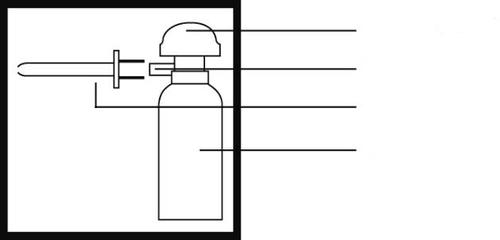
Metering head
nozzle
applicator
pressurized container
The applicators are supplied in a special wrapper. Hold the wrapper firmly in your hand
and pull out the applicator with a firm tug.
Preparations for using the foam
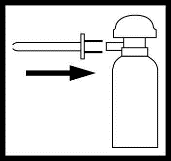
Firmly attach the applicator by pressing it onto the nozzle of the pressurized
container.
Shake the pressurized container for about 15 seconds to mix the contents.
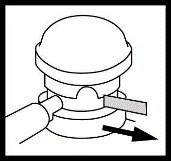
Before first use, remove the safety seal (plastic tab) located under the
metering head.
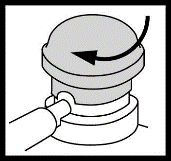
Rotate the metering head located on top of the pressurized container until the
semicircular recess is aligned with the base of the applicator. The pressurized container is now ready
for use.
How to use the foam
Place your index finger on the metering head and turn the container upside down. Remember that
the pressurized container works correctly only if the metering head is facing
down in the most vertical position possible.
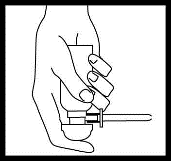
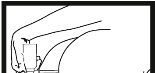
Place one foot on a chair or stool, or lie on your side,
keeping your lower leg straight and bending the other leg to maintain balance.
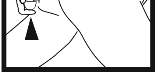
Insert the applicator into the anus and push it as far as possible into the rectum. Press the
metering head firmly once and release it slowly; the foam is dispensed from the
pressurized container when you release the metering head. Keep the applicator in
position for 10 - 15 seconds before removing it, to ensure complete delivery
of the dose into the rectum and prevent any foam leakage.
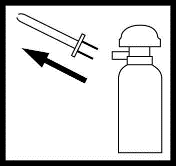
After administering the foam, remove the applicator and discard it with the
household waste in the plastic bag provided. Use a new applicator for the
next application.
To avoid accidental leakage of foam from the pressurized container between two
administrations, rotate the metering head so that the semicircular recess is
on the opposite side of the nozzle.
- Wash your hands and try not to empty your bowels until the next morning.
- If you need to go to hospital or consult another doctor or dentist, tell them you are using this medicine.
Duration of treatment
The duration of use of this medicine depends on your health condition. Your doctor
will determine how long you should use the medicine.
Acute episodes of inflammatory bowel disease (ulcerative colitis) usually subside
after 6 - 8 weeks.
If you think that the effect of Intesticort rectal foam is too strong or too weak, tell
your doctor.
If you use more Intesticort rectal foam than you should
If you have used too much medicine at once, use the next dose as prescribed. Do not
use a smaller amount. If you have any doubts, consult your doctor, who can decide what to
If you forget to use Intesticort rectal foam
If you forget to use a dose, simply continue your treatment at the prescribed dosage.
Do not use a double dose to make up for the missed dose.
If you stop using Intesticort rectal foam
If you want to stop or end treatment prematurely, consult your doctor. It is
important that you do not stop the medicine abruptly, as this could harm you.
Continue to use the medicine until your doctor tells you to stop, even if
you start to feel better.
If you have any doubts about using this medicine, ask your doctor or pharmacist.
4. Possible side effects
Like all medicines, this medicine can cause side effects, although not everyone will experience them.
If you experience any of the following symptoms after taking this medicine, seek immediate medical attention:
- infection
- headache
- changes in behaviour, such as depression, irritability, euphoria, agitation, anxiety or aggression
The following side effects have also been reported:
Common: may affect up to 1 in 10 people
- burning or pain in the rectum
- Cushing's syndrome - for example, roundness of the face, increased body weight, reduced glucose tolerance, increased blood glucose, high blood pressure, fluid retention in the tissues (e.g. swollen legs), increased potassium excretion (hypokalaemia), irregular menstruation in women, increased unwanted hair in women, impotence, abnormal laboratory test results (reduced adrenal function), red stretch marks on the skin, acne.
- indigestion, irritated stomach (dyspepsia)
- increased risk of infections
- muscle and joint pain, muscle weakness, muscle contractions
- fragile bones (osteoporosis)
- headache
- mood changes, such as depression, irritability or euphoria
- skin rashes from hypersensitivity reactions, petechiae, delayed wound healing, local skin reactions, such as contact dermatitis
Uncommon: may affect up to 1 in 100 people
- increased appetite
- changes in blood values (increased erythrocyte sedimentation rate, increased number of white blood cells)
- nausea, abdominal pain, flatulence, tingling or numbness in the abdomen, anal fissure, mouth ulcers, urgent need to empty the bowels, rectal bleeding
- ulcers of the stomach or small intestine
- changes in liver function
- changes in pancreatic function, changes in adrenergic hormones
- urinary tract infections
- dizziness, olfactory disorders
- insomnia, agitation with increased physical activity, anxiety
- increased sweating, weakness
Rare: may affect up to 1 in 1,000 people
- blurred vision
- inflammation of the pancreas
- bone loss due to poor blood circulation (osteonecrosis)
- aggression
- bruising
Very rare: may affect up to 1 in 10,000 people
- slowed growth in children
- constipation
- increased pressure in the brain, possibly with increased pressure in the eye (papilledema) in adolescents.
- increased risk of blood clotting, inflammation of blood vessels (associated with discontinuation of corticosteroids after long-term therapy)
- fatigue, general feeling of unwellness
These side effects are typical of steroid therapy and most of them can also occur after treatment with other steroids. They can occur depending on the dose, duration of treatment, any current or past treatments with other corticosteroid preparations and individual susceptibility.
Some of these side effects have only been observed after prolonged use of oral budesonide.
In general, the risk of side effects with Intesticort rectal foam is lower than that of cortisone preparations that act systemically (affecting the whole body) due to its local action.
If you have received a more potent corticosteroid preparation before starting treatment with Intesticort rectal foam, your symptoms may recur when the medicine is changed.
Reporting of side effects
If you experience any side effects, including those not listed in this leaflet, please tell your doctor or pharmacist. You can also report side effects directly through the national reporting system at
www.aifa.gov.it/content/segnalazioni-reazioni-avverse. By reporting side effects you can help provide more information on the safety of this medicine.
5. How to store Intesticort rectal foam
Keep this medicine out of the sight and reach of children.
Do not use this medicine after the expiry date which is stated on the carton and on the
pressurized container. The expiry date refers to the last day of that month.
The contents of the container must be used within 4 weeks after first opening.
Do not store at a temperature above 25°C.
Do not refrigerate or freeze!
The container is pressurised and contains flammable propellants. Do not expose to a
temperature above 50°C, protect from direct sunlight. Do not puncture or burn
the container, even if it is empty.
Do not dispose of any medicine in waste water or household waste. Ask your pharmacist
how to dispose of medicines you no longer use. This will help protect the environment.
6. Contents of the pack and other information
What Intesticort rectal foam contains
The active ingredient is budesonide. Each dose of foam contains 2 mg of budesonide.
The other ingredients are cetyl alcohol, emulsifying wax, purified water, disodium
edetate, macrogol stearyl ether, propylene glycol, citric acid monohydrate and n-butane,
isobutane and propane as propellants.
Description of the appearance of Intesticort rectal foam and contents of the pack
Intesticort rectal foam is a solid, creamy foam, from white to pale white
in colour, placed in a pressurised container.
Intesticort rectal foam is available in packs containing 1 pressurised
container, 14 applicators and 14 plastic bags or in packs containing 2 pressurised
containers, 28 applicators and 28 plastic bags for the hygienic disposal of the
applicators.
Not all pack sizes may be marketed.
Marketing Authorisation Holder and Manufacturer
Dr. Falk Pharma GmbH
Leinenweberstr. 5
79108 Freiburg
Germany
Tel. +49 (0) 761/1514-0
E-mail: [email protected]
Distributor for the sale in Italy
Sofar S.p.A. – Via Firenze 40, 20060 Trezzano Rosa (MI)
This medicinal product is authorised in the Member States of the European Economic Area with the
following denominations:
Denmark, Finland, Greece, Ireland, United Kingdom, Romania and Sweden: Budenofalk
Austria: Budo-San
Italy: Intesticort
Spain: Intestifalk

Уже начали прием и появились вопросы?
Обсудите свое состояние и дальнейшие шаги с врачом онлайн.
- Страна регистрации
- Форма выпускаEnteric-coated hard capsule, 3 MG
- Код АТХA07EA06
- Действующее вещество
- Отпускается по рецептуДа
- Производитель
- Информация на этой странице носит справочный характер и не является медицинской консультацией. Перед началом приема лекарства обязательно проконсультируйтесь с врачом.
- Аналоги INTESTIKORTФорма выпуска: Modified-release hard capsule, 3 mgДействующее вещество: БудесонидПроизводитель: DOC GENERICI SRLОтпускается по рецептуФорма выпуска: Extended-release tablet, 9 MGДействующее вещество: БудесонидПроизводитель: FERRING S.P.A.Отпускается без рецептаФорма выпуска: Modified-release hard capsule, 3 MGДействующее вещество: БудесонидПроизводитель: S.F. GROUP S.R.L.Отпускается по рецепту
Аналоги INTESTIKORT в других странах
Лекарства с тем же действующим веществом, доступные в других странах.
Аналог INTESTIKORT в Испания
Аналог INTESTIKORT в Польша
Аналог INTESTIKORT в Украина
Врачи онлайн по INTESTIKORT
Обсудите применение INTESTIKORT и возможные следующие шаги — по оценке врача.









Получите рецепт на INTESTIKORT онлайн
Заполните форму за 2 минуты
Расскажите о симптомах, истории болезни и нужном препарате.
Выберите врача или мы назначим
Выберите специалиста или мы подберём ближайшего доступного врача.
Врач рассматривает ваш случай
Обычно в течение 30 минут. Может задать уточняющие вопросы в чате.
Получите в любой аптеке
Электронный рецепт отправляется на вашу почту — действителен по всей Польше.
Часто задаваемые вопросы
INTESTIKORT требует рецепта в Италия. Вы можете уточнить у врача онлайн, подходит ли это лекарство для вашей ситуации.
Действующее вещество INTESTIKORT — Будесонид. Эта информация помогает определить лекарства с тем же составом под другими торговыми названиями.
INTESTIKORT производится компанией DR. FALK PHARMA GMBH. Упаковка и торговое название могут отличаться в зависимости от дистрибьютора.
Врачи, включая Семейные врачи, Психиатры, Дерматологи, Кардиологи, Эндокринологи, Гастроэнтерологи, Пульмонологи, Нефрологи, Ревматологи, Гематологи, Инфекционисты, Аллергологи, Гериатры, Педиатры, Онкологи, могут оценить целесообразность применения INTESTIKORT с учетом вашей ситуации и местных правил. Вы можете записаться на онлайн-консультацию, чтобы обсудить возможные варианты.
Польша имеет хорошо развитую систему здравоохранения в крупных городах, таких как Варшава, Краков, Вроцлав и Гданьск. Аптеки широко доступны и работают в соответствии с действующим законодательством, обеспечивая доступ к рецептурным препаратам.
Вы можете купить INTESTIKORT в Варшаве, Кракове, Вроцлаве или Гданьске в любой аптеке при наличии действующего рецепта.
Чтобы получить рецепт, вы можете воспользоваться Oladoctor:
Другие лекарства с тем же действующим веществом (Будесонид) включают BUDESONIDE DOK, KORTIMENT, INTEB. Они могут отличаться торговым названием или формой выпуска, но содержат одинаковый терапевтический компонент. Перед изменением лечения рекомендуется проконсультироваться с врачом.
