



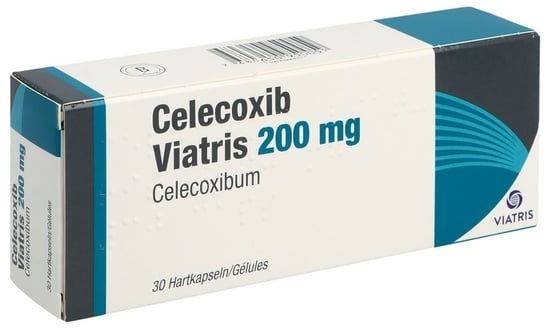
CELECOXIB 100 mg Hard Capsule

Рассмотрение рецепта онлайн
Врач рассмотрит ваш случай и примет решение о назначении рецепта, если это медицински оправдано.

Поговорите с врачом об этом лекарстве
Обсудите симптомы и возможные дальнейшие шаги на онлайн-консультации.



Инструкция по применению KELEKOXIB VIATRIS
Содержание инструкции
Celecoxib Viatris 100 mg hard capsules, 200 mg hard capsules
Generic medicine
Read this leaflet carefully before taking this medicine as it contains important information for you.
- Keep this leaflet. You may need to read it again.
- If you have any questions, ask your doctor or pharmacist.
- This medicine has been prescribed for you only. Do not pass it on to others, even if they have the same symptoms as you, as it could be harmful.
- If you get any side effects, even those not listed in this leaflet, tell your doctor or pharmacist. See section 4.
Contents of this leaflet
- 1. What Celecoxib Viatris is and what it is used for
- 2. What you need to know before you take Celecoxib Viatris
- 3. How to take Celecoxib Viatris
- 4. Possible side effects
- 5. How to store Celecoxib Viatris
- 6. Contents of the pack and other information
1. What is Celecoxib Viatris and what is it used for
Celecoxib Viatris belongs to a class of medicines called non-steroidal anti-inflammatory drugs
(NSAIDs), and more specifically to a subgroup known as cyclooxygenase-2 (COX-
2) inhibitors. The body produces prostaglandins, which can cause pain and inflammation. In certain
conditions such as rheumatoid arthritis and osteoarthritis, the body produces more of them. Celecoxib Viatris
works by reducing the production of prostaglandins, thereby also reducing pain and inflammation.
Celecoxib Viatris is used in adults for the symptomatic treatment of rheumatoid arthritis,
osteoarthritisand ankylosing spondylitis.
You can expect the medicine to start to have an effect within a few hours of taking the first
dose, but you may not feel a complete effect for several days.
2. What you need to know before taking Celecoxib Viatris
Celecoxib Viatris has been prescribed to you by your doctor. The following information will help you get the best results with Celecoxib Viatris. If you have further questions, ask your doctor or pharmacist.
Do not take Celecoxib Viatris
Tell your doctor if any of the following conditions apply to you, as patients who are in these conditions should not take Celecoxib Viatris:
- if you are allergic to celecoxib or any of the other ingredients of this medicine (listed in section 6)
- if you have had an allergic reaction to a class of medicines called “sulfonamides” (e.g. some antibiotics used to treat infections)
- if you currentlyhave a stomach or intestinal ulcer, or bleeding in the stomach or intestine
- if, due to taking acetylsalicylic acid or any other anti-inflammatory and pain-relieving drug (NSAID), you have experienced asthma, nasal polyps, severe nasal congestion, or an allergic reaction such as skin rash with itching, swelling of the face, lips, tongue or throat, difficulty breathing or wheezing
- if you are pregnant. If you could become pregnant during treatment, you should talk to your doctor about contraceptive methods
- if you are breastfeeding
- if you have a serious liver disease
- if you have a serious kidney disease
- if you have an inflammatory bowel disease, such as ulcerative colitis or Crohn's disease
- if you have heart failure, or established ischemic heart disease, or cerebrovascular disease, for example you have been diagnosed with a heart attack, stroke or transient ischemic attack (temporary reduction of blood flow to the brain, also known as “mini-stroke”), angina, or blockage of blood vessels to the heart or brain
- if you have or have had circulatory problems (peripheral arterial disease) or if you have had surgery on the arteries of your legs
Warnings and precautions
Talk to your doctor or pharmacist before taking Celecoxib Viatris:
- if previouslyyou have had a stomach or intestinal ulcer or bleeding (do not takeCelecoxib Viatrisif you currentlyhave a stomach or intestinal ulcer or bleeding)
- if you are taking acetylsalicylic acid (even at low doses used for heart protection)
- if you are taking antiplatelet therapies
- if you use medicines to reduce blood clotting (e.g. warfarin/anticoagulants similar to warfarin or novel oral anticoagulants, e.g. apixaban)
- if you use medicines called corticosteroids (e.g. prednisone)
- if you are using Celecoxib Viatris at the same time as other NSAIDs that are not acetylsalicylic acid, such as ibuprofen or diclofenac. The concomitant use of these medicines should be avoided
- if you smoke, have diabetes, high blood pressure or high cholesterol
- if your heart, liver or kidneys are not functioning properly, your doctor may subject you to periodic checks
- if you have fluid retention (such as swollen ankles and feet)
- if you are dehydrated, for example due to illness, diarrhea or the use of diuretics (used to treat excess fluid in the body)
- if you have had a severe allergic reaction or a severe skin reaction to any medicine
- if you feel unwell due to an infection or believe you have an infection, as Celecoxib Viatris may mask fever or other signs of infection and inflammation
- if you are over 65 years of age your doctor will monitor you regularly
- drinking alcohol and taking NSAIDs may increase the risk of gastrointestinal problems
As with other NSAIDs (e.g. ibuprofen or diclofenac), this medicine can lead to an increase in blood pressure and therefore your doctor may ask you to check your blood pressure on a regular basis.
During treatment with celecoxib, some cases of serious liver reactions have been reported, including severe liver inflammation, liver damage, liver failure (some cases have had a fatal outcome or have required a liver transplant). Among the cases for which the time of onset is known, most serious liver reactions occurred within one month of starting treatment.
Celecoxib Viatris may make it more difficult to get pregnant. You should inform your doctor if you are planning a pregnancy or if you have problems getting pregnant (see section Pregnancy and breastfeeding).
Other medicines and Celecoxib Viatris
Tell your doctor or pharmacist if you are taking, have recently taken or might take any other medicines:
- Dextromethorphan (used to treat cough)
- ACE inhibitors, angiotensin II receptor antagonists, beta-blockers and diuretics (used for high blood pressure and heart failure)
- Fluconazole and rifampicin (used to treat fungal and bacterial infections)
- Warfarin or other medicines similar to warfarin (drugs that reduce blood clotting), including newer medicines such as apixaban
- Lithium (used to treat some types of depression)
- Other medicines for the treatment of depression, sleep disorders, high blood pressure or irregular heartbeat
- Neuroleptics (used to treat some mental disorders)
- Methotrexate (used to treat rheumatoid arthritis, psoriasis and leukemia)
- Carbamazepine (used to treat epilepsy/seizures and some forms of pain or depression)
- Barbiturates (used to treat epilepsy/seizures and some sleep disorders)
- Cyclosporine and tacrolimus (used for suppression of the immune system, e.g. after transplants)
Celecoxib Viatris can be taken with a low dose of acetylsalicylic acid (75 mg per day or less). Ask your doctor for advice before taking the two medicines at the same time.
Pregnancy, breastfeeding and fertility
If you are pregnant, suspect you may be pregnant, are planning to become pregnant, or are breastfeeding, ask your doctor or pharmacist for advice before taking this medicine.
Pregnancy
Celecoxib Viatris should not be taken by pregnant women or women who may become pregnant (e.g. women of childbearing potential who are not using adequate contraceptive methods) during treatment. If you become pregnant during treatment with Celecoxib Viatris, you should stop treatment and contact your doctor for alternative therapy.
Breastfeeding
Celecoxib Viatris should not be used during breastfeeding.
Fertility
NSAIDs, including Celecoxib Viatris, may make it more difficult to get pregnant. You should inform your doctor if you are planning a pregnancy or if you have problems getting pregnant.
Driving and using machines
Before driving or operating machinery, you should be aware of how you react to Celecoxib Viatris.
If you feel dizzy or drowsy after taking Celecoxib Viatris, do not drive or operate machinery until these effects have worn off.
Celecoxib Viatris contains lactose
Celecoxib Viatris contains lactose(a type of sugar). If your doctor has diagnosed you with an intolerance to some sugars, contact them before taking this medicine.
Celecoxib Viatris contains sodium
This medicine contains less than 1 mmol (23 mg) of sodiumper capsule, that is to say essentially ‘sodium-free’.
3. How to take Celecoxib Viatris
Take this medicine following exactly the instructions of your doctor or pharmacist. If you have
doubts, consult your doctor or pharmacist. If you think or feel that the effect of Celecoxib Viatris is too
strong or too weak, talk to your doctor or pharmacist.
Your doctor will tell you which dose to take. Because the risk of side effects related to heart problems may increase with increasing dose and duration of therapy, it is important that you use
the lowest possible dose to control the pain and do not take Celecoxib Viatris for a time
longer than necessary to control the symptoms.
Method of administration
Celecoxib Viatris is for oral use.The capsules can be taken at any time of the day, with
or without food. However, always try to take each dose of Celecoxib Viatris at the same time each
day.
If you have difficulty swallowing the capsules:
the entire contents of the capsule can be poured onto a teaspoon of semi-solid food (such as
apple sauce, rice pudding, yogurt or mashed banana cold or at room temperature) and
swallowed immediately with approximately 240 ml of water.
To open the capsule, hold it upright to keep the granules at the bottom, then remove the top part by twisting it with slight pressure, being careful not to spill the contents. Do
not chew or crush the granules.
Contact your doctor within two weeks of starting treatment if you do not feel any improvement.
The recommended dose is
For osteoarthritisthe recommended dose is 200 mg per day, which may be increased by your doctor up
to a maximum of 400 mg, if necessary.
The usual dose is as follows:
- one 200 mg capsule once a day; or
- one 100 mg capsule twice a day.
For rheumatoid arthritisthe recommended dose is 200 mg per day, which may be increased by the
doctor up to a maximum of 400 mg, if necessary.
The usual dose is as follows:
- one 100 mg capsule twice a day.
For ankylosing spondylitisthe recommended dose is 200 mg per day, which may be increased by the
doctor up to a maximum of 400 mg, if necessary.
The usual dose is as follows:
- one 200 mg capsule once a day; or
- one 100 mg capsule twice a day.
Kidney or liver problems: make sure your doctor knows if you have liver or kidney problems, as
a lower dose may be necessary.
Elderly, especially those weighing less than 50 kg: if you are over 65 years of age and especially if
you weigh less than 50 kg, your doctor may subject you to more careful monitoring.
You should not take more than 400 mg per day.
Use in children
Celecoxib Viatris is only for adults. It should not be used for children.
If you take more Celecoxib Viatris than you should
Do not take more capsules than your doctor has prescribed. If you take too many capsules, contact
your doctor, pharmacist or hospital and take the medicine with you.
If you forget to take Celecoxib Viatris
If you forget to take a capsule, take it as soon as you remember. Do not take a double dose
to make up for the missed dose.
If you stop taking Celecoxib Viatris
Suddenly stopping treatment with Celecoxib Viatris can lead to a worsening
of symptoms. Do not stop taking Celecoxib Viatris unless your doctor has told you to. Your doctor
will probably tell you to reduce the dose for a few days, before stopping treatment completely.
If you have any questions about the use of this medicine, ask your doctor or pharmacist.
4. Possible side effects
Like all medicines, this medicine can cause side effects, although not everybody gets them.
The side effects listed below have been observed in patients with arthritis who were taking
Celecoxib Viatris. The side effects listed below marked with an asterisk (*) occurred
more frequently in patients taking Celecoxib Viatris to prevent colon polyps.
Patients in these studies took Celecoxib Viatris at high doses and for a longer
duration.
If any of the following occur, stop taking Celecoxib Viatris and tell your
doctor immediately:
If you:
- have an allergic reaction such as skin rash, facial swelling, wheezing or difficulty breathing
- have heart problems such as chest pain
- have severe stomach pain or any sign of bleeding in the stomach or intestines, such as black stools or blood in the stools, or vomiting blood
- have a skin reaction such as rash, blisters or peeling skin
- have liver failure (symptoms include nausea, diarrhoea, jaundice (yellowing of the skin or whites of the eyes)).
Very common: may affect more than 1 in 10 people
- High blood pressure, including worsening of existing high blood pressure*.
Common: may affect up to 1 in 10 people
- Heart attack*
- Fluid retention with swelling of ankles, legs and/or hands
- Urinary tract infections
- Shortness of breath*, sinusitis (inflammation or infection of the sinuses, blocked or painful sinuses), stuffy or runny nose, sore throat, cough, cold, flu-like symptoms
- Dizziness, difficulty sleeping
- Vomiting*, stomach pain, diarrhoea, indigestion, gas
- Skin rash, itching
- Muscle stiffness
- Difficulty swallowing*
- Headache
- Nausea
- Joint pain
- Worsening of existing allergies
- Accidental injury
Uncommon: may affect up to 1 in 100 people
- Stroke*
- Heart failure, palpitations (feeling your heartbeat), fast heartbeat
- Abnormal blood tests for liver values
- Abnormal blood tests for kidney values
- Anaemia (alterations of red blood cells that can cause fatigue and shortness of breath)
- Anxiety, depression, fatigue, drowsiness, tingling sensation
- High levels of potassium in blood tests (can cause nausea, fatigue, muscle weakness or palpitations)
- Blurred or impaired vision, ringing in the ears, pain and sores in the mouth, difficulty hearing*
- Constipation, belching, inflammation of the stomach (indigestion, stomach pain or vomiting), worsening of inflammation of the stomach or intestines
- Leg cramps
- Increased skin rash with itching (urticaria)
- Eye inflammation
- Difficulty breathing
- Skin discolouration (bruising)
- Chest pain (general pain not related to the heart)
- Facial swelling
Rare: may affect up to 1 in 1,000 people
- Ulcers (bleeding) in the stomach, esophagus or intestine; or perforation of the intestine (can cause stomach pain, fever, nausea, vomiting, bowel obstruction), dark or black stools, inflammation of the pancreas (can cause stomach pain), inflammation of the esophagus.
- Low levels of sodium in the blood (a condition known as hyponatremia)
- Reduction of white blood cells (which help protect the body from infections) or platelets (increased risk of bleeding or bruising)
- Difficulty coordinating muscle movements
- Feeling of confusion, altered taste
- Increased sensitivity to light
- Hair loss
- Hallucinations
- Eye bleeding
- Acute reaction that can cause inflammation of the lungs
- Irregular heartbeat
- Hot flushes
- Blood clots in the blood vessels of the lungs. Symptoms can include sudden shortness of breath, sharp pains during breathing or fainting.
- Bleeding in the stomach or intestines (can cause blood in the stools or vomit), inflammation of the intestine or colon
- Severe liver inflammation (hepatitis) symptoms include nausea, diarrhoea, jaundice (yellowing of the skin or eyes), dark urine, pale stools, easy bruising, itching or chills.
- Acute kidney failure
- Menstrual disorders
- Swelling of the face, lips, mouth, tongue or throat, or difficulty swallowing.
Very rare: may affect up to 1 in 10,000 people
- Severe allergic reactions (including potentially life-threatening anaphylactic shock)
- Severe skin diseases such as Stevens-Johnson syndrome, exfoliative dermatitis and toxic epidermal necrolysis (can cause rash, blisters or peeling skin) and acute generalized exanthematous pustulosis (symptoms include reddened skin with bumps covered with numerous small pustules)
- Delayed allergic reaction with possible symptoms such as rash, facial swelling, fever, swollen lymph nodes, altered blood test values (e.g. liver function, blood count (eosinophilia, a specific increase in white blood cells)).
- Fatal brain haemorrhages
- Meningitis (inflammation of the membrane covering the brain and spinal cord)
- Liver failure, liver damage, and severe liver inflammation (fulminant hepatitis), (cases sometimes fatal or requiring a liver transplant). Symptoms include nausea, diarrhoea, jaundice (yellowing of the skin or eyes), dark urine, pale stools, easy bruising, itching or chills.
- Liver disorders (such as cholestasis and cholestatic hepatitis, which can be accompanied by symptoms such as altered stool color, nausea and yellowing of the skin or eyes)
- Inflammation of the kidneys or other kidney disorders (such as nephrotic syndrome and minimal change disease, which can be accompanied by symptoms such as fluid retention (edema), foamy urine, fatigue and loss of appetite).
- Worsening of epilepsy (possibility of more frequent and/or severe seizures)
- Blockage of an artery or vein in the eye, causing partial or total loss of vision
- Inflamed blood vessels (can cause fever, pain, reddish patches on the skin)
- Reduction of red blood cells, white blood cells and platelets (can cause fatigue, easy bruising, frequent nosebleeds and increased risk of infection)
- Muscle pain and weakness
- Impaired sense of smell
- Loss of taste
Not known: frequency cannot be estimated from available data:
- Reduced fertility in women, generally reversible with discontinuation of the medicine
In clinical studies not related to arthritis or other arthritis-related conditions, in which
Celecoxib Viatris was taken at doses of 400 mg per day for a maximum period of 3 years,
the following side effects have been observed:
Common: may affect up to 1 in 10 people
- Heart problems: angina (chest pain)
- Stomach problems: irritable bowel syndrome (may include stomach pain, diarrhoea, indigestion, gas)
- Kidney stones (which can cause back pain or stomach pain, blood in the urine), difficulty urinating
- Weight gain
Uncommon: may affect up to 1 in 100 people
- Deep vein thrombosis (blood clotting generally in the leg, which can cause pain, swelling or redness in the calf or breathing problems)
- Stomach problems: stomach infection (which can cause irritation and ulcers in the stomach and intestines)
- Fractures of the lower limbs
- Herpes zoster (shingles), skin infection, eczema (dry and itchy rash), pneumonia (chest infection (possible cough, fever, difficulty breathing))
- Floaters in the eye causing impaired or blurred vision, dizziness due to inner ear disorders, painful, inflamed or bleeding gums, sores in the mouth
- Excessive urination at night, bleeding hemorrhoids, frequent bowel movements
- Accumulations of fat on the skin or elsewhere, ganglion cysts (benign swelling above and around joints and tendons of the hands or feet), difficulty speaking, abnormal or very heavy vaginal bleeding, breast pain
- High levels of sodium in blood tests
Reporting of side effects
If you get any side effects, talk to your
doctor or pharmacist. This includes any possible side effects not listed in this leaflet. You can also
report side effects directly through the national reporting system at www.aifa.gov.it/content/segnalazioni-reazioni-avverse . By reporting
side effects you can help provide more information on the safety of this
medicine.
5. How to store Celecoxib Viatris
Keep this medicine out of the sight and reach of children.
Do not use this medicine after the expiry date which is stated on the blister and the packaging. The expiry date
refers to the last day of that month.
Do not store Celecoxib Viatris at a temperature above 30 °C.
Do not dispose of any medicine in waste water or household waste. Ask your pharmacist how to
dispose of medicines you no longer use. This will help protect the environment.
6. Contents of the pack and other information
What Celecoxib Viatris contains
The active ingredient is celecoxib.
Each capsule contains 100 mg or 200 mg of celecoxib.
The other ingredients are:
Lactose monohydrate, sodium lauryl sulfate, povidone, sodium croscarmellose, magnesium stearate. The
capsule shells contain: gelatin, titanium dioxide E171, sodium lauryl sulfate and sorbitan
monolaurate. The ink contains shellac, propylene glycol, indigotine E132 (100
mg capsules) or iron oxide E172 (200 mg capsules).
Description of the appearance of Celecoxib Viatris and contents of the pack
Celecoxib Viatris is available in capsule form.
Opaque white capsules with two blue bands marked 7767 and 100
Opaque white capsules with two gold bands marked 7767 and 200
The capsules are packaged in aluminium PVC/ transparent or opaque blisters.
Celecoxib Viatris is contained in packs of 2, 5, 6, 10, 20, 30, 40, 50, 60, 100, 10x10, 10x30, 10x50,
1x50 in separable units, 1x100 in separable units, 5x(10x10) capsules.
Not all pack sizes may be marketed.
Marketing Authorisation Holder and Manufacturer
Marketing Authorisation Holder
Viatris Pharma S.r.l.
Via Vittor Pisani 20
20124 Milan
Manufacturer
R-Pharm Germany GmbH
Heinrich-Mack-Str. 35,
89257 Illertissen
Germany
Viatris Manufacturing Deutschland GmbH
Betriebsstätte Freiburg Mooswaldallee 1,
79090 Freiburg
Germany
This medicinal product is authorised in the Member States of the European Economic Area under the
following denominations:
| i Denomination | Country |
| l a Celecoxib Viatris | Austria, Finland, France, Italy, Netherlands, Sweden |
| Celecoxib Upjohn | Greece |
| t Celecoxib | United Kingdom |

Не уверены, подходит ли вам это лекарство?
Обсудите симптомы и варианты лечения с врачом онлайн.

Уже начали прием и появились вопросы?
Обсудите свое состояние и дальнейшие шаги с врачом онлайн.
- Страна регистрации
- Форма выпускаHard capsule, 100 MG
- Код АТХM01AH01
- Действующее вещество
- Отпускается по рецептуДа
- Производитель
- Информация на этой странице носит справочный характер и не является медицинской консультацией. Перед началом приема лекарства обязательно проконсультируйтесь с врачом.
- Аналоги KELEKOXIB VIATRISФорма выпуска: Hard capsule, 100 MGДействующее вещество: ЦелекоксибПроизводитель: S.F. GROUP S.R.L.Отпускается по рецептуФорма выпуска: Hard capsule, 100 MGДействующее вещество: ЦелекоксибПроизводитель: VIATRIS PHARMA S.R.L.Отпускается по рецептуФорма выпуска: Hard capsule, 200 MGДействующее вещество: ЦелекоксибПроизводитель: AUROBINDO PHARMA (ITALIA) S.R.L.Отпускается по рецепту
Аналоги KELEKOXIB VIATRIS в других странах
Лекарства с тем же действующим веществом, доступные в других странах.
Аналог KELEKOXIB VIATRIS в Испания
Аналог KELEKOXIB VIATRIS в Польша
Аналог KELEKOXIB VIATRIS в Украина
Врачи онлайн по KELEKOXIB VIATRIS
Обсудите применение KELEKOXIB VIATRIS и возможные следующие шаги — по оценке врача.









Получите рецепт на KELEKOXIB VIATRIS онлайн
Заполните форму за 2 минуты
Расскажите о симптомах, истории болезни и нужном препарате.
Выберите врача или мы назначим
Выберите специалиста или мы подберём ближайшего доступного врача.
Врач рассматривает ваш случай
Обычно в течение 30 минут. Может задать уточняющие вопросы в чате.
Получите в любой аптеке
Электронный рецепт отправляется на вашу почту — действителен по всей Польше.
Часто задаваемые вопросы
KELEKOXIB VIATRIS требует рецепта в Италия. Вы можете уточнить у врача онлайн, подходит ли это лекарство для вашей ситуации.
Действующее вещество KELEKOXIB VIATRIS — Целекоксиб. Эта информация помогает определить лекарства с тем же составом под другими торговыми названиями.
KELEKOXIB VIATRIS производится компанией VIATRIS PHARMA S.R.L.. Упаковка и торговое название могут отличаться в зависимости от дистрибьютора.
Врачи, включая Семейные врачи, Психиатры, Дерматологи, Кардиологи, Эндокринологи, Гастроэнтерологи, Пульмонологи, Нефрологи, Ревматологи, Гематологи, Инфекционисты, Аллергологи, Гериатры, Педиатры, Онкологи, могут оценить целесообразность применения KELEKOXIB VIATRIS с учетом вашей ситуации и местных правил. Вы можете записаться на онлайн-консультацию, чтобы обсудить возможные варианты.
Польша имеет хорошо развитую систему здравоохранения в крупных городах, таких как Варшава, Краков, Вроцлав и Гданьск. Аптеки широко доступны и работают в соответствии с действующим законодательством, обеспечивая доступ к рецептурным препаратам.
Вы можете купить KELEKOXIB VIATRIS в Варшаве, Кракове, Вроцлаве или Гданьске в любой аптеке при наличии действующего рецепта.
Чтобы получить рецепт, вы можете воспользоваться Oladoctor:
Другие лекарства с тем же действующим веществом (Целекоксиб) включают KELARTROX, KELEBREX, KELEKOXIB AUROBINDO. Они могут отличаться торговым названием или формой выпуска, но содержат одинаковый терапевтический компонент. Перед изменением лечения рекомендуется проконсультироваться с врачом.
