


PRESTARIUM 5 mg
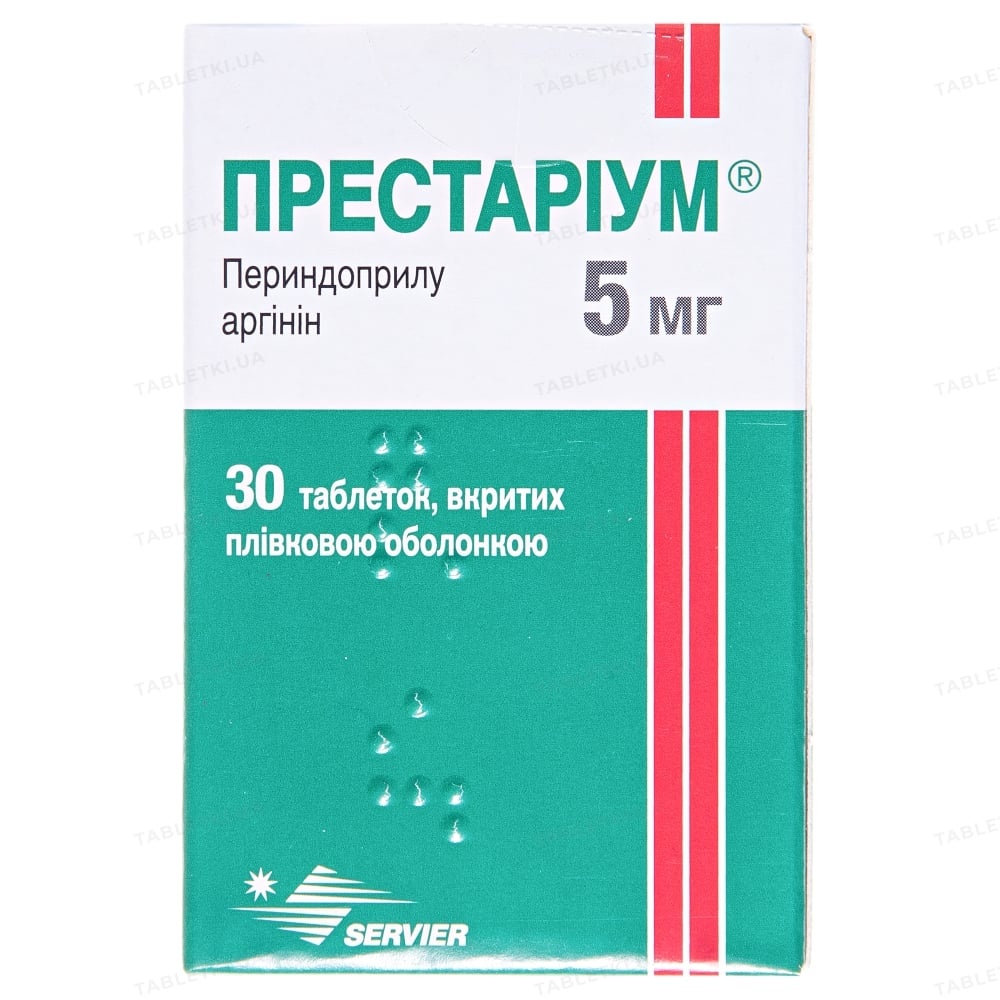



Jak stosować PRESTARIUM 5 mg
Tłumaczenie AI
Ta strona ma charakter informacyjny i nie zastępuje konsultacji lekarskiej. Przed zastosowaniem jakiegokolwiek leku skonsultuj się z lekarzem. Jeśli objawy są poważne, skorzystaj z pilnej pomocy medycznej.
Pokaż oryginałINSTRUCTIONS for medical use of the medicinal product MILGAMMA®(MILGAMMA®)
Composition
active substances: 1 tablet contains benfotiamine 100 mg, pyridoxine hydrochloride 100 mg; excipients: silicon dioxide colloidal anhydrous, microcrystalline cellulose, sodium croscarmellose, povidone, talc, partial glycerides; coating: shellac, sucrose, calcium carbonate (E 170), talc, acacia, corn starch, titanium dioxide (E 171), silicon dioxide colloidal anhydrous, povidone, polyethylene glycols, glycerin 85%, polysorbates, montan glycol wax.
Pharmaceutical form
Coated tablets.
Basic physico-chemical properties
Coated tablets of white color, with a smooth surface.
Pharmacotherapeutic group
Vitamin B1 preparations, simple and in combination with vitamins B6 and B12. ATC code A11D A.
Pharmacological properties
Pharmacodynamics
Neurotropic vitamins of group B have a beneficial effect on the course of inflammatory and degenerative diseases of the nerves and musculoskeletal system. They should be used to eliminate deficiency states, and in high doses, vitamins have analgesic properties, promote improved blood circulation, and normalize the functioning of the nervous system and blood formation.
Pharmacokinetics
Vitamin B6 and its derivatives are mostly rapidly absorbed in the upper part of the gastrointestinal tract by passive diffusion and excreted within 2-5 hours.
Clinical characteristics
Indications
In neurological diseases caused by a proven deficiency of vitamins B1 and B6.
Contraindications
Increased sensitivity to the components of the preparation.
Administration of vitamin B1 is contraindicated in allergic reactions.
Administration of vitamin B6 is contraindicated in peptic ulcer disease of the stomach and duodenum in the stage of exacerbation (since possible increased acidity of gastric juice).
Pregnancy or breastfeeding period.
Interaction with other medicinal products and other types of interactions
Thiamine is inactivated by 5-fluorouracil, as the latter competitively inhibits the phosphorylation of thiamine into thiamine pyrophosphate. Antacids reduce thiamine absorption.
Loop diuretics (e.g., furosemide), which inhibit tubular reabsorption, during long-term therapy, may cause increased excretion of thiamine and thus reduce thiamine levels.
When taken simultaneously with levodopa, vitamin B6 may reduce the effect of levodopa.
Simultaneous administration of pyridoxine antagonists (e.g., isoniazid, hydralazine, D-penicillamine, or cycloserine), alcohol, as well as prolonged administration of oral contraceptives containing estrogens, may lead to a deficiency of vitamin B6.
Consumption of alcohol and black tea reduces thiamine absorption.
Benfotiamine is incompatible with oxidizing and reducing compounds: mercuric chloride, iodide, carbonate, acetate, tannic acid, iron-ammonium citrate, as it is inactivated in their presence. Copper accelerates the degradation of benfotiamine; in addition, thiamine loses its effect when pH values increase (more than 3).
Beverages containing sulfites (e.g., wine) enhance thiamine degradation.
Pyridoxine may reduce the effectiveness of altretamine.
Special instructions
The question of using the Milgamma®preparation for the treatment of patients with severe and acute forms of decompensated heart failure is decided by the doctor individually, taking into account the patient's condition.
When using vitamin B12, the clinical picture, as well as laboratory tests for funicular myelosis or pernicious anemia, may lose their specificity.
Since the preparation contains vitamin B6, it should be prescribed with caution to patients with stomach and duodenal ulcers, serious liver and kidney insufficiency in the anamnesis.
Patient with tumors should not be given the Milgamma®preparation, except in cases related to megaloblastic anemia and vitamin B12 deficiency. The preparation should not be used in severe or acute forms of decompensated heart activity and angina pectoris.
In case of signs of peripheral sensory neuropathy (paresthesia), it is necessary to review the dosage and suspend the use of the Milgamma®preparation if necessary. With prolonged intake (more than 6-12 months) of daily doses exceeding 50 mg of vitamin B6, as well as with short-term intake (more than 2 months) of more than 1 g of vitamin B6 per day, neuropathies have been observed in connection with this, and constant monitoring is recommended during long-term intake.
The preparation contains sucrose. Patients with rare hereditary fructose intolerance, glucose-galactose malabsorption, or sucrase-isomaltase insufficiency should not use this medicinal product.
Use during pregnancy or breastfeeding
The daily need for vitamin B6 during pregnancy and breastfeeding is up to 2.5 mg.
During pregnancy or breastfeeding, it is recommended to take vitamin B1 in a dose of 1.4-1.6 mg and vitamin B6 in a dose of 2.4-2.6 mg daily.
There is no evidence for the use of higher doses than the recommended daily doses.
Vitamins B1 and B6 pass into breast milk.
High doses of vitamin B6 may interfere with milk production. The preparation contains 100 mg of vitamin B6, so it should not be used during pregnancy and breastfeeding.
Ability to affect the speed of reaction when driving vehicles or operating other mechanisms
Since the preparation may cause such side effects as dizziness, headache, and tachycardia in some patients, caution should be exercised when driving vehicles or operating other mechanisms.
Method of administration and dosage
Administer orally, with a sufficient amount of liquid.
The recommended dose is 1 tablet per day. In individual cases, the dose is increased and administered 1 tablet 3 times a day.
Tablets should be taken whole, with liquid after meals.
The duration of the treatment course is determined by the doctor individually in each case. After the maximum treatment period (4 weeks), a decision is made regarding the correction and reduction of the preparation dose.
Children
The efficacy and safety of the preparation in children have not been established, so it should not be prescribed to this age group of patients.
Overdose
With chronic use in high doses, a worsening of liver enzyme activity, heart pain, and hypercoagulation is possible. High doses of vitamin B1 have a curare-like effect.
Vitamin B1
Thiamine has a wide therapeutic range. Very high doses (more than 10 g) have a ganglioblocking effect, similar to the effect of curare, and suppress the conduction of nerve impulses.
Vitamin B6
The toxicity of vitamin B6 is considered very low. However, long-term use (more than 6-12 months) of vitamin B6 in doses exceeding 50 mg per day may cause peripheral sensory neuropathy.
Continuous use of vitamin B6 in doses exceeding 1 g per day for more than 2 months may lead to neurotoxic effects.
With long-term use of vitamin B1 in a dose of more than 2 g per day, neuropathies with ataxia and sensitivity disorders, cerebral seizures with changes in EEG, as well as hypochromic anemia and seborrheic dermatitis, have been recorded in individual cases.
In case of overdose, the symptoms of the preparation's side effects are intensified.
Treatment: gastric lavage, administration of activated charcoal. Therapy is symptomatic.
Side reactions
From the gastrointestinal tract: nausea, vomiting, diarrhea, abdominal pain, increased acidity of gastric juice.
From the cardiovascular system: tachycardia.
From the immune system: hypersensitivity reactions, including anaphylactic shock; anaphylaxis; urticaria.
From the skin: skin rash, itching.
In extremely rare cases - shock.
From the nervous system: long-term use (more than 6-12 months) in doses exceeding 50 mg of vitamin B6 per day may lead to peripheral sensory neuropathy, nervous excitement, dizziness, headache.
From the endocrine system: inhibition of prolactin secretion.
Shelf life
5 years.
Storage conditions
Store in a place inaccessible to children at a temperature not exceeding +25 ºC.
Do not use after the expiration date stated on the packaging.
Packaging
15 coated tablets in a blister pack; 2 or 4 blister packs in a carton box.
Release category
Without a prescription.
Manufacturer
Mauermann-Arzneimittel KG, Germany.
Location of the manufacturer and address of the place of its activity
Heinrich-Knote-Strasse 2, 82343 Poecking, Germany.


- Kraj rejestracji
- Postać farmaceutycznatablets, 5 mg in 14 or 30 tablets
- Kod ATCC09AA04
- Substancja czynna
- Wymaga receptyTak
- Producent
- Te treści mają charakter wyłącznie informacyjny i nie zastępują konsultacji lekarskiej.
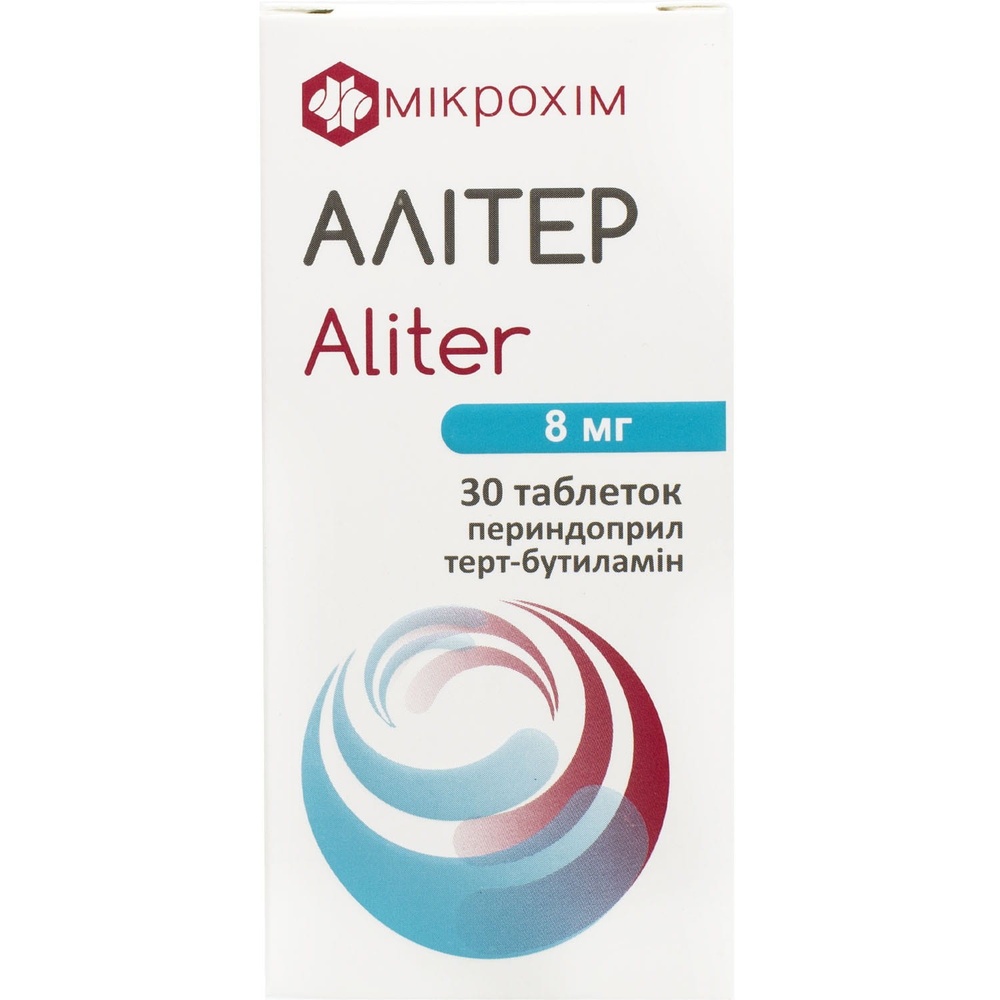
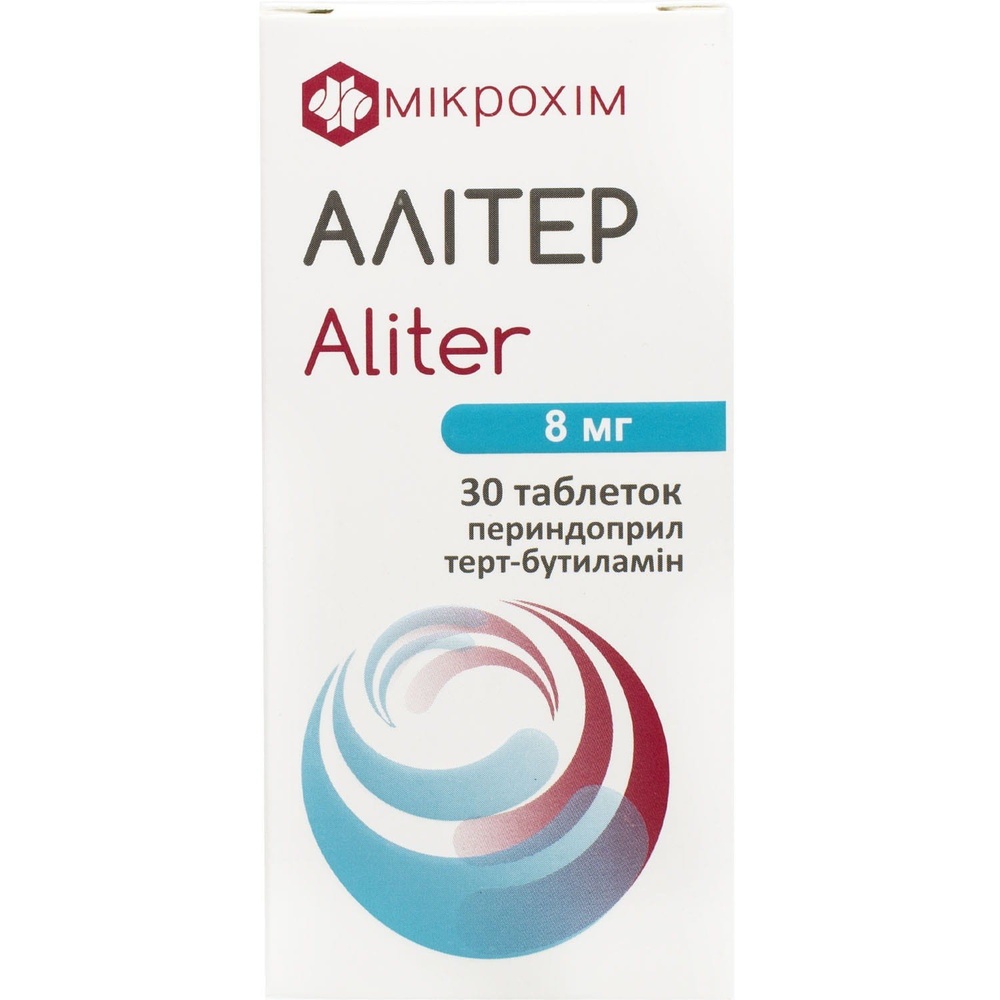
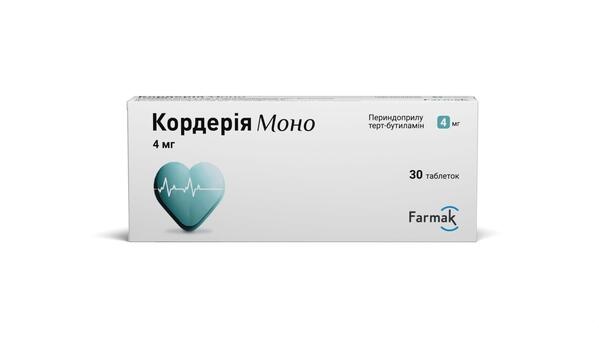
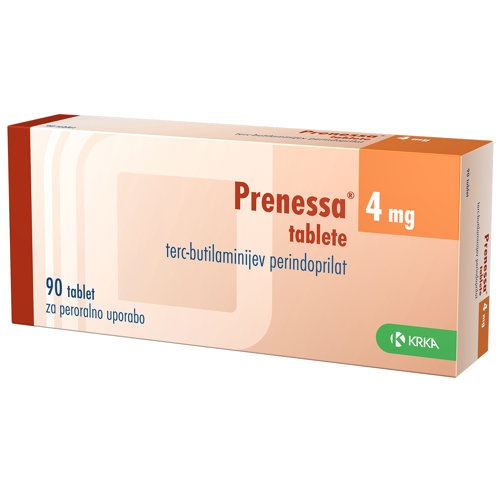
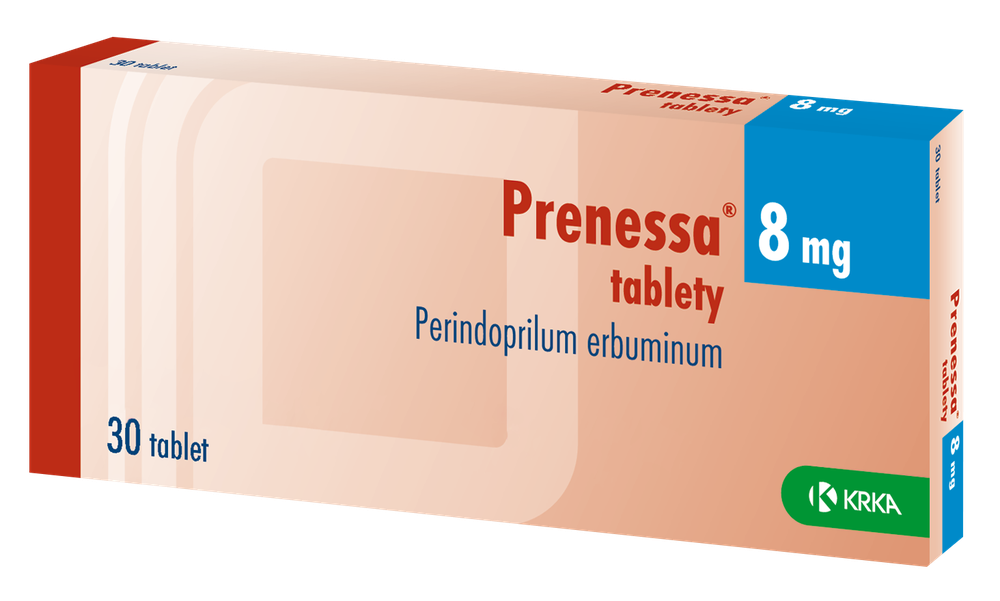
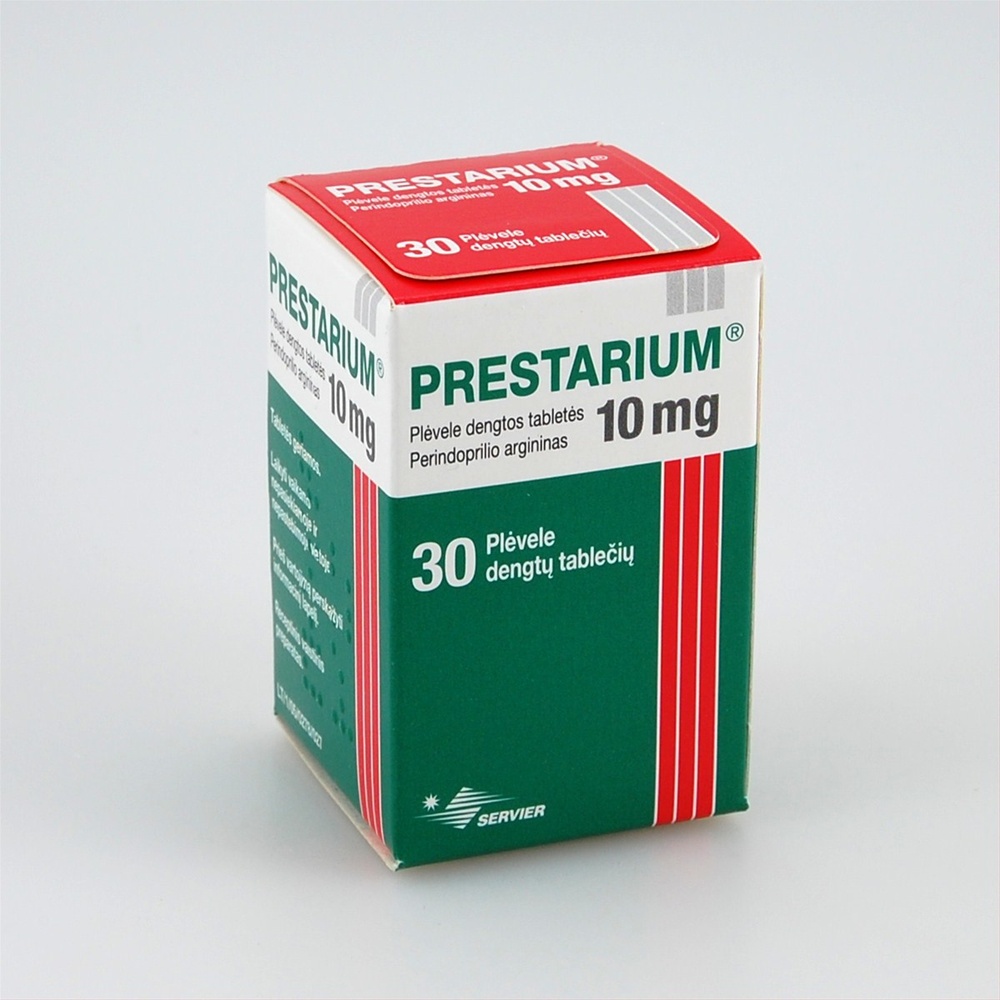
- Zamienniki PRESTARIUM 5 mgPostać farmaceutyczna: tablets, tablets 4mgSubstancja czynna: perindoprilProducent: ТОВ НВФ "МІКРОХІМWymaga receptyPostać farmaceutyczna: tablets, tablets 8mgSubstancja czynna: perindoprilProducent: ТОВ НВФ "МІКРОХІМWymaga receptyPostać farmaceutyczna: tablets, tablets 4mgSubstancja czynna: perindoprilProducent: АТ "ФармакWymaga recepty
Odpowiedniki PRESTARIUM 5 mg w innych krajach
Leki z tą samą substancją czynną dostępne w innych krajach.
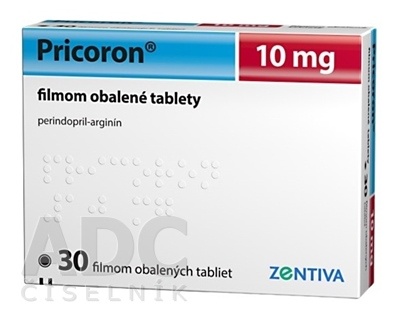
Odpowiednik PRESTARIUM 5 mg w Polska
Lekarze online w sprawie PRESTARIUM 5 mg
Omów stosowanie PRESTARIUM 5 mg, bezpieczeństwo i ocenę zasadności recepty zgodnie z obowiązującymi przepisami.






Często zadawane pytania

Bądź na bieżąco z Oladoctor
Informacje o nowych usługach, aktualizacjach produktu i przydatnych materiałach dla pacjentów.