


FRENORMA
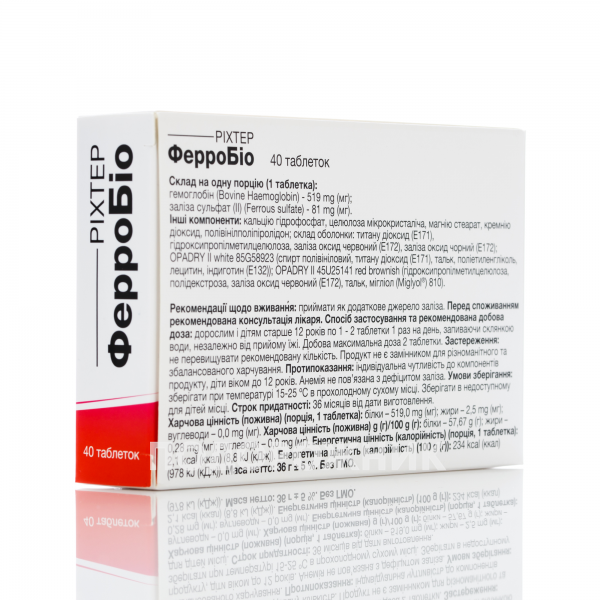



Jak stosować FRENORMA
Tłumaczenie AI
Ta strona ma charakter informacyjny i nie zastępuje konsultacji lekarskiej. Przed zastosowaniem jakiegokolwiek leku skonsultuj się z lekarzem. Jeśli objawy są poważne, skorzystaj z pilnej pomocy medycznej.
Pokaż oryginałTreść ulotki
- INSTRUCTIONS FOR MEDICAL USE OF THE MEDICINAL PRODUCT EUROMONT (EUROMONT)
- Composition
- Pharmaceutical Form
- Main Physical and Chemical Properties
- Pharmacotherapeutic Group
- Pharmacological Properties
- Clinical Characteristics
- Method of Administration and Dosage
- Children
- Overdose
- Side Effects
- Shelf Life
- Storage Conditions
- Packaging
- Release Category
- Manufacturer
- Manufacturer's Location and Address of Business
- Applicant
- Contact Information for Questions about Medicinal Product Quality, Safety, and Adverse Reactions
- Applicant's Location
INSTRUCTIONS FOR MEDICAL USE OF THE MEDICINAL PRODUCT EUROMONT (EUROMONT)
Composition
active substance: montelukast; 1 chewable tablet contains montelukast sodium 5.20 mg, which is equivalent to 5 mg of montelukast; excipients: mannitol (E 421), microcrystalline cellulose, sodium croscarmellose, aspartame (E 951), cherry flavor, iron oxide red (E 172), magnesium stearate.
Pharmaceutical Form
Chewable tablets.
Main Physical and Chemical Properties
Round, double-convex, pink-colored tablets without a coating, with the inscription "M5" on one side and flat on the other side.
Pharmacotherapeutic Group
Agents for systemic use in obstructive airway diseases. Leukotriene receptor blockers. ATC code R03D C03.
Pharmacological Properties
Pharmacodynamics
Cysteinyl leukotrienes (LTC4, LTD4, LTE4) are potent eicosanoid inflammatory mediators released by various cells, including mast cells and eosinophils. These important pro-asthmatic mediators bind to cysteinyl leukotriene receptors (CysLT) present in human airways and cause reactions such as bronchospasm, mucus secretion, increased vascular permeability, and increased eosinophil count.
Montelukast, when administered orally, is an active compound that binds to CysLT1 receptors with high selectivity and affinity. According to clinical study data, montelukast inhibits bronchospasm after inhalation of LTD4 at a dose of 5 mg. Bronchodilation is observed within 2 hours after oral administration, and this effect is additive to the bronchodilation caused by β-agonists.
Treatment with montelukast inhibited both early and late phases of bronchoconstriction caused by antigen stimulation. Montelukast compared to placebo reduced the number of eosinophils in the peripheral blood of adult patients and children. In a separate study, the use of montelukast significantly reduced the number of eosinophils in the airways (according to sputum measurements). In adult patients and children aged 2 to 14 years, montelukast compared to placebo reduces the number of eosinophils in peripheral blood and improves clinical control of asthma.
Pharmacokinetics
Absorption
Montelukast is rapidly absorbed after oral administration.
For chewable tablets of 5 mg, the mean maximum plasma concentration (Cmax) in adults was reached within 2 hours after administration on an empty stomach. The mean bioavailability after oral administration is 73% and decreases to 63% when taken with a standard meal.
Distribution
More than 99% of montelukast binds to plasma proteins. The volume of distribution of montelukast at steady state averages from 8 to 11 liters. In a study of labeled montelukast, passage through the blood-brain barrier was minimal. Additionally, in all other tissues, the concentrations of labeled material 24 hours after administration were also minimal.
Metabolism
Montelukast is actively metabolized. In studies with therapeutic doses, the concentrations of montelukast metabolites in steady-state plasma in adults and pediatric patients are not determined. In vitro studies using human liver microsomes have shown that cytochromes P450 3A4, 2A6, and 2C9 are involved in the metabolism of montelukast. The results of further in vitro studies of human liver microsomes indicate that at therapeutic concentrations, montelukast does not inhibit cytochromes P450 3A4, 2C9, 1A2, 2A6, 2C19, and 2D6. The participation of metabolites in the therapeutic effect of montelukast is minimal.
Excretion
The clearance of montelukast in plasma in healthy adult volunteers averages 45 ml/min. After oral administration of labeled montelukast, 86% is excreted in the feces within 5 days, and less than 0.2% is excreted in the urine. Together with the bioavailability of montelukast after oral administration, this fact indicates that montelukast and its metabolites are almost completely excreted with bile.
Pharmacokinetics in Different Patient Groups
No dose adjustment is required for patients with mild or moderate liver function impairment. Studies in patients with renal impairment have not been conducted. Since montelukast and its metabolites are excreted with bile, dose adjustment for patients with renal impairment is not necessary. There are no data on the nature of montelukast pharmacokinetics in patients with severe liver function impairment (more than 9 points on the Child-Pugh scale).
When high doses of montelukast were used (20 and 60 times the recommended dose for adults), a decrease in theophylline plasma concentration was observed. This effect is not observed at the recommended dose of 10 mg once daily.
Clinical Characteristics
Indications
As additional therapy in bronchial asthma in patients with persistent asthma of mild to moderate severity, which is not adequately controlled by inhaled corticosteroids, as well as in cases of inadequate clinical control of asthma with short-acting β-adrenergic agonists used as needed.
As an alternative treatment instead of low-dose inhaled corticosteroids for patients with persistent asthma of mild severity, who have not had serious asthma attacks in the recent past that required the use of oral corticosteroids, and who cannot use inhaled corticosteroids (see "Method of administration and dosage").
Prevention of asthma, the dominant component of which is bronchospasm induced by physical exertion.
Relief of symptoms of seasonal and perennial allergic rhinitis. The risks of developing psychoneurological symptoms in patients with allergic rhinitis may outweigh the benefits of using montelukast, so Euromont should be used as a reserve drug in patients with inadequate response or intolerance to alternative therapy.
Contraindications
Increased sensitivity to any of the components of the medicinal product.
Interaction with Other Medicinal Products and Other Types of Interactions
Euromont can be prescribed together with other medicinal products that are usually used for the prevention or long-term treatment of asthma. In a study of the interaction between medicinal products, the recommended clinical dose of montelukast did not have a significant clinical effect on the pharmacokinetics of such medicinal products as theophylline, prednisone, prednisolone, oral contraceptives (ethinylestradiol/norethindrone 35/1), terfenadine, digoxin, and warfarin.
In patients who simultaneously took phenobarbital, the area under the concentration-time curve (AUC) for montelukast decreased by approximately 40%. Since montelukast is metabolized by CYP 3A4, 2C8, and 2C9, caution is necessary, especially in children, when montelukast is prescribed simultaneously with CYP 3A4, 2C8, and 2C9 inducers (e.g., phenytoin, phenobarbital, and rifampicin).
According to in vitro data, it is known that montelukast is a potent inhibitor of CYP 2C8. However, data from a clinical study of drug interaction involving montelukast and rosiglitazone (a marker substrate; a drug metabolized by CYP 2C8) showed that montelukast is not a CYP 2C8 inhibitor in vivo. Thus, montelukast does not significantly affect the metabolism of medicinal products that are metabolized by this enzyme (e.g., paclitaxel, rosiglitazone, and repaglinide).
In vitro studies have shown that montelukast is a substrate of CYP 2C8 and, to a lesser extent, 2C9 and 3A4. In a clinical study of drug interaction with montelukast and gemfibrozil (an inhibitor of CYP 2C8 and 2C9), gemfibrozil increased the systemic exposure of montelukast 4.4 times. When used concomitantly with gemfibrozil or other potent CYP 2C8 inhibitors, dose adjustment of montelukast is not necessary, but the doctor should consider the increased risk of side effects.
Based on in vitro studies, it is not expected that there will be clinically significant interactions with less potent CYP 2C8 inhibitors (e.g., trimethoprim). Concomitant administration of montelukast with itraconazole, a potent CYP 3A4 inhibitor, did not result in a significant increase in systemic exposure to montelukast.
Special Warnings and Precautions for Use
Patient should be warned that the Euromont preparation for oral administration should never be used to treat acute asthma attacks, and that they should always carry an appropriate emergency medication with them. In case of an acute attack, inhaled β-agonists of short action should be used. Patients should consult a doctor as soon as possible if they need more β-agonist of short action than usual.
It is not recommended to abruptly replace inhaled or oral corticosteroid preparations with the Euromont medicinal product.
There are no data to confirm that the dose of oral corticosteroids can be reduced when montelukast is used concomitantly.
Psychoneurological reactions have been reported in adults, adolescents, and children taking montelukast (see "Side Effects"). Patients and doctors should be attentive to psychoneurological reactions. Patients and/or caregivers should be instructed to inform their doctor if such reactions occur. Doctors should carefully evaluate the risks and benefits of continuing to use the Euromont medicinal product if such reactions occur.
In rare cases, in patients receiving anti-asthmatic agents, including montelukast, systemic eosinophilia may be observed, sometimes with clinical manifestations of vasculitis, so-called Churg-Strauss syndrome, which is treated with systemic corticosteroid therapy. Such cases are usually (but not always) associated with a decrease in the dose or cancellation of corticosteroid therapy. The likelihood that leukotriene receptor antagonists may be associated with the development of Churg-Strauss syndrome cannot be ruled out or confirmed. Doctors should remember the possibility of eosinophilia, vasculitic rash, worsening of lung symptoms, cardiovascular complications, and/or neuropathy in patients. Patients who have developed such symptoms should be re-examined and their treatment regimen reviewed.
Treatment with montelukast does not allow patients with aspirin-dependent asthma to use aspirin or other non-steroidal anti-inflammatory drugs (NSAIDs).
The Euromont preparation contains aspartame (E 951), which is a phenylalanine derivative and poses a risk to patients with phenylketonuria.
The medicinal product contains less than 1 mmol (23 mg) of sodium per tablet, i.e., it is practically sodium-free.
Use During Pregnancy or Breastfeeding
Pregnancy
Animal studies do not demonstrate a harmful effect on pregnancy or embryonic/fetal development.
Available data from published prospective and retrospective cohort studies on the use of montelukast in pregnant women, which assess significant congenital malformations in children, do not establish a risk associated with the use of montelukast. Available studies have methodological limitations, including a small sample size, in some cases retrospective data collection, and inconsistent comparison groups.
Breastfeeding
Animal studies have shown that montelukast penetrates into milk. It is not known whether montelukast penetrates into breast milk in women.
Euromont can be used during breastfeeding, only if it is considered absolutely necessary.
Ability to Affect Speed of Reaction When Driving or Operating Other Mechanisms
It is not expected that montelukast will affect the patient's ability to drive a car or operate other mechanisms, but very rarely, drowsiness or dizziness have been reported.
Method of Administration and Dosage
Tablets should be chewed before swallowing.
Patients with asthma and allergic rhinitis (seasonal and perennial) should take 1 chewable tablet of 5 mg once daily. For relief of symptoms of allergic rhinitis, the time of administration should be individualized.
For the treatment of asthma, the dose for children aged 6 to 14 years is 1 chewable tablet (5 mg) per day, in the evening. Euromont should be taken 1 hour before meals or 2 hours after meals. There is no need to adjust the dose for this age group.
General Recommendations
The therapeutic effect of montelukast on asthma control parameters occurs within 1 day. Patients should be advised to continue taking the Euromont medicinal product, even if asthma control is achieved, as well as during periods of asthma exacerbation.
There is no need to adjust the dose for patients with impaired renal function or impaired liver function of mild to moderate severity. There are no data regarding patients with severe liver function impairment. The dosage for boys and girls is the same.
As an alternative treatment instead of low-dose inhaled corticosteroids in patients with persistent asthma of mild severity.
Montelukast is not recommended as monotherapy for patients with persistent asthma of moderate severity. The use of montelukast as an alternative to low-dose inhaled corticosteroids in children with persistent asthma of mild severity should be considered only for patients who have not had serious asthma attacks in the recent past that required the use of oral corticosteroids, and who cannot use inhaled corticosteroids (see "Indications"). Persistent asthma of mild severity is defined as the occurrence of asthma symptoms more than once a week but less than once a day, the occurrence of nighttime symptoms more than twice a month but less than once a week, and normal lung function between episodes. If adequate control of asthma is not achieved in the future (usually within 1 month), the need for additional or other anti-inflammatory therapy should be determined based on a consistent system of asthma treatment. The condition of patients should be periodically assessed regarding asthma control.
Use of the Euromont Medicinal Product Depending on Other Asthma Treatment
If the Euromont medicinal product is used as additional therapy to inhaled corticosteroids, inhaled corticosteroids should not be abruptly replaced by the Euromont medicinal product (see "Special Warnings and Precautions for Use").
Children
For use in children aged 6 to 14 years.
Overdose
There is no special information on the treatment of montelukast overdoses. In chronic asthma studies, montelukast was administered at doses up to 200 mg/day to adult patients for 22 weeks, and in short-term studies, up to 900 mg/day for approximately one week, without clinically significant side effects.
In post-marketing use and clinical studies, reports of acute montelukast overdose have been received. They included the administration of the medicinal product to adults and children in doses exceeding 1000 mg (approximately 61 mg/kg in a 42-month-old child). The obtained clinical and laboratory data corresponded to the safety profile in adult patients and children. In most cases of overdose, no side effects were reported. The most common side effects were consistent with the safety profile of montelukast and included abdominal pain, drowsiness, thirst, headache, vomiting, and psychomotor hyperactivity.
It is not known whether montelukast is excreted by peritoneal dialysis or hemodialysis.
Side Effects
In clinical studies, the following side effects were observed frequently (from ≥1/100 to <1/10) in patients aged 6 to 14 years who received montelukast treatment, as well as with a higher frequency than in patients who received placebo treatment.
From the nervous system: headache.
Post-Registration Period
Side effects reported in the post-marketing period are listed according to the classes of organ systems. The frequency is determined according to the frequency of reports in the clinical study database: very common (≥1/10), common (from ≥1/100 to <1/10), uncommon (from ≥1/1000 to <1/100), rare (from ≥1/10000 to <1/1000), very rare (<1/10000).
Infections and invasions: very common – upper respiratory tract infections*.
From the blood and lymphatic system: rare – tendency to increased bleeding; very rare – thrombocytopenia.
From the immune system: uncommon – hypersensitivity reactions, including anaphylaxis; very rare – eosinophilic infiltration of the liver.
From the psyche: uncommon – sleep disturbances, including nightmares, insomnia, somnambulism, anxiety, agitation, including aggressive behavior or hostility, depression, psychomotor hyperactivity (including irritability, restlessness, tremor**); rare – attention disturbances, memory impairment, tic; very rare – hallucinations, disorientation, suicidal thoughts and behavior (suicidality), obsessive-compulsive disorders, dysphemia.
From the nervous system: uncommon – dizziness, fatigue, paresthesia/hypesthesia, seizures.
From the heart: rare – palpitations.
From the respiratory system, thoracic cavity, and mediastinum: uncommon – nasal bleeding; very rare – Churg-Strauss syndrome (see "Special Warnings and Precautions for Use"), pulmonary eosinophilia.
From the gastrointestinal tract: common – diarrhea***, nausea***, vomiting***; uncommon – dry mouth, dyspepsia.
From the hepatobiliary system: common – increased serum transaminase levels (ALT, AST); very rare – hepatitis (including cholestatic, hepatocellular, and mixed liver damage).
From the skin and subcutaneous tissue: common – rash***; uncommon – hematoma, urticaria, itching; rare – angioedema; very rare – nodular erythema, multiform erythema.
From the musculoskeletal system and connective tissue: uncommon – arthralgia, myalgia, including muscle spasms.
From the kidneys and urinary tract: uncommon – enuresis in children.
General disorders and administration site conditions: common – pyrexia***; uncommon – asthenia/fatigue, malaise, swelling.
*This side effect was observed with a frequency of "very common" in patients who used montelukast, as well as in patients who received placebo during clinical studies.
**Rare.
***This side effect was observed with a frequency of "common" in patients who used montelukast, as well as in patients who received placebo during clinical studies.
Reporting of Suspected Side Effects
Reporting of side effects after the registration of a medicinal product is important. This allows for the monitoring of the benefit/risk ratio of the use of this medicinal product. Medical and pharmaceutical workers, as well as patients or their legal representatives, should report all cases of suspected side effects and lack of efficacy of the medicinal product through the Automated Information System for Pharmacovigilance at: http://aisf.dec.gov.ua.
Shelf Life
2 years.
Storage Conditions
Store at a temperature not exceeding 30 °C. Store in the original packaging to protect from light and moisture. Store in a place inaccessible to children.
Packaging
14 tablets in a blister pack. 2 blister packs in a carton.
Release Category
Prescription only.
Manufacturer
ACCORD HEALTHCARE LIMITED. Or ACCORD HEALTHCARE POLSKA Sp. z o.o. Warehouse of the importer/ACCORD HEALTHCARE POLSKA Sp. z o.o. Magazyn Importera.
Manufacturer's Location and Address of Business
GROUND FLOOR, SAGE HOUSE, 319 PINNER ROAD, HARROW, HA1 4HF, United Kingdom. Or ul. Lutomierska 50, Pabianice, 95-200, Poland.
Applicant
ACCORD HEALTHCARE POLSKA Sp. z o.o.
Contact Information for Questions about Medicinal Product Quality, Safety, and Adverse Reactions
Available 24/7 by phone: +380993100335 or by email: [email protected].
Applicant's Location
7 Tasmowa St., Warsaw, 02-677, Poland.


- Kraj rejestracji
- Postać farmaceutycznatablets, tablets 10mg
- Kod ATCN05AX12
- Substancja czynna
- Wymaga receptyTak
- Producent
- Te treści mają charakter wyłącznie informacyjny i nie zastępują konsultacji lekarskiej.
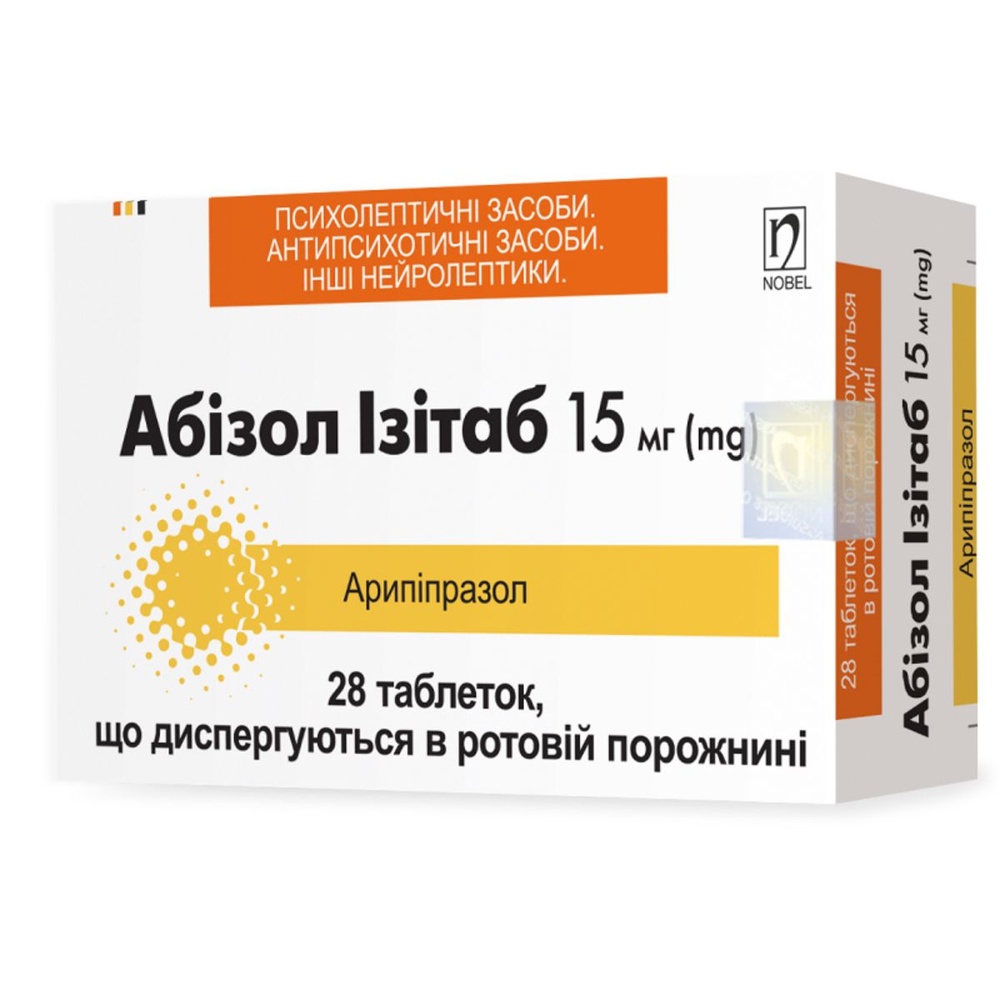
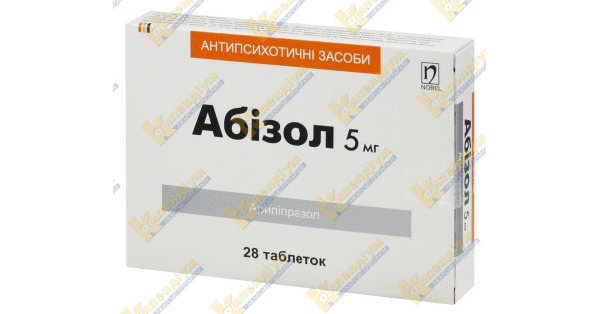
- Zamienniki FRENORMAPostać farmaceutyczna: solution, 1 mg/ml, 150 ml solution in a bottleSubstancja czynna: aripiprazoleProducent: НОБЕЛ ІЛАЧ САНАЇ ВЕ ТІДЖАРЕТ А.Ш.Wymaga receptyPostać farmaceutyczna: tablets, 10 mgSubstancja czynna: aripiprazoleProducent: НОБЕЛ ІЛАЧ САНАЇ ВЕ ТІДЖАРЕТ А.Ш.Wymaga receptyPostać farmaceutyczna: tablets, tablets 15mgSubstancja czynna: aripiprazoleProducent: НОБЕЛ ІЛАЧ САНАЇ ВЕ ТІДЖАРЕТ А.Ш.Wymaga recepty

Odpowiedniki FRENORMA w innych krajach
Leki z tą samą substancją czynną dostępne w innych krajach.
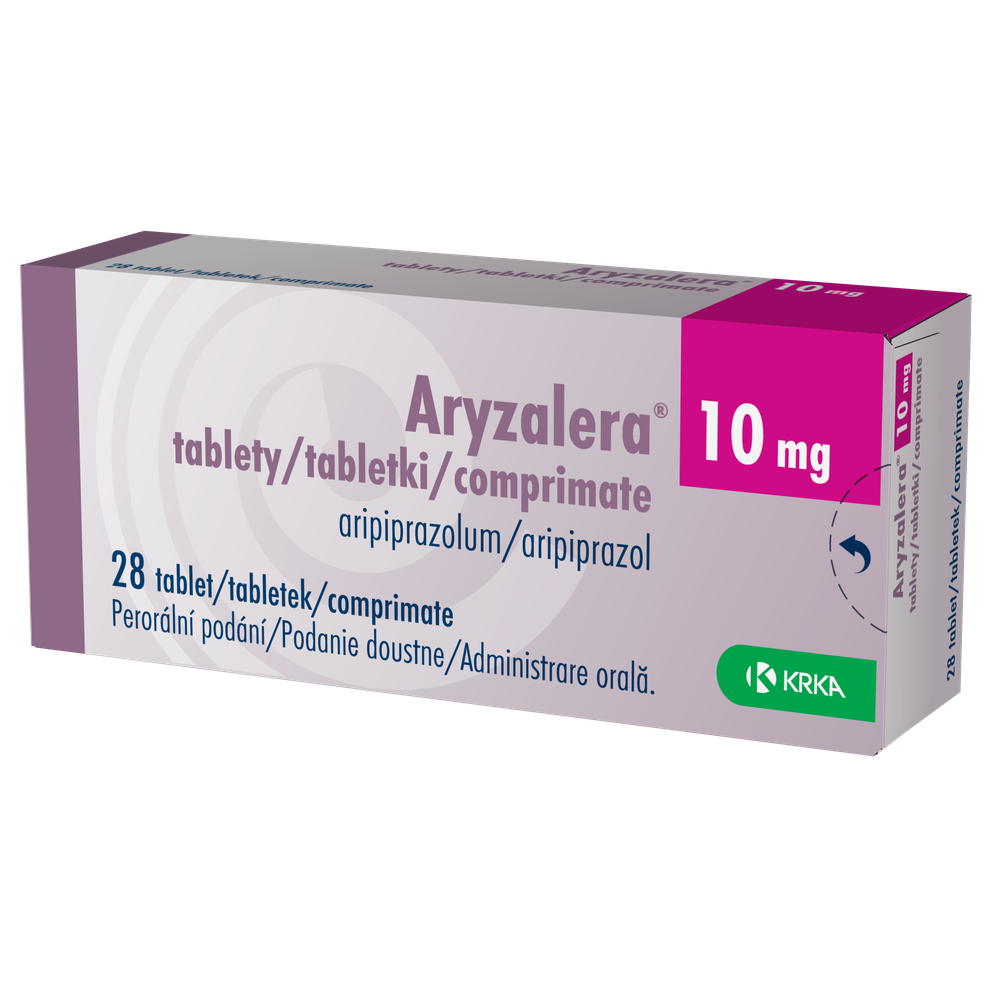
Odpowiednik FRENORMA w Polska
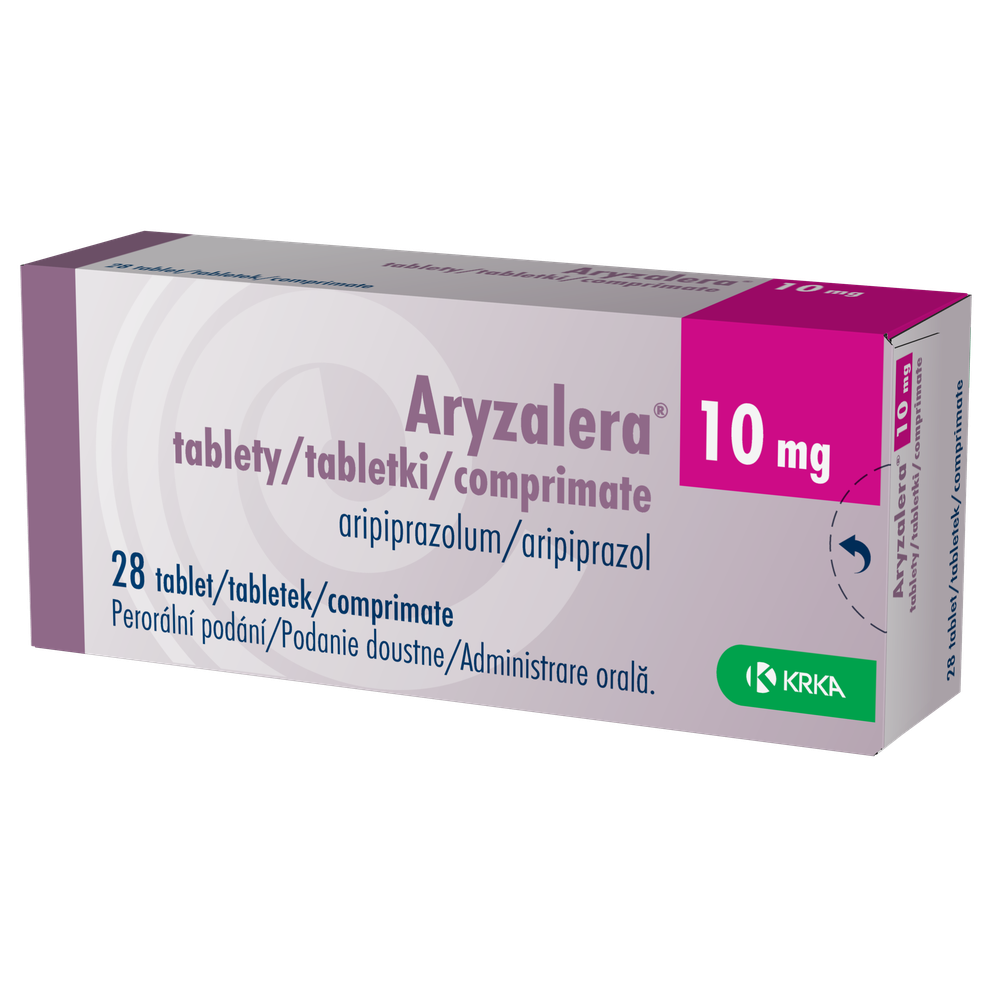
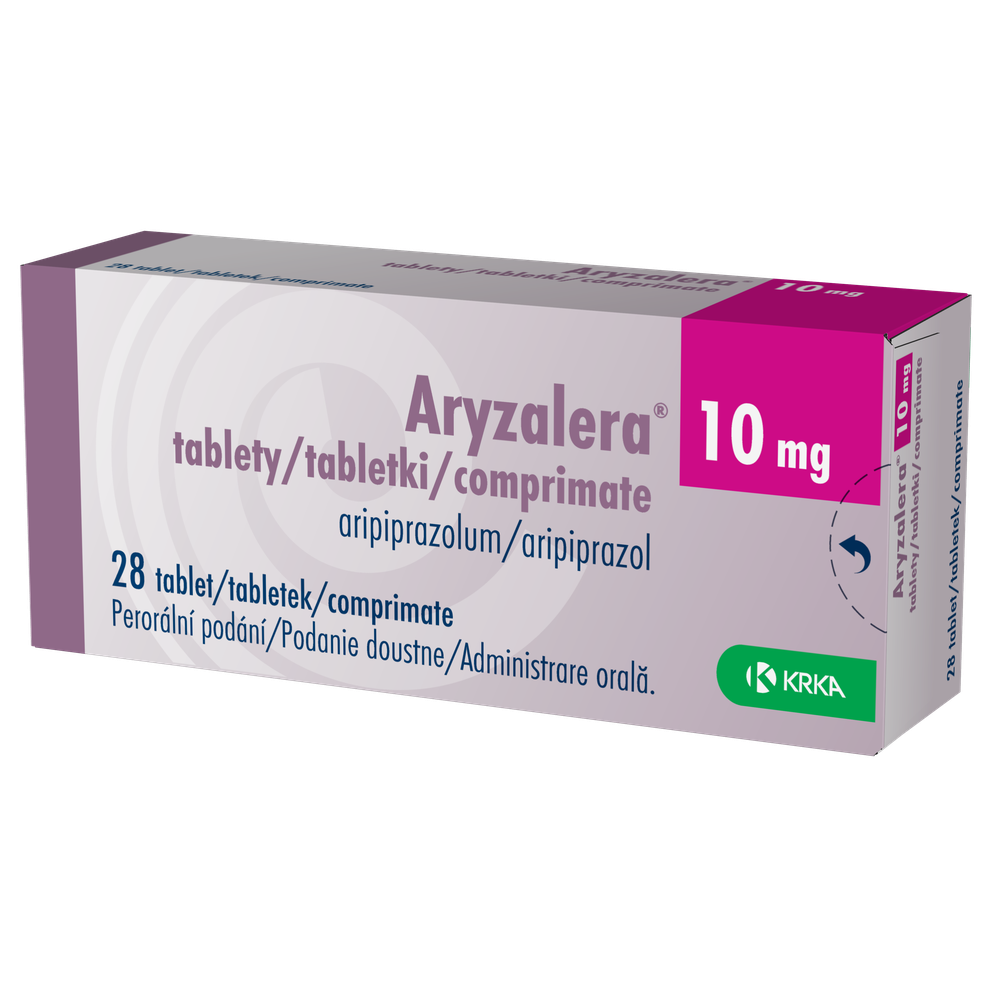
Lekarze online w sprawie FRENORMA
Omów stosowanie FRENORMA, bezpieczeństwo i ocenę zasadności recepty zgodnie z obowiązującymi przepisami.






Często zadawane pytania

Bądź na bieżąco z Oladoctor
Informacje o nowych usługach, aktualizacjach produktu i przydatnych materiałach dla pacjentów.