


FLUTISAL
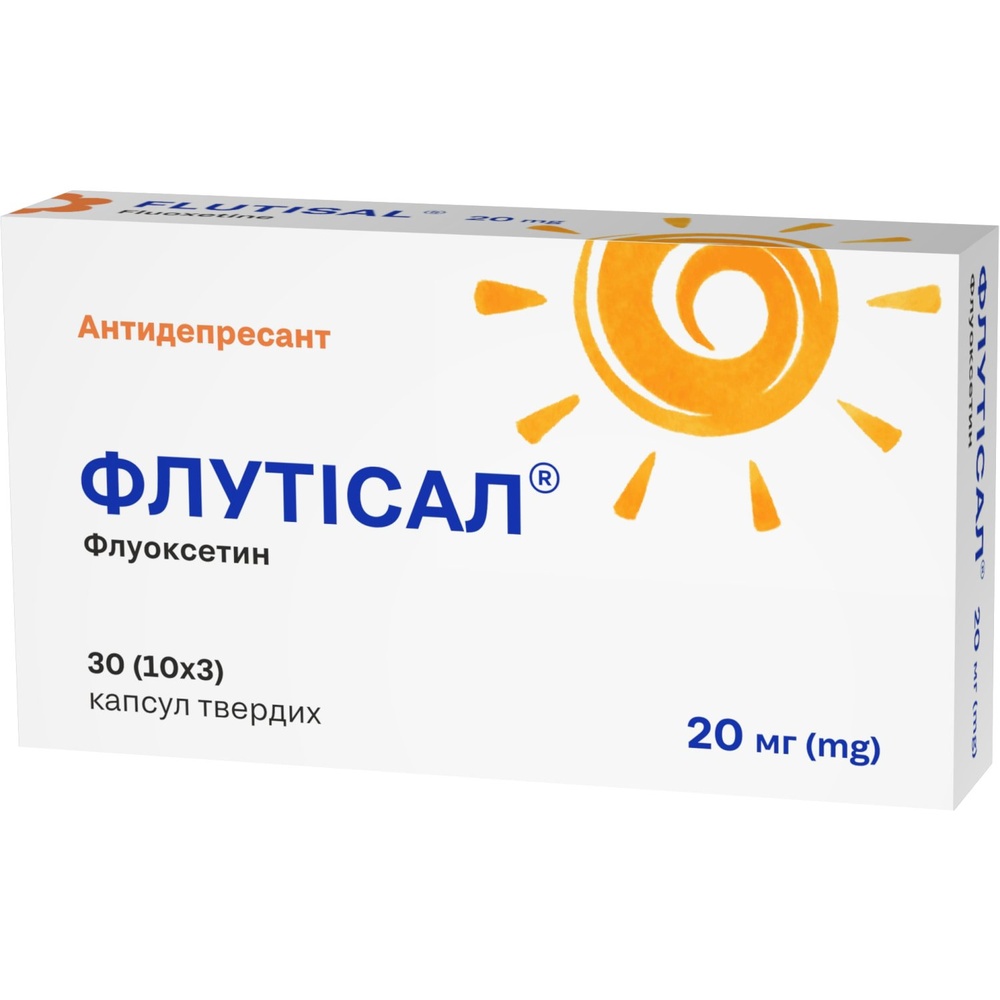



Jak stosować FLUTISAL
Tłumaczenie AI
Ta strona ma charakter informacyjny i nie zastępuje konsultacji lekarskiej. Przed zastosowaniem jakiegokolwiek leku skonsultuj się z lekarzem. Jeśli objawy są poważne, skorzystaj z pilnej pomocy medycznej.
Pokaż oryginałINSTRUCTIONS FOR MEDICAL USE OF PANADOL EXTRA ADVANCE (PANADOL EXTRA ADVANCE)
Composition
active substances: paracetamol, caffeine; 1 tablet contains 500 mg of paracetamol and 65 mg of caffeine; excipients: pre-gelatinized starch, povidone (K-25), calcium carbonate, crospovidone (type A), sodium paraben mixture (sodium methylparahydroxybenzoate (E 219), sodium ethylparahydroxybenzoate (E 215), sodium propylparahydroxybenzoate (E 217)), purified water, alginic acid, magnesium stearate, Opadry White YS-1-7003 (titanium dioxide (E 171), hypromellose 3cP, hypromellose 6cP, macrogol 400, polysorbate 80), carnauba wax.
Pharmaceutical Form
Tablets, film-coated.
Main Physico-Chemical Properties
Film-coated tablets, oval in shape, from white to almost white in color with xPx engraving, where P is in the center of the circle.
Pharmacotherapeutic Group
Analgesics and antipyretics. Paracetamol, combinations without psychotropic substances.
ATC Code N02B E51.
Pharmacological Properties
Pharmacodynamics
Paracetamol is an analgesic-antipyretic. The effect is based on the inhibition of prostaglandin synthesis in the CNS. Due to the weak inhibition of peripheral prostaglandins, in particular in the gastrointestinal tract, paracetamol is partially suitable for patients in whom the inhibition of peripheral prostaglandins is undesirable, for example, for patients with a history of gastrointestinal bleeding, when salicylates are contraindicated.
Caffeine acts as an enhancer, increasing the effectiveness of paracetamol.
Pharmacokinetics
Paracetamol and caffeine are quickly absorbed in the gastrointestinal tract and distributed in most tissues of the body. The binding of paracetamol to plasma proteins is minimal when taken in therapeutic doses.
Paracetamol and caffeine are metabolized mainly in the liver and excreted in the urine in the form of transformation products.
The preparation contains alginic acid and calcium carbonate, which accelerate the absorption of active substances compared to Panadol Extra tablets, film-coated.
Clinical Characteristics
Indications
The preparation has a moderate analgesic and antipyretic effect. Indications for use are headache, including migraine, toothache, neuralgia, rheumatic pain, periodic pains in women; to relieve symptoms of colds and flu, sore throat.
Contraindications
Hypersensitivity to paracetamol, caffeine, or any other component of the preparation in history; severe liver and/or kidney disorders; congenital hyperbilirubinemia; glucose-6-phosphate dehydrogenase deficiency; alcoholism; blood diseases, pronounced anemia, leukopenia; states of increased excitement, sleep disorders, epilepsy; pronounced increased blood pressure, organic diseases of the cardiovascular system, including severe atherosclerosis, severe hypertensive disease; decompensated heart failure, acute myocardial infarction, paroxysmal tachycardia, hyperthyroidism, acute pancreatitis, severe forms of diabetes, glaucoma; age over 60 years.
Do not use simultaneously with monoamine oxidase inhibitors (MAOIs) and within 2 weeks after stopping the use of MAOIs.
Contraindicated in patients taking tricyclic antidepressants or beta-blockers.
Interaction with Other Medicinal Products and Other Types of Interactions
The rate of paracetamol absorption may increase when used with metoclopramide and domperidone, and decrease when used with cholestyramine. The anticoagulant effect of warfarin and other coumarins with an increased risk of bleeding may be enhanced as a result of prolonged regular use of paracetamol. Single doses do not have a significant effect. Barbiturates reduce the antipyretic effect of paracetamol. Anticonvulsant drugs (including phenytoin, barbiturates, carbamazepine), which stimulate the activity of liver microsomal enzymes, may enhance the toxic effect of paracetamol on the liver due to an increased degree of conversion of the drug to hepatotoxic metabolites. When paracetamol is used simultaneously with hepatotoxic agents, the toxic effect of the drugs on the liver increases. Simultaneous use of high doses of paracetamol with isoniazid increases the risk of developing hepatotoxic syndrome. Paracetamol reduces the effectiveness of diuretics.
Probenecid causes almost a twofold decrease in paracetamol clearance by inhibiting its conjugation with glucuronic acid. When paracetamol is used simultaneously with probenecid, it is necessary to consider the advisability of reducing the dose of paracetamol.
Salicylamide may prolong the half-life of paracetamol.
Paracetamol may increase the half-life of chloramphenicol.
Oral contraceptives may increase paracetamol clearance.
Do not use simultaneously with alcohol.
Simultaneous use of caffeine with MAOIs may cause dangerous increased blood pressure. Caffeine enhances the effect (improves bioavailability) of analgesic-antipyretics, potentiates the effects of xanthine derivatives, alpha- and beta-adrenomimetics, psychostimulants.
Cimetidine, hormonal contraceptives, isoniazid enhance the action of caffeine.
Caffeine reduces the effect of opioid analgesics, anxiolytics, sedatives, and is an antagonist of narcotic and other CNS depressant drugs, a competitive antagonist of adenosine and ATP preparations. When caffeine is used simultaneously with ergotamine, the absorption of ergotamine from the gastrointestinal tract improves, and with thyrotropic agents, the thyroid effect increases.
Caffeine may increase lithium excretion from the body. Therefore, it is not recommended to use the medicinal product simultaneously with lithium preparations.
Special Warnings and Precautions
The preparation contains paracetamol, so it should not be used with other preparations containing paracetamol, which are used, for example, to reduce temperature, treat pain, symptoms of flu and colds, or insomnia. Simultaneous use with other preparations containing paracetamol may lead to overdose. Paracetamol overdose can cause liver failure, which can lead to the need for liver transplantation or a fatal outcome.
In case of liver or kidney disease, it is necessary to consult a doctor before using the preparation. Restrictions on the use of the preparation by such patients are primarily due to the content of paracetamol. In patients with liver disease, the risk of hepatotoxic action of paracetamol increases.
In patients suffering from genetically determined glucose-6-phosphate dehydrogenase deficiency (favism), hemolytic anemia may occur due to reduced availability of glutathione after paracetamol administration.
The preparation may affect the results of laboratory tests for blood glucose and uric acid levels. Patients who take analgesics every day for mild arthritis should consult a doctor before using the preparation.
There have been reports of liver dysfunction/liver failure in patients who had a reduced glutathione level, such as in severe malnutrition, anorexia, low body mass index, chronic alcoholism, or sepsis.
In patients with reduced glutathione levels, the risk of metabolic acidosis increases when taking paracetamol. Symptoms of metabolic acidosis are deep, rapid, or difficult breathing, nausea, vomiting, loss of appetite. You should immediately consult a doctor if these symptoms appear.
If symptoms do not disappear, you should consult a doctor.
Prolonged use of the medicinal product without medical supervision can be dangerous. Do not exceed the recommended dose.
During treatment with the preparation, it is not recommended to consume excessive amounts of beverages containing caffeine (such as coffee, tea, and some other beverages). This can lead to sleep problems, tremors, and unpleasant feelings in the chest due to heart palpitations.
Store the preparation out of the reach of children and in a place inaccessible to them.
The preparation contains sodium methylparahydroxybenzoate (E 219), sodium ethylparahydroxybenzoate (E 215), and sodium propylparahydroxybenzoate (E 217), which can cause allergic reactions (possibly delayed).
Each tablet contains 0.1736 mg of sodium, which is less than 1 mmol/dose (23 mg) of sodium, i.e., the medicinal product is practically sodium-free.
Pregnancy and Breastfeeding
The preparation is not recommended during pregnancy, as the risk of spontaneous abortion associated with caffeine use increases.
The preparation is not recommended during breastfeeding. Paracetamol and caffeine penetrate into breast milk, but in clinically insignificant amounts when taken in recommended doses. Caffeine in breast milk can have a stimulating effect on infants during breastfeeding, but significant toxicity has not been observed.
Ability to Affect the Speed of Reaction when Driving or Operating Other Mechanisms
The likelihood of influence is almost absent.
Method of Administration and Dosage
The preparation is intended for oral administration.
For adults and children over 12 years old: 1-2 tablets every 4-6 hours as needed. Do not take more than 8 tablets (4000 mg of paracetamol/520 mg of caffeine) within 24 hours.
Do not exceed the recommended dose.
Use the lowest dose of the preparation necessary to achieve a therapeutic effect for the shortest period.
The interval between doses should be at least 4 hours.
Children
The preparation is not recommended for children under 12 years old.
Overdose
Paracetamol
Paracetamol overdose can cause liver failure, which can lead to the need for liver transplantation or a fatal outcome. Acute pancreatitis has been observed, usually in combination with liver dysfunction and hepatotoxicity. Paracetamol overdose in adults or children can cause liver cell necrosis, leading to liver failure, metabolic acidosis, and encephalopathy, which can result in coma and a fatal outcome. At the same time, the level of liver transaminases (AST, ALT), lactate dehydrogenase, and bilirubin increases, along with an increase in prothrombin levels, which can appear within 12-48 hours after administration.
Liver damage is possible in adults who have taken 6-8 g or more of paracetamol, and in children who have taken more than 150 mg/kg of body weight. It is believed that an increased amount of toxic metabolite, which is usually neutralized by glutathione when taken in normal doses, irreversibly binds to liver tissue. In patients with risk factors (long-term treatment with carbamazepine, phenobarbital, phenytoin, primidone, rifampicin, or other drugs that induce liver enzymes; regular intake of excessive amounts of ethanol; glutathione cachexia (gastrointestinal disorders, cystic fibrosis, HIV infection, starvation, cachexia)), taking 5 g or more of paracetamol may lead to liver damage. There is a risk of paracetamol overdose, particularly in young or elderly patients, in patients with liver disease, chronic alcoholism, or chronic malnutrition.
In case of overdose, immediate medical attention is necessary. Treatment should be started immediately. The patient should be taken to the hospital, even if there are no early symptoms of overdose.
Symptoms of overdose in the first 24 hours: pallor, nausea, vomiting, loss of appetite, and abdominal pain. Experience shows that clinical symptoms of liver damage usually become apparent within 24-48 hours after overdose and reach a maximum within 4-6 days. Metabolic disorders and metabolic acidosis may occur. In severe poisoning, liver failure can progress to encephalopathy, hemorrhages, hypoglycemia, coma, and have a fatal outcome. Acute kidney failure with acute tubular necrosis may manifest as severe back pain, hematuria, proteinuria, and develop even in the absence of severe liver damage. Cardiac arrhythmia has also been reported.
With prolonged use of the preparation in large doses, aplastic anemia, pancytopenia, agranulocytosis, neutropenia, leukopenia, thrombocytopenia may develop from the hematopoietic organs. With large doses, from the central nervous system, dizziness, psychomotor agitation, and disorientation are possible; from the urinary system, nephrotoxicity (kidney colic, interstitial nephritis, capillary necrosis).
Symptoms of overdose may be limited to nausea and vomiting or may not reflect the severity of overdose or the risk of organ damage. Immediate medical attention is necessary in case of overdose, even if symptoms of overdose are not observed. If overdose is confirmed or suspected, the patient should be taken to the nearest medical facility, where they can receive emergency medical care and qualified treatment. This should be done even if symptoms of overdose are absent due to the risk of delayed liver damage. Consideration should be given to treatment with activated charcoal if an excessive dose of paracetamol (more than 150 mg/kg) was taken within 1 hour. The concentration of paracetamol in plasma should be measured after 4 hours or later (earlier concentrations are unreliable). Treatment with N-acetylcysteine can be used within 24 hours after taking paracetamol, but the maximum protective effect occurs when it is used within 8 hours after overdose. The effectiveness of the antidote decreases sharply after this time. If necessary, the patient is administered N-acetylcysteine intravenously, according to the recommended dosage. In the absence of vomiting, methionine can be used orally as a suitable alternative in remote areas outside the hospital.
Caffeine
Caffeine overdose can cause epigastric pain, vomiting, diuresis, rapid breathing, tachycardia, or cardiac arrhythmia, affect the central nervous system (insomnia, restlessness, nervous excitement, anxiety, dizziness, irritability, affective state, tremors, convulsions). Clinically significant symptoms of caffeine overdose are also associated with severe liver damage caused by paracetamol, which can be observed when taking an amount of the preparation that causes caffeine overdose. There is no specific antidote, but supportive measures, such as the use of beta-adrenergic receptor antagonists, can alleviate the cardiotoxic effect. Gastric lavage is recommended, oxygen therapy is recommended, and in case of convulsions, diazepam is used. Symptomatic therapy.
Adverse Reactions
Information about the adverse reactions listed below was obtained during post-marketing observations. It is reported voluntarily and was obtained from a population of patients of unknown size, so the frequency of these adverse reactions is unknown, but most likely, they are rare (< 1/10,000).
Adverse Reactions Caused by Paracetamol
From the blood and lymphatic system: thrombocytopenia, neutropenia, leukopenia, pancytopenia.
From the immune system: anaphylaxis, hypersensitivity reactions on the skin, including, among others, rash, angioedema, Stevens-Johnson syndrome, toxic epidermal necrolysis, and acute generalized exanthematous pustulosis.
From the respiratory system, thoracic cavity, and mediastinum: bronchospasm in patients sensitive to acetylsalicylic acid and other nonsteroidal anti-inflammatory drugs.
From the hepatobiliary system: liver function disorders, liver failure, liver necrosis, jaundice.
Adverse Reactions Caused by Caffeine
From the central nervous system: nervousness, dizziness, insomnia, tremors.
From the cardiovascular system: rapid heartbeat, swelling.
From the gastrointestinal tract: gastrointestinal disorder.
From the psyche: insomnia, restlessness, anxiety, and irritability, nervousness.
Also, after taking preparations containing similar active substances, the following adverse reactions are possible: headache, skin itching, multifocal exudative erythema, nausea, vomiting, heartburn, epigastric pain, hypoglycemia, up to hypoglycemic coma, agranulocytosis, anemia, sulfhemoglobinemia, and methemoglobinemia (cyanosis, shortness of breath, chest pain), hemolytic anemia, bruising or bleeding, tachycardia, arrhythmia, increased blood pressure, increased liver enzyme activity, usually without the development of jaundice, hepatonecrosis (dose-dependent effect), insomnia, tremors, irritability.
When taking the preparation in recommended doses simultaneously with products containing caffeine, the increased dose of caffeine that occurs in this way can enhance the side effects caused by caffeine.
Shelf Life
2 years.
Storage Conditions
Store at a temperature not exceeding 25°C in a place inaccessible to children and out of their sight.
Packaging
12 film-coated tablets in a blister pack, 1 blister pack in a cardboard box.
Release Category
Without a prescription.
Manufacturer
GlaxoSmithKline Dungarvan Limited, Ireland.
Manufacturer's Location and Address
Knockbrack, Dungarvan, Co. Waterford, Ireland.


- Kraj rejestracji
- Postać farmaceutycznacapsules, 20 mg
- Kod ATCN06AB03
- Substancja czynna
- Wymaga receptyTak
- Producent
- Te treści mają charakter wyłącznie informacyjny i nie zastępują konsultacji lekarskiej.
- Zamienniki FLUTISALPostać farmaceutyczna: capsules, 20mgSubstancja czynna: fluoxetineProducent: Сан Фармасьютикал Індастріз ЛтдWymaga receptyPostać farmaceutyczna: capsules, 20 mg capsules in blisterSubstancja czynna: fluoxetineProducent: ПАТ "КиївмедпрепаратWymaga receptyPostać farmaceutyczna: tablets, 20 mgSubstancja czynna: fluoxetineWymaga recepty
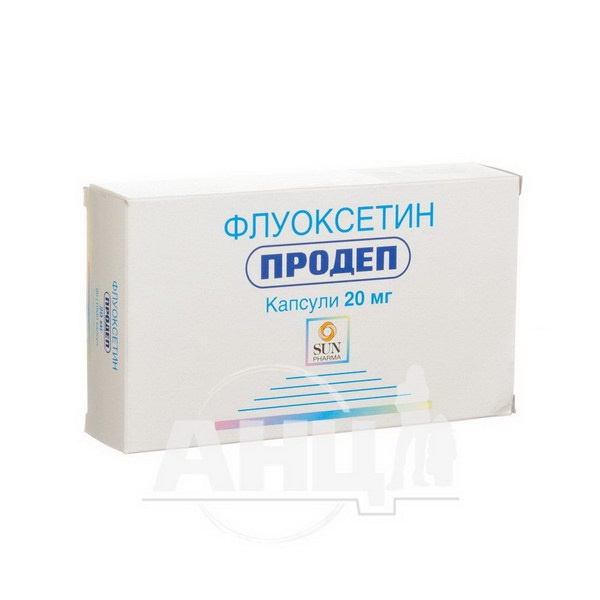
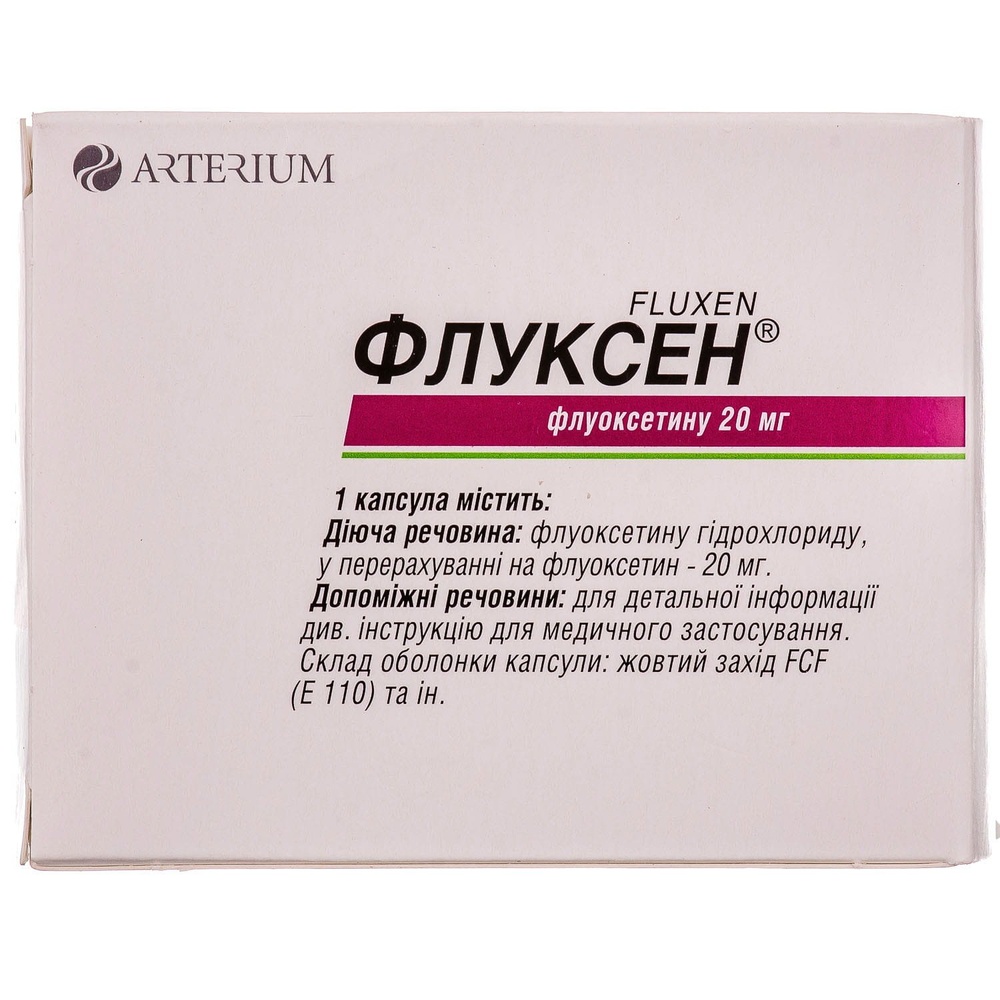
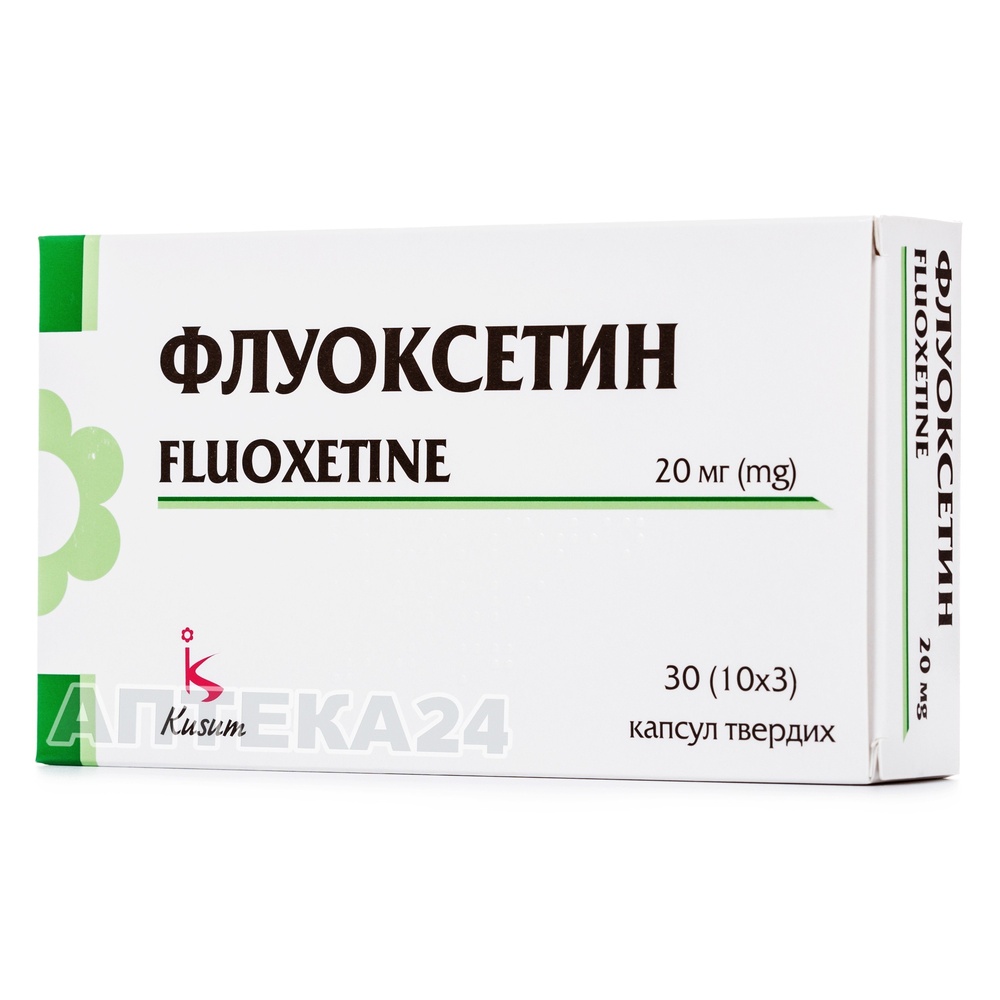
Odpowiedniki FLUTISAL w innych krajach
Leki z tą samą substancją czynną dostępne w innych krajach.
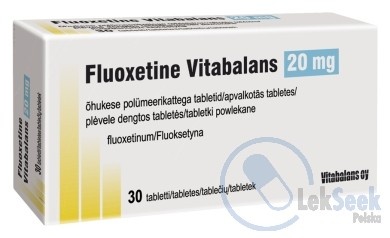
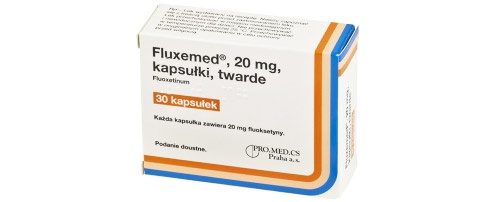
Odpowiednik FLUTISAL w Polska
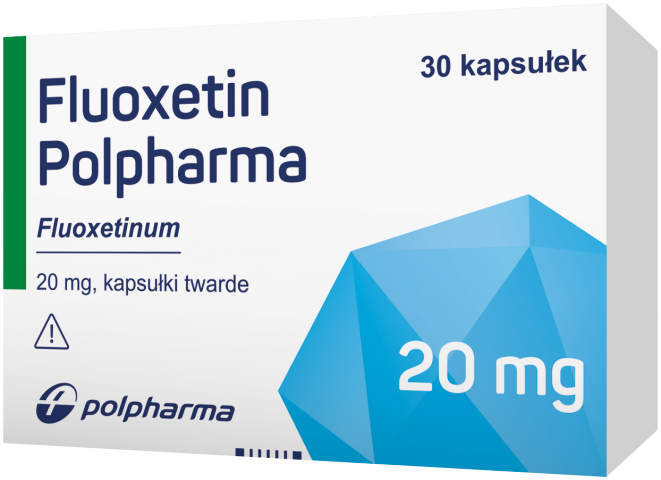
Lekarze online w sprawie FLUTISAL
Omów stosowanie FLUTISAL, bezpieczeństwo i ocenę zasadności recepty zgodnie z obowiązującymi przepisami.






Uzyskaj receptę na FLUTISAL online
Wypełnij 2-minutowy formularz
Opisz swoje objawy, historię choroby i lek, o który prosisz.
Wybierz lekarza lub pozwól nam przydzielić
Wybierz specjalistę lub dopasujemy Cię do najbliższego dostępnego lekarza.
Lekarz analizuje Twój przypadek
Zazwyczaj w ciągu 30 minut. Może zadawać dodatkowe pytania przez czat.
Odbierz w dowolnej aptece
Recepta elektroniczna wysłana na Twój e-mail — ważna w całej Hiszpanii.
Często zadawane pytania

Bądź na bieżąco z Oladoctor
Informacje o nowych usługach, aktualizacjach produktu i przydatnych materiałach dla pacjentów.