


BELAKNE DUO
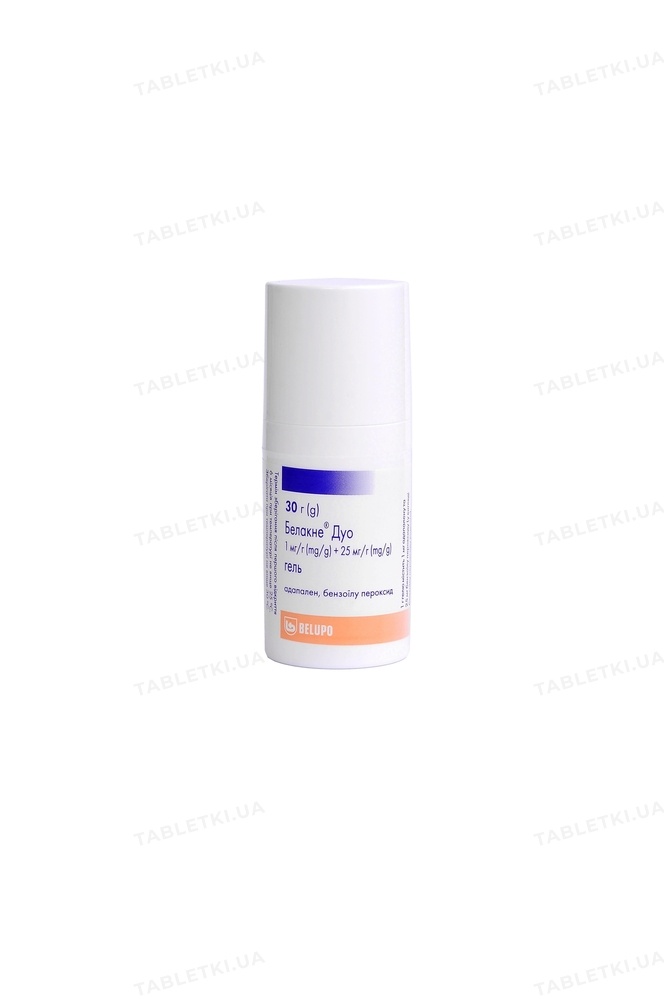



Jak stosować BELAKNE DUO
Tłumaczenie AI
Ta strona ma charakter informacyjny i nie zastępuje konsultacji lekarskiej. Przed zastosowaniem jakiegokolwiek leku skonsultuj się z lekarzem. Jeśli objawy są poważne, skorzystaj z pilnej pomocy medycznej.
Pokaż oryginałINSTRUCTIONS for medical use of the medicinal product MERALYS®ADVANCE (MERALYS®ADVANCE)
Composition
active substance: xylometazoline hydrochloride; 1 ml of solution contains 1 mg or 0.5 mg of xylometazoline hydrochloride. excipients: purified sea water, potassium dihydrogen phosphate, sodium hyaluronate, purified water.
Pharmaceutical form. Nasal spray, solution.
Main physical and chemical properties. Clear colorless solution.
Pharmacotherapeutic group. Agents used in diseases of the nasal cavity. Sympathomimetics, simple preparations.
ATC code: R01A A07.
Pharmacological properties.
Pharmacodynamics.
Xylometazoline is a sympathomimetic agent that acts on α-adrenergic receptors.
Meralys®Advance causes narrowing of the nasal blood vessels, reducing swelling of the nasal mucosa, its accessory sinuses, and thus improving nasal breathing in case of nasal congestion and sinusitis.
The effect of the preparation begins within a few minutes after application and lasts up to 12 hours.
The preparation does not reduce the mucociliary function. Meralys®Advance has a balanced pH value within the range characteristic of the nasal cavity. Hyaluronic acid saturates the mucous membrane with moisture and thus maintains it in optimal conditions for the healing process, if necessary.
Pharmacokinetics.
When applied nasally, it is practically not absorbed, the concentration in plasma is so small that it cannot be determined by modern analytical methods. In cases of overdose or prolonged use, the absorbed amount of the preparation may sometimes be sufficient to cause systemic effects, including manifestations from the central nervous system and cardiovascular system.
Clinical characteristics.
Indications.
Symptomatic treatment of nasal congestion in colds, hay fever, allergic rhinitis, sinusitis.
To facilitate the outflow of secretions in diseases of the paranasal sinuses.
Adjuvant therapy in cases of middle ear inflammation (to eliminate swelling of the mucous membrane).
To facilitate rhinoscopy.
Contraindications.
Meralys®Advance should not be used in the following cases:
- Hypersensitivity to the active substance xylometazoline hydrochloride or to any of the excipients of the preparation;
- Dry inflammation of the nasal mucosa with the formation of a crust (dry rhinitis);
- Concomitant treatment with monoamine oxidase inhibitors (MAOIs), treatment with monoamine oxidase inhibitors (MAOIs) within two weeks before the start of Meralys®Advance or other medications that can increase blood pressure;
- After hypophysectomy or surgical intervention on the dura mater;
- Closed-angle glaucoma;
- Acute coronary artery disease;
- Hyperthyroidism;
- Coronary asthma;
- Children under 2 years of age for 0.05% spray; and children under 12 years of age for 0.1% spray;
- Pregnancy.
Meralys®Advance should be used with caution and only after careful evaluation of the benefit-risk ratio in patients with increased intraocular pressure, severe cardiovascular diseases (such as ischemic heart disease, hypertension), hyperplasia of the prostate, pheochromocytoma, porphyria, and metabolic disorders (such as diabetes).
Interaction with other medicinal products and other types of interactions.
Monoamine oxidase inhibitors (MAOIs): xylometazoline may potentiate the action of MAOIs and induce a hypertensive crisis. Do not use xylometazoline in patients who are taking or have taken MAOIs within the last two weeks.
Tricyclic and tetracyclic antidepressants: when used concomitantly with tricyclic or tetracyclic antidepressants and sympathomimetic preparations, it is possible to enhance the sympathomimetic effect of xylometazoline, therefore, concomitant use of such agents is not recommended. The use of β-blockers together may cause bronchial spasm or a decrease in blood pressure. Due to the possible hypertensive effect of xylometazoline, this preparation should not be used in combination with hypotensive agents (such as methyldopa). Complex interactions are also possible with α- and β-blockers, which can cause hypotension or hypertension, tachycardia or bradycardia.
Special warnings and precautions for use.
The preparation should be prescribed with caution to patients who have experienced severe side effects in the form of insomnia, dizziness, tremors, heart arrhythmias, and increased blood pressure when using adrenergic preparations.
Patients with a prolonged QT syndrome who receive xylometazoline may have an increased risk of serious ventricular arrhythmias.
Do not exceed the recommended dose of the preparation, especially when treating children and elderly patients. Do not use the medicinal product for more than 5 days in a row.
Due to the risk of developing atrophy of the nasal mucosa, this preparation should be used in patients with chronic inflammation of the nasal mucosa only under medical supervision.
Prolonged use and overdose of sympathomimetic decongestants can cause reactive hyperemia of the nasal mucosa, leading to obstruction of the airways, which in turn forces repeated or constant use of the preparation. This can lead to chronic congestion (medicamentous rhinitis) and eventually to atrophy of the nasal mucosa. In mild cases, it is necessary to first consider stopping the use of sympathomimetics in one nostril, and after the symptoms disappear - in the other nostril, in order to at least partially preserve nasal breathing.
Use during pregnancy or breastfeeding.
Pregnancy. The preparation should not be used during pregnancy due to the potential vasoconstrictive effect.
Breastfeeding. The preparation should not be used in women who are breastfeeding, as it is not known whether it is excreted in breast milk.
Fertility. There are no relevant data on the effect of the preparation on fertility. Since the systemic exposure to xylometazoline hydrochloride is very low, the likelihood of an effect on fertility is extremely low.
Ability to affect the reaction rate when driving vehicles or operating machinery.
In cases of prolonged use of Meralys®Advance in high doses, it is possible to have an undesirable effect of the preparation on the cardiovascular system, which can negatively affect the ability to drive vehicles and work with machinery.
Method of administration and dosage.
Before using the preparation, the nose should be carefully cleaned.
Meralys®Advance, 0.05% nasal spray, is prescribed for children aged 2 to 12 years, 1 spray in each nostril 1-2 times a day.
Meralys®Advance, 0.1% nasal spray, is prescribed for adults and children over 12 years old, 1 spray in each nostril 2-3 times a day.
The preparation should be used for no more than 5 days, unless the doctor has recommended a different duration of treatment.
The use of Meralys®Advance can be resumed after a few days of interruption. Prolonged use of the medicinal product may cause atrophy of the nasal mucosa. In case of chronic runny nose, the medicinal product Meralys®Advance can be used under medical supervision due to the risk of atrophy of the nasal mucosa.
Before the first use, the preparation must be sprayed into the air several times (5 times) to achieve a uniform dose.
If the bottle with the preparation is not used for several days, it is necessary to spray at least 1 time into the air to achieve a uniform dose.
For hygiene reasons and to prevent the spread of infection, each spray bottle should be used by only one person.
Children.
Meralys®Advance, nasal spray 0.05%, is intended for the treatment of children aged 2 to 12 years. Meralys®Advance, nasal spray 0.1%, is intended for the treatment of children over 12 years old.
Overdose.
Symptoms
When applied nasally, systemic exposure is unlikely due to local vasoconstriction, which suppresses absorption. In case of systemic absorption, it can be expected that xylometazoline, as an α2-adrenergic agonist, will have an effect similar to clonidine: a short-term increase in blood pressure with subsequent longer hypotension and sedation.
Symptoms of intoxication with imidazole derivatives may be clinically unclear, as periods of stimulation may alternate with periods of depression of the central nervous and cardiovascular systems.
Symptoms of central nervous system stimulation include anxiety, excitement, hallucinations, and seizures.
Symptoms of central nervous system depression include decreased body temperature, lethargy, drowsiness, and coma.
Other possible symptoms include: miosis, mydriasis, sweating, nausea, cyanosis, fever, pallor of the skin, paralysis of the central nervous system, sedation, dry mouth, arrhythmia, tachycardia, bradycardia, cardiac arrest, arterial hypertension, shock-like hypotension, pulmonary edema, respiratory failure, and apnea.
Overdose, especially in children, can lead to a significant effect on the central nervous system, causing convulsions, coma, bradycardia, apnea, and arterial hypertension, which can change to arterial hypotension.
Treatment
Severe overdose will require hospital treatment. Since xylometazoline hydrochloride is rapidly absorbed, activated charcoal (absorbent), sodium sulfate (laxative), or gastric lavage should be used immediately (when using higher doses). A decrease in blood pressure can be achieved using non-selective alpha-blockers. Vasoconstrictor preparations are contraindicated. If necessary, antipyretic and anticonvulsant preparations are used, as well as artificial oxygenation.
Side effects.
Side effects that may occur during the use of the preparation are classified according to their frequency: very often (≥ 1/10); often (≥ 1/100 to <1/10); uncommon (≥ 1/1000 to <1/100); rare (≥ 1/10000 to <1/1000); very rare (<1/10000), including isolated cases, unknown.
From the immune system
Uncommon: hypersensitivity reaction, including angioedema, rash, itching.
From the nervous system
Rare: headache, insomnia, dizziness, fatigue, seizures (usually in children).
Very rare: nervousness, drowsiness/sluggishness (usually in children)
From the organs of vision
Uncommon: temporary visual impairment.
From the cardiovascular system
Rare: palpitations, tachycardia.
Very rare: arrhythmia, arterial hypertension.
From the respiratory system, thorax, and mediastinum
Often: dryness or discomfort of the nasal mucosa, burning sensation in the nasal and throat mucosa, sneezing.
Uncommon: increased swelling of the nasal mucosa after stopping treatment, nasal bleeding.
Very rare: apnea in children.
From the gastrointestinal system:
Often: nausea.
General disorders and administration site reactions:
Often: burning sensation at the application site.
Prolonged or frequent use together with high doses of xylometazoline can cause a burning sensation or dryness of the nasal mucosa and increased swelling of the nasal mucosa, which worsens with further use of the medicinal product (medicamentous rhinitis). This effect can be observed as early as 7 days of treatment, and when treatment is continued, it can lead to long-term damage to the nasal mucosa with the formation of crusts (dry rhinitis).
Reporting of suspected adverse reactions after authorization of the medicinal product
is important. This allows for the monitoring of the benefit-risk ratio of this medicinal product. Healthcare professionals, as well as patients or their authorized representatives, should report all suspected adverse reactions and lack of efficacy of the medicinal product through the Automated Information System for Pharmacovigilance at: https://aisf.dec.gov.ua/
Shelf life.
3 years. Shelf life after opening the package is no more than 180 days.
Storage conditions.
No special storage conditions are required. Store in a place inaccessible to children.
Packaging.
10 ml of solution in a bottle with a dosing device; 1 bottle in a cardboard box.
Release category.
Without a prescription.
Manufacturer.
Jadran-Galenski Laboratorij d.d.
Location of the manufacturer and its address of business activity.
Švilno 20, 51000 Rijeka, Croatia.


- Kraj rejestracji
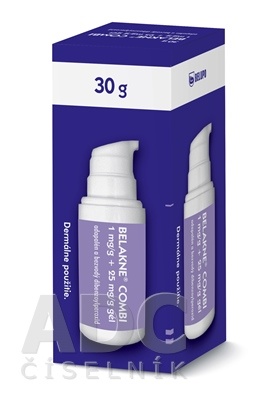
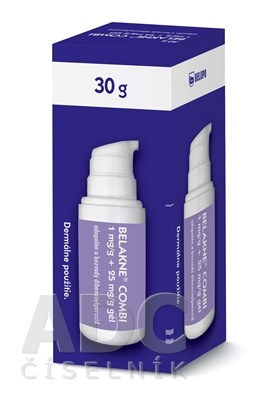
- Postać farmaceutycznagel, 1 mg/g + 25 mg/g; 30 g in a tube
- Kod ATCD10AD53
- Substancja czynna
- Wymaga receptyTak
- Producent
- Te treści mają charakter wyłącznie informacyjny i nie zastępują konsultacji lekarskiej.
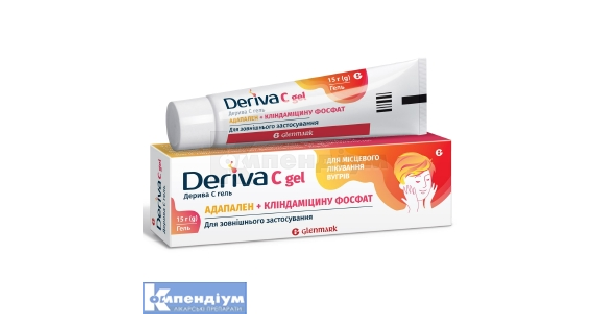
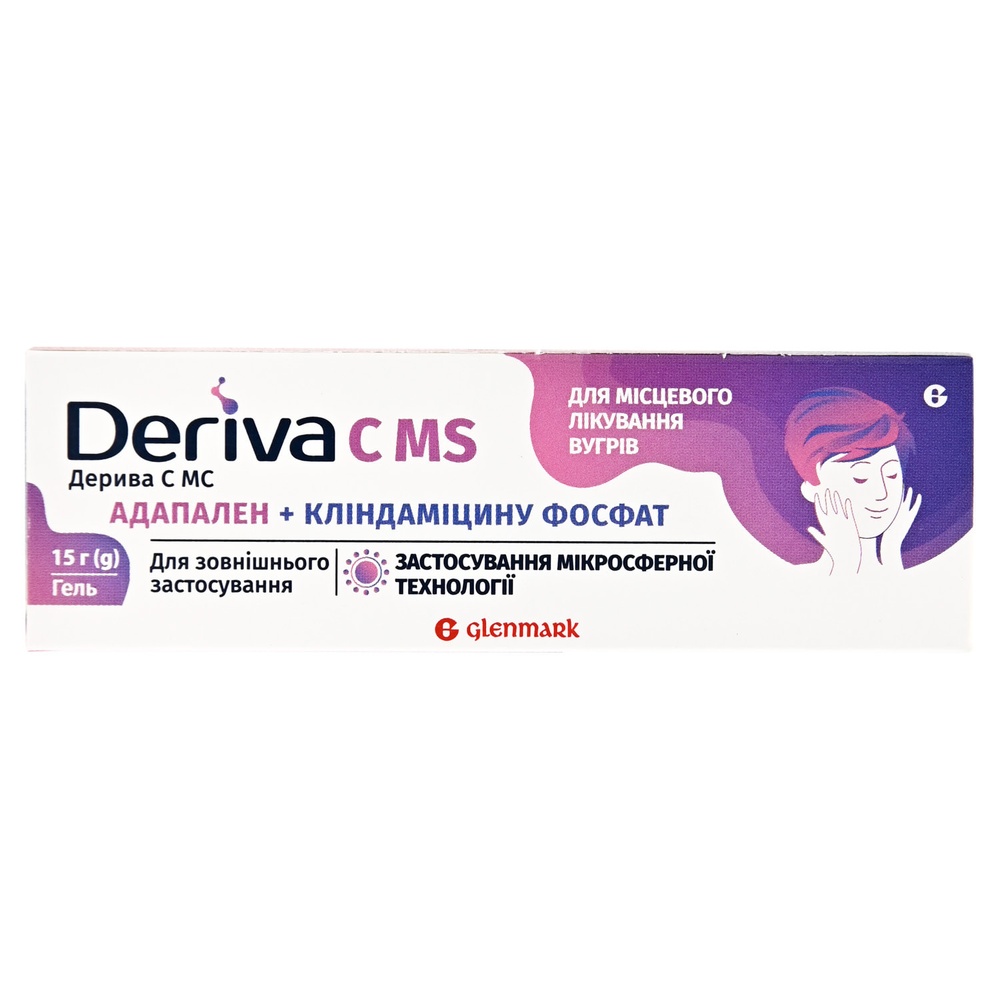
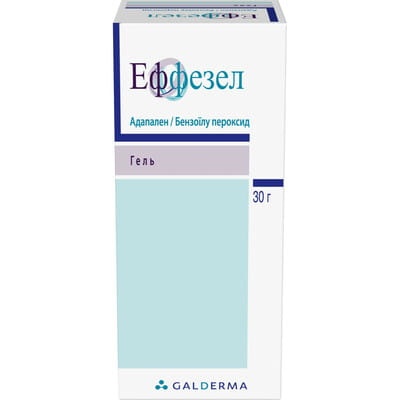
- Zamienniki BELAKNE DUOPostać farmaceutyczna: gel, 15 g in a tubeSubstancja czynna: adapalene, combinationsProducent: Гленмарк Фармасьютикалз Лтд.Wymaga receptyPostać farmaceutyczna: gel, 15 g in a tubeSubstancja czynna: adapalene, combinationsProducent: Гленмарк Фармасьютикалз Лтд.Bez receptyPostać farmaceutyczna: gel, 5 g, 15 g, 30 g gel in a tubeSubstancja czynna: adapalene, combinationsProducent: ЛАБОРАТОРІЇ ГАЛДЕРМАWymaga recepty
Odpowiedniki BELAKNE DUO w innych krajach
Leki z tą samą substancją czynną dostępne w innych krajach.
Odpowiednik BELAKNE DUO w Polska

Lekarze online w sprawie BELAKNE DUO
Omów stosowanie BELAKNE DUO, bezpieczeństwo i ocenę zasadności recepty zgodnie z obowiązującymi przepisami.





Uzyskaj receptę na BELAKNE DUO online
Wypełnij 2-minutowy formularz
Opisz swoje objawy, historię choroby i lek, o który prosisz.
Wybierz lekarza lub pozwól nam przydzielić
Wybierz specjalistę lub dopasujemy Cię do najbliższego dostępnego lekarza.
Lekarz analizuje Twój przypadek
Zazwyczaj w ciągu 30 minut. Może zadawać dodatkowe pytania przez czat.
Odbierz w dowolnej aptece
Recepta elektroniczna wysłana na Twój e-mail — ważna w całej Hiszpanii.
Często zadawane pytania

Bądź na bieżąco z Oladoctor
Informacje o nowych usługach, aktualizacjach produktu i przydatnych materiałach dla pacjentów.