


FORINEKS
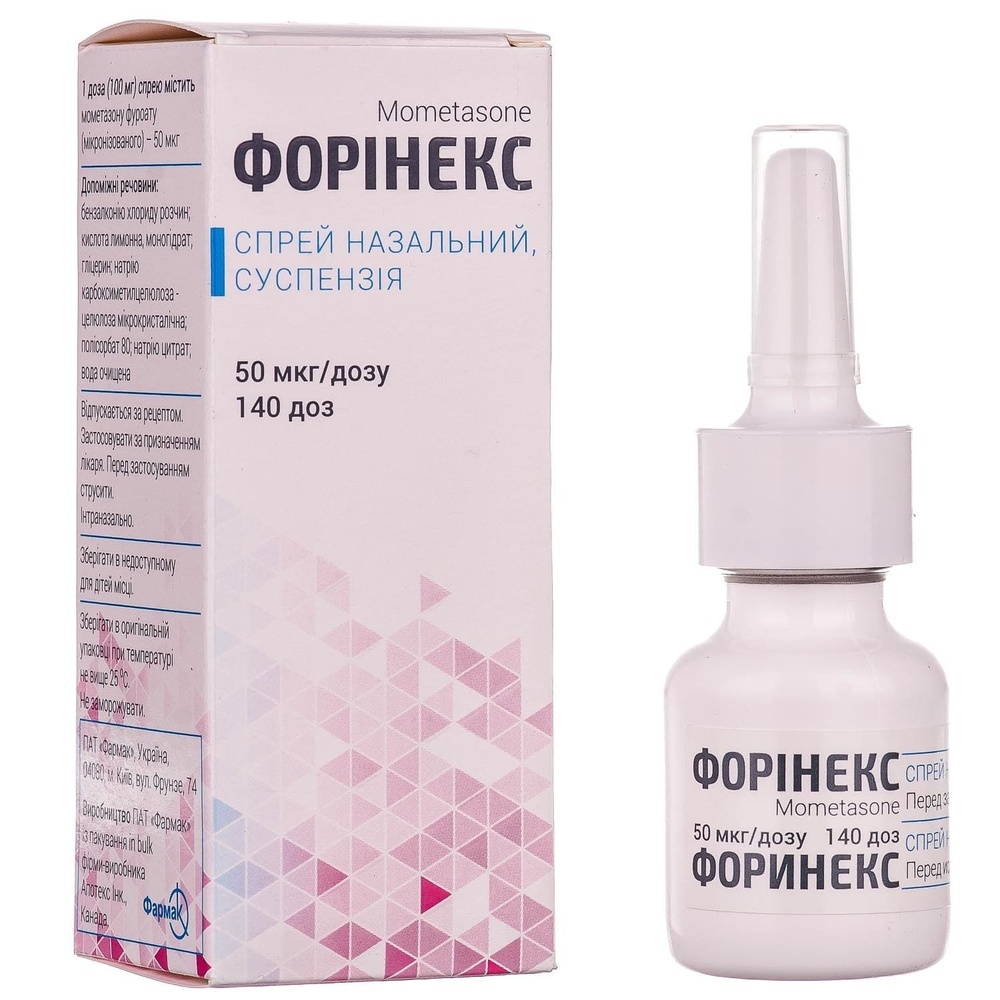



Інструкція із застосування FORINEKS
Перекладено з використанням ШІ
Інформація на цій сторінці має довідковий характер і не замінює консультацію лікаря. Перед застосуванням будь-яких лікарських засобів проконсультуйтеся з медичним фахівцем.
Показати оригіналЗміст інструкції
- ІНСТРУКЦІЯ для медичного застосування лікарського засобу ЛІПРЕТТО
- Склад
- Лікарська форма
- Основні фізико-хімічні властивості
- Фармакотерапевтична група
- Фармакологiчнi властивості
- Фармакокінетика
- Особливі групи пацієнтів
- Клінічні характеристики
- Взаємодія з іншими лікарськими засобами та інші види взаємодій
- Особливості застосування
- Застосування у період вагітності або годування груддю
- Здатність впливати на швидкість реакції при керуванні автотранспортом або іншими механізмами
- Спосіб застосування та дози
- Діти
- Передозування
- Побічні реакції
- Термін придатності
- Умови зберігання
- Упаковка
- Категорія відпуску
- Виробник
- Місцезнаходження виробника та адреса місця провадження його діяльності
- Заявник
- Місцезнаходження заявника
ІНСТРУКЦІЯ для медичного застосування лікарського засобу ЛІПРЕТТО
Склад
діюча речовина: rosuvastatin; 1 таблетка містить розувастатину кальцію, що еквівалентно 10 мг або 20 мг, або 40 мг розувастатину; допоміжні речовини: лактоза, моногідрат; целюлоза мікрокристалічна; кальцію гідрофосфат; натрію кроскармелоза; магнію стеарат; гіпромелоза; титану діоксид (Е 171); тальк; поліетиленгліколь 6000 (макрогол 6000).
Лікарська форма
Таблетки, вкриті плівковою оболонкою.
Основні фізико-хімічні властивості
Двоопуклі таблетки круглої форми, від білого до майже білого кольору, вкриті плівковою оболонкою.
Фармакотерапевтична група
Гіполіпідемічні засоби. Інгібітори ГМГ-КоА-редуктази. Розувастатин. Код АТХ С10А А07.
Фармакологiчнi властивості
Фармакодинаміка
Механізм дії
Розувастатин − це селективний та конкурентний інгібітор ГМГ-КоА-редуктази, ферменту, що обмежує швидкість реакції та перетворює 3-гідрокси-3-метилглутарил кофермент А на мевалонат, попередник холестерину. Основним місцем дії розувастатину є печінка – орган-мішень для зменшення рівня холестерину.
Фармакодинамічна дія
Лікарський засіб ЛІПРЕТТО знижує підвищений рівень холестерину ЛПНЩ, загального холестерину та тригліцеридів і підвищує рівень холестерину ліпопротеїдів високої щільності (ЛПВЩ). Він також зменшує рівень аполіпопротеїну В (апоВ), холестерину, не звʼязаного з ліпопротеїдами високої щільності (ХС-неЛПВЩ), холестерину ліпопротеїдів дуже низької щільності (ХС-ЛПДНЩ), тригліцеридів ліпопротеїдів дуже низької щільності (ТГ-ЛПДНЩ) та підвищує рівень аполіпопротеїну А-I (апоА-І) (див. таблицю 1). Лікарський засіб ЛІПРЕТТО також зменшує співвідношення ХС-ЛПНЩ/ХС-ЛПВЩ, загального ХС/ХС-ЛПВЩ, ХС-неЛПВЩ/ХС-ЛПВЩ та апоВ/апоА-І.
| Доза | N | ХС-ЛПНЩ | Загаль-ний ХС | ХС-ЛПВЩ | ТГ | ХС-неЛПВЩ | апоВ | апоA-I |
| Плацебо | 13 | -7 | -5 | 3 | -3 | -7 | -3 | 0 |
| 5 | 17 | -45 | -33 | 13 | -35 | -44 | -38 | 4 |
| 10 | 17 | -52 | -36 | 14 | -10 | -48 | -42 | 4 |
| 20 | 17 | -55 | -40 | 8 | -23 | -51 | -46 | 5 |
| 40 | 18 | -63 | -46 | 10 | -28 | -60 | -54 | 0 |
Клінічна ефективність та безпека
Розувастатин ефективний у лікуванні дорослих із гіперхолестеринемією – із гіпертригліцеридемією або без неї – незалежно від раси, статі чи віку, а також у пацієнтів особливих груп, таких як хворі на цукровий діабет або пацієнти із сімейною гіперхолестеринемією.
Фармакокінетика
Всмоктування
Максимальна концентрація розувастатину у плазмі крові (Сmax) досягається приблизно через 5 годин після перорального застосування. Абсолютна біодоступність становить приблизно 20 %.
Розподіл
Розувастатин значним чином захоплюється печінкою, яка є основним місцем синтезу холестерину та кліренсу ХС-ЛПНЩ. Об’єм розподілу розувастатину становить приблизно 134 л. Приблизно 90 % розувастатину зв’язується з білками плазми крові, переважно з альбуміном.
Метаболізм
Розувастатин зазнає незначного метаболізму (приблизно 10 %). Дослідження метаболізму in vitro із використанням гепатоцитів людини свідчать, що розувастатин є слабким субстратом для метаболізму на основі ферментів цитохрому Р450. Основним задіяним ізоферментом є CYP2C9, дещо меншу роль відіграють 2C19, 3A4 та 2D6. Основними визначеними метаболітами є N-десметиловий та лактоновий метаболіти. N-десметил-метаболіт приблизно на 50 % менш активний, ніж розувастатин, лактоновий метаболіт вважається клінічно неактивним. На розувастатин припадає більше 90 % активності циркулюючого інгібітора ГМГ-КоА-редуктази.
Виведення
Приблизно 90 % дози розувастатину виводиться у незміненому стані з калом (разом всмоктана та не всмоктана діюча речовина), решта виводиться із сечею. Приблизно 5 % виводиться із сечею у незміненій формі. Період напіввиведення із плазми крові становить приблизно 19 годин і не збільшується при підвищенні дози. Середнє геометричне значення кліренсу препарату із плазми крові становить приблизно 50 л/годину (коефіцієнт варіації – 21,7 %). Як і щодо інших інгібіторів ГМГ-КоА-редуктази, печінкове захоплення розувастатину відбувається за участю мембранного транспортера OATP-C, який відіграє важливу роль у печінковій елімінації розувастатину.
Лінійність
Системна експозиція розувастатину збільшується пропорційно дозі. При багаторазовому щоденному застосуванні параметри фармакокінетики не змінюються.
Особливі групи пацієнтів
Вік та стать
Не спостерігалося клінічного значущого впливу віку або статі на фармакокінетику розувастатину у дорослих. Експозиція розувастатину у дітей та підлітків із гетерозиготною сімейною гіперхолестеринемією була подібною або нижчою, ніж у дорослих пацієнтів з дисліпідемією (див. розділ «Діти»).
Раса
Дослідження фармакокінетики виявили, що у пацієнтів монголоїдної раси (японців, китайців, філіппінців, в’єтнамців та корейців) медіанні значення площі під фармакокінетичною кривою «концентрація-час» (AUC) та Cmax приблизно вдвічі вищі, ніж у європейців; у індійців медіанні значення AUC та Cmax підвищені приблизно у 1,3 раза. Аналіз популяційної фармакокінетики не виявив клінічно значущої різниці між пацієнтами європеоїдної та негроїдної рас.
Порушення функції нирок
У дослідженні у пацієнтів із різним ступенем порушення функції нирок змін плазмових концентрацій розувастатину або N-десметил-метаболіту в осіб зі слабкою чи помірною недостатністю зафіксовано не було. У пацієнтів із тяжкими порушеннями функції нирок (кліренс креатиніну < 30 мл/хв) плазмові концентрації розувастатину та рівні N-десметил-метаболіту були у 3 та 9 разів вищими відповідно, порівняно зі здоровими добровольцями. Рівноважні плазмові концентрації розувастатину у пацієнтів, які перебували на гемодіалізі, були приблизно на 50 % вищими, ніж у здорових добровольців.
Порушення функції печінки
У дослідженні пацієнтів із різним ступенем порушення функції печінки ознак підвищеної експозиції розувастатину не було виявлено у пацієнтів, стан яких оцінювався у 7 або менше балів за шкалою Чайлда – П’ю. Однак у двох пацієнтів, які набрали 8 та 9 балів за шкалою Чайлда – П’ю, системна експозиція була щонайменше у 2 рази вища, ніж у пацієнтів із меншими балами. Досвід застосування розувастатину пацієнтам, стан яких оцінюється у більше ніж 9 балів за шкалою Чайлда – П’ю, відсутній.
Генетичний поліморфізм
Розподіл інгібіторів ГМГ-КоА-редуктази, у тому числі розувастатину, відбувається за участю транспортних білків ОАТР1В1 та BCRP. У пацієнтів із генетичним поліморфізмом SLCO1B1 (OATP1B1) та/або ABCG2 (BCRP) існує ризик підвищеної експозиції розувастатину. При окремих формах поліморфізму SLCO1B1 с.521СС та ABCG2 с.421АА AUC розувастатину підвищена порівняно з генотипами SLCO1B1 с.521ТТ або ABCG2 с.421СС. Спеціальне генотипування в клінічній практиці не передбачене, але пацієнтам із таким поліморфізмом рекомендується застосовувати меншу добову дозу лікарського засобу ЛІПРЕТТО.
Клінічні характеристики
Показання
Лікування гіперхолестеринемії Дорослим, підліткам та дітям віком від 6 років із первинною гіперхолестеринемією (типу ІІа, у тому числі із гетерозиготною сімейною гіперхолестеринемією) або змішаною дисліпідемією (типу IІb) як доповнення до дієти, коли дотримання дієти та застосування інших немедикаментозних засобів (наприклад, фізичних вправ, зниження маси тіла) є недостатнім.
Протипоказання
Лікарський засіб ЛІПРЕТТО протипоказаний: пацієнтам із підвищеною чутливістю до розувастатину або до будь-якої з допоміжних речовин лікарського засобу; пацієнтам із активним захворюванням печінки, у тому числі стійкими підвищеннями сироваткових трансаміназ невідомої етіології та будь-якими підвищеннями трансаміназ у сироватці крові, що втричі перевищують верхню межу норми (ВМН); пацієнтам із тяжкими порушеннями функції нирок (кліренс креатиніну < 30 мл/хв); пацієнтам із міопатією; пацієнтам, які одночасно отримували комбінацію софосбувір/велпатасвір/воксилапревір (див. розділ «Взаємодія з іншими лікарськими засобами та інші види взаємодій»); пацієнтам, які одночасно отримують циклоспорин; у період вагітності та годування груддю, а також жінкам репродуктивного віку, які не використовують належні засоби контрацепції.
Взаємодія з іншими лікарськими засобами та інші види взаємодій
Вплив супутніх препаратів на розувастатин
Інгібітори транспортних білків Розувастатин є субстратом для деяких транспортних білків, в тому числі печінкового транспортера захоплення ОАТР1В1 та ефлюксного транспортера BCRP. Одночасне застосування лікарського засобу ЛІПРЕТТО із лікарськими засобами, що пригнічують ці транспортні білки, може призводити до підвищення концентрацій розувастатину в плазмі крові та збільшення ризику міопатії (див. розділи «Спосіб застосування та дози», «Особливості застосування», «Взаємодія з іншими лікарськими засобами та інші види взаємодій», таблицю 2).
Таблиця 2 – Вплив супутніх лікарських засобів на експозицію розувастатину (AUC; в порядку зменшення величини) за опублікованими даними клінічних досліджень
| Режим дозування лікарського засобу, що взаємодіє | Режим дозування розувастатину | Зміни AUC розувастатину** |
| Софосбувір/велпатасвір/воксилапревір (400 мг-100 мг-100 мг) + воксилапревір (100 мг) один раз на добу протягом 15 днів | 10 мг, одноразова доза | ↑ 7,4 раза |
| Циклоспорин від 75 мг двічі на добу до 200 мг двічі на добу, 6 місяців | 10 мг один раз на добу, 10 днів | ↑ 7,1 раза |
| Даролутамід 600 мг двічі на добу, 5 днів | 5 мг, одноразова доза | ↑ 5,2 раза |
| Регорафеніб 160 мг один раз на добу, 14 днів | 5 мг, одноразова доза | ↑ 3,8 раза |
| Атазанавір 300 мг/ритонавір 100 мг один раз на добу, 8 днів | 10 мг, одноразова доза | ↑ 3,1 раза |
| Велпатасвір 100 мг один раз на добу | 10 мг, одноразова доза | ↑ 2,7 раза |
| Омбітасвір 25 мг/паритапревір 150 мг/ритонавір 100 мг один раз на добу/ дасабувір 400 мг двічі на добу, 14 днів | 5 мг, одноразова доза | ↑ 2,6 раза |
| Терифлуномід | Дані відсутні | ↑ 2,5 раза |
| Гразопревір 200 мг/елбасвір 50 мг один раз на добу, 11 днів | 10 мг, одноразова доза | ↑ 2,3 раза |
| Глекапревір 400 мг/пібрентасвір 120 мг один раз на добу, 7 днів | 5 мг один раз на добу, 7 днів | ↑ 2,2 раза |
| Лопінавір 400 мг/ритонавір 100 мг двічі на добу, 17 днів | 20 мг один раз на добу, 7 днів | ↑ 2,1 раза |
| Капматиніб 400 мг двічі на добу | 10 мг, одноразова доза | ↑ 2,1 раза |
| Клопідогрель 300 мг, потім 75 мг через 24 години | 20 мг, одноразова доза | ↑ 2 раза |
| Фостаматиніб 100 мг двічі на добу | 20 мг, одноразова доза | ↑ 2,0 раза |
| Фебуксостат 120 мг один раз на добу | 10 мг, одноразова доза | ↑ 1,9 раза |
| Гемфіброзил 600 мг двічі на добу, 7 днів | 80 мг, одноразова доза | ↑ 1,9 раза |
Особливості застосування
Вплив на нирки
Протеїнурія, виявлена в результаті аналізу за тест-смужками та переважно канальцевого походження, спостерігалася у пацієнтів, які лікувалися вищими дозами розувастатину, зокрема 40 мг, і у більшості випадків була тимчасовою або переривчастою. Протеїнурія не була передвісником гострої або прогресуючої хвороби нирок (див. розділ «Побічні реакції»). Частота повідомлень про серйозні явища з боку нирок у постмаркетингових дослідженнях вища при застосуванні дози 40 мг. У пацієнтів, які приймають лікарський засіб у дозі 40 мг, слід регулярно перевіряти функцію нирок.
Вплив на скелетну мускулатуру
Порушення з боку скелетної мускулатури, наприклад міалгія, міопатія та зрідка рабдоміоліз, спостерігалися у пацієнтів, які приймали розувастатин у будь-яких дозах, особливо більше 20 мг. Дуже рідко випадки рабдоміолізу відзначалися при застосуванні езетимібу у комбінації з інгібіторами ГМГ-КоА-редуктази. Не можна виключити можливість фармакодинамічної взаємодії (див. розділ «Взаємодія з іншими лікарськими засобами та інші види взаємодій»), а тому таку комбінацію слід застосовувати з обережністю.
Застосування у період вагітності або годування груддю
Лікарський засіб ЛІПРЕТТО протипоказаний у період вагітності та годування груддю.
Здатність впливати на швидкість реакції при керуванні автотранспортом або іншими механізмами
Дослідження впливу розувастатину на здатність керувати автомобілем та працювати з механізмами не проводилися. Однак, з огляду на фармакодинамічні властивості препарату, малоймовірно, що він чинитиме вплив на таку здатність. При керуванні автотранспортом або роботі з іншими механізмами слід враховувати можливість виникнення запаморочення в період лікування.
Спосіб застосування та дози
Перед початком лікування пацієнту слід призначити стандартну гіпохолестеринемічну дієту, якої він повинен дотримуватися і протягом лікування. Дозу слід підбирати індивідуально, залежно від мети терапії та відповіді пацієнта на лікування, керуючись рекомендаціями поточних загальноприйнятих керівництв.
Діти
Застосування лікарського засобу дітям має проводити лише спеціаліст.
Передозування
Специфічного лікування передозування немає. У разі передозування пацієнта слід лікувати симптоматично та у разі необхідності вжити підтримуючих заходів. Потрібно контролювати функції печінки та рівень КК. Ефективність гемодіалізу малоймовірна.
Побічні реакції
Небажані явища, що відзначаються при застосуванні розувастатину, зазвичай легкі та тимчасові. У контрольованих клінічних дослідженнях менше 4 % пацієнтів, які застосовували розувастатин, вийшли із дослідження через небажані реакції.
Термін придатності
2 роки.
Умови зберігання
Зберігати при температурі не вище 25 °С в оригінальній упаковці. Зберігати у недоступному для дітей місці.
Упаковка
Таблетки по 10 мг, 20 мг По 10 таблеток у блістері, по 3 блістери разом з інструкцією для медичного застосування у пачці з картону або по 9 блістерів разом з інструкцією для медичного застосування у пачці з картону. Або по 30 таблеток у банці, по 1 банці разом з інструкцією для медичного застосування у пачці з картону. Таблетки по 40 мг По 10 таблеток у блістері, по 3 блістери разом з інструкцією для медичного застосування у пачці з картону. Або по 30 таблеток у банці, по 1 банці разом з інструкцією для медичного застосування у пачці з картону.
Категорія відпуску
За рецептом.
Виробник
ТОВ НВФ «МІКРОХІМ» (відповідальний за випуск серії, не включаючи контроль/випробування серії)
Місцезнаходження виробника та адреса місця провадження його діяльності
Україна, 01013, м. Київ, вул. Будіндустрії, буд. 5.
Заявник
ТОВ НВФ «МІКРОХІМ»
Місцезнаходження заявника
Україна, 01013, м. Київ, вул. Будіндустрії, буд. 5.
Повідомити про небажане явище при застосуванні лікарського засобу Ви можете за телефоном +38 (050) 309-83-54 (цілодобово).


- Країна реєстрації
- Лікарська формаспрей, 50 мкг/дозу
- Код АТХR01AD09
- Діюча речовина
- Потрібен рецептТак
- Виробник
- Ця інформація надана лише для ознайомлення і не є медичною порадою. Рішення щодо лікування завжди приймає лікар.
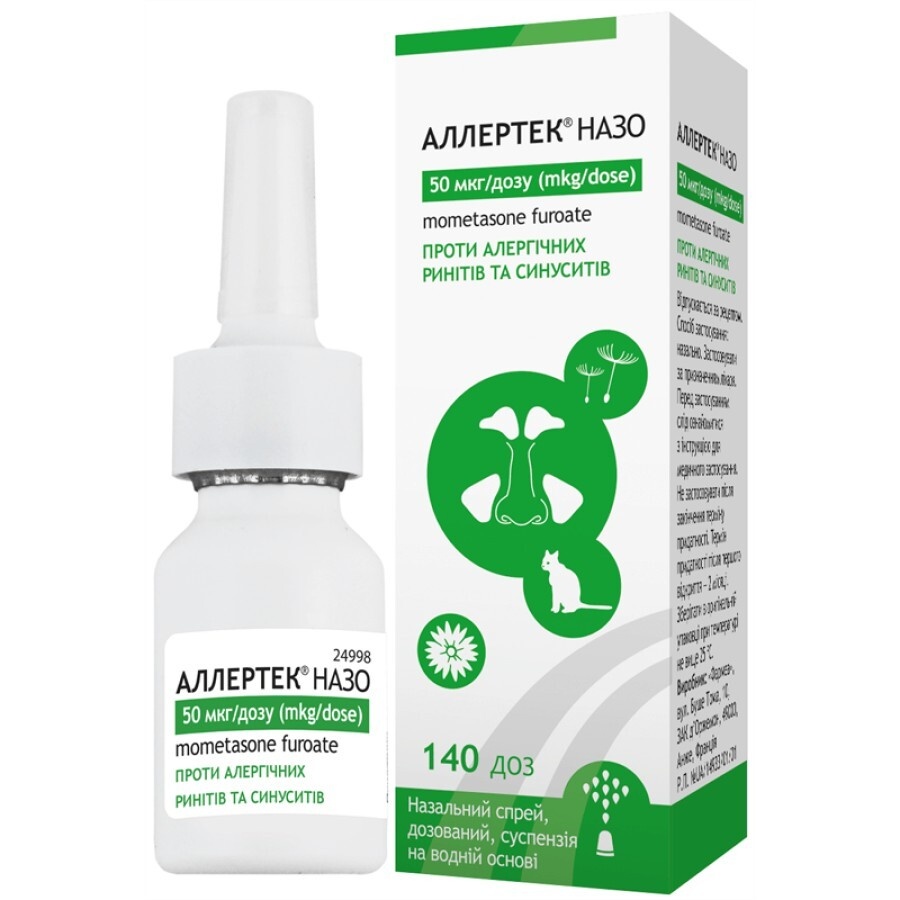
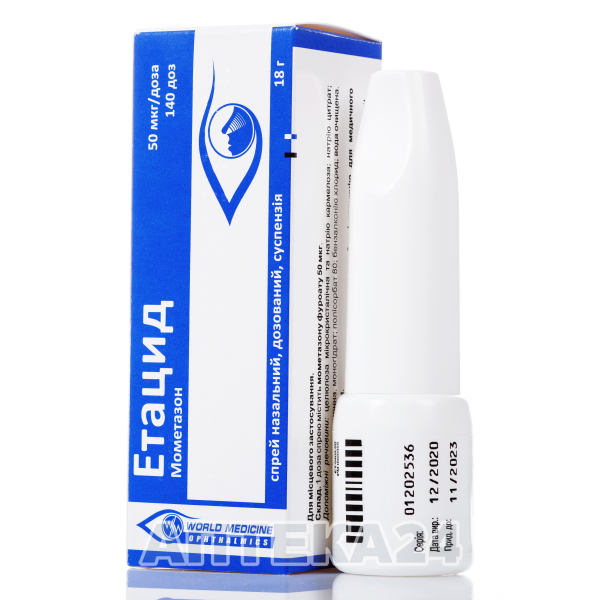
- Альтернативи до FORINEKSЛікарська форма: спрей, 50 мкг/дозуДіюча речовина: mometasoneВиробник: ФармеаПотрібен рецептЛікарська форма: спрей, 50 мкг/дозуДіюча речовина: mometasoneВиробник: Гленмарк Фармасьютикалз Лтд.Потрібен рецептЛікарська форма: спрей, 50 мкг/доза по 18 гДіюча речовина: mometasoneВиробник: УОРЛД МЕДИЦИН ІЛАЧ САН. ВЕ ТІДЖ. А.Ш.Потрібен рецепт

Аналоги FORINEKS в інших країнах
Препарати з тією самою діючою речовиною, доступні в інших країнах.
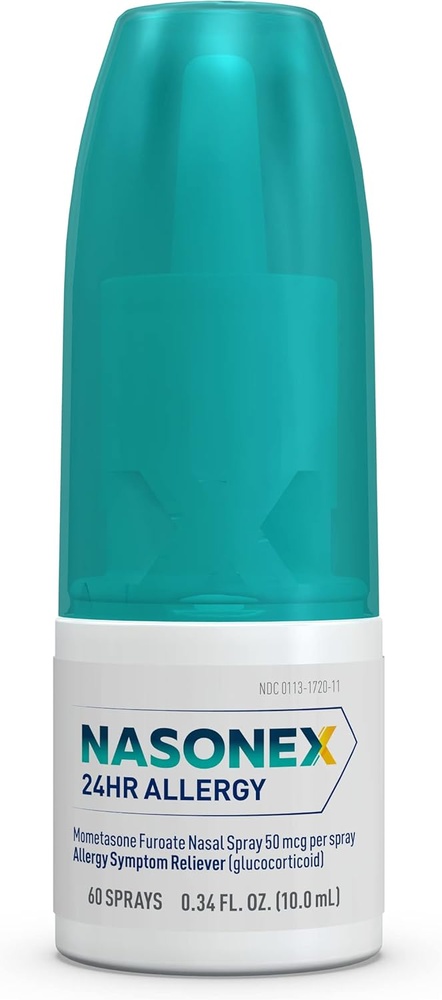
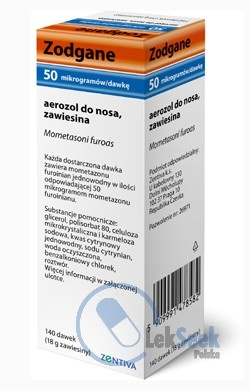
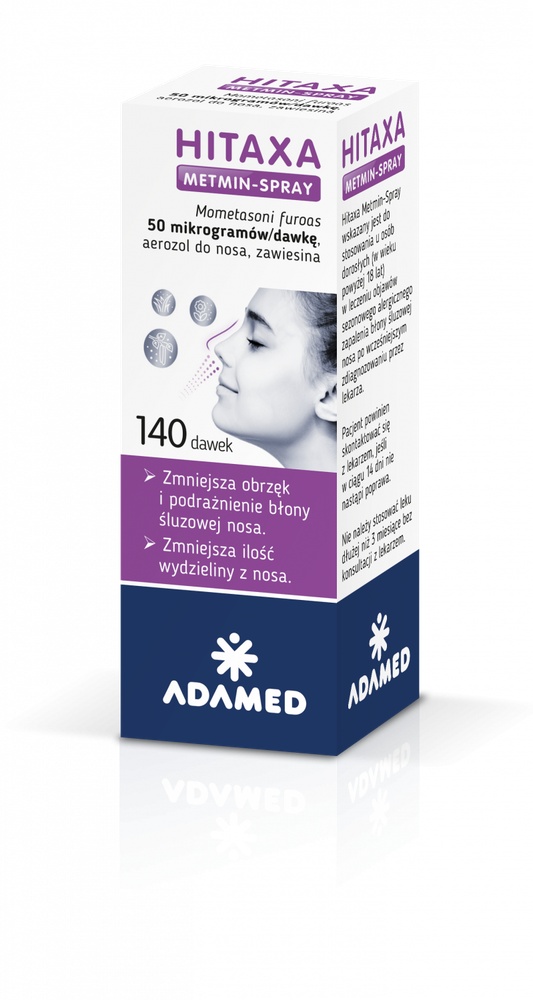
Аналог FORINEKS у Польща


Лікарі онлайн щодо FORINEKS
Застосування, безпека та можливість призначення рецепта — за результатами медичної оцінки.





Отримайте рецепт на FORINEKS онлайн
Заповніть форму за 2 хвилини
Розкажіть про симптоми, історію хвороби та потрібний препарат.
Оберіть лікаря або ми призначимо
Оберіть спеціаліста або ми підберемо найближчого доступного лікаря.
Лікар розглядає ваш випадок
Зазвичай протягом 30 хвилин. Може ставити уточнювальні запитання в чаті.
Отримайте в будь-якій аптеці
Електронний рецепт надсилається на вашу пошту — дійсний по всій Іспанії.
Часті запитання

Будьте в курсі новин Oladoctor
Інформація про нові послуги, оновлення сервісу та корисні матеріали для пацієнтів.