



TEGRETOL 200 mg Tablet

Запит на рецепт онлайн
Лікар розгляне ваш випадок і визначить, чи є рецепт медично доцільним.

Поговоріть з лікарем про ці ліки
Обговоріть симптоми та можливі подальші кроки під час короткої онлайн-консультації.



Інструкція із застосування TEGRETOL
Зміст інструкції
- Tegretol 200 mg tablets, 400 mg tablets
- Tegretol 200 mg modified release tablets, 400 mg modified release tablets
- Tegretol Bambini 20 mg/ml syrup
Tegretol 200 mg tablets, 400 mg tablets
carbamazepine
Read this leaflet carefully before using this medicine, as it contains important
information for you.
- Keep this leaflet. You may need to read it again.
- If you have any questions, ask your doctor or pharmacist.
- This medicine has been prescribed for you only. Do not pass it on to others, even if their symptoms are the same as yours, as it could be harmful.
- If you get any side effects, even those not listed in this leaflet, tell your doctor or pharmacist. See section 4.
Contents of this leaflet:
- 1. What Tegretol is and what it is used for
- 2. What you need to know before you use Tegretol
- 3. How to use Tegretol
- 4. Possible side effects
- 5. How to store Tegretol
- 6. Contents of the pack and other information
1. What is Tegretol and what is it used for
Tegretol contains the active ingredient carbamazepine. Tegretol is used to treat epilepsy, mania (a
psychiatric disorder) and painful conditions of the trigeminal nerve.
Tegretol tablets is indicated for the treatment:
- of epilepsy, such as psychomotor or temporal epilepsy, generalized tonic-clonic seizures, mixed forms, focal seizures
- of recurrent episodes of sudden and intense facial and neck pain, which usually affects only one side, involving one or more divisions of the neck nerve called the trigeminal nerve (essential trigeminal neuralgia)
- of manic states.
Your doctor may prescribe Tegretol alone or in combination with other medicines.
Tegretol does not work on some forms of epilepsy such as "petit mal" and myoclonic seizures.
2. What you need to know before using Tegretol
Do not use Tegretol
- if you/your child are allergic to carbamazepine, to medicines similar to carbamazepine (e.g. tricyclic antidepressants) or to any of the other ingredients of this medicine (listed in section 6)
- if you/your child have a disorder of electrical conduction in the heart (atrioventricular block)
- if you/your child have had bone marrow depression, i.e. a decrease in the number of blood cells caused by a malfunction of the system that produces blood cells
- if you/your child have a blood disease called hepatic porphyria e.g. acute intermittent porphyria, variegated porphyria, porphyria cutanea tarda
- if you/your child are using medicines for the treatment of depression and Parkinson's disease (monoamine oxidase inhibitors). See section “Other medicines and Tegretol”.
- if you are pregnant or breastfeeding (see section “Pregnancy, breastfeeding and fertility”).
Warnings and precautions
Talk to your doctor or pharmacist before using Tegretol.
Tell your doctor before using Tegretol:
- if you/your child have or have had problems with your liver: your doctor will have tests done at the beginning and during treatment
- if you/your child have or have had problems with your heart
- if you/your child have or have had problems with your kidneys
- if you/your child have kidney problems associated with low levels of sodium in the blood or if you are using medicines that reduce sodium levels in the blood e.g. diuretics to reduce blood pressure and medicines that counteract the activity of a hormone called aldosterone. Your doctor will check sodium levels in the blood before starting therapy with Tegretol, then after about two weeks and subsequently once a month for the first three months of therapy, or as needed.
- if you/your child have had side effects that have affected the blood after treatments with other medicines or after previous cycles of carbamazepine therapy
- if you/your child are of Chinese, Thai, Japanese, Caucasian, Native American, Hispanic, South Indian or Arab descent because serious skin side effects have been reported. If you/your child belong to one of the populations listed above, the risk of having these side effects can be predicted through a blood test
- if you/your child have or have had severe skin reactions (Stevens-Johnson syndrome, toxic epidermal necrolysis) on previous treatments with Tegretol, because you should no longer use Tegretol
- if you are allergic to phenytoin, primidone or phenobarbital (medicines for epilepsy) because you may also be allergic to carbamazepine contained in Tegretol
- if you/your child suffer from hypothyroidism, i.e. the thyroid gland does not work properly because the doctor will monitor it and assess whether to reduce the dose of Tegretol
- if you/your child suffer from high pressure inside the eye
- if you/your child suffer from urinary retention.
Stop treatment with Tegretol and tell your doctor immediately if:
- you/your child develop signs and symptoms of severe skin reactions, such as round red spots or circular patches that are often accompanied by blisters on the trunk, ulcers in the mouth, throat, nose, genitals and conjunctivitis (red and swollen eyes) often accompanied by symptoms similar to those of the flu, because these are signs of severe skin reactions that can also be fatal. These reactions are more likely in the first months of treatment.
- you/your child develop signs and symptoms of a severe allergic reaction to Tegretol, such as swelling of lips, eyelids, face, throat, mouth or sudden breathing problems, fever, rash, inflammation of blood vessels, swollen lymph nodes, joint pain, changes in some blood parameters, problems with the liver, spleen, lungs and other organs.
Tell your doctor immediately if during treatment:
- you/your child develop fever, sore throat, rash or any signs of skin reactions, mouth ulcers, fragile capillaries, small red spots on the skin (petechiae) or reddish-purple bruising, because these are signs of toxicity and blood problems. See also “Important information”.
- you/your child are being treated with Tegretol for mixed attacks (including typical and atypical absences) and notice a worsening of epileptic seizures, because it may be necessary to stop treatment
- you/your child have a worsening of liver problems or develop liver problems, because it may be necessary to stop treatment with Tegretol
- you/your child have a reduction in blood sodium levels (visible from blood tests)
- you/your child develop thoughts or a tendency to suicide
- you/your daughter are using oral contraceptives to prevent pregnancy, because their effectiveness may be reduced or canceled by treatment with Tegretol. Discuss with your doctor the use of alternative contraceptive methods (see section “Pregnancy, breastfeeding and fertility”)
- you/your child experience dizziness, drowsiness, decreased blood pressure, confusion, sedation or involuntary movement disorders that can lead to falls.
Important information:
- If you/your child have had allergic reactions to carbamazepine, you may also have an allergic reaction to oxcarbazepine.
- During treatment with Tegretol, your doctor will have periodic urine and blood tests done on you/your child.
- During treatment with Tegretol, a decrease in the number of platelets and white blood cells may occur; cases of decreased red blood cell count due to impaired production (aplastic anemia) and a severe decrease in the number of white blood cells (agranulocytosis) have also been reported. Your doctor will keep you/your child under close control and have a complete blood test done before treatment and periodically during treatment.
- Treatment with Tegretol may reveal hidden mental illnesses and cause agitation and confusion in elderly patients.
- The use of Tegretol during pregnancy carries a risk of harm to the fetus. Women of childbearing potential must use effective contraceptive methods during treatment with Tegretol and for two weeks after the last dose (see “Pregnancy and breastfeeding”).
Other medicines and Tegretol
Tell your doctor or pharmacist if you are taking, have recently taken or might take any other
medicine.
Do not use Tegretol if you/your child are using:
- medicines for the treatment of depression and Parkinson's disease (monoamine oxidase inhibitors). Before using Tegretol, the administration of monoamine oxidase inhibitors must be stopped for at least 2 weeks or for a longer period (see section “Do not use Tegretol”).
Consult your doctor before using Tegretol if you/your child are using:
- levetiracetam (medicine for epilepsy)
- isoniazid (antibiotic)
- lithium (medicine for mood disorders)
- metoclopramide (antiemetic medicine)
- neuroleptics (psychotropic drugs): haloperidol, thioridazine
- diuretics (medicines that promote urine elimination, used to reduce fluid retention and reduce blood pressure): hydrochlorothiazide, furosemide
- muscle relaxants e.g.: pancuronium
- direct-acting oral anticoagulants e.g.: rivaroxaban, dabigatran, apixaban, edoxaban.
Tell your doctor if you/your child are using one or more of the medicines listed below, because these
increase the effects of Tegretol:
- medicines to reduce pain and inflammation: destromethorphan, ibuprofen
- hormonal medicines (androgens): danazol
- antibiotics: erythromycin, troleandomycin, josamycin, clarithromycin, ciprofloxacin
- medicines for depression: desipramine, fluoxetine, fluvoxamine, nefazodone, paroxetine, trazodone, viloxazine
- medicines for epilepsy and seizures: stiripentol, vigabatrin, primidone, progabide, valproic acid, brivaracetam
- medicines to fight fungal infections: itraconazole, ketoconazole, fluconazole, voriconazole
- medicines for allergies: loratadine, terfenadine
- medicines used in severe psychiatric disorders (antipsychotics): olanzapine, loxapine, quetiapine
- medicines for tuberculosis: isoniazid
- medicines to fight viral infections: ritonavir
- medicines to reduce blood pressure: acetazolamide
- medicines for the heart: verapamil, diltiazem
- medicines for the stomach: cimetidine, omeprazole
- medicines that relax muscles: oxybutynin, dantrolene
- medicines that reduce blood clotting: ticlopidine
- nicotinamide (in adults only at high doses), used in states of vitamin B3 deficiency and sun-sensitive skin reactions
- sedatives: valnoctamide
- valpromide (medicine used for epilepsy and manic episodes in bipolar disorder).
These medicines increase the levels of the medicine in the blood and can therefore cause undesirable effects
(e.g. dizziness, drowsiness, loss of coordination, double vision), so your doctor will have blood tests done to check the levels of Tegretol and these medicines in the blood and
will assess whether to reduce the doses.
Tell your doctor if you/your child are using one or more of the medicines listed below, because these
reduce the effects of Tegretol:
- medicines for epilepsy: felbamate, mesuximide, oxcarbazepine, phenobarbital, fensuximide, phenytoin and phosphophenytoin, primidone, clonazepam
- medicines for cancer: cisplatin, doxorubicin
- medicines for tuberculosis: rifampicin
- medicines for asthma: theophylline, aminophylline
- medicines for skin problems like acne: isotretinoin
- St. John's Wort (Hypericum perforatum), herbal medicine used for depression
These medicines reduce the levels of carbamazepine, which may therefore be less effective. Your doctor will
have blood tests done to check the levels of Tegretol and assess whether to modify the dose.
Tell your doctor if you/your child are using one or more of the medicines listed below, because Tegretol
can change their effect:
- medicines to reduce pain and inflammation: buprenorphine, methadone, paracetamol (acetaminophen), phenazone (antipyrine), tramadol
- antibiotics: doxycycline, rifabutin
- medicines that reduce blood clotting taken by mouth e.g.: warfarin, phenprocoumon, dicoumarol, acenocoumarol, rivaroxaban, dabigatran, apixaban, edoxaban
- medicines for depression: bupropion, citalopram, mianserin, nefazodone, sertraline, trazodone, imipramine, amitriptyline, nortriptyline, clomipramine
- medicines for nausea: aprepitant
- medicines for epilepsy and seizures: clobazam, clonazepam, ethosuccimide, felbamate, lamotrigine, eslicarbazepine, oxcarbazepine, primidone, tiagabine, topiramate, valproic acid, zonisamide, mephenytoin
- medicines to fight fungal infections: itraconazole, voriconazole
- medicines for parasites: praziquantel, albendazole
- medicines for cancer: imatinib, cyclophosphamide, lapatinib, temsirolimus
- medicines used in severe psychiatric disorders (antipsychotics): clozapine, haloperidol and bromperidol, olanzapine, quetiapine, risperidone, ziprasidone, aripiprazole, paliperidone.
- medicines to fight viral infections: indinavir, ritonavir, saquinavir
- medicines for anxiety: alprazolam, midazolam.
- medicines for asthma: theophylline
- hormonal contraceptives, for example pills, patches, injections or implants. Tegretol can affect the action of hormonal contraceptives and make them less effective in preventing pregnancy. Talk to your doctor, who will discuss with you the type of contraception most suitable for use during treatment with Tegretol (see section “Pregnancy, breastfeeding and fertility”)
- medicines for the heart and blood vessels and/or to reduce blood pressure (dihydropyridine calcium antagonists) e.g.: felodipine, ivabradine, digoxin cholesterol-lowering medicines: simvastatin, atorvastatin, lovastatin, cerivastatin
- hormonal medicines (corticosteroids) e.g.: prednisolone, dexamethasone
- medicines for erectile dysfunction: tadalafil medicines that suppress the immune system (immunosuppressants): cyclosporine, everolimus, tacrolimus, sirolimus
- medicines for the thyroid: levothyroxine
- medicines containing estrogens and/or progesterone
Carbamazepine can decrease the levels of some medicines in the blood causing a decrease or
even cancellation of their activity. The doctor will assess whether to modify the dose of these medicines.
Diagnostic tests
Carbamazepine can alter some tests used to determine the concentrations of perphenazine and antidepressant medicines (tricyclic antidepressants).
Tegretolwith food, drinks and alcohol
Do not use Tegretol with grapefruit juice, because this increases the effect of Tegretol.
Do not drink alcohol with Tegretol, because this reduces alcohol tolerance.
Pregnancy, breastfeeding and fertility
If you are pregnant, suspect you are pregnant, or are planning a pregnancy, or if you are breastfeeding, ask your doctor or pharmacist for advice before using this medicine.
Pregnancy
Tegretol may cause major birth defects. If you take Tegretol during pregnancy, the baby has up to a 3 times higher risk of having a birth defect compared to women who do not take antiepileptic drug treatment. Major birth defects have been reported, including neural tube defects (opening of the spine), facial birth defects such as “cleft lip” (split in the upper lip) and cleft palate (split in the palate), head defects, heart defects, birth defects of the penis involving the urinary opening (hypospadias) and finger defects. The fetus should be carefully monitored if you have taken Tegretol during pregnancy.
Problems with neurological development (brain development) have been reported in children born to mothers who used Tegretol during pregnancy. Some studies have shown that carbamazepine negatively affects the neurological development of children exposed to carbamazepine in the womb, while other studies have not found such an effect. The possibility of an effect on neurological development cannot be ruled out.
If you are a woman of childbearing potential and are not planning a pregnancy, you should use effective contraception during treatment with Tegretol. Tegretol may affect the action of hormonal contraceptives, such as the birth control pill, making them less effective in preventing pregnancy. Talk to your doctor, who will discuss with you the most suitable type of contraception to use while taking Tegretol. If treatment with Tegretol is stopped, you should continue to use effective contraception for another two weeks after stopping.
If you are a woman of childbearing potential and are planning a pregnancy, consult your doctor before stopping contraception and starting a pregnancy, so that you can switch to other appropriate treatments, in order to avoid exposing the fetus to carbamazepine.
If you are pregnant or suspect you are pregnant, inform your doctor immediately. You should not stop taking the medicine until you have spoken to your doctor. Stopping treatment without consulting your doctor could cause seizures that could be potentially dangerous for you and the fetus. The doctor may decide to change the treatment.
If you take Tegretol during pregnancy, the baby will also be at risk of bleeding problems shortly after birth. Your doctor may give you and your baby a medicine to prevent this from happening.
Breastfeeding
Carbamazepine passes into breast milk. Talk to your doctor if you need to breastfeed to reassess with him the need for treatment with Tegretol.
Fertility
In rare cases, impaired fertility in males and sperm production have been reported.
Driving and using machines
The ability to drive vehicles and use machines may be altered by the underlying condition (seizures) and by side effects following treatment with Tegretol such as, for example, drowsiness, dizziness, loss of coordination (ataxia), visual disturbances (double vision, blurred vision).
These effects are more frequent at the beginning of treatment and when the doses of Tegretol are changed.
Be particularly careful if you need to drive vehicles (including a bicycle), use machinery or do other activities that require particular attention.
Tegretol 200 and 400 mg tablets contains sodium
This medicine contains less than 1 mmol (23 mg) of sodium per tablet, i.e. essentially “sodium-free”.
3. How to use Tegretol
Use this medicine following the instructions of your doctor or pharmacist exactly. If you have any doubts
consult your doctor or pharmacist.
You must use Tegretol regularly and at the doses prescribed by your doctor. Do not exceed the doses and frequency of
administration recommended by your doctor.
The tablets can be taken before, during or after meals. The tablets must be taken with
some liquid.
Treatment of epilepsy
The doctor will assess the most suitable dose for you and may gradually increase the dose over time.
Use in adults
The recommended dose at the beginning of therapy is 100-200 mg 1 or 2 times a day.
The doctor will then tell you to gradually increase the dose to 400 mg 2 or 3 times a day.
Use in children
Do not use the tablets in very young children (under 5 years): Tegretol
syrup is available for children.
The recommended dose at the beginning of treatment in children from 5 years of age is 100 mg per day, which
is then increased by 100 mg each week.
The recommended maintenance dose is:
For doses greater than 200 mg per day, divide the dose throughout the day into 2-3 administrations.
| Children from 5 years of age | 200-400 mg per day |
| g Children from 6 to 10 years | 400-600 mg per day |
| Children from 11 to 15 years | 600-1000 mg per day |
| A Children over 15 years | 800-1200 mg per day (the same dose as indicated in adults) |
The recommended maximum maintenance dose is:
Treatment of trigeminal neuralgia
Use in adults
The recommended dose at the beginning of treatment is 200-400 mg per day, which is then increased
slowly until the pain disappears (usually at a dose of 200 mg 3-4 times a day).
Subsequently, the doctor will have you gradually reduce the dose until you reach the minimum effective maintenance dose.
The maximum recommended dose is 1200 mg per day. Once the pain has disappeared, the doctor will have you
discontinue treatment gradually until a new attack occurs.
Use in elderly patients and sensitive patients
In elderly people and particularly sensitive patients, the recommended initial dose is 100 mg 2
times a day.
Treatment of mania
The dose ranges from 400 mg to 1600 mg per day. The recommended dose is 400-600 mg per day divided into
2-3 doses.
Use in elderly patients
The doctor will assess a possible reduction in doses and establish the appropriate dosage in this population of
patients.
If you use more Tegretolthan you should
In case of accidental ingestion of an excessive dose of Tegretol, immediately inform your doctor or go to
the nearest hospital.
In case of ingestion of an excessive dose of Tegretol, you/your child may experience difficulty breathing, a rapid and irregular heartbeat, hypotension or sometimes hypertension, nausea or vomiting, muscle problems,
loss of consciousness associated with cardiac arrest, decreased activity of the central nervous system
(e.g. slowed breathing, slowed heartbeat), disorientation, decreased level of consciousness,
drowsiness, agitation, hallucinations, coma, blurred vision, speech disorders (dysarthria, slurred
speech), nystagmus (rhythmic undulating and involuntary eye movements), loss of coordination
of movements (ataxia), involuntary movements of tongue, mouth, trunk and limbs (dyskinesia), increased
reflexes (hyperreflexia) followed by decreased reflexes (hyporeflexia), seizures, psychomotor disorders,
brief and involuntary contraction of a muscle (myoclonus), excessive lowering of body temperature
(hypothermia), pupil dilation (mydriasis), urinary retention, decreased urine output
(oliguria), inability to urinate (anuria), water intoxication with symptoms such as lethargy, vomiting, headache, confusion.
In these cases, stop treatment with Tegretol and contact your doctor immediately.
If you forget to useTegretol
Do not use a double dose to make up for a missed dose.
If you stop using Tegretol
Do not abruptly stop treatment with Tegretol, as you/your child may experience a
worsening of the condition. If you have any doubts about using this medicine, consult your doctor or
pharmacist.
If you/your child are taking Tegretol for the treatment of seizures or epilepsy, therapy should
be discontinued gradually over at least 6 months.
If treatment with Tegretol is discontinued abruptly, the doctor will prescribe another medicine for you/your child.
| Children up to 6 years | 35 mg per kilogram of body weight per day |
| Children from 6 to 15 years | o 1000 mg per day |
| Children over 15 years | 1200 mg per day |
4. Possible side effects
Like all medicines, this medicine can cause side effects, although not everybody gets them.
manifest.
Very common side effects (may affect more than 1 in 10 people)
- reduction in the number of white blood cells in the blood (leukopenia)
- loss of coordination of movements (ataxia)
- dizziness
- drowsiness
- vomiting, nausea
- urticaria which may also be severe
- allergic dermatitis
- fatigue
- increased levels of certain liver enzymes
Common side effects (may affect up to 1 in 10 people)
- reduction in the number of platelets in the blood (thrombocytopenia)
- increase in the number of white blood cells in the blood (eosinophilia)
- swelling due to fluid retention (edema), fluid retention
- increase in body weight
- reduction in sodium levels in the blood
- reduction in certain substances in the blood (e.g. salts), which can in rare cases lead to water intoxication accompanied by vomiting, drowsiness, lethargy, headache, confusion, brain disorders
- double vision, blurred vision
- headache
- dry mouth
- increased levels of alkaline phosphatase in the blood
Uncommon side effects (may affect up to 1 in 100 people)
- abnormal involuntary movements e.g. tremor, asterixis, abnormal posture and interruption of movements due to muscle problems (dystonia), tics
- nystagmus (rhythmic undulating and involuntary eye movements)
- diarrhea, constipation
- exfoliative dermatitis
- increased levels of certain liver enzymes (transaminases)
Rare side effects (may affect up to 1 in 1,000 people)
- increase in the number of white blood cells in the blood (leucocytosis)
- enlargement of the lymph nodes (lymphadenopathy)
- delayed allergic reaction affecting multiple organs with disorders that can manifest in different combinations, such as fever, rash, inflammation of blood vessels, enlargement of the lymph nodes (lymphadenopathy), pseudo-lymphoma, joint pain (arthralgia), reduction in the number of white blood cells in the blood (leukopenia), increase in the number of white blood cells in the blood (eosinophilia), enlargement of the liver and/or spleen, alteration of liver function tests and destruction and disappearance of the intrahepatic bile ducts (vanishing bile duct syndrome). Lungs, kidneys, pancreas, myocardium, colon may also be involved.
- folic acid deficiency
- decreased appetite
- hallucinations (visual or auditory), depression, aggression, agitation, restlessness, confusion
- involuntary movements of tongue, mouth, trunk and limbs (dyskinesia), movement disorders of the eyes, speech disorders (dysarthria, slurred speech), alteration of body movements (choreoathetosis)
- damage to peripheral nerves (peripheral neuropathies), tingling (paresthesia), paralysis
- disorders of the electrical activity of the heart
- high or low blood pressure
- abdominal pain
- autoimmune disease called systemic lupus erythematosus
- itching
- liver problems including yellowing of the skin, mucous membranes and eyes (jaundice)
- muscle weakness.
Very rare side effects (may affect up to 1 in 10,000 people)
- reduction in the number of white blood cells in the blood (agranulocytosis)
- reduction in the number of red blood cells in the blood due to various causes (anemia, megaloblastic anemia, hemolytic anemia, aplastic anemia)
- reduction in the number of all blood cells (pancytopenia)
- reduction in the production of red blood cells (pure red cell aplasia)
- increase in the levels of red blood cell precursors (reticulocytosis).
- serious allergic reactions
- swelling of the skin or mucous membranes (angioedema)
- reduction in gammaglobulins in the blood (hypogammaglobulinemia)
- secretion of a milky or serous substance from one or both nipples (galactorrhea)
- enlargement of the breasts in males
- blood diseases called acute porphyria (acute intermittent porphyria and variegated porphyria), non-acute porphyria (cutaneous porphyria tarda)
- mental disorders
- altered mental status and muscle rigidity, increased body temperature, heart rate, blood pressure (neuroleptic malignant syndrome)
- inflammation of the membranes lining the brain and spinal cord (aseptic meningitis) with sudden muscle contractions and increased number of white blood cells in the blood (eosinophilia)
- unpleasant taste
- opacity of the lens (structure of the eye), inflammation of the membrane of the eye called conjunctiva (conjunctivitis)
- hearing disorders e.g. ringing and buzzing in the ears (tinnitus), hypersensitivity and reduced tolerance to sounds, reduced ability to hear sounds, altered perception of tone
- alterations in heart rhythm, severe heart failure, worsening of coronary problems, slowing of the heartbeat, blockage of cardiac conduction accompanied by fainting
- circulatory collapse, formation of a blood clot in a vein e.g. in the lungs (pulmonary embolism)
- inflammation of a vein with subsequent formation of a blood clot in the vein itself (thrombophlebitis)
- pulmonary hypersensitivity characterized e.g. by fever, difficulty breathing, pneumonia
- inflammation of the pancreas (pancreatitis)
- inflammation of the tongue (glossitis)
- inflammation of the oral mucosa (stomatitis)
- liver problems including liver failure, granulomatous hepatitis
- rashes on the skin also potentially fatal (erythema multiforme, erythema nodosum, purpura, Stevens-Johnson syndrome, toxic epidermal necrolysis)
- appearance of spots or redness on the skin following exposure to sunlight or sunlamps
- alteration of skin color, acne
- excessive sweating
- hair loss
- in women, appearance of male-typical hair
- disorders of bone metabolism (decreased concentrations of calcium and 25-hydroxy-cholecalciferol in plasma) leading to bone weakening (osteomalacia/osteoporosis), joint pain, muscle pain and spasm
- kidney problems such as tubulointerstitial nephritis, renal failure
- presence of protein in the urine (albuminuria), presence of blood in the urine (hematuria), increased levels of urea and nitrogen in the blood
- reduced urine output (oliguria), urinary retention, frequent emission of small amounts of urine (pollakiuria)
- sexual dysfunction, erectile dysfunction, abnormalities in sperm formation in males with decreased number and/or motility of spermatozoa
- increased pressure inside the eye
- increased levels of cholesterol in the blood, HDL and triglycerides
- alteration of thyroid function parameters: decrease in L-Thyroxine (free thyroxine, thyroxine, triiodothyronine) and increase in concentrations in the blood of thyroid-stimulating hormone, increased levels of prolactin in the blood
Not known (frequency cannot be estimated from available data)
- recurrence of infections due to the Herpes virus
- bone marrow depression (decrease in the number of blood cells caused by a malfunction of the system that produces blood cells)
- falls due to dizziness, drowsiness, decreased blood pressure, confusion, sedation, disorders of voluntary movements
- sedation, memory disorders
- inflammation of the colon (colitis)
- skin rash due to the medicine with increased number of white blood cells in the blood (eosinophilia) and symptoms involving the whole body
- severe form of a drug reaction, characterized by erythema and swelling with formation of pustules (acute generalized exanthematous pustulosis (AGEP))
- alteration of the skin that presents thickened reddish plaques (lichenoid keratosis)
- loss of a nail (onycholysis)
- bone fractures, decreased bone density
- high levels of ammonia in the blood (hyperammonemia). Symptoms of hyperammonemia can include irritability, confusion, vomiting, loss of appetite and drowsiness.
Reporting of side effects
If you get any side effects, even those not listed in this leaflet, tell your
doctor or pharmacist. You can also report side effects directly through the national
reporting system at https://www.aifa.gov.it/content/segnalazioni-reazioni-avverse .
By reporting side effects you can help provide more information on the safety of
this medicine.
5. How to store Tegretol
Keep this medicine out of the sight and reach of children.
Do not use this medicine after the expiry date which is stated on the packaging after Expires. The expiry date refers to the last day of that month.
Store in the original package to protect the medicine from moisture.
Do not dispose of any medicine in wastewater or household waste. Ask your pharmacist how to dispose of
medicines you no longer use. This will help protect the environment.
6. Contents of the pack and other information
What Tegretol contains
- The active ingredient is carbamazepine. Each tablet contains 200 mg or 400 mg of carbamazepine.
- The other ingredients are microcrystalline cellulose, sodium carboxymethylcellulose, anhydrous colloidal silicon dioxide, magnesium stearate.
Description of the appearance of Tegretol and contents of the pack
Tegretol 200 mg tablets: each pack contains 50 tablets.
Tegretol 400 mg tablets: each pack contains 30 tablets.
Marketing Authorisation Holder
Novartis Farma S.p.A.
Viale Luigi Sturzo 43
20154 Milan MI
Italy
Manufacturer
Novartis Farma S.p.A.
Via Provinciale Schito, 131
80058 Torre Annunziata NA
Italy
Novartis Farmacéutica SA
Gran Via de les Corts Catalanes, 764
08013 Barcelona
Spain
Novartis Pharma GmbH
Roonstrasse 25
90429 Nuremberg
Germany
Tegretol 200 mg modified release tablets, 400 mg modified release tablets
carbamazepine
Read this leaflet carefully before you start to use this medicine as it contains important
information for you.
- Keep this leaflet. You may need to read it again.
- If you have any questions, ask your doctor or pharmacist.
- This medicine has been prescribed for you only. Do not pass it on to others, even if their symptoms are the same as yours because it may harm them.
- If you get any side effects, even those not listed in this leaflet, tell your doctor or pharmacist. See section 4.
Contents of this leaflet:
- 1. What Tegretol is and what it is used for
- 2. What you need to know before you use Tegretol
- 3. How to use Tegretol
- 4. Possible side effects
- 5. How to store Tegretol
- 6. Contents of the pack and other information
1. What is Tegretol and what is it used for
Tegretol contains the active ingredient carbamazepine. Tegretol is used to treat epilepsy, mania (a
psychiatric disorder) and painful conditions of the trigeminal nerve.
Tegretol prolonged-release tablets is indicated for the treatment:
- of epilepsy, such as psychomotor or temporal epilepsy, generalized tonic-clonic seizures, mixed forms, focal seizures
- of recurrent episodes of sudden and intense facial and neck pain, which usually affects only one side, involving one or more divisions of the neck nerve called the trigeminal nerve (essential trigeminal neuralgia)
- of manic states.
Your doctor may prescribe Tegretol alone or in combination with other medicines.
Tegretol does not work on some forms of epilepsy such as "petit mal" and myoclonic seizures.
2. What you need to know before using Tegretol
Do not use Tegretol
- if you/your child are allergic to carbamazepine, to medicines similar to carbamazepine (e.g. tricyclic antidepressants) or to any of the other components of this medicine (listed in section 6)
- if you/your child have a disorder of electrical conduction in the heart (atrioventricular block)
- if you/your child have had bone marrow depression, i.e. a decrease in the number of blood cells caused by a malfunction of the system that produces blood cells
- if you/your child have a blood disease called hepatic porphyria e.g. acute intermittent porphyria, variegated porphyria, porphyria cutanea tarda
- if you/your child are using medicines for the treatment of depression and Parkinson's disease (monoamine oxidase inhibitors). See section “Other medicines and Tegretol”.
- if you are pregnant or if you are breastfeeding (see section “Pregnancy, breastfeeding and fertility”).
Warnings and precautions
Talk to your doctor or pharmacist before using Tegretol.
Tell your doctor before using Tegretol:
- if you/your child have or have had problems with the liver: the doctor will have tests done at the beginning and during treatment
- if you/your child have or have had problems with the heart
- if you/your child have or have had problems with the kidneys
- if you/your child have kidney problems associated with low levels of sodium in the blood or if you are using medicines that reduce sodium levels in the blood e.g. diuretics to reduce blood pressure and medicines that counteract the activity of a hormone called aldosterone. The doctor will check sodium levels in the blood before starting therapy with Tegretol, then after about two weeks and subsequently once a month for the first three months of therapy, or as needed.
- if you/your child have had side effects that have affected the blood after treatments with other medicines or after previous cycles of carbamazepine therapy
- if you/your child are of Chinese, Thai, Japanese, Caucasian, Native American, Hispanic, South Indian or Arab descent because serious skin side effects have been reported. If you/your child are part of one of the populations listed above, the risk of having these side effects can be predicted through a blood test
- if you/your child have or have had serious skin reactions (Stevens-Johnson syndrome, toxic epidermal necrolysis) on previous treatments with Tegretol, because you should no longer use Tegretol
- if you are allergic to phenytoin, primidone or phenobarbital (medicines for epilepsy) because you may also be allergic to carbamazepine contained in Tegretol
- if you/your child suffer from hypothyroidism, i.e. the thyroid gland does not work properly because the doctor will monitor it and assess whether to reduce the dose of Tegretol
- if you/your child suffer from high pressure inside the eye
- if you/your child suffer from urinary retention.
Stop treatment with Tegretol and tell your doctor immediately if:
- you/your child develop signs and symptoms of severe skin reactions, such as round red spots or circular patches often accompanied by blisters on the trunk, ulcers in the mouth, throat, nose, genitals and conjunctivitis (red and swollen eyes) often accompanied by symptoms similar to those of the flu, because these are signs of severe skin reactions that can also be fatal. These reactions are more likely in the first months of treatment.
- you/your child develop signs and symptoms of a severe allergic reaction to Tegretol, such as swelling of lips, eyelids, face, throat, mouth or sudden breathing problems, fever, rash, inflammation of blood vessels, swollen lymph nodes, joint pain, changes in some blood parameters, problems with the liver, spleen, lungs and other organs.
Tell your doctor immediately if during treatment:
- you/your child develop fever, sore throat, rash or any signs of skin reactions, mouth ulcers, fragile capillaries, small red spots on the skin (petechiae) or reddish-purple bruising, because these are signs of toxicity and blood problems. See also “Important information”.
- you/your child are being treated with Tegretol for mixed attacks (including typical and atypical absences) and notice a worsening of epileptic seizures, because it may be necessary to stop treatment
- you/your child have a worsening of liver problems or develop liver problems, because it may be necessary to stop treatment with Tegretol
- you/your child have a reduction in sodium levels in the blood (visible from blood tests)
- you/your child develop thoughts or a tendency to suicide
- you/your daughter are using oral contraceptives to avoid pregnancy, because their effectiveness may be reduced or canceled by treatment with Tegretol. Discuss with your doctor the use of alternative methods of contraception (see section “Pregnancy, breastfeeding and fertility”)
- you/your child experience dizziness, drowsiness, decreased blood pressure, confusion, sedation or involuntary movement disorders that can lead to falls.
Important information:
- If you/your child have had allergic reactions to carbamazepine, you may also have an allergic reaction to oxcarbazepine.
- During treatment with Tegretol, the doctor will have periodic urine and blood tests done on you/your child.
- During treatment with Tegretol, a decrease in the number of platelets and white blood cells may occur; cases of reduction in the number of red blood cells (aplastic anemia) and severe reduction in the number of white blood cells (agranulocytosis) have also been reported. The doctor will keep you/your child under close control and will have a complete blood test before treatment and periodically during treatment.
- Treatment with Tegretol may reveal hidden mental illnesses and cause agitation and confusion in elderly patients.
- The use of Tegretol during pregnancy carries a risk of harm to the fetus. Women of childbearing potential must use effective methods of contraception during treatment with Tegretol and for two weeks after the last dose (see “Pregnancy and breastfeeding”).
Other medicines and Tegretol
Tell your doctor or pharmacist if you are taking, have recently taken or might take any other
medicine.
Do not use Tegretol if you/your child are using:
- medicines for the treatment of depression and Parkinson's disease (monoamine oxidase inhibitors). Before using Tegretol, the administration of monoamine oxidase inhibitors must be stopped for at least 2 weeks or for a longer period (see section “Do not use Tegretol”).
Consult your doctor before using Tegretol if you/your child are using:
- levetiracetam (medicine for epilepsy)
- isoniazid (antibiotic)
- lithium (medicine for mood disorders)
- metoclopramide (antiemetic medicine)
- neuroleptics (psychotropic drugs): haloperidol, thioridazine
- diuretics (medicines that promote urine elimination, used to reduce fluid retention and lower blood pressure): hydrochlorothiazide, furosemide
- muscle relaxants e.g.: pancuronium
- direct-acting oral anticoagulants e.g.: rivaroxaban, dabigatran, apixaban, edoxaban.
Tell your doctor if you/your child are using one or more of the medicines listed below, because these
increase the effects of Tegretol:
- medicines to reduce pain and inflammation: destromethorphan, ibuprofen
- hormonal medicines (androgens): danazol
- antibiotics: erythromycin, troleandomycin, josamycin, clarithromycin, ciprofloxacin
- medicines for depression: desipramine, fluoxetine, fluvoxamine, nefazodone, paroxetine, trazodone, viloxazine.
- medicines for epilepsy and seizures: stiripentol, vigabatrin, primidone, progabide, valproic acid, brivaracetam.
- medicines to fight fungal infections: itraconazole, ketoconazole, fluconazole, voriconazole
- medicines for allergies: loratadine, terfenadine
- medicines used in severe psychiatric disorders (antipsychotics): olanzapine, loxapine, quetiapine
- medicines for tuberculosis: isoniazid
- medicines to fight viral infections: ritonavir
- medicines to lower blood pressure: acetazolamide
- medicines for the heart: verapamil, diltiazem
- medicines for the stomach: cimetidine, omeprazole
- medicines that relax muscles: oxybutynin, dantrolene
- medicines that reduce blood clotting: ticlopidine
- nicotinamide (in adults only at high doses), used in states of vitamin B3 deficiency and skin reactions sensitive to sunlight
- sedatives: valnoctamide
- valpromide (medicine used for epilepsy and manic episodes in bipolar disorders).
These medicines increase the levels of the medicine in the blood and can therefore cause unwanted effects
(e.g. dizziness, drowsiness, loss of coordination, double vision), so the doctor
will have blood tests done to check the levels of Tegretol and these medicines in the blood and
will assess whether to reduce the doses.
Tell your doctor if you/your child are using one or more of the medicines listed below, because these
reduce the effects of Tegretol:
- medicines for epilepsy: felbamate, mesuximide, oxcarbazepine, phenobarbital, fensuximide, phenytoin and phosphophenytoin, primidone, clonazepam
- medicines for cancer: cisplatin, doxorubicin
- medicines for tuberculosis: rifampicin
- medicines for asthma: theophylline, aminophylline
- medicines for skin problems like acne: isotretinoin
- St. John's Wort (Hypericum perforatum), herbal medicine used for depression
These medicines reduce the levels of carbamazepine, which may therefore be less effective. The doctor will
have blood tests done to check the levels of Tegretol and assess whether to modify the dose.
Tell your doctor if you/your child are using one or more of the medicines listed below, because Tegretol
can change their effect:
- medicines to reduce pain and inflammation: buprenorphine, methadone, paracetamol (acetaminophen), phenazone (antipyrine), tramadol
- antibiotics: doxycycline, rifabutin
- medicines that reduce blood clotting taken by mouth e.g.: warfarin, phenprocoumon, dicoumarol, acenocoumarol, rivaroxaban, dabigatran, apixaban, edoxaban
- medicines for depression: bupropion, citalopram, mianserin, nefazodone, sertraline, trazodone, imipramine, amitriptyline, nortriptyline, clomipramine
- medicines for nausea: aprepitant
- medicines for epilepsy: clobazam, clonazepam, ethosuximide, felbamate, lamotrigine, eslicarbazepine, oxcarbazepine, primidone, tiagabine, topiramate, valproic acid, zonisamide, mephenytoin
- medicines to fight fungal infections: itraconazole, voriconazole
- medicines for parasites: praziquantel, albendazole
- medicines for cancer: imatinib, cyclophosphamide, lapatinib, temsirolimus
- medicines used in severe psychiatric disorders (antipsychotics): clozapine, haloperidol and bromperidol, olanzapine, quetiapine, risperidone, ziprasidone, aripiprazole, paliperidone.
- medicines to fight viral infections: indinavir, ritonavir, saquinavir
- medicines for anxiety: alprazolam, midazolam.
- medicines for asthma: theophylline
- hormonal contraceptives, such as pills, patches, injections or implants. Tegretol can affect the action of hormonal contraceptives and make them less effective in preventing pregnancy. Talk to your doctor, who will discuss with you the type of contraception most suitable for use during treatment with Tegretol (see section “Pregnancy, breastfeeding and fertility”)
- medicines for the heart and blood vessels and/or to lower blood pressure (dihydropyridine calcium antagonists) e.g.: felodipine, ivabradine, digoxin cholesterol-lowering medicines: simvastatin, atorvastatin, lovastatin, cerivastatin
- hormonal medicines (corticosteroids) e.g.: prednisolone, dexamethasone
- medicines for erectile dysfunction: tadalafil medicines that suppress the immune system (immunosuppressants): cyclosporine, everolimus, tacrolimus, sirolimus
- medicines for the thyroid: levothyroxine
- medicines containing estrogens and/or progestogens
Carbamazepine can decrease the levels of some medicines in the blood causing a decrease or
even cancellation of their activity. The doctor will assess whether to modify the dose of these medicines.
Diagnostic tests
Carbamazepine can alter some tests used to determine the concentrations of perphenazine and antidepressant medicines (tricyclic antidepressants).
Tegretolwith food, drinks and alcohol
Do not use Tegretol with grapefruit juice, as this increases the effect of Tegretol.
Do not drink alcohol with Tegretol, as this reduces alcohol tolerance.
Pregnancy, breastfeeding and fertility
If you are pregnant, suspect you are pregnant or are planning a pregnancy, or if you are breastfeeding, ask your doctor or pharmacist for advice before using this medicine.
Pregnancy
Tegretol may cause significant birth defects. If you take Tegretol during pregnancy, the baby has up to a 3 times higher risk of having a birth defect compared to women who do not take antiepileptic drug treatment. Significant birth defects have been reported, including neural tube defects (opening of the spine), facial birth defects such as “cleft lip” (split in the upper lip) and cleft palate (split in the palate), head defects, heart defects, birth defects of the penis involving the urinary opening (hypospadias) and finger defects. The fetus should be carefully monitored if you have taken Tegretol during pregnancy.
Problems with neurological development (brain development) have been reported in children born to mothers who used Tegretol during pregnancy. Some studies have shown that carbamazepine negatively affects the neurological development of children exposed to carbamazepine in the womb, while other studies have not found this effect. The possibility of an effect on neurological development cannot be excluded.
If you are a woman of childbearing potential and are not planning a pregnancy, you should use effective contraception during treatment with Tegretol. Tegretol may affect the action of hormonal contraceptives, such as the birth control pill, making them less effective in preventing pregnancy. Talk to your doctor, who will discuss with you the most suitable type of contraception to use while taking Tegretol. If treatment with Tegretol is stopped, you should continue to use effective contraception for another two weeks after stopping.
If you are a woman of childbearing potential and are planning a pregnancy, consult your doctor before stopping contraception and starting a pregnancy, so that you can switch to other appropriate treatments, in order to avoid exposing the fetus to carbamazepine.
If you are pregnant or suspect you are pregnant, inform your doctor immediately. You should not stop taking the medicine until you have spoken to your doctor. Stopping treatment without consulting your doctor could cause seizures that could be potentially dangerous for you and the fetus. The doctor may decide to change the treatment.
If you take Tegretol during pregnancy, the baby will also be at risk of bleeding problems shortly after birth. Your doctor may give you and your baby a medicine to prevent this.
Breastfeeding
Carbamazepine passes into breast milk. Talk to your doctor if you need to breastfeed to reassess with him the need for treatment with Tegretol.
Fertility
In rare cases, impaired fertility in males and sperm production have been reported.
Driving and operating machinery
The ability to drive vehicles and use machinery may be altered by the underlying condition (seizures) and by side effects following treatment with Tegretol such as, for example, drowsiness, dizziness, loss of coordination (ataxia), visual disturbances (double vision, blurred vision).
These effects are more frequent at the beginning of treatment and when the doses of Tegretol are changed.
Be particularly careful if you need to drive vehicles (including bicycles), use machinery or do other activities that require particular attention.
Tegretol 200 mg and 400 mg modified-release tablets contains
- Hydrogenated polyoxyl 35 castor oil:may cause stomach upset and diarrhea
- Sodium:this medicine contains less than 1 mmol (23 mg) of sodium per tablet, i.e. essentially “sodium-free”.
3. How to use Tegretol
Use this medicine following exactly the instructions of your doctor or pharmacist. If you have any doubts
consult your doctor or pharmacist.
You must use Tegretol regularly and at the doses prescribed by your doctor. Do not exceed the doses and frequency of
administration recommended by your doctor.
The modified-release tablets must be swallowed with some liquid, without being chewed.
Treatment of epilepsy
The doctor will assess the most suitable dose for you and may gradually increase the dose over time.
Use in adults
The recommended dose at the beginning of therapy is 100-200 mg 1 or 2 times a day.
Your doctor will then tell you to gradually increase the dose up to 400 mg 2 or 3 times a day.
Use in children
Do not use the modified-release tablets in very young children (under 5 years): Tegretol syrup is
available for children.
The recommended dose at the beginning of treatment in children starting from 5 years is 100 mg per day, which
is then increased by 100 mg every week.
The recommended maintenance dose is:
For doses higher than 200 mg per day, divide the dose throughout the day into 2-3 administrations.
| g Children starting from 5 years | 200-400 mg per day |
| Children from 6 to 10 years | 400-600 mg per day |
| A Children from 11 to 15 years | 600-1000 mg per day |
| Children over 15 years | 800-1200 mg per day (the same dose indicated in adults) |
The maximum recommended maintenance dose is:
Treatment of trigeminal neuralgia
Use in adults
The recommended dose at the beginning of treatment is 200-400 mg per day, which is then increased
slowly until the pain disappears (usually at a dose of 200 mg 3-4 times a day).
Subsequently, your doctor will gradually reduce the dose until the minimum effective maintenance dose is reached.
The maximum recommended dose is 1200 mg per day. Once the pain has disappeared, your doctor will
gradually discontinue treatment until a new attack occurs.
Use in elderly patients and sensitive patients
In elderly people and particularly sensitive patients, the recommended initial dose is 100 mg 2
times a day.
Treatment of mania
The dose ranges from 400 mg to 1600 mg per day. The recommended dose is 400-600 mg per day divided into
2-3 doses.
Use in elderly patients
The doctor will assess a possible reduction of the doses and establish the appropriate dosage in this population of
patients.
If you use more Tegretolthan you should
In case of accidental ingestion of an excessive dose of Tegretol, immediately inform your doctor or go to
the nearest hospital.
In case of ingestion of an excessive dose of Tegretol, you/your child may experience difficulty breathing, rapid and irregular heartbeat, hypotension or sometimes hypertension, nausea or vomiting, muscle problems,
loss of consciousness associated with cardiac arrest, decreased activity of the central nervous system
(e.g. slowed breathing, slowed heartbeat), disorientation, decreased level of consciousness,
drowsiness, agitation, hallucinations, coma, blurred vision, speech disorders (dysarthria, slurred
speech), nystagmus (rhythmic undulating and involuntary eye movements), loss of coordination
of movements (ataxia), involuntary movements of tongue, mouth, trunk and limbs (dyskinesia), increased
reflexes (hyperreflexia) followed by decreased reflexes (hyporeflexia), convulsions, psychomotor disorders,
brief and involuntary contraction of a muscle (myoclonus), excessive lowering of body temperature
(hypothermia), pupil dilation (mydriasis), urinary retention, decreased urine output
(oliguria), inability to urinate (anuria), water intoxication with symptoms such as lethargy, vomiting, headache, confusion.
In these cases, stop the treatment with Tegretol and contact your doctor immediately.
If you forget to useTegretol
Do not use a double dose to make up for a missed dose.
If you stop using Tegretol
Do not abruptly stop the treatment with Tegretol, as you/your child may experience a
worsening of the disease. If you have any doubts about the use of this medicine, consult your doctor or
pharmacist.
If you/your child are taking Tegretol for the treatment of convulsions or epilepsy, the therapy must
be discontinued gradually over at least 6 months.
If the treatment with Tegretol has to be discontinued abruptly, your doctor will prescribe another medicine for you/your child.
| Children up to 6 years | o 35 mg per kilogram of body weight per day |
| Children from 6 to 15 years | 1000 mg per day |
| Children over 15 years | c 1200 mg per day |
4. Possible side effects
Like all medicines, this medicine can cause side effects, although not everybody gets them.
manifest.
Very common side effects (may affect more than 1 in 10 people)
- reduction in the number of white blood cells in the blood (leukopenia)
- loss of coordination of movements (ataxia)
- dizziness
- drowsiness
- vomiting, nausea
- urticaria which may also be severe
- allergic dermatitis
- fatigue
- increase in some liver enzymes
Common side effects (may affect up to 1 in 10 people)
- reduction in the number of platelets in the blood (thrombocytopenia)
- increase in the number of white blood cells in the blood (eosinophilia)
- swelling due to fluid accumulation (edema), fluid retention
- increase in body weight
- reduction in sodium levels in the blood
- reduction in some substances in the blood (e.g. salts), which can lead in rare cases to water intoxication accompanied by vomiting, drowsiness, lethargy, headache, confusion, brain disorders
- double vision, blurred vision
- headache
- dry mouth
- increase in alkaline phosphatase levels in the blood
Uncommon side effects (may affect up to 1 in 100 people)
- involuntary abnormal movements e.g. tremor, asterixis, abnormal posture and interruption of movements due to muscle problems (dystonia), tics
- nystagmus (rhythmic undulating and involuntary eye movements)
- diarrhea, constipation
- exfoliative dermatitis
- increase in some liver enzymes (transaminases)
Rare side effects (may affect up to 1 in 1000 people)
- increase in the number of white blood cells in the blood (leukocytosis)
- enlargement of the lymph nodes (lymphadenopathy)
- delayed allergic reaction affecting multiple organs with disorders that can manifest in different combinations, such as fever, rash, inflammation of blood vessels, enlargement of the lymph nodes (lymphadenopathy), pseudo-lymphoma, joint pain (arthralgia), reduction in the number of white blood cells in the blood (leukopenia), increase in the number of white blood cells in the blood (eosinophilia), enlargement of the liver and/or spleen, alteration of liver function tests and destruction and disappearance of the intrahepatic bile ducts (vanishing bile duct syndrome). Lungs, kidneys, pancreas, myocardium, colon may also be involved.
- folic acid deficiency
- decreased appetite
- hallucinations (visual or auditory), depression, aggression, agitation, restlessness, confusion
- involuntary movements of tongue, mouth, trunk and limbs (dyskinesia), movement disorders of the eyes, speech disorders (dysarthria, slurred speech), alteration of body movements (choreoathetosis)
- damage to peripheral nerves (peripheral neuropathies), tingling (paresthesia), paralysis
- disorders of the electrical activity of the heart
- high or low blood pressure
- abdominal pain
- autoimmune disease called systemic lupus erythematosus
- itching
- liver problems including yellowing of the skin, mucous membranes and eyes (jaundice)
- muscle weakness.
Very rare side effects (may affect up to 1 in 10,000 people)
- reduction in the number of white blood cells in the blood (agranulocytosis)
- reduction in the number of red blood cells in the blood due to various causes (anemia, megaloblastic anemia, hemolytic anemia, aplastic anemia)
- reduction in the number of all blood cells (pancytopenia)
- reduction in the production of red blood cells (pure red cell aplasia)
- increase in the levels of red blood cell precursors (reticulocytosis).
- severe allergic reactions
- swelling of the skin or mucous membranes (angioedema)
- reduction in gammaglobulins in the blood (hypogammaglobulinemia)
- secretion of a milky or serous substance from one or both nipples (galactorrhea)
- enlargement of the breasts in males
- blood diseases called acute porphyria (acute intermittent porphyria and variegated porphyria), non-acute porphyria (cutaneous porphyria tarda)
- mental disorders
- altered mental status and muscle rigidity, increased body temperature, heart rate, blood pressure (neuroleptic malignant syndrome)
- inflammation of the membranes lining the brain and spinal cord (aseptic meningitis) with sudden muscle contractions and increased number of white blood cells in the blood (eosinophilia)
- unpleasant taste
- opacity of the lens (structure of the eye), inflammation of the membrane of the eye called conjunctiva (conjunctivitis)
- hearing disorders e.g. ringing and buzzing in the ears (tinnitus), hypersensitivity and reduced tolerance to sounds, reduced ability to hear sounds, altered perception of tone
- alterations in heart rhythm, severe heart failure, worsening of coronary problems, slowing of the heartbeat, blockage of cardiac conduction accompanied by fainting
- circulatory collapse, formation of a blood clot in a vein e.g. in the lungs (pulmonary embolism)
- inflammation of a vein with subsequent formation of a blood clot in the vein itself (thrombophlebitis)
- pulmonary hypersensitivity characterized e.g. by fever, difficulty breathing, pneumonia
- inflammation of the pancreas (pancreatitis)
- inflammation of the tongue (glossitis)
- inflammation of the oral mucosa (stomatitis)
- liver problems including liver failure, granulomatous hepatitis
- skin rashes that may be potentially fatal (erythema multiforme, erythema nodosum, purpura, Stevens-Johnson syndrome, toxic epidermal necrolysis)
- appearance of spots or redness on the skin following exposure to sunlight or sunlamps
- alteration of skin color, acne
- excessive sweating
- hair loss
- in women, appearance of male-typical hair
- bone metabolism disorders (decreased plasma calcium concentrations and blood concentrations of 25-hydroxy-cholecalciferol) leading to bone weakening (osteomalacia/osteoporosis), joint pain, muscle pain and spasms
- kidney problems such as tubulointerstitial nephritis, renal failure
- presence of protein in the urine (albuminuria), presence of blood in the urine (hematuria), increased levels of urea and nitrogen in the blood
- reduced urine output (oliguria), urinary retention, frequent emission of small amounts of urine (pollakiuria)
- sexual dysfunction, erectile dysfunction, abnormalities in sperm formation in males with decreased number and/or motility of sperm
- increased pressure inside the eye
- increased levels of cholesterol in the blood, HDL and triglycerides
- alteration of thyroid function parameters: decrease in L-Thyroxine (free thyroxine, thyroxine, triiodothyronine) and increase in concentrations in the blood of thyroid-stimulating hormone, increase in prolactin levels in the blood
Not known (frequency cannot be estimated from available data)
- recurrence of infections due to the Herpes virus
- bone marrow depression (decrease in the number of blood cells caused by a malfunction of the system that produces blood cells)
- falls due to dizziness, drowsiness, decreased blood pressure, confusion, sedation, disturbances of voluntary movements
- sedation, memory disorders
- inflammation of the colon (colitis)
- skin rash due to the medicine with increased number of white blood cells in the blood (eosinophilia) and symptoms involving the whole body
- severe form of drug reaction, characterized by erythema and swelling with formation of pustules (acute generalized exanthematous pustulosis (AGEP))
- alteration of the skin that presents thickened reddish plaques (lichenoid keratosis)
- loss of a nail (onycholysis)
- bone fractures, decreased bone density
- high levels of ammonia in the blood (hyperammonemia). Symptoms of hyperammonemia can include irritability, confusion, vomiting, loss of appetite and drowsiness.
Reporting of side effects
If you get any side effects, even those not listed in this leaflet, tell your
doctor or pharmacist. You can also report side effects directly through the national
reporting system at https://www.aifa.gov.it/content/segnalazioni-reazioni-avverse .
By reporting side effects you can help provide more information on the safety of
this medicine.
5. How to store Tegretol
Keep this medicine out of the sight and reach of children.
Do not use this medicine after the expiry date which is stated on the packaging after Expires. The expiry date
refers to the last day of that month.
Do not store at a temperature above 30°C. Store in the original packaging to protect the
medicine from humidity.
Do not dispose of any medicine in wastewater or household waste. Ask your pharmacist how to dispose of
medicines you no longer use. This will help protect the environment.
6. Contents of the pack and other information
What Tegretol contains
- The active ingredient is carbamazepine. Each modified-release tablet contains 200 mg or 400 mg of carbamazepine.
- The other ingredients are colloidal anhydrous silica, aqueous ethylcellulose dispersion, microcrystalline cellulose, polyacrylate dispersion 30%, magnesium stearate, sodium croscarmellose, talc, hypromellose, hydrogenated castor oil polyoxyl 35, red iron oxide, yellow iron oxide, titanium dioxide.
Description of the appearance of Tegretoland contents of the pack
Tegretol 200 mg modified-release tablets: each pack contains 30 modified-release
tablets.
Tegretol 400 mg modified-release tablets :each pack contains 30 modified-release
tablets.
Marketing Authorisation Holder
Novartis Farma S.p.A.
Viale Luigi Sturzo 43
20154 Milan MI
Italy
Manufacturer
Novartis Farma S.p.A.
Via Provinciale Schito, 131
80058 Torre Annunziata NA
Italy
Novartis Farmacéutica SA
Gran Via de les Corts Catalanes, 764
08013 Barcelona
Spain
Novartis Pharma GmbH
Roonstrasse 25
90429 Nuremberg
Germany

Не впевнені, чи підходить вам цей лікарський засіб?
Обговоріть симптоми та можливі варіанти лікування з лікарем онлайн.
Tegretol Bambini 20 mg/ml syrup
carbamazepine
Read this leaflet carefully before using this medicine as it contains important
information for you.
- Keep this leaflet. You may need to read it again.
- If you have any questions, ask your doctor or pharmacist.
- This medicine has been prescribed for you only. Do not pass it on to others, even if they have the same symptoms as you, as it may be harmful.
- If you get any side effects, even those not listed in this leaflet, tell your doctor or pharmacist. See section 4.
Contents of this leaflet:
- 1. What Tegretol is and what it is used for
- 2. What you need to know before you use Tegretol
- 3. How to use Tegretol
- 4. Possible side effects
- 5. How to store Tegretol
- 6. Contents of the pack and other information
1. What is Tegretol and what is it used for
Tegretol contains the active ingredient carbamazepine. Tegretol is used to treat epilepsy, mania (a
psychiatric disorder) and painful conditions of the trigeminal nerve.
Tegretol syrup is indicated for the treatment:
- of convulsive states in childhood
- of epilepsy, such as psychomotor or temporal epilepsy, generalized tonic-clonic seizures, mixed forms, focal seizures.
The doctor may prescribe Tegretol to you / your child alone or in combination with other medicines.
Tegretol does not work on some forms of epilepsy such as "petit mal" and myoclonic seizures.
2. What you need to know before using Tegretol
Do not use Tegretol
- if you/your child are allergic to carbamazepine, to medicines similar to carbamazepine (e.g. tricyclic antidepressants) or to any of the other ingredients of this medicine (listed in section 6)
- if you/your child have a disturbance of electrical conduction in the heart (atrioventricular block)
- if you/your child have had bone marrow depression, i.e. a decrease in the number of blood cells caused by a malfunction of the system that produces blood cells
- if you/your child have a blood disease called hepatic porphyria e.g. acute intermittent porphyria, variegated porphyria, porphyria cutanea tarda
- if you/your child are using medicines for the treatment of depression and Parkinson's disease (monoamine oxidase inhibitors). See section “Other medicines and Tegretol”.
- if you are pregnant or breastfeeding (see section “Pregnancy, breastfeeding and fertility”).
Warnings and precautions
Consult your doctor or pharmacist before using Tegretol.
Tell your doctor before using Tegretol:
- if you/your child have or have had problems with the liver: the doctor will have tests done at the beginning and during treatment
- if you/your child have or have had problems with the heart
- if you/your child have or have had problems with the kidneys
- if you/your child have kidney problems associated with low levels of sodium in the blood or if you are using medicines that reduce sodium levels in the blood e.g. diuretics to reduce blood pressure and medicines that counteract the activity of a hormone called aldosterone. The doctor will check sodium levels in the blood before starting therapy with Tegretol, then after about two weeks and subsequently once a month for the first three months of therapy, or as needed.
- if you/your child have had side effects that have affected the blood after treatments with other medicines or after previous cycles of carbamazepine therapy
- if you/your child are of Chinese, Thai, Japanese, Caucasian, Native American, Hispanic, South Indian or Arab descent because serious skin side effects have been reported. If you/your child belong to one of the populations listed above, the risk of having these side effects can be predicted through a blood test
- if you/your child have or have had severe skin reactions (Stevens-Johnson syndrome, toxic epidermal necrolysis) on previous treatments with Tegretol, because you should no longer use Tegretol
- if you are allergic to phenytoin, primidone or phenobarbital (medicines for epilepsy) because you may also be allergic to carbamazepine contained in Tegretol
- if you/your child suffer from hypothyroidism, i.e. the thyroid gland does not work properly because the doctor will monitor it and assess whether to reduce the dose of Tegretol
- if you/your child suffer from high pressure inside the eye
- if you/your child suffer from urinary retention.
Stop treatment with Tegretol and inform your doctor immediately if:
- you/your child develop signs and symptoms of severe skin reactions, such as round red spots or circular patches often accompanied by blisters on the trunk, ulcers in the mouth, throat, nose, genitals and conjunctivitis (red and swollen eyes) often accompanied by symptoms similar to those of the flu, because these are signs of severe skin reactions that can also be fatal. These reactions are more likely in the first months of treatment.
- you/your child develop signs and symptoms of a severe allergic reaction to Tegretol, such as swelling of the lips, eyelids, face, throat, mouth or sudden breathing problems, fever, rash, inflammation of blood vessels, swollen lymph nodes, joint pain, changes in some blood parameters, problems with the liver, spleen, lungs and other organs.
Inform your doctor immediately if during treatment:
- you/your child develop fever, sore throat, rash or any signs of skin reactions, ulcers in the mouth, fragility of capillaries, small red spots on the skin (petechiae) or reddish-purple bruising, because these are signs of toxicity and blood problems. See also “Important information”.
- if you/your child are being treated with Tegretol for mixed attacks (including typical and atypical absences) and notice a worsening of epileptic seizures, because it may be necessary to stop treatment
- if you/your child have a worsening of liver problems or develop liver problems, because it may be necessary to stop treatment with Tegretol
- if you/your child have a reduction in sodium levels in the blood (visible from blood tests)
- if you/your child develop thoughts or a tendency to suicide
- if your daughter is using oral contraceptives to prevent pregnancy, because their effectiveness may be reduced or canceled by treatment with Tegretol. Discuss with your doctor the use of alternative contraceptive methods (see section “Pregnancy, breastfeeding and fertility”)
- if you/your child experience dizziness, drowsiness, decreased blood pressure, confusion, sedation or disturbances of voluntary movements that can lead to falls.
Important information:
- If you/your child have had allergic reactions to carbamazepine, you may also have an allergic reaction to oxcarbazepine.
- During treatment with Tegretol, the doctor will have periodic urine and blood tests done on you/your child.
- During treatment with Tegretol, a decrease in the number of platelets and white blood cells may occur; cases of a decrease in the number of red blood cells due to failure of production (aplastic anemia) and a severe decrease in the number of white blood cells (agranulocytosis) have also been reported. The doctor will keep you/your child under close control and have a complete blood test done before treatment and periodically during treatment.
- Treatment with Tegretol may reveal hidden mental illnesses and cause agitation and confusion in elderly patients.
- The use of Tegretol during pregnancy carries the risk of harm to the fetus. Women of childbearing potential must use effective contraceptive methods during treatment with Tegretol and for two weeks after the last dose (see “Pregnancy and breastfeeding”).
Other medicines and Tegretol
Tell your doctor or pharmacist if you are taking, have recently taken or might take any other
medicine.
Do not use Tegretol if you/your child are using:
- medicines for the treatment of depression and Parkinson's disease (monoamine oxidase inhibitors). Before using Tegretol, the administration of monoamine oxidase inhibitors must be stopped for at least 2 weeks or for a longer period (see section “Do not use Tegretol”).
Consult your doctor before using Tegretol if you/your child are using:
- levetiracetam (medicine for epilepsy)
- isoniazid (antibiotic)
- lithium (medicine for mood disorders)
- metoclopramide (antiemetic medicine)
- neuroleptics (psychotropic drugs): haloperidol, thioridazine
- diuretics (medicines that promote urine elimination, used to reduce swelling from fluid retention and reduce blood pressure): hydrochlorothiazide, furosemide
- muscle relaxants e.g.: pancuronium
- direct-acting oral anticoagulants e.g.: rivaroxaban, dabigatran, apixaban, edoxaban.
Tell your doctor if you/your child are using one or more of the medicines listed below, because these
increase the effects of Tegretol:
- medicines to reduce pain and inflammation: destromethorphan, ibuprofen
- hormonal medicines (androgens): danazol
- antibiotics: erythromycin, troleandomycin, josamycin, clarithromycin, ciprofloxacin
- medicines against depression: desipramine, fluoxetine, fluvoxamine, nefazodone, paroxetine, trazodone, viloxazine
- medicines for epilepsy and seizures: stiripentol, vigabatrin, primidone, progabide, valproic acid, brivaracetam
- medicines to fight fungal infections: itraconazole, ketoconazole, fluconazole, voriconazole
- medicines for allergies: loratadine, terfenadine
- medicines used in severe psychiatric disorders (antipsychotics): olanzapine, loxapine, quetiapine
- medicines for tuberculosis: isoniazid
- medicines to fight viral infections: ritonavir
- medicines to reduce blood pressure: acetazolamide
- medicines for the heart: verapamil, diltiazem
- medicines for the stomach: cimetidine, omeprazole
- medicines that relax muscles: oxybutynin, dantrolene
- medicines that reduce blood clotting: ticlopidine
- nicotinamide (in adults only at high doses), used in states of vitamin B3 deficiency and skin reactions sensitive to sunlight
- sedative medicines: valnoctamide
- valpromide (medicine used for epilepsy and manic episodes in bipolar disorder).
These medicines increase the levels of the medicine in the blood and can therefore cause unwanted effects
(e.g. dizziness, drowsiness, loss of coordination, double vision), so the doctor
will have blood tests done to check the levels of Tegretol and these medicines in the blood and
will assess whether to reduce the doses.
Tell your doctor if you/your child are using one or more of the medicines listed below, because these
reduce the effects of Tegretol:
- medicines for epilepsy: felbamate, mesuximide, oxcarbazepine, phenobarbital, fensuximide, phenytoin and phosphophenytoin, primidone, clonazepam
- medicines against cancer: cisplatin, doxorubicin
- medicines for tuberculosis: rifampicin
- medicines for asthma: theophylline, aminophylline
- medicines for skin problems like acne: isotretinoin
- St. John's Wort (Hypericum perforatum), herbal medicine used for depression
These medicines reduce the levels of carbamazepine which may therefore be less effective. The doctor will
have blood tests done to check the levels of Tegretol and assess whether to modify the dose.
Tell your doctor if you/your child are using one or more of the medicines listed below, because Tegretol
can change their effect:
- medicines to reduce pain and inflammation: buprenorphine, methadone, paracetamol (acetaminophen), phenazone (antipyrine), tramadol
- antibiotics: doxycycline, rifabutin
- medicines that reduce blood clotting taken by mouth e.g.: warfarin, phenprocoumon, dicoumarol, acenocoumarol, rivaroxaban, dabigatran, apixaban, edoxaban
- medicines against depression: bupropion, citalopram, mianserin, nefazodone, sertraline, trazodone, imipramine, amitriptyline, nortriptyline, clomipramine
- medicines against nausea: aprepitant
- medicines for epilepsy: clobazam, clonazepam, ethosuximide, felbamate, lamotrigine, eslicarbazepine, oxcarbazepine, primidone, tiagabine, topiramate, valproic acid, zonisamide, mephenytoin
- medicines to fight fungal infections: itraconazole, voriconazole
- medicines against parasites: praziquantel, albendazole
- medicines against cancer: imatinib, cyclophosphamide, lapatinib, temsirolimus
- medicines used in severe psychiatric disorders (antipsychotics): clozapine, haloperidol and bromperidol, olanzapine, quetiapine, risperidone, ziprasidone, aripiprazole, paliperidone.
- medicines to fight viral infections: indinavir, ritonavir, saquinavir
- medicines against anxiety: alprazolam, midazolam.
- medicines for asthma: theophylline
- hormonal contraceptives, for example pills, patches, injections or implants. Tegretol can affect the action of hormonal contraceptives and make them less effective in preventing pregnancy. Talk to your doctor, who will discuss with you the type of contraception most suitable for use during treatment with Tegretol (see section “Pregnancy, breastfeeding and fertility”)
- medicines for the heart and blood vessels and/or to reduce blood pressure (dihydropyridine calcium channel blockers) e.g.: felodipine, ivabradine, digoxin cholesterol-lowering medicines: simvastatin, atorvastatin, lovastatin, cerivastatin
- hormonal medicines (corticosteroids) e.g.: prednisolone, dexamethasone
- medicines for erectile dysfunction: tadalafil medicines that suppress the immune system (immunosuppressants): cyclosporine, everolimus, tacrolimus, sirolimus
- medicines for the thyroid: levothyroxine
- medicines containing estrogens and/or progesterone
Carbamazepine can decrease the levels in the blood of some medicines causing a decrease or
even cancellation of their activity. The doctor will assess whether to modify the dose of these medicines.
Diagnostic tests
Carbamazepine can alter some tests used to determine the concentrations of perphenazine and medicines
against depression (tricyclic antidepressants).
Tegretolwith food, drinks and alcohol
Do not use Tegretol together with grapefruit juice, because this increases the effect of Tegretol.
Do not drink alcohol together with Tegretol, because this reduces the tolerance to alcohol.
Pregnancy, breastfeeding and fertility
If you are pregnant, suspect you are pregnant, or are planning a pregnancy, or if you are breastfeeding, ask your doctor or pharmacist for advice before using this medicine.
Pregnancy
Tegretol can cause major birth defects. If you take Tegretol during pregnancy, the baby has up to a 3 times higher risk of having a birth defect compared to women who do not take antiepileptic drug treatment. Major birth defects have been reported, including neural tube defects (opening of the spine), facial birth defects such as “cleft lip” (split in the upper lip) and cleft palate (split in the palate), head defects, heart defects, birth defects of the penis involving the urinary opening (hypospadias) and finger defects. The fetus should be carefully monitored if you have taken Tegretol during pregnancy.
Problems with neurological development (brain development) have been reported in children born to mothers who used Tegretol during pregnancy. Some studies have shown that carbamazepine negatively affects the neurological development of children exposed to carbamazepine in the womb, while other studies have not found such an effect. The possibility of an effect on neurological development cannot be excluded.
If you are a woman of childbearing potential and are not planning a pregnancy, you should use effective contraception during treatment with Tegretol. Tegretol can affect the action of hormonal contraceptives, such as the birth control pill, making them less effective in preventing pregnancy. Talk to your doctor, who will discuss with you the most suitable type of contraception to use while taking Tegretol. If treatment with Tegretol is stopped, you should continue to use effective contraception for another two weeks after discontinuation.
If you are a woman of childbearing potential and are planning a pregnancy, consult your doctor before stopping contraception and starting a pregnancy, so that you can switch to other appropriate treatments, in order to avoid exposing the fetus to carbamazepine.
If you are pregnant or suspect you are pregnant, inform your doctor immediately. You should not stop taking the medicine until you have spoken to your doctor. Stopping treatment without consulting your doctor could cause seizures that could be potentially dangerous for you and the fetus. The doctor may decide to change the treatment.
If you take Tegretol during pregnancy, the baby will also be at risk of bleeding problems shortly after birth. Your doctor may give you and your baby a medicine to prevent this eventuality.
Breastfeeding
Carbamazepine passes into breast milk. Talk to your doctor if you need to breastfeed, so that they can reassess the need for treatment with Tegretol.
Fertility
In rare cases, impaired fertility in males and sperm production have been reported.
Driving and operating machinery
The ability to drive vehicles and use machinery may be altered by the underlying condition (seizures) and by side effects following treatment with Tegretol such as, for example, drowsiness, dizziness, loss of coordination (ataxia), visual disturbances (double vision, blurred vision).
These effects are more frequent at the beginning of treatment and when the doses of Tegretol are changed.
Be particularly careful if you need to drive vehicles (including a bicycle), use machinery or do other activities that require particular attention.
Tegretol Children 20 mg/ml syrup contains
- sodium:this medicine contains less than 1 mmol (23 mg) of sodium per millilitre, i.e. essentially “sodium-free”.
- sorbitol:this medicine contains 175 mg of sorbitol per millilitre. Sorbitol is a source of fructose. If your doctor has told you that you (or the child) are intolerant to certain sugars, or if you have a diagnosis of hereditary fructose intolerance, a rare genetic disease in which patients cannot metabolize fructose, talk to your doctor before you (or the child) take this medicine. It may cause gastrointestinal problems and have a mild laxative effect.
- propylene glycol:this medicine contains 25 mg of propylene glycol per millilitre. If the child is less than 4 weeks old, talk to your doctor or pharmacist before giving this medicine, especially if the child is taking other medicines containing propylene glycol or alcohol.
- methyl parahydroxybenzoate and propyl parahydroxybenzoate:may cause allergic reactions (including delayed reactions).
3. How to use Tegretol
Use this medicine following the instructions of your doctor or pharmacist exactly. If you have doubts
consult your doctor or pharmacist.
You must use Tegretol regularly and at the doses prescribed by your doctor. Do not exceed the doses and frequency of
administration recommended by your doctor.
The syrup (the bottle must be shaken before use) can be taken before, during or after meals.
Treatment of epilepsy
The doctor will assess the most suitable dose for you and may gradually increase the dose over time.
Use in adults
The recommended initial dose is 100-200 mg 1 or 2 times a day.
The doctor will then tell you to gradually increase the dose to 400 mg 2 or 3 times a day.
Use in children
Children up to 4 years
The recommended initial dose in children up to 4 years is 20-60 mg per day, which is then
increased by 20-60 mg every 2 days.
Children over 4 years
The recommended initial dose in children over 4 years is 100 mg per day, which is then
increased by 100 mg every week.
The recommended maintenance dose is:
For doses greater than 200 mg per day, divide the dose during the day into 2-3 administrations.
The recommended maximum maintenance dose is:
Use in elderly patients
The doctor will assess a possible reduction in doses and establish the appropriate dosage in this population of
patients.
If you use more Tegretol than you should
In case of accidental ingestion of an excessive dose of Tegretol, immediately inform your doctor or go to the
nearest hospital.
In case of ingestion of an excessive dose of Tegretol you/your child may experience difficulty breathing, rapid and irregular heartbeat, hypotension or sometimes hypertension, nausea or vomiting, muscle problems,
loss of consciousness associated with cardiac arrest, decreased activity of the central nervous system
(e.g. slowed breathing, slowed heartbeat), disorientation, decreased level of consciousness,
drowsiness, agitation, hallucinations, coma, blurred vision, speech disorders (dysarthria, slurred
speech), nystagmus (rhythmic undulating and involuntary eye movements), loss of coordination
of movements (ataxia), involuntary movements of tongue, mouth, trunk and limbs (dyskinesia), increased
reflexes (hyperreflexia) followed by decreased reflexes (hyporeflexia), convulsions, psychomotor disorders,
brief and involuntary contraction of a muscle (myoclonus), excessive lowering of body temperature
(hypothermia), pupil dilation (mydriasis), urinary retention, decreased urine output
(oliguria), inability to urinate (anuria), water intoxication with symptoms such as lethargy, vomiting, headache, confusion.
In these cases, stop treatment with Tegretol and contact your doctor immediately.
If you forget to use Tegretol
Do not use a double dose to make up for a missed dose.
If you stop using Tegretol
Do not stop treatment with Tegretol abruptly, as you/your child may experience a
worsening of the condition. If you have any doubts about using this medicine, consult your doctor or
pharmacist.
If you/your child are taking Tegretol for the treatment of seizures or epilepsy, therapy should be
discontinued gradually over at least 6 months.
If treatment with Tegretol is stopped abruptly, your doctor will prescribe another medicine for you/your child.
| Children under 1 year | c 100-200 mg per day equivalent to 5-10 ml (1-2 measuring spoons of syrup) |
| Children from 1 to 5 years | a 200-400 mg per day equivalent to 10-20 ml (1-2 measuring spoons of syrup, twice a day) |
| Children from 6 to 10 years | m 400-600 mg per day equivalent to 20-30 ml (2-3 measuring spoons of syrup, twice a day) |
| Children from 11 to 15 years | 600-1000 mg per day equivalent to 30-50 ml (2-3 measuring spoons r of syrup, three times a day) |
| Children over 15 years | a 800-1200 mg/day (the same dose as indicated in adults) |
| Children up to 6 years | l 35 mg per kilogram of body weight per day |
| Children from 6 to 15 years | 1000 mg per day |
| Children over 15 years | e 1200 mg per day |
4. Possible side effects
Like all medicines, this medicine can cause side effects, although not everybody gets them.
Very common side effects (may affect more than 1 in 10 people)
- reduction in the number of white blood cells in the blood (leukopenia)
- loss of coordination of movements (ataxia)
- dizziness
- drowsiness
- vomiting, nausea
- urticaria which may also be severe
- allergic dermatitis
- fatigue
- increase in some liver enzymes
Common side effects (may affect up to 1 in 10 people)
- reduction in the number of platelets in the blood (thrombocytopenia)
- increase in the number of white blood cells in the blood (eosinophilia)
- swelling due to fluid accumulation (edema), fluid retention
- increase in body weight
- reduction in sodium levels in the blood
- reduction in some substances in the blood (e.g. salts), which can lead in rare cases to water intoxication accompanied by vomiting, drowsiness, lethargy, headache, confusion, brain disorders
- double vision, blurred vision
- headache
- dry mouth
- increase in alkaline phosphatase levels in the blood
Uncommon side effects (may affect up to 1 in 100 people)
- abnormal involuntary movements e.g. tremor, asterixis, abnormal posture and interruption of movements due to muscle problems (dystonia), tics
- nystagmus (rhythmic undulating and involuntary eye movements)
- diarrhea, constipation
- exfoliative dermatitis
- increase in some liver enzymes (transaminases)
Rare side effects (may affect up to 1 in 1,000 people)
- increase in the number of white blood cells in the blood (leukocytosis)
- enlargement of the lymph nodes (lymphadenopathy)
- delayed allergic reaction affecting multiple organs with disorders that can manifest in different combinations, such as fever, rash, inflammation of blood vessels, enlargement of the lymph nodes (lymphadenopathy), pseudo-lymphoma, joint pain (arthralgia), reduction in the number of white blood cells in the blood (leukopenia), increase in the number of white blood cells in the blood (eosinophilia), enlargement of the liver and/or spleen, alteration of liver function tests and destruction and disappearance of the intrahepatic bile ducts (vanishing bile duct syndrome). Lungs, kidneys, pancreas, myocardium, colon may also be involved.
- folic acid deficiency
- decreased appetite
- hallucinations (visual or auditory), depression, aggression, agitation, restlessness, confusion
- involuntary movements of tongue, mouth, trunk and limbs (dyskinesia), eye movement disorders, speech disorders (dysarthria, slurred speech), alteration of body movements (choreoathetosis)
- damage to peripheral nerves (peripheral neuropathies), tingling (paresthesia), paresis
- disorders of the electrical activity of the heart
- high or low blood pressure
- abdominal pain
- autoimmune disease called systemic lupus erythematosus
- itching
- liver problems including yellowing of the skin, mucous membranes and eyes (jaundice)
- muscle weakness.
Very rare side effects (may affect up to 1 in 10,000 people)
- reduction in the number of white blood cells in the blood (agranulocytosis)
- reduction in the number of red blood cells in the blood due to various causes (anemia, megaloblastic anemia, hemolytic anemia, aplastic anemia)
- reduction in the number of all blood cells (pancytopenia)
- reduction in the production of red blood cells (pure red cell aplasia)
- increase in the levels of red blood cell precursors (reticulocytosis).
- severe allergic reactions
- swelling of the skin or mucous membranes (angioedema)
- reduction in gammaglobulins in the blood (hypogammaglobulinemia)
- secretion of a milky or serous substance from one or both nipples (galactorrhea)
- enlargement of the breasts in males
- blood diseases called acute porphyria (acute intermittent porphyria and variegate porphyria), non-acute porphyria (tardive cutaneous porphyria)
- mental disorders
- altered mental status and muscle rigidity, increased body temperature, heart rate, blood pressure (neuroleptic malignant syndrome)
- inflammation of the membranes lining the brain and spinal cord (aseptic meningitis) with sudden muscle contractions and increased number of white blood cells in the blood (eosinophilia)
- unpleasant taste
- opacity of the lens (structure of the eye), inflammation of the membrane of the eye called conjunctiva (conjunctivitis)
- hearing disorders e.g. ringing and buzzing in the ears (tinnitus), hypersensitivity and reduced tolerance to sounds, reduced ability to hear sounds, altered perception of tone
- alterations in heart rhythm, severe heart failure, worsening of coronary problems, slowing of the heartbeat, blockage of cardiac conduction accompanied by fainting
- circulatory collapse, formation of a blood clot in a vein e.g. in the lungs (pulmonary embolism)
- inflammation of a vein with consequent formation of a blood clot in the vein itself (thrombophlebitis)
- pulmonary hypersensitivity characterized e.g. by fever, difficulty breathing, pneumonia
- inflammation of the pancreas (pancreatitis)
- inflammation of the tongue (glossitis)
- inflammation of the oral mucosa (stomatitis)
- liver problems including liver failure, granulomatous hepatitis
- skin rashes also potentially fatal (erythema multiforme, erythema nodosum, purpura, Stevens-Johnson syndrome, toxic epidermal necrolysis)
- appearance of spots or redness on the skin following exposure to sunlight or sunlamps
- alteration of skin color, acne
- excessive sweating
- hair loss
- in women, appearance of male-typical hair
- disorders of bone metabolism (decreased plasma concentrations of calcium and concentrations of 25-hydroxy-cholecalciferol) leading to bone weakening (osteomalacia/osteoporosis), joint pain, muscle pain and spasm
- kidney problems such as tubulointerstitial nephritis, renal failure
- presence of protein in the urine (albuminuria), presence of blood in the urine (hematuria), increased levels of urea and nitrogen in the blood
- reduced urine output (oliguria), urinary retention, frequent emission of small amounts of urine (pollakiuria)
- sexual dysfunction, erectile dysfunction, abnormalities in sperm formation in males with decreased number and/or motility of sperm
- increased pressure inside the eye
- increased levels of cholesterol in the blood, HDL and triglycerides
- alteration of thyroid function parameters: decrease in L-Thyroxine (free thyroxine, thyroxine, triiodothyronine) and increase in concentrations in the blood of thyroid-stimulating hormone, increase in prolactin levels in the blood
Not known (frequency cannot be estimated from available data)
- recurrence of infections due to the Herpes virus
- bone marrow depression (decrease in the number of blood cells caused by a malfunction of the system that produces blood cells)
- falls due to dizziness, drowsiness, decreased blood pressure, confusion, sedation, disorders of voluntary movements
- sedation, memory disorders
- inflammation of the colon (colitis)
- skin rash due to the medicine with increased number of white blood cells in the blood (eosinophilia) and symptoms involving the whole body
- severe form of drug reaction, characterized by erythema and swelling with formation of pustules (acute generalized exanthematous pustulosis (AGEP))
- alteration of the skin that presents thickened reddish plaques (lichenoid keratosis)
- loss of a nail (onycholysis)
- bone fractures, decreased bone density
- high levels of ammonia in the blood (hyperammonemia). Symptoms of hyperammonemia can include irritability, confusion, vomiting, loss of appetite and drowsiness.
Reporting of side effects
If you get any side effects, even those not listed in this leaflet, tell your
doctor or pharmacist. You can also report side effects directly through the national
reporting system at https://www.aifa.gov.it/content/segnalazioni-reazioni-avverse .
By reporting side effects you can help provide more information on the safety of
this medicine.
5. How to store Tegretol
Keep this medicine out of the sight and reach of children.
Do not use this medicine after the expiry date which is stated on the packaging after Expires. The expiry date
refers to the last day of that month.
Store in the original packaging to protect the medicine from light. Protect from heat.
Do not dispose of any medicine in wastewater or household waste. Ask your pharmacist how to dispose of
medicines you no longer use. This will help protect the environment.
6. Contents of the pack and other information
What Tegretol contains
- The active ingredient is carbamazepine. 100 ml of syrup contains 2 g of carbamazepine.
- The other ingredients are polyethylene glycol stearate, microcrystalline cellulose/sodium carboxymethylcellulose, sorbitol 70% (non-crystallizing), methylparaben, propylparaben, sodium saccharin, hydroxyethylcellulose, sorbic acid, propylene glycol, caramel flavour, purified water.
Description of the appearance of Tegretoland contents of the pack
Each pack contains a brown glass bottle containing 250 ml of syrup with a child-resistant closure and 1 5 ml measuring cup.
Marketing Authorisation Holder
Novartis Farma S.p.A.
Viale Luigi Sturzo 43
20154 Milan MI
Italy
Manufacturer
Novartis Farma S.p.A.
Via Provinciale Schito, 131
80058 Torre Annunziata NA
Italy
Novartis Farma S.p.A.
Viale Luigi Sturzo 43
20154 Milan MI
Italy
Novartis Farmacéutica SA
Gran Via de les Corts Catalanes, 764
08013 Barcelona
Spain
Novartis Pharma GmbH
Roonstrasse 25
90429 Nuremberg
Germany

Виникли питання під час прийому ліків?
Обговоріть свої симптоми та лікування з лікарем онлайн.
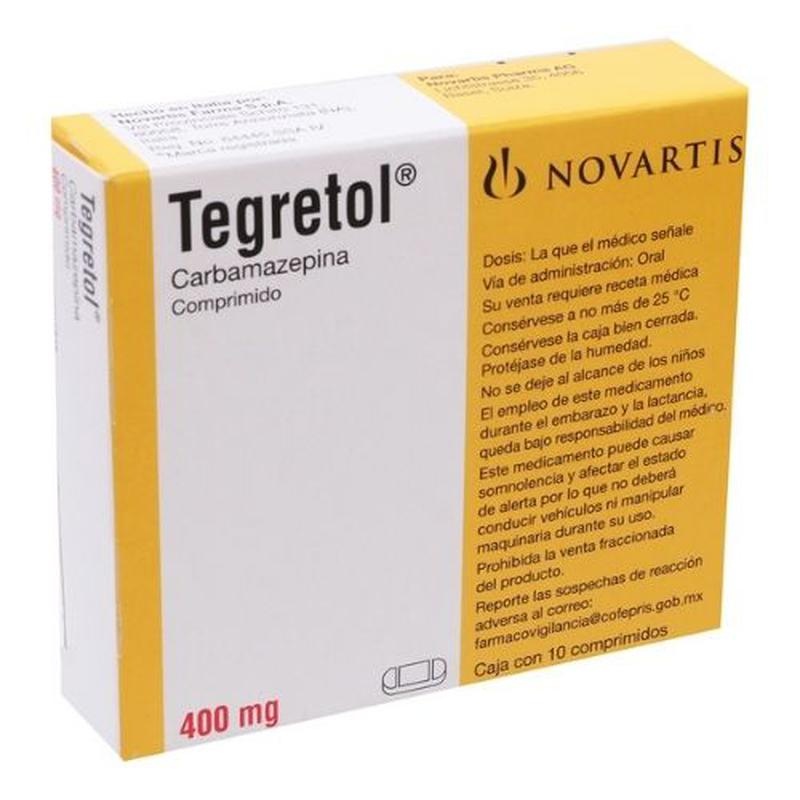
- Країна реєстрації
- Лікарська формаTablet, 200 MG
- Код АТХN03AF01
- Діюча речовина
- Потрібен рецептТак
- Виробник
- Ця інформація надана лише для ознайомлення і не є медичною порадою. Рішення щодо лікування завжди приймає лікар.
- Альтернативи до TEGRETOLЛікарська форма: Extended-release tablet, 200 MGДіюча речовина: карбамазепинаВиробник: AUROBINDO PHARMA (ITALIA) S.R.L.Потрібен рецептЛікарська форма: Tablet, 200 MGДіюча речовина: карбамазепинаВиробник: EG S.P.A.Потрібен рецептЛікарська форма: Coated tablet, 800 MGДіюча речовина: eslicarbazepineВиробник: MEDITOP PHARMACEUTICAL LTD.Рецепт не потрібен
Аналоги TEGRETOL в інших країнах
Препарати з тією самою діючою речовиною, доступні в інших країнах.
Аналог TEGRETOL у Польща
Аналог TEGRETOL у Україна
Аналог TEGRETOL у Іспанія
Лікарі онлайн щодо TEGRETOL
Застосування, безпека та можливість призначення рецепта — за результатами медичної оцінки.



Отримайте рецепт на TEGRETOL онлайн
Заповніть форму за 2 хвилини
Розкажіть про симптоми, історію хвороби та потрібний препарат.
Оберіть лікаря або ми призначимо
Оберіть спеціаліста або ми підберемо найближчого доступного лікаря.
Лікар розглядає ваш випадок
Зазвичай протягом 30 хвилин. Може ставити уточнювальні запитання в чаті.
Отримайте в будь-якій аптеці
Електронний рецепт надсилається на вашу пошту — дійсний по всій Польщі.
Часті запитання
TEGRETOL потребує рецепта в Італія. Ви можете обговорити з лікарем онлайн, чи підходить цей лікарський засіб для вашої ситуації.
Діюча речовина у TEGRETOL — карбамазепина. Це допомагає визначити препарати з тим самим складом, але під іншими торговими назвами.
TEGRETOL виробляється компанією NOVARTIS FARMA S.P.A.. Назва бренду та упаковка можуть відрізнятися залежно від дистрибʼютора.
Лікарі, зокрема Сімейні лікарі, Психіатри, Дерматологи, Кардіологи, Ендокринологи, Гастроентерологи, Пульмонологи, Нефрологи, Ревматологи, Гематологи, Інфекціоністи, Алергологи, Геріатри, Педіатри, Онкологи, можуть оцінити доцільність застосування TEGRETOL з урахуванням вашого стану та місцевих правил. Ви можете записатися на онлайн-консультацію, щоб обговорити симптоми та можливі подальші кроки.
Польща має добре розвинену систему охорони здоров'я у великих містах, таких як Варшава, Краків, Вроцлав і Гданськ. Аптеки широко доступні та працюють відповідно до чинного законодавства, забезпечуючи доступ до рецептурних препаратів.
Ви можете придбати TEGRETOL у Варшаві, Кракові, Вроцлаві або Гданську в будь-якій аптеці за наявності дійсного рецепта.
Щоб отримати рецепт, ви можете скористатися Oladoctor:
Інші препарати з тією самою діючою речовиною (карбамазепина) включають KARBAMATSEPINA AUROBINDO, KARBAMATSEPINA EG, ESLIKARBATSEPINA MEDITOP. Вони можуть відрізнятися торговою назвою або формою випуску, але містять той самий терапевтичний компонент. Перед зміною або початком прийому нового препарату варто проконсультуватися з лікарем.
