



MICARDISPLUS 40 mg /12.5 Mg Coated Tablet

Запит на рецепт онлайн
Лікар розгляне ваш випадок і визначить, чи є рецепт медично доцільним.

Поговоріть з лікарем про ці ліки
Обговоріть симптоми та можливі подальші кроки під час короткої онлайн-консультації.



Інструкція із застосування MIKARDISPLUS
Зміст інструкції
- MicardisPlus 40 mg/12,5 mg tablets
- MicardisPlus 80 mg/12,5 mg tablets
- MicardisPlus 80 mg/25 mg tablets
MicardisPlus 40 mg/12,5 mg tablets
telmisartan/hydrochlorothiazide
Read this leaflet carefully before you start taking this medicine as it contains important information for you.
- Keep this leaflet. You may need to read it again.
- If you have any questions, ask your doctor or pharmacist.
- This medicine has been prescribed for you only. Do not pass it on to others, even if their symptoms are the same as yours, as it could be harmful.
- If you get any side effects, even those not listed in this leaflet, tell your doctor or pharmacist. See section 4.
Contents of this leaflet
- 1. What MicardisPlus is and what it is used for
- 2. What you need to know before you take MicardisPlus
- 3. How to take MicardisPlus
- 4. Possible side effects
- 5. How to store MicardisPlus
- 6. Contents of the pack and other information
1. What is MicardisPlus and what is it used for
MicardisPlus is a combination of the two active ingredients, telmisartan and hydrochlorothiazide in a single
tablet. Each of these substances helps to control high blood pressure.
- telmisartan belongs to a class of medicines known as angiotensin II receptor blockers. Angiotensin II is a substance present in the body that causes the constriction of blood vessels, thus increasing blood pressure. Telmisartan blocks this effect of angiotensin II, causing the relaxation of blood vessels and thus reducing blood pressure.
- hydrochlorothiazide belongs to a class of medicines known as thiazide diuretics which cause an increase in urine flow, thus contributing to the reduction of blood pressure.
Hypertension, if left untreated, can damage blood vessels in many organs, which can sometimes cause
heart attack, heart failure or kidney failure, stroke or blindness. Normally hypertension does not give symptoms
before such damage occurs. Therefore, it is important to regularly measure
blood pressure, to check if it is within the normal range.
MicardisPlus is used to treat high blood pressure (essential hypertension) in adults
in whom blood pressure is not sufficiently controlled by telmisartan used
alone.
2. What you need to know before taking MicardisPlus
Do not take MicardisPlus
- if you are allergic to telmisartan or any of the other ingredients of this medicine (listed in section 6).
- if you are allergic to hydrochlorothiazide or any other medicine derived from sulfonamide.
- if you are pregnant for more than 3 months (it is best to avoid taking MicardisPlus even in the early stages of pregnancy - see the pregnancy section).
- if you suffer from severe liver problems such as cholestasis or biliary obstruction (problems with the drainage of bile from the liver and gallbladder) or any other serious liver disease.
- if you have severe kidney disease or anuria (less than 100 ml of urine per day).
- if your doctor determines that the levels of potassium in your blood are low or the levels of calcium are high and do not improve following treatment.
- if you suffer from diabetes or your kidney function is impaired and you are being treated with a medicine that lowers blood pressure, containing aliskiren.
If you are in any of these conditions, tell your doctor or pharmacist before taking MicardisPlus.
Warnings and precautions
Talk to your doctor before taking MicardisPlus if you suffer from or have suffered from any of the
following conditions or illnesses:
- Low blood pressure (hypotension), which is more likely to occur if you are dehydrated (excessive fluid loss) or have a salt deficiency due to diuretic therapy (diuretics), a low-salt diet, diarrhea, vomiting, or hemofiltration.
- Kidney disease or kidney transplant.
- Renal artery stenosis (narrowing of the blood vessels of one or both kidneys).
- Liver disease.
- Heart problems.
- Diabetes.
- Gout.
- Increased levels of aldosterone (retention of fluids and salt in the body with an imbalance of various electrolytes in the blood).
- Systemic lupus erythematosus (also called “lupus” or “SLE”) a disease in which the body's immune system attacks the body itself.
- The active ingredient hydrochlorothiazide can cause an uncommon reaction, resulting in decreased vision and eye pain. These may be symptoms of fluid accumulation in the vascular layer of the eye (choroidal effusion) or an increase in pressure in your eye and can occur from hours to weeks after taking MicardisPlus. This condition can lead to permanent visual impairment if left untreated.
- If you have had skin cancer in the past or if you are developing an unexpected skin lesion during treatment. Treatment with hydrochlorothiazide, especially long-term use with high doses, may increase the risk of certain types of skin cancer and lip cancer (non-melanoma skin cancer). Protect your skin from exposure to the sun and UV rays while taking MicardisPlus.
Talk to your doctor before taking MicardisPlus:
- if you are taking any of the following medicines used to treat high blood pressure:
- an ACE inhibitor (for example enalapril, lisinopril, ramipril angiotensin converting enzyme inhibitors), especially if you suffer from kidney problems related to diabetes.
- aliskiren. Your doctor may check your kidney function, blood pressure, and the amount of electrolytes (e.g. potassium) in your blood at regular intervals. See also what is stated under “Do not take MicardisPlus”.
- if you are taking digoxin.
- if you have had breathing problems or lung problems (including inflammation or fluid in the lungs) following the administration of hydrochlorothiazide in the past. If you experience shortness of breath or severe difficulty breathing after taking MicardisPlus, consult a doctor immediately.
You must tell your doctor if you think you may be pregnant (or if there is a possibility of starting a
pregnancy). MicardisPlus is not recommended in early pregnancy and should not be taken if
you are pregnant for more than 3 months, as it can cause serious harm to the baby if taken during this
period (see the pregnancy section).
Treatment with hydrochlorothiazide can cause an electrolyte imbalance in the body. Typical
symptoms of fluid or electrolyte imbalance include dry mouth, weakness, lethargy,
drowsiness, restlessness, muscle pain or cramps, nausea (feeling sick), vomiting,
muscle fatigue and abnormally fast heartbeat (more than 100 beats per minute). If
you experience any of these symptoms, tell your doctor.
You should also tell your doctor if you have noticed an increased sensitivity of the skin to the sun, which
manifests with the earlier onset than normal of symptoms of sunburn (such as redness, itching,
swelling, blistering).
In case of surgery or administration of anesthetics, you must inform the doctor that you are
taking MicardisPlus.
MicardisPlus may be less effective in lowering blood pressure in patients of African
ethnicity.
Children and adolescents
The use of MicardisPlus is not recommended in children and adolescents up to 18 years of age.
Other medicines and MicardisPlus
Tell your doctor or pharmacist if you are taking, have recently taken or might take
any other medicines. Your doctor may decide to change the dose of these other medicines or
take other precautions. In some cases, it may be necessary to stop taking one of
these medicines. This applies especially to the medicines listed below, taken
simultaneously with MicardisPlus:
- Medicines containing lithium to treat some types of depression.
- Medicines associated with low potassium levels in the blood (hypokalemia) such as other diuretics, laxatives (e.g. castor oil), corticosteroids (e.g. prednisone), adrenocorticotropic hormone (ACTH), amphotericin (antifungal medicine), carbenoxolone (used for the treatment of mouth ulcers), sodium penicillin G (antibiotic), salicylic acid and its derivatives.
- Iodinated contrast media used during an imaging examination.
- Medicines that can increase potassium levels in the blood such as potassium-sparing diuretics, potassium supplements, salt substitutes containing potassium, ACE inhibitors, cyclosporine (immunosuppressant medicine) and other medicines such as sodium heparin (anticoagulant).
- Medicines that are affected by changes in potassium levels in the blood such as medicines for the heart (e.g. digoxin) or medicines to control heart rhythm (e.g. quinidine, disopyramide, amiodarone, sotalol), medicines used for mental disorders (e.g. thioridazine, chlorpromazine, levomepromazine) and other medicines such as some antibiotics (e.g. sparfloxacin, pentamidine) or some medicines for the treatment of allergic reactions (e.g. terfenadine).
- Medicines for the treatment of diabetes (insulin or oral agents such as metformin).
- Cholestyramine and colestipol, medicines to lower blood fat levels.
- Medicines to increase blood pressure, such as norepinephrine.
- Medicines that relax the muscles, such as tubocurarine.
- Calcium and/or vitamin D supplements.
- Anticholinergic medicines (drugs used to treat a variety of disorders such as gastrointestinal cramps, urinary bladder spasms, asthma, motion sickness, muscle spasms, Parkinson's disease and as an aid to anesthesia), such as atropine and biperiden.
- Amantadine (medicine used to treat Parkinson's disease and also used to treat or prevent diseases caused by viruses).
- Other substances used to treat high blood pressure, corticosteroids, pain relievers (such as non-steroidal anti-inflammatory drugs [NSAIDs]), medicines for cancer, gout or arthritis.
- If you are taking an ACE inhibitor or aliskiren (see also what is stated under: “Do not take MicardisPlus” and “Warnings and precautions”).
- Digoxin.
MicardisPlus can increase the effect of other medicines used to lower high blood pressure or
of medicines that potentially can lower blood pressure (e.g. baclofen,
amifostine). Furthermore, the lowering of blood pressure may be aggravated by alcohol,
barbiturates, narcotics or antidepressants. You may experience this lowering of blood pressure as
dizziness when getting up. Consult your doctor if you need to change the dose of other
medicines while taking MicardisPlus.
The effect of MicardisPlus may be reduced when you take NSAIDs (non-steroidal anti-inflammatory
drugs, e.g. aspirin and ibuprofen).
MicardisPlus with food and alcohol
You can take MicardisPlus with or without food.
Avoid drinking alcohol before talking to your doctor. Alcohol can further lower
blood pressure and/or increase the risk of dizziness or fainting.
Pregnancy and breastfeeding
Pregnancy
You must tell your doctor if you think you may be pregnant (or if there is a possibility of becoming
pregnant). As a rule, your doctor will advise you to stop taking MicardisPlus
before becoming pregnant or as soon as you find out you are pregnant and
will advise you to take another medicine instead of MicardisPlus. MicardisPlus is not
recommended during pregnancy and should not be taken if you are pregnant for more than
3 months as it can cause serious harm to the baby if taken after the third month of pregnancy.
Breastfeeding
Tell your doctor if you are breastfeeding or are about to start breastfeeding. MicardisPlus is not
recommended for women who are breastfeeding and your doctor may choose another treatment
for you if you wish to breastfeed.
Driving and operating machinery
Some patients may experience dizziness, fainting or a feeling of the surrounding environment
moving when taking MicardisPlus. If you experience these effects, do not drive or operate
machinery.
MicardisPlus contains sodium
This medicine contains less than 1 mmol (23 mg) of sodium per tablet, i.e. essentially
“sodium-free”.
MicardisPlus contains lactose (milk sugar)
If you have been diagnosed with intolerance to some sugars, contact your doctor before taking
this medicine.
MicardisPlus contains sorbitol
This medicine contains 169 mg of sorbitol per tablet.
3. How to take MicardisPlus
Take this medicine exactly as your doctor has told you. If you have any doubts, ask your
doctor or pharmacist.
The recommended dose is one tablet a day. Try to take the tablet at the same time
each day.
You can take MicardisPlus with or without food. The tablets must be swallowed whole with a little
water or other non-alcoholic beverage. It is important to take MicardisPlus every day until your
doctor tells you otherwise.
If your liver is not functioning properly, the usual dose of 40 mg of
telmisartan once a day must not be exceeded.
If you take more MicardisPlus than you should
If you have accidentally taken too many tablets, you may experience symptoms such as low
blood pressure and a fast heartbeat. Slow heartbeat, dizziness, vomiting, and reduced kidney
function including kidney failure have also been reported. Due to the presence of
hydrochlorothiazide, markedly low blood pressure and low levels of
potassium in the blood may also occur, which can cause nausea, drowsiness and muscle cramps and/or
irregular heartbeat associated with the concomitant use of medicines such as digitalis or certain
antiarrhythmic treatments. Contact your doctor or pharmacist immediately, or the emergency room of the
nearest hospital.
If you forget to take MicardisPlus
If you forget to take the medicine, do not worry. Take it as soon as you remember, then
continue as before. If you miss a dose for one day, take your normal dose the next day. Do not
take a double dose to make up for forgotten doses.
If you have any further questions on the use of this medicine, ask your doctor or pharmacist.
4. Possible side effects
Like all medicines, this medicine can cause side effects, although not everyone will experience them.
Some side effects may be serious and require immediate medical attention:
You should see a doctor immediately if you experience any of the following symptoms:
Sepsis* (often called “blood infection”) is a serious infection with inflammatory response
throughout the body, rapid swelling of the skin and mucous membranes (angioedema, potentially fatal), appearance of blisters and peeling of the outermost layer of the skin (toxic epidermal
necrosis); these side effects are rare (may affect up to 1 in 1,000 people) or
very rare (toxic epidermal necrosis; may affect up to 1 in 10,000 people) but
extremely serious and patients must stop taking the medicine and consult
a doctor immediately. If these effects are not treated, they can be fatal. An increase
in the incidence of sepsis has been observed with telmisartan alone, however, it cannot be ruled out for
MicardisPlus.
Possible side effects of MicardisPlus:
Common side effects (may affect up to 1 in 10 people)
Dizziness.
Uncommon side effects (may affect up to 1 in 100 people)
Reduced potassium levels in the blood, anxiety, fainting (syncope), sensation of numbness,
pins and needles sensation (paresthesia), vertigo, fast heartbeat (tachycardia), heart rhythm disorders, low blood pressure, sudden drop in blood pressure
when standing up, shortness of breath (dyspnea), diarrhea, dry mouth, flatulence (presence of
intestinal gas), back pain, muscle spasm, muscle pain, erectile dysfunction
(inability to achieve or maintain an erection), chest pain, increased uric acid levels in the blood.
Rare side effects (may affect up to 1 in 1,000 people)
Lung inflammation (bronchitis), sore throat, sinusitis, increased uric acid levels in the blood,
low sodium levels, feeling sad (depression), difficulty falling asleep
(insomnia), sleep disorders, impaired vision, blurred vision, difficulty breathing,
abdominal pain, constipation, abdominal bloating (dyspepsia), feeling unwell (vomiting),
inflammation of the stomach (gastritis), abnormal liver function (Japanese patients are more likely to experience this side effect), skin redness (erythema), allergic reactions such as itching or rash, increased sweating, hives, joint pain
(arthralgia) and pain in the extremities (leg pain), muscle cramps, activation or worsening
of systemic lupus erythematosus (a disease in which the immune system attacks
the body itself, causing joint pain, rash and fever), flu-like illness, pain, increased levels in the blood of creatinine, liver enzymes or creatine
phosphokinase.
Adverse reactions reported with one of the individual components may be potential adverse
reactions with MicardisPlus, even if not observed in clinical studies with this product.
Telmisartan
The following additional side effects have been observed in patients treated with telmisartan alone:
Uncommon side effects (may affect up to 1 in 100 people)
Upper respiratory tract infection (e.g. sore throat, sinusitis, common cold), urinary tract infections,
bladder infection, low red blood cell count (anemia), high potassium levels, slow heartbeat (bradycardia), cough, impaired kidney function including acute
renal failure, feeling weak.
Rare side effects (may affect up to 1 in 1,000 people)
Low platelet count (thrombocytopenia), increased certain white blood cells (eosinophilia), severe
allergic reaction (e.g. hypersensitivity, anaphylactic reaction), low blood sugar levels (in patients
with diabetes), drowsiness, stomach upset, eczema (skin disease), drug rash, toxic rash, tendon pain (symptoms similar to tendinitis), decreased
hemoglobin (a blood protein).
Very rare side effects (may affect up to 1 in 10,000 people)
Progressive scarring of lung tissue (interstitial lung disease)**.
*The event may have occurred by chance or may be related to a currently
unknown mechanism.
**Cases of progressive scarring of lung tissue have been reported during the intake of
telmisartan. However, it is not known whether telmisartan was the cause.
Hydrochlorothiazide
The following additional side effects have been observed in patients treated with hydrochlorothiazide alone:
Very common side effects (may affect more than 1 in 10 people)
High levels of fats in the blood.
Common side effects (may affect up to 1 in 10 people)
Feeling unwell (nausea), low magnesium levels in the blood, reduced appetite.
Uncommon side effects (may affect up to 1 in 100 people)
Acute renal failure.
Rare side effects (may affect up to 1 in 1,000 people)
Low platelet count (thrombocytopenia), which increases the risk of bleeding or bruising (small purple-red spots on the skin or other tissues caused by bleeding), high calcium levels in the blood, high blood sugar levels, headache, abdominal discomfort, yellowing of the skin or
eyes (jaundice), excess bile substances in the blood (cholestasis), photosensitivity reaction, uncontrolled glucose levels in patients diagnosed with diabetes mellitus, sugar in urine
(glycosuria).
Very rare side effects (may affect up to 1 in 10,000 people)
Abnormal destruction of red blood cells (hemolytic anemia), inability of the bone marrow to function
properly, decreased white blood cells (leukopenia, agranulocytosis), severe allergic reactions (e.g. hypersensitivity), increased pH due to low chlorine levels in the blood
(altered acid-base balance, hypochloremic alkalosis), acute respiratory distress (signs include
severe shortness of breath, fever, weakness and confusion), inflammation of the pancreas, syndrome
similar to lupus (a condition similar to a disease called systemic lupus erythematosus because
the immune system attacks the body itself), inflammation of blood vessels
(necrotizing vasculitis).
Not known (frequency cannot be estimated based on available data)
Inflammation of the salivary glands, skin cancer and lip cancer (non-melanoma skin cancer), deficiency of blood cells (aplastic anemia), decreased vision and eye pain (possible signs of fluid accumulation in the vascular layer of the eye (choroidal effusion)
or acute angle-closure glaucoma), skin disorders such as inflammation of the blood vessels
of the skin, increased sensitivity to sunlight, rash, skin redness,
blisters on lips, eyes or mouth, peeling skin, fever (possible signs of
erythema multiforme), feeling weak, kidney damage.
Low sodium levels accompanied by symptoms related to the brain or nerves (malaise,
progressive disorientation, lack of interest or energy) occur in isolated cases.
Reporting of side effects
If you experience any side effects, including those not listed in this leaflet, please tell
your doctor or pharmacist. You can also report side effects directly through the national reporting system reported in Annex V. By reporting side effects you can help
provide more information on the safety of this medicine.
5. How to store MicardisPlus
Keep this medicine out of the sight and reach of children.
Do not use this medicine after the expiry date which is stated on the pack after “Exp.”. The expiry
date refers to the last day of that month.
This medicine does not require any particular storage temperature. Store in the
original packaging to protect the medicine from moisture. Remove the MicardisPlus
tablet from the blister pack only immediately before taking it.
Occasionally the outer layer of the blister separates from the inner layer between the cavities. If this
occurs, you do not need to take any precautions.
Do not dispose of any medicine in wastewater or household waste. Ask your pharmacist how
to dispose of medicines you no longer use. This will help protect the environment.
6. Contents of the pack and other information
What MicardisPlus contains
- The active ingredients are telmisartan and hydrochlorothiazide. Each tablet contains 40 mg of telmisartan and 12.5 mg of hydrochlorothiazide.
- The other ingredients are lactose monohydrate, magnesium stearate, corn starch, meglumine, microcrystalline cellulose, povidone K25, red iron oxide (E172), sodium hydroxide, sodium carboxymethylcellulose (Type A), sorbitol (E420).
Description of the appearance of MicardisPlus and contents of the pack
MicardisPlus 40 mg/12.5 mg tablets are red and white, oblong, two-layer tablets with
the company logo and the code ‘H4’ imprinted.
MicardisPlus is available in blisters, in packs of 14, 28, 56, 84 or 98 tablets or in divisible
blisters for unit dose with 28 x 1, 30 x 1 or 90 x 1 tablets.
Not all pack sizes may be marketed in your country.
Marketing Authorisation Holder
and Manufacturer
Boehringer Ingelheim International GmbH
Binger Str. 173
55216 Ingelheim am Rhein
Germany
Boehringer Ingelheim Pharma GmbH & Co. KG
Binger Strasse 173
55216 Ingelheim am Rhein
Germany
and
Boehringer Ingelheim Hellas Single Member S.A.
5th km Paiania – Markopoulo
Koropi Attiki, 19441
Greece
and
Rottendorf Pharma GmbH
Ostenfelder Strasse 51 - 61
59320 Ennigerloh
Germany
and
Boehringer Ingelheim France
100-104 Avenue de France
75013 Paris
France
For further information on this medicinal product, contact the local representative of the marketing
authorisation holder:
België/Belgique/Belgien
Boehringer Ingelheim SComm
Tél/Tel: +32 2 773 33 11
Lietuva
Boehringer Ingelheim RCV GmbH & Co KG
Lietuvos filialas
Tel.: +370 5 2595942
България
Бьорингер Ингелхайм РЦВ ГмбХ и Ко. КГ -
клон България
Тел: +359 2 958 79 98
Luxembourg/Luxemburg
Boehringer Ingelheim SComm
Tél/Tel: +32 2 773 33 11
Česká republika
Boehringer Ingelheim spol. s r.o.
Tel: +420 234 655 111
Magyarország
Boehringer Ingelheim RCV GmbH & Co KG
Magyarországi Fióktelepe
Tel.: +36 1 299 89 00
Danmark
Boehringer Ingelheim Danmark A/S
Tlf: +45 39 15 88 88
Malta
Boehringer Ingelheim Ireland Ltd.
Tel: +353 1 295 9620
Deutschland
Boehringer Ingelheim Pharma GmbH & Co. KG
Tel: +49 (0) 800 77 90 900
Nederland
Boehringer Ingelheim B.V.
Tel: +31 (0) 800 22 55 889
Eesti
Boehringer Ingelheim RCV GmbH & Co KG
Eesti filiaal
Tel: +372 612 8000
Norge
Boehringer Ingelheim Norway KS
Tlf: +47 66 76 13 00
Ελλάδα
Boehringer Ingelheim Ελλάς Μονοπρόσωπη Α.Ε.
Tηλ: +30 2 10 89 06 300
Österreich
Boehringer Ingelheim RCV GmbH & Co KG
Tel: +43 1 80 105-7870
España
Boehringer Ingelheim España, S.A.
Tel: +34 93 404 51 00
Polska
Boehringer Ingelheim Sp. z o.o.
Tel.: +48 22 699 0 699
France
Boehringer Ingelheim France S.A.S.
Tél: +33 3 26 50 45 33
Portugal
Boehringer Ingelheim Portugal, Lda.
Tel: +351 21 313 53 00
Hrvatska
Boehringer Ingelheim Zagreb d.o.o.
Tel: +385 1 2444 600
România
Boehringer Ingelheim RCV GmbH & Co KG
Viena – Sucursala Bucureşti
Tel: +40 21 302 28 00
Ireland
Boehringer Ingelheim Ireland Ltd.
Tel: +353 1 295 9620
Slovenija
Boehringer Ingelheim RCV GmbH & Co KG
Podružnica Ljubljana
Tel: +386 1 586 40 00
Ísland
Vistor hf.
Sími: +354 535 7000
Slovenská republika
Boehringer Ingelheim RCV GmbH & Co KG
organizačná zložka
Tel: +421 2 5810 1211
Italia
Boehringer Ingelheim Italia S.p.A.
Tel: +39 02 5355 1
Suomi/Finland
Boehringer Ingelheim Finland Ky
Puh/Tel: +358 10 3102 800
Κύπρος
Boehringer Ingelheim Ελλάς Μονοπρόσωπη Α.Ε.
Tηλ: +30 2 10 89 06 300
Sverige
Boehringer Ingelheim AB
Tel: +46 8 721 21 00
Latvija
Boehringer Ingelheim RCV GmbH & Co KG
Latvijas filiāle
Tel: +371 67 240 011
United Kingdom (Northern Ireland)
Boehringer Ingelheim Ireland Ltd.
Tel: +353 1 295 9620
Altre fonti d’informazioni
More detailed information on this medicinal product is available on the website of the European Medicines
Agency, http://www.ema.europa.eu.
MicardisPlus 80 mg/12,5 mg tablets
telmisartan/hydrochlorothiazide
Read this leaflet carefully before you start taking this medicine as it contains
important information for you.
- Keep this leaflet. You may need to read it again.
- If you have any questions, ask your doctor or pharmacist.
- This medicine has been prescribed for you only. Do not pass it on to others, even if their symptoms are the same as yours, as it could be harmful.
- If you get any side effects, even those not listed in this leaflet, tell your doctor or pharmacist. See section 4.
Contents of this leaflet
- 1. What MicardisPlus is and what it is used for
- 2. What you need to know before you take MicardisPlus
- 3. How to take MicardisPlus
- 4. Possible side effects
- 5. How to store MicardisPlus
- 6. Contents of the pack and other information
1. What is MicardisPlus and what is it used for
MicardisPlus is a combination of the two active ingredients, telmisartan and hydrochlorothiazide in a single
tablet. Each of these substances helps to control high blood pressure.
- telmisartan belongs to a class of medicines known as angiotensin II receptor blockers. Angiotensin II is a substance present in the body that causes the constriction of blood vessels, thereby increasing blood pressure. Telmisartan blocks this effect of angiotensin II, causing the relaxation of blood vessels and thus reducing blood pressure.
- hydrochlorothiazide belongs to a class of medicines known as thiazide diuretics which cause an increase in urine flow, thereby contributing to the reduction of blood pressure.
Hypertension, if left untreated, can damage blood vessels in many organs, which can sometimes cause
heart attack, heart or kidney failure, stroke or blindness. Normally hypertension does not give symptoms
before such damage occurs. Therefore, it is important to regularly measure blood
pressure to check if it is within the normal range.
MicardisPlus is used to treat high blood pressure (essential hypertension) in adults
in whom blood pressure is not sufficiently controlled by telmisartan used
alone.
2. What you need to know before taking MicardisPlus
Do not take MicardisPlus
- if you are allergic to telmisartan or any of the other ingredients of this medicine (listed in section 6).
- if you are allergic to hydrochlorothiazide or any other medicine derived from sulfonamide.
- if you are pregnant for more than 3 months (it is best to avoid taking MicardisPlus even in the early stages of pregnancy - see the pregnancy section).
- if you suffer from severe liver problems such as cholestasis or a bile duct obstruction (problems with the drainage of bile from the liver and gallbladder) or any other serious liver disease.
- if you have severe kidney problems or anuria (less than 100 ml of urine per day).
- if your doctor determines that the levels of potassium in your blood are low or the levels of calcium are high and do not improve following treatment.
- if you suffer from diabetes or your kidney function is impaired and you are being treated with a medicine that lowers blood pressure, containing aliskiren.
If you are in any of these conditions, tell your doctor or pharmacist before taking MicardisPlus.
Warnings and precautions
Talk to your doctor before taking MicardisPlus if you suffer or have suffered from any of the
following conditions or illnesses:
- Low blood pressure (hypotension), which is more likely to occur if you are dehydrated (excessive fluid loss) or have a salt deficiency due to diuretic therapy (diuretics), a low-salt diet, diarrhea, vomiting or haemofiltration.
- Kidney disease or kidney transplant.
- Stenosis of the renal artery (narrowing of the blood vessels of one or both kidneys).
- Liver disease.
- Heart problems.
- Diabetes.
- Gout.
- Increased levels of aldosterone (retention of fluids and salt in the body with an imbalance of various electrolytes in the blood).
- Systemic lupus erythematosus (also called “lupus” or “SLE”) a disease in which the body’s immune system attacks the body itself.
- The active ingredient hydrochlorothiazide can cause an uncommon reaction, resulting in decreased vision and eye pain. These may be symptoms of fluid accumulation in the vascular layer of the eye (choroidal effusion) or an increase in pressure in your eye and can occur from hours to weeks after taking MicardisPlus. This condition can lead to permanent visual impairment if left untreated.
- If you have had skin cancer in the past or if you are developing an unexpected skin lesion during treatment. Treatment with hydrochlorothiazide, especially long-term use with high doses, may increase the risk of some types of skin cancer and lips (non-melanoma skin cancer). Protect your skin from exposure to the sun and UV rays while taking MicardisPlus.
Talk to your doctor before taking MicardisPlus:
- if you are taking any of the following medicines used to treat high blood pressure:
- an ACE inhibitor (for example enalapril, lisinopril, ramipril angiotensin converting enzyme inhibitors), especially if you suffer from kidney problems related to diabetes.
- aliskiren. Your doctor may check your kidney function, blood pressure, and the amount of electrolytes (e.g. potassium) in your blood at regular intervals. See also what is stated under “Do not take MicardisPlus”.
- if you are taking digoxin.
- if you have had breathing or lung problems (including inflammation or fluid in the lungs) following the use of hydrochlorothiazide in the past. If you experience shortness of breath or severe difficulty breathing after taking MicardisPlus, consult a doctor immediately.
You must tell your doctor if you think you may be pregnant (or if there is a possibility of starting a
pregnancy). MicardisPlus is not recommended in early pregnancy and should not be taken if
you are pregnant for more than 3 months, as it can cause serious harm to the baby if taken during this
period (see the pregnancy section).
Treatment with hydrochlorothiazide can cause an electrolyte imbalance in the body. Typical
symptoms of fluid or electrolyte imbalance include dry mouth, weakness, lethargy,
drowsiness, restlessness, muscle pain or cramps, nausea (feeling sick), vomiting,
muscle fatigue and an abnormally fast heartbeat (more than 100 beats per minute). If
you experience any of these symptoms, tell your doctor.
You should also tell your doctor if you have noticed an increased sensitivity of the skin to the sun, which
manifests with the earlier onset than normal of sunburn symptoms (such as redness, itching,
swelling, blistering).
In case of surgery or administration of anesthetics, you must inform your doctor that you are
taking MicardisPlus.
MicardisPlus may be less effective in lowering blood pressure in patients of African
ethnicity.
Children and adolescents
The use of MicardisPlus is not recommended in children and adolescents up to 18 years of age.
Other medicines and MicardisPlus
Tell your doctor or pharmacist if you are taking, have recently taken or might take
any other medicines. Your doctor may decide to change the dose of these other medicines or
take other precautions. In some cases, you may need to stop taking one of these medicines. This
applies especially to the medicines listed below, taken
simultaneously with MicardisPlus:
- Medicines containing lithium to treat some types of depression.
- Medicines associated with low potassium levels in the blood (hypokalemia) such as other diuretics, laxatives (e.g. castor oil), corticosteroids (e.g. prednisone), adrenocorticotropic hormone (ACTH), amphotericin (antifungal medicine), carbenoxolone (used for the treatment of mouth ulcers), sodium penicillin G (antibiotic), salicylic acid and its derivatives.
- Iodinated contrast media used during a diagnostic imaging examination.
- Medicines that can increase potassium levels in the blood such as potassium-sparing diuretics, potassium supplements, potassium-containing salt substitutes, ACE inhibitors, cyclosporine (immunosuppressant medicine) and other medicines such as sodium heparin (anticoagulant).
- Medicines that are affected by changes in potassium levels in the blood such as medicines for the heart (e.g. digoxin) or medicines to control heart rhythm (e.g. quinidine, disopyramide, amiodarone, sotalol), medicines used for mental disorders (e.g. thioridazine, chlorpromazine, levomepromazine) and other medicines such as some antibiotics (e.g. sparfloxacin, pentamidine) or some medicines for the treatment of allergic reactions (e.g. terfenadine).
- Medicines for the treatment of diabetes (insulin or oral agents such as metformin).
- Cholestyramine and colestipol, medicines to lower blood fat levels.
- Medicines to increase blood pressure, such as norepinephrine.
- Medicines that relax the muscles, such as tubocurarine.
- Calcium and/or vitamin D supplements.
- Anticholinergic medicines (drugs used to treat a variety of disorders such as gastrointestinal cramps, urinary bladder spasms, asthma, motion sickness, muscle spasms, Parkinson’s disease and as an aid to anesthesia), such as atropine and biperiden.
- Amantadine (medicine used to treat Parkinson’s disease and also used to treat or prevent diseases caused by viruses).
- Other substances used to treat high blood pressure, corticosteroids, pain relievers (such as non-steroidal anti-inflammatory drugs [NSAIDs]), medicines for cancer, gout or arthritis.
- If you are taking an ACE inhibitor or aliskiren (see also “Do not take MicardisPlus” and “Warnings and precautions”).
- Digoxin.
MicardisPlus can increase the effect of other medicines used to lower high blood pressure or
of medicines that can potentially lower blood pressure (e.g. baclofen,
amifostine). In addition, the lowering of blood pressure may be aggravated by alcohol,
barbiturates, narcotics or antidepressants. You may experience this lowering of blood pressure as
dizziness when getting up. Consult your doctor if you need to change the dose of other
medicines while taking MicardisPlus.
The effect of MicardisPlus may be reduced when you take NSAIDs (non-steroidal anti-inflammatory drugs, e.g. aspirin and ibuprofen).
MicardisPlus with food and alcohol
You can take MicardisPlus with or without food.
Avoid drinking alcohol before talking to your doctor. Alcohol can further lower
blood pressure and/or increase the risk of dizziness or fainting.
Pregnancy and breastfeeding
Pregnancy
You must tell your doctor if you think you may be pregnant (or if there is a possibility of becoming
pregnant). As a rule, your doctor will advise you to stop taking MicardisPlus
before becoming pregnant or as soon as you find out you are pregnant and
will advise you to take another medicine instead of MicardisPlus. MicardisPlus is not
recommended during pregnancy and should not be taken if you are pregnant for more than
3 months as it can cause serious harm to the baby if taken after the third month of pregnancy.
Breastfeeding
Tell your doctor if you are breastfeeding or are planning to start breastfeeding. MicardisPlus is not
recommended for women who are breastfeeding and your doctor may choose another treatment
for you if you wish to breastfeed.
Driving and using machines
Some patients may experience dizziness, fainting or a feeling of spinning around
when taking MicardisPlus. If you experience these effects, do not drive or use
machines.
MicardisPlus contains sodium
This medicine contains less than 1 mmol (23 mg) of sodium per tablet, i.e. essentially
“sodium-free”.
MicardisPlus contains lactose (milk sugar)
If you have been diagnosed with intolerance to some sugars, contact your doctor before taking
this medicine.
MicardisPlus contains sorbitol
This medicine contains 338 mg of sorbitol per tablet. Sorbitol is a source of fructose. If
your doctor has told you that you are intolerant to some sugars, or if you have a diagnosis of
hereditary fructose intolerance, a rare genetic disease in which patients are unable to break down
fructose, talk to your doctor before taking this medicine.
3. How to take MicardisPlus
Take this medicine exactly as your doctor has told you. If you have any doubts, ask your doctor or pharmacist.
The recommended dose is one tablet a day. Try to take the tablet at the same time each day.
You can take MicardisPlus with or without food. The tablets must be swallowed whole with a little
water or other non-alcoholic beverage. It is important to take MicardisPlus every day until your
doctor tells you otherwise.
If your liver is not functioning properly, the usual dose of 40 mg of telmisartan once a day should not be
exceeded.
If you take more MicardisPlus than you should
If you have accidentally taken too many tablets, you may experience symptoms such as low blood
pressure and a fast heartbeat. Slow heartbeat, dizziness, vomiting, and reduced kidney function including
renal failure have also been reported. Due to the presence of hydrochlorothiazide, markedly low blood
pressure and low levels of potassium in the blood may also occur, which can cause nausea, drowsiness and
muscle cramps and/or irregular heartbeat associated with the concomitant use of medicines such as digitalis or
certain antiarrhythmic treatments. Contact your doctor or pharmacist immediately, or the emergency room of the
nearest hospital.
If you forget to take MicardisPlus
If you forget to take the medicine, do not worry. Take it as soon as you remember, then
continue as before. If you miss a dose for one day, take your normal dose the next day. Do not
take a double dose to make up for missed doses.
If you have any further questions on the use of this medicine, ask your doctor or pharmacist.
4. Possible side effects
Like all medicines, this medicine can cause side effects, although not everyone will experience them.
Some side effects may be serious and require immediate medical attention:
You should see a doctor immediately if you experience any of the following symptoms:
Sepsis* (often called “blood infection”) is a serious infection with inflammatory response
throughout the body, rapid swelling of the skin and mucous membranes (angioedema, potentially fatal), appearance of blisters and peeling of the outermost layer of the skin (toxic epidermal
necrosis); these side effects are rare (may affect up to 1 in 1,000 people) or
very rare (toxic epidermal necrosis; may affect up to 1 in 10,000 people) but
extremely serious and patients must stop taking the medicine and consult
a doctor immediately. If these effects are not treated they can be fatal. An increase
in the incidence of sepsis has been observed with telmisartan alone, however it cannot be excluded for
MicardisPlus.
Possible side effects of MicardisPlus:
Common side effects (may affect up to 1 in 10 people)
Dizziness.
Uncommon side effects (may affect up to 1 in 100 people)
Reduced potassium levels in the blood, anxiety, fainting (syncope), sensation of numbness,
pins and needles sensation (paresthesia), vertigo, fast heartbeat (tachycardia), heart rhythm disorders, low blood pressure, sudden drop in blood pressure
when getting up, shortness of breath (dyspnea), diarrhea, dry mouth, flatulence (presence of
intestinal gas), back pain, muscle spasm, muscle pain, erectile dysfunction
(inability to achieve or maintain an erection), chest pain, increased uric acid levels in the blood.
Rare side effects (may affect up to 1 in 1,000 people)
Lung inflammation (bronchitis), sore throat, sinusitis, increased uric acid levels in the blood,
low sodium levels, feeling sad (depression), difficulty falling asleep
(insomnia), sleep disorders, impaired vision, blurred vision, difficulty breathing,
abdominal pain, constipation, abdominal bloating (dyspepsia), feeling unwell (vomiting),
inflammation of the stomach (gastritis), abnormal liver function (Japanese patients are more likely to experience this side effect), skin redness (erythema), allergic reactions such as itching or rash, increased sweating, hives, joint pain
(arthralgia) and pain in the extremities (leg pain), muscle cramps, activation or worsening
of systemic lupus erythematosus (a disease in which the immune system attacks
the body itself, causing joint pain, rash and fever), flu-like illness, pain, increased levels in the blood of creatinine, liver enzymes or creatine
phosphokinase.
Adverse reactions reported with one of the individual components may be potential adverse
reactions with MicardisPlus, even if not observed in clinical studies with this product.
Telmisartan
The following additional side effects have been observed in patients treated with telmisartan alone:
Uncommon side effects (may affect up to 1 in 100 people)
Upper respiratory tract infection (e.g. sore throat, sinusitis, common cold), urinary tract infections,
bladder infection, low red blood cell count (anemia), high potassium levels, slow heartbeat (bradycardia), cough, impaired kidney function including acute
renal failure, feeling weak.
Rare side effects (may affect up to 1 in 1,000 people)
Low platelet count (thrombocytopenia), increased certain white blood cells (eosinophilia), severe
allergic reaction (e.g. hypersensitivity, anaphylactic reaction), low blood sugar levels (in patients
with diabetes), drowsiness, stomach upset, eczema (skin disease), drug rash, toxic rash, tendon pain (symptoms similar to tendinitis), decreased
hemoglobin (a blood protein).
Very rare side effects (may affect up to 1 in 10,000 people)
Progressive scarring of the lung tissue (interstitial lung disease)**.
*The event may have occurred by chance or may be related to a currently
unknown mechanism.
**Cases of progressive scarring of the lung tissue have been reported during the intake of
telmisartan. However, it is not known whether telmisartan was the cause.
Hydrochlorothiazide
The following additional side effects have been observed in patients treated with hydrochlorothiazide alone:
Very common side effects (may affect more than 1 in 10 people)
High levels of fats in the blood.
Common side effects (may affect up to 1 in 10 people)
Feeling unwell (nausea), low magnesium levels in the blood, reduced appetite.
Uncommon side effects (may affect up to 1 in 100 people)
Acute renal failure.
Rare side effects (may affect up to 1 in 1,000 people)
Low platelet count (thrombocytopenia), which increases the risk of bleeding or bruising (small purple-red spots on the skin or other tissues caused by bleeding), high calcium levels in the blood, high blood sugar levels, headache, abdominal discomfort, yellowing of the skin or
eyes (jaundice), excess bile substances in the blood (cholestasis), photosensitivity reaction, uncontrolled glucose levels in patients diagnosed with diabetes mellitus, sugar in urine
(glycosuria).
Very rare side effects (may affect up to 1 in 10,000 people)
Abnormal destruction of red blood cells (hemolytic anemia), inability of the bone marrow to function
properly, decreased white blood cells (leukopenia, agranulocytosis), severe allergic reactions (e.g. hypersensitivity), increased pH due to low chlorine levels in the blood
(altered acid-base balance, hypochloremic alkalosis), acute respiratory distress (signs include
severe shortness of breath, fever, weakness and confusion), inflammation of the pancreas, syndrome
similar to lupus (a condition similar to a disease called systemic lupus erythematosus because
the immune system attacks the body itself), inflammation of blood vessels
(necrotizing vasculitis).
Not known (frequency cannot be estimated based on available data)
Inflammation of the salivary glands, skin cancer and lip cancer (non-melanoma skin cancer), deficiency of blood cells (aplastic anemia), decreased vision and eye pain (possible signs of fluid accumulation in the vascular layer of the eye (choroidal effusion) or acute angle-closure glaucoma), skin disorders such as inflammation of the blood vessels
of the skin, increased sensitivity to sunlight, rash, skin redness,
blisters on lips, eyes or mouth, skin peeling, fever (possible signs of
erythema multiforme), feeling weak, impaired kidney function.
Low sodium levels accompanied by symptoms related to the brain or nerves (malaise,
progressive disorientation, lack of interest or energy) occur in isolated cases.
Reporting of side effects
If you experience any side effects, including those not listed in this leaflet, please tell
your doctor or pharmacist. You can also report side effects directly through the national reporting system reported in Annex V. By reporting side effects you can contribute
to providing more information on the safety of this medicine.
5. How to store MicardisPlus
Keep this medicine out of the sight and reach of children.
Do not use this medicine after the expiry date which is stated on the pack after “Exp.”. The expiry
date refers to the last day of that month.
This medicine does not require any particular storage temperature. Store in the
original packaging to protect the medicine from moisture. Remove the MicardisPlus
tablet from the blister pack only immediately before taking it.
Occasionally the outer layer of the blister separates from the inner layer between the cavities. If this
occurs, you do not need to take any precautions.
Do not dispose of any medicine in wastewater or household waste. Ask your pharmacist how to
dispose of medicines you no longer use. This will help protect the environment.
6. Contents of the pack and other information
What MicardisPlus contains
- The active ingredients are telmisartan and hydrochlorothiazide. Each tablet contains 80 mg of telmisartan and 12.5 mg of hydrochlorothiazide.
- The other ingredients are lactose monohydrate, magnesium stearate, corn starch, meglumine, microcrystalline cellulose, povidone K25, red iron oxide (E172), sodium hydroxide, sodium carboxymethylcellulose (Type A), sorbitol (E420).
Description of the appearance of MicardisPlus and contents of the pack
MicardisPlus 80 mg/12.5 mg tablets are red and white, oblong, two-layer tablets with
the company logo and the code ‘H8’ imprinted on them.
MicardisPlus is available in blisters, in packs of 14, 28, 56, 84 or 98 tablets or in divisible
blisters for unit dose with 28 x 1, 30 x 1 or 90 x 1 tablets.
Not all pack sizes may be marketed in your country.
Marketing Authorisation Holder
and Manufacturer
Boehringer Ingelheim International GmbH
Binger Str. 173
55216 Ingelheim am Rhein
Germany
Boehringer Ingelheim Pharma GmbH & Co. KG
Binger Strasse 173
55216 Ingelheim am Rhein
Germany
and
Boehringer Ingelheim Hellas Single Member S.A.
5th km Paiania – Markopoulo
Koropi Attiki, 19441
Greece
and
Rottendorf Pharma GmbH
Ostenfelder Strasse 51 - 61
59320 Ennigerloh
Germany
and
Boehringer Ingelheim France
100-104 Avenue de France
75013 Paris
France
For further information on this medicinal product, contact the local representative of the marketing
authorisation holder:
België/Belgique/Belgien
Boehringer Ingelheim SComm
Tél/Tel: +32 2 773 33 11
Lietuva
Boehringer Ingelheim RCV GmbH & Co KG
Lietuvos filialas
Tel.: +370 5 2595942
България
Бьорингер Ингелхайм РЦВ ГмбХ и Ко. КГ -
клон България
Тел: +359 2 958 79 98
Luxembourg/Luxemburg
Boehringer Ingelheim SComm
Tél/Tel: +32 2 773 33 11
Česká republika
Boehringer Ingelheim spol. s r.o.
Tel: +420 234 655 111
Magyarország
Boehringer Ingelheim RCV GmbH & Co KG
Magyarországi Fióktelepe
Tel.: +36 1 299 89 00
Danmark
Boehringer Ingelheim Danmark A/S
Tlf: +45 39 15 88 88
Malta
Boehringer Ingelheim Ireland Ltd.
Tel: +353 1 295 9620
Deutschland
Boehringer Ingelheim Pharma GmbH & Co. KG
Tel: +49 (0) 800 77 90 900
Nederland
Boehringer Ingelheim B.V.
Tel: +31 (0) 800 22 55 889
Eesti
Boehringer Ingelheim RCV GmbH & Co KG
Eesti filiaal
Tel: +372 612 8000
Norge
Boehringer Ingelheim Norway KS
Tlf: +47 66 76 13 00
Ελλάδα
Boehringer Ingelheim Ελλάς Μονοπρόσωπη Α.Ε.
Tηλ: +30 2 10 89 06 300
Österreich
Boehringer Ingelheim RCV GmbH & Co KG
Tel: +43 1 80 105-7870
España
Boehringer Ingelheim España, S.A.
Tel: +34 93 404 51 00
Polska
Boehringer Ingelheim Sp. z o.o.
Tel.: +48 22 699 0 699
France
Boehringer Ingelheim France S.A.S.
Tél: +33 3 26 50 45 33
Portugal
Boehringer Ingelheim Portugal, Lda.
Tel: +351 21 313 53 00
Hrvatska
Boehringer Ingelheim Zagreb d.o.o.
Tel: +385 1 2444 600
România
Boehringer Ingelheim RCV GmbH & Co KG
Viena – Sucursala Bucureşti
Tel: +40 21 302 28 00
Ireland
Boehringer Ingelheim Ireland Ltd.
Tel: +353 1 295 9620
Slovenija
Boehringer Ingelheim RCV GmbH & Co KG
Podružnica Ljubljana
Tel: +386 1 586 40 00
Ísland
Vistor hf.
Sími: +354 535 7000
Slovenská republika
Boehringer Ingelheim RCV GmbH & Co KG
organizačná zložka
Tel: +421 2 5810 1211
Italia
Boehringer Ingelheim Italia S.p.A.
Tel: +39 02 5355 1
Suomi/Finland
Boehringer Ingelheim Finland Ky
Puh/Tel: +358 10 3102 800
Κύπρος
Boehringer Ingelheim Ελλάς Μονοπρόσωπη Α.Ε.
Tηλ: +30 2 10 89 06 300
Sverige
Boehringer Ingelheim AB
Tel: +46 8 721 21 00
Latvija
Boehringer Ingelheim RCV GmbH & Co KG
Latvijas filiāle
Tel: +371 67 240 011
United Kingdom (Northern Ireland)
Boehringer Ingelheim Ireland Ltd.
Tel: +353 1 295 9620
Other sources of information
More detailed information on this medicinal product is available on the website of the European Medicines
Agency, http://www.ema.europa.eu.

Не впевнені, чи підходить вам цей лікарський засіб?
Обговоріть симптоми та можливі варіанти лікування з лікарем онлайн.
MicardisPlus 80 mg/25 mg tablets
telmisartan/hydrochlorothiazide
Read this leaflet carefully before you start taking this medicine as it contains
important information for you.
- Keep this leaflet. You may need to read it again.
- If you have any questions, ask your doctor or pharmacist.
- This medicine has been prescribed for you only. Do not pass it on to others, even if their symptoms are the same as yours, as it could be harmful.
- If you get any side effects, even those not listed in this leaflet, tell your doctor or pharmacist. See section 4.
Contents of this leaflet
- 1. What MicardisPlus is and what it is used for
- 2. What you need to know before you take MicardisPlus
- 3. How to take MicardisPlus
- 4. Possible side effects
- 5. How to store MicardisPlus
- 6. Contents of the pack and other information
1. What is MicardisPlus and what is it used for
MicardisPlus is a combination of the two active ingredients, telmisartan and hydrochlorothiazide in a single
tablet. Each of these substances helps to control high blood pressure.
- telmisartan belongs to a class of medicines known as angiotensin II receptor blockers. Angiotensin II is a substance present in the body that causes the constriction of blood vessels, thereby increasing blood pressure. Telmisartan blocks this effect of angiotensin II, causing the blood vessels to relax and thus reducing blood pressure.
- hydrochlorothiazide belongs to a class of medicines known as thiazide diuretics which cause an increase in urine flow, thereby contributing to the reduction of blood pressure.
Hypertension, if left untreated, can damage blood vessels in many organs, which can sometimes cause
heart attack, heart or kidney failure, stroke or blindness. Normally, hypertension does not give symptoms
before such damage occurs. Therefore, it is important to regularly measure
blood pressure to check if it is within the normal range.
MicardisPlus is used to treat high blood pressure (essential hypertension) in adults
whose blood pressure is not adequately controlled by MicardisPlus 80/12.5 mg or in
patients whose blood pressure has previously been stabilized by telmisartan and hydrochlorothiazide
administered separately.
2. What you need to know before taking MicardisPlus
Do not take MicardisPlus
- if you are allergic to telmisartan or any of the other ingredients of this medicine (listed in section 6).
- if you are allergic to hydrochlorothiazide or any other medicine derived from sulfonamide.
- if you are pregnant for more than 3 months (it is best to avoid taking MicardisPlus even in the early stages of pregnancy - see the pregnancy section).
- if you suffer from severe liver problems such as cholestasis or a bile duct obstruction (problems with the drainage of bile from the liver and gallbladder) or any other serious liver disease.
- if you have severe kidney disease or anuria (less than 100 ml of urine per day).
- if your doctor determines that the levels of potassium in your blood are low or calcium levels are high and do not improve following treatment.
- if you suffer from diabetes or your kidney function is impaired and you are being treated with a medicine that lowers blood pressure, containing aliskiren.
If you are in any of these conditions, tell your doctor or pharmacist before taking MicardisPlus.
Warnings and precautions
Talk to your doctor before taking MicardisPlus if you suffer from or have suffered from any of the
following conditions or illnesses:
- Low blood pressure (hypotension), which is more likely to occur if you are dehydrated (excessive fluid loss) or have a salt deficiency due to diuretic therapy (diuretics), a low-salt diet, diarrhea, vomiting, or hemofiltration.
- Kidney disease or kidney transplant.
- Renal artery stenosis (narrowing of the blood vessels of one or both kidneys).
- Liver disease.
- Heart problems.
- Diabetes.
- Gout.
- Increased levels of aldosterone (retention of fluids and salt in the body with an imbalance of various electrolytes in the blood).
- Systemic lupus erythematosus (also called “lupus” or “SLE”) a disease in which the body’s immune system attacks the body itself.
- The active ingredient hydrochlorothiazide can cause an uncommon reaction, resulting in decreased vision and eye pain. These may be symptoms of fluid accumulation in the vascular layer of the eye (choroidal effusion) or an increase in pressure in your eye and can occur from hours to weeks after taking MicardisPlus. This condition can lead to permanent visual impairment if left untreated.
- If you have had skin cancer in the past or if you are developing an unexpected skin lesion during treatment. Treatment with hydrochlorothiazide, especially long-term use with high doses, may increase the risk of certain types of skin cancer and lip cancer (non-melanoma skin cancer). Protect your skin from exposure to the sun and UV rays while taking MicardisPlus.
Talk to your doctor before taking MicardisPlus:
- if you are taking any of the following medicines used to treat high blood pressure:
- an ACE inhibitor (for example enalapril, lisinopril, ramipril angiotensin converting enzyme inhibitors), especially if you suffer from kidney problems related to diabetes.
- aliskiren. Your doctor may check your kidney function, blood pressure, and the amount of electrolytes (e.g. potassium) in your blood at regular intervals. See also what is stated under “Do not take MicardisPlus”.
- if you are taking digoxin.
- if you have had breathing or lung problems (including inflammation or fluid in the lungs) following the use of hydrochlorothiazide in the past. If you experience shortness of breath or severe difficulty breathing after taking MicardisPlus, consult a doctor immediately.
You must tell your doctor if you think you may be pregnant (or if there is a possibility of starting a
pregnancy). MicardisPlus is not recommended in early pregnancy and should not be taken if
you are pregnant for more than 3 months, as it can cause serious harm to the baby if taken during this
period (see the pregnancy section).
Treatment with hydrochlorothiazide can cause an electrolyte imbalance in the body. Typical
symptoms of fluid or electrolyte imbalance include dry mouth, weakness, lethargy,
drowsiness, restlessness, muscle pain or cramps, nausea (feeling sick), vomiting,
muscle fatigue and an abnormally fast heartbeat (more than 100 beats per minute). If
you experience any of these symptoms, tell your doctor.
You should also tell your doctor if you have noticed an increased sensitivity of the skin to the sun, which
manifests with the earlier than normal onset of symptoms of sunburn (such as redness, itching,
swelling, blistering).
In case of surgery or administration of anesthetics, you must inform the doctor that you are
taking MicardisPlus.
MicardisPlus may be less effective in reducing blood pressure in patients of African
ethnicity.
Children and adolescents
The use of MicardisPlus is not recommended in children and adolescents up to 18 years of age.
Other medicines and MicardisPlus
Tell your doctor or pharmacist if you are taking, have recently taken or might take
any other medicines. Your doctor may decide to change the dose of these other medicines or
take other precautions. In some cases, it may be necessary to stop taking one of
these medicines. This applies especially to the medicines listed below, taken
simultaneously with MicardisPlus:
- Medicines containing lithium to treat some types of depression.
- Medicines associated with low potassium levels in the blood (hypokalemia) such as other diuretics, laxatives (e.g. castor oil), corticosteroids (e.g. prednisone), adrenocorticotropic hormone (ACTH), amphotericin (antifungal medicine), carbenoxolone (used for the treatment of mouth ulcers), sodium penicillin G (antibiotic), salicylic acid and its derivatives.
- Iodinated contrast agents used during an imaging diagnostic examination.
- Medicines that can increase potassium levels in the blood such as potassium-sparing diuretics, potassium supplements, salt substitutes containing potassium, ACE inhibitors, cyclosporine (immunosuppressant medicine) and other medicines such as sodium heparin (anticoagulant).
- Medicines that are affected by changes in potassium levels in the blood such as medicines for the heart (e.g. digoxin) or medicines to control heart rhythm (e.g. quinidine, disopyramide, amiodarone, sotalol), medicines used for mental disorders (e.g. thioridazine, chlorpromazine, levomepromazine) and other medicines such as some antibiotics (e.g. sparfloxacin, pentamidine) or some medicines for the treatment of allergic reactions (e.g. terfenadine).
- Medicines for the treatment of diabetes (insulin or oral agents such as metformin).
- Cholestyramine and colestipol, medicines to lower blood fat levels.
- Medicines to increase blood pressure, such as norepinephrine.
- Medicines that relax the muscles, such as tubocurarine.
- Calcium and/or vitamin D supplements.
- Anticholinergic medicines (drugs used to treat a variety of disorders such as gastrointestinal cramps, urinary bladder spasms, asthma, motion sickness, muscle spasms, Parkinson's disease and as an aid to anesthesia), such as atropine and biperiden.
- Amantadine (medicine used to treat Parkinson's disease and also used to treat or prevent diseases caused by viruses).
- Other substances used to treat high blood pressure, corticosteroids, pain relievers (such as non-steroidal anti-inflammatory drugs [NSAIDs]), medicines for cancer, gout or arthritis.
- If you are taking an ACE inhibitor or aliskiren (see also “Do not take MicardisPlus” and “Warnings and precautions”).
- Digoxin.
MicardisPlus can increase the effect of other medicines used to reduce high blood pressure or
of medicines that can potentially lower blood pressure (e.g. baclofen,
amifostine). In addition, the lowering of blood pressure may be aggravated by alcohol,
barbiturates, narcotics or antidepressants. You may experience this lowering of blood pressure as
dizziness when getting up. Consult your doctor if you need to change the dose of other
medicines while taking MicardisPlus.
The effect of MicardisPlus may be reduced when you take NSAIDs (non-steroidal anti-inflammatory
drugs, e.g. aspirin and ibuprofen).
MicardisPlus with food and alcohol
You can take MicardisPlus with or without food.
Avoid drinking alcohol before talking to your doctor. Alcohol can further lower
blood pressure and/or increase the risk of dizziness or fainting.
Pregnancy and breastfeeding
Pregnancy
Tell your doctor if you think you may be pregnant (or if there is a possibility of becoming
pregnant). As a rule, your doctor will advise you to stop taking MicardisPlus
before starting pregnancy or as soon as you find out you are pregnant and
will advise you to take another medicine instead of MicardisPlus. MicardisPlus is not
recommended during pregnancy and should not be taken if you are pregnant for more than
3 months as it can cause serious harm to the baby if taken after the third month of pregnancy.
Breastfeeding
Tell your doctor if you are breastfeeding or planning to start breastfeeding. MicardisPlus is not
recommended for women who are breastfeeding and your doctor may choose another treatment
for you if you wish to breastfeed.
Driving and using machines
Some patients may experience dizziness, fainting or a feeling of surrounding movement
when taking MicardisPlus. If you experience these effects, do not drive or use
machines.
MicardisPlus contains sodium
This medicine contains less than 1 mmol (23 mg) of sodium per tablet, i.e. essentially
“sodium-free”.
MicardisPlus contains lactose
If you have been diagnosed with intolerance to some sugars, contact your doctor before taking
this medicine.
MicardisPlus contains sorbitol
This medicine contains 338 mg of sorbitol per tablet. Sorbitol is a source of fructose. If
your doctor has told you that you are intolerant to some sugars, or if you have a diagnosis of
hereditary fructose intolerance, a rare genetic disease in which patients cannot transform
fructose, talk to your doctor before taking this medicine.
3. How to take MicardisPlus
Take this medicine exactly as your doctor has told you. If you have any doubts, ask your doctor or pharmacist.
The recommended dose is one tablet a day. Try to take the tablet at the same time each day.
You can take MicardisPlus with or without food. The tablets must be swallowed whole with a little
water or other non-alcoholic beverage. It is important to take MicardisPlus every day until your
doctor tells you otherwise.
If your liver is not functioning properly, the usual dose of 40 mg of telmisartan once a day should not be
exceeded.
If you take more MicardisPlus than you should
If you have accidentally taken too many tablets, you may experience symptoms such as low blood
pressure and a fast heartbeat. Slow heartbeat, dizziness, vomiting, and reduced kidney function
including renal failure have also been reported. Due to the presence of
hydrochlorothiazide, markedly low blood pressure and low levels of
potassium in the blood may also occur, which can cause nausea, drowsiness, and muscle cramps and/or
irregular heartbeat associated with the concomitant use of medicines such as digitalis or certain
antiarrhythmic treatments. Contact your doctor or pharmacist immediately, or the emergency room of the
nearest hospital.
If you forget to take MicardisPlus
If you forget to take the medicine, do not worry. Take it as soon as you remember, then
continue as before. If you miss a dose for one day, take your normal dose the next day. Do not
take a double dose to make up for missed doses.
If you have any further questions on the use of this medicine, ask your doctor or pharmacist.
4. Possible side effects
Like all medicines, this medicine can cause side effects, although not everyone will experience them.
Some side effects may be serious and require immediate medical attention:
You should see a doctor immediately if you experience any of the following symptoms:
Sepsis* (often called “blood infection”) is a serious infection with inflammatory response
throughout the body, rapid swelling of the skin and mucous membranes (angioedema, potentially fatal), appearance of blisters and peeling of the outermost layer of skin (toxic epidermal
necrosis); these side effects are rare (may affect up to 1 in 1,000 people) or
very rare (toxic epidermal necrosis; may affect up to 1 in 10,000 people) but
extremely serious and patients must stop taking the medicine and consult
a doctor immediately. If these effects are not treated they can be fatal. An increase
in the incidence of sepsis has been observed with telmisartan alone, however it cannot be excluded for
MicardisPlus.
Possible side effects of MicardisPlus:
Common side effects (may affect up to 1 in 10 people)
Dizziness.
Uncommon side effects (may affect up to 1 in 100 people)
Reduced potassium levels in the blood, anxiety, fainting (syncope), sensation of numbness,
pins and needles sensation (paresthesia), vertigo, fast heartbeat (tachycardia), heart rhythm disorders, low blood pressure, sudden drop in blood pressure
when standing up, shortness of breath (dyspnea), diarrhea, dry mouth, flatulence (presence of
intestinal gas), back pain, muscle spasm, muscle pain, erectile dysfunction
(inability to achieve or maintain an erection), chest pain, increased uric acid levels in the blood.
Rare side effects (may affect up to 1 in 1,000 people)
Lung inflammation (bronchitis), sore throat, sinusitis, increased uric acid levels in the blood,
low sodium levels, feeling sad (depression), difficulty falling asleep
(insomnia), sleep disorders, impaired vision, blurred vision, difficulty breathing,
abdominal pain, constipation, abdominal bloating (dyspepsia), feeling unwell (vomiting),
inflammation of the stomach (gastritis), abnormal liver function (Japanese patients are more likely to experience this side effect), skin redness (erythema), allergic reactions such as itching or rash, increased sweating, urticaria, joint pain
(arthralgia) and pain in the extremities (leg pain), muscle cramps, activation or worsening
of systemic lupus erythematosus (a disease in which the immune system attacks
the body itself, causing joint pain, rash and fever), flu-like illness, pain, increased levels in the blood of creatinine, liver enzymes or creatine
phosphokinase.
Adverse reactions reported with one of the individual components may be potential adverse
reactions with MicardisPlus, even if not observed in clinical studies with this product.
Telmisartan
The following additional side effects have been found in patients treated with telmisartan alone:
Uncommon side effects (may affect up to 1 in 100 people)
Upper respiratory tract infection (e.g. sore throat, sinusitis, common cold), urinary tract infections,
bladder infection, low red blood cell count (anemia), high potassium levels, slow heartbeat (bradycardia), cough, impaired kidney function including acute
renal failure, feeling weak.
Rare side effects (may affect up to 1 in 1,000 people)
Low platelet count (thrombocytopenia), increased number of certain white blood cells (eosinophilia), severe
allergic reaction (e.g. hypersensitivity, anaphylactic reaction), low blood sugar levels (in patients
with diabetes), drowsiness, stomach discomfort, eczema (skin disease), drug rash, toxic rash, tendon pain (symptoms similar to tendinitis), decreased
hemoglobin (a blood protein).
Very rare side effects (may affect up to 1 in 10,000 people)
Progressive scarring of lung tissue (interstitial lung disease)**.
*The event may have occurred by chance or may be related to a currently
unknown mechanism.
**Cases of progressive scarring of lung tissue have been reported during the intake of
telmisartan. However, it is not known whether telmisartan was the cause.
Hydrochlorothiazide
The following additional side effects have been found in patients treated with hydrochlorothiazide alone:
Very common side effects (may affect more than 1 in 10 people)
High levels of fats in the blood.
Common side effects (may affect up to 1 in 10 people)
Feeling unwell (nausea), low magnesium levels in the blood, reduced appetite.
Uncommon side effects (may affect up to 1 in 100 people)
Acute renal failure.
Rare side effects (may affect up to 1 in 1,000 people)
Low platelet count (thrombocytopenia), which increases the risk of bleeding or bruising (small purple-red spots on the skin or other tissues caused by bleeding), high calcium levels in the blood, high blood sugar levels, headache, abdominal discomfort, yellowing of the skin or
eyes (jaundice), excess bile substances in the blood (cholestasis), photosensitivity reaction, uncontrolled glucose levels in patients with diabetes mellitus, sugar in urine
(glycosuria).
Very rare side effects (may affect up to 1 in 10,000 people)
Abnormal destruction of red blood cells (hemolytic anemia), inability of the bone marrow to function
properly, decreased white blood cells (leukopenia, agranulocytosis), severe allergic reactions (e.g. hypersensitivity), increased pH due to low chlorine levels in the blood
(altered acid-base balance, hypochloremic alkalosis), acute respiratory distress (signs include
severe shortness of breath, fever, weakness and confusion), inflammation of the pancreas, syndrome
similar to lupus (a condition similar to a disease called systemic lupus erythematosus because
the immune system attacks the body itself), inflammation of blood vessels
(necrotizing vasculitis).
Not known (frequency cannot be estimated based on available data)
Inflammation of the salivary glands, skin cancer and lip cancer (non-melanoma skin cancer), deficiency of blood cells (aplastic anemia), decreased vision and eye pain (possible signs of fluid accumulation in the vascular layer of the eye (choroidal effusion)
or acute angle-closure glaucoma), skin disorders such as inflammation of blood vessels
in the skin, increased sensitivity to sunlight, rash, skin redness,
blisters on lips, eyes or mouth, peeling skin, fever (possible signs of
erythema multiforme), feeling weak, impaired kidney function.
Low sodium levels accompanied by symptoms related to the brain or nerves (malaise,
progressive disorientation, lack of interest or energy) occur in isolated cases.
Reporting of side effects
If you experience any side effects, including those not listed in this leaflet, tell
your doctor or pharmacist. You can also report side effects directly through the national reporting system reported in Annex V. By reporting side effects you can help
provide more information on the safety of this medicine.
5. How to store MicardisPlus
Keep this medicine out of the sight and reach of children.
Do not use this medicine after the expiry date which is stated on the pack after “Exp.”. The expiry
date refers to the last day of that month.
This medicine does not require any particular storage temperature. Store in the
original packaging to protect the medicine from moisture. Remove the MicardisPlus
tablet from the blister pack only immediately before taking it.
Occasionally the outer layer of the blister separates from the inner layer between the cavities. If this
happens, you do not need to take any precautions.
Do not dispose of any medicine in waste water or household waste. Ask your pharmacist how
to dispose of medicines you no longer use. This will help protect the environment.
6. Contents of the pack and other information
What MicardisPlus contains
- The active ingredients are telmisartan and hydrochlorothiazide. Each tablet contains 80 mg of telmisartan and 25 mg of hydrochlorothiazide.
- The other ingredients are lactose monohydrate, magnesium stearate, corn starch, meglumine, microcrystalline cellulose, povidone K25, yellow iron oxide (E172), sodium hydroxide, sodium carboxymethylcellulose (Type A), sorbitol (E420).
Description of the appearance of MicardisPlus and contents of the pack
MicardisPlus 80 mg/25 mg tablets are yellow and white, oblong, two-layer tablets with
the company logo and the code ‘H9’ imprinted on them.
MicardisPlus is available in blisters, in packs of 14, 28, 56 or 98 tablets or in divisible blister
for unit dose with 28 x 1, 30 x 1 or 90 x 1 tablets.
Not all pack sizes may be marketed in your country.
Marketing Authorisation Holder
and Manufacturer
Boehringer Ingelheim International GmbH
Binger Str. 173
55216 Ingelheim am Rhein
Germany
Boehringer Ingelheim Pharma GmbH & Co. KG
Binger Strasse 173
55216 Ingelheim am Rhein
Germany
and
Boehringer Ingelheim Hellas Single Member S.A.
5th km Paiania – Markopoulo
Koropi Attiki, 19441
Greece
and
Rottendorf Pharma GmbH
Ostenfelder Strasse 51 - 61
59320 Ennigerloh
Germany
and
Boehringer Ingelheim France
100-104 Avenue de France
75013 Paris
France
For further information on this medicinal product, contact the local representative of the marketing
authorisation holder:
België/Belgique/Belgien
Boehringer Ingelheim SComm
Tél/Tel: +32 2 773 33 11
Lietuva
Boehringer Ingelheim RCV GmbH & Co KG
Lietuvos filialas
Tel.: +370 5 2595942
България
Бьорингер Ингелхайм РЦВ ГмбХ и Ко. КГ -
клон България
Тел: +359 2 958 79 98
Luxembourg/Luxemburg
Boehringer Ingelheim SComm
Tél/Tel: +32 2 773 33 11
Česká republika
Boehringer Ingelheim spol. s r.o.
Tel: +420 234 655 111
Magyarország
Boehringer Ingelheim RCV GmbH & Co KG
Magyarországi Fióktelepe
Tel.: +36 1 299 89 00
Danmark
Boehringer Ingelheim Danmark A/S
Tlf: +45 39 15 88 88
Malta
Boehringer Ingelheim Ireland Ltd.
Tel: +353 1 295 9620
Deutschland
Boehringer Ingelheim Pharma GmbH & Co. KG
Tel: +49 (0) 800 77 90 900
Nederland
Boehringer Ingelheim B.V.
Tel: +31 (0) 800 22 55 889
Eesti
Boehringer Ingelheim RCV GmbH & Co KG
Eesti filiaal
Tel: +372 612 8000
Norge
Boehringer Ingelheim Norway KS
Tlf: +47 66 76 13 00
Ελλάδα
Boehringer Ingelheim Ελλάς Μονοπρόσωπη Α.Ε.
Tηλ: +30 2 10 89 06 300
Österreich
Boehringer Ingelheim RCV GmbH & Co KG
Tel: +43 1 80 105-7870
España
Boehringer Ingelheim España, S.A.
Tel: +34 93 404 51 00
Polska
Boehringer Ingelheim Sp. z o.o.
Tel.: +48 22 699 0 699
France
Boehringer Ingelheim France S.A.S.
Tél: +33 3 26 50 45 33
Portugal
Boehringer Ingelheim Portugal, Lda.
Tel: +351 21 313 53 00
Hrvatska
Boehringer Ingelheim Zagreb d.o.o.
Tel: +385 1 2444 600
România
Boehringer Ingelheim RCV GmbH & Co KG
Viena – Sucursala Bucureşti
Tel: +40 21 302 28 00
Ireland
Boehringer Ingelheim Ireland Ltd.
Tel: +353 1 295 9620
Slovenija
Boehringer Ingelheim RCV GmbH & Co KG
Podružnica Ljubljana
Tel: +386 1 586 40 00
Ísland
Vistor hf.
Sími: +354 535 7000
Slovenská republika
Boehringer Ingelheim RCV GmbH & Co KG
organizačná zložka
Tel: +421 2 5810 1211
Italia
Boehringer Ingelheim Italia S.p.A.
Tel: +39 02 5355 1
Suomi/Finland
Boehringer Ingelheim Finland Ky
Puh/Tel: +358 10 3102 800
Κύπρος
Boehringer Ingelheim Ελλάς Μονοπρόσωπη Α.Ε.
Tηλ: +30 2 10 89 06 300
Sverige
Boehringer Ingelheim AB
Tel: +46 8 721 21 00
Latvija
Boehringer Ingelheim RCV GmbH & Co KG
Latvijas filiāle
Tel: +371 67 240 011
United Kingdom (Northern Ireland)
Boehringer Ingelheim Ireland Ltd.
Tel: +353 1 295 9620
Altre fonti d’informazioni
More detailed information on this medicinal product is available on the website of the European Medicines
Agency, http://www.ema.europa.eu.

Виникли питання під час прийому ліків?
Обговоріть свої симптоми та лікування з лікарем онлайн.
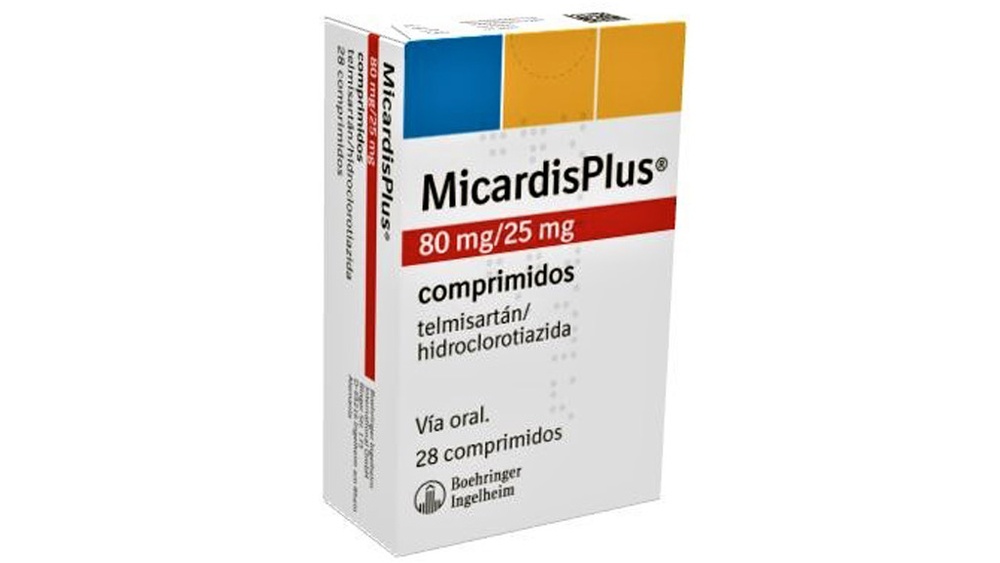
- Країна реєстрації
- Лікарська формаCoated tablet, 40/12,5
- Код АТХC09DA07
- Діюча речовина
- Потрібен рецептТак
- Виробник
- Ця інформація надана лише для ознайомлення і не є медичною порадою. Рішення щодо лікування завжди приймає лікар.
- Альтернативи до MIKARDISPLUSЛікарська форма: Tablet, 40 MG/12,5 MGДіюча речовина: telmisartan and diureticsВиробник: ACTAVIS GROUP PTC EHFПотрібен рецептЛікарська форма: Coated tablet, 40 MG/12,5 MGДіюча речовина: telmisartan and diureticsВиробник: LABORATORI ALTER S.R.L.Потрібен рецептЛікарська форма: Coated tablet, 40MG/12,5 MGДіюча речовина: telmisartan and diureticsВиробник: DOC GENERICI SRLПотрібен рецепт
Аналоги MIKARDISPLUS в інших країнах
Препарати з тією самою діючою речовиною, доступні в інших країнах.
Аналог MIKARDISPLUS у Іспанія
Аналог MIKARDISPLUS у Польща
Аналог MIKARDISPLUS у Україна
Лікарі онлайн щодо MIKARDISPLUS
Застосування, безпека та можливість призначення рецепта — за результатами медичної оцінки.
Отримайте рецепт на MIKARDISPLUS онлайн
Заповніть форму за 2 хвилини
Розкажіть про симптоми, історію хвороби та потрібний препарат.
Оберіть лікаря або ми призначимо
Оберіть спеціаліста або ми підберемо найближчого доступного лікаря.
Лікар розглядає ваш випадок
Зазвичай протягом 30 хвилин. Може ставити уточнювальні запитання в чаті.
Отримайте в будь-якій аптеці
Електронний рецепт надсилається на вашу пошту — дійсний по всій Польщі.
Часті запитання
MIKARDISPLUS потребує рецепта в Італія. Ви можете обговорити з лікарем онлайн, чи підходить цей лікарський засіб для вашої ситуації.
Діюча речовина у MIKARDISPLUS — telmisartan and diuretics. Це допомагає визначити препарати з тим самим складом, але під іншими торговими назвами.
MIKARDISPLUS виробляється компанією BOEHRINGER INGELHEIM INTERNATIONAL GMBH. Назва бренду та упаковка можуть відрізнятися залежно від дистрибʼютора.
Лікарі, зокрема Сімейні лікарі, Психіатри, Дерматологи, Кардіологи, Ендокринологи, Гастроентерологи, Пульмонологи, Нефрологи, Ревматологи, Гематологи, Інфекціоністи, Алергологи, Геріатри, Педіатри, Онкологи, можуть оцінити доцільність застосування MIKARDISPLUS з урахуванням вашого стану та місцевих правил. Ви можете записатися на онлайн-консультацію, щоб обговорити симптоми та можливі подальші кроки.
Польща має добре розвинену систему охорони здоров'я у великих містах, таких як Варшава, Краків, Вроцлав і Гданськ. Аптеки широко доступні та працюють відповідно до чинного законодавства, забезпечуючи доступ до рецептурних препаратів.
Ви можете придбати MIKARDISPLUS у Варшаві, Кракові, Вроцлаві або Гданську в будь-якій аптеці за наявності дійсного рецепта.
Щоб отримати рецепт, ви можете скористатися Oladoctor:
Інші препарати з тією самою діючою речовиною (telmisartan and diuretics) включають AKTELSAR KT, TELMISARTAN E IDROKLOROTIATSIDE ALTER, TELMISARTAN E IDROKLOROTIATSIDE DOK JENERIKI. Вони можуть відрізнятися торговою назвою або формою випуску, але містять той самий терапевтичний компонент. Перед зміною або початком прийому нового препарату варто проконсультуватися з лікарем.
