



MICARDIS 40 mg Tabletka

Ocena recepty online
Lekarz przeanalizuje Twój przypadek i zdecyduje, czy wystawienie recepty jest medycznie uzasadnione.

Porozmawiaj z lekarzem o tym leku
Omów swoje objawy i opcje leczenia podczas szybkiej konsultacji online.



Jak stosować MIKARDIS
Treść ulotki
Micardis 20 mg tablets
telmisartan
Read this leaflet carefully before you start taking this medicine because it contains important information for you.
- Keep this leaflet. You may need to read it again.
- If you have any questions, ask your doctor or pharmacist.
- This medicine has been prescribed for you only. Do not pass it on to others, even if their symptoms are the same as yours, as it could be harmful.
- If you get any side effects, even those not listed in this leaflet, tell your doctor or pharmacist. See section 4.
Contents of this leaflet
- 1. What Micardis is and what it is used for
- 2. What you need to know before you take Micardis
- 3. How to take Micardis
- 4. Possible side effects
- 5. How to store Micardis
- 6. Contents of the pack and other information
1. What is Micardis and what is it used for
Micardis belongs to a class of medicines known as angiotensin II receptor blockers. Angiotensin II is a substance present in the body that causes constriction of blood vessels, thereby increasing blood pressure. Micardis blocks the effect of angiotensin II, causing relaxation of the blood vessels and thus reducing blood pressure.
Micardis is used forthe treatment of essential hypertension (high blood pressure) in adults. “Essential” means that the high blood pressure is not caused by other conditions. Untreated high blood pressure can damage blood vessels in many organs, and this can sometimes cause heart attack, heart or kidney failure, stroke, or blindness. Usually, high blood pressure does not give symptoms before such damage occurs. Therefore, it is important to have your blood pressure measured regularly to check if it is within the normal range.
Micardis is also used toreduce cardiovascular events (e.g., heart attack or stroke) in adults at risk because their blood supply to the heart or legs is reduced or blocked, or because they have had a stroke or have high-risk diabetes. Your doctor can tell you if you are at high risk for these events.
2. What you need to know before taking Micardis
Do not take Micardis
- if you are allergic to telmisartan or any of the other ingredients of this medicine (listed in section 6).
- if you are pregnant for more than 3 months (it is best to avoid taking Micardis even in the early stages of pregnancy - see the Pregnancy section).
- if you have severe liver problems such as cholestasis or biliary obstruction (problems with the drainage of bile from the liver and gallbladder) or any other serious liver disease.
- if you have diabetes or your kidney function is impaired and you are being treated with a medicine that lowers blood pressure, containing aliskiren.
If you are in any of the conditions listed above, tell your doctor or pharmacist before taking
Micardis.
Warnings and precautions
Talk to your doctor before taking Micardis if you suffer from or have ever suffered from any of the
following conditions or illnesses:
- Kidney disease or kidney transplant.
- Stenosis of the renal artery (narrowing of the blood vessels of one or both kidneys).
- Liver diseases.
- Heart problems.
- Increased levels of aldosterone (retention of water and salt in the body with an imbalance of various minerals in the blood).
- Low blood pressure (hypotension), which is more likely to occur if you are dehydrated (excessive water loss from the body) or have a salt deficiency due to, for example, diuretic therapy (“diuretics”), a low-salt diet, diarrhea or vomiting.
- High levels of potassium in the blood.
- Diabetes.
Talk to your doctor before taking Micardis:
- if you are taking any of the following medicines used to treat high blood pressure:
- an ACE inhibitor (for example enalapril, lisinopril, ramipril), especially if you have kidney problems related to diabetes.
- aliskiren. Your doctor may check your kidney function, blood pressure and the amount of electrolytes (e.g. potassium) in your blood at regular intervals. See also what is stated under “Do not take Micardis”.
- if you are taking digoxin.
You must tell your doctor if you think you may be pregnant (or if there is a possibility of starting
a pregnancy). Micardis is not recommended in early pregnancy and must not be taken
if you are pregnant for more than 3 months, as it can cause serious harm to the baby if taken in
this period (see the Pregnancy section).
In case of surgery or anesthesia, you must inform the doctor that you are taking Micardis.
Micardis may be less effective in reducing blood pressure in patients of African ethnicity.
Children and adolescents
The use of Micardis is not recommended in children and adolescents up to 18 years of age.
Other medicines and Micardis
Tell your doctor or pharmacist if you are taking, have recently taken or might take
any other medicine. Your doctor may decide to change the dose of these other medicines or
take other precautions. In some cases, it may be necessary to stop taking one of
these medicines. This applies particularly to the medicines listed below, taken
simultaneously with Micardis:
- Medicines containing lithium to treat some types of depression.
- Medicines that can increase potassium levels in the blood such as potassium-containing salt substitutes, potassium-sparing diuretics (some “diuretics”), ACE inhibitors, angiotensin II receptor blockers, NSAIDs (non-steroidal anti-inflammatory drugs, e.g. aspirin or ibuprofen), heparin, immunosuppressants (e.g. cyclosporine or tacrolimus) and the antibiotic trimethoprim.
- Diuretics, especially if taken in high doses together with Micardis, can cause excessive loss of body water and low blood pressure (hypotension).
- If you are taking an ACE inhibitor or aliskiren (see also what is stated under: “Do not take Micardis” and “Warnings and precautions”).
- Digoxin.
The effect of Micardis may be reduced when you take NSAIDs (non-steroidal anti-inflammatory
drugs, e.g. aspirin or ibuprofen) or corticosteroids.
Micardis may increase the effect of other medicines used to reduce high blood pressure or of
medicines that can potentially reduce blood pressure (e.g. baclofen, amifostine).
Furthermore, the lowering of blood pressure may be aggravated by alcohol, barbiturates, narcotics
or antidepressants. You may feel this lowering of blood pressure as dizziness when getting up
to a standing position. Consult your doctor if you need to change the dose of other medicines while taking
Micardis.
Pregnancy and breastfeeding
Pregnancy
You must tell your doctor if you think you may be pregnant (or if there is a possibility of starting
a pregnancy). As a rule, your doctor will advise you to stop taking Micardis before
starting a pregnancy or as soon as you find out you are pregnant and will advise you to take another medicine instead of Micardis. Micardis is not recommended
in early pregnancy and must not be taken if you are pregnant for more than 3 months
as it can cause serious harm to the baby if taken after the third month of pregnancy.
Breastfeeding
Tell your doctor if you are breastfeeding or are about to start breastfeeding. Micardis is not
recommended for women who are breastfeeding and your doctor may choose another treatment for you if you want to breastfeed, especially if the baby is newborn or was
born prematurely.
Driving and operating machinery
Some patients may experience undesirable effects, such as fainting or feeling dizzy
(vertigo) when taking Micardis. If you experience these undesirable effects, do not drive or
operate machinery.
Micardis contains sorbitol
This medicine contains 84.32 mg of sorbitol per tablet.
Micardis contains sodium
This medicine contains less than 1 mmol (23 mg) of sodium per tablet, i.e. essentially
‘sodium-free’.
3. How to take Micardis
Take this medicine following exactly the instructions of your doctor. If you have any doubts, consult your
doctor or pharmacist.
The recommended dose is one tablet a day. Try to take the tablet at the same time each day.
You can take Micardis with or without food. The tablets must be swallowed whole with a little
water or other non-alcoholic beverage. It is important to take Micardis every day until your
doctor tells you otherwise. If you feel that the effect of Micardis is too strong or
too weak, consult your doctor or pharmacist.
For the treatment of high blood pressure, the usual dose of Micardis for most
patients is one 40 mg tablet once a day to control blood pressure for a
period of 24 hours. Your doctor may have recommended a lower dose of 20 mg per day. Micardis can
also be used in association with diuretics such as hydrochlorothiazide, for which an additive effect has been demonstrated
in association with Micardis in terms of blood pressure reduction.
For the reduction of cardiovascular events, the usual dose of Micardis is one 80 mg
tablet once a day. At the beginning of preventive therapy with Micardis 80 mg, blood
pressure should be checked frequently.
If your liver is not functioning properly, the usual dose of 40 mg per
day should not be exceeded.
If you take more Micardis than you should
If you have accidentally taken too many tablets, contact your doctor, pharmacist or
the emergency room of the nearest hospital immediately.
If you forget to take Micardis
If you forget to take the medicine, do not worry. Take it as soon as you remember, then
continue as before. If you miss a dose for one day, take the normal dose the next day. Do not
takea double dose to make up for missed doses.
If you have any doubts about the use of this medicine, ask your doctor or pharmacist.
4. Possible side effects
Like all medicines, this medicine can cause side effects, although not everybody gets them.
Some side effects may be serious and require immediate medical attention. You should see a doctor immediately if you experience any of the following symptoms:
Sepsis* (often called “blood infection” is a serious infection with inflammatory response of the entire organism), rapid swelling of the skin and mucous membranes (angioedema); these side effects are rare (may occur in up to 1 in 1,000 people), but extremely serious and patients should stop taking the medicine and consult a doctor immediately. If these effects are not treated, they can be fatal.
Possible side effects of Micardis
Common side effects (may affect up to 1 in 10 people):
Low blood pressure (hypotension) in patients treated for cardiovascular event reduction.
Uncommon side effects (may affect up to 1 in 100 people):
Urinary tract infections, upper respiratory tract infections (e.g. sore throat, sinusitis, common cold), low red blood cell count (anemia), high potassium levels, difficulty falling asleep, feeling sad (depression), fainting (syncope), feeling dizzy (vertigo), slow heartbeat (bradycardia), low blood pressure (hypotension) in patients treated for high blood pressure, dizziness when standing up (orthostatic hypotension), shortness of breath, cough, abdominal pain, diarrhea, stomach pain, bloated stomach, vomiting, feeling of itching, increased sweating, drug rash, back pain, muscle cramps, muscle pain (myalgia), kidney impairment (including acute renal failure), chest pain, feeling weak, increased creatinine levels in the blood.
Rare side effects (may affect up to 1 in 1,000 people):
Sepsis* (often called “blood infection” is a serious infection with inflammatory response of the entire organism that can lead to death), increase in some white blood cells (eosinophilia), low platelet count (thrombocytopenia), severe allergic reaction (anaphylactic reaction), allergic reaction (e.g. skin rash, itching, difficulty breathing, wheezing, swelling of the face or low blood pressure), low blood sugar levels (in diabetic patients), feeling anxious, drowsiness, impaired vision, fast heartbeat (tachycardia), dry mouth, stomach discomfort, taste disturbance (dysgeusia), abnormal liver function (Japanese patients are more likely to experience this side effect), rapid swelling of the skin and mucous membranes that can also be fatal (angioedema, even with fatal outcome), eczema (skin disease), skin redness, urticaria, severe drug rash, joint pain (arthralgia), pain in a limb, tendon pain, flu-like illness, decreased hemoglobin (a blood protein), increased uric acid levels, increased liver enzymes or creatine phosphokinase in the blood, low sodium levels.
Very rare side effects (may affect up to 1 in 10,000 people):
Progressive scarring of lung tissue (interstitial lung disease)**.
* The event may have occurred by chance or may be related to a currently unknown mechanism.
** Cases of progressive scarring of lung tissue have been reported during the intake of telmisartan. However, it is not known whether telmisartan was the cause.
Reporting of side effects
If you get any side effects, even those not listed in this leaflet, tell your doctor or pharmacist. You can also report side effects directly through the national reporting system listed in Annex V. By reporting side effects you can help provide more information on the safety of this medicine.
5. How to store Micardis
Keep this medicine out of the sight and reach of children.
Do not use this medicine after the expiry date which is stated on the pack after Exp. The expiry date refers to the last day of that month.
This medicine does not require any particular storage temperature. Store in the
original packaging to protect the medicine from moisture. Remove the Micardis tablet from the
blister only immediately before taking it.
Do not dispose of any medicine in wastewater or household waste. Ask your pharmacist how to
dispose of medicines you no longer use. This will help protect the environment.
6. Contents of the pack and other information
What Micardis contains
The active ingredient is telmisartan. Each tablet contains 20 mg of telmisartan.
The other ingredients are povidone (K25), meglumine, sodium hydroxide, sorbitol (E420) and magnesium
stearate.
Description of the appearance of Micardis and contents of the pack
Micardis 20 mg tablets are white, round, with the code “50H” imprinted on one side and the
company logo on the other.
Micardis is available in blisters containing 14, 28, 56 or 98 tablets.
Not all pack sizes may be marketed in your country.
Marketing Authorisation Holder and Manufacturer
Boehringer Ingelheim International GmbH
Binger Str. 173
55216 Ingelheim am Rhein
Germany
Boehringer Ingelheim Pharma GmbH & Co. KG
Binger Strasse 173
55216 Ingelheim am Rhein
Germany
For further information on this medicinal product, please contact the local representative of the marketing
authorisation holder:
België/Belgique/Belgien
Boehringer Ingelheim SComm
Tél/Tel: +32 2 773 33 11
Lietuva
Boehringer Ingelheim RCV GmbH & Co KG
Lietuvos filialas
Tel.: +370 5 2595942
България
Бьорингер Ингелхайм РЦВ ГмбХ и Ко.
КГ - клон България
Тел: +359 2 958 79 98
Luxembourg/Luxemburg
Boehringer Ingelheim SComm
Tél/Tel: +32 2 773 33 11
Česká republika
Boehringer Ingelheim spol. s r.o.
Tel: +420 234 655 111
Magyarország
Boehringer Ingelheim RCV GmbH & Co KG
Magyarországi Fióktelepe
Tel.: +36 1 299 89 00
Danmark
Boehringer Ingelheim Danmark A/S
Tlf: +45 39 15 88 88
Malta
Boehringer Ingelheim Ireland Ltd.
Tel: +353 1 295 9620
Deutschland
Boehringer Ingelheim Pharma GmbH & Co. KG
Tel: +49 (0) 800 77 90 900
Nederland
Boehringer Ingelheim B.V.
Tel: +31 (0) 800 22 55 889
Eesti
Boehringer Ingelheim RCV GmbH & Co KG
Eesti filiaal
Tel: +372 612 8000
Norge
Boehringer Ingelheim Norway KS
Tlf: +47 66 76 13 00
Ελλάδα
Boehringer Ingelheim Ελλάς Μονοπρόσωπη Α.Ε.
Tηλ: +30 2 10 89 06 300
Österreich
Boehringer Ingelheim RCV GmbH & Co KG
Tel: +43 1 80 105-7870
España
Boehringer Ingelheim España, S.A.
Tel: +34 93 404 51 00
Polska
Boehringer Ingelheim Sp. z o.o.
Tel.: +48 22 699 0 699
France
Boehringer Ingelheim France S.A.S.
Tél: +33 3 26 50 45 33
Portugal
Boehringer Ingelheim Portugal Lda.
Tel: +351 21 313 53 00
Hrvatska
Boehringer Ingelheim Zagreb d.o.o.
Tel: +385 1 2444 600
România
Boehringer Ingelheim RCV GmbH & Co KG
Viena - Sucursala Bucureşti
Tel: +40 21 302 28 00
Ireland
Boehringer Ingelheim Ireland Ltd.
Tel: +353 1 295 9620
Slovenija
Boehringer Ingelheim RCV GmbH & Co KG
Podružnica Ljubljana
Tel: +386 1 586 40 00
Ísland
Vistor hf.
Sími: +354 535 7000
Slovenská republika
Boehringer Ingelheim RCV GmbH & Co KG
organizačná zložka
Tel: +421 2 5810 1211
Italia
Boehringer Ingelheim Italia S.p.A.
Tel: +39 02 5355 1
Suomi/Finland
Boehringer Ingelheim Finland Ky
Puh/Tel: +358 10 3102 800
Κύπρος
Boehringer Ingelheim Ελλάς Μονοπρόσωπη
Α.Ε.
Tηλ: +30 2 10 89 06 300
Sverige
Boehringer Ingelheim AB
Tel: +46 8 721 21 00
Latvija
Boehringer Ingelheim RCV GmbH & Co KG
Latvijas filiāle
Tel: +371 67 240 011
United Kingdom (Northern Ireland)
Boehringer Ingelheim Ireland Ltd.
Tel: +353 1 295 9620
Other sources of information
More detailed information on this medicinal product is available on the website of the European
Medicines Agency, http://www.ema.europa.eu .
Micardis 40 mg tablets
telmisartan
Read this leaflet carefully before you start taking this medicine because it contains important information for you.
- Keep this leaflet. You may need to read it again.
- If you have any questions, ask your doctor or pharmacist.
- This medicine has been prescribed for you only. Do not pass it on to others, even if their symptoms are the same as yours, as it could be harmful.
- If you get any side effects, even those not listed in this leaflet, tell your doctor or pharmacist. See section 4.
Contents of this leaflet
- 1. What Micardis is and what it is used for
- 2. What you need to know before you take Micardis
- 3. How to take Micardis
- 4. Possible side effects
- 5. How to store Micardis
- 6. Contents of the pack and other information
1. What is Micardis and what is it used for
Micardis belongs to a class of medicines known as angiotensin II receptor blockers. Angiotensin II is a substance present in the body that causes the constriction of blood vessels, thus increasing blood pressure. Micardis blocks the effect of angiotensin II, causing a relaxation of the blood vessels and thus reducing blood pressure.
Micardis is used forthe treatment of essential hypertension (high blood pressure) in adults. “Essential” means that the high blood pressure is not caused by other conditions. High blood pressure, if left untreated, can damage blood vessels in many organs and this can sometimes cause heart attack, heart or kidney failure, stroke or blindness. Normally, high blood pressure does not give symptoms before such damage occurs. Therefore, it is important to have your blood pressure measured regularly to check if it is within the normal range.
Micardis is also used toreduce cardiovascular events (e.g. heart attack or stroke) in adults at risk because their blood supply to the heart or legs is reduced or blocked or because they have had a stroke or have high-risk diabetes. Your doctor can tell you if you are at high risk for these events.
2. What you need to know before taking Micardis
Do not take Micardis
- if you are allergic to telmisartan or any of the other ingredients of this medicine (listed in section 6).
- if you are pregnant for more than 3 months (it is best to avoid taking Micardis even in the early stages of pregnancy - see the Pregnancy section).
- if you suffer from severe liver problems such as cholestasis or biliary obstruction (problems with the drainage of bile from the liver and gallbladder) or any other serious liver disease.
- if you suffer from diabetes or your kidney function is impaired and you are being treated with a medicine that lowers blood pressure, containing aliskiren.
If you are in any of the conditions listed above, tell your doctor or pharmacist before taking
Micardis.
Warnings and precautions
Talk to your doctor before taking Micardis if you suffer from or have ever suffered from any of the
following conditions or illnesses:
- Kidney disease or kidney transplant.
- Stenosis of the renal artery (narrowing of the blood vessels of one or both kidneys).
- Liver diseases.
- Heart problems.
- Increased levels of aldosterone (retention of water and salt in the body with an imbalance of various minerals in the blood).
- Low blood pressure (hypotension), which is more likely to occur if you are dehydrated (excessive loss of water from the body) or have a salt deficiency due to, for example, diuretic therapy (“diuretics”), a low-salt diet, diarrhea or vomiting.
- High levels of potassium in the blood.
- Diabetes.
Talk to your doctor before taking Micardis:
- if you are taking any of the following medicines used to treat high blood pressure:
- an ACE inhibitor (for example enalapril, lisinopril, ramipril), especially if you suffer from kidney problems related to diabetes.
- aliskiren. Your doctor may check your kidney function, blood pressure and the amount of electrolytes (e.g. potassium) in your blood at regular intervals. See also what is stated under “Do not take Micardis”.
- if you are taking digoxin.
You must tell your doctor if you think you may be pregnant (or if there is a possibility of starting
a pregnancy). Micardis is not recommended in early pregnancy and should not be taken
if you are pregnant for more than 3 months, as it can cause serious harm to the baby if taken in
this period (see the Pregnancy section).
In case of surgery or anesthesia, you must inform the doctor that you are taking Micardis.
Micardis may be less effective in reducing blood pressure in patients of African ethnicity.
Children and adolescents
The use of Micardis is not recommended in children and adolescents under 18 years of age.
Other medicines and Micardis
Tell your doctor or pharmacist if you are taking, have recently taken or might take
any other medicine. Your doctor may decide to change the dose of these other medicines or
take other precautions. In some cases, it may be necessary to stop taking one of
these medicines. This applies especially to the medicines listed below, taken
simultaneously with Micardis:
- Medicines containing lithium to treat some types of depression.
- Medicines that can increase potassium levels in the blood such as potassium-containing salt substitutes, potassium-sparing diuretics (some “diuretics”), ACE inhibitors, angiotensin II receptor blockers, NSAIDs (non-steroidal anti-inflammatory drugs, e.g. aspirin or ibuprofen), heparin, immunosuppressants (e.g. cyclosporine or tacrolimus) and the antibiotic trimethoprim.
- Diuretics, especially if taken at high doses together with Micardis, can induce excessive loss of body water and low blood pressure (hypotension).
- If you are taking an ACE inhibitor or aliskiren (see also what is stated under: “Do not take Micardis” and “Warnings and precautions”).
- Digoxin.
The effect of Micardis may be reduced when you take NSAIDs (non-steroidal anti-inflammatory drugs, e.g. aspirin or ibuprofen) or corticosteroids.
Micardis may increase the effect of other medicines used to reduce high blood pressure or of
medicines that can potentially reduce blood pressure (e.g. baclofen, amifostine).
In addition, the lowering of blood pressure may be aggravated by alcohol, barbiturates, narcotics
or antidepressants. You may experience this lowering of blood pressure as dizziness when getting
up. Consult your doctor if you need to change the dose of other medicines while taking
Micardis.
Pregnancy and breastfeeding
Pregnancy
You must tell your doctor if you think you may be pregnant (or if there is a possibility of starting
a pregnancy). As a rule, your doctor will advise you to stop taking Micardis before
starting a pregnancy or as soon as you become aware of being pregnant and will advise you to take another medicine instead of Micardis. Micardis is not recommended
in early pregnancy and should not be taken if you are pregnant for more than 3 months
as it can cause serious harm to the baby if taken after the third month of pregnancy.
Breastfeeding
Tell your doctor if you are breastfeeding or if you are about to start breastfeeding. Micardis is not
recommended for women who are breastfeeding and your doctor may choose another treatment for you if you wish to breastfeed, especially if the baby is newborn or was
born prematurely.
Driving and using machines
Some patients may experience undesirable effects, such as fainting or feeling dizzy (vertigo) when taking Micardis. If you experience these undesirable effects, do not drive or
use machines.
Micardis contains sorbitol
This medicine contains 168.64 mg of sorbitol per tablet.
Micardis contains sodium
This medicine contains less than 1 mmol (23 mg) of sodium per tablet, i.e. essentially
‘sodium-free’.
3. How to take Micardis
Take this medicine following exactly the instructions of your doctor. If you have any doubts, ask your
doctor or pharmacist.
The recommended dose is one tablet a day. Try to take the tablet at the same time
each day.
You can take Micardis with or without food. The tablets must be swallowed whole with a little
water or other non-alcoholic beverage. It is important to take Micardis every day until your
doctor tells you otherwise. If you feel that the effect of Micardis is too strong or
too weak, consult your doctor or pharmacist.
For the treatment of high blood pressure, the usual dose of Micardis for most
patients is one 40 mg tablet once a day to control blood pressure for a
period of 24 hours. However, sometimes your doctor may advise a lower dose of
20 mg or a higher dose of 80 mg. Alternatively, Micardis can be used in association with
diuretics such as hydrochlorothiazide, for which an additive effect has been demonstrated in association with
Micardis in terms of blood pressure reduction.
For the reduction of cardiovascular events, the usual dose of Micardis is one 80 mg
tablet once a day. At the beginning of preventive therapy with Micardis 80 mg, blood
pressure should be checked frequently.
If your liver is not functioning properly, the usual dose of 40 mg per
day should not be exceeded.
If you take more Micardis than you should
If you have accidentally taken too many tablets, contact your doctor, pharmacist or
the emergency room of the nearest hospital immediately.
If you forget to take Micardis
If you forget to take the medicine, do not worry. Take it as soon as you remember, then
continue as before. If you miss a dose for one day, take the normal dose the next day. Do not
takea double dose to make up for missed doses.
If you have any doubts about the use of this medicine, ask your doctor or pharmacist.
4. Possible side effects
Like all medicines, this medicine can cause side effects, although not everybody gets them.
Some side effects can be serious and require immediate medical attention
You should seek immediate medical attention if you experience any of the following symptoms:
Sepsis* (often called “blood infection” is a serious infection with inflammatory response
throughout the body), rapid swelling of the skin and mucous membranes (angioedema); these effects
are rare (may affect up to 1 in 1,000 people), but extremely serious and
patients should stop taking the medicine and consult a doctor immediately. If
these effects are not treated they can be fatal.
Possible side effects of Micardis
Common side effects (may affect up to 1 in 10 people):
Low blood pressure (hypotension) in patients treated for the reduction of cardiovascular
events.
Uncommon side effects (may affect up to 1 in 100 people):
Urinary tract infections, upper respiratory tract infections (e.g. sore throat, sinusitis,
common cold), low red blood cell count (anemia), high potassium levels, difficulty
falling asleep, feeling sad (depression), fainting (syncope), feeling dizzy (vertigo), slow heartbeat (bradycardia), low blood pressure (hypotension) in
patients treated for high blood pressure, dizziness when standing up (orthostatic hypotension),
shortness of breath, cough, abdominal pain, diarrhea, stomach pain, bloated stomach, vomiting,
itching, increased sweating, drug rash, back pain,
muscle cramps, muscle pain (myalgia), kidney impairment (including acute renal
failure), chest pain, feeling weak, increased creatinine levels in the blood.
Rare side effects (may affect up to 1 in 1,000 people):
Sepsis* (often called “blood infection” is a serious infection with inflammatory response
throughout the body which can lead to death), increased number of certain white blood cells (eosinophilia),
low platelet count (thrombocytopenia), severe allergic reaction (anaphylactic reaction), allergic
reaction (e.g. skin rash, itching, difficulty breathing, wheezing, swelling of the
face or low blood pressure), low blood sugar levels (in diabetic patients), feeling anxious,
drowsiness, impaired vision, fast heartbeat (tachycardia), dry mouth,
stomach discomfort, taste disturbance (dysgeusia), abnormal liver function (Japanese
patients are more prone to experience this side effect), rapid swelling of the
skin and mucous membranes which can also be fatal (angioedema, even with fatal outcome), eczema
(skin disease), skin redness, urticaria, severe drug rash, joint pain (arthralgia), pain in a limb, tendon pain, flu-like illness,
decreased hemoglobin (a blood protein), increased uric acid levels, increased
liver enzymes or creatine phosphokinase in the blood, low sodium levels.
Very rare side effects (may affect up to 1 in 10,000 people):
Progressive scarring of the lung tissue (interstitial lung disease)**.
* The event may have occurred by chance or may be related to a currently
unknown mechanism.
** Cases of progressive scarring of the lung tissue have been reported during the intake of
telmisartan. However, it is not known whether telmisartan was the cause.
Reporting of side effects
If you get any side effects, talk to your doctor or pharmacist. This includes any side effects not listed in this leaflet. You can also report side effects directly through the national reporting system listed in Annex V. By reporting side effects you can help provide more information on the safety of this medicine.
5. How to store Micardis
Keep this medicine out of the sight and reach of children.
Do not use this medicine after the expiry date which is stated on the pack after Exp. The expiry date refers to the last day of that month.
This medicine does not require any particular storage temperature. Store in the
original packaging to protect the medicine from moisture. Remove the Micardis tablet from the
blister only immediately before taking it.
Do not dispose of any medicine in wastewater or household waste. Ask your pharmacist how to
dispose of medicines you no longer use. This will help protect the environment.
6. Contents of the pack and other information
What Micardis contains
The active ingredient is telmisartan. Each tablet contains 40 mg of telmisartan.
The other ingredients are povidone (K25), meglumine, sodium hydroxide, sorbitol (E420) and magnesium
stearate.
Description of the appearance of Micardis and contents of the pack
Micardis 40 mg tablets are white, oblong-shaped, with the code “51H” imprinted on one
side and the company logo on the other.
Micardis is available in blisters containing 14, 28, 56, 84 or 98 tablets, in divisible blisters for a single
dose containing 28 × 1, 30 × 1 or 90 × 1 tablets or in multiple packs containing
360 tablets (4 packs of 90 × 1 tablets).
Not all pack sizes may be marketed in your country.
Marketing Authorisation Holder and Manufacturer
Boehringer Ingelheim International GmbH
Binger Str. 173
55216 Ingelheim am Rhein
Germany
Boehringer Ingelheim Pharma GmbH & Co. KG
Binger Strasse 173
55216 Ingelheim am Rhein
Germany
Boehringer Ingelheim Hellas Single Member
S.A.
5th km Paiania – Markopoulo
Koropi Attiki, 19441
Greece
Rottendorf Pharma GmbH
Ostenfelder Straße 51 - 61
59320 Ennigerloh
Germany
Boehringer Ingelheim France
100-104 Avenue de France
75013 Paris
France
For further information on this medicinal product, contact the local representative of the marketing
authorisation holder:
België/Belgique/Belgien
Boehringer Ingelheim SComm
Tél/Tel: +32 2 773 33 11
Lietuva
Boehringer Ingelheim RCV GmbH & Co KG
Lietuvos filialas
Tel.: +370 5 2595942
България
Бьорингер Ингелхайм РЦВ ГмбХ и Ко.
КГ - клон България
Тел: +359 2 958 79 98
Luxembourg/Luxemburg
Boehringer Ingelheim SComm
Tél/Tel: +32 2 773 33 11
Česká republika
Boehringer Ingelheim spol. s r.o.
Tel: +420 234 655 111
Magyarország
Boehringer Ingelheim RCV GmbH & Co KG
Magyarországi Fióktelepe
Tel.: +36 1 299 89 00
Danmark
Boehringer Ingelheim Danmark A/S
Tlf: +45 39 15 88 88
Malta
Boehringer Ingelheim Ireland Ltd.
Tel: +353 1 295 9620
Deutschland
Boehringer Ingelheim Pharma GmbH & Co. KG
Tel: +49 (0) 800 77 90 900
Nederland
Boehringer Ingelheim B.V.
Tel: +31 (0) 800 22 55 889
Eesti
Boehringer Ingelheim RCV GmbH & Co KG
Eesti filiaal
Tel: +372 612 8000
Norge
Boehringer Ingelheim Norway KS
Tlf: +47 66 76 13 00
Ελλάδα
Boehringer Ingelheim Ελλάς Μονοπρόσωπη Α.Ε.
Tηλ: +30 2 10 89 06 300
Österreich
Boehringer Ingelheim RCV GmbH & Co KG
Tel: +43 1 80 105-7870
España
Boehringer Ingelheim España, S.A.
Tel: +34 93 404 51 00
Polska
Boehringer Ingelheim Sp. z o.o.
Tel.: +48 22 699 0 699
France
Boehringer Ingelheim France S.A.S.
Tél: +33 3 26 50 45 33
Portugal
Boehringer Ingelheim Portugal Lda.
Tel: +351 21 313 53 00
Hrvatska
Boehringer Ingelheim Zagreb d.o.o.
Tel: +385 1 2444 600
România
Boehringer Ingelheim RCV GmbH & Co KG
Viena - Sucursala Bucureşti
Tel: +40 21 302 28 00
Ireland
Boehringer Ingelheim Ireland Ltd.
Tel: +353 1 295 9620
Slovenija
Boehringer Ingelheim RCV GmbH & Co KG
Podružnica Ljubljana
Tel: +386 1 586 40 00
Ísland
Vistor hf.
Sími: +354 535 7000
Slovenská republika
Boehringer Ingelheim RCV GmbH & Co KG
organizačná zložka
Tel: +421 2 5810 1211
Italia
Boehringer Ingelheim Italia S.p.A.
Tel: +39 02 5355 1
Suomi/Finland
Boehringer Ingelheim Finland Ky
Puh/Tel: +358 10 3102 800
Κύπρος
Boehringer Ingelheim Ελλάς Μονοπρόσωπη
Α.Ε.
Tηλ: +30 2 10 89 06 300
Sverige
Boehringer Ingelheim AB
Tel: +46 8 721 21 00
Latvija
Boehringer Ingelheim RCV GmbH & Co KG
Latvijas filiāle
Tel: +371 67 240 011
United Kingdom (Northern Ireland)
Boehringer Ingelheim Ireland Ltd.
Tel: +353 1 295 9620
Other sources of information
More detailed information on this medicinal product is available on the website of the European
Medicines Agency, http://www.ema.europa.eu .

Nie jesteś pewien, czy ten lek jest odpowiedni dla ciebie?
Omów swoje objawy i leczenie z lekarzem online.
Micardis 80 mg tablets
telmisartan
Read this leaflet carefully before taking this medicine, as it contains important information for you.
- Keep this leaflet. You may need to read it again.
- If you have any questions, ask your doctor or pharmacist.
- This medicine has been prescribed for you only. Do not pass it on to others, even if they have the same symptoms as you, as it could be harmful.
- If you get any side effects, even those not listed in this leaflet, tell your doctor or pharmacist. See section 4.
Contents of this leaflet
- 1. What Micardis is and what it is used for
- 2. What you need to know before you take Micardis
- 3. How to take Micardis
- 4. Possible side effects
- 5. How to store Micardis
- 6. Contents of the pack and other information
1. What is Micardis and what is it used for
Micardis belongs to a class of medicines known as angiotensin II receptor blockers. Angiotensin II is a substance present in the body that causes the constriction of blood vessels, thus increasing blood pressure. Micardis blocks the effect of angiotensin II, causing a relaxation of the blood vessels and thus reducing blood pressure.
Micardis is used forthe treatment of essential hypertension (high blood pressure) in adults. “Essential” means that the high blood pressure is not caused by other conditions. High blood pressure, if left untreated, can damage blood vessels in many organs and this can sometimes cause heart attack, heart or kidney failure, stroke or blindness. Normally, high blood pressure does not give symptoms before such damage occurs. Therefore, it is important to have your blood pressure measured regularly to check if it is within the normal range.
Micardis is also used toreduce cardiovascular events (e.g., heart attack or stroke) in adults at risk because their blood supply to the heart or legs is reduced or blocked or because they have had a stroke or have high-risk diabetes. Your doctor can tell you if you are at high risk for these events.
2. What you need to know before taking Micardis
Do not take Micardis
- if you are allergic to telmisartan or any of the other ingredients of this medicine (listed in section 6).
- if you are pregnant for more than 3 months (it is best to avoid taking Micardis even in the early stages of pregnancy - see the Pregnancy section).
- if you have severe liver problems such as cholestasis or biliary obstruction (problems with the drainage of bile from the liver and gallbladder) or any other serious liver disease.
- if you have diabetes or your kidney function is impaired and you are being treated with a medicine that lowers blood pressure, containing aliskiren.
If you are in any of the conditions listed above, tell your doctor or pharmacist before taking
Micardis.
Warnings and precautions
Talk to your doctor before taking Micardis if you suffer from or have ever suffered from any of the
following conditions or illnesses:
- Kidney disease or kidney transplant.
- Renal artery stenosis (narrowing of the blood vessels of one or both kidneys).
- Liver diseases.
- Heart problems.
- Increased levels of aldosterone (retention of water and salt in the body with an imbalance of various minerals in the blood).
- Low blood pressure (hypotension), which is more likely to occur if you are dehydrated (excessive loss of water from the body) or have a salt deficiency due to, for example, diuretic therapy (“diuretics”), a low-salt diet, diarrhea or vomiting.
- High levels of potassium in the blood.
- Diabetes.
Talk to your doctor before taking Micardis:
- if you are taking any of the following medicines used to treat high blood pressure:
- an ACE inhibitor (for example enalapril, lisinopril, ramipril), especially if you have kidney problems related to diabetes.
- aliskiren. Your doctor may check your kidney function, blood pressure and the amount of electrolytes (e.g. potassium) in your blood at regular intervals. See also what is stated under “Do not take Micardis”.
- if you are taking digoxin.
You must tell your doctor if you think you may be pregnant (or if there is a possibility of starting
a pregnancy). Micardis is not recommended in early pregnancy and should not be taken
if you are pregnant for more than 3 months, as it can cause serious harm to the baby if taken in
this period (see the Pregnancy section).
In case of surgery or anesthesia, you must inform the doctor that you are taking Micardis.
Micardis may be less effective in lowering blood pressure in patients of African ethnicity.
Children and adolescents
The use of Micardis is not recommended in children and adolescents under 18 years of age.
Other medicines and Micardis
Tell your doctor or pharmacist if you are taking, have recently taken or might take
any other medicine. Your doctor may decide to change the dose of these other medicines or
take other precautions. In some cases, it may be necessary to stop taking one of
these medicines. This applies especially to the medicines listed below, taken
simultaneously with Micardis:
- Medicines containing lithium to treat some types of depression.
- Medicines that can increase potassium levels in the blood such as potassium-containing salt substitutes, potassium-sparing diuretics (some “diuretics”), ACE inhibitors, angiotensin II receptor blockers, NSAIDs (non-steroidal anti-inflammatory drugs, e.g. aspirin or ibuprofen), heparin, immunosuppressants (e.g. cyclosporine or tacrolimus) and the antibiotic trimethoprim.
- Diuretics, especially if taken in high doses together with Micardis, can cause excessive loss of body water and low blood pressure (hypotension).
- If you are taking an ACE inhibitor or aliskiren (see also what is stated under: “Do not take Micardis” and “Warnings and precautions”).
- Digoxin.
The effect of Micardis may be reduced when you take NSAIDs (non-steroidal anti-inflammatory
drugs, e.g. aspirin or ibuprofen) or corticosteroids.
Micardis can increase the effect of other medicines used to lower high blood pressure or of
medicines that can potentially lower blood pressure (e.g. baclofen, amifostine).
Furthermore, the lowering of blood pressure can be aggravated by alcohol, barbiturates, narcotics
or antidepressants. You may feel this lowering of blood pressure as dizziness when getting
up. Consult your doctor if you need to change the dose of other medicines while taking
Micardis.
Pregnancy and breastfeeding
Pregnancy
You must tell your doctor if you think you may be pregnant (or if there is a possibility of starting
a pregnancy). As a rule, your doctor will advise you to stop taking Micardis before
starting a pregnancy or as soon as you find out you are pregnant and will advise you to take another
medicine instead of Micardis. Micardis is not recommended in early pregnancy and should not be taken
if you are pregnant for more than 3 months because it can cause serious harm to the baby if taken after
the third month of pregnancy.
Breastfeeding
Tell your doctor if you are breastfeeding or are about to start breastfeeding. Micardis is not
recommended for women who are breastfeeding and your doctor may choose another treatment for you if
you want to breastfeed, especially if the baby is newborn or premature.
Driving and using machines
Some patients may experience undesirable effects, such as fainting or feeling dizzy
(vertigo) when taking Micardis. If you experience these undesirable effects, do not drive or
use machines.
Micardis contains sorbitol
This medicine contains 337.28 mg of sorbitol per tablet. Sorbitol is a source of fructose.
If your doctor has told you that you are intolerant to certain sugars, or if you have a diagnosis of
hereditary fructose intolerance, a rare genetic disease in which patients are unable to break down
fructose, talk to your doctor before taking this medicine.
Micardis contains sodium
This medicine contains less than 1 mmol (23 mg) of sodium per tablet, i.e. essentially
‘sodium-free’.
3. How to take Micardis
Take this medicine following exactly the instructions of your doctor. If you have any doubts, consult your
doctor or pharmacist.
The recommended dose is one tablet a day. Try to take the tablet at the same time
every day.
You can take Micardis with or without food. The tablets must be swallowed whole with a little
water or other non-alcoholic beverage. It is important to take Micardis every day until your
doctor tells you otherwise. If you feel that the effect of Micardis is too strong or
too weak, consult your doctor or pharmacist.
For the treatment of high blood pressure, the usual dose of Micardis for most
patients is one 40 mg tablet once a day to control blood pressure for a
period of 24 hours. However, sometimes your doctor may advise you a lower dose of
20 mg or a higher dose of 80 mg. Alternatively, Micardis can be used in association with
diuretics such as hydrochlorothiazide, for which an additive effect has been demonstrated in association with
Micardis in terms of blood pressure reduction.
For the reduction of cardiovascular events, the usual dose of Micardis is one 80 mg
tablet once a day. At the beginning of preventive therapy with Micardis 80 mg, blood
pressure should be checked frequently.
If your liver is not functioning properly, the usual dose of 40 mg per
day should not be exceeded.
If you take more Micardis than you should
If you have accidentally taken too many tablets, contact your doctor, pharmacist or
the nearest hospital emergency room immediately.
If you forget to take Micardis
If you forget to take the medicine, do not worry. Take it as soon as you remember, then
continue as before. If you miss a dose for one day, take the normal dose the next day. Do not
takea double dose to make up for missed doses.
If you have any doubts about the use of this medicine, ask your doctor or pharmacist.
4. Possible side effects
Like all medicines, this medicine can cause side effects, although not everybody gets them.
Some side effects can be serious and require immediate medical attention
You should seek immediate medical attention if you experience any of the following symptoms:
Sepsis* (often called “blood infection” is a serious infection with inflammatory response
throughout the body), rapid swelling of the skin and mucous membranes (angioedema); these effects
are rare (may affect up to 1 in 1,000 people), but extremely serious and
patients should stop taking the medicine and consult a doctor immediately. If
these effects are not treated they can be fatal.
Possible side effects of Micardis
Common side effects (may affect up to 1 in 10 people):
Low blood pressure (hypotension) in patients treated for the reduction of cardiovascular
events.
Uncommon side effects (may affect up to 1 in 100 people):
Urinary tract infections, upper respiratory tract infections (e.g. sore throat, sinusitis,
common cold), low red blood cell count (anemia), high potassium levels, difficulty
falling asleep, feeling sad (depression), fainting (syncope), feeling dizzy (vertigo), slow heartbeat (bradycardia), low blood pressure (hypotension) in
patients treated for high blood pressure, dizziness when standing up (orthostatic hypotension),
shortness of breath, cough, abdominal pain, diarrhea, stomach pain, bloated stomach, vomiting,
itching, increased sweating, drug rash, back pain,
muscle cramps, muscle pain (myalgia), kidney impairment (including acute renal
failure), chest pain, feeling weak, increased creatinine levels in the blood.
Rare side effects (may affect up to 1 in 1,000 people):
Sepsis* (often called “blood infection” is a serious infection with inflammatory response
throughout the body that can lead to death), increased number of certain white blood cells (eosinophilia),
low platelet count (thrombocytopenia), severe allergic reaction (anaphylactic reaction), allergic
reaction (e.g. skin rash, itching, difficulty breathing, wheezing, swelling of the
face or low blood pressure), low blood sugar levels (in diabetic patients), feeling anxious,
drowsiness, impaired vision, fast heartbeat (tachycardia), dry mouth,
stomach discomfort, taste disturbance (dysgeusia), abnormal liver function (Japanese patients are more prone to experiencing this side effect), rapid swelling of the
skin and mucous membranes which can also be fatal (angioedema, even with fatal outcome), eczema
(skin disease), skin redness, urticaria, severe drug eruption, joint pain (arthralgia), pain in a limb, tendon pain, flu-like illness,
decreased hemoglobin (a blood protein), increased uric acid levels, increased
liver enzymes or creatine phosphokinase in the blood, low sodium levels.
Very rare side effects (may affect up to 1 in 10,000 people):
Progressive scarring of the lung tissue (interstitial lung disease)**.
* The event may have occurred by chance or may be related to a currently
unknown mechanism.
** Cases of progressive scarring of the lung tissue have been reported during the intake of
telmisartan. However, it is not known whether telmisartan was the cause.
Reporting of side effects
If you get any side effects, talk to your doctor or pharmacist. This includes any side effects not listed in this leaflet. You can also report side effects directly through the national reporting system listed in Annex V. By reporting side effects you can help provide more information on the safety of this medicine.
5. How to store Micardis
Keep this medicine out of the sight and reach of children.
Do not use this medicine after the expiry date which is stated on the pack after Scad. The expiry date
refers to the last day of that month.
This medicine does not require any particular storage temperature. Store in the
original packaging to protect the medicine from moisture. Remove the Micardis tablet from the
blister only immediately before taking it.
Do not dispose of any medicine in wastewater or household waste. Ask your pharmacist how to
dispose of medicines you no longer use. This will help protect the environment.
6. Contents of the pack and other information
What Micardis contains
The active ingredient is telmisartan. Each tablet contains 80 mg of telmisartan.
The other ingredients are povidone (K25), meglumine, sodium hydroxide, sorbitol (E420) and magnesium
stearate.
Description of the appearance of Micardis and contents of the pack
Micardis 80 mg tablets are white, oblong shaped with the code “52H” imprinted on one
side and the company logo on the other.
Micardis is available in blisters containing 14, 28, 56, 84 or 98 tablets, in divisible blisters for single
dose containing 28 × 1, 30 × 1 or 90 × 1 tablets or in multiple packs containing
360 tablets (4 packs of 90 × 1 tablets).
Not all pack sizes may be marketed in your country.
Marketing Authorisation Holder and Manufacturer
Boehringer Ingelheim International GmbH
Binger Str. 173
55216 Ingelheim am Rhein
Germany
Boehringer Ingelheim Pharma GmbH & Co. KG
Binger Strasse 173
55216 Ingelheim am Rhein
Germany
Boehringer Ingelheim Hellas Single Member
S.A.
5th km Paiania – Markopoulo
Koropi Attiki, 19441
Greece
Rottendorf Pharma GmbH
Ostenfelder Straße 51 - 61
59320 Ennigerloh
Germany
Boehringer Ingelheim France
100-104 Avenue de France
75013 Paris
France
For further information on this medicinal product, contact the local representative of the marketing
authorisation holder:
België/Belgique/Belgien
Boehringer Ingelheim SComm
Tél/Tel: +32 2 773 33 11
Lietuva
Boehringer Ingelheim RCV GmbH & Co KG
Lietuvos filialas
Tel.: +370 5 2595942
България
Бьорингер Ингелхайм РЦВ ГмбХ и Ко.
КГ - клон България
Тел: +359 2 958 79 98
Luxembourg/Luxemburg
Boehringer Ingelheim SComm
Tél/Tel: +32 2 773 33 11
Česká republika
Boehringer Ingelheim spol. s r.o.
Tel: +420 234 655 111
Magyarország
Boehringer Ingelheim RCV GmbH & Co KG
Magyarországi Fióktelepe
Tel.: +36 1 299 89 00
Danmark
Boehringer Ingelheim Danmark A/S
Tlf: +45 39 15 88 88
Malta
Boehringer Ingelheim Ireland Ltd.
Tel: +353 1 295 9620
Deutschland
Boehringer Ingelheim Pharma GmbH & Co. KG
Tel: +49 (0) 800 77 90 900
Nederland
Boehringer Ingelheim B.V.
Tel: +31 (0) 800 22 55 889
Eesti
Boehringer Ingelheim RCV GmbH & Co KG
Eesti filiaal
Tel: +372 612 8000
Norge
Boehringer Ingelheim Norway KS
Tlf: +47 66 76 13 00
Ελλάδα
Boehringer Ingelheim Ελλάς Μονοπρόσωπη Α.Ε.
Tηλ: +30 2 10 89 06 300
Österreich
Boehringer Ingelheim RCV GmbH & Co KG
Tel: +43 1 80 105-7870
España
Boehringer Ingelheim España, S.A.
Tel: +34 93 404 51 00
Polska
Boehringer Ingelheim Sp. z o.o.
Tel.: +48 22 699 0 699
France
Boehringer Ingelheim France S.A.S.
Tél: +33 3 26 50 45 33
Portugal
Boehringer Ingelheim Portugal Lda.
Tel: +351 21 313 53 00
Hrvatska
Boehringer Ingelheim Zagreb d.o.o.
Tel: +385 1 2444 600
România
Boehringer Ingelheim RCV GmbH & Co KG
Viena - Sucursala Bucureşti
Tel: +40 21 302 28 00
Ireland
Boehringer Ingelheim Ireland Ltd.
Tel: +353 1 295 9620
Slovenija
Boehringer Ingelheim RCV GmbH & Co KG
Podružnica Ljubljana
Tel: +386 1 586 40 00
Ísland
Vistor hf.
Sími: +354 535 7000
Slovenská republika
Boehringer Ingelheim RCV GmbH & Co KG
organizačná zložka
Tel: +421 2 5810 1211
Italia
Boehringer Ingelheim Italia S.p.A.
Tel: +39 02 5355 1
Suomi/Finland
Boehringer Ingelheim Finland Ky
Puh/Tel: +358 10 3102 800
Κύπρος
Boehringer Ingelheim Ελλάς Μονοπρόσωπη
Α.Ε.
Tηλ: +30 2 10 89 06 300
Sverige
Boehringer Ingelheim AB
Tel: +46 8 721 21 00
Latvija
Boehringer Ingelheim RCV GmbH & Co KG
Latvijas filiāle
Tel: +371 67 240 011
United Kingdom (Northern Ireland)
Boehringer Ingelheim Ireland Ltd.
Tel: +353 1 295 9620
Other sources of information
More detailed information on this medicinal product is available on the website of the European Medicines
Agency, http://www.ema.europa.eu .

Zacząłeś przyjmować lek i masz pytania?
Omów swoje objawy i leczenie z lekarzem online.
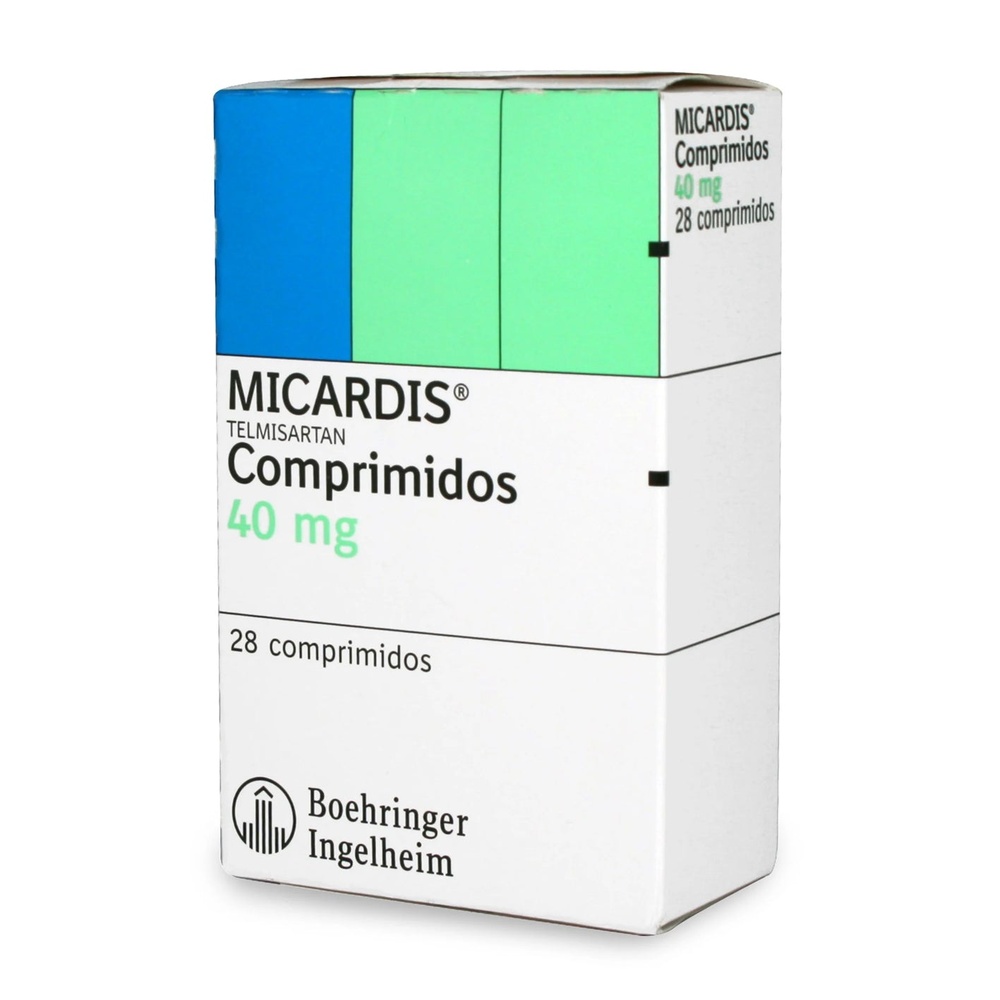
- Kraj rejestracji
- Postać farmaceutycznaTablet, 40 MG
- Kod ATCC09CA07
- Substancja czynna
- Wymaga receptyTak
- Producent
- Te treści mają charakter wyłącznie informacyjny i nie zastępują konsultacji lekarskiej.
- Zamienniki MIKARDISPostać farmaceutyczna: Coated tablet, 40 MGSubstancja czynna: telmisartanProducent: BAYER AGWymaga receptyPostać farmaceutyczna: Tablet, 40 MGSubstancja czynna: telmisartanProducent: BAYER AGWymaga receptyPostać farmaceutyczna: Tablet, 20 MGSubstancja czynna: telmisartanProducent: ACTAVIS GROUP PTC EHFWymaga recepty
Odpowiedniki MIKARDIS w innych krajach
Leki z tą samą substancją czynną dostępne w innych krajach.
Odpowiednik MIKARDIS w Hiszpania
Odpowiednik MIKARDIS w Polska
Odpowiednik MIKARDIS w Ukraina
Lekarze online w sprawie MIKARDIS
Omów stosowanie MIKARDIS, bezpieczeństwo i ocenę zasadności recepty zgodnie z obowiązującymi przepisami.
Uzyskaj receptę na MIKARDIS online
Wypełnij 2-minutowy formularz
Opisz swoje objawy, historię choroby i lek, o który prosisz.
Wybierz lekarza lub pozwól nam przydzielić
Wybierz specjalistę lub dopasujemy Cię do najbliższego dostępnego lekarza.
Lekarz analizuje Twój przypadek
Zazwyczaj w ciągu 30 minut. Może zadawać dodatkowe pytania przez czat.
Odbierz w dowolnej aptece
Recepta elektroniczna wysłana na Twój e-mail — ważna w całej Polsce.
Często zadawane pytania
MIKARDIS wymaga recepty w Włochy. Możesz skonsultować się z lekarzem online, aby sprawdzić, czy ten lek może być odpowiedni w Twojej sytuacji.
Substancją czynną w MIKARDIS jest telmisartan. Informacja ta pomaga rozpoznać leki o tym samym składzie, ale pod różnymi nazwami handlowymi.
MIKARDIS jest produkowany przez BOEHRINGER INGELHEIM INTERNATIONAL GMBH. Nazwy handlowe i opakowania mogą się różnić w zależności od dystrybutora.
Lekarze, tacy jak Lekarze rodzinni, Psychiatrzy, Dermatolodzy, Kardiolodzy, Endokrynolodzy, Gastroenterolodzy, Pulmonolodzy, Nefrolodzy, Reumatolodzy, Hematolodzy, Zakaźnicy, Alergolodzy, Geriatrzy, Pediatrzy, Onkolodzy, mogą ocenić, czy stosowanie MIKARDIS jest odpowiednie w Twoim przypadku, w zależności od sytuacji klinicznej i lokalnych przepisów. Możesz umówić konsultację online, aby omówić objawy i możliwe dalsze kroki.
Polska posiada dobrze rozwiniętą infrastrukturę ochrony zdrowia w dużych miastach, takich jak Warszawa, Kraków, Wrocław i Gdańsk. Apteki są łatwo dostępne i działają zgodnie z obowiązującymi przepisami, zapewniając dostęp do leków na receptę.
Możesz kupić MIKARDIS w Warszawie, Krakowie, Wrocławiu lub Gdańsku w każdej aptece, posiadając ważną receptę.
Aby uzyskać receptę, możesz skorzystać z Oladoctor:
Inne leki zawierające tę samą substancję czynną (telmisartan) to m.in. KINTSALMONO, PRITOR, TELMISARTAN AKTAVIS. Mogą one różnić się nazwą handlową lub postacią, ale zawierają ten sam składnik terapeutyczny. Przed zmianą lub rozpoczęciem nowego leku skonsultuj się z lekarzem.
