



LIRATIGHT 6 mg /Ml Pre-Filled Pen Injectable Solution

Ocena recepty online
Lekarz przeanalizuje Twój przypadek i zdecyduje, czy wystawienie recepty jest medycznie uzasadnione.

Porozmawiaj z lekarzem o tym leku
Omów swoje objawy i opcje leczenia podczas szybkiej konsultacji online.



Jak stosować LIRATIGT
Treść ulotki
LiraTight 6 mg/mL solution for injection in pre-filled pen
Liraglutide
Equivalent Medicinal Product
Read this leaflet carefully before you start to use this medicine as it contains important
information for you.
- Keep this leaflet. You may need to read it again.
- If you have any questions, ask your doctor, pharmacist or nurse.
- This medicine has been prescribed for you only. Do not pass it on to others, even if their symptoms are the same as yours, as it could be harmful.
- If you get any side effects, even those not listed in this leaflet, tell your doctor, pharmacist or nurse. See section 4.
Contents of this leaflet
- 1. What LiraTight is and what it is used for
- 2. What you need to know before you use LiraTight
- 3. How to use LiraTight
- 4. Possible side effects
- 5. How to store LiraTight
- 6. Contents of the pack and other information
1. What is LiraTight and what is it used for
What is LiraTight
LiraTight is a medicine used for weight loss that contains the active substance liraglutide. It is similar to
a hormone found naturally in the body, called glucagon-like peptide-1 (GLP-1), which is released
from the intestine after a meal. This medicine acts on receptors in the brain that control
appetite, causing a feeling of increased fullness and reduced hunger. This can help to
consume less food and reduce body weight.
What is LiraTight used for
LiraTight is used for weight loss in addition to diet and exercise in adults 18 years of age and older
with
- a body mass index (BMI) of 30 kg/m² or more (obesity), or
- a body mass index (BMI) of 27 kg/m² and less than 30 kg/m² (overweight) and weight-related health problems (such as diabetes, high blood pressure, abnormal levels of fats in the blood, or breathing problems called ‘obstructive sleep apnea’).
BMI is a measure of weight in relation to height.
Continue using LiraTight only if you have lost at least 5% of your body weight after 12
weeks with a daily dose of 3.0 mg per day (see section 3). Consult your doctor
before continuing.
This medicine is used for weight loss in addition to a healthy diet and increased physical exercise
in adolescents 12 years of age and older with:
- obesity (diagnosed by a doctor)
- body weight greater than 60 kg
Continue using LiraTight only if you have lost at least 4% of your BMI after 12 weeks with a
dose of 3.0 mg per day or with the maximum tolerated dose (see section 3). Consult your doctor
before continuing.
Diet and exercise
Your doctor will start you on a diet and exercise program. Continue this program
during the use of this medicine.
2. What you need to know before you use LiraTight
Do not use LiraTight
- if you are allergic to liraglutide or any of the other ingredients of this medicine (listed in section 6).
Warnings and precautions
Talk to your doctor, pharmacist or nurse before using LiraTight.
The use of LiraTight is not recommended if you suffer from severe heart failure.
There is limited experience with the use of this medicine in patients aged 75 years or older. The use of
LiraTight is not recommended if you are 75 years or older.
There is limited experience with the use of this medicine in patients with kidney problems. If you have
kidney disease or are on dialysis, consult your doctor.
There is limited experience with the use of this medicine in patients with liver problems. If you have
liver problems, consult your doctor.
The use of this medicine is not recommended if you have serious problems with your stomach or intestines, which
are manifested by delayed stomach emptying (called gastroparesis), or if you have inflammatory
bowel disease.
If you know that you will undergo surgery in which you will be under anesthesia (will be asleep), tell your
doctor that you are taking LiraTight.
People with diabetes
If you have diabetes, do not use LiraTight as a substitute for insulin.
Pancreatitis
Talk to your doctor if you have or have had a disease of the pancreas.
Inflammation and gallstones
If you lose a substantial amount of weight, you are at risk of gallstones with resulting
inflammation of this organ. Stop treatment with LiraTight and contact your doctor immediately if you experience severe pain in the upper part of your abdomen, usually worse on the right side
under the ribs. The pain may be felt up to reaching the back or right shoulder. See
section 4.
Thyroid disease
If you have thyroid diseases, including nodules and enlargement of the thyroid gland, consult your
doctor.
Heart rate
Talk to your doctor if you have palpitations (you feel your heartbeat) or if you feel a
fast heartbeat at rest during treatment with LiraTight.
Fluid loss and dehydration
When you start treatment with LiraTight, you may lose body fluids or become dehydrated. This may
be due to nausea, vomiting and diarrhea. It is important to avoid dehydration by drinking plenty of fluids.
If you have any questions or concerns, talk to your doctor, pharmacist or nurse. See
section 4.
Children and adolescents
The safety and efficacy of liraglutide have not been studied in children and adolescents under the age of
12 years.
Other medicines and LiraTight
Tell your doctor, pharmacist or nurse if you are taking, have recently taken or might take
any other medicine.
In particular, talk to your doctor, pharmacist or nurse if:
- you are taking medicines for diabetes called ‘sulfonylureas’ (such as glimepiride or glibenclamide) or if you are taking insulin - your blood sugar level may decrease (hypoglycemia) when using these medicines with LiraTight. Your doctor may adjust the dose of your diabetes medicines to avoid a decrease in blood sugar levels. See section 4 for the warning signs of low blood sugar. If you adjust the dose of insulin, your doctor will recommend that you check your blood sugar more frequently.
- you are taking warfarin or other oral medicines to reduce blood clotting (anticoagulants). More frequent blood tests may be needed to determine the blood's ability to clot.
Pregnancy and breastfeeding
Do not use LiraTight if you are pregnant, suspect you are pregnant or are planning a pregnancy because
it is not known whether this medicine may have effects on the fetus.
Do not breastfeed if you are using LiraTight because it is not known whether this medicine passes into
breast milk.
Driving and using machines
It is unlikely that LiraTight will affect your ability to drive and use machines.
Some patients may experience dizziness while taking LiraTight, especially during the
first 3 months of treatment (see the section "Possible side effects"). If you feel dizzy,
be particularly careful when driving or using machines. For more information, see
your doctor.
LiraTight contains sodium
This medicine contains less than 1 mmol of sodium (23 mg) per dose, that is to say it is essentially
‘sodium-free’.
3. How to use LiraTight
Use this medicine following the instructions of your doctor exactly. If you have any doubts, consult your
doctor, pharmacist or nurse.
Your doctor will start you on a diet and exercise program. Continue this program
while using LiraTight.
Amount to inject
Adults
Treatment will start at a low dose that will be gradually increased over the first five
weeks of treatment.
- When you start using LiraTight for the first time, the initial dose is 0.6 mg once a
day, for at least one week.
- Your doctor will tell you to gradually increase the dose of 0.6 mg, usually every week, until you reach the recommended dose of 3.0 mg once a day. Your doctor will tell you how much LiraTight to use each week. You will usually be told to follow the table below.
Once you reach the recommended dose of 3.0 mg in week 5 of treatment, continue to use
this dose until the end of the treatment period. Do not increase the dose further.
Your doctor will assess your treatment at regular intervals.
Adolescents (≥ 12 years)
For adolescents aged 12 years and over, the dose should be increased similarly to that
described in the table above for adults. The dose should be increased until 3.0
mg (maintenance dose) or the maximum tolerated dose is reached. Doses greater than 3.0 mg
daily are not recommended.
How and when to use LiraTight
- Before using the pen for the first time, your doctor or nurse will show you how to do it.
- You can use LiraTight at any time of day, with or without food and beverages.
- Use LiraTight at approximately the same time each day; choose a time of day that is convenient for you.
Where to inject
LiraTight is administered by injection under the skin (subcutaneous injection).
- The best areas to inject are the abdomen, the front of the thighs, or the upper arms.
- Do not inject the medicine into a vein or a muscle.
Detailed instructions for use are provided on the back of this leaflet.
People with diabetes
Tell your doctor if you have diabetes. Your doctor may adjust the dose of your diabetes medications
to avoid a decrease in blood sugar levels.
- Do not mix LiraTight with other injectable medicines (e.g. insulins).
- Do not use LiraTight together with other medicines that contain GLP-1 receptor agonists (such as exenatide or lixisenatide).
If you use more LiraTight than you should
If you use more LiraTight than you should, inform your doctor immediately or go to the hospital. Bring
the medicine packaging with you. You may need medical treatment. The following effects may occur:
- nausea
- vomiting
- low blood sugar (hypoglycemia). See “Common side effects” for the warning signs of low blood sugar.
If you forget to use LiraTight
- If you forget a dose and realize it within 12 hours of when you usually use the
dose, inject it as soon as you remember.
- However, if more than 12 hours have passed since you should have used LiraTight, skip the missed dose and inject the next one the next day at the usual time.
- Do not use a double dose or increase the dose the next day to make up for the missed dose.
If you stop using LiraTight
Do not stop treatment with LiraTight without talking to your doctor.
If you have any questions about using this medicine, ask your doctor, pharmacist or
nurse.
4. Possible side effects
Like all medicines, this medicine can cause side effects, although not everyone will experience them.
Serious side effects
Rarely, some serious allergic reactions (anaphylaxis) have been reported in patients using liraglutide. Seek immediate medical attention if you experience symptoms such as breathing problems, swelling of the face and throat, and a rapid heartbeat.
Cases of inflammation of the pancreas (pancreatitis) have been reported uncommonly in patients using liraglutide. Pancreatitis is a serious condition that can be potentially life-threatening.
If you notice any of the following serious side effects, stop LiraTight and contact your doctor immediately:
- Severe and persistent abdominal pain (stomach area) that may reach the back, as well as nausea and vomiting, as these may be a sign of inflammation of the pancreas (pancreatitis).
Other side effects
Very common:affects more than 1 in 10 people
- Nausea, vomiting, diarrhea, constipation, headache - generally disappear after a few days or weeks.
Common:affects up to 1 in 10 people
- Problems with the stomach and intestines, such as indigestion (dyspepsia), inflammation of the stomach lining (gastritis), stomach pain, upper abdominal pain, heartburn, abdominal bloating, gas (flatulence), belching, and dry mouth
- Feeling weak or tired
- Changes in taste
- Dizziness
- Difficulty sleeping (insomnia). Usually occurs during the first 3 months of treatment
- Gallstones
- Skin rash
- Reactions at the injection site (such as bruising, pain, irritation, itching, and rash)
- Low blood sugar (hypoglycemia). Signs indicating low blood sugar can occur suddenly and may include: cold sweats, cold and pale skin, headache, rapid heartbeat, nausea, feeling very hungry, changes in vision, drowsiness, feeling weak, nervousness, anxiety, confusion, difficulty concentrating, and tremor. Your doctor will tell you how to treat low blood sugar levels and what to do if you notice these signs
- Increased pancreatic enzymes, such as lipase and amylase.
Uncommon:affects up to 1 in 100 people
- Fluid loss (dehydration). This is more likely to occur at the beginning of treatment and may be caused by vomiting, nausea, and diarrhea
- Delayed stomach emptying
- Inflammation of the gallbladder
- Allergic reactions including skin rash
- Feeling generally unwell
- Rapid heartbeat.
Rare:affects up to 1 in 1,000 people
- Reduced kidney function
- Acute kidney failure. Signs may include decreased urine volume, a metallic taste in the mouth, and easy bruising.
Not known(frequency cannot be estimated based on available data)
- Intestinal obstruction. A severe form of constipation with additional symptoms such as stomach pain, bloating, vomiting, etc.
Reporting of side effects
If you get any side effects, even those not listed in this leaflet, tell your doctor or pharmacist. You can also report side effects directly through the national reporting system at https://www.aifa.gov.it/content/segnalazioni-reazioni-
avverse .
By reporting side effects you can help provide more information on the safety of this medicine.
5. How to store LiraTight
Keep this medicine out of sight and reach of children.
Do not use LiraTight after the expiry date that is stated on the pen label and the carton
after ‘Exp.’. The expiry date refers to the last day of that month.
Before first use:
Store in a refrigerator (2°C - 8°C). Do not freeze.
After you have started using the pen:
You can store the pen for 1 month below 30 °C or in a refrigerator (2°C - 8°C). Do not freeze.
When you are not using the pen, store it with the cap on to protect the medicine from light.
Do not use the medicine if the solution is not clear and colourless or almost colourless.
Do not dispose of any medicine in waste water or household waste. Ask your pharmacist how
to dispose of medicines you no longer use. This will help protect the environment.
6. Contents of the pack and other information
What LiraTight contains
- The active substance is liraglutide. 1 mL of injectable solution contains 6 mg of liraglutide. One pre-filled pen contains 18 mg of liraglutide.
- The other excipients are: disodium phosphate dihydrate, propylene glycol (E1520), phenol, hydrochloric acid and sodium hydroxide (for pH adjustment) and water for injections.
Description of the appearance of LiraTight and contents of the pack
LiraTight is supplied as a clear and colourless or almost colourless injectable solution, in a pre-filled
pen. Each pen contains 3 mL of solution at a concentration of 6 mg/ml and is able to
deliver doses of 0.6 mg, 1.2 mg, 1.8 mg, 2.4 mg and 3.0 mg.
LiraTight is available in packs containing 3 or 5 pens. Not all pack sizes may be
marketed.
Needles are not included.
Marketing Authorisation Holder and Manufacturer
Cipla Europe NV
De Keyserlei 60C, Bus 1301
2018 Antwerp
Belgium
This medicine is authorised in the Member States of the European Economic Area with the
following denominations:
Spain LiraTight
Poland Triglyva
Italy LiraTight
Finland Triglyva
Germany LiraTight
Sweden Triglyva
Norway Triglyva
Instructions for use of LiraTight 6 mg/mL solution for injection in pre-filled pen Read these instructions carefully before using the LiraTight pre-filled pen. Do not use the pen without receiving adequate training from your doctor or nurse. Start by checking the pen to make sure it contains LiraTight 6 mg/mL, then look at the illustrations below to learn the different parts of the pen and the needle. If you are blind or have severe visual impairment, do not use this pen without assistance. Ask for help from a person who has good vision and is trained in the use of the LiraTight pre-filled pen. The pen is a pre-filled pen with selectable dose. It contains 18 mg of liraglutide and delivers doses of 0.6 mg, 1.2 mg, 1.8 mg, 2.4 mg and 3.0 mg. The pen is designed to be used with single-use NovoFine or BD Ultra- FineTM needles up to 8 mm long and up to 32 G thin. The needles are not included in the package. a Important information n Pay particular attention to these notes because they are important for safe use of the pen. a LiraTight pre-filled pen with needle (example) i l a t I a i z n e g A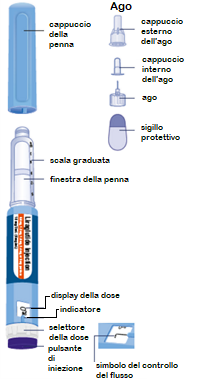 | l F a r m a c o |
1 Preparing the pen with a new needle
| m a c o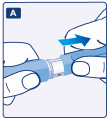 |
| l F a r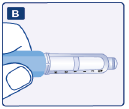 |
| d Take a new needle and remove the protective seal. a n a | 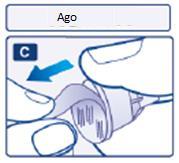 |
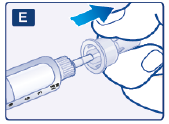
i l Make sure to insert the needle correctly. a
| 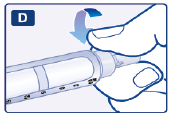 |
a The needle is covered by two caps. You must remove both caps. If you forget to remove both caps, you will not inject any solution. z
|  |
| a r m a c o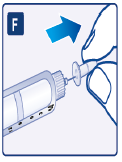 |
2 Checking the flow with every new pen
| l F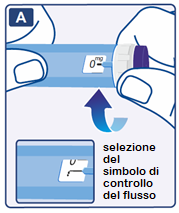 |
a i
| 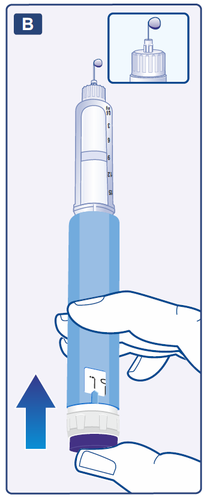 |
| If you do not check the flow before the first injection with each new pen, you may not inject the prescribed dose and not get the desired effect of LiraTight. | o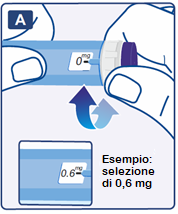 |
3 Selecting the dose
| l F a r m a c |
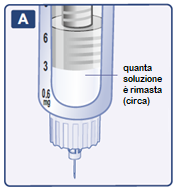
n e How much solution is left? g
|  |
| l F a r m a c o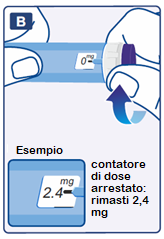 |
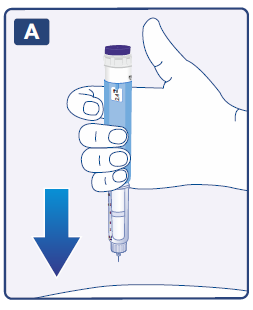
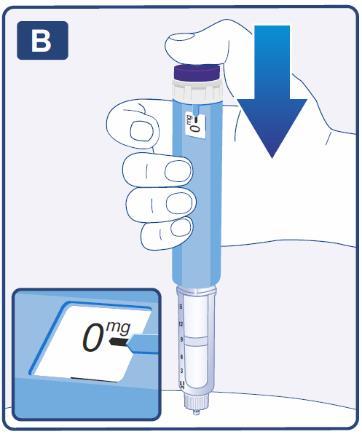
4 Injecting the dose n
|  |
t
|  |
| m a c o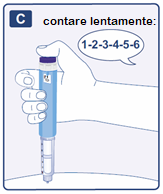 |
| l F a r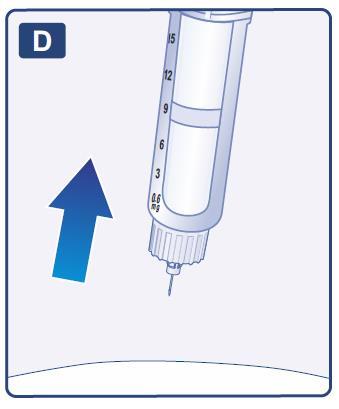 |
5 After the injection n e
| 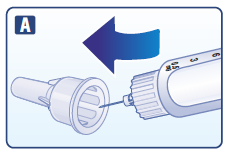 |
| a c o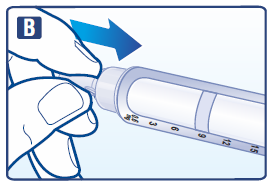 |
| l F a r m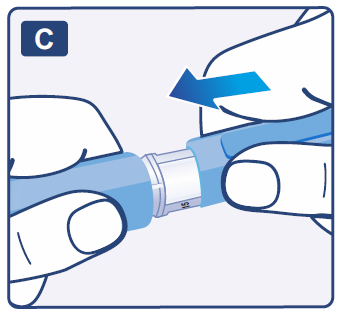 |
a n Other important information a
| |
Pen maintenance t I
|
|

Nie jesteś pewien, czy ten lek jest odpowiedni dla ciebie?
Omów swoje objawy i leczenie z lekarzem online.

Zacząłeś przyjmować lek i masz pytania?
Omów swoje objawy i leczenie z lekarzem online.
- Kraj rejestracji
- Postać farmaceutycznaPre-filled pen injectable solution, 6 MG/ML
- Kod ATCA10BJ02
- Substancja czynna
- Wymaga receptyTak
- Producent
- Te treści mają charakter wyłącznie informacyjny i nie zastępują konsultacji lekarskiej.
- Zamienniki LIRATIGTPostać farmaceutyczna: Pre-filled pen injectable solution, 6 MG/MLSubstancja czynna: liraglutideProducent: SUN PHARMACEUTICAL INDUSTRIES (EUROPE) B.V.Wymaga receptyPostać farmaceutyczna: Pre-filled pen injectable solution, 6 MG/MLSubstancja czynna: liraglutideProducent: ZENTIVA ITALIA S.R.L.Wymaga receptyPostać farmaceutyczna: Injectable solution, 6 MG/MLSubstancja czynna: liraglutideProducent: NOVO NORDISK A/SWymaga recepty
Odpowiedniki LIRATIGT w innych krajach
Leki z tą samą substancją czynną dostępne w innych krajach.
Odpowiednik LIRATIGT w Hiszpania
Odpowiednik LIRATIGT w Polska
Odpowiednik LIRATIGT w Ukraina
Lekarze online w sprawie LIRATIGT
Omów stosowanie LIRATIGT, bezpieczeństwo i ocenę zasadności recepty zgodnie z obowiązującymi przepisami.


Uzyskaj receptę na LIRATIGT online
Wypełnij 2-minutowy formularz
Opisz swoje objawy, historię choroby i lek, o który prosisz.
Wybierz lekarza lub pozwól nam przydzielić
Wybierz specjalistę lub dopasujemy Cię do najbliższego dostępnego lekarza.
Lekarz analizuje Twój przypadek
Zazwyczaj w ciągu 30 minut. Może zadawać dodatkowe pytania przez czat.
Odbierz w dowolnej aptece
Recepta elektroniczna wysłana na Twój e-mail — ważna w całej Polsce.
Często zadawane pytania
LIRATIGT wymaga recepty w Włochy. Możesz skonsultować się z lekarzem online, aby sprawdzić, czy ten lek może być odpowiedni w Twojej sytuacji.
Substancją czynną w LIRATIGT jest liraglutide. Informacja ta pomaga rozpoznać leki o tym samym składzie, ale pod różnymi nazwami handlowymi.
LIRATIGT jest produkowany przez CIPLA EUROPE NV. Nazwy handlowe i opakowania mogą się różnić w zależności od dystrybutora.
Lekarze, tacy jak Lekarze rodzinni, Psychiatrzy, Dermatolodzy, Kardiolodzy, Endokrynolodzy, Gastroenterolodzy, Pulmonolodzy, Nefrolodzy, Reumatolodzy, Hematolodzy, Zakaźnicy, Alergolodzy, Geriatrzy, Pediatrzy, Onkolodzy, mogą ocenić, czy stosowanie LIRATIGT jest odpowiednie w Twoim przypadku, w zależności od sytuacji klinicznej i lokalnych przepisów. Możesz umówić konsultację online, aby omówić objawy i możliwe dalsze kroki.
Polska posiada dobrze rozwiniętą infrastrukturę ochrony zdrowia w dużych miastach, takich jak Warszawa, Kraków, Wrocław i Gdańsk. Apteki są łatwo dostępne i działają zgodnie z obowiązującymi przepisami, zapewniając dostęp do leków na receptę.
Możesz kupić LIRATIGT w Warszawie, Krakowie, Wrocławiu lub Gdańsku w każdej aptece, posiadając ważną receptę.
Aby uzyskać receptę, możesz skorzystać z Oladoctor:
Inne leki zawierające tę samą substancję czynną (liraglutide) to m.in. DIAVIK, PLYTSARI, SAXENDA. Mogą one różnić się nazwą handlową lub postacią, ale zawierają ten sam składnik terapeutyczny. Przed zmianą lub rozpoczęciem nowego leku skonsultuj się z lekarzem.
