



LANSOX 30 mg Kapsułki Twarde

Ocena recepty online
Lekarz przeanalizuje Twój przypadek i zdecyduje, czy wystawienie recepty jest medycznie uzasadnione.

Porozmawiaj z lekarzem o tym leku
Omów swoje objawy i opcje leczenia podczas szybkiej konsultacji online.



Jak stosować LANSOX
Treść ulotki
- Lansox 15 mg hard capsules, 30 mg hard capsules
- Lansox 15 mg orodispersible tablets, 30 mg orodispersible tablets
Lansox 15 mg hard capsules, 30 mg hard capsules
lansoprazole
Read this leaflet carefully before taking this medicine as it contains
important information for you.
- Keep this leaflet. You may need to read it again.
- If you have any questions, ask your doctor or pharmacist.
- This medicine has been prescribed for you only. Do not pass it on to others, even if they have the same symptoms as you, as it could be harmful.
- If you get any side effects, even those not listed in this leaflet, tell your doctor or pharmacist. See section 4.
Contents of this leaflet:
- 1. What Lansox is and what it is used for
- 2. What you need to know before you take Lansox
- 3. How to take Lansox
- 4. Possible side effects
- 5. How to store Lansox
- 6. Contents of the pack and other information
1. What is Lansox and what is it used for
The active substance of Lansox is lansoprazole, which is a proton pump inhibitor. Proton pump inhibitors reduce the amount of acid that your stomach produces.
Your doctor may prescribe Lansox for the following indications in adults:
- Treatment of duodenal and stomach ulcers
- Treatment of inflammation of the esophagus (reflux esophagitis)
- Prevention of reflux esophagitis
- Treatment of heartburn and acid regurgitation
- Treatment of infections caused by the bacterium Helycobacter pyloriwhen administered in combination with antibiotic therapy
- Treatment or prevention of duodenal or stomach ulcers in patients who require continuous treatment with NSAIDs (non-steroidal anti-inflammatory drugs) (NSAIDs are used against pain or inflammation)
- Treatment of Zollinger-Ellison syndrome
Your doctor may have prescribed Lansox for another indication or with a different dosage than the one
Please consult your doctor if you do not feel better or if you feel worse after 14 days
2. What you need to know before you take Lansox
Do not take Lansox:
- if you are allergic to lansoprazole or any of the other ingredients of this medicine (listed in section 6).
Warnings and precautions
Tell your doctor if you have a serious liver disease. Your doctor may need to adjust the dosage.
Your doctor may have performed or will perform a further examination called an endoscopy to
diagnose your condition and/or exclude a malignant disease.
If you experience diarrhoea during treatment with Lansox, contact your doctor immediately,
because Lansox has been associated with a small increase in infectious diarrhoea.
If your doctor has prescribed Lansox in addition to other medicines for the treatment of
Helycobacter pylori(antibiotics) or together with anti-inflammatory medicines to treat pain or
medicines.
If you are taking a proton pump inhibitor such as Lansox, especially for a period longer than
one year, there may be a slight increase in the risk of fractures of the hip, wrist or
spine. Tell your doctor if you suffer from osteoporosis (reduced bone density) or if your
doctor tells you that you are at risk of osteoporosis (for example, if you are taking steroids).
If you take Lansox for a long time (for more than 1 year) your doctor will probably keep you under
regular observation. You should report any new and exceptional symptom and circumstance each
time you see your doctor.
Talk to your doctor before taking lansoprazole:
- If you have low levels of vitamin B12 or have risk factors for low levels of vitamin B12 and are receiving long-term treatment with lansoprazole. As with all acid-reducing agents, lansoprazole may lead to reduced absorption of vitamin B12
- If you are to undergo a specific blood test (Chromogranin A)
- If you have ever had a skin reaction after treatment with a medicine similar to lansoprazole that reduces stomach acid.
- If you notice the appearance of a skin rash, especially in areas exposed to sunlight, contact your doctor as soon as possible, as it may be necessary to stop therapy with lansoprazole. Remember to also report any other undesirable effects such as joint pain.
- Severe skin reactions [Stevens-Johnson syndrome, toxic epidermal necrolysis and drug reaction with eosinophilia and systemic symptoms (DRESS)] have been reported in association with treatment with Lansox. Stop using Lansox and consult your doctor immediately if you notice any of the symptoms related to these severe skin reactions described in section 4.
- During the intake of lansoprazole, inflammation of the kidneys may occur. Signs and symptoms may include a decrease in urine volume or blood in the urine and/or hypersensitivity reactions such as fever, rash and joint stiffness. It is necessary to report these signs to the treating physician.
Other medicines and Lansox
Tell your doctor or pharmacist if you are taking, have recently taken or might
take any other medicines, even those available without a prescription.
In particular, tell your doctor or pharmacist if you are taking medicines containing any of the
following active ingredients, as Lansox can affect their mechanism of action:
- HIV protease inhibitors such as atazanavir and nelfinavir (used to treat HIV)
- methotrexate (used to treat autoimmune diseases and cancer)
- ketoconazole, itraconazole, rifampicin (used to treat infections)
- digoxin (used to treat heart problems)
- warfarin (used to treat blood clots)
- theophylline (used to treat asthma)
- tacrolimus (used to prevent transplant rejection)
- fluvoxamine (used to treat depression and other psychiatric illnesses)
- antacids (used to treat heartburn or acid reflux)
- sucralfate (used to heal ulcers)
- St. John's wort (hypericum perforatum) (used to treat mild depression)
Lansox with food and drink
To get the best results, you should take Lansox with a glass of water at least 30 minutes
before taking food.
Pregnancy and breastfeeding and fertility
If you are pregnant, suspect you may be pregnant or are planning a pregnancy, or if you are
breastfeeding, ask your doctor or pharmacist for advice before taking this medicine.
Driving and using machines
Undesirable effects such as dizziness, vertigo, fatigue and visual disturbances sometimes occur in
patients taking Lansox.
If you experience effects such as these, you should be careful because your ability to
concentrate may decrease.
You alone are responsible for deciding whether you are fit to drive a motor vehicle or to
perform other tasks that require increased concentration. The use of medicines
represents one of the factors that can reduce the ability to perform these actions safely, due to
their effects or side effects.
Descriptions of these effects can be found in other sections.
Read all the information contained in this leaflet as a guide.
If you are not sure about something, discuss it with your doctor or pharmacist.
Lansox contains sucrose
If your doctor has diagnosed you with an intolerance to certain sugars, contact him or her before taking
this medicine.
3. How to take Lansox
Take this medicine following the instructions of your doctor exactly. If you have any doubts
consult your doctor or pharmacist.
Swallow the capsule whole with a glass of water. If you find it difficult to swallow hard capsules,
your doctor may advise an alternative way to take the medicine. Do not crush or chew
these hard capsules or the contents of the emptied hard capsules, because the medicine will not
work correctly.
If you take Lansox once a day, try to take it at the same time each day. You may get
better results if you take Lansox first thing in the morning.
If you take Lansox twice a day, you must take the first dose in the morning and the second dose in the
evening.
The dose of Lansox depends on your condition. The usual doses of Lansox for adults are
shown below. Your doctor may sometimes prescribe a different dose and tell you how long
the treatment should last.
Treatment of heartburn and acid reflux:one 15 mg or 30 mg capsule
for 4 weeks. If symptoms are not relieved within 4 weeks, contact your doctor
Treatment of duodenal ulcer: one 30 mg capsule every day for 2 weeks
Treatment of stomach ulcer:one 30 mg capsule every day for 4 weeks
Treatment of esophageal inflammation (reflux esophagitis):one 30 mg capsule every
day for 4 weeks
Long-term prevention of reflux esophagitis:one 15 mg capsule every day, the
doctor may adjust the dose up to one 30 mg capsule every day
Treatment ofHelicobacter pyloriinfection:the usual dose is one 30 mg capsule in
combination with two different antibiotics in the morning and one 30 mg capsule in combination
with two different antibiotics in the evening. The treatment will be every day for 7 days.
The recommended antibiotic combinations are:
30 mg of Lansox together with 250-500 mg of clarithromycin and 1,000 mg of amoxicillin
30 mg of Lansox together with 250 mg of clarithromycin and 400-500 mg of metronidazole
If you are treating your infection because you have an ulcer, it is likely that the ulcer will not
recur if the infection is treated successfully. To get the best results from this
therapy, take the medicine at the scheduled times and never miss a dose.
Treatment of duodenal or stomach ulcer in patients requiring continuous treatment with NSAIDs:one 30 mg capsule every day for 4 weeks.
Prevention of duodenal or stomach ulcer in patients requiring continuous treatment
with NSAIDs:one 15 mg capsule every day, the doctor may adjust the dosage up to
one 30 mg capsule every day.
Zollinger-Ellison syndrome:the usual initial dose is two 30 mg hard capsules every day,
then based on your response to Lansox, the doctor will decide the most appropriate dose for you.
Use in children
Lansox should not be given to children.
If you take more Lansox than you should
If you take more Lansox than you have been told, ask your doctor for advice immediately.
If you forget to take Lansox
If you forget to take a dose, take it as soon as you remember unless it is too
close to the next dose. If this happens do not take the forgotten dose and take the
rest of the hard capsules as normal. Do not take a double dose to make up for the
forgotten capsule.
If you stop taking Lansox
Do not stop taking the treatment prematurely if your symptoms have improved. Your
condition may not be fully healed and may recur if you do not complete the
treatment period.
If you have any questions about using this medicine, ask your doctor or pharmacist.
4. Possible side effects
Like all medicines, this medicine can cause side effects, although not everyone gets them.
Stop using Lansox and consult your doctor immediately if you notice any of the following symptoms
- reddish-purple blotches that are raised, resembling a target or are circular in shape on the trunk, often with blisters in the center, skin peeling, ulcers of the mouth, throat, nose, genitals and eyes. These severe skin reactions may be preceded by fever and flu-like symptoms (Stevens-Johnson syndrome, toxic epidermal necrolysis).
- widespread rash, high body temperature and swollen lymph nodes (DRESS syndrome or drug hypersensitivity syndrome).
Common side effects(may affect up to 1 in 10 people)
- headache, dizziness
- diarrhea, constipation, stomach pain, feeling unwell, flatulence, dry or inflamed mouth or throat
- skin rash, itching
- changes in liver function tests
- fatigue
- benign polyps in the stomach
Uncommon side effects(may affect up to 1 in 100 people)
- depression
- joint and muscle pain
- fluid retention or swelling
- changes in red blood cell count
Rare side effects(may affect up to 1 in 1,000 people)
- fever
- restlessness, drowsiness, confusion, hallucination, insomnia, vision disturbances, vertigo
- altered sense of taste, loss of appetite, inflammation of the tongue (glossitis)
- skin reactions such as a burning or tingling sensation under the skin, bruising, redness and excessive sweating
- sensitivity to light
- hair loss
- tingling sensation on the skin (paresthesia), tremor
- anemia (paleness)
- kidney problems
- pancreatitis
- inflammation of the liver (may be indicated by yellowing of the skin or eyes)
- breast enlargement in men, impotence
- candidiasis (fungal infection, can affect the skin or mucous membranes)
- angioedema; you must go to the doctor immediately if you experience symptoms of angioedema such as swelling of the face, tongue or throat, difficulty swallowing, hives and difficulty breathing.
Very rare side effects(may affect up to 1 in 10,000 people)
- severe hypersensitivity reactions including shock. Symptoms of hypersensitivity reactions may include fever, rash, swelling and sometimes a drop in blood pressure
- inflammation of the mouth (stomatitis)
- inflammation of the colon (colitis)
- changes in laboratory values such as sodium, cholesterol and triglyceride levels
- very severe skin reactions with redness, blisters, severe inflammation and skin loss
- very rarely Lansox can cause a reduction in the number of white blood cells and resistance to infections may therefore decrease. If you develop an infection with symptoms such as fever and a severe worsening of your general condition, or fever with symptoms of local infection such as an inflamed throat/pharynx/mouth or urinary problems, go to your doctor immediately. You will be given a blood test to check for a possible reduction in white blood cells (agranulocytosis).
Frequency not known(the frequency cannot be estimated from available data)
- If you take Lansox for more than three months, it is possible that blood levels of magnesium may decrease. Low levels of magnesium can manifest with fatigue, involuntary muscle contractions, disorientation, seizures, dizziness, increased heart rate. If you have any of these symptoms, consult your doctor immediately. Low levels of magnesium can also lead to a reduction in blood levels of potassium or calcium. The doctor should decide whether to regularly check magnesium levels in the blood.
- Low levels of sodium in the blood. Common symptoms include nausea and vomiting, headache, drowsiness and fatigue, confusion, muscle weakness or spasms, irritability, seizures, coma
- Erythema, possibly associated with joint pain.
- Visual hallucinations.
Reporting of side effects
If you get any side effects, even those not listed in this leaflet, tell your doctor or pharmacist. You can also report side effects directly through the national reporting system at
https://www.aifa.gov.it/content/segnalazioni-reazioni-avverse.
By reporting side effects you can help provide more information on the safety of this medicine.
5. How to store Lansox
Keep this medicine out of the sight and reach of children.
Do not use this medicine after the expiry date which is stated on the blister and the packaging. The
expiry date refers to the last day of that month.
Store at a temperature below 30°C. Store in the original package to protect
the medicine from humidity.
Do not dispose of any medicine in wastewater or household waste. Ask your pharmacist how
to dispose of medicines you no longer use. This will help protect the environment.
6. Package contents and other information
What Lansox contains
- The active ingredient is lansoprazole
- The excipients are: inert granules, sucrose, acrylic acid-ethyl acrylate copolymer (1:1) dispersion 30 %, hypromellose, corn starch, magnesium carbonate, talc, macrogol 8000, titanium dioxide, hypromellose, polysorbate 80, anhydrous colloidal silica
- Capsule: gelatin, titanium dioxide (E171), red iron oxide (E172), shellac (E904), propylene glycol (E1520), concentrated ammonia solution (E527), potassium hydroxide (E525), black iron oxide (E172)
Description of the appearance of Lansox and package contents
The hard capsules of Lansox are white and pink in color. Each hard capsule contains granules
that are gastro-resistant and range in color from white to pale brownish white
Lansox 15 mg hard capsules: Packs of 14, 28 and 35 hard capsules
Lansox 30 mg hard capsules: Packs of 14, 28 and 35 hard capsules
Marketing authorization holder and manufacturer
The marketing authorization holder is:
Takeda Italia SpA – Via Elio Vittorini 129 – 00144 Rome
Tel.: 06 502601
Fax: 06 5001784
under license from Takeda Pharmaceutical Company Ltd - Osaka - Japan
The manufacturer is:
Delpharm Novara S.r.l. – Via Crosa 86 - Cerano (NO)
This medicine is authorized in the Member States of the European Economic Area with the following
trade names:
Austria: AGOPTON
Belgium: DAKAR
France: LANZOR, OGAST
Germany: AGOPTON
Greece: LAPRAZOL
Italy: LANSOX, LIMPIDEX, ZOTON
Luxembourg: DAKAR
Portugal: OGASTO
Spain: OPIREN
Other sources of information
More detailed information on this medicine is available on the website of the Italian Medicines Agency (https://www.aifa.gov.it/).
Lansox 15 mg orodispersible tablets, 30 mg orodispersible tablets
lansoprazole
Read this leaflet carefully before you start taking this medicine as it contains
important information for you.
- Keep this leaflet. You may need to read it again.
- If you have any questions, ask your doctor or pharmacist.
- This medicine has been prescribed for you only. Do not pass it on to others, even if they have the same symptoms as you, as it may be harmful.
- If you get any side effects, even those not listed in this leaflet, tell your doctor or pharmacist. See section 4.
Contents of this leaflet:
- 1. What Lansox is and what it is used for
- 2. What you need to know before you take Lansox
- 3. How to take Lansox
- 4. Possible side effects
- 5. How to store Lansox
- 6. Contents of the pack and other information
1. What is Lansox and what is it used for
The active ingredient of Lansox is lansoprazole, which is a proton pump inhibitor. Proton pump inhibitors reduce the amount of acid that your stomach produces.
Your doctor may prescribe Lansox for the following indications in adults:
- Treatment of duodenal and stomach ulcers
- Treatment of inflammation of the esophagus (reflux esophagitis)
- Prevention of reflux esophagitis
- Treatment of heartburn and acid regurgitation
- Treatment of infections caused by the bacterium Helycobacter pyloriwhen administered in combination with antibiotic therapy
- Treatment or prevention of duodenal or stomach ulcers in patients who require continuous treatment with NSAIDs (non-steroidal anti-inflammatory drugs) (NSAIDs are used against pain or inflammation)
- Treatment of Zollinger-Ellison syndrome
Your doctor may have prescribed Lansox for another indication or with a different dosage than the one
Please consult your doctor if you do not feel better or if you feel worse after 14 days.
2. What you need to know before taking Lansox
Do not take Lansox:
- if you are allergic to lansoprazole or any of the other ingredients of this medicine (listed in section 6).
Warnings and precautions
Tell your doctor if you have a serious liver disease. Your doctor may need to adjust the dosage.
Your doctor may have performed or may perform a further examination called an endoscopy to
diagnose your condition and/or exclude a malignant disease.
If you experience diarrhoea during treatment with Lansox, contact your doctor immediately,
because Lansox has been associated with a small increase in infectious diarrhoea.
If your doctor has prescribed Lansox in addition to other medicines for the treatment of
Helycobacter pylori(antibiotics) or together with anti-inflammatory medicines for the treatment of pain or
medicines.
If you are taking a proton pump inhibitor such as Lansox, especially for a period longer than
one year, there may be a slight increase in the risk of fractures of the hip, wrist or
spine. Tell your doctor if you suffer from osteoporosis (reduced bone density) or if your
doctor tells you that you are at risk of osteoporosis (for example, if you are taking steroids).
If you take Lansox for a long time (for more than 1 year) your doctor will probably keep you under
regular observation. You should report any new and unusual symptom and circumstance whenever
you see your doctor.
Talk to your doctor before taking lansoprazole:
- If you have low levels of vitamin B12 or have risk factors for low levels of vitamin B12 and are receiving long-term treatment with lansoprazole. As with all acid-reducing agents, lansoprazole may lead to reduced absorption of vitamin B12
- If you are to undergo a specific blood test (Chromogranin A)
- If you have ever had a skin reaction after treatment with a medicine similar to lansoprazole that reduces stomach acid.
- If you notice the appearance of a skin rash, especially in areas exposed to sunlight, contact your doctor as soon as possible, as it may be necessary to stop treatment with lansoprazole. Also remember to report any other unwanted effects such as joint pain.
- Severe skin reactions [Stevens-Johnson syndrome, toxic epidermal necrolysis and drug reaction with eosinophilia and systemic symptoms (DRESS)] have been reported in association with treatment with Lansox. Stop using Lansox and consult your doctor immediately if you notice any of the symptoms related to these severe skin reactions described in section 4.
- During the intake of lansoprazole, inflammation of the kidneys may occur. Signs and symptoms may include a decrease in urine volume or blood in the urine and/or hypersensitivity reactions such as fever, rash and joint stiffness. It is necessary to report these signs to your attending physician.
Other medicines and Lansox
Tell your doctor or pharmacist if you are taking, have recently taken or may
take any other medicines, including those available without a prescription.
In particular, tell your doctor or pharmacist if you are taking medicines containing one of the
following active ingredients, as Lansox may affect their mechanism of action:
- HIV protease inhibitors such as atazanavir and nelfinavir (used to treat HIV)
- methotrexate (used to treat autoimmune diseases and cancer)
- ketoconazole, itraconazole, rifampicin (used to treat infections)
- digoxin (used to treat heart problems)
- theophylline (used to treat asthma)
- warfarin (used to treat blood clots)
- tacrolimus (used to prevent transplant rejection)
- fluvoxamine (used to treat depression and other psychiatric illnesses)
- antacids (used to treat heartburn or acid reflux)
- sucralfate (used to heal ulcers)
- St John's Wort (hypericum perforatum) (used to treat mild depression)
Lansox with food and drink
To get the best results, you should take Lansox at least 30 minutes before eating food.
Pregnancy and breastfeeding and fertility
If you are pregnant, suspect you may be pregnant or are planning a pregnancy, or if you are breastfeeding with
breast milk, ask your doctor or pharmacist for advice before taking this medicine.
Driving and operating machinery
Side effects such as dizziness, vertigo, fatigue and visual disturbances sometimes occur in
patients taking Lansox.
If you experience side effects such as these, you should be careful because your ability to
concentrate may decrease.
You alone are responsible for deciding whether you are fit to drive a motor vehicle or to
perform other tasks that require increased concentration. The use of medicines
represents one of the factors that can reduce the ability to perform these actions safely due to
their effects or side effects.
Descriptions of these effects can be found in other sections.
Read all the information contained in this leaflet as a guide.
If you are not sure about something, discuss it with your doctor or pharmacist.
Lansox contains lactose
If your doctor has diagnosed you with intolerance to some sugars, contact him before taking
this medicine.
Lansox contains aspartame
Lansox contains 4.5 mg of aspartame in each 15 mg tablet. Aspartame is a source of
phenylalanine. It may be harmful if you have phenylketonuria, a rare genetic disease that
causes a build-up of phenylalanine because the body cannot dispose of it properly.
Lansox contains 9.0 mg of aspartame in each 30 mg tablet. Aspartame is a source of
phenylalanine. It may be harmful if you have phenylketonuria, a rare genetic disease that
causes a build-up of phenylalanine because the body cannot dispose of it properly.
3. How to take Lansox
Take this medicine always according to the doctor's instructions. If you have doubts, consult your
doctor or pharmacist.
Place the tablet on your tongue and suck it slowly. The tablet dissolves rapidly in
your mouth, releasing the microgranules which must be swallowed without chewing. You can also
swallow the tablets whole with a glass of water.
The doctor may also instruct you to take the tablet with a syringe, if you have serious
difficulty swallowing.
The following instructions must be followed if taken through a syringe:
It is important that the suitability of the chosen syringe is carefully tested:
- Remove the plunger of the syringe (at least a 5 ml syringe for a 15 mg tablet and 10 ml for a 30 mg tablet)
- Place the tablet in the syringe
- Replace the plunger into the syringe
- For the 15 mg tablet: draw 4 ml of tap water into the syringe
- For the 30 mg tablet: draw 10 ml of tap water into the syringe
- Turn the syringe upside down and draw an additional 1 ml of air
- Shake the syringe gently for 10-20 seconds until the tablet is dissolved
- The contents can be emptied directly into the mouth
- Refill the syringe with 2-5 ml of tap water to completely empty the syringe into the mouth
If you take Lansox once a day, try to take it at the same time each day. You may achieve
better results if you take Lansox first thing in the morning.
If you take Lansox twice a day, you must take the first dose in the morning and the second dose in the
evening.
The dose of Lansox depends on your condition. The usual doses of Lansox for adults are
reported below. The doctor may sometimes prescribe a different dose and tell you how long
the treatment should last.
Treatment of heartburn and acid reflux:one 15 mg or 30 mg orodispersible
tablet for 4 weeks. If symptoms are not relieved within 4 weeks, contact your
doctor
Treatment of duodenal ulcer: one 30 mg orodispersible tablet every day for 2
weeks
Treatment of stomach ulcer:one 30 mg orodispersible tablet every day for 4
weeks
Treatment of esophageal inflammation (reflux esophagitis):one tablet
orodispersible 30 mg every day for 4 weeks
Long-term prevention of reflux esophagitis:one 15 mg orodispersible
tablet every day, the doctor may adjust the dose up to one 30 mg orodispersible
tablet every day
Treatment ofHelicobacter pyloriinfection:the usual dose is one 30 mg orodispersible
tablet in combination with two different antibiotics in the morning and one tablet
orodispersible 30 mg in combination with two different antibiotics in the evening. The treatment will
be every day for 7 days.
The recommended antibiotic combinations are:
30 mg of Lansox together with 250-500 mg of clarithromycin and 1,000 mg of amoxicillin
30 mg of Lansox together with 250 mg of clarithromycin and 400-500 mg of metronidazole
If you are treating your infection because you have an ulcer, it is likely that the ulcer will not
recur if the infection is treated successfully. To get the best results from this
therapy, take the medicine at the scheduled times and never miss a dose.
Treatment of duodenal or stomach ulcer in patients requiring continuous treatment with NSAIDs:one 30 mg orodispersible tablet every day for 4 weeks.
Prevention of duodenal or stomach ulcer in patients requiring continuous treatment
with NSAIDs:one 15 mg orodispersible tablet every day, the doctor may adjust
the dosage up to one 30 mg orodispersible tablet every day.
Zollinger-Ellison syndrome:the usual initial dose is two 30 mg orodispersible
tablets every day, then based on your response to Lansox the doctor will decide the most suitable dose for you.
Use in children
Lansox should not be administered to children.
If you take more Lansox than you should
If you take more Lansox than you have been told, ask your doctor for advice immediately.
If you forget to take Lansox
If you forget to take a dose, take it as soon as you remember unless it is too
close to the next dose. If this happens, do not take the forgotten dose and take the
rest of the orodispersible tablets normally. Do not take a double dose to
compensate for the forgotten orodispersible tablet.
If you stop taking Lansox
Do not stop taking the treatment prematurely if your symptoms have improved. Your
condition may not be completely healed and may recur if you do not complete the
treatment period.
If you have any doubts about the use of this medicine, ask your doctor or pharmacist.
4. Possible side effects
Like all medicines, this medicine can cause side effects, although not everybody gets them.
Stop using Lansox and consult your doctor immediately if you notice any of the following
symptoms
- reddish-purple blotches that don’t blanch, which look like targets or are circular on the trunk, often with blisters in the centre, skin peeling, ulcers of the mouth, throat, and
nose, genitals and eyes. These severe skin reactions may be preceded by
fever and flu-like symptoms (Stevens-Johnson syndrome, toxic epidermal necrolysis).
- widespread rash, high temperature and swollen lymph nodes (DRESS syndrome or drug reaction with eosinophilia and systemic symptoms).
Common side effects(May affect up to 1 in 10 people)
- headache, dizziness
- diarrhoea, constipation, stomach pain, feeling unwell, flatulence, dry or inflamed mouth or throat
- skin rash, itching
- changes in liver function tests
- fatigue
- benign polyps in the stomach
Uncommon side effects(May affect up to 1 in 100 people)
- depression
- joint and muscle pain
- fluid retention or swelling
- changes in red blood cell counts
Rare side effects(May affect up to 1 in 1,000 people)
- fever
- restlessness, drowsiness, confusion, hallucination, insomnia, vision disturbances, vertigo
- altered sense of taste, loss of appetite, inflammation of the tongue (glossitis)
- skin reactions such as a burning or tingling sensation under the skin, bruising, redness and excessive sweating
- sensitivity to light
- hair loss
- pins and needles sensation on the skin (paresthesia), tremor
- anaemia (paleness)
- kidney problems
- pancreatitis
- inflammation of the liver (may be seen as yellowing of the skin or eyes)
- breast enlargement in men, impotence
- candidiasis (fungal infection, can affect the skin or mucous membranes)
- angioedema; you must go to the doctor immediately if you experience symptoms of angioedema such as swelling of the face, tongue or throat, difficulty swallowing, hives and difficulty breathing.
Very rare side effects(May affect up to 1 in 10,000 people)
- severe hypersensitivity reactions including shock. Symptoms of hypersensitivity reactions can include fever, rash, swelling and sometimes a drop in blood pressure
- inflammation of the mouth (stomatitis)
- inflammation of the colon (colitis)
- changes in laboratory values such as sodium, cholesterol and triglyceride levels
- very severe skin reactions with redness, blisters, severe inflammation and skin shedding
- very rarely Lansox can cause a reduction in the number of white blood cells and the resistance to infections may therefore decrease. If you develop an infection with symptoms such as fever and a severe deterioration in your general condition, or fever with symptoms of local infection such as an inflamed throat/pharynx/mouth or urinary problems, go to your doctor immediately. You will be given a blood test to check for a possible reduction in white blood cells (agranulocytosis).
Frequency not known(the frequency cannot be estimated from the available data)
- If you take Lansox for more than three months, it is possible that your blood magnesium levels may decrease. Low levels of magnesium can manifest with fatigue, involuntary muscle contractions, disorientation, seizures, dizziness and increased heart rate. If you have any of these symptoms, consult your doctor immediately. Low levels of magnesium can also lead to a reduction in blood potassium or calcium levels. The doctor should decide whether to regularly check magnesium levels in the blood.
- Low levels of sodium in the blood. Common symptoms include nausea and vomiting, headache, drowsiness and fatigue, confusion, muscle weakness or spasms, irritability, seizures, coma
- Erythema, possibly associated with joint pain.
- Visual hallucinations.
Reporting of side effects
If you get any side effects, even those not listed in this leaflet, tell your doctor or pharmacist. You can also report side effects directly through the national reporting system at https://www.aifa.gov.it/content/segnalazioni-
reazioni-avverse.
By reporting side effects you can help provide more information on the safety of this medicine.
5. How to store Lansox
Keep this medicine out of the sight and reach of children.
Do not use this medicine after the expiry date which is stated on the blister and the outer packaging. The
expiry date refers to the last day of that month.
Do not store at a temperature above 25°C. Store in the original packaging.
Do not dispose of any medicine in waste water or household waste. Ask your pharmacist how to
dispose of medicines you no longer use. This will help protect the environment.
6. Package contents and other information
What Lansox contains
- The active ingredient is lansoprazole
- The excipients are: lactose monohydrate, microcrystalline cellulose, magnesium carbonate, low-substituted hydroxypropylcellulose, hydroxypropylcellulose, hypromellose, titanium dioxide, talc, mannitol, acrylic acid-ethyl acrylate copolymer (1:1) dispersion 30%, polyacrylate dispersion 30%, Macrogol 8000, glycerol monostearate, polysorbate 80, triethyl citrate, anhydrous citric acid, yellow iron oxide (E172) and red iron oxide (E172), crospovidone, strawberry aroma, aspartame, magnesium stearate
Description of the appearance of Lansox and package contents
Lansox orodispersible tablets are from white to off-white in color with speckles of
color from orange to dark brown. Each orodispersible tablet contains granules
gastro-resistant from orange to dark brown in color.
Lansox 15 mg orodispersible tablets - 14 and 28 orodispersible tablets
Lansox 30 mg orodispersible tablets – 14 and 28 orodispersible tablets
Marketing authorization holder and manufacturer
The marketing authorization holder is:
Takeda Italia SpA – Via Elio Vittorini 129 – 00144 Rome
Tel.: 06 502601
Fax: 06 5001784
licensed by Takeda Pharmaceutical Company Ltd - Osaka – Japan
The manufacturer is:
Delpharm Novara S.r.l. - Via Crosa 86 – Cerano (NO)
This medicinal product is authorized in the Member States of the European Economic Area with the following
trade names:
France: OGASTORO
Germany: AGOPTON
Greece: LAPRAZOL FasTab
Italy: LANSOX, LIMPIDEX, ZOTON
Portugal: OGASTO
Spain: OPIREN Flas
Other sources of information
More detailed information on this medicinal product is available on the website of the Italian
Medicines Agency ( https://www.aifa.gov.it/ ).

Nie jesteś pewien, czy ten lek jest odpowiedni dla ciebie?
Omów swoje objawy i leczenie z lekarzem online.

Zacząłeś przyjmować lek i masz pytania?
Omów swoje objawy i leczenie z lekarzem online.
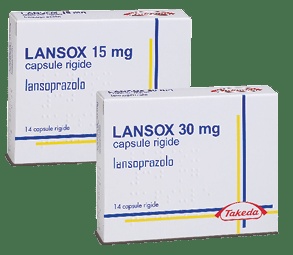
- Kraj rejestracji
- Postać farmaceutycznaHard capsule, 30 MG
- Kod ATCA02BC03
- Substancja czynna
- Wymaga receptyNie
- Producent
- Te treści mają charakter wyłącznie informacyjny i nie zastępują konsultacji lekarskiej.
- Zamienniki LANSOXPostać farmaceutyczna: Hard capsule, 15 MGSubstancja czynna: lansoprazoleProducent: LANOVA FARMACEUTICI S.R.L.Bez receptyPostać farmaceutyczna: Enteric-coated hard capsule, 15 MGSubstancja czynna: lansoprazoleProducent: LABORATORIO FARMACEUTICO C.T. S.R.L.Bez receptyPostać farmaceutyczna: Hard capsule, 15 MGSubstancja czynna: lansoprazoleProducent: ITALCHIMICI S.P.A.Bez recepty
Odpowiedniki LANSOX w innych krajach
Leki z tą samą substancją czynną dostępne w innych krajach.
Odpowiednik LANSOX w Hiszpania
Odpowiednik LANSOX w Polska
Odpowiednik LANSOX w Ukraina
Lekarze online w sprawie LANSOX
Omów stosowanie LANSOX, bezpieczeństwo i ocenę zasadności recepty zgodnie z obowiązującymi przepisami.









Uzyskaj receptę na LANSOX online
Wypełnij 2-minutowy formularz
Opisz swoje objawy, historię choroby i lek, o który prosisz.
Wybierz lekarza lub pozwól nam przydzielić
Wybierz specjalistę lub dopasujemy Cię do najbliższego dostępnego lekarza.
Lekarz analizuje Twój przypadek
Zazwyczaj w ciągu 30 minut. Może zadawać dodatkowe pytania przez czat.
Odbierz w dowolnej aptece
Recepta elektroniczna wysłana na Twój e-mail — ważna w całej Polsce.
Często zadawane pytania
LANSOX nie wymaga recepty w Włochy. Możesz skonsultować się z lekarzem online, aby sprawdzić, czy ten lek może być odpowiedni w Twojej sytuacji.
Substancją czynną w LANSOX jest lansoprazole. Informacja ta pomaga rozpoznać leki o tym samym składzie, ale pod różnymi nazwami handlowymi.
LANSOX jest produkowany przez TAKEDA ITALIA S.P.A.. Nazwy handlowe i opakowania mogą się różnić w zależności od dystrybutora.
Lekarze, tacy jak Lekarze rodzinni, Psychiatrzy, Dermatolodzy, Kardiolodzy, Endokrynolodzy, Gastroenterolodzy, Pulmonolodzy, Nefrolodzy, Reumatolodzy, Hematolodzy, Zakaźnicy, Alergolodzy, Geriatrzy, Pediatrzy, Onkolodzy, mogą ocenić, czy stosowanie LANSOX jest odpowiednie w Twoim przypadku, w zależności od sytuacji klinicznej i lokalnych przepisów. Możesz umówić konsultację online, aby omówić objawy i możliwe dalsze kroki.
Polska posiada dobrze rozwiniętą infrastrukturę ochrony zdrowia w dużych miastach, takich jak Warszawa, Kraków, Wrocław i Gdańsk. Apteki są łatwo dostępne i działają zgodnie z obowiązującymi przepisami, zapewniając dostęp do leków na receptę.
Możesz kupić LANSOX w Warszawie, Krakowie, Wrocławiu lub Gdańsku w każdej aptece, posiadając ważną receptę.
Aby uzyskać receptę, możesz skorzystać z Oladoctor:
Inne leki zawierające tę samą substancję czynną (lansoprazole) to m.in. ERMES, FRILANS, KROVANEG. Mogą one różnić się nazwą handlową lub postacią, ale zawierają ten sam składnik terapeutyczny. Przed zmianą lub rozpoczęciem nowego leku skonsultuj się z lekarzem.
