



KETOROLAC 20 mg /Ml Krople Doustne, Roztwór

Ocena recepty online
Lekarz przeanalizuje Twój przypadek i zdecyduje, czy wystawienie recepty jest medycznie uzasadnione.

Porozmawiaj z lekarzem o tym leku
Omów swoje objawy i opcje leczenia podczas szybkiej konsultacji online.



Jak stosować KETOROLAK ABK
Treść ulotki
KETOROLAC ABC 30 mg/ml injectable solution
ketorolac tromethamine
Equivalent medicine
Read this leaflet carefully before using this medicine as it contains important information for you.
- Keep this leaflet. You may need to read it again.
- If you have any questions, ask your doctor or pharmacist.
- This medicine has been prescribed for you only. Do not pass it on to others, even if they have the same symptoms as you, as it could be harmful.
- If any side effects occur, including those not listed in this leaflet, tell your doctor or pharmacist. See section 4.
Contents of this leaflet:
- 1. What Ketorolac ABC is and what it is used for
- 2. What you need to know before you use Ketorolac ABC
- 3. How to use Ketorolac ABC
- 4. Possible side effects
- 5. How to store Ketorolac ABC
- 6. Contents of the pack and other information
1. What is Ketorolac ABC and what is it used for
Ketorolac ABC contains the active ingredient ketorolac tromethamine.
It belongs to a group of medicines called “non-steroidal anti-inflammatory/antirheumatic drugs (NSAIDs)” which
perform numerous activities, with an important function in pain control.
Ketorolac ABC is used:
- in the short-term(maximum 2 days)treatment of moderate to severe acute pain, after surgery (post-operative pain), administered into a muscle (intramuscularly) or through a vein (intravenously)
- to support pain therapy based on opioid derivatives, in cases of major surgery or very intense pain, administered intravenously
- in the treatment of pain due to renal colic, at a dosage of 30 mg/ml.
2. What you need to know before using Ketorolac ABC
Do not use Ketorolac ABC
- if you are allergic to ketorolac tromethamine or any of the other ingredients of this medicine (listed in section 6)
- if you have mild or ongoing pain over time (chronic pain)
- if you are allergic to other NSAIDs
- if you have allergic reactions, even severe and sudden (anaphylactic reactions) to aspirin (acetylsalicylic acid) or other medicines of the same class (prostaglandin synthesis inhibitors)
- if you have nodule-like growths inside your nose (complete or partial nasal polyposis syndrome)
- if you have swelling of the legs, arms, face, mouth or tongue (angioedema)
- if you have difficulty breathing (bronchospasm, asthma)
- if you have a history of blood loss, perforation or lesion or have pain and burning in the stomach or intestine (active peptic ulcer)
- if you have severe heart problems (severe heart failure)
- if you have or have had bleeding in the brain or even suspected bleeding (cerebrovascular hemorrhage)
- if you have a reduced blood volume (hypovolemia) or water deficiency (dehydration)
- if you have moderate or severe kidney problems (moderate or severe renal insufficiency)
- if you have a severe liver injury or inflammation (liver cirrhosis or severe hepatitis)
- if you have a tendency to bleed easily (hemorrhagic diathesis, coagulation disorders)
- if you are taking medicines that thin the blood (anticoagulants)
- if you are taking aspirin (acetylsalicylic acid), other NSAIDs, lithium salts (for mental health problems), probenecid (for the treatment of gout), or pentoxifylline (to improve blood circulation) at the same time (see “Other medicines and Ketorolac ABC”)
- if you are being treated with medicines that greatly increase urine production
- if you need to prevent pain before or during surgery
- if you have undergone surgery with a high risk of bleeding (hemorrhage or incomplete hemostasis)
- if you are a child or adolescent under the age of 16
- if you are in the last three months of pregnancy (third trimester of pregnancy), about to give birth (labor), are giving birth or are breastfeeding (see “Pregnancy, breastfeeding and fertility”)
- if a particular administration is required (use by neuroaxial route: epidural or intrathecal).
Warnings and precautions
Talk to your doctor or pharmacist before using Ketorolac ABC:
- if you have or have had diseases of the stomach or intestine, as the risk of toxicity is high, especially if you use Ketorolac ABC outside the authorized indications and/or for prolonged periods (see also “What is Ketorolac ABC and what it is used for”, “Do not use Ketorolac ABC” and “How to use Ketorolac ABC”)
- if you are taking other anti-inflammatory medicines (see “Other medicines and Ketorolac ABC”)
- if you are elderly or very weak (debilitated) as you may be more likely to experience some of the undesirable effects caused by Ketorolac ABC such as bleeding and perforation of the stomach and intestine
- if you have chronic inflammatory bowel diseases (ulcerative colitis and Crohn's disease)
- if you are taking anti-inflammatory hormones (oral corticosteroids), medicines to thin the blood (anticoagulants such as warfarin), medicines for depression (selective serotonin reuptake inhibitors) or medicines like aspirin or analogues (see “Other medicines and Ketorolac ABC”)
- if you have significant allergic reactions (anaphylactic reactions, bronchospasm, skin redness, skin rashes, low blood pressure, swelling of the throat and swelling of the legs, arms, face, mouth or tongue) that may occur in patients with or without a history of allergy to Ketorolac ABC, other NSAIDs or aspirin
- if you have a history of swelling of the legs, arms, face, mouth or tongue (angioedema) or difficulty breathing (bronchospasm, asthma) and the presence of nodule-like growths inside your nose (nasal polyps)
- if you have high blood pressure and/or your heart does not provide enough blood (congestive heart failure from mild to moderate)
- if you have problems with the blood vessels of the heart (chronic ischemic heart disease), legs (peripheral arteriopathy) and brain (cerebrovascular disease)
- if you have too much fat in your blood (hyperlipidemia)
- if you have diabetes
- if you smoke
- if you have kidney problems
- if you have liver problems, as abnormalities in tests evaluating how your liver is functioning may occur with the use of Ketorolac ABC. If you experience a severe impairment of liver function, immediately inform your doctor who will interrupt treatment with Ketorolac ABC
- if you have bleeding problems
- if you have skin reactions (exfoliative dermatitis, Stevens-Johnson syndrome and toxic epidermal necrolysis, skin rash, mucosal lesions) or any other sign of allergy
- if you are planning a pregnancy
- if you have fertility problems or are undergoing fertility investigations. Ketorolac ABC does not cause dependence. No withdrawal symptoms have been observed following abrupt discontinuation of treatment.
Although Ketorolac ABC has not been shown to increase events such as heart attack, such risk cannot be excluded.
Caution:Ketorolac ABC cannot be considered a simple pain reliever and requires to be used under strict medical control. It should not be used in the treatment of mild or chronic pain.
Children and adolescents
Ketorolac ABC is contraindicated in children and adolescents under the age of 16.
Other medicines and Ketorolac ABC
Tell your doctor or pharmacist if you are taking, have recently taken or might take any other medicine.
The concomitant use of Ketorolac ABC with:
- non-steroidal anti-inflammatory drugs (NSAIDs) and medicines of the same class as aspirin (ASA) should be avoided as they increase the risk of serious side effects
- corticosteroids (hormones used against inflammation) as they increase the risk of serious injury and bleeding in the stomach and intestine (see “Warnings and precautions”)
- anticoagulants (medicines to thin the blood) as Ketorolac ABC may increase the effects of anticoagulants, such as warfarin, heparin and dextrans
- antiplatelet agents (aspirin or similar medicines) and selective serotonin reuptake inhibitors (medicines for depression) as they may increase the risk of bleeding in the stomach and intestine and prolong bleeding time
- pentoxifylline (medicine to improve blood circulation) as it causes a greater tendency to bleed
- probenecid (medicine for gout) as it increases the amount and permanence of Ketorolac ABC in the body
- methotrexate (medicine for tumors and for diseases of the body's defense system) as it remains longer in the body with the possibility of increasing its toxicity
- lithium (medicine for mental health problems) as its amount in the blood may increase following concomitant administration with Ketorolac ABC
- diuretics, ACE inhibitors and angiotensin II antagonists (medicines to lower blood pressure) as they may have a reduced effect if taken together with Ketorolac ABC and increase the risk of kidney damage in some dehydrated or elderly patients who already have impaired kidney function
- furosemide (medicine to increase the amount of urine) as its effect is reduced. Ketorolac ABC reduces the need to use opioid-derived drugs to control pain following surgery.
Pregnancy, breastfeeding and fertility
If you are pregnant, suspect you may be pregnant or are planning to become pregnant, or if you are breastfeeding, ask your doctor or pharmacist for advice before using this medicine.
Pregnancy
The use of Ketorolac ABC is contraindicated during the last 3 months of pregnancy (third trimester of pregnancy).
Do not use Ketorolac ABC during the first and second trimester of pregnancy unless strictly necessary.
If you are conceiving, or during the first and second trimester of pregnancy, the dose and duration of treatment with Ketorolac ABC should be kept as low as possible.
If you are of childbearing potential, you should avoid a possible pregnancy before starting treatment and during treatment with Ketorolac ABC you should use effective contraception.
Labor and delivery
Ketorolac ABC is contraindicated during labor and delivery.
Breastfeeding
Ketorolac ABC is contraindicated during breastfeeding.
Fertility
The use of Ketorolac ABC may reduce fertility and is not recommended if you are planning a pregnancy. If you are having difficulty getting pregnant or are undergoing fertility investigations, you should consider discontinuing Ketorolac ABC.
Driving and using machines
You may experience drowsiness, dizziness, vertigo, sleep disturbances (insomnia) or mood disorders (depression) with the use of Ketorolac ABC. If you experience these or other similar side effects, avoid engaging in activities that require attention.
Therefore, caution is advised when driving vehicles and using machinery.
Ketorolac ABC 30 mg/ml injectable solution contains:
- ethanol.This medicine contains 100 mg of alcohol (ethanol) per vial. The amount of alcohol per vial of this medicine is equivalent to less than 3 ml of beer or 1 ml of wine. The small amount of alcohol in this medicine will not produce significant effects.
- sodium. This medicine contains less than 1 mmol (23 mg) of sodium per vial, i.e. essentially ‘sodium-free’.
3. How to use Ketorolac ABC
Use this medicine following the instructions of your doctor or pharmacist exactly. If you have any doubts
consult your doctor or pharmacist.
The duration of therapy should not exceed 2 days in case of rapid administration (bolus) and 1
day in case of slow administration (continuous infusion).
The doctor will prescribe the lowest effective dose in relation to the severity of the pain and your response to
treatment.
Use this medicine following strict hygiene rules.
- Administration into a muscle (intramuscular)AdultsThe recommended initial dose is 10 mg, followed by doses of 10-30 mg to be repeated every 4-6 hours, as needed, up to a maximum of 90 mg per day, using the minimum effective dose. The duration of therapy should not exceed 2 days.The doctor will inform you how to switch from injectable therapy to oral therapy with Ketorolac ABC (the total dose of 90 mg per day must not be exceeded, remembering that the maximum oral dose must not exceed 40 mg). The dose will be appropriately reduced by the doctor in patients weighing less than 50 kg.
Elderly (aged 65 years or older)
If you are elderly, your doctor will carefully determine the dose you need to take.
The maximum daily dose should not, however, exceed 60 mg per day.
- Administration into a vein (intravenous)INTRAVENOUS USE OF THE PREPARATION IS RESERVED FOR HOSPITALS AND NURSING HOMES.Adults
In case of severe acute pain, the recommended initial dose is 10 mg, followed by doses of 10-30 mg to be
repeated every 4-6 hours, as needed, using the minimum effective dose. If necessary, treatment
may continue at longer intervals, but the dose of 90 mg per day must not be exceeded.
Elderly (aged 65 years or older)
The maximum daily dose should not, however, exceed 60 mg per day.
Renal colic
If you suffer from renal colic, the recommended dose is one vial of 30 mg for intramuscular or
intravenous administration.
Use in children and adolescents
The use of the medicine is contraindicated under the age of 16 years.
If you use more Ketorolac ABC than you should
In case of taking an excessive dose of Ketorolac ABC, immediately inform your doctor or go to
the nearest hospital.
Some of the symptoms of overdose may be abdominal pain, nausea, vomiting, frequent breathing (hyperventilation), damage to the wall of the stomach or intestine and/or inflammation which may
be accompanied by loss of blood (peptic ulcer and/or erosive gastritis, gastrointestinal bleeding), kidney problems (renal dysfunction), severe and rapid general allergic reactions (anaphylactoid reactions). Rarely, increased blood pressure (hypertension), kidney disease (acute renal failure), difficulty breathing (respiratory depression) and coma may occur.
If you forget to use Ketorolac ABC
Do not use a double dose to make up for a missed dose.
If you stop treatment withKetorolac ABC
If you have any doubts about the use of this medicine, consult your doctor or pharmacist.
4. Possible side effects
Like all medicines, this medicine can cause side effects, although not everybody gets them.
The following side effects may occur (frequencies are not known because effects have been
reported voluntarily by a non-quantifiable number of people, after the medicine has been placed on the
market):
- infection of the membranes surrounding the brain (aseptic meningitis)
- decrease in a type of cells present in the blood (thrombocytopenia)
- red spots on the body (purpura)
- bleeding from the nose (epistaxis)
- severe and rapid general allergic reactions (anaphylaxis, anaphylactic reactions)
- allergic reactions such as constriction of the bronchi causing difficulty breathing (bronchospasm)
- dilation of blood vessels (vasodilation)
- hot flashes
- skin rash (rash)
- swelling of the throat (laryngeal edema)
- loss of appetite (anorexia)
- increased potassium levels (hyperkalemia) and decreased sodium levels in the blood (hyponatremia)
- abnormal thinking
- mood disorders (depression)
- sleep disorders (insomnia)
- anxiety, irritability, nervousness
- severe alterations of mental balance (psychotic reactions)
- abnormal dreams
- hallucinations
- euphoria
- reduced ability to concentrate
- decreased sensitivity and slowness of reflexes (states of torpor)
- confusion
- headache (cephalalgia)
- dizziness
- convulsions
- alteration of skin sensitivity, tingling (paresthesia)
- excessive movement (hyperkinesia)
- alterations of taste
- visual disturbances, altered vision (abnormal vision)
- ringing in the ears (tinnitus), hearing loss
- vertigo
- irregular or strong heartbeat (palpitations)
- reduced heart rate (bradycardia)
- reduced heart function (heart failure)
- swelling (edema)
- increased blood pressure (hypertension) or decreased blood pressure (hypotension)
- heart problems (cardiac insufficiency)
- bruises (hematomas)
- redness
- pallor
- blood loss from the wound after surgery (post-operative hemorrhage)
- heart attack
- damage to blood vessels in the brain (stroke)
- presence of fluid in the lungs (pulmonary edema)
- difficulty breathing (dyspnea, asthma)
- injury to the wall of the stomach or intestine which may also be perforated and accompanied by blood loss (peptic ulcer, ulcer, perforation or gastrointestinal bleeding)
- nausea
- vomiting
- diarrhea
- passage of gas from the anus (flatulence)
- constipation
- pain/discomfort in the stomach area (dyspepsia), abdominal pain, feeling of fullness
- blood in the stool (melena) and from the end of the intestine (rectal bleeding)
- vomiting blood (hematemesis)
- inflammation of the mouth (stomatitis, ulcerative stomatitis) and esophagus (esophagitis)
- belching
- inflammation of the pancreas (pancreatitis)
- dry mouth
- worsening of inflammation of a part of the intestine called the colon (exacerbation of colitis), of the stomach (gastritis)
- worsening of a chronic inflammatory bowel disease (Crohn's disease)
- inflammation of the liver (hepatitis)
- yellowing of the skin and eyes (cholestatic jaundice)
- poor liver function (hepatic insufficiency)
- rapid swelling of legs, arms, face or tongue (angioedema)
- skin inflammation with scaling (exfoliative dermatitis)
- sweating
- skin rash with redness and swelling (maculo-papular rash)
- urticaria, itching
- reactions with blisters including a disease called Stevens-Johnson syndrome with severe lesions on the skin, mouth and other parts of the body with high fever, vomiting, diarrhea and joint pain
- death of the skin (toxic epidermal necrolysis)
- muscle pain (myalgia)
- increased urine output (polyuria), increased urinary frequency, decreased urine output (oliguria)
- kidney diseases (renal insufficiency, uremic-hemolytic syndrome, interstitial nephritis, urinary retention, nephrotic syndrome, flank pain)
- infertility in women
- muscle weakness (asthenia)
- fever
- reactions at the injection site
- chest pain
- excessive thirst
- increased bleeding time and alteration of some blood tests (increased urea, increased creatinine, alterations of liver function tests).
Reporting of side effects
If you get any side effects, talk to your doctor or pharmacist. This includes any side effects not listed in this leaflet. You can also report side effects directly through the national reporting system at https://www.aifa.gov.it/content/segnalazioni-reazioni-avverse.
By reporting side effects you can help provide more information on the safety of this medicine.
5. How to store Ketorolac ABC
Keep this medicine out of the sight and reach of children.
Do not use this medicine after the expiry date which is stated on the pack after “Scad.”. The expiry date refers to the last day of that month.
Store in the original package to protect the medicine from light.
Do not dispose of any medicine in wastewater or household waste. Ask your pharmacist how to dispose of
medicines you no longer use. This will help protect the environment.
6. Package Contents and Other Information
What Ketorolac ABC contains:
- The active ingredient is ketorolac tromethamine. Each 1 ml vial contains 30 mg of ketorolac tromethamine.
- The other ingredients are ethyl alcohol, sodium chloride, sodium hydroxide, water for injections.
Description of the appearance of Ketorolac ABC and package contents
Ketorolac ABC is presented as an injectable solution for intramuscular or intravenous use.
It is available in the following package:
30 mg/ml injectable solution: 3 vials of 1 ml.
Marketing Authorisation Holder and Manufacturer
Marketing Authorisation Holder
ABC Farmaceutici S.p.A. – Corso Vittorio Emanuele II, 72 – 10121 Torino
Manufacturers
Doppel Farmaceutici S.r.l. – Via Volturno 48 – Quinto de Stampi (Rozzano) – Milano
Esseti Farmaceutici S.r.l. – Via Campobello, 15 – 00071 Pomezia (RM)
KETOROLAC ABC 20 mg/ml oral drops, solution
ketorolac tromethamine
Generic medicine
Read this leaflet carefully before you start taking this medicine as it contains important
information for you.
- Keep this leaflet. You may need to read it again.
- If you have any questions, ask your doctor or pharmacist.
- This medicine has been prescribed for you only. Do not pass it on to others, even if their symptoms are the same as yours, as it may be harmful.
- If you get any side effects, even those not listed in this leaflet, tell your doctor or pharmacist. See section 4.
Contents of this leaflet:
- 1. What Ketorolac ABC is and what it is used for
- 2. What you need to know before you take Ketorolac ABC
- 3. How to take Ketorolac ABC
- 4. Possible side effects
- 5. How to store Ketorolac ABC
- 6. Contents of the pack and other information
1. What is Ketorolac ABC and what it is used for
Ketorolac ABC contains the active ingredient ketorolac tromethamine.
It belongs to a group of medicines called “non-steroidal anti-inflammatory/antirheumatic drugs (NSAIDs)” which
carry out numerous activities, with an important function in pain control.
Ketorolac ABC is used onlyfor the short-term treatment (maximum 5 days)of moderate pain,
after a surgical intervention (post-operative pain).
2. What you need to know before taking Ketorolac ABC
Do not take Ketorolac ABC
- if you are allergic to ketorolac tromethamine or to any of the other ingredients of this medicine (listed in section 6)
- if you have mild or continuous pain over time (chronic pain)
- if you are allergic to other NSAIDs
- if you have allergic reactions, even severe and sudden (anaphylactic reactions) to aspirin (acetylsalicylic acid) or to other medicines of the same class (prostaglandin synthesis inhibitors)
- if you have nodule-like growths inside your nose (complete or partial nasal polyposis syndrome)
- if you have swelling of the legs, arms, face, mouth or tongue (angioedema)
- if you have difficulty breathing (bronchospasm, asthma)
- if you have a history of blood loss, perforation or lesion, or have pain and burning in thestomach or intestines (active peptic ulcer)
- if you have severe heart problems (severe heart failure)
- if you have or have had bleeding in the brain or even suspected bleeding (cerebrovascular haemorrhage)
- if you have a reduced blood volume (hypovolemia) or water deficiency (dehydration)
- if you have moderate or severe kidney problems (moderate or severe renal insufficiency)
- if you have severe liver damage or inflammation (hepatic cirrhosis or severe hepatitis)
- if you have a tendency to bleed easily (haemorrhagic diathesis, coagulation disorders)
- if you are taking medicines that thin the blood (anticoagulants)
- if you are taking aspirin (acetylsalicylic acid), other NSAIDs, lithium salts (for mental health problems), probenecid (for the treatment of gout) or pentoxifylline (to improve blood circulation) at the same time (see “Other medicines and Ketorolac ABC”)
- if you are being treated with medicines that greatly increase urine production
- if you need to prevent pain before or during surgery
- if you have undergone surgery with a high risk of bleeding (haemorrhage or incomplete haemostasis)
- if you are a child or adolescent under the age of 16
- if you are in the last three months of pregnancy (third trimester of pregnancy), about to give birth (labor), are giving birth or are breastfeeding (see “Pregnancy, breastfeeding and fertility”).
Warnings and precautions
Talk to your doctor or pharmacist before taking Ketorolac ABC:
- if you have or have had diseases of the stomach or intestines, as the risk of toxicity is high,especially if you take Ketorolac ABC outside the authorized indications and/or for prolonged periods(see also “What Ketorolac ABC is and what it is used for”, “Do not take Ketorolac ABC” and“How to take Ketorolac ABC”)
- if you are taking other anti-inflammatory medicines (see “Other medicines and Ketorolac ABC”)
- if you are elderly or very weak (debilitated) as you may be more likely to experience some of the undesirable effects caused by Ketorolac ABC such as bleeding and perforation of the stomach and intestines
- if you have chronic inflammatory bowel diseases (ulcerative colitis and Crohn's disease)
- if you are taking corticosteroids (oral anti-inflammatory hormones), medicines to thin the blood (anticoagulants such as warfarin), medicines for depression (selective serotonin reuptake inhibitors) or medicines like aspirin or analogues (see “Other medicines and Ketorolac ABC”)
- if you have significant allergic reactions (anaphylactic reactions, bronchospasm, skin redness, skin rashes, low blood pressure, swelling of the throat and swelling of the legs, arms, face, mouth or tongue) that may occur in patients with or without a history of allergy to Ketorolac ABC, other NSAIDs or aspirin
- if you have a history of swelling of the legs, arms, face, mouth or tongue (angioedema) or difficulty breathing (bronchospasm, asthma) and the presence of nodule-like growths inside your nose (nasal polyps)
- if you have high blood pressure and/or your heart does not provide enough blood (congestive heart failure from mild to moderate)
- if you have problems with the blood vessels of the heart (chronic ischemic heart disease), legs (peripheral artery disease) and brain (cerebrovascular disease)
- if you have too much fat in your blood (hyperlipidemia)
- if you have diabetes
- if you smoke
- if you have kidney problems
- if you have liver problems, as abnormalities in tests evaluating how your liver works may occur with the use of Ketorolac ABC. If you experience severe liver dysfunction, immediately inform your doctor who will stop treatment with Ketorolac ABC
- if you have bleeding problems
- if you have skin reactions (exfoliative dermatitis, Stevens-Johnson syndrome and toxic epidermal necrolysis, skin rash, mucosal lesions) or any other sign of allergy
- if you are planning a pregnancy
- if you have fertility problems or are undergoing fertility investigations.
Ketorolac ABC does not cause dependence. No withdrawal symptoms have been observed following abrupt discontinuation of treatment.
Although Ketorolac ABC has not been shown to increase events such as heart attack, such risk cannot be excluded.
Caution:Ketorolac ABC cannot be considered a simple pain reliever and requires to be
used under strict medical control. It should not be used in the treatment of mild or chronic pain.
Children and adolescents
Ketorolac ABC is contraindicated in children and adolescents under the age of 16.
Other medicines and Ketorolac ABC
Tell your doctor or pharmacist if you are taking, have recently taken or might take any
other medicines.
The concurrent use of Ketorolac ABC with:
- non-steroidal anti-inflammatory drugs (NSAIDs) and other medicines of the same class as aspirin (ASA) should be avoided as they increase the risk of serious side effects
- corticosteroids (hormones used against inflammation) as they increase the risk of serious lesions and bleeding in the stomach and intestines (see “Warnings and precautions”)
- anticoagulants (medicines to thin the blood) as Ketorolac ABC may increase the effects of anticoagulants, such as warfarin, heparin and dextrans
- antiplatelet agents (aspirin or similar medicines) and selective serotonin reuptake inhibitors (medicines for depression) as they may increase the risk of bleeding in the stomach and intestines and prolong bleeding time
- pentoxifylline (medicine to improve blood circulation) as it causes a greater tendency to bleed
- probenecid (medicine for gout) as it increases the amount and persistence of Ketorolac ABC in the body
- methotrexate (medicine for tumors and for diseases of the body's defense system) as it remains longer in the body with the possibility of increasing its toxicity
- lithium (medicine for mental health problems) as its amount in the blood may increase following concurrent intake with Ketorolac ABC
- diuretics, ACE inhibitors and angiotensin II antagonists (medicines to lower blood pressure) as they may have a reduced effect when taken together with Ketorolac ABC and increase the risk of kidney damage in some dehydrated or elderly patients who already have impaired kidney function
- furosemide (medicine to increase the amount of urine) as its effect is reduced.
Ketorolac ABC reduces the need to use opioid-derived drugs to control pain following
surgery.
Pregnancy, breastfeeding and fertility
If you are pregnant, suspect you may be pregnant or are planning a pregnancy, or if you are breastfeeding
with breast milk, ask your doctor or pharmacist for advice before taking this medicine.
Pregnancy
The use of Ketorolac ABC is contraindicated during the last 3 months of pregnancy (third trimester of
pregnancy).
Do not take Ketorolac ABC during the first and second trimesters of pregnancy unless strictly
necessary.
If you are conceiving, or during the first and second trimesters of pregnancy, the dose and duration of
treatment with Ketorolac ABC should be kept as low as possible.
If you are of childbearing potential, you should avoid pregnancy before starting treatment and during
treatment with Ketorolac ABC you should use effective contraception.
Labor and delivery
Ketorolac ABC is contraindicated during labor and delivery.
Breastfeeding
Ketorolac ABC is contraindicated during breastfeeding.
Fertility
The use of Ketorolac ABC may reduce fertility and is not recommended if you are planning a pregnancy. If
you are having difficulty getting pregnant or are undergoing fertility investigations, you should consider
stopping Ketorolac ABC.
Driving and using machines
You may experience drowsiness, dizziness, vertigo, sleep disturbances (insomnia) or mood disorders
(depression) with the use of Ketorolac ABC. If you experience these or other similar side effects, avoid
engaging in activities that require attention.
Therefore, caution is advised when driving vehicles and using machinery.
Ketorolac ABC oral drops, solution contains:
- methyl-parahydroxybenzoate and propyl-parahydroxybenzoate.They may cause allergic reactions (even delayed).
- sodium. This medicine contains less than 1 mmol (23 mg) of sodium per dose of 40 mg (corresponding to 40 drops of solution), i.e. essentially ‘sodium-free’.
3. How to take Ketorolac ABC
Take this medicine following exactly the instructions of your doctor or pharmacist. If you have
any doubts, consult your doctor or pharmacist.
Warning: the duration of treatment should not exceed 5 days
Adults
The doctor will prescribe the lowest effective dose in relation to the severity of the pain and your response to
treatment.
The recommended dose is 10 mg (equivalent to 10 drops of solution), as needed, every 4-6 hours up to a
maximum of 40 mg per day.
In case of switching from injectable therapy to oral therapy with Ketorolac ABC, the doctor will inform you about
how to proceed with the dose (the total dose should not exceed 90 mg per day, remembering that the
maximum oral dose should not exceed 40 mg). The doctor will appropriately reduce the dose in patients
weighing less than 50 kg.
Elderly (aged 65 years or older)
If you are elderly, your doctor will carefully determine the dose you need to take.
Use in children and adolescents
The use of this medicine is contraindicated in children under 16 years of age.
Ketorolac ABC oral drops, solution is particularly suitable for patients with difficulty swallowing.
Instructions for opening and using the bottle
- 1) to open the bottle, press on the cap and simultaneously unscrew it (Fig. 1);
- 2) hold the bottle in a vertical position and pour the drops into a glass. Do not shake the bottle. Tap the bottom of the bottle in case of difficulty dripping (Fig. 2);
- 3) reposition the cap and screw it on to close the bottle (Fig. 3).
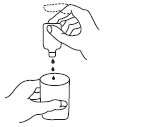
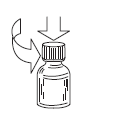
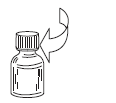
Fig.1Fig. 2Fig. 3
If you take more Ketorolac ABC than you should
In case of taking an excessive dose of Ketorolac ABC, immediately inform your doctor or go to the
nearest hospital.
Some of the symptoms of overdose may be abdominal pain, nausea, vomiting, frequent breathing (hyperventilation), injury to the wall of the stomach or intestine and/or inflammation which may
be accompanied by blood loss (peptic ulcer and/or erosive gastritis, gastrointestinal bleeding), kidney problems (renal dysfunction), severe and rapid general allergic reactions (anaphylactoid reactions). Rarely, increased blood pressure (hypertension), kidney disease (acute renal failure), difficulty breathing (respiratory depression) and coma may occur.
If you forget to take Ketorolac ABC
Do not take a double dose to make up for a missed dose.
If you stop taking Ketorolac ABC
If you have any doubts about the use of this medicine, consult your doctor or pharmacist.
4. Possible side effects
Like all medicines, this medicine can cause side effects, although not everybody gets them.
The following side effects may occur (frequencies are unknown because effects have been
reported voluntarily by a non-quantifiable number of people, after the medicine was put on the
market):
- inflammation of the membranes surrounding the brain (aseptic meningitis)
- decrease in a type of cells present in the blood (thrombocytopenia)
- red spots on the body (purpura)
- bleeding from the nose (epistaxis)
- severe and rapid general allergic reactions (anaphylaxis, anaphylactoid reactions)
- allergic reactions such as constriction of the bronchi causing difficulty breathing (bronchospasm)
- dilation of blood vessels (vasodilation)
- hot flashes
- skin rash (rash)
- swelling of the throat (laryngeal edema)
- loss of appetite (anorexia)
- increased potassium levels (hyperkalemia) and decreased sodium levels in the blood (hyponatremia)
- abnormal thinking
- mood disorders (depression)
- sleep disorders (insomnia)
- anxiety, irritability, nervousness
- severe disturbances of mental balance (psychotic reactions)
- abnormal dreams
- hallucinations
- euphoria
- reduced ability to concentrate
- decreased sensitivity and slowness of reflexes (states of torpor)
- confusion
- headache (cephalalgia)
- dizziness
- convulsions
- altered skin sensitivity, tingling (paresthesia)
- excessive movement (hyperkinesia)
- taste alterations
- visual disturbances, altered vision (abnormal vision)
- ringing in the ears (tinnitus), hearing loss
- vertigo
- irregular or strong heartbeat (palpitations)
- decreased heart rate (bradycardia)
- reduced heart function (heart failure)
- swelling (edema)
- increased blood pressure (hypertension) or decreased blood pressure (hypotension)
- heart problems (cardiac insufficiency)
- bruises (hematomas)
- redness
- pallor
- blood loss from the wound after surgery (post-operative hemorrhage)
- heart attack
- brain vessel injury (stroke)
- presence of fluid in the lungs (pulmonary edema)
- difficulty breathing (dyspnea, asthma)
- injury to the wall of the stomach or intestine which may also be perforated and accompanied by blood loss (peptic ulcer, ulcer, perforation or gastrointestinal bleeding)
- nausea
- vomiting
- diarrhea
- passage of gas from the anus (flatulence)
- constipation
- pain/discomfort in the stomach area (dyspepsia), abdominal pain, feeling of fullness
- blood in the stool (melena) and from the end of the intestine (rectal bleeding)
- vomiting blood (hematemesis)
- inflammation of the mouth (stomatitis, ulcerative stomatitis) and esophagus (esophagitis)
- belching
- inflammation of the pancreas (pancreatitis)
- dry mouth
- worsening of inflammation of a part of the intestine called the colon (exacerbation of colitis), of the stomach (gastritis)
- worsening of a chronic inflammatory bowel disease (Crohn's disease)
- inflammation of the liver (hepatitis)
- yellowing of the skin and eyes (cholestatic jaundice)
- poor liver function (hepatic insufficiency)
- rapid swelling of legs, arms, face or tongue (angioedema)
- skin inflammation with scaling (exfoliative dermatitis)
- sweating
- skin rash with redness and swelling (maculo-papular rash)
- urticaria, itching
- reactions with blisters including a disease called Stevens-Johnson syndrome with severe lesions on the skin, mouth and other parts of the body with high fever, vomiting, diarrhea and joint pain
- skin death (toxic epidermal necrolysis)
- muscle pain (myalgia)
- increased urine output (polyuria), increased urinary frequency, decreased urine output (oliguria)
- kidney diseases (renal insufficiency, uremic-hemolytic syndrome, interstitial nephritis, urinary retention, nephrotic syndrome, flank pain)
- infertility in women
- muscle weakness (asthenia)
- fever
- chest pain
- excessive thirst
- increased bleeding time and alteration of some blood tests (increased urea, increased creatinine, alterations of liver function tests).
Reporting suspected adverse reactions
If you experience any side effects, including those not listed in this leaflet, please tell your
doctor or pharmacist. You can also report side effects directly through the national
reporting system at https://www.aifa.gov.it/content/segnalazioni-reazioni-avverse.
By reporting side effects you can help provide more information on the safety of this
medicine.
5. How to store Ketorolac ABC
Keep this medicine out of the sight and reach of children.
Do not use this medicine after the expiry date which is stated on the pack after “Exp.”. The expiry date refers to the last day of that month.
Store in the original package to protect the medicine from light.
The product must be used within 4 months of the first opening of the vial.
Do not dispose of any medicine in waste water or household waste. Ask your pharmacist how to dispose of
medicines you no longer use. This will help protect the environment.
6. Contents of the pack and other information
What Ketorolac ABC contains
- The active ingredient is ketorolac tromethamine. Each ml of solution (1 ml = 20 drops) contains 20 mg of ketorolac tromethamine.
- The other ingredients are citric acid monohydrate, disodium phosphate dihydrate, sodium methyl parahydroxybenzoate, sodium propyl parahydroxybenzoate, purified water.
Description of the appearance of Ketorolac ABC and contents of the pack
Pack containing a 10 ml bottle.
Marketing Authorisation Holder and Manufacturer
Marketing Authorisation Holder
ABC Farmaceutici S.p.A. – Corso Vittorio Emanuele II, 72 – 10121 Torino
Manufacturers
Doppel Farmaceutici S.r.l. – Via Martiri delle Foibe 1 – 29016 Cortemaggiore (PC)
ABC Farmaceutici S.p.A. – Canton Moretti 29 – 10015 San Bernardo d’Ivrea (TO)

Nie jesteś pewien, czy ten lek jest odpowiedni dla ciebie?
Omów swoje objawy i leczenie z lekarzem online.

Zacząłeś przyjmować lek i masz pytania?
Omów swoje objawy i leczenie z lekarzem online.
- Kraj rejestracji
- Postać farmaceutycznaOral drops, solution, 20 MG/ML
- Kod ATCM01AB15
- Substancja czynna
- Wymaga receptyTak
- Producent
- Te treści mają charakter wyłącznie informacyjny i nie zastępują konsultacji lekarskiej.
- Zamienniki KETOROLAK ABKPostać farmaceutyczna: Injectable solution, 30 MG/MLSubstancja czynna: ketorolacProducent: PHARMABER S.R.L.Wymaga receptyPostać farmaceutyczna: Injectable solution, 30 MG/MLSubstancja czynna: ketorolacProducent: EPIFARMA S.R.LWymaga receptyPostać farmaceutyczna: Injectable solution, 30 MG/MLSubstancja czynna: ketorolacProducent: ACCORD HEALTHCARE, S.L.U.Wymaga recepty
Odpowiedniki KETOROLAK ABK w innych krajach
Leki z tą samą substancją czynną dostępne w innych krajach.
Odpowiednik KETOROLAK ABK w Ukraina
Odpowiednik KETOROLAK ABK w Hiszpania
Lekarze online w sprawie KETOROLAK ABK
Omów stosowanie KETOROLAK ABK, bezpieczeństwo i ocenę zasadności recepty zgodnie z obowiązującymi przepisami.









Uzyskaj receptę na KETOROLAK ABK online
Wypełnij 2-minutowy formularz
Opisz swoje objawy, historię choroby i lek, o który prosisz.
Wybierz lekarza lub pozwól nam przydzielić
Wybierz specjalistę lub dopasujemy Cię do najbliższego dostępnego lekarza.
Lekarz analizuje Twój przypadek
Zazwyczaj w ciągu 30 minut. Może zadawać dodatkowe pytania przez czat.
Odbierz w dowolnej aptece
Recepta elektroniczna wysłana na Twój e-mail — ważna w całej Polsce.
Często zadawane pytania
KETOROLAK ABK wymaga recepty w Włochy. Możesz skonsultować się z lekarzem online, aby sprawdzić, czy ten lek może być odpowiedni w Twojej sytuacji.
Substancją czynną w KETOROLAK ABK jest ketorolac. Informacja ta pomaga rozpoznać leki o tym samym składzie, ale pod różnymi nazwami handlowymi.
KETOROLAK ABK jest produkowany przez ABC FARMACEUTICI S.P.A.. Nazwy handlowe i opakowania mogą się różnić w zależności od dystrybutora.
Lekarze, tacy jak Lekarze rodzinni, Psychiatrzy, Dermatolodzy, Kardiolodzy, Endokrynolodzy, Gastroenterolodzy, Pulmonolodzy, Nefrolodzy, Reumatolodzy, Hematolodzy, Zakaźnicy, Alergolodzy, Geriatrzy, Pediatrzy, Onkolodzy, mogą ocenić, czy stosowanie KETOROLAK ABK jest odpowiednie w Twoim przypadku, w zależności od sytuacji klinicznej i lokalnych przepisów. Możesz umówić konsultację online, aby omówić objawy i możliwe dalsze kroki.
Polska posiada dobrze rozwiniętą infrastrukturę ochrony zdrowia w dużych miastach, takich jak Warszawa, Kraków, Wrocław i Gdańsk. Apteki są łatwo dostępne i działają zgodnie z obowiązującymi przepisami, zapewniając dostęp do leków na receptę.
Możesz kupić KETOROLAK ABK w Warszawie, Krakowie, Wrocławiu lub Gdańsku w każdej aptece, posiadając ważną receptę.
Aby uzyskać receptę, możesz skorzystać z Oladoctor:
Inne leki zawierające tę samą substancję czynną (ketorolac) to m.in. BENKETOL, EUMAT, KETOROLAK AKKORD. Mogą one różnić się nazwą handlową lub postacią, ale zawierają ten sam składnik terapeutyczny. Przed zmianą lub rozpoczęciem nowego leku skonsultuj się z lekarzem.
