



FULPHILA 6 mg Roztwór Do Wstrzykiwań

Ocena recepty online
Lekarz przeanalizuje Twój przypadek i zdecyduje, czy wystawienie recepty jest medycznie uzasadnione.

Porozmawiaj z lekarzem o tym leku
Omów swoje objawy i opcje leczenia podczas szybkiej konsultacji online.



Jak stosować FULPILA
Treść ulotki
- Fulphila 6 mg injectable solution in pre-filled syringe
- Fulphila 6 mg injectable solution in pre-filled syringe
Fulphila 6 mg injectable solution in pre-filled syringe
pegfilgrastim
Read this leaflet carefully before using this medicine as it contains important
information for you.
- Keep this leaflet. You may need to read it again.
- If you have any questions, ask your doctor, pharmacist or nurse.
- This medicine has been prescribed for you only. Do not pass it on to others, even if their symptoms are the same as yours, as it could be harmful.
- If you get any side effects, even those not listed in this leaflet, tell your doctor, pharmacist or nurse. See section 4.
Contents of this leaflet:
- 1. What Fulphila is and what it is used for
- 2. What you need to know before you use Fulphila
- 3. How to use Fulphila
- 4. Possible side effects
- 5. How to store Fulphila
- 6. Contents of the pack and other information
1. What is Fulphila and what it is used for
Fulphila contains the active substance pegfilgrastim. Pegfilgrastim is a protein produced with a
biotechnological technique in a bacterial cell called E. coli. It belongs to a group of
proteins called cytokines and is very similar to a natural protein (granulocyte colony-stimulating
factor) produced by our body.
Fulphila is used to reduce the duration of neutropenia (low number of white blood cells) and the
occurrence of febrile neutropenia (low number of white blood cells with fever) that may be
caused by cytotoxic chemotherapy (medicines that destroy rapidly growing cells). White blood cells are
important because they help the body fight infections. These cells are very sensitive to the effects of
chemotherapy; this can cause a decrease in the number of these cells in the body. If the number of
white blood cells drops to a low level, there may not be enough left to fight bacteria and you may be at
greater risk of contracting an infection.
Your doctor has prescribed Fulphila to stimulate the bone marrow (the part of the bones that produces
blood cells) to produce more white blood cells to help the body fight infections.
Fulphila is intended for adults aged 18 years or older.
2. What you need to know before using Fulphila
Do not use Fulphila
- if you are allergic to pegfilgrastim, to filgrastim or to any of the other ingredients of this medicine (listed in section 6).
Warnings and precautions
Talk to your doctor, pharmacist or nurse before using Fulphila:
- if you have an allergic reaction, including weakness, low blood pressure, difficulty breathing, swelling of the face (anaphylaxis), flushing and redness, skin rash and itchy skin areas.
- if you have cough, fever and difficulty breathing. This may be a sign of Acute Respiratory Distress Syndrome (ARDS).
- if you have one or more of the following side effects:
- swelling or bloating, which may be associated with decreased fluid passage, difficulty breathing, abdominal swelling and a feeling of fullness and a general feeling of fatigue. These could be the symptoms of a condition called “Capillary Leak Syndrome” which causes blood to leak from the small blood vessels in the body. See section 4.
- if you have pain in the upper left side of your abdomen or pain at the tip of your shoulder. These could be signs of a problem with the spleen (splenomegaly).
- if you have recently had a severe lung infection (pneumonia), fluid in the lungs (pulmonary edema), inflammation of the lungs (interstitial lung disease) or an abnormality found on an X-ray (pulmonary infiltration).
- if you know you have abnormal blood cell counts (e.g. increased white blood cells or anemia) or a decrease in platelet levels, which reduces the body's ability to clot (thrombocytopenia). Your doctor may want to monitor you closely.
- if you have sickle cell anemia. Your doctor may want to monitor you closely.
- if you have breast cancer or lung cancer, Fulphila in combination with chemotherapy and/or radiotherapy may increase the risk of a precancerous blood condition called myelodysplastic syndrome (MDS) or a blood cancer called acute myeloid leukemia (AML). Symptoms may include fatigue, fever and easy bruising or bleeding.
- if you suddenly have signs of allergy such as skin rash, hives or itching, swelling of the face, lips, tongue or other parts of the body, shortness of breath, wheezing or difficulty breathing, these could be signs of a severe allergic reaction.
- if you have symptoms of inflammation of the aorta (the large blood vessel that carries blood from the heart to the rest of the body), which have been reported rarely in cancer patients and healthy people. Symptoms may include fever, abdominal pain, malaise, back pain and increased markers of inflammation. Tell your doctor if you experience such symptoms. Your doctor will regularly check your blood and urine, as Fulphila can damage the tiny filters inside your kidneys (glomerulonephritis). Severe skin reactions (Stevens-Johnson syndrome) have been observed with the use of Fulphila. If you notice any of the symptoms described in section 4, stop using Fulphila and seek immediate medical attention. Talk to your doctor about the risks of developing a blood cancer. If you have or may have a blood cancer, you should not use Fulphila unless directed by your doctor. Loss of response to FulphilaIf you have a decrease in response or failure to maintain the response to treatment with pegfilgrastim, your doctor will investigate the reasons, including the possibility that you have developed antibodies that neutralize the activity of pegfilgrastim.
Children and adolescents
The use of Fulphila is not recommended in children and adolescents due to insufficient data on
safety and efficacy.
Other medicines and Fulphila
Tell your doctor or pharmacist if you are taking, have recently taken or might take
any other medicines.
Pregnancy and breastfeeding
If you are pregnant, suspect you are pregnant or are planning to become pregnant, or if you are
breastfeeding, ask your doctor or pharmacist for advice before taking this medicine.
Fulphila has not been studied in pregnant women. Therefore, your doctor may
advise you not to use this medicine.
If you become pregnant during treatment with Fulphila, tell your doctor.
Unless your doctor tells you otherwise, you should stop breastfeeding if you use Fulphila.
Driving and using machines
Fulphila does not alter or negligibly alters the ability to drive vehicles or use
machinery.
Fulphila contains sorbitol and sodium
This medicine contains 30 mg of sorbitol in each pre-filled syringe, equivalent to 50 mg/mL.
This medicine contains less than 1 mmol (23 mg) of sodium per 6 mg dose, i.e. essentially
“sodium-free”.
3. How to use Fulphila
Take this medicine following the instructions of your doctor exactly. If you have any doubts, consult
your doctor or pharmacist.
The usual dose is a subcutaneous injection (injection under the skin) of 6 mg which must be
administered at least 24 hours after the last dose of chemotherapy at the end of each
chemotherapy cycle.
How to self-inject Fulphila
Your doctor may consider it best for you to self-inject Fulphila. Your doctor or
nurse will show you how to self-inject Fulphila. Do not attempt to self-inject if you have not been
explained how to do it.
For further instructions on how to self-inject Fulphila, read the package leaflet.
Do not shake Fulphila vigorously as this could compromise its activity.
If you use more Fulphila than you should
If you use more Fulphila than you should, contact your doctor, pharmacist or nurse.
If you forget to use Fulphila
If you have forgotten your dose of Fulphila, you should contact your doctor to determine when to
administer the next injection.
If you have any doubts about the use of this medicine, ask your doctor or pharmacist or
nurse.
4. Possible side effects
Like all medicines, this medicine can cause side effects, although not everybody gets them.
Tell your doctor immediately if you experience any or a combination of the following side effects:
- swelling or oedema, which may be associated with less frequent urination, difficulty breathing, abdominal swelling and a feeling of fullness and a general feeling of tiredness. These symptoms usually develop rapidly. These could be symptoms of an uncommon condition (may affect up to 1 in
- 100) called “Capillary Leak Syndrome” which causes blood to leak from small blood vessels inside the body and requires urgent medical attention. Very common side effects(may affect more than 1 in 10 people)
- bone pain. Your doctor will tell you what to take to relieve bone pain.
- nausea and headache. Common side effects(may affect up to 1 in 10 people)
- pain at the injection site.
- general pain and joint and muscle aches.
- some changes may occur in the blood, but these will be detected during routine blood tests. White blood cell levels may rise for a short period of time. Platelet levels may decrease causing bruising.
- chest pain. Uncommon side effects(may affect up to 1 in 100 people)
- allergic-type reactions, including redness and flushing, skin rash (reddening of the skin) and itchy skin swelling.
- severe allergic reactions including anaphylaxis (weakness, drop in blood pressure, difficulty breathing, facial swelling).
- sickle cell crises in patients with sickle cell anaemia.
- increased spleen volume.
- spleen rupture. Some cases of spleen rupture have been fatal. It is important that you contact your doctor immediately if you feel pain in the upper left side of your abdomen or left shoulder, as this may indicate problems with the spleen.
- breathing problems. If you have cough, fever and difficulty breathing, contact your doctor.
- cases of Sweet’s syndrome (purple, raised and painful lesions on the limbs and sometimes on the face and neck, associated with fever) have occurred, but other factors may have contributed.
- cutaneous vasculitis (inflammation of blood vessels in the skin).
- damage to the tiny filters inside the kidneys (glomerulonephritis).
- redness at the injection site.
- coughing up blood (haemoptysis).
- blood disorders (MDS or AML). Rare side effects(may affect up to 1 in 1000 people)
- inflammation of the aorta (the large blood vessel that carries blood from the heart to the rest of the body), see section 2.
- bleeding from the lungs (pulmonary haemorrhage).
- Stevens-Johnson syndrome, which can manifest with reddish patches or round spots, often with central blisters, located on the trunk, skin peeling, ulcers in the mouth, throat, nose, genitals and eyes and which may be preceded by fever and flu-like symptoms. If
you develop these symptoms, stop using Fulphila and contact your doctor or seek immediate
medical assistance. See also section 2.
Reporting of side effects
If you get any side effects, talk to your doctor, pharmacist or nurse. You can also report side effects directly
through the national reporting system listed in Annex V. By reporting side effects you can help provide
more information on the safety of this medicine.
5. How to store Fulphila
Keep this medicine out of the sight and reach of children.
Do not use this medicine after the expiry date stated on the package, blister and
syringe label after Exp. The expiry date refers to the last day of that month.
Store in a refrigerator (2°C-8°C).
Do not freeze. Fulphila can be used if it has been accidentally frozen once for less
than 24 hours.
Keep the container in the outer packaging to protect the medicine from light.
You can take Fulphila out of the refrigerator and keep it at room temperature (not exceeding 30°C) for no more than
3 days. Once the syringe has been removed from the refrigerator and has reached room temperature
(not exceeding 30°C), it must be used within 3 days or discarded.
Do not use this medicine if you notice that it is cloudy or if you see particles.
Do not dispose of any medicine in wastewater or household waste. Ask your pharmacist how to
dispose of medicines you no longer use. This will help protect the environment.
6. Contents of the pack and other information
What Fulphila contains
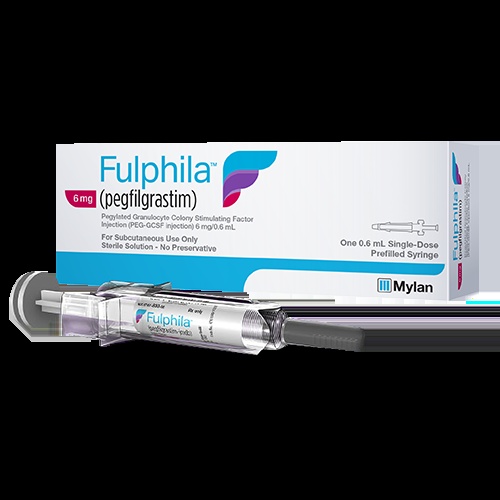
- The active substance is pegfilgrastim. Each pre-filled syringe contains 6 mg of pegfilgrastim in 0.6 mL of solution.
- The other ingredients are sodium acetate, sorbitol (E420), polysorbate 20 and water for injections. See section 2 “Fulphila contains sorbitol and sodium”. Description of the appearance of Fulphila and contents of the packFulphila is a clear and colourless solution for injection in a pre-filled glass syringe with a stainless steel needle and needle cap. The syringe is supplied in a pack with a blister. Each pack contains 1 pre-filled syringe. Marketing Authorisation HolderBiosimilar Collaborations Ireland Limited Unit 35/36 Grange Parade, Baldoyle Industrial Estate, Dublin 13 DUBLIN Ireland D13 R20R
Manufacturer
Biosimilar Collaborations Ireland Limited
Block B, The Crescent Building, Santry Demesne
Dublin
D09 C6X8
Ireland
For further information on this medicinal product, contact the local representative of the Marketing Authorisation Holder:
België/Belgique/Belgien
Biocon Biologics Belgium BV
Tél/Tel: 0080008250910
Lietuva
Biosimilar Collaborations Ireland Limited
Tel: 0080008250910
България
Biosimilar Collaborations Ireland Limited
Teл.: 0080008250910
Luxembourg/Luxemburg
Biocon Biologics France S.A.S
Tél/Tel: 0080008250910
Česká republika
Biocon Biologics Germany GmbH
Tel: 0080008250910
Magyarország
Biosimilar Collaborations Ireland Limited
Tel: 0080008250910
Danmark
Biocon Biologics Finland OY
Tlf: 0080008250910
Malta
Biosimilar Collaborations Ireland Limited
Tel: 0080008250910
Deutschland
Biocon Biologics Germany GmbH
Tel: 0080008250910
Nederland
Biocon Biologics France S.A.S.
Tel: 0080008250910
Eesti
Biosimilar Collaborations Ireland Limited
Tel: 0080008250910
Norge
Biocon Biologics Finland OY
Tlf: +47 800 62 671
Ελλάδα
Biocon Biologics Greece ΜΟΝΟΠΡΟΣΩΠΗ
Ι.Κ.Ε
Τηλ: 0080008250910
Österreich
Biocon Biologics Germany GmbH
Tel: 0080008250910
España
Biocon Biologics Spain S.L.
Tel: 0080008250910
Polska
Biosimilar Collaborations Ireland Limited
Tel:.: 0080008250910
France
Biocon Biologics France S.A.S
Tél: +Teél: 0080008250910
Portugal
Biocon Biologics Spain S.L..
Tel: 0080008250910
Hrvatska
Biocon Biologics Germany GmbH
Tel: 0080008250910
România
Biosimilar Collaborations Ireland Limited
Tel: 0080008250910
Ireland
Biosimilar Collaborations Ireland Limited
Tel: 1800 777 794
Slovenija
Biosimilar Collaborations Ireland Limited
Tel: 0080008250910
Ísland
Biocon Biologics Finland OY
Sími: +345 8004316
Slovenská republika
Biocon Biologics Germany GmbH
Tel: 0080008250910
Italia
Biocon Biologics Spain S.L.
Tel: 0080008250910
Suomi/Finland
Biocon Biologics Finland OY
Puh/Tel: 99980008250910
Sverige
Biocon Biologics Finland OY
Tel: 0080008250910
Latvija
Biosimilar Collaborations Ireland Limited
Tel: 0080008250910
Other sources of information
More detailed information on this medicinal product is available on the website of the European Medicines Agency, http://www.ema.europa.eu .
------------------------------------------------------------------------------------------------------------------------
Κύπρος
Biosimilar Collaborations Ireland Limited
Τηλ: 0080008250910
Instructions for injecting Fulphila from a pre-filled syringe
This section contains information on how to inject Fulphila yourself. It is important that you do not attempt to inject yourself if you have not been shown how to do so by your doctor, nurse or pharmacist. If you have any questions about the injection procedure, please contact your doctor, nurse or pharmacist.
How to use Fulphila in a pre-filled syringe, by yourself, or by the person administering the injection
You should inject just under the skin. This injection is called a subcutaneous injection.
What you need
To give yourself a subcutaneous injection, you will need:
- a pre-filled syringe of Fulphila; and
- cotton wool balls or similar disinfectants. What must I do before giving myself a subcutaneous injection of Fulphila?
- 1. Remove the medicine from the refrigerator.
- 2. Do not shake the pre-filled syringe.
- 3. Do not remove the needle cap from the syringe until you are ready to give the injection.
- 4. Check the expiry date on the syringe label (Exp.). Do not use it after the last day of the month indicated.
- 5. Check the appearance of Fulphila. It should be a clear and colourless liquid. If you see any particles, do not use it.
- 6. For a more comfortable injection, leave the pre-filled syringe out of the refrigerator for half an hour so that it reaches room temperature or hold it gently in your hand for a few minutes. Do not heat the syringe in any other way (e.g. do not heat it in a microwave or in hot water).
- 7. Wash your hands thoroughly.
- 8. Find a comfortable, well-lit and clean surface and have everything you need to hand. How do I prepare the Fulphila injection?Before giving yourself the Fulphila injection, you must perform the following operations:
- 1. Take the syringe in your hand and gently remove the cap from the needle without bending it. Pull horizontally as shown in figures 1 and 2. Do not touch the needle or push the plunger.
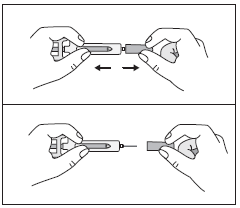
- 2. You may notice a small air bubble in the pre-filled syringe. You do not need to remove the air bubble before the injection. Injecting the solution with the air bubble is harmless.
- 3. You can now use the pre-filled syringe. Where should I give the injection?
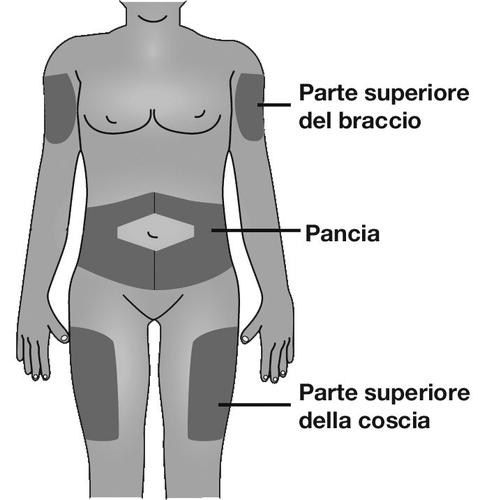
The most suitable places to give the injection are:
- the upper thighs; and
- the abdomen, except for the area around the navel. If someone else is giving you the injection, they can also use the back of your arms.
How do I give myself the injection?
1 Clean the skin using an alcohol wipe.
- 2. Lift the skin between your thumb and forefinger (without pinching it). Insert the needle into the skin.
- 3. Push the plunger down with a slow and steady pressure. Push the plunger all the way down until all the liquid has been injected.
- 4. After injecting the liquid, withdraw the needle and release the skin.
- 5. If you notice a small drop of blood at the injection site, gently wipe it away with a cotton ball or gauze. Do not rub the injection site. If necessary, you can cover the injection site with a plaster.
- 6. Do not reuse Fulphila remaining in the syringe. RememberUse each syringe for only one injection. If you have problems, do not hesitate to consult your doctor or nurse for help and advice. Disposal of used syringes
- Do not put the cap back on used needles.
- Keep used syringes out of the sight and reach of children.
- Used syringes must be disposed of in accordance with local regulations. Ask your pharmacist how to dispose of medicines you no longer use. This will help protect the environment.
Fulphila 6 mg injectable solution in pre-filled syringe
pegfilgrastim
Read this leaflet carefully before using this medicine, as it contains important information for you.
- Keep this leaflet. You may need to read it again.
- If you have any questions, ask your doctor, pharmacist or nurse.
- This medicine has been prescribed for you only. Do not pass it on to others, even if their symptoms are the same as yours, as it could be harmful.
- If you get any side effects, even those not listed in this leaflet, tell your doctor, pharmacist or nurse. See section 4.
Contents of this leaflet:
- 1. What Fulphila is and what it is used for
- 2. What you need to know before you use Fulphila
- 3. How to use Fulphila
- 4. Possible side effects
- 5. How to store Fulphila
- 6. Contents of the pack and other information
1. What Fulphila is and what it is used for
Fulphila contains the active ingredient pegfilgrastim. Pegfilgrastim is a protein produced with a
biotechnological technique in a bacterial cell called E. coli. It belongs to a group of
proteins called cytokines and is very similar to a natural protein (granulocyte colony-stimulating
factor) produced by our body.
Fulphila is used to reduce the duration of neutropenia (low number of white blood cells) and the
occurrence of febrile neutropenia (low number of white blood cells with fever) that may be
caused by cytotoxic chemotherapy (medicines that destroy rapidly growing cells). White blood cells are
important because they help the body fight infections. These cells are very sensitive to the effects of
chemotherapy; this can cause a decrease in the number of these cells in the body. If the number of
white blood cells drops to a low level, there may not be enough left to fight bacteria and you may be at
greater risk of contracting an infection.
Your doctor has prescribed Fulphila to stimulate the bone marrow (the part of the bones that produces
blood cells) to produce more white blood cells to help the body fight infections.
Fulphila is intended for adults aged 18 years and over.
2. What you need to know before using Fulphila
Do not use Fulphila
- if you are allergic to pegfilgrastim, to filgrastim or to any of the other ingredients of this medicine (listed in section 6).
Warnings and precautions
Talk to your doctor, pharmacist or nurse before using Fulphila:
- if you have an allergic reaction, including weakness, low blood pressure, difficulty breathing, swelling of the face (anaphylaxis), redness and flushing, skin rash and itchy skin areas.
- if you have cough, fever and difficulty breathing. This may be a sign of Acute Respiratory Distress Syndrome (ARDS).
- if you have one or more of the following side effects:
- swelling or bloating, which may be associated with reduced fluid passage, difficulty breathing, abdominal swelling and a feeling of fullness and a general feeling of fatigue. These could be symptoms of a condition called “Capillary Leak Syndrome” which causes blood to leak from the small blood vessels in the body. See section 4.
- if you have pain in the upper left side of your abdomen or pain at the tip of your shoulder. These could be signs of a problem with the spleen (splenomegaly).
- if you have recently had a severe lung infection (pneumonia), fluid in the lungs (pulmonary edema), inflammation of the lungs (interstitial lung disease) or an abnormality found on an X-ray (pulmonary infiltration).
- if you know you have abnormal blood cell counts (e.g. increased white blood cells or anemia) or a decrease in platelet levels, which reduces the body's ability to clot (thrombocytopenia). Your doctor may want to monitor you closely.
- if you have sickle cell anemia. Your doctor may want to monitor you closely.
- if you have breast cancer or lung cancer, Fulphila in combination with chemotherapy and/or radiotherapy may increase the risk of a precancerous blood condition called myelodysplastic syndrome (MDS) or a blood cancer called acute myeloid leukemia (AML). Symptoms may include fatigue, fever and easy bruising or bleeding.
- if you suddenly have signs of allergy such as skin rash, hives or itching, swelling of the face, lips, tongue or other parts of the body, shortness of breath, wheezing or difficulty breathing, these could be signs of a severe allergic reaction.
- if you have symptoms of inflammation of the aorta (the large blood vessel that carries blood from the heart to the rest of the body), which have been reported rarely in cancer patients and healthy people. Symptoms may include fever, abdominal pain, malaise, back pain and increased markers of inflammation. Tell your doctor if you experience such symptoms. Your doctor will regularly check your blood and urine as Fulphila can damage the tiny filters inside your kidneys (glomerulonephritis). Severe skin reactions (Stevens-Johnson syndrome) have been observed with the use of Fulphila. If you notice any of the symptoms described in section 4, stop using Fulphila and seek immediate medical attention. Talk to your doctor about the risks of developing a blood cancer. If you have or may have a blood cancer, you should not use Fulphila unless directed to do so by your doctor. Loss of response to FulphilaIf you have a decrease in response or failure to maintain response to treatment with pegfilgrastim, your doctor will investigate the reasons, including the possibility that you have developed antibodies that neutralize the activity of pegfilgrastim. Children and adolescentsThe use of Fulphila is not recommended in children and adolescents due to insufficient safety and efficacy data.
Other medicines and Fulphila
Tell your doctor or pharmacist if you are taking, have recently taken or might take
any other medicines.
Pregnancy and breastfeeding
If you are pregnant, suspect you may be pregnant or are planning a pregnancy, or if you are breastfeeding,
ask your doctor or pharmacist for advice before taking this medicine.
Fulphila has not been studied in pregnant women. Therefore, your doctor
may advise you not to use this medicine.
If you become pregnant during treatment with Fulphila, tell your doctor.
Unless your doctor tells you otherwise, you should stop breastfeeding if you use Fulphila.
Driving and using machines
Fulphila does not or negligibly alters the ability to drive or operate
machines.
Fulphila contains sorbitol and sodium
This medicine contains 30 mg of sorbitol in each pre-filled syringe, equivalent to 50 mg/mL.
This medicine contains less than 1 mmol (23 mg) of sodium per 6 mg dose, i.e. essentially
“sodium-free”.
3. How to use Fulphila
Take this medicine following exactly the instructions of your doctor. If you have any doubts, ask your
doctor or pharmacist.
The usual dose is a subcutaneous injection (injection under the skin) of 6 mg that must be
administered at least 24 hours after the last dose of chemotherapy at the end of each
chemotherapy cycle.
How to self-inject Fulphila
Your doctor may consider that it is better for you to self-inject Fulphila. Your doctor or
nurse will show you how to self-inject Fulphila. Do not try to self-inject if you have not been
explained how to do it.
For further instructions on how to self-inject Fulphila, read the package leaflet.
Do not shake Fulphila vigorously as this could compromise its activity.
If you use more Fulphila than you should
If you use more Fulphila than you should, contact your doctor, pharmacist or nurse.
If you forget to use Fulphila
If you have forgotten your dose of Fulphila, you should contact your doctor to determine when to
have the next injection.
If you have any questions about the use of this medicine, ask your doctor or pharmacist or
nurse.
4. Possible side effects
Like all medicines, this medicine can cause side effects, although not everyone will experience them.
Inform your doctor immediately if you experience any of the following side effects or a combination of them:
- swelling or edema, which may be associated with decreased urine output, difficulty breathing, abdominal bloating and a feeling of fullness, and a general feeling of fatigue. These symptoms usually develop rapidly. These could be symptoms of an uncommon condition (may affect up to 1 in 100 people) called “Capillary Leak Syndrome” which causes blood to leak from small blood vessels inside the body and requires urgent medical attention. Very common side effects(may affect more than 1 in 10 people)
- bone pain. Your doctor will tell you what to take to relieve bone pain.
- nausea and headache. Common side effects(may affect up to 1 in 10 people)
- pain at the injection site.
- general pain and pain in the joints and muscles.
- some changes may occur in the blood, but these will be detected during routine blood tests. White blood cell levels may rise for a short period of time. Platelet levels may decrease causing bruising.
- chest pain. Uncommon side effects(may affect up to 1 in 100 people)
- allergic-type reactions, including redness and flushing, skin rash (skin redness) and skin swelling with itching.
- severe allergic reactions including anaphylaxis (weakness, drop in blood pressure, difficulty breathing, facial swelling).
- sickle cell crises in patients with sickle cell anemia.
- enlargement of the spleen.
- rupture of the spleen. Some cases of spleen rupture have been fatal. It is important that you contact your doctor immediately if you feel pain in the upper left side of your abdomen or left shoulder, as this may indicate problems with the spleen.
- breathing problems. If you have cough, fever and difficulty breathing, contact your doctor.
- cases of Sweet syndrome (purple, raised, and painful lesions on the limbs and sometimes on the face and neck, associated with fever) have occurred, but other factors may have contributed.
- cutaneous vasculitis (inflammation of the blood vessels in the skin).
- damage to the tiny filters inside the kidneys (glomerulonephritis).
- redness at the injection site.
- coughing up blood (hemoptysis).
- blood diseases (MDS or AML). Rare side effects(may affect up to 1 in 1000 people)
- inflammation of the aorta (the large blood vessel that carries blood from the heart to the rest of the body), see section 2.
- bleeding from the lungs (pulmonary hemorrhage).
- Stevens-Johnson syndrome, which can manifest with reddish or round patches, often with central blisters, located on the trunk, skin peeling, ulcers in the mouth, throat, nose, genitals and eyes, and may be preceded by fever and flu-like symptoms. If you develop these symptoms, stop using Fulphila and contact your doctor or seek immediate medical attention. See also section 2.
Reporting of side effects
If you get any side effects, talk to your doctor, pharmacist or nurse. You can also report side effects directly through the national reporting system listed in Appendix V. By reporting side effects you can help provide more information on the safety of this medicine.
5. How to store Fulphila
Keep this medicine out of the sight and reach of children.
Do not use this medicine after the expiry date which is stated on the carton, blister and
syringe label after Exp. The expiry date refers to the last day of that month.
Store in a refrigerator (2°C-8°C).
Do not freeze. Fulphila can be used if it has been accidentally frozen once for less
than 24 hours.
Keep the container in the outer packaging to protect the medicine from light.
You can take Fulphila out of the refrigerator and keep it at room temperature (not exceeding 30°C) for no more than
3 days. Once the syringe has been removed from the refrigerator and has reached room temperature
(not exceeding 30°C), it must be used within 3 days or discarded.
Do not use this medicine if you notice that it is cloudy or if you see particles.
Do not dispose of any medicine in wastewater or household waste. Ask your pharmacist how to
dispose of medicines you no longer use. This will help protect the environment.
6. Content of the pack and other information
What Fulphila contains
- The active substance is pegfilgrastim. Each pre-filled syringe contains 6 mg of pegfilgrastim in 0.6 mL of solution.
- The other components are sodium acetate, sorbitol (E420), polysorbate 20 and water for injections. See section 2 “Fulphila contains sorbitol and sodium”. Description of the appearance of Fulphila and content of the packFulphila is a clear and colourless injection solution in a pre-filled glass syringe with a stainless steel needle and needle cap. The syringe is equipped with a protective blister and an automatic needle protection device. Each pack contains 1 glass pre-filled syringe Marketing Authorisation HolderBiosimilar Collaborations Ireland Limited Unit 35/36 Grange Parade, Baldoyle Industrial Estate, Dublin 13 DUBLIN Ireland D13 R20R
Manufacturer
Biosimilar Collaborations Ireland Limited
Block B, The Crescent Building, Santry Demesne
Dublin
D09 C6X8
Ireland
For further information on this medicinal product, contact the local representative of the marketing authorisation holder:
België/Belgique/Belgien
Biocon Biologics Belgium BV
Tél/Tel: 0080008250910
Lietuva
Biosimilar Collaborations Ireland Limited
Tel: 0080008250910
България
Biosimilar Collaborations Ireland Limited
Teл.: 0080008250910
Luxembourg/Luxemburg
Biocon Biologics France S.A.S
Tél/Tel: 0080008250910
Česká republika
Biocon Biologics Germany GmbH
Tel: 0080008250910
Magyarország
Biosimilar Collaborations Ireland Limited
Tel: 0080008250910
Danmark
Biocon Biologics Finland OY
Tlf: 0080008250910
Malta
Biosimilar Collaborations Ireland Limited
Tel: 0080008250910
Deutschland
Biocon Biologics Germany GmbH
Tel: 0080008250910
Nederland
Biocon Biologics France S.A.S.
Tel: 0080008250910
Eesti
Biosimilar Collaborations Ireland Limited
Tel: 0080008250910
Norge
Biocon Biologics Finland OY
Tlf: +47 800 62 671
Ελλάδα
Biocon Biologics Greece ΜΟΝΟΠΡΟΣΩΠΗ
Ι.Κ.Ε
Τηλ: 0080008250910
Österreich
Biocon Biologics Germany GmbH
Tel: 0080008250910
España
Biocon Biologics Spain S.L.
Tel: 0080008250910
Polska
Biosimilar Collaborations Ireland Limited
Tel:.: 0080008250910
France
Biocon Biologics France S.A.S
Tél: +Teél: 0080008250910
Portugal
Biocon Biologics Spain S.L..
Tel: 0080008250910
Hrvatska
Biocon Biologics Germany GmbH
Tel: 0080008250910
România
Biosimilar Collaborations Ireland Limited
Tel: 0080008250910
Ireland
Biosimilar Collaborations Ireland Limited
Tel: 1800 777 794
Slovenija
Biosimilar Collaborations Ireland Limited
Tel: 0080008250910
Ísland
Biocon Biologics Finland OY
Sími: +345 8004316
Slovenská republika
Biocon Biologics Germany GmbH
Tel: 0080008250910
Italia
Biocon Biologics Spain S.L.
Tel: 0080008250910
Suomi/Finland
Biocon Biologics Finland OY
Puh/Tel: 99980008250910
Sverige
Biocon Biologics Finland OY
Tel: 0080008250910
Latvija
Biosimilar Collaborations Ireland Limited
Tel: 0080008250910
Other sources of information
More detailed information on this medicinal product is available on the website of the European Medicines Agency, http://www.ema.europa.eu .
------------------------------------------------------------------------------------------------------------------------
Κύπρος
Biosimilar Collaborations Ireland Limited
Τηλ: 0080008250910
Instructions for use:
Guide to the parts
Before use
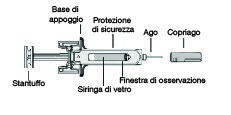
After use
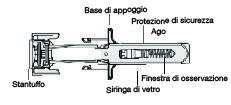
Important
Before using a pre-filled Fulphila syringe with an automatic needle protection device, read these important instructions:
- It is important that you do not attempt to administer the injection unless you have received adequate instructions from your doctor or healthcare professional.
- Fulphila is administered as an injection into the tissue just below the skin (subcutaneous injection). XDo not remove the grey needle cap from the pre-filled syringe until you are ready to inject. XDo not use the pre-filled syringe if it has been dropped onto a hard surface. Use a new pre-filled syringe and contact your doctor or healthcare professional. XDo not attempt to activate the pre-filled syringe before injection. XDo not attempt to remove the transparent safety shield from the pre-filled syringe.
Contact your doctor or healthcare professional for any questions.
| Step 1: Preparation | |
| A. | o Remove the pre-filled syringe packaging and gather the necessary materials for the injection: alcohol swabs, a cotton ball or gauze, a bandage and a sharps container (not included). |
| c a For a more comfortable injection, leave the pre-filled syringe at room temperature for about 30 minutes before injection. Wash your hands thoroughly with soap and water. m Place the new pre-filled syringe on a clean, well-lit surface and the necessary materials for the injection. X Do not try to warm the syringe using a heat source such as hot water or a r microwave oven. X Do not expose the pre-filled syringe to direct sunlight. a X Do not shake the pre-filled syringe vigorously. | |
B.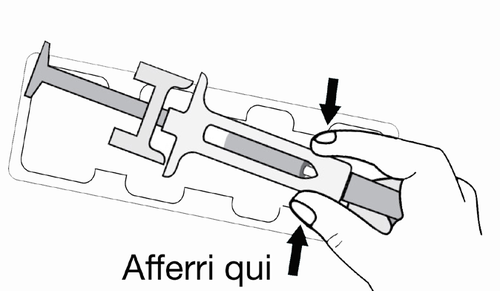 | F Open the packaging by tearing the cover. Grab the safety shield of the pre-filled syringe to remove the pre-filled syringe from the packaging. |
| l e d a n For safety reasons: X Do not grab the plunger. X Do not grab the grey needle cap. | |
C.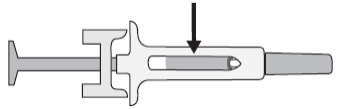 | a Check the medicine and the pre-filled syringe. |
i l Medicinal product a t I X Do not use the pre-filled syringe if: a
| |
Step 2: Preparation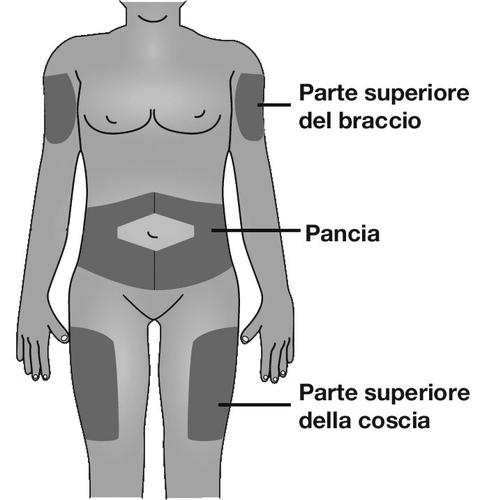 | |
| A. | Wash your hands thoroughly. Prepare and clean the injection site. |
o c a m r a F You can use:
| |
| B | n Carefully remove the grey needle cap outwards and away from your body. |
a l i a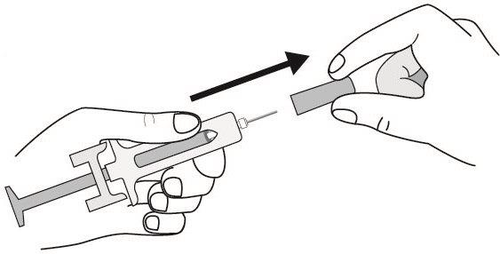 | |
| C | I Pinch the skin to create a firm surface.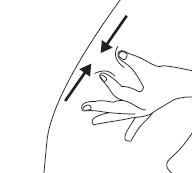 |
| a i z n e It is important to keep the skin pinched during the injection. | |
| Step 3: Injection | |
A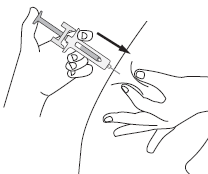 | Keeping the skin pinched. INSERT the needle into the skin. |
| o c a m r a X Do not touch the cleaned skin area. | |
| B | F PUSH the plunger with a slow and steady pressure until you feel or hear a “click”. Push all the way down until the click. |
l e d a n a It is important to push all the way down to the “click” to inject the entire dose.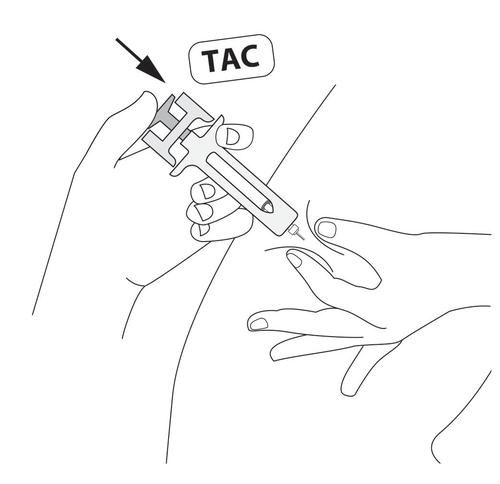 | |
| C | l RELEASE your thumb. Then PULL the syringe away from the skin.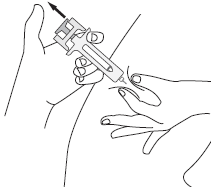 |
| a t I a i z n After releasing the plunger, the safety device of the pre-filled syringe will safely cover the injection needle. X Do not put the grey needle cap back on used pre-filled syringes. | |
Healthcare professionals only
The trade name of the product administered must be clearly recorded in the patient's record.
| Step 4: End | |
| A | o Dispose of the used pre-filled syringe and other materials in a sharps container. |
| c a m r a F Medicines must be disposed of in accordance with local regulations. Ask your pharmacist how to dispose of medicines you no longer use. These measures will help protect the environment. l e Keep the syringe and sharps container out of the sight and reach of children. X Do not reuse the pre-filled syringe. X Do not recycle pre-filled syringes or dispose of them in household waste. | |
| B | Examine the injection site. |
| a If you notice blood, press a cotton ball or gauze onto the injection site. Do not rub the injection site. Apply a bandage if necessary. | |

Nie jesteś pewien, czy ten lek jest odpowiedni dla ciebie?
Omów swoje objawy i leczenie z lekarzem online.

Zacząłeś przyjmować lek i masz pytania?
Omów swoje objawy i leczenie z lekarzem online.
- Kraj rejestracji
- Postać farmaceutycznaInjectable solution, 6 MG
- Kod ATCL03AA13
- Substancja czynna
- Wymaga receptyTak
- Producent
- Te treści mają charakter wyłącznie informacyjny i nie zastępują konsultacji lekarskiej.
- Zamienniki FULPILAPostać farmaceutyczna: Injectable solution in pre-filled syringe, 6 MGSubstancja czynna: pegfilgrastimProducent: MUNDIPHARMA CORPORATION (IRELAND) LIMITEDWymaga receptyPostać farmaceutyczna: Injectable solution in pre-filled syringe, 6 mgSubstancja czynna: pegfilgrastimProducent: CURATEQ BIOLOGICS S.R.OWymaga receptyPostać farmaceutyczna: Injectable solution, 6 MGSubstancja czynna: pegfilgrastimProducent: JUTA PHARMA GMBHWymaga recepty
Odpowiedniki FULPILA w innych krajach
Leki z tą samą substancją czynną dostępne w innych krajach.
Odpowiednik FULPILA w Hiszpania
Odpowiednik FULPILA w Ukraina
Uzyskaj receptę na FULPILA online
Wypełnij 2-minutowy formularz
Opisz swoje objawy, historię choroby i lek, o który prosisz.
Wybierz lekarza lub pozwól nam przydzielić
Wybierz specjalistę lub dopasujemy Cię do najbliższego dostępnego lekarza.
Lekarz analizuje Twój przypadek
Zazwyczaj w ciągu 30 minut. Może zadawać dodatkowe pytania przez czat.
Odbierz w dowolnej aptece
Recepta elektroniczna wysłana na Twój e-mail — ważna w całej Polsce.
Często zadawane pytania
FULPILA wymaga recepty w Włochy. Możesz skonsultować się z lekarzem online, aby sprawdzić, czy ten lek może być odpowiedni w Twojej sytuacji.
Substancją czynną w FULPILA jest pegfilgrastim. Informacja ta pomaga rozpoznać leki o tym samym składzie, ale pod różnymi nazwami handlowymi.
FULPILA jest produkowany przez BIOSIMILAR COLLABORATIONS IRELAND LIMITED. Nazwy handlowe i opakowania mogą się różnić w zależności od dystrybutora.
Lekarze, tacy jak Lekarze rodzinni, Psychiatrzy, Dermatolodzy, Kardiolodzy, Endokrynolodzy, Gastroenterolodzy, Pulmonolodzy, Nefrolodzy, Reumatolodzy, Hematolodzy, Zakaźnicy, Alergolodzy, Geriatrzy, Pediatrzy, Onkolodzy, mogą ocenić, czy stosowanie FULPILA jest odpowiednie w Twoim przypadku, w zależności od sytuacji klinicznej i lokalnych przepisów. Możesz umówić konsultację online, aby omówić objawy i możliwe dalsze kroki.
Polska posiada dobrze rozwiniętą infrastrukturę ochrony zdrowia w dużych miastach, takich jak Warszawa, Kraków, Wrocław i Gdańsk. Apteki są łatwo dostępne i działają zgodnie z obowiązującymi przepisami, zapewniając dostęp do leków na receptę.
Możesz kupić FULPILA w Warszawie, Krakowie, Wrocławiu lub Gdańsku w każdej aptece, posiadając ważną receptę.
Aby uzyskać receptę, możesz skorzystać z Oladoctor:
Inne leki zawierające tę samą substancję czynną (pegfilgrastim) to m.in. KEGFILA, DYRUPEG, GRASUSTEK. Mogą one różnić się nazwą handlową lub postacią, ale zawierają ten sam składnik terapeutyczny. Przed zmianą lub rozpoczęciem nowego leku skonsultuj się z lekarzem.
