



FLUOXEREN 20 mg /5 Ml Roztwór Doustny

Ocena recepty online
Lekarz przeanalizuje Twój przypadek i zdecyduje, czy wystawienie recepty jest medycznie uzasadnione.

Porozmawiaj z lekarzem o tym leku
Omów swoje objawy i opcje leczenia podczas szybkiej konsultacji online.



Jak stosować FLUOXEREN
Treść ulotki
FLUOXEREN 20 mg hard capsules, 20 mg/5 ml oral solution, 20 mg dispersible tablets
fluoxetine
Read this leaflet carefully before taking this medicine as it contains important information for you.
- Keep this leaflet. You may need to read it again.
- If you have any questions, ask your doctor or pharmacist.
- This medicine has been prescribed for you only. Do not pass it on to others, even if they have the same symptoms as you, as it could be harmful.
- If you get any side effects, even those not listed in this leaflet, tell your doctor or pharmacist. See section 4.
Contents of this leaflet:
- 1. What FLUOXEREN is and what it is used for
- 2. What you need to know before you take FLUOXEREN
- 3. How to take FLUOXEREN
- 4. Possible side effects
- 5. How to store FLUOXEREN
- 6. Contents of the pack and other information
1. What is FLUOXEREN and what is it used for
FLUOXEREN contains the active ingredient fluoxetine, a substance that belongs to the category of antidepressant drugs that selectively inhibit serotonin reuptake (SSRI).
This medicine is used in adults and the elderly for the treatment of:
- Major depressive episodes.
- A psychiatric disorder that manifests in a wide variety of forms, but which is mainly characterized by recurring thoughts, images or impulses that create alarm or fear and which force the person to engage in repetitive behaviors or mental actions in order to reduce anxiety and discomfort (obsessive-compulsive disorder).
- An eating disorder, characterized by an alternation of uncontrolled eating and food restriction (bulimia nervosa).
Contact your doctor if you do not feel better or if you feel worse.
2. What you need to know before taking FLUOXEREN
Do not take FLUOXEREN
- If you are allergic to the active ingredient or to any of the other ingredients of this medicine (listed in section 6).
- In association with:
- Medicines for depression based on non-selective, irreversible monoamine oxidase inhibitors (e.g. iproniazide) (see sections “Warnings and precautions” and “Other medicines and FLUOXEREN”).
- metoprolol used in situations where the heart cannot pump enough blood to all organs (heart failure), (see section “Other medicines and FLUOXEREN”).
Warnings and precautions
Consult your doctor before taking FLUOXEREN, especially if you have a tendency to
bleed or bruise easily, if you are pregnant (see section “Pregnancy, breastfeeding and fertility”) or if you are taking medicines containing buprenorphine (with or without
naloxone) as the concomitant use with fluoxetine can lead to serotonin syndrome, a condition that can be fatal (see “Other medicines and FLUOXEREN”). Medicines such as
FLUOXEREN (so-called selective serotonin reuptake inhibitors (SSRIs) and serotonin-noradrenaline (SNRIs)) can cause symptoms of sexual dysfunction (see
paragraph 4). In some cases, persistence of these symptoms has been observed after discontinuation of
treatment.
Use in patients with concomitant diseases
Use caution when taking FLUOXEREN if:
- you have heart disease;
- you have kidney disease;
- you have diseases affecting the liver (hepatic diseases); if you have significant liver dysfunction, take a lower dose (e.g. follow a dosage schedule that provides for taking it on alternate days);
- you have a chronic metabolic disorder characterized by high blood glucose levels due to insufficient insulin production by the pancreas and/or alterations in insulin action (diabetes);
- you are elderly and have concomitant diseases affecting the whole body.
Skin rash and allergic reactions
Cases of sudden changes in skin color and texture (rash) and other allergic events, sometimes severe, involving the skin, the
kidneys, the liver or the lungs (see paragraph 4 “Possible side effects”) have been reported. Therefore,
immediately inform your doctor if you notice the appearance of such manifestations. The
administration of fluoxetine must be stopped if a rash or other allergic phenomena appear for which a different cause cannot be identified.
Convulsions
Uncontrolled and involuntary movements of the striated muscles (convulsions) represent a
potential risk with antidepressant drugs.
Avoid taking fluoxetine if you suffer from unstable convulsive disorders / or a neurological disease of the
brain known as epilepsy. In case of controlled epilepsy, careful monitoring is necessary
during the intake of fluoxetine.
Take FLUOXEREN with caution, as with other antidepressants, if you have had seizures or other manifestations described as such.
In any case, discontinue therapy with FLUOXEREN as soon as convulsions occur
or the frequency of episodes increases.
Electroconvulsive therapy (electroshock)
Use caution when taking fluoxetine if you are receiving therapy that causes the onset of a
convulsive crisis through the application of an electrical stimulus to the brain while the patient is in
general anesthesia (electroconvulsive treatment), as prolonged seizures have been rarely observed (see “Other medicines and FLUOXEREN”).
Mania
Use caution when taking antidepressant drugs if you have had episodes in the past characterized by
an elevation of mood, with increased expansiveness or irritability (manic/hypomanic episodes).
Consult your doctor if you suffer from depression and notice the appearance of a persistently and abnormally elevated mood, i.e. euphoric, unusually good and joyful, or
irritable.
Stop taking fluoxetine, as with all antidepressant drugs, as soon as you experience symptoms of a manic type.
Hepatic/Renal Function
Fluoxetine is extensively metabolized by the liver and eliminated by the kidneys. In patients with
reduced liver function (hepatic dysfunction) a lower dose is recommended, e.g. administration on alternate days. It has been observed that the administration
of fluoxetine in doses of 20 mg/day for 2 months in patients with severe renal insufficiency (GFR < 10
ml/min), who required dialysis, did not determine any difference in plasma levels
of fluoxetine or norfluoxetine compared to control subjects with normal renal function.
Tamoxifen
Avoid, if possible, the administration of fluoxetine during treatment with tamoxifen
(see section “Other medicines and FLUOXEREN”); fluoxetine, a potent inhibitor of one of the
enzymes involved in the metabolism of certain substances (CYP2D6), can cause
reduction of endoxifen concentrations, one of the most important active metabolites of
tamoxifen.
Cardiovascular Effects
No alterations in conduction leading to cardiac arrest were observed in the ECG in 312 patients who had received fluoxetine during double-blind clinical studies.
However, clinical experience in acute heart disease is limited, therefore caution is advised.
During post-marketing, cases of QT interval prolongation and ventricular arrhythmia, including torsade de pointes, have been reported.
Take fluoxetine with caution if you have conditions of irregular and uncontrollable heartbeat in response to exercise or stress (congenital long QT syndrome), a family history of QT prolongation or other clinical conditions that
predispose to heart rhythm disturbances (arrhythmias), e.g. low levels of potassium and
magnesium in the blood (hypokalemia and hypomagnesemia), slowing of the heartbeat,
(bradycardia), acute myocardial infarction or conditions of inability of the heart to supply a
sufficient amount of blood to all organs of the body (decompensated heart failure),
or increased exposure to fluoxetine (e.g. hepatic insufficiency).
Weight Loss
If you take fluoxetine, weight loss may occur, although this decrease is usually
proportional to the starting body weight.
Diabetes
If you have diabetes, therapy with FLUOXEREN may alter glycemic control. Cases of hypoglycemia (low blood glucose levels) have occurred during therapy
with fluoxetine, while cases of hyperglycemia (high blood glucose levels) have occurred following discontinuation of fluoxetine treatment. It may therefore be necessary to adjust the dose of insulin
or oral antidiabetic drug (drug administered orally for the treatment of diabetes).
Suicide/Suicidal Ideation (having thoughts of suicide)
Depression is associated with an increased risk of suicidal thoughts, self-harm and
suicide (suicide-related events). This risk persists until there is a significant attenuation or disappearance of the symptoms of the disease. As improvements may not occur during the first few weeks or more of treatment, patients should be carefully monitored
until improvement occurs. It is common clinical experience that the risk of suicide may
increase in the early stages of the healing process. Also, other psychiatric conditions for which FLUOXEREN is prescribed may be associated with an increased risk of suicidal behavior. In addition, these conditions may be
associated with major depressive disorder. Consequently, when treating patients with other
psychiatric disorders, the same precautions followed during the treatment of
patients with major depressive disorder must be observed.
Patients who have had suicide-related events in the past, or who exhibit a significant degree of suicidal ideation before the start of treatment, are at greater risk of
suicidal thoughts or attempts and should be carefully monitored during
treatment. A meta-analysis of controlled clinical studies with placebo, conducted in adult patients with
psychiatric disorders treated with antidepressants, showed an increased risk of
suicidal behavior in patients under 25 years of age treated with antidepressants
compared to those treated with placebo.
During therapy with antidepressant drugs, careful monitoring of patients is necessary, in
particular those at high risk, especially at the beginning of treatment and following
dose changes. Patients (and those who care for them) should be warned of the
need to monitor any clinical worsening, the appearance of suicidal thoughts or behaviors, and unusual changes in behavior, and to consult their doctor if these
symptoms occur.
Akathisia/Psychomotor Restlessness
The use of FLUOXEREN has been associated, especially within the first weeks of treatment, with
the development of akathisia, a syndrome characterized by a subjective unpleasant and distressing sensation of
restlessness and psychomotor agitation accompanied by the inability to sit or remain still.
If these symptoms occur, increasing the dosage may be harmful.
Discontinuation symptoms observed following discontinuation of treatment with SSRIs
Discontinuation symptoms when treatment is stopped are common, particularly in case of
abrupt discontinuation (see paragraph 4 “Possible side effects”).
The risk of occurrence of discontinuation symptoms may depend on several factors, including the
duration of therapy, the dosage and the speed with which the dosage is reduced.
The most commonly reported reactions are dizziness, sensory disturbances (including altered perception of stimuli, known as paresthesia), sleep disturbances (including insomnia and
vivid dreams), asthenia, agitation or anxiety, nausea and/or vomiting, tremor and headache. Generally
the intensity of these symptoms is mild to moderate, however, in some patients, it may be severe; they usually appear within the first days of stopping treatment and are self-limiting,
resolving, usually, within two weeks, although in some individuals they may last longer
(2-3 months or more). It is therefore recommended, when discontinuing treatment, to gradually reduce
the dose of FLUOXEREN over a period of at least 1 or 2 weeks, according to the patient's needs (see “If you stop taking FLUOXEREN”).
Bleeding (hemorrhage)
Drugs belonging to the class of serotonin reuptake inhibitor antidepressants,
such as fluoxetine, can give rise to bleeding manifestations at the skin level (e.g.
ecchymoses, i.e. bruises and purpura, the appearance of hemorrhagic spots that do not disappear
with pressure) and, more rarely, at the gynecological level and in the stomach and intestinal tract
(see paragraph 4 “Possible side effects”).
Use caution when taking fluoxetine if you are taking oral anticoagulants, drugs that affect
platelet aggregation, or other drugs that may increase the risk of bleeding (e.g. atypical antipsychotics such as clozapine, phenothiazines, most tricyclic antidepressants, aspirin, NSAIDs) (see “Other
medicines and FLUOXEREN”).
Take FLUOXEREN with caution also in case you have had pathological manifestations characterized by bleeding episodes in the past.
Pupil dilation of the eye (mydriasis)
Mydriasis has been reported in association with fluoxetine; therefore, caution should be used in prescribing
fluoxetine in patients with high intraocular pressure (of the eye) or in patients at risk of
acute angle-closure glaucoma (a particular form of glaucoma induced by mechanical problems that determine a closure of the iridocorneal angle).
St. John's Wort
When selective serotonin reuptake inhibitors (SSRIs) and herbal preparations containing St. John's Wort (Hypericum perforatum) are used together, an
increase in serotonergic-type effects, such as serotonin syndrome, may occur (see “Other
medicines and FLUOXEREN”).
Serotonin Syndrome or Similar Events to Neuroleptic Malignant Syndrome
In rare cases, the development of serotonin syndrome or events similar to Neuroleptic Malignant Syndrome (NMS) has been reported in association with fluoxetine treatment, particularly when fluoxetina is administered in combination with other serotonergic drugs (such as L-tryptophan) and/or neuroleptics, i.e. drugs used to treat certain forms of depression and psychoses, e.g. schizophrenia and bipolar disorder (see “Other medicines and FLUOXEREN”).
Because these syndromes can lead to potentially life-threatening conditions, discontinue treatment with fluoxetina and undergo supportive symptomatic treatment if such events occur, characterized by symptoms such as increased body temperature (hyperthermia), rigidity, rapid involuntary muscle twitching (myoclonus), instability of the autonomic nervous system with possible rapid fluctuations in vital signs, changes in mental status including confusion, irritability and extreme agitation up to delirium and coma.
Non-selective irreversible Monoamine Oxidase Inhibitors (e.g. iproniazide)
Concomitant use of FLUOXEREN with a non-selective irreversible MAOI is contraindicated (see section “Do not take FLUOXEREN”). Since the effect of the MAOI lasts for 2 weeks, treatment with fluoxetina should only be started 2 weeks after discontinuation of a non-selective irreversible MAOI. Similarly, at least 5 weeks must pass after stopping fluoxetina treatment before starting therapy with a non-selective irreversible MAOI.
Cases of serious and sometimes fatal reactions have been reported in patients taking an SSRI medicine in combination with a non-selective irreversible monoamine oxidase inhibitor (MAOI).
These cases have characteristics similar to serotonin syndrome and may be confused with (or diagnosed as) neuroleptic malignant syndrome. Ciproeptadine or dantrolene may be beneficial to patients who present such reactions. Symptoms of a drug interaction with an MAOI include: hyperthermia, rigidity, myoclonus, instability of the autonomic nervous system with possible rapid fluctuations in vital signs, changes in mental status including confusion, irritability and extreme agitation up to delirium and coma (see section “Other medicines and FLUOXEREN”).
Children and adolescents under the age of 18
FLUOXEREN should only be used in children and adolescents between the ages of 8 and 18 for the treatment of moderate-to-severe major depressive episodes and should not be used in other indications. If, based on medical needs, treatment is decided upon, the patient must be carefully monitored for the appearance of suicidal symptoms. Furthermore, only limited data are available on long-term safety in children and adolescents, including effects on growth, sexual maturation and cognitive, emotional and behavioral development.
In clinical studies conducted on children and adolescents treated with antidepressants compared to those treated with placebo, suicide-related behaviors (suicide attempts and suicidal thoughts) and hostility (essentially aggression, opposition behavior and anger) were observed more frequently.
In a clinical study of 19 weeks, a reduced increase in both height and weight was observed in children and adolescents treated with fluoxetina. It has not been established whether there is an effect on reaching normal height in adulthood. The possibility of a delay in puberty cannot be excluded. Therefore, growth and pubertal development (height, weight and Tanner staging) must be monitored during and after treatment with fluoxetina. If one of these is slowed down, a pediatric consultation should be considered.
Mania and hypomania have been commonly reported in studies conducted on the pediatric population (see section 4 “Possible side effects”). Therefore, regular monitoring for the occurrence of mania/hypomania is recommended. Fluoxetina should be discontinued in any patient who enters a manic phase.
It is important that the doctor carefully discusses the risks and benefits of treatment with the child/young person and/or their parents.
Other medicines and FLUOXEREN
Tell your doctor or pharmacist if you are taking, have recently taken or might take any other medicines.
Interaction studies have only been performed in adults.
Contraindicated combinations
Non-selective irreversible Monoamine Oxidase Inhibitors (e.g. iproniazide)
Do not take fluoxetina at the same time as medicines containing drugs belonging to the class of antidepressants such as irreversible non-selective MAOIs. Because the latter have an effect that lasts 2 weeks, start treatment with fluoxetina only 2 weeks after stopping an irreversible non-selective MAOI. Similarly, at least 5 weeks must pass after stopping treatment with fluoxetina before starting therapy with a non-selective irreversible MAOI (see “Do not take FLUOXEREN”).
The occurrence of serious, sometimes fatal reactions, including a marked increase in body temperature (hyperthermia), rigidity, rapid involuntary muscle twitching (myoclonus), instability of the autonomic nervous system with possible rapid fluctuations in vital signs, changes in mental status including confusion, irritability and extreme agitation up to delirium and coma, has been observed following the concomitant use of SSRIs and a non-selective irreversible monoamine oxidase inhibitor. Ciproeptadine or dantrolene may be beneficial to patients who present such reactions.
These cases have characteristics similar to serotonin syndrome and may be confused with (or diagnosed as) neuroleptic malignant syndrome.
Metoprolol (used in heart failure)
The risk of adverse events from metoprolol, including excessive slowing of the heart rate (bradycardia), may increase due to the inhibition of its metabolism (breakdown) by fluoxetina (see “Do not take FLUOXEREN”).
Not recommended combinations
Tamoxifen
Avoid, if possible, the administration of fluoxetina during treatment with tamoxifen; fluoxetina, a potent CYP2D6 inhibitor, may cause a reduction in the concentrations of endoxifen, one of the most important active metabolites of tamoxifen (see section “Warnings and precautions”).
MAOI-type A, including linezolid and methylthioninium chloride (methylene blue)
Avoid the concomitant use of MAOI-type A medicines and FLUOXEREN as serotonin syndrome may occur, including diarrhea, tachycardia, sweating, tremor, confusion or coma. If this association cannot be avoided, you must undergo strict clinical monitoring and the administration of concomitant agents must begin at the lowest possible recommended doses.
Mequitazine
The concomitant administration of mequitazine and fluoxetina may lead to an increased risk of adverse effects from mequitazine (such as a prolongation of the QT interval), due to the inhibition of its metabolism by fluoxetina.
Combinations requiring caution
Phenytoin (antiepileptic drug)
Alterations in phenytoin concentration in the blood (phenytoin plasma concentration) have been observed when administered together with fluoxetina. In some cases, manifestations of toxicity have occurred. It is therefore recommended to administer the concomitant medicine according to conservative therapeutic regimens and to carefully monitor the patient's clinical condition.
Serotonergic drugs [lithium, tramadol, triptans, tryptophan, selegiline (MAOI-type B), St John's wort (Hypericum perforatum), buprenorphine (a type of opioid), with or without naloxone]
Use with caution and undergo more targeted and frequent clinical monitoring during the concomitant use of fluoxetina with serotonergic drugs.
Reports of moderate serotonin syndrome have been reported following such co-administration and symptoms such as involuntary and rhythmic muscle contractions, including muscles that control eye movement, agitation, hallucinations, coma, excessive sweating, tremor, exaggerated reflexes, increased muscle contraction, fever above 38°C may occur. Contact your doctor if you experience these symptoms.
The association with medicines used in the treatment of headache containing drugs belonging to the class of triptans adds an additional risk of decreased diameter of the blood vessels that carry blood to the heart (coronary vasoconstriction) and high blood pressure (hypertension).
Medicines that lead to QT interval prolongation
Use fluoxetina with caution at the same time as medicines that prolong the QT interval such as class IA and III antiarrhythmics, antipsychotics (e.g. phenothiazine derivatives, pimozide, haloperidol), tricyclic antidepressants, some antimicrobial agents (e.g. sparfloxacin, moxifloxacin, erythromycin IV, pentamidine), antimalarials, especially halofantrine, some antihistamines (astemizole, mizolastine). An additive effect of fluoxetina and such medicines cannot be excluded.
Pharmacokinetic and pharmacodynamic studies on the association between fluoxetina and other medicines that prolong the QT interval have not been conducted.
Medicines that affect haemostasis (oral anticoagulants, whatever their mechanism of action, antiplatelet agents, including aspirin and NSAIDs)
The concomitant use of fluoxetina and these drugs leads to a risk of increased bleeding. With oral anticoagulants, clinical monitoring and more frequent monitoring of the INR (prothrombin time) should be performed. Dose adjustment may be appropriate during and after fluoxetina treatment.
Ciproeptadine
Isolated cases of reduced antidepressant activity of fluoxetina have been reported during the concomitant use of ciproeptadine and fluoxetina.
Medicines that induce hyponatraemia
Low blood sodium concentration (hyponatraemia) is a side effect of fluoxetina. The use together with other agents associated with hyponatraemia (e.g. diuretics, desmopressin, carbamazepine and oxcarbazepine) may increase the risk (see section 4 “Possible side effects”).
Medicines that lower the epileptogenic threshold
The co-administration of drugs capable of lowering the threshold for generating seizures (epileptogenic threshold), e.g. TCAs, other SSRIs, phenothiazines, butyrophenones, mefloquine, chloroquine, bupropion, tramadol), with fluoxetina may increase the risk of seizures, an undesirable effect of fluoxetina.
Other medicines metabolised by CYP2D6
Fluoxetina is a potent inhibitor of the CYP2D6 enzyme, therefore concomitant therapy with drugs also metabolised by this enzyme system may cause drug interactions, especially in the case of drugs that have a narrow therapeutic index (such as flecainide, encainide, propafenone and nebivolol) and of drugs that are titrated, but also with atomoxetine, carbamazepine, tricyclic antidepressants and risperidone. Their administration must be started or adjusted from the lowest value in the dosage range. This should also be implemented when fluoxetina has been taken in the 5 weeks prior.
FLUOXEREN with alcohol
It is important to inform your doctor if you are taking alcohol at the same time, as interactions are possible, as with many drugs.
Although fluoxetina does not cause an increase in blood alcohol levels, nor does it cause an increase in its effects, it is advisable to avoid drinking alcohol during therapy with FLUOXEREN.
Pregnancy, breastfeeding and fertility
If you are pregnant, suspect you are pregnant, or are planning a pregnancy, or if you are breastfeeding with
breast milk, ask your doctor or pharmacist for advice before taking this medicine.
Pregnancy
Take FLUOXEREN with particular caution if you are pregnant, especially in the later
stages of pregnancy or immediately before the start of labour, as the following effects have been
reported in newborns: irritability, tremor, hypotonia (reduced muscle tone), persistent crying,
difficulty sucking or sleeping. These symptoms may indicate both serotonergic effects or a withdrawal
syndrome (see “If you stop taking FLUOXEREN”). The time of onset and duration of these symptoms
may be related to the long half-life (duration of the drug in the blood) of fluoxetine (4-6 days) and its
active metabolite, norfluoxetina (4-16 days).
Some epidemiological studies suggest an increased risk of cardiovascular defects associated
with the use of fluoxetine during the first trimester. The mechanism is not known.
Overall, teratogenic data (i.e. relating to abnormal fetal development during pregnancy)
suggest that the risk of having a newborn with a cardiovascular defect following
maternal exposure to fluoxetine is 2/100 compared to an expected rate for these defects of about
1/100 in the general population.
Epidemiological data have suggested that the use of SSRIs during pregnancy, especially towards the end of
pregnancy, may increase the risk of persistent pulmonary hypertension in the newborn (PPHN). The
observed risk has been approximately 5 cases per 1000 pregnancies. In the general population, 1 to 2
cases of PPHN occur per 1000 pregnancies.
If you take FLUOXEREN near the end of pregnancy, there may be an increased risk of heavy
vaginal bleeding shortly after delivery, especially if you suffer from
bleeding disorders (tendency to bleed). Inform your doctor or midwife/obstetrician that
you are taking FLUOXEREN, so they can advise you on what to do.
Breastfeeding
If treatment with fluoxetine is considered necessary, discontinuation of breastfeeding should be considered;
however, if breastfeeding is continued, the lowest effective dose of fluoxetine should be prescribed.
Fluoxetine and its active metabolite norfluoxetine are known to be excreted in human breast milk.
Adverse effects have been reported in breastfed infants.
Fertility
No impact on human fertility has been observed so far. Animal studies have shown
that fluoxetine can affect sperm quality. Case reports in humans with some SSRIs
have shown that an effect on sperm quality is reversible.
Driving and using machines
FLUOXEREN does not alter or alters negligibly the ability to drive vehicles or use
machinery. Although fluoxetine has been shown not to interfere with psychomotor skills in healthy
volunteers, any psychoactive drug can alter judgment or psychomotor skills. Therefore, avoid driving a
vehicle or using dangerous machinery until you are reasonably certain that your ability is not impaired.
FLUOXEREN 20 mg/5 ml oral solution contains sucrose.
If your doctor has diagnosed you with intolerance to certain sugars, contact him/her before taking
this medicine.
It may be harmful to your teeth.
FLUOXEREN 20 mg/5 ml oral solution contains benzoic acid
This medicine contains 2.5 mg of benzoic acid per 5 ml of oral solution.
FLUOXEREN 20 mg dispersible tablets contains sorbitol and sodium.
This medicine contains 6.71 mg of sorbitol per tablet.
This medicine contains less than 1 mmol (23 mg) of sodium per dose, i.e. essentially
‘sodium-free’.
3. How to take FLUOXEREN
Take this medicine following exactly the instructions of your doctor. If you have doubts
consult your doctor or pharmacist.
Major depressive episodes
Adults and elderly
The recommended dose is 20 mg (1 hard capsule, or 1 dispersible tablet, or 5 ml of solution
oral) per day. If necessary, the dosage should be reviewed and adjusted within 3 - 4 weeks
from the start of therapy and subsequently as clinically appropriate. Although at doses
higher there may be a potential increase in the risk of undesirable effects, in some
patients, with insufficient therapeutic response to 20 mg, the dose may be increased
gradually up to a maximum of 60 mg. Dose adjustments should be made
with caution for each individual patient, in order to keep patients at the minimum effective dose.
Antidepressant treatment should continue for at least 6 months.
Obsessive compulsive disorder
Adults and elderly
The recommended dose is 20 mg (1 hard capsule, or 1 dispersible tablet, or 5 ml of solution
oral) per day. An increase in the dose up to a maximum of 60 mg may be considered after 2 weeks in case of an insufficient therapeutic response, although at
higher dosages there may be a potential increase in the risk of undesirable effects. If within 10
weeks no improvement is observed, treatment with fluoxetine should be
reconsidered.
If a good therapeutic response has been obtained, treatment may be continued
adjusting the dosage on an individual basis. Although no systematic studies have been conducted that
allow to establish how long to continue treatment with fluoxetine, obsessive compulsive disorder is a condition of long duration and it is reasonable to consider a
extension of therapy beyond 10 weeks in patients who respond to treatment.
Dosage changes must be made with caution on each individual, to
maintain the patient at the minimum effective dose. The need for treatment must be
periodically reassessed. Some doctors find concomitant behavioral psychotherapy useful in patients who have responded well to pharmacological therapy.
In obsessive compulsive disorder, long-term efficacy (beyond
24 weeks) has not been demonstrated.
Bulimia nervosa
Adults and elderly
The recommended dose is 60 mg per day orally (3 hard capsules, or 3 tablets
dispersible, or 15 ml of oral solution). In bulimia nervosa, long-term efficacy has not been demonstrated
(beyond 3 months).
In all indications
Adults
The recommended dose may be increased or decreased. Daily doses have not been evaluated
higher than 80 mg.
Take fluoxetine in a single dose or divided, during or away from meals.
When administration is stopped, pharmacologically active substances will persist
in the body for weeks. This must be taken into account when starting or stopping the
treatment.
The capsule and liquid forms are bioequivalent.
Elderly
Caution is advised when increasing the dose; the daily dose should generally not
exceed 40 mg. The recommended maximum dose is 60 mg per day.
Patients with liver or kidney failure or patients taking other
medicines
If your liver (liver) or kidney function is reduced, if you are elderly, have concomitant diseases
or are taking other medicines, the dose of FLUOXEREN must be appropriately reduced or
the interval between administrations increased (e.g. 20 mg every other day).
Use in children and adolescents
Children and adolescents from 8 years of age (major depressive episode from moderate to severe)
Treatment should be initiated and monitored under the supervision of a specialist. The dose
initial is 10 mg per day administered as 2.5 ml of the oral solution of FLUOXEREN. The
dose adjustments must be made with caution, on an individual basis, to maintain
the patient at the minimum effective dose.
After 1 or 2 weeks, the dose may be increased to 20 mg per day. Clinical experience with
doses higher than 20 mg per day is minimal. There are only limited data on treatment beyond 9
weeks.
Children with low body weight
Due to higher plasma levels in children with low weight, the therapeutic effect may
be achieved with lower doses.
For pediatric patients who respond to treatment, the need to
continue treatment after 6 months. If no clinical benefit is achieved within 9 weeks
treatment should be reconsidered.
FLUOXEREN 20 mg/5 ml oral solution
The exact dose recommended by the doctor can be easily taken by following the
following instructions:
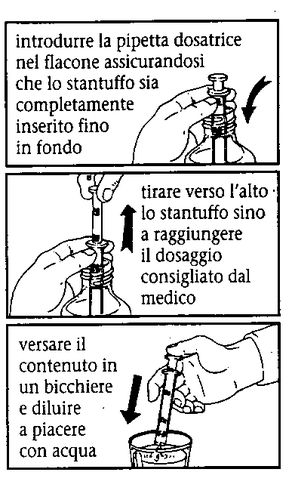
2.5 ml
10 mg
20 mg
5 ml
FLUOXEREN 20 mg dispersible tablets
Swallow the FLUOXEREN dispersible tablets without chewing, or by dissolving them in water
diluting as desired.
FLUOXEREN 20 mg hard capsules
Swallow the FLUOXEREN capsules without chewing.
If you take more FLUOXEREN than you should
In case of taking an excessive dose of FLUOXEREN, immediately inform your doctor or
go to the nearest hospital.
Cases of overdose due to fluoxetine alone have generally had a mild course. Symptoms from
overdose include mainly nausea, vomiting, seizures, cardiovascular disturbance
ranging from arrhythmia (irregular heartbeat) without symptoms to cardiac arrest (including nodal and ventricular arrhythmias) or ECG alterations
indicating QT prolongation up to cardiac arrest (including very rare cases of torsade de pointes), pulmonary dysfunction and manifestations of an altered nervous system
ranging from excitement to coma.
A fatal outcome in case of taking a high dose of fluoxetine is very rare.
In case of manifestation of overdose symptoms, it is recommended to monitor the
cardiac function and vital signs, as well as to implement general symptomatic and supportive measures. No
specific antidotes are known. Forced diuresis, dialysis, hemoperfusion and exchange transfusion are unlikely to offer benefits. Activated charcoal, which can be
used in association with sorbitol, may be a more effective treatment than
emesis (inducing vomiting) or gastric lavage (emptying and washing the stomach).
When treating an overdose, consider the possibility of involvement of multiple drugs.
If you have taken excessive amounts of another tricyclic antidepressant while taking, or have
recently taken, also fluoxetine, a longer period of time may be necessary for
close medical observation
If you stop taking FLUOXEREN
Avoid abruptly stopping treatment with FLUOXEREN; reduce the dose gradually
over a period of at least 1 - 2 weeks to reduce the risk of withdrawal reactions
(see “Warnings and precautions”).
If, following a dose reduction or at the time of stopping treatment, symptoms should occur
intolerable, restoring the previously prescribed dose may be considered. Subsequently the doctor may continue to reduce the dose, but more gradually.
If you have any doubts about the use of this medicine, consult your doctor or pharmacist.
4. Possible side effects
Like all medicines, this medicine can cause side effects, although not everyone will experience them.
The most commonly reported side effects in patients treated with fluoxetine were
headache, nausea, insomnia, fatigue and diarrhoea; these effects may decrease in intensity and
frequency with continued treatment and generally do not require discontinuation of
therapy.
As with other SSRIs, the following side effects have been observed during treatment with fluoxetine:
Very common side effects (may affect more than 1 in 10 people):
- insomnia (early morning awakening, initial and middle insomnia);
- headache;
- diarrhoea and nausea;
- fatigue (asthenia).
Common side effects (may affect up to 1 in 10 people):
- decreased appetite including anorexia;
- anxiety, nervousness, restlessness, tension, decreased and loss of libido, sleep disturbances, abnormal dreams (nightmares);
- attention disorders, dizziness, dysgeusia (altered taste), lethargy (predisposition to continuous sleepiness), drowsiness (hypersomnia and sedation), tremor;
- blurred vision;
- palpitations;
- flushing;.
- yawning;
- vomiting, dyspepsia (difficulty in digestion), dry mouth;
- skin rash (skin changes such as erythema, exfoliating rash, heat rash, erythematous rash, follicular rash, generalized rash, macular rash, maculopapular rash, morbilliform rash, papular rash, pruritic rash, vesicular rash, erythematous umbilical rash), urticaria, itching;
- hyperhidrosis (excessive sweating);
- arthralgia (joint pain);
- frequent urination (frequent passing of urine);
- gynaecological bleeding (cervical bleeding, uterine dysfunction, uterine bleeding, genital haemorrhage, menometrorrhagia, menorrhagia, metrorrhagia, polymenorrhoea, postmenopausal bleeding, uterine haemorrhage, vaginal bleeding), erectile dysfunction, ejaculation disorder;
- feeling of nervousness, chills;
- weight loss.
Uncommon side effects (may affect up to 1 in 100 people):
- depersonalization, euphoric mood, abnormal thinking, abnormal orgasm (anorgasmia), bruxism (teeth grinding), suicidal thoughts and behaviour (completed suicide, suicidal depression, intentional self-harm, self-harmful ideation, suicidal behaviour, suicidal ideation, suicide attempt, morbid thoughts, self-harmful behaviour);
- psychomotor hyperactivity, dyskinesia (movement disorder), ataxia (progressive loss of muscle coordination), balance disorders, myoclonus, impaired memory;
- mydriasis;
- tinnitus (ringing in the ears);
- hypotension (low blood pressure);
- dyspnoea (difficulty breathing), epistaxis (nosebleed);
- dysphagia (difficulty swallowing), gastrointestinal haemorrhage (more frequently gum bleeding, haematemesis, haematochezia, rectal bleeding, haemorrhagic diarrhoea, melena and gastric ulcer bleeding);
- alopecia (hair loss), increased tendency to bruising, cold sweat;
- muscle contractions;
- dysuria (difficulty in urination);
- sexual dysfunction;
- malaise, feeling of abnormality, feeling of cold, feeling of heat.
Rare side effects (may affect up to 1 in 1,000 people):
- thrombocytopenia (decreased number of platelets in the blood), neutropenia (decreased number of neutrophils, a type of white blood cells, in the blood), leukopenia (decreased number of leukocytes, white blood cells, in the blood);
- anaphylactic reaction (severe allergic reaction), serum sickness;
- inappropriate secretion of antidiuretic hormone;
- hyponatremia;
- hypomania, mania, hallucinations, agitation, panic attacks, confused state, dysphemia (inability to pronounce sounds), aggressiveness;
- ventricular arrhythmia, including torsade de pointes, prolonged QT interval on ECG;
- vasculitis (inflammation of blood vessels), vasodilation;
- pharyngitis (inflammation of the pharynx), lung diseases (inflammatory processes with variable histopathology and/or fibrosis including atelectasis, interstitial lung disease, pneumonia);
- oesophageal pain;
- idiosyncratic hepatitis (liver damage);
- angioedema (rapid swelling of the skin, mucous membranes and submucosal tissues), ecchymosis (blood infiltration into the subcutaneous tissue), photosensitivity, purpura, erythema multiforme, Stevens-Johnson syndrome, toxic epidermal necrolysis (Lyell's syndrome);
- myalgia (muscle pain);
- urinary retention, urination disorder;
- galactorrhea (abnormal secretion of milk, );
- hyperprolactinemia (elevated prolactin concentration in the blood), priapism (persistent and abnormal erection, often painful);
- bleeding (haemorrhage) of the mucous membranes;
- increased transaminases, increased gamma-glutamyltransferase (liver function indices).
Side effects with unknown frequency (frequency cannot be estimated on the basis of
available data):
- Abundant vaginal bleeding shortly after delivery (postpartum haemorrhage), see paragraph 2, Pregnancy, for further information.
An increased risk of bone fractures has been observed in patients taking this type of SSRI and TCA (tricyclic antidepressant) drugs.
Alterations in taste, dizziness, euphoria, anorgasmia and hyposodemia have also been reported.
Cases of suicidal ideation and suicidal behaviours have been reported during therapy with
fluoxetine or immediately after discontinuation of treatment .
Discontinuation symptoms observed after stopping treatment
Discontinuation of treatment with FLUOXEREN (especially if abrupt) generally leads to discontinuation
symptoms as described below.
More commonly reported are dizziness, sensory disturbances (including paraesthesia and
electric shock sensation), sleep disturbances (including insomnia and vivid dreams), agitation or
anxiety, nausea and/or vomiting, tremor, confusion, sweating, headache, diarrhoea, palpitations,
emotional instability, irritability and visual disturbances.
Generally these events are mild to moderate and resolve on their own; however, in some patients
they can be severe and/or prolonged. If treatment with FLUOXEREN is no longer required,
gradually discontinue taking the medicine, through a gradual reduction of the dose
(see “If you stop taking FLUOXEREN”).
Additional side effects in children and adolescents
Side effects that have been observed specifically or with a different frequency in
this population are described below.
In pediatric clinical studies, suicide-related behaviours (suicide attempt and suicidal thoughts), hostility (reported events were: anger, irritability, aggression, agitation,
hyperactivity syndrome), manic reactions, including mania and hypomania (without previous episodes
reported in these patients) and epistaxis, were commonly reported and more
frequently observed in children and adolescents treated with antidepressants compared to those
treated with placebo.
The safety of fluoxetine has not been systematically evaluated for chronic treatment of
duration greater than 19 weeks.
In clinical studies conducted on a pediatric population, manic reactions, including mania and hypomania (2.6% of patients treated with fluoxetine vs. 0% in placebo-controlled studies),
were reported, which in most cases led to discontinuation of treatment. These patients
had not had previous episodes of hypomania/mania.
After 19 weeks of treatment, pediatric subjects treated in the clinical study with fluoxetine
reported an average growth of 1.1 centimeters less in height (p=0.004) and 1.1 kg in
less weight (p=0.008) compared to subjects treated with placebo.
Isolated cases of growth retardation have also been reported during clinical use.
In clinical studies conducted on a pediatric population, treatment with fluoxetine has been
associated with a decrease in alkaline phosphatase levels.
Isolated cases of events potentially indicating delayed sexual maturation or sexual dysfunction have been reported in pediatric clinical use.
Reporting of side effects
If you get any side effects, talk to your doctor or pharmacist. This includes any side effects not listed in this leaflet. You can also report side effects directly through
the national reporting system at https://www.aifa.gov.it/content/segnalazioni-
reazioni-avverse.
By reporting side effects you can help provide more information on the safety of
this medicine.
5. How to store FLUOXEREN
Keep this medicine out of the sight and reach of children.
Do not use this medicine after the expiry date which is stated on the packaging. The expiry date refers to the last day of that month.
Precautions for storage:
FLUOXEREN 20 mg hard capsules and FLUOXEREN 20 mg/5 ml oral solution
Store at a temperature below 25°C.
FLUOXEREN 20 mg dispersible tablets
Store at a temperature below 30°C.
Do not dispose of any medicine in wastewater or household waste. Ask your pharmacist how to
dispose of medicines you no longer use. This will help protect the environment.
6. Package Contents and Other Information
What FLUOXEREN contains
FLUOXEREN 20 mg hard capsules
Each capsule contains:
Active ingredient: Fluoxetine hydrochloride 22.36 mg, equivalent to fluoxetine 20 mg.
Other ingredients: Corn starch, dimethicone, Patent Blue V E-131, yellow iron oxide E-172,
titanium dioxide E-171, gelatin.
FLUOXEREN 20 mg/5 ml oral solution
5 ml of oral solution contains:
Active ingredient: fluoxetine hydrochloride 22.36 mg, equivalent to fluoxetine 20 mg.
Other ingredients: Benzoic acid, sucrose, glycerin, mint flavor, purified water.
FLUOXEREN 20 mg dispersible tablets
Each tablet contains:
Active ingredient: Fluoxetine hydrochloride 22.36 mg, equivalent to fluoxetine 20 mg.
Other ingredients: Microcrystalline cellulose, sodium saccharin, mannitol, sorbitol, anise flavor,
peppermint flavor, anhydrous colloidal silica, pregelatinized starch, sodium stearyl fumarate,
crospovidone.
Description of the appearance of FLUOXEREN and contents of the pack
FLUOXEREN 20 mg hard capsules
12 and 28 hard capsules of green/white color containing a homogeneous white powder of 20 mg in
blisters.
FLUOXEREN 20 mg/5 ml oral solution
60 ml of colorless oral solution in amber glass bottles closed with a plastic cap, with
attached dosing pipette.
FLUOXEREN 20 mg dispersible tablets
12 and 28 dispersible tablets of white color and elongated shape of 20 mg in blisters.
Marketing Authorisation Holder and Manufacturer
- A. Menarini Industrie Farmaceutiche Riunite s.r.l.- Via Sette Santi 3, Florence. Distributor for sales: Istituto Luso Farmaco d’Italia S.p.A., Milanofiori - Strada 6 - Edificio
- L - Rozzano (MI).
Manufacturer
FLUOXEREN 20 mg hard capsules
- A. Menarini Manufacturing Logistics and ServicesS.r.l., Via Campo di Pile, L'Aquila. Laboratorios Menarini S.A., Alfonso XII n. 587, Badalona – Barcelona (Spain).
FLUOXEREN 20 mg/5 ml oral solution
Laboratorios Menarini S.A, Alfonso XII n. 587, Badalona – Barcelona (Spain).
FLUOXEREN 20 mg dispersible tablets
- A. Menarini Manufacturing Logistics and Services s.r.l., Via Campo di Pile, L'Aquila. Menarini Von Heyden GmbH - Leipziger Strasse 7-13 – Dresden (Germany).

Nie jesteś pewien, czy ten lek jest odpowiedni dla ciebie?
Omów swoje objawy i leczenie z lekarzem online.

Zacząłeś przyjmować lek i masz pytania?
Omów swoje objawy i leczenie z lekarzem online.
- Kraj rejestracji
- Postać farmaceutycznaOral solution, 20 MG/5 ML
- Kod ATCN06AB03
- Substancja czynna
- Wymaga receptyTak
- Producent
- Te treści mają charakter wyłącznie informacyjny i nie zastępują konsultacji lekarskiej.
- Zamienniki FLUOXERENPostać farmaceutyczna: Hard capsule, 20 MGSubstancja czynna: fluoxetineProducent: ACCORD HEALTHCARE, S.L.U.Wymaga receptyPostać farmaceutyczna: Hard capsule, 20 MGSubstancja czynna: fluoxetineProducent: ALMUS S.R.L.Wymaga receptyPostać farmaceutyczna: Hard capsule, 20 MGSubstancja czynna: fluoxetineProducent: DOC GENERICI SRLWymaga recepty
Odpowiedniki FLUOXEREN w innych krajach
Leki z tą samą substancją czynną dostępne w innych krajach.
Odpowiednik FLUOXEREN w Hiszpania
Odpowiednik FLUOXEREN w Polska
Odpowiednik FLUOXEREN w Ukraina
Lekarze online w sprawie FLUOXEREN
Omów stosowanie FLUOXEREN, bezpieczeństwo i ocenę zasadności recepty zgodnie z obowiązującymi przepisami.







Uzyskaj receptę na FLUOXEREN online
Wypełnij 2-minutowy formularz
Opisz swoje objawy, historię choroby i lek, o który prosisz.
Wybierz lekarza lub pozwól nam przydzielić
Wybierz specjalistę lub dopasujemy Cię do najbliższego dostępnego lekarza.
Lekarz analizuje Twój przypadek
Zazwyczaj w ciągu 30 minut. Może zadawać dodatkowe pytania przez czat.
Odbierz w dowolnej aptece
Recepta elektroniczna wysłana na Twój e-mail — ważna w całej Polsce.
Często zadawane pytania
FLUOXEREN wymaga recepty w Włochy. Możesz skonsultować się z lekarzem online, aby sprawdzić, czy ten lek może być odpowiedni w Twojej sytuacji.
Substancją czynną w FLUOXEREN jest fluoxetine. Informacja ta pomaga rozpoznać leki o tym samym składzie, ale pod różnymi nazwami handlowymi.
FLUOXEREN jest produkowany przez A. MENARINI INDUSTRIE FARMACEUTICHE RIUNITE S.R.L.. Nazwy handlowe i opakowania mogą się różnić w zależności od dystrybutora.
Lekarze, tacy jak Lekarze rodzinni, Psychiatrzy, Dermatolodzy, Kardiolodzy, Endokrynolodzy, Gastroenterolodzy, Pulmonolodzy, Nefrolodzy, Reumatolodzy, Hematolodzy, Zakaźnicy, Alergolodzy, Geriatrzy, Pediatrzy, Onkolodzy, mogą ocenić, czy stosowanie FLUOXEREN jest odpowiednie w Twoim przypadku, w zależności od sytuacji klinicznej i lokalnych przepisów. Możesz umówić konsultację online, aby omówić objawy i możliwe dalsze kroki.
Polska posiada dobrze rozwiniętą infrastrukturę ochrony zdrowia w dużych miastach, takich jak Warszawa, Kraków, Wrocław i Gdańsk. Apteki są łatwo dostępne i działają zgodnie z obowiązującymi przepisami, zapewniając dostęp do leków na receptę.
Możesz kupić FLUOXEREN w Warszawie, Krakowie, Wrocławiu lub Gdańsku w każdej aptece, posiadając ważną receptę.
Aby uzyskać receptę, możesz skorzystać z Oladoctor:
Inne leki zawierające tę samą substancję czynną (fluoxetine) to m.in. FLUOXETINA AKKORD, FLUOXETINA ALMUS, FLUOXETINA DOK JENERIKI. Mogą one różnić się nazwą handlową lub postacią, ale zawierają ten sam składnik terapeutyczny. Przed zmianą lub rozpoczęciem nowego leku skonsultuj się z lekarzem.
