



ENANTONE 3.75 MG/ML Roztwór do wstrzykiwań

Ocena recepty online
Lekarz przeanalizuje Twój przypadek i zdecyduje, czy wystawienie recepty jest medycznie uzasadnione.

Porozmawiaj z lekarzem o tym leku
Omów swoje objawy i opcje leczenia podczas szybkiej konsultacji online.



Jak stosować ENANTONE
Treść ulotki
- What is ENANTONE and what is it used for
- What you need to know before ENANTONE is administered
- How to administer ENANTONE
- Possible side effects
- How to store ENANTONE
- Contents of the pack and other information
- What is ENANTONE and what is it used for
- What you need to know before ENANTONE is administered
- How to administer ENANTONE
- Possible side effects
- How to store ENANTONE
- Content of the pack and other information
ENANTONE 3.75 mg/ml powder and solvent for prolonged-release injectable suspension for
intramuscular or subcutaneous use
Leuprorelin acetate
Read this leaflet carefully before this medicine is administered to you, as it
contains important information for you.
- Keep this leaflet. You may need to read it again.
- If you have any questions, ask your doctor, pharmacist or nurse.
- This medicine has been prescribed for you/the child only. Do not pass it on to others, even if they have the same symptoms as you, as it may be harmful.
- If any side effects occur, including those not listed in this leaflet, tell your doctor, pharmacist or nurse. See section 4.
Contents of this leaflet:
- 1. What ENANTONE is and what it is used for
- 2. What you need to know before ENANTONE is administered
- 3. How to administer ENANTONE
- 4. Possible side effects
- 5. How to store ENANTONE
- 6. Contents of the pack and other information
Many of the information contained in this leaflet applies to both men and women and to
children.
- When the information applies only to men, it is preceded by the title Informationfor men
- When the information applies only to women, it is preceded by the title Informationfor women
- When the information applies only to children, it is preceded by the title Informationfor children
1. What is ENANTONE and what is it used for
ENANTONE is a medicine based on leuprorelin acetate, belonging to the group of gonadotropin-releasing hormone (GnRH) analogues.
Use of ENANTONE in men:
ENANTONE is used to treat prostate cancer (the gland that produces seminal fluid) and
its spread to other organs (metastases).
Use of ENANTONE in women:
ENANTONE is used for:
- treating a disease called endometriosis, i.e. when cells that are usually found only in the lining of the uterus are present in other parts of the body (usually in other systems near the uterus);
- treating breast cancer in women approaching menopause in whom hormone therapy is indicated;
- treating benign growths in the uterus called uterine fibroids;
- thinning the lining of the uterus before undergoing surgery.
Use of ENANTONE in children:
ENANTONE is a synthetic hormone that can be used to reduce levels of circulating testosterone and
estrogen in the body. ENANTONE is used for the treatment of precocious puberty, which is
caused by the release of certain hormones from the pituitary gland (central precocious puberty) in girls
under 9 years of age and in boys under 10 years of age.
See your doctor if you/the child do not feel better or if you feel worse.
2. What you need to know before ENANTONE is administered
Your doctor will need to make a precise diagnosis of central precocious puberty.
ENANTONE will not be administered to you/the child
- If you are allergic to leuprorelin or any of the other ingredients of this medicine (listed in section 6) or to synthetic luteinizing hormone-releasing hormone (GnRH) or GnRH derivatives.
- If you are pregnant (see section “Pregnancy and breastfeeding”).
- If you are breastfeeding (see section “Pregnancy and breastfeeding”).
- If you have vaginal bleeding of unknown cause.
Warnings and precautions
Consult your doctor, pharmacist or nurse before ENANTONE is administered.
In the early stages, after the first administration of the medicine, there may be a
temporary worsening of general conditions. However, these symptoms disappear
with continued treatment.
Consult your doctor if you/the child has any of the following conditions:
- any heart or blood vessel disorder, including heart rhythm problems (arrhythmias), or if you are being treated with medicines for these disorders. The risk of heart rhythm problems may increase with the use of ENANTONE.
Inform your doctor who will carefully monitor you/the child:
- If you have hepatic steatosis.
- If you suffer from diabetes.
- If you suffer from a heart disease.
If you (or your child) suffer from severe or recurrent headaches, have vision problems or experience ringing or
a whistling in the ears, consult your doctor immediately.
Severe skin reactions, including Stevens-Johnson syndrome/toxic epidermal necrolysis (SJS/TEN), have been reported in association with leuprorelin treatment. Stop the
treatment with leuprorelin and consult your doctor immediately if you experience any
of the symptoms related to these severe skin reactions described in section 4.
- Information for menInform your doctor:
- If you have difficulty urinating or find blood in your urine.
- If you suffer from back pain.
- If you feel weak in the legs.
The doctor will consider subjecting you to blood tests and tests to assess the condition
of the bones and prostate.
The use of medicines such as ENANTONE (GnRH agonists) which block the production of
testosterone, can cause thinning of the bones (reduction in bone mass – see
section 4 “Possible side effects”).
- Information for womenInform your doctor:
- If you suffer from back pain.
- If you are of childbearing potential (see section “Pregnancy and breastfeeding”).
- If you have severe bleeding between menstrual cycles and suffer from endometriosis or fibroids
uterus.
The use of medicines such as ENANTONE (GnRH agonists) can cause thinning of the
bones (reduction in bone mineral density). Therefore, the duration of treatment should still
be limited to 6 months (see section 3 “How to administer ENANTONE”). If you were to repeat
the treatment, the doctor will subject you to bone mass checks.
Children and adolescents
- Information for childrenInform your doctor:
- If the child's weight approaches 20 Kg. The doctor may decide to subject them to blood tests to check hormone levels in the blood.
- If the child is depressed. Cases of even severe depression have been reported in patients taking ENANTONE (see section 4 “Possible side effects”).
- If, after the first injection, the girl experiences vaginal bleeding. The doctor may prescribe appropriate treatment if such bleeding continues beyond the first month of treatment.
- If the child has a brain tumor. In children: In case of a sterile abscess at the injection site (mostly reported after injection into a muscle), the doctor will check hormone levels as reduced absorption of leuprorelin from the injection site may occur.
If the child has a progressing brain tumor, the doctor will decide whether treatment with
leuprorelin is appropriate.
Girls with central precocious puberty
Vaginal bleeding (spotting) and discharge may occur following the first injection
as a sign of suspension of hormone release. Vaginal bleeding beyond the first/second month
of treatment should be investigated.
Before starting treatment, checks should be carried out to rule out an ongoing pregnancy.
Bone density may decrease during treatment of central precocious puberty with ENANTONE.
However, after discontinuation of treatment, subsequent bone mass growth remains preserved
and treatment does not appear to have effects on the peak increase in bone mass in late adolescence.
Sterile abscesses at the injection site have often occurred when ENANTONE is administered
at doses higher than those recommended and when administered into a muscle. The doctor must
therefore administer the medicine under the skin, for example, in the abdomen, gluteus or thigh.
Discontinuation of treatment may lead to a slippage of the femoral cartilage growth plate. A possible cause may be a weakness of the growth cartilage due to
a lower concentration of female sex hormones during treatment.
Other medicines and ENANTONE
Inform your doctor or pharmacist if you/the child is taking, has recently taken or might
take any other medicine.
ENANTONE may interfere with some medicines used to treat heart rhythm problems
(e.g. quinidine, procainamide, amiodarone and sotalol) or may increase the risk of heart
rhythm problems when used with some other drugs (e.g. methadone (used for
pain relief and in drug detoxification programs), moxifloxacin (an
antibiotic), antipsychotics (used for severe mental illnesses)).
Pregnancy and breastfeeding
Do notuseENANTONE during pregnancy and breastfeeding (see section 2 “ENANTONE will not
be administered to you/the child”).
Before treatment, if you are potentially fertile, your doctor will ask you to undergo careful checks
to rule out an ongoing pregnancy (see section 2 “ENANTONE will not be administered to
you/the child”). During treatment and until the resumption of the menstrual cycle, use non-hormonal
contraceptive methods (e.g. condom and diaphragm).
Driving and operating machinery
ENANTONE may alter the ability to drive vehicles (including bicycles) and operate machinery.
ENANTONE contains sodium
This medicine contains less than 1 mmol (23 mg) of sodium per dose, i.e. it is essentially “sodium-free”.
For athletes: the use of the drug without therapeutic need constitutes doping and may
still result in positive doping tests.

Nie jesteś pewien, czy ten lek jest odpowiedni dla ciebie?
Omów swoje objawy i leczenie z lekarzem online.
3. How to administer ENANTONE
Enantone must be administered only by your doctor or a nurse. They will also take care of preparing the medicine.
Information for men
The recommended dose is 3.75 mg (entire content of the pre-filled syringe) of active substance to be taken once a month, for a period of time established by the doctor.
Information for women
The recommended dose is 3.75 mg (entire content of the pre-filled syringe) of active substance to be taken once a month, for a period of time established by the doctor.
The duration of treatment may vary depending on the indication:
- in endometriosis it is 6 months;
- in uterine fibroids it is 6 months;
- to make the uterine lining thinner before undergoing surgery it is 1-3 months.
Information for children
Treatment of children should occur under the general supervision of the pediatric endocrinologist.
The dosage must be adapted individually.
The recommended initial dose depends on body weight:
a) children with a body weight of 20 kg or more
Unless otherwise prescribed, 1 ml of ENANTONE (3.75 mg of leuprorelin acetate) once a month under the skin, for example in the abdomen, gluteus or thigh in a single injection.
b) children with a body weight less than 20 kg
Taking into account the clinical activity of central precocious puberty, in these rare cases the following applies:
Unless otherwise prescribed, 0.5 ml of ENANTONE (1.88 mg of leuprorelin acetate) once a month under the skin, for example in the abdomen, gluteus or thigh in a single injection. The remainder of the suspension must be discarded. The doctor will monitor the child's weight gain.
Depending on the activity of central precocious puberty, the doctor may increase the dosage in the presence of insufficient suppression (for example vaginal bleeding). The doctor will establish the minimum effective dose with the help of a blood test.
The duration of treatment depends on the clinical symptoms at the beginning or during the course of treatment and is decided by the doctor together with the legal guardian and, if applicable, the child being treated. The doctor will establish the bone age of the child at regular intervals.
In girls with bone maturation age greater than 12 years and boys with bone maturation age greater than 13 years, the doctor will consider suspending treatment, depending on the clinical effects in the child.
In girls, pregnancy must be excluded before the start of treatment. The occurrence of a pregnancy during treatment cannot generally be ruled out. In such cases, please talk to your doctor.
Therapy is a long-term treatment, regulated individually. Please agree with the doctor that ENANTONE is administered as precisely as possible and at regular intervals.
An exceptional delay in the date of injection of a few days (30 ± 2 days) does not affect the result of the therapy.
If more ENANTONE than intended is administered
If you/the child has been given more ENANTONE than intended, contact your doctor or go to hospital immediately.
The doctor will check the symptoms with specific therapies.
If a dose of ENANTONE is missed
A double dose should not be administered to compensate for a missed dose.
If you stop treatment with ENANTONE
If you have any doubts about the use of this medicine, ask your doctor or pharmacist.
4. Possible side effects
Like all medicines, this medicine can cause side effects, although not everyone will experience them.
Side effects are listed below by frequency in different patient populations:
- Information for all patientsCommon (may affect up to 1 in 10 people)
- depression,
- mood changes (long-term use). Uncommon (may affect up to 1 in 100 people)
- mood changes (short-term use). Very rare (may affect up to 1 in 10,000)
- pituitary gland infarction,
- pituitary gland bleeding (a gland located at the base of the head) in patients with a benign tumor (adenoma) of the pituitary gland. Not known (frequency cannot be estimated from available data)
- uncontrolled body movements (convulsions),
- idiopathic intracranial hypertension (increased pressure inside the skull around the brain, characterized by headache, double vision and other visual disturbances, and ringing or buzzing in one or both ears).
- flat, reddish spots of a circular shape or target-like appearance on the trunk, often with central blisters, skin peeling, mouth, throat, nose, genital and eye ulcers. These severe skin rashes may be preceded by fever or flu-like symptoms (Stevens-Johnson syndrome/toxic epidermal necrolysis),
- skin redness and itchy rash (toxic skin rash),
- a skin reaction that causes small red spots or patches on the skin, which may resemble a target with a dark red center surrounded by lighter red rings (erythema multiforme).
- Information for all adult patientsVery common (may affect more than 1 in 10 people)
- hot flushes. Common (may affect up to 1 in 10 people)
- joint pain (arthralgia),
- ankle swelling (edema). Uncommon (may affect up to 1 in 100 people)
- muscle pain (myalgia). Not known (frequency cannot be estimated from available data)
- decreased red blood cells, white blood cells and platelets (anemia, leukopenia, thrombocytopenia),
- allergic reactions including skin rash, itching, hives, wheezing, fever and chills,
- metabolic syndrome (including increased blood pressure, altered levels of fats and sugars in the blood),
- lung inflammation, lung disease,
- fragile bones (osteoporosis).
- Information for womenVery common (may affect more than 1 in 10 people)
- headache (occasionally severe). Common (may affect up to 1 in 10 people)
- dizziness,
- numbness and tingling (paresthesia),
- breast pain,
- injection site reaction (for example, hardening, redness, pain, abscess, swelling, nodules and death of a portion of the skin (necrosis)). Uncommon (may affect up to 1 in 100 people)
- abnormal liver function test values (usually transient). Not known (frequency cannot be estimated from available data)
- liver malfunction (hepatic dysfunction, including jaundice).
- Additional side effects for patients with breast cancer or with adifferent frequency compared to patients with endometriosis or fibroidsVery common (may affect more than 1 in 10 people)
- weight gain,
- decreased appetite,
- nausea,
- excessive sweating,
- bone pain,
- muscle weakness,
- vaginal bleeding,
- decreased libido,
- vaginal dryness,
- fatigue. Common (may affect up to 1 in 10 people)
- insomnia,
- visual disturbances,
- palpitations,
- vomiting,
- diarrhea,
- hair loss,
- inflammation and infection of the vulva and vagina (vulvovaginitis). Rare (may affect up to 1 in 1,000)
- change in breast size.
- Additional side effects for patients with endometriosis/uterine fibroids or with adifferent frequency compared to patients with breast cancerVery common (may affect more than 1 in 10 people)
- Insomnia. Common (may affect up to 1 in 10 people)
- weight gain/weight changes,
- nausea,
- excessive sweating,
- muscle weakness,
- loss of breast firmness (mammary atrophy),
- vaginal dryness. Uncommon (may affect up to 1 in 100 people)
- decreased appetite,
- visual disturbances,
- palpitations,
- vomiting,
- diarrhea,
- hair loss,
- fatigue. Very rare (may affect up to 1 in 10,000)
- change in breast size. Not known (frequency cannot be estimated from available data)
- inflammation and infection of the vulva and vagina (vulvovaginitis),
- vaginal bleeding,
- decreased libido.
- Information for menIn the early stages of therapy, there is a short-term increase in the level of the sex hormone (the "Flare-up" phenomenon). Side effects that may occur particularly at the beginning of treatment include urinary symptoms such as narrowing of the urinary tract; in patients with spinal cord compression, bone pain, weakness in the lower extremities and paresthesia (as neurological symptoms) may also occur. Very common (may affect more than 1 in 10 people)
- weight gain,
- drowsiness,
- excessive sweating,
- muscle weakness,
- inability to achieve and maintain an erection (erectile dysfunction),
- shrinkage of the testicles,
- decreased libido,
- injection site reaction (for example, hardening, redness, pain, abscess, swelling, nodules and death of a portion of the skin (necrosis)),
- fatigue. Common (may affect up to 1 in 10 people)
- decreased appetite,
- insomnia,
- headache (occasionally severe),
- nausea,
- constipation,
- liver malfunction (hepatic dysfunction including jaundice),
- abnormal liver function test values, usually transient,
- breast enlargement in men. Uncommon (may affect up to 1 in 100 people)
- dizziness,
- vomiting,
- diarrhea. Rare (may affect up to 1 in 1000)
- hair loss. Not known (frequency cannot be estimated from available data)
- visual disturbances,
- palpitations,
- changes in ECG tracing (QT prolongation).
- Additional side effects in children and adolescentsIn the early stages of treatment, there is a short-term increase in sex hormone levels, followed by a decrease in values within the prepubertal range. Due to this pharmacological effect, side effects may occur particularly at the beginning of treatment.
Common (may affect up to 1 in 10 people)
- mood changes,
- headache,
- abdominal pain,
- abdominal cramps,
- nausea,
- vomiting,
- acne,
- vaginal bleeding*,
- vaginal discharge,
- injection site reaction (for example, hardening, redness, pain, abscess, swelling, nodules and death of a portion of the skin (necrosis)). Very rare (may affect up to 1 in 10,000)
- allergic reactions including skin rash, itching, hives, wheezing, fever and chills. Not known (frequency cannot be estimated from available data)
- muscle pain (myalgia).
*In general, if vaginal bleeding occurs even after continuing treatment (after
possible withdrawal bleeding in the first month of treatment), this may be a sign of
potential underdosage. Inform your doctor if vaginal bleeding occurs.
Reporting of side effects
If you/the child experience any side effects, including those not listed in this
leaflet, please tell your doctor, pharmacist or nurse. You can also report side effects
directly through the national reporting system at
https://www.aifa.gov.it/content/segnalazioni-reazioni-avverse. By reporting side effects you can
help provide more information on the safety of this medicine.

Zacząłeś przyjmować lek i masz pytania?
Omów swoje objawy i leczenie z lekarzem online.
5. How to store ENANTONE
This medicine does not require any particular storage temperature.
Do not refrigerate or freeze.
Store in the original package to protect the medicine from light.
Use immediately after mixing as the suspension settles very quickly
after reconstitution.
Keep this medicine out of sight and reach of children.
Do not use this medicine after the expiry date which is reported on the package after SCAD.
The expiry date refers to the last day of that month.
Do not dispose of any medicine in the wastewater or household waste. Ask your pharmacist how
to eliminate medicines that you no longer use. This will help protect the environment.
6. Contents of the pack and other information
What ENANTONE contains
- The active ingredient is leuprorelin.
- The other components of the powder are DL-lactic acid and glycolic acid copolymer, mannitol, gelatin.
- The other components of the solvent are: mannitol, sodium carboxymethylcellulose (sodium) (see paragraph “ENANTONE contains sodium”), polysorbate 80, glacial acetic acid for pH adjustment, water for injections.
Description of the appearance of ENANTONE and contents of the pack
ENANTONE is presented as a white powder and a clear, colorless solvent.
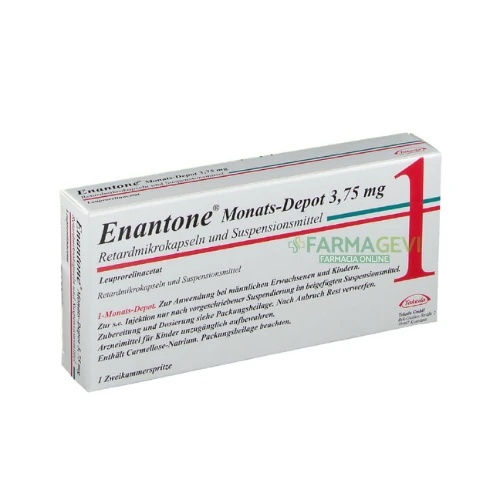
ENANTONE is available in a pack of 1 pre-filled dual-chamber syringe, containing the
lyophilized powder (3.75 mg leuprorelin acetate) in the front chamber and the solvent (1 ml) in the
rear chamber, 1 needle equipped with a safety device, 1 plunger.
Marketing authorisation holder and manufacturer
Marketing authorisation holder
TAKEDA ITALIA S.p.A. - Viale Manzoni 30 - Rome
under license from Takeda Pharmaceutical Company Ltd - Osaka - Japan
Manufacturer
Delpharm Novara S.r.l. – Via Crosa 86 - Cerano (NO)
------------------------------------------------------------------------------------------------------------------------
The following information is intended for healthcare professionals only:
ENANTONE is available in a pre-filled dual-chamber syringe for
intramuscular or subcutaneous injection.
Important information
- Donot use if the medicine is expired.
- This medicine does not require any particular storage temperature. Do not refrigerate or freeze.
- Store the dual-chamber syringe in the original pack to protect the medicine from light.
- Keep the syringe in an upright position (with the needle pointing upwards) at all stages of preparation to prevent product leakage. If product leakage occurs, the dose should not be administered.
- Use immediately after mixing as the suspension settles very quickly after reconstitution.
- The medicine can be injected intramuscularly or subcutaneously.
Pre-filled dual-chamber syringe
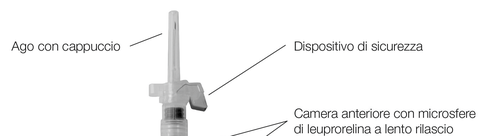
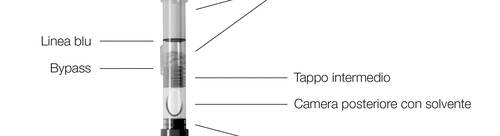

Fig. 1
Preparation
- 1. Before starting the syringe preparation, wash your hands thoroughly and wear protective gloves. Keep the syringe in an upright position at all stages of preparation.
Reconstitution
- 2. Open the pack and take out the syringe.
- 3. Check the expiry date printed on the syringe and the powder and solvent inside the chambers of the syringe. The powder must be white and dry, the solvent must be clear.
- 4. Inspect the syringe for any signs of damage.
- Donot use the syringe after the expiry date;
- Donot use the syringe if the powder is lumpy or compacted;
- Donot use the syringe if the powder or solvent has an abnormal color;
- Donot use the syringe if any of its parts are damaged.
- 5. The needle is covered with a normal cap. Do not touch the safety device around the needle at this stage (Fig. 2)
Fig. 2
- 6. Gently tap the syringe to remove any clumps and detach any powder present on the walls of the syringe.
- 7. Take the plunger out of the pack.
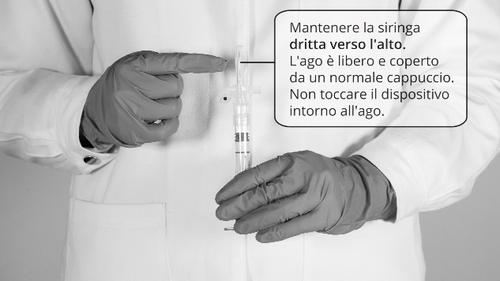
- 8. Screw the plunger onto the base of the syringe until the terminal cap starts to turn.
- Donot rotate or pull back the plunger once it has been fixed.
- 9. Without removing the needle cap, check that the needle is securely fixed by rotating it (clockwise). Do not tighten excessively.
- Donot remove the needle cap until you are ready for the injection.
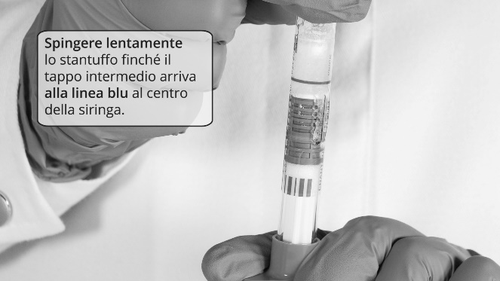
- 10. Keeping the syringe straight upwards, slowly push the plunger until the intermediate cap reaches the blue line in the centre of the syringe (Fig. 3). You will see the solvent flow into the front chamber past the blue line.
- Donot remove the needle cap before the solvent is released;
- Donot push the plunger too quickly or past the blue line as suspension leakage from the needle could occur;
- Donot pull the plunger back again.
Fig. 3
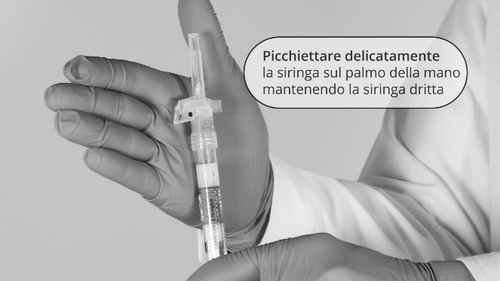
- 11. Gently tap the syringe on the palm of your hand, keeping the syringe straight, to mix the powder and solvent until a uniform suspension is formed. The suspension will appear milky, without any visible clumps (Fig. 4).
- If particles adhere to the cap during mixing, gently tap the syringe with your finger;
- Avoid tapping or shaking vigorously to prevent bubble formation;
Fig. 4
- 12. Remove the needle cap by pulling it upwards.
- Donot rotate the needle cap.
- 13. Push the plunger upwards until all the air has been expelled from the syringe.
- 14. The syringe is now ready for injection. Use immediately as the suspension settles very quickly after reconstitution.
Administration by intramuscular or subcutaneous route
- 1. Choose the injection site. Sites for intramuscular injection include the shoulder (deltoid), the upper buttock (ventrogluteal) and the thigh (Figure 5). Sites for subcutaneous injection include the peri-umbilical area, the thighs, the upper arms and the buttocks (Figure 6).
- 2. Clean the skin at the injection site with an alcohol swab and allow it to air dry.
- Donot inject where the skin is red, swollen, scarred or damaged;
- Donot use the same injection site for more than one consecutive injection.
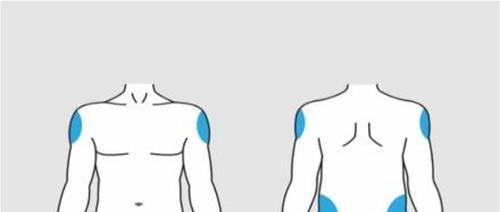
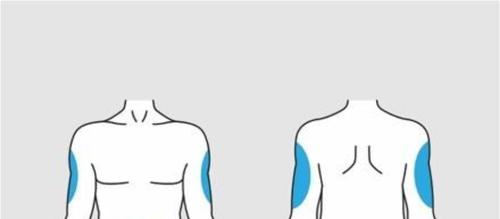
Figure 5: Sites for intramuscular injection Figure 6: Sites for subcutaneous injection
- 3. Intramuscular injection
- Gently stretch the skin at the injection site and insert the needle at a 90º angle to the skin. Before inserting the needle, check the orientation of the safety device. The arrow on the safety device must be pointed towards the patient, with the black dot facing upwards (Figure 7).
- Once the needle is inserted, aspirate by pulling back the plunger for 5-10 seconds. Care must be taken to avoid accidental injection into a blood vessel. If blood is visible in the needle cylinder, stop the injection and immediately discard the needle.
- 4. Subcutaneous injection
- Pinch a section of skin of 2.5 cm between your fingers and insert the needle at an angle of 30º - 90º. Before inserting the needle, check the orientation of the safety device. The arrow on the safety device must be pointed towards the patient, with the black dot facing upwards (Figure 7).
Fig. 7
- 5. Slowly push the plunger all the way down to inject the entire contents of the syringe. Withdraw the needle at the same angle at which it was inserted, then use a clean gauze pad to apply light pressure.
- Donot rub the injection site.
- Donot recap the needle with the cap after the injection.
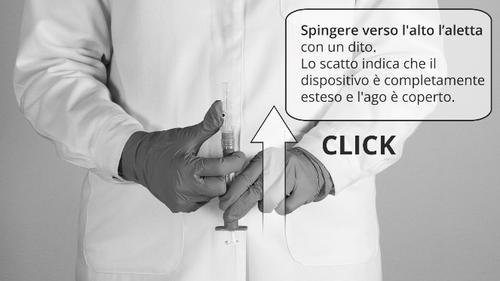
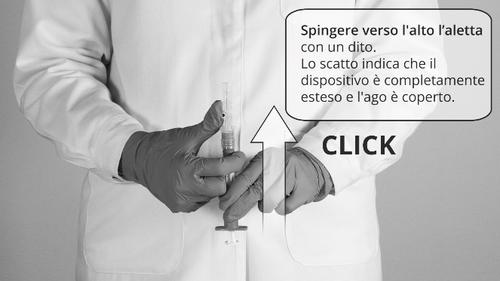
- 6. Once the injection is complete, move the needle away from the patient. Immediately activate the safety device by pushing the tab upwards with a finger until you feel a CLICK indicating that the device is fully extended and the needle is covered (Fig. 8).
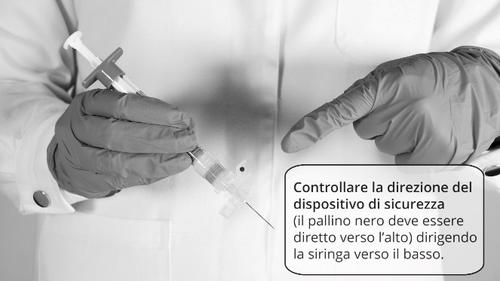
Fig. 8

http://takeda.info/3wQCXRj
ENANTONE 11.25 mg/ml powder and solvent for prolonged-release injectable suspension for
intramuscular or subcutaneous use
Leuprorelin acetate
Read this leaflet carefully before this medicine is administered to you because
it contains important information for you.
- Keep this leaflet. You may need to read it again.
- If you have any questions, ask your doctor, pharmacist or nurse.
- This medicine has been prescribed only for you. Do not pass it on to others, even if their symptoms are the same as yours, as it could be harmful.
- If any side effects occur, including those not listed in this leaflet, tell your doctor, pharmacist or nurse. See section 4.
Contents of this leaflet:
- 1. What ENANTONE is and what it is used for
- 2. What you need to know before ENANTONE is administered to you
- 3. How ENANTONE is administered
- 4. Possible side effects
- 5. How to store ENANTONE
- 6. Contents of the pack and other information
Much of the information in this leaflet applies to both men and women and
children.
- When the information applies only to men, it is preceded by the title Informationfor men
- When the information applies only to women, it is preceded by the title Informationfor women
- When the information applies only to children, it is preceded by the title Informationfor children
1. What is ENANTONE and what is it used for
ENANTONE is a medicine based on leuprorelin acetate, belonging to the group of gonadotropin-releasing hormone (GnRH) analogues.
Use of ENANTONE in men:
ENANTONE is used to treat prostate cancer (the gland that produces seminal fluid) and
its spread to other organs (metastases).
Use of ENANTONE in women:
ENANTONE is used for:
- treating a disease called endometriosis, i.e. when cells that are usually found only in the lining of the uterus are present in other parts of the body (usually in other systems near the uterus);
- treating breast cancer in women close to menopause in whom hormone therapy is indicated;
- treating benign growths in the uterus called uterine fibroids.
Use of ENANTONE in children:
ENANTONE is a synthetic hormone that can be used to reduce levels of circulating testosterone and
estrogen in the body. ENANTONE is used for the treatment of precocious puberty, which is
caused by the release of certain hormones from the pituitary gland (central precocious puberty) in girls
under 9 years of age and in boys under 10 years of age.
See your doctor if you/the child do not feel better or if you feel worse.
2. What you need to know before ENANTONE is administered
Your doctor will need to make a precise diagnosis of central precocious puberty.
ENANTONE will not be administered to you/the child
- If you are allergic to leuprorelin or any of the other ingredients of this medicine (listed in section 6) or to synthetic luteinizing hormone-releasing hormone (GnRH) or GnRH derivatives.
- If you are pregnant (see section “Pregnancy and breastfeeding”).
- If you are breastfeeding (see section “Pregnancy and breastfeeding”).
- If you have vaginal bleeding of unknown cause.
Warnings and precautions
Consult your doctor, pharmacist or nurse before ENANTONE is administered.
In an initial period, after the first administration of the medicine, you may experience a
temporary worsening of your general condition. However, these symptoms disappear
with continued treatment.
Consult your doctor if you/the child has any of the following conditions:
- any heart or blood vessel disorder, including heart rhythm problems (arrhythmias), or if you are being treated with medications for these disorders. The risk of heart rhythm problems may increase with the use of ENANTONE.
Inform your doctor if you/the child has any of the following conditions:
- If you have fatty liver disease (steatosis).
- If you suffer from diabetes.
- If you suffer from a heart condition.
If you (or your child) suffer from severe or recurrent headaches, have vision problems or experience ringing or
a whistling in the ears, consult your doctor immediately.
Serious skin reactions, including Stevens-Johnson syndrome/toxic epidermal necrolysis (SJS/TEN), have been reported in association with leuprorelin treatment. Stop the
treatment with leuprorelin and consult your doctor immediately if you experience any
of the symptoms related to these serious skin reactions described in section 4.
- Information for menInform your doctor:
- If you have difficulty urinating or find blood in your urine.
- If you suffer from back pain.
- If you feel weak in your legs.
The doctor will consider subjecting you to blood tests and tests to assess the condition
of the bones and prostate.
The use of medicines like ENANTONE (GnRH agonists), which block the production of
testosterone, can cause thinning of the bones (reduction in bone mass – see
section 4 “Possible side effects”).
- Information for womenInform your doctor:
- If you suffer from back pain.
- If you are of childbearing potential (see section “Pregnancy and breastfeeding”).
- If you have heavy bleeding between menstrual cycles and suffer from endometriosis or uterine fibroids.
The use of medicines like ENANTONE (GnRH agonists) can cause thinning of the
bones (reduction in bone mineral density). Therefore, the duration of treatment should still
be limited to 6 months (see section 3 “How to administer ENANTONE”). If you were to repeat
the treatment, the doctor will subject you to bone mass checks.
Children and adolescents
- Information for childrenInform your doctor:
- If the child's weight approaches 20 Kg. The doctor may decide to subject them to blood tests to check hormone levels in the blood.
- If the child is depressed. Cases of even severe depression have been reported in patients taking ENANTONE (see section 4 “Possible side effects”).
- If the girl experiences vaginal bleeding after the first injection. The doctor may prescribe appropriate treatment if such bleeding continues beyond the first month of treatment.
- If the child has a brain tumor. In children: In case of a sterile abscess at the injection site (mostly reported after injection into a muscle) the doctor will check hormone levels as reduced absorption of leuprorelin from the injection site may occur.
If the child has a progressing brain tumor, the doctor will decide whether treatment with
leuprorelin is appropriate.
Girls with central precocious puberty
Vaginal bleeding (spotting) and discharge may occur after the first injection as
a sign of suspension of hormone release. Vaginal bleeding beyond the first/second month
of treatment should be investigated.
Before starting treatment, checks should be carried out to rule out an ongoing pregnancy.
Bone density may decrease during treatment of central precocious puberty with ENANTONE.
However, after discontinuation of treatment, subsequent bone mass growth remains preserved
and treatment does not appear to have effects on the peak increase in bone mass in late adolescence.
Sterile abscesses at the injection site have often occurred when ENANTONE is administered
at doses higher than those recommended and when it is administered into a muscle. The doctor must
therefore administer the medicine under the skin, for example, in the abdomen, gluteus or thigh.
Suspension of treatment can lead to a slippage of the growth cartilage of the
femur. A possible cause could be a weakness of the growth cartilage due to
a lower concentration of female sex hormones during treatment.
Other medicines and ENANTONE
Inform your doctor or pharmacist if you/the child is taking, has recently taken or may
take any other medicine.
ENANTONE may interfere with some medicines used to treat heart rhythm problems
(e.g. quinidine, procainamide, amiodarone and sotalol) or may increase the risk of heart
rhythm problems when used with some other drugs (e.g. methadone (used for
pain relief and in drug detoxification programs), moxifloxacin (an
antibiotic), antipsychotics (used for severe mental illnesses)).
Pregnancy and breastfeeding
Do notuseENANTONE during pregnancy and breastfeeding (see section 2 “ENANTONE will not
be administered to you/the child”).
Before treatment, if you are potentially fertile, your doctor will ask you to undergo careful checks
to rule out an ongoing pregnancy (see section 2 “ENANTONE will not be administered to
you/the child”). During treatment and until the resumption of your menstrual cycle, use non-hormonal
contraceptive methods (e.g. condom and diaphragm).
Driving and operating machinery
ENANTONE may alter your ability to drive vehicles (including bicycles) and operate machinery.
ENANTONE contains sodium
This medicine contains less than 1 mmol (23 mg) of sodium per dose, i.e. it is essentially “sodium-free”.
For athletes: the use of the drug without therapeutic necessity constitutes doping and may
still result in positive doping tests.
3. How to administer ENANTONE
Enantone must be administered only by your doctor or a nurse. They will also take care of preparing the medicine.
Information for men
The recommended dose is 11.25 mg (entire content of the pre-filled syringe) of active substance to be taken every 3 months, for a period of time established by the doctor.
Information for women
The recommended dose is 11.25 mg (entire content of the pre-filled syringe) of active substance to be taken every 3 months, for a period of time established by the doctor.
The duration of treatment may vary depending on the indication:
- in endometriosis it is 6 months;
- in uterine fibroids it is 6 months;
- to make the uterine lining thinner before undergoing surgery it is 1-3 months.
Information for children
Treatment of children should take place under the general supervision of the pediatric endocrinologist.
The dosage must be adjusted individually.
The recommended initial dose depends on body weight:
a) children with a body weight of 20 kg or more
Unless otherwise prescribed, 1 ml of ENANTONE (11.25 mg of leuprorelin acetate) once every 3 months under the skin, for example in the abdomen, gluteus or thigh in a single injection.
b) children with a body weight less than 20 kg
Taking into account the clinical activity of central precocious puberty, in these rare cases the following applies:
Unless otherwise prescribed, 0.5 ml of ENANTONE (5.63 mg of leuprorelin acetate) once every 3 months under the skin, for example in the abdomen, gluteus or thigh in a single injection. The remainder of the suspension must be discarded. The doctor will monitor the child's weight gain.
Depending on the activity of central precocious puberty, the doctor may increase the dosage in case of insufficient suppression (for example vaginal bleeding). The doctor will establish the minimum effective dose with the help of a blood test.
The duration of treatment depends on the clinical symptoms at the beginning or during the course of treatment and is decided by the doctor together with the legal guardian and, if applicable, the child being treated. The doctor will determine the child's bone age at regular intervals.
In girls with bone maturation age greater than 12 years and boys with bone maturation age greater than 13 years, the doctor will consider suspending treatment, depending on the clinical effects in the child.
In girls, pregnancy must be excluded before starting treatment. The occurrence of pregnancy during treatment cannot generally be ruled out. In such cases, please discuss it with your doctor.
Therapy is a long-term treatment, regulated individually. Please agree with your doctor that ENANTONE is administered as precisely as possible and at regular intervals.
An exceptional delay of the injection date of a few days (90 ± 2 days) does not affect the outcome of the therapy.
If more ENANTONE than you should is given
If you/the child has been given more ENANTONE than you should, contact your doctor or go to hospital immediately.
The doctor will check the symptoms with specific therapies.
If you forget to administer ENANTONE
Do not administer a double dose to compensate for forgetting the dose.
If you stop administering ENANTONE
If you have any doubts about the use of this medicine, ask your doctor or pharmacist.
4. Possible side effects
Like all medicines, this medicine can cause side effects, although not everyone will experience them.
Side effects are listed below by frequency in different patient populations:
- Information for all patientsCommon (may affect up to 1 in 10 people)
- depression,
- mood changes (long-term use). Uncommon (may affect up to 1 in 100 people)
- mood changes (short-term use). Very rare (may affect up to 1 in 10,000 people)
- pituitary gland infarction,
- pituitary gland bleeding (a gland located at the base of the head) in patients with a benign tumor (adenoma) of the pituitary gland. Not known (frequency cannot be estimated based on available data)
- uncontrolled body movements (convulsions), idiopathic intracranial hypertension (increased pressure inside the skull around the brain, characterized by headache, double vision and other visual disturbances, and ringing or buzzing in one or both ears).
- flat, reddish patches with a circular shape or target-like appearance on the trunk, often with central blisters, skin peeling, mouth, throat, nose, genital and eye ulcers. These severe skin rashes may be preceded by fever or flu-like symptoms (Stevens-Johnson syndrome/toxic epidermal necrolysis),
- skin redness and itchy rash (toxic skin rash),
- a skin reaction that causes red spots or patches on the skin, which may look like a target with a dark red center surrounded by lighter red rings (erythema multiforme).
- Information for all adult patientsVery common (may affect more than 1 in 10 people)
- hot flushes. Common (may affect up to 1 in 10 people)
- joint pain (arthralgia),
- swelling of the ankles (edema). Uncommon (may affect up to 1 in 100 people)
- muscle pain (myalgia). Not known (frequency cannot be estimated based on available data)
- decreased red blood cells, white blood cells and platelets (anemia, leukopenia, thrombocytopenia),
- allergic reactions including skin rash, itching, hives, wheezing, fever and chills,
- metabolic syndrome (including increased blood pressure, altered fat and sugar levels in the blood),
- lung inflammation, lung disease,
- fragile bones (osteoporosis).
- Information for womenVery common (may affect more than 1 in 10 people)
- headache (occasionally severe). Common (may affect up to 1 in 10 people)
- dizziness,
- numbness and tingling (paresthesia),
- breast pain,
- injection site reaction (for example, hardening, redness, pain, abscess, swelling, nodules and death of a portion of the skin (necrosis)). Uncommon (may affect up to 1 in 100 people)
- abnormal liver function test values (usually transient). Not known (frequency cannot be estimated based on available data)
- liver dysfunction (hepatic dysfunction, including jaundice).
- Additional side effects for patients with breast cancer or with adifferent frequency compared to patients with endometriosis or fibroidsVery common (may affect more than 1 in 10 people)
- weight gain,
- decreased appetite,
- nausea,
- excessive sweating,
- bone pain,
- muscle weakness,
- vaginal bleeding,
- decreased libido,
- vaginal dryness,
- fatigue. Common (may affect up to 1 in 10 people)
- insomnia,
- vision disturbances,
- palpitations,
- vomiting,
- diarrhea,
- hair loss,
- inflammation and infections of the vulva and vagina (vulvovaginitis). Rare (may affect up to 1 in 1,000 people)
- change in breast size.
- Additional side effects for patients with endometriosis/uterine fibroids or with adifferent frequency compared to patients with breast cancerVery common (may affect more than 1 in 10 people)
- Insomnia. Common (may affect up to 1 in 10 people)
- weight gain/weight variations,
- nausea,
- excessive sweating,
- muscle weakness,
- loss of breast firmness (mammary atrophy),
- vaginal dryness. Uncommon (may affect up to 1 in 100 people)
- decreased appetite,
- vision disturbances,
- palpitations,
- vomiting,
- diarrhea,
- hair loss,
- fatigue. Rare (may affect up to 1 in 1,000 people)
- change in breast size. Not known (frequency cannot be estimated based on available data)
- inflammation and infections of the vulva and vagina (vulvovaginitis),
- vaginal bleeding,
- decreased libido.
- Information for menIn the early stages of therapy, there is a short-term increase in the level of the sex hormone (the "Flare-up" phenomenon). Side effects that may occur particularly at the beginning of treatment include urinary symptoms such as narrowing of the urinary tract; in patients with spinal cord compression, bone pain, weakness in the lower extremities and paresthesia (as neurological symptoms) may also occur.
Very common (may affect more than 1 in 10 people)
- weight gain,
- sleepiness,
- excessive sweating,
- muscle weakness,
- inability to achieve and maintain an erection (erectile dysfunction),
- shrinking of the testicles,
- decreased libido,
- injection site reaction (for example, hardening, redness, pain, abscess, swelling, nodules and death of a portion of the skin (necrosis)),
- fatigue. Common (may affect up to 1 in 10 people)
- decreased appetite,
- insomnia,
- headache (occasionally severe),
- nausea,
- constipation,
- liver dysfunction (hepatic dysfunction including jaundice),
- abnormal liver function test values, usually transient,
- enlargement of the breasts in men. Uncommon (may affect up to 1 in 100 people)
- dizziness,
- vomiting,
- diarrhea. Rare (may affect up to 1 in 1,000 people)
- hair loss. Not known (frequency cannot be estimated based on available data)
- vision disturbances,
- palpitations,
- changes in ECG tracing (QT prolongation).
- Additional side effects in children and adolescentsIn the early stages of treatment, there is a short-term increase in sex hormone levels, followed by a decrease in values within the prepubertal range. Due to this pharmacological effect, side effects may occur particularly at the beginning of treatment.
Common (may affect up to 1 in 10 people)
- mood changes,
- headache,
- abdominal pain,
- abdominal cramps,
- nausea,
- vomiting,
- acne,
- vaginal bleeding*,
- vaginal discharge,
- injection site reaction (for example, hardening, redness, pain, abscess, swelling, nodules and death of a portion of the skin (necrosis)). Very rare (may affect up to 1 in 10,000 people)
- allergic reactions including skin rash, itching, hives, wheezing, fever and chills. Not known (frequency cannot be estimated based on available data)
- muscle pain (myalgia).
*In general, if vaginal bleeding occurs even after continuing treatment (after
possible withdrawal bleeding in the first month of treatment), this may be a sign
of potential underdosage. Inform your doctor if you experience vaginal bleeding.
Reporting of side effects
If you/the child experience any side effects, including those not listed in this
leaflet, please tell your doctor, pharmacist or nurse. You can also report side effects
directly through the national reporting system at
https://www.aifa.gov.it/content/segnalazioni-reazioni-avverse. By reporting side effects you can
help provide more information on the safety of this medicine.
5. How to store ENANTONE
This medicine does not require any particular storage temperature.
Do not refrigerate or freeze.
Store in the original package to protect the medicine from light.
Use immediately after mixing as the suspension settles very quickly
after reconstitution.
Keep this medicine out of sight and reach of children.
Do not use this medicine after the expiry date which is stated on the package after SCAD.
The expiry date refers to the last day of that month.
Do not dispose of any medicine in wastewater or household waste. Ask your pharmacist how to
dispose of medicines you no longer use. This will help protect the environment.
6. Content of the pack and other information
What ENANTONE contains
- The active ingredient is leuprorelin.
- The other components of the powder are polylactic acid, mannitol.
- The other components of the solvent are: mannitol, sodium carboxymethylcellulose (sodium) (see paragraph “ENANTONE contains sodium”), polysorbate 80, glacial acetic acid for pH adjustment, water for injections.
Description of the appearance of ENANTONE and content of the pack
ENANTONE presents as a white powder and a clear, colorless solvent.
ENANTONE is available in a pack of 1 dual-chamber pre-filled syringe, containing the
lyophilized powder (11.25 mg leuprorelin acetate) in the front chamber and the solvent (1 ml) in the
rear chamber, 1 needle equipped with a safety device, 1 plunger.
Marketing authorization holder and manufacturer
Marketing authorization holder
TAKEDA ITALIA S.p.A. - Viale Manzoni 30 - Rome
under license from Takeda Pharmaceutical Company Ltd - Osaka - Japan
Manufacturer
Delpharm Novara S.r.l. – Via Crosa 86 - Cerano (NO)
------------------------------------------------------------------------------------------------------------------------
The following information is intended for healthcare professionals only:
ENANTONE is available in a dual-chamber pre-filled syringe for intramuscular or subcutaneous injection.
Important information
- Donot use if the medicine is expired.
- This medicine does not require any particular storage temperature. Do not refrigerate or freeze.
- Store the dual-chamber syringe in its original packaging to protect the medicine from light.
- Keep the syringe in an upright position (with the needle pointing upwards) at all stages of preparation to prevent product leakage. If product leakage occurs, the dose should not be administered.
- Use immediately after mixing as the suspension settles very quickly after reconstitution.
- The medicine can be injected intramuscularly or subcutaneously.
Dual-chamber pre-filled syringe
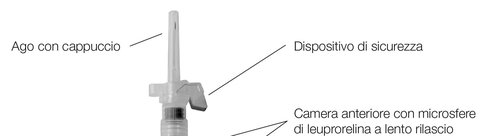
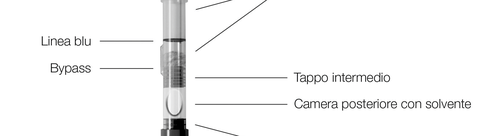

Fig. 1
Preparation
- 15. Before starting the syringe preparation, wash your hands thoroughly and wear protective gloves. Keep the syringe in an upright position at all stages of preparation.
Reconstitution
- 16. Open the package and remove the syringe.
- 17. Check the expiry date printed on the syringe and the powder and solvent inside the chambers of the syringe. The powder must be white and dry, the solvent must be clear.
- 18. Inspect the syringe for any signs of damage.
- Donot use the syringe after the expiry date;
- Donot use the syringe if the powder is lumpy or compacted;
- Donot use the syringe if the powder or solvent has an abnormal color;
- Donot use the syringe if any of its parts are damaged.
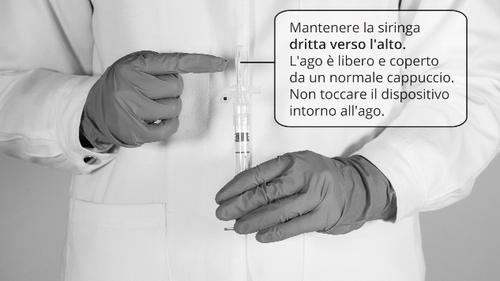
- 19. The needle is covered by a normal cap. Do not touch the safety device around the needle at this stage (Fig. 2)
Fig. 2
- 20. Gently tap the syringe to remove any clumps and detach any powder present on the walls of the syringe.
- 21. Remove the plunger from the packaging.
- 22. Screw the plunger onto the base of the syringe until the terminal cap starts to turn.
- Donot rotate or pull back the plunger once it has been fixed.
- 23. Without removing the needle cap, check that the needle is firmly attached by rotating it (clockwise). Do not tighten excessively.
- Donot remove the needle cap until you are ready for the injection.
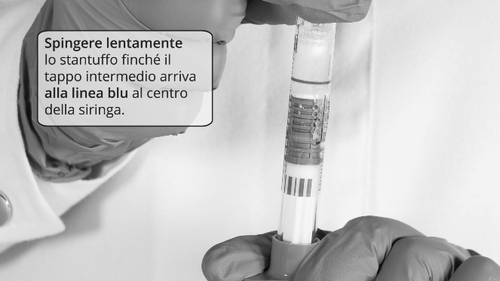
- 24. Keeping the syringe straight upwards, slowly push the plunger until the intermediate cap reaches the blue line in the center of the syringe (Fig. 3). You will see the solvent flow into the front chamber past the blue line.
- Donot remove the needle cap before the solvent is released;
- Donot push the plunger too quickly or past the blue line as suspension leakage from the needle may occur;
- Donot pull the plunger back again.
Fig. 3
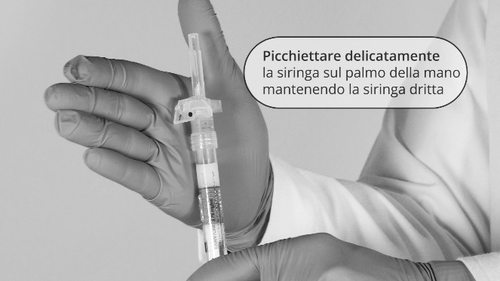
- 25. Gently tap the syringe on the palm of your hand, keeping the syringe straight, to mix the powder and solvent until a uniform suspension is formed. The suspension will appear milky, without visible clumps (Fig. 4).
- If particles adhere to the cap during mixing, gently tap the syringe with your finger;
- Avoid tapping or shaking vigorously to prevent bubble formation;
Fig. 4
- 26. Remove the needle cap by pulling it upwards.
- Donot rotate the needle cap.
- 27. Push the plunger upwards until all the air has been expelled from the syringe.
- 28. The syringe is now ready for injection. Use immediately as the suspension settles very quickly after reconstitution.
Administration by intramuscular or subcutaneous route
- 4. Choose the injection site. Injection sites for intramuscular injection include the shoulder (deltoid), the upper buttock (ventrogluteal) and the thigh (Figure 5). Injection sites for subcutaneous injection include the peri-umbilical area, thighs, upper arms and buttocks (Figure 6).
- 5. Clean the skin at the injection site with an alcohol swab and allow it to air dry.
- Donot inject where the skin is red, swollen, scarred or damaged;
- Donot use the same injection site for more than one consecutive injection.
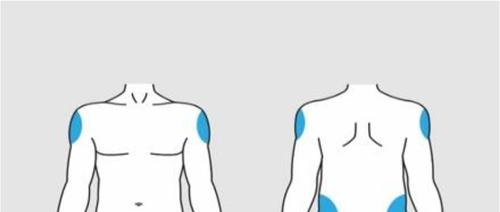
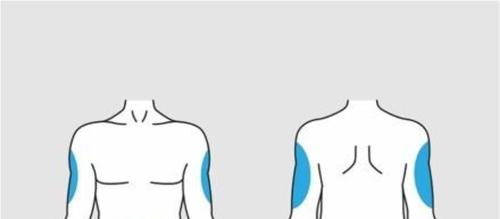
Figure 5: Intramuscular injection sites Figure 6: Subcutaneous injection sites
- 6. Intramuscular injection
- Gently stretch the skin at the injection site and insert the needle at a 90º angle to the skin. Before inserting the needle, check the orientation of the safety device. The arrow on the safety device must be pointed towards the patient, with the black dot facing upwards (Figure 7).
- Once the needle is inserted, aspirate by pulling back the plunger for 5-10 seconds. Care must be taken to avoid accidental injection into a blood vessel. If blood is visible in the needle cylinder, stop the injection and immediately discard the needle.
- 5. Subcutaneous injection
- Pinch a section of skin 2.5 cm between your fingers and insert the needle at an angle of 30º - 90º. Before inserting the needle, check the orientation of the safety device. The arrow on the safety device must be pointed towards the patient, with the black dot facing upwards (Figure 7).
Fig. 7
- 6. Slowly push the plunger all the way down to inject the entire contents of the syringe. Withdraw the needle at the same angle it was inserted, then use a clean gauze pad to apply gentle pressure.
- Donot rub the injection site.
- Donot recap the needle with the cap after injection.
- 7. Once the injection is complete, move the needle away from the patient. Immediately activate the safety device by pushing the tab upwards with a finger until you feel a CLICK indicating that the device is fully extended and the needle is covered (Fig. 8).
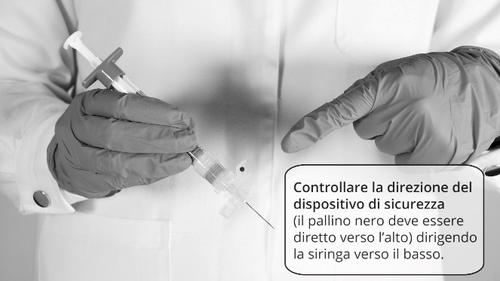
Fig. 8

http://takeda.info/3wQCXRj
- Kraj rejestracji
- Postać farmaceutycznaInjectable solution, 3.75 MG/ML
- Kod ATCL02AE02
- Substancja czynna
- Wymaga receptyNie
- Producent
- Te treści mają charakter wyłącznie informacyjny i nie zastępują konsultacji lekarskiej.
- Zamienniki ENANTONEPostać farmaceutyczna: Prolonged-release injectable suspension in pre-filled syringe, 42 mgSubstancja czynna: leuprorelinProducent: ACCORD HEALTHCARE, S.L.U.Bez receptyPostać farmaceutyczna: Powder and solvent for injectable solution, 7.5 MGSubstancja czynna: leuprorelinWymaga receptyPostać farmaceutyczna: Implant, 3.6 MGSubstancja czynna: leuprorelinProducent: SANDOZ S.P.A.Wymaga recepty
Odpowiedniki ENANTONE w innych krajach
Leki z tą samą substancją czynną dostępne w innych krajach.
Odpowiednik ENANTONE w Hiszpania
Odpowiednik ENANTONE w Polska
Odpowiednik ENANTONE w Ukraina
Lekarze online w sprawie ENANTONE
Omów stosowanie ENANTONE, bezpieczeństwo i ocenę zasadności recepty zgodnie z obowiązującymi przepisami.



Uzyskaj receptę na ENANTONE online
Wypełnij 2-minutowy formularz
Opisz swoje objawy, historię choroby i lek, o który prosisz.
Wybierz lekarza lub pozwól nam przydzielić
Wybierz specjalistę lub dopasujemy Cię do najbliższego dostępnego lekarza.
Lekarz analizuje Twój przypadek
Zazwyczaj w ciągu 30 minut. Może zadawać dodatkowe pytania przez czat.
Odbierz w dowolnej aptece
Recepta elektroniczna wysłana na Twój e-mail — ważna w całej Polsce.
Często zadawane pytania
ENANTONE nie wymaga recepty w Włochy. Możesz skonsultować się z lekarzem online, aby sprawdzić, czy ten lek może być odpowiedni w Twojej sytuacji.
Substancją czynną w ENANTONE jest leuprorelin. Informacja ta pomaga rozpoznać leki o tym samym składzie, ale pod różnymi nazwami handlowymi.
ENANTONE jest produkowany przez TAKEDA ITALIA S.P.A.. Nazwy handlowe i opakowania mogą się różnić w zależności od dystrybutora.
Lekarze, tacy jak Lekarze rodzinni, Psychiatrzy, Dermatolodzy, Kardiolodzy, Endokrynolodzy, Gastroenterolodzy, Pulmonolodzy, Nefrolodzy, Reumatolodzy, Hematolodzy, Zakaźnicy, Alergolodzy, Geriatrzy, Pediatrzy, Onkolodzy, mogą ocenić, czy stosowanie ENANTONE jest odpowiednie w Twoim przypadku, w zależności od sytuacji klinicznej i lokalnych przepisów. Możesz umówić konsultację online, aby omówić objawy i możliwe dalsze kroki.
Polska posiada dobrze rozwiniętą infrastrukturę ochrony zdrowia w dużych miastach, takich jak Warszawa, Kraków, Wrocław i Gdańsk. Apteki są łatwo dostępne i działają zgodnie z obowiązującymi przepisami, zapewniając dostęp do leków na receptę.
Możesz kupić ENANTONE w Warszawie, Krakowie, Wrocławiu lub Gdańsku w każdej aptece, posiadając ważną receptę.
Aby uzyskać receptę, możesz skorzystać z Oladoctor:
Inne leki zawierające tę samą substancję czynną (leuprorelin) to m.in. KAMKEVI, ELIGARD, LEPTOPROL. Mogą one różnić się nazwą handlową lub postacią, ale zawierają ten sam składnik terapeutyczny. Przed zmianą lub rozpoczęciem nowego leku skonsultuj się z lekarzem.
