



DEPAKIN 200 mg /Ml Roztwór Doustny

Ocena recepty online
Lekarz przeanalizuje Twój przypadek i zdecyduje, czy wystawienie recepty jest medycznie uzasadnione.

Porozmawiaj z lekarzem o tym leku
Omów swoje objawy i opcje leczenia podczas szybkiej konsultacji online.



Jak stosować DEPAKIN
Treść ulotki
- DEPAKIN CHRONO 300 mg prolonged-release tablets, CHRONO 500 mg prolonged-release tablets
- DEPAKIN 200 mg gastro-resistant tablets, 500 mg gastro-resistant tablets, 200 mg/ml oral solution
- DEPAKIN 100 mg modified-release granules, 250 mg modified-release granules, 500 mg modified-release granules, 750 mg modified-release granules, 1000 mg modified-release granules
- DEPAKIN 400 mg/4 ml powder and solvent for infusion solution
DEPAKIN CHRONO 300 mg prolonged-release tablets, CHRONO 500 mg prolonged-release tablets
sodium valproate – valproic acid
Medicinal product subject to additional monitoring. This will allow the rapid identification of
new safety information. You can contribute by reporting any adverse effects
experienced during the use of this medicinal product. See the end of section 4 for
information on how to report adverse effects.
WARNING
Depakin, valproate if taken during pregnancy can seriously harm the fetus. If you are a woman of
childbearing potential, you must use an effective method of contraception (contraceptive) without
interruption, for the entire duration of treatment with Depakin. Your doctor will discuss this with you, but you
must also follow the recommendations in section 2 of this leaflet.
If you want to plan a pregnancy or think you may be pregnant, make an urgent appointment with your
doctor.
Do not stop taking Depakin unless your doctor has told you to, as your condition
may worsen.
Read all of this leaflet carefully before you start taking this medicine, because it contains
important information for you.
- Keep this leaflet. You may need to read it again.
- If you have any questions, ask your doctor or pharmacist.
- This medicine has been prescribed for you only. Do not pass it on to others, even if their symptoms are the same as yours, as it could be harmful.
- If you get any side effects, see your doctor or pharmacist. See section 4.
Contents of this leaflet:
- 1. What Depakin is and what it is used for
- 2. What you need to know before you take Depakin
- 3. How to take Depakin
- 4. Possible side effects
- 5. How to store Depakin
- 6. Contents of the pack and other information
1. What is Depakin and what is it used for
Depakin contains the active ingredients sodium valproate and valproic acid and belongs to the category of
medicines called “fatty acid derived antiepileptics”.
Depakin is indicated for:
- 1. In the treatment of generalized epilepsy, particularly in attacks of type:
- brief and sudden loss of consciousness for short periods (absence)
- muscle spasms (myoclonic)
- alternation of muscle contractions and relaxation (tonic-clonic)
- loss of muscle tone (atonic)
- mixed
- 2. In partial epilepsy:
- simple or complex
- secondarily generalized
- 3. In the treatment of specific diseases (West Syndrome, Lennox-Gastaut Syndrome)
- 4. In the treatment of episodes of excited states (mania) due to a disease that causes alternating states of excitement and depression (bipolar disorder) when lithium is contraindicated or not tolerated. Continuation of therapy after the episode of excitement (mania) may be considered in patients who have responded to valproate in attacks of excitement (acute mania).
2. What you need to know before taking Depakin
Do not take Depakin
- if you are allergic to sodium valproate, valproic acid or any of the other ingredients of this medicine (listed in section 6)
- if you have acute liver inflammation (acute hepatitis)
- if you have chronic liver inflammation (chronic hepatitis)
- if you or your family members have had or have severe liver problems (severe hepatopathy), especially if caused by medicines
- if you have a rare disease called hepatic porphyria
- if you have blood clotting problems
- if you suffer from genetic disorders that cause disease of specific cellular organs called mitochondria (for example, Alpers-Huttenlocher syndrome)
- if you suffer from genetic disorders caused by a decrease in an enzyme involved in the urea cycle, which manifests with alterations, generally severe, of the nervous system (see “Warnings and precautions”)
- if you have a carnitine deficiency (a very rare metabolic disease) that is not being treated. Bipolar disorder
- If you are pregnant, you should not use Depakin for bipolar disorder.
- For bipolar disorder, if you are a woman of childbearing potential, you should not take Depakin unless you are using an effective method of birth control (contraceptive) throughout the treatment with Depakin. Do not stop taking Depakin or your contraceptive unless you have discussed it with your doctor. Your doctor will advise you further (see below in “Pregnancy, breastfeeding and fertility - Important warning for women”).
Epilepsy
- If you are pregnant, you should not use Depakin for epilepsy unless nothing else is effective for you.
- For epilepsy, if you are a woman of childbearing potential, you should not take Depakin unless you are using an effective method of birth control (contraceptive) throughout the treatment with Depakin. Do not stop taking Depakin or your contraceptive unless you have discussed it with your doctor. Your doctor will advise you further (see below in “Pregnancy, breastfeeding and fertility - Important warning for women”).
Warnings and precautions
In children aged three years or younger, antiepileptic drugs containing valproic acid
are only a first-line therapy in exceptional cases.
CONTACT YOUR DOCTOR IMMEDIATELY:
- If you experience liver problems. See the section “LIVER PROBLEMS (HEPATOPATHIES)”. The risk of liver damage increases if Depakin is taken by children under 3 years of age, people taking other antiepileptic drugs at the same time, or those suffering from other neurological or metabolic diseases and severe forms of epilepsy. If you or your child are taking Depakin and develop problems with balance and coordination, feel sleepy or less alert, or vomit, inform your doctor immediately. This may be due to an increase in the amount of ammonia in the blood.
- Severe skin reactions, including Stevens-Johnson syndrome, toxic epidermal necrolysis, drug reaction with eosinophilia and systemic symptoms (DRESS), erythema multiforme and angioedema, have been reported in association with treatment with valproate. Contact your doctor immediately if you notice any of the symptoms related to these severe skin reactions described in section 4.
Talk to your doctor before taking Depakin:
- Before taking Depakin because your doctor may require tests to check your liver function, both before starting therapy (see "Do not take Depakin") and at repeated intervals during the first 6 months. If your health status is similar to those present in the section “Do not take Depakin” and “Special warnings” you are more likely to be subjected to control tests by the doctor. Depending on the analyses and your health status, the doctor may decide to modify the dose of Depakin or to subject you to further analyses.
- In Children under 3 years of age do not take Depakin with other medicines and the doctor will evaluate the risk-benefit ratio (liver and pancreas problems) before starting therapy. In Children under 3 years of age, do not take Depakin if they are taking medicines that contain salicylic acid or its derivatives because it may increase the possibility of having liver toxicity (hepatotoxicity).
- If there are genetic problems in your family that cause a disease of specific cellular organs called mitochondria, due to a possible risk of liver damage.
- If you have a high amount of ammonia in your blood (hyperammonemia) because valproate can
increase the amount of ammonia in the blood (see “Do not take Depakin” and “Possible side effects”). If you experience disorders involving changes in behavior and emotions (apathy), drowsiness, vomiting, low blood pressure (hypotension) and increased seizure frequency, your doctor may decide to perform some checks.
- If you suspect you suffer from metabolic disorders, particularly hereditary deficiencies of enzymes such as “urea cycle disorder”, due to a possible risk of increased ammonia levels in the blood.
- If you suffer from a disease that reduces the amount of an enzyme called carnitine palmitoyltransferase (CPT) type II, because valproate may increase the possibility of having a muscle cell disease called rhabdomyolysis.
- If you have a low dietary intake of carnitine, found in meat and dairy products, especially in children under 10 years of age.
- If you have a carnitine deficiency and are taking carnitine.
- If you have reduced kidney function (renal insufficiency) or reduced protein levels in the blood (hypoproteinemia), the doctor may decide to modify the therapy based on the results of the clinical control.
- If you suffer from a disease affecting the skin and tissues called “systemic lupus erythematosus”, because the doctor must evaluate the risk-benefit ratio during the assumption of valproate, for the possibility of causing immune diseases.
- If you have ever developed a severe skin rash or peeling of the skin, blisters and/or mouth sores after taking valproate.
- If you have sudden abdominal pain, because the doctor may suspend the assumption of valproate and subject you to checks to exclude the possibility of having inflammation of the pancreas (pancreatitis).
- If you are following dietary regimes, because Depakin may give you a weight gain at the beginning of therapy (see “Possible side effects”).
- If you are taking antibiotics belonging to a class called carbapenems because the concomitant assumption of valproic acid/sodium valproate is not recommended (see ”Other medicines and Depakin”).
- If you are a woman of childbearing potential (see “Pregnancy, breastfeeding and fertility”).
- If you have blood diseases because the doctor may subject you to tests before a surgical or dental intervention and in case of spontaneous bruises or sudden blood loss (hemorrhages) (see “Possible side effects”); the doctor will still subject you to blood tests before the start of therapy or before a surgical intervention and in case of spontaneous bruises or bleeding.
- If you are taking drugs for blood clotting and belonging to the category of vitamin K antagonists because the doctor may perform checks.
- If you have or have previously had any bone marrow disease because the doctor may decide to perform checks.
If you take this medicine for epilepsy, as with other antiepileptic drugs, you may experience a reversible worsening in the frequency and severity of seizures (up to status epilepticus) or you may experience new types of seizures (see “Possible side effects”). In this case, you should immediately inform your doctor.
If during treatment with Depakin you have thoughts that lead you to want to harm yourself or take your own life, immediately inform your doctor, because this type of disorder has been observed in a class of medicines called “antiepileptics”, such as valproate.
Do not drink alcohol during treatment with valproate.
If you suffer from a disease called diabetes, because if you have to perform tests for the search of ketone bodies, Depakin may alter the results.
LIVER PROBLEMS (HEPATOPATHIES)
- How it manifests The administration of Depakin has led exceptionally to severe liver damage (liver damage), which has sometimes proved fatal. If you are a newborn or a child under 3 years of age with severe forms of a disease called epilepsy, particularly if you have brain damage (cerebral), mental (psychic) developmental delay and (or) a congenital (congenital) metabolic or degenerative disease and are being treated with multiple medicines, you will have a greater chance of having severe liver disorders. If the doctor deems it indispensable to administer the medicine to a child under three years of age for the treatment of a type of epilepsy that improves with the use of valproate, despite the risk of liver damage (hepatopathy), do not take Depakin with any other medicine. If the child is over 3 years of age, they will have fewer chances of having these complications, because the probability decreases with increasing age. In most cases, liver (hepatic) damage occurred during the first 6 months of therapy.
- Symptoms Especially if you are a high-risk patient, clinical symptoms are essential for early diagnosis. In particular, two types of manifestations that can precede the yellowing of the skin (jaundice: see “how it manifests”) must be taken into consideration:
- if you suffer from epilepsy, the epileptic attacks will reappear
- non-specific disorders of epilepsy, which appear rapidly, such as fatigue (asthenia), severe loss of appetite (anorexia), excessive sleepiness (lethargy), excessive tiredness (drowsiness), sometimes associated with repeated vomiting and pain at the abdominal level (abdominal). If you experience one of the disorders reported above during therapy, immediately inform your doctor who will perform checks. As with most antiepileptic drugs, increases in liver blood tests (liver enzymes) can be observed, particularly at the beginning of therapy; in these cases, the doctor will subject you to frequent checks and may modify the dose.
- Checks during treatment If you take Depakin, your doctor will perform liver checks (liver function) before starting therapy and at established intervals for the first 6 months, as well as when deemed necessary or for other checks. These checks are particularly important in children.
PANCREATITIS (PANCREATITIS)
Severe inflammation of the pancreas (pancreatitis) is possible, although very rare, and can be
even fatal. These severe pancreatic problems are more frequent in children. The risk decreases
with increasing age. If you experience severe epileptic attacks during treatment, neurological
disorders or if you are taking other drugs against convulsions, inform your doctor
because they may increase the risk of having pancreatitis. If you have a liver disease
(hepatic insufficiency) and at the same time inflammation of the pancreas (pancreatitis), Depakin
will increase the risk of fatal outcome. If you have acute abdominal pain, report it immediately to
the doctor who will visit you and suspend the assumption of valproate in case you have
inflammation of the pancreas (pancreatitis).
Altri medicinali e Depakin
Informi il medico o il farmacista se sta assumendo o ha recentemente assunto o potrebbe
assumere qualsiasi altro medicinale, anche quelli senza prescrizione medica. Alcuni medicinali
possono influenzare l’effetto di valproato e viceversa.
Effetti del valproato su altri farmaci
- Neurolettici, anti-MAO, antidepressivi e benzodiazepineSe assume valproato con medicinali utilizzati per i disturbi del comportamento ed appartenenti a delle classi chiamate neurolettici, anti-MAO, antidepressivi e benzodiazepine si potrebbe verificare un aumento non voluto dell’effetto. Per questo motivo il medico la sottoporrà a dei controlli e, quando necessario, le modificherà la terapia.
- FenobarbitalSe assume un medicinale chiamato fenobarbital deve comunicarlo al medico perché il valproato aumenta la quantità di fenobarbital nel sangue e può verificarsi un’eccessiva sedazione, soprattutto nei bambini. Il medico farà dei controlli nei primi 15 giorni del trattamento combinato, con immediata riduzione delle dosi di fenobarbital in caso di sedazione, ed eventuale controllo della quantità di fenobarbital nel sangue.
- PrimidoneSe assume un medicinale chiamato primidone il valproato può aumentarne la quantità nel sangue, con possibile aumento dei suoi effetti indesiderati (quali sedazione); questa interazione cessa con il trattamento a lungo termine, per questo motivo il medico effettuerà dei controlli specialmente all'inizio della terapia, con modifiche della dose di primidone quando necessario.
- FenitoinaSe assume valproato in concomitanza con un farmaco a base di fenitoina il medico provvederà ad effettuare dei controlli perché il valproato modifica la quantità di fenitoina nel sangue, con possibili disturbi di sovradosaggio.
- CarbamazepinaSe assume valproato con un medicinale a base di carbamazepina il medico provvederà a farle dei controlli, specialmente all’inizio della terapia. Tali controlli vengono effettuati perché il valproato aumenta la tossicità della carbamazepina.
- LamotriginaSe assume Depakin in concomitanza con dei medicinali a base di lamotrigina potrebbe avere un aumento della possibilità di avere effetti indesiderati da aumentata tossicità della lamotrigina (gravi disturbi della pelle). Il medico provvederà a sottoporla a controlli ed a diminuire la dose di lamotrigina, se necessario.
- EtosuccimideSe assume il valproato con medicinali contenenti etosuccimide può aumentare la quantità di quest’ultima nel sangue.
- ZidovudinaPonga attenzione ad assumere il valproato con medicinali a base di zidovudina perché può portare ad un aumento della quantità nel sangue di quest’ultimo e relativi fenomeni di tossicità.
- Felbamato L’acido valproico può diminuire il metabolismo del felbamato (utilizzato nell’epilessia).
- Olanzapina
Se assume Depakin con medicinali a base di olanzapina (utilizzato in alcune malattie mentali), può
aumentare la quantità di quest’ultima nel sangue.
- RufinamideSe assume Depakin con medicinali contenenti rufinamide (utilizzata nell’epilessia), può aumentare la quantità di quest’ultima nel sangue. L’aumentata quantità di rufinamide nel sangue dipende dalla dose di Depakin utilizzata. Quest’effetto è maggiore nei bambini.
- PropofolSe assume il valproato insieme a propofol (utilizzato per l’anestesia) il medico prenderà in considerazione una riduzione della dose del propofol poiché il valproato può aumentarne la quantità nel sangue.
- NimodipinaDepakin può aumentare gli effetti della nimodipina.
- Clozapina(per trattare problemi di salute mentale).
Effetti di altri farmaci sul valproato
Se assume medicinali per la cura dell’epilessia (in particolare fenitoina, fenobarbital e carbamazepina)
in concomitanza ad acido valproico il medico potrebbe sottoporla a controlli perché la quantità di
acido valproico nel sangue potrebbe risultare diminuita. La terapia verrà modificata in funzione dei
risultati.
L’associazione di felbamato e valproato aumenta la quantità di acido valproico nel sangue. Si deve
quindi controllare la quantità di valproato nel sangue.
Se assume Depakin con medicinali a base di fenitoina o fenobarbital deve prestare particolare
attenzione ai sintomi di iperammoniemia (nausea, vomito, agitazione, confusione, convulsioni,
sonnolenza, disturbi nella coordinazione muscolare).
Se assume un medicinale utilizzato per curare la malaria chiamato meflochina in concomitanza con
acido valproico il medico potrebbe sottoporla a controlli perché potrebbe avere degli attacchi epilettici.
In caso di uso concomitante di valproato e di sostanze che si legano altamente alle proteine (acido
acetilsalicilico), possono aumentare la quantità di acido valproico nel sangue.
Non assuma medicinali contenenti acido valproico in concomitanza con medicinali contenenti acido
acetilsalicilico utilizzati per trattare febbre e dolore, in modo particolare nei neonati e nei bambini.
Il medico le farà dei controlli della coagulazione del sangue se sta assumendo Depakin con medicinali
per rendere il sangue più fluido e appartenenti alla classe dei “vitamina K dipendenti".
Se assume Depakin con medicinali a base di cimetidina, eritromicina, rifampicina o fluoxetina il
medico le farà fare dei controlli perché la quantità di acido valproico nel sangue potrebbe risultare
modificata.
Non assuma Depakin in concomitanza con antibiotici appartenenti alla classe dei carbapenemi
(utilizzati per trattare le infezioni batteriche) (vedere “Avvertenze e precauzioni”).
Inibitori della proteasi
Se assume Depakin con medicinali come lopinavir e ritonavir (medicinali utilizzati in gravi malattie da
virus), diminuisce la quantità nel sangue di Depakin.
Colestiramina
Se assume Depakin con medicinali a base di colestiramina (utilizzata per abbassare il colesterolo del
sangue), la quantità nel sangue di Depakin può diminuire.
Metamizolo
Se assume Depakin con il metamizolo, usato per trattare dolore e febbre, la quantità di Depakin nel
sangue può diminuire.
Metotressato (utilizzato per trattare i tumori e le malattie infiammatorie).
Altre interazioni
Cannabidiolo(utilizzato per trattare l’epilessia ed altre condizioni).
Alcuni farmaci antinfettivi che contengono pivalato (ad es. pivampicillina, adefovir dipivoxil).
Se assume medicinali contenenti acido valproico in concomitanza con medicinali per la cura delle
convulsioni contenenti topiramato oppure in concomitanza con acetazolamide (utilizzato contro la
pressione alta), il medico la sottoporrà a controlli perché aumenta la probabilità che ci sia un aumento
della quantità di ammoniaca nel sangue e/o una infiammazione del cervello (encefalopatia
iperammoniemica).
Prodotti contenenti estrogeni
I prodotti contenenti estrogeni (incluse alcune pillole per il controllo delle nascite) possono diminuire i
livelli di valproato nel sangue. Parli con il suo medico per il metodo di contraccezione (controllo delle
nascite) più appropriato per lei.
Il valproato generalmente non ha un effetto di induzione enzimatica; di conseguenza non riduce
l’efficacia degli estroprogestinici in caso di contraccezione ormonale.
Se assume dei medicinali che agiscono sul sistema nervoso, appartenenti alla classe delle
benzodiazepine (diazepam, lorazepam, clonazepam) in concomitanza con valproato il medico potrà
sottoporla a dei controlli, perché la quantità di benzodiazepine nel sangue potrebbe essere modificata.
Ponga attenzione se assume acido valproico, in concomitanza con un medicinale contro la depressione
chiamato sertralina e un medicinale che agisce sulla psiche chiamato risperidone perché può insorgere
una malattia che riduce l’attività motoria e intellettiva chiamata catatonia.
Quetiapina
Se assume valproato concomitante ad un medicinale antipsicotico chiamato quetiapina, può aumentare
la possibilità di avere una diminuzione di determinate cellule del sangue (neutropenia/leucopenia).
Depakin con cibi, bevande e alcol
L’assunzione di alcol è sconsigliata durante il trattamento con valproato.
Gravidanza, allattamento e fertilità
Se è in corso una gravidanza, se sospetta o sta pianificando una gravidanza, o se sta allattando con
latte materno chieda consiglio al medico o al farmacista prima di prendere questo medicinale.
Avviso importante per le donne
Disturbo bipolare
- Se lei è incinta, non deve utilizzare Depakin per il disturbo bipolare.
- Per il disturbo bipolare, se lei è una donna in età fertile non deve prendere Depakin, a meno che non stia utilizzando un efficace metodo di controllo delle nascite (contraccettivo) durante l’intero trattamento con Depakin. Non smetta di prendere Depakin né il suo contraccettivo, a meno che non ne abbia discusso con il suo medico. Il suo medico la consiglierà ulteriormente.
Epilessia
- Se lei è incinta, non deve utilizzare Depakin per l’epilessia, a meno che niente altro sia efficace per lei.
- Per l’epilessia, se lei è una donna in età fertile non deve prendere Depakin, a meno che non stia utilizzando un efficace metodo di controllo delle nascite (contraccettivo) durante l’intero trattamento con Depakin. Non smetta di assumere Depakin né il suo contraccettivo, a meno che non ne abbia discusso con il suo medico. Il suo medico la consiglierà ulteriormente.
Rischi dell’assunzione di valproato in gravidanza (a prescindere dalla malattia per la quale viene
utilizzato)
- Parli immediatamente con il suo medico se sta programmando di avere un bambino o è incinta.
- Il valproato comporta dei rischi se preso in gravidanza. Il rischio è maggiore per le dosi più elevate, ma tutte le dosi comportano un rischio, compreso l’utilizzo di valproato in associazione ad altri medicinali che trattano l’epilessia.
- Può causare gravi difetti alla nascita e può avere conseguenze sullo sviluppo fisico e mentale e sulla crescita del bambino dopo la nascita. I difetti alla nascita più frequentemente segnalati comprendono: spina bifida(sviluppo incompleto di alcune ossa della colonna vertebrale); malformazioni del viso e del cranio; malformazioni del cuore, dei reni, del tratto urinario e degli organi sessuali; difetti agli arti e molteplici malformazioni associate che colpiscono diversi organi e parti del corpo. I difetti alla nascita possono portare a disabilità che possono essere gravi.
- In bambini esposti al valproato durante la gravidanza sono stati segnalati problemi di udito o sordità.
- In bambini esposti al valproato durante la gravidanza sono state segnalate malformazioni agli occhi in associazione ad altre malformazioni congenite. Queste malformazioni agli occhi possono influenzare la vista.
- Le donne che prendono valproato in gravidanza, rispetto alle altre donne, hanno un rischio più alto di avere un bambino con difetti alla nascita che richiedono un trattamento medico. Poiché valproato viene usato da molti anni, sappiamo che in donne che prendono valproato circa 11 bambini su 100 hanno difetti alla nascita, rispetto ai 2-3 bambini su 100 nati da donne che non soffrono di epilessia.
- Si stima che fino al 30-40% dei bambini in età prescolare, le cui madri hanno preso valproato in gravidanza, possono manifestare problemi di sviluppo nella prima infanzia. Tali bambini
possono iniziare in ritardo a camminare e parlare, risultare intellettualmente svantaggiati
rispetto ad altri bambini e presentare difficoltà di linguaggio e di memoria.
- I disturbi dello spettro autistico sono più spesso diagnosticati in bambini esposti al valproato durante la gravidanza e ci sono alcune prove che indicano che i bambini esposti al valproato durante la gravidanza hanno un rischio maggiore di sviluppare il disturbo da deficit d’attenzione e iperattività (ADHD).
- Prima di prescriverle questo medicinale, il suo medico le spiegherà cosa potrebbe accadere al suo bambino se rimane incinta mentre prende valproato. Se in un momento successivo decide di voler avere un bambino, non deve smettere di prendere il medicinale, né il metodo contraccettivo, prima di averne discusso con il suo medico.
- Se lei è il genitore o colui che si prende cura di una bambina trattata con valproato, deve contattare il medico non appena la bambina che assume valproato ha il primo ciclo mestruale.
- Alcune pillole anticoncezionali (pillole anticoncezionali contenenti estrogeni) possono diminuire i livelli di valproato nel sangue. Si assicuri di parlare con il suo medico del metodo di contraccezione (controllo delle nascite) più adatto per lei.
- Consulti il medico riguardo l’assunzione di acido folico mentre cerca di rimanere incinta. L’acido folico può ridurre il rischio generale di spina bifidae aborto, possibili in tutte le gravidanze. Tuttavia, è improbabile che riduca il rischio di difetti alla nascita associati all’utilizzo di valproato.
Legga e scelga le situazioni valide per lei tra quelle descritte di seguito:
O STO INIZIANDO IL TRATTAMENTO CON DEPAKIN
O STO PRENDENDO DEPAKIN E NON HO IN PROGRAMMA DI AVERE UN BAMBINO
O STO PRENDENDO DEPAKIN E HO IN PROGRAMMA DI AVERE UN BAMBINO
O SONO INCINTA E STO PRENDENDO DEPAKIN
STO INIZIANDO IL TRATTAMENTO CON DEPAKIN
Se Depakin le viene prescritto per la prima volta, il suo medico le spiegherà i rischi per il feto in caso
di gravidanza. Se lei è in età fertile, deve assicurarsi di utilizzare un metodo contraccettivo efficace,
senza interruzioni, per l’intera durata del trattamento con Depakin. Parli con il suo medico o si rivolga
ad un consultorio familiare se ha bisogno di consigli sulla contraccezione.
Key Messages:
- before starting treatment with Depakin, a pregnancy test confirmed by your doctor must be performed to rule out pregnancy;
- during the entire treatment with Depakin, you must use an effective method of birth control;
- you must discuss appropriate methods of birth control (contraceptives) with your doctor. Your doctor will explain how to prevent pregnancy and can refer you to a specialist for birth control advice;
- you must have regular appointments (at least once a year) with a specialist experienced in managing bipolar disorder or epilepsy .During this visit, your
doctor will ensure that you are fully aware and have understood all the risks and advice relating to the use of valproate during pregnancy;
- inform your doctor if you wish to become pregnant;
- immediately inform your doctor if you are pregnant or think you may be.
I AM TAKING DEPAKIN AND DO NOT PLAN TO BECOME PREGNANT.
If you are continuing treatment with Depakin but do not plan to become pregnant, make sure to use an effective method of contraception, without interruption, for the entire duration of treatment with Depakin. Talk to your doctor or a family planning clinic if you need advice on contraception.
Key Messages:
- you must use an effective method of birth control during the entire treatment with Depakin;
- you must discuss contraception (birth control) with your doctor. Your doctor will explain how to prevent pregnancy and can refer you to a specialist for birth control advice;
- you must have regular appointments (at least once a year) with a specialist experienced in managing bipolar disorder or epilepsy .During this visit, your doctor will ensure that you are fully aware and have understood all the risks and advice relating to the use of valproate during pregnancy;
- inform your doctor if you wish to become pregnant;
- immediately inform your doctor if you are pregnant or think you may be.
I AM TAKING DEPAKIN AND PLAN TO BECOME PREGNANT
If you are planning to become pregnant, make an appointment with your doctor first.
Do not stop taking Depakin or your contraception unless you have discussed this with your doctor. Your doctor will advise you further.
Children born to mothers treated with valproate have a high risk of birth defects and developmental problems that can be severely disabling. Your doctor will refer you to a specialist experienced in managing bipolar disorder or epilepsy, in order to evaluate alternative treatment options. The specialist may take various measures to facilitate the course of pregnancy as much as possible and minimize the risks for you and the baby.
The specialist may decide to change the dose of Depakin or switch to another medicine, or to stop treatment with Depakin well before pregnancy, in order to ensure that the illness is stable.
Ask your doctor about taking folic acid when planning to become pregnant.
Folic acid can reduce the overall risk of spina bifidaand miscarriage, which are possible in all pregnancies. However, it is unlikely to reduce the risk of birth defects associated with the use of valproate.
Key Messages:
- do not stop taking Depakin unless your doctor has told you to;
- do not stop using birth control (contraceptives) before discussing this with your doctor and agreeing on a plan to ensure control of your illness and reduce risks to the baby;
- first make an appointment with your doctor. During this visit, the doctor will ensure that you are fully aware and have understood all the risks and advice related to the use of valproate during pregnancy;
- your doctor will try to change your medicine or stop treatment with Depakin long before pregnancy;
- make an urgent appointment with your doctor if you are pregnant or think you may be. I AM PREGNANT AND TAKING DEPAKINDo not stop taking Depakin unless your doctor has decided to, because your illness may worsen. Make an urgent appointment with your doctor if you are pregnant or think you may be. Your doctor will advise you further. Children born to mothers treated with valproate have a high risk of birth defects and developmental problems that can be severely disabling. You will be referred to a specialist experienced in managing bipolar disorder or epilepsy, in order to evaluate alternative treatment options. In exceptional circumstances, if Depakin is the only treatment option available during pregnancy, you will be closely monitored both for managing your underlying illness and for monitoring fetal development. You and your partner may receive advice and support regarding exposure to valproate during pregnancy. Ask your doctor about taking folic acid. Folic acid can reduce the overall risk of spina bifidaand miscarriage, which are possible in all pregnancies. However, it is unlikely to reduce the risk of birth defects associated with the use of valproate. Key Messages:
- make an urgent appointment with your doctor if you are pregnant or think you may be;
- do not stop taking Depakin unless your doctor has told you to;
- make sure you are referred to a specialist experienced in the treatment of epilepsy, bipolar disorder, to evaluate the need for alternative treatment options;
- you must receive detailed advice regarding the risks of Depakin in pregnancy, including teratogenicity (birth defects) and developmental disorders of the physical and mental health of children;
- make sure you are referred to a specialist in prenatal monitoring, to identify possible cases of malformation. Make sure to read the patient guide you will receive from your doctor. Your doctor will discuss the Annual Risk Acceptance Form with you and ask you to sign and keep it. You will also be given the Patient Card by the pharmacist to remind you of the risks of valproate in pregnancy.
Further risks for the newborn
- If you take valproate during pregnancy, the newborn may have, although rarely, severe bleeding (hemorrhagic syndrome) due to a reduction in various coagulation factors. These reductions in coagulation factors can sometimes be fatal, and that is why the doctor will subject you to several checks.
- If you take valproate in the third trimester of pregnancy, the newborn may have a reduction in blood sugar (hypoglycemia).
- If you take valproate during pregnancy, the newborn may have disorders caused by a reduction in the amount of hormones produced by the thyroid gland in the blood (hypothyroidism).
- If you take valproate during the last trimester of pregnancy, the newborn may have disorders caused by "withdrawal syndrome" (e.g., in particular, agitation, irritability, hyperactivity, nervousness, increased movements (hyperkinesia), muscle activity disorders (tonicity), tremors, and feeding disorders).
If you are pregnant, do not stop treatment with valproic acid and do not reduce the dosage without consulting your doctor, as this could cause you to have seizures that could cause serious harm to you and the unborn child.
Important warning for male patients
Potential risk associated with taking valproate in the 3 months before conception
A study suggests a possible risk of movement and mental development disorders (problems affecting development in early childhood) in children born to fathers treated with valproate in the 3 months before conception. In this study, about 5 children out of 100 had such disorders when born to fathers treated with valproate, compared to about 3 children out of 100 born to fathers treated with lamotrigine or levetiracetam (other medicines that can be used to treat your illness). The risk for children born to fathers who stopped taking valproate 3 months (the time it takes to form new sperm) or more before conception is not known. The study has limitations and therefore it is not entirely clear whether the increased risk of movement and mental development disorders suggested by this study is caused by valproate. The study was not large enough to show what particular type of movement and mental development disorder children may be at risk of developing.
As a precaution, your doctor will discuss with you:
- The potential risk to children born to fathers taking valproate
- The need to consider effective contraception (birth control) for you and your partner during treatment and for 3 months after stopping therapy
- The need to consult the specialist if you are planning to conceive a child and before stopping contraception (birth control)
- The possibility of other treatments that can be used to treat your illness, depending on your individual situation
Do not donate sperm while taking valproate and for 3 months after stopping valproate.
Talk to your doctor if you are thinking of having a baby.
If your partner becomes pregnant while you have taken valproate in the 3 months before conception and have questions, contact your doctor. Do not stop treatment without talking to your doctor. If you stop treatment, your symptoms may worsen.
You must schedule regular appointments with your prescribing doctor. During this visit, your doctor will discuss with you the precautions associated with the use of valproate and the possibility of other treatments that can be used to treat your illness, depending on your individual situation.
Make sure to read the patient guide you will receive from your doctor. You will also be given the Patient Card by the pharmacist to remind you of the potential risks of valproate.
Breastfeeding
If you are taking valproate during breastfeeding, the doctor will assess whether or not to stop treatment because the medicine is released into the milk, and because it can cause blood disorders (hematological) (see "Possible side effects").
The doctor will carefully assess whether to stop breastfeeding or stop therapy or refrain from therapy with Depakin, taking into account the benefit of breastfeeding for the baby and the benefit of therapy for the woman.
Fertility
If you are a woman of childbearing age, the medicine may increase the possibility of you having a cessation of your menstrual flow (amenorrhea), the presence of many cysts on the ovary (polycystic ovary) and an increase in the amount of testosterone in the blood (see "Possible side effects"). If you are a man, the administration of valproate may impair your fertility (see "Possible side effects"). These fertility disorders are reversible after stopping treatment.
Driving and operating machinery
If you take Depakin with a class of drugs called "barbiturates" or other drugs that cause a reduction in the activity of the central nervous system, some subjects may experience fatigue (asthenia), drowsiness or confusion, which can thus alter the response to the ability to drive a vehicle, operate machinery or perform activities that have a risk of falling or accident.
The same manifestations can be observed after drinking alcoholic beverages. The doctor will illustrate the problems you may have when driving or performing those operations that require a normal state of attention.
Depakin contains sodium
- Depakin Chrono 300 mg prolonged-release tablets contain 28.31 mg of sodium(the main component of table salt) per tablet. This corresponds to 1.41% of the maximum recommended daily intake with the diet of an adult.
- Depakin Chrono 500 mg prolonged-release tablets contain 47.21 mg of sodium(the main component of table salt) per tablet. This corresponds to 2.36% of the maximum recommended daily intake with the diet of an adult.
3. How to take Depakin
Take this medicine always exactly as your doctor or pharmacist has told you. If
you have doubts consult your doctor or pharmacist.
Girls and women of childbearing potential
Treatment with Depakin must be initiated and supervised by a doctor specializing in the
treatment of epilepsy or bipolar disorders.
Male patients
It is recommended that treatment with Depakin is initiated and supervised by a specialist with
experience in the management of epilepsy or bipolar disorder – see paragraph 2. Important notice
for male patients.
Treatment of epilepsy
Before starting therapy with DEPAKIN CHRONO keep in mind that:
- If you are a patient not treated with other medicines for the treatment of epilepsy (antiepileptics), the doctor will increase the dose at intervals of 2-3 days, to reach the one indicated in about a week.
- If you are a patient taking other antiepileptic medicines, the doctor will replace them with valproate gradually, reaching the best dose in about two weeks, reducing and then interrupting the other treatments.
- If the doctor decides to add another antiepileptic medicine he will do so gradually, (see “Other medicines and Depakin”).
Oral administration of DEPAKIN CHRONO: practical considerations.
In general the recommended dose is the one that the doctor will evaluate based on age, body weight,
therapeutic response, and clinical response. If the therapeutic response is not achieved, the
doctor may decide to check the amount of valproic acid in the blood.
In particular the recommended dose is:
usually the initial daily dose is 10-15 mg/Kg, then the doses should be gradually
increased to reach the optimal dosage which generally ranges from 20 to 30 mg/Kg. However,
when adequate seizure control is not achieved with this dosage, the doses may be
further increased; the doctor will keep it under strict control when the daily doses are greater than
50 mg/Kg (see “Warnings and precautions”).
In childrenthe usual maintenance dose is about 30 mg/kg per day.
In adultsthe usual maintenance dose is between 20-30 mg/kg per day.
In the elderlythe dose must be determined based on the control of epileptic seizures.
The use of the prolonged-release formulation – DEPAKIN CHRONO – allows to reduce the number
of administrations of the medicine to 1 – 2 times a day. Furthermore, the possibility of dividing the
tablets (fractionating) guarantees greater flexibility in the dose (dosage).
DEPAKIN CHRONO can also be used in children, when they are able to take the
tablet form, which can also be divided (fractionated). However, if it is a child with
less than 11 years of age, the best pharmaceutical forms to take orally are the oral solution
and the granules.
Episodes of mania related to bipolar disorder
In adults
The recommended dose is:
the daily dose must be established and monitored by the doctor.
The recommended initial daily dose is 750 mg. Prolonged-release formulations can
be administered once or twice a day. The dose should be increased as rapidly
as possible in order to reach the lowest therapeutic dose with which the desired clinical
effect is obtained. The daily dose must be adjusted to the clinical response to establish the minimum
effective dose for the individual patient.
The average daily dose usually ranges from 1000 to 2000 mg of valproate. Patients receiving
a daily dose greater than 45 mg/kg of body weight must be carefully monitored.
Patients with kidney problems/hypoproteinemia
The doctor may decide to adjust the dose.
Use in children and adolescents
Children and adolescents under 18 years of age:
Depakin should not be used in children and adolescents under 18 years of age for the treatment
of mania.
If you take more Depakin than you should
In case of ingestion/taking an excessive dose of Depakin, immediately inform your doctor
or go to the nearest hospital.
Signs and symptoms of overdose
The amount of valproic acid in the blood at normal doses has relatively low toxicity and very
rarely can acute valproic acid poisoning occur.
Toxicity is more likely at higher doses.
The signs of severe acute overdose generally include coma with reduced muscle tone (hypotonia), reduced reflexes (hyporeflexia), decreased pupil diameter
(miosis), impaired respiratory function, changes in blood acidity (metabolic acidosis), decreased blood pressure (hypotension), heart and circulatory disorders
(cardiovascular), circulatory collapse/shock and increased sodium levels in the blood
(hypernatremia).
If you are an adult or a child, an increase in the amount of valproic acid in the blood can cause
nervous system disorders (neurological), such as an increased tendency to seizures and
behavioral changes.
Following a severe overdose, patient death has occurred, although the prognosis of
poisonings is generally favorable.
Symptoms can however be variable and seizures have been reported in the presence of
very high levels of valproic acid in the blood.
Cases of high blood pressure in the head (intracranial hypertension) linked to
cerebral edema have been reported.
If you forget to take Depakin
Do not take a double dose to make up for a missed dose.
If you have any questions about the use of Depakin, ask your doctor or pharmacist.
4. Possible side effects
Like all medicines, DEPAKIN can cause side effects, although not everybody gets them.
If you get any side effect, including those not listed in this leaflet, please tell your doctor or pharmacist.
Tell your doctor immediately if you notice any of the following serious side effects.
You may need urgent medical attention:
- Balance and coordination problems, feeling drowsy or less alert, associated with vomiting. This may be due to an increase in the amount of ammonia in the blood.
- Kidney problems (renal failure, tubulointerstitial nephritis) which may manifest as reduced urine output.
- Uncommon: difficulty breathing, chest pain or tightness (especially during inhalation), shortness of breath and dry cough due to fluid accumulation around the lungs (pleural effusion).
Tell your doctor or pharmacist if any of the following side effects gets worse or
lasts longer than a few days; you may need medical attention:
Rare: passing a lot of urine and feeling thirsty (Fanconi syndrome).
Frequency not known: decreased levels of carnitine (detected by blood or muscle tests).
Frequency not known: darker areas of the skin and mucous membranes (hyperpigmentation).
Very common side effects(may affect more than 1 in 10 people):
- Nausea.
- Tremor.
Common side effects(may affect up to 1 in 10 people):
- A severe malfunction of the liver (severe hepatic dysfunction) not dose-dependent and which can sometimes be fatal. If you are a child, particularly if you are taking Depakin and other medicines against epilepsy (antiepileptics), the possibility of liver (hepatic) damage is significantly increased (see “Warnings and precautions”).
- Vomiting, gum disorders, mainly gum swelling (gingival hyperplasia), inflammation of the mouth lining (stomatitis), pain in the upper abdomen, diarrhoea; these effects occur frequently in some patients at the beginning of treatment, but generally disappear after a few days without stopping treatment.
- Reduced amount of sodium in the blood (hyponatraemia). In children, decreased activity of the biotinidase enzyme has been observed during treatment with medicines containing valproic acid. There have also been reports of vitamin H (biotin) deficiency.
- Decreased sensitivity (paresthesia) dose-dependent, disorders of a part of the nervous system called extrapyramidal (inability to stand still, rigidity, tremors, slow movements, involuntary movements, muscle contractions), stupor, tremor when trying to maintain a fixed position (postural tremor), drowsiness, convulsions, insufficient memory, headache, involuntary eye movements (nystagmus), dizziness a few minutes after intravenous injection, which resolves spontaneously within a few minutes.
- Confusion, hallucinations, aggressiveness*, agitation*, attention disorders* (* These side effects have been observed mainly in children).
- Reduced haemoglobin in the blood (anaemia), reduced amount of platelets in the blood (thrombocytopenia).
- Dose-dependent weight gain or weight loss, increase or loss of appetite. Because weight gain is a risk factor for a disease of the ovary called “polycystic ovary syndrome” it must be carefully monitored (see “What you need to know before you take Depakin”).
- Hypersensitivity ,transient hair loss (transient alopecia) and (or) dose-related.
- Painful menstrual cycle (dysmenorrhoea).
- Bleeding (see “What you need to know before you take Depakin” and “Warnings and precautions”).
- Hearing loss, presence of a ringing noise in the ear (tinnitus).
- Nail disorders.
- Involuntary loss of urine (urinary incontinence).
Uncommon side effects(may affect up to 1 in 1,000 people):
- Increased salivation (hypersalivation), inflammation of the pancreas (pancreatitis), sometimes fatal (see "Warnings and precautions” and “What you need to know before you take Depakin”).
- Syndrome of inappropriate secretion of the hormone ADH (SIADH), increased production of male hormones (hyperandrogenism) characterized by increased hair growth (hirsutism), presence of male characteristics in women (virilism), acne, male hair loss and/or increased male hormones (androgens).
- Increased muscle tone (spasticity), difficulty making voluntary movements (ataxia), especially at the beginning of treatment, coma, confused state (encephalopathy), increased sleepiness (lethargy), Parkinson's disease-like symptoms that can be resolved or eliminated (reversible parkinsonism). Worsening of seizures (see “Warnings and precautions”).
- Irritability, hyperactivity and confusion, especially at the beginning of treatment (occasionally aggressiveness, behavioral disorders).
- Alteration of the number or shape of blood cells (neutropenia, leucopenia or pancytopenia, red blood cell hypoplasia). Peripheral edema, bleeding.
- Swelling of the face, hands and feet, lips, tongue or throat (angioedema), skin redness (cutaneous), changes in hair (such as abnormal hair structure, changes in hair color, abnormal hair growth).
- Absence of menstruation (amenorrhoea).
- Inflammation of blood vessels (vasculitis).
- Decreased body temperature (hypothermia).
- Decreased kidney function (renal insufficiency).
Rare side effects(may affect up to 1 in 10,000 people):
- Reduced production of thyroid hormones (hypothyroidism) (see “Warnings and precautions”).
- Increased amount of ammonia in the blood (hyperammonaemia). A moderate and isolated increase in the amount of ammonia in the blood (isolated hyperammonaemia) may occur, without alteration of liver function tests (hepatic function) and this should not be a reason to stop treatment. However, during monotherapy or polytherapy (with: phenobarbital, carbamazepine, phenytoin, topiramate) an acute syndrome of altered consciousness due to increased ammonia in the blood (hyperammonaemic encephalopathy) may occur, with normal liver function (hepatic function) and no cell damage (cytolysis). The encephalopathy induced by valproate manifests in an acute form and is characterized by loss of consciousness, stupor, muscle weakness (muscle hypotension), motor disorders (chorea
and athetoid movements, severe generalized changes on electroencephalogram (EEG) and focal and general neurological signs with increased frequency of seizures. It may appear after a few days or weeks from the start of therapy and regresses with the suspension of valproate. The altered state of consciousness (encephalopathy) is not dose-dependent and the changes in the EEG are characterized by the appearance of slow waves and an increase in seizure discharges.
- Pathology of the blood due to problems in the bone marrow (myelodysplastic syndrome).
- Reversible dementia associated with changes in the brain (cerebral atrophy) reversible, learning disorders (cognitive), confused states, a particular state of unconsciousness called "stupor" and increased sleepiness "lethargy" which sometimes led to transient coma (encephalopathy): these effects are rare or associated with an increase in the number of seizures during therapy and have regressed with discontinuation of treatment or with dose reduction. These cases have been reported mainly during combination therapy (in particular with phenobarbital or topiramate) or after a sudden increase in doses of valproate. Sedation has been reported.
- Abnormal behavior*, psychomotor hyperactivity*, learning disorders* (* These side effects have been observed mainly in children).
- Reduced bone marrow function (including pure red cell aplasia). Alteration of the number or shape of blood cells (agranulocytosis, macrocytic anaemia, macrocytosis).
- Decreased coagulation factors, deficiency of a particular coagulation factor called "factor VIII" (von Willebrand factor), abnormal coagulation tests (such as prolonged prothrombin time, prolonged activated partial thromboplastin time, prolonged thrombin time, prolonged INR) (see also “Pregnancy, breastfeeding and fertility”). Isolated cases of fibrinogen reduction have been reported. Vitamin H (biotin) and biotinidase enzyme deficiency.
- Severe skin disorders (toxic epidermal necrolysis, Stevens-Johnson syndrome, erythema multiforme). Allergic reactions, in particular those typical of drugs (DRESS) with increased numbers of certain types of white blood cells (eosinophilia) and general disorders throughout the body.
- Male infertility, which is generally reversible after discontinuation of treatment and may be reversible after dose reduction. Do not stop treatment without first talking to your doctor.
- Nocturnal enuresis (bedwetting), kidney diseases (tubulointerstitial nephritis, reversible Fanconi syndrome).
- Disease affecting the skin and tissues, such as systemic lupus erythematosus, muscle disorders (rhabdomyolysis); (see “What you need to know before you take Depakin”).
- Obesity.
- Double vision.
Side effects with frequency not known(frequency cannot be estimated from available data)
- Birth defects (congenital) and developmental disorders (see "Warnings and precautions - Pregnancy, breastfeeding and fertility").
- Elevated levels of the hormone testosterone. Cases of an ovarian disease called “polycystic ovary syndrome” have been reported in patients who have had a significant weight gain.
- Decreased bone mineral density (osteopenia and osteoporosis) and fractures in patients undergoing long-term therapy with Depakin.
Additional side effects in children
Some side effects of valproate occur more frequently in children or are more severe
compared to adults. These include liver damage, inflammation of the pancreas (pancreatitis),
aggressiveness, agitation, attention disorders, abnormal behavior, hyperactivity and
learning disorders.
Reporting of side effects
If you get any side effect, including those not listed in this leaflet, please tell your doctor or
pharmacist. You can also report side effects directly through the national reporting system at
https://www.aifa.gov.it/content/segnalazioni-reazioni-avverse.
By reporting side effects you can help provide more information on the safety of
this medicine.
5. How to store Depakin
Store in the original container.
Do not use this medicine after the expiry date which is reported on the pack after “Exp.”. The expiry
date refers to the last day of that month.
Keep this medicine out of the sight and reach of children.
Do not dispose of any medicine in waste water or household waste. Ask your pharmacist how
to dispose of medicines you no longer use. This will help protect the environment.
6. Package contents and other information
What Depakin contains
DEPAKIN CHRONO 300 mg prolonged-release tablets
The active ingredients are sodium valproate and valproic acid. One tablet contains 199.8 mg of sodium
valproate and 87.0 mg of valproic acid (corresponding to 300 mg of sodium valproate).
The other ingredients are: ethylcellulose, hypromellose, hydrated colloidal silica, sodium saccharin,
polyacrylate dispersion 30%, macrogol 6000, talc, titanium dioxide.
DEPAKIN CHRONO 500 mg prolonged-release tablets
The active ingredients are sodium valproate and valproic acid. One tablet contains 333 mg of sodium
valproate and 145 mg of valproic acid (corresponding to 500 mg of sodium valproate).
The other ingredients are: ethylcellulose, hypromellose, anhydrous colloidal silica, colloidal silica
hydrated, sodium saccharin, polyacrylate dispersion 30%, macrogol 6000, talc, titanium dioxide.
Description of the appearance of Depakin and contents of the pack
Depakin is presented in the form of prolonged-release tablets.
A pack contains 30 divisible tablets of 300 mg or 30 divisible tablets of 500 mg.
Marketing authorisation holder
Sanofi S.r.l. – Viale L. Bodio, 37/B - Milan
Manufacturer
DEPAKIN CHRONO 300 mg prolonged-release tablets
SANOFI WINTHROP INDUSTRIE - 1, Rue de la Vierge - Ambarès (France)
DEPAKIN CHRONO 500 mg prolonged-release tablets
SANOFI WINTHROP INDUSTRIE - 1, Rue de la Vierge - Ambarès (France)
SANOFI S.r.l.- S.S.17 KM 22 – 67019 Scoppito (AQ) – Italy
Detailed and updated information on this medicine is available by pointing the QR code
information is also available at the following URL:
https://qr.Ioevalproato.it/it-IT/chrono

DEPAKIN 200 mg gastro-resistant tablets, 500 mg gastro-resistant tablets, 200 mg/ml oral solution
sodium valproate
Medicinal product subject to additional monitoring. This will allow the rapid identification of new safety information. You can contribute by reporting any adverse effects encountered during the use of this medicine. See the end of section 4 for information on how to report adverse effects.
WARNING
Depakin, valproate if taken during pregnancy can seriously harm the fetus. If you are a woman of childbearing potential, you must use an effective method of contraception (contraceptive) without interruption, for the entire duration of treatment with Depakin. Your doctor will discuss this with you, but you must also follow the recommendations in section 2 of this leaflet.
If you want to plan a pregnancy or think you may be pregnant, request an urgent appointment with your doctor.
Do not stop taking Depakin unless your doctor has instructed you to, as your condition may worsen.
Read all of this leaflet carefully before you start taking this medicine, because it contains important information for you.
- Keep this leaflet. You may need to read it again.
- If you have any questions, ask your doctor or pharmacist.
- This medicine has been prescribed for you only. Do not pass it on to others, even if they have the same symptoms as you, as it may be harmful.
- If you get any side effects, see your doctor or pharmacist. See section 4.
Contents of this leaflet:
- 1. What Depakin is and what it is used for
- 2. What you need to know before you take Depakin
- 3. How to take Depakin
- 4. Possible side effects
- 5. How to store Depakin
- 6. Contents of the pack and other information
1. What Depakin is and what it is used for
Depakin contains the active ingredient sodium valproate and belongs to the category of medicines called
"fatty acid derived antiepileptics".
Depakin is indicated for:
- 1. In the treatment of generalized epilepsy, particularly in attacks of type:
- brief and sudden loss of consciousness for short periods (absence)
- muscle spasms (myoclonic)
- alternation of muscle contractions and relaxation (tonic-clonic)
- loss of muscle tone (atonic)
- mixed
- 2. In partial epilepsy:
- simple or complex
- secondarily generalized
- 3. In the treatment of specific diseases (West Syndrome, Lennox-Gastaut Syndrome).
2. Cosa deve sapere prima di prendere Depakin
Non prenda Depakin
- se è allergico al sodio valproato, all’acido valproico o ad uno qualsiasi degli altri componenti di questo medicinale (elencati al paragrafo 6)
- se ha un’infiammazione acuta del fegato (epatite acuta)
- se ha un’infiammazione cronica del fegato (epatite cronica)
- se lei o i suoi familiari avete o avete mai avuto gravi problemi al fegato (grave epatopatia), soprattutto se provocati da medicinali
- se ha una malattia rara chiamata porfiria epatica
- se ha problemi di coagulazione del sangue
- se soffre di problemi genetici che causano una malattia a carico di specifici organi cellulari chiamati mitocondri (per esempio, la sindrome di Alpers-Huttenlocher)
- se soffre di disturbi di origine genetica causati da una diminuzione di un enzima coinvolto nel ciclo dell’urea, che si manifestano con alterazioni, in genere gravi, del sistema nervoso (vedere “Avvertenze e precauzioni”)
- se ha una carenza di carnitina (una malattia metabolica molto rara) che non è trattata
- se lei è incinta, non deve utilizzare Depakin per l’epilessia, a meno che niente altro sia efficace per lei
- per l’epilessia, se lei è una donna in età fertile non deve prendere Depakin, a meno che non stia utilizzando un efficace metodo di controllo delle nascite (contraccettivo) durante l’intero trattamento con Depakin. Non smetta di assumere Depakin né il suo contraccettivo, a meno che non ne abbia discusso con il suo medico. Il suo medico la consiglierà ulteriormente (vedere sotto in “Gravidanza, allattamento e fertilità - Avviso importante per le donne”).
Avvertenze e precauzioni
Nei bambini di età inferiore o uguale a tre anni, gli antiepilettici contenenti acido valproico
rappresentano solo in casi eccezionali la terapia di prima scelta.
CONTATTI IMMEDIATAMENTE IL MEDICO:
- Se presenta disturbi al fegato. Vedere il paragrafo “ PROBLEMI AL FEGATO (EPATOPATIE)”Il rischio di danno epatico aumenta se Depakin viene assunto da bambini di età inferiore a 3 anni, in persone che assumono contemporaneamente altri medicinali antiepilettici o che soffrono di altre malattie neurologiche o metaboliche e di forme gravi di epilessia. Se lei o il suo bambino prendete Depakin e sviluppate problemi di equilibrio e coordinazione, vi sentite sonnolenti o meno vigili, vomitate, informi immediatamente il medico. Ciò può essere dovuto all'aumento della quantità di ammoniaca nel sangue.
- In associazione al trattamento con valproato sono state segnalate reazioni cutanee gravi inclusa sindrome di Stevens-Johnson, necrolisi epidermica tossica, reazione da farmaco con eosinofilia e sintomi sistemici (DRESS), eritema multiforme e angioedema. Si rivolga immediatamente al medico se nota uno qualsiasi dei sintomi correlati a queste gravi reazioni cutanee descritte al paragrafo 4.
Si rivolga al medico prima di prendere Depakin:
- Prima di assumere Depakin perché il medico potrebbe richiedere degli esami per verificare la funzionalità del suo fegato, sia prima dell'inizio della terapia (vedere "Non prenda Depakin") che ad intervalli ripetuti durante i primi 6 mesi. Se il suo stato di salute è simile a quelli presenti nel paragrafo “Non prenda Depakin” e “Avvertenze speciali” avrà più probabilità che il medico la sottoponga ad esami di controllo. In funzione delle analisi e del suo stato di salute il medico potrà decidere di modificare la dose di Depakin o di sottoporla ad ulteriori analisi.
- Nei Bambini di età inferiore ai 3 anni non prendere Depakin con altri medicinali ed il medico valuterà il rapporto rischio-beneficio (problemi al fegato ed al pancreas) prima di iniziare la terapia. Nei Bambini con meno di 3 anni di età, non prendere Depakin se stanno assumendo farmaci che contengono acido salicilico o suoi derivati perché potrebbe aumentare la possibilità di avere tossicità a livello del fegato (epatotossicità).
- Se nella sua famiglia sono presenti problemi genetici che causano una malattia a carico di specifici organi cellulari chiamati mitocondri, per un possibile rischio di danno al suo fegato.
- Se ha una elevata quantità di ammoniaca nel sangue (iperammoniemia) perché valproato può aumentare la quantità di ammoniaca nel sangue (vedere “Non prenda Depakin” e “Possibili effetti indesiderati”). Se avverte dei disturbi che comportano modifiche del comportamento e delle emozioni (apatia), sonnolenza, vomito, pressione del sangue bassa (ipotensione) ed aumento del numero di crisi convulsive, il medico potrebbe decidere di sottoporla a dei controlli.
- Se si sospetta che lei soffra di disturbi metabolici, in particolare di disturbi ereditari da carenza di enzimi come il “disturbo del ciclo dell'urea”, per un possibile rischio di aumento del livello di ammoniaca nel sangue.
- Se soffre di una malattia che riduce la quantità di un enzima chiamato carnitina palmitoiltransferasi (CPT) di tipo II, perché valproato potrebbe aumentare la possibilità di avere una malattia delle cellule dei muscoli chiamata rabdomiolisi.
- Se ha un apporto dietetico ridotto di carnitina, presente nella carne e nei latticini, specialmente nei bambini di età inferiore a 10 anni.
- Se ha una carenza di carnitina e sta assumendo carnitina.
- Se ha una riduzione dell’attività dei reni (insufficienza renale) o riduzione della quantità di proteine nel sangue (ipoproteinemia) il medico potrà decidere di modificare la terapia in funzione degli esiti del controllo clinico.
- Se soffre di una malattia a carico della pelle e dei tessuti chiamata “lupus eritematoso sistemico”, perché il medico dovrà valutare il rapporto rischio-beneficio durante l’assunzione di valproato, per la possibilità di provocare malattie chiamate immunitarie.
- Se ha mai sviluppato una grave eruzione cutanea o desquamazione della pelle, vescicole e/o afte in bocca dopo aver assunto valproato.
- Se ha un improvviso dolore addominale, perché il medico potrebbe sospendere l’assunzione di valproato e sottoporla a dei controlli per escludere la possibilità che lei abbia un’infiammazione al pancreas (pancreatite).
- Se sta seguendo delle diete alimentari, perché Depakin potrebbe darle un aumento del peso all’inizio della terapia (vedere “Possibili effetti indesiderati”).
- Se sta assumendo antibiotici appartenenti ad una classe chiamata carbapenemi perché l’assunzione contemporanea di acido valproico/sodio valproato non è consigliata (vedere “Altri medicinali e Depakin”).
- Se è una donna in età fertile (vedere “Gravidanza, allattamento e fertilità”).
- Se ha delle malattie a carico del sangue perché il medico potrebbe sottoporla a degli esami prima di un intervento chirurgico o del dentista ed in caso di ematomi spontanei o perdite di sangue improvvise (emorragie) (vedere “Possibili effetti indesiderati”); il medico la sottoporrà comunque ad analisi del sangue prima dell'inizio della terapia o prima di un intervento chirurgico e nel caso di ematomi o sanguinamenti spontanei.
- Se assume farmaci per la coagulazione del sangue ed appartenenti alla categoria degli antagonisti della vitamina K, perché il medico potrebbe farle dei controlli.
- Se ha o ha avuto in precedenza qualsiasi malattia del midollo osseo perché il medico potrebbe decidere di farle dei controlli.
Se prende questo medicinale per l’epilessia, così come con altri farmaci antiepilettici, può avere un
peggioramento reversibile nella frequenza e nella gravità delle convulsioni (fino allo stato epilettico)
oppure può manifestare nuovi tipi di convulsioni (vedere “Possibili effetti indesiderati”). In questo
caso deve avvertire immediatamente il medico.
Se durante il trattamento con Depakin ha pensieri che la portano a desiderare di farsi del male o a
togliersi la vita, avverta immediatamente il medico, perché questo tipo di disturbi sono stati osservati
in una classe di medicinali chiamati “antiepilettici”, come ad esempio il valproato.
Non assuma alcol durante il trattamento con valproato.
Se soffre di una malattia chiamata diabete, perché se deve fare delle analisi per la ricerca dei corpi
chetonici, Depakin potrebbe alterare i risultati.
PROBLEMI AL FEGATO (EPATOPATIE)
- Come si manifesta La somministrazione di Depakin ha portato eccezionalmente ad un grave danno al fegato (danno epatico), che talvolta si è rivelato mortale. Se è un neonato o un bambino sotto i 3 anni con gravi forme di una patologia chiamata epilessia, in particolare se ha un danno al cervello (cerebrale), un ritardo di sviluppo mentale (psichico) e (o) una malattia del metabolismo (metabolica) o degenerativa dalla nascita (congenita) ed è in terapia con più medicinali, avrà una maggiore possibilità di avere gravi disturbi al fegato. Se il medico dovesse ritenere indispensabile somministrare il medicinale ad un bambino al di sotto dei tre anni di età per il trattamento di un tipo di epilessia che migliora con l’utilizzo di valproato,
nonostante il rischio di danno al fegato (epatopatia), non deve prendere Depakin con nessun altro
medicinale.
Se il bambino ha più di 3 anni avrà meno possibilità di avere queste complicazioni, perché la
probabilità diminuisce con l'aumentare dell'età.
Nella maggior parte dei casi il danno al fegato (epatico) si è verificato durante i primi 6 mesi di
terapia.
- Disturbi Soprattutto se lei è un paziente a rischio, i disturbi clinici sono essenziali per una diagnosi precoce. In particolare devono essere presi in considerazione due tipi di manifestazioni che possono precedere la colorazione gialla della pelle (ittero: vedere “come si manifesta”):
- se lei soffre di epilessia ricompariranno gli attacchi epilettici
- disturbi non specifici dell’epilessia, che compaiono rapidamente, quali stanchezza (astenia), grave perdita dell’appetito (anoressia), stato eccessivo di sonno (letargia), stanchezza eccessiva (sonnolenza), a volte associati a vomito ripetuto e dolore a livello dell’addome (addominale). Se durante la terapia avverte uno dei disturbi riportati sopra avverta immediatamente il medico che le farà fare dei controlli. Come per la maggior parte dei farmaci antiepilettici si possono notare aumenti degli esami del sangue del fegato (enzimi epatici), particolarmente all'inizio della terapia; in questi casi il medico la sottoporrà a controlli frequenti e potrebbe modificare la dose.
- Controlli durante il trattamento Se lei assume Depakin, il medico le farà dei controlli del fegato (funzionalità epatica) prima dell’inizio della terapia e ad intervalli stabiliti per i primi 6 mesi, oltre a quando lo riterrà necessario o per altri controlli. Questi controlli sono particolarmente importanti nei bambini.
INFIAMMAZIONE AL PANCREAS (PANCREATITI)
Sono possibili, anche se molto rare, gravi infiammazioni al pancreas (pancreatiti) che possono essere
anche mortali. Questi gravi problemi al pancreas sono più frequenti nei bambini. Il rischio diminuisce
con l'aumentare dell'età. Se lei avverte durante il trattamento gravi attacchi di epilessia, disturbi al
sistema nervoso (neurologici) o se sta assumendo altri farmaci contro le convulsioni avvisi il medico
perché possono aumentare il rischio di avere delle pancreatiti. Se ha una malattia del fegato
(insufficienza epatica) e nello stesso momento un’infiammazione del pancreas (pancreatite), Depakin
aumenterà il rischio di esito mortale. Se lei ha dolori addominali acuti lo segnali immediatamente al
medico che provvederà a visitarla e a sospendere l’assunzione di valproato nel caso abbia
un’infiammazione del pancreas (pancreatite).
Other medications and Depakin
Inform your doctor or pharmacist if you are taking, have recently taken, or might
take any other medicines, including those available without a prescription. Some medicines
can affect the effect of valproate and vice versa.
Effects of valproate on other medicines
- Neuroleptics, MAO inhibitors, antidepressants and benzodiazepinesIf you take valproate with medicines used for behavioral disorders and belonging to classes called neuroleptics, MAO inhibitors, antidepressants and benzodiazepines, an unwanted increase in the effect may occur. For this reason, your doctor will subject you to checks and, when necessary, will modify your therapy.
- PhenobarbitalIf you are taking a medicine called phenobarbital, you must inform your doctor because valproate increases the amount of phenobarbital in the blood and excessive sedation may occur, especially in children. The doctor will perform checks during the first 15 days of combined treatment, with immediate reduction of phenobarbital doses in case of sedation, and possible monitoring of the amount of phenobarbital in the blood.
- PrimidoneIf you are taking a medicine called primidone, valproate may increase its amount in the blood, with a possible increase in its undesirable effects (such as sedation); this interaction ceases with long-term treatment, for this reason the doctor will perform checks especially at the beginning of therapy, with modifications of the primidone dose, when necessary.
- PhenytoinIf you take valproate in conjunction with a drug based on phenytoin, the doctor will arrange to perform checks because valproate modifies the amount of phenytoin in the blood, with possible overdose disorders.
- CarbamazepineIf you take valproate with a medicine based on carbamazepine, the doctor will arrange to have you undergo checks, especially at the beginning of therapy. These checks are performed because valproate increases the toxicity of carbamazepine
- LamotrigineIf you take Depakin in conjunction with medicines based on lamotrigine, you may have an increased possibility of having undesirable effects from increased lamotrigine toxicity (severe skin disorders). The doctor will subject you to checks and decrease the dose of lamotrigine, if necessary.
- EthosuccimideIf you take valproate with medicines containing ethosuccimide, it may increase the amount of the latter in the blood.
- ZidovudinePay attention to taking valproate with medicines based on zidovudine because it can lead to an increase in the amount of the latter in the blood and related toxicity phenomena.
- Felbamate Valproic acid can decrease the metabolism of felbamate (used in epilepsy).
- Olanzapine If you take Depakin with medicines based on olanzapine (used in some mental illnesses), it may increase the amount of the latter in the blood.
- RufinamideIf you take Depakin with medicines containing rufinamide (used in epilepsy), it may increase the amount of the latter in the blood. The increased amount of rufinamide in the blood depends on the dose of Depakin used. This effect is greater in children.
- PropofolIf you take valproate together with propofol (used for anesthesia), the doctor will consider a reduction in the dose of propofol because valproate can increase its amount in the blood.
- NimodipineDepakin can increase the effects of nimodipine.
- Clozapine(for treating mental health problems).
Effects of other medicines on valproate
If you are taking medicines for the treatment of epilepsy (in particular phenytoin, phenobarbital and carbamazepine)
in conjunction with valproic acid, your doctor may subject you to checks because the amount of
valproic acid in the blood may be decreased. The therapy will be modified based on the
results.
The association of felbamate and valproate increases the amount of valproic acid in the blood. The amount of valproate in the blood must therefore
be monitored.
If you are taking Depakin with medicines based on phenytoin or phenobarbital, you must pay particular
attention to the symptoms of hyperammonemia (nausea, vomiting, agitation, confusion, convulsions,
drowsiness, disturbances in muscle coordination).
If you are taking a medicine used to treat malaria called mefloquine in conjunction with
valproic acid, your doctor may subject you to checks because you may have epileptic seizures.
In the case of concomitant use of valproate and substances that bind highly to proteins (acetylsalicylic acid), the amount of valproic acid in the blood may increase.
Do not take medicines containing valproic acid in conjunction with medicines containing acetylsalicylic acid used to treat fever and pain, particularly in newborns and children.
The doctor will perform blood coagulation checks if you are taking Depakin with medicines
to thin the blood and belonging to the class of “vitamin K-dependent”.
If you are taking Depakin with medicines based on cimetidine, erythromycin, rifampicin or fluoxetine, the
doctor will have you undergo checks because the amount of valproic acid in the blood may be
modified.
Do not take Depakin in conjunction with antibiotics belonging to the carbapenem class (used
to treat bacterial infections) (see “Warnings and precautions”).
Protease inhibitors
If you take Depakin with medicines such as lopinavir and ritonavir (medicines used in serious viral diseases), the amount of Depakin in the blood decreases.
Cholestyramine
If you take Depakin with medicines based on cholestyramine (used to lower blood cholesterol), the amount of Depakin in the blood may decrease.
Metamizole
If you take Depakin with metamizole, used to treat pain and fever, the amount of Depakin in the
blood may decrease.
Methotrexate (used to treat tumors and inflammatory diseases).
Other interactions
Cannabidiol(used to treat epilepsy and other conditions).
Some anti-infective drugs that contain pivalate (e.g. pivampicillin, adefovir dipivoxil).
If you are taking medicines containing valproic acid in conjunction with medicines for the
treatment of convulsions containing topiramate or in conjunction with acetazolamide (used against
high blood pressure), the doctor will subject you to checks because it increases the probability of an increase
in the amount of ammonia in the blood and/or inflammation of the brain (hyperammonemic encephalopathy).
Products containing estrogens
Products containing estrogens (including some birth control pills) can decrease levels of valproate in the blood. Talk to your doctor about the most appropriate method of contraception for you.
Valproate generally does not have an enzyme-inducing effect; consequently, it does not reduce
the effectiveness of progestin-estrogen contraceptives. If you are taking medicines that affect the nervous system, belonging to the class of
benzodiazepines (diazepam, lorazepam, clonazepam) in conjunction with valproate, the doctor may
subject you to checks because the amount of benzodiazepines in the blood may be modified.
Pay attention if you are taking valproic acid, in conjunction with a medicine against depression
called sertraline and a medicine that acts on the psyche called risperidone because a disease that reduces
motor and intellectual activity called catatonia may occur.
Quetiapine
If you take valproate concomitantly with an antipsychotic medicine called quetiapine, it may increase
the possibility of having a decrease in certain blood cells (neutropenia/leukopenia).
Depakin with food, drinks and alcohol
The consumption of alcohol is not recommended during treatment with valproate.
Pregnancy, breastfeeding and fertility
If you are pregnant, suspect you are pregnant, are planning to become pregnant, or are breastfeeding with
breast milk, ask your doctor or pharmacist for advice before taking this medicine.
Important warning for women
- If you are pregnant, you should not use Depakin for epilepsy, unless nothing else is effective for you.
- For epilepsy, if you are a woman of childbearing age, you should not take Depakin unless you are using an effective method of birth control (contraceptive) throughout the treatment with Depakin. Do not stop taking Depakin or your contraceptive, unless you have discussed it with your doctor. Your doctor will advise you further.
Risks of taking valproate during pregnancy (regardless of the disease for which it is
used)
- Talk to your doctor immediately if you are planning to have a baby or are pregnant.
- Valproate carries risks if taken during pregnancy. The risk is greater for higher doses, but all doses carry a risk, including the use of valproate in combination with other medicines that treat epilepsy.
- It can cause serious birth defects and can have consequences for the physical and mental development and growth of the child after birth. The most frequently reported birth defects include: spina bifida(incomplete development of some bones of the spine); facial and skull malformations; heart, kidney, urinary tract and genital organ malformations; limb defects and multiple malformations affecting different organs and parts of the body. Birth defects can lead to disabilities that can be severe.
- Hearing problems or deafness have been reported in children exposed to valproate during pregnancy.
- Eye malformations have been reported in children exposed to valproate during pregnancy, in association with other congenital malformations. These eye malformations can affect vision.
- Women who take valproate during pregnancy, compared to other women, have a higher risk of having a baby with birth defects requiring medical treatment. Because valproate has been used for many years, we know that in women who take valproate, about 11 babies out of 100 have birth defects, compared to 2-3 babies out of 100 born to women who do not suffer from epilepsy.
- It is estimated that up to 30-40% of preschool children whose mothers took valproate during pregnancy may experience developmental problems in early childhood. These children may start walking and talking late, be intellectually disadvantaged compared to other children, and have speech and memory difficulties.
- Autism spectrum disorders are more often diagnosed in children exposed to valproate during pregnancy, and there is some evidence that children exposed to valproate during pregnancy have a higher risk of developing attention deficit hyperactivity disorder (ADHD).
- Before prescribing this medicine to you, your doctor will explain what could happen to your baby if you become pregnant while taking valproate. If you later decide you want to have a baby, do not stop taking the medicine or the contraceptive method before discussing it with your doctor.
- If you are the parent or caregiver of a girl treated with valproate, you should contact the doctor as soon as the girl taking valproate has her first menstrual period.
- Some birth control pills (birth control pills containing estrogen) can decrease levels of valproate in the blood. Be sure to talk to your doctor about the most appropriate method of contraception for you.
- Consult your doctor about taking folic acid while trying to get pregnant. Folic acid can reduce the overall risk of spina bifidaand miscarriage, possible in all pregnancies. However, it is unlikely to reduce the risk of birth defects associated with the use of valproate.
Read and choose the situations that apply to you from those described below:
I AM STARTING TREATMENT WITH DEPAKIN
I AM TAKING DEPAKIN AND I DO NOT PLAN TO HAVE A CHILD
I AM TAKING DEPAKIN AND I PLAN TO HAVE A CHILD
I AM PREGNANT AND I AM TAKING DEPAKIN
I AM STARTING TREATMENT WITH DEPAKIN
If Depakin is prescribed to you for the first time, your doctor will explain the risks to the fetus in case
of pregnancy. If you are of childbearing age, you must ensure that you use an effective method of contraception,
without interruption, for the entire duration of treatment with Depakin. Talk to your doctor or go
to a family planning clinic if you need advice on contraception.
Key messages:
- before starting treatment with Depakin, a pregnancy test confirmed by your doctor must be excluded;
- during the entire treatment with Depakin, you must use an effective method of birth control (contraceptive);
- you must discuss with your doctor about adequate methods of birth control (contraceptives). The doctor will explain how to prevent a pregnancy and can refer you to a specialist for advice on birth control;
- you must have regular appointments (at least once a year) with a specialist experienced in the management of epilepsy .On this visit, your doctor will make sure you are fully aware and have understood all the risks and advice regarding the use of valproate in pregnancy;
- inform your doctor if you want to have a baby;
- immediately inform your doctor if you are pregnant or think you may be.
I AM TAKING DEPAKIN AND I DO NOT PLAN TO HAVE A CHILD.
If you are continuing treatment with Depakin but do not plan to have a child, make sure to use an effective method of contraception, without interruption, for the entire duration of treatment with Depakin. Talk to your doctor or family planning clinic if you need advice on contraception.
Key messages:
- you must use an effective method of birth control (contraception) during the entire treatment with Depakin;
- you must discuss contraception (birth control) with your doctor. The doctor will explain how to prevent pregnancy and can refer you to a specialist for advice on birth control;
- you must regularly schedule an appointment (at least once a year) with a specialist experienced in the management of epilepsy .During this visit, your doctor will ensure that you are fully aware and have understood all the risks and advice regarding the use of valproate in pregnancy;
- inform your doctor if you wish to have a child;
- inform your doctor immediately if you are pregnant or think you may be.
I AM TAKING DEPAKIN AND I PLAN TO HAVE A CHILD
If you are planning to have a child, first make an appointment with your doctor.
Do not stop taking Depakin or your contraception unless you have discussed it with your doctor. Your doctor will advise you further.
Children born to mothers treated with valproate have a high risk of birth defects and developmental problems that can be severely disabling. The doctor will refer you to a specialist experienced in the management of epilepsy, in order to evaluate alternative therapeutic options immediately. The specialist may take various measures to facilitate the course of pregnancy as much as possible and minimize the risks for you and the baby.
The specialist may decide to change the dose of Depakin or switch to another medicine, or to stop treatment with Depakin well before pregnancy, in order to ensure that the disease is stable.
Ask your doctor about taking folic acid when planning to have a child.
Folic acid can reduce the overall risk of spina bifidaand miscarriage, which are possible in all pregnancies. However, it is unlikely to reduce the risk of birth defects associated with the use of valproate.
Key messages:
- do not stop taking Depakin unless your doctor has told you to;
- do not stop using birth control methods (contraceptives) before discussing it with your doctor and agreeing on a plan to ensure control of your illness and reduce risks to the baby;
- first make an appointment with your doctor. During this visit, the doctor will ensure that you are fully aware and have understood all the risks and advice related to the use of valproate in pregnancy;
- your doctor will try to change your medication or stop treatment with Depakin a long time before pregnancy;
- request an urgent appointment with your doctor if you are pregnant or think you may be. I AM PREGNANT AND I AM TAKING DEPAKINDo not stop taking Depakin unless your doctor has established it, because your illness may worsen. Request an urgent appointment with your doctor if you are pregnant or think you may be. Your doctor will advise you further. Children born to mothers treated with valproate have a high risk of birth defects and developmental problems that can be severely disabling. You will be referred to a specialist experienced in the management of epilepsy, in order to evaluate alternative therapeutic options. In exceptional circumstances, if Depakin is the only treatment option available during pregnancy, you will be subjected to careful monitoring for both the management of your underlying disease and to monitor the development of the fetus. You and your partner may receive counseling and support regarding exposure to valproate during pregnancy.
Ask your doctor for advice on taking folic acid. Folic acid can reduce the overall risk of spina bifidaand miscarriage, which are possible in all pregnancies. However, it is unlikely to reduce the risk of birth defects associated with the use of valproate.
Key messages:
- request an urgent appointment with your doctor if you are pregnant or think you may be;
- do not stop taking Depakin unless your doctor has told you to;
- make sure you are referred to a specialist experienced in the treatment of epilepsy, to evaluate the need for alternative treatment options;
- you must receive detailed advice on the risks of Depakin in pregnancy, including teratogenicity (birth defects) and disorders of physical and mental development in children;
- make sure you are referred to a specialist in prenatal monitoring, to identify possible cases of malformation. Make sure to read the patient guide you will receive from your doctor. Your doctorwill discuss the Annual Risk Acceptance Form and ask you to sign and keep it.You will also be given the Patient Card by the pharmacist to remind you of the risks ofvalproate in pregnancy.
Further risks to the newborn
- If you take valproate during pregnancy, the newborn may have, although rarely, severe bleeding (hemorrhagic syndrome) due to a reduction in several coagulation factors. These reductions in coagulation factors can sometimes be fatal, and that is why the doctor will subject you to several checks.
- If you take valproate in the third trimester of pregnancy, the newborn may have a reduction in blood sugar (hypoglycemia).
- If you take valproate during pregnancy, the newborn may have disorders caused by a reduction in the amount of hormones produced by the thyroid in the blood (hypothyroidism).
- If you take valproate during the last trimester of pregnancy, the newborn may have disorders caused by “withdrawal syndrome” (e.g., agitation, irritability, hyperactivity, nervousness, increased movements (hyperkinesia), muscle activity disorders (tonicity), tremors, and feeding disorders).
If you are pregnant, do not stop treatment with valproic acid and do not reduce the dosage without consulting your doctor, as this could cause seizures that could cause serious harm to you and the unborn child.
Important warning for male patients
Potential risk associated with taking valproate in the 3 months before conception
A study suggests a possible risk of movement and mental development disorders (problems affecting development in early childhood) in children born to fathers treated with valproate in the 3 months before conception. In this study, approximately 5 out of 100 children had such disorders when born to fathers treated with valproate, compared to approximately 3 out of 100 children born to fathers treated with lamotrigine or levetiracetam (other medicines that can be used to treat your illness). The risk for children born to fathers who stopped treatment with valproate 3 months (the time it takes to form new sperm) or more before conception is not known. The study has limitations and therefore it is not entirely clear whether the increased risk of movement and mental development disorders suggested by this study is caused by valproate. The study was not large enough to show what particular type of movement and mental development disorder children may be at risk of developing.
As a precaution, your doctor will discuss with you:
- The potential risk to children born to fathers taking valproate
- The need to consider effective contraception (birth control) for you and your partner during treatment and for 3 months after stopping therapy
- The need to consult the specialist if you are planning to conceive a child and before stopping contraception (birth control)
- The possibility of other treatments that can be used to treat your illness, depending on your individual situation
Do not donate sperm while taking valproate and for 3 months after stopping valproate.
Talk to your doctor if you are thinking of having a child.
If your partner becomes pregnant while you have taken valproate in the 3 months before conception and has questions, contact your doctor. Do not stop treatment without talking to your doctor. If you stop treatment, your symptoms may worsen.
You should schedule regular appointments with your prescribing doctor. During this visit, your doctor will discuss with you the precautions associated with the use of valproate and the possibility of other treatments that can be used to treat your illness, depending on your individual situation.
Make sure to read the patient guide you will receive from your doctor. You will also be given the Patient Card by the pharmacist to remind you of the potential risks of valproate.
Breastfeeding
If you are taking valproate during breastfeeding, the doctor will assess whether to stop or not the treatment because the medicine is released into the milk, and because it can cause blood disorders (hematological) (see “Possible side effects”).
The doctor will carefully assess whether to stop breastfeeding or stop therapy or abstain from Depakin therapy, taking into account the benefit of breastfeeding for the child and the benefit of therapy for the woman.
Fertility
If you are a woman of childbearing age, the medicine may increase the possibility of you having a cessation of your menstrual flow (amenorrhea), the presence of many cysts on the ovary (polycystic ovary) and an increase in the amount of testosterone in the blood (see “Possible side effects”). If you are a man, the administration of valproate may compromise your fertility (see “Possible side effects”). These fertility disorders are reversible after stopping treatment.
Driving and operating machinery
If you are taking Depakin with a class of drugs called “barbiturates” or other drugs that cause a reduction in the activity of the central nervous system, manifestations of fatigue (asthenia), drowsiness or confusion may occur in some subjects, which can thus alter the response to the ability to drive a vehicle, operate machinery or perform activities that have a risk of falling or accident.
The same manifestations can be observed after drinking alcoholic beverages. The doctor will illustrate the problems you may have when driving or performing those operations that require a normal state of attention.
Depakin contains sodium
- Depakin 200 mg gastro-resistant tablets contain 27.68 mg of sodium(the main component of table salt) per tablet. This corresponds to 1.38% of the maximum recommended daily intake with the diet of an adult.
- Depakin 500 mg gastro-resistant tablets contain 69.19 mg of sodium(the main component of table salt) per tablet. This corresponds to 3.46% of the maximum recommended daily intake with the diet of an adult.
- Depakin 200 mg/ml oral solution contains 27.67 mg of sodium(the main component of table salt) per ml of solution. This corresponds to 1.38% of the maximum recommended daily intake with the diet of an adult.
To be taken into consideration in people with reduced kidney function or who are following a low-sodium diet.
3. How to take Depakin
Take this medicine following exactly the instructions of your doctor or pharmacist. If you
have any doubts, ask your doctor or pharmacist.
Girls and women of childbearing potential
Treatment with Depakin must be initiated and supervised by a doctor specializing in the
treatment of epilepsy.
Male patients
It is recommended that treatment with Depakin is initiated and supervised by a specialist with
experience in the management of epilepsy – see paragraph 2. Important warning for male patients.
Before starting therapy with DEPAKIN, keep in mind that:
- If you are a patient not treated with other medicines for the treatment of epilepsy (antiepileptics), the doctor will increase the dose at intervals of 2-3 days, to reach the indicated one in about a week.
- If you are a patient taking antiepileptic medicines, the doctor will replace them with valproate gradually, reaching the best dose in about two weeks, reducing and then stopping the other treatments.
- If the doctor decides to add another antiepileptic medicine, he/she will do so gradually (see “Other medicines and Depakin”).
Oral administration of DEPAKIN: practical considerations
The recommended dose is:
generally 10-15 mg per kg per day, then the doses are modified up to the optimal dose
(see “Starting therapy with DEPAKIN”).
This is generally between 20-30 mg/kg. However, if control of seizures is not achieved with these doses, the doctor may increase them appropriately; patients must
be carefully monitored when receiving daily doses greater than 50 mg/kg (see
“Precautions for use”).
In childrenthe usual maintenance dose is about 30 mg/kg per day.
In adultsthe usual maintenance dose is between 20-30 mg/kg per day.
In the elderly, the dose must be determined based on seizure control.
Patients with kidney problems/hypoproteinemia
The doctor may decide to adjust the dose.
If you take more Depakin than you should
In case of ingestion/taking an excessive dose of Depakin, immediately inform your doctor
or go to the nearest hospital.
Signs and symptoms of overdose
The amount of valproic acid in the blood at normal doses has relatively low toxicity and acute valproic acid poisoning is very
rarely possible.
Toxicity is more likely at higher doses.
Signs of severe acute overdose generally include coma with reduced muscle tone (hypotonia), reduced reflexes (hyporeflexia), decreased pupil diameter
(miosis), impaired respiratory function, changes in blood acidity (metabolic acidosis), decreased blood pressure (hypotension), heart and circulation disorders
(cardiovascular), circulatory collapse/shock, and increased sodium levels in the blood
(hypernatremia).
If you are an adult or a child, an increase in the amount of valproic acid in the blood can cause
neurological disorders, such as a greater tendency to seizures and
behavioral changes.
Following a severe overdose, patient death has occurred, although the prognosis of
poisonings is generally favorable.
Symptoms can nevertheless be variable and seizures have been reported in the presence of
very high levels of valproic acid in the blood.
Cases of high blood pressure in the head (intracranial hypertension) linked to
cerebral edema have been reported.
If you forget to take Depakin
Do not take a double dose to make up for a missed dose.
If you have any doubts about the use of Depakin, ask your doctor or pharmacist.
4. Possible side effects
Like all medicines, DEPAKIN can cause side effects, although not everybody gets them.
If you get any side effect, even if not listed in this leaflet, tell your doctor or pharmacist.
Tell your doctor immediately if you notice any of the following serious side effects.
You may need urgent medical attention:
- Balance and coordination problems, feeling drowsy or less alert, associated with vomiting. This may be due to an increase in the amount of ammonia in the blood.
- Kidney problems (renal failure, tubulointerstitial nephritis) which may show up as reduced urine output.
- Uncommon: difficulty breathing, chest pain or pressure (especially when breathing in), shortness of breath and dry cough due to fluid accumulation around the lungs (pleural effusion).
Tell your doctor or pharmacist if any of the following side effects gets worse or
lasts longer than a few days; you may need medical attention:
Rare: passing a lot of urine and feeling thirsty (Fanconi syndrome).
Frequency not known: decreased levels of carnitine (detected by blood or muscle tests).
Frequency not known: darker areas of the skin and mucous membranes (hyperpigmentation).
Very common side effects(may affect more than 1 in 10 people):
- Nausea.
- Tremor.
Common side effects(may affect up to 1 in 10 people):
- A serious liver malfunction (severe hepatic dysfunction) not dose-dependent and which can sometimes be fatal. If you are a child, especially if you are taking Depakin and other anti-epileptic drugs, the possibility of liver (hepatic) damage is significantly increased (see “Warnings and precautions”).
- Vomiting, gum problems, mainly gum swelling (gingival hyperplasia), inflammation of the mouth lining (stomatitis), pain in the upper abdomen, diarrhoea; these effects occur frequently in some patients at the beginning of treatment, but usually disappear after a few days without stopping treatment.
- Reduced amount of sodium in the blood (hyponatraemia). In children, reduced activity of the biotinidase enzyme has been observed during treatment with medicines containing valproic acid. There have also been reports of vitamin H (biotin) deficiency.
- Decreased sensitivity (paresthesia) dose-dependent, disorders of a part of the nervous system called extrapyramidal (inability to stand still, stiffness, tremors, slow movements, involuntary movements, muscle contractions), confusion, tremor when trying to hold a fixed position (postural tremor), drowsiness, convulsions, insufficient memory, headache, involuntary eye movements (nystagmus), dizziness a few minutes after intravenous injection, which resolves spontaneously within a few minutes.
- Confusion, hallucinations, aggression*, agitation*, attention disorders* (* These side effects have been observed mainly in children).
- Reduced haemoglobin in the blood (anaemia), reduced amount of platelets in the blood (thrombocytopenia).
- Dose-dependent weight gain or weight loss, increase or loss of appetite. Because weight gain is a risk factor for a condition affecting the ovary called
“polycystic ovary syndrome” it must be carefully monitored (see “What you need to know
before taking Depakin”).
- Hypersensitivity ,temporary hair loss (transient alopecia) and (or) dose-related.
- Painful menstrual periods (dysmenorrhoea).
- Bleeding (haemorrhage) (see “What you need to know before taking Depakin” and “Warnings and precautions”).
- Hearing loss, ringing in the ears (tinnitus).
- Nail disorders.
- Involuntary leakage of urine (urinary incontinence).
Uncommon side effects(may affect up to 1 in 1,000 people):
- Increased salivation (hypersalivation), inflammation of the pancreas (pancreatitis), sometimes fatal (see “Warnings and precautions” and “What you need to know before taking Depakin”).
- Syndrome of inappropriate secretion of the hormone ADH (SIADH), increased production of male hormones (hyperandrogenism) characterised by increased hair growth (hirsutism), presence of male characteristics in women (virilism), acne, male pattern hair loss and/or increased male hormones (androgens).
- Increased muscle tone (spasticity), difficulty making voluntary movements (ataxia), especially at the beginning of treatment, coma, confused state (encephalopathy), increased sleepiness (lethargy), Parkinson's-like signs that can be resolved or eliminated (reversible parkinsonism). Worsening of seizures (see “Warnings and precautions”).
- Irritability, hyperactivity and confusion, especially at the beginning of treatment (occasionally aggression, behavioural disorders).
- Alteration of the number or shape of blood cells (neutropenia, leucopenia or pancytopenia, red blood cell hypoplasia). Peripheral oedema, bleeding.
- Swelling of the face, hands and feet, lips, tongue or throat (angioedema), skin redness (cutaneous), changes in hair (such as abnormal hair structure, changes in hair colour, abnormal hair growth).
- Absence of menstrual periods (amenorrhoea).
- Inflammation of blood vessels (vasculitis).
- Decreased body temperature (hypothermia).
- Reduced kidney function (renal insufficiency).
Rare side effects(may affect up to 1 in 10,000 people):
- Reduced production of thyroid hormones (hypothyroidism) (see “Warnings and precautions”).
- Increased amount of ammonia in the blood (hyperammonaemia). A moderate and isolated increase in the amount of ammonia in the blood (isolated hyperammonaemia) may occur, without alteration of liver function tests (hepatic function) and this should not be a reason to stop treatment. However, during monotherapy or polytherapy (with: phenobarbital, carbamazepine, phenytoin, topiramate) an acute syndrome of altered consciousness due to increased amount of ammonia in the blood (hyperammonaemic encephalopathy) may occur, with normal liver function (hepatic function) and no cell damage (cytolysis). The encephalopathy induced by valproate manifests in an acute form and is characterised by loss of consciousness, stupor, muscle weakness (muscle hypotonia), motor disorders (chorea), severe changes in the electroencephalogram (EEG) and focal and general neurological signs. It may appear after a few days or weeks of starting therapy and regresses with discontinuation of valproate. The altered state of consciousness due to increased amount of ammonia in the blood (hyperammonaemic encephalopathy) is not dose-dependent and the changes in the EEG are characterised by the appearance of slow waves and an increase in epileptic discharges.
- Blood disease due to problems with the bone marrow (myelodysplastic syndrome).
- Reversible dementia associated with alterations in the brain (reversible cerebral atrophy), learning (cognitive) disorders, confused states, a particular state of unconsciousness called "stupor" and increased sleepiness "lethargy" which sometimes led to transient coma (encephalopathy): these effects are rare or associated with an increase in the number of seizures during therapy and have regressed with discontinuation of treatment or with dose reduction. These cases have been reported mainly during combination therapy (in particular with phenobarbital or topiramate) or after a sudden increase in doses of valproate. Sedation has been reported.
- Abnormal behaviour*, psychomotor hyperactivity*, learning disorders* (* These side effects have been observed mainly in children).
- Reduced bone marrow function (including pure red cell aplasia). Alteration of the number or shape of blood cells (agranulocytosis, macrocytic anaemia, macrocytosis).
- Decreased clotting factors, deficiency of a particular clotting factor called "factor VIII" (von Willebrand factor), abnormal coagulation tests (such as prolonged prothrombin time, prolonged activated partial thromboplastin time, prolonged thrombin time, prolonged INR) (see also “Pregnancy, breastfeeding and fertility”). Isolated cases of fibrinogen reduction have been reported. Vitamin H (biotin) and biotinidase enzyme deficiency.
- Severe skin disorders (toxic epidermal necrolysis, Stevens-Johnson syndrome, erythema multiforme). Allergic reactions, especially those typical of drugs (DRESS) with increased levels of certain types of white blood cells (eosinophilia) and general disorders throughout the body.
- Male infertility, which is generally reversible after discontinuation of treatment and may be reversible after dose reduction. Do not stop treatment without talking to your doctor first.
- Nocturnal enuresis (bedwetting), kidney diseases (tubulointerstitial nephritis, reversible Fanconi syndrome).
- Disease affecting the skin and tissues, such as systemic lupus erythematosus, muscle disorders (rhabdomyolysis); (see “What you need to know before taking Depakin”).
- Obesity.
- Double vision. Side effects with frequency not known(the frequency cannot be estimated from the available data)
- Congenital (present at birth) malformations and developmental disorders (see "Warnings and precautions - Pregnancy, breastfeeding and fertility").
- Elevated levels of the hormone testosterone. Cases of an ovarian disease called “polycystic ovary syndrome” have been reported in patients who have had a significant weight gain.
- Decreased bone mineral density (osteopenia and osteoporosis) and fractures in patients undergoing long-term therapy with Depakin.
Further side effects in children
Some side effects of valproate occur more frequently in children or are more serious
than in adults. These include liver damage, inflammation of the pancreas (pancreatitis),
aggression, agitation, attention disorders, abnormal behaviour, hyperactivity and learning
disorders.
Reporting of side effects
If you get any side effect, even if not listed in this leaflet, tell your doctor or pharmacist. You can also report side effects directly through the national reporting system at https://www.aifa.gov.it/content/segnalazioni-reazioni-avverse.
By reporting side effects you can help provide more information on the safety of
this medicine.
5. How to store Depakin
DEPAKIN gastro-resistant tablets
Do not store at a temperature above 30°C.
DEPAKIN oral solution
Do not store at a temperature above 25°C.
Keep the container in the outer packaging.
Do not use this medicine after the expiry date which is stated on the pack after “Exp.”. The expiry
date refers to the last day of that month.
Keep this medicine out of the sight and reach of children.
Do not dispose of any medicine in wastewater or household waste. Ask your pharmacist how to
dispose of medicines you no longer use. This will help protect the environment.
6. Package Contents and Other Information
What Depakin contains
DEPAKIN 200 mg gastro-resistant tablets
The active ingredient is sodium valproate. One tablet contains 200 mg of sodium valproate.
The other ingredients are: povidone, calcium silicate, magnesium stearate, talc, macrogol
400, corn starch, titanium dioxide, cellulose acetophthalate, diethyl phthalate.
DEPAKIN 500 mg gastro-resistant tablets
The active ingredient is sodium valproate. One tablet contains 500 mg of sodium valproate.
The other ingredients are: povidone, calcium silicate, magnesium stearate, talc, macrogol
400, corn starch, titanium dioxide, yellow iron oxide, cellulose acetophthalate, diethyl phthalate.
DEPAKIN 200 mg/ml oral solution
The active ingredient is sodium valproate. 100 ml of solution contains 20 g of sodium
valproate.
The other ingredients are: urea, sodium hydroxide, purified water.
Description of the appearance of Depakin and package contents
DEPAKIN gastro-resistant tablets:
Depakin is available in the form of gastro-resistant tablets.
A pack contains 40 gastro-resistant tablets of 200 mg or 40 gastro-resistant tablets of 500
mg.
DEPAKIN oral solution:
Depakin is available in the form of an oral solution.
A pack contains 1 bottle of 40 ml of oral solution 200 mg/ml with a dropper.
Marketing Authorisation Holder
Sanofi S.r.l. – Viale L. Bodio, 37/B - Milan
Manufacturer
DEPAKIN gastro-resistant tablets:
SANOFI WINTHROP INDUSTRIE - 1, Rue de la Vierge - Ambares - (F)
SANOFI-AVENTIS S.A. - Riells y Viabrea - Girona Spain
DEPAKIN oral solution:
UNITHER LIQUID MANUFACTURING - 1-3 Allee de la Neste - Z.I. En Sigal - 31770 Colomiers
- (F) SANOFI WINTHROP INDUSTRIE 30-36 avenue Gustave Eiffel – 37100 Tours (France)
Detailed and updated information on this medicine is available by pointing the QR code
information is also available at the following URL:
https://qr.Ioevalproato.it/it-IT/cpr_sol

Instructions for opening the solution bottle
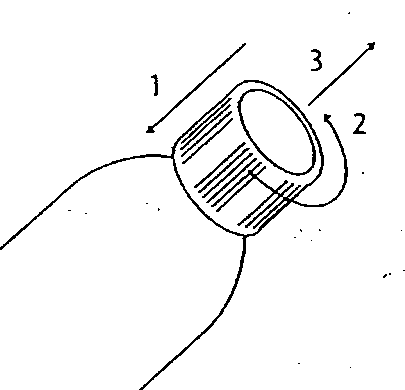
1-2 PRESS THE CAP AND
SIMULTANEOUSLY
ROTATE IT COUNTER-
CLOCKWISE
3 REMOVE THE CAP
RECLOSE THE BOTTLE
BY SCREWING THE CAP
ON NORMALLY

Nie jesteś pewien, czy ten lek jest odpowiedni dla ciebie?
Omów swoje objawy i leczenie z lekarzem online.
DEPAKIN 100 mg modified-release granules, 250 mg modified-release granules, 500 mg modified-release granules, 750 mg modified-release granules, 1000 mg modified-release granules
sodium valproate – valproic acid
Medicinal product subject to additional monitoring. This will allow the rapid identification of new safety information. You can contribute by reporting any adverse effects encountered during the use of this medicine. See the end of section 4 for information on how to report adverse effects.
WARNING
Depakin, valproate if taken during pregnancy can seriously harm the fetus. If you are a woman of childbearing potential, you must use an effective method of contraception (contraceptive) without interruption, for the entire duration of treatment with Depakin. Your doctor will discuss this with you, but you must also follow the recommendations in section 2 of this leaflet.
If you want to plan a pregnancy or think you may be pregnant, request an urgent appointment with your doctor.
Do not stop taking Depakin unless your doctor has told you to, as your condition may worsen.
Read all of this leaflet carefully before you start taking this medicine, because it contains important information for you.
- Keep this leaflet. You may need to read it again.
- If you have any questions, ask your doctor or pharmacist.
- This medicine has been prescribed for you only. Do not pass it on to others, even if they have the same symptoms as you, as it may be harmful.
- If you get any side effects, even those not listed in this leaflet, tell your doctor or pharmacist. See section 4.
Contents of this leaflet:
- 1. What Depakin is and what it is used for
- 2. What you need to know before you take Depakin
- 3. How to take Depakin
- 4. Possible side effects
- 5. How to store Depakin
- 6. Contents of the pack and other information
1. What Depakin is and what it is used for
Depakin contains the active ingredients sodium valproate and valproic acid and belongs to the category of
medicines called “fatty acid derived antiepileptics”.
Depakin is indicated for:
- 4. In the treatment of generalized epilepsy, particularly in attacks of type:
- brief and sudden loss of consciousness for short periods (absence)
- muscle spasms (myoclonic)
- alternation of muscle contraction and relaxation (tonic-clonic)
- loss of muscle tone (atonic)
- mixed
- 5. In partial epilepsy:
- simple or complex
- secondarily generalized
- 6. In the treatment of particular diseases (West Syndrome, Lennox-Gastaut Syndrome)
- 7. In the treatment of episodes of states of excitement (mania) due to a disease that causes alternating states of excitement and depression (bipolar disorder) when lithium is contraindicated or not tolerated. Continuation of therapy after the episode of excitement (mania) may be considered in patients who have responded to valproate in attacks of excitement (acute mania).
2. What you need to know before taking Depakin
Do not take Depakin
- if you are allergic to sodium valproate, valproic acid or any of the other ingredients of this medicine (listed in section 6)
- if you have acute liver inflammation (acute Hepatitis)
- if you have chronic liver inflammation (chronic Hepatitis)
- if you or your family members have or have ever had serious liver problems (severe hepatopathy), especially if caused by medicines
- if you have a rare disease called Hepatic Porphyria
- if you have blood coagulation problems
- if you suffer from genetic disorders that cause disease affecting specific cellular organs called mitochondria (for example, Alpers-Huttenlocher syndrome)
- if you suffer from genetic disorders caused by a decrease in an enzyme involved in the urea cycle, which manifests with alterations, generally severe, of the nervous system (see “Warnings and precautions”)
- if you have a carnitine deficiency (a very rare metabolic disease) that is not being treated. Bipolar disorder
- If you are pregnant, you should not use Depakin for bipolar disorder.
- For bipolar disorder, if you are a woman of childbearing potential, you should not take Depakin unless you are using an effective method of birth control (contraceptive) during the entire treatment with Depakin. Do not stop taking Depakin or your contraceptive unless you have discussed it with your doctor. Your doctor will advise you further (see below in “Pregnancy, breastfeeding and fertility - Important warning for women”). Epilepsy
- If you are pregnant, you should not use Depakin for epilepsy unless nothing else is effective for you.
- For epilepsy, if you are a woman of childbearing potential, you should not take Depakin unless you are using an effective method of birth control (contraceptive) during the entire treatment with Depakin. Do not stop taking Depakin or your contraceptive unless you have discussed it with your doctor. Your doctor will advise you further (see below in “Pregnancy, breastfeeding and fertility - Important warning for women”).
Warnings and precautions
In children aged three years or less, antiepileptics containing valproic acid
are only in exceptional cases the first-line therapy.
CONTACT YOUR DOCTOR IMMEDIATELY:
- If you experience liver problems. See the paragraph “LIVER PROBLEMS (HEPATOPATHIES)” The risk of liver damage increases if Depakin is taken by children under 3 years of age, by people who are taking other antiepileptic medicines at the same time, or who suffer from other neurological or metabolic diseases and severe forms of epilepsy. If you or your child are taking Depakin and develop problems with balance and coordination, feel sleepy or less alert, vomit, inform your doctor immediately. This may be due to an increase in the amount of ammonia in the blood.
- Severe skin reactions including Stevens-Johnson syndrome, toxic epidermal necrolysis, drug reaction with eosinophilia and systemic symptoms (DRESS), multiforme erythema and angioedema have been reported in association with treatment with valproate. Contact your doctor immediately if you notice any of the symptoms related to these severe skin reactions described in paragraph 4.
Talk to your doctor before taking Depakin:
- Before taking Depakin because your doctor may require tests to check your liver function, both before starting therapy (see "Do not take Depakin") and at repeated intervals during the first 6 months. If your health status is similar to those present in the paragraph “Do not take Depakin” and “Special warnings” you are more likely to be subjected to control tests by your doctor. Depending on the tests and your health status, your doctor may decide to change the dose of Depakin or subject you to further tests.
- In Children under 3 years of age do not take Depakin with other medicines and the doctor will assess the risk-benefit ratio (liver and pancreas problems) before starting therapy.
In Children under 3 years of age, do not take Depakin if they are taking medicines that
contain salicylic acid or its derivatives because it may increase the possibility of having
toxicity at the liver level (hepatotoxicity).
- If there are genetic problems in your family that cause a disease affecting specific cellular organs called mitochondria, due to a possible risk of liver damage.
- If you have a high amount of ammonia in your blood (hyperammonemia) because valproate can increase the amount of ammonia in the blood (see “Do not take Depakin” and “Possible side effects”). If you experience disorders involving changes in behavior and emotions (apathy), drowsiness, vomiting, low blood pressure (hypotension) and increased number of seizures, your doctor may decide to perform some checks.
- If you suspect that you suffer from metabolic disorders, in particular hereditary deficiencies of enzymes such as the “urea cycle disorder” due to a possible risk of increased ammonia levels in the blood.
- If you suffer from a disease that reduces the amount of an enzyme called carnitine palmitoyltransferase (CPT) type II, because valproate may increase the possibility of having a muscle cell disease called rhabdomyolysis.
- If you have a low dietary intake of carnitine, present in meat and dairy products, especially in children under 10 years of age.
- If you have a carnitine deficiency and are taking carnitine.
- If you have reduced kidney function (renal insufficiency) or reduced amount of proteins in the blood (hypoproteinemia) the doctor may decide to modify the therapy based on the results of the clinical control.
- If you suffer from a disease affecting the skin and tissues called “systemic lupus erythematosus”, because the doctor will have to assess the risk-benefit ratio during the assumption of valproate, for the possibility of causing immune diseases.
- If you have ever developed a severe skin rash or peeling of the skin, blisters and/or mouth sores after taking valproate.
- If you have sudden abdominal pain, because the doctor may suspend the assumption of valproate and subject you to checks to exclude the possibility that you have inflammation of the pancreas (pancreatitis).
- If you are following dietary regimes, because Depakin may give you a weight gain at the beginning of the therapy (see “Possible side effects”).
- If you are taking antibiotics belonging to a class called carbapenems because the simultaneous assumption of valproic acid/sodium valproate is not recommended (see “Other medicines and Depakin”).
- If you are a woman of childbearing potential (see “Pregnancy, breastfeeding and fertility”).
- If you have blood diseases because the doctor may subject you to tests before a surgical or dental intervention and in case of spontaneous bruises or sudden blood loss (hemorrhages) (see “Possible side effects”); the doctor will still subject you to blood tests before the start of therapy or before a surgical intervention and in case of bruises or spontaneous bleeding.
- If you take medicines for blood coagulation and belonging to the category of vitamin K antagonists because the doctor may perform checks.
- If you have or have previously had any bone marrow disease because the doctor may decide to perform checks.
If you take this medicine for epilepsy, as with other antiepileptic drugs, you may have a
reversible worsening in the frequency and severity of seizures (up to status epilepticus)
or you may experience new types of seizures (see “Possible side effects”). In this
case you should immediately inform your doctor.
If during treatment with Depakin you have thoughts that lead you to want to harm yourself or to
take your own life, immediately inform your doctor, because this type of disorders have been observed
in a class of medicines called “antiepileptics”, such as valproate.
Do not drink alcohol during treatment with valproate.
If you suffer from a disease called diabetes, because if you have to perform tests for the research of ketone
bodies, Depakin may alter the results.
LIVER PROBLEMS (HEPATOPATHIES)
- As it manifests The administration of Depakin has led exceptionally to a severe liver damage (liver damage), which sometimes proved fatal. If you are a newborn or a child under 3 years of age with severe forms of a disease called epilepsy, especially if you have brain damage (cerebral), mental development delay (psychic) and (or) a congenital (congenital) metabolic or degenerative disease and are undergoing therapy with multiple medicines, you will have a greater possibility of having serious liver disorders. If the doctor deems it indispensable to administer the medicine to a child under three years of age for the treatment of a type of epilepsy that improves with the use of valproate, despite the risk of liver damage (hepatopathy), he must not take Depakin with any other medicine. If the child is over 3 years old, he will have less chance of having these complications, because the probability decreases with increasing age. In most cases, liver damage (hepatic) occurred during the first 6 months of therapy.
- Disorders Especially if you are a risk patient, clinical disorders are essential for early diagnosis. In particular, two types of manifestations that can precede the yellowing of the skin (jaundice: see “as it manifests”) must be taken into consideration:
- if you suffer from epilepsy, the epileptic attacks will reappear
- non-specific disorders of epilepsy, which appear rapidly, such as fatigue (asthenia), severe loss of appetite (anorexia), excessive sleepiness (lethargy), excessive tiredness (drowsiness), sometimes associated with repeated vomiting and abdominal pain (abdominal). If you experience one of the disorders reported above during therapy, immediately inform your doctor who will perform some checks. As with most antiepileptic drugs, increases in liver blood tests (liver enzymes) can be noticed, especially at the beginning of therapy; in these cases, the doctor will subject you to frequent checks and may change the dose.
- Checks during treatment If you take Depakin, your doctor will perform liver tests (liver function) before starting therapy and at established intervals for the first 6 months, as well as when he deems necessary or for other checks. These checks are particularly important in children.
PANCREATITIS (PANCREATITIS)
Severe inflammation of the pancreas (pancreatitis) is possible, even if very rare, which can be
even fatal. These serious problems with the pancreas are more frequent in children. The risk decreases
with increasing age. If you experience severe epileptic attacks during treatment, neurological
disorders or if you are taking other medicines against convulsions, inform your doctor
because they may increase the risk of having pancreatitis. If you have a liver disease
(liver failure) and at the same time an inflammation of the pancreas (pancreatitis), Depakin
will increase the risk of fatal outcome. If you have acute abdominal pain, report it immediately to
the doctor who will visit you and suspend the assumption of valproate in case you have
an inflammation of the pancreas (pancreatitis).
Other medicines and Depakin
Inform your doctor or pharmacist if you are taking, have recently taken, or might
take any other medicines, including those available without a prescription. Some medicines
can affect the effect of valproate and vice versa.
Effects of valproate on other medicines
- Neuroleptics, MAO inhibitors, antidepressants and benzodiazepinesIf you take valproate with medicines used for behavioral disorders and belonging to classes called neuroleptics, MAO inhibitors, antidepressants and benzodiazepines, an unwanted increase in the effect may occur. For this reason, your doctor will subject you to checks and, when necessary, will modify your therapy.
- PhenobarbitalIf you take a medicine called phenobarbital, you must inform your doctor because valproate increases the amount of phenobarbital in the blood; and excessive sedation may occur, especially in children. The doctor will perform checks during the first 15 days of combined treatment, with immediate reduction of phenobarbital doses in case of sedation, and possible control of the amount of phenobarbital in the blood.
- PrimidoneIf you take a medicine called primidone, valproate may increase its amount in the blood, with a possible increase in its undesirable effects (such as sedation); this interaction ceases with long-term treatment, for this reason the doctor will perform checks especially at the beginning of therapy, with modifications of the primidone dose when necessary.
- PhenytoinIf you take valproate in conjunction with a drug based on phenytoin, the doctor will take steps to perform checks because valproate changes the amount of phenytoin in the blood, with possible overdose disorders.
- CarbamazepineIf you take valproate with a medicine based on carbamazepine, the doctor will take steps to have checks performed, especially at the beginning of therapy. These checks are carried out because valproate increases the toxicity of carbamazepine.
- LamotrigineIf you take Depakin in conjunction with medicines based on lamotrigine, you may have an increased possibility of having undesirable effects from increased toxicity of lamotrigine (serious skin disorders). The doctor will subject you to checks and decrease the dose of lamotrigine, if necessary.
- EthosuccimideIf you take valproate with medicines containing ethosuccimide, it may increase the amount of the latter in the blood.
- ZidovudinePay attention to taking valproate with medicines based on zidovudine because it can lead to
an increase in the amount of the latter in the blood and related toxicity phenomena.
- FelbamateValproic acid can decrease the metabolism of felbamate (used in epilepsy).
- OlanzapineIf you take Depakin with medicines based on olanzapine (used in some mental illnesses), it may increase the amount of the latter in the blood.
- RufinamideIf you take Depakin with medicines containing rufinamide (used in epilepsy), it may increase the amount of the latter in the blood. The increased amount of rufinamide in the blood depends on the dose of Depakin used. This effect is greater in children.
- PropofolIf you take valproate together with propofol (used for anesthesia), the doctor will consider a reduction in the dose of propofol because valproate can increase its amount in the blood.
- NimodipineDepakin can increase the effects of nimodipine.
- Clozapine(for treating mental health problems).
Effects of other medicines on valproate
If you take medicines for the treatment of epilepsy (in particular phenytoin, phenobarbital and carbamazepine)
in conjunction with valproic acid, the doctor may subject you to checks because the amount of
valproic acid in the blood may be decreased. Therapy will be modified based on the
results.
The association of felbamate and valproate increases the amount of valproic acid in the blood. The amount of valproate in the blood must therefore be checked.
If you take Depakin with medicines based on phenytoin or phenobarbital, you must pay particular
attention to the symptoms of hyperammonemia (nausea, vomiting, agitation, confusion, convulsions,
drowsiness, disturbances in muscle coordination).
If you take a medicine used to treat malaria called mefloquine in conjunction with
valproic acid, the doctor may subject you to checks because you may have epileptic seizures.
In the case of concomitant use of valproate and substances that bind highly to proteins (acetylsalicylic acid), the amount of valproic acid in the blood may increase.
Do not take medicines containing valproic acid in conjunction with medicines containing acetylsalicylic acid
used to treat fever and pain, particularly in newborns and children.
The doctor will perform blood coagulation checks if you are taking Depakin with medicines
to thin the blood and belonging to the class of “vitamin K dependent”.
If you take Depakin with medicines based on cimetidine, erythromycin, rifampicin or fluoxetine, the
doctor will have you undergo checks because the amount of valproic acid in the blood may be
modified.
Do not take Depakin in conjunction with antibiotics belonging to the carbapenem class (used
to treat bacterial infections) (see “Warnings and precautions”).
Protease inhibitors
If you take Depakin with medicines such as lopinavir and ritonavir (medicines used in serious viral diseases), the amount of Depakin in the blood decreases.
Cholestyramine
If you take Depakin with medicines based on cholestyramine (used to lower blood cholesterol), the amount of Depakin in the blood may decrease.
Metamizole
If you take Depakin with metamizole, used to treat pain and fever, the amount of Depakin in the
blood may decrease.
Methotrexate (used to treat tumors and inflammatory diseases).
Other interactions
Cannabidiol(used to treat epilepsy and other conditions).
Some anti-infective drugs that contain pivalate (e.g. pivampicillin, adefovir dipivoxil).
If you take medicines containing valproic acid in conjunction with medicines for the
treatment of convulsions containing topiramate or in conjunction with acetazolamide (used against
high blood pressure), the doctor will subject you to checks because there is an increased probability that there will be an increase
in the amount of ammonia in the blood and/or inflammation of the brain (hyperammonemic encephalopathy).
Products containing estrogens
Products containing estrogens (including some birth control pills) can decrease the levels of valproate in the blood. Talk to your doctor about the most appropriate method of contraception for you.
Valproate generally does not have an enzyme-inducing effect; consequently, it does not reduce
the effectiveness of progestin-estrogen combinations in hormonal contraception.
If you are taking medicines that act on the nervous system, belonging to the class of
benzodiazepines (diazepam, lorazepam, clonazepam) in conjunction with valproate, the doctor may
subject you to checks, because the amount of benzodiazepines in the blood may be modified.
Pay attention if you take valproic acid, in conjunction with a medicine against depression
called sertraline and a medicine that acts on the psyche called risperidone because a disease that reduces motor and intellectual activity called catatonia may occur.
Quetiapine
If you take valproate concomitantly with an antipsychotic medicine called quetiapine, it may increase
the possibility of having a decrease in certain blood cells (neutropenia/leukopenia).
Depakin with food, drinks and alcohol
The consumption of alcohol is not recommended during treatment with valproate. DEPAKIN granules
with modified release should not be taken with lukewarm or hot foods or drinks (soups, coffee,
tea, etc.).
Pregnancy, breastfeeding and fertility
If you are pregnant, suspect you are pregnant, are planning a pregnancy, or are breastfeeding with
breast milk, ask your doctor or pharmacist for advice before taking this medicine.
Important warning for women
Bipolar disorder
- If you are pregnant, you should not use Depakin for bipolar disorder.
- For bipolar disorder, if you are a woman of childbearing potential, you should not take Depakin unless you are using an effective method of birth control (contraceptive) during the entire treatment with Depakin. Do not stop taking Depakin or your contraceptive unless you have discussed it with your doctor. Your doctor will advise you further.
Epilepsy
- If you are pregnant, you should not use Depakin for epilepsy unless nothing else is effective for you.
- For epilepsy, if you are a woman of childbearing potential, you should not take Depakin unless you are using an effective method of birth control (contraceptive) during the entire treatment with Depakin. Do not stop taking Depakin or your contraceptive unless you have discussed it with your doctor. Your doctor will advise you further.
Risks of taking valproate during pregnancy (regardless of the disease for which it is
used)
- Talk to your doctor immediately if you are planning to become pregnant or are pregnant.
- Valproate carries risks if taken during pregnancy. The risk is greater for higher doses, but all doses carry a risk, including the use of valproate in association with other medicines that treat epilepsy.
- It can cause serious birth defects and can have consequences for the physical and mental development and growth of the child after birth. The most frequently reported birth defects include: spina bifida(incomplete development of some bones of the spine); facial and skull malformations; heart, kidney, urinary tract and genital organ malformations; limb defects and multiple malformations affecting different organs and parts of the body. Birth defects can lead to disabilities that can be severe.
- Hearing or deafness problems have been reported in children exposed to valproate during pregnancy.
- Eye malformations have been reported in children exposed to valproate during pregnancy in association with other congenital malformations. These eye malformations can affect vision.
- Women who take valproate during pregnancy, compared to other women, have a higher risk of having a baby with birth defects requiring medical treatment. Because valproate has been used for many years, we know that in women who take valproate, about 11 babies out of 100 have birth defects, compared to 2-3 babies out of 100 born to women who do not suffer from epilepsy.
- It is estimated that up to 30-40% of preschool children whose mothers took valproate during pregnancy may experience developmental problems in early childhood. These children may start walking and talking late, be intellectually disadvantaged compared to other children, and have speech and memory difficulties.
- Autism spectrum disorders are more often diagnosed in children exposed to valproate during pregnancy and there is some evidence that children exposed to valproate during pregnancy have a higher risk of developing attention deficit hyperactivity disorder (ADHD).
- Before prescribing this medicine, your doctor will explain to you what could happen to your baby if you become pregnant while taking valproate. If you decide to try to become pregnant at a later time, do not stop taking the medicine or the contraceptive method before discussing it with your doctor.
- If you are the parent or caregiver of a girl treated with valproate, you should contact the doctor as soon as the girl taking valproate has her first menstrual period.
- Some birth control pills (birth control pills containing estrogen) can decrease the levels of valproate in the blood. Be sure to talk to your doctor about the most appropriate method of contraception for you.
- Consult your doctor about taking folic acid while trying to become pregnant. Folic acid can reduce the overall risk of spina bifidaand miscarriage, possible in all pregnancies. However, it is unlikely to reduce the risk of birth defects associated with the use of valproate.
Read and choose the situations that apply to you from those described below:
I AM STARTING TREATMENT WITH DEPAKIN
I AM TAKING DEPAKIN AND I DO NOT PLAN TO BECOME PREGNANT
I AM TAKING DEPAKIN AND I PLAN TO BECOME PREGNANT
I AM PREGNANT AND I AM TAKING DEPAKIN
I AM STARTING TREATMENT WITH DEPAKIN
If Depakin is prescribed to you for the first time, your doctor will explain the risks to the fetus in case
of pregnancy. If you are of childbearing potential, you must make sure to use an effective method of contraception,
without interruption, for the entire duration of treatment with Depakin. Talk to your doctor or go
to a family planning clinic if you need advice on contraception.
Key messages:
- before starting treatment with Depakin, pregnancy must be ruled out through a pregnancy test confirmed by your doctor;
- during the entire treatment with Depakin, you must use an effective method of birth control;
- you must discuss appropriate methods of birth control (contraceptives) with your doctor. Your doctor will explain how to prevent pregnancy and may refer you to a specialist for advice on birth control;
- you must have regular appointments (at least once a year) with a specialist experienced in managing bipolar disorder or epilepsy .During this visit, your doctor will ensure that you are fully aware of and understand all the risks and advice regarding the use of valproate during pregnancy;
- tell your doctor if you wish to become pregnant;
- immediately inform your doctor if you are pregnant or believe you may be.
I AM TAKING DEPAKIN AND DO NOT PLAN TO BECOME PREGNANT.
If you are continuing treatment with Depakin but do not plan to become pregnant, make sure to use an effective method of contraception, without interruption, for the entire duration of treatment with Depakin. Talk to your doctor or a family planning clinic if you need advice on contraception.
Key messages:
- you must use an effective method of birth control (contraceptives) during the entire treatment with Depakin;
- you must discuss contraception (birth control) with your doctor. Your doctor will explain how to prevent pregnancy and may refer you to a specialist for advice on birth control;
- you must have regular appointments (at least once a year) with a specialist experienced in managing bipolar disorder or epilepsy .During this visit, your doctor will ensure that you are fully aware of and understand all the risks and advice regarding the use of valproate during pregnancy;
- tell your doctor if you wish to become pregnant;
- immediately inform your doctor if you are pregnant or think you may be.
I AM TAKING DEPAKIN AND I PLAN TO BECOME PREGNANT
If you are planning to become pregnant, make an appointment with your doctor first.
Do not stop taking Depakin or your contraception unless you have discussed it with your doctor. Your doctor will advise you further.
Children born to mothers treated with valproate have a high risk of birth defects and developmental problems that can be severely disabling. Your doctor will refer you to a specialist experienced in managing bipolar disorder or epilepsy, in order to evaluate alternative treatment options. The specialist may take various measures to facilitate the course of pregnancy as much as possible and minimize the risks to you and the baby.
The specialist may decide to change the dose of Depakin or switch to another medicine, or to stop treatment with Depakin well before pregnancy, in order to ensure that the illness is stable.
Ask your doctor about taking folic acid when planning to become pregnant.
Folic acid can reduce the overall risk of spina bifidaand miscarriage, which are possible in all pregnancies.
However, it is unlikely to reduce the risk of birth defects associated with the use of valproate.
Key messages:
- do not stop taking Depakin unless your doctor has told you to;
- do not stop using methods of birth control (contraceptives) before discussing it with your doctor and agreeing on a plan to ensure control of your illness and reduce the risks to the baby;
- make an appointment with your doctor first. During this visit, the doctor will ensure that you are fully aware of and understand all the risks and advice related to the use of valproate during pregnancy;
- your doctor will try to change your medication or stop treatment with Depakin long before pregnancy;
- request an urgent appointment with your doctor if you are pregnant or think you may be. I AM PREGNANT AND I AM TAKING DEPAKINDo not stop taking Depakin unless your doctor has established it, because your illness may worsen. Request an urgent appointment with your doctor if you are pregnant or believe you may be. Your doctor will advise you further. Children born to mothers treated with valproate have a high risk of birth defects and developmental problems that can be severely disabling. You will be referred to a specialist experienced in managing bipolar disorder or epilepsy, in order to evaluate alternative treatment options. In exceptional circumstances, if Depakin is the only treatment option available during pregnancy, you will be carefully monitored both for managing your underlying illness and for monitoring fetal development. You and your partner may receive advice and support regarding exposure to valproate during pregnancy. Ask your doctor about taking folic acid. Folic acid can reduce the overall risk of spina bifidaand miscarriage, which are possible in all pregnancies. However, it is unlikely to reduce the risk of birth defects associated with the use of valproate. Key messages:
- request an urgent appointment with your doctor if you are pregnant or think you may be;
- do not stop taking Depakin unless your doctor has told you to;
- make sure you are referred to a specialist experienced in the treatment of epilepsy, bipolar disorder, to assess the need for alternative treatment options;
- you must receive detailed advice on the risks of Depakin during pregnancy, including teratogenicity (birth defects) and developmental disorders of the physical and mental health in children;
- make sure you are referred to a specialist in prenatal monitoring, to identify possible cases of malformation. Make sure to read the patient guide you will receive from your doctor. Your doctor will discuss the Annual Risk Acceptance Form with you and ask you to sign and keep it. You will also be given the Patient Card by the pharmacist to remind you of the risks of valproate in pregnancy.
Further risks for the newborn
- If you take valproate during pregnancy, the newborn may have, although rarely, severe bleeding (hemorrhagic syndrome) due to a reduction in several coagulation factors. These reductions in coagulation factors can sometimes be fatal, and that is why the doctor will subject you to several checks.
- If you take valproate in the third trimester of pregnancy, the newborn may have a reduction in blood sugar (hypoglycemia).
- If you take valproate during pregnancy, the newborn may have disorders caused by a reduction in the amount of hormones produced by the thyroid gland in the blood (hypothyroidism).
- If you take valproate during the last trimester of pregnancy, the newborn may have disorders caused by "withdrawal syndrome" (e.g., in particular, agitation, irritability, hyperactivity, nervousness, increased movements (hyperkinesia), muscle activity disorders (tonicity), tremors, convulsions and feeding disorders).
If you are pregnant, do not stop treatment with valproic acid and do not reduce the dosage without consulting your doctor, as this could cause epileptic seizures that could cause serious damage to you and the unborn child.
Important warning for male patients
Potential risk associated with taking valproate in the 3 months before conception
A study suggests a possible risk of movement disorders and mental development (problems affecting development in early childhood) in children born to fathers treated with valproate in the 3 months before conception. In this study, approximately 5 out of 100 children had these disorders when born to fathers treated with valproate, compared to approximately 3 out of 100 children born to fathers treated with lamotrigine or levetiracetam (other medicines that can be used to treat your illness). The risk for children born to fathers who stopped treatment with valproate 3 months (the time it takes to form new sperm) or more before conception is not known. The study has limitations and therefore it is not entirely clear whether the increased risk of movement and mental development disorders suggested by this study is caused by valproate. The study was not large enough to show what particular type of movement and mental development disorder children may be at risk of developing.
As a precaution, your doctor will discuss with you:
- The potential risk to children born to fathers taking valproate
- The need to consider effective contraception (birth control) for you and your partner during treatment and for 3 months after stopping therapy
- The need to consult the specialist if you are planning to conceive a child and before stopping contraception (birth control)
- The possibility of other treatments that can be used to treat your illness, depending on your individual situation
Do not donate sperm while taking valproate and for 3 months after stopping valproate.
Talk to your doctor if you are thinking of having a child.
If your partner becomes pregnant while you have taken valproate in the 3 months before conception and have questions, contact your doctor. Do not stop treatment without talking to your doctor. If you stop treatment, your symptoms may worsen.
You should schedule regular appointments with your prescribing doctor. During this visit, your doctor will discuss with you the precautions associated with the use of valproate and the possibility of other treatments that can be used to treat your illness, depending on your individual situation.
Make sure to read the patient guide you will receive from your doctor. You will also be given the Patient Card by the pharmacist to remind you of the potential risks of valproate.
Breastfeeding
If you are taking valproate during breastfeeding, the doctor will assess whether to stop or not the treatment because the medicine is released into the milk, and because it can cause blood disorders (hematological) (see “Possible side effects”).
The doctor will carefully assess whether to stop breastfeeding or stop therapy or abstain from Depakin therapy, taking into account the benefit of breastfeeding for the child and the benefit of therapy for the woman.
Fertility
If you are a woman of childbearing age, the medicine may increase the possibility of you having a cessation of your menstrual flow (amenorrhea), the presence of many cysts on the ovary (polycystic ovary) and an increase in the amount of testosterone in the blood (see “Possible side effects”). If you are a man, the administration of valproate may compromise your fertility (see “Possible side effects”). These fertility disorders are reversible after stopping treatment.
Driving and operating machinery
If you are taking Depakin with a class of drugs called "barbiturates" or other drugs that cause a reduction in the activity of the central nervous system, you may experience, in some subjects, manifestations of fatigue (asthenia), drowsiness or confusion, which can thus alter the response to the ability to drive a vehicle, operate machinery or perform activities that have a risk of falling or accident.
The same manifestations can be observed after drinking alcoholic beverages. The doctor will illustrate the problems you may have driving or performing those operations that require a normal state of attention.
Depakin contains sodium
- Depakin 100 mg modified-release granules contains 9.22 mg of sodium (the main component of table salt) per sachet. This corresponds to 0.46% of the recommended daily intake with the diet of an adult.
- Depakin 250 mg modified-release granules contains 23.07 mg of sodium (the main component of table salt) per sachet. This corresponds to 1.15% of the recommended daily intake with the diet of an adult.
- Depakin 500 mg modified-release granules contains 46.08 mg of sodium (the main component of table salt) per sachet. This corresponds to 2.30% of the recommended daily intake with the diet of an adult.
- Depakin 750 mg modified-release granules contains 69.20 mg of sodium (the main component of table salt) per sachet. This corresponds to 3.46% of the recommended daily intake with the diet of an adult.
- Depakin 1000 mg modified-release granules contains 92.24 mg of sodium (the main component of table salt) per sachet. This corresponds to 4.61% of the recommended daily intake with the diet of an adult.
To be taken into consideration in people with reduced kidney function or who are following a low-sodium diet.
3. How to take Depakin
Take this medicine always exactly as your doctor or pharmacist has told you. If
you have doubts, ask your doctor or pharmacist.
Girls and women of childbearing potential
Treatment with Depakin must be initiated and supervised by a doctor specialized in the
treatment of epilepsy or bipolar disorders.
Male patients
It is recommended that treatment with Depakin is initiated and supervised by a specialist with
experience in the management of epilepsy or bipolar disorder – see paragraph 2. Important warning
for male patients.
If you are a child under 11 years of age, the best pharmaceutical forms to take by mouth
are the oral solution and the granules.
DEPAKIN modified-release granules are a pharmaceutical form suitable for everyone, particularly
children (if they are able to swallow soft foods), adults with difficulty swallowing and the
elderly.
If you are a child, the appropriate sachets are those of 100 mg.
DEPAKIN modified-release granules are a controlled-release formulation of Depakin that
reduces the peak amount and ensures a more regular plasma level throughout the day.
Treatment of epilepsy
The recommended dose is:
that which the doctor will assess based on age and body weight, as well as considering the response
to valproate therapy. The correct dose must be calculated primarily by evaluating the clinical
response. If the therapeutic dose is not reached, the doctor may decide to check the amount of
valproic acid in the blood. The doctor will divide the dose into 2 daily administrations.
Starting therapy with DEPAKIN modified-release granules (oral administration)
- If you are a patient not treated with other medicines for the treatment of epilepsy (antiepileptics), the doctor will increase the dose at intervals of 2-3 days, to reach that indicated in about a week.
- If you are a patient taking antiepileptic medicines, the doctor will replace them with DEPAKIN granules
modified-release gradually, reaching the best dose in about two weeks,
reducing and then stopping the other treatments.
- If the doctor decides to add another antiepileptic medicine, he/she will do so gradually, (see “Other medicines and Depakin”).
Oral administration of DEPAKIN modified-release granules: practical considerations
The recommended dose is:
generally 10-15 mg per kg per day, then the doses are modified up to the optimal dose
(see “Starting therapy with DEPAKIN modified-release granules”).
This is generally between 20-30 mg/kg. However, if control
of seizures is not achieved with these doses, it is possible to increase them appropriately; patients must be
carefully monitored when receiving daily doses greater than 50 mg/kg (see “Precautions
for use”).
In childrenthe usual maintenance dose is about 30 mg/kg per day.
In adultsthe usual maintenance dose is between 20-30 mg/kg per day.
In the elderly, the dose must be determined based on seizure control.
Manic episodes related to bipolar disorder
In adults
The recommended dose is:
that which the doctor will assess as appropriate for each individual patient.
If you need to take valproic acid, the doctor will increase the dose in order to reach the
lowest therapeutic dose with which the desired clinical effect is obtained, considering that the recommended initial daily dose is 750 mg.
The average daily dose usually ranges from 1000 to 2000 mg of valproate and the doctor will divide
the dose into one or two administrations per day. If you take a dose of valproic acid greater than 45
mg/kg of body weight, the doctor will subject you to checks.
If you suffer from a disease that causes you severe mood changes (manic episodes related to
bipolar disorder), the doctor will assess the minimum effective dose.
Patients with kidney problems/hypoproteinemia
The doctor may decide to adjust the dose.
Use in children and adolescents
Children and adolescents under 18 years of age:
Depakin should not be used in children and adolescents under 18 years of age for the treatment
of mania.
Mode of administration for both indications
If you are a child, you can take DEPAKIN modified-release granules distributed on soft foods
(yogurt, cooked fruit, fresh cheeses, etc.) or drinks (orange juice, etc.) cold or at room
temperature.
Do not take DEPAKIN modified-release granules with lukewarm or hot foods or drinks (soups,
coffee, tea, etc.).
If you are a child, do not put DEPAKIN modified-release granules in the bottle because it could
block the nipple.
If you take Depakin with liquids, rinse the glass with a small amount of water because some
granules may remain attached to the glass.
If you prefer, the granules can be placed directly in the mouth and swallowed with water or cold drinks
or at room temperature.
If you are taking Depakin, be careful to swallow the preparation immediately without chewing
and do not keep the remaining part of the medicine for subsequent uses.
Considering the release process and the nature of the excipients of the formulation, the inert matrix of
the granules is not absorbed by the digestive tract and is eliminated with the feces after the active ingredient
is released.
If you take more Depakin than you should
In case of ingestion/taking an excessive dose of Depakin, immediately inform your doctor
or go to the nearest hospital.
Signs and symptoms of overdose
The amount of valproic acid in the blood at normal doses has relatively low toxicity and very
rarely can acute valproic acid poisoning occur.
Toxicity is more likely at higher doses.
The signs of severe acute overdose generally include coma with reduced muscle tone (hypotonia), reduced reflexes (hyporeflexia), decreased pupil diameter
(miosis), impaired respiratory function, changes in blood acidity (metabolic acidosis), decreased blood pressure (hypotension), heart and circulation disorders
(cardiovascular), circulatory collapse/shock and increased sodium levels in the blood
(hypernatremia).
If you are an adult or a child, an increase in the amount of valproic acid in the blood can cause
nervous system disorders (neurological), such as an increased tendency to seizures and
behavioral changes.
Following a severe overdose, the death of patients has occurred, although the prognosis of
poisonings is generally favorable.
Symptoms may however be variable and seizures have been reported in the presence of
very high levels of valproic acid in the blood.
Cases of high blood pressure in the head (intracranial hypertension) linked to
cerebral edema have been reported.
If you forget to take Depakin
Do not take a double dose to make up for the missed dose.
If you have any doubts about the use of Depakin, ask your doctor or pharmacist.
4. Possible side effects
Like all medicines, DEPAKIN can cause side effects, although not everybody gets them.
If you get any side effect, including those not listed in this leaflet, tell your doctor or pharmacist.
Tell your doctor immediately if you notice any of the following serious side effects.
You may need urgent medical attention:
- Problems with balance and coordination, feeling sleepy or less alert, associated with
vomiting. This may be due to an increase in the amount of ammonia in the blood.
- Kidney problems (renal failure, tubulointerstitial nephritis) which can manifest as reduced urine output.
- Uncommon: difficulty breathing, chest pain or pressure (especially during inhalation), shortness of breath and dry cough due to fluid accumulation around the lungs (pleural effusion).
Tell your doctor or pharmacist if any of the following side effects gets worse or
lasts longer than a few days; you may need medical attention:
Rare: passing a lot of urine and feeling thirsty (Fanconi syndrome).
Frequency not known: decrease in carnitine levels (detected by blood or muscle tests).
Frequency not known: darker areas of the skin and mucous membranes (hyperpigmentation).
Very common side effects(may affect more than 1 in 10 people):
- Nausea.
- Tremor.
Common side effects(may affect up to 1 in 10 people):
- A severe malfunction of the liver (severe hepatic dysfunction) not dose-dependent and which can sometimes be fatal. If you are a child, particularly if you are taking Depakin and other medicines for epilepsy (antiepileptics), the possibility of liver damage (hepatic) is greatly increased (see “Warnings and precautions”).
- Vomiting, gum problems, mainly gum swelling (gingival hyperplasia), inflammation of the mouth lining (stomatitis), pain in the upper abdomen, diarrhea; these effects occur frequently in some patients at the beginning of treatment, but generally disappear after a few days without stopping treatment.
- Reduction in the amount of sodium in the blood (hyponatremia). In children, a reduced activity of the biotinidase enzyme has been observed during treatment with medicines containing valproic acid. There have also been reports of vitamin H (biotin) deficiency.
- Decreased sensitivity (paresthesia) dose-dependent, disorders of a part of the nervous system called extrapyramidal (inability to stand still, stiffness, tremors, slow movements, involuntary movements, muscle contractions), stupor, tremor when trying to maintain a fixed position (postural tremor), drowsiness, convulsions, insufficient memory, headache, involuntary eye movements (nystagmus), dizziness a few minutes after intravenous injection, which resolves spontaneously within a few minutes.
- Confusion, hallucinations, aggression*, agitation*, attention disorders* (* These side effects have been observed mainly in children).
- Reduction in hemoglobin in the blood (anemia), reduced amount of platelets in the blood (thrombocytopenia).
- Weight gain dose-dependent or weight loss, increase or loss of appetite. Because weight gain is a risk factor for a condition affecting the ovary called “polycystic ovary syndrome”, it must be carefully monitored (see “What you need to know before taking Depakin”).
- Hypersensitivity ,temporary hair loss (transient alopecia) and (or) dose-related.
- Painful menstrual periods (dysmenorrhea).
- Bleeding (see “What you need to know before taking Depakin” and “Warnings and precautions”).
- Hearing loss, presence of a ringing noise in the ear (tinnitus).
- Nail disorders.
- Involuntary loss of urine (urinary incontinence).
Uncommon side effects(may affect up to 1 in 1,000 people):
- Increased salivation (hypersalivation), inflammation of the pancreas (pancreatitis), sometimes fatal (see “Warnings and precautions” and “What you need to know before taking Depakin”).
- Syndrome of inappropriate secretion of the hormone ADH (SIADH), increased production of male hormones (hyperandrogenism) characterized by increased hair growth (hirsutism), presence of male characteristics in women (virilization), acne, male pattern hair loss and/or increased male hormones (androgens).
- Increased muscle tone (spasticity), difficulty making voluntary movements (ataxia), especially at the beginning of treatment, coma, confused state (encephalopathy), increased sleepiness (lethargy), Parkinson's-like signs that can be resolved or eliminated (reversible parkinsonism). Worsening of seizures (see “Warnings and precautions”).
- Irritability, hyperactivity and confusion, especially at the beginning of treatment (occasionally aggression, behavioral disorders).
- Alteration in the number or shape of blood cells (neutropenia, leukopenia or pancytopenia, red blood cell hypoplasia). Peripheral edema, bleeding.
- Swelling of the face, hands and feet, lips, tongue or throat (angioedema), skin redness (cutaneous), changes in hair (such as abnormal hair structure, changes in hair color, abnormal hair growth).
- Absence of menstruation (amenorrhea).
- Inflammation of blood vessels (vasculitis).
- Decreased body temperature (hypothermia).
- Reduced kidney function (renal insufficiency).
Rare side effects(may affect up to 1 in 10,000 people):
- Reduced production of thyroid hormones (hypothyroidism) (see “Warnings and precautions”).
- Increased amount of ammonia in the blood (hyperammonemia). A moderate and isolated increase in the amount of ammonia in the blood (isolated hyperammonemia) may occur, without alteration of liver function tests (hepatic function) and this should not be a reason to stop treatment. However, during monotherapy or polytherapy (with: phenobarbital, carbamazepine, phenytoin, topiramate) an acute syndrome of altered consciousness due to increased amount of ammonia in the blood (hyperammonemic encephalopathy) may occur, with normal liver function (hepatic function) and no cell damage (cytolysis). The syndrome of altered consciousness due to increased amount of ammonia in the blood (hyperammonemic encephalopathy) induced by valproate manifests in an acute form and is characterized by loss of consciousness, stupor, muscle weakness (muscle hypotension), motor disorders (chorea), severe generalized changes in the electroencephalogram (EEG) and focal and general neurological signs with increased frequency of seizures. It may appear after a few days or a few weeks from the start of therapy and regresses with the suspension of valproate. The confused state (encephalopathy) is not dose-dependent and the changes in the EEG are characterized by the appearance of slow waves and an increase in seizure discharges.
- Blood disease due to problems in the bone marrow (myelodysplastic syndrome).
- Reversible dementia associated with changes in the brain (cerebral atrophy) reversible, learning disorders (cognitive disorders), confused states, a particular state of unconsciousness called "stupor" and increased sleepiness "lethargy" which sometimes led to transient coma
(encephalopathy): these effects are rare or associated with an increase in the number of seizures
during therapy and have regressed with discontinuation of treatment or with dose reduction.
These cases have been reported mainly during combination therapy (particularly with
phenobarbital or topiramate) or after a sudden increase in valproate doses. Sedation has been reported.
- Abnormal behavior*, psychomotor hyperactivity*, learning disorders* (* These side effects have been observed mainly in children).
- Reduced bone marrow function (including pure red cell aplasia). Alteration in the number or shape of blood cells (agranulocytosis, macrocytic anemia, macrocytosis).
- Decreased coagulation factors, deficiency of a particular coagulation factor called "factor VIII" (von Willebrand factor), abnormal coagulation tests (such as prolonged prothrombin time, prolonged activated partial thromboplastin time, prolonged thrombin time, prolonged INR) (see also “Pregnancy, breastfeeding and fertility”). Isolated cases of fibrinogen reduction have been reported. Vitamin H (biotin) and biotinidase enzyme deficiency.
- Severe skin disorders (toxic epidermal necrolysis, Stevens-Johnson syndrome, erythema multiforme). Allergic reactions, especially those typical of drugs (DRESS) with increased types of white blood cells (Eosinophilia) and general disorders throughout the body.
- Male infertility, which is generally reversible after discontinuation of treatment and may be reversible after dose reduction. Do not stop treatment without first talking to your doctor.
- Nocturnal enuresis (bedwetting), kidney diseases (tubulointerstitial nephritis, reversible Fanconi syndrome).
- Disease affecting the skin and tissues, such as systemic lupus erythematosus, muscle disorders (rhabdomyolysis); (see “What you need to know before taking Depakin”).
- Obesity.
- Double vision.
Side effects with frequency not known(the frequency cannot be estimated on the basis of
available data)
- Birth defects (congenital) and developmental disorders (see "Warnings and precautions - Pregnancy, breastfeeding and fertility").
- Elevated levels of the hormone testosterone. Cases of an ovarian disease called “polycystic ovary syndrome” have been reported in patients who have had a significant weight gain. (osteopenia and osteoporosis) Depakin.
Additional side effects in children
Some side effects of valproate occur more frequently in children or are more serious
than in adults. These include liver damage, inflammation of the pancreas (pancreatitis),
aggression, agitation, attention disorders, abnormal behavior, hyperactivity and
learning disorders.
Reporting of side effects
If you get any side effect, including those not listed in this leaflet, tell your doctor or
pharmacist. You can also report side effects directly through the national reporting system at
https://www.aifa.gov.it/content/segnalazioni-reazioni-avverse.
By reporting side effects you can help provide more information on the safety of
this medicine.
5. How to store Depakin
Do not store at a temperature above 25°C.
Do not refrigerate or freeze. Protect from humidity and heat sources.
Store in the original container.
Do not use this medicine after the expiry date which is reported on the package after “Exp.”. The expiry
date refers to the last day of that month.
Keep the medicine out of the sight and reach of children.
Do not dispose of any medicine in wastewater or household waste. Ask your pharmacist how
to eliminate medicines that you no longer use. This will help protect the environment.
6. Contents of the pack and other information
What Depakin contains
DEPAKIN 100 mg modified-release granules
The active ingredients are sodium valproate and valproic acid. One sachet contains 66.66 mg of
sodiumvalproate and 29.03 mg of valproic acid (corresponding to 100 mg of sodium valproate).
The other ingredients are: solid paraffin, glycerol dibehenate, hydrated colloidal silica.
DEPAKIN 250 mg modified-release granules
The active ingredients are sodium valproate and valproic acid. One sachet contains 166.76 mg of
sodiumvalproate and 72.61 mg of valproic acid (corresponding to 250 mg of sodium valproate).
The other ingredients are: solid paraffin, glycerol dibehenate, hydrated colloidal silica.
DEPAKIN 500 mg modified-release granules
The active ingredients are sodium valproate and valproic acid. One sachet contains 333.30 mg of
sodiumvalproate and 145.14 mg of valproic acid (corresponding to 500 mg of sodium valproate).
The other ingredients are: solid paraffin, glycerol dibehenate, hydrated colloidal silica.
DEPAKIN 750 mg modified-release granules
The active ingredients are sodium valproate and valproic acid. One sachet contains 500.06 mg of
sodiumvalproate and 217.75 mg of valproic acid (corresponding to 750 mg of sodium valproate).
The other ingredients are: solid paraffin, glycerol dibehenate, hydrated colloidal silica.
DEPAKIN 1000 mg modified-release granules
The active ingredients are sodium valproate and valproic acid. One sachet contains 666.60 mg of
sodiumvalproate and 290.27 mg of valproic acid (corresponding to 1000 mg of sodium valproate).
The other ingredients are: solid paraffin, glycerol dibehenate, hydrated colloidal silica.
Description of the appearance of Depakin and contents of the pack
Depakin is presented as modified-release granules in packs of 30 and 50 sachets.
Marketing Authorisation Holder
Sanofi S.r.l. – Viale L. Bodio, 37/B - Milan
Manufacturer
Sanofi Winthrop Industrie – 196, Rue Du Marechal Juin – Amilly (France)
Detailed and updated information on this medicine is available by pointing the QR code
information is also available at the following URL:

DEPAKIN 400 mg/4 ml powder and solvent for infusion solution
sodium valproate
Medicinal product subject to additional monitoring. This will allow the rapid identification of
new safety information. You can contribute by reporting any adverse effects
experienced during the use of this medicinal product. See the end of section 4 for
information on how to report adverse effects.
WARNING
Depakin, valproate if taken during pregnancy can seriously harm the fetus. If you are a woman of
childbearing potential, you must use an effective method of contraception (contraceptive) without
interruption, for the entire duration of treatment with Depakin. Your doctor will discuss this with you, but you
must also follow the recommendations in section 2 of this leaflet.
If you want to plan a pregnancy or think you may be pregnant, request an urgent appointment with your
doctor.
Do not stop taking Depakin unless your doctor has decided to do so, because your condition
may worsen.
Read all of this leaflet carefully before you start using this medicine, as it contains
important information for you.
- Keep this leaflet. You may need to read it again.
- If you have any questions, ask your doctor or pharmacist.
- This medicine has been prescribed for you only. Do not pass it on to others, even if their symptoms are the same as yours, as it may be harmful.
- If you get any side effects, even those not listed in this leaflet, tell your doctor or pharmacist. See section 4.
Contents of this leaflet:
- 1. What Depakin is and what it is used for
- 2. What you need to know before you take Depakin
- 3. How to take Depakin
- 4. Possible side effects
- 5. How to store Depakin
- 6. Contents of the pack and other information
1. What is Depakin and what is it used for
Depakin contains the active ingredient sodium valproate and belongs to the category of medicines called
“antiepileptic drugs derived from fatty acids”.
Depakin is indicated for:
- 8. In the treatment of generalized epilepsy, particularly in attacks of type:
- brief and sudden loss of consciousness for short periods (absence)
- muscle spasms (myoclonic)
- alternation of muscle contractions and relaxation (tonic-clonic)
- loss of muscle tone (atonic)
- mixed
- 9. In partial epilepsy:
- simple or complex
- secondarily generalized
- 10. In the treatment of particular diseases (West Syndrome, Lennox-Gastaut Syndrome).
2. What you need to know before taking Depakin
Do not take Depakin
- if you are allergic to sodium valproate, valproic acid or any of the other ingredients of this medicine (listed in section 6)
- if you have acute liver inflammation (acute hepatitis)
- if you have chronic liver inflammation (chronic hepatitis)
- if you or your family members have had or have severe liver problems (severe hepatopathy), especially if caused by medicines
- if you have a rare disease called hepatic porphyria
- if you have blood clotting problems
- if you suffer from genetic disorders that cause disease affecting specific cellular organs called mitochondria (for example, Alpers-Huttenlocher syndrome)
- if you suffer from genetic disorders caused by a decrease in an enzyme involved in the urea cycle, which manifests with alterations, generally severe, of the nervous system (see “Warnings and precautions”)
- if you have a carnitine deficiency (a very rare metabolic disease) that is not being treated
- if you are pregnant, you should not use Depakin for epilepsy, unless nothing else is effective for you
- for epilepsy, if you are a woman of childbearing potential, you should not take Depakin unless you are using an effective method of birth control (contraceptive) throughout the treatment with Depakin. Do not stop taking Depakin or your contraceptive, unless you have discussed it with your doctor. Your doctor will advise you further (see below in “Pregnancy, breastfeeding and fertility - Important warning for women”).
Warnings and precautions
In children under or equal to three years of age, antiepileptics containing valproic acid
represent only in exceptional cases the first-line therapy.
CONTACT YOUR DOCTOR IMMEDIATELY:
- If you experience liver disorders. See section “LIVER PROBLEMS (HEPATOPATHIES)” The risk of liver damage increases if Depakin is taken by children under 3 years of age, in people who are taking other antiepileptic medicines at the same time or who suffer from other neurological or metabolic diseases and severe forms of epilepsy. If you or your child are taking Depakin and develop problems with balance and coordination, feel sleepy or less alert, vomit, inform your doctor immediately. This may be due to an increase in the amount of ammonia in the blood.
- Severe skin reactions including Stevens-Johnson syndrome, toxic epidermal necrolysis, drug reaction with eosinophilia and systemic symptoms (DRESS), multiforme erythema and angioedema have been reported in association with treatment with valproate. Contact your doctor immediately if you notice any of the symptoms related to these severe skin reactions described in section 4.
Talk to your doctor before taking Depakin:
- Before taking Depakin because your doctor may require tests to check your liver function, both before starting therapy (see "Do not take Depakin") and at repeated intervals during the first 6 months. If your health status is similar to those present in the section “Do not take Depakin” and “Special warnings” you are more likely to be subjected to control tests by your doctor. Depending on the tests and your health status, your doctor may decide to change the dose of Depakin or to subject you to further tests.
- In Children under 3 years of age do not take Depakin with other medicines and the doctor will evaluate the risk-benefit ratio (liver and pancreas problems) before starting therapy. In Children under 3 years of age, do not take Depakin if they are taking drugs that contain salicylic acid or its derivatives because it may increase the possibility of having liver toxicity (hepatotoxicity).
- If there are genetic problems in your family that cause a disease affecting specific cellular organs called mitochondria, due to a possible risk of liver damage.
- If you have a high amount of ammonia in your blood (hyperammonemia) because valproate can increase the amount of ammonia in the blood (see “Do not take Depakin” and “Possible side effects”). If you experience disorders involving changes in behavior and emotions (apathy), drowsiness, vomiting, low blood pressure (hypotension) and increased number of seizures, your doctor may decide to perform some checks.
- If you suspect you suffer from metabolic disorders, particularly hereditary deficiencies of enzymes such as “urea cycle disorder” due to a possible risk of increased ammonia levels in the blood.
- If you suffer from a disease that reduces the amount of an enzyme called carnitine palmitoyltransferase (CPT) type II, because valproate may increase the possibility of having a muscle cell disease called rhabdomyolysis.
- If you have a low dietary intake of carnitine, found in meat and dairy products, especially in children under 10 years of age.
- If you have a carnitine deficiency and are taking carnitine.
- If you have reduced kidney function (renal insufficiency) or reduced amount of proteins in the blood (hypoproteinemia) the doctor may decide to modify the therapy based on the outcome of the clinical control.
- If you suffer from a disease affecting the skin and tissues called “systemic lupus erythematosus”, because the doctor must evaluate the risk-benefit ratio during the assumption of valproate, for the possibility of causing immune diseases.
- If you have ever developed a severe skin rash or peeling of the skin, blisters and/or mouth sores after taking valproate.
- If you have sudden abdominal pain, because the doctor may suspend the assumption of valproate and subject you to checks to rule out the possibility that you have inflammation of the pancreas (pancreatitis).
- If you are following dietary regimes, because Depakin may give you a weight gain at the beginning of therapy (see “Possible side effects”).
- If you are taking antibiotics belonging to a class called carbapenems because the simultaneous assumption of valproic acid/sodium valproate is not recommended (see “Other medicines and Depakin”).
- If you are a woman of childbearing potential (see “Pregnancy, breastfeeding and fertility”).
- If you have blood diseases because the doctor may subject you to tests before a surgical or dental intervention and in case of spontaneous bruises or sudden blood loss (hemorrhages) (see “Possible side effects”); the doctor will still subject you to blood tests before the beginning of therapy or before a surgical intervention and in case of bruises or spontaneous bleeding.
- if you take drugs for blood coagulation and belonging to the category of vitamin K antagonists because the doctor may perform some checks.
- if you have or have previously had any bone marrow disease because the doctor may decide to perform some checks. If you take this medicine for epilepsy, as with other antiepileptic drugs, you may have a reversible worsening in the frequency and severity of seizures (up to status epilepticus) or you may experience new types of seizures (see “Possible side effects”). In this case, you must immediately notify your doctor. If during treatment with Depakin you have thoughts that lead you to want to harm yourself or take your own life, immediately notify your doctor, because this type of disorders have been observed in a class of medicines called “antiepileptics”, such as valproate. Do not drink alcohol during treatment with valproate. If you suffer from a disease called diabetes, because if you have to perform tests for the search of ketone bodies Depakin may alter the results.
LIVER PROBLEMS (HEPATOPATHIES)
- How it manifests The administration of Depakin has exceptionally led to severe liver damage (liver damage), which has sometimes proved fatal. If you are a newborn or a child under 3 years of age with severe forms of a disease called epilepsy, especially if you have brain damage (cerebral), mental developmental delay (psychic) and/or a congenital (congenital) metabolic or degenerative disease and are in therapy with multiple medicines, you will have a greater chance of having severe liver disorders. If the doctor deems it essential to administer the medicine to a child under three years of age for the treatment of a type of epilepsy that improves with the use of valproate, despite the risk of liver damage (hepatopathy), you must not take Depakin with any other medicine. If the child is over 3 years of age, they will have less chance of having these complications, because the
probability decreases with increasing age.
In most cases, liver damage (hepatic) occurred during the first 6 months of
therapy.
- Symptoms Especially if you are a high-risk patient, clinical symptoms are essential for early diagnosis. In particular, two types of manifestations that can precede yellowing of the skin (jaundice: see “how it manifests”) must be taken into consideration:
- if you suffer from epilepsy, the seizures will reappear
- non-specific disorders of epilepsy, which appear rapidly, such as fatigue (asthenia), severe loss of appetite (anorexia), excessive sleepiness (lethargy), excessive tiredness (drowsiness), sometimes associated with repeated vomiting and abdominal pain (abdominal). If you experience one of the disorders reported above during therapy, immediately notify your doctor who will perform some checks. As with most antiepileptic drugs, increases in liver blood tests (liver enzymes) can be noticed, particularly at the beginning of therapy; in these cases, the doctor will subject you to frequent checks and may change the dose.
- Checks during treatment If you take Depakin, your doctor will perform liver tests (liver function) before starting therapy and at established intervals for the first 6 months, as well as when deemed necessary or for other checks. These checks are particularly important in children.
PANCREATITIS (PANCREATITIS)
Severe inflammation of the pancreas (pancreatitis) is possible, although very rare, which can be
even fatal. These severe pancreatic problems are more frequent in children. The risk decreases
with increasing age. If you experience severe epileptic seizures during treatment, neurological disorders or if you are taking other drugs against convulsions, inform your doctor
because they may increase the risk of having pancreatitis. If you have a liver disease
(liver failure) and at the same time an inflammation of the pancreas (pancreatitis), Depakin
will increase the risk of fatal outcome. If you have acute abdominal pain, immediately report it to
the doctor who will visit you and suspend the assumption of valproate in case you have
an inflammation of the pancreas (pancreatitis).
Other medications and Depakin
Inform your doctor or pharmacist if you are taking, have recently taken, or might take any other medicine, including those available without a prescription. Some medicines can affect the effect of valproate and vice versa.
Effects of valproate on other medicines
- Neuroleptics, MAO inhibitors, antidepressants and benzodiazepinesIf you take valproate with medicines used for behavioral disorders and belonging to classes called neuroleptics, MAO inhibitors, antidepressants and benzodiazepines, an unwanted increase in the effect may occur. For this reason, your doctor will subject you to checks and, when necessary, will modify your therapy.
- PhenobarbitalIf you are taking a medicine called phenobarbital, you must inform your doctor because valproate increases the amount of phenobarbital in the blood and excessive sedation may occur, especially in
children. The doctor will perform checks during the first 15 days of combined treatment, with immediate reduction of phenobarbital doses in case of sedation, and possible monitoring of the amount of phenobarbital in the blood.
- PrimidoneIf you are taking a medicine called primidone, valproate may increase its amount in the blood, with a possible increase in its unwanted effects (such as sedation); this interaction ceases with long-term treatment, for this reason the doctor will perform checks especially at the beginning of therapy, with modifications of the primidone dose when necessary.
- PhenytoinIf you take valproate in conjunction with a phenytoin-based medicine, your doctor will arrange for checks because valproate changes the amount of phenytoin in the blood, with possible overdose disorders.
- CarbamazepineIf you take valproate with a carbamazepine-based medicine, your doctor will arrange for checks, especially at the beginning of therapy. These checks are performed because valproate increases the toxicity of carbamazepine.
- LamotrigineIf you take Depakin in conjunction with medicines based on lamotrigine, you may have an increased possibility of having unwanted effects from increased lamotrigine toxicity (severe skin disorders). The doctor will subject you to checks and decrease the dose of lamotrigine, if necessary.
- EthosuccimideIf you take valproate with medicines containing ethosuccimide, it may increase the amount of the latter in the blood.
- ZidovudineBe careful to take valproate with zidovudine-based medicines because it can lead to an increase in the amount of the latter in the blood and related toxicity phenomena.
- Felbamate Valproic acid can decrease the metabolism of felbamate (used in epilepsy).
- OlanzapineIf you take Depakin with olanzapine-based medicines (used in some mental illnesses), it may increase the amount of the latter in the blood.
- RufinamideIf you take Depakin with medicines containing rufinamide (used in epilepsy), it may increase the amount of the latter in the blood. The increased amount of rufinamide in the blood depends on the dose of Depakin used. This effect is greater in children.
- PropofolIf you take valproate together with propofol (used for anesthesia), your doctor will consider a reduction in the dose of propofol because valproate can increase its amount in the blood.
- NimodipineDepakin can increase the effects of nimodipine.
- Clozapine(for treating mental health problems).
Effects of other medicines on valproate
If you are taking medicines for the treatment of epilepsy (in particular phenytoin, phenobarbital and carbamazepine) in conjunction with valproic acid, your doctor may subject you to checks because the amount of valproic acid in the blood may be decreased. The therapy will be modified based on the results.
The association of felbamate and valproate increases the amount of valproic acid in the blood. Therefore, the amount of valproate in the blood must be monitored.
If you take Depakin with phenytoin- or phenobarbital-based medicines, you must pay particular attention to the symptoms of hyperammonemia (nausea, vomiting, agitation, confusion, convulsions, drowsiness, muscle coordination disorders).
If you take a medicine used to treat malaria called mefloquine in conjunction with valproic acid, your doctor may subject you to checks because you may have epileptic seizures.
In the case of concomitant use of valproate and substances that bind highly to proteins (acetylsalicylic acid), the amount of valproic acid in the blood may increase.
Do not take medicines containing valproic acid in conjunction with medicines containing acetylsalicylic acid used to treat fever and pain, particularly in newborns and children.
The doctor will perform blood coagulation checks if you are taking Depakin with medicines to thin the blood and belonging to the class of “vitamin K-dependent” medicines.
If you take Depakin with cimetidine, erythromycin, rifampicin or fluoxetine-based medicines, your doctor will have you undergo checks because the amount of valproic acid in the blood may be modified.
Do not take Depakin in conjunction with antibiotics belonging to the carbapenem class (used to treat bacterial infections) (see “Warnings and precautions”).
Protease inhibitors
If you take Depakin with medicines such as lopinavir and ritonavir (medicines used in severe viral diseases), the amount of Depakin in the blood decreases.
Cholestyramine
If you take Depakin with cholestyramine-based medicines (used to lower blood cholesterol), the amount of Depakin in the blood may decrease.
Metamizole
If you take Depakin with metamizole, used to treat pain and fever, the amount of Depakin in the blood may decrease.
Methotrexate (used to treat tumors and inflammatory diseases).
Other interactions
Cannabidiol(used to treat epilepsy and other conditions).
Some anti-infective drugs that contain pivalate (e.g. pivampicillin, adefovir dipivoxil).
If you take medicines containing valproic acid in conjunction with medicines for the treatment of convulsions containing topiramate or in conjunction with acetazolamide (used against high blood pressure), your doctor will subject you to checks because there is an increased probability of an increase in the amount of ammonia in the blood and/or inflammation of the brain (hyperammonemic encephalopathy).
Products containing estrogens
Products containing estrogens (including some birth control pills) can decrease the levels of valproate in the blood. Talk to your doctor about the most appropriate method of contraception for you.
Valproate generally does not have an enzyme-inducing effect; therefore, it does not reduce the effectiveness of progestin-estrogen drugs in hormonal contraception.
If you are taking medicines that act on the nervous system, belonging to the benzodiazepine class (diazepam, lorazepam, clonazepam) in conjunction with valproate, your doctor may subject you to checks because the amount of benzodiazepines in the blood may be modified.
Be careful if you take valproic acid, in conjunction with an antidepressant called sertraline and a medicine that acts on the psyche called risperidone because a disease that reduces motor and intellectual activity called catatonia may occur.
Quetiapine
If you take valproate concomitantly with an antipsychotic medicine called quetiapine, it may increase the possibility of having a decrease in certain blood cells (neutropenia/leukopenia).
Depakin with food, drinks and alcohol
The consumption of alcohol is not recommended during treatment with valproate.
Pregnancy, breastfeeding and fertility
If you are pregnant, suspect you are pregnant, are planning a pregnancy, or are breastfeeding, ask your doctor or pharmacist for advice before taking this medicine.
Important warning for women
- If you are pregnant, you should not use Depakin for epilepsy unless nothing else is effective for you.
- For epilepsy, if you are a woman of childbearing age, you should not take Depakin unless you are using an effective method of birth control (contraceptive) throughout the entire treatment with Depakin. Do not stop taking Depakin or your contraceptive unless you have discussed it with your doctor. Your doctor will advise you further.
Risks of taking valproate during pregnancy (regardless of the disease for which it is used)
- Talk to your doctor immediately if you are planning to have a baby or are pregnant.
- Valproate carries risks if taken during pregnancy. The risk is greater for higher doses, but all doses carry a risk, including the use of valproate in association with other medicines that treat epilepsy.
- It can cause serious birth defects and can have consequences for the physical and mental development and growth of the child after birth. The most frequently reported birth defects include: spina bifida(incomplete development of some bones of the spine); facial and skull malformations; heart, kidney, urinary tract and genital organ malformations; limb defects and multiple malformations affecting different organs and parts of the body. Birth defects can lead to disabilities that can be severe.
- Hearing problems or deafness have been reported in children exposed to valproate during pregnancy.
- Eye malformations have been reported in children exposed to valproate during pregnancy in association with other congenital malformations. These eye malformations can affect vision.
- Women who take valproate during pregnancy, compared to other women, have a higher risk of having a baby with birth defects requiring medical treatment. Because valproate has been used for many years, we know that in women who take valproate, approximately 11 children out of 100 have birth defects, compared to 2-3 children out of 100 born to women who do not suffer from epilepsy.
- It is estimated that up to 30-40% of preschool children whose mothers took valproate during pregnancy may experience developmental problems in early childhood. These children may start walking and talking late, be intellectually disadvantaged compared to other children, and have language and memory difficulties.
- Autism spectrum disorders are more often diagnosed in children exposed to valproate during pregnancy, and there is some evidence that children exposed to valproate during pregnancy have a higher risk of developing attention deficit hyperactivity disorder (ADHD).
- Before prescribing this medicine to you, your doctor will explain what could happen to your baby if you become pregnant while taking valproate. If you later decide you want to have a baby, do not stop taking the medicine or the contraceptive before discussing it with your doctor.
- If you are the parent or caregiver of a girl treated with valproate, you should contact the doctor as soon as the girl taking valproate has her first menstrual period.
- Some birth control pills (birth control pills containing estrogen) can decrease the levels of valproate in the blood. Be sure to talk to your doctor about the most suitable method of contraception for you.
- Consult your doctor about taking folic acid while trying to get pregnant. Folic acid can reduce the overall risk of spina bifidaand miscarriage, possible in all pregnancies. However, it is unlikely to reduce the risk of birth defects associated with the use of valproate. Read and choose the situations that apply to you from those described below:I AM STARTING TREATMENT WITH DEPAKIN OR I AM TAKING DEPAKIN AND I DO NOT PLAN TO HAVE A CHILD OR I AM TAKING DEPAKIN AND I PLAN TO HAVE A CHILD OR I AM PREGNANT AND I AM TAKING DEPAKIN
I AM STARTING TREATMENT WITH DEPAKIN
If Depakin is prescribed to you for the first time, your doctor will explain the risks to the fetus in case of pregnancy. If you are of childbearing age, you must ensure that you use an effective method of contraception, without interruption, for the entire duration of treatment with Depakin. Talk to your doctor or go to a family planning clinic if you need advice on contraception.
Key messages:
- before starting treatment with Depakin, a pregnancy must be excluded through a pregnancy test confirmed by your doctor;
- during the entire treatment with Depakin, you must use an effective method of birth control (contraceptive);
- you must discuss with your doctor about adequate methods of birth control (contraceptives). The doctor will explain how to prevent pregnancy and can refer you to a specialist for advice on birth control;
- you must have regular appointments (at least once a year) with a specialist experienced in the management of epilepsy .On this visit, your doctor will make sure that you are fully aware and have understood all the risks and advice regarding the use of valproate in pregnancy;
- inform your doctor if you want to have a baby;
- immediately inform your doctor if you are pregnant or think you might be.
I AM TAKING DEPAKIN AND I DO NOT PLAN TO HAVE A CHILD.
If you are continuing treatment with Depakin but do not plan to have a child, make sure to use an effective method of contraception, without interruption, for the entire duration of treatment with Depakin. Talk to your doctor or family planning clinic if you need advice on contraception.
Key messages:
- you must use an effective method of birth control (contraception) during the entire treatment with Depakin;
- you must discuss contraception (birth control) with your doctor. Your doctor will explain how to prevent pregnancy and can refer you to a specialist for advice on birth control;
- you must regularly schedule an appointment (at least once a year) with a specialist experienced in the management of epilepsy .During this visit, your doctor will ensure that you are fully aware and have understood all the risks and advice related to the use of valproate during pregnancy;
- inform your doctor if you wish to have a child;
- inform your doctor immediately if you are pregnant or think you might be.
I AM TAKING DEPAKIN AND I PLAN TO HAVE A CHILD
If you are planning to have a child, make an appointment with your doctor first.
Do not stop taking Depakin or your contraception unless you have discussed it with your doctor. Your doctor will advise you further.
Children born to mothers treated with valproate have a high risk of birth defects and developmental problems that can be severely disabling. Your doctor will refer you to a specialist experienced in the management of epilepsy, in order to evaluate alternative therapeutic options immediately. The specialist may take various measures to facilitate the course of pregnancy as much as possible and minimize the risks to you and the baby.
The specialist may decide to change the dose of Depakin or switch to another medicine, or to stop treatment with Depakin well before pregnancy, in order to ensure that the condition is stable.
Ask your doctor about taking folic acid when planning to have a child.
Folic acid can reduce the overall risk of spina bifidaand miscarriage, which are possible in all pregnancies. However, it is unlikely to reduce the risk of birth defects associated with the use of valproate.
Key messages:
- do not stop taking Depakin unless your doctor has told you to;
- do not stop using birth control methods (contraceptives) before discussing it with your doctor and agreeing on a plan to ensure control of your condition and reduce the risks to the baby;
- first make an appointment with your doctor. During this visit, the doctor will ensure that you are fully aware and have understood all the risks and advice related to the use of valproate during pregnancy;
- your doctor will try to change your medication or stop treatment with Depakin a long time before pregnancy;
- request an urgent appointment with your doctor if you are pregnant or think you might be pregnant. I AM PREGNANT AND I AM TAKING DEPAKINDo not stop taking Depakin unless your doctor has established it, because your condition may worsen. Request an urgent appointment with your doctor if you are pregnant or believe you may be pregnant. Your doctor will advise you further. Children born to mothers treated with valproate have a high risk of birth defects and developmental problems that can be severely disabling. You will be referred to a specialist experienced in the management of epilepsy, in order to evaluate alternative therapeutic options. In exceptional circumstances, if Depakin is the only treatment option available during pregnancy, you will be carefully monitored both for the management of your underlying condition and to monitor the development of the fetus. You and your partner may receive advice and support regarding exposure to valproate during pregnancy. Ask your doctor about taking folic acid. Folic acid can reduce the overall risk of spina bifidaand miscarriage, which are possible in all pregnancies. However, it is unlikely to reduce the risk of birth defects associated with the use of valproate. Key messages:
- request an urgent appointment with your doctor if you are pregnant or think you might be pregnant;
- do not stop taking Depakin unless your doctor has told you to;
- make sure you are referred to a specialist experienced in the treatment of epilepsy, to evaluate the need for alternative treatment options;
- you must receive detailed advice on the risks of Depakin during pregnancy, including teratogenicity (birth defects) and physical and mental developmental disorders in children;
- make sure you are referred to a specialist in prenatal monitoring, to identify possible cases of malformation. Make sure to read the patient guide you will receive from your doctor. Your doctorwill discuss the Annual Risk Acceptance Form with you and ask you to sign and keep it.You will also be given the Patient Card by the pharmacist to remind you of the risks ofvalproate in pregnancy.
Further risks to the newborn
- If you take valproate during pregnancy, the newborn may have, although rarely, severe bleeding (hemorrhagic syndrome) due to a reduction in various coagulation factors. These reductions in coagulation factors can sometimes be fatal, and that is why your doctor will subject you to several checks.
- If you take valproate in the third trimester of pregnancy, the newborn may have a reduction in blood sugar (hypoglycemia).
- If you take valproate during pregnancy, the newborn may have disorders caused by a reduction in the amount of hormones produced by the thyroid in the blood (hypothyroidism).
- If you take valproate during the last trimester of pregnancy, the newborn may have disorders caused by "withdrawal syndrome" (e.g., in particular, agitation, irritability, hyperexcitability, nervousness, increased movements (hyperkinesia), muscle activity disorders (tonicity), tremors, convulsions and feeding disorders).
If you are pregnant, do not stop treatment with valproic acid and do not reduce the dosage without consulting your doctor, as this could cause you to have seizures that could cause serious harm to you and the unborn child.
Important warning for male patients
Potential risk associated with taking valproate in the 3 months before conception
One study suggests a possible risk of movement and mental development disorders (problems affecting development in early childhood) in children born to fathers treated with valproate in the 3 months before conception. In this study, about 5 children out of 100 had such disorders when born to fathers treated with valproate, compared to about 3 children out of 100 born to fathers treated with lamotrigine or levetiracetam (other medicines that can be used to treat your condition). The risk for children born to fathers who stopped treatment with valproate 3 months (the time it takes to form new sperm) or longer before conception is not known. The study has limitations and therefore it is not entirely clear whether the increased risk of movement and mental development disorders suggested by this study is caused by valproate. The study was not large enough to show what particular type of movement and mental development disorder children may be at risk of developing.
As a precaution, your doctor will discuss with you:
- The potential risk to children born to fathers taking valproate
- The need to consider effective contraception (birth control) for you and your partner during treatment and for 3 months after stopping therapy
- The need to consult the specialist if you are planning to conceive a child and before stopping contraception (birth control)
- The possibility of other treatments that can be used to treat your condition, depending on your individual situation
Do not donate sperm while taking valproate and for 3 months after stopping valproate.
Talk to your doctor if you are thinking of having a child.
If your partner becomes pregnant while you have taken valproate in the 3 months before conception and have questions, contact your doctor. Do not stop treatment without talking to your doctor. If you stop treatment, your symptoms may worsen.
You should schedule regular appointments with your prescribing doctor. During this visit, your doctor will discuss with you the precautions associated with the use of valproate and the possibility of other treatments that can be used to treat your condition, depending on your individual situation.
Make sure to read the patient guide you will receive from your doctor. You will also be given the Patient Card by the pharmacist to remind you of the potential risks of valproate.
Breastfeeding
If you are taking valproate during breastfeeding, the doctor will assess whether to stop treatment or not because the medicine is released into the milk, and because it can cause blood disorders (hematological) (see “Possible side effects”).
The doctor will carefully assess whether to stop breastfeeding or stop therapy or refrain from therapy with Depakin, taking into account the benefit of breastfeeding for the child and the benefit of therapy for the woman.
Fertility
If you are a woman of childbearing age, the medicine may increase the possibility of you having a cessation of your menstrual flow (amenorrhea), the presence of many cysts on the ovary (polycystic ovary) and an increase in the amount of testosterone in the blood (see “Possible side effects”). If you are a man, the administration of valproate may compromise your fertility (see “Possible side effects”). These fertility disorders are reversible after stopping treatment.
Driving and operating machinery
If you are taking Depakin with a class of drugs called "barbiturates" or other drugs that cause a reduction in the activity of the central nervous system, some subjects may experience symptoms of fatigue (asthenia), drowsiness or confusion, which can thus alter the response to the ability to drive a vehicle, operate machinery or perform activities that have a risk of falling or accident.
The same manifestations can be observed after drinking alcoholic beverages. The doctor will illustrate the problems you may have when driving or performing those operations that require a normal state of attention.
Depakin contains sodium
This medicine contains 55.35 mg of sodium(the main component of table salt) per vial. This is equivalent to 2.77% of the maximum recommended daily intake with the diet of an adult.
3. How to take Depakin
Take this medicine following exactly the instructions of your doctor or pharmacist. If you
have any doubts, ask your doctor or pharmacist.
Girls and women of childbearing potential
Treatment with Depakin must be initiated and supervised by a doctor specializing in the
treatment of epilepsy.
Male patients
It is recommended that treatment with Depakin is initiated and supervised by a specialist with
experience in the management of epilepsy – see paragraph 2. Important warning for male patients.
The dose will be established based on age and body weight, sensitivity and the response of each patient.
If you are taking Depakin by mouth at a constant dose, you may receive the same dose via
infusion.
In other conditions, you will receive an initial dose of 15 mg/kg administered by slow intravenous
injection (3 minutes); this injection will generally be followed by an infusion of 1-2
mg/kg/hour and will be adjusted to the clinical response.
Patients with kidney problems/hypoproteinemia
The doctor may decide to adjust the dose.
If you take more Depakin than you should
In case of ingestion/taking an excessive dose of Depakin, immediately inform your doctor
or go to the nearest hospital.
Signs and symptoms of overdose
The amount of valproic acid in the blood at normal doses has relatively low toxicity and acute
valproic acid poisoning is very rarely possible.
Toxicity is more likely at higher doses.
The signs of severe acute overdose generally include coma with reduced muscle tone (hypotonia), reduced
reflexes (hyporeflexia), decreased pupil diameter (miosis), impaired respiratory function, changes in blood
acidity (metabolic acidosis), decreased blood pressure (hypotension), heart and circulatory
(cardiovascular) disorders, circulatory collapse/shock and increased sodium levels in the blood
(hypernatremia).
If you are an adult or a child, an increase in the amount of valproic acid in the blood can cause
nervous system (neurological) disorders, such as an increased tendency to seizures and
behavioral changes.
Following a severe overdose, patient death has occurred, although the prognosis of
poisonings is generally favorable.
Symptoms, however, can be variable and seizures have been reported in the presence of
very high levels of valproic acid in the blood.
Cases of high blood pressure in the head (intracranial hypertension) linked to
cerebral edema have been reported.
If you forget to take Depakin
Do not take a double dose to make up for a missed dose.
If you have any doubts about the use of Depakin, ask your doctor or pharmacist.
4. Possible side effects
Like all medicines, DEPAKIN can cause side effects, although not everybody gets them.
If you get any side effect, including those not listed in this leaflet, please tell your doctor or pharmacist.
Tell your doctor immediately if you notice any of the following serious side effects.
You may need urgent medical attention:
- Balance and coordination problems, feeling drowsy or less alert, associated with vomiting. This may be due to an increase in the amount of ammonia in the blood.
- Kidney problems (renal failure, tubulointerstitial nephritis) which may manifest as reduced urine output.
- Uncommon: difficulty breathing, chest pain or tightness (especially during inhalation), shortness of breath and dry cough due to fluid accumulation around the lungs (pleural effusion).
Tell your doctor or pharmacist if any of the following side effects gets worse or
lasts longer than a few days; you may need medical attention:
Rare: passing a lot of urine and feeling thirsty (Fanconi syndrome).
Frequency not known: decrease in carnitine levels (detected by blood or muscle tests).
Frequency not known: darker areas of the skin and mucous membranes (hyperpigmentation).
Very common side effects(may affect more than 1 in 10 people):
- Nausea, observed a few minutes after intravenous injection and which disappears spontaneously after a few minutes.
- Tremor.
Common side effects(may affect up to 1 in 10 people):
- A severe liver malfunction (severe hepatic dysfunction) not dose-dependent and which can sometimes be fatal. If you are a child, especially if you are taking Depakin and other medicines for epilepsy (antiepileptics), the possibility of liver (hepatic) damage is significantly
increased (see “Warnings and precautions”).
- Vomiting, gum disorders, mainly gum swelling (gingival hyperplasia), inflammation of the mouth lining (stomatitis), pain in the upper abdomen, diarrhea; these effects occur frequently in some patients at the beginning of treatment, but generally disappear after a few days without stopping treatment.
- Reduced amount of sodium in the blood (hyponatremia). In children, reduced activity of the biotinidase enzyme has been observed during treatment with medicines containing valproic acid. There have also been reports of vitamin H (biotin) deficiency.
- Decreased sensitivity (paresthesia) dose-dependent, disorders of a part of the nervous system called extrapyramidal (inability to stay still, stiffness, tremors, slow movements, involuntary movements, muscle contractions), stupor, tremor when trying to maintain a fixed position (postural tremor), drowsiness, convulsions, insufficient memory, headache, involuntary eye movements (nystagmus), dizziness a few minutes after intravenous injection, which resolves spontaneously within a few minutes.
- Confusion, hallucinations, aggression*, agitation*, attention disorders* (* These side effects have been observed mainly in children).
- Reduced hemoglobin in the blood (anemia), reduced amount of platelets in the blood (thrombocytopenia).
- Weight gain dose-dependent or weight loss, increased or decreased appetite. Since weight gain is a risk factor for a disease of the ovary called “polycystic ovary syndrome” it must be carefully monitored (see “What you need to know before taking Depakin”).
- Hypersensitivity ,temporary hair loss (transient alopecia) and (or) dose-related.
- Painful menstrual periods (dysmenorrhea).
- Bleeding (see “What you need to know before taking Depakin” and “Warnings and precautions”).
- Hearing loss, ringing in the ears (tinnitus).
- Nail disorders.
- Involuntary leakage of urine (urinary incontinence).
Uncommon side effects(may affect up to 1 in 1,000 people):
- Increased salivation (hypersalivation), inflammation of the pancreas (pancreatitis), sometimes fatal (see “Warnings and precautions” and “What you need to know before taking Depakin”).
- Syndrome of inappropriate secretion of the hormone ADH (SIADH), increased production of male hormones (hyperandrogenism) characterized by increased hair growth (hirsutism), presence of male characteristics in women (virilization), acne, male pattern hair loss and/or increased male hormones (androgens).
- Increased muscle tone (spasticity), difficulty making voluntary movements (ataxia), especially at the beginning of treatment, coma, confused state (encephalopathy), increased sleepiness (lethargy), Parkinson's-like signs that can be resolved or eliminated (reversible parkinsonism). Worsening of seizures (see “Warnings and precautions”).
- Irritability, hyperactivity and confusion, especially at the beginning of treatment (occasionally aggression, behavioral disorders).
- Alteration of the number or shape of blood cells (neutropenia, leukopenia or pancytopenia, red blood cell hypoplasia). Peripheral edema, bleeding.
- Swelling of the face, hands and feet, lips, tongue or throat (angioedema), skin redness (cutaneous), changes in hair (such as abnormal hair structure, changes in hair color, abnormal hair growth).
- Absence of menstruation (amenorrhea).
- Inflammation of blood vessels (vasculitis).
- Decreased body temperature (hypothermia).
- Reduced kidney function (renal insufficiency).
Rare side effects(may affect up to 1 in 10,000 people):
- Reduced production of thyroid hormones (hypothyroidism) (see “Warnings and precautions”).
- Increased amount of ammonia in the blood (hyperammonemia). A moderate and isolated increase in the amount of ammonia in the blood (isolated hyperammonemia) may occur, without alteration of liver function tests (hepatic function) and this should not be a reason to stop treatment. However, during monotherapy or polytherapy (with: phenobarbital, carbamazepine, phenytoin, topiramate) an acute syndrome of altered consciousness due to increased amount of ammonia in the blood (hyperammonemic encephalopathy) may occur, with normal liver function (hepatic function) and no cell damage (cytolysis). The encephalopathy induced by valproate manifests in an acute form and is characterized by loss of consciousness, stupor, muscle weakness (muscle hypotension), motor disorders (chorea), severe generalized changes in the electroencephalogram (EEG) and focal and general neurological signs with increased frequency of seizures. It may appear after a few days or weeks from the start of therapy and regresses with the suspension of valproate. The confused state (encephalopathy) is not dose-dependent and the changes in the EEG are characterized by the appearance of slow waves and an increase in epileptic discharges.
- Blood disease due to problems in the bone marrow (myelodysplastic syndrome).
- Reversible dementia associated with changes in the brain (cerebral atrophy) reversible, learning disorders (cognitive), confused states, a particular state of unconsciousness called "stupor" and increased sleepiness "lethargy" which sometimes led to transient coma (encephalopathy): these effects are rare or associated with an increase in the number of seizures during therapy and have regressed with the interruption of treatment or with the decrease of the dose. These cases have been reported mainly during combination therapy (in particular with phenobarbital or topiramate) or after a sudden increase in doses of valproate. Sedation has been reported.
- Abnormal behavior*, psychomotor hyperactivity*, learning disorders* (* These side effects have been observed mainly in children).
- Reduced bone marrow function (bone marrow failure including pure red cell aplasia). Alteration of the number or shape of blood cells (agranulocytosis, macrocytic anemia, macrocytosis).
- Decreased coagulation factors, deficiency of a particular coagulation factor called “factor VIII” (von Willebrand factor), abnormal coagulation tests (such as prolonged prothrombin time, prolonged activated partial thromboplastin time, prolonged thrombin time, prolonged INR) (see also “Pregnancy, breastfeeding and fertility”). Isolated cases of fibrinogen reduction have been reported. Vitamin H (biotin) and biotinidase enzyme deficiency.
- Severe skin disorders (toxic epidermal necrolysis, Stevens-Johnson syndrome, erythema multiforme). Allergic reactions, in particular those typical of drugs (DRESS) with increased numbers of certain types of white blood cells (eosinophilia) and general disorders throughout the body.
- Male infertility, which is generally reversible after stopping treatment and may be reversible after reducing the dose. Do not stop treatment without first talking to
your doctor.
- Nighttime bedwetting (enuresis), kidney diseases (tubulointerstitial nephritis, reversible Fanconi syndrome).
- Disease affecting the skin and tissues, such as systemic lupus erythematosus, muscle disorders (rhabdomyolysis); (see “What you need to know before taking Depakin”).
- Obesity.
- Double vision.
Side effects with frequency not known(the frequency cannot be estimated on the basis of the available
data)
- Birth defects (congenital) and developmental disorders (see "Warnings and precautions - Pregnancy, breastfeeding and fertility").
- Elevated levels of the hormone testosterone. Cases of an ovarian disease called “polycystic ovary syndrome” have been reported in patients who have had a significant weight gain.
- Decreased bone mineral density (osteopenia and osteoporosis) and fractures in patients undergoing long-term therapy with Depakin.
Additional side effects in children
Some side effects of valproate occur more frequently in children or are more serious
than in adults. These include liver damage, inflammation of the pancreas (pancreatitis),
aggression, agitation, attention disorders, abnormal behavior, hyperactivity and
learning disorders.
Reporting of side effects
If you get any side effect, including those not listed in this leaflet, please tell your
doctor or pharmacist. You can also report side effects directly through the national
reporting system at https://www.aifa.gov.it/content/segnalazioni-reazioni-avverse.
By reporting side effects you can help provide more information on the safety of
this medicine.
5. How to store Depakin
Unopened powder vial: does not require any particular storage conditions.
Store in the original container.
After reconstitution: immediate use is recommended.
Do not use this medicine after the expiry date which is stated on the pack after “Exp.”. The expiry
date refers to the last day of that month.
Keep this medicine out of the sight and reach of children.
Do not dispose of any medicine in wastewater or household waste. Ask your pharmacist how to
dispose of medicines you no longer use. This will help protect the environment.
6. Package contents and other information
What Depakin contains
The active ingredient is sodium valproate. Each vial of powder contains 400 mg of sodium
valproate.
One solvent vial contains: water for injections
After reconstitution, each ml of solution contains 100 mg of sodium valproate.
Description of the appearance of Depakin and contents of the pack
Depakin 400 mg/4 ml is a whitish-colored powder. The solvent is a clear, colorless liquid.
Depakin 400 mg/4 ml powder and solvent for solution for infusion is available in a pack
containing: 4 vials of powder + 4 solvent vials.
Marketing Authorisation Holder
Sanofi S.r.l. – Viale L. Bodio, 37/B - Milan
Manufacturer
Sanofi S.r.l. – Via Valcanello, 4 – 03012 Anagni (FR) - Italy
Detailed and up-to-date information on this medicine is available by scanning the QR code
information is also available at the following URL:
https://qr.Ioevalproato.it/it-IT/iniett

The following information is intended exclusively for doctors or healthcare professionals:
Each vial of Depakin powder for solution for infusion is for single use.
The vial and the solvent vial contain an overfill that allows for the withdrawal of the
nominal amount indicated:
- Vial: 415 mg of lyophilized sodium valproate powder (displacement coefficient: 8.65%)
- Vial: 4.25 ml of solvent (water for injections).
Reconstitution:
- Use a graduated syringe to draw 3.8 ml of solvent water for injections from the vial and inject it into the vial of lyophilized powder.
- Allow complete dissolution
- The total volume of the reconstituted solution is 4.15 ml with a concentration of 100 mg/ml
- It is possible to draw 4 ml of the reconstituted injectable solution from the vial (100 mg/ml).
The reconstituted solution is clear and almost colorless.
Depakin must be administered by slow intravenous injection (3 minutes) or by infusion; if
other substances are to be infused, a separate access route must be used.
The chemical-physical compatibility of 400 mg of Depakin 400 mg powder and solvent for
solution for infusion in 500 ml of each of the following solutions has been studied (in 250 ml in the case of
trometamol):
- sodium chloride 0.9 g in 100 ml
- glucose 5 g in 100 ml
- glucose 10 g in 100 ml
- glucose 20 g in 100 ml
- glucose 30 g in 100 ml
- glucose 2.55 g + sodium chloride 0.45 g in 100 ml
- sodium bicarbonate 0.14 g in 100 ml
- trometamol (THAM) 3.66 g + NaCl0.172 g in 100 ml The intravenous solution can be used for infusion in PVC, polyethylene and glass containers.
Depakin must be reconstituted immediately before use. The infusion solution containing
the medicine must be used within 24 hours

Zacząłeś przyjmować lek i masz pytania?
Omów swoje objawy i leczenie z lekarzem online.
- Kraj rejestracji
- Postać farmaceutycznaOral solution, 200 MG/ML
- Kod ATCN03AG01
- Substancja czynna
- Wymaga receptyTak
- Producent
- Te treści mają charakter wyłącznie informacyjny i nie zastępują konsultacji lekarskiej.
- Zamienniki DEPAKINPostać farmaceutyczna: Extended-release tablet, 300 MGSubstancja czynna: valproic acidProducent: EG S.P.A.Wymaga receptyPostać farmaceutyczna: Extended-release tablet, 300 MGSubstancja czynna: valproic acidProducent: RATIOPHARM GMBHWymaga receptyPostać farmaceutyczna: Extended-release tablet, 300 MGSubstancja czynna: valproic acidProducent: SANDOZ S.P.A.Wymaga recepty
Odpowiedniki DEPAKIN w innych krajach
Leki z tą samą substancją czynną dostępne w innych krajach.
Odpowiednik DEPAKIN w Polska
Odpowiednik DEPAKIN w Ukraina
Odpowiednik DEPAKIN w Hiszpania
Lekarze online w sprawie DEPAKIN
Omów stosowanie DEPAKIN, bezpieczeństwo i ocenę zasadności recepty zgodnie z obowiązującymi przepisami.



Uzyskaj receptę na DEPAKIN online
Wypełnij 2-minutowy formularz
Opisz swoje objawy, historię choroby i lek, o który prosisz.
Wybierz lekarza lub pozwól nam przydzielić
Wybierz specjalistę lub dopasujemy Cię do najbliższego dostępnego lekarza.
Lekarz analizuje Twój przypadek
Zazwyczaj w ciągu 30 minut. Może zadawać dodatkowe pytania przez czat.
Odbierz w dowolnej aptece
Recepta elektroniczna wysłana na Twój e-mail — ważna w całej Polsce.
Często zadawane pytania
DEPAKIN wymaga recepty w Włochy. Możesz skonsultować się z lekarzem online, aby sprawdzić, czy ten lek może być odpowiedni w Twojej sytuacji.
Substancją czynną w DEPAKIN jest valproic acid. Informacja ta pomaga rozpoznać leki o tym samym składzie, ale pod różnymi nazwami handlowymi.
DEPAKIN jest produkowany przez SANOFI S.R.L.. Nazwy handlowe i opakowania mogą się różnić w zależności od dystrybutora.
Lekarze, tacy jak Lekarze rodzinni, Psychiatrzy, Dermatolodzy, Kardiolodzy, Endokrynolodzy, Gastroenterolodzy, Pulmonolodzy, Nefrolodzy, Reumatolodzy, Hematolodzy, Zakaźnicy, Alergolodzy, Geriatrzy, Pediatrzy, Onkolodzy, mogą ocenić, czy stosowanie DEPAKIN jest odpowiednie w Twoim przypadku, w zależności od sytuacji klinicznej i lokalnych przepisów. Możesz umówić konsultację online, aby omówić objawy i możliwe dalsze kroki.
Polska posiada dobrze rozwiniętą infrastrukturę ochrony zdrowia w dużych miastach, takich jak Warszawa, Kraków, Wrocław i Gdańsk. Apteki są łatwo dostępne i działają zgodnie z obowiązującymi przepisami, zapewniając dostęp do leków na receptę.
Możesz kupić DEPAKIN w Warszawie, Krakowie, Wrocławiu lub Gdańsku w każdej aptece, posiadając ważną receptę.
Aby uzyskać receptę, możesz skorzystać z Oladoctor:
Inne leki zawierające tę samą substancję czynną (valproic acid) to m.in. AKIDO VALPROIKO E SODIO VALPROATO EG, AKIDO VALPROIKO E SODIO VALPROATO RATIOPARM, AKIDO VALPROIKO SANDOTS. Mogą one różnić się nazwą handlową lub postacią, ale zawierają ten sam składnik terapeutyczny. Przed zmianą lub rozpoczęciem nowego leku skonsultuj się z lekarzem.
