



CLOPIXOL 50 mg /Ml Roztwór Do Wstrzykiwań

Ocena recepty online
Lekarz przeanalizuje Twój przypadek i zdecyduje, czy wystawienie recepty jest medycznie uzasadnione.

Porozmawiaj z lekarzem o tym leku
Omów swoje objawy i opcje leczenia podczas szybkiej konsultacji online.



Jak stosować KLOPIXOL
Treść ulotki
- CLOPIXOL 20 mg/ml oral drops, solution
- CLOPIXOL 10 mg film-coated tablets, 25 mg film-coated tablets
- CLOPIXOL 200 mg/ml prolonged-release injectable solution for intramuscular use
- CLOPIXOL 50 mg/ml injectable solution for intramuscular use
CLOPIXOL 20 mg/ml oral drops, solution
Zuclopentixol
Read this leaflet carefully before you start taking this medicine as it contains
important information for you.
- Keep this leaflet. You may need to read it again.
- If you have any questions, ask your doctor or pharmacist.
- This medicine has been prescribed for you only. Do not pass it on to others, even if their symptoms are the same as yours, as it could be harmful.
- If you get any side effects, even those not listed in this leaflet, tell your doctor or pharmacist. See section 4.
Contents of this leaflet:
- 1. What CLOPIXOL is and what it is used for
- 2. What you need to know before you take CLOPIXOL
- 3. How to take CLOPIXOL
- 4. Possible side effects
- 5. How to store CLOPIXOL
- 6. Contents of the pack and other information
1. What CLOPIXOL is and what it is used for
CLOPIXOL contains the active ingredient zuclopenthixol which belongs to a group of medicines
called antipsychotics, used to treat certain mental illnesses.
This medicine is indicated for the treatment of the following mental disorders:
- acute and chronic schizophrenia and other disorders (dissociative syndromes) characterized by symptoms such as hallucinations, agitation, restlessness of the mind and movements (psychomotor excitement), negative behavior towards others (hostility), aggression and alteration of feelings (affective disorders);
- manic phase of manic-depressive psychosis;
- alterations of brain function (organic mental syndromes) such as mental retardation, accompanied by delirium, restlessness of the mind and movements (psychomotor hyperactivity), agitation.
2. What you need to know before you take CLOPIXOL
Do not take CLOPIXOL
- if you are allergic to zuclopenthixol or any of the other ingredients of this medicine (listed in section 6);
- if you have taken large amounts (acute intoxication) of alcohol, medicines that reduce brain activity (barbiturates), medicines that relieve pain (opioids); CLOPIXOL should not be administered:
- if the person who needs to take this medicine is in a reduced level of consciousness up to coma;
- if the person who needs to take this medicine is a child or adolescent (See section “Children and adolescents”).
Warnings and precautions
Talk to your doctor or pharmacist before taking CLOPIXOL.
This medicine is not indicated for the treatment of behavioral problems associated with
dementia.
Tell your doctor or pharmacist:
- if you are taking other medicines used to treat mental disorders (neuroleptics) (See section “Other medicines and CLOPIXOL”);
- if you suffer from mental problems due to alterations in brain function (organic cerebral syndrome);
- if you suffer from convulsions;
- if you suffer from severe liver problems;
- if you suffer from diabetes, as it may be necessary to adjust the dose of antidiabetic therapy;
- if you have any of the following risk factors for heart problems, as this medicine can cause serious changes in heart rhythm (prolongation of the QT interval, malignant arrhythmias):
- low levels of potassium and magnesium in the blood (hypokalemia, hypomagnesemia); or a family history of these conditions;
- someone in your family suffers from heart problems or altered heart rhythm (genetic predisposition, family history of prolonged QT interval);
- you have suffered in the past from heart problems (prolongation of the QT interval, bradycardia, recent acute myocardial infarction, heart failure or cardiac arrhythmia).
- if you have risk factors for a blood circulation disorder (venous thromboembolism). In this case, before and during treatment with CLOPIXOL, your doctor must monitor you carefully;
- if you have risk factors for stroke (smoking, high blood pressure)
- if you or someone in your family has a history of thrombotic events, as drugs like these have been associated with the formation of blood clots.
Children and adolescents
This medicine is contraindicated in children and adolescents (See section “Do not take
CLOPIXOL”).
Other medicines and CLOPIXOL
Tell your doctor or pharmacist if you are taking, have recently taken or might take
any other medicines.
In particular, tell your doctor or pharmacist if you are taking any of the following medicines:
- other medicines used for mental disorders (neuroleptics) (See section “Warnings and precautions”);
- medicines that can increase the risk of heart rhythm disorders (prolongation of the QT interval, arrhythmias), such as:
- antiarrhythmics (quinidine, amiodarone, sotalol), used for the treatment of heart rhythm disorders;
- antipsychotics (haloperidol, droperidol, pimozide) and lithium, used for the treatment of some mental disorders;
- some antibiotics (erythromycin, moxifloxacin), used for the treatment of infections caused by bacteria;
- antihistamines (terfenadine, astemizole), used for the treatment of allergies;
- cisapride, used for stomach and intestinal problems;
- diuretics that facilitate the elimination of urine and can cause a reduction in potassium (hypokalemia) and/or magnesium (hypomagnesemia) levels in the blood.
- medicines that reduce brain activity, such as barbiturates (medicines that cause drowsiness), because CLOPIXOL enhances their sedative effects;
- medicines to lower high blood pressure (antihypertensives), such as guanethidine, as CLOPIXOL may reduce their effects;
- lithium, used for the treatment of some mental problems, because if taken together with CLOPIXOL it can increase the risk of brain toxicity (neurotoxicity);
- medicines used for the treatment of depression (tricyclic antidepressants);
- medicines used to treat epilepsy;
- levodopa and other drugs used for the treatment of Parkinson's disease, because CLOPIXOL may reduce its effect
- adrenaline or similar medicines because CLOPIXOL may reduce their effect;
- medicines used for the treatment of stomach problems (metoclopramide) or urinary tract infestations (piperazine), as it may increase the risk of movement disorders (extrapyramidal symptoms);
- medicines that increase the amount of zuclopenthixol in the blood (CYP2D6 inhibitors) because in this case, the risk of heart rhythm disturbances is greater (prolongation of the QT interval, malignant arrhythmias) (See section “Warnings and precautions”).
CLOPIXOL with alcohol
CLOPIXOL enhances the sedative effect of alcohol, increasing the feeling of drowsiness.
It is recommended not to drink alcohol during treatment with CLOPIXOL.
Pregnancy, breastfeeding and fertility
If you are pregnant, suspect you are pregnant or are planning a pregnancy, or if you are breastfeeding with
breast milk, ask your doctor or pharmacist for advice before taking this medicine.
Pregnancy
During pregnancy, take CLOPIXOL only if absolutely necessary and under the direct
control of the doctor
The general condition of the newborn may be compromised by the use of this medicine.
The following symptoms have been observed in newborns of mothers who have taken conventional or atypical antipsychotics, including CLOPIXOL, during the last trimester (the last three months) of
pregnancy: tremor, muscle stiffness and/or weakness, drowsiness, agitation, breathing problems and
difficulty in taking food. If your baby shows any of these symptoms, contact your
doctor.
Breastfeeding
If you are breastfeeding, ask your doctor or pharmacist for advice before taking any medicine.
CLOPIXOL should not be used during breastfeeding, as small amounts of this
medicine can pass into breast milk.
Fertility
CLOPIXOL may alter male and female sexual functions and fertility (See section
“Possible side effects”).
Studies conducted on animals have shown that CLOPIXOL affects fertility. Ask your doctor
for advice before taking this medicine.
Driving and using machines
This medicine can alter the level of attention and the ability to concentrate. Therefore, be
particularly careful before driving vehicles or using machinery.
CLOPIXOL contains ethanol (alcohol) and sodium
This medicine contains 120 mg of alcohol (96% ethanol) per ml, equivalent to 14.2% v / v.
The amount in 1 ml of this medicine is equivalent to less than 3 ml of beer or 2 ml of wine.
The small amount of alcohol in this medicine will not have significant effects.
It may be harmful to alcoholics. To be taken into consideration in pregnant or
breastfeeding women, children and high-risk groups such as people affected by liver or
epilepsy diseases.
This medicine contains less than 1 mmol (23 mg) of sodium per ml, i.e. essentially “sodium-free”.
3. How to take CLOPIXOL
Take this medicine exactly as your doctor or pharmacist has told you. If
you have any doubts, ask your doctor or pharmacist.
The doctor will decide the most suitable dose for you based on your health conditions. At the beginning of
treatment, the doctor will prescribe lower doses which will then be gradually increased, up to the
optimal dose.
One drop contains 1 mg of zuclopenthixol.
Treatment of acute schizophrenia, other mental disorders (acute dissociative syndromes),
severe states of acute agitation and manic states
The recommended dose is 10-50 mg (corresponding to 10-50 drops) per day. In some cases (of
moderate or severe intensity), the doctor may decide to start with a dose of 20 mg (20 drops) per
day and increase it by 10-20 mg (10-20 drops) every 2-3 days, up to 75 mg (75 drops) or more per
day. Do not exceed the recommended maximum daily dose.
Treatment of chronic schizophrenia and other mental disorders (chronic dissociative
syndromes)
The recommended maintenance dose is 20-40 mg (corresponding to 20-40 drops) per day.
Do not exceed the recommended maximum daily dose.
Treatment of states of agitation in people with mental retardation
The recommended dose is 6-20 mg (corresponding to 6-20 drops) per day. If necessary, the doctor
may increase the dose up to 25-40 mg (25-40 drops) per day. Do not exceed the maximum
recommended daily dose.
Method of administration
CLOPIXOL can be taken with or without food.
Dilute the drops with a little water, orange juice or apple juice.
Turn the bottle completely upside down. If no drops come out, tap the
bottle lightly to start the flow.

Use in children and adolescents
The use of CLOPIXOL in children and adolescents is contraindicated.
If you take more CLOPIXOL than you should
In case of accidental ingestion/intake of an excessive dose of CLOPIXOL, immediately inform
your doctor or go to the nearest hospital.
Do this even if you do not experience any signs of discomfort or poisoning. Bring the package of
CLOPIXOL with you if you go to a doctor or hospital.
The following symptoms may occur in case of taking an excessive dose of this medicine: drowsiness, loss of consciousness, movement disorders, convulsions, serious circulatory problem (low blood pressure, weak pulse, rapid heartbeat, pallor, agitation), changes
in body temperature (hyperthermia/hypothermia).
When CLOPIXOL has been taken in overdose together with other medicines known to affect
heart activity, changes in heartbeat have been observed, including slowing or
irregular heartbeat.
If you forget to take CLOPIXOL
Do not take a double dose to make up for a missed dose.
If you stop taking CLOPIXOL
The doctor will decide when and how to stop treatment to avoid unpleasant symptoms occurring following abrupt discontinuation (e.g. difficulty falling asleep, muscle stiffness,
feeling unwell).
If you have any doubts about the use of this medicine, ask your doctor or pharmacist.
4. Possible side effects
Like all medicines, this medicine can cause side effects, although not everyone will experience them.
The side effects that may occur are listed below.
If any of the following side effects occur, contact your doctor or go to the hospital immediately:
Uncommon(may affect up to 1 in 100 people):
- tardive dyskinesia, a condition characterized by rhythmic and uncontrollable movements, mainly of the tongue, lips and face, which may require discontinuation of therapy. Very rare(may affect up to 1 in 10,000 people):
- Neuroleptic Malignant Syndrome (a rare condition that presents with the following symptoms: high fever, unusual muscle rigidity, disturbances of consciousness associated with sweating and a rapid heartbeat);
- formation of a blood clot inside a vein (venous thromboembolism);
- inflammation of the liver (cholestatic hepatitis), yellowish discoloration of the skin and eyes (jaundice). The following side effects are more pronounced at the beginning of treatment and most of these tend to disappear during treatment: Very common(may affect more than 1 in 10 people)
- drowsiness, akathisia (inability to stay still or remain immobile), hyperkinesia (involuntary movements), hypokinesia (slow or slowed movements);
- dry mouth. Common(may affect up to 1 in 10 people)
- increased appetite and body weight;
- difficulty sleeping (insomnia), depression, anxiety, nervousness, dreams that seem real (vivid dreams), agitation, decreased sexual desire (libido);
- tremor, difficulty with movements (dystonia) and posture, increased muscle rigidity (hypertonia), dizziness, headache, altered skin sensitivity (paresthesia), attention disorders, memory loss (amnesia), abnormal gait (abnormal walking);
- vertigo (a sensation of spinning or swaying while the body is stationary);
- vision problems (accommodation disorders, abnormal vision);
- increased heart rate (tachycardia), increased awareness of heartbeats (palpitations);
- nasal congestion (nasal congestion), difficulty breathing (dyspnea);
- increased saliva production (salivary hypersecretion), constipation, vomiting, digestive disorders (dyspepsia), diarrhea;
- increased sweating (hyperhidrosis), itching;
- muscle pain (myalgia);
- difficulty urinating (urinary disorders, urinary retention), excessive need to urinate (polyuria);
- weakness (asthenia), fatigue, malaise, pain. Uncommon(may affect up to 1 in 100 people)
- decreased appetite and body weight;
- indifference to what is happening (apathy), nightmares, increased sexual desire (libido), confused state;
- increased reflexes (hyperreflexia), jerky movements (dyskinesia), symptoms typical of Parkinson's disease (parkinsonism), temporary loss of consciousness (syncope), loss of coordination of movements (ataxia), speech disorders, reduced muscle tone (hypotonia), convulsions, migraine;
- deviation of the eyes upwards (oculogyric crisis), pupil dilation (mydriasis);
- excessive sensitivity and intolerance to sounds (hyperacusis), perception of ringing inside the ear (tinnitus);
- lowering of blood pressure (hypotension), hot flashes;
- abdominal pain, nausea, flatulence;
- alteration of liver function tests;
- skin irritation (rash), skin sensitivity to light (photosensitivity reactions), skin discoloration disorders (pigmentation disorders), increased production of oily substances on the skin and hair (seborrhea), skin inflammation (dermatitis), skin disease characterized by the formation of red spots on the skin and bleeding (purpura);
- muscle rigidity, difficulty opening the mouth (trismus), stiffness or immobility of the neck (torticollis);
- sexual problems in men (ejaculation disorders, erectile dysfunction), difficulty reaching orgasm and dryness of the genitals in women;
- thirst, lowering of body temperature (hypothermia), fever. Rare(may affect up to 1 in 1,000 people)
- decreased number of platelets in the blood (thrombocytopenia), decreased number of white blood cells in the blood (neutropenia, leukopenia, agranulocytosis);
- allergic reactions (hypersensitivity reaction) also severe (anaphylactic reaction);
- increased levels of a hormone, called prolactin, in the blood (hyperprolactinemia);
- problems related to the amount of sugars and fats in the blood (hyperglycemia, glucose intolerance, hyperlipidemia);
- prolonged QT interval on electrocardiogram;
- development of breasts in men (gynecomastia), sudden production of milk (galactorrhea), absence of menstruation (amenorrhea), prolonged and painful erection (priapism). Frequency not known(the frequency of which cannot be estimated from available data)
- neonatal withdrawal syndrome and extrapyramidal symptoms may occur in newborns of mothers who have taken this medicine during pregnancy (See section “pregnancy”). Motor disorders, rigidity of movement, tremors, slow movements or difficulty initiating a movement (extrapyramidal symptoms) have been observed, especially during the early stages of treatment. The doctor will monitor these symptoms by reducing the dose or with appropriate therapy. Cases of prolonged QT interval, ventricular arrhythmias such as torsades de pointes, ventricular tachycardia, ventricular fibrillation and cardiac arrest have been observed with CLOPIXOL and other drugs of the same therapeutic class as antipsychotics, very rare cases of sudden death. Venous thrombi, especially in the legs (symptoms include swelling, pain and redness in the leg), which can travel through the blood vessels to the lungs, causing chest pain and difficulty breathing. If you notice any of these symptoms, consult your doctor immediately. In elderly people with dementia, a small increase in the number of deaths has been reported among patients taking antipsychotics compared to those not taking them.
Reporting of side effects
If you experience any side effects, including those not listed in this leaflet, please inform your
doctor or pharmacist. You can also report side effects directly through the
national reporting system of AIFA.
Website: https://www.aifa.gov.it/content/segnalazioni-reazioni-avverse
By reporting side effects you can contribute to providing more information on the safety
of this medicine.
5. How to store CLOPIXOL
Keep this medicine out of the sight and reach of children.
Do not use this medicine after the expiry date stated on the packaging after “Exp.”.
The expiry date refers to the last day of that month.
Keep the bottle in its original packaging to protect the medicine from light.
The product can be used for up to 6 weeks from the first opening of the bottle, if stored at
a temperature below 25°C and protected from light.
Do not dispose of any medicine in wastewater or household waste. Ask your pharmacist how to
dispose of medicines you no longer use. This will help protect the environment.
6. Contents of the pack and other information
What CLOPIXOL contains
- The active substance is zuclopenthixol. 1 ml of solution contains 20 mg of zuclopenthixol (equivalent to 23.64 mg of zuclopenthixol dihydrochloride). The excipients are: hydroxypropyl betadex, ethanol, sodium hydroxide and purified water.
Description of the appearance of CLOPIXOL and contents of the pack
Amber glass bottle of 25 ml with dropper cap and child-resistant closure. The bottle
contains 20 ml of transparent oral drop solution, from almost colorless to yellowish.
Marketing Authorisation Holder
Lundbeck Italia S.p.A - Via Joe Colombo, 2 - 20124 Milan- Italy
Manufacturer
- H. Lundbeck A/S - Ottiliavej 9 - DK-2500 Valby - Denmark
CLOPIXOL 10 mg film-coated tablets, 25 mg film-coated tablets
Zuclopentixol
Read this leaflet carefully before you start taking this medicine as it contains important information for you.
- Keep this leaflet. You may need to read it again.
- If you have any questions, ask your doctor or pharmacist.
- This medicine has been prescribed for you only. Do not pass it on to others, even if their symptoms are the same as yours, as it could be harmful.
- If you get any side effects, even those not listed in this leaflet, tell your doctor or pharmacist. See section 4.
Contents of this leaflet:
- 1. What CLOPIXOL is and what it is used for
- 2. What you need to know before you take CLOPIXOL
- 3. How to take CLOPIXOL
- 4. Possible side effects
- 5. How to store CLOPIXOL
- 6. Contents of the pack and other information
1. What is CLOPIXOL and what it is used for
CLOPIXOL contains the active ingredient zuclopentixol which belongs to a group of medicines
called antipsychotics, used to treat certain mental illnesses.
This medicine is indicated for the treatment of the following mental disorders:
- acute and chronic schizophrenia and other disorders (dissociative syndromes) characterized by symptoms such as hallucinations, agitation, restlessness of the mind and movements (psychomotor excitement), negative behavior towards others (hostility), aggression and alteration of feelings (affective disorders);
- manic phase of manic-depressive psychosis;
- alterations in brain function (organic mental syndromes) such as mental retardation, accompanied by delirium, restlessness of the mind and movements (psychomotor hyperactivity), agitation.
2. What you need to know before taking CLOPIXOL
Do not take CLOPIXOL
- if you are allergic to zuclopenthixol or any of the other ingredients of this medicine (listed in section 6);
- if you have taken large amounts (acute intoxication) of alcohol, medicines that reduce brain activity (barbiturates), medicines that relieve pain (opioids); Clopixol should not be administered:
- if the person who needs to take this medicine is in a reduced level of consciousness up to coma;
- if the person who needs to take this medicine is a child or adolescent (See section “Children and adolescents”).
Warnings and precautions
Talk to your doctor or pharmacist before taking CLOPIXOL.
This medicine is not indicated for the treatment of behavioral problems associated
with dementia.
Tell your doctor or pharmacist:
- if you are taking other medicines used to treat mental disorders (neuroleptics) (See section “Other medicines and CLOPIXOL”);
- if you suffer from mental problems due to alterations in brain function (organic cerebral syndrome);
- if you suffer from convulsions;
- if you suffer from liver problems;
- if you suffer from diabetes, as it may be necessary to adjust the dose of antidiabetic therapy;
- if you have any of the following risk factors for heart problems, as this medicine can cause serious heart rhythm disturbances (prolongation of the QT interval, malignant arrhythmias):
- low levels of potassium and magnesium in the blood (hypokalemia, hypomagnesemia) or a family history of these conditions;
- someone in your family suffers from heart problems or heart rhythm disturbances (genetic predisposition, family history of prolonged QT interval);
- you have suffered in the past from heart problems (prolongation of the QT interval, bradycardia, recent acute myocardial infarction, heart failure or cardiac arrhythmia).
- if you have risk factors for blood circulation disorders (venous thromboembolism). In this case, before and during treatment with CLOPIXOL, your doctor must monitor you carefully;
- if you have risk factors for stroke (smoking, high blood pressure);
- if you or someone in your family has a history of thrombotic events, as drugs like these have been associated with the formation of blood clots.
Children and adolescents
This medicine is contraindicated in children and adolescents (See section “Do not
take CLOPIXOL”).
Other medicines and CLOPIXOL
Tell your doctor or pharmacist if you are taking, have recently taken or might take
any other medicines.
In particular, tell your doctor or pharmacist if you are taking any of the following medicines:
- other medicines used for mental disorders (neuroleptics) (See section “Warnings and precautions”);
- medicines that can increase the risk of heart rhythm disturbances (prolongation of the QT interval, arrhythmias), such as:
- antiarrhythmics (quinidine, amiodarone, sotalol), used for the treatment of heart rhythm disorders;
- antipsychotics (haloperidol, droperidol, pimozide) and lithium, used for the treatment of some mental disorders;
- some antibiotics (erythromycin, moxifloxacin), used for the treatment of infections caused by bacteria;
- antihistamines (terfenadine, astemizole), used for the treatment of allergies;
- cisapride, used for stomach and intestinal problems;
- diuretics that facilitate the elimination of urine and can cause a reduction in potassium (hypokalemia) and/or magnesium (hypomagnesemia) levels in the blood.
- medicines that reduce brain activity, such as barbiturates (medicines that cause drowsiness), because CLOPIXOL enhances their sedative effects;
- medicines to reduce high blood pressure (antihypertensives), such as guanethidine, as CLOPIXOL may reduce their effects;
- lithium, used for the treatment of some mental problems, because if taken together with CLOPIXOL it can increase the risk of brain toxicity (neurotoxicity);
- medicines used for the treatment of depression (tricyclic antidepressants);
- medicines used to treat epilepsy;
- levodopa and other drugs used for the treatment of Parkinson's disease, because CLOPIXOL may reduce its effect
- adrenaline or similar medicines because CLOPIXOL may reduce their effect;
- medicines used for the treatment of stomach problems (metoclopramide) or urinary tract infestations (piperazine), as it may increase the risk of movement disorders (extrapyramidal symptoms);
- medicines that increase the amount of zuclopenthixol in the blood (CYP2D6 inhibitors) because in this case, the risk of heart rhythm disturbances is greater (prolongation of the QT interval, malignant arrhythmias) (See section “Warnings and precautions”).
CLOPIXOL with alcohol
CLOPIXOL enhances the sedative effect of alcohol, increasing the feeling of drowsiness.
It is recommended not to drink alcohol during treatment with CLOPIXOL.
Pregnancy, breastfeeding and fertility
If you are pregnant, suspect you are pregnant or are planning a pregnancy, or if you are breastfeeding with
breast milk, ask your doctor or pharmacist for advice before taking this medicine.
Pregnancy
During pregnancy, take CLOPIXOL only when absolutely necessary and under the direct
control of the doctor
The general condition of the newborn may be compromised by the use of this medicine.
The following symptoms have been observed in newborns of mothers who have taken conventional or atypical antipsychotics, including CLOPIXOL, during the last trimester (the last three months) of
pregnancy: tremor, muscle stiffness and/or weakness, drowsiness, agitation, breathing problems
and difficulty feeding. If your baby shows any of these symptoms, contact your
doctor.
Breastfeeding
If you are breastfeeding, ask your doctor or pharmacist for advice before taking any medicine.
Clopixol should not be used during breastfeeding, as small amounts of this
medicine can pass into breast milk.
Fertility
CLOPIXOL may alter male and female sexual function and fertility (See section
“Possible side effects”).
Studies conducted on animals have shown that Clopixol affects fertility. Ask your doctor for advice
before taking this medicine.
Driving and using machines
This medicine can alter the level of attention and the ability to concentrate. Therefore,
be particularly careful before driving vehicles or using machinery.
CLOPIXOL contains lactose and castor oil
This medicine contains lactose, a type of sugar. If your doctor has diagnosed
an intolerance to some sugars, contact him before taking this medicine.
CLOPIXOL contains hydrogenated castor oil which can cause stomach upset and diarrhea.
3. How to take CLOPIXOL
Take this medicine following exactly the instructions of your doctor or pharmacist.
If you have doubts, consult your doctor or pharmacist.
The doctor will decide the most suitable dose for you based on your health conditions. At the beginning of
treatment, the doctor will prescribe lower doses which will then be gradually increased, up to the
optimal dose.
Clopixol can be taken with or without food.
Swallow the tablets with water, do not chew them.
Treatment of acute schizophrenia, other mental disorders (acute dissociative syndromes),
severe states of acute agitation and manic states
The recommended dose is 10-50 mg per day. In some cases (of moderate or severe intensity), the doctor
may decide to start with a dose of 20 mg per day and increase it (by 10-20 mg) every 2-3
days, up to 75 mg or more per day.
Treatment of chronic schizophrenia and other mental disorders (chronic dissociative
syndromes)
The recommended maintenance dose is 20-40 mg per day.
Treatment of states of agitation in people with mental retardation
The recommended dose in adults is 6-20 mg per day. If necessary, the doctor may increase the
dose up to 25-40 mg per day.
Use in children and adolescents
The use of Clopixol in children and adolescents is contraindicated.
If you take more CLOPIXOL than you should
In case of accidental ingestion/intake of an excessive dose of CLOPIXOL, immediately inform
your doctor or go to the nearest hospital.
Do this even if you do not present signs of discomfort or poisoning. Bring the package
of Clopixol with you if you go to a doctor or hospital.
In case of taking an excessive dose of this medicine, the following symptoms may occur:
drowsiness, loss of consciousness, movement disorders, convulsions, serious problem
with circulation (low blood pressure, weak pulse, rapid heartbeat, pallor, agitation),
alterations of body temperature (hyperthermia/hypothermia).
When Clopixol has been taken in overdose together with other medicines known to affect
cardiac activity, changes in heartbeat have been observed, including slowing or
irregular heartbeat.
If you forget to take CLOPIXOL
Do not take a double dose to make up for the forgotten tablet.
If you stop taking CLOPIXOL
The doctor will decide when and how to stop treatment to avoid unpleasant symptoms occurring following abrupt discontinuation (e.g. difficulty falling asleep,
muscle stiffness, feeling unwell).
If you have any doubts about the use of this medicine, consult your doctor or pharmacist.
4. Possible side effects
Like all medicines, this medicine can cause side effects, although not everybody gets them.
The side effects that may occur are listed below.
If any of the following side effects occur, contact your doctor or go to hospital immediately:
Uncommon(may affect up to 1 in 100 people):
- tardive dyskinesia, a condition characterized by rhythmic and uncontrollable movements, mainly of the tongue, lips and face, which may require discontinuation of therapy. Very rare(may affect up to 1 in 10,000 people):
- Neuroleptic Malignant Syndrome (a rare condition that presents with the following symptoms: high fever, unusual muscle rigidity, disturbances of consciousness associated with sweating and a rapid heartbeat);
- formation of a blood clot inside a vein (venous thromboembolism)
- inflammation of the liver (cholestatic hepatitis), yellowish discoloration of the skin and eyes (jaundice). The following side effects are more pronounced at the beginning of treatment and most of them tend to disappear during treatment: Very common(may affect more than 1 in 10 people)
- drowsiness, akathisia (inability to stay still or remain immobile), hyperkinesia (involuntary movements), hypokinesia (slow or slowed movements);
- dry mouth. Common(may affect up to 1 in 10 people)
- increased appetite and body weight;
- difficulty sleeping (insomnia), depression, anxiety, nervousness, dreams that seem real (vivid dreams), agitation, reduced sexual desire (libido);
- tremor, difficulty with movements (dystonia) and posture, increased muscle rigidity (hypertonia), dizziness, headache, altered skin sensitivity (paresthesia), attention disorders, memory loss (amnesia), abnormal gait (abnormal gait);
- vertigo (a sensation of spinning or swaying while the body is still);
- vision problems (accommodation disorders, abnormal vision);
- increased heart rate (tachycardia), increased awareness of heartbeats (palpitations);
- nasal congestion (nasal congestion), difficulty breathing (dyspnea);
- increased saliva production (hypersecretion of saliva), constipation, vomiting, digestive disorders (dyspepsia), diarrhea;
- increased sweating (hyperhidrosis), itching;
- muscle pain (myalgia);
- difficulty urinating (urinary disorders, urinary retention), excessive need to urinate (polyuria);
- weakness (asthenia), fatigue, malaise, pain. Uncommon(may affect up to 1 in 100 people)
- decreased appetite and body weight;
- indifference to what is happening (apathy), nightmares, increased sexual desire (libido), confused state;
- increased reflexes (hyperreflexia), jerky movements (dyskinesia), symptoms typical of Parkinson's disease (parkinsonism), temporary loss of consciousness (syncope), loss of
coordination of movements (ataxia), speech disorders, reduced muscle tone
(hypotonia), convulsions, migraine;
- deviation of the eyes upwards (oculogyric crisis), dilation of the pupil (mydriasis);
- excessive sensitivity and intolerance to sounds (hyperacusis), perception of ringing inside the ear (tinnitus);
- lowering of blood pressure (hypotension), hot flashes;
- abdominal pain, nausea, flatulence;
- alteration of liver function tests;
- skin irritation (rash), skin sensitivity to light (photosensitivity reactions), skin color disorders (pigmentation disorders), increased production of oily substances on the skin and hair (seborrhea), skin inflammation (dermatitis), skin disease characterized by the formation of red spots on the skin and bleeding (purpura);
- muscle stiffness, difficulty opening the mouth (trismus), stiffness or immobility of the neck (torticollis);
- sexual problems in men (ejaculation disorders, erectile dysfunction), difficulty reaching orgasm and dryness of the genitals in women;
- thirst, lowering of body temperature (hypothermia), fever. Rare(may affect up to 1 in 1,000 people)
- decreased number of platelets in the blood (thrombocytopenia), decreased number of white blood cells in the blood (neutropenia, leukopenia, agranulocytosis);
- allergic reactions (hypersensitivity reaction) also severe (anaphylactic reaction);
- increased levels of a hormone, called prolactin, in the blood (hyperprolactinemia);
- problems related to the amount of sugars and fats in the blood (hyperglycemia, impaired glucose tolerance, hyperlipidemia);
- prolonged QT interval on electrocardiogram
- development of breasts in men (gynecomastia), sudden production of milk (galactorrhea), absence of menstruation (amenorrhea), prolonged and painful erection (priapism). Frequency not known(the frequency of which cannot be estimated from available data)
- neonatal withdrawal syndrome and extrapyramidal symptoms may occur in newborns of mothers who have taken this medicine during pregnancy (see section “pregnancy”). Motor disorders, rigidity of movement, tremors, slow movements or difficulty initiating a movement (extrapyramidal symptoms) have been observed, especially during the early stages of treatment. The doctor will monitor these symptoms by reducing the dose or with appropriate therapy. Cases of prolonged QT interval, ventricular arrhythmias such as torsade de pointes, ventricular tachycardia, ventricular fibrillation and cardiac arrest have been observed with Clopixol and other drugs of the same therapeutic class as antipsychotics, very rare cases of sudden death. Blood clots in the veins, especially in the legs (symptoms include swelling, pain and redness in the leg), which can travel through the blood vessels to the lungs, causing chest pain and difficulty breathing. If you notice any of these symptoms, consult your doctor immediately.
In elderly people with dementia, a small increase in the number of
deaths has been reported among patients taking antipsychotics compared to those who were not taking them.
Reporting of side effects
If you get any side effects, even those not listed in this leaflet, tell your doctor or pharmacist. You can also report side effects directly
through the national reporting system at
http://www.agenziafarmaco.gov.it/it/responsabili. By reporting side effects you can help provide more information on the safety of this medicine.
5. How to store CLOPIXOL
Keep this medicine out of the sight and reach of children.
Do not use this medicine after the expiry date stated on the packaging after “Exp.”.
The expiry date refers to the last day of that month.
Store at a temperature below 25°C.
Do not dispose of any medicine in wastewater or household waste. Ask your pharmacist how
to dispose of medicines you no longer use. This will help protect the environment.
6. Contents of the pack and other information
What CLOPIXOL contains
CLOPIXOL 10 mg film-coated tablets
- The active ingredient is zuclopenthixol. Each tablet contains 10 mg of zuclopenthixol (equivalent to 11.82 mg of zuclopenthixol dihydrochloride).
- The excipients are: o tablet core: potato starch, lactose monohydrate, microcrystalline cellulose, copovidone, glycerol 85%, talc, hydrogenated castor oil, magnesium stearate; o coating: hypromellose 5, macrogol 6000, titanium dioxide (E 171), red iron oxide (E 172). CLOPIXOL 25 mg film-coated tablets
- The active ingredient is zuclopenthixol. Each tablet contains 25 mg of zuclopenthixol (equivalent to 29.55 mg of zuclopenthixol dihydrochloride).
- The excipients are: o tablet core: potato starch, lactose monohydrate, microcrystalline cellulose, copovidone, glycerol 85%, talc, hydrogenated castor oil, magnesium stearate; o coating: hypromellose 5, macrogol 6000, titanium dioxide (E 171), red iron oxide (E 172).
Description of the appearance of CLOPIXOL and contents of the pack
CLOPIXOL 10 mg film-coated tablets
Pack of 30 film-coated tablets, light reddish-brown in colour, round, biconvex in
blisters of white PVC with aluminium foil, inserted in a cardboard box.
CLOPIXOL 25 mg film-coated tablets
Pack of 20 film-coated tablets, light reddish-brown in colour, round, biconvex in
blisters of white PVC with aluminium foil, inserted in a cardboard box.
Marketing Authorisation Holder
Lundbeck Italia S.p.A - Via della Moscova 3 - 20121 Milan - Italy
Manufacturer
- H. Lundbeck A/S - Ottiliavej 9 - DK-2500 Valby - Denmark

Nie jesteś pewien, czy ten lek jest odpowiedni dla ciebie?
Omów swoje objawy i leczenie z lekarzem online.
CLOPIXOL 200 mg/ml prolonged-release injectable solution for intramuscular use
Zuclopentixol
Read this leaflet carefully before you use this medicine as it contains important
information for you.
- Keep this leaflet. You may need to read it again.
- If you have any questions, ask your doctor, pharmacist or nurse.
- This medicine has been prescribed for you only. Do not pass it on to others, even if they have the same symptoms as you, as it may be harmful.
- If you get any side effects, even those not listed in this leaflet, tell your doctor, pharmacist or nurse. See section 4.
Contents of this leaflet:
- 1. What CLOPIXOL is and what it is used for
- 2. What you need to know before you use CLOPIXOL
- 3. How to use CLOPIXOL
- 4. Possible side effects
- 5. How to store CLOPIXOL
- 6. Contents of the pack and other information
1. What is CLOPIXOL and what it is used for
CLOPIXOL contains the active ingredient zuclopentixol decanoate which belongs to a group of
medicines called antipsychotics, used to treat some mental illnesses.
This medicine is indicated for the treatment of acute and chronic dissociative syndromes as well as
other paranoid and hallucinatory syndromes, especially when the clinical picture is characterized by
anxiety and restlessness, psychomotor hyperactivity and affective reactions.
2. What you need to know before using CLOPIXOL
Do not use CLOPIXOL
- if you are allergic to zuclopenthixol or any of the other ingredients of this medicine (listed in section 6);
- if you have consumed large amounts of alcohol (acute intoxication), medicines that reduce brain activity (barbiturates), medicines that relieve pain (opioids);
- if you suffer from problems with the circulation of the heart (coronary heart disease) and the brain (cerebrovascular disease);
- if you suffer from problems with heart function (congestive heart failure);
- if you suffer from parkinsonism;
- if you suffer from severe kidney problems (nephropathies) or liver problems (hepatopathies). Clopixol should not be administered:
- if the person who needs to take this medicine is in a reduced level of consciousness up to a coma;
- if the person who needs to use this medicine is a child or adolescent (See section “Children and adolescents”).
Warnings and precautions
Talk to your doctor, pharmacist or nurse before using CLOPIXOL.
This medicine is not indicated for the treatment of behavioral problems associated
with dementia.
Tell your doctor or pharmacist:
- if you are taking other medicines used to treat mental disorders (neuroleptics) (See section “Other medicines and CLOPIXOL”);
- if you suffer from mental problems due to alterations in brain function (organic cerebral syndrome);
- if you suffer from convulsions;
- if you suffer from liver problems;
- if you suffer from diabetes, as it may be necessary to adjust the dose of antidiabetic therapy;
- if you have any of the following risk factors for heart problems, as this medicine can cause serious heart rhythm disturbances (prolongation of the QT interval, malignant arrhythmias):
- low levels of potassium and magnesium in the blood (hypokalemia, hypomagnesemia) or a family history of these conditions;
- someone in your family suffers from heart problems or heart rhythm disturbances (genetic predisposition, family history of prolongation of the QT interval);
- you have suffered in the past from heart problems (prolongation of the QT interval, bradycardia, recent acute myocardial infarction, heart failure or cardiac arrhythmia).
- if you have risk factors for a blood circulation disorder (venous thromboembolism). In this case, before and during treatment with CLOPIXOL, the doctor must monitor you carefully;
- if you have risk factors for stroke (smoking, high blood pressure);
- If you or someone in your family has a history of thrombotic events, as drugs like these have been associated with the formation of blood clots.
Children and adolescents
This medicine is contraindicated in children and adolescents (See section “Do not
take CLOPIXOL”).
Other medicines and CLOPIXOL
Tell your doctor or pharmacist if you are taking, have recently taken or might take
any other medicine.
In particular, tell your doctor or pharmacist if you are taking any of the following medicines:
- other medicines used for mental disorders (neuroleptics) (See section “Warnings and precautions”);
- medicines that can increase the risk of heart rhythm disturbances (prolongation of the QT interval, arrhythmias), such as:
- antiarrhythmics (quinidine, amiodarone, sotalol), used for the treatment of heart rhythm disturbances;
- antipsychotics (haloperidol, droperidol, pimozide) and lithium, used for the treatment of some mental disorders;
- some antibiotics (erythromycin, moxifloxacin), used for the treatment of infections caused by bacteria;
- antihistamines (terfenadine, astemizole), used for the treatment of allergies;
- cisapride, used for stomach and intestinal problems;
- diuretics that facilitate the elimination of urine and can cause a reduction in potassium (hypokalemia) and/or magnesium (hypomagnesemia) levels in the blood.
- medicines that reduce brain activity, such as barbiturates (medicines that cause drowsiness), because CLOPIXOL enhances their sedative effects;
- medicines to reduce high blood pressure (antihypertensives), such as guanethidine, as CLOPIXOL may reduce their effects;
- lithium, used for the treatment of some mental problems, because if taken together with CLOPIXOL it can increase the risk of brain toxicity (neurotoxicity);
- medicines used for the treatment of depression (tricyclic antidepressants);
- medicines used to treat epilepsy;
- levodopa and other drugs used for the treatment of Parkinson's disease, because CLOPIXOL may reduce its effect;
- adrenaline or similar medicines because CLOPIXOL may reduce their effect;
- medicines used for the treatment of stomach problems (metoclopramide) or urinary tract infections (piperazine), as it may increase the risk of movement disorders (extrapyramidal symptoms);
- medicines that increase the amount of zuclopenthixol in the blood (CYP2D6 inhibitors) because in this case, the risk of heart rhythm disturbances is greater (prolongation of the QT interval, malignant arrhythmias) (See section “Warnings and precautions”).
CLOPIXOL with alcohol
CLOPIXOL enhances the sedative effect of alcohol, increasing the feeling of drowsiness.
It is recommended not to consume alcohol during treatment with CLOPIXOL.
Pregnancy, breastfeeding and fertility
If you are pregnant, suspect or are planning a pregnancy, or if you are breastfeeding with
breast milk, ask your doctor or pharmacist for advice before using this medicine.
Pregnancy
During pregnancy, use CLOPIXOL only in cases of actual necessity and under the direct control
of the doctor.
The general condition of the newborn may be compromised by the use of this medicine.
The following symptoms have been observed in newborns of mothers who have taken conventional or atypical antipsychotics, including CLOPIXOL, during the last trimester (the last three months) of
pregnancy: tremor, muscle stiffness and/or weakness, drowsiness, agitation, breathing problems
and difficulty feeding. If your baby shows any of these symptoms, contact your
doctor.
Breastfeeding
If you are breastfeeding, ask your doctor or pharmacist for advice before taking any medicine.
Clopixol should not be used during breastfeeding, as small amounts of this
medicine can pass into breast milk
Fertility
CLOPIXOL may alter male and female sexual functions and fertility (See section
“Possible undesirable effects”).
Studies conducted on animals have shown that Clopixol affects fertility. Ask your doctor for advice
before taking this medicine.
Driving and using machines
This medicine can alter the level of attention and the ability to concentrate. Therefore,
be particularly careful before driving vehicles or using machinery.
3. How to use CLOPIXOL
Use this medicine following the instructions of your doctor or pharmacist exactly. If you
have any doubts, consult your doctor or pharmacist.
Treatment with this medicine will be initiated in a hospital or other specialized centers under the
doctor's supervision.
This medicine will be administered to you via an injection into the gluteus muscle (deep gluteal
injection), aspirating before administering the injection, to verify that the needle has not entered a
vein).
The recommended dose ranges from 200 to 400 mg (1-2 ml), every 2-4 weeks.
Some people require higher doses and more frequent administrations.
At the beginning of treatment, the dose is 100 mg. After one week, or if symptoms reappear, you will
be injected with a second dose of 100-200 mg (or higher).
For maintenance therapy, the recommended dose ranges from 100 to 600 mg (usually 200 mg is sufficient),
every 2-4 weeks.
If more than 2 ml of medicine needs to be injected, injections will be administered at different sites.
Use in children and adolescents
The use of Clopixol in children and adolescents is contraindicated.
If you use more CLOPIXOL than you should
In case of administration of an excessive dose of CLOPIXOL, immediately inform your doctor
or go to the nearest hospital.
Do this even if you do not experience any signs of discomfort or poisoning. Bring the package
of Clopixol with you if you go to a doctor or hospital.
In case of administration of an excessive dose of this medicine, the following symptoms may occur:
drowsiness, loss of consciousness, movement disorders, convulsions, severe
circulatory problems (low blood pressure, weak pulse, rapid heartbeat, pallor,
agitation), alterations in body temperature (hyperthermia/hypothermia).
When Clopixol has been administered in overdose together with other medicines known to
affect cardiac activity, changes in heartbeat have been observed, including
slowing or irregularity of the heartbeat.
If you forget to use CLOPIXOL
Do not use a double dose to make up for a missed dose.
If you stop using CLOPIXOL
The doctor will decide when and how to stop treatment to avoid the occurrence of
unpleasant symptoms following abrupt discontinuation (e.g., difficulty falling asleep,
muscle stiffness, feeling unwell).
If you have any doubts about the use of this medicine, immediately consult your doctor, pharmacist or nurse.
4. Possible side effects
Like all medicines, this medicine can cause side effects, although not everyone will experience them.
The side effects that may occur are listed below.
If any of the following side effects occur, contact your doctor or go to hospital immediately:
Uncommon(may affect up to 1 in 100 people):
- tardive dyskinesia, a condition characterized by rhythmic and uncontrollable movements, mainly of the tongue, lips and face, which may require discontinuation of therapy. Very rare(may affect up to 1 in 10,000 people):
- Neuroleptic Malignant Syndrome (a rare condition that presents with the following symptoms: high fever, unusual muscle rigidity, disturbances of consciousness associated with sweating and a rapid heartbeat);
- formation of a thrombus inside a vein (venous thromboembolism)
- inflammation of the liver (cholestatic hepatitis), yellowish discoloration of the skin and eyes (jaundice). The following side effects are more pronounced at the beginning of treatment and most of them tend to disappear during treatment: Very common(may affect more than 1 in 10 people)
- drowsiness, akathisia (inability to stay still or remain immobile), hyperkinesia (involuntary movements), hypokinesia (slow or slowed movements);
- dry mouth. Common(may affect up to 1 in 10 people)
- increased appetite and body weight;
- difficulty sleeping (insomnia), depression, anxiety, nervousness, dreams that seem real (vivid dreams), agitation, reduced sexual desire (libido);
- tremor, difficulty with movements (dystonia) and posture, increased muscle rigidity (hypertonia), dizziness, headache, altered skin sensitivity (paresthesia), attention disorders, memory loss (amnesia), abnormal gait (abnormal gait);
- Vertigo (a sensation of spinning or swaying while the body is still);
- vision problems (accommodation disorders, abnormal vision);
- increased heart rate (tachycardia), increased awareness of heartbeats (palpitations);
- nasal congestion (nasal congestion), difficulty breathing (dyspnea);
- increased saliva production (salivary hypersecretion), constipation, vomiting, digestive disorders (dyspepsia), diarrhea;
- increased sweating (hyperhidrosis), itching;
- muscle pain (myalgia);
- difficulty urinating (urinary disorders, urinary retention), excessive need to urinate (polyuria);
- weakness (asthenia), fatigue, malaise, pain. Uncommon(may affect up to 1 in 100 people)
- decreased appetite and body weight;
- indifference to what is happening (apathy), nightmares, increased sexual desire (libido), confused state;
- increased reflexes (hyperreflexia), jerky movements (dyskinesia), symptoms typical of Parkinson's disease (parkinsonism), temporary loss of consciousness (syncope), loss of coordination of movements (ataxia), speech disorders, decreased muscle tone (hypotonia), convulsions, migraine;
- deviation of the eyes upwards (oculogyric crisis), dilation of the pupil (mydriasis);
- excessive sensitivity and intolerance to sounds (hyperacusis), perception of ringing inside the ear (tinnitus);
- lowering of blood pressure (hypotension), hot flashes;
- abdominal pain, nausea, flatulence;
- alteration of liver function tests;
- skin irritation (rash), skin sensitivity to light (photosensitivity reactions), skin color disorders (pigmentation disorders), increased production of skin and hair fats (seborrhea), skin inflammation (dermatitis), skin disease characterized by the formation of red spots on the skin and bleeding (purpura);
- muscle stiffness, difficulty opening the mouth (trismus), stiffness or immobility of the neck (torticollis);
- sexual problems in men (ejaculation disorders, erectile dysfunction), difficulty reaching orgasm and dryness of the genitals in women;
- thirst, lowering of body temperature (hypothermia), fever. Rare(may affect up to 1 in 1,000 people)
- decrease in the number of platelets in the blood (thrombocytopenia), decrease in the number of white blood cells in the blood (neutropenia, leucopenia, agranulocytosis);
- allergic reactions (hypersensitivity reaction) also severe (anaphylactic reaction);
- increase in the levels of a hormone, called prolactin, in the blood (hyperprolactinemia);
- problems related to the amount of sugars and fats in the blood (hyperglycemia, impaired glucose tolerance, hyperlipidemia);
- prolonged QT interval electrocardiogram development of breast tissue in men (gynecomastia), sudden production of milk (galactorrhea), absence of menstruation (amenorrhea), prolonged and painful erection (priapism). Frequency not known(the frequency of which cannot be estimated from available data)
- neonatal withdrawal syndrome and extrapyramidal symptoms may occur in newborns of mothers who have used this medicine during pregnancy (see section “pregnancy”). Motor disorders, rigidity of movement, tremors, slow movements or difficulty initiating a movement (extrapyramidal symptoms) have been observed, especially during the early stages of treatment. The doctor will monitor these symptoms by reducing the dose or with appropriate therapy. Cases of prolonged QT interval, ventricular arrhythmias such as torsades de pointes, ventricular tachycardia, ventricular fibrillation and cardiac arrest have been observed with Clopixol and other drugs of the same therapeutic class as antipsychotics, very rare cases of sudden death. Venous thrombosis, especially in the legs (symptoms include swelling, pain and redness in the leg), which can travel through the blood vessels to the lungs, causing chest pain and difficulty breathing. If you notice any of these symptoms, consult your doctor immediately. In elderly people with dementia, a small increase in the number of deaths has been reported among patients taking antipsychotics compared to those who were not taking them.
Reporting of side effects
If you experience any side effects, including those not listed in this leaflet, please
tell your doctor, pharmacist or nurse. You can also report side effects
directly through the national reporting system at
http://www.agenziafarmaco.gov.it/it/responsabili. By reporting side effects you can
contribute to providing more information on the safety of this medicine.
5. How to store CLOPIXOL
Keep this medicine out of the sight and reach of children.
Do not use this medicine after the expiry date stated on the packaging after “Exp.”.
The expiry date refers to the last day of that month.
Store the vial in the original packaging to protect the medicine from light.
Do not dispose of any medicine in wastewater or household waste. Ask your pharmacist how
to dispose of medicines you no longer use. This will help protect the environment.
6. Contents of the pack and other information
What CLOPIXOL contains
The active ingredient is zuclopenthixol decanoate.
Each millilitre (ml) of Clopixol contains:
200 mg of zuclopenthixol decanoate
The other ingredients are: vegetable oil (medium chain triglycerides).
Description of the appearance of CLOPIXOL 200 mg/ml prolonged-release injectable solution and
contents of the pack
Clopixol 200 mg/ml prolonged-release injectable solution is available in a transparent glass vial
of 1 ml, in a cardboard pack.
Clopixol 200 mg/ml prolonged-release injectable solution is a liquid from colourless
to pale yellow.
Marketing authorisation holder and manufacturer
Marketing authorisation holder
Lundbeck Italia S.p.A - Via della Moscova 3 - 20121 Milano – Italy
Manufacturer
- H. Lundbeck A/S - Ottiliavej 9 - DK-2500 Valby - Denmark
CLOPIXOL 50 mg/ml injectable solution for intramuscular use
Zuclopentixol
Read this leaflet carefully before you start to use this medicine because it contains important
information for you.
- Keep this leaflet. You may need to read it again.
- If you have any questions, ask your doctor, pharmacist or nurse.
- This medicine has been prescribed for you only. Do not pass it on to others, even if their symptoms are the same as yours, as it could be harmful.
- If you get any side effects, even those not listed in this leaflet, tell your doctor, pharmacist or nurse. See section 4.
Contents of this leaflet:
- 1. What CLOPIXOL is and what it is used for
- 2. What you need to know before you use CLOPIXOL
- 3. How to use CLOPIXOL
- 4. Possible side effects
- 5. How to store CLOPIXOL
- 6. Contents of the pack and other information
1. What is CLOPIXOL and what is it used for
CLOPIXOL contains the active ingredient zuclopenthixol acetate which belongs to a group of
medicines called antipsychotics, used to treat certain mental illnesses.
This medicine is indicated for the initial treatment of acute dissociative syndromes including
manic psychosis and recurrences of chronic psychoses.
2. What you need to know before you use CLOPIXOL
Do not use CLOPIXOL
- if you are allergic to zuclopenthixol or any of the other ingredients of this medicine (listed in section 6);
- if you have taken high amounts (acute intoxication) of alcohol, medicines that reduce brain activity (barbiturates), medicines that relieve pain (opioids). Clopixol should not be administered:
- if the person who needs to take this medicine is in a reduced level of consciousness up to coma;
- if the person who needs to use this medicine is a child or adolescent (See section “Children and adolescents”).
Warnings and precautions
Talk to your doctor, pharmacist or nurse before using CLOPIXOL.
This medicine is not indicated for the treatment of behavioral problems associated
with dementia.
Tell your doctor or pharmacist:
- if you are taking other medicines used to treat mental disorders (neuroleptics) (See section “Other medicines and CLOPIXOL”);
- if you suffer from mental problems due to alterations in brain function (organic cerebral syndrome);
- if you suffer from seizures;
- if you suffer from liver problems;
- if you suffer from diabetes, as it may be necessary to adjust the dose of antidiabetic therapy;
- if you have any of the following risk factors for heart problems, as this medicine can cause serious heart rhythm disturbances (prolongation of the QT interval, malignant arrhythmias):
- low levels of potassium and magnesium in the blood (hypokalaemia, hypomagnesaemia) or a family history of these conditions;
- someone in your family suffers from heart problems or heart rhythm disturbances (genetic predisposition, family history of QT prolongation);
- you have suffered in the past from heart problems (prolongation of the QT interval, bradycardia, recent acute myocardial infarction, heart failure or cardiac arrhythmia).
- if you have risk factors for blood circulation disorders (venous thromboembolism). In this case, before and during treatment with CLOPIXOL, your doctor must monitor you carefully;
- if you have risk factors for stroke (smoking, high blood pressure);
- If you or someone in your family has a history of thrombotic events, as drugs like these have been associated with the formation of blood clots.
Children and adolescents
This medicine is contraindicated in children and adolescents (See section “Do not
take CLOPIXOL”).
Other medicines and CLOPIXOL
Tell your doctor or pharmacist if you are taking, have recently taken or might take
any other medicines.
In particular, tell your doctor or pharmacist if you are taking any of the following medicines:
- other medicines used for mental disorders (neuroleptics) (See section “Warnings and precautions”);
- medicines that can increase the risk of heart rhythm disturbances (prolongation of the QT interval, arrhythmias), such as:
- antiarrhythmics (quinidine, amiodarone, sotalol), used to treat heart rhythm disorders;
- antipsychotics (haloperidol, droperidol, pimozide) and lithium, used to treat some mental disorders;
- some antibiotics (erythromycin, moxifloxacin), used to treat infections caused by bacteria;
- antihistamines (terfenadine, astemizole), used to treat allergies;
- cisapride, used for stomach and intestinal problems;
- diuretics that facilitate urine elimination and can cause a reduction in potassium (hypokalaemia) and/or magnesium (hypomagnesaemia) levels in the blood.
- medicines that reduce brain activity, such as barbiturates (medicines that cause drowsiness), because CLOPIXOL enhances their sedative effects;
- medicines to lower high blood pressure (antihypertensives), such as guanethidine, as CLOPIXOL can reduce their effects;
- lithium, used to treat some mental problems, because if taken together with CLOPIXOL it can increase the risk of brain toxicity (neurotoxicity);
- medicines used to treat depression (tricyclic antidepressants);
- medicines used to treat epilepsy;
- levodopa and other drugs used to treat Parkinson's disease, because CLOPIXOL can reduce its effect;
- adrenaline or similar medicines because CLOPIXOL can reduce their effect;
- medicines used to treat stomach problems (metoclopramide) or urinary tract infections (piperazine), as it can increase the risk of movement disorders (extrapyramidal symptoms);
- medicines that increase the amount of zuclopenthixol in the blood (CYP2D6 inhibitors) because in this case, the risk of heart rhythm disturbances is greater (prolongation of the QT interval, malignant arrhythmias) (See section “Warnings and precautions”).
CLOPIXOL with alcohol
CLOPIXOL enhances the sedative effect of alcohol, increasing the feeling of drowsiness.
It is recommended not to drink alcohol during treatment with CLOPIXOL.
Pregnancy, breastfeeding and fertility
If you are pregnant, suspect you are pregnant, are planning a pregnancy, or are breastfeeding with
breast milk, ask your doctor or pharmacist for advice before using this medicine.
Pregnancy
During pregnancy, use CLOPIXOL only when absolutely necessary and under the direct control
of the doctor.
The general condition of the newborn may be compromised by the use of this medicine.
The following symptoms have been observed in newborns of mothers who have taken conventional or atypical antipsychotics, including CLOPIXOL, during the last trimester (the last three months) of
pregnancy: tremor, muscle stiffness and/or weakness, drowsiness, agitation, breathing problems
and difficulty feeding. If your baby shows any of these symptoms, contact your
doctor.
Breastfeeding
If you are breastfeeding, ask your doctor or pharmacist for advice before taking any medicine.
Clopixol should not be used during breastfeeding, as small amounts of this
medicine can pass into breast milk.
Fertility
CLOPIXOL can alter male and female sexual function and fertility (See section
“Possible undesirable effects”).
Studies conducted on animals have shown that Clopixol affects fertility. Ask your doctor for advice
before taking this medicine.
Driving and using machines
This medicine can alter the level of attention and the ability to concentrate. Therefore,
be particularly careful before driving vehicles or using machinery.
3. How to use CLOPIXOL
Use this medicine following the instructions of your doctor or pharmacist exactly. If you
have any doubts, consult your doctor or pharmacist.
The doctor will decide the most suitable dose for you based on your health conditions.
This medicine will be administered to you via an injection into a muscle (deep intramuscular
injection).
The recommended dose is from 50 to 150 mg (1-3 ml). If necessary, the administration can be
repeated every 2-3 days.
In some people, after 24-48 hours have passed since the first injection, it is necessary to
administer an additional dose.
After 1 or 2 administrations of this medicine by injection (intramuscularly), the doctor may
decide to continue treatment with CLOPIXOL taken orally (oral maintenance therapy).
Generally, oral administration begins 2 or 3 days after the last injection of
zuclopentixol and the recommended dose is 20-60 mg per day. If necessary, the doctor may decide
to prescribe the maximum dose (150 mg per day).
Use in children and adolescents
The use of Clopixol in children and adolescents is contraindicated.
If you use more CLOPIXOL than you should
In case of administration of an excessive dose of CLOPIXOL, immediately inform your doctor
or go to the nearest hospital.
Do this even if you do not experience any signs of discomfort or poisoning. Bring the package
of Clopixol with you if you go to a doctor or hospital.
In case of administration of an excessive dose of this medicine, the following symptoms may occur:
drowsiness, loss of consciousness, movement disorders, convulsions, severe
circulation problem (low blood pressure, weak pulse, rapid heartbeat, pallor,
agitation), changes in body temperature (hyperthermia/hypothermia).
When Clopixol has been administered in overdose together with other medicines known to
affect cardiac activity, changes in heartbeat have been observed, including
slowing or irregularity of the heartbeat.
If you forget to use CLOPIXOL
Do not use a double dose to make up for a missed dose.
If you stop using CLOPIXOL
The doctor will decide when and how to stop treatment to avoid the occurrence of
unpleasant symptoms following abrupt discontinuation (e.g. difficulty falling asleep,
muscle stiffness, feeling unwell).
If you have any doubts about the use of this medicine, immediately consult your doctor, pharmacist or nurse.
4. Possible side effects
Like all medicines, this medicine can cause side effects, although not everybody gets them.
The side effects that may occur are listed below.
If any of the following side effects occur, contact your doctor or go to hospital immediately:
Uncommon(may affect up to 1 in 100 people):
- tardive dyskinesia, a condition characterized by rhythmic and uncontrollable movements, mainly of the tongue, lips and face that may require discontinuation of therapy. Very rare(may affect up to 1 in 10,000 people):
- Neuroleptic Malignant Syndrome (a rare condition that presents with the following symptoms: high fever, unusual muscle rigidity, disturbances of consciousness associated with sweating and a rapid heartbeat);
- formation of a blood clot inside a vein (venous thromboembolism)
- inflammation of the liver (cholestatic hepatitis), yellowish discoloration of the skin and eyes (jaundice); The following side effects are more pronounced at the beginning of treatment and most of them tend to disappear during treatment: Very common(may affect more than 1 in 10 people)
- drowsiness, akathisia (inability to stay still or remain motionless), hyperkinesia (involuntary movements), hypokinesia (slow or slowed movements);
- dry mouth.
Common(may affect up to 1 in 10 people)
- increased appetite and body weight;
- difficulty sleeping (insomnia), depression, anxiety, nervousness, dreams that seem real (vivid dreams), agitation, reduced sexual desire (libido);
- tremor, difficulty with movements (dystonia) and posture, increased muscle stiffness (hypertonia), dizziness, headache, altered skin sensitivity (paresthesia), attention disorders, memory loss (amnesia), abnormal gait (abnormal walking);
- Vertigo (a sensation of spinning or swaying while the body is still);
- vision problems (accommodation disorders, abnormal vision);
- increased heart rate (tachycardia), increased awareness of heartbeats (palpitations);
- nasal congestion (nasal congestion), difficulty breathing (dyspnea);
- increased saliva production (salivary hypersecretion), constipation, vomiting, digestive disorders (dyspepsia), diarrhea;
- increased sweating (hyperhidrosis), itching;
- muscle pain (myalgia);
- difficulty urinating (urinary disorders, urinary retention), excessive need to urinate (polyuria);
- weakness (asthenia), fatigue, malaise, pain. Uncommon(may affect up to 1 in 100 people)
- decreased appetite and body weight;
- indifference to what is happening (apathy), nightmares, increased sexual desire (libido), confused state;
- increased reflexes (hyperreflexia), jerky movements (dyskinesia), symptoms typical of Parkinson's disease (parkinsonism), temporary loss of consciousness (syncope), loss of coordination of movements (ataxia), speech disorders, reduced muscle tone (hypotonia), convulsions, migraine;
- deviation of the eyes upwards (oculogyric crisis), pupil dilation (mydriasis);
- excessive sensitivity and intolerance to sounds (hyperacusis), perception of ringing inside the ear (tinnitus);
- lowering of blood pressure (hypotension), hot flashes;
- abdominal pain, nausea, flatulence;
- alteration of liver function tests;
- skin irritation (rash), skin sensitivity to light (photosensitivity reactions), skin color disorders (pigmentation disorders), increased production of skin and hair oils (seborrhea), skin inflammation (dermatitis), skin disease characterized by the formation of red spots on the skin and bleeding (purpura);
- muscle stiffness, difficulty opening the mouth (trismus), stiffness or immobility of the neck (torticollis);
- sexual problems in men (ejaculation disorders, erectile dysfunction), difficulty reaching orgasm and dryness of the genitals in women;
- thirst, lowering of body temperature (hypothermia), fever. Rare(may affect up to 1 in 1,000 people)
- decreased number of platelets in the blood (thrombocytopenia), decreased number of white blood cells in the blood (neutropenia, leukopenia, agranulocytosis);
- allergic reactions (hypersensitivity reaction) also severe (anaphylactic reaction);
- increased levels of a hormone, called prolactin, in the blood (hyperprolactinemia);
- problems related to the amount of sugars and fats in the blood (hyperglycemia, impaired glucose tolerance, hyperlipidemia);
- prolonged QT interval electrocardiogram development of breast tissue in men (gynecomastia), sudden production of milk (galactorrhea), absence of menstruation (amenorrhea), prolonged and painful erection (priapism). Frequency not known(the frequency of which cannot be estimated from available data)
- neonatal withdrawal syndrome and extrapyramidal symptoms may occur in newborns of mothers who have used this medicine during pregnancy (see section “pregnancy”). Motor disorders, rigidity of movement, tremors, slow movements or difficulty initiating a movement (extrapyramidal symptoms) have been observed, especially during the early stages of treatment. The doctor will monitor these symptoms by reducing the dose or with appropriate therapy. Cases of prolonged QT interval, ventricular arrhythmias such as torsades de pointes, ventricular tachycardia, ventricular fibrillation and cardiac arrest have been observed with Clopixol and other drugs of the same therapeutic class as antipsychotics, very rare cases of sudden death. Venous thrombosis, especially in the legs (symptoms include swelling, pain and redness in the leg), which can travel through the blood vessels to the lungs, causing chest pain and difficulty breathing. If you notice any of these symptoms, consult your doctor immediately. In elderly people with dementia, a small increase in the number of deaths has been reported among patients taking antipsychotics compared to those who were not taking them. Reporting of side effectsIf you get any side effects, even those not listed in this leaflet, tell your doctor, pharmacist or nurse. You can also report side effects directly through the national reporting system at http://www.agenziafarmaco.gov.it/it/responsabili. By reporting side effects you can help provide more information on the safety of this medicine.
5. How to store CLOPIXOL
Keep this medicine out of the sight and reach of children.
Do not use this medicine after the expiry date stated on the packaging after “Exp.”.
The expiry date refers to the last day of that month.
Store at a temperature below 30°C.
Keep the vial in the original packaging to protect the medicine from light.
Do not dispose of any medicine in wastewater or household waste. Ask your pharmacist how
to dispose of medicines you no longer use. This will help protect the environment.
6. Contents of the pack and other information
What CLOPIXOL contains
The active ingredient is zuclopentixol acetate
Each millilitre (ml) of Clopixol 50 mg/ml injectable solution for intramuscular use contains
50 mg of zuclopentixol acetate.
The other ingredients are: vegetable oil (medium chain triglycerides).
Description of the appearance of CLOPIXOL 50 mg/ml injectable solution for intramuscular use and
contents of the pack
Clopixol 50 mg/ml injectable solution for intramuscular use is available in glass ampoules
of 1 ml, in cardboard packaging.
Clopixol 50 mg/ml injectable solution for intramuscular use is a liquid from
transparent to pale yellow in colour.
Marketing authorisation holder and manufacturer
Marketing authorisation holder
Lundbeck Italia S.p.A - Via della Moscova 3 - 20121 Milano – Italy
Manufacturer
- H. Lundbeck A/S - Ottiliavej 9 - DK-2500 Valby - Denmark

Zacząłeś przyjmować lek i masz pytania?
Omów swoje objawy i leczenie z lekarzem online.
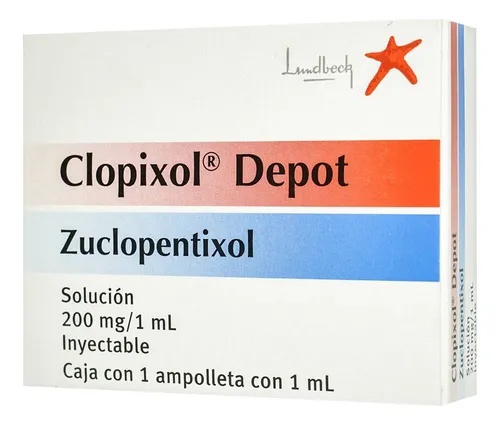
- Kraj rejestracji
- Postać farmaceutycznaInjectable solution, 50 MG/ML
- Kod ATCN05AF05
- Substancja czynna
- Wymaga receptyTak
- Producent
- Te treści mają charakter wyłącznie informacyjny i nie zastępują konsultacji lekarskiej.
- Zamienniki KLOPIXOLPostać farmaceutyczna: Tablet, 5 MGSubstancja czynna: aripiprazoleProducent: ECUPHARMA S.R.L.Wymaga receptyPostać farmaceutyczna: Powder and solvent for injectable suspension, 300 MGSubstancja czynna: aripiprazoleProducent: OTSUKA PHARMACEUTICAL NETHERLANDS BVBez receptyPostać farmaceutyczna: Tablet, 5 MGSubstancja czynna: aripiprazoleProducent: OTSUKA PHARMACEUTICAL NETHERLANDS BVWymaga recepty
Odpowiedniki KLOPIXOL w innych krajach
Leki z tą samą substancją czynną dostępne w innych krajach.
Odpowiednik KLOPIXOL w Polska
Odpowiednik KLOPIXOL w Ukraina
Odpowiednik KLOPIXOL w Hiszpania
Lekarze online w sprawie KLOPIXOL
Omów stosowanie KLOPIXOL, bezpieczeństwo i ocenę zasadności recepty zgodnie z obowiązującymi przepisami.







Uzyskaj receptę na KLOPIXOL online
Wypełnij 2-minutowy formularz
Opisz swoje objawy, historię choroby i lek, o który prosisz.
Wybierz lekarza lub pozwól nam przydzielić
Wybierz specjalistę lub dopasujemy Cię do najbliższego dostępnego lekarza.
Lekarz analizuje Twój przypadek
Zazwyczaj w ciągu 30 minut. Może zadawać dodatkowe pytania przez czat.
Odbierz w dowolnej aptece
Recepta elektroniczna wysłana na Twój e-mail — ważna w całej Polsce.
Często zadawane pytania
KLOPIXOL wymaga recepty w Włochy. Możesz skonsultować się z lekarzem online, aby sprawdzić, czy ten lek może być odpowiedni w Twojej sytuacji.
Substancją czynną w KLOPIXOL jest zuclopenthixol. Informacja ta pomaga rozpoznać leki o tym samym składzie, ale pod różnymi nazwami handlowymi.
KLOPIXOL jest produkowany przez LUNDBECK ITALIA S.P.A.. Nazwy handlowe i opakowania mogą się różnić w zależności od dystrybutora.
Lekarze, tacy jak Lekarze rodzinni, Psychiatrzy, Dermatolodzy, Kardiolodzy, Endokrynolodzy, Gastroenterolodzy, Pulmonolodzy, Nefrolodzy, Reumatolodzy, Hematolodzy, Zakaźnicy, Alergolodzy, Geriatrzy, Pediatrzy, Onkolodzy, mogą ocenić, czy stosowanie KLOPIXOL jest odpowiednie w Twoim przypadku, w zależności od sytuacji klinicznej i lokalnych przepisów. Możesz umówić konsultację online, aby omówić objawy i możliwe dalsze kroki.
Polska posiada dobrze rozwiniętą infrastrukturę ochrony zdrowia w dużych miastach, takich jak Warszawa, Kraków, Wrocław i Gdańsk. Apteki są łatwo dostępne i działają zgodnie z obowiązującymi przepisami, zapewniając dostęp do leków na receptę.
Możesz kupić KLOPIXOL w Warszawie, Krakowie, Wrocławiu lub Gdańsku w każdej aptece, posiadając ważną receptę.
Aby uzyskać receptę, możesz skorzystać z Oladoctor:
Inne leki zawierające tę samą substancję czynną (zuclopenthixol) to m.in. ABERIPRA, ABILIFY MAINTENA, ABILIFY. Mogą one różnić się nazwą handlową lub postacią, ale zawierają ten sam składnik terapeutyczny. Przed zmianą lub rozpoczęciem nowego leku skonsultuj się z lekarzem.
