



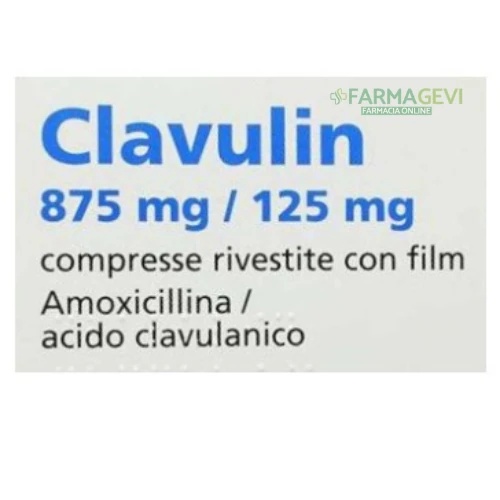
CLAVULIN 875 mg/125 mg Tabletki Powlekane

Ocena recepty online
Lekarz przeanalizuje Twój przypadek i zdecyduje, czy wystawienie recepty jest medycznie uzasadnione.

Porozmawiaj z lekarzem o tym leku
Omów swoje objawy i opcje leczenia podczas szybkiej konsultacji online.



Jak stosować KLAVULIN
Treść ulotki
- Clavulin 875 mg/125 mg film-coated tablets
- Clavulin 875 mg/125 mg powder for oral suspension in sachets
- Clavulin bambini 400 mg/57 mg powder for oral suspension in sachets
- Clavulin bambini 400 mg/57 mg/5 ml powder for oral suspension (mixed fruit flavour)
Clavulin 875 mg/125 mg film-coated tablets
Amoxicillin/clavulanic acid
Read this leaflet carefully before taking this medicine, as it contains important information for you.
- Keep this leaflet. You may need to read it again.
- If you have any questions, ask your doctor or pharmacist.
- This medicine has been prescribed for you (or for your child) only. Do not pass it on to others, even if their symptoms are the same as yours, as it could be harmful.
- If any side effects occur, including those not listed in this leaflet, tell your doctor or pharmacist. See section 4.
Contents of this leaflet:
- 1. What Clavulin is and what it is used for
- 2. What you need to know before you take Clavulin
- 3. How to take Clavulin
- 4. Possible side effects
- 5. How to store Clavulin
- 6. Contents of the pack and other information
1. What Clavulin is and what it is used for
Clavulin is an antibiotic that works by killing the bacteria that cause infections. It contains two different
medicines called amoxicillin and clavulanic acid. Amoxicillin belongs to a group of medicines,
called “penicillins”, whose activity can sometimes be blocked (i.e. rendered inactive). The other
active component (clavulanic acid) prevents this from happening.
Clavulin is used in adults and children to treat the following infections:
- ear and sinus infections
- respiratory tract infections
- urinary tract infections
- skin and soft tissue infections, including dental infections
- bone and joint infections
2. What you need to know before taking Clavulin
Do not take Clavulin:
- if you are allergic to amoxicillin, clavulanic acid, penicillin or any of the other ingredients of this medicine (listed in section 6),
- if you have had a severe allergic reaction to any other antibiotic. This can include skin rash or swelling of the face or throat,
- if you have had problems with your liver or jaundice (yellowing of the skin) when taking an antibiotic.
→Do not take Clavulin if any of these apply to you.If you are unsure, talk to your doctor or pharmacist before taking Clavulin.
Warnings and precautions
Talk to your doctor or pharmacist before taking Clavulin if you:
- have infectious mononucleosis
- have been treated for liver or kidney problems
- do not urinate regularly.
If you are not sure whether any of the above applies to you, talk to your doctor or pharmacist before taking Clavulin.
In some cases, your doctor may perform a test to assess the type of bacteria that caused your infection.
Based on the results, they may prescribe a different dose of Clavulin or a different medicine.
Conditions you need to pay attention to
Clavulin can worsen some existing conditions or cause serious side effects.
These can include allergic reactions, convulsions and inflammation of the intestine. You should pay attention to certain symptoms while taking Clavulin, in order to reduce any risk. See
“ Conditions you need to pay attention to” in Section 4.
Blood and urine tests
If you are about to have blood tests (such as those related to red blood cells or liver function tests) or urine tests (for glucose), tell your doctor or nurse that you are taking
Clavulin. This is because Clavulin can affect the results of these types of tests.
Other medicines and Clavulin
Tell your doctor or pharmacist if you are taking, have recently taken or might take any other medicines.
If you are taking allopurinol (used for gout) with Clavulin, you are very likely to have an allergic skin reaction.
If you are taking probenecid (used for gout), your doctor may decide to change your dose of
Clavulin.
If you are taking medicines (such as warfarin) that help prevent blood clots together with Clavulin, you may need to have additional blood tests.
Clavulin can affect the way methotrexate (a medicine used to treat tumors or rheumatic diseases) works.
Clavulin can affect the function of mycophenolate mofetil (a drug used to prevent rejection of transplanted organs).
Pregnancy, breastfeeding and fertility
If you are pregnant, suspect you may be pregnant, are planning to become pregnant, or are breastfeeding, ask your doctor or pharmacist for advice before taking this medicine.
Driving and using machines
Clavulin can have side effects and the symptoms can make you unfit to drive or operate machinery.
Do not drive or use machines unless you feel well.
Clavulin contains sodium
- This medicine contains less than 1 mmol (23 mg) of sodium per tablet, i.e. essentially “sodium-free”.
3. How to take Clavulin
Take this medicine following exactly the instructions of your doctor or pharmacist. If you have
any doubts, ask your doctor or pharmacist.
Adults and children weighing 40 kg or more
- Usual dose - 1 tablet twice a day
- Higher dose - 1 tablet three times a day
Children weighing less than 40 kg
Children up to 6 years of age should preferably be treated with Clavulin oral suspension or
sachets.
Ask your doctor or pharmacist for advice on administering Clavulin tablets to
children weighing less than 40 kg. Tablets are not suitable for children weighing less than 25 kg.
Patients with kidney or liver problems
- If you have kidney problems, the dose may be changed. Your doctor may choose a different dosage or a different medicine.
- If you have liver problems, you may be required to have more frequent blood tests to check how your liver is working.
How to take Clavulin
- Take with meals.
- Swallow the tablet whole with a glass of water. The tablets can be divided along the fracture line to make it easier to swallow. Both halves of the tablet should be taken at the same time.
- Space the doses regularly throughout the day, at least 4 hours apart. Do not take 2 doses within 1 hour.
- Do not take Clavulin for more than 2 weeks. If you continue to feel unwell, you should return to your doctor.
If you take more Clavulin than you should
If you take too much Clavulin, symptoms may include stomach upset (nausea, vomiting or diarrhoea)
or convulsions. Tell your doctor as soon as possible. Bring the medicine packaging to show to your
doctor.
If you forget to take Clavulin
If you forget to take a dose, take it as soon as you remember. You should not take the next dose
too soon, but wait about 4 hours. Do not take a double dose to make up for a forgotten dose
.
If you stop taking Clavulin
Continue to take Clavulin until the treatment is finished, even if you feel better. You need
every dose to fight the infection. If some bacteria survive, they can cause the infection to return.
If you have any doubts about using this medicine, ask your doctor or pharmacist.
4. Possible side effects
Like all medicines, this medicine can cause side effects, although not everyone gets them.
The side effects listed below may occur with this medicine.
Conditions you should pay attention to
Allergic reactions:
- skin rashes
- inflammation of the blood vessels (vasculitis) which may be visible as red or purple spots on the skin, but may also affect other parts of the body
- fever, joint pain, swelling of the lymph nodes in the neck, armpits or groin
- swelling, sometimes of the face or throat (angioedema), which causes difficulty breathing
- collapse
- chest pain in the context of allergic reactions, which may be a symptom of a heart attack triggered by allergy (Kounis syndrome). Contact your doctor immediatelyif you experience any of these symptoms. Stop takingClavulin.
Intestinal inflammation
Intestinal inflammation, which causes watery diarrhea generally with blood and mucus, stomach pain
and/or fever.
Drug-induced enterocolitis syndrome (DIES)
DIES has been reported mainly in children treated with amoxicillin/clavulanic acid. It is a certain type of
allergic reaction whose main symptom is repetitive vomiting (1-4 hours after taking the medicine).
Further symptoms may include abdominal pain, lethargy, diarrhea and low blood pressure.
Acute inflammation of the pancreas (acute pancreatitis)
If you have severe and persistent pain in the stomach area, this could be a sign of
acute pancreatitis.
➔ Contact your doctor as soon as possiblefor advice if these symptoms occur
Very common side effects
May affect more than 1 in 10 people
- diarrhea (in adults).
Common side effects
May affect up to 1 in 10 people
- thrush (candida- a fungal infection of the vagina, mouth or skin folds)
- nausea, especially when taking high doses ➝ if you suffer from this, take Clavulin with meals
- vomiting
- diarrhea (in children).
Uncommon side effects
May affect up to 1 in 100 people
- skin rashes, itching
- raised rash, with itching (urticaria)
- indigestion
- dizziness
- headache.
Uncommon side effects can be seen from blood tests:
- increased levels of certain proteins (enzymes) produced by the liver.
Rare side effects
May affect up to 1 in 1,000 people
- skin rashes, which may appear as blisters and look like small targets (dark central spot surrounded by a paler area, with a dark ring around the edge - erythema multiforme) if you notice any of these symptoms contact your doctor urgently
Rare side effects can be seen from blood tests:
- low number of cells involved in blood clotting
- low number of white blood cells
Frequency not known
The frequency cannot be estimated from the available data.
- Allergic reactions (see above)
- Intestinal inflammation (see above)
- Inflammation of the membranes surrounding the brain and spinal cord (aseptic meningitis)
- Severe skin reactions:
- widespread rash with blisters and skin detachment, particularly around the mouth, nose, eyes and genitals (Stevens-Johnson syndrome) and a more severe form, causing extensive skin detachment (more than 30% of the body surface area - toxic epidermal necrolysis)
- widespread red rash with small blisters containing pus (exfoliative bullous dermatitis)
- rash, red, with scabs and swellings under the skin and blisters (pustulous exanthema)
- flu-like symptoms with rash, fever, swollen glands and abnormal blood test results (including increased number of white blood cells (eosinophilia) and increased liver enzymes) (Drug reaction with eosinophilia and systemic symptoms) (DRESS).
- a red rash commonly observed on both buttocks, on the inner thighs, in the armpits, on the neck (Drug-related symmetrical intertriginous and flexural exanthema (SDRIFE)).
If you experience any of these symptoms contact your doctor immediately.
- Rash with blisters arranged in a circle with a central crust or like a string of pearls (linear IgA disease)
- inflammation of the liver (hepatitis)
- jaundice, caused by an increase in bilirubin in the blood (a substance produced by the liver) which can cause the skin and whites of the eyes to appear yellow
- inflammation of the kidney tubules
- blood takes longer to clot
- hyperactivity
- seizures (in people taking high doses of Clavulin or who have kidney problems)
- black tongue that appears covered in hair
Side effects that can be seen from blood or urine tests:
- severe reduction in the number of white blood cells
- low number of red blood cells (hemolytic anemia)
- crystals in the urine leading to acute kidney damage.
Reporting of side effects
If you get any side effects, even those not listed in this leaflet, tell your
doctor or pharmacist. You can also report side effects directly through the national
reporting system at: https://www.aifa.gov.it/content/segnalazioni-reazioni-avverse. By reporting side effects you can help provide more information on the safety of this medicine.
5. How to store Clavulin
Keep this medicine out of the sight and reach of children.
Do not use this medicine after the expiry date (EXP) stated on the packaging. The expiry date
refers to the last day of the month.
Do not store at a temperature above 25°C.
Store in the original container to protect from moisture.
Do not use the tablets if chipped or damaged.
Do not dispose of any medicine in wastewater or household waste. Ask your pharmacist how to dispose of
medicines you no longer use. This will help protect the environment.
6. Package contents and other information
What Clavulin contains
- The active ingredients are amoxicillin and clavulanic acid. Each tablet contains: amoxicillin trihydrate corresponding to 875 mg of amoxicillin and potassium clavulanate corresponding to 125 mg of clavulanic acid.
- The other ingredients are: Tablet core - magnesium stearate, sodium carboxymethylcellulose A, anhydrous colloidal silica, microcrystalline cellulose. Tablet coating - titanium dioxide (E171), hypromellose, macrogol (4000, 6000) and silicone oil (dimethicone).
Description of the appearance of Clavulin and package contents
Clavulin 875 mg/125 mg - film-coated tablets - of white to off-white color, capsule-shaped
with "AC" imprinted on both sides and with a fracture line on one side.
They are packaged in:
- blisters, contained in a cardboard box. Each package contains 12 tablets.
Marketing Authorisation Holder and Manufacturer
Marketing Authorisation Holder
GlaxoSmithKline S.p.A. - Viale dell’Agricoltura, 7 - 37135 Verona – Italy
Authorised distributor: SAVIO Pharma Italia Srl - Via del Mare, 36 - Pomezia (RM)
Manufacturer
Glaxo Wellcome Production - Production site: Mayenne (France)
This medicinal product is authorised in the Member States of the European Economic Area under the following
denominations:
Austria – Augmentin
Belgium – Augmentin
Bulgaria – Augmentin
Cyprus – Augmentin
Czech Republic – Augmentin
Estonia – Augmentin
Germany – Augmentan
Greece – Augmentin
Hungary – Augmentin Duo
Ireland – Augmentin
Italy – Augmentin-Clavulin
Latvia – Augmentin
Lithuania – Augmentin
Luxembourg – Augmentin
Malta – Augmentin
Netherlands – Augmentin
Poland – Augmentin
Portugal – Augmentin Duo
Romania – Augmentin
Slovak Republic – Augmentin
Slovenia - Augmentin
Spain – Augmentine, Clavumox
United Kingdom – Augmentin
Behavioral hygiene
Antibiotics are used to treat bacterial infections. They are not effective for viral infections.
Sometimes an infection caused by bacteria does not respond to antibiotic therapy. The most common reason for
this is that the bacteria causing the infection are resistant to the antibiotic being used.
This means that the bacteria survive and multiply despite the antibiotic.
Bacteria become resistant to antibiotics for various reasons. By using antibiotics appropriately,
the emergence of bacterial resistance can be reduced.
When your doctor prescribes antibiotic therapy, it is indicated only for the illness you have.
Pay attention to the following advice, in order to avoid the emergence of bacterial resistance that causes the
blockage of antibiotic activity.
- 1. It is very important that you take the antibiotic at the correct dose, at the scheduled times and for the correct
explanations to your doctor or pharmacist.
- 2. Do not take antibiotics if they have not been expressly prescribed for you and use them only for the infection for which they were prescribed.
- 3. Do not use antibiotics that have been prescribed to other people, even if you have a similar infection to theirs.
- 4. Do not give antibiotics that have been expressly prescribed for you to others.
- 5. If you have any antibiotic left over at the end of the treatment, return it to the pharmacist so that it can be disposed of appropriately.
Clavulin 875 mg/125 mg powder for oral suspension in sachets
Amoxicillin/clavulanic acid
Read this leaflet carefully before taking this medicine
because it contains important information for you.
- Keep this leaflet. You may need to read it again.
- If you have any questions, ask your doctor, pharmacist or nurse.
- This medicine has been prescribed for you (or your child) only. Do not pass it on to others, even if their symptoms are the same as yours, as it could be harmful.
- If any side effects occur, including those not listed in this leaflet, tell your doctor, pharmacist or nurse. See section 4.
Contents of this leaflet:
- 1. What Clavulin is and what it is used for
- 2. What you need to know before you take Clavulin
- 3. How to take Clavulin
- 4. Possible side effects
- 5. How to store Clavulin
- 6. Contents of the pack and other information
1. What is Clavulin and what is it used for
Clavulin is an antibiotic that works by killing the bacteria that cause infections. It contains two different
medicines called amoxicillin and clavulanic acid. Amoxicillin belongs to a group of medicines
called “penicillins”, whose activity can sometimes be blocked (i.e. rendered inactive). The other
active component (clavulanic acid) prevents this from happening.
Clavulin is used in adults and children to treat the following infections:
- middle ear and sinus infections
- respiratory tract infections
- urinary tract infections
- skin and soft tissue infections, including dental infections
- bone and joint infections
2. What you need to know before taking Clavulin
Do not take Clavulin:
- if you are allergic to amoxicillin, clavulanic acid, penicillin or any of the other ingredients of this medicine (listed in section 6)
- if you have had a severe allergic reaction to any other antibiotic. This can include skin rash or swelling of the face or throat
- if you have had problems with your liver or jaundice (yellowing of the skin) when you have taken an antibiotic.
→Do not take Clavulin if any of these apply to you.If you are unsure, talk to your doctor or pharmacist before taking Clavulin.
Warnings and precautions
Talk to your doctor, pharmacist or nurse before taking this medicine if you:
- have infectious mononucleosis
- have been treated for liver or kidney problems
- do not urinate regularly.
If you are not sure whether any of the above applies to you, talk to your doctor or pharmacist before taking Clavulin.
In some cases, your doctor may perform a test to assess the type of bacteria that caused your infection.
Based on the results, they may prescribe a different dose of Clavulin or a different medicine.
Conditions you need to be aware of
Clavulin can worsen certain existing conditions or cause serious side effects.
These can include allergic reactions, convulsions and inflammation of the intestine. You should pay attention to certain symptoms while taking Clavulin, in order to reduce any risk. See
“ Conditions you need to be aware of” in Section 4.
Blood and urine tests
If you are about to have blood tests (such as tests related to red blood cells or liver function tests) or urine tests (for glucose), tell your doctor or nurse that you are taking
Clavulin. This is because Clavulin can affect the results of these types of tests.
Other medicines and Clavulin
Tell your doctor or pharmacist if you are taking, have recently taken or might take any other medicines.
If you are taking allopurinol (used for gout) with Clavulin, you are very likely to have an allergic skin reaction.
If you are taking probenecid (used for gout), your doctor may decide to adjust your dose of
Clavulin.
If you are taking medicines (such as warfarin) that help prevent blood clots together with Clavulin, you may need to have additional blood tests.
Clavulin can affect the mechanism of action of methotrexate (a medicine used to treat
tumors or rheumatic diseases).
Clavulin can affect the functioning of mycophenolate mofetil (a drug used to prevent
organ rejection after transplantation).
Pregnancy, breastfeeding and fertility
If you are pregnant, suspect you may be pregnant, are planning to become pregnant, or are breastfeeding, ask your doctor or pharmacist for advice before using this medicine.
Driving and using machines
Clavulin can have side effects and the symptoms may make you unfit to drive or operate machines.
Do not drive or use machines unless you feel well.
Clavulin contains aspartame and maltodextrin
- Clavulin contains aspartame (E951) which is a source of phenylalanine. It may be harmful to patients suffering from “phenylketonuria”.
- Clavulin contains maltodextrin (glucose). If you have been diagnosed with intolerance to certain sugars, ask your doctor for advice before taking this medicine.
3. How to take Clavulin
Always take this medicine exactly as your doctor or pharmacist has told you. If you have
any doubts, ask your doctor or pharmacist.
Adults and children weighing 40 kg or more
- Recommended dose - 1 sachet twice a day
- Highest dose - 1 sachet three times a day
Children weighing less than 40 kg
Clavulin 875 mg/125 mg sachets are not recommended.
Patients with kidney and liver problems
- If you have kidney problems, the dose may be changed. Your doctor may choose a different dosage or a different medicine.
- If you have liver problems, more frequent blood tests may be needed to check how your liver is working.
How to take Clavulin
- Immediately before taking Clavulin, open the sachet and mix the contents with half a glass of water.
- Take with meals.
- Space the doses regularly throughout the day, at least 4 hours apart. Do not take 2 doses within 1 hour.
- Do not take Clavulin for more than 2 weeks. If you continue to feel unwell, you should return to your doctor.
If you take more Clavulin than you should
If you take too much Clavulin, symptoms may include stomach upset (nausea, vomiting or diarrhoea)
or convulsions. Tell your doctor as soon as possible. Bring the medicine packaging to show to your
doctor.
If you forget to take Clavulin
If you forget to take a dose, take it as soon as you remember. Do not take the next dose
too soon, but wait about 4 hours. Do not take a double dose to make up for a forgotten dose.
If you stop taking Clavulin
Continue to take Clavulin until the treatment is finished, even if you feel better. You need
every dose to fight the infection. If some bacteria survive, they can cause the infection to return.
If you have any questions about using this medicine, ask your doctor, pharmacist or nurse.
4. Possible side effects
Like all medicines, this medicine can cause side effects, although not everybody gets them.
The side effects that may occur with this medicine are listed below.
Conditions you should pay attention to
Allergic reactions:
- skin rashes
- inflammation of the blood vessels ( vasculitis) which may be visible as red or purple spots on the skin, but may also affect other parts of the body
- fever, joint pain, swollen lymph nodes in the neck, armpits or groin
- swelling, sometimes of the face or throat ( angioedema), which causes difficulty breathing
- collapse
- chest pain in the context of allergic reactions, which may be a symptom of a heart attack triggered by allergy ( Kounis syndrome). Contact your doctor immediatelyif you experience any of these symptoms. Stop takingClavulin.
Intestinal inflammation
Intestinal inflammation, causing watery diarrhoea generally with blood and mucus, stomach pain
and/or fever.
Drug-induced enterocolitis syndrome (DIES):
DIES has been reported mainly in children treated with amoxicillin/clavulanate. It is a certain type of
allergic reaction whose main symptom is repetitive vomiting (1-4 hours after taking the medicine).
Further symptoms may include abdominal pain, lethargy, diarrhoea and low blood pressure.
Acute inflammation of the pancreas (acute pancreatitis)
If you have severe and persistent pain in the stomach area, this could be a sign of
acute pancreatitis.
➔ Contact your doctor as soon as possiblefor advice if you experience these symptoms
Very common side effects
May affect more than 1 in 10 people
- diarrhoea (in adults).
Common side effects
May affect up to 1 in 10 people
- thrush ( candida- a fungal infection of the vagina, mouth or skin folds)
- nausea, especially when taking high doses → if you suffer from this, take Clavulin with meals
- vomiting
- diarrhoea (in children).
Uncommon side effects
May affect up to 1 in 100 people
- skin rashes, itching
- raised rash, itchy ( urticaria)
- indigestion
- dizziness
- headache. Uncommon side effects can be seen from blood tests:
- increase in some proteins ( enzymes) produced by the liver.
Rare side effects
May affect up to 1 in 1000 people
- skin rashes, which may appear as blisters and look like small targets (dark central spot surrounded by a paler area, with a dark ring around the edge - erythema multiforme) if you notice any of these symptoms contact your doctor urgently Rare side effects can be seen from blood tests:
- low number of cells involved in blood clotting
- low number of white blood cells
Frequency not known
The frequency cannot be estimated from the available data.
- Allergic reactions (see above)
- Intestinal inflammation (see above)
- Inflammation of the membranes surrounding the brain and spinal cord ( aseptic meningitis)
- Severe skin reactions:
- widespread rash with blisters and detachment of the skin, particularly around the mouth, nose, eyes and genitals ( Stevens-Johnson syndrome) and a more severe form, causing extensive detachment of the skin (more than 30% of the body surface - toxic epidermal necrolysis)
- widespread red rash with small blisters containing pus ( bullous exfoliative dermatitis)
- rash, red, with scabs and swellings under the skin and blisters (pustulous exanthema).
- flu-like symptoms with rash, fever, swollen glands and abnormal blood test results (including increased number of white blood cells (eosinophilia) and elevated liver enzymes) (Drug reaction with eosinophilia and systemic symptoms)
- a red rash commonly observed on both buttocks, on the inner upper thighs, in the armpits, on the neck (Drug-related intertriginous symmetrical flexural exanthema (SDRIFE)).
If you experience any of these symptoms contact your doctor immediately
- Rash with blisters arranged in a circle with a central crust or like a string of pearls ( linear IgA disease)
- inflammation of the liver ( hepatitis)
- jaundice, caused by an increase in bilirubin in the blood, which can make the skin and whites of the eyes appear yellow
- inflammation of the kidney tubules
- blood takes longer to clot
- hyperactivity
- seizures (in people taking high doses of Clavulin or who have kidney problems)
- black tongue appearing covered in hairs
- stains on teeth (in children), generally removed by brushing. Side effects that can be seen from blood or urine tests:
- severe reduction in the number of white blood cells
- low number of red blood cells ( hemolytic anemia)
- crystals in the urine leading to acute kidney damage.
Reporting of side effects
If you get any side effects, talk to your doctor or pharmacist. You can also report side effects directly through the national reporting system at: https://www.aifa.gov.it/content/segnalazioni-reazioni-avverse.
By reporting side effects you can help provide more information on the safety of this
medicine.
5. How to store Clavulin
Keep this medicine out of the sight and reach of children.
Do not use this medicine after the expiry date (EXP) stated on the packaging. The expiry date
refers to the last day of the month.
Store at a temperature not exceeding 25°C.
Store in the original container to protect from moisture.
Do not use this medicine if the sachet is broken or damaged.
Medicines should not be disposed of via wastewater or household waste. Ask your pharmacist how to
dispose of medicines you no longer use. This will help protect the environment.
6. Package contents and other information
What Clavulin contains
- The active ingredients are amoxicillin and clavulanic acid. Each sachet contains amoxicillin trihydrate corresponding to 875 mg of amoxicillin and potassium clavulanate corresponding to 125 mg of clavulanic acid.
- The other excipients are: magnesium stearate, crospovidone, colloidal silicon dioxide, aspartame (E951), peach-lemon-strawberry flavour (containing maltodextrins).
- See section 2 for further information regarding one of the excipients of Clavulin
Description of the appearance of Clavulin and package contents
Clavulin 875 mg/125 mg - oral suspension powder in sachets contains a whitish powder for
oral suspension.
The sachets are contained in a carton. Each pack contains 12 sachets.
Marketing Authorisation Holder and Manufacturer
Marketing Authorisation Holder
GlaxoSmithKline S.p.A. - Viale dell’Agricoltura 7 - 37135 Verona - Italy
Sales concessionaire: SAVIO Pharma Italia Srl - Via del Mare, 36 - Pomezia (RM)
Manufacturer
Glaxo Wellcome Production - Production site: Mayenne (France)
This medicinal product is authorised in the Member States of the European Economic Area under the following
names:
Italy – Augmentin, Clavulin
Behavioural hygiene
Antibiotics are used to treat bacterial infections. They are not effective for viral infections.
Sometimes an infection caused by bacteria does not respond to antibiotic therapy. The most common reason for
this is that the bacteria causing the infection are resistant to the antibiotic being used.
This means that the bacteria survive and multiply despite the antibiotic.
Bacteria become resistant to antibiotics for various reasons. Using antibiotics appropriately
can reduce the emergence of bacterial resistance.
When your doctor prescribes you antibiotic therapy, it is indicated only for the illness you have.
Pay attention to the following advice, in order to avoid the emergence of bacterial resistance which causes the
blocking of antibiotic activity.
- 1. It is very important that you take the antibiotic at the correct dose, at the scheduled times and for the right
explanations to your doctor or pharmacist.
- 2. Do not take antibiotics if they have not been expressly prescribed for you and use them only for the infection for which they have been prescribed.
- 3. Do not use antibiotics that have been prescribed to other people, even if you have a similar infection to theirs.
- 4. Do not give antibiotics that have been expressly prescribed for you to others.
- 5. If you have any antibiotic left over at the end of the treatment, return it to the pharmacist so that it can be disposed of appropriately.
---------------------------------------------------------------------------------------------------------------------------
Instructions for reconstitution
The contents of the sachets must be dissolved in half a glass of water before administration.

Nie jesteś pewien, czy ten lek jest odpowiedni dla ciebie?
Omów swoje objawy i leczenie z lekarzem online.
Clavulin bambini 400 mg/57 mg powder for oral suspension in sachets
Amoxicillin/clavulanic acid
Read this leaflet carefully before giving this medicine to your child as it contains
important information for your child.
- Keep this leaflet. You may need to read it again.
- If you have any questions, ask your doctor, pharmacist or nurse.
- This medicine has been prescribed only for your child. Do not give it to other people, even if their symptoms are the same as those of your child, as it could be dangerous.
- If any side effects occur, including those not listed in this leaflet, ask your doctor, pharmacist or nurse. See section 4.
Contents of this leaflet:
- 1. What Clavulin is and what it is used for
- 2. What you need to know before giving Clavulin
- 3. How to give Clavulin
- 4. Possible side effects
- 5. How to store Clavulin
- 6. Contents of the pack and other information
1. What is Clavulin and what is it used for
Clavulin is an antibiotic that works by killing the bacteria that cause infections. It contains two different
medicines called amoxicillin and clavulanic acid. Amoxicillin belongs to a group of medicines
called “penicillins”, whose activity can sometimes be blocked (i.e. rendered inactive). The other
active component (clavulanic acid) prevents this from happening.
Clavulin is used in adults and children to treat the following infections:
- middle ear and sinus infections
- respiratory tract infections
- urinary tract infections
- skin and soft tissue infections, including dental infections
- bone and joint infections.
2. What you need to know before giving Clavulin
Do not give Clavulin to your child:
- if they are allergic to amoxicillin, clavulanic acid, penicillin, or any of the excipients of this medicine (listed in section 6)
- if they have had a severe allergic reaction to any other antibiotic. This may include skin rash or swelling of the face or throat
- if they have had problems with the liver or jaundice (yellowing of the skin) when taking an antibiotic.
Do not give Clavulin if any of these cases apply to your child.If you have any doubts, talk to your doctor or pharmacist before giving Clavulin.
Warnings and precautions
Talk to your doctor, pharmacist or nurse before giving Clavulin to your child if:
- they have infectious mononucleosis
- they have been treated for liver or kidney problems
- they do not urinate regularly.
If you are not sure whether any of the above cases apply to your child, talk to your doctor or pharmacist before giving Clavulin.
In some cases, the doctor may perform an investigation to assess the type of bacteria that caused your child's infection.
Based on the results, they may prescribe a different dose of Clavulin or a different medicine.
Conditions you should pay attention to
Clavulin can worsen some existing conditions or cause serious side effects.
These may include allergic reactions, convulsions and inflammation of the intestine. You should pay attention to certain symptoms during the administration of Clavulin to your child, in order to reduce any risk. See “ Conditions you should pay attention to” in Section 4.
Blood and urine tests
If your child is about to have blood tests (such as those related to red blood cells or liver function tests) or urine tests (for glucose), tell your doctor or nurse that they are taking Clavulin. This is because Clavulin can affect the results of these types of tests.
Other medicines and Clavulin
Tell your doctor or pharmacist if your child is taking, has recently taken or might take any other medicine.
If your child is taking allopurinol (used for gout) with Clavulin, they are very likely to have an allergic skin reaction.
If your child is taking probenecid (used for gout), your doctor may decide to adjust their dose of Clavulin.
If you are taking medicines (such as warfarin) that help prevent blood clots together with Clavulin, additional blood tests may be necessary.
Clavulin can affect the mechanism of action of methotrexate (a medicine used to treat tumors or rheumatic diseases).
Clavulin can affect the functioning of mycophenolate mofetil (a drug used to prevent rejection of transplanted organs).
Pregnancy, breastfeeding and fertility
If your daughter who is taking this medicine is pregnant, suspects she is pregnant or is planning a pregnancy, or if she is breastfeeding, ask your doctor or pharmacist for advice before using this medicine
Driving and using machines
Clavulin can have side effects and the symptoms may make you unfit to drive vehicles.
Do not drive vehicles or use machines unless you feel well.
Clavulin contains aspartame and maltodextrin
- Clavulin contains aspartame (E951) which is a source of phenylalanine. It may be harmful to patients suffering from “phenylketonuria”.
- Clavulin contains maltodextrin (glucose). If you are aware of your child's intolerance to certain sugars, ask your doctor for advice before taking this medicine.
3. How to use Clavulin
Always give this medicine exactly as your doctor or pharmacist has told you. If you have any doubts
ask your doctor or pharmacist.
Adults and children weighing 40 kg or more
- Sachets are not recommended for adults and children weighing 40 kg or more. If you have any doubts ask your doctor or pharmacist.
Children weighing less than 40 kg
All doses are calculated based on the child's body weight expressed in kilograms.
- Your doctor will advise you on the dose of Clavulin to give to your child.
- Recommended dose - from 25 mg/3.6 mg up to 45 mg/6.4 mg per kg of body weight per day, administered in two divided doses.
- Higher dose - up to 70 mg/10 mg per kg of body weight per day, administered in two divided doses. Patients with kidney and liver problems
- If your child has kidney problems, the dose may be reduced. Your doctor may choose a different dosage or a different medicine.
- If your child has liver problems, more frequent blood tests may be required to check how their liver is functioning.
How to give Clavulin
- Immediately before giving Clavulin, open the sachet and mix the contents with half a glass of water.
- Give your child the resulting mixture with meals.
- Space the doses regularly throughout the day, at least 4 hours apart. Do not give them 2 doses within 1 hour.
- Do not give your child Clavulin for more than 2 weeks. If your child does not feel well, they should return to the doctor
If you give more Clavulin than you should
If your child takes too much Clavulin, signs may include stomach upset (nausea, vomiting or
diarrhea) or convulsions. Tell your doctor as soon as possible. Bring the medicine packaging or the
vial to show the doctor.
If you forget to give Clavulin
If you forget to give a dose to your child, give it to them as soon as you remember. You should not give your
child the next dose too soon, but wait about 4 hours. Do not give a double dose to
make up for a forgotten dose.
If your child stops taking Clavulin
Continue to give Clavulin to your child until the treatment is finished, even if they seem to be getting
better. Your child needs every dose to fight the infection. If some bacteria survive,
they can cause the infection to return.
If you have any questions about the use of this medicine, ask your doctor, pharmacist or nurse.
4. Possible side effects
Like all medicines, this medicine can also cause side effects, although not everyone will experience them.
The side effects that may occur with this medicine are listed below.
Conditions you should pay attention to
Allergic reactions:
- skin rashes
- inflammation of the blood vessels ( vasculitis) which may be visible as red or purple spots on the skin, but may also affect other parts of the body
- fever, joint pain, swelling of the lymph nodes in the neck, armpits or groin
- swelling, sometimes of the face or throat ( angioedema), which causes difficulty breathing
- collapse
- chest pain in the context of allergic reactions, which may be a symptom of a heart attack triggered by allergy ( Kounis syndrome). Contact your doctor immediatelyif your child presents any of these symptoms. Stop takingClavulin.
Intestinal inflammation
Intestinal inflammation, causing watery diarrhea generally with blood and mucus, stomach pain
and/or fever.
Drug-induced enterocolitis syndrome (DIES):
DIES has been reported mainly in children treated with amoxicillin/clavulanic acid. It is a certain
type of allergic reaction whose main symptom is repetitive vomiting (1-4 hours after
administration of the drug). Further symptoms may include abdominal pain, lethargy,
diarrhea and low blood pressure.
Acute inflammation of the pancreas (acute pancreatitis)
If you have intense and persistent pain in the stomach area, this could be a sign of
acute pancreatitis.
➔ Contact your doctor as soon as possiblefor advice if these symptoms occur
Very common side effects
May affect more than 1 in 10 people
- diarrhea (in adults).
Common side effects
May affect up to 1 in 10 people
- thrush ( candida- a fungal infection of the vagina, mouth or skin folds)
- nausea, especially when taking high doses → if you suffer from this, take Clavulin with meals
- vomiting
- diarrhea (in children).
Uncommon side effects
May affect up to 1 in 100 people
- skin rashes, itching
- raised rash, with itching ( urticaria)
- indigestion
- dizziness
- headache. Uncommon side effects can be seen from blood tests:
- increased levels of certain proteins ( enzymes) produced by the liver.
Rare side effects
May affect up to 1 in 1000 people
- skin rashes, which may appear as blisters and look like small targets (dark central spot surrounded by a paler area, with a dark ring around the edge - erythema multiforme)
if you notice any of these symptoms contact your doctor urgently
Rare side effects can be seen from blood tests:
- low number of cells involved in blood clotting
- low number of white blood cells
Frequency not known
Frequency cannot be estimated from available data.
- Allergic reactions (see above)
- Intestinal inflammation (see above)
- Inflammation of the membranes surrounding the brain and spinal cord ( aseptic meningitis)
- Severe skin reactions:
- widespread rash with blisters and detachment of the skin, especially around the mouth, nose, eyes and genitals ( Stevens-Johnson syndrome) and a more severe form, causing extensive detachment of the skin (more than 30% of the body surface - toxic epidermal necrolysis)
- widespread red rash with small blisters containing pus ( bullous exfoliative dermatitis)
- rash, red, with scabs and swellings under the skin and blisters (pustulous exanthema).
- flu-like symptoms with rash, fever, swollen glands and abnormal blood test results (including increased number of white blood cells (eosinophilia) and elevated liver enzymes) (Drug reaction with eosinophilia and systemic symptoms)
- a red rash commonly observed on both sides of the buttocks, on the upper inner thighs, in the armpits, on the neck (Drug-related flexural intertriginous symmetric eruption (SDRIFE)).
If your child presents any of these symptoms contact your doctor immediately.
- Rash with blisters arranged in a circle with a central crust or like a string of pearls ( linear IgA disease)
- inflammation of the liver ( hepatitis)
- jaundice, caused by an increase in bilirubin in the blood (a substance produced by the liver) which can make the skin and whites of the eyes appear yellow
- inflammation of the kidney tubules
- blood takes longer to clot
- hyperactivity
- seizures (in people taking high doses of Clavulin or who have kidney problems)
- black tongue that appears covered in hair
- stains on teeth (in children), generally removed by brushing. Side effects that can be seen from blood or urine tests:
- severe reduction in the number of white blood cells
- low number of red blood cells ( hemolytic anemia)
- crystals in the urine leading to acute kidney damage.
Reporting of side effects
If you get any side effect, even if not listed in this leaflet, tell your
doctor or pharmacist. You can also report side effects directly through the national
reporting system at: https://www.aifa.gov.it/content/segnalazioni-reazioni-avverse.
By reporting side effects you can help provide more information on the safety of this
medicine.
5. How to store Clavulin
Keep this medicine out of the sight and reach of children.
Do not use this medicine after the expiry date (EXP) stated on the packaging. The expiry date
refers to the last day of the month.
Store at a temperature not exceeding 25°C.
Store in the original container to protect from moisture.
Do not use this medicine if the sachet is broken or damaged.
Medicines should not be disposed of via drains or household waste. Ask your pharmacist how to
dispose of medicines you no longer use. This will help protect the environment.
6. Contents of the pack and other information
What Clavulin contains
- The active ingredients are amoxicillin and clavulanic acid. Each sachet contains: amoxicillin trihydrate corresponding to 400 mg of amoxicillin and potassium clavulanate corresponding to 57 mg of clavulanic acid.
- The other excipients are: magnesium stearate, crospovidone, colloidal silicon dioxide, aspartame (E951), peach-lemon-strawberry flavour (containing maltodextrins).
- See section 2 for further information regarding one of the excipients of Clavulin.
Description of the appearance of Clavulin and contents of the pack
Clavulin children 400 mg/57 mg powder for oral suspension in sachets contains a whitish powder for
oral suspension.
The sachets are contained in a carton. Each pack contains 12 sachets.
Marketing Authorisation Holder and Manufacturer
Marketing Authorisation Holder
GlaxoSmithKline S.p.A. - Viale dell’Agricoltura 7 - 37135 Verona - Italy
Concessionaire for sales: SAVIO Pharma Italia Srl - Via del Mare, 36 - Pomezia (RM)
Manufacturer
Glaxo Wellcome Production - Manufacturing site: Mayenne (France)
This medicinal product is authorised in the Member States of the European Economic Area under the following
denominations:
400 mg/57 mg powder for oral suspension in sachets
Italy – Augmentin, Clavulin
Behavioural hygiene
Antibiotics are used for the treatment of bacterial infections. They are not effective for viral infections.
Sometimes an infection caused by bacteria does not respond to antibiotic therapy. The most common reason for
this is that the bacteria causing the infection are resistant to the antibiotic being used.
This means that the bacteria survive and multiply despite the antibiotic.
Bacteria become resistant to antibiotics for various reasons. By using antibiotics appropriately
you can reduce the emergence of bacterial resistance.
When your doctor prescribes antibiotic therapy, it is indicated only for the illness you currently have.
Pay attention to the following advice, in order to avoid the emergence of bacterial resistance which causes the
blockage of antibiotic activity.
- 1. It is very important that you take the antibiotic at the correct dose, at the established times and for the correct
explanations to the doctor or pharmacist.
- 2. Do not take antibiotics if they have not been expressly prescribed for you and use them only for the infection for which they have been prescribed.
- 3. Do not use antibiotics that have been prescribed to other people, even if you have a similar infection to theirs.
- 4. Do not give antibiotics prescribed expressly for you to others.
- 5. If you have any antibiotic left over at the end of the treatment, return it to the pharmacist so that it can be disposed of appropriately.
---------------------------------------------------------------------------------------------------------------------------
Instructions for reconstitution
The contents of the sachets must be dissolved in half a glass of water before administration.
Clavulin bambini 400 mg/57 mg/5 ml powder for oral suspension (mixed fruit flavour)
amoxicillin/clavulanic acid
Read this leaflet carefully before giving this medicine to your child as it contains
important information for you.
- Keep this leaflet. You may need to read it again.
- If you have any questions, ask your doctor, pharmacist or nurse.
- This medicine has been prescribed for children. Never give it to anyone else. It may be dangerous for others, even if they have the same symptoms as your child.
- If your child gets any side effects, talk to your doctor, pharmacist or nurse. This includes any possible side effects not listed in this leaflet. See section 4.
Contents of this leaflet:
- 1. What Clavulin is and what it is used for
- 2. What you need to know before you use Clavulin
- 3. How to use Clavulin
- 4. Possible side effects
- 5. How to store Clavulin
- 6. Contents of the pack and other information
1. What Clavulin is and what it is used for
Clavulin is an antibiotic that works by killing the bacteria that cause infections. It contains two different
medicines called amoxicillin and clavulanic acid. Amoxicillin belongs to a group of medicines
called “penicillins”, whose activity can, sometimes, be blocked (i.e., rendered inactive). The other
active component (clavulanic acid) prevents this from happening.
Clavulin is used in adults and children to treat the following infections:
- middle ear and sinus infections
- respiratory tract infections
- urinary tract infections
- skin and soft tissue infections, including dental infections
- bone and joint infections.
2. What you need to know before using Clavulin
Do not give Clavulin to your child:
- if they are allergic to amoxicillin, clavulanic acid, penicillin or any of the other ingredients of this medicine (listed in section 6)
- if they have had an allergic reaction to any other antibiotic. This can include skin rash or swelling of the face or throat
- if they have had problems with their liver or jaundice (yellowing of the skin) when taking an antibiotic.
Do not give Clavulin to your child if any of these apply to them.If you are unsure,
talk to your doctor or pharmacist before giving Clavulin.
Warnings and precautions
Talk to your doctor, pharmacist or nurse before giving Clavulin to your child if:
- they have infectious mononucleosis
- they have been treated for problems with their liver or kidneys
- they do not urinate regularly.
If you are not sure whether any of the above applies to your child, talk to your doctor or pharmacist before
giving Clavulin.
In some cases, your doctor may perform a test to assess the type of bacteria that caused your
child's infection.
Based on the results, they may prescribe a different dose of Clavulin or a different medicine.
Conditions you should pay attention to
Clavulin can worsen certain existing conditions or cause serious side effects.
These can include allergic reactions, convulsions and inflammation of the intestines. You should pay
attention to certain symptoms while giving Clavulin to your child, in order to reduce any
risk. See “ Conditions you should pay attention to” in Section 4.
Blood and urine tests
If your child is about to have blood tests (such as tests related to red blood cells or
liver function tests) or urine tests (for glucose), tell your doctor or nurse that they are
taking Clavulin. This is because Clavulin can affect the results of these types of tests.
Other medicines and Clavulin
Tell your doctor or pharmacist if your child is taking, has recently taken or might take
any other medicine.
If your child is taking allopurinol (used for gout) with Clavulin, they are very likely to have
an allergic skin reaction.
If your child is taking probenecid (used for gout), your doctor may decide to change the dose of
Clavulin.
If you are taking medicines (such as warfarin) that help prevent blood clots together with Clavulin, then additional blood tests may be necessary.
Clavulin can affect the mechanism of action of methotrexate (a medicine used to treat
tumors or rheumatic diseases).
Clavulin can affect the functioning of mycophenolate mofetil (a drug used to prevent
organ rejection after transplantation).
Pregnancy, breastfeeding and fertility
If your daughter is pregnant or breastfeeding, or if she suspects she is pregnant or is planning a
pregnancy, ask your doctor or pharmacist for advice before giving this medicine.
Driving and using machines
Clavulin can cause side effects and the symptoms can make it impossible to drive.
Do not drive or use machines until you feel well.
Clavulin contains aspartame, benzyl alcohol and maltodextrin
- This medicine contains 2.5 mg of aspartame per ml. Aspartame is a source of phenylalanine. It may be harmful if you have phenylketonuria, a rare genetic disorder that causes phenylalanine to build up because the body cannot process it properly.
- Clavulin contains traces of benzyl alcohol. Benzyl alcohol can cause allergic reactions.
- Clavulin contains maltodextrin (glucose). If you know your child is intolerant to certain sugars, ask your doctor for advice before taking this medicine.
3. How to use Clavulin
Always give this medicine following exactly the instructions of your doctor or pharmacist. If you have any doubts,
consult your doctor or pharmacist.
Adults and children weighing 40 kg or more
- This suspension is not recommended for adults and children weighing 40 kg or more. If you have any doubts, consult your doctor or pharmacist.
Children weighing less than 40 kg
All doses are calculated on the basis of the child's body weight expressed in kilograms. Your doctor will
advise you on the dose of Clavulin to give to your child.
- You must have a dosing syringe. You will use it to give your child the right dose. Instructions on
- Recommended dose - from 25 mg/3.6 mg/kg/day (0.4 ml of suspension/kg/day) up to 45 mg/6.4 mg/kg/day (0.6 ml of suspension/kg/day), administered in two divided doses.
- Higher dose - up to 70 mg/10 mg/kg/day (1.0 ml of suspension/kg/day), administered in two divided doses.
Patients with kidney and liver problems
- If your child has kidney problems, the dose may be decreased. Your doctor may choose a different dosage or a different medicine.
- If your child has liver problems, more frequent blood tests may be required to check how their liver is working.
How to use Clavulin
- Always shake the pack before taking each single dose.
- Give the dose at the beginning of the meal or immediately before.
- Space the doses regularly throughout the day, at least 4 hours apart. Do not give 2 doses within 1 hour.
- Do not give your child Clavulin for more than 2 weeks. If your child does not feel well, they should return to the doctor.
If you give too much Clavulin
If your child takes too much Clavulin, the signs may include stomach upset (nausea, vomiting or
diarrhea) or convulsions. Tell your doctor as soon as possible. Bring the medicine pack or the
bottle to show to the doctor.
If you forget to give Clavulin
If you forget to give a dose to your child, give it to them as soon as you remember. You should not give your
child the next dose too soon, but wait about 4 hours. Do not give a double dose to make up for a missed dose.
If your child stops taking Clavulin
Continue to give Clavulin to your child until the treatment is finished, even if they seem to be getting better. Your child needs every dose to fight the infection. If some bacteria survive,
they can cause the infection to return.
If you have any further questions on the use of this medicine, ask your doctor, pharmacist or nurse.
4. Possible side effects
Like all medicines, this medicine can cause side effects, although not everybody gets them.
Conditions you should pay attention to
Allergic reactions:
- skin rash
- inflammation of the blood vessels ( vasculitis) which may be visible as red or purple spots on the skin, but may also affect other parts of the body
- fever, joint pain, swelling of the lymph nodes in the neck, armpits or groin
- swelling, sometimes of the face or throat ( angioedema), which causes difficulty breathing
- collapse
- chest pain in the context of allergic reactions, which may be a symptom of a heart attack triggered by allergy ( Kounis syndrome). Contact your doctor immediatelyif your child presents any of these symptoms. Stop givingClavulin.
Intestinal inflammation
Intestinal inflammation, causing watery diarrhoea generally with blood and mucus, stomach pain
and/or fever.
Drug-induced enterocolitis syndrome (DIES):
DIES has been reported mainly in children treated with amoxicillin/clavulanic acid. It is a certain
type of allergic reaction whose main symptom is repetitive vomiting (1-4 hours after administration
of the drug). Further symptoms may include abdominal pain, lethargy, diarrhoea and low
blood pressure.
Acute inflammation of the pancreas (acute pancreatitis)
If you have severe and persistent pain in the stomach area, this could be a sign of
acute pancreatitis.
➔ Contact your doctor as soon as possiblefor advice if these symptoms occur
Very common side effects
May affect more than 1 in 10 people
- diarrhoea (in adults).
Common side effects
May affect up to 1 in 10 people
- thrush ( candida- a fungal infection of the vagina, mouth or skin folds)
- nausea, especially when taking high doses → if you suffer from this, take Clavulin with meals
- vomiting
- diarrhoea (in children).
Uncommon side effects
May affect up to 1 in 100 people
- skin rashes, itching
- raised skin rash, with itching ( urticaria)
- indigestion
- dizziness
- headache. Uncommon side effects that can be seen from blood tests:
- increase in some proteins ( enzymes) produced by the liver.
Rare side effects
May affect up to 1 in 1000 people
- skin rashes, which may appear as blisters and look like small targets (dark central spot surrounded by a paler area, with a dark ring around the edge - erythema multiforme) if you notice any of these symptoms contact your doctor urgently Rare side effects that can be seen from blood tests:
- low number of cells involved in blood clotting
- low number of white blood cells.
Frequency not known
Frequency cannot be estimated from the available data.
- Allergic reactions (see above)
- Intestinal inflammation (see above)
- Inflammation of the membranes surrounding the brain and spinal cord ( aseptic meningitis)
- Severe skin reactions:
- widespread rash with blisters and detachment of the skin, particularly around the mouth, nose, eyes and genitals ( Stevens-Johnson syndrome) and a more severe form, causing extensive detachment of the skin (more than 30% of the body surface - toxic epidermal necrolysis)
- widespread red rash, with small blisters containing pus ( bullous exfoliative dermatitis)
- red rash, with crusts and swellings under the skin and blisters (pustular exanthema)
- flu-like symptoms with rash, fever, swollen glands and abnormal blood test results (including increased number of white blood cells (eosinophilia) and increased liver enzymes) (Drug Reaction with Eosinophilia and Systemic Symptoms(DRESS)).
- a red rash commonly observed on both buttocks, on the inner upper thighs, in the armpits, on the neck (Drug-related intertriginous and flexural symmetrical eruption (SDRIFE)).
If your child presents any of these symptoms contact your doctor immediately.
- rash with blisters arranged in circles with a central crust or like a string of pearls ( linear IgA disease)
- inflammation of the liver ( hepatitis)
- jaundice, caused by an increase in bilirubin in the blood (a substance produced by the liver) which can make the skin and whites of the eyes appear yellow
- inflammation of the kidney tubules
- blood takes longer to clot
- hyperactivity
- convulsions (in people taking high doses of Clavulin or who have kidney problems)
- black tongue appearing covered in hair
- stains on teeth (in children), usually removed by brushing. Side effects that can be seen from blood or urine tests:
- severe reduction in the number of white blood cells
- low number of red blood cells ( hemolytic anemia)
- crystals in the urine leading to acute kidney damage.
Reporting of side effects
If you get any side effects, even those not listed in this leaflet, tell your
doctor or pharmacist. You can also report side effects directly through the national
reporting system at https://www.aifa.gov.it/content/segnalazioni-reazioni-avverse.
By reporting side effects you can help provide more information on the safety of this
medicine.
5. How to store Clavulin
Keep this medicine out of the sight and reach of children.
Dry powder
Store in the original container to protect from moisture.
Store at a temperature not exceeding 25°C.
Do not use this medicine after the expiry date (EXP) which is stated on the pack. The expiry date refers to the last day of the month.
Reconstituted suspension
Store in a refrigerator (2°C – 8°C).
Do not freeze.
The suspension, once reconstituted, must be used within 7 days.
Do not dispose of any medicine in waste water or household waste. Ask your pharmacist how to dispose of medicines you no longer use. This will help protect the environment.
6. Contents of the pack and other information
What Clavulin contains
- The active ingredients are amoxicillin and clavulanic acid. Each ml of suspension contains amoxicillin trihydrate corresponding to 80 mg of amoxicillin and potassium clavulanate corresponding to 11.4 mg of clavulanic acid.
The other ingredients are aspartame (E951), xanthan gum, silicon dioxide, colloidal anhydrous silica,
hypromellose, succinic acid, orange aroma 1* (contains benzyl alcohol), orange aroma 2*, raspberry aroma*
and Golden syrup aroma*
* also containing maltodextrins.
- See also section 2 for important information about aspartame, benzyl alcohol and maltodextrins in Clavulin.
Description of the appearance of Clavulin and contents of the pack
Clavulin children 400 mg/57 mg/5 ml (mixed fruit flavour) powder for oral suspension is a whitish powder in a transparent glass bottle.
When reconstituted, the bottle contains 35, 70 or 140 ml of a liquid ranging in colour from white to light brown
called a suspension.
Not all pack sizes may be marketed.
Marketing Authorisation Holder and Manufacturer
Marketing Authorisation Holder
GlaxoSmithKline S.p.A. - Viale dell’Agricoltura, 7 - 37135 Verona - Italy
Wholesale Licence Holder: SAVIO Pharma Italia Srl - Via del Mare, 36 - Pomezia (RM)
Manufacturer
Glaxo Wellcome Production - Mayenne production site (France)
Responsible use of antibiotics
Antibiotics are used to treat bacterial infections. They are not effective against viral infections.
Sometimes, an infection caused by bacteria does not respond to antibiotic therapy. The most common reason
for this is that the bacteria causing the infection are resistant to the antibiotic being used. This means that the bacteria survive and multiply despite the antibiotic.
Bacteria become resistant to antibiotics for various reasons. Using antibiotics appropriately can reduce the development of bacterial resistance.
When your doctor prescribes antibiotic therapy, it is intended only for the current illness.
Pay attention to the following advice, in order to avoid the emergence of bacterial resistance which causes the
blockage of antibiotic activity.
- 1. It is very important that you take the antibiotic at the correct dose, at the scheduled times and for the correct
explanations to your doctor or pharmacist.
- 2. Do not take antibiotics unless they have been expressly prescribed for you and use them only for the infection for which they were prescribed.
- 3. Do not use antibiotics that were prescribed to other people, even if you have a similar infection to theirs.
- 4. Do not give antibiotics that were expressly prescribed for you to others.
- 5. If you have any antibiotic left over at the end of the treatment, return it to the pharmacist so that it can be disposed of appropriately.
---------------------------------------------------------------------------------------------------------------------------
Instructions for reconstitution
Remove the cap. Before use, check that the protective foil seal on the bottle is intact.
Close the bottle with the cap.
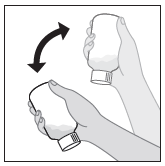
- 1. Shake the bottle to dissolve the powder.
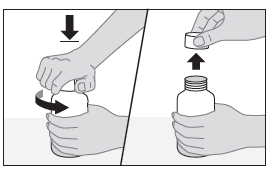
- 2. Remove the cap from the bottle.
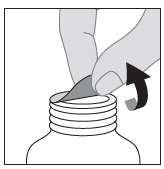
- 3. Remove the protective foil.
- 4. Add the volume of water (as indicated below). Close the bottle, turn it upside down and shake well.
Alternatively, fill the bottle with water just below the level indicated on the bottle label.
Close the bottle with the cap, turn it upside down and shake well, then fill with water exactly to the level.
Close the bottle with the cap, turn it upside down and shake well again.
- 5. Store in a refrigerator and always shake before use. The reconstituted oral suspension must be used within 7 days.
| Bottle capacity (ml) | z Volume of water to add for reconstitution (ml) |
| n 35 | 31 |
| 70 | 62 |
| e 140 | 124 |
Instructions for using the syringe
A syringe is provided for administering Clavulin
The syringe must only be used for administering Clavulin and must not be used for
administering other medicines, because the markings are specific to this product. The syringe is
supplied with an adapter that allows attachment to the bottle.
The dose on the oral dosing syringe is indicated in millilitres (ml). The dose to give to your child must
be that recommended by your doctor.
Check the cleanliness of the syringe and adapter before use, rinsing with clean water if required.
- 1. Shake the suspension in the bottle well before each administration.
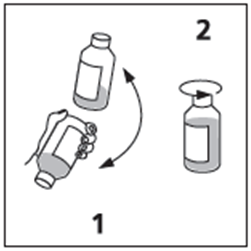
- 2. Remove the adapter from the syringe. Hold the bottle firmly and insert the adapter into the neck of the bottle (the adapter should remain firm).
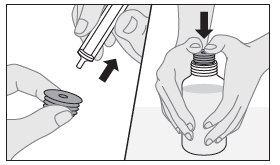
- 3. Insert the syringe into the adapter, making sure it is well positioned.
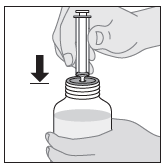
- 4. Turn the bottle upside down, keeping the syringe in position, and draw out the required dose, as indicated by the doctor.
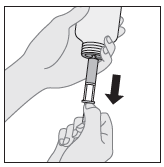
- 5. Return the bottle to the vertical position and remove the syringe.
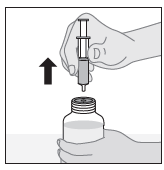
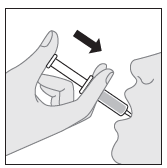
- 6. To administer the dose, carefully insert the tip of the syringe into the mouth and slowly push the syringe plunger down (repeat steps 3, 4, 5 and 6 if more than one syringe is needed to administer the dose).
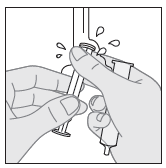
- 7. Rinse the syringe thoroughly with clean water. Allow the syringe to dry completely before next use.
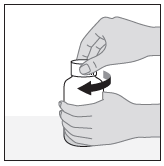
- 8. Close the bottle with the cap.
- 9. Store in a refrigerator and always shake before use. The suspension, once reconstituted, must be used within 7 days.

Zacząłeś przyjmować lek i masz pytania?
Omów swoje objawy i leczenie z lekarzem online.
- Kraj rejestracji
- Postać farmaceutycznaFilm-coated tablet, 875 MG/125 MG
- Kod ATCJ01CR02
- Substancja czynna
- Wymaga receptyTak
- Producent
- Te treści mają charakter wyłącznie informacyjny i nie zastępują konsultacji lekarskiej.
- Zamienniki KLAVULINPostać farmaceutyczna: Film-coated tablet, 875 MG + 125 MGSubstancja czynna: amoxicillin and beta-lactamase inhibitorProducent: FIDIA FARMACEUTICI S.P.A.Wymaga receptyPostać farmaceutyczna: Film-coated tablet, 875 MG + 125 MGSubstancja czynna: amoxicillin and beta-lactamase inhibitorProducent: AESCULAPIUS FARMACEUTICI SRLWymaga receptyPostać farmaceutyczna: Film-coated tablet, 875 MG + 125 MGSubstancja czynna: amoxicillin and beta-lactamase inhibitorProducent: KONPHARMA S.R.L.Wymaga recepty
Odpowiedniki KLAVULIN w innych krajach
Leki z tą samą substancją czynną dostępne w innych krajach.
Odpowiednik KLAVULIN w Hiszpania
Odpowiednik KLAVULIN w Polska
Odpowiednik KLAVULIN w Ukraina
Lekarze online w sprawie KLAVULIN
Omów stosowanie KLAVULIN, bezpieczeństwo i ocenę zasadności recepty zgodnie z obowiązującymi przepisami.









Uzyskaj receptę na KLAVULIN online
Wypełnij 2-minutowy formularz
Opisz swoje objawy, historię choroby i lek, o który prosisz.
Wybierz lekarza lub pozwól nam przydzielić
Wybierz specjalistę lub dopasujemy Cię do najbliższego dostępnego lekarza.
Lekarz analizuje Twój przypadek
Zazwyczaj w ciągu 30 minut. Może zadawać dodatkowe pytania przez czat.
Odbierz w dowolnej aptece
Recepta elektroniczna wysłana na Twój e-mail — ważna w całej Polsce.
Często zadawane pytania
KLAVULIN wymaga recepty w Włochy. Możesz skonsultować się z lekarzem online, aby sprawdzić, czy ten lek może być odpowiedni w Twojej sytuacji.
Substancją czynną w KLAVULIN jest amoxicillin and beta-lactamase inhibitor. Informacja ta pomaga rozpoznać leki o tym samym składzie, ale pod różnymi nazwami handlowymi.
KLAVULIN jest produkowany przez GLAXOSMITHKLINE S.P.A.. Nazwy handlowe i opakowania mogą się różnić w zależności od dystrybutora.
Lekarze, tacy jak Lekarze rodzinni, Psychiatrzy, Dermatolodzy, Kardiolodzy, Endokrynolodzy, Gastroenterolodzy, Pulmonolodzy, Nefrolodzy, Reumatolodzy, Hematolodzy, Zakaźnicy, Alergolodzy, Geriatrzy, Pediatrzy, Onkolodzy, mogą ocenić, czy stosowanie KLAVULIN jest odpowiednie w Twoim przypadku, w zależności od sytuacji klinicznej i lokalnych przepisów. Możesz umówić konsultację online, aby omówić objawy i możliwe dalsze kroki.
Polska posiada dobrze rozwiniętą infrastrukturę ochrony zdrowia w dużych miastach, takich jak Warszawa, Kraków, Wrocław i Gdańsk. Apteki są łatwo dostępne i działają zgodnie z obowiązującymi przepisami, zapewniając dostęp do leków na receptę.
Możesz kupić KLAVULIN w Warszawie, Krakowie, Wrocławiu lub Gdańsku w każdej aptece, posiadając ważną receptę.
Aby uzyskać receptę, możesz skorzystać z Oladoctor:
Inne leki zawierające tę samą substancję czynną (amoxicillin and beta-lactamase inhibitor) to m.in. ABBA, ABIOKLAV, AKLAV. Mogą one różnić się nazwą handlową lub postacią, ale zawierają ten sam składnik terapeutyczny. Przed zmianą lub rozpoczęciem nowego leku skonsultuj się z lekarzem.
