



CELLCEPT 250 mg Hard Capsule

Запит на рецепт онлайн
Лікар розгляне ваш випадок і визначить, чи є рецепт медично доцільним.

Поговоріть з лікарем про ці ліки
Обговоріть симптоми та можливі подальші кроки під час короткої онлайн-консультації.



Інструкція із застосування KELLKEPT
Зміст інструкції
- CellCept 250 mg hard capsules
- CellCept 500 mg powder for concentrate for solution for infusion
- CellCept 1 g/5 mL powder for oral suspension
- CellCept 500 mg film-coated tablets
CellCept 250 mg hard capsules
mycophenolate mofetil
Read this leaflet carefully before you start taking this medicine as it contains important
information for you.
- Keep this leaflet. You may need to read it again.
- If you have any questions, ask your doctor or pharmacist.
- This medicine has been prescribed for you only. Do not pass it on to others, even if their symptoms are the same as yours, as it could be harmful.
- If you get any side effects, even those not listed in this leaflet, tell your doctor or pharmacist. See section 4.
Contents of this leaflet
- 1. What CellCept is and what it is used for
- 2. What you need to know before you take CellCept
- 3. How to take CellCept
- 4. Possible side effects
- 5. How to store CellCept
- 6. Contents of the pack and other information
1. What is CellCept and what is it used for
CellCept contains mycophenolate mofetil.
- This belongs to a group of medicines called “immunosuppressants”. CellCept is used in adults and children to prevent the body from rejecting a transplanted organ.
- Kidney, heart or liver. CellCept must be used in combination with other medicines:
- cyclosporine and corticosteroids.
2. What you need to know before you take CellCept
WARNING
Mycophenolate causes congenital defects and miscarriage. If you are a woman who can become pregnant
you must have a negative pregnancy test before starting treatment and follow your doctor’s advice regarding contraception.
The doctor will talk to you and give you written information, especially about the effects of
mycophenolate on the unborn child. Read the information carefully and follow the instructions.
If you do not fully understand these instructions, ask your doctor to explain them again before
taking mycophenolate. Also read the information within this paragraph under the headings
“Warnings and precautions” and “Pregnancy and breastfeeding”.
Do not take CellCept:
- if you are allergic to mycophenolate mofetil, mycophenolic acid or any of the other ingredients of this medicine (listed in section 6)
- if you are a woman who can become pregnant and have not had a negative pregnancy test before your first prescription, as mycophenolate causes congenital defects and miscarriage
- if you are pregnant, if you suspect you are pregnant or are planning to become pregnant
- if you are not using any effective method of contraception (see Contraception, pregnancy, and breastfeeding)
- if you are breastfeeding.
Do not take this medicine if any of the above conditions apply to you. If you have any
doubts, talk to your doctor or pharmacist before taking CellCept.
Warnings and precautions
Tell your doctor immediately before starting treatment with CellCept:
- if you are over 65 years old, as you may have an increased risk of developing adverse events such as some viral infections, gastrointestinal bleeding and pulmonary edema compared to younger patients
- if you have signs of infection such as fever or sore throat
- if you experience unexpected bruising or bleeding
- if you have ever suffered from a digestive disorder, such as a stomach ulcer
- if you are planning a pregnancy or if you become pregnant while you or your partner are being treated with CellCept
- if you suffer from a hereditary enzyme deficiency such as Lesch-Nyhan and Kelley-Seegmiller syndrome
If any of the above conditions apply to you (or you have any doubts), tell your
doctor immediately before starting treatment with CellCept.
Effects of sunlight
CellCept lowers the body's defenses, leading to a higher risk of skin cancer. Limit
exposure to the sun and UV rays by:
- wearing protective clothing that covers your head, neck, arms and legs
- using products with a high protection factor.
Children
Children, especially those under 6 years of age, may be more likely to experience some
side effects than adults, including diarrhea, vomiting, infections, reduced red blood cells and white blood cells in
the blood and, possibly, cancer of the lymphatic system or skin.
The capsules are only suitable for children who are able to swallow solid medicines without risk of
choking. The medicine should therefore only be given as prescribed by the doctor.
If you have any doubts about treating the child, consult your doctor or pharmacist before
use.
Other medicines and CellCept
Tell your doctor or pharmacist if you are taking or have recently taken any other medicines
including over-the-counter medicines, such as herbal medicines. CellCept can
alter the activity of other medicines. Other medicines can also alter the activity of
CellCept.
In particular, tell your doctor or pharmacist if you are taking any of the following medicines before
taking CellCept:
- azathioprine or other medicines that suppress the immune system, prescribed after an organ transplant
- cholestyramine - used to treat high cholesterol
- rifampicin - an antibiotic used to prevent and treat infections such as tuberculosis (TB)
- antacids or proton pump inhibitors - used for stomach acidity problems such as indigestion
- phosphate binders - used in patients with chronic kidney failure to reduce phosphate absorbed from the blood
- antibiotics - used to treat bacterial infections
- isavuconazole - used to treat fungal infections
- telmisartan - used to treat high blood pressure.
Vaccines
If you need to have a vaccination (live vaccine) during treatment with CellCept, tell
your doctor or pharmacist first. The doctor will advise you which vaccine is right for you.
You should not donate blood during treatment with CellCept and for at least 6 weeks after
stopping treatment. Men should not donate sperm during treatment with
CellCept and for at least 90 days after stopping treatment.
CellCept with food and drink
The consumption of food and drinks has no effect on treatment with CellCept.
Contraception in women taking CellCept
If you are a woman who can become pregnant, you must use an effective method of contraception with
CellCept. This means:
- before starting to take CellCept
- during the entire treatment with CellCept
- for 6 weeks after stopping treatment with CellCept. Talk to your doctor about the most suitable method of contraception for you. This will depend on your individual situation. The use of two methods of contraception is preferable to reduce the risk of unwanted pregnancy. Contact your doctor as soon as possible if you think the contraceptive used maynot have been effective or if you have forgotten to take your contraceptive pill.
You cannot become pregnant if any of the following conditions apply to you:
- you are postmenopausal, i.e. you are at least 50 years old and your last menstrual period was more than a year ago (if your menstrual cycle has stopped because you have had cancer treatment, there is still a possibility that you may become pregnant).
- your fallopian tubes and both ovaries have been surgically removed (bilateral salpingo-oophorectomy).
- your uterus has been surgically removed (hysterectomy).
- your ovaries no longer function (premature ovarian failure, which has been confirmed by a gynecologist).
- you were born with one of the rare conditions that make pregnancy impossible: XY genotype, Turner syndrome or uterine agenesis.
- you are a child or adolescent who has not yet had her first menstrual period.
Contraception in men taking CellCept
Although available clinical data do not indicate an increased risk of birth defects or miscarriage
when the father takes mycophenolate, this risk cannot be completely ruled out.
As a precaution, therefore, you and your partner are advised to use a reliable method of contraception
during treatment and for 90 days after stopping therapy with CellCept.
If you are planning a pregnancy, talk to your doctor about the potential risks and alternative therapies.
Pregnancy and breastfeeding
If you are pregnant, if you suspect you are pregnant or are planning to become pregnant, or if you are breastfeeding, ask your doctor or pharmacist for advice before taking this medicine. The doctor
will discuss with you the risks in case of pregnancy and alternative treatments you can undergo to
prevent rejection of the transplanted organ if:
- you are planning a pregnancy
- you miss or think you have missed a menstrual period, if you have unusual menstrual bleeding or if you suspect a pregnancy
- you have had unprotected sex.
If you become pregnant during treatment with mycophenolate, you should inform your
doctor immediately. In any case, continue taking CellCept until you see your doctor.
Pregnancy
Mycophenolate very frequently causes miscarriage (50%) and serious birth defects (23-27%) in
the unborn child. The reported birth defects include abnormalities of the ears, eyes, face
(cleft lip/palate), development of the fingers, heart, esophagus (tubular organ that
connects the throat and stomach), kidneys and nervous system (for example spina bifida [where the bones
of the spine are not fully developed]). The baby may have one or more of these
defects.
If you are a woman who can become pregnant, you must have a negative pregnancy test
before starting treatment and follow your doctor’s advice regarding contraception. The doctor
may require more than one test to make sure you are not pregnant before starting
treatment.
Breastfeeding
Do not take CellCept if you are breastfeeding. Small amounts of the medicine can
pass into breast milk.
Driving and using machines
CellCept moderately impairs the ability to drive vehicles or operate tools or machinery. If
you feel sleepy, dizzy or confused, consult your doctor or nurse and do not drive vehicles or
operate tools or machinery until you feel better.
CellCept contains sodium
This medicine contains less than 1 mmol (23 mg) of sodium per capsule, i.e. essentially ‘sodium-free’.
3. How to take CellCept
Take this medicine following exactly the instructions of your doctor. If you have any doubts, ask your doctor or pharmacist.
How much to take
The amount you need to take depends on the type of transplant you have received. The usual doses are indicated below. Treatment will continue as long as you need to prevent rejection of the transplanted organ.
Kidney transplant
Adults
- The first dose is administered within 3 days after the transplant surgery.
- The daily dose is 8 capsules (2 g of medicine), divided into 2 separate administrations.
- Take 4 capsules in the morning and 4 capsules in the evening.
Children
- The capsules are only suitable for children who are able to swallow solid medicines without risk of choking. Therefore, the medicine must be administered exclusively as prescribed by the doctor. If you have any doubts, consult your doctor or pharmacist before use.
- The dose to be administered will depend on the child's body surface area.
- The child's doctor will decide the most appropriate dose based on the child's height and weight (body surface area - measured in square meters or “m”). The recommended initial dose is 600 mg/m administered twice daily. The recommended maintenance dose remains
equal to 600 mg/m twice daily (maximum total daily dose of 2 g). The dose must be individualized based on clinical evaluation.
Heart transplant
Adults
- The first dose is administered within 5 days of the transplant surgery.
- The daily dose is 12 capsules (3 g of medicine), divided into 2 administrations.
- Take 6 capsules in the morning and 6 capsules in the evening.
Children
- The capsules are only suitable for children who are able to swallow solid medicines without risk of choking. Therefore, the medicine must be administered exclusively as prescribed by the doctor. If you have any doubts, consult your doctor or pharmacist before use.
- The dose to be administered will depend on the child's body surface area.
- The child's doctor will decide the most appropriate dose based on the child's height and weight (body surface area - measured in square meters or “m”). The recommended initial dose is 600 mg/m administered twice daily. The dose must be individualized based on the doctor's clinical evaluation. If well tolerated, the dose may be increased to 900 mg/m administered twice daily, as needed (maximum total daily dose of 3 g).
Liver transplant
Adults
- The first dose of oral CellCept will be administered at least 4 days after the transplant surgery and when you are able to swallow medicines orally.
- The daily dose is 12 capsules (3 g of medicine), divided into 2 separate administrations.
- Take 6 capsules in the morning and 6 capsules in the evening.
Children
- The capsules are only suitable for children who are able to swallow solid medicines without risk of choking. Therefore, the medicine must be administered exclusively as prescribed by the doctor. If you have any doubts, consult your doctor or pharmacist before use.
- The dose to be administered will depend on the child's body surface area.
- The child's doctor will decide the most appropriate dose based on the child's height and weight (body surface area - measured in square meters or “m”). The recommended initial dose is 600 mg/m administered twice daily. The dose must be individualized based on the doctor's clinical evaluation. If well tolerated, the dose may be increased to 900 mg/m administered twice daily, as needed (maximum total daily dose of 3 g).
Taking the medicine
Swallow the capsules whole with a glass of water
- Do not break or crush the capsules
- Do not take broken or opened capsules.
Be careful to avoid contact between the powder leaking from damaged capsules and your eyes or mouth.
- If this happens, rinse with plenty of water.
Be careful to avoid contact between the powder leaking from damaged capsules and your skin.
- If this happens, wash the area thoroughly with soap and water.
If you take more CellCept than you should
If you take more CellCept than you should, tell a doctor or go to hospital immediately. Do the same if someone else accidentally takes the medicine. Bring the medicine package with you.
If you forget to take CellCept
If you forget to take the medicine, take it as soon as you remember, then continue to take it as usual. Do not take a double dose to make up for a missed dose.
If you stop taking CellCept
Do not stop taking CellCept unless your doctor tells you to. Stopping treatment may increase the risk of rejection of the transplanted organ.
If you have any doubts about using this medicine, ask your doctor or pharmacist.
4. Possible side effects
Like all medicines, CellCept can cause side effects, although not everybody gets them.
See your doctor immediately if you notice any of the following serious side effects; you may need urgent medical treatment:
- develops signs of infection such as fever or sore throat
- develops unexpected bruising or bleeding
- develops a skin rash, swelling of the face, lips, tongue or throat, with difficulty breathing; you may have a severe allergic reaction to the medicine (such as anaphylaxis, angioedema).
Common problems
Some of the more common disorders are diarrhea, decreased white blood cells or red blood cells in the
blood, infections and vomiting. Your doctor will perform regular blood tests to check for any
changes:
- in the number of blood cells or signs of infection.
Fighting infections
CellCept lowers the body’s defenses to prevent it from rejecting the transplant. As a result,
the body will not be able to fight off infections as effectively as it would under normal
conditions. This means you may be more likely to get infections, for example
infections affecting the brain, skin, mouth, stomach and intestines, lungs and
urinary tract.
Tumors of the lymphatic system and skin
As can happen with other substances of this type (immunosuppressants), a very small number of
patients treated with CellCept have developed tumors of the lymphatic system and skin.
General side effects
You may experience side effects affecting the body as a whole. These include severe
allergic reactions (such as anaphylaxis, angioedema), fever, feeling tired, sleep disturbances, pains
(in the stomach, chest, muscles or joints), headache, flu-like symptoms
and swelling.
Other side effects can include:
Skin disorderssuch as:
- acne, cold sores, shingles, skin thickening, hair loss, rash and itching.
Urinary tract disorderssuch as:
- blood in the urine.
Gastrointestinal and oral disorderssuch as:
- gum swelling and mouth ulcers
- inflammation of the pancreas, colon or stomach
- gastrointestinal disorders including bleeding
- liver disorder
- diarrhea, constipation, feeling unwell (nausea), indigestion, loss of appetite and flatulence.
Nervous system disorderssuch as:
- feeling dizzy, sleepy or paresthesia
- tremors, muscle spasms, convulsions
- feeling anxious or depressed, changes in mood and thinking.
Heart and blood vessel disorderssuch as:
- changes in blood pressure, increased heart rate and dilation of blood vessels.
Lung disorderssuch as:
- pneumonia, bronchitis
- shortness of breath, cough, which may be caused by bronchiectasis (a condition in which the airways in the lungs are abnormally widened) or pulmonary fibrosis (scarring of lung tissue). See your doctor if you have a persistent cough or shortness of breath
- fluid accumulation in the lungs or chest
- sinusitis.
Other disorderssuch as:
- weight loss, gout, high blood sugar, bleeding and bruising.
Further side effects in children and adolescents
Children, especially those under 6 years of age, may be more likely to experience some
side effects than adults, including diarrhea, vomiting, infections, reduced red blood cells and white blood cells in the
blood and, possibly, cancer of the lymphatic system or skin.
Reporting of side effects
If you get any side effects, even those not listed in this leaflet, tell your
doctor or pharmacist. You can also report side effects directly through
the national reporting system listed in Annex V. By reporting side effects you can
help provide more information on the safety of this medicine.
5. How to store CellCept
- Keep this medicine out of the sight and reach of children.
- Do not use this medicine after the expiry date which is stated on the pack after Exp.
- Do not store above 25 °C.
- Store in the original package to protect the medicine from moisture.
- Do not dispose of any medicine in wastewater or household waste. Ask your pharmacist how to dispose of medicines you no longer use. This will help protect the environment.
6. Contents of the pack and other information
What CellCept contains
- The active ingredient is mycophenolate mofetil. Each capsule contains 250 mg of mycophenolate mofetil.
- The other ingredients are:
- CellCept capsules: pregelatinized maize starch, crosslinked sodium carboxymethylcellulose, polyvinylpyrrolidone (K-90), magnesium stearate (see section 2, “CellCept contains sodium”);
- capsule shell: gelatin, indigotine (E132), yellow iron oxide (E172), red iron oxide (E172), titanium dioxide (E171), black iron oxide (E172), potassium hydroxide, shellac. Description of the appearance of CellCept and contents of the pack
- CellCept capsules are oblong in shape with one end blue and the other brown. The inscription “CellCept 250” is printed in black on the upper part, while the name “Roche” is printed in black on the lower part.
- They are available in packs of 100 or 300 capsules (both in blisters of 10 capsules) or in a multipack containing 300 (3 packs of 100) capsules. Not all pack sizes may be marketed.
Marketing Authorisation Holder
Roche Registration GmbH
Emil-Barell-Strasse 1
79639 Grenzach-Wyhlen
Germany
Manufacturer
Roche Pharma AG, Emil-Barell-Strasse 1, 79639 Grenzach-Wyhlen, Germany.
For further information on this medicinal product, contact the local representative of the marketing
authorisation holder:
Lietuva
UAB “Roche Lietuva”
Tel: +370 5 2546799
България
Рош България ЕООД
Тел: +359 2 818 44 44
België/Belgique/Belgien
N.V. Roche S.A.
Tél/Tel: +32 (0) 2 525 82 11
Luxembourg/Luxemburg
(Voir/siehe Belgique/Belgien)
Česká republika
Roche s. r. o.
Tel: +420 - 2 20382111
Magyarország
Roche (Magyarország) Kft.
Tel: +36 - 1 279 4500
Danmark
Roche Pharmaceuticals A/S
Tlf: +45 - 36 39 99 99
Malta
(See Ireland)
Deutschland
Roche Pharma AG
Tel: +49 (0) 7624 140
Nederland
Roche Nederland B.V.
Tel: +31 (0) 348 438050
Eesti
Roche Eesti OÜ
Tel: + 372 - 6 177 380
Norge
Roche Norge AS
Tlf: +47 - 22 78 90 00
Österreich
Roche Austria GmbH
Tel: +43 (0) 1 27739
España
Roche Farma S.A.
Tel: +34 - 91 324 81 00
Ελλάδα
Roche (Hellas) A.E.
Τηλ: +30 210 61 66 100
Polska
Roche Polska Sp.z o.o.
Tel: +48 - 22 345 18 88
France
Roche
Tél: +33 (0) 1 47 61 40 00
Portugal
Roche Farmacêutica Química, Lda
Tel: +351 - 21 425 70 00
Hrvatska
Roche d.o.o.
Tel: + 385 1 47 22 333
România
Roche România S.R.L.
Tel: +40 21 206 47 01
Ireland
Roche Products (Ireland) Ltd.
Tel: +353 (0) 1 469 0700
Slovenija
Roche farmacevtska družba d.o.o.
Tel: +386 - 1 360 26 00
Ísland
Roche Pharmaceuticals A/S
c/o Icepharma hf
Sími: +354 540 8000
Slovenská republika
Roche Slovensko, s.r.o.
Tel: +421 - 2 52638201
Suomi/Finland
Roche Oy
Puh/Tel: +358 (0) 10 554 500
Kύπρος
Γ.Α.Σταμάτης & Σια Λτδ.
Τηλ: +357 - 22 76 62 76
Italia
Roche S.p.A.
Tel: +39 - 039 2471
Sverige
Roche AB
Tel: +46 (0) 8 726 1200
Latvija
Roche Latvija SIA
Tel: +371 - 6 7039831
United Kingdom (Northern Ireland)
Roche Products (Ireland) Ltd.
Tel: +44 (0) 1707 366000
Other sources of information
More detailed information on this medicinal product is available on the website of the European
Medicines Agency: http://www.ema.europa.eu/
CellCept 500 mg powder for concentrate for solution for infusion
mycophenolate mofetil
Read this leaflet carefully before you use this medicine as it contains important
information for you.
- Keep this leaflet. You may need to read it again.
- If you have any questions, ask your doctor or nurse.
- This medicine has been prescribed for you only. Do not pass it on to others, even if their symptoms are the same as yours, as it could be harmful.
- If you get any side effects, even those not listed in this leaflet, tell your doctor or nurse. See section 4.
Contents of this leaflet
- 1. What CellCept is and what it is used for
- 2. What you need to know before you use CellCept
- 3. How to use CellCept
- 4. Possible side effects
- 5. How to store CellCept
- 6. Contents of the pack and other information
- 7. Reconstitution of the medicine
1. What is CellCept and what is it used for
CellCept contains mycophenolate mofetil.
- This belongs to a group of medicines called “immunosuppressants”. CellCept is used to prevent the body from rejecting a transplanted organ.
- Kidney or liver. CellCept must be used in association with other medicines:
- cyclosporine and corticosteroids.
2. What you need to know before you use CellCept
WARNING
Mycophenolate causes congenital defects and miscarriage. If you are a woman who can become pregnant
you must have a negative pregnancy test before starting treatment and follow your
doctor’s advice regarding contraception.
Your doctor will talk to you and give you written information, especially about the effects of
mycophenolate on the unborn child. Read the information carefully and follow the instructions.
If you do not fully understand these instructions, ask your doctor to explain them again before
using mycophenolate. Also read the information within this paragraph under the headings “Warnings
and precautions” and “Pregnancy and breastfeeding”.
Do not use CellCept:
- if you are allergic to mycophenolate mofetil, mycophenolic acid, polysorbate 80 or any of the other ingredients of this medicine (listed in section 6)
- if you are a woman who can become pregnant and have not had a negative pregnancy test before your first prescription, as mycophenolate causes congenital defects and miscarriage
- if you are pregnant, if you suspect you are pregnant or are planning to become pregnant
- if you are not using any effective method of contraception (see Pregnancy, contraception and breastfeeding)
- if you are breastfeeding. Do not use this medicine if any of the above conditions apply to you. If you have any doubts, talk to your doctor or nurse before using CellCept.
Warnings and precautions
Tell your doctor or nurse immediately before starting treatment with CellCept:
- if you are over 65 years old, as you may have an increased risk of developing adverse events such as some viral infections, gastrointestinal bleeding and pulmonary edema compared to younger patients
- if you have signs of infection such as fever or sore throat
- if you develop unexplained bruising or bleeding
- if you have suffered from a digestive disorder, such as a stomach ulcer
- if you are planning a pregnancy or if you become pregnant while you or your partner are being treated with CellCept
- if you suffer from a hereditary enzyme deficiency such as Lesch-Nyhan syndrome and Kelley-Seegmiller syndrome
If any of the above conditions apply to you (or you have any doubts), tell your
doctor or nurse immediately before starting treatment with CellCept.
Effects of sunlight
CellCept lowers the body’s defenses, leading to an increased risk of skin cancer. Limit
exposure to the sun and UV rays by:
- wearing protective clothing that covers your head, neck, arms and legs
- using a high protection factor sunscreen.
Children
Do not give this medicine to children because safety and efficacy have not been established
for infusions in pediatric patients.
Other medicines and CellCept
Tell your doctor or nurse if you are taking or have recently taken any other
medicines, including those obtained without a prescription, such as herbal medicines.
CellCept can alter the activity of other medicines. Other medicines can also interact with
CellCept.
In particular, tell your doctor or nurse if you are taking any of the following medicines before
using CellCept:
- azathioprine or other medicines that suppress the immune system, prescribed after an organ transplant
- cholestyramine, used to treat high cholesterol
- rifampicin, an antibiotic used to prevent and treat infections such as tuberculosis (TB)
- phosphate binders, used in patients with chronic renal failure to reduce phosphate absorbed from the blood
- antibiotics, used to treat bacterial infections
- isavuconazole, used to treat fungal infections
- telmisartan, used to treat high blood pressure.
Vaccines
If you need to have a vaccination (live vaccine) during treatment with CellCept, tell your
doctor or pharmacist first. Your doctor will advise you which vaccine is suitable for you.
You must not donate blood during treatment with CellCept and for at least 6 weeks after
stopping treatment. Men must not donate sperm during treatment with
CellCept and for at least 90 days after stopping treatment.
Contraception in women using CellCept
If you are a woman who can become pregnant, you must use an effective method of contraception with
CellCept. This means:
- before starting to use CellCept
- during the entire treatment with CellCept
- for 6 weeks after stopping treatment with CellCept. Talk to your doctor about the most suitable method of contraception for you. This will depend on your individual situation. The use of two methods of contraception is preferable to reduce the risk of unwanted pregnancy. Contact your doctor as soon as possible if you think the contraceptive used maynot have been effective or if you have forgotten to take your contraceptive pill.
You cannot become pregnant if any of the following conditions apply to you:
- you are postmenopausal, i.e. you are at least 50 years old and your last menstrual period was more than a year ago (if your menstrual cycle has stopped because you have undergone cancer treatment, there is still a possibility that you may become pregnant).
- your fallopian tubes and both ovaries have been surgically removed (bilateral salpingo-oophorectomy).
- your uterus has been surgically removed (hysterectomy).
- your ovaries no longer function (premature ovarian failure, which has been confirmed by a gynecologist).
- you were born with one of the rare conditions that make pregnancy impossible: XY genotype, Turner syndrome or uterine agenesis.
- you are a child or adolescent who has not yet had her first menstrual period.
Contraception in men taking CellCept
Although available clinical data do not indicate an increased risk of malformations or miscarriages
when the father is taking mycophenolate, this risk cannot be completely excluded.
As a precaution, therefore, you and your partner are advised to use a reliable method of contraception
during treatment and for 90 days after stopping therapy with CellCept.
If you are planning a pregnancy, talk to your doctor about the potential risks and alternative therapies.
Pregnancy and breastfeeding
If you are pregnant, if you suspect you are pregnant or are planning to become pregnant or if you are breastfeeding,
ask your doctor or pharmacist for advice before using this medicine. The doctor
will discuss with you the risks in case of pregnancy and alternative treatments you can undergo
to prevent rejection of the transplanted organ if:
- you are planning a pregnancy
- you miss or think you have missed a period, if you have unusual vaginal bleeding or if you suspect you are pregnant
- you have had unprotected sex. If you become pregnant during treatment with mycophenolate, you should tell your doctor immediately. In any case, continue to use CellCept until you see your doctor.
Pregnancy
Mycophenolate very frequently causes miscarriage (50%) and serious birth defects (23-27%) in
the unborn child. The reported birth defects include abnormalities of the ears, eyes, face
(cleft lip/palate), development of the fingers, heart, esophagus (the tube that
connects the throat and stomach), kidneys and nervous system (e.g. spina bifida [where the bones
of the spine are not fully developed]). The baby may have one or more of these
defects.
If you are a woman who can become pregnant, you must have a negative pregnancy test
before starting treatment and follow your doctor’s advice regarding contraception. Your doctor
may require more than one test to make sure you are not pregnant before starting
treatment.
Breastfeeding
Do not use CellCept if you are breastfeeding. Small amounts of the medicine can pass
into breast milk.
Driving and using machines
CellCept moderately impairs the ability to drive vehicles or operate tools or machines. If
you feel sleepy, dizzy or confused, contact your doctor or nurse and do not drive vehicles or
operate tools or machines until you feel better.
CellCept contains polysorbate
This medicine contains 25 mg of polysorbate 80 in each vial. Polysorbates can cause
allergic reactions. Tell your doctor if you have known allergies.
CellCept contains sodium
This medicine contains less than 1 mmol (23 mg) of sodium per dose, that is to say essentially ‘sodium free’.
3. How to use CellCept
CellCept is generally administered by a doctor or nurse in hospital via slow infusion into a vein.
How much to use
The amount you need to use depends on the type of transplant you have received. The usual doses are indicated
below. Treatment will continue as long as necessary to prevent rejection of the transplanted organ.
Kidney transplant
Adults
- The first dose is administered within 24 hours of the transplant surgery.
- The daily dose is 2 g of medicine administered in 2 separate doses.
- 1 g will be administered in the morning and 1 g in the evening.
Liver transplant
Adults
- The first dose is administered as soon as possible after the transplant surgery.
- You will receive the medicine for at least 4 days.
- The daily dose is 2 g of medicine administered in 2 separate doses.
- 1 g will be administered in the morning and 1 g in the evening.
- As soon as you are able to swallow, the medicine will be administered to you orally.
Reconstitution of the medicine
The medicine is in the form of a powder. It needs to be mixed with glucose before
administration. The doctor or nurse will reconstitute the medicine and administer it to you following
the instructions in section 7 “Reconstitution of the medicine”.
If you use more CellCept than you should
If you think you have been given too much CellCept, talk to your doctor or
nurse immediately.
If you forget to take CellCept
If a dose of CellCept is forgotten, that dose should be administered as soon as possible.
Then treatment will continue as usual.
If you stop taking CellCept
Do not stop using CellCept unless your doctor tells you to. Stopping treatment
may increase the risk of rejection of the transplanted organ.
If you have any questions about using this medicine, ask your doctor or nurse.
4. Possible side effects
Like all medicines, CellCept can cause side effects, although not everybody gets them.
Tell your doctor or nurse immediately if you notice any of the following serious side effects – you may need urgent medical attention:
- you develop signs of infection such as fever or sore throat
- you develop unexpected bruising or bleeding
- you develop a skin rash, swelling of the face, lips, tongue or throat, with difficulty breathing; you may have a severe allergic reaction to the medicine (such as anaphylaxis, angioedema).
Common problems
Some of the most common disorders are diarrhoea, a decrease in white blood cells or red blood cells in the
blood, infections and vomiting. Your doctor will perform regular blood tests to check for any
changes:
- in the number of blood cells or signs of infection.
Fighting infections
CellCept lowers the body’s defenses to prevent it from rejecting the transplant. As a result,
the body will not be able to fight off infections as effectively as it would under normal
conditions. This means you may be more likely to get infections, for example
of the brain, skin, mouth, stomach and intestines, lungs and urinary tract.
Tumours of the lymphatic system and skin
As can happen with other substances of this type (immunosuppressants), a very small number of
patients treated with CellCept have developed tumours of the lymphatic system and skin.
Side effects of a general nature
You may experience side effects affecting the body in general. These include severe
allergic reactions (such as anaphylaxis, angioedema), fever, feeling tired, sleep disorders, pains
(in the stomach, chest, muscles or joints), headache, flu-like symptoms
and swelling.
Other side effects may include:
Skin disorderssuch as:
- acne, cold sores, skin thickening, shingles, hair loss, skin rashes and itching.
Urinary tract disorderssuch as:
- blood in the urine. Gastrointestinal and oral disorderssuch as:
- swelling of the gums and mouth ulcers
- inflammation of the pancreas, colon or stomach
- gastrointestinal disorders including bleeding
- liver disorders
- diarrhoea, constipation, feeling unwell (nausea), indigestion, loss of appetite and flatulence.
Nervous system disorderssuch as:
- drowsiness or paraesthesia
- tremors, muscle spasms, convulsions
- feeling anxious or depressed, changes in mood or thinking.
Heart and blood vessel disorderssuch as:
- changes in blood pressure, blood clots, increased heart rate
- pain, redness and swelling near the blood vessels where the infusion was given.
Lung disorderssuch as:
- pneumonia, bronchitis
- shortness of breath, cough, which may be caused by bronchiectasis (a condition in which the airways in the lungs are abnormally widened) or pulmonary fibrosis (scarring of lung tissue). See your doctor if you have a persistent cough or shortness of breath
- fluid accumulation in the lungs or chest
- sinusitis.
Other disorderssuch as:
- weight loss, gout, high blood sugar, bleeding, bruising.
Reporting of side effects
If you get any side effects, talk to your doctor or nurse. This includes any side effects not listed in this leaflet. You can also report side effects directly through
the national reporting system listed in Annex V. By reporting side effects you can help provide more information on the safety of this medicine.
5. How to store CellCept
- Keep this medicine out of the sight and reach of children.
- Do not use this medicine after the expiry date which is stated on the package and on the vial label after Exp.
- Powder for concentrate for solution for infusion: do not store at a temperature above 30 °C.
- Reconstituted solution and diluted solution: store at a temperature between 15 °C and 30 °C.
- Do not dispose of any medicine in wastewater or household waste. Ask your pharmacist how to dispose of medicines you no longer use. This will help protect the environment.
6. Contents of the pack and other information
What CellCept contains
- The active ingredient is mycophenolate mofetil. Each vial contains 500 mg of mycophenolate mofetil
- The other ingredients are: polysorbate 80, citric acid, hydrochloric acid, sodium chloride (see section 2, “CellCept contains sodium”).
Description of the appearance of CellCept and contents of the pack
- CellCept is supplied as a white to off-white powder in 20 mL clear type I glass vials with a grey butyl rubber stopper and an aluminium crimp cap with a plastic flip-off cap.
- The reconstituted solution is slightly yellow.
- It is available in packs of 4 vials.
7. Reconstitution of the medicine
Method and route of administration
CellCept 500 mg powder for concentrate for solution for infusion does not contain any antibacterial preservative, therefore the reconstitution and dilution of the product must occur under aseptic conditions.
The contents of each vial of CellCept 500 mg powder for concentrate for solution for infusion must be reconstituted with 14 mL of 5% glucose solution for intravenous infusion.
To obtain a final concentration of 6 mg/mL, further dilution with 5% glucose solution for intravenous infusion is required. This means that the contents of 2 reconstituted vials (approximately 15 mL x 2), equivalent to a dose of 1 gram of mycophenolate mofetil, must be further diluted with 140 mL of 5% glucose solution for intravenous infusion. If the infusion solution is not prepared immediately before administration, the start of the infusion must occur within 3 hours of reconstitution and dilution of the medicine.
Take care to avoid contact between the prepared solutions and the eyes.
- In this case, rinse your eyes with running water.
Take care to avoid contact of the prepared solutions with the skin.
- In this case, wash the area thoroughly with water and soap.
CellCept 500 mg powder for concentrate for solution for infusion must be administered via intravenous (i.v.) infusion. The infusion rate must be controlled in such a way as to administer the medicine over a period of 2 hours.
CellCept intravenous solution must never be administered via rapid intravenous injection or bolus.
Marketing Authorisation Holder
Roche Registration GmbH
Emil-Barell-Strasse 1
79639 Grenzach-Wyhlen
Germany
Manufacturer
Roche Pharma AG, Emil-Barell-Strasse 1, 79639 Grenzach-Wyhlen, Germany.
For further information on this medicine, contact the local representative of the marketing authorisation holder:
België/Belgique/Belgien
N.V. Roche S.A.
Tél/Tel: +32 (0) 2 525 82 11
Lietuva
UAB “Roche Lietuva”
Tel: +370 5 2546799
България
Рош България ЕООД
Тел: +359 2 818 44 44
Luxembourg/Luxemburg
(Voir/siehe Belgique/Belgien)
Česká republika
Roche s. r. o.
Tel: +420 - 2 20382111
Magyarország
Roche (Magyarország) Kft.
Tel: +36 1 279 4500
Danmark
Roche Pharmaceuticals A/S
Tlf: +45 - 36 39 99 99
Malta
(See Ireland)
Deutschland
Roche Pharma AG
Tel: +49 (0) 7624 140
Nederland
Roche Nederland B.V.
Tel: +31 (0) 348 438050
Eesti
Roche Eesti OÜ
Tel: + 372 - 6 177 380
Norge
Roche Norge AS
Tlf: +47 - 22 78 90 00
Ελλάδα
Roche (Hellas) A.E.
Τηλ: +30 210 61 66 100
Österreich
Roche Austria GmbH
Tel: +43 (0) 1 27739
España
Roche Farma S.A.
Tel: +34 - 91 324 81 00
Polska
Roche Polska Sp.z o.o.
Tel: +48 - 22 345 18 88
France
Roche
Tél: +33 (0) 1 47 61 40 00
Portugal
Roche Farmacêutica Química, Lda
Tel: +351 - 21 425 70 00
Hrvatska
Roche d.o.o.
Tel: + 385 1 47 22 333
România
Roche România S.R.L.
Tel: +40 21 206 47 01
Ireland
Roche Products (Ireland) Ltd.
Tel: +353 (0) 1 469 0700
Slovenija
Roche farmacevtska družba d.o.o.
Tel: +386 - 1 360 26 00
Ísland
Roche Pharmaceuticals A/S c/o Icepharma hf
Sími: +354 540 8000
Slovenská republika
Roche Slovensko, s.r.o.
Tel: +421 - 2 52638201
Suomi/Finland
Roche Oy
Puh/Tel: +358 (0) 10 554 500
Kύπρος
Γ.Α.Σταμάτης & Σια Λτδ.
Τηλ: +357 - 22 76 62 76
Italia
Roche S.p.A.
Tel: +39 - 039 2471
Sverige
Roche AB
Tel: +46 (0) 8 726 1200
Latvija
Roche Latvija SIA
Tel: +371 - 6 7039831
United Kingdom (Northern Ireland)
Roche Products (Ireland) Ltd.
Tel: +44 (0) 1707 366000
Altre fonti d’informazioni
More detailed information on this medicine is available on the website of the European Medicines Agency: http://www.ema.europa.eu/

Не впевнені, чи підходить вам цей лікарський засіб?
Обговоріть симптоми та можливі варіанти лікування з лікарем онлайн.
CellCept 1 g/5 mL powder for oral suspension
mycophenolate mofetil
Read this leaflet carefully before you start taking this medicine as it contains important information for you.
- Keep this leaflet. You may need to read it again.
- If you have any questions, ask your doctor or pharmacist.
- This medicine has been prescribed for you only. Do not pass it on to others, even if their symptoms are the same as yours, as it could be harmful.
- If you get any side effects, even those not listed in this leaflet, tell your doctor or pharmacist. See section 4.
Contents of this leaflet
- 1. What CellCept is and what it is used for
- 2. What you need to know before you take CellCept
- 3. How to take CellCept
- 4. Possible side effects
- 5. How to store CellCept
- 6. Contents of the pack and other information
- 7. Reconstitution of the medicine
1. What is CellCept and what is it used for
CellCept contains mycophenolate mofetil.
- This belongs to a group of medicines called “immunosuppressants”. CellCept is used in adults and children to prevent the body from rejecting a transplanted organ.
- Kidney, heart or liver. CellCept must be used in combination with other medicines:
- cyclosporine and corticosteroids.
2. What you need to know before you take CellCept
WARNING
Mycophenolate causes birth defects and miscarriage. If you are a woman who could become pregnant
you must have a negative pregnancy test result before starting treatment and follow your
doctor’s advice regarding contraception.
Your doctor will talk to you and give you written information, particularly about the effects of
mycophenolate on the unborn child. Read the information carefully and follow the instructions.
If you do not fully understand these instructions, ask your doctor to explain them again before
taking mycophenolate. Also read the information within this paragraph under the headings
“Warnings and precautions” and “Pregnancy and breastfeeding”.
Do not take CellCept:
- if you are allergic to mycophenolate mofetil, mycophenolic acid or any of the other ingredients of this medicine (listed in section 6)
- if you are a woman who could become pregnant and have not had a negative pregnancy test result before your first prescription, as mycophenolate causes birth defects and miscarriage
- if you are pregnant, if you suspect you are pregnant or if you are planning to become pregnant
- if you are not using any effective method of contraception (see Contraception, pregnancy, and breastfeeding)
- if you are breastfeeding.
Do not take this medicine if any of the above conditions apply to you. If you have any
doubts, talk to your doctor or pharmacist before taking CellCept.
Warnings and precautions
Tell your doctor immediately before starting treatment with CellCept:
- if you are over 65 years of age, as you may have an increased risk of developing adverse events such as some viral infections, gastrointestinal bleeding and pulmonary oedema compared to younger patients
- if you have signs of infection such as fever or sore throat
- if you have unexpected bruising or bleeding
- if you have ever suffered from a digestive disorder, such as a stomach ulcer
- if you suffer from a rare inherited metabolic disease called “phenylketonuria”
- if you are planning a pregnancy or if you become pregnant while you or your partner is being treated with CellCept
- if you suffer from an inherited enzyme deficiency such as Lesch-Nyhan and Kelley-Seegmiller syndrome
If any of the above conditions apply to you (or you have any doubts), tell
your doctor immediately before starting treatment with CellCept.
Effects of sunlight
CellCept lowers the body's defenses, leading to an increased risk of skin cancer. Limit
exposure to the sun and UV rays by:
- wearing protective clothing that covers the head, neck, arms and legs
- using products with a high protection factor.
Children
Children, especially those under 6 years of age, may be more likely to experience certain
side effects than adults, including diarrhoea, vomiting, infections, reduced red blood cells and white blood cells in
the blood and, possibly, cancer of the lymphatic system or the skin.
Do not give this medicine to children under 1 year of age because, based on limited safety and efficacy data for this age group, it is not possible to make recommendations
on the dose.
If you have any doubts about treating the child, consult your doctor or pharmacist before
use.
Other medicines and CellCept
Tell your doctor or pharmacist if you are taking or have recently taken any other
medicines, including those obtained without a prescription, such as herbal medicines.
CellCept can alter the activity of other medicines. Other medicines can also interact with
CellCept.
In particular, tell your doctor or pharmacist if you are taking any of the following medicines before
taking CellCept:
- azathioprine or other medicines that suppress the immune system, prescribed after an organ transplant
- cholestyramine, used to treat high cholesterol
- rifampicin, an antibiotic used to prevent and treat infections such as tuberculosis (TB)
- antacids or proton pump inhibitors, used for problems of acidity in the stomach such as indigestion
- phosphate binders, used in patients with chronic renal failure to reduce phosphate absorbed from the blood
- antibiotics, used to treat bacterial infections
- isavuconazole, used to treat fungal infections
- telmisartan, used to treat high blood pressure.
Vaccinations
If you need to have a vaccination (live vaccine) during treatment with CellCept, tell
your doctor or pharmacist first. Your doctor will advise you which vaccine is suitable for you.
You must not donate blood during treatment with CellCept and for at least 6 weeks after
stopping treatment. Men must not donate sperm during treatment with
CellCept and for at least 90 days after stopping treatment.
CellCept with food and drink
The consumption of food and drinks has no effect on treatment with CellCept.
Contraception in women taking CellCept
If you are a woman who could become pregnant, you must use an effective method of contraception with
CellCept. This means:
- before starting to take CellCept
- during the entire treatment with CellCept
- for 6 weeks after stopping treatment with CellCept. Talk to your doctor about the most suitable method of contraception for you. This will depend on your individual situation. The use of two methods of contraception is preferable to reduce the risk of unwanted pregnancy. Contact your doctor as soon as possible if you think the contraceptive used maynot have been effective or if you have forgotten to take the contraceptive pill.
You cannot become pregnant if any of the following conditions apply to you:
- you are postmenopausal, i.e. you are at least 50 years old and your last menstrual period was more than a year ago (if your menstrual cycle has stopped because you have undergone cancer treatment, there is still a possibility that you may become pregnant).
- your fallopian tubes and both ovaries have been surgically removed (bilateral salpingo-oophorectomy).
- your uterus has been surgically removed (hysterectomy).
- your ovaries no longer function (premature ovarian failure, which has been confirmed by a gynaecologist).
- you were born with one of the rare conditions that make pregnancy impossible: XY genotype, Turner syndrome or uterine agenesis.
- you are a child or adolescent who has not yet had her first menstrual period.
Contraception in men taking CellCept
Although the available clinical data do not indicate an increased risk of birth defects or miscarriages
when the father takes mycophenolate, this risk cannot be completely ruled out.
As a precaution, therefore, you and your partner are advised to use a reliable method of contraception
during treatment and for 90 days after stopping therapy with CellCept.
If you are planning a pregnancy, talk to your doctor about the potential risks and alternative
therapies.
Pregnancy and breastfeeding
If you are pregnant, if you suspect you are pregnant or if you are planning a pregnancy or if you are breastfeeding, ask your doctor or pharmacist for advice before taking this medicine. The doctor
will discuss with you the risks in case of pregnancy and the alternative treatments you can undergo to
prevent rejection of the transplanted organ if:
- you are planning a pregnancy
- you miss or think you have missed a period, if you have unusual menstrual bleeding or if you suspect a pregnancy
- you have had unprotected sex. If you become pregnant during treatment with mycophenolate, you should inform your doctor immediately. In any case, continue taking CellCept until you see your doctor.
Pregnancy
Mycophenolate very frequently causes miscarriage (50%) and serious birth defects (23-27%) in
the unborn child. The reported birth defects include abnormalities of the ears, eyes, face
(cheiloschisis/palatoschisis), development of the fingers, heart, esophagus (tubular organ that
connects the throat and stomach), kidneys and nervous system (for example spina bifida [where the bones
of the spine are not fully developed]). The baby may have one or more of these
defects.
If you are a woman who could become pregnant, you must have a negative pregnancy test result
before starting treatment and follow your doctor’s advice regarding contraception. The doctor
may require more than one test to make sure you are not pregnant before starting
treatment.
Breastfeeding
Do not take CellCept if you are breastfeeding. Small amounts of the medicine may
pass into breast milk.
Driving and using machines
CellCept moderately impairs the ability to drive vehicles or operate tools or machinery. If
you feel sleepy, dizzy or confused, consult your doctor or nurse and do not drive vehicles or
operate tools or machinery until you feel better.
- CellCept contains aspartame. If you suffer from a rare metabolic disease called “phenylketonuria”, talk to your doctor before starting to take this medicine.
- CellCept contains sorbitol (a type of sugar). If your doctor has diagnosed you with an intolerance to certain sugars, contact him before taking this medicine.
CellCept contains methyl parahydroxybenzoate
This medicine contains methyl parahydroxybenzoate (E218) which may cause allergic reactions
(possibly delayed).
CellCept contains sodium
This medicine contains less than 1 mmol (23 mg) of sodium per dose, i.e. essentially ‘sodium
free’.
3. How to take CellCept
Take this medicine following the instructions of your doctor exactly. If you have any doubts, consult your doctor or pharmacist.
How much to take
The amount you need to take depends on the type of transplant you have received. The usual doses are indicated below. Treatment will continue as long as you need to prevent organ rejection after transplantation.
Kidney transplant
Adults
- The first dose is administered within 3 days following the transplant surgery.
- The daily dose is 10 mL of suspension (2 g of medicine), divided into 2 separate administrations.
- Take 5 mL of suspension in the morning and 5 mL of suspension in the evening.
Children (aged between 1 and 18 years)
- The dose to be administered will depend on the child's body surface area.
- The child's doctor will decide the most appropriate dose based on the child's height and weight (body surface area - measured in square meters or “m”). The recommended initial dose is 600 mg/m administered twice daily. The recommended maintenance dose remains 600 mg/m twice daily (maximum total daily dose of 2 g or 10 ml of oral suspension). The dose must be individualized based on the doctor's clinical assessment.
Heart transplant
Adults
- The first dose is given within 5 days of the transplant surgery.
- The daily dose is 15 mL of suspension (3 g of medicine), divided into 2 separate administrations
- Take 7.5 mL of suspension in the morning and 7.5 mL of suspension in the evening.
Children (aged between 1 and 18 years)
- The dose to be administered will depend on the child's body size.
- The child's doctor will decide the most appropriate dose based on the child's height and weight (body surface area - measured in square meters or “m”). The recommended initial dose is 600 mg/m administered twice daily. The recommended maintenance dose remains 600 mg/m2 twice daily (maximum total daily dose of 2 g or 10 ml of oral suspension). The dose must be individualized based on the doctor's clinical assessment. If well tolerated, the dose may be increased to 900 mg/m administered twice daily if necessary (maximum total daily dose of 3 g or 15 mL of oral suspension).
Liver transplant
Adults
- The first dose of oral CellCept will be administered at least 4 days after the transplant surgery and when you are able to swallow medicines orally.
- The daily dose is 15 mL of suspension (3 g of medicine), divided into 2 separate administrations.
- Take 7.5 mL of suspension in the morning and 7.5 mL of suspension in the evening.
Children (aged between 1 and 18 years)
- The dose to be administered will depend on the child's body size.
- The child's doctor will decide the most appropriate dose based on the child's height and weight (body surface area - measured in square meters or “m”). The recommended initial dose is 600 mg/m administered twice daily. The dose must be individualized based on the doctor's clinical assessment. If well tolerated, the dose may be increased to 900 mg/m administered twice daily if necessary (maximum total daily dose of 3 g or 15 mL of oral suspension).
Reconstitution of the medicine
The medicine is in powder form. It must be mixed with purified water before use. Your pharmacist will usually reconstitute the medicine for you. If you find yourself needing to do it yourself, consult section 7 “Reconstitution of the medicine”.
Taking the medicine
You must use the measuring device and bottle adapter provided with the medicine to measure the dose.
Do not inhale the dry powder. Also, try to avoid direct contact with the skin and mucous membranes of the mouth or nose.
Be careful to avoid contact between the reconstituted medicine and your eyes.
- If this happens, rinse your eyes with running water. Be careful to avoid contact between the reconstituted medicine and your skin.
- If this happens, wash the area thoroughly with water and soap.
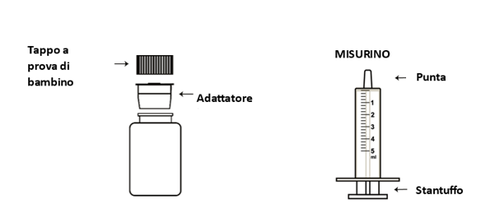
- 1. Shake the closed bottle thoroughly for about 5 seconds before each use.
- 2. Remove the child-proof cap.
- 3. Take the measuring device and push the plunger completely to the end of the measuring device.
- 4. Position the tip of the measuring device firmly into the opening of the bottle adapter.
- 5. Turn the whole thing over (bottle and measuring device - see figure below).
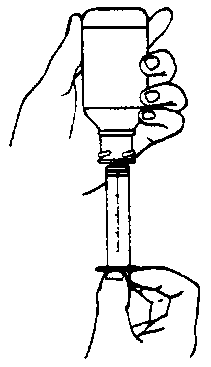
- 6. Slowly retract the plunger. Continue to retract the plunger until the desired amount of medicine is drawn into the measuring device.
- 7. Turn the whole thing upright. Holding the body of the bottle, carefully remove the measuring device from the bottle adapter. The bottle adapter must remain in the bottle. Place the end of the measuring device directly into your mouth and swallow the medicine. Donot mix the medicine with other liquids when you swallow it. Close the bottle with the child-safety cap after each use.
- 8. Immediately after use – disassemble the measuring device, rinse it with running water and let it air dry before using it again. Donot boil the oral measuring device. Donot use solvent-based wipes for cleaning, or wipes or cloths for drying.
If both measuring devices should be lost or damaged, contact your doctor or pharmacist or nurse, who will advise you on how to continue taking the medicine.
If you take more CellCept than you should
If you take more CellCept than you should, inform a doctor or go to hospital immediately.
Do the same if someone else accidentally takes the medicine. Bring the medicine packaging with you.
If you forget to take CellCept
If you forget to take the medicine, take it as soon as you remember, then continue to take it as usual. Do not take a double dose to make up for a missed dose.
If you stop taking CellCept
Do not stop taking CellCept unless your doctor tells you to. Stopping treatment may increase the risk of organ rejection.
If you have any questions about using this medicine, ask your doctor or pharmacist.
4. Possible side effects
Like all medicines, CellCept can cause side effects, although not everybody gets them.
manifest.
See your doctor immediately if you notice any of the following serious side effects; you may
need urgent medical attention:
- presents signs of infection such as fever or sore throat
- presents unexpected bruising or bleeding
- presents a rash, swelling of the face, lips, tongue or throat, with difficulty breathing; may have a severe allergic reaction to the medicine (such as anaphylaxis, angioedema).
Common problems
Some of the most common disorders are diarrhea, decreased white blood cells or red blood cells in the
blood, infections and vomiting. The doctor will perform regular blood tests to check for any
changes:
- in the number of blood cells or signs of infection.
Fighting infections
CellCept lowers the body's defenses to prevent rejection of the transplant. Consequently,
the body will not be able to fight infections effectively as it would under normal
conditions. This means you may be more likely to get infections, for example
infections affecting the brain, skin, mouth, stomach and intestines, lungs and
urinary tract.
Tumors of the lymphatic system and skin
As can happen with other substances of this type (immunosuppressants), a very small number of
patients treated with CellCept have developed tumors of the lymphatic system and skin.
Side effects of a general nature
You may experience side effects concerning the body in general. These include severe
allergic reactions (such as anaphylaxis, angioedema), fever, feeling tired, sleep disorders, pain
(in the stomach, chest, muscles or joints), headache, flu-like symptoms
and swelling.
Other side effects may include:
Skin disorderssuch as:
- acne, herpes labialis, herpes zoster, skin hypertrophy, hair loss, rash and itching.
Urinary tract disorderssuch as:
- blood in the urine.
Gastrointestinal and oral disorderssuch as:
- swelling of the gums and mouth ulcers
- inflammation of the pancreas, colon or stomach
- gastrointestinal disorders including bleeding
- liver disorders
- diarrhea, constipation, discomfort (nausea), indigestion, loss of appetite and flatulence.
Nervous system disorderssuch as:
- feeling dizzy, drowsy or paresthesia
- tremors, muscle spasms, convulsions
- feeling anxious or depressed, altered mood or thinking.
Heart and blood vessel disorderssuch as:
- changes in blood pressure, increased heart rate, dilation of blood vessels.
Lung disorderssuch as:
- pneumonia, bronchitis
- shortness of breath, cough, which may be caused by bronchiectasis (a condition in which the airways are abnormally dilated) or pulmonary fibrosis (scarring of lung tissue). See a doctor if you have a persistent cough or shortness of breath
- fluid accumulation in the lungs or chest
- sinusitis.
Other disorderssuch as:
- weight loss, gout, high blood sugar, bleeding, bruising.
Further side effects in children and adolescents
Children, especially those under 6 years of age, may be more likely to experience some
side effects than adults, including diarrhea, vomiting, infections, reduced red blood cells and white blood cells in the
blood and, possibly, cancer of the lymphatic system or skin.
Reporting side effects
If you get any side effects, even those not listed in this leaflet, tell your
doctor or nurse. You can also report side effects directly through the
national reporting system detailed in Annex V. By reporting side effects you can
help provide more information on the safety of this medicine.
5. How to store CellCept
- Keep this medicine out of the sight and reach of children.
- Do not use this medicine after the expiry date which is stated on the package and on the bottle label after Scad.
- The validity period of the reconstituted suspension is two months. Do not use the suspension after the expiry date.
- Oral suspension powder: do not store at a temperature above 30 °C.
- Reconstituted suspension: do not store at a temperature above 30 °C.
- Do not dispose of any medicine in wastewater or household waste. Ask your pharmacist how to dispose of medicines you no longer use. This will help protect the environment.
6. Contents of the pack and other information
What CellCept contains
- The active ingredient is mycophenolate mofetil. Each bottle contains 35 mg of mycophenolate mofetil
- The other ingredients are: sorbitol, anhydrous colloidal silica, sodium citrate, soybean lecithin, mixed fruit flavour, xanthan gum, aspartame* (E951), methyl parahydroxybenzoate (E218), anhydrous citric acid. Also read paragraph 2, “Important information on some components of CellCept” and “CellCept contains sodium”. * Contains an amount of phenylalanine equivalent to 2.78 mg/5 mL of suspension.
Description of the appearance of CellCept and contents of the pack
- Each bottle contains 35 g of mycophenolate mofetil in 110 g of powder for oral suspension. Reconstitute with 94 mL of purified water. When reconstituted, the volume of the suspension is 175 mL, which provides a usable volume of 160-165 mL. 5 mL of reconstituted suspension contains 1 g of mycophenolate mofetil.
- Also provided are a bottle adapter and 2 oral measuring devices.
7. Reconstitution of the medicine
The pharmacist will usually reconstitute the medicine for you. If you find yourself needing to do it
yourself:
Do not inhale the dry powder. Also try to avoid direct contact with the skin and mucous membranes of the
mouth or nose.
Be careful to avoid contact between the reconstituted medicine and your eyes.
- In this case, rinse your eyes with running water. Be careful to avoid contact between the reconstituted medicine and the skin
- In this case, wash the area thoroughly with water and soap.
- 1. Tap the bottom of the closed vial several times to disperse the powder.
- 2. Measure 94 mL of purified water in a graduated cylinder.
- 3. Add about half of the total amount of purified water to the vial.
- Shake the closed vial thoroughly for about one minute.
- 4. Add the remaining water
- Shake the closed vial thoroughly for another minute or so.
- 5. Remove the child-resistant cap and push the vial adapter into the neck of the vial.
- 6. Close the vial tightly with the child-resistant cap.
- This ensures the proper seating of the adapter in the vial and the correct function of the child-resistant cap.
- 7. Write the expiration date of the reconstituted medicine on the vial label.
- The validity of the reconstituted medicine is 2 months.
Marketing Authorisation Holder
Roche Registration GmbH
Emil-Barell-Strasse 1
79639 Grenzach-Wyhlen
Germany
Manufacturer
Roche Pharma AG, Emil-Barell-Strasse 1, 79639 Grenzach-Wyhlen, Germany.
For further information about this medicine, contact the local representative of the Marketing Authorisation Holder:
Lietuva
UAB “Roche Lietuva”
Tel: +370 5 2546799
България
Рош България ЕООД
Тел: +359 2 818 44 44
België/Belgique/Belgien
N.V. Roche S.A.
Tél/Tel: +32 (0) 2 525 82 11
Luxembourg/Luxemburg
(Voir/siehe Belgique/Belgien)
Česká republika
Roche s. r. o.
Tel: +420 - 2 20382111
Magyarország
Roche (Magyarország) Kft.
Tel: +36 1 279 4500
Danmark
Roche Pharmaceuticals A/S
Tlf: +45 - 36 39 99 99
Malta
(See Ireland)
Deutschland
Roche Pharma AG
Tel: +49 (0) 7624 140
Nederland
Roche Nederland B.V.
Tel: +31 (0) 348 438050
Eesti
Roche Eesti OÜ
Tel: + 372 - 6 177 380
Norge
Roche Norge AS
Tlf: +47 - 22 78 90 00
Ελλάδα
Roche (Hellas) A.E.
Τηλ: +30 210 61 66 100
Österreich
Roche Austria GmbH
Tel: +43 (0) 1 27739
España
Roche Farma S.A.
Tel: +34 - 91 324 81 00
Polska
Roche Polska Sp.z o.o.
Tel: +48 - 22 345 18 88
France
Roche
Tél: +33 (0) 1 47 61 40 00
Portugal
Roche Farmacêutica Química, Lda
Tel: +351 - 21 425 70 00
Hrvatska
Roche d.o.o.
Tel: + 385 1 47 22 333
România
Roche România S.R.L.
Tel: +40 21 206 47 01
Ireland
Roche Products (Ireland) Ltd.
Tel: +353 (0) 1 469 0700
Slovenija
Roche farmacevtska družba d.o.o.
Tel: +386 - 1 360 26 00
Ísland
Roche Pharmaceuticals A/S
c/o Icepharma hf
Sími: +354 540 8000
Slovenská republika
Roche Slovensko, s.r.o.
Tel: +421 - 2 52638201
Italia
Roche S.p.A.
Tel: +39 - 039 2471
Suomi/Finland
Roche Oy
Puh/Tel: +358 (0) 10 554 500
Kύπρος
Γ.Α.Σταμάτης & Σια Λτδ.
Τηλ: +357 - 22 76 62 76
Sverige
Roche AB
Tel: +46 (0) 8 726 1200
Latvija
Roche Latvija SIA
Tel: +371 - 6 7039831
United Kingdom (Northern Ireland)
Roche Products (Ireland) Ltd.
Tel: +44 (0) 1707 366000
Other sources of information
More detailed information about this medicine is available on the website of the European Medicines Agency: http://www.ema.europa.eu/
CellCept 500 mg film-coated tablets
mycophenolate mofetil
Read this leaflet carefully before you start taking this medicine as it contains important
information for you.
- Keep this leaflet. You may need to read it again.
- If you have any questions, ask your doctor or pharmacist.
- This medicine has been prescribed for you only. Do not pass it on to others, even if their symptoms are the same as yours, as it could be harmful.
- If you get any side effects, even those not listed in this leaflet, tell your doctor or pharmacist. See section 4.
Contents of this leaflet
- 1. What CellCept is and what it is used for
- 2. What you need to know before you take CellCept
- 3. How to take CellCept
- 4. Possible side effects
- 5. How to store CellCept
- 6. Contents of the pack and other information
1. What is CellCept and what is it used for
CellCept contains mycophenolate mofetil.
- This belongs to a group of medicines called “immunosuppressants”. CellCept is used in adults and children to prevent the body from rejecting a transplanted organ.
- Kidney, heart or liver. CellCept must be used in combination with other medicines:
- cyclosporine and corticosteroids.
2. What you need to know before you take CellCept
WARNING
Mycophenolate causes birth defects and miscarriage. If you are a woman who can become pregnant
you must have a negative pregnancy test before starting treatment and follow your doctor's advice regarding contraception.
Your doctor will talk to you and give you written information, especially about the effects of
mycophenolate on the unborn child. Read the information carefully and follow the instructions.
If you do not fully understand these instructions, ask your doctor to explain them again before
taking mycophenolate. Also read the information within this paragraph under the headings
“Warnings and precautions” and “Pregnancy and breastfeeding”.
Do not take CellCept:
- if you are allergic to mycophenolate mofetil, mycophenolic acid or any of the other ingredients of this medicine (listed in section 6)
- if you are a woman who can become pregnant and have not had a negative pregnancy test before your first prescription, as mycophenolate causes birth defects and miscarriage
- if you are pregnant, if you suspect you are pregnant or if you are planning to become pregnant
- if you are not using any effective method of contraception (see Contraception, pregnancy, and breastfeeding)
- if you are breastfeeding.
Do not take this medicine if any of the above conditions apply to you. If you have any
doubts, talk to your doctor or pharmacist before taking CellCept.
Warnings and precautions
Tell your doctor immediately before starting treatment with CellCept:
- if you are over 65 years of age, as you may have an increased risk of developing adverse events such as some viral infections, gastrointestinal bleeding and pulmonary edema compared to younger patients
- if you have signs of infection such as fever or sore throat
- if you develop unexplained bruising or bleeding
- if you have ever suffered from a digestive disorder, such as a stomach ulcer.
- if you are planning a pregnancy or if you become pregnant while you or your partner are being treated with CellCept
- if you suffer from a hereditary enzyme deficiency such as Lesch-Nyhan syndrome and Kelley-Seegmiller syndrome.
If any of the above conditions apply to you (or you have any doubts), tell your
doctor immediately before starting treatment with CellCept.
Effects of sunlight
CellCept lowers the body's defenses, determining a higher risk of skin cancer.
Limit exposure to the sun and UV rays by:
- wearing protective clothing that covers your head, neck, arms and legs
- using products with a high sun protection factor.
Children
Children, especially those under 6 years of age, may be more likely to experience certain
side effects than adults, including diarrhea, vomiting, infections, reduced red blood cells and white blood cells in
the blood, and possibly cancer of the lymphatic system or skin.
The tablets are only suitable for children who are able to swallow solid medicines without the risk of
choking. The medicine should therefore only be given as prescribed by the doctor.
If you have any doubts about treating the child, consult your doctor or pharmacist before
use.
Other medicines and CellCept
Tell your doctor or pharmacist if you are taking or have recently taken any other
medicines, including those obtained without a prescription, such as herbal medicines.
CellCept can alter the activity of other medicines. Other medicines can also interact with
CellCept.
In particular, tell your doctor or pharmacist if you are taking any of the following medicines before
taking CellCept:
- azathioprine or other medicines that suppress the immune system, prescribed after an organ transplant
- cholestyramine, used to treat high cholesterol
- rifampicin, an antibiotic used to prevent and treat infections such as tuberculosis (TB)
- antacids or proton pump inhibitors, used for problems with acidity in the stomach such as indigestion
- phosphate binders, used in patients with chronic kidney failure to reduce phosphate absorbed from the blood
- antibiotics, used to treat bacterial infections
- isavuconazole, used to treat fungal infections
- telmisartan, used to treat high blood pressure.
Vaccines
If you are to receive a vaccination (live vaccine) during treatment with CellCept, tell your
doctor or pharmacist first. Your doctor will advise you which vaccine is suitable for you.
You should not donate blood during treatment with CellCept and for at least 6 weeks after
stopping treatment. Men should not donate sperm during treatment with
CellCept and for at least 90 days after stopping treatment.
CellCept with food and drink
The consumption of food and drinks has no effect on treatment with CellCept.
Contraception in women taking CellCept
If you are a woman who can become pregnant, you must use an effective method of contraception with
CellCept. This means:
- before starting to take CellCept
- during the entire treatment with CellCept
- for 6 weeks after stopping treatment with CellCept. Talk to your doctor about the most suitable method of contraception for you. This will depend on your individual situation. The use of two methods of contraception is preferable to reduce the risk of unwanted pregnancy. Contact your doctor as soon as possible if you think the contraceptive used maynot have been effective or if you have forgotten to take your contraceptive pill.
You cannot become pregnant if any of the following conditions apply to you:
- you are menopausal, i.e. you are at least 50 years old and your last menstrual period was more than a year ago (if your menstrual cycle has stopped because you have undergone cancer treatment, there is still a possibility that you may become pregnant).
- your fallopian tubes and both ovaries have been surgically removed (bilateral salpingo-oophorectomy).
- your uterus has been surgically removed (hysterectomy).
- your ovaries no longer function (premature ovarian failure, which has been confirmed by a gynecologist).
- you were born with one of the rare conditions that make pregnancy impossible: XY genotype, Turner syndrome or uterine agenesis.
- you are a child or adolescent who has not yet had her first menstrual period.
Contraception in men taking CellCept
Although available clinical data do not indicate an increased risk of birth defects or miscarriages
when the father takes mycophenolate, this risk cannot be completely ruled out.
As a precaution, therefore, both you and your partner are advised to use a reliable method of contraception
during treatment and for 90 days after stopping CellCept therapy.
If you are planning a pregnancy, talk to your doctor about the potential risks and alternative therapies.
Pregnancy and breastfeeding
If you are pregnant, if you suspect you are pregnant or if you are planning to become pregnant or if you are breastfeeding, ask your doctor or pharmacist for advice before taking this medicine. The doctor
will discuss with you the risks in case of pregnancy and the alternative treatments you can undergo to
prevent rejection of the transplanted organ if:
- you are planning a pregnancy
- you miss or think you have missed a menstrual period, if you have unusual menstrual bleeding or if you suspect a pregnancy
- you have had unprotected sex. If you become pregnant during treatment with mycophenolate, you should inform your doctor immediately. In any case, continue to take CellCept until you see your doctor.
Pregnancy
Mycophenolate very frequently causes miscarriage (50%) and serious birth defects (23-27%) in
the unborn child. The reported birth defects include abnormalities of the ears, eyes, face
(cheiloschisis/palatoschisis), development of the fingers, heart, esophagus (tubular organ that
connects the throat and stomach), kidneys and nervous system (e.g. spina bifida [where the bones
of the spine are not fully developed]). The baby may have one or more of these
defects.
If you are a woman who can become pregnant, you must have a negative pregnancy test
before starting treatment and follow your doctor's advice regarding contraception. Your doctor
may require more than one test to make sure you are not pregnant before starting
treatment.
Breastfeeding
Do not take CellCept if you are breastfeeding. Small amounts of the medicine can
pass into breast milk.
Driving and using machines
CellCept moderately impairs the ability to drive vehicles or operate tools or machines. If
you feel sleepy, dizzy or confused, consult your doctor or nurse and do not drive vehicles or
operate tools or machines until you feel better.
CellCept contains sodium
This medicine contains less than 1 mmol (23 mg) of sodium per tablet, i.e. essentially
‘sodium-free’.
3. How to take CellCept
Take this medicine following exactly the instructions of your doctor. If you have any doubts, ask your
doctor or pharmacist.
How much to take
The amount you need to take depends on the type of transplant you have received. The usual doses are
indicated below. Treatment will continue as long as you need to prevent organ rejection
after transplantation.
Kidney transplant
Adults
- The first dose is administered within 3 days following the transplant surgery.
- The daily dose is 4 tablets (2 g of medicine), divided into 2 separate administrations.
- Take 2 tablets in the morning and 2 tablets in the evening.
Children
- The tablets are only suitable for children who are able to swallow solid medicines without the risk of choking. Therefore, the medicine must be administered exclusively as prescribed by the doctor. If you have any doubts, consult your doctor or pharmacist before use.
- The dose to be administered will depend on the child's body surface area.
- The child's doctor will decide the most appropriate dose based on the child's height and weight (body surface area measured in square meters or “m”). The recommended initial dose is 600 mg/m administered twice daily. The recommended maintenance dose remains 600 mg/m twice daily (maximum total daily dose of 2 g or 10 ml of oral suspension). The dose must be individualized based on the doctor's clinical assessment.
Heart transplant
Adults
- The first dose is administered within 5 days following the transplant surgery.
- The daily dose is 6 tablets (3 g of medicine), divided into 2 separate administrations.
- Take 3 tablets in the morning and 3 tablets in the evening.
Children
- The tablets are only suitable for children who are able to swallow solid medicines without the risk of choking. Therefore, the medicine must be administered exclusively as prescribed by the doctor. If you have any doubts, consult your doctor or pharmacist before use.
- The dose to be administered will depend on the child's body surface area.
- The child's doctor will decide the most appropriate dose based on the child's height and weight (body surface area measured in square meters or “m”). The recommended initial dose is 600 mg/m administered twice daily. The dose must be individualized based on the doctor's clinical assessment. If well tolerated, the dose may be increased to 900 mg/m administered twice daily (maximum total daily dose of 3 g).
Liver transplant
Adults
- The first dose of oral CellCept will be administered at least 4 days after the transplant surgery and when you are able to swallow medicines orally.
- The daily dose is 6 tablets (3 g of medicine), divided into 2 separate administrations.
- Take 3 tablets in the morning and 3 tablets in the evening.
Children
- The tablets are only suitable for children old enough to swallow solid medicines without the risk of choking. Therefore, the medicine must be administered exclusively as prescribed by the doctor. If you have any doubts, consult your doctor or pharmacist before use.
- The dose to be administered will depend on the child's body surface area.
- The child's doctor will decide the most appropriate dose based on the child's height and weight (body surface area measured in square meters or “m”). The recommended initial dose is 600 mg/m administered twice daily. The dose must be individualized based on the doctor's clinical assessment. If well tolerated, the dose may be increased to 900 mg/m administered twice daily (maximum total daily dose of 3 g).
Taking the medicine
- Swallow the tablets whole with a glass of water.
- The tablets should not be broken or crushed.
If you take more CellCept than you should
If you take more CellCept than you should, tell a doctor or go to hospital immediately.
Do the same if someone else accidentally takes the medicine. Bring the packaging of the
medicine with you.
If you forget to take CellCept
If you forget to take the medicine, take it as soon as you remember, then continue to take it
as usual. Do not take a double dose to make up for a missed dose.
If you stop taking CellCept
Do not stop taking CellCept unless your doctor tells you to. Stopping treatment
may increase the risk of organ rejection.
If you have any doubts about using this medicine, ask your doctor or pharmacist.
4. Possible side effects
Like all medicines, CellCept can cause side effects, although not everybody gets them.
manifest.
See a doctor immediately if you notice any of the following serious side effects; you may
need urgent medical treatment:
- presents signs of infection such as fever or sore throat
- presents unexpected bruising or bleeding
- presents a skin rash, swelling of the face, lips, tongue or throat, with difficulty breathing; may have a severe allergic reaction to the medicine (such as anaphylaxis, angioedema).
Common problems
Some of the most common disorders are diarrhea, decreased white blood cells or red blood cells in the
blood, infections and vomiting. The doctor will perform regular blood tests to check for any
changes:
- in the number of blood cells or signs of infection.
Fighting infections
CellCept lowers the body's defenses to prevent rejection of the transplant. Consequently,
the body will not be able to fight infections effectively as it would under normal
conditions. This means that you may be more likely to develop infections, for example
infections affecting the brain, skin, mouth, stomach and intestines, lungs and
urinary tract.
Tumors of the lymphatic system and skin
As can happen with other substances of this type (immunosuppressants), a very small number of
patients treated with CellCept have developed tumors of the lymphatic system and skin.
General side effects
You may experience side effects concerning the body in general. These include serious
allergic reactions (such as anaphylaxis, angioedema), fever, feeling tired, sleep disorders,
pains (in the stomach, chest, muscles or joints), headache, flu-like symptoms
and swelling.
Other side effects may include:
Skin disorderssuch as:
- acne, herpes labialis, herpes zoster, skin hypertrophy, hair loss, rash and itching.
Urinary tract disorderssuch as:
- blood in the urine.
Gastrointestinal and oral disorderssuch as:
- gum swelling and mouth ulcers
- inflammation of the pancreas, colon or stomach
- gastrointestinal disorders including bleeding
- liver disorders
- diarrhea, constipation, discomfort (nausea), indigestion, loss of appetite and flatulence. Nervous system disorderssuch as:
- feeling dizzy, drowsy or paresthesia
- tremors, muscle spasms, convulsions
- feeling anxious or depressed, changes in mood or thinking.
Heart and blood vessel disorderssuch as:
- changes in blood pressure, increased heart rate and dilation of blood vessels.
Lung disorderssuch as:
- pneumonia, bronchitis
- shortness of breath, cough, which may be caused by bronchiectasis (a condition in which the airways are abnormally dilated) or pulmonary fibrosis (scarring of lung tissue). See a doctor if you have a persistent cough or shortness of breath,
- fluid accumulation in the lungs or chest
- sinusitis.
Other disorderssuch as:
- weight loss, gout, high blood sugar, bleeding and bruising.
Further side effects in children and adolescents
Children, especially those under 6 years of age, may be more likely than adults to experience some
side effects, including diarrhea, vomiting, infections, reduced red blood cells and white blood cells in the
blood and, possibly, cancer of the lymphatic system or skin.
Reporting side effects
If you get any side effect, even if not listed in this leaflet, tell your
doctor or nurse. You can also report side effects directly through the
national reporting system detailed in Appendix V. By reporting side effects you can
help provide more information on the safety of this medicine.
5. How to store CellCept
- Keep this medicine out of the sight and reach of children.
- Do not use this medicine after the expiry date which is stated on the pack after Exp.
- Do not store at a temperature above 30 °C.
- Store in the original package to protect the medicine from moisture.
- Do not dispose of any medicine in wastewater or household waste. Ask your pharmacist how to dispose of medicines you no longer use. This will help protect the environment.
6. Package contents and other information
What CellCept film-coated tablets contain
- The active ingredient is mycophenolate mofetil. Each tablet contains 500 mg of mycophenolate mofetil.
- The other ingredients are:
- CellCept tablets: microcrystalline cellulose, polyvinylpyrrolidone (K-90), crosslinked sodium carboxymethylcellulose, magnesium stearate (see section 2, “CellCept contains sodium”).
- Tablet coating: hydroxypropylmethylcellulose, hydroxypropylcellulose, titanium dioxide (E171), polyethylene glycol 400, indigotine (E132), red iron oxide (E172).
Description of the appearance of CellCept and package contents
- CellCept tablets are lavender-colored, oval-shaped tablets with the inscription “CellCept 500” on one side and the name “Roche” on the other.
- They are available in packs of 50 (blister packs of 10 tablets) or in multiple packs containing 150 (3 packs of 50) tablets. Not all pack sizes may be marketed.
Marketing Authorisation Holder
Roche Registration GmbH
Emil-Barell-Strasse 1
79639 Grenzach-Wyhlen
Germany
Manufacturer
Roche Pharma AG, Emil-Barell-Strasse 1, 79639 Grenzach-Wyhlen, Germany.
For further information on this medicinal product, contact the local representative of the Marketing Authorisation Holder:
Lietuva
UAB “Roche Lietuva”
Tel: +370 5 2546799
България
Рош България ЕООД
Тел: +359 2 818 44 44
België/Belgique/Belgien
N.V. Roche S.A.
Tél/Tel: +32 (0) 2 525 82 11
Luxembourg/Luxemburg
(Voir/siehe Belgique/Belgien)
Česká republika
Roche s. r. o.
Tel: +420 - 2 20382111
Magyarország
Roche (Magyarország) Kft.
Tel: +36 1 279 4500
Danmark
Roche Pharmaceuticals A/S
Tlf: +45 - 36 39 99 99
Malta
(See Ireland)
Deutschland
Roche Pharma AG
Tel: +49 (0) 7624 140
Nederland
Roche Nederland B.V.
Tel: +31 (0) 348 438050
Eesti
Roche Eesti OÜ
Tel: + 372 - 6 177 380
Norge
Roche Norge AS
Tlf: +47 - 22 78 90 00
Ελλάδα
Roche (Hellas) A.E.
Τηλ: +30 210 61 66 100
Österreich
Roche Austria GmbH
Tel: +43 (0) 1 27739
España
Roche Farma S.A.
Tel: +34 - 91 324 81 00
Polska
Roche Polska Sp.z o.o.
Tel: +48 - 22 345 18 88
France
Roche
Tél: +33 (0) 1 47 61 40 00
Portugal
Roche Farmacêutica Química, Lda
Tel: +351 - 21 425 70 00
Hrvatska
Roche d.o.o.
Tel: + 385 1 47 22 333
România
Roche România S.R.L.
Tel: +40 21 206 47 01
Ireland
Roche Products (Ireland) Ltd.
Tel: +353 (0) 1 469 0700
Slovenija
Roche farmacevtska družba d.o.o.
Tel: +386 - 1 360 26 00
Ísland
Roche Pharmaceuticals A/Sc/o Icepharma hf
Sími: +354 540 8000
Slovenská republika
Roche Slovensko, s.r.o.
Tel: +421 - 2 52638201
Italia
Roche S.p.A.
Tel: +39 - 039 2471
Suomi/Finland
Roche Oy
Puh/Tel: +358 (0) 10 554 500
Kύπρος
Γ.Α.Σταμάτης & Σια Λτδ.
Τηλ: +357 - 22 76 62 76
Sverige
Roche AB
Tel: +46 (0) 8 726 1200
Latvija
Roche Latvija SIA
Tel: +371 - 6 7039831
United Kingdom (Northern Ireland)
Roche Products (Ireland) Ltd.
Tel: +44 (0) 1707 366000
Other sources of information
More detailed information on this medicinal product is available on the website of the European Medicines Agency: http://www.ema.europa.eu/

Виникли питання під час прийому ліків?
Обговоріть свої симптоми та лікування з лікарем онлайн.
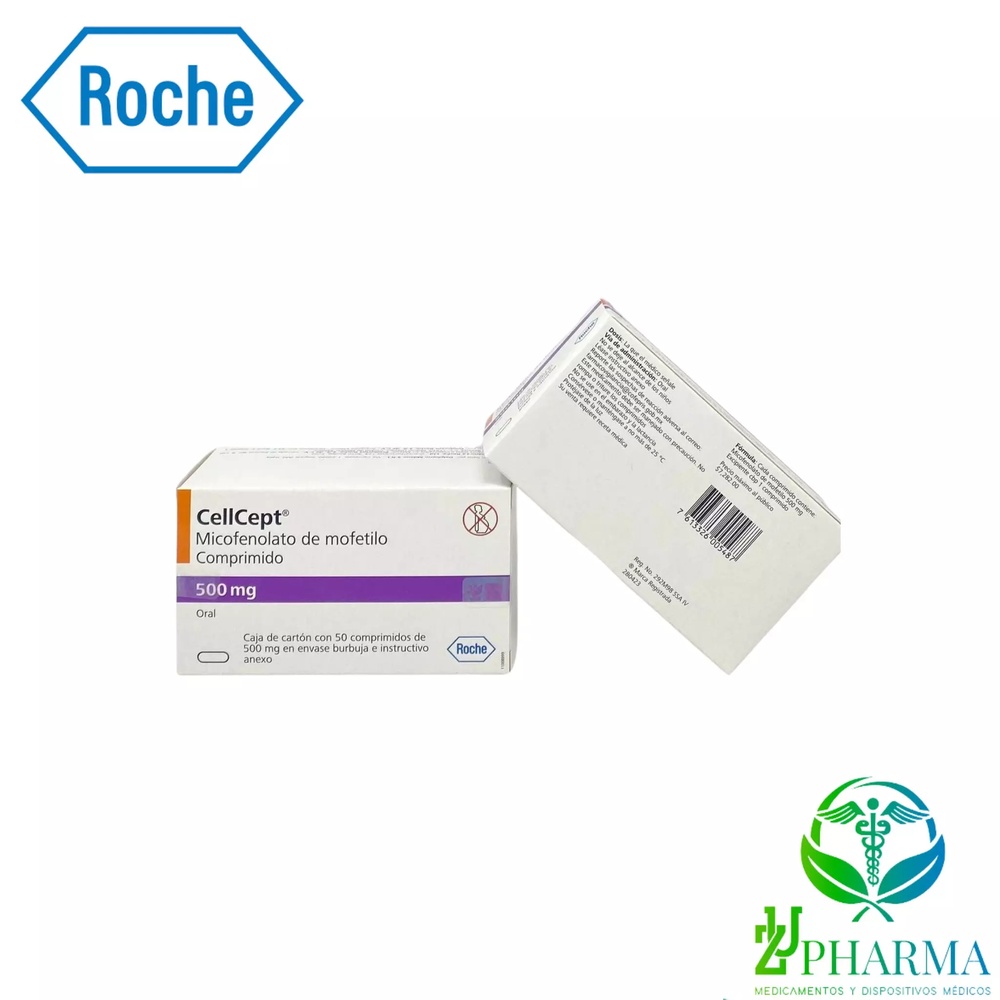
- Країна реєстрації
- Лікарська формаHard capsule, 250 MG
- Код АТХL04AA06
- Діюча речовина
- Потрібен рецептТак
- Виробник
- Ця інформація надана лише для ознайомлення і не є медичною порадою. Рішення щодо лікування завжди приймає лікар.
- Альтернативи до KELLKEPTЛікарська форма: Enteric-coated tablet, 180 MGДіюча речовина: микофеноловой кислотыВиробник: ACCORD HEALTHCARE BVПотрібен рецептЛікарська форма: Enteric-coated tablet, 180 MGДіюча речовина: микофеноловой кислотыВиробник: SANDOZ A/SПотрібен рецептЛікарська форма: Hard capsule, 250 MGДіюча речовина: микофеноловой кислотыВиробник: ACCORD HEALTHCARE BVПотрібен рецепт
Аналоги KELLKEPT в інших країнах
Препарати з тією самою діючою речовиною, доступні в інших країнах.
Аналог KELLKEPT у Іспанія
Аналог KELLKEPT у Польща
Аналог KELLKEPT у Україна
Лікарі онлайн щодо KELLKEPT
Застосування, безпека та можливість призначення рецепта — за результатами медичної оцінки.
Отримайте рецепт на KELLKEPT онлайн
Заповніть форму за 2 хвилини
Розкажіть про симптоми, історію хвороби та потрібний препарат.
Оберіть лікаря або ми призначимо
Оберіть спеціаліста або ми підберемо найближчого доступного лікаря.
Лікар розглядає ваш випадок
Зазвичай протягом 30 хвилин. Може ставити уточнювальні запитання в чаті.
Отримайте в будь-якій аптеці
Електронний рецепт надсилається на вашу пошту — дійсний по всій Польщі.
Часті запитання
KELLKEPT потребує рецепта в Італія. Ви можете обговорити з лікарем онлайн, чи підходить цей лікарський засіб для вашої ситуації.
Діюча речовина у KELLKEPT — микофеноловой кислоты. Це допомагає визначити препарати з тим самим складом, але під іншими торговими назвами.
KELLKEPT виробляється компанією ROCHE REGISTRATION GMBH. Назва бренду та упаковка можуть відрізнятися залежно від дистрибʼютора.
Лікарі, зокрема Сімейні лікарі, Психіатри, Дерматологи, Кардіологи, Ендокринологи, Гастроентерологи, Пульмонологи, Нефрологи, Ревматологи, Гематологи, Інфекціоністи, Алергологи, Геріатри, Педіатри, Онкологи, можуть оцінити доцільність застосування KELLKEPT з урахуванням вашого стану та місцевих правил. Ви можете записатися на онлайн-консультацію, щоб обговорити симптоми та можливі подальші кроки.
Польща має добре розвинену систему охорони здоров'я у великих містах, таких як Варшава, Краків, Вроцлав і Гданськ. Аптеки широко доступні та працюють відповідно до чинного законодавства, забезпечуючи доступ до рецептурних препаратів.
Ви можете придбати KELLKEPT у Варшаві, Кракові, Вроцлаві або Гданську в будь-якій аптеці за наявності дійсного рецепта.
Щоб отримати рецепт, ви можете скористатися Oladoctor:
Інші препарати з тією самою діючою речовиною (микофеноловой кислоты) включають AKIDO MIKOFENOLIKO AKKORD, KEPTAVA, MIKOFENOLATO MOFETILE AKKORD. Вони можуть відрізнятися торговою назвою або формою випуску, але містять той самий терапевтичний компонент. Перед зміною або початком прийому нового препарату варто проконсультуватися з лікарем.
