



BETADINE 10% Вагинальное решение

Рассмотрение рецепта онлайн
Врач рассмотрит ваш случай и примет решение о назначении рецепта, если это медицински оправдано.

Поговорите с врачом об этом лекарстве
Обсудите симптомы и возможные дальнейшие шаги на онлайн-консультации.



Инструкция по применению BETADINE
Содержание инструкции
- BETADINE 10% Alcoholic Cutaneous Solution
- What is Betadine 10% Alcoholic Cutaneous Solution and what is it used for
- What you need to know before using Betadine 10% Alcoholic Cutaneous Solution
- How to use Betadine 10% Alcoholic Cutaneous Solution
- Possible side effects
- How to store Betadine 10% Alcoholic Cutaneous Solution
- Contents of the pack and other information
- BETADINE 5% Alcoholic cutaneous solution
- What is Betadine 5% Alcoholic Cutaneous Solution and what is it used for
- What you need to know before using Betadine 5% Alcoholic Cutaneous Solution
- How to use Betadine 5% Alcoholic Cutaneous Solution
- Possible side effects
- How to store Betadine 5% Alcoholic cutaneous solution
- Contents of the pack and other information
- BETADINE 5% Alcoholic cutaneous solution, in single-use containers
- What is Betadine 5% Alcoholic Cutaneous Solution and what is it used for
- What you need to know before using Betadine 5% Alcoholic Cutaneous Solution
- How to use Betadine 5% Alcoholic Cutaneous Solution
- Possible side effects
- How to store Betadine 5% Alcoholic cutaneous solution
- Contents of the pack and other information
- BETADINE 1% Collutory
- BETADINE 10% concentrate and solvent for vaginal solution
- BETADINE 0.2 g vaginal tablets
- BETADINE 5% cream
- BETADINE 10% Impregnated Gauze
- BETADINE 10% vaginal gel
- BETADINE 10% Gel
- BETADINE 10% cutaneous solution
- BETADINE 10% cutaneous solution
- BETADINE 10% cutaneous solution
- BETADINE 10% cutaneous solution
- BETADINE 10% cutaneous solution
- BETADINE 10% vaginal solution
BETADINE 10% Alcoholic Cutaneous Solution
Iodopovidone
Read this leaflet carefully before using this medicine as it contains important
information for you.
Always use this medicine exactly as described in this leaflet or as your doctor or pharmacist
has told you to.
- Keep this leaflet. You may need to read it again.
- If you want more information or advice, ask your pharmacist.
- If any undesirable effects occur, including effects not listed in this leaflet, tell your doctor or pharmacist. See section 4.
- See a doctor if you do not feel better or if your symptoms worsen after a short period of treatment.
Contents of this leaflet:
- 1. What Betadine 10% Alcoholic Cutaneous Solution is and what it is used for
- 2. What you need to know before using Betadine 10% Alcoholic Cutaneous Solution
- 3. How to use Betadine 10% Alcoholic Cutaneous Solution
- 4. Possible side effects
- 5. How to store Betadine 10% Alcoholic Cutaneous Solution
- 6. Contents of the pack and other information
1. What is Betadine 10% Alcoholic Cutaneous Solution and what is it used for
Betadine 10% Alcoholic Cutaneous Solution contains povidone-iodine, a disinfectant for local use.
Betadine 10% Alcoholic Cutaneous Solution is indicated for the cleaning and disinfection of minor skin lesions
such as superficial wounds of small size and pressure ulcers (skin lesions affecting parts
of the body subjected to pressure for prolonged periods) of mild severity, in adults and children over the age
of 2 years.The medicine can be used for the disinfection of intact skin before a
surgical intervention.
2. What you need to know before using Betadine 10% Alcoholic Cutaneous Solution
Do not use Betadine 10% Alcoholic Cutaneous Solution
- If you are allergic to povidone-iodine, or to any of the other ingredients of this medicine (listed in section 6).
- If you suffer from thyroid disorders.
- Before, during and after the administration of radioactive iodine (see section "Other medicines and Betadine").
- If you are using products containing mercury (see section "Other medicines and Betadine").
- If the child is under 2 years of age.
Warnings and precautions
Consult your doctor or pharmacist before using Betadine 10% Alcoholic Cutaneous Solution.
Betadine 10% Alcoholic Cutaneous Solution is only for external useand should not be applied to severely damaged skin or large areas.
Ingestion or accidental inhalation of some disinfectants can have serious, sometimes fatal, consequences.
Avoidcontact with the eyes.
Do not use this medicine for prolonged treatments: the use, especially if prolonged, of topical products can cause allergic reactions (see section “Possible side effects”). In this case, stop the treatment and consult your doctor who will prescribe the appropriate therapy.
Particular caution should be used in patients with renal insufficiency who require regular applications of Betadine to broken skin.
Consult your doctor if you suffer from thyroid disorders (a gland located at the base of the neck). In this case, your doctor may prescribe specific tests (including scintigraphy) to check thyroid function. In case of goiter, thyroid nodules or other acute and non-acute thyroid pathologies, hyperthyroidism (hyperthyroidism) may develop following the administration of large amounts of iodine.
The use of povidone-iodine can lead to temporary discoloration of the skin at the application site caused by the color of the medicine itself.
Avoid contact with jewelry, especially items containing silver.
Stop treatment at least 10 days before performing a scintigraphy or after a scintigraphy with marked iodine (thyroid function test) or in the treatment with radioactive iodine for thyroid carcinoma.
Children and adolescents
In children and adolescents, the use of povidone-iodine should be minimized due to the increased risk of developing thyroid alterations. Use only when absolutely necessary and under medical supervision.
Betadine 10% alcoholic cutaneous solution is highly flammable. In case of skin irritation, contact dermatitis or hypersensitivity, discontinue use. Do not heat before application.
Other medicines and Betadine 10% Alcoholic Cutaneous Solution
Inform your doctor or pharmacist if you are taking, have recently taken or might take any other medicines.
➢ Avoidthe simultaneous use of other disinfectants and detergents.
➢ Do not usesimultaneously on the treated area with this medicine, products containing mercury or benzoine compounds, carbonates, tannic acid, alkalis, silver, hydrogen peroxide and taurolidine.
➢ Temporary dark staining of the skin in the treated area may occur simultaneously, before or after with povidone-iodine and other antiseptics containing octenidine.
➢ Avoid the simultaneous use of lithium (medicine for mood disorders).
➢ Povidone-iodine can cause false positive results of some laboratory tests (e.g. tests with toluidine or guaiac gum for the determination of hemoglobin or glucose in stool or urine).
➢ Povidone-iodine can interfere with various examinations (thyroid scintigraphy, determination of iodine-binding proteins (PBI), diagnostic with radioactive iodine) and can make a planned thyroid treatment with iodine impossible (therapy with radioactive iodine). After the end of the treatment, wait 4 weeks before performing a new scintigraphy.
Fertility, pregnancy and breastfeeding
If you are pregnant, suspect you are pregnant or are planning a pregnancy, or if you are breastfeeding, ask your doctor or pharmacist for advice before taking this medicine.
Povidone-iodine passes the placenta and is secreted in breast milk. Children of mothers who have received iodine during pregnancy may develop thyroid disorders, including congenital hypothyroidism.
The use of povidone-iodine should be avoided unless the potential benefit for the mother justifies the potential risk to the fetus and newborn.
Fertility
No data are available on effects on fertility.
Driving and operating machinery
Betadine 10% Alcoholic Cutaneous Solution does not impair the ability to drive vehicles or operate machinery.
3. How to use Betadine 10% Alcoholic Cutaneous Solution
Use this medicine following exactly the information provided in this leaflet or as instructed by your doctor or pharmacist. If you have any doubts, consult your doctor or pharmacist.
Apply the alcoholic solution of Betadine undiluted one or two times to the entire area of skin to be disinfected.
Distribute the product with a sterile gauze. Allow to dry completely.
Caution: do not exceed the indicated doses.
The alcoholic solution is highly flammable: it must dry completely before any device is applied.
During pre-operative preparation, avoid accumulation under the patient, as chemical burns of the skin may occur.
Prolonged exposure to humid conditions related to the solution may cause irritation or, rarely, serious skin reactions.
If you use more Betadine 10% Alcoholic Cutaneous Solution than you should
In case of exceeding the recommended doses, voluntarily or accidentally, the following may occur:
- gastrointestinal symptoms (including metallic taste, increased salivation, burning or stinging pain in the mouth and throat, diarrhea)
- reduced or absent urine production (anuria),
- lowering of blood pressure which can also lead to collapse
- circulatory failure
- rapid heartbeat (tachycardia)
- metabolic abnormalities, including metabolic acidosis (alteration of the acid-base balance of the blood)
- swelling of the throat which can lead to asphyxia (inability to breathe) and/or pulmonary edema (presence of fluid in the lungs)
- convulsions
- fever
- thyroid alterations (hyperthyroidism or hypothyroidism).
The following may also occur: irritation or swelling of the eyes (eye swelling), skin rash, increased
levels of sodium (hypernatremia), impaired renal function.
In case of accidental ingestion of the product, consult a doctor immediately, or go to the nearest
hospital.
If you have any doubts about the use of this medicine, ask your doctor or pharmacist.
4. Possible side effects
Like all medicines, this medicine can cause side effects, although not everybody gets them.
Rare side effects (may affect up to 1 in 1,000 people)
- Hypersensitivity
- Contact dermatitis (with skin rashes, small blisters and itching)
Very rare side effects (may affect up to 1 in 10,000 people)
- Allergic reactions
- Angioedema (swelling of hands, feet, face, lips, tongue, throat)
- Hyperthyroidism (excessive thyroid activity)
Side effects with unknown frequency (frequency cannot be estimated from available data)
- Hypothyroidism (reduced thyroid activity)
- Electrolyte imbalance (alteration of electrolyte content)
- Metabolic acidosis (alteration of the acid-base balance of the blood)
- Exfoliative dermatitis (skin disease characterized by scaling)
- Dry skin (especially after repeated applications due to the high alcohol content; the risk is greater for the genital area)
- Skin discoloration
- Acute renal failure
- Abnormal blood osmolarity (alteration of the concentration of substances contained in the blood)
- Contact burn
- Heat burn
Due to its high flammability, the alcohol solution of iodopovidone must dry completely before
using devices (in particular high-frequency surgical devices)
Reporting of side effects
If you get any side effects, even those not listed in this leaflet, tell your doctor or pharmacist. You can also report side effects directly through the national reporting system at www.aifa.gov.it/content/segnalazioni-reazioni-avverse.
By reporting side effects you can help provide more information on the safety of this
medicine.
5. How to store Betadine 10% Alcoholic Cutaneous Solution
Keep this medicine out of the sight and reach of children.
Store at a temperature below 25°C.
Do not use this medicine after the expiry date stated after Exp. The expiry date refers to
the last day of that month.
Do not dispose of any medicine in waste water or household waste. Ask your pharmacist how to dispose of
medicines you no longer use. This will help protect the environment.
6. Contents of the pack and other information
What Betadine 10% Cutaneous Alcoholic Solution contains
100 ml of solution contains:
- The active ingredient is Iodopovidone (10% of iodine) 10 g.
- The other ingredients are: isopropyl alcohol, citric acid, disodium phosphate, purified water.
Description of the appearance of Betadine 10% Cutaneous Alcoholic Solution and contents of the pack
Betadine 10% cutaneous solution is presented as a brown-colored solution contained in a bottle.
The content of the bottle is 1000 ml.
Marketing Authorisation Holder
Viatris Healthcare Limited, Damastown Industrial Park, Mulhuddart, Dublin 15, DUBLIN, Ireland
Manufacturer
Meda Manufacturing Avenue J.F. Kennedy 33700 Merignac France
Mundipharma License
1 Liter Bottle
AIC n. 023907102
Lot
Expiry.



Self-medication medicine
BETADINE 5% Alcoholic cutaneous solution
Iodopovidone
Read this leaflet carefully before using this medicine as it contains important
information for you.
Always use this medicine exactly as described in this leaflet or as your doctor or pharmacist
has told you to do.
- Keep this leaflet. You may need to read it again.
- If you want more information or advice, ask your pharmacist.
- If any side effects occur, including those not listed in this leaflet, tell your doctor or pharmacist. See section 4.
- See a doctor if you do not feel better or if your symptoms worsen after a short period of treatment.
Contents of this leaflet:
- 1. What Betadine 5% Alcoholic cutaneous solution is and what it is used for
- 2. What you need to know before using Betadine 5% Alcoholic cutaneous solution
- 3. How to use Betadine 5% Alcoholic cutaneous solution
- 4. Possible side effects
- 5. How to store Betadine 5% Alcoholic cutaneous solution
- 6. Contents of the pack and other information
1. What is Betadine 5% Alcoholic Cutaneous Solution and what is it used for
Betadine 5% Alcoholic Cutaneous Solution contains iodopovidone, a disinfectant for local use.
Betadine 5% Alcoholic Cutaneous Solution is indicated for disinfecting intact skin before a surgical
procedure or before some invasive procedures such as punctures and injections , in adults and children over the age
of 2 years.
Consult your doctor if you do not feel better or if you feel worse after a short period of treatment.
2. What you need to know before using Betadine 5% Alcoholic Cutaneous Solution
Do not use Betadine 5% Alcoholic Cutaneous Solution
- If you are allergic to povidone-iodine, or to any of the other ingredients of this medicine (listed in section 6)
- If you suffer from thyroid disorders.
- Before, during and after the administration of radioactive iodine (see section "Other medicines and Betadine").
- If you are using products containing mercury (see section "Other medicines and Betadine").
- If the child is under 2 years of age.
Warnings and precautions
Consult your doctor or pharmacist before using Betadine 5% Alcoholic Cutaneous Solution.
Betadine 5% Alcoholic Cutaneous Solution is only for external useand should not be applied to broken skin or to
large areas.
Ingestion or accidental inhalation of some disinfectants can have serious, sometimes fatal consequences.
Avoidcontact with the eyes.
Do not use this medicine for prolonged treatments: the use, especially if prolonged, of products for local use
can cause allergic reactions (see section “Possible side effects”). In this case, stop
treatment and consult your doctor who will prescribe the appropriate therapy.
Particular caution should be used in patients with renal insufficiency who require regular applications of
Betadine to broken skin.
Consult your doctor if you suffer from thyroid disorders (a gland located at the base of the neck). In this
case, your doctor may prescribe specific tests (including scintigraphy) to check the functionality of the
thyroid. In case of goiter, thyroid nodules or other acute and non-acute thyroid pathologies, hyperthyroidism
may develop following the administration of large amounts of iodine.
The use of povidone-iodine can lead to temporary discoloration of the skin at the application site caused
by the color of the medicine itself.
Avoid contact with jewelry, especially articles containing silver.
Stop treatment at least 10 days before performing a scintigraphy or after a scintigraphy with
iodine marked (thyroid function test) or in the treatment with radioactive iodine of thyroid carcinoma.
Children and adolescents
In children and adolescents, the use of povidone-iodine should be minimized due to the greater risk
of developing thyroid disorders. Use only if absolutely necessary and under medical supervision.
Betadine 5% alcoholic cutaneous solution is highly flammable. In case of skin irritation, contact
dermatitis or hypersensitivity, discontinue use. Do not heat before application.
Other medicines and Betadine 5% Alcoholic Cutaneous Solution
Tell your doctor or pharmacist if you are taking, have recently taken or might take any other
medicines.
➢ Avoidthe simultaneous use of other disinfectants and detergents.
➢ Do not usesimultaneously on the treated area with this medicine, products containing
mercury or compounds of benzoin, carbonates, tannic acid, alkalis, silver, hydrogen peroxide and
taurolidine.
➢ Temporary dark coloration of the skin in the treated area may occur simultaneously,
before or after with povidone-iodine and other antiseptics containing octenidine.
➢ Avoid the simultaneous use of lithium (medicine for mood disorders).
➢ Povidone-iodine can cause false positive results of some laboratory tests (e.g. tests with
toluidine or guaiac gum for the determination of hemoglobin or glucose in the stool or in the
urine).
➢ Povidone-iodine can interfere with various tests (thyroid scintigraphy, determination of
iodine-binding proteins (PBI), diagnostic with radioactive iodine) and can make a
planned thyroid treatment with iodine impossible (therapy with radioactive iodine). After the end of
treatment, wait 4 weeks before performing a new scintigraphy.
Fertility, pregnancy and breastfeeding
If you are pregnant, suspect you are pregnant or are planning a pregnancy, or if you are breastfeeding,
ask your doctor or pharmacist for advice before taking this medicine.
Povidone-iodine passes into the placenta and is secreted into breast milk. Children of mothers who have received iodine
during pregnancy may develop thyroid disorders, including congenital hypothyroidism.
The use of povidone-iodine should be avoided unless the potential benefit to the mother justifies the
potential risk to the fetus and newborn.
Fertility
No data are available on the effects on fertility.
Driving and using machines
Betadine 5% Alcoholic Cutaneous Solution does not impair the ability to drive or operate machinery.
Important information about some excipients
This medicine contains 545.52 mg of alcohol (ethanol) per ml.
It may cause a burning sensation on damaged skin.
3. How to use Betadine 5% Alcoholic Cutaneous Solution
Use this medicine following exactly as stated in this leaflet or as instructed by your doctor or pharmacist. If you have any doubts, consult your doctor or pharmacist.
How much
The recommended dose is 1 or 2 applications to the area to be disinfected.
How
Apply the solution undiluted. Distribute the product with a sterile gauze. Allow to dry completely.
Use this medicine only for short periods of time.
Caution: do not exceed the indicated doses without the advice of your doctor.
The alcoholic solution is highly flammable: it must dry completely before any device is applied.
In pre-operative preparation, avoid accumulation under the patient, as chemical burns to the skin may occur.
Prolonged exposure to humidity conditions related to the solution may cause irritation or, rarely, severe skin reactions.
If you use more Betadine 5% Alcoholic Cutaneous Solution than you should
In case of exceeding, voluntarily or accidentally, the recommended doses, the following may occur:
- gastrointestinal symptoms (including metallic taste, increased salivation, burning or stinging pain in the mouth and throat, diarrhea)
- reduced or absent urine production (anuria),
- lowering of blood pressure which can also lead to collapse
- circulatory failure
- rapid heartbeat (tachycardia)
- metabolic abnormalities, including metabolic acidosis (alteration of the acid-base balance of the blood)
- swelling of the throat which can lead to asphyxia (inability to breathe) and/or pulmonary edema (presence of fluid in the lungs)
- convulsions
- fever
- thyroid alterations (hyperthyroidism or hypothyroidism).
The following may also occur: irritation or swelling of the eyes (eye edema), skin rash,
increased sodium levels (hypernatremia), impaired kidney function.
In case of accidental ingestion of the product, consult your doctor immediately, or go to the nearest
hospital.
If you have any doubts about the use of this medicine, ask your doctor or pharmacist.
4. Possible side effects
Like all medicines, this medicine can cause side effects, although not everybody gets them.
manifest.
Rare side effects (may affect up to 1 in 1,000 people)
- Hypersensitivity
- Contact dermatitis (with skin rashes, small blisters and itching)
Very rare side effects (may affect up to 1 in 10,000 people)
- Allergic reactions
- Angioedema (swelling of hands, feet, face, lips, tongue, throat)
- Hyperthyroidism (excessive thyroid activity)
Side effects with unknown frequency (frequency cannot be estimated from available data)
- Hypothyroidism (reduced thyroid activity)
- Electrolyte imbalance (alteration of electrolyte content)
- Metabolic acidosis (alteration of the acid-base balance of the blood)
- Exfoliative dermatitis (skin disease characterized by scaling)
- Dry skin (especially after repeated applications due to the high alcohol content; the risk is greater for the genital area)
- Skin discoloration
- Acute renal failure
- Abnormal blood osmolarity (alteration of the concentration of substances contained in the blood)
- Contact burn
- Heat burn
Due to its high flammability, the alcohol solution of iodopovidone must dry completely
before being able to use devices (in particular high-frequency surgical devices).
Reporting of side effects
If you get any side effects, even those not listed in this leaflet, please tell your
doctor or pharmacist. You can also report side effects directly through the national reporting system at www.aifa.gov.it/content/segnalazioni-reazioni-avverse.
By reporting side effects you can help provide more information on the safety of this
medicine.
5. How to store Betadine 5% Alcoholic cutaneous solution
Keep this medicine out of the sight and reach of children.
This medicine does not require any special storage conditions.
Do not use this medicine after the expiry date which is stated on the bottle after “Exp.”.
The expiry date refers to the last day of that month.
Period of validity after opening the bottle: 6 months.
Do not dispose of any medicine in wastewater or household waste. Ask your pharmacist how to eliminate the
medicines that you no longer use. This will help protect the environment.
6. Contents of the pack and other information
What Betadine 5% Alcoholic Cutaneous Solution contains
- The active ingredient is povidone-iodine (10% of iodine); 100 ml of solution contains 5 g of povidone-iodine.
- The other ingredients are: 96 percent ethanol, 85 percent glycerol, macrogol lauryl ether, purified water.
Description of the appearance of Betadine 5% Alcoholic Cutaneous Solution and contents of the pack
Betadine 5% alcoholic cutaneous solution is presented as a brown-colored solution contained in a bottle of
125 ml or 500 ml.
Marketing Authorisation Holder
Viatris Healthcare Limited, Damastown Industrial Park, Mulhuddart, Dublin 15, DUBLIN, Ireland
Manufacturer
Meda Manufacturing Avenue J.F. Kennedy F - 33700 Merignac France
Mundipharma License

Не уверены, подходит ли вам это лекарство?
Обсудите симптомы и варианты лечения с врачом онлайн.
BETADINE 5% Alcoholic cutaneous solution, in single-use containers
Iodopovidone
Read this leaflet carefully before you start using this medicine as it contains important
information for you.
Always use this medicine exactly as described in this leaflet or as your doctor or pharmacist
has told you to do.
- Keep this leaflet. You may need to read it again.
- If you want any further information or advice, ask your pharmacist.
- If you get any side effects, even those not listed in this leaflet, tell your doctor or pharmacist. See section 4.
- Talk to your doctor if you do not feel better or if you feel worse after a short period of treatment.
Contents of this leaflet:
- 1. What Betadine 5% Alcoholic cutaneous solution is and what it is used for
- 2. What you need to know before you use Betadine 5% Alcoholic cutaneous solution
- 3. How to use Betadine 5% Alcoholic cutaneous solution
- 4. Possible side effects
- 5. How to store Betadine 5% Alcoholic cutaneous solution
- 6. Contents of the pack and other information
1. What is Betadine 5% Alcoholic Cutaneous Solution and what is it used for
Betadine 5% Alcoholic Cutaneous Solution contains povidone-iodine, a disinfectant for local use.
Betadine 5% Alcoholic Cutaneous Solution is indicated for disinfecting intact skin before a surgical
intervention or before certain invasive procedures such as punctures and injections , in adults and children over the age
of 2 years.
Consult your doctor if you do not feel better or if you feel worse after a short period of treatment.
2. What you need to know before using Betadine 5% Alcoholic Cutaneous Solution
Do not use Betadine 5% Alcoholic Cutaneous Solution
- If you are allergic to povidone-iodine, or to any of the other ingredients of this medicine (listed in section 6)
- If you suffer from thyroid disorders.
- Before, during and after the administration of radioactive iodine (see section "Other medicines and Betadine").
- If you are using products containing mercury (see section "Other medicines and Betadine").
- If the child is under 2 years of age.
Warnings and precautions
Consult your doctor or pharmacist before using Betadine 5% Alcoholic Cutaneous Solution.
Betadine 5% Alcoholic Cutaneous Solution is only for external useand should not be applied to broken skin or to
large areas.
Ingestion or accidental inhalation of some disinfectants can have serious, sometimes fatal, consequences.
Avoidcontact with the eyes.
Do not use this medicine for prolonged treatments: the use, especially if prolonged, of products for local use
can cause allergic reactions (see section “Possible side effects”). In this case, stop
treatment and consult your doctor who will prescribe the appropriate therapy.
Particular caution should be used in patients with renal insufficiency who require regular applications of
Betadine to broken skin.
Consult your doctor if you suffer from thyroid disorders (a gland located at the base of the neck). In this
case, the doctor may prescribe specific tests (including scintigraphy) to check thyroid function. In case of goiter, thyroid nodules or other acute and non-acute thyroid pathologies, hyperthyroidism may develop
following administration of large amounts of iodine.
The use of povidone-iodine can lead to temporary discoloration of the skin at the application site caused
by the color of the medicine itself.
Avoid contact with jewelry, especially items containing silver.
Stop treatment at least 10 days before performing a scintigraphy or after a scintigraphy with
iodine marked (thyroid function test) or in the treatment with radioactive iodine of thyroid carcinoma.
Children and adolescents
In children and adolescents, the use of povidone-iodine should be minimized due to the greater risk
of developing thyroid alterations. Use only when absolutely necessary and under medical supervision.
Betadine 5% alcoholic cutaneous solution is highly flammable. If skin irritation, contact dermatitis or hypersensitivity occurs, discontinue use. Do not heat before application.
Other medicines and Betadine 5% Alcoholic Cutaneous Solution
Inform your doctor or pharmacist if you are taking, have recently taken or might take any
other medicine.
➢ Avoidthe simultaneous use of other disinfectants and detergents.
➢ Do not usesimultaneously on the treated area, products containing
mercury or compounds of benzoin, carbonates, tannic acid, alkalis, silver, hydrogen peroxide and
taurolidine.
➢ Temporary dark coloration of the skin in the area treated simultaneously, before or after with povidone-iodine and other antiseptics containing octenidine may occur.
➢ Avoid the simultaneous use of lithium (medicine for mood disorders).
➢ Povidone-iodine can cause false positive results of some laboratory tests (e.g. tests with
toluidine or guaiac gum for the determination of hemoglobin or glucose in stool or
urine).
➢ Povidone-iodine can interfere with several examinations (thyroid scintigraphy, determination of
iodine-binding proteins (PBI), diagnostic with radioactive iodine) and can make impossible a
planned treatment of the thyroid with iodine (therapy with radioactive iodine). After the end of
treatment, before performing a new scintigraphy, you must wait 4 weeks.
Fertility, pregnancy and breastfeeding
If you are pregnant, suspect you are pregnant or are planning a pregnancy, or if you are breastfeeding with breast
milk, ask your doctor or pharmacist for advice before taking this medicine.
Povidone-iodine passes the placenta and is secreted in breast milk. Children of mothers who have received iodine
during pregnancy may develop thyroid disorders, including congenital hypothyroidism.
The use of povidone-iodine should be avoided unless the potential benefit to the mother justifies the
potential risk to the fetus and newborn.
Fertility
No data are available on the effects on fertility.
Driving and operating machinery
Betadine 5% Alcoholic Cutaneous Solution does not impair the ability to drive vehicles or operate machinery.
Important information about some excipients
This medicine contains 545.52 mg of alcohol (ethanol) per ml.
It may cause a burning sensation on damaged skin.
3. How to use Betadine 5% Alcoholic Cutaneous Solution
Use this medicine following exactly as stated in this leaflet or as instructed by your doctor or pharmacist. If you have any doubts, consult your doctor or pharmacist.
How much
The recommended dose is 1 or 2 applications to the area to be disinfected.
How
- 1) take a bottle from the blister pack;
- 2) rotate to remove the cap of the container and use the solution;
- 3) apply the solution covering the entire area to be treated.
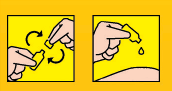
The solution, when applied in this way, creates a protective film that does not stain. Use this medicine only for
short periods of time.
Caution: do not exceed the indicated doses without the advice of your doctor.
The alcoholic solution is highly flammable: it must dry completely before any device is applied.
In pre-operative preparation, avoid accumulation under the patient, as chemical burns of the skin may occur.
Prolonged exposure to humidity conditions related to the solution may cause
irritation or, rarely, severe skin reactions.
If you use more Betadine 5% Alcoholic Cutaneous Solution than you should
In case of exceeding, voluntarily or accidentally, the recommended doses, the following may occur:
- gastrointestinal symptoms (including metallic taste, increased salivation, burning or stinging pain in the mouth and throat, diarrhea)
- reduced or absent urine production (anuria),
- lowering of blood pressure which can also lead to collapse
- circulatory failure
- rapid heartbeat (tachycardia)
- metabolic abnormalities, including metabolic acidosis (alteration of the acid-base balance of the blood)
- swelling of the throat which can lead to asphyxia (inability to breathe) and/or pulmonary edema (presence of fluid in the lungs)
- convulsions
- fever
- thyroid alterations (hyperthyroidism or hypothyroidism).
The following may also occur: irritation or swelling of the eyes (eye swelling), skin rash,
increased sodium levels (hypernatremia), impaired kidney function.
In case of accidental ingestion of the product, consult your doctor immediately, or go to the nearest
hospital.
If you have any doubts about the use of this medicine, ask your doctor or pharmacist.
4. Possible side effects
Like all medicines, this medicine can cause side effects, although not everybody gets them.
manifest.
Rare side effects (may affect up to 1 in 1,000 people)
- Hypersensitivity
- Contact dermatitis (with skin rashes, small blisters and itching)
Very rare side effects (may affect up to 1 in 10,000 people)
- Allergic reactions
- Angioedema (swelling of hands, feet, face, lips, tongue, throat)
- Hyperthyroidism (excessive thyroid activity)
Side effects with unknown frequency (frequency cannot be estimated from available data)
- Hypothyroidism (reduced thyroid activity)
- Electrolyte imbalance (alteration of electrolyte content)
- Metabolic acidosis (alteration of the acid-base balance of the blood)
- Exfoliative dermatitis (skin disease characterized by scaling)
- Dry skin (especially after repeated applications due to the high alcohol content; the risk is greater for the genital area)
- Skin discoloration
- Acute renal failure
- Abnormal blood osmolarity (alteration of the concentration of substances contained in the blood)
- Contact burn
- Heat burn.
Due to its high flammability, the alcohol solution of iodopovidone must dry completely
before being able to use devices (in particular high-frequency surgical devices).
Reporting of side effects
If you get any side effects, even those not listed in this leaflet, please tell your
doctor or pharmacist. You can also report side effects directly through the national
reporting system at www.aifa.gov.it/content/segnalazioni-reazioni-avverse.
By reporting side effects you can help provide more information on the safety of this
medicine.
5. How to store Betadine 5% Alcoholic cutaneous solution
Keep this medicine out of sight and reach of children.
This medicine does not require any special storage conditions.
Do not use this medicine after the expiry date which is reported on the box and on the single-dose container
after “Exp.”.
The expiry date refers to the last day of that month.
Do not dispose of any medicine in wastewater or household waste. Ask your pharmacist how to dispose of
medicines that you no longer use. This will help protect the environment.
6. Contents of the pack and other information
What Betadine 5% Alcoholic Cutaneous Solution contains
- The active ingredient is povidone-iodine (10% of iodine); 100 ml of solution contains 5 g of povidone-iodine.
- The other ingredients are: 96 percent ethanol, 85 percent glycerol, macrogol lauryl ether, purified water.
Description of the appearance of Betadine 5% Alcoholic Cutaneous Solution and contents of the pack
Betadine 5% alcoholic cutaneous solution, in single-use containers appears as a brown-colored solution
contained in strips of 10 ml single-use containers, packaged in a cardboard box.
Betadine 5% alcoholic cutaneous solution, in single-use containers is available in packs of 5 and 10
containers.
Marketing Authorisation Holder
Viatris Healthcare Limited, Damastown Industrial Park, Mulhuddart, Dublin 15, DUBLIN, Ireland
Manufacturer
Meda Manufacturing
Avenue J.F. Kennedy
- F - 33700 Merignac France Mundipharma License
BETADINE 1% Collutory
Iodopovidone
Read this leaflet carefully before using this medicine as it contains important
information for you.
Always use this medicine exactly as described in this leaflet or as your doctor or pharmacist
has told you to.
- Keep this leaflet. You may need to read it again.
- If you want more information or advice, ask your pharmacist.
- If any side effects occur, including those not listed in this leaflet, tell your doctor or pharmacist. See section 4.
- See a doctor if you do not feel better or if your symptoms worsen after a short period of treatment.
Contents of this leaflet:
- 1. What Betadine 1% Collutory is and what it is used for
- 2. What you need to know before using Betadine 1% Collutory
- 3. How to use Betadine 1% Collutory
- 4. Possible side effects
- 5. How to store Betadine 1% Collutory
- 6. Contents of the pack and other information
1. What is Betadine 1% Mouthwash and what is it used for
Betadine 1% Mouthwash contains the active ingredient povidone-iodine, which belongs to the category of antiseptics
for local use.
Betadine 1% Mouthwash is indicated for disinfecting the oral mucosa of adults and children over the age of
6 years.
2. What you need to know before using Betadine 1% Mouthwash
Do not use Betadine 1% Mouthwash
- If you are allergic to povidone-iodine, or to any of the other ingredients of this medicine (listed in section 6).
- If you suffer from thyroid disorders.
- Before, during and after the administration of radioactive iodine (see section "Other medicines and Betadine 1% Mouthwash").
- If you are using products containing mercury (see section "Other medicines and Betadine 1% Mouthwash").
- If the child is under 6 years of age.
Warnings and precautions
Consult your doctor or pharmacist before using Betadine 1% Mouthwash.
Accidental ingestion or inhalation of some disinfectants can have serious, sometimes fatal, consequences.
Avoidcontact with the eyes.
Do not use this medicine for prolonged treatments: use, especially if prolonged, of products for local use
can cause allergic reactions (see section “Possible side effects”). In this case, stop
treatment and consult your doctor who will prescribe the appropriate therapy.
Particular caution should be used in patients with renal insufficiency who require regular applications of
Betadine to broken skin.
Consult your doctor if you suffer from thyroid disorders (a gland located at the base of the neck). In this
case, your doctor may prescribe specific tests (including scintigraphy) to check thyroid function. In case of goiter, thyroid nodules or other acute and non-acute thyroid pathologies, it is possible to develop
hyperthyroidism (hyperthyroidism) following the administration of large amounts of iodine.
Stop treatment at least 10 days before performing a scintigraphy or after a scintigraphy with
iodine marked (thyroid function test) or in the treatment with radioactive iodine of thyroid carcinoma.
Long-term use of povidone-iodine for gargling should be avoided in pregnant women,
breastfeeding mothers and people with a high risk of developing thyroid dysfunction due to
excessive iodine intake.
The use of iodine-povidone can lead to a transient discoloration of the skin at the application site caused
by the color of the medicine itself.
Avoid contact with jewelry, especially articles containing silver.
Children and adolescents
In children and adolescents, the use of povidone-iodine should be reduced to the minimum necessary. Use only
when actually needed and under medical supervision.
Other medicines and Betadine 1% Mouthwash
Tell your doctor or pharmacist if you are taking, have recently taken or might take any
other medicine.
➢ Avoidthe simultaneous use of other disinfectants and detergents.
➢ Do not usesimultaneously on the part treated with this medicine, products containing
mercury or benzoine compounds, carbonates, tannic acid, alkalis, silver, hydrogen peroxide and
taurolidine.
➢ Temporary darkening of the skin in the area treated simultaneously may occur,
before or after with povidone-iodine and other antiseptics containing octenidine.
➢ Avoid the simultaneous use of lithium (medicine for mood disorders).
➢ Povidone-iodine can cause false positive results of some laboratory tests (e.g. tests with
toluidine or guaiac gum for the determination of hemoglobin or glucose in the stool or
urine).
➢ Povidone-iodine can interfere with various tests (thyroid scintigraphy, determination of
iodine-binding proteins (PBI), diagnostic with radioactive iodine) and can make a
planned thyroid treatment with iodine impossible (therapy with radioactive iodine). After the end of
treatment, wait 4 weeks before performing a new scintigraphy.
Fertility, pregnancy and breastfeeding
If you are pregnant, suspect you are pregnant or are planning a pregnancy, or if you are breastfeeding,
ask your doctor or pharmacist for advice before taking this medicine.
Povidone-iodine passes the placenta and is secreted in breast milk. Children of mothers who have received iodine
during pregnancy may develop thyroid disorders, including congenital hypothyroidism.
The use of povidone-iodine should be avoided unless the potential benefit to the mother justifies the
potential risk to the fetus and newborn.
Long-term use of povidone-iodine for gargling should be avoided (see section
“Warnings and precautions”).
Fertility
No data are available on the effects on fertility.
Driving and using machines
Betadine 1% Mouthwash does not impair the ability to drive vehicles or use machines.
Important information about some excipients
Betadine 1% Mouthwash contains less than 1 mmol (23 mg) of sodium per 20 ml of mouthwash, i.e. essentially
‘sodium-free’.
Betadine 1% Mouthwash contains 681.88 mg of alcohol (ethanol) in 20 ml of mouthwash. The amount in 20 ml of
this medicine is equivalent to less than 18 ml of beer or 8 of wine.
The small amount of alcohol in this medicine will not produce significant effects.
3. How to use Betadine 1% Mouthwash
Use this medicine following exactly as stated in this leaflet or as instructed by your doctor or pharmacist. If you have any doubts, consult your doctor or pharmacist.
Dilute to your liking, only when necessary, keeping in mind that efficacy is maintained at a dilution of 1 part Betadine to 2 parts water, and gargle, 2-3 times a day.
Caution: do not exceed the indicated doses without the advice of your doctor.
Use this medicine only for short periods of time. After a short period of treatment without appreciable results, consult your doctor.
If you use more Betadine 1% Mouthwash than you should
In case of exceeding, voluntarily or accidentally, the recommended doses, the following may occur:
- gastrointestinal symptoms (including metallic taste, increased salivation, burning or stinging pain in the mouth and throat, diarrhea)
- reduced or absent urine production (anuria),
- lowering of blood pressure which can also lead to collapse
- circulatory failure
- rapid heartbeat (tachycardia)
- metabolic abnormalities, including metabolic acidosis (alteration of the acid-base balance of the blood)
- swelling of the throat which can lead to asphyxia (inability to breathe) and/or pulmonary edema (presence of fluid in the lungs)
- convulsions
- fever
- thyroid alterations (hyperthyroidism or hypothyroidism).
The following may also occur: irritation or swelling of the eyes (eye swelling), skin rash,
increased sodium levels (hypernatremia), impaired kidney function.
In case of accidental ingestion of the product, consult your doctor immediately, or go to the nearest
hospital.
If you have any doubts about the use of this medicine, ask your doctor or pharmacist.
4. Possible side effects
Like all medicines, this medicine can cause side effects, although not everybody gets them.
Rare side effects (may affect up to 1 in 1,000 people)
- Hypersensitivity
- Contact dermatitis (with skin rashes, small blisters and itching)
Very rare side effects (may affect up to 1 in 10,000 people)
- Allergic reactions
- Angioedema (swelling of hands, feet, face, lips, tongue, throat)
- Hyperthyroidism (excessive activity of the thyroid gland)
Side effects with unknown frequency (frequency cannot be estimated from available data)
- Hypothyroidism (reduced activity of the thyroid gland)
- Aspiration pneumonia
- Electrolyte imbalance (alteration of electrolyte content)
- Metabolic acidosis (alteration of the acid-base balance of the blood)
- Exfoliative dermatitis (skin disease characterized by scaling)
- Acute renal failure
- Abnormal blood osmolarity (alteration of the concentration of substances contained in the blood)
- Thermal burn.
Reporting of side effects
If you get any side effects, even those not listed in this leaflet, tell your
doctor or pharmacist. You can also report side effects directly through the national reporting system at
www.aifa.gov.it/content/segnalazioni-reazioni-avverse.
By reporting side effects you can help provide more information on the safety of this
medicine.
5. How to store Betadine 1% Mouthwash
Keep this medicine out of sight and reach of children.
Store at a temperature below 25°C.
Do not use this medicine after the expiry date which is on the pack after Exp. The expiry date refers to the last day of that month.
Period of validity after opening the container: 3 months.
Do not dispose of any medicine in wastewater or household waste. Ask your pharmacist how to dispose of medicines you no longer use. This will help protect the environment.
6. Contents of the pack and other information
What Betadine 1% Mouthwash contains
- The active ingredient is Iodopovidone (10% of iodine). 100 ml of mouthwash contains 1 g of Iodopovidone.
- The other ingredients are: Ethanol, Glycerol, Eucalyptus oil, Menthol, Sodium saccharin, Citric acid monohydrate, Disodium phosphate dodecahydrate, Potassium iodide, Purified water.
Description of the appearance of Betadine 1% Mouthwash and contents of the pack
Betadine 1% Mouthwash is presented as a solution contained in a 200 ml PET bottle with a
child-proof cap and dispensing device.
Marketing Authorisation Holder
Viatris Healthcare Limited, Damastown Industrial Park, Mulhuddart, Dublin 15, DUBLIN, Ireland
Manufacturer
Meda Manufacturing – Merignac (France)
Avenue J.F. Kennedy
33700 Merignac
France

Уже начали прием и появились вопросы?
Обсудите свое состояние и дальнейшие шаги с врачом онлайн.
BETADINE 10% concentrate and solvent for vaginal solution
Iodopovidone
Read this leaflet carefully before using this medicine as it contains important
information for you.
Always use this medicine exactly as described in this leaflet or as your doctor or pharmacist
has told you to do.
- Keep this leaflet. You may need to read it again.
- If you want more information or advice, ask your pharmacist.
- If any side effects occur, including those not listed in this leaflet, tell your doctor or pharmacist. See section 4.
- See a doctor if you do not feel better or if your symptoms worsen after a short period of treatment.
Contents of this leaflet:
- 1. What Betadine 10% concentrate and solvent for vaginal solution is and what it is used for
- 2. What you need to know before using Betadine 10% concentrate and solvent for vaginal solution
- 3. How to use Betadine 10% concentrate and solvent for vaginal solution
- 4. Possible side effects
- 5. How to store Betadine 10% concentrate and solvent for vaginal solution
- 6. Contents of the pack and other information
1. What is Betadine 10% concentrate and solvent for vaginal solution and what is it used for?
Betadine 10% concentrate and solvent for vaginal solution contains povidone-iodine, a disinfectant for local use.
Betadine 10% concentrate and solvent for vaginal solution is indicated for disinfecting the vaginal mucosa (tissue lining the vagina).
- 2.What you need to know before using Betadine 10% concentrate and solvent for vaginal solution
Do not use Betadine 10% concentrate and solvent for vaginal solution
- If you are allergic to povidone-iodine, or to any of the other ingredients of this medicine (listed in section 6).
- If you suffer from thyroid disorders.
- Before, during and after the administration of radioactive iodine (see section "Other medicines and Betadine").
- If you are using products containing mercury (see section "Other medicines and Betadine").
- In girls under 2 years of age.
Warnings and precautions
Consult your doctor or pharmacist before using Betadine 10% concentrate and solvent for vaginal solution.
Betadine 10% concentrate and solvent for vaginal solution is only for external use, do not ingest.
Ingestion or accidental inhalation of some disinfectants can have serious, sometimes fatal consequences.
Avoidcontact with the eyes.
Do not use this medicine for prolonged treatments: the use, especially if prolonged, of products for external use can cause allergic reactions (see section “Possible side effects”). In this case, stop treatment and consult your doctor who will prescribe the appropriate therapy.
Particular caution should be used in patients with renal insufficiency who require regular applications of Betadine to broken skin.
Consult your doctor if you suffer from thyroid disorders (a gland located at the base of the neck). In this case, your doctor may prescribe specific tests (including scintigraphy) to check the functionality of the thyroid. In case of goiter, thyroid nodules or other acute and non-acute thyroid pathologies, hyperthyroidism (hyperthyroidism) may develop following administration of large amounts of iodine.
The use of povidone-iodine can lead to temporary discoloration of the skin at the application site caused by the color of the medicine itself.
Avoid contact with jewelry, especially articles containing silver.
Stop treatment at least 10 days before performing scintigraphy or after scintigraphy with radioactive iodine or in the treatment with radioactive iodine for thyroid cancer.
Children and adolescents
In children and adolescents, the use of povidone-iodine should be reduced to the minimum necessary. Use only if absolutely necessary and under medical supervision.
Other medicines and Betadine 10% concentrate and solvent for vaginal solution
Tell your doctor or pharmacist if you are taking, have recently taken or might take any other medicines.
➢ Avoidthe simultaneous use of other disinfectants and detergents.
➢ Do not usesimultaneously on the treated area with this medicine, products containing mercury or compounds of benzoin, carbonates, tannic acid, alkalis, silver, hydrogen peroxide and taurolidine.
➢ Temporary dark staining of the skin in the treated area may occur simultaneously, before or after with povidone-iodine and other antiseptics containing octenidine.
➢ Avoid the simultaneous use of lithium (medicine for mood disorders).
➢ Povidone-iodine can cause false positive results of some laboratory tests (e.g. tests with toluidine or guaiac gum for the determination of hemoglobin or glucose in the stool or urine).
➢ Povidone-iodine can interfere with various examinations (thyroid scintigraphy, determination of iodine-binding proteins (PBI), diagnostic with radioactive iodine) and can make a planned thyroid treatment with iodine impossible (treatment with radioactive iodine). After the end of treatment, wait 4 weeks before performing a new scintigraphy.
Pregnancy and breastfeeding
If you are pregnant, suspect you are pregnant or are planning a pregnancy, or if you are breastfeeding, ask your doctor or pharmacist for advice before taking this medicine.
Povidone-iodine passes the placenta and is secreted in breast milk. Children of mothers who have received iodine during pregnancy may develop thyroid disorders, including congenital hypothyroidism.
The use of povidone-iodine should be avoided unless the potential benefit to the mother justifies the potential risk to the fetus and newborn.
Fertility
No data are available on effects on fertility.
Driving and using machines
Betadine 10% concentrate and solvent for vaginal solution does not impair the ability to drive vehicles or use machines.
3. How to use Betadine 10% concentrate and solvent for vaginal solution
Use this medicine following exactly the instructions in this leaflet, or as directed by your doctor or pharmacist. If you have any doubts, ask your doctor or pharmacist.
Q
Perform the internal wash 1-2 times a day using the contents of 1 vial and 1 bottle.
C
- Hold the bottle firmly in your hand and press down on the plastic cap with your thumb to remove it
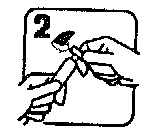
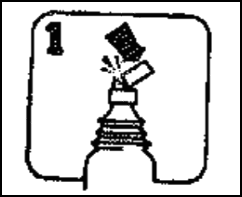
- Pour the contents of one of the vials contained in the package into the bottle.
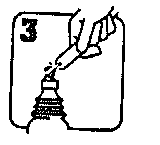
- Attach one of the vaginal cannulae contained in the package to the bottle and gently shake the solution.
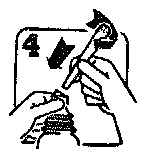
- Insert the cannula into the vagina and perform an internal wash by pressing on the walls of the bottle.
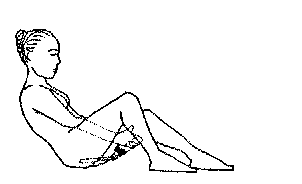
- After the wash, discard the used cannula
Use this medicine only for short periods of time.
Caution: do not exceed the indicated doses without the advice of your doctor.
If you use more Betadine 10% concentrate and solvent for vaginal solution than you should
In case of exceeding the recommended doses, voluntarily or accidentally, the following may occur:
- gastrointestinal symptoms (including metallic taste, increased salivation, burning or stinging pain in the mouth and throat, diarrhea)
- reduced or absent urine production (anuria),
- lowering of blood pressure which can also lead to collapse
- circulatory failure
- rapid heartbeat (tachycardia)
- metabolic abnormalities, including metabolic acidosis (alteration of the acid-base balance of the blood)
- swelling of the throat which can lead to asphyxia (difficulty breathing) and/or pulmonary edema (presence of fluid in the lungs)
- convulsions
- fever
- thyroid alterations (hyperthyroidism or hypothyroidism).
The following may also occur: irritation or swelling of the eyes (eye swelling), skin rash, increased sodium levels (hypernatremia), impaired kidney function.
In case of accidental ingestion of the product, consult your doctor immediately, or go to the nearest hospital.
If you have any doubts about the use of this medicine, ask your doctor or pharmacist.
4. Possible side effects
Like all medicines, this medicine can cause side effects, although not everybody gets them.
Rare side effects (may affect up to 1 in 1,000 people)
- Hypersensitivity
- Contact dermatitis (with skin rashes, small blisters and itching)
Very rare side effects (may affect up to 1 in 10,000 people)
- Allergic reactions
- Angioedema (swelling of hands, feet, face, lips, tongue, throat)
- Hyperthyroidism (excessive activity of the thyroid)
Side effects with unknown frequency (frequency cannot be estimated from available data)
- Hypothyroidism (reduced activity of the thyroid)
- Electrolyte imbalance (alteration of electrolyte content)
- Metabolic acidosis (alteration of the acid-base balance of the blood)
- Exfoliative dermatitis (skin disease characterized by scaling)
- Dry skin (especially after repeated applications; the risk is greater for the genital area)
- Skin discoloration
- Acute renal failure
- Abnormal blood osmolarity (alteration of the concentration of substances contained in the blood)
- Contact burn
- Thermal burn.
Reporting of side effects
If you get any side effects, even those not listed in this leaflet, please tell your doctor
or pharmacist. You can also report side effects directly through the national reporting system at: www.aifa.gov.it/content/segnalazioni-reazioni-avverse.
By reporting side effects you can help provide more information on the safety of this
medicine.
5. How to store Betadine 10% concentrate and solvent for vaginal solution
Keep this medicine out of sight and reach of children.
Store this medicine protected from heat.
Do not use this medicine after the expiry date which is stated on the label after Expiry.
The expiry date refers to the last day of that month.
Do not dispose of any medicine in wastewater or household waste. Ask your pharmacist how to dispose of medicines you no longer use. This will help protect the environment.
6. Contents of the pack and other information
What Betadine 10% concentrate and solvent for vaginal solution contains
- The active ingredient is povidone-iodine 1 g (present in the 10 ml vial contained in the pack).
- The other ingredients are: purified water (present in the 10 ml vial contained in the pack), dodecyl glucoside, intimate hygiene fragrance, purified water (present in the 140 ml bottle contained in the pack)
Description of the appearance of Betadine 10% concentrate and solvent for vaginal solution and contents of the pack
Betadine 10% concentrate and solvent for vaginal solution is presented as a brown solution.
The contents of the pack are 5 bottles of 140 ml, 5 vials of 10 ml and 5 single-use vaginal cannulae.
Marketing Authorisation Holder
Viatris Healthcare Limited, Damastown Industrial Park, Mulhuddart, Dublin 15, DUBLIN, Ireland
Manufacturer
Meda Manufacturing – Mérignac (France)
Avenue J.F. Kennedy
33700 Merignac
France
Mundipharma License
BETADINE 0.2 g vaginal tablets
Iodopovidone
Read this leaflet carefully before using this medicine as it contains important
information for you.
Always use this medicine exactly as described in this leaflet or as your doctor or pharmacist has told you.
- Keep this leaflet. You may need to read it again.
- If you want more information or advice, ask your pharmacist.
- If any side effects occur, including those not listed in this leaflet, tell your doctor or pharmacist. See section 4.
- See a doctor if you do not feel better or if your symptoms worsen after a short period of treatment.
Contents of this leaflet:
- 1. What Betadine 0.2 g vaginal tablets is and what it is used for
- 2. What you need to know before using Betadine 0.2 g vaginal tablets
- 3. How to use Betadine 0.2 g vaginal tablets
- 4. Possible side effects
- 5. How to store Betadine 0.2 g vaginal tablets
- 6. Contents of the pack and other information
1. What is Betadine 0.2 g vaginal tablets and what are they used for?
Betadine 0.2 g vaginal tablets contain iodopovidone, a disinfectant for local use.
Betadine 0.2 g vaginal tablets are indicated for disinfecting the vaginal mucosa (tissue that lines the vagina).
2. What you need to know before using Betadine 0.2 g vaginal tablets
Do not use Betadine 0.2 g vaginal tablets
- If you are allergic to iodopovidone, or to any of the other ingredients of this medicine (listed in section 6).
- If you suffer from thyroid disorders.
- Before, during and after the administration of radioactive iodine (see section "Other medicines and Betadine").
- If you are using products containing mercury (see section "Other medicines and Betadine").
- In prepubertal girls (before puberty).
Warnings and precautions
Consult your doctor or pharmacist before using Betadine 0.2 g vaginal tablets.
Betadine 0.2 g vaginal tablets are for local use only, do not ingest.
Ingestion or accidental inhalation of some disinfectants can have serious, sometimes fatal consequences.
Avoidcontact with the eyes.
Do not use this medicine for prolonged treatments: the use, especially if prolonged, of products for local use
can cause allergic reactions (see section “Possible side effects”). In this case, stop
treatment and consult your doctor who will prescribe the appropriate therapy.
Particular caution should be used in patients with renal insufficiency who require regular applications of
Betadine to damaged skin.
Consult your doctor if you suffer from thyroid disorders (a gland located at the base of the neck). In this
case, your doctor may prescribe specific tests (including scintigraphy) to check the functionality of the
thyroid. In case of goiter, thyroid nodules or other acute and non-acute thyroid pathologies, hyperthyroidism
may develop following administration of large amounts of iodine.
The use of iodopovidone can lead to temporary discoloration of the skin at the application site caused
by the color of the medicine itself.
Avoid contact with jewelry, especially items containing silver.
Stop treatment at least 10 days before performing a scintigraphy or after a scintigraphy with
iodine marked (thyroid function test) or in the treatment with radioactive iodine of thyroid carcinoma.
Children and adolescents
The product should not be used in girls before puberty. In adolescents, the use of iodopovidone
should be reduced to the minimum necessary. Use only in case of actual need and under medical supervision.
Other medicines and Betadine 0.2 g vaginal tablets
Tell your doctor or pharmacist if you are taking, have recently taken or might take any other
medicines.
➢ Avoidthe simultaneous use of other disinfectants and detergents.
➢ Do not usesimultaneously on the treated area with this medicine, products containing
mercury or benzoine compounds, carbonates, tannic acid, alkalis, silver, hydrogen peroxide and
taurolidine.
➢ Temporary dark discoloration of the skin in the treated area may occur simultaneously,
before or after with iodopovidone and other antiseptics containing octenidine.
➢ Avoid the simultaneous use of lithium (medicine for mood disorders).
➢ Iodopovidone can cause false positive results of some laboratory tests (e.g. tests with
toluidine or guaiac gum for the determination of hemoglobin or glucose in the stool or in the
urine).
➢ Iodopovidone can interfere with several tests (thyroid scintigraphy, determination of
iodine-binding proteins (PBI), diagnostic with radioactive iodine) and can make a
planned thyroid treatment with iodine impossible (therapy with radioactive iodine). After the end of
treatment, wait 4 weeks before performing a new scintigraphy.
Fertility, pregnancy and breastfeeding
If you are pregnant, suspect you are pregnant or are planning a pregnancy, or if you are breastfeeding,
ask your doctor or pharmacist for advice before taking this medicine.
Iodopovidone passes the placenta and is secreted in breast milk. Children of mothers who have received iodine
during pregnancy may develop thyroid disorders, including congenital hypothyroidism.
The use of iodopovidone should be avoided unless the potential benefit to the mother justifies the
potential risk to the fetus and newborn.
Fertility
No data are available on the effects on fertility.
Driving and operating machinery
Betadine 0.2 g vaginal tablets do not impair the ability to drive vehicles or operate machinery.
3. How to use Betadine 0.2 g vaginal tablets
Use this medicine following exactly as described in this leaflet or as instructed by your doctor or pharmacist. If you have any doubts, consult your doctor or pharmacist.
How much
1-2 tablets per day, preferably in the evening.
How
Moisten the tablet with a little water.
Insert the tablet deeply into the vagina.
Lie on your back for a few minutes.
Use this medicine only for short periods of time.
Caution: do not exceed the indicated doses without your doctor’s advice.
If you use more Betadine 0.2 g vaginal tablets than you should
In case of exceeding, voluntarily or accidentally, the recommended doses, the following may occur:
- gastrointestinal symptoms (including metallic taste, increased salivation, burning or stinging pain in the mouth and throat, diarrhea)
- reduced or absent urine production (anuria),
- lowering of blood pressure which can also lead to collapse
- circulatory failure
- rapid heartbeat (tachycardia)
- metabolic abnormalities, including metabolic acidosis (alteration of the acid-base balance of the blood)
- swelling of the throat which can lead to asphyxia (inability to breathe) and/or pulmonary edema (presence of fluid in the lungs)
- convulsions
- fever
- thyroid alterations (hyperthyroidism or hypothyroidism).
The following may also occur: irritation or swelling of the eyes (eye swelling), skin rash, increased
sodium levels (hypernatremia), impaired kidney function.
In case of accidental ingestion of the product, consult your doctor immediately, or go to the nearest
hospital.
If you have any further questions on the use of this medicine, ask your doctor or pharmacist.
4. Possible side effects
Like all medicines, this medicine can cause side effects, although not everybody gets them.
Rare side effects (may affect up to 1 in 1,000 people)
- Hypersensitivity
- Contact dermatitis (with skin rashes, small blisters and itching)
Very rare side effects (may affect up to 1 in 10,000 people)
- Allergic reactions
- Angioedema (swelling of hands, feet, face, lips, tongue, throat)
- Hyperthyroidism (excessive activity of the thyroid gland)
Side effects with unknown frequency (the frequency cannot be estimated from available data)
- Hypothyroidism (reduced activity of the thyroid gland)
- Electrolyte imbalance (alteration of electrolyte content)
- Metabolic acidosis (alteration of the acid-base balance of the blood)
- Exfoliative dermatitis (skin disease characterized by scaling)
- Dry skin (especially after repeated applications; the risk is greater for the genital area)
- Skin discoloration
- Acute renal failure
- Abnormal blood osmolarity (alteration of the concentration of substances contained in the blood)
- Contact burn
- Thermal burn.
Reporting of side effects
If you get any side effects, even those not listed in this leaflet, tell your doctor or pharmacist. You can also report side effects directly through the national reporting system at www.aifa.gov.it/content/segnalazioni-reazioni-avverse.
By reporting side effects you can help provide more information on the safety of this
medicine.
5. How to store Betadine 0.2 g vaginal tablets
Keep this medicine out of the sight and reach of children.
Store at a temperature below 30°C.
Do not use this medicine after the expiry date which is on the pack after Exp. The expiry date refers to the last day of that month.
Do not dispose of any medicine in wastewater or household waste. Ask your pharmacist how to dispose of medicines you no longer use. This will help protect the environment.
6. Contents of the pack and other information
What Betadine 0.2 g vaginal tablets contains
- The active ingredient is iodopovidone 0.2 g.
- The other ingredients are: Polyethylene glycol 1000
Description of the appearance of Betadine 0.2 g vaginal tablets and contents of the pack
Betadine 0.2 g vaginal tablets are presented as reddish-brown tablets for vaginal use, in
packs of 10 tablets.
Marketing authorisation holder
Viatris Healthcare Limited, Damastown Industrial Park, Mulhuddart, Dublin 15, DUBLIN, Ireland
Manufacturer
Meda Manufacturing
Avenue J.F. Kennedy
33700 Merignac
France
Recipharm Parets, S.L.U.
Ramòn y Cajal, 2
Partes del Vallés
E-08150 Barcelona
Spain
Mundipharma License
BETADINE 5% cream
Iodopovidone
Read this leaflet carefully before you start to use this medicine as it contains important
information for you.
Always use this medicine exactly as described in this leaflet or as your doctor or pharmacist
has told you to.
- Keep this leaflet. You may need to read it again.
- If you want any further information or advice, ask your pharmacist.
- If you get any side effects, even those not listed in this leaflet, tell your doctor or pharmacist. See section 4.
- Talk to your doctor if your symptoms do not improve or get worse after a short period of treatment.
Contents of this leaflet:
- 1. What Betadine 5% cream is and what it is used for
- 2. What you need to know before you use Betadine 5% cream
- 3. How to use Betadine 5% cream
- 4. Possible side effects
- 5. How to store Betadine 5% cream
- 6. Contents of the pack and other information
1. What is Betadine 5% cream and what is it used for
Betadine 5% cream contains iodopovidone, a disinfectant for local use.
Betadine 5% cream is indicated in adultsandin children over 2 years of agefor:
- preventing and treating infections caused by small cuts, superficial injuries (abrasions) and burns (superficial and minor burns) affecting small areas of the skin
- treating superficial skin infections caused by fungi (cutaneous mycoses)
2. What you need to know before using Betadine 5% cream
Do not use Betadine 5% cream
- If you are allergic to iodopovidone, or to any of the other ingredients of this medicine (listed in section 6).
- If you suffer from thyroid disorders.
- Before, during and after the administration of radioactive iodine (see section "Other medicines and Betadine").
- If you are using products containing mercury (see section "Other medicines and Betadine").
- If the child is under 2 years of age.
Warnings and precautions
Consult your doctor or pharmacist before using Betadine 5% cream.
Betadine 5% cream is only for external useand should not be applied to severely damaged skin or to
large areas.
Accidental ingestion or inhalation of some disinfectants can have serious, sometimes fatal consequences.
Avoid contact with the eyes
Do not use this medicine for prolonged treatments: the use, especially if prolonged, of products for local use
can cause allergic reactions (see section “Possible side effects”). In this case, stop
treatment and consult your doctor who will prescribe the appropriate therapy.
Particular caution should be used in patients with pre-existing renal insufficiency who require regular
applications of Betadine to damaged skin.
Consult your doctor if you suffer from thyroid disorders (a gland located at the base of the neck). In this case, your
doctor may prescribe specific tests (including scintigraphy) to check thyroid function.
In the case of goiter, thyroid nodules or other acute and non-acute thyroid diseases, hyperthyroidism (hyperthyroidism) may develop following administration of large amounts of iodine.
The use of iodopovidone can lead to temporary discoloration of the skin at the application site caused
by the color of the medicine itself.
Avoid contact with jewelry, especially items containing silver.
Stop treatment at least 10 days before performing a scintigraphy or after a scintigraphy with
iodine marked (thyroid function test) or in the treatment with radioactive iodine of thyroid carcinoma.
Children and adolescents
In children and adolescents, the use of iodopovidone should be minimized,
due to the greater risk of developing thyroid alterations.
Use only when absolutely necessary and under medical supervision.
Other medicines and Betadine 5% cream
Inform your doctor or pharmacist if you are taking, have recently taken or may take any
other medicine.
➢ Avoidthe simultaneous use of other disinfectants and detergents.
➢ Do not usesimultaneously on the treated part with this medicine, products containing
mercury or compounds of benzoin, carbonates, tannic acid, alkalis, silver, hydrogen peroxide and
taurolidine.
➢ Temporary dark coloration of the skin in the treated area may occur simultaneously,
before or after with iodopovidone and other antiseptics containing octenidine.
➢ Avoid the simultaneous use of lithium (medicine for mood disorders).
➢ Iodopovidone can cause false positive results of some laboratory tests (e.g. tests with
toluidine or guaiac gum for the determination of hemoglobin or glucose in the stool or in the
urine).
➢ Iodopovidone can interfere with several tests (thyroid scintigraphy, determination of
iodine-binding proteins (PBI), diagnostic with radioactive iodine) and may make a
planned thyroid treatment with iodine (radioactive iodine therapy) impossible. After the end of
treatment, wait 4 weeks before performing a new scintigraphy.
Fertility, pregnancy and breastfeeding
If you are pregnant, suspect you are pregnant, are planning a pregnancy or are breastfeeding with breast
milk, ask your doctor or pharmacist for advice before taking this medicine.
Iodopovidone passes the placenta and is secreted in breast milk. Children of mothers who have received iodine
during pregnancy may develop thyroid disorders, including congenital hypothyroidism.
The use of iodopovidone should be avoided unless the potential benefit to the mother justifies the
potential risk to the fetus and newborn.
Fertility
No data are available on effects on fertility.
Driving and operating machinery
Betadine 5% cream does not impair the ability to drive vehicles or operate machinery.
Important information about some excipients
This medicine contains stearyl alcohol and cetyl alcohol which may cause skin reactions
localized (e.g. contact dermatitis).
This medicine contains polysorbate 60, polysorbates can cause allergic reactions.
3. How to use Betadine 5% cream
Use this medicine following exactly the instructions in this leaflet, or as directed by your doctor or pharmacist. If you have any doubts, ask your doctor or pharmacist.
How much
Apply an adequate amount of cream to the area to be treated.
How
- clean and dry the skin area to be treated before applying the cream.
- apply a thin layer of cream to the area to be treated.
You can cover the treated area with gauze or bandages.
Use this medicine only for short periods of time.
If you use more Betadine 5% cream than you should
In case of exceeding the recommended doses, voluntarily or accidentally, the following may occur:
- gastrointestinal symptoms (including metallic taste, increased salivation, burning or stinging pain in the mouth and throat, diarrhea)
- reduced or absent urine production (anuria),
- lowering of blood pressure which can also lead to collapse
- circulatory failure
- rapid heartbeat (tachycardia)
- metabolic abnormalities, including metabolic acidosis (alteration of the acid-base balance of the blood)
- swelling of the throat which can lead to asphyxia (inability to breathe) and/or pulmonary edema (presence of fluid in the lungs)
- convulsions
- fever
- thyroid alterations (hyperthyroidism or hypothyroidism).
The following may also occur: irritation or swelling of the eyes (eye swelling), skin rash, increased
sodium levels (hypernatremia), impaired kidney function.
In case of accidental ingestion of the product, consult your doctor immediately, or go to the nearest
hospital.
If you have any doubts about the use of this medicine, ask your doctor or pharmacist.
4. Possible side effects
Like all medicines, this medicine can cause side effects, although not everybody gets them.
Rare side effects (may affect up to 1 in 1,000 people)
- Hypersensitivity
- Contact dermatitis (with skin rashes, small blisters and itching)
Very rare side effects (may affect up to 1 in 10,000 people)
- Allergic reactions
- Angioedema (swelling of hands, feet, face, lips, tongue, throat)
- Hyperthyroidism (excessive activity of the thyroid)
Side effects with unknown frequency (frequency cannot be estimated from available data)
- Hypothyroidism (reduced activity of the thyroid)
- Electrolyte imbalance (alteration of electrolyte content)
- Metabolic acidosis (alteration of the acid-base balance of the blood)
- Exfoliative dermatitis (skin disease characterized by scaling)
- Dry skin (especially after repeated applications; the risk is greater for the genital area)
- Skin discoloration
- Acute renal failure
- Abnormal blood osmolarity (alteration of the concentration of substances contained in the blood)
- Contact burn
- Thermal burn.
Reporting of side effects
If you get any side effects, even those not listed in this leaflet, tell your doctor or pharmacist. You can also report side effects directly through the national reporting system at www.aifa.gov.it/content/segnalazioni-reazioni-avverse.
By reporting side effects you can help provide more information on the safety of this
medicine.
5. How to store Betadine 5% cream
Keep this medicine out of the sight and reach of children.
Store at a temperature below 25°C.
Do not use this medicine after the expiry date. The expiry date refers to the last day of that
month.
Do not dispose of any medicine in wastewater or household waste. Ask your pharmacist how to dispose of
medicines you no longer use. This will help protect the environment.
6. Contents of the pack and other information
What Betadine 5% cream contains
100 g of cream contains:
- The active ingredient is povidone-iodine 5 g.
- The other ingredients are: Stearyl alcohol, Cetyl alcohol, White soft paraffin, Liquid paraffin, Glycerol, Sorbitan monostearate, Polyethylene 50 stearate, Polysorbate 60, Sodium hydroxide, Purified water.
Description of the appearance of Betadine 5% cream and contents of the pack
Betadine 5% cream is presented as a brown cream in tubes of 30 and 100 g.
Not all pack sizes may be marketed.
Marketing Authorisation Holder
Viatris Healthcare Limited, Damastown Industrial Park, Mulhuddart, Dublin 15, DUBLIN, Ireland
Manufacturer
Meda Manufacturing
Avenue J.F. Kennedy
33700 Merignac
France
Mundipharma License
BETADINE 10% Impregnated Gauze
Iodopovidone
Read this leaflet carefully before using this medicine as it contains important
information for you.
Always use this medicine exactly as described in this leaflet or as your doctor or pharmacist
has told you to do.
- Keep this leaflet. You may need to read it again.
- If you want more information or advice, ask your pharmacist.
- If any side effects occur, including those not listed in this leaflet, tell your doctor or pharmacist. See section 4.
- See a doctor if you do not feel better or if your symptoms worsen after a short period of treatment.
Contents of this leaflet:
- 1. What Betadine 10% Impregnated Gauze is and what it is used for
- 2. What you need to know before using Betadine 10% Impregnated Gauze
- 3. How to use Betadine 10% Impregnated Gauze
- 4. Possible side effects
- 5. How to store Betadine 10% Impregnated Gauze
- 6. Contents of the pack and other information
1. What is Betadine 10% Impregnated Gauze and what is it used for
Betadine 10% Impregnated Gauze contains iodopovidone, a disinfectant for local use.
Betadine 10% Impregnated Gauze is indicated for the disinfection of minor skin lesions such as superficial wounds
of small size and pressure ulcers (skin lesions affecting parts of the body subjected to
pressure for prolonged periods) of mild severity in adults and children over 2 years of age.
2. What you need to know before using Betadine 10% Impregnated Gauze
Do not use Betadine 10% Impregnated Gauze
- If you are allergic to povidone-iodine, or to any of the other ingredients of this medicine (listed in section 6).
- If you suffer from thyroid disorders.
- Before, during and after the administration of radioactive iodine (see section "Other medicines and Betadine").
- If you are using products containing mercury (see section "Other medicines and Betadine").
- If the child is under 2 years of age.
Warnings and precautions
Consult your doctor or pharmacist before using Betadine 10% Impregnated Gauze.
Betadine 10% Impregnated Gauze is only for external useand should not be applied to severely damaged skin
or to large areas.
Avoidcontact with the eyes.
Do not use this medicine for prolonged treatments: the use, especially if prolonged, of topical products
can cause allergic reactions (see section “Possible side effects”). In this case, discontinue
treatment and consult your doctor who will prescribe appropriate therapy.
Particular caution should be used in patients with renal insufficiency who require regular applications of
Betadine to damaged skin.
Consult your doctor if you suffer from thyroid disorders (a gland located at the base of the neck). In this
case, your doctor may prescribe specific tests (including scintigraphy) to check thyroid function. In case of goiter, thyroid nodules or other acute and non-acute thyroid pathologies, hyperthyroidism (hyperthyroidism) may develop following administration of large amounts of iodine.
The use of povidone-iodine can lead to temporary discoloration of the skin at the application site caused
by the color of the medicine itself.
Avoid contact with jewelry, especially items containing silver.
Discontinue treatment at least 10 days before performing a scintigraphy or after a scintigraphy with
iodine-123 (thyroid function test) or in the treatment with radioactive iodine for thyroid carcinoma.
Children and adolescents
In children and adolescents, the use of povidone-iodine should be minimized due to the increased risk of
developing thyroid alterations.
Use only if absolutely necessary and under medical supervision.
Other medicines and Betadine 10% Impregnated Gauze
Inform your doctor or pharmacist if you are taking, have recently taken or might take any other
medicines.
➢ Avoidthe simultaneous use of other disinfectants and detergents.
➢ Do not usesimultaneously on the treated area with this medicine, products containing
mercury or compounds of benzoin, carbonates, tannic acid, alkalis, silver, hydrogen peroxide and
taurolidine.
➢ Temporary dark coloration of the skin in the treated area may occur simultaneously,
before or after with povidone-iodine and other antiseptics containing octenidine.
➢ Avoid the simultaneous use of lithium (medicine for mood disorders).
➢ Povidone-iodine can cause false positive results of some laboratory tests (e.g. tests with
toluidine or guaiac gum for the determination of hemoglobin or glucose in the stool or
urine).
➢ Povidone-iodine can interfere with several tests (thyroid scintigraphy, determination of
iodine-binding proteins (PBI), diagnostic procedures with radioactive iodine) and can make impossible a
planned thyroid treatment with iodine (therapy with radioactive iodine). After the end of
treatment, wait 4 weeks before performing a new scintigraphy.
Fertility, pregnancy and breastfeeding
If you are pregnant, suspect you are pregnant or are planning to become pregnant, or if you are breastfeeding
with breast milk, ask your doctor or pharmacist for advice before taking this medicine.
Povidone-iodine passes the placenta and is secreted into breast milk. Children of mothers who have received iodine
during pregnancy may develop thyroid disorders, including congenital hypothyroidism.
The use of povidone-iodine should be avoided unless the potential benefit for the mother justifies the
potential risk to the fetus and newborn.
Fertility
No data on effects on fertility are available.
Driving and using machines
Betadine 10% Impregnated Gauze does not impair the ability to drive vehicles or use machines.
3. How to use Betadine 10% Impregnated Gauze
Use this medicine following exactly what is reported in this leaflet or the instructions of the
doctor, or pharmacist. If you have doubts, consult your doctor or pharmacist.
How much
The recommended dose is 1-3 applications per day in the area to be treated.
How
Apply 1 gauze 1-3 times a day to the area to be treated; if necessary, cover the gauze with a bandage.
Replace the gauze with each dressing change.
Use this medicine only for short periods of time.
Caution: do not exceed the indicated doses.
If you use more Betadine 10% Impregnated Gauze than you should
In case of exceeding, voluntarily or accidentally, the recommended doses, the following may occur:
- gastrointestinal symptoms (including metallic taste, increased salivation, burning or stinging pain in the mouth and throat, diarrhea)
- reduced or absent urine production (anuria),
- lowering of blood pressure which can also lead to collapse
- circulatory failure
- rapid heartbeat (tachycardia)
- metabolic abnormalities, including metabolic acidosis (alteration of the acid-base balance of the blood)
- swelling of the throat which can lead to asphyxia (inability to breathe) and/or pulmonary edema (presence of fluid in the lungs)
- convulsions
- fever
- thyroid alterations (hyperthyroidism or hypothyroidism)
The following may also occur: irritation or swelling of the eyes (eye swelling), skin rash, increased
levels of sodium (hypernatremia), impaired kidney function.
If you have any doubts about the use of this medicine, consult your doctor or pharmacist.
4. Possible side effects
Like all medicines, this medicine can cause side effects, although not everybody gets them.
Rare side effects (may affect up to 1 in 1,000 people)
- Hypersensitivity
- Contact dermatitis (with skin rashes, small blisters and itching)
Very rare side effects (may affect up to 1 in 10,000 people)
- Allergic reactions
- Angioedema (swelling of hands, feet, face, lips, tongue, throat)
- Hyperthyroidism (excessive activity of the thyroid)
Side effects with unknown frequency (frequency cannot be estimated from available data)
- Hypothyroidism (reduced activity of the thyroid)
- Electrolyte imbalance (alteration of electrolyte content)
- Metabolic acidosis (alteration of the acid-base balance of the blood)
- Exfoliative dermatitis (skin disease characterized by scaling)
- Dry skin (especially after repeated applications; the risk is greater for the genital area)
- Skin discoloration
- Acute renal failure
- Abnormal blood osmolarity (alteration of the concentration of substances contained in the blood)
- Thermal burn.
Reporting of side effects
If you get any side effects, even those not listed in this leaflet, tell your doctor or pharmacist. You can also report side effects directly through the national reporting system at www.aifa.gov.it/content/segnalazioni-reazioni-avverse.
By reporting side effects you can help provide more information on the safety of this medicine.
5. How to store Betadine 10% Impregnated Gauze
Keep this medicine out of the sight and reach of children.
Store at a temperature below 30°C.
Do not use this medicine after the expiry date. The expiry date refers to the last day of that
month.
Do not dispose of any medicine in wastewater or household waste. Ask your pharmacist how to dispose of
medicines you no longer use. This will help protect the environment.
6. Contents of the pack and other information
What Betadine 10% Impregnated Gauze contains
1 gauze contains:
- The active ingredient is Iodopovidone (10% of iodine) 250 mg.
- The other ingredients are Polyethylene Glycol 400, Polyethylene Glycol 4000, Polyethylene Glycol 6000, Purified water.
Description of the appearance of Betadine 10% Impregnated Gauze and contents of the pack
Betadine 10% Impregnated Gauze is presented as a gauze of 1 dm for external use, contained in a plastic
sachet.
The pack contains 10 gauzes.
Marketing Authorisation Holder
Viatris Healthcare Limited, Damastown Industrial Park, Mulhuddart, Dublin 15, DUBLIN, Ireland
Manufacturer
Meda Manufacturing – Merignac (France)
Avenue J.F. Kennedy 33700 Merignac France
Mundipharma License
BETADINE 10% vaginal gel
Iodopovidone
Read this leaflet carefully before using this medicine as it contains important
information for you.
Always use this medicine exactly as described in this leaflet, or as your doctor or pharmacist has told you to do.
- Keep this leaflet. You may need to read it again.
- If you want any further information or advice, ask your pharmacist.
- If any side effects occur, including those not listed in this leaflet, tell your doctor or pharmacist. See section 4.
- See a doctor if you do not feel better or if your symptoms get worse after a short period of treatment.
Contents of this leaflet:
- 1. What Betadine 10% vaginal gel is and what it is used for
- 2. What you need to know before using Betadine 10% vaginal gel
- 3. How to use Betadine 10% vaginal gel
- 4. Possible side effects
- 5. How to store Betadine 10% vaginal gel
- 6. Contents of the pack and other information
1. What is Betadine 10% vaginal gel and what is it used for?
Betadine 10% vaginal gel contains povidone-iodine, a disinfectant for local use.
Betadine 10% vaginal gel is indicated for disinfecting the vaginal mucosa (tissue that lines the vagina).
2. What you need to know before using Betadine 10% vaginal gel
Do not use Betadine 10% vaginal gel
- If you are allergic to povidone-iodine, or to any of the other ingredients of this medicine (listed in section 6).
- If you suffer from thyroid disorders.
- Before, during and after the administration of radioactive iodine (see section "Other medicines and Betadine").
- If you are using products containing mercury (see section "Other medicines and Betadine").
- In girls before puberty (before the onset of puberty).
Warnings and precautions
Talk to your doctor or pharmacist before using Betadine 10% vaginal gel.
Betadine 10% vaginal gel is only for local use.
Accidental ingestion or inhalation of some disinfectants can have serious, sometimes fatal consequences.
Avoid contact with eyes.
Do not use this medicine for prolonged treatments: the use, especially if prolonged, of products for local use
can cause allergic reactions (see section “Possible side effects”). In this case, stop
treatment and consult your doctor who will prescribe appropriate therapy.
Particular caution is advised in patients with renal insufficiency who require regular applications of
Betadine to broken skin.
Talk to your doctor if you suffer from thyroid disorders (a gland located at the base of the neck). In this
case, your doctor may prescribe specific tests (including scintigraphy) to check the functionality of the
thyroid.
In case of goiter, thyroid nodules or other acute and non-acute thyroid diseases, hyperthyroidism (hyperthyroidism) may develop following administration of large amounts of iodine.
The use of povidone-iodine can lead to temporary discoloration of the skin at the application site caused
by the color of the medicine itself.
Avoid contact with jewelry, especially articles containing silver.
Stop treatment at least 10 days before performing a scintigraphy or after a scintigraphy with
iodine marked (thyroid function test) or in treatment with radioactive iodine for thyroid carcinoma.
Children and adolescents
In children and adolescents, the use of povidone-iodine should be reduced to the minimum necessary. Use only
if absolutely necessary and under medical supervision.
Other medicines and Betadine 10% vaginal gel
Tell your doctor or pharmacist if you are taking, have recently taken or might take any other
medicines.
➢ Avoidthe simultaneous use of other disinfectants and detergents.
➢ Do not usesimultaneously on the treated area with this medicine, products containing
mercury or compounds of benzoin, carbonates, tannic acid, alkalis, silver, hydrogen peroxide and
taurolidine.
➢ Temporary dark coloration of the skin in the area treated simultaneously, before or after with povidone-iodine and other antiseptics containing octenidine may occur.
➢ Avoid the simultaneous use of lithium (medicine for mood disorders).
➢ Povidone-iodine can cause false positive results of some laboratory tests (e.g. tests with
toluidine or guaiac gum for the determination of hemoglobin or glucose in feces or
urine).
➢ Povidone-iodine can interfere with several tests (thyroid scintigraphy, determination of
iodine-binding proteins (PBI), diagnostic with radioactive iodine) and can make a
planned thyroid treatment with iodine impossible (therapy with radioactive iodine). After the end of
treatment, wait 4 weeks before performing a new scintigraphy.
Fertility, pregnancy and breastfeeding
If you are pregnant, suspect you may be pregnant or are planning to become pregnant, or if you are breastfeeding with breast
milk, ask your doctor or pharmacist for advice before taking this medicine.
Povidone-iodine passes the placenta and is secreted into breast milk. Children of mothers who have received iodine
during pregnancy may develop thyroid disorders, including congenital hypothyroidism.
The use of povidone-iodine should be avoided unless the potential benefit to the mother justifies the
potential risk to the fetus and newborn.
Fertility
No data on effects on fertility are available.
Driving and using machines
Betadine 10% vaginal gel does not impair the ability to drive vehicles or use machines.
3. How to use Betadine 10% vaginal gel
Use this medicine following exactly the instructions in this leaflet, or as directed by your doctor or pharmacist. If you have any doubts, ask your doctor or pharmacist.
How much
Apply the contents of 1 syringe (corresponding to 5 g of gel), once a day, preferably in the evening before
going to bed.
How
Screw the threaded end of the syringe without a needle onto the tube containing the gel
Pull the syringe plunger as far as possible up to the stop
Press on the tube to fill the syringe with gel
Remove the filled syringe from the tube
Insert the filled syringe deeply into the vagina
Press the syringe plunger to deposit the gel inside the vagina
Lie on your back for a few minutes
Remove the syringe after emptying it
After use, wash the needle-free syringe to reuse it for subsequent applications.
Use this medicine only for short periods of time.
Caution: do not exceed the indicated doses without your doctor's advice.
If you use more Betadine 10% vaginal gel than you should
In case of exceeding the recommended doses, voluntarily or accidentally, the following may occur:
- gastrointestinal symptoms (including metallic taste, increased salivation, burning or stinging pain in the mouth and throat, diarrhea)
- reduced or absent urine production (anuria),
- lowering of blood pressure which can also lead to collapse
- circulatory failure
- rapid heartbeat (tachycardia)
- metabolic abnormalities, including metabolic acidosis (alteration of the acid-base balance of the blood)
- swelling of the throat which can lead to asphyxia (inability to breathe) and/or pulmonary edema (presence of fluid in the lungs)
- convulsions
- fever
- thyroid alterations (hyperthyroidism or hypothyroidism).
The following may also occur: irritation or swelling of the eyes (eye swelling), skin rash, increased
sodium levels (hypernatremia), impaired kidney function.
In case of accidental ingestion of the product, consult your doctor immediately, or go to the nearest
hospital.
If you have any further questions on the use of this medicine, ask your doctor or pharmacist.
4. Possible side effects
Like all medicines, this medicine can cause side effects, although not everybody gets them.
Rare side effects (may affect up to 1 in 1,000 people)
- Hypersensitivity
- Contact dermatitis (with skin rashes, small blisters and itching)
Very rare side effects (may affect up to 1 in 10,000 people)
- Allergic reactions
- Angioedema (swelling of hands, feet, face, lips, tongue, throat)
- Hyperthyroidism (excessive activity of the thyroid)
Side effects with unknown frequency (frequency cannot be estimated from available data)
- Hypothyroidism (reduced activity of the thyroid)
- Electrolyte imbalance (alteration of electrolyte content)
- Metabolic acidosis (alteration of the acid-base balance of the blood)
- Exfoliative dermatitis (skin disease characterized by scaling)
- Dry skin (especially after repeated applications; the risk is greater for the genital area)
- Skin discoloration
- Acute renal failure
- Abnormal blood osmolarity (alteration of the concentration of substances contained in the blood)
- Contact burn
- Heat burn.
Reporting of side effects
If you get any side effects, even those not listed in this leaflet, tell your doctor or pharmacist. You can also report side effects directly through the national reporting system at www.aifa.gov.it/content/segnalazioni-reazioni-avverse.
By reporting side effects you can help provide more information on the safety of this
medicine.
5. How to store Betadine 10% vaginal gel
Keep this medicine out of the sight and reach of children.
Keep this medicine protected from heat.
Do not use this medicine after the expiry date which is stated on the pack after Exp. The expiry date refers to the last day of that month.
Do not dispose of any medicine in wastewater or household waste. Ask your pharmacist how to dispose of medicines you no longer use. This will help protect the environment.
6. Contents of the pack and other information
What Betadine 10% vaginal gel contains
100 ml of gel contain:
The active ingredient is Iodopovidone (10% of iodine) 10 g.
The other ingredients are: Polyethylene glycol 400, Polyethylene glycol 4000, Polyethylene glycol 6000, Sodium hydroxide,
Purified water.
Description of the appearance of Betadine 10% vaginal gel and contents of the pack
Betadine 10% vaginal gel is presented as a brown-colored vaginal gel contained in a 75 g tube.
The pack is supplied with a needle-free syringe.
Marketing Authorisation Holder
Viatris Healthcare Limited, Damastown Industrial Park, Mulhuddart, Dublin 15, DUBLIN, Ireland Manufacturer
Meda Manufacturing
Avenue J.F. Kennedy
33700 Merignac
France
Mundipharma License
BETADINE 10% Gel
Iodopovidone
Read this leaflet carefully before using this medicine as it contains important
information for you.
Always use this medicine exactly as described in this leaflet or as your doctor or pharmacist
has told you to do.
- Keep this leaflet. You may need to read it again.
- If you want more information or advice, ask your pharmacist.
- If any side effects occur, including those not listed in this leaflet, tell your doctor or pharmacist. See section 4.
- See a doctor if you do not feel better or if your symptoms worsen after a short period of treatment.
Contents of this leaflet:
- 1. What Betadine 10% Gel is and what it is used for
- 2. What you need to know before using Betadine 10% Gel
- 3. How to use Betadine 10% Gel
- 4. Possible side effects
- 5. How to store Betadine 10% Gel
- 6. Contents of the pack and other information
1. What is Betadine 10% Gel and what is it used for?
Betadine 10% Gel contains iodopovidone, a disinfectant for local use.
Betadine 10% Gel is indicated for the disinfection of minor skin lesions such as superficial wounds of small
size and pressure ulcers (skin lesions affecting parts of the body subjected to pressure
for prolonged periods) of mild severity in adults and children over 2 years of age.
2. What you need to know before using Betadine 10% Gel
Do not use Betadine 10% Gel
- If you are allergic to iodopovidone, or to any of the other ingredients of this medicine (listed in section 6).
- If you suffer from thyroid disorders.
- Before, during and after the administration of radioactive iodine (see section "Other medicines and Betadine").
- If you are using products containing mercury (see section "Other medicines and Betadine").
- If the child is under 2 years of age.
Warnings and precautions
Consult your doctor or pharmacist before using Betadine 10% Gel.
Betadine 10% Gel is for external use onlyand should not be applied to severely damaged skin or to large
areas.
Accidental ingestion or inhalation of some disinfectants can have serious, sometimes fatal consequences.
Avoidcontact with the eyes.
Do not use this medicine for prolonged treatments: the use, especially if prolonged, of products for local use
can cause allergic reactions (see section “Possible side effects”). In this case, stop
treatment and consult your doctor who will prescribe the appropriate therapy.
Particular caution should be used in patients with renal insufficiency who require regular applications of
Betadine to broken skin.
Consult your doctor if you suffer from thyroid disorders (a gland located at the base of the neck). In this
case, your doctor may prescribe specific tests (including scintigraphy) to check the functionality of the
thyroid. In case of goiter, thyroid nodules or other acute and non-acute thyroid pathologies, hyperthyroidism
(hyperthyroidism) may develop following administration of large amounts of iodine.
The use of iodopovidone can lead to temporary discoloration of the skin at the application site caused
by the color of the medicine itself.
Avoid contact with jewelry, especially items containing silver.
Stop treatment at least 10 days before performing a scintigraphy or after a scintigraphy with
iodine marked (thyroid function test) or in treatment with radioactive iodine of thyroid carcinoma.
Children and adolescents
In children and adolescents, the use of iodopovidone should be minimized due to the increased risk of
developing thyroid alterations.
Use only if absolutely necessary and under medical supervision.
Other medicines and Betadine 10% Gel
Tell your doctor or pharmacist if you are taking, have recently taken or might take any other
medicines.
➢ Avoidthe simultaneous use of other disinfectants and detergents.
➢ Do not usesimultaneously on the treated part with this medicine, products containing
mercury or compounds of benzoin, carbonates, tannic acid, alkalis, silver, hydrogen peroxide and
taurolidine.
➢ Temporary dark staining of the skin in the treated area may occur simultaneously,
before or after with iodopovidone and other antiseptics containing octenidine.
➢ Avoid the simultaneous use of lithium (medicine for mood disorders).
➢ Iodopovidone can cause false positive results of some laboratory tests (e.g. tests with
toluidine or guaiac gum for the determination of hemoglobin or glucose in the stool or
urine).
➢ Iodopovidone can interfere with several tests (thyroid scintigraphy, determination of
iodine-binding proteins (PBI), diagnostic with radioactive iodine) and can make a
planned thyroid treatment with iodine impossible (therapy with radioactive iodine). After the end of
treatment, wait 4 weeks before performing a new scintigraphy.
Fertility, pregnancy and breastfeeding
If you are pregnant, suspect you are pregnant or are planning a pregnancy, or if you are breastfeeding,
ask your doctor or pharmacist for advice before taking this medicine.
Iodopovidone passes the placenta and is secreted in breast milk. Children of mothers who have received iodine
during pregnancy may develop thyroid disorders, including congenital hypothyroidism.
The use of iodopovidone should be avoided unless the potential benefit to the mother justifies the
potential risk to the fetus and newborn.
Fertility
No data are available on the effects on fertility.
Driving and using machines
Betadine 10% Gel does not impair the ability to drive vehicles or use machines.
3. How to use Betadine 10% Gel
Use this medicine following exactly as described in this information or the instructions
of your doctor or pharmacist. If you have doubts, consult your doctor or pharmacist.
How much
The recommended dose is 2 applications per day to the area to be treated.
How
Apply a layer of gel covering the entire area to be treated.
The solution, when applied, creates a protective film that does not stain.
You can cover the treated area with gauze and adhesive bandages.
Use this medicine only for short periods of time.
Caution: do not exceed the indicated doses.
If you use more Betadine 10% Gel than you should
In case of exceeding, voluntarily or accidentally, the recommended doses, the following may occur:
- gastrointestinal symptoms (including metallic taste, increased salivation, burning or stinging pain in the mouth and throat, diarrhea)
- reduced or absent urine production (anuria),
- lowering of blood pressure which can also lead to collapse
- circulatory failure
- rapid heartbeat (tachycardia)
- metabolic abnormalities, including metabolic acidosis (alteration of the acid-base balance of the blood)
- swelling of the throat which can lead to asphyxia (inability to breathe) and/or pulmonary edema (presence of fluid in the lungs)
- convulsions
- fever
- thyroid alterations (hyperthyroidism or hypothyroidism).
The following may also occur: irritation or swelling of the eyes (eye swelling), skin rash, increased
levels of sodium (hypernatremia), impaired renal function.
In case of accidental ingestion of the product, consult your doctor immediately, or go to the nearest
hospital.
If you have any doubts about the use of this medicine, ask your doctor or pharmacist.
4. Possible side effects
Like all medicines, this medicine can cause side effects, although not everybody gets them.
Rare side effects (may affect up to 1 in 1,000 people)
- Hypersensitivity
- Contact dermatitis (with skin rashes, small blisters and itching)
Very rare side effects (may affect up to 1 in 10,000 people)
- Allergic reactions
- Angioedema (swelling of hands, feet, face, lips, tongue, throat)
- Hyperthyroidism (excessive activity of the thyroid)
Side effects with unknown frequency (frequency cannot be estimated from available data)
- Hypothyroidism (reduced activity of the thyroid)
- Electrolyte imbalance (alteration of electrolyte content)
- Metabolic acidosis (alteration of the acid-base balance of the blood)
- Exfoliative dermatitis (skin disease characterized by scaling)
- Dry skin (especially after repeated applications; the risk is greater for the genital area)
- Skin discoloration
- Acute renal failure
- Abnormal blood osmolarity (alteration of the concentration of substances contained in the blood)
- Contact burn. Thermal burn.
Reporting of side effects
If you experience any side effects, including those not listed in this information, please tell your
doctor or pharmacist. You can also report side effects directly through the national reporting system at
www.aifa.gov.it/content/segnalazioni-reazioni-avverse.
By reporting side effects you can help provide more information on the safety of this
medicine.
5. How to store Betadine 10% Gel
Keep this medicine out of sight and reach of children.
Store at a temperature below 30°C.
Do not use this medicine after the expiry date. The expiry date refers to the last day of that
month.
Do not dispose of any medicine in wastewater or household waste. Ask your pharmacist how to dispose of medicines you no longer use. This will help protect the environment.
6. Contents of the pack and other information
What Betadine 10% Gel contains
100 g of gel contains:
- The active ingredient is Iodopovidone (10% of iodine) 10 g.
- The other ingredients are Polyethylene glycol 400, Polyethylene glycol 4000, Polyethylene glycol 6000, Purified water.
Description of the appearance of Betadine 10% Gel and contents of the pack
Betadine 10% Gel is available in tubes of 30 g and 100 g.
Not all pack sizes may be marketed.
Marketing Authorisation Holder
Viatris Healthcare Limited, Damastown Industrial Park, Mulhuddart, Dublin 15, DUBLIN, Ireland
Manufacturer
Meda Manufacturing – Merignac (France)
Avenue J.F. Kennedy
33700 Merignac
France
Mundipharma License
BETADINE 10% cutaneous solution
Iodopovidone
Read this leaflet carefully before you use this medicine as it contains important
information for you.
Always use this medicine exactly as described in this leaflet or as your doctor or pharmacist has told you.
- Keep this leaflet. You may need to read it again.
- If you want more information or advice, ask your pharmacist.
- If any side effects occur, including those not listed in this leaflet, tell your doctor or pharmacist. See section 4.
- See a doctor if you do not feel better or if your symptoms worsen after a short period of treatment.
Contents of this leaflet:
- 1. What Betadine 10% cutaneous solution is and what it is used for
- 2. What you need to know before you use Betadine 10% Cutaneous Solution
- 3. How to use Betadine 10% Cutaneous Solution
- 4. Possible side effects
- 5. How to store Betadine 10% Cutaneous Solution
- 6. Contents of the pack and other information
1. What is Betadine 10% cutaneous solution and what is it used for
Betadine 10% cutaneous solution contains iodopovidone, a disinfectant for local use.
Betadine 10% cutaneous solution is indicated for the cleaning and disinfection of minor skin lesions such as superficial wounds
of small size and pressure ulcers (skin lesions affecting parts of the body
subjected to pressure for prolonged periods) of mild severity in adults and children over 2
years of age.
2. What you need to know before using Betadine 10% cutaneous solution
Do not use Betadine 10% cutaneous solution
- If you are allergic to povidone-iodine, or to any of the other ingredients of this medicine (listed in section 6).
- If you suffer from thyroid disorders.
- Before, during and after the administration of radioactive iodine (see section "Other medicines and Betadine").
- If you are using products containing mercury (see section "Other medicines and Betadine").
- If the child is under 2 years of age.
Warnings and precautions
Consult your doctor or pharmacist before using Betadine 10% cutaneous solution.
Betadine 10% cutaneous solution is only for external useand should not be applied to severely damaged skin
or to large areas.
Ingestion or accidental inhalation of some disinfectants can have serious, sometimes fatal consequences.
Avoidcontact with the eyes.
Do not use this medicine for prolonged treatments: the use, especially if prolonged, of topical products
can cause allergic reactions (see section “Possible side effects”). In this case, stop
treatment and consult your doctor who will prescribe appropriate therapy.
Particular caution should be used in patients with renal insufficiency who require regular applications of
Betadine to damaged skin.
Consult your doctor if you suffer from thyroid disorders (a gland located at the base of the neck). In this
case, your doctor may prescribe specific tests (including scintigraphy) to check thyroid function. In case of goiter, thyroid nodules or other acute and non-acute thyroid pathologies, hyperthyroidism (hyperthyroidism) may develop following administration of large amounts of iodine.
The use of povidone-iodine can lead to temporary discoloration of the skin at the application site caused
by the color of the medicine itself.
Avoid contact with jewelry, especially articles containing silver.
Stop treatment at least 10 days before performing a scintigraphy or after a scintigraphy with
iodine marked (thyroid function test) or in the treatment with radioactive iodine of thyroid carcinoma.
Children and adolescents
In children and adolescents, the use of povidone-iodine should be minimized due to the greater risk of
developing thyroid alterations.
Use only when absolutely necessary and under medical supervision.
Other medicines and Betadine 10% cutaneous solution
Tell your doctor or pharmacist if you are taking, have recently taken or might take any other
medicines.
➢ Avoidthe simultaneous use of other disinfectants and detergents.
➢ Do not usesimultaneously on the treated part with this medicine products containing
mercury or compounds of benzoine, carbonates, tannic acid, alkalis, silver, hydrogen peroxide and
taurolidine.
➢ Temporary dark colorationmay occur on the skin in the area treated simultaneously
with povidone-iodine in conjunction with other antiseptics containing octenidine.
➢ Avoidthe simultaneous use of lithium (medicine for mood disorders).
➢ Povidone-iodine can cause false positive results of some laboratory tests (e.g. tests with
toluidine or guaiac gum for the determination of hemoglobin or glucose in the stool or in the
urine).
➢ Povidone-iodine can interfere with several tests (thyroid scintigraphy, determination of
iodine-binding proteins (PBI), diagnostic with radioactive iodine) and can make impossible a
planned thyroid treatment with iodine (therapy with radioactive iodine). After the end of
treatment, before performing a new scintigraphy, you must wait 4 weeks.
Fertility, pregnancy and breastfeeding
If you are pregnant, suspect you are pregnant or are planning a pregnancy, or if you are breastfeeding
ask your doctor or pharmacist for advice before taking this medicine.
Povidone-iodine passes the placenta and is secreted in breast milk. Children of mothers who have received iodine
during pregnancy may develop thyroid disorders, including congenital hypothyroidism.
The use of povidone-iodine should be avoided unless the potential benefit for the mother justifies the
potential risk to the fetus and newborn.
Fertility
No data are available on effects on fertility.
Driving and operating machinery
Betadine 10% cutaneous solution does not impair the ability to drive vehicles or operate machinery.
3. How to use Betadine 10% Cutaneous Solution
Use this medicine following exactly as described in this leaflet or as instructed by your doctor or pharmacist. If you have any doubts, consult your doctor or pharmacist.
How much
The recommended dose is 2 applications per day in the area to be treated.
How
Apply the solution covering the entire area to be treated.
The solution, when applied, creates a protective film that does not stain.
You can cover the treated area with gauze and adhesive bandages.
Use this medicine only for short periods of time.
Caution: do not exceed the indicated doses.
If you use more Betadine 10% cutaneous solution than you should
In case of exceeding, voluntarily or accidentally, the recommended doses,
the following may occur:
- gastrointestinal symptoms (including metallic taste, increased salivation, burning or stinging pain in the mouth and throat, diarrhea)
- reduced or absent urine production (anuria),
- lowering of blood pressure which can also lead to collapse
- circulatory failure
- rapid heartbeat (tachycardia)
- metabolic abnormalities, including metabolic acidosis (alteration of the acid-base balance of the blood)
- swelling of the throat which can lead to asphyxia (inability to breathe) and/or pulmonary edema (presence of fluid in the lungs)
- convulsions
- fever
- thyroid alterations (hyperthyroidism or hypothyroidism).
The following may also occur: irritation or swelling of the eyes (eye swelling), skin rash, increased
sodium levels (hypernatremia), impaired kidney function.
In case of accidental ingestion of the product, consult a doctor immediately, or go to the nearest
hospital.
If you have any doubts about the use of this medicine, ask your doctor or pharmacist.
4. Possible side effects
Like all medicines, this medicine can cause side effects, although not everybody gets them.
manifest.
Rare side effects (may affect up to 1 in 1,000 people)
- Hypersensitivity
- Contact dermatitis (with skin rashes, small blisters and itching)
Very rare side effects (may affect up to 1 in 10,000 people)
- Allergic reactions
- Angioedema (swelling of hands, feet, face, lips, tongue, throat)
- Hyperthyroidism (excessive activity of the thyroid gland)
Side effects with unknown frequency (frequency cannot be estimated from available data)
- Hypothyroidism (reduced activity of the thyroid gland)
- Electrolyte imbalance (alteration of electrolyte content)
- Metabolic acidosis (alteration of the acid-base balance of the blood)
- Exfoliative dermatitis (skin disease characterized by scaling)
- Dry skin (especially after repeated applications; the risk is greater for the genital area)
- Skin discoloration
- Acute renal failure
- Abnormal blood osmolarity (alteration of the concentration of substances contained in the blood)
- Contact burn Heat burn.
Reporting of side effects
If you experience any side effects, including those not listed in this leaflet, please tell your
doctor or pharmacist. You can also report side effects directly through the national reporting system at
www.aifa.gov.it/content/segnalazioni-reazioni-avverse.
By reporting side effects you can help provide more information on the safety of this
medicine.
5. How to store Betadine 10% cutaneous solution
Keep this medicine out of sight and reach of children.
Store at a temperature below 25° C.
Discard Betadine 10% cutaneous solution after 6 months from opening.
Do not use this medicine after the expiry date. The expiry date refers to the last day of that
month.
Do not dispose of any medicine in wastewater or household waste. Ask your pharmacist how to eliminate the
medicines that you no longer use. This will help protect the environment.
6. Contents of the pack and other information
What Betadine 10% cutaneous solution contains
100 ml of solution contains:
- The active ingredient is Iodopovidone (10% of iodine) 10 g.
- The other ingredients are: Glycerol, Lauromacrogols, Disodium phosphate dihydrate, Citric acid monohydrate, Sodium hydroxide, Purified water.
Description of the appearance of Betadine 10% cutaneous solution and contents of the pack
Betadine 10% cutaneous solution is presented as a brown-colored solution contained in a bottle.
The content of the bottle is 50 ml.
Marketing Authorisation Holder
Viatris Healthcare Limited, Damastown Industrial Park, Mulhuddart, Dublin 15, DUBLIN, Ireland
Manufacturer
Meda Manufacturing - Avenue J.F. Kennedy - 33700 Merignac France
Mundipharma License
BETADINE 10% cutaneous solution
Iodopovidone
Read this leaflet carefully before using this medicine as it contains important
information for you.
Always use this medicine exactly as described in this leaflet or as your doctor or pharmacist has told you.
- Keep this leaflet. You may need to read it again.
- If you want more information or advice, ask your pharmacist.
- If any side effects occur, including those not listed in this leaflet, tell your doctor or pharmacist. See section 4.
- Talk to your doctor if you do not feel better or if your symptoms worsen after a short period of treatment.
Contents of this leaflet:
- 1. What Betadine 10% cutaneous solution is and what it is used for
- 2. What you need to know before using Betadine 10% cutaneous solution
- 3. How to use Betadine 10% cutaneous solution
- 4. Possible side effects
- 5. How to store Betadine 10% cutaneous solution
- 6. Contents of the pack and other information
1. What is Betadine 10% cutaneous solution and what is it used for
Betadine 10% cutaneous solution contains iodopovidone, a disinfectant for local use.
Betadine 10% cutaneous solution is indicated for the cleaning and disinfection of minor skin lesions such as superficial
wounds of small size and pressure ulcers (skin lesions affecting parts of the body
subjected to pressure for prolonged periods) of mild severity in adults and children over 2
years of age.
2. What you need to know before using Betadine 10% cutaneous solution
Do not use Betadine 10% cutaneous solution
- If you are allergic to povidone-iodine, or to any of the other ingredients of this medicine (listed in section 6).
- If you suffer from thyroid disorders.
- Before, during and after the administration of radioactive iodine (see section "Other medicines and Betadine").
- If you are using products containing mercury (see section "Other medicines and Betadine").
- If the child is under 2 years of age.
Warnings and precautions
Consult your doctor or pharmacist before using Betadine 10% cutaneous solution.
Betadine 10% cutaneous solution is for external use onlyand should not be applied to severely damaged skin
or to large areas.
Accidental ingestion or inhalation of some disinfectants can have serious, sometimes fatal consequences.
Avoidcontact with the eyes.
Do not use this medicine for prolonged treatments: the use, especially if prolonged, of products for local use
can lead to allergic reactions (see section “Possible side effects”). In this case, stop
treatment and consult your doctor who will prescribe appropriate therapy.
Particular caution should be used in patients with renal insufficiency who require regular applications of
Betadine to damaged skin.
Consult your doctor if you suffer from thyroid disorders (a gland located at the base of the neck). In this
case, the doctor may prescribe specific tests (including scintigraphy) to check thyroid function. In case of goiter, thyroid nodules or other acute and non-acute thyroid pathologies, hyperthyroidism (hyperthyroidism) may develop following the administration of large amounts of iodine.
The use of povidone-iodine can lead to temporary discoloration of the skin at the application site caused
by the color of the medicine itself.
Avoid contact with jewelry, especially items containing silver.
Stop treatment at least 10 days before performing a scintigraphy or after a scintigraphy with
iodine marked (thyroid function test) or in the treatment with radioactive iodine of thyroid carcinoma.
Children and adolescents
In children and adolescents, the use of povidone-iodine should be minimized due to the greater risk of
developing thyroid alterations.
Use only when absolutely necessary and under medical supervision.
Other medicines and Betadine 10% cutaneous solution
Tell your doctor or pharmacist if you are taking, have recently taken or might take any other
medicines.
➢ Avoidthe simultaneous use of other disinfectants and detergents.
➢ Do not usesimultaneously on the treated part with this medicine products containing
mercury or compounds of benzoin, carbonates, tannic acid, alkalis, silver, hydrogen peroxide and
taurolidine.
➢ Temporary dark colorationof the skin may occur in the area treated simultaneously
with povidone-iodine in conjunction with other antiseptics containing octenidine.
➢ Avoidthe simultaneous use of lithium (medicine for mood disorders).
➢ Povidone-iodine can cause false positive results of some laboratory tests (e.g. tests with
toluidine or guaiac gum for the determination of hemoglobin or glucose in feces or
urine).
➢ Povidone-iodine can interfere with various examinations (thyroid scintigraphy, determination of
iodine-binding proteins (PBI), diagnostic with radioactive iodine) and can make impossible a
planned thyroid treatment with iodine (therapy with radioactive iodine). After the end of
treatment, before performing a new scintigraphy, you must wait 4 weeks.
Fertility, pregnancy and breastfeeding
If you are pregnant, suspect you may be pregnant or are planning to become pregnant, or if you are breastfeeding
ask your doctor or pharmacist for advice before taking this medicine.
Povidone-iodine passes the placenta and is secreted into breast milk. Children of mothers who have received iodine
during pregnancy may develop thyroid disorders, including congenital hypothyroidism.
The use of povidone-iodine should be avoided unless the potential benefit to the mother justifies the
potential risk to the fetus and newborn.
Fertility
No data are available on effects on fertility.
Driving and operating machinery
Betadine 10% cutaneous solution does not impair the ability to drive vehicles or operate machinery.
3. How to use Betadine 10% Cutaneous Solution
Use this medicine following exactly as described in this information or as instructed
by your doctor or pharmacist. If you have any doubts, consult your doctor or pharmacist.
How much
The recommended dose is 2 applications per day to the area to be treated.
How
Apply the solution covering the entire area to be treated.
The solution, when applied, creates a protective film that does not stain.
You can cover the treated area with gauze and adhesive bandages.
Use this medicine only for short periods of time.
Caution: do not exceed the indicated doses.
If you use more Betadine 10% cutaneous solution than you should
In case of exceeding, voluntarily or accidentally, the recommended doses,
the following may occur:
- gastrointestinal symptoms (including metallic taste, increased salivation, burning or stinging pain in the mouth and throat, diarrhea)
- reduced or absent urine production (anuria),
- lowering of blood pressure which can also lead to collapse
- circulatory failure
- rapid heartbeat (tachycardia)
- metabolic abnormalities, including metabolic acidosis (alteration of the acid-base balance of the blood)
- swelling of the throat which can lead to asphyxia (inability to breathe) and/or pulmonary edema (presence of fluid in the lungs)
- convulsions
- fever
- thyroid alterations (hyperthyroidism or hypothyroidism).
The following may also occur: irritation or swelling of the eyes (eye swelling), skin rash, increased
sodium levels (hypernatremia), impaired kidney function.
In case of accidental ingestion of the product, consult a doctor immediately, or go to the nearest
hospital.
If you have any doubts about the use of this medicine, ask your doctor or pharmacist.
4. Possible side effects
Like all medicines, this medicine can cause side effects, although not everybody gets them.
manifest.
Rare side effects (may affect up to 1 in 1,000 people)
- Hypersensitivity
- Contact dermatitis (with skin rashes, small blisters and itching)
Very rare side effects (may affect up to 1 in 10,000 people)
- Allergic reactions
- Angioedema (swelling of hands, feet, face, lips, tongue, throat)
- Hyperthyroidism (excessive thyroid activity)
Side effects with unknown frequency (frequency cannot be estimated from available data)
- Hypothyroidism (reduced thyroid activity)
- Electrolyte imbalance (alteration of electrolyte content)
- Metabolic acidosis (alteration of the acid-base balance of the blood)
- Exfoliative dermatitis (skin disease characterized by scaling)
- Dry skin (especially after repeated applications; the risk is greater for the genital area)
- Skin discoloration
- Acute renal failure
- Abnormal blood osmolarity (alteration of the concentration of substances contained in the blood)
- Contact burn. Heat burn.
Reporting of side effects
If you get any side effects, even those not listed in this leaflet, tell your doctor or pharmacist. You can also report side effects directly through the national reporting system at www.aifa.gov.it/content/segnalazioni-reazioni-avverse.
By reporting side effects you can help provide more information on the safety of this
medicine.
5. How to store Betadine 10% cutaneous solution
Keep this medicine out of the sight and reach of children.
Store at a temperature below 25° C.
Discard Betadine 10% cutaneous solution after 6 months from opening.
Do not use this medicine after the expiry date. The expiry date refers to the last day of that
month.
Do not dispose of any medicine in wastewater or household waste. Ask your pharmacist how to dispose of the
medicines you no longer use. This will help protect the environment.
6. Contents of the pack and other information
What Betadine 10% cutaneous solution contains
100 ml of solution contains:
- The active ingredient is Iodopovidone (10% of iodine) 10 g.
- The other ingredients are: Glycerol, Lauromacrogol, Disodium phosphate dihydrate, Citric acid monohydrate, Sodium hydroxide, Purified water.
Description of the appearance of Betadine 10% cutaneous solution and contents of the pack
Betadine 10% cutaneous solution is presented as a brown-colored solution contained in a bottle.
The content of the bottle is 120 ml.
Marketing authorisation holder
Viatris Healthcare Limited, Damastown Industrial Park, Mulhuddart, Dublin 15, DUBLIN, Ireland
Manufacturer
Meda Manufacturing - Avenue J.F. Kennedy - 33700 Merignac France
Mundipharma License
BETADINE 10% cutaneous solution
Iodopovidone
Read this leaflet carefully before using this medicine as it contains important
information for you.
Always use this medicine exactly as described in this leaflet or as your doctor or pharmacist has told you.
- Keep this leaflet. You may need to read it again.
- If you want more information or advice, ask your pharmacist.
- If any side effects occur, including those not listed in this leaflet, tell your doctor or pharmacist. See section 4.
- See a doctor if you do not feel better or if your symptoms worsen after a short period of treatment.
Contents of this leaflet:
- 1. What Betadine 10% cutaneous solution is and what it is used for
- 2. What you need to know before using Betadine 10% cutaneous solution
- 3. How to use Betadine 10% cutaneous solution
- 4. Possible side effects
- 5. How to store Betadine 10% cutaneous solution
- 6. Contents of the pack and other information
1. What is Betadine 10% cutaneous solution and what is it used for
Betadine 10% cutaneous solution contains iodopovidone, a disinfectant for local use.
Betadine 10% cutaneous solution is indicated for the cleaning and disinfection of minor skin lesions such as superficial
wounds of small size and pressure ulcers (skin lesions affecting parts of the body
subjected to pressure for prolonged periods) of mild severity in adults and children over 2
years of age.
2. What you need to know before using Betadine 10% cutaneous solution
Do not use Betadine 10% cutaneous solution
- If you are allergic to povidone-iodine, or to any of the other ingredients of this medicine (listed in section 6).
- If you suffer from thyroid disorders.
- Before, during and after the administration of radioactive iodine (see section "Other medicines and Betadine").
- If you are using products containing mercury (see section "Other medicines and Betadine").
- If the child is under 2 years of age.
Warnings and precautions
Consult your doctor or pharmacist before using Betadine 10% cutaneous solution.
Betadine 10% cutaneous solution is only for external useand should not be applied to severely damaged skin
or to large areas.
Ingestion or accidental inhalation of some disinfectants can have serious and sometimes fatal consequences.
Avoidcontact with the eyes.
Do not use this medicine for prolonged treatments: the use, especially if prolonged, of products for local use
can give rise to allergic reactions (see section “Possible side effects”). In this case, stop
treatment and consult your doctor who will prescribe the appropriate therapy.
Particular caution should be used in patients with renal insufficiency who require regular applications of
Betadine to broken skin.
Consult your doctor if you suffer from thyroid disorders (a gland located at the base of the neck). In this
case, your doctor may prescribe specific tests (including scintigraphy) to check thyroid function. In case of goiter, thyroid nodules or other acute and non-acute thyroid pathologies, hyperthyroidism (hyperthyroidism) may develop following administration of large amounts of iodine.
The use of povidone-iodine can lead to temporary discoloration of the skin at the application site caused
by the color of the medicine itself.
Avoid contact with jewelry, especially articles containing silver.
Stop treatment at least 10 days before performing a scintigraphy or after a scintigraphy with
iodine marked (thyroid function test) or in the treatment with radioactive iodine of thyroid carcinoma.
Children and adolescents
In children and adolescents, the use of povidone-iodine should be minimized due to the greater risk of
developing thyroid alterations.
Use only if absolutely necessary and under medical supervision.
Other medicines and Betadine 10% cutaneous solution
Inform your doctor or pharmacist if you are taking, have recently taken or might take any other
medicines.
➢ Avoidthe simultaneous use of other disinfectants and detergents.
➢ Do not usesimultaneously on the treated part with this medicine, products containing
mercury or benzoine compounds, carbonates, tannic acid, alkalis, silver, hydrogen peroxide and
taurolidine.
➢ Temporary dark coloration of the skin in the treated area may occur simultaneously,
before or after with povidone-iodine and other antiseptics containing octenidine.
➢ Avoid the simultaneous use of lithium (medicine for mood disorders).
➢ Povidone-iodine can cause false positive results of some laboratory tests (e.g. tests with
toluidine or guaiac gum for the determination of hemoglobin or glucose in the stool or
urine).
➢ Povidone-iodine can interfere with several examinations (thyroid scintigraphy, determination of
iodine-binding proteins (PBI), diagnostic with radioactive iodine) and can make impossible a
planned thyroid treatment with iodine (therapy with radioactive iodine). After the end of the
treatment, before performing a new scintigraphy, you must wait 4 weeks.
Fertility, pregnancy and breastfeeding
If you are pregnant, suspect or are planning a pregnancy or if you are breastfeeding, ask your doctor or
pharmacist for advice before taking this medicine.
Povidone-iodine passes the placenta and is secreted in breast milk. Children of mothers who have received iodine
during pregnancy may develop thyroid disorders, including congenital hypothyroidism.
The use of povidone-iodine should be avoided unless the potential benefit for the mother justifies the
potential risk for the fetus and newborn.
Fertility
No data are available on effects on fertility.
Driving and operating machinery
Betadine 10% cutaneous solution does not impair the ability to drive vehicles or operate machinery.
3. How to use Betadine 10% Cutaneous Solution
Use this medicine following exactly the instructions in this leaflet or as directed by your doctor or pharmacist. If you have any doubts, ask your doctor or pharmacist.
How much
The recommended dose is 2 applications per day to the area to be treated.
How
Apply the solution covering the entire area to be treated.
The solution, when applied, creates a protective film that does not stain.
You can cover the treated area with gauze and adhesive bandages.
Use this medicine only for short periods of time.
Caution: do not exceed the indicated doses.
If you use more Betadine 10% cutaneous solution than you should
In case of exceeding the recommended doses, voluntarily or accidentally, the following may occur:
- gastrointestinal symptoms (including metallic taste, increased salivation, burning or stinging pain in the mouth and throat, diarrhea)
- reduced or absent urine production (anuria),
- lowering of blood pressure which can also lead to collapse
- circulatory failure
- rapid heartbeat (tachycardia)
- metabolic abnormalities, including metabolic acidosis (alteration of the acid-base balance of the blood)
- swelling of the throat which can lead to asphyxia (inability to breathe) and/or pulmonary edema (presence of fluid in the lungs)
- convulsions
- fever
- thyroid alterations (hyperthyroidism or hypothyroidism).
The following may also occur: irritation or swelling of the eyes (eye swelling), skin rash, increased
sodium levels (hypernatremia), impaired kidney function.
In case of accidental ingestion of the product, consult a doctor immediately, or go to the nearest
hospital.
If you have any doubts about the use of this medicine, ask your doctor or pharmacist.
4. Possible side effects
Like all medicines, this medicine can cause side effects, although not everybody gets them.
Rare side effects (may affect up to 1 in 1,000 people)
- Hypersensitivity
- Contact dermatitis (with skin rashes, small blisters and itching)
Very rare side effects (may affect up to 1 in 10,000 people)
- Allergic reactions
- Angioedema (swelling of hands, feet, face, lips, tongue, throat)
- Hyperthyroidism (excessive thyroid activity)
Side effects with unknown frequency (the frequency cannot be estimated from available data)
- Hypothyroidism (reduced thyroid activity)
- Electrolyte imbalance (alteration of electrolyte content)
- Metabolic acidosis (alteration of the acid-base balance of the blood)
- Exfoliative dermatitis (skin disease characterized by scaling)
- Dry skin (especially after repeated applications; the risk is greater for the genital area)
- Skin discoloration
- Acute renal failure
- Abnormal blood osmolarity (alteration of the concentration of substances contained in the blood)
- Contact burn
- Thermal burn.
Reporting of side effects
If you get any side effects, even those not listed in this leaflet, please tell your doctor or pharmacist. You can also report side effects directly through the national reporting system at www.aifa.gov.it/content/segnalazioni-reazioni-avverse.
By reporting side effects you can help provide more information on the safety of this
medicine.
5. How to store Betadine 10% cutaneous solution
Keep this medicine out of sight and reach of children.
Store at a temperature below 25°C.
Discard Betadine 10% cutaneous solution after 6 months from opening.
Do not use this medicine after the expiry date. The expiry date refers to the last day of that
month.
Do not dispose of any medicine in wastewater or household waste. Ask your pharmacist how to dispose of
medicines you no longer use. This will help protect the environment.
6. Contents of the pack and other information
What Betadine 10% cutaneous solution contains
100 ml of solution contains:
- The active ingredient is Iodopovidone (10% of iodine) 10 g.
- The other ingredients are: Glycerol, Lauromacrogol, Disodium phosphate dihydrate, Citric acid monohydrate, Sodium hydroxide, Purified water.
Description of the appearance of Betadine 10% cutaneous solution and contents of the pack
Betadine 10% cutaneous solution is presented as a brown-colored solution contained in a bottle.
The content of the bottle is 10 ml.
Marketing Authorisation Holder
Viatris Healthcare Limited, Damastown Industrial Park, Mulhuddart, Dublin 15, DUBLIN, Ireland
Manufacturer
Meda Manufacturing - Avenue J.F. Kennedy - 33700 Merignac France
IPRA S.p.A. - Via Pasquasia angolo via Giangagliano, Zona Industriale Dittaino - 94010 Assoro (Enna)
Mundipharma License
BETADINE 10% cutaneous solution
Iodopovidone
Read this leaflet carefully before using this medicine as it contains important
information for you.
Always use this medicine exactly as described or as your doctor or pharmacist has told you to
do.
- Keep this leaflet. You may need to read it again.
- If you want more information or advice, ask your pharmacist.
- If any of the side effects become serious, or if you notice any side effects not listed in this leaflet, tell your doctor or pharmacist. See section 4.
- See a doctor if you do not feel better or if your symptoms worsen after a short period of treatment.
Contents of this leaflet:
- 1. What Betadine 10% cutaneous solution is and what it is used for
- 2. What you need to know before using Betadine 10% cutaneous solution
- 3. How to use Betadine 10% cutaneous solution
- 4. Possible side effects
- 5. How to store Betadine 10% cutaneous solution
- 6. Contents of the pack and other information
1. What is Betadine 10% cutaneous solution and what is it used for
Betadine 10% cutaneous solution contains iodopovidone, a disinfectant for local use.
Betadine 10% cutaneous solution is indicated for the cleaning and disinfection of minor skin lesions such as superficial
wounds of small size and pressure ulcers (skin lesions that affect parts of the body
subjected to pressure for prolonged periods) of mild severity in adults and children over 2
years of age.
2. What you need to know before using Betadine 10% cutaneous solution
Do not use Betadine 10% cutaneous solution
- If you are allergic to povidone-iodine, or to any of the other ingredients of this medicine (listed in section 6).
- If you suffer from thyroid disorders.
- Before, during and after the administration of radioactive iodine (see section "Other medicines and Betadine").
- If you are using products containing mercury (see section "Other medicines and Betadine").
- If the child is under 2 years of age.
Warnings and precautions
Consult your doctor or pharmacist before using Betadine 10% cutaneous solution.
Betadine 10% cutaneous solution is for external use onlyand should not be applied to severely damaged skin
or to large areas.
Accidental ingestion or inhalation of some disinfectants can have serious, sometimes fatal consequences.
Avoidcontact with the eyes.
Do not use this medicine for prolonged treatments: the use, especially if prolonged, of topical products
can cause allergic reactions (see section “Possible side effects”). In this case, stop
treatment and consult your doctor who will prescribe the appropriate therapy.
Particular caution should be used in patients with renal insufficiency who require regular applications of
Betadine to damaged skin.
Consult your doctor if you suffer from thyroid disorders (a gland located at the base of the neck). In this
case, your doctor may prescribe specific tests (including scintigraphy) to check the functionality of the
thyroid.
In case of goiter, thyroid nodules or other acute and non-acute thyroid pathologies, it is possible to develop hyperthyroidism (hyperthyroidism) following the administration of large amounts of iodine.
The use of povidone-iodine can lead to temporary discoloration of the skin at the application site caused
by the color of the medicine itself.
Avoid contact with jewelry, especially articles containing silver.
Stop treatment at least 10 days before performing a scintigraphy or after a scintigraphy with
iodine marked (thyroid function test) or in the treatment with radioactive iodine of thyroid carcinoma.
Children and adolescents
In children and adolescents, the use of povidone-iodine should be minimized due to the greater risk of
developing thyroid alterations.
Use only if absolutely necessary and under medical supervision.
Other medicines and Betadine 10% cutaneous solution
Inform your doctor or pharmacist if you are taking, have recently taken or might take any
other medicines.
➢ Avoidthe simultaneous use of other disinfectants and detergents.
➢ Do not usesimultaneously on the part treated with this medicine, products containing
mercury or compounds of benzoin, carbonates, tannic acid, alkalis, silver, hydrogen peroxide and
taurolidine.
➢ Temporary dark coloration of the skin in the treated area may occur simultaneously,
before or after with povidone-iodine and other antiseptics containing octenidine.
➢ Avoid the simultaneous use of lithium (medicine for mood disorders).
➢ Povidone-iodine can cause false positive results of some laboratory tests (e.g. tests with
toluidine or guaiac gum for the determination of hemoglobin or glucose in the stool or
urine).
➢ Povidone-iodine can interfere with several examinations (thyroid scintigraphy, determination of
iodine-binding proteins (PBI), diagnostic with radioactive iodine) and can make impossible a
planned thyroid treatment with iodine (therapy with radioactive iodine). After the end of
treatment, before performing a new scintigraphy, you must wait 4 weeks.
Fertility, pregnancy and breastfeeding
If you are pregnant, suspect you are pregnant or are planning a pregnancy, or if you are breastfeeding, ask your doctor or pharmacist for advice before taking this medicine.
Povidone-iodine passes the placenta and is secreted in breast milk. Children of mothers who have received iodine
during pregnancy may develop thyroid disorders, including congenital hypothyroidism.
The use of povidone-iodine should be avoided unless the potential benefit for the mother justifies the
potential risk to the fetus and newborn.
Fertility
No data are available on the effects on fertility.
Driving and operating machinery
Betadine 10% cutaneous solution does not impair the ability to drive vehicles or operate machinery.
3. How to use Betadine 10% Cutaneous Solution
Use this medicine following exactly the instructions in this leaflet, or as your doctor or pharmacist has told you. If you have doubts, consult your doctor or pharmacist.
How much
The recommended dose is 2 applications per day in the area to be treated.
How
Apply the solution covering the entire area to be treated.
The solution, when applied, creates a protective film that does not stain.
You can cover the treated area with gauze and adhesive bandages.
Use this medicine only for short periods of time.
Caution: do not exceed the indicated doses.
If you use more Betadine 10% cutaneous solution than you should
In case of exceeding the recommended doses, voluntarily or accidentally, the following may occur:
- gastrointestinal symptoms (including metallic taste, increased salivation, burning or stinging pain in the mouth and throat, diarrhea)
- reduced or absent urine production (anuria),
- lowering of blood pressure which can also lead to collapse
- circulatory failure
- rapid heartbeat (tachycardia)
- metabolic abnormalities, including metabolic acidosis (alteration of the acid-base balance of the blood)
- swelling of the throat which can lead to asphyxia (inability to breathe) and/or pulmonary edema (presence of fluid in the lungs)
- convulsions
- fever
- thyroid alterations (hyperthyroidism or hypothyroidism).
The following may also occur: irritation or swelling of the eyes (eye swelling), skin rash, increased
sodium levels (hypernatremia), impaired kidney function.
In case of accidental ingestion of the product, consult your doctor immediately, or go to the nearest
hospital.
If you have any doubts about the use of this medicine, ask your doctor or pharmacist.
4. Possible side effects
Like all medicines, this medicine can cause side effects, although not everybody gets them.
Rare side effects (may affect up to 1 in 1,000 people)
- Hypersensitivity
- Contact dermatitis (with skin rashes, small blisters and itching)
Very rare side effects (may affect up to 1 in 10,000 people)
- Allergic reactions
- Angioedema (swelling of hands, feet, face, lips, tongue, throat)
- Hyperthyroidism (excessive thyroid activity)
Side effects with unknown frequency (frequency cannot be estimated from available data)
- Hypothyroidism (reduced thyroid activity)
- Electrolyte imbalance (alteration of electrolyte content)
- Metabolic acidosis (alteration of the acid-base balance of the blood)
- Exfoliative dermatitis (skin disease characterized by scaling)
- Dry skin (especially after repeated applications; the risk is greater for the genital area)
- Skin discoloration
- Acute renal failure
- Abnormal blood osmolarity (alteration of the concentration of substances contained in the blood)
- Contact burn Thermal burn
Reporting of side effects
If you get any side effects, even those not listed in this leaflet, tell your doctor or pharmacist. You can also report side effects directly through the national reporting system at www.aifa.gov.it/content/segnalazioni-reazioni-avverse.
By reporting side effects you can help provide more information on the safety of this medicine.
5. How to store Betadine 10% cutaneous solution
Keep this medicine out of sight and reach of children.
Store at a temperature below 25°C.
Discard Betadine 10% cutaneous solution after 6 months from opening.
Do not use this medicine after the expiry date. The expiry date refers to the last day of that
month.
Do not dispose of any medicine in wastewater or household waste. Ask your pharmacist how to dispose of
medicines you no longer use. This will help protect the environment.
6. Contents of the pack and other information
What Betadine 10% cutaneous solution contains
100 ml of solution contains:
- The active ingredient is Iodopovidone (10% of iodine) 10 g.
- The other ingredients are: Glycerol, Lauromacrogol, Disodium phosphate dihydrate, Citric acid monohydrate, Sodium hydroxide, Purified water.
Description of the appearance of Betadine 10% cutaneous solution and contents of the pack
Betadine 10% cutaneous solution is presented as a brown-colored solution contained in a bottle.
The content of the bottle is 500 ml.
Marketing Authorisation Holder
Viatris Healthcare Limited, Damastown Industrial Park, Mulhuddart, Dublin 15, DUBLIN, Ireland
Manufacturer
Meda Manufacturing - Avenue J.F. Kennedy - 33700 Merignac France
Mundipharma License
BETADINE 10% cutaneous solution
Iodopovidone
Read this leaflet carefully before using this medicine as it contains important
information for you.
Always use this medicine exactly as described in this leaflet or as your doctor or pharmacist
has told you to do.
- Keep this leaflet. You may need to read it again.
- If you want more information or advice, ask your pharmacist.
- If any of the side effects become serious, or if you notice any side effects not listed in this leaflet, tell your doctor or pharmacist. See section 4.
- See a doctor if you do not feel better or if you feel worse after a short period of treatment.
Contents of this leaflet:
- 1. What Betadine 10% cutaneous solution is and what it is used for
- 2. What you need to know before using Betadine 10% cutaneous solution
- 3. How to use Betadine 10% cutaneous solution
- 4. Possible side effects
- 5. How to store Betadine 10% cutaneous solution
- 6. Contents of the pack and other information
1. What is Betadine 10% cutaneous solution and what is it used for
Betadine 10% cutaneous solution contains iodopovidone, a disinfectant for local use.
Betadine 10% cutaneous solution is indicated for the cleaning and disinfection of minor skin lesions such as superficial
wounds of small size and pressure ulcers (skin lesions that affect parts of the body
subjected to pressure for prolonged periods) of mild severity in adults and children over 2
years of age.
2. What you need to know before using Betadine 10% cutaneous solution
Do not use Betadine 10% cutaneous solution
- If you are allergic to povidone-iodine, or to any of the other ingredients of this medicine (listed in section 6).
- If you suffer from thyroid disorders.
- Before, during and after the administration of radioactive iodine (see section "Other medicines and Betadine").
- If you are using products containing mercury (see section "Other medicines and Betadine").
- If the child is under 2 years of age.
Warnings and precautions
Consult your doctor or pharmacist before using Betadine 10% cutaneous solution.
Betadine 10% cutaneous solution is only for external useand should not be applied to severely damaged skin
or to large areas.
Ingestion or accidental inhalation of some disinfectants can have serious, sometimes fatal, consequences.
Avoidcontact with the eyes.
Do not use this medicine for prolonged treatments: the use, especially if prolonged, of topical products
can give rise to allergic reactions (see section “Possible side effects”). In this case, stop
treatment and consult your doctor who will prescribe the appropriate therapy.
Particular caution should be used in patients with renal insufficiency who require regular applications of
Betadine to damaged skin.
Consult your doctor if you suffer from thyroid disorders (a gland located at the base of the neck). In this
case, the doctor may prescribe specific tests (including a scan) to check the functionality of the
thyroid. In case of goiter, thyroid nodules or other acute and non-acute thyroid pathologies, hyperthyroidism
(hyperthyroidism) may develop following administration of large amounts of iodine.
The use of povidone-iodine can lead to temporary discoloration of the skin at the application site caused
by the color of the medicine itself.
Avoid contact with jewelry, especially articles containing silver.
Stop treatment at least 10 days before performing a scan or after a scan with
iodine marked (thyroid function test) or in the treatment with radioactive iodine of thyroid carcinoma.
Children and adolescents
In children and adolescents, the use of povidone-iodine should be minimized due to the greater risk of
developing thyroid alterations.
Use only if absolutely necessary and under medical supervision.
Other medicines and Betadine 10% cutaneous solution
Inform your doctor or pharmacist if you are taking, have recently taken or might take any
other medicine.
➢ Avoidthe simultaneous use of other disinfectants and detergents.
➢ Do not usesimultaneously on the treated part with this medicine, products containing
mercury or benzoine compounds, carbonates, tannic acid, alkalis, silver, hydrogen peroxide and
taurolidine.
➢ Temporary dark discoloration of the skin in the treated area may occur simultaneously,
before or after with povidone-iodine and other antiseptics containing octenidine.
➢ Avoid the simultaneous use of lithium (medicine for mood disorders).
➢ Povidone-iodine can cause false positive results of some laboratory tests (e.g. tests with
toluidine or guaiac gum for the determination of hemoglobin or glucose in the stool or in the
urine).
➢ Povidone-iodine can interfere with various examinations (thyroid scan, determination of
iodine-binding proteins (PBI), diagnostic with radioactive iodine) and can make a
planned thyroid treatment with iodine impossible (therapy with radioactive iodine). After the end of
treatment, wait 4 weeks before performing a new scan.
Fertility, pregnancy and breastfeeding
If you are pregnant, suspect or are planning a pregnancy or if you are breastfeeding, ask your doctor or
pharmacist for advice before taking this medicine.
Povidone-iodine passes the placenta and is secreted in breast milk. Children of mothers who have received iodine
during pregnancy may develop thyroid disorders, including congenital hypothyroidism.
The use of povidone-iodine should be avoided unless the potential benefit for the mother justifies the
potential risk to the fetus and newborn.
Fertility
No data are available on the effects on fertility.
Driving and operating machinery
Betadine 10% cutaneous solution does not impair the ability to drive vehicles or operate machinery.
3. How to use Betadine 10% Cutaneous Solution
Use this medicine following exactly the instructions in this leaflet or as directed by your doctor or pharmacist. If you have any doubts, ask your doctor or pharmacist.
How much
The recommended dose is 2 applications per day to the area to be treated.
How
Apply the solution covering the entire area to be treated.
The solution, when applied, creates a protective film that does not stain.
You can cover the treated area with gauze and adhesive bandages.
Use this medicine only for short periods of time.
Instructions for opening the single-use vial

- Take a vial from the strip.
- Rotate and remove the cap of the container. The solution is now ready for use.
Caution: do not exceed the indicated doses.
If you use more Betadine 10% cutaneous solution than you should
In case of exceeding the recommended doses, voluntarily or accidentally, the following may occur:
- gastrointestinal symptoms (including metallic taste, increased salivation, burning or stinging pain in the mouth and throat, diarrhoea)
- reduced or absent urine production (anuria),
- lowering of blood pressure which can also lead to collapse
- circulatory failure
- rapid heartbeat (tachycardia)
- metabolic abnormalities, including metabolic acidosis (alteration of the acid-base balance of the blood)
- swelling of the throat which can lead to asphyxia (inability to breathe) and/or pulmonary edema (presence of fluid in the lungs)
- convulsions
- fever
- thyroid alterations (hyperthyroidism or hypothyroidism).
The following may also occur: irritation or swelling of the eyes (eye swelling), skin rash, increased
sodium levels (hypernatremia), impaired kidney function.
In case of accidental ingestion of the product, consult your doctor immediately, or go to the nearest
hospital.
If you have any doubts about the use of this medicine, ask your doctor or pharmacist.
4. Possible side effects
Like all medicines, this medicine can cause side effects, although not everybody gets them.
manifest.
Rare side effects (may affect up to 1 in 1,000 people)
- Hypersensitivity
- Contact dermatitis (with skin rashes, small blisters and itching)
Very rare side effects (may affect up to 1 in 10,000 people)
- Allergic reactions
- Angioedema (swelling of hands, feet, face, lips, tongue, throat)
- Hyperthyroidism (excessive thyroid activity)
Side effects with unknown frequency (the frequency cannot be estimated from available data)
- Hypothyroidism (reduced thyroid activity)
- Electrolyte imbalance (alteration of electrolyte content)
- Metabolic acidosis (alteration of the acid-base balance of the blood)
- Exfoliative dermatitis (skin disease characterized by scaling)
- Dry skin (especially after repeated applications; the risk is greater for the genital area)
- Skin discoloration
- Acute renal failure
- Abnormal blood osmolarity (alteration of the concentration of substances contained in the blood)
- Contact burn Heat burn.
Reporting of side effects
If you experience any side effects, including those not listed in this information, please contact
your doctor or pharmacist. You can also report side effects directly through the national reporting system at www.aifa.gov.it/content/segnalazioni-reazioni-avverse.
By reporting side effects you can help provide more information on the safety of this
medicine.
5. How to store Betadine 10% cutaneous solution
Keep this medicine out of the sight and reach of children.
Store at a temperature below 25°C.
The single-use 5 ml and 10 ml bottles are for single use only. After use, discard any remaining solution from the unit.
Do not use this medicine after the expiry date. The expiry date refers to the last day of that
month.
Do not dispose of any medicine in wastewater or household waste. Ask your pharmacist how to dispose of
medicines you no longer use. This will help protect the environment.
6. Contents of the pack and other information
What Betadine 10% cutaneous solution contains
100 ml of solution contains:
- The active ingredient is Iodopovidone (10% of iodine) 10 g.
- The other ingredients are: Glycerol, Lauromacrogol, Disodium phosphate dihydrate, Citric acid monohydrate, Sodium hydroxide, Purified water.
Description of the appearance of Betadine 10% cutaneous solution and contents of the pack
Betadine 10% cutaneous solution is presented as a brown-colored solution contained in single-use HPDE bottles
of 5 ml or 10 ml in packs of 10, 30 or 50 units.
Marketing Authorisation Holder
Viatris Healthcare Limited, Damastown Industrial Park, Mulhuddart, Dublin 15, DUBLIN, Ireland
Manufacturer
Meda Manufacturing - Avenue J.F. Kennedy - 33700 Merignac France
Mundipharma License
BETADINE 10% vaginal solution
Iodopovidone
Read this leaflet carefully before using this medicine as it contains important
information for you.
Always use this medicine exactly as described in this leaflet or as your doctor or pharmacist
has told you to.
- Keep this leaflet. You may need to read it again.
- If you want more information or advice, ask your pharmacist.
- If any side effects occur, including those not listed in this leaflet, tell your doctor or pharmacist. See section 4.
- See a doctor if you do not feel better or if your symptoms worsen after a short period of treatment.
Contents of this leaflet:
- 1. What Betadine 10% vaginal solution is and what it is used for
- 2. What you need to know before using Betadine 10% vaginal solution
- 3. How to use Betadine 10% vaginal solution
- 4. Possible side effects
- 5. How to store Betadine 10% vaginal solution
- 6. Contents of the pack and other information
1. What is Betadine 10% vaginal solution and what is it used for?
Betadine 10% vaginal solution contains iodopovidone, a disinfectant for local use.
Betadine 10% vaginal solution is indicated for disinfecting the vaginal mucosa (tissue that lines the vagina).
2. What you need to know before using Betadine 10% vaginal solution
Do not use Betadine 10% vaginal solution
- If you are allergic to iodopovidone, or to any of the other ingredients of this medicine (listed in section 6).
- If you suffer from thyroid disorders.
- Before, during and after the administration of radioactive iodine (see section "Other medicines and Betadine").
- If you are using products containing mercury (see section "Other medicines and Betadine").
- In children under 2 years of age.
Warnings and precautions
Consult your doctor or pharmacist before using Betadine 10% vaginal solution.
Betadine 10% vaginal solution is for external use only, do not ingest.
Ingestion or accidental inhalation of some disinfectants can have serious, sometimes fatal, consequences.
Avoidcontact with the eyes.
Do not use this medicine for prolonged treatments: the use, especially if prolonged, of products for external use
can cause allergic reactions (see section “Possible side effects”). In this case, stop
treatment and consult your doctor who will prescribe the appropriate therapy.
Particular caution should be used in patients with renal insufficiency who require regular applications of
Betadine to broken skin.
Consult your doctor if you suffer from thyroid disorders (a gland located at the base of the neck). In this
case, your doctor may prescribe specific tests (including scintigraphy) to check the functionality of the
thyroid. In case of goiter, thyroid nodules or other acute and non-acute thyroid pathologies, hyperthyroidism
(hyperthyroidism) may develop following administration of large amounts of iodine.
The use of iodopovidone can lead to temporary discoloration of the skin at the application site
caused by the color of the medicine itself.
Avoid contact with jewelry, especially articles containing silver.
Stop treatment at least 10 days before performing a scintigraphy or after a scintigraphy with
iodine marked (thyroid function test) or in the treatment with radioactive iodine of thyroid carcinoma.
Children and adolescents
In children and adolescents, the use of iodopovidone should be reduced to the minimum necessary. Use
only when absolutely necessary and under medical supervision.
Other medicines and Betadine 10% vaginal solution
Tell your doctor or pharmacist if you are taking, have recently taken or might take any other
medicines.
➢ Avoidthe simultaneous use of other disinfectants and detergents.
➢ Do not usesimultaneously on the treated area with this medicine, products containing
mercury or compounds of benzoin, carbonates, tannic acid, alkalis, silver, hydrogen peroxide and
taurolidine.
➢ Temporary dark coloration of the skin in the treated area may occur simultaneously,
before or after with iodopovidone and other antiseptics containing octenidine.
➢ Avoid the simultaneous use of lithium (medicine for mood disorders).
➢ Iodopovidone can cause false positive results of some laboratory tests (e.g. tests with
toluidine or guaiac gum for the determination of hemoglobin or glucose in the stool or in the
urine).
➢ Iodopovidone can interfere with various tests (thyroid scintigraphy, determination of
iodine-binding proteins (PBI), diagnostic with radioactive iodine) and can make a
planned thyroid treatment with iodine impossible (therapy with radioactive iodine). After the end of
treatment, wait 4 weeks before performing a new scintigraphy.
Fertility, pregnancy and breastfeeding
If you are pregnant, suspect you are pregnant or are planning to become pregnant, or if you are breastfeeding
with breast milk, ask your doctor or pharmacist for advice before taking this medicine.
Iodopovidone passes into the placenta and is secreted into breast milk. Children of mothers who have received iodine
during pregnancy may develop thyroid disorders, including congenital hypothyroidism.
The use of iodopovidone should be avoided unless the potential benefit to the mother justifies the
potential risk to the fetus and newborn.
Fertility
No data are available on the effects on fertility.
Driving and using machines
Betadine 10% vaginal solution does not impair the ability to drive vehicles or operate machinery.
3. How to use Betadine 10% vaginal solution
Use this medicine following exactly the instructions in this leaflet or as directed by your doctor or pharmacist. If you have any doubts, ask your doctor or pharmacist.
How Much
The disinfection can be repeated 1-2 times a day.
How
➢ Disinfectant washes
Pour 2 tablespoons of the product into half a liter of lukewarm water and use the resulting solution to
clean the area to be treated.
➢ Applications on the vaginal mucosa
Apply the product directly to the area to be treated without diluting using a gauze swab.
Use this medicine only for short periods of time.
Caution: do not exceed the indicated doses without the advice of your doctor.
If you use more Betadine 10% vaginal solution than you should
In case of exceeding the recommended doses, voluntarily or accidentally, the following may occur:
- gastrointestinal symptoms (including metallic taste, increased salivation, burning or stinging pain in the mouth and throat, diarrhea)
- reduced or absent urine production (anuria),
- lowering of blood pressure which can also lead to collapse
- circulatory failure
- rapid heartbeat (tachycardia)
- metabolic abnormalities, including metabolic acidosis (alteration of the acid-base balance of the blood)
- swelling of the throat which can lead to asphyxia (inability to breathe) and/or pulmonary edema (presence of fluid in the lungs)
- convulsions
- fever
- thyroid alterations (hyperthyroidism or hypothyroidism).
The following may also occur: irritation or swelling of the eyes (eye swelling), skin rash, increased
sodium levels (hypernatremia), impaired kidney function.
In case of accidental ingestion of the product, consult your doctor immediately, or go to the nearest
hospital.
If you have any further questions on the use of this medicine, ask your doctor or pharmacist.
4. Possible side effects
Like all medicines, this medicine can cause side effects, although not everybody gets them.
Rare side effects (may affect up to 1 in 1,000 people)
- Hypersensitivity
- Contact dermatitis (with skin rashes, small blisters and itching)
Very rare side effects (may affect up to 1 in 10,000 people)
- Allergic reactions
- Angioedema (swelling of hands, feet, face, lips, tongue, throat)
- Hyperthyroidism (excessive activity of the thyroid)
Side effects with unknown frequency (frequency cannot be estimated from available data)
- Hypothyroidism (reduced activity of the thyroid)
- Electrolyte imbalance (alteration of electrolyte content)
- Metabolic acidosis (alteration of the acid-base balance of the blood)
- Exfoliative dermatitis (skin disease characterized by scaling)
- Dry skin (especially after repeated applications; the risk is greater for the genital area)
- Skin discoloration
- Acute renal failure
- Abnormal blood osmolarity (alteration of the concentration of substances contained in the blood)
- Contact burn
- Heat burn
Reporting of side effects
If you get any side effects, even those not listed in this leaflet, tell your doctor or pharmacist. You can also report side effects directly through the national reporting system at www.aifa.gov.it/content/segnalazioni-reazioni-avverse.
By reporting side effects you can help provide more information on the safety of this
medicine.
5. How to store Betadine 10% vaginal solution
Keep this medicine out of the sight and reach of children.
Store protected from light.
Do not use this medicine after the expiry date. The expiry date refers to the last day of that
month.
Do not dispose of any medicine in wastewater or household waste. Ask your pharmacist how to dispose of
medicines you no longer use. This will help protect the environment.
6. Contents of the pack and other information
What Betadine 10% vaginal solution contains
100 ml of solution contains:
- The active ingredient is povidone-iodine (10% of iodine) 10 g.
- The other ingredients are: dodecylglucoside, macrogol lauryl ether, intimate hygiene fragrance, purified water.
Description of the appearance of Betadine 10% vaginal solution and contents of the pack
Betadine 10% vaginal solution is presented as a brown-colored solution contained in a bottle.
The content of the bottle is 125 ml.
Marketing Authorisation Holder
Viatris Healthcare Limited, Damastown Industrial Park, Mulhuddart, Dublin 15, DUBLIN, Ireland
Manufacturer
Meda Manufacturing – Avenue J.F. Kennedy 33700 - Merignac (France)
Mundipharma License

- Страна регистрации
- Форма выпускаVaginal solution, 10%
- Код АТХG01AX11
- Действующее вещество
- Отпускается по рецептуНет
- Производитель
- Информация на этой странице носит справочный характер и не является медицинской консультацией. Перед началом приема лекарства обязательно проконсультируйтесь с врачом.
- Аналоги BETADINEФорма выпуска: Pessary, 100 MGДействующее вещество: циклопироксОтпускается без рецептаФорма выпуска: Cream, 1%Действующее вещество: циклопироксПроизводитель: S&R FARMACEUTICI SPAОтпускается без рецептаФорма выпуска: Soft vaginal capsule, 100000000 CFUДействующее вещество: lactobacillusПроизводитель: DICOFARM S.P.A.Отпускается без рецепта
Аналоги BETADINE в других странах
Лекарства с тем же действующим веществом, доступные в других странах.
Аналог BETADINE в Польша
Аналог BETADINE в Украина
Аналог BETADINE в Испания
Врачи онлайн по BETADINE
Обсудите применение BETADINE и возможные следующие шаги — по оценке врача.
Получите рецепт на BETADINE онлайн
Заполните форму за 2 минуты
Расскажите о симптомах, истории болезни и нужном препарате.
Выберите врача или мы назначим
Выберите специалиста или мы подберём ближайшего доступного врача.
Врач рассматривает ваш случай
Обычно в течение 30 минут. Может задать уточняющие вопросы в чате.
Получите в любой аптеке
Электронный рецепт отправляется на вашу почту — действителен по всей Польше.
Часто задаваемые вопросы
BETADINE не требует рецепта в Италия. Вы можете уточнить у врача онлайн, подходит ли это лекарство для вашей ситуации.
Действующее вещество BETADINE — Повидон-йод. Эта информация помогает определить лекарства с тем же составом под другими торговыми названиями.
BETADINE производится компанией Viatris Healthcare Limited. Упаковка и торговое название могут отличаться в зависимости от дистрибьютора.
Врачи, включая Семейные врачи, Психиатры, Дерматологи, Кардиологи, Эндокринологи, Гастроэнтерологи, Пульмонологи, Нефрологи, Ревматологи, Гематологи, Инфекционисты, Аллергологи, Гериатры, Педиатры, Онкологи, могут оценить целесообразность применения BETADINE с учетом вашей ситуации и местных правил. Вы можете записаться на онлайн-консультацию, чтобы обсудить возможные варианты.
Польша имеет хорошо развитую систему здравоохранения в крупных городах, таких как Варшава, Краков, Вроцлав и Гданьск. Аптеки широко доступны и работают в соответствии с действующим законодательством, обеспечивая доступ к рецептурным препаратам.
Вы можете купить BETADINE в Варшаве, Кракове, Вроцлаве или Гданьске в любой аптеке при наличии действующего рецепта.
Чтобы получить рецепт, вы можете воспользоваться Oladoctor:
Другие лекарства с тем же действующим веществом (Повидон-йод) включают BIOJINAL, DAFNEJIN, DIKOFLORELLE JINEKOLOJIKO. Они могут отличаться торговым названием или формой выпуска, но содержат одинаковый терапевтический компонент. Перед изменением лечения рекомендуется проконсультироваться с врачом.
