



XALKORI 200 mg Hard Capsule

Запит на рецепт онлайн
Лікар розгляне ваш випадок і визначить, чи є рецепт медично доцільним.

Поговоріть з лікарем про ці ліки
Обговоріть симптоми та можливі подальші кроки під час короткої онлайн-консультації.



Інструкція із застосування XALKORI
Зміст інструкції
- XALKORI 200 mg hard capsules, 250 mg hard capsules
- XALKORI 20 mg granules in openable capsules, 50 mg granules in openable capsules, 150 mg granules in openable capsules
XALKORI 200 mg hard capsules, 250 mg hard capsules
crizotinib
The words “you” and “your” are used to refer to both the adult patient and the person caring for the pediatric patient.
Read this leaflet carefully before taking this medicine as it contains important information for you.
- Keep this leaflet. You may need to read it again.
- If you have any questions, ask your doctor, pharmacist or nurse.
- This medicine has been prescribed for you only. Do not pass it on to others, even if they have the same symptoms as you, as it may be harmful.
- If you get any side effects, even those not listed in this leaflet, tell your doctor, pharmacist or nurse. See section 4.
Contents of this leaflet
- 1. What XALKORI is and what it is used for
- 2. What you need to know before you take XALKORI
- 3. How to take XALKORI 200 mg and 250 mg hard capsules
- 4. Possible side effects
- 5. How to store XALKORI
- 6. Contents of the pack and other information
1. What is XALKORI and what is it used for
XALKORI is an antitumoural medicine containing the active substance crizotinib used for the
treatment of adult patients with a type of tumour called non-small cell lung cancer
(NSCLC), which presents a specific rearrangement or defect of the ALK gene (anaplastic lymphoma kinase)
or the ROS1 gene.
XALKORI may be prescribed as initial treatment if the disease is advanced stage lung cancer.
XALKORI may be prescribed if the disease is in an advanced stage and previous treatments have not
been able to stop the progression of the disease.
XALKORI may slow down or stop the growth of lung cancer and thus allow to reduce
the tumour mass.
XALKORI is used for the treatment of children and adolescents (aged ≥ 1 and < 18 years)
with a type of tumour called anaplastic large cell lymphoma (ALCL) or a type of tumour
called inflammatory myofibroblastic tumour (IMT) which presents a specific rearrangement or
defect of the ALK gene (anaplastic lymphoma kinase).
XALKORI may be prescribed to children and adolescents for the treatment of ALCL if previous treatment
has not helped to stop the disease.
XALKORI may be prescribed to children and adolescents for the treatment of IMT if surgery
has not helped to stop the disease.
This medicine should only be administered to you and under the supervision of a doctor experienced
in cancer treatment. If you have doubts about the mechanism of action of XALKORI or why it has been
prescribed to you, please consult your doctor.
2. What you need to know before taking XALKORI
Do not take XALKORI
- If you are allergic to crizotinib or to any of the other ingredients of this medicine (listed in section 6, “What XALKORI contains”).
Warnings and precautions
Talk to your doctor before taking XALKORI:
- If you have moderate or severe liver disease.
- If you have or have ever had any other lung problems. Some lung disorders may worsen with treatment with XALKORI, as XALKORI can cause inflammation of the lungs during treatment. The symptoms are similar to those of lung cancer. Tell your doctor immediately if you experience new symptoms or worsening of existing symptoms during treatment with this medicine, including difficulty breathing, shortness of breath, or cough with or without mucus, or fever.
- If you have been told you have an abnormality in your heart tracing following an electrocardiogram (ECG) known as prolongation of the QT interval.
- If you have a reduced heart rate.
- If you have ever had problems with your stomach or intestines, such as perforations, or if you have conditions that cause inflammation in the abdomen (diverticulitis) or if the cancer has spread to the abdomen (metastases).
- If you have vision disorders (seeing flashes of light, blurred vision, and double vision).
- If you have severe kidney disease.
- If you are currently being treated with any of the medicines listed in the section “Other medicines and XALKORI”.
If any of the above conditions apply to you, tell your doctor.
Tell your doctor immediately after taking XALKORI:
- If you experience severe stomach or abdominal pain, fever, chills, shortness of breath, rapid heartbeat, partial or complete loss of vision (in one or both eyes), or changes in bowel habits.
Much of the available information comes from adult patients with a specific type of
NSCLC histology (adenocarcinoma) that is positive for ALK or ROS1. There is limited information
on other histologies.
Children and adolescents
The indication for non-small cell lung cancer does not concern children and
adolescents. XALKORI should be administered to children and adolescents under the supervision of an
adult.
Other medicines and XALKORI
Tell your doctor or pharmacist if you are taking, have recently taken or might take
any other medicines, including herbal remedies and medicines you bought without a
prescription.
In particular, the following medicines may increase the risk of side effects with XALKORI:
- Clarithromycin, telithromycin, erythromycin, antibiotics used to treat bacterial infections.
- Ketoconazole, itraconazole, posaconazole, voriconazole, used to treat fungal infections.
- Atazanavir, ritonavir, cobicistat, used to treat HIV/AIDS infections.
The following medicines may reduce the effectiveness of XALKORI:
- Phenytoin, carbamazepine or phenobarbital, antiepileptics used to treat seizures or convulsions.
- Rifabutin, rifampicin, used to treat tuberculosis.
- St John's Wort ( Hypericum perforatum), a herbal remedy used to treat depression.
XALKORI may increase the side effects associated with the following medicines:
- Alfentanil and other short-acting opioids, such as fentanyl (pain relievers used for some surgical procedures).
- Quinidine, digoxin, disopyramide, amiodarone, sotalol, dofetilide, ibutilide, verapamil, diltiazem, used to treat heart problems.
- Medicines for high blood pressure called beta-blockers, such as atenolol, propranolol, labetalol.
- Pimozide, used to treat mental illnesses.
- Metformin, used to treat diabetes.
- Procainamide, used to treat cardiac arrhythmia.
- Cisapride, used to treat stomach problems.
- Cyclosporine, sirolimus and tacrolimus, used in patients undergoing transplantation.
- Ergot alkaloids (e.g., ergotamine, dihydroergotamine), used to treat migraine.
- Dabigatran, an anticoagulant used to slow blood clotting.
- Colchicine, used to treat gout.
- Pravastatin, used to reduce cholesterol levels.
- Clonidine, guanfacine, used to treat hypertension.
- Mefloquine, used for malaria prevention.
- Pilocarpine, used to treat glaucoma (a serious eye condition).
- Anticholinesterases, used to restore muscle function.
- Antipsychotics, used to treat mental illnesses.
- Moxifloxacin, used to treat bacterial infections.
- Methadone, used to treat pain and opioid dependence.
- Bupropion, used to treat depression and smoking cessation.
- Efavirenz, raltegravir, used to treat HIV infections.
- Irinotecan, a chemotherapeutic medicine used to treat colon and rectal cancer.
- Morphine, used to treat acute and cancer pain.
- Naloxone, used to treat dependence and opioid withdrawal.
These medicines must be avoidedduring treatment with XALKORI.
Oral contraceptives
If you take XALKORI while being treated with oral contraceptives, oral contraceptives may
be ineffective.
XALKORI with food and drink
You can take XALKORI with or without food; however, grapefruit or grapefruit juice
should be avoided during treatment with XALKORI, as it may alter the amount of
XALKORI in the body.
Sun protection
Avoid prolonged exposure to sunlight. XALKORI can make your skin sensitive to the sun
(photosensitivity) and more prone to sunburn. If you must be exposed to sunlight during
treatment with XALKORI, wear protective clothing and/or use a sunscreen that protects your skin
from sunburn.
Pregnancy and breastfeeding
If you are pregnant, suspect you may be pregnant, are planning to become pregnant, or are
breastfeeding, ask your doctor or pharmacist for advice before taking this medicine.
Women are recommended not to become pregnant and men are recommended to avoid fathering a child
during treatment with XALKORI, as this medicine may harm the baby. If there is a possibility that
the person taking this medicine may become pregnant or become a father, they should use a valid
contraceptive method for the entire duration of treatment and for at least 90 days after completion of
therapy, as oral contraceptives may not be effective if taken in conjunction with XALKORI.
Do not breastfeed during treatment with XALKORI.
XALKORI may harm the breastfed infant.
If you are pregnant, suspect you may be pregnant, are planning to become pregnant, or are
breastfeeding, ask your doctor or pharmacist for advice before taking this medicine.
Driving and operating machinery
Be particularly careful when driving or operating machinery, as patients taking
XALKORI may experience vision disorders, dizziness and fatigue.
XALKORI contains sodium
This medicine contains less than 1 mmol (23 mg) of sodium per 200 mg or 250 mg hard capsule,
i.e. essentially ‘sodium-free’.
3. How to take XALKORI 200 mg and 250 mg hard capsules
Take this medicine following exactly the instructions of your doctor. If you have any doubts, ask your
doctor or pharmacist.
- The recommended dose for adults with NSCLC is one 250 mg capsule taken orally twice a day (for a total of 500 mg).
- The recommended dose for children and adolescents with ALCL positive for ALK or IMT positive for ALK is 280 mg/m orally twice a day. The recommended dose will be calculated by the patient's doctor and depends on their body surface area (BSA). The maximum daily dose in children and adolescents should not exceed 1,000 mg. XALKORI must be administered under the supervision of an adult.
- Take the recommended dose once in the morning and once in the evening.
- Take the capsules every day at approximately the same time.
- You can take the capsules with or without food, always avoiding grapefruit juice.
- Swallow the capsules whole, without breaking, dissolving or opening them.
If necessary, your doctor may decide to reduce the dose to be taken orally. Your doctor may
decide to discontinue treatment permanently if you do not tolerate XALKORI.
If you take more XALKORI than you should
If you have accidentally taken too many capsules, contact your doctor or pharmacist immediately. You
may need medical attention.
If you forget to take XALKORI
If you forget to take a capsule, the actions to be taken depend on how much time is left
until the next dose.
- If the next dose is to be taken after 6 hours or more, take the forgotten capsule as soon as you remember. Then take the next capsule at the usual time.
- If the next dose is to be taken within 6 hours, do not take the forgotten capsule. Take the next capsule at the usual time.
At your next visit, tell your doctor that you forgot to take a dose.
Do not take a double dose (two capsules at the same time) to make up for the forgotten dose.
If you vomit after taking a dose of XALKORI, do not take another dose: take the
next dose normally at the regular time.
If you stop taking XALKORI
It is important to take XALKORI every day, for the entire period of time prescribed by your doctor. If
you are unable to take the medicine that your doctor has prescribed or if you think you no longer
need it, contact your doctor immediately.
If you have any further questions on the use of this medicine, ask your doctor or pharmacist.
4. Possible side effects
Like all medicines, this medicine can cause side effects, although not everybody gets them.
If you get any side effect, even if not listed in this leaflet, tell your doctor, pharmacist or nurse.
Although not all adverse reactions identified in adults with NSCLC have been observed in
children and adolescents with ALCL or IMT, the same side effects for adult patients with lung cancer
should be considered for children and adolescents with ALCL or IMT.
Some side effects can be serious. Contact your doctor immediately if you experience any of the
following serious side effects (see also section 2 “What you need to know before you take
XALKORI”):
- Liver failureTell your doctor immediately if you feel more tired than usual, if your skin and the white of your eye become yellow, if your urine is dark or brown (tea-colored), if you experience nausea, vomiting or loss of appetite, if you have pain in the upper right side of your stomach, if you have itching or if you notice an increased tendency to bruise. Your doctor may perform blood tests to check your liver function, and if the results are abnormal, may decide to reduce the dose of XALKORI or stop treatment.
- Lung inflammationTell your doctor immediately if you have difficulty breathing, especially if accompanied by cough or fever.
- Reduction in the number of white blood cells (including neutrophils)Tell your doctor immediately if you develop fever or infection. Your doctor may perform a blood test and, if the results are not normal, may decide to reduce the dose of XALKORI.
- Confusion, fainting or chest discomfortTell your doctor immediately if you experience these symptoms, which may indicate changes in electrical activity (observed on an electrocardiogram) or changes in heart rhythm. Your doctor may perform an electrocardiogram to check if heart problems have occurred during treatment with XALKORI.
- Complete or partial loss of vision in one or both eyesTell your doctor immediately if you experience new vision problems, loss of vision or any changes in vision such as difficulty seeing from one or both eyes. Your doctor may suspend or permanently discontinue treatment with XALKORI and seek the opinion of an ophthalmologist.
For children and adolescents taking XALKORI for the treatment of ALK-positive ALCL or ALK-positive IMT: your doctor should refer you to an ophthalmologist before starting
treatment with XALKORI and within 1 month of starting XALKORI to check for vision
problems. You should have an eye examination every 3 months during treatment
with XALKORI and more often if you develop new vision problems.
- Serious stomach and intestinal (gastrointestinal) problems in children and adolescents with ALK-positive ALCL or ALK-positive IMTXALKORI can cause severe diarrhea, nausea or vomiting. Tell your doctor immediately if you develop difficulty swallowing, vomiting or diarrhea during treatment with XALKORI. Your doctor may prescribe medicines as needed to prevent or treat diarrhea, nausea and vomiting. If severe symptoms develop, your doctor may recommend drinking more fluids or may prescribe electrolyte supplements or other types of nutritional support.
Other side effects of XALKORI in adults with NSCLC may be:
Very common side effects(may affect more than 1 in 10 people)
- Vision disorders (flashes of light, blurred vision, sensitivity to light, floaters or double vision, which often occur shortly after starting treatment with XALKORI).
- Stomach disorders, including vomiting, diarrhea, nausea.
- Swelling of the hands and feet (edema).
- Constipation.
- Abnormal liver function tests.
- Loss of appetite.
- Fatigue.
- Dizziness.
- Neuropathy (sensation of numbness or pins and needles in the joints or extremities).
- Alteration of the sense of taste.
- Abdominal pain.
- Reduction in the number of red blood cells (anemia).
- Skin rash.
- Decreased heart rate.
Common side effects(may affect up to 1 in 10 people)
- Indigestion.
- Increased creatinine levels in the blood (may indicate improper kidney function).
- Increased levels of alkaline phosphatase in the blood (an indicator of organ dysfunction or injury, particularly of the liver, pancreas, bones, thyroid or gallbladder).
- Hypophosphatemia (low levels of phosphates in the blood, which can cause confusion or muscle weakness).
- Closed fluid-filled sacs in the kidneys (renal cysts).
- Fainting.
- Inflammation of the esophagus.
- Decreased levels of testosterone, a male sex hormone.
- Heart failure.
Uncommon side effects(may affect up to 1 in 100 people)
- Perforation in the stomach or intestine.
- Sensitivity to sunlight (photosensitivity).
- Increased levels in the blood in tests that check for muscle damage (elevated levels of creatine phosphokinase).
Other side effects of XALKORI in children and adolescents with ALK-positive ALCL or ALK-positive IMT may be:
Very common side effects(may affect more than 1 in 10 people)
- Abnormal blood tests for the liver.
- Vision disorders (flashes of light, blurred vision, sensitivity to light, floaters or double vision), which often occur shortly after starting therapy with XALKORI).
- Abdominal pain.
- Increased creatinine levels in the blood (may indicate improper kidney function).
- Anemia (reduction in the number of red blood cells).
- Low platelet count in blood tests (may increase the risk of bleeding and bruising).
- Fatigue.
- Loss of appetite.
- Constipation.
- Edema (excess fluid in body tissues, causing swelling of the hands and feet).
- Increased levels of alkaline phosphatase in the blood (an indicator of organ dysfunction or injury, particularly of the liver, pancreas, bones, thyroid or gallbladder).
- Neuropathy (sensation of numbness or pins and needles in the joints or extremities).
- Dizziness.
- Indigestion.
- Alteration of the sense of taste.
- Hypophosphatemia (low levels of phosphates in the blood, which can cause confusion or muscle weakness).
Common side effects(may affect up to 1 in 10 people)
- Skin rash.
- Inflammation of the esophagus. Reporting of side effectsIf you get any side effect, even if not listed in this leaflet, tell your doctor, pharmacist or nurse. You can also report side effects directly through the national reporting system listed in Annex V. By reporting side effects you can help provide more information on the safety of this medicine.
5. How to store XALKORI
- Keep this medicine out of the sight and reach of children.
- Do not use this medicine after the expiry date which is stated on the box, blister pack or bottle after “EXP”. The expiry date refers to the last day of that month.
- This medicine does not require any special storage conditions.
- Do not use this medicine if you notice that the packaging is damaged or shows signs of tampering.
Do not dispose of any medicine in the wastewater or household waste. Ask your pharmacist how to
dispose of medicines you no longer use. This will help protect the environment.
6. Package contents and other information
What XALKORI contains
The active ingredient of XALKORI is crizotinib.
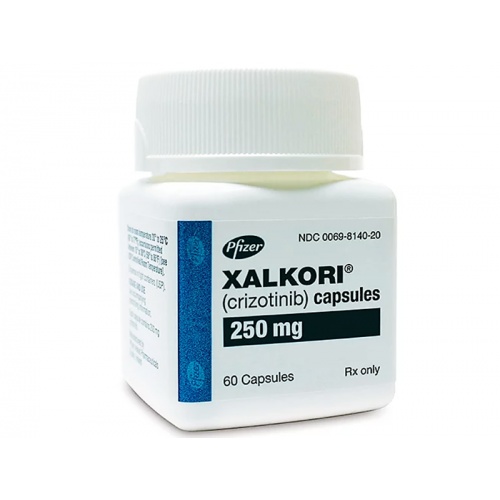
XALKORI 200 mg hard capsules: each capsule contains 200 mg of crizotinib
XALKORI 250 mg hard capsules: each capsule contains 250 mg of crizotinib
The other ingredients are (see also section 2 “XALKORI contains sodium”):
Capsule contents: anhydrous colloidal silicon dioxide, microcrystalline cellulose, dibasic calcium phosphate
anhydrous, sodium starch glycolate (Type A), magnesium stearate.
Capsule shell: gelatin, titanium dioxide (E171) and red iron oxide (E172).
Ink: shellac (E904), propylene glycol (E1520), potassium hydroxide (E525), iron
oxide black (E172).
Description of XALKORI and package contents
XALKORI 200 mg is available in the form of hard gelatin capsules with a pink cap and a
white body, with the inscription in black ink “Pfizer” on the cap and the inscription “CRZ 200” on the body.
XALKORI 250 mg is available in the form of hard gelatin capsules with a pink cap and body
with the inscription in black ink “Pfizer” on the cap and the inscription “CRZ 250” on the body.
XALKORI is available in blister packs of 60 hard capsules and in plastic bottles of
60 hard capsules.
Not all pack sizes may be marketed.
Marketing Authorisation Holder
Pfizer Europe MA EEIG
Boulevard de la Plaine 17
1050 Brussels
Belgium
Manufacturer
Pfizer Manufacturing Deutschland GmbH
Betriebsstätte Freiburg
Mooswaldallee 1
79090 Freiburg
Germany
For further information on this medicinal product, please contact the local representative of the marketing
authorisation holder:
België /Belgique/ Belgien
Luxembourg/Luxemburg
Pfizer NV/SA
Tél/Tel: + 32 (0)2 554 62 11
Lietuva
Pfizer Luxembourg SARL filialas Lietuvoje
Tel. + 370 52 51 4000
България
Пфайзер Люксембург САРЛ, Клон България
Тел.: + 359 2 970 4333
Magyarország
Pfizer Kft.
Tel.: + 36-1-488-37-00
Česká republika
Pfizer, spol. s r.o.
Tel.: + 420 283 004 111
Malta
Vivian Corporation Ltd.
Tel: + 356 21344610
Danmark
Pfizer ApS
Tlf.: + 45 44 20 11 00
Nederland
Pfizer bv
Tel: + 31 (0)800 63 34 636
Deutschland
PFIZER PHARMA GmbH
Tel: + 49 (0)30 550055-51000
Norge
Pfizer AS
Tlf: + 47 67 52 61 00
Eesti
Pfizer Luxembourg SARL Eesti filiaal
Tel.: + 372 666 7500
Österreich
Pfizer Corporation Austria Ges.m.b.H.
Tel: + 43 (0)1 521 15-0
Ελλάδα
Pfizer Ελλάς A.E.
Τηλ.: + 30 210 6785 800
Polska
Pfizer Polska Sp. z o.o.
Tel.: + 48 22 335 61 00
España
Pfizer, S.L.
Tel: + 34 91 490 99 00
Portugal
Laboratórios Pfizer, Lda.
Tel: + 351 21 423 5500
France
Pfizer
Tél: + 33 (0)1 58 07 34 40
România
Pfizer Romania S.R.L.
Tel: + 40 (0) 21 207 28 00
Hrvatska
Pfizer Croatia d.o.o.
Tel: + 385 1 3908 777
Slovenija
Pfizer Luxembourg SARL
Pfizer, podružnica za svetovanje s področja
farmacevtske dejavnosti, Ljubljana
Tel.: + 386 (0)1 52 11 400
Ireland
Pfizer Healthcare Ireland
Tel: +1800 633 363 (toll free)
Tel: + 44 (0)1304 616161
Slovenská republika
Pfizer Luxembourg SARL, organizačná zložka
Tel.: + 421 2 3355 5500
Ísland
Icepharma hf.
Sími: + 354 540 8000
Suomi/Finland
Pfizer Oy
Puh./Tel: + 358 (0)9 43 00 40
Italia
Pfizer S.r.l.
Tel: + 39 06 33 18 21
Sverige
Pfizer AB
Tel: + 46 (0)8 550 520 00
Kύπρος
Pfizer Ελλάς Α.Ε. (Cyprus Branch)
Τηλ: + 357 22 817690
United Kingdom (Northern Ireland)
Pfizer Limited
Tel: + 44 (0) 1304 616161
Latvija
Pfizer Luxembourg SARL filiāle Latvijā
Tel.: + 371 670 35 775
More detailed information on this medicinal product is available on the website of the European Medicines
Agency, https://www.ema.europa.eu .
XALKORI 20 mg granules in openable capsules, 50 mg granules in openable capsules, 150 mg granules in openable capsules
crizotinib
The words “you” and “your” are used to refer to both the adult patient and the person caring for the
paediatric patient. Read this leaflet carefully before taking this medicine as it contains
important information for you.
- Keep this leaflet. You may need to read it again.
- If you have any questions, ask your doctor, pharmacist or nurse.
- This medicine has been prescribed for you only. Do not pass it on to others, even if their symptoms are the same as yours, as it could be harmful.
- If you get any side effects, even those not listed in this leaflet, tell your doctor, pharmacist or nurse. See section 4.
Contents of this leaflet
- 1. What XALKORI is and what it is used for
- 2. What you need to know before you take XALKORI
- 3. How to administer XALKORI granules in openable capsules
- 4. Possible side effects
- 5. How to store XALKORI
- 6. Contents of the pack and other information
- 7. Instructions for use
1. What is XALKORI and what it is used for
XALKORI is an antitumoural medicine containing the active substance crizotinib used for the
treatment of adult patients with a type of tumour called non-small cell lung cancer
(NSCLC), which presents a specific rearrangement or defect of the ALK gene (anaplastic lymphoma kinase)
or of the ROS1 gene.
XALKORI is used for the treatment of children and adolescents (aged ≥ 6 and < 18 years)
with a type of tumour called anaplastic large cell lymphoma (ALCL) or a type of tumour
called inflammatory myofibroblastic tumour (IMT) which presents a specific rearrangement or
defect of the ALK gene (anaplastic lymphoma kinase).
XALKORI may be prescribed to children and adolescents for the treatment of ALCL if previous treatment
has not helped to stop the disease.
XALKORI may be prescribed to children and adolescents for the treatment of IMT if surgery
has not helped to stop the disease.
This medicine must be administered only to you and under the supervision of a doctor experienced
in the treatment of cancer. If you have doubts about the mechanism of action of XALKORI or why it has been
prescribed to you, please consult your doctor.
2. What you need to know before taking XALKORI
Do not take XALKORI
- If you are allergic to crizotinib or any of the other ingredients of this medicine (listed in section 6, “What XALKORI contains”).
Warnings and precautions
Talk to your doctor before taking XALKORI:
- If you have moderate or severe liver disease.
- If you have or have ever had any other lung problems. Some lung disorders may worsen with treatment with XALKORI, as XALKORI can cause inflammation of the lungs during treatment. Tell your doctor immediately if you experience new symptoms or if existing symptoms worsen, including difficulty breathing, shortness of breath, or cough with or without mucus, or fever.
- If you have been told you have an abnormality in your heart tracing following an electrocardiogram (ECG) known as prolonged QT interval.
- If you have a decreased heart rate.
- If you have ever had problems with your stomach or intestines, such as perforations, or if you have conditions that cause inflammation in the abdomen (diverticulitis) or if the tumor has spread to the abdomen (metastases).
- If you have vision disorders (seeing flashes of light, blurred vision, and double vision).
- If you have severe kidney disease.
- If you are currently being treated with any of the medicines listed in the section “Other medicines and XALKORI” .If any of the above conditions apply to you, tell your doctor.
Tell your doctor immediately after taking XALKORI:
- If you experience severe stomach or abdominal pain, fever, chills, shortness of breath, rapid heartbeat, partial or complete loss of vision (in one or both eyes), or changes in bowel habits.
Children and adolescents
The indication for non-small cell lung cancer does not concern children and adolescents. Do not give this medicine to children under 1 year of age with ALCL positive for
ALK or IMT positive for ALK. XALKORI must be administered to children and adolescents under the
supervision of an adult.
Other medicines and XALKORI
Tell your doctor or pharmacist if you are taking, have recently taken, or might take
any other medicines, including herbal remedies and medicines available without a prescription.
In particular, the following medicines may increase the risk of side effects with XALKORI:
- Clarithromycin, telithromycin, erythromycin, antibiotics used to treat bacterial infections.
- Ketoconazole, itraconazole, posaconazole, voriconazole, used to treat fungal infections.
- Atazanavir, ritonavir, cobicistat, used to treat HIV/AIDS infections.
The following medicines may reduce the effectiveness of XALKORI:
- Phenytoin, carbamazepine, or phenobarbital, antiepileptics used to treat seizures or convulsions.
- Rifabutin, rifampicin, used to treat tuberculosis.
- St John's Wort ( Hypericum perforatum), a herbal remedy used to treat depression.
XALKORI may increase the side effects associated with the following medicines:
- Alfentanil and other short-acting opioids, such as fentanyl (pain relievers used for certain surgical procedures).
- Quinidine, digoxin, disopyramide, amiodarone, sotalol, dofetilide, ibutilide, verapamil, diltiazem, used to treat heart problems.
- Medicines for high blood pressure called beta-blockers, such as atenolol, propranolol, labetalol.
- Pimozide, used to treat mental illness.
- Metformin, used to treat diabetes.
- rocainamide, used to treat cardiac arrhythmia.
- Cisapride, used to treat stomach problems.
- Cyclosporine, sirolimus, and tacrolimus, used in patients undergoing transplantation.
- Ergot alkaloids (e.g., ergotamine, dihydroergotamine), used to treat migraine.
- Dabigatran, an anticoagulant used to slow blood clotting.
- Colchicine, used to treat gout.
- Pravastatin, used to reduce cholesterol levels.
- Clonidine, guanfacine, used to treat hypertension.
- Mefloquine, used for malaria prevention.
- Pilocarpine, used to treat glaucoma (a serious eye condition).
- Anticholinesterases, used to restore muscle function.
- Antipsychotics, used to treat mental illness.
- Moxifloxacin, used to treat bacterial infections.
- Methadone, used to treat pain and opioid dependence.
- Bupropion, used to treat depression and smoking cessation.
- Efavirenz, raltegravir, used to treat HIV infections.
- Irinotecan, a chemotherapeutic medicine used to treat colon and rectal cancer.
- Morphine, used to treat acute pain and cancer pain.
- Naloxone, used to treat dependence and withdrawal from opioids.
These medicines must be avoidedduring treatment with XALKORI.
Oral contraceptives
If you are taking XALKORI while being treated with oral contraceptives, oral contraceptives may
be ineffective.
XALKORI with food and drink
You can take XALKORI with or without food; however, XALKORI granules should not be sprinkled on
food. Also, grapefruit or grapefruit juice should be avoided during
treatment with XALKORI, as it may change the amount of XALKORI in the body.
Sun protection
Avoid prolonged exposure to sunlight. XALKORI can make the skin sensitive to the sun
(photosensitivity) and more prone to sunburn. If you must be exposed to sunlight during
treatment with XALKORI, wear protective clothing and/or use a sunscreen that protects the skin
from sunburn.
Pregnancy and breastfeeding
If you are pregnant, suspect you may be pregnant, or are planning a pregnancy, or if you are breastfeeding
with breast milk, ask your doctor or pharmacist for advice before taking this medicine.
Women are recommended not to become pregnant and men are recommended to avoid fathering a child
during treatment with XALKORI, as this medicine can harm the baby. If
there is a possibility that the person taking this medicine may become pregnant or
become a father, they should use a valid contraceptive method for the entire duration of treatment and for
at least 90 days after completion of therapy, as oral contraceptives may not be
effective if taken in conjunction with XALKORI.
Do not breastfeed during treatment with XALKORI. XALKORI can harm the
breastfed infant.
If you are pregnant, suspect you may be pregnant, or are planning a pregnancy or if you are breastfeeding
with breast milk, ask your doctor or pharmacist for advice before taking this medicine.
Driving and operating machinery
Be particularly careful when driving or operating machinery, as patients taking
XALKORI may experience visual disturbances, dizziness, and fatigue.
XALKORI contains sucrose
If your doctor has diagnosed you with an intolerance to certain sugars, contact them before taking
this medicine.
3. How to administer XALKORI granules in capsules to be opened
Take this medicine following the instructions of your doctor exactly. If you have any doubts, ask your
doctor or pharmacist.
- The recommended dose for children and adolescents with ALCL positive for ALK or IMT positive for ALK is 280 mg/m orally twice daily. The recommended dose will be calculated by the patient's doctor and depends on their body surface area (BSA). The maximum daily dose in children and adolescents should not exceed 1,000 mg. XALKORI must be administered under the supervision of an adult.
- Administer the recommended dose once in the morning and once in the evening.
- Administer the capsules every day at approximately the same time.
- The granules must be administered by mouth and must not be crushed, chewed, or sprinkled on food.
- The capsule shell must not be swallowed.
Method of administration
For detailed instructions on how to administer XALKORI granules, read paragraph 7 “Instructions
for use” at the end of this leaflet.
- Hold the capsule with the word “Pfizer” facing up and tap the capsule to ensure that all granules have fallen into the lower half.
- Gently compress the bottom of the capsule.
- Unscrew the top of the capsule.
- Pour the granules directly into the patient’s mouth OR into a spoon or dosing syringe and then pour into the patient’s mouth.
- Tap the open capsule to ensure that all granules have been administered.
- If it is not possible to take the entire dose at once, administer it in portions until the entire dose has been taken.
- Immediately after administration, have the patient drink water to ensure that all granules are swallowed.
- After the granules have been swallowed, other liquids or food may be administered, with the exception of grapefruit and grapefruit juice.
If necessary, the doctor may decide to reduce the dose to be taken orally. The doctor may
decide to discontinue treatment with XALKORI definitively if you do not tolerate XALKORI.
If you take more XALKORI than you should
If you accidentally took too many capsules, contact your doctor or pharmacist immediately. You
may need medical attention.
If you forget to take XALKORI
If you forget to take a capsule, the actions to be taken depend on how much time is left
until the next dose is due.
- If the next dose is due after 6 hours or more, take the forgotten capsule as soon as you remember. Then take the next capsule at the usual time.
- If the next dose is due within 6 hours, do not take the forgotten capsule. Then take the next capsule at the usual time.
At your next visit, inform your doctor that you forgot to take a dose.
Do not take a double dose to make up for a missed dose.
If you vomit after taking a dose of XALKORI, do not take another dose: take the
next dose at the regular time.
If you stop taking XALKORI
It is important to take XALKORI every day, for the entire period of time prescribed by your doctor. If
you are unable to take the medicine that your doctor has prescribed or if you think you no longer
need it, contact your doctor immediately.
If you have any further questions on the use of this medicine, ask your doctor or pharmacist.
4. Possible side effects
Like all medicines, this medicine can cause side effects, although not everyone will experience them.
If you experience any side effect, including those not listed in this leaflet, please inform your
doctor, pharmacist or nurse.
Although not all adverse reactions identified in adults with NSCLC have been observed in
children and adolescents with ALCL or IMT, the same side effects for adult patients with lung cancer
should be considered for children and adolescents with ALCL or IMT.
Some side effects can be serious. Contact your doctor immediately if you experience any of the
following serious side effects (see also section 2 “What you need to know before taking
XALKORI”):
- Liver failureInform your doctor immediately if you feel more tired than usual, if you have yellowing of the skin and the white of your eye, if your urine is dark or brown (tea-colored), if you experience nausea, vomiting or loss of appetite, if you have pain in the upper right side of your stomach, if you have itching or if you notice an increased tendency to bruise. Your doctor may perform blood tests to check your liver function, and if the results are abnormal, they may decide to reduce the dose of XALKORI or stop treatment.
- Lung inflammationInform your doctor immediately if you have difficulty breathing, especially if accompanied by cough or fever.
- Decreased number of white blood cells (including neutrophils)Inform your doctor immediately if you develop fever or infection. Your doctor may perform a blood test and, if the results are not normal, may decide to reduce the dose of XALKORI.
- Confusion, fainting or chest discomfortInform your doctor immediately if you experience these symptoms, which may indicate changes in electrical activity (observed on an electrocardiogram) or changes in heart rhythm. Your doctor may perform an electrocardiogram to check if heart problems have occurred during treatment with XALKORI.
- Complete or partial loss of vision in one or both eyesInform your doctor immediately if you experience new vision problems, loss of vision, or any changes in vision such as difficulty seeing from one or both eyes. Your doctor may suspend or permanently discontinue treatment with XALKORI and seek the opinion of an ophthalmologist.
For children and adolescents taking XALKORI for the treatment of ALK-positive ALCL or ALK-positive IMT: your doctor should refer you to an ophthalmologist before starting
treatment with XALKORI and within 1 month of starting XALKORI to check for
vision problems. You should have an eye exam every 3 months during
treatment with XALKORI and more often if you develop new vision problems.
- Serious stomach and intestinal (gastrointestinal) problems in children and adolescents with ALK-positive ALCL or ALK-positive IMTXALKORI can cause severe diarrhea, nausea, or vomiting. Inform your doctor immediately if you develop difficulty swallowing, vomiting, or diarrhea during treatment with XALKORI. Your doctor may prescribe medications as needed to prevent or treat diarrhea, nausea, and vomiting. If you develop severe symptoms, your doctor may recommend drinking more fluids or may prescribe electrolyte supplements or other types of nutritional support.
Other side effects of XALKORI in adults with NSCLC may be:
Very common side effects(may affect more than 1 in 10 people)
- Visual disturbances (flashes of light, blurred vision, sensitivity to light, floaters, or double vision, which often occur shortly after starting treatment with XALKORI).
- Stomach disorders, including vomiting, diarrhea, nausea.
- Edema (excess fluid in body tissues, causing swelling of the hands and feet).
- Constipation.
- Abnormal liver function tests.
- Decreased appetite.
- Fatigue.
- Dizziness.
- Neuropathy (sensation of numbness or pins and needles in the joints or extremities).
- Altered sense of taste.
- Abdominal pain.
- Decreased number of red blood cells (anemia).
- Skin rash.
- Decreased heart rate.
Common side effects(may affect up to 1 in 10 people)
- Indigestion.
- Increased creatinine levels in the blood (may indicate impaired kidney function).
- Increased levels of alkaline phosphatase in the blood (an indicator of organ dysfunction or injury, particularly of the liver, pancreas, bones, thyroid, or gallbladder).
- Hypophosphatemia (low levels of phosphate in the blood, which can cause confusion or muscle weakness).
- Fluid-filled cysts in the kidneys.
- Fainting.
- Inflammation of the esophagus.
- Decreased levels of testosterone, a male sex hormone.
- Heart failure.
Uncommon side effects(may affect up to 1 in 100 people)
- Perforation in the stomach or intestine.
- Sensitivity to sunlight (photosensitivity).
- Increased levels in the blood in tests that check for muscle damage (elevated creatine phosphokinase levels).
Other side effects of XALKORI in children and adolescents with ALK-positive ALCL or
ALK-positive IMT may be:
Very common side effects(may affect more than 1 in 10 people)
- Abnormal liver function tests.
- Visual disturbances (flashes of light, blurred vision, sensitivity to light, floaters, or double vision, which often occur shortly after starting treatment with XALKORI).
- Abdominal pain.
- Increased creatinine levels in the blood (may indicate impaired kidney function).
- Anemia (decreased number of red blood cells).
- Low platelet count in blood tests (may increase the risk of bleeding and bruising).
- Fatigue.
- Decreased appetite.
- Constipation.
- Edema (excess fluid in body tissues, causing swelling of the hands and feet).
- Increased levels of alkaline phosphatase in the blood (an indicator of organ dysfunction or injury, particularly of the liver, pancreas, bones, thyroid, or gallbladder).
- Neuropathy (sensation of numbness or pins and needles in the joints or extremities).
- Dizziness.
- Indigestion.
- Altered sense of taste.
- Hypophosphatemia (low levels of phosphate in the blood, which can cause confusion or muscle weakness).
Common side effects(may affect up to 1 in 10 people)
- Skin rash.
- Inflammation of the esophagus.
Reporting of side effects
If you experience any side effect, including those not listed in this leaflet, please inform your
doctor, pharmacist or nurse. You can also report side effects directly
through the national reporting system listed in Annex V. By reporting side
effects you can help provide more information on the safety of this medicine.
5. How to store XALKORI
- Keep this medicine out of the sight and reach of children.
- Do not use this medicine after the expiry date which is stated on the bottle and the pack after “EXP”. The expiry date refers to the last day of that month.
- This medicine does not require any special storage conditions.
- Do not use this medicine if you notice that the packaging is damaged or shows signs of tampering.
Do not dispose of any medicine in wastewater or household waste. Dispose of the empty blister of
XALKORI oral granules in household waste. Ask your pharmacist how to dispose of
medicines you no longer use. This will help protect the environment.
6. Contents of the pack and other information
What XALKORI contains
The active ingredient of XALKORI is crizotinib.
XALKORI 20 mg granules for capsules, hard: each capsule contains 20 mg of crizotinib
XALKORI 50 mg granules for capsules, hard: each capsule contains 50 mg of crizotinib
XALKORI 150 mg granules for capsules, hard: each capsule contains 150 mg of crizotinib
The other ingredients are (see also section 2 “XALKORI contains sucrose”):
Granule contents: stearyl alcohol, poloxamer, sucrose, talc (E553b), hypromellose
(E464), macrogol (E1521), glyceryl monostearate (E471), medium-chain triglycerides.
Capsule shell: gelatin, titanium dioxide (E171), brilliant blue (E133) or iron oxide
black (E172).
Ink: shellac (E904), propylene glycol (E1520), potassium hydroxide (E525), iron
oxide black (E172).
Description of the appearance of XALKORI and contents of the pack
XALKORI granules are white to off-white in colour in capsules, hard.
XALKORI 20 mg granules for capsules, hard consists of a light blue cap with the inscription in
black ink “Pfizer” and a white body with the inscription in black ink “CRZ 20”.
XALKORI 50 mg granules for capsules, hard consists of a grey cap with the inscription in
black ink “Pfizer” and a light grey body with the inscription in black ink “CRZ 50”.
XALKORI 150 mg granules for capsules, hard consists of a light blue cap with the inscription in
black ink “Pfizer” and a light blue body with the inscription in black ink “CRZ 150”.
It is available in plastic bottles of 60 capsules, hard.
Marketing Authorisation Holder
Pfizer Europe MA EEIG
Boulevard de la Plaine 17
1050 Brussels
Belgium
Manufacturer
Pfizer Service Company BV
Hoge Wei 10
Zaventem
Vlaams-Brabant 1930
Belgium
For further information on this medicinal product, contact the local representative of the marketing
authorisation holder:
België/Belgique/Belgien
Luxembourg/Luxemburg
Pfizer NV/SA
Tél/Tel: +32 (0)2 554 62 11
Lietuva
Pfizer Luxembourg SARL filialas Lietuvoje
Tel: +370 5 251 4000
България
Пфайзер Люксембург САРЛ, Клон България
Тел.: +359 2 970 4333
Magyarország
Pfizer Kft.
Tel.: +36 1488 37 00
Česká republika
Pfizer, spol. s r.o.
Tel: +420 283 004 111
Malta
Vivian Corporation Ltd.
Tel: +356 21344610
Danmark
Pfizer ApS
Tlf.: +45 44 20 11 00
Nederland
Pfizer bv
Tel: +31 (0)800 63 34 636
Deutschland
PFIZER PHARMA GmbH
Tel: +49 (0)30 550055-51000
Norge
Pfizer AS
Tlf: +47 67 52 61 00
Eesti
Pfizer Luxembourg SARL Eesti filiaal
Tel: +372 666 7500
Österreich
Pfizer Corporation Austria Ges.m.b.H.
Tel: +43 (0)1 521 15-0
Ελλάδα
Pfizer Ελλάς A.E.
Τηλ: +30 210 6785800
Polska
Pfizer Polska Sp. z o.o.
Tel.: +48 22 335 61 00
España
Pfizer, S.L.
Tel: +34 91 490 99 00
Portugal
Laboratórios Pfizer, Lda.
Tel: +351 21 423 5500
France
Pfizer
Tél: +33 (0)1 58 07 34 40
România
Pfizer Romania S.R.L.
Tel: +40 (0) 21 207 28 00
Hrvatska
Pfizer Croatia d.o.o.
Tel: +385 1 3908 777
Slovenija
Pfizer Luxembourg SARL
Pfizer, podružnica za svetovanje s področja
farmacevtske dejavnosti, Ljubljana
Tel: +386 (0)1 52 11 400
Ireland
Pfizer Healthcare Ireland
Tel: +1800 633 363 (toll free)
Tel: +44 (0)1304 616161
Slovenská republika
Pfizer Luxembourg SARL, organizačná zložka
Tel: +421 2 3355 5500
Ísland
Icepharma hf.
Sími: +354 540 8000
Suomi/Finland
Pfizer Oy
Puh/Tel: +358 (0)9 430 040
Italia
Pfizer S.r.l.
Tel: +39 06 33 18 21
Sverige
Pfizer AB
Tel: +46 (0)8 550 520 00
Kύπρος
Pfizer Ελλάς A.E. (Cyprus Branch)
Τηλ: +357 22817690
United Kingdom (Northern Ireland)
Pfizer Limited
Tel: +44 (0)1304 616161
Latvija
Pfizer Luxembourg SARL filiāle Latvijā
Tel: +371 670 35 775
Other sources of information
More detailed information on this medicinal product is available by scanning the QR code included below or on the outer packaging with a mobile device.
QR code to be included
More detailed information on this medicinal product is available on the website of the European Medicines Agency, https://www.ema.europa.eu.
7. Instructions for Use
Read section 7 in its entirety before using XALKORI granules in capsules to be opened.
Materials needed for administering XALKORI granules:
- XALKORI granules contained in capsules, as prescribed by the doctor
- An optional spoon or dosing cup obtained by the consumer
Preparation of XALKORI granules (steps 1 to 3):
| Step 1 | o Take the number of capsules required for the prescribed dose of XALKORI c granules from each bottle. |
| Step 2 | a
 |
| Step 3 | e d Hold and carefully rotate the upper and lower parts of the capsule shell in opposite directions, then separate them to open the capsule. a n a i l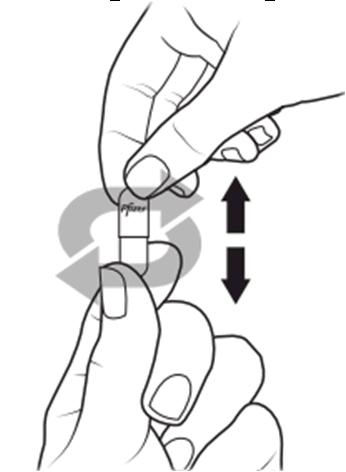 |
Administering XALKORI granules (step 4):oral granules can be administered
to the patient in 2 ways.
| Step 4 | Option 1 (Pour directly into the patient's mouth) | o
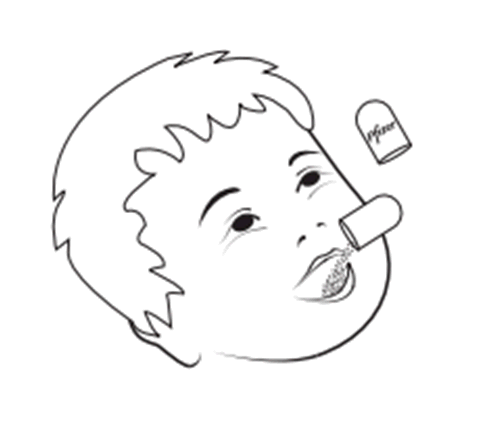 |
| l a Option 2 (Pour from a t doser) I a i z |
 |
Once step 4 is completed, other liquids or foods can be administered, with the exception of
grapefruit or grapefruit juice.
If you have any questions regarding the preparation or
administration procedure for the prescribed dose of XALKORI granules to the patient, contact your doctor or pharmacist.

Не впевнені, чи підходить вам цей лікарський засіб?
Обговоріть симптоми та можливі варіанти лікування з лікарем онлайн.

Виникли питання під час прийому ліків?
Обговоріть свої симптоми та лікування з лікарем онлайн.
- Країна реєстрації
- Лікарська формаHard capsule, 200 MG
- Код АТХL01ED01
- Діюча речовина
- Потрібен рецептТак
- Виробник
- Ця інформація надана лише для ознайомлення і не є медичною порадою. Рішення щодо лікування завжди приймає лікар.
- Альтернативи до XALKORIЛікарська форма: Hard capsule, 150 MGДіюча речовина: алектинибВиробник: ROCHE REGISTRATION GMBHПотрібен рецептЛікарська форма: Film-coated tablet, 30 MGДіюча речовина: БригатинибВиробник: TAKEDA PHARMA A/SПотрібен рецептЛікарська форма: Film-coated tablet, 100 MGДіюча речовина: ЛорлатинибВиробник: PFIZER EUROPE MA EEIGПотрібен рецепт
Аналоги XALKORI в інших країнах
Препарати з тією самою діючою речовиною, доступні в інших країнах.
Аналог XALKORI у Іспанія
Отримайте рецепт на XALKORI онлайн
Заповніть форму за 2 хвилини
Розкажіть про симптоми, історію хвороби та потрібний препарат.
Оберіть лікаря або ми призначимо
Оберіть спеціаліста або ми підберемо найближчого доступного лікаря.
Лікар розглядає ваш випадок
Зазвичай протягом 30 хвилин. Може ставити уточнювальні запитання в чаті.
Отримайте в будь-якій аптеці
Електронний рецепт надсилається на вашу пошту — дійсний по всій Польщі.
Часті запитання
XALKORI потребує рецепта в Італія. Ви можете обговорити з лікарем онлайн, чи підходить цей лікарський засіб для вашої ситуації.
Діюча речовина у XALKORI — Кризотиниб. Це допомагає визначити препарати з тим самим складом, але під іншими торговими назвами.
XALKORI виробляється компанією PFIZER EUROPE MA EEIG. Назва бренду та упаковка можуть відрізнятися залежно від дистрибʼютора.
Лікарі, зокрема Сімейні лікарі, Психіатри, Дерматологи, Кардіологи, Ендокринологи, Гастроентерологи, Пульмонологи, Нефрологи, Ревматологи, Гематологи, Інфекціоністи, Алергологи, Геріатри, Педіатри, Онкологи, можуть оцінити доцільність застосування XALKORI з урахуванням вашого стану та місцевих правил. Ви можете записатися на онлайн-консультацію, щоб обговорити симптоми та можливі подальші кроки.
Польща має добре розвинену систему охорони здоров'я у великих містах, таких як Варшава, Краків, Вроцлав і Гданськ. Аптеки широко доступні та працюють відповідно до чинного законодавства, забезпечуючи доступ до рецептурних препаратів.
Ви можете придбати XALKORI у Варшаві, Кракові, Вроцлаві або Гданську в будь-якій аптеці за наявності дійсного рецепта.
Щоб отримати рецепт, ви можете скористатися Oladoctor:
Інші препарати з тією самою діючою речовиною (Кризотиниб) включають ALEKENSA, ALUNBRIG, LORVIQUA. Вони можуть відрізнятися торговою назвою або формою випуску, але містять той самий терапевтичний компонент. Перед зміною або початком прийому нового препарату варто проконсультуватися з лікарем.
