



VERASEAL 80 mg /Ml / 500 Ui/Ml Tissue Adhesive Solution

Запит на рецепт онлайн
Лікар розгляне ваш випадок і визначить, чи є рецепт медично доцільним.

Поговоріть з лікарем про ці ліки
Обговоріть симптоми та можливі подальші кроки під час короткої онлайн-консультації.



Інструкція із застосування VERASEAL
Зміст інструкції
VeraSeal solutions for tissue adhesive
human fibrinogen/human thrombin
Read this leaflet carefully before using this medicine as it contains important
information for you.
- Keep this leaflet. You may need to read it again.
- If you have any questions, ask your doctor.
- If any side effects occur, including those not listed in this leaflet, tell your doctor. See section 4. Contents of this leaflet
- 1. What VeraSeal is and what it is used for
- 2. What you need to know before you are treated with VeraSeal
- 3. How VeraSeal is used
- 4. Possible side effects
- 5. How to store VeraSeal
- 6. Contents of the pack and other information
1. What is VeraSeal and what is it used for
VeraSeal contains human fibrinogen and human thrombin, two proteins extracted from blood, which
form a clot when mixed.
VeraSeal is used as a tissue adhesive during surgical procedures in patients. It is applied
to the surface of bleeding tissue to reduce bleeding during and after surgery
when standard surgical techniques are not sufficient.
VeraSeal is indicated in all age groups.
2. What you need to know before you are treated with VeraSeal
The surgeon should not treat you with VeraSeal:
- if you are allergic to human fibrinogen or human thrombin or to any of the other ingredients of this medicine (listed in section 6). VeraSeal should not be applied inside blood vessels. VeraSeal should not be used to treat severe or rapid bleeding from an artery. Warnings and precautionsAllergic reactions may occur. The signs of these reactions include hives, rash, chest tightness, wheezing, low blood pressure (e.g., dizziness, fainting, blurred vision) and anaphylaxis (a severe reaction that occurs rapidly). If these symptoms occur during surgery, the use of the medicine must be stopped immediately. The spray application of VeraSeal must only be performed if the spray distance can be accurately assessed. The spray device must not be used at a distance less than the recommended one.
Special warning for safety
For medicines like VeraSeal that are derived from human blood or plasma, certain measures are taken to prevent the transmission of infections to patients. These include careful selection of blood and plasma donors, to ensure the exclusion of donors at risk of carrying infections, and testing of each donation and plasma pool for signs of viruses/infections. Manufacturers also employ procedures during the processing of blood or plasma that can inactivate or remove viruses. Despite these measures, when administering medicines prepared from human blood or plasma, the possibility of transmitting an infection cannot be completely excluded. This also applies to any unknown or emerging viruses or other types of infections. The measures taken are considered effective for enveloped viruses, such as the human immunodeficiency virus (HIV), hepatitis B virus and hepatitis C virus, and for the non-enveloped hepatitis A virus. These measures may be of limited value against non-enveloped viruses, such as parvovirus B19. Parvovirus B19 infection can be severe for pregnant women (fetal infection) and for individuals with a weakened immune system or who suffer from certain types of anemia (e.g., sickle cell anemia or hemolytic anemia). It is strongly recommended that whenever you are treated with VeraSeal, a healthcare professional records the name and batch number of the medicine in order to keep a record of the batches used.
Children and adolescents
The use of VeraSeal is recommended in children and adolescents under 18 years of age.
Other medicines and VeraSeal
There may be effects on the product after contact with solutions containing alcohol, iodine or heavy metals (such as antiseptic solutions).
Tell your doctor or pharmacist if you are taking, have recently taken or might take any other medicines.
Pregnancy and breastfeeding
If you are pregnant, suspect you are pregnant, are planning a pregnancy or are breastfeeding, ask your doctor for advice before being treated with this medicine. The doctor will decide whether you should be treated with this medicine.
3. How VeraSeal is used
The use of VeraSeal is reserved for experienced surgeons who have received training on the use of this
medicinal product.
The surgeon will apply VeraSeal to the surface of blood vessels or to the surface of internal organ tissues, using an application device during surgery. This device
allows the administration of the same quantities of the two components of VeraSeal
simultaneously, and ensures their uniform mixing, an important aspect because the tissue adhesive
works in the best way.
The amount of VeraSeal to be applied depends on several factors, including the type of surgical
procedure, the size of the area to be treated during surgery, and the way VeraSeal is applied. The
surgeon will decide the appropriate dose and apply a sufficient amount to form a thin and uniform
layer. If it does not seem sufficient, a second layer can be applied.
4. Possible side effects
Like all medicines, this medicine can cause side effects, although not everybody gets them.
VeraSeal contains a fibrin-based tissue adhesive component. Fibrin-based tissue adhesives may, in rare cases (up to 1 in 1,000 people), cause an allergic reaction. If an allergic reaction occurs, one or more of the following symptoms may appear: swelling under the skin (angioedema), skin rash, urticaria or wheals (hives), chest tightness, chills, flushing, headache, low blood pressure, lethargy, nausea, restlessness, increased heart rate, tingling, vomiting, or wheezing. In isolated cases, these reactions can progress to a severe allergic reaction. Allergic reactions may be observed particularly if the preparation is applied repeatedly or if it is administered to patients with a known hypersensitivity to the components of the product. If you experience any of these symptoms after surgery, consult your doctor or surgeon immediately.
There is also a theoretical possibility that the immune system may produce proteins to attack VeraSeal, and these may interfere with blood clotting. The frequency of this type of event is not known.
If the product is accidentally inserted into a blood vessel, it may cause blood clots, including disseminated intravascular coagulation (where blood clots form in all the blood vessels in the body). There is also a risk of a severe allergic reaction.
The side effects reported during clinical trials conducted with VeraSeal included:
More serious side effects
Uncommon (may affect up to 1 in 100 people):
- Abdominal abscess (in the abdomen) (swelling in an area of the abdomen caused by infection)
- Re-opening of the abdominal wound (in the abdomen) due to incomplete healing
- Bile leakage (a fluid produced by the liver) after surgery
- Cellulitis (skin infection)
- Deep vein thrombosis (blood clots in blood vessels)
- Hepatic abscess (swelling in an area of the liver caused by infection)
- Peritonitis (inflammation of the abdominal wall)
- Positive Parvovirus B19 test (laboratory result indicating an infection with this virus)
- Post-operative wound infection
- Pulmonary embolism (blood clot in the blood vessels of the lungs)
- Wound infection Other side effects Common (may affect up to 1 in 10 people):
- Nausea
- Pain caused by surgery
- Pruritus (itching) Uncommon (may affect up to 1 in 100 people):
- Anemia (insufficient number of red blood cells)
- Anxiety
- Atrial fibrillation (irregular heartbeat)
- Back pain
- Bladder spasm
- Chills
- Conjunctivitis (eye irritation)
- Constipation
- Contusion (bruising)
- Decreased urine production
- Difficulty breathing
- Pain or difficulty urinating
- Bruising
- Erythema (redness of the skin)
- Flatulence (presence of intestinal gas)
- Headache
- High body temperature
- High or low blood pressure
- High or low white blood cell counts in the blood
- High potassium levels in the blood
- Ileus (intestinal obstruction)
- Altered blood coagulation
- Erythema at the incision site (redness of the skin at the incision site)
- Incision site infection
- Increased bilirubin in the blood
- Increased liver enzyme levels
- Increased or decreased glucose levels in the blood
- Insomnia
- Low blood pressure due to surgery
- Low calcium levels in the blood
- Low magnesium levels in the blood
- Low oxygen levels in the blood
- Low potassium levels in the blood
- Low protein levels in the blood
- Low red blood cell levels caused by blood loss
- Low sodium levels in the blood
- Peripheral edema (fluid accumulation)
- Pain, unspecified
- Pain at the incision site
- Limb pain
- Multiple myeloma (tumor of blood cells)
- Pleural effusion (abnormal amount of fluid around the lungs).
- Pleurisy (inflammation of the lung walls)
- Post-procedural hemorrhage (bleeding after surgery)
- Post-procedural infection (infection after surgery)
- Pulmonary edema (excess fluid in the lungs)
- Retroperitoneal hematoma (blood accumulation in the abdomen)
- Rhonchi (rattling noises in the lungs)
- Somnolence (drowsiness)
- Urinary retention
- Vascular graft complication (vascular bypass complication)
- Vascular graft thrombosis (blood clots in the bypass graft)
- Ventricular tachycardia (rapid heartbeat)
- Bruising at the blood vessel puncture site
- Vomiting
- Wheezing
- Wound secretion
Reporting of side effects
If you get any side effects, talk to your doctor or surgeon. This includes any side effects not listed in this leaflet. You can also report side effects directly through the national reporting system detailed in Annex V. By reporting side effects you can help provide more information on the safety of this medicine.
5. How VeraSeal is stored
VeraSeal must be kept out of sight and reach of children.
This medicine must not be used after the expiry date which is stated on the label of the
syringe and on the blister label after “EXP” and on the carton after “Scad”.
It must be stored and transported frozen (-18 ºC or lower temperature). The cold chain
must not be interrupted until the time of use. Keep the sterilised blister in the
outer packaging to protect the medicine from light. Thaw completely before use. Do not
refreeze once thawed. After thawing, it may be stored for no more than
7 days at a temperature between 2 ºC and 8 ºC or 24 hours at a temperature not exceeding 25 ºC before
use.
Once the blister is opened, VeraSeal must be used immediately.
It must not be used if the solutions are cloudy or contain particulate matter.
Dispose of the product if the packaging is damaged.
6. Package Contents and Other Information
What VeraSeal contains
The active ingredients are:
- Component 1: human fibrinogen
- Component 2: human thrombin The other components are:
- Component 1: sodium citrate dihydrate, sodium chloride, arginine, isoleucine, monosodium glutamate, water for injections.
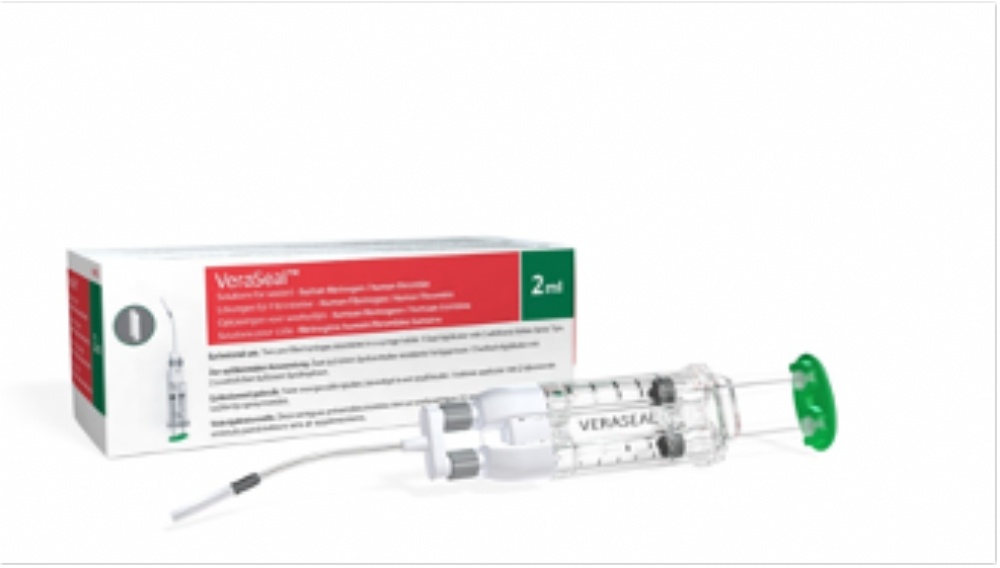
- Component 2: calcium chloride, human albumin, sodium chloride, glycine, water for injections. Description of VeraSeal’s appearance and package contentsVeraSeal is presented as tissue adhesive solutions. It is supplied in a single-use kit containing two pre-filled syringes, assembled in a syringe holder. Frozen solutions. After thawing, the solutions appear clear or slightly opalescent and colorless or light yellow in color. The product is supplied with a double applicator with two additional airless spray tips, for spray or drop-by-drop application. The airless spray tips are radiopaque. See the figure below.
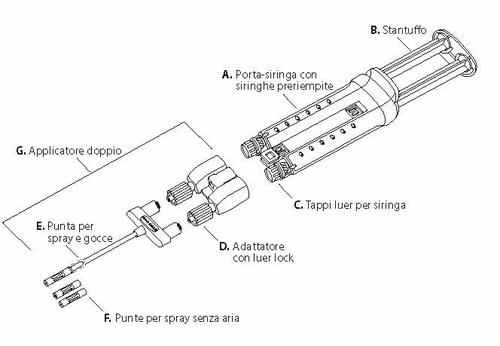
VeraSeal is available in the following pack sizes:
- VeraSeal 2 mL (containing 1 mL of human fibrinogen and 1 mL of human thrombin)
- VeraSeal 4 mL (containing 2 mL of human fibrinogen and 2 mL of human thrombin)
- VeraSeal 6 mL (containing 3 mL of human fibrinogen and 3 mL of human thrombin)
- VeraSeal 10 mL (containing 5 mL of human fibrinogen and 5 mL of human thrombin) Not all pack sizes may be marketed. Marketing Authorisation Holder and ManufacturerInstituto Grifols, S.A. Can Guasc, 2 - Parets del Vallès
- E - 08150 Barcelona - Spain For further information on this medicinal product, contact the local representative of the Marketing Authorisation Holder: AT/BE/BG/CY/EE/EL/HR/HU/IE/LV/LT/LU/MT/NL/RO/SI/SK/UK(NI)Instituto Grifols, S.A. Tel: +34 93 571 01 00 CZGrifols S.R.O. Tel: +4202 2223 1415
DE
Grifols Deutschland GmbH
Tel: +49 69 660 593 100
DK/FI/IS/NO/SE
Grifols Nordic AB
Tel: +46 8 441 89 50
FR
Johnson & Johnson Medical S.A.S.
Tel: +33 (0)1 55 00 22 33
IT
Grifols Italia S.p.A.
Tel: +39 050 8755 113
ES
Johnson & Johnson, S.A.
Tel: +34 91 722 80 00
PL
Grifols Polska Sp. z o. o.
Tel: +48 22 378 85 60
PT
Grifols Portugal, Lda.
Tel: +351 219 255 200
Other sources of information
More detailed information on this medicinal product is available on the website of the European
Medicines Agency, http://www.ema.europa.eu .
---------------------------------------------------------------------------------------------------------------------------
The following information is intended for healthcare professionals only:
Dosage and Administration
The use of VeraSeal is reserved for experienced surgeons who have received training in the use of the
medicinal product.
The amount of VeraSeal to be applied and the frequency of application must always be determined
according to the patient's underlying clinical needs.
The dose to be applied depends on variables, including the type of surgical procedure, the size of the
area, the intended method of application and the number of applications.
The application of the product must be individualized by the physician. In clinical trials, individual doses
typically ranged from 0.3 to 12 mL. Larger quantities may be required for other procedures.
The initial amount of product to be applied to the chosen anatomical site, or to the surface to be
treated, must be sufficient to completely cover the intended application area. VeraSeal should
be applied in a thin layer. Application may be repeated if necessary.
Incompatibilities
This medicinal product must not be mixed with other medicinal products.
Special Precautions
For epilesional use only. Do not apply intravascularly.
If the preparation is accidentally applied intravascularly, potentially life-threatening thromboembolic
complications may occur.
When using accessory tips, follow the relevant instructions.
Before administering VeraSeal, adequate protection (covering) of body parts outside the desired
application area should be ensured to avoid adhesion of tissues in undesired locations.
VeraSeal should be applied in a thin layer. Excessive thickness of the clot may negatively interfere
with the effectiveness of the product and the wound healing process.
Instructions for Use
Read this leaflet before opening the package. See the pictograms at the end of this leaflet.
Handling of VeraSeal
VeraSeal is supplied ready for use in sterilised packaging and must be handled using
sterile techniques under aseptic conditions. Discard damaged packaging as resterilisation is not possible.
A summary of thawing methods and storage after thawing is given in
Table 1.
Table 1. Thawing and storage after thawing
| Thawing method | Thawing time per package | Storage after thawing | |
| For 2 mL and 4 mL | For 6 mL and 10 mL | ||
| Refrigerator (2 °C-8 °C) | Minimum 7 hours | a Minimum 10 hours | 7 days at 2 °C-8 °C (refrigerator) in the original packaging OR 24 hours at a temperature not exceeding 25 °C in the original packaging |
| Thawing at temperature between 20 °C and 25 °C | Minimum 70 minutes | F Minimum 90 minutes l e | |
| Sterile water bath (37 °C) within the sterile field | Minimum 5 minutes. Do not exceed 10 minutes. | d Minimum 5 minutes. Do not exceed 10 minutes. | Use immediately during surgery |
- Preferred thawing methodsThawing in the refrigerator
- 1. Remove the box from the freezer and place it in the refrigerator for thawing at a temperature between 2 °C and 8 °C for a minimum of 7 hours for 2 mL and 4 mL packages, and a minimum of 10 hours for 6 mL and 10 mL packages. After thawing, the product does not need to be warmed for use. After thawing, the solutions should appear from clear to slightly opalescent and from colorless to light yellow. Solutions that appear cloudy or contain particulate matter should not be used. Thawing at a temperature between 20 °C and 25 °C Remove the box from the freezer, open it and remove the two blisters. Leave the blister containing the double applicator on a surface at a temperature between 20 °C and 25 °C until the fibrin-based tissue adhesive is ready for use. Thaw the blister with the pre-filled VeraSeal syringes at a temperature between 20 °C and 25 °C following the procedure below:
- 1. Place the blister containing the syringe holder with pre-filled syringes on a surface at a temperature between 20 ºC and 25 ºC for a minimum of 70 minutes for 2 mL and 4 mL packages and a minimum of 90 minutes for 6 mL and 10 mL packages. After thawing, the product does not need to be warmed for use.
After thawing, the solutions should appear from clear to slightly opalescent and
from colorless to light yellow. Solutions that appear cloudy or contain particulate matter should
not be used.
Storage after thawing
After thawing, the kit containing the syringe holder with pre-filled syringes and the VeraSeal double applicator
can be stored for no more than 7 days in the refrigerator at a temperature
between 2 °C and 8 ºC, or 24 hours at a temperature not exceeding 25 ºC before use, if
it remains sealed in the original packaging. Once the blisters are opened, use VeraSeal
immediately and discard any unused contents.
Do not refreeze once thawed.
Transfer instructions
- 1. After thawing, remove the blister from the surface at a temperature between 20 °C and 25 °C, or from the refrigerator at a temperature between 2 °C and 8 °C.
- 2. Open the blister and ensure that the pre-filled VeraSeal syringes are completely thawed. Make the syringe holder with pre-filled VeraSeal syringes available to a second person for transfer to the sterile field. The outside of the blister must not come into contact with the sterile field. See Figure 1.
- Sterile water bath (rapid thawing)
Remove the box from the freezer, open it and remove the two blisters.
Leave the blister containing the double applicator on a surface at a temperature between
20 °C and 25 °C until the fibrin-based tissue adhesive is ready for use.
Thaw the pre-filled VeraSeal syringes within the sterile field in a sterile water bath
thermostatically controlled at a temperature of 37 2 °C using the following procedure:
NOTE: once the VeraSeal blisters are opened, use the product immediately. Use a sterile technique to avoid possible contamination due to improper handling and carefully follow the procedure below. Do not remove the syringe luer cap until thawing is complete and the double applicator is ready for
connection.
- 1. Open the blister and make the syringe holder with pre-filled VeraSeal syringes available to a second person for transfer to the sterile field. The outside of the blister must not come into contact with the sterile field. See Figure 1.
- 2. Place the syringe holder with pre-filled syringes directly into the sterile water bath, ensuring that it is completely immersed. See Figure 2.
- 3. At 37 ºC, the time required is approximately 5 minutes for 2 mL, 4 mL, 6 mL and 10 mL packages; do not leave the packages at this temperature for more than 10 minutes. The water bath temperature must not exceed 39 °C.
- 4. Dry the syringe holder with pre-filled syringes after thawing, using a sterile surgical gauze. Ensure that the pre-filled VeraSeal syringes are completely thawed. After thawing, the solutions should appear from clear to slightly opalescent and from colorless to light yellow in color. Do not use solutions that appear cloudy or contain particulate matter. Use VeraSeal immediately and discard any unused contents.
- Connection instructions
- 1. Open the blister and make the double applicator and the two additional airless spray tips of VeraSeal available to a second person for transfer to the sterile field. The outside of the blister must not come into contact with the sterile field.
- 2. Hold the VeraSeal syringe holder with the syringe luer caps facing up. See Figure 3.
- 3. Unscrew and discard the luer caps of the fibrinogen and thrombin syringes. See Figure 3.
- 4. Hold the syringe holder with the luer caps facing up. To remove air bubbles from the syringes, gently tap the side of the syringe holder one or two times while holding it upright and lightly pressing the plunger to expel the air. See Figure 4.
- 5. Connect the double applicator. See Figure 5. NOTE: do not press the plunger during connection or before intended use, as the two biological components would be premixed in the airless spray tip, forming a fibrin clot that would prevent dispensing. See Figure 6.
- 6. Tighten the luer locks and ensure that the double applicator is securely connected. The device is now ready for use.
- AdministrationApply VeraSeal using the supplied syringe holder and plunger. Apply VeraSeal using the supplied double applicator. Other tips for application with CE marking (including devices for laparoscopic and open surgery) intended for specific use with VeraSeal can also be used. When using the supplied double applicator, follow the connection instructions above. When using other application tips, follow the instructions provided for their use. Spray application
- 1. Grab the double applicator and bend it into the desired position. The tip will maintain its shape.
- 2. Position the airless spray tip at least 2 cm away from the target tissue. Apply constant and uniform pressure on the plunger to dispense the fibrin-based tissue adhesive. Increase the distance accordingly to achieve the desired coverage of the area to be treated.
- 3. If dispensing is interrupted for any reason, replace the airless spray tip before resuming application, as a clot may form inside the airless spray tip. To replace the airless spray tip, remove the device from the patient and unscrew the used tip. See Figure 7. Place the used airless spray tip away from the spare tips. Clean the end of the applicator with a dry or damp sterile surgical gauze. Then connect a new airless spray tip supplied in the package and ensure it is securely applied before use. NOTE: the red indicator will not be visible if the airless spray tip is connected correctly. See Figure 8. NOTE: do not continue to push the plunger in an attempt to eliminate the fibrin clot inside the airless spray tip, as this may render the applicator unusable. NOTE: do not cut the double applicator to avoid exposing the internal wire.
Drop application
- 1. Unscrew the spray tip part from the spray and drop tip to remove it. See Figure 7.
- 2. Grab the double applicator and bend it into the desired position. The tip will maintain its shape.
- 3. During drop application, hold the end of the drop tip as close as possible to the tissue surface without touching it.
- 4. Apply individual drops onto the surface to be treated. To avoid uncontrolled coagulation, allow the drops to separate from each other and from the end of the drop tip. NOTE: do not reconnect a drop tip once it has been removed from the adapter; otherwise, a clot may form inside the tip, rendering the applicator unusable.
- DisposalUnused medicine and waste materials derived from such medicine must be disposed of in accordance with local regulations.
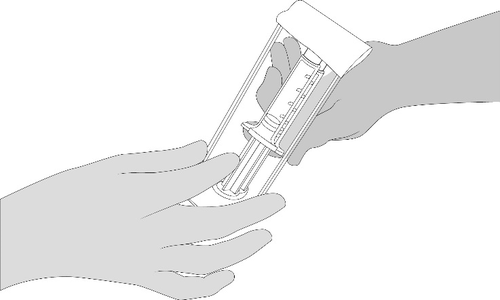
Figure 1
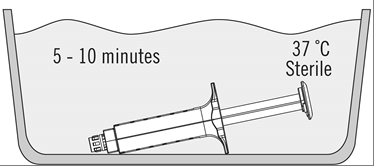
Figure 2
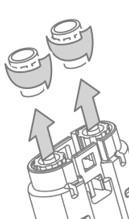
Figure 3
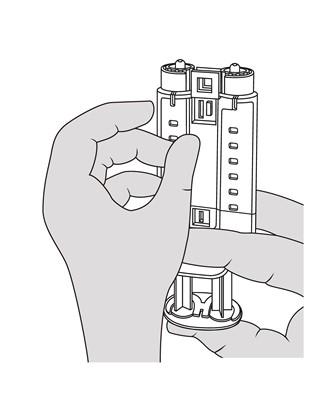
Figure 4
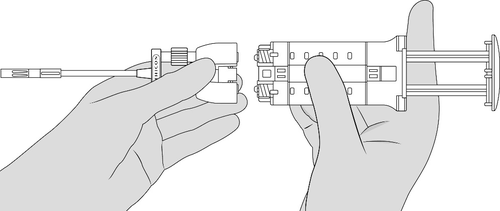
Figure 5
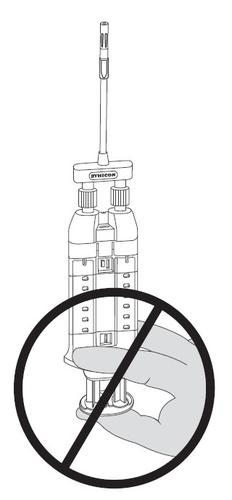
Figure 6
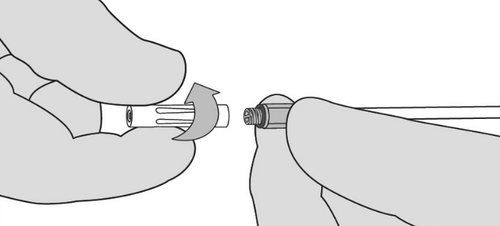
Figure 7
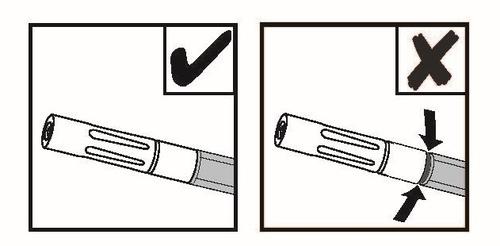
Figure 8

Не впевнені, чи підходить вам цей лікарський засіб?
Обговоріть симптоми та можливі варіанти лікування з лікарем онлайн.

Виникли питання під час прийому ліків?
Обговоріть свої симптоми та лікування з лікарем онлайн.
- Країна реєстрації
- Лікарська формаTissue adhesive solution, 80 MG/ML / 500 UI/ML
- Потрібен рецептТак
- Виробник
- Ця інформація надана лише для ознайомлення і не є медичною порадою. Рішення щодо лікування завжди приймає лікар.
- Альтернативи до VERASEALЛікарська форма: Tissue adhesive, 1 MLДіюча речовина: combinationsВиробник: BAXTER S.P.A.Потрібен рецептЛікарська форма: Tissue adhesive, 9.5 CM X 4.8 CMДіюча речовина: combinationsВиробник: CORZA MEDICAL GMBHПотрібен рецептЛікарська форма: Tissue adhesive, 2 MLДіюча речовина: combinationsВиробник: BAXTER S.P.A.Потрібен рецепт
Аналоги VERASEAL в інших країнах
Препарати з тією самою діючою речовиною, доступні в інших країнах.
Аналог VERASEAL у Іспанія
Лікарі онлайн щодо VERASEAL
Застосування, безпека та можливість призначення рецепта — за результатами медичної оцінки.









Отримайте рецепт на VERASEAL онлайн
Заповніть форму за 2 хвилини
Розкажіть про симптоми, історію хвороби та потрібний препарат.
Оберіть лікаря або ми призначимо
Оберіть спеціаліста або ми підберемо найближчого доступного лікаря.
Лікар розглядає ваш випадок
Зазвичай протягом 30 хвилин. Може ставити уточнювальні запитання в чаті.
Отримайте в будь-якій аптеці
Електронний рецепт надсилається на вашу пошту — дійсний по всій Польщі.
Часті запитання
VERASEAL потребує рецепта в Італія. Ви можете обговорити з лікарем онлайн, чи підходить цей лікарський засіб для вашої ситуації.
VERASEAL виробляється компанією INSTITUTO GRIFOLS S.A.. Назва бренду та упаковка можуть відрізнятися залежно від дистрибʼютора.
Лікарі, зокрема Сімейні лікарі, Психіатри, Дерматологи, Кардіологи, Ендокринологи, Гастроентерологи, Пульмонологи, Нефрологи, Ревматологи, Гематологи, Інфекціоністи, Алергологи, Геріатри, Педіатри, Онкологи, можуть оцінити доцільність застосування VERASEAL з урахуванням вашого стану та місцевих правил. Ви можете записатися на онлайн-консультацію, щоб обговорити симптоми та можливі подальші кроки.
Польща має добре розвинену систему охорони здоров'я у великих містах, таких як Варшава, Краків, Вроцлав і Гданськ. Аптеки широко доступні та працюють відповідно до чинного законодавства, забезпечуючи доступ до рецептурних препаратів.
Ви можете придбати VERASEAL у Варшаві, Кракові, Вроцлаві або Гданську в будь-якій аптеці за наявності дійсного рецепта.
Щоб отримати рецепт, ви можете скористатися Oladoctor:
Інші препарати з тією самою діючою речовиною () включають ARTISS, TAKOSIL, TISSEEL. Вони можуть відрізнятися торговою назвою або формою випуску, але містять той самий терапевтичний компонент. Перед зміною або початком прийому нового препарату варто проконсультуватися з лікарем.
