



TRITTICO 50 mg /5 Ml Injectable Solution

Запит на рецепт онлайн
Лікар розгляне ваш випадок і визначить, чи є рецепт медично доцільним.

Поговоріть з лікарем про ці ліки
Обговоріть симптоми та можливі подальші кроки під час короткої онлайн-консультації.



Інструкція із застосування TRITTIKO
Зміст інструкції
- TRITTICO 25 mg/ml oral drops, solution
- TRITTICO 50 MG film-coated tablets, 100 MG film-coated tablets
- TRITTICO 50 mg/5 ml injectable solution
- TRITTICO 60 mg/ml oral drops, solution
- TRITTICO 75 mg prolonged-release tablets, 150 mg prolonged-release tablets
- TRITTICO 150 mg film-coated prolonged-release tablets – CONTRAMID tablets
TRITTICO 25 mg/ml oral drops, solution
Trazodone hydrochloride
Read this leaflet carefully before you start taking this medicine as it contains important
information for you.
- Keep this leaflet. You may need to read it again.
- If you have any questions, ask your doctor or pharmacist.
- This medicine has been prescribed for you only. Do not pass it on to others, even if their symptoms are the same as yours, as it may be harmful.
- If you get any side effects, even those not listed in this leaflet, tell your doctor or pharmacist. See section 4.
Contents of this leaflet:
- 1. What Trittico is and what it is used for
- 2. What you need to know before you take Trittico
- 3. How to take Trittico
- 4. Possible side effects
- 5. How to store Trittico
- 6. Contents of the pack and other information
1. What is Trittico and what is it used for?
Trittico contains the active ingredient trazodone hydrochloride, belonging to the group of medicines called
“antidepressants”.
Trittico is used in adultsin the treatment of depression, even when it is accompanied by anxiety.
2. What you need to know before you take Trittico
Do not take Trittico
- if you are allergic to trazodone hydrochloride or to any of the other ingredients of this medicine (listed in section 6)
- if you abuse alcohol
- if you abuse medicines that help you fall asleep (hypnotic medicines)
- during an acute heart attack. Trittico must not be used in children and adolescents. Warnings and precautionsTalk to your doctor or pharmacist before taking Trittico. In particular, tell your doctor:
- if you or someone caring for you notices a change or worsening of your depression, or in your usual behaviour, or the appearance of thoughts of suicide. In these cases, the doctor must be informed immediately
- if you suffer from epilepsy, in this case the doctor will avoid sudden increases or decreases in dose
- if you suffer from reduced liver function, especially if severe (hepatic insufficiency)
- if you suffer from reduced kidney function, especially if severe (renal insufficiency)
- if you suffer from heart and blood vessel diseases, such as for example: chest pain (angina pectoris), disturbances of the heart's electrical conduction system, recent heart attack
- if you suffer from hyperthyroidism(alteration of thyroid function)
- if you have difficulty urinating, such as in the case of prostatic hypertrophy (enlargement of the prostate)
- if you suffer from acute angle-closure glaucoma(increased pressure inside the eye)
- if you suffer from schizophrenia or other mental disorders, as the use of Trittico may worsen the symptoms of these diseases, for example increased paranoid thoughts (having beliefs that do not correspond to reality). See section 4 “Possible side effects”
- if you experience sore throat and fever. In this case, the doctor may recommend blood tests because they may be symptoms of a blood disease (agranulocytosis)
- if you experience discomfort and dizziness(especially when getting up from bed or a chair), as these may be signs of a decrease in blood pressure
- if you are male and experience a painful and prolonged erection. If this happens, stop treatment immediately. If you are elderly If you are elderly, use this medicine with caution as you are more likely to experience side effects, for example a decrease in blood pressure when standing up (orthostatic hypotension) or drowsiness. If you or someone caring for you notices these side effects, you should inform your doctor who will monitor you closely, especially at the beginning of treatment, before and during dose increases. If you suffer from any illness or are taking other medicines (see section “Other medicines and Trittico”), tell your doctor who will take the appropriate precautions to avoid an increase in side effects. Interference with urine tests If you are taking Trittico and have a urine test for drug screening, using particular techniques (immunological tests), it may result in a false positive for amphetamine. In this case, consult your doctor and ask for a confirmatory analysis based on other techniques.
Other medicines and Trittico
Tell your doctor or pharmacist if you are taking, have recently taken or might take any other
medicines.
In particular, tell your doctor if you are taking the following medicines.
Medicines that increase the possible side effects of Trittico
- medicines that change the way the liver works, such as:
- erythromycin (an antibiotic)
- ketoconazole, itraconazole (medicines to treat fungal infections)
- ritonavir, indinavir (medicines to treat HIV infection)
- nefazodone (medicine to treat various forms of depression). Avoid taking Trittico together with these medicines. If necessary, your doctor will reduce the dose of Trittico
- tricyclic antidepressants (medicines to treat depression). Avoid the concurrent use of these medicines with trazodone
- fluoxetine (medicine to treat anxiety and depression)
- neuroleptics (medicines to treat mental disorders such as schizophrenia)
- phenothiazines (medicines to treat mental disorders such as schizophrenia) such as chlorpromazine, fluphenazine, levomepromazine, perphenazine
- medicines that prolong the QT interval, i.e. medicines that cause an alteration in the electrocardiogram
- preparations based on Hypericum perforatum (St John's wort, a plant used as an antidepressant). Medicines that reduce the effect of Trittico
- oral contraceptives (the pill)
- phenytoin (medicine to treat epilepsy)
- carbamazepine (medicine to treat epilepsy). Your doctor will monitor you to assess whether to increase the dose of Trittico
- barbiturates (medicines used as sedatives, anesthetics, antiepileptics, hypnotics). Medicines that increase the effect of Trittico
- cimetidine (medicine used in case of stomach ulcer).
Other medicines that interfere with Trittico
- antipsychotics (medicines used to treat certain mental illnesses), hypnotics (sleeping pills), sedatives (tranquilizers), anxiolytics (medicines for anxiety) and antihistamines (medicines for allergies), as their sedative effect may increase. In this case, your doctor may reduce the dose of these medicines. MAOIs, monoamine oxidase inhibitors (medicine to treat anxiety and depression). Avoid taking trazodone with MAOIs for two weeks after stopping treatment with MAOIs. Similarly, the use of MAOIs is not recommended for the week following discontinuation of trazodone treatment
- anesthetics. If you are to undergo surgery requiring the use of volatile anesthetics, tell the anesthesiologist that you are taking Trittico. Trittico can increase the effect of the anesthetic.
- muscle relaxants (medicines that cause muscle relaxation). If you are to undergo surgery requiring the use of muscle relaxants, tell the anesthesiologist that you are taking Trittico. Trittico can increase the effect of these medicines
- levodopa (medicine used for the treatment of Parkinson's disease), as the effect of levodopa may decrease
- clonidine (medicine to reduce high blood pressure), as trazodone may decrease the effect of clonidine
- anticoagulants and/or antiplatelet agents (for reducing blood clotting): blood clotting may be altered with a risk of bleeding
- antihypertensives (medicines to treat high blood pressure), as your doctor may reduce the dose of the antihypertensive if necessary
- digoxin (medicine to treat heart disorders).
Trittico with food, beverages and alcohol
Do nottake Trittico if you abuse alcohol (see section “Do not take Trittico”).
Trazodone enhances the sedative effects of alcohol, therefore avoid consuming alcohol during therapy with
trazodone.
Pregnancy and breastfeeding
If you are pregnant, suspect you are pregnant or are planning a pregnancy, or if you are breastfeeding, ask your
doctor or pharmacist for advice before taking this medicine.
If you are pregnant and breastfeeding, take Trittico only if absolutely necessary and under strict
medical supervision.
Driving and using machines
Trittico has a mild or moderate influence on the ability to drive and operate machines, therefore
be particularly careful if you need to drive or use machines. Do not drive or operate machines if you
experience side effects such as drowsiness, sedation, dizziness, confusion or blurred vision.
Trittico 25 mg/ml oral drops, solution contains:
- ethanol: This medicine contains 16.4 mg of alcohol (ethanol) in each 2 ml dose (50 drops) which is equivalent to 8.2 mg/ml. The amount per dose of this medicine is equivalent to 0.40 ml of beer or 0.17 ml of wine. The small amount of alcohol in this medicine will not produce significant effects.
- sodium: This medicine contains less than 1 mmol (23 mg) of sodium per dose (2 ml corresponding to 50 drops), i.e. essentially ‘sodium-free’. Trittico contains latex rubber (latex)The container of this medicine (dropper pipette) is made of latex rubber. It may cause serious allergic reactions.
3. How to take Trittico
Take this medicine following exactly the instructions of your doctor or pharmacist. If you have
any doubts, consult your doctor or pharmacist.
Adults:
- The recommended dose is 25-50 mg (corresponding to 25 - 50 drops), 2-3 times a day. One drop of Trittico 25 mg/ml oral drops contains 1 mg of trazodone hydrochloride.
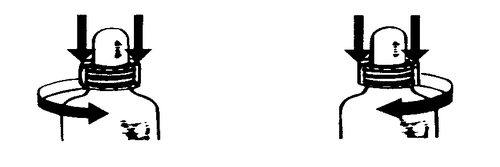
- The doctor will start therapy with an evening dose and will subsequently prescribe increasing daily doses, according to their judgement. Elderly and debilitated patients The recommended initial dose is 100 mg per day, to be administered as a single daily dose or divided into multiple doses. The daily dose may be increased to 150 mg if well tolerated. Do not exceed the maximum dose of 300 mg per day. Trittico is contraindicated in children and adolescents. Instructions for administration and useTake the drops diluted in a little water or other liquids, preferably on a full stomach. Taking Trittico after meals reduces the onset of undesirable effects. To avoid improper use by children who accidentally come into contact with the product, the packaging is equipped with a child-resistant and non-intuitive opening cap. It is therefore necessary to:
To open: To close:
press and simultaneously turn screw tightly down while pressing
Duration of treatment
Take this medicine for the time prescribed by your doctor.
If you take more Trittico than you should
In case of ingestion/accidental intake of an excessive dose of Trittico, immediately notify your
doctor or go to the nearest hospital. Bring this leaflet with you.
In case of taking an excessive dose of the medicine, you may experience the following symptoms:
- drowsiness
- dizziness
- nausea
- vomiting. In more severe cases, you may experience:
- coma
- tachycardia (increased heart rate per minute)
- hypotension (low blood pressure)
- hyponatremia (decrease in sodium in the blood causing a general state of discomfort)
- convulsions
- severe breathing difficulties
- heart disorders including bradycardia (decreased heart rate, i.e. the number of heartbeats per minute), arrhythmias (alterations in heart rhythm). These symptoms may appear within 24 hours or more. The doctor, based on the nature and severity of the symptoms, will carry out the appropriate supportive therapy. Symptoms may appear within 24 hours or more after an overdose.
If you forget to take Trittico
Do not take a double dose to make up for a missed dose.
If you stop taking Trittico
Do not abruptly stop treatment with trazodone, especially if prolonged. Discontinuation of
treatment with this medicine must be gradual and under medical supervision, in order to
minimize the appearance of withdrawal symptoms such as nausea, headache, malaise.
If you have any doubts about the use of this medicine, ask your doctor or pharmacist.
4. Possible side effects
Like all medicines, this medicine can cause side effects, although not everyone will experience them.
If you experience the following side effects or notice them in someone taking care of you STOPtreatment with
this medicine and contact your doctor immediately:
- jaundice (yellowing of the skin and whites of the eyes)
- worsening of depressive state characterized by manic behaviors (obsessive behaviors and/or ideas)
- priapism (abnormal and persistent erection). If you experience the following side effects or notice them in someone taking care of you ,contact your doctor immediately:
- suicidal thoughts or suicidal behavior, or any other change in behavior. You may experience these effects both during therapy and in the early stages following discontinuation of treatment, therefore your doctor will monitor you. Furthermore, you may experience the following side effects for which the frequency is unknown: Not known(the frequency cannot be defined based on available data)
- agranulocytosis/leukopenia (reduction in the number of white blood cells in the blood),
- eosinophilia (increase in the number of white blood cells in the blood)
- thrombocytopenia (reduction in the number of platelets in the blood)
- anemia (reduction of hemoglobin in the blood, a substance that carries oxygen in the blood)
- allergic reactions
- syndrome of inappropriate antidiuretic hormone secretion(disease characterized by decreased sodium levels in the blood)
- lowering of sodium levels in the blood
- weight loss, loss of appetite with severe weight loss, increased appetite
- confusion, insomnia, disorientation, anxiety, nervousness and agitation (which occasionally worsen to delirium)
- delirium, aggressive reaction, hallucinations (perception of things that do not exist in reality), nightmares
- decreased sexual desire
- withdrawal syndrome (appearance of withdrawal symptoms with symptoms such as nausea, headache, malaise)
- serotonin syndrome (disease characterized by an excessive increase in the effect of a substance called "serotonin", which causes a series of effects including headache, agitation, mental confusion, hallucinations, coma)
- convulsions
- neuroleptic malignant syndrome (severe disease of the nervous system)
- dizziness, vertigo, headache
- drowsiness, restlessness, decreased alertness
- tremor
- blurred vision
- memory impairment
- muscle contractions (myoclonus)
- expressive aphasia (speech disorder)
- altered sensitivity (paresthesia)
- altered muscle tone (dystonia)
- altered taste
- cardiac arrhythmias (alterations in heart rhythm), bradycardia (reduction in heart rate per minute), tachycardia (increase in heart rate per minute), alteration in electrocardiogram
- hypotension (low blood pressure), including orthostatic hypotension (severe drop in blood pressure when reaching an upright position)
- syncope (fainting)
- hypertension (high blood pressure)
- nasal congestion (stuffy nose), dyspnea (difficulty breathing)
- nausea, vomiting, dry mouth, constipation, diarrhea, digestive difficulties, stomach pain, gastroenteritis (inflammation involving the stomach and the first part of the intestine), increased salivation, paralytic ileus (obstruction of the intestine)
- altered liver function (including liver damage and cholestasis)
- skin rash, itching, hyperhidrosis (excessive sweating)
- pain in legs and arms, back pain, myalgia (muscle pain), arthralgia (joint pain),
- problems with urination, urinary incontinence (loss of urine) or urinary retention (inability to urinate) weakness, edema (swelling due to fluid accumulation), flu-like symptoms, fatigue, chest pain, fever
- increased liver enzymes (substances present in the liver whose increase may indicate the presence of liver damage).
Reporting of side effects
If anyone taking this medicine experiences any side effect, including those not listed in this
leaflet, please inform your doctor or pharmacist. You can also report side effects directly through
the national reporting system at https://www.aifa.gov.it/content/segnalazioni-reazioni-
avverse .
By reporting side effects you can help provide more information on the safety of this
medicine.
5. How to store Trittico
Keep this medicine out of the sight and reach of children.
Do not use this medicine after the expiry date which is stated on the pack after Exp. The expiry date refers to the last day of that month.
This medicine does not require any particular storage conditions.
Period of validity after first opening: 3 months. Any unused product must be discarded.
Do not dispose of any medicine in wastewater or household waste. Ask your pharmacist how to dispose of medicines you no longer use. This will help protect the environment.
6. Contents of the pack and other information
What Trittico contains
- the active ingredient is: trazodone hydrochloride (100 ml of solution contain 2.5 g of trazodone hydrochloride equivalent to trazodone 2.3 g. 1 drop is equivalent to 1 mg of trazodone hydrochloride)
- the other ingredients are: saccharin, sodiumbicarbonate, glycerol, ethanol(see paragraph “Trittico 25 mg/ml oral drops, solution contains”), purified water.
Description of the appearance of Trittico and contents of the pack
Trittico oral drops is presented as a clear solution from colourless to slightly yellow contained in an amber glass bottle of
30 ml with a plastic closing cap and a glass dropper.
The dropper is equipped with a latex bulb (see paragraph “Trittico contains latex rubber (latex)”).
Marketing Authorisation Holder
Angelini Pharma S.p.A.
Viale Amelia 70 - 00181 Rome.
Manufacturer
Aziende Chimiche Riunite Angelini Francesco - A.C.R.A.F. S.p.A
Via Vecchia del Pinocchio, 22 - 60131 Ancona.
TRITTICO 50 MG film-coated tablets, 100 MG film-coated tablets
Trazodone hydrochloride
Read this leaflet carefully before taking this medicine, as it contains important
information for you.
- Keep this leaflet. You may need to read it again.
- If you have any questions, ask your doctor or pharmacist.
- This medicine has been prescribed for you only. Do not pass it on to others, even if their symptoms are the same as yours, as it could be harmful.
- If you get any side effects, even those not listed in this leaflet, tell your doctor or pharmacist. See section 4.
Contents of this leaflet:
- 1. What Trittico is and what it is used for
- 2. What you need to know before you take Trittico
- 3. How to take Trittico
- 4. Possible side effects
- 5. How to store Trittico
- 6. Contents of the pack and other information
1. What is Trittico and what is it used for
Trittico contains the active ingredient trazodone hydrochloride, belonging to the group of medicines called
“antidepressants”.
Trittico is used in adultsin the treatment of depression, even when it is accompanied by anxiety.
2. What you need to know before you take Trittico
Do not take Trittico
- if you are allergic to trazodone hydrochloride or to any of the other ingredients of this medicine (listed in section 6)
- if you abuse alcohol
- if you abuse medicines that help you fall asleep (hypnotic medicines)
- during an acute heart attack.
Warnings and precautions
Talk to your doctor or pharmacist before taking Trittico.
In particular, tell your doctor:
- if you or someone caring for you notices a change or worsening of your depression, or in your usual behavior, or the appearance of thoughts of suicide. In these cases, the doctor must be informed immediately
- if you suffer from epilepsy, in this case the doctor will avoid sudden increases or decreases in dose
- if you suffer from reduced liver function, especially if severe (hepatic insufficiency)
- if you suffer from reduced kidney function, especially if severe (renal insufficiency)
- if you suffer from heart and blood vessel diseases, such as for example: chest pain (angina pectoris), disturbances of the electrical conduction system of the heart, recent heart attack
- if you suffer from hyperthyroidism(alteration of thyroid function)
- if you have difficulty urinating, such as in the case of prostatic hypertrophy (enlargement of the prostate)
- if you suffer from acute angle-closure glaucoma(increased pressure inside the eye)
- if you suffer from schizophrenia or other mental disorders, as the use of Trittico may worsen the symptoms of these diseases, for example increased paranoid thoughts (having beliefs that do not correspond to reality). See section 4 “Possible side effects”
- if you experience sore throat and fever. In this case, your doctor may recommend blood tests because they may be symptoms of a blood disease (agranulocytosis)
- if you experience discomfort and fainting(especially when getting up from bed or a chair), as these may be signs of a decrease in blood pressure
- if you are male and experience a painful and prolonged erection. If this happens, stop treatment immediately.
If you are elderly
If you are elderly, use this medicine with caution as you are more likely to experience side effects, for
example a decrease in blood pressure when standing up (orthostatic hypotension) or
drowsiness.
If you or someone caring for you notices these side effects, you should inform your doctor who will keep you under
close control, especially at the beginning of treatment, before and during dose increases.
If you suffer from any illness or are taking other medicines (see section “Other medicines and
Trittico”), tell your doctor who will take appropriate precautions to avoid an increase in side
effects.
Interference with urine tests
If you are taking Trittico and have a urine test for drug screening, using
particular techniques (immunological tests), it may result in a false positive for amphetamine. In this
case, consult your doctor and ask for a confirmatory analysis based on other techniques.
CHILDREN AND ADOLESCENTS
DO NOT GIVE TRITTICO TO CHILDREN AND ADOLESCENTS UNDER THE AGE OF 18 YEARS.
Other medicines and Trittico
Tell your doctor or pharmacist if you are taking, have recently taken or might take any
other medicines.
In particular, tell your doctor if you are taking the following medicines.
Medicines that increase the possible side effects of Trittico
- medicines that change the way the liver works, such as:
- erythromycin (an antibiotic)
- ketoconazole, itraconazole (medicines to treat fungal infections)
- ritonavir, indinavir (medicines to treat HIV infection)
- nefazodone (medicine to treat various forms of depression). Avoid taking Trittico together with these medicines. If necessary, your doctor will reduce the dose of Trittico
- tricyclic antidepressants (medicines to treat depression). Avoid the simultaneous use of these medicines with trazodone
- fluoxetine (medicine to treat anxiety and depression)
- neuroleptics (medicines to treat mental disorders such as schizophrenia)
- phenothiazines (medicines to treat mental disorders such as schizophrenia) such as chlorpromazine, flufenazine, levomepromazine, perphenazine
- medicines that prolong the QT interval, i.e. medicines that cause a change in the electrocardiogram
- preparations based on Hypericum perforatum (St. John's wort, a plant used as an antidepressant).
Medicines that reduce the effect of Trittico
- oral contraceptives (the pill)
- phenytoin (medicine to treat epilepsy)
- carbamazepine (medicine to treat epilepsy). Your doctor will monitor you to assess whether to increase the dose of Trittico
- barbiturates (medicines used as sedatives, anesthetics, antiepileptics, hypnotics).
Medicines that increase the effect of Trittico
- cimetidine (medicine used for stomach ulcers).
Other medicines that interfere with Trittico
- antipsychotics (medicines used to treat certain mental illnesses), hypnotics (sleeping pills), sedatives (tranquilizers), anxiolytics (medicines for anxiety) and antihistamines (medicines for allergies), as their sedative effect may increase. In this case, your doctor may reduce the dose of these medicines. MAOIs, monoamine oxidase inhibitors (medicine to treat anxiety and depression). Avoid taking trazodone with MAOIs for two weeks after stopping treatment with MAOIs. Similarly, the use of MAOIs is not recommended for the week following discontinuation of trazodone treatment
- anesthetics. If you are to undergo surgery requiring the use of volatile anesthetics, inform the anesthesiologist that you are taking Trittico. Trittico may increase the effect of the anesthetic.
- muscle relaxants (medicines that cause muscle relaxation). If you are to undergo surgery requiring the use of muscle relaxants, inform the anesthesiologist that you are taking Trittico. Trittico may increase the effect of these medicines
- levodopa (medicine used for the treatment of Parkinson's disease), as the effect of levodopa may decrease
- clonidine (medicine to reduce high blood pressure), as trazodone may decrease the effect of clonidine
- anticoagulants and/or antiplatelet agents (for reducing blood clotting): blood clotting may be altered with a risk of bleeding
- antihypertensives (medicines to treat high blood pressure), as the doctor may, if necessary, reduce the dose of the antihypertensive
- digoxin (medicine to treat heart disorders).
Trittico with food, drinks and alcohol
Do nottake Trittico if you abuse alcohol (see section “Do not take Trittico”).
Trazodone enhances the sedative effects of alcohol, therefore avoid consuming alcohol during therapy with
trazodone.
Pregnancy and breastfeeding
If you are pregnant, suspect you are pregnant or are planning to become pregnant, ask your doctor or pharmacist for advice before taking this medicine.
If you are pregnant and breastfeeding, take Trittico only if absolutely necessary and under strict
medical supervision.
Driving and using machines
Trittico has a mild or moderate influence on the ability to drive and operate machines, therefore
be particularly careful if you need to drive or use machines. Do not drive or operate machinery if you
should experience side effects such as drowsiness, sedation, dizziness, confusion or blurred vision.
Trittico 50 mg coated tablets and Trittico 100 mg coated tablets contain:
- lactose:if your doctor has diagnosed you with an intolerance to certain sugars, contact him before taking this medicine;
- castor oil:may cause stomach upset and diarrhea;
- sodium:this medicine contains less than 1 mmol (23 mg) of sodium per tablet, i.e. essentially ‘sodium-free’.
Trittico 50 mg coated tablets contains yellow sunset (E110)
Yellow sunset (E110): may cause allergic reactions.
3. How to take Trittico
Take this medicine following exactly the instructions of your doctor or pharmacist. If you have
any doubts, consult your doctor or pharmacist.
Adults
- The initial dose ranges from 75 mg (1 and ½ Trittico 50 mg tablet) to 150 mg (3 Trittico 50 mg tablets or 1 and ½ Trittico 100 mg tablet) per day, to be taken in divided doses.
- During therapy, your doctor may increase the dose up to 300 mg (6 Trittico 50 mg tablets or 3 Trittico 100 mg tablets) per day, to be taken in divided doses. If you are hospitalized, the dose may further increase up to 600 mg per day.
If you are elderly
If you are elderly, your doctor will adjust the dose based on your state of health and your tolerability to the medicine. In
general, the recommended initial dose is 100 mg per day administered in divided doses or as a single dose, to
be taken in the evening. Single doses greater than 100 mg should be avoided in these patients. However,
dosages greater than 300 mg per day are unlikely to be necessary.
Instructions for administration
Take the tablets preferably with a full stomach. Taking Trittico after meals reduces the onset
of undesirable effects. The evening dose should be taken before bedtime.
The tablet can be divided into equal parts. This allows you to divide the doses throughout the day,
as prescribed by your doctor.
Duration of treatment
Take this medicine for the time prescribed by your doctor.
If you take more Trittico than you should
In case of accidental ingestion/intake of an excessive dose of Trittico, immediately inform
your doctor or go to the nearest hospital. Bring this leaflet with you.
In case of taking an excessive dose of the medicine, you may experience the following symptoms:
- drowsiness
- dizziness
- nausea
- vomiting. In more severe cases, you may experience:
- coma
- tachycardia (increased heart rate per minute)
- hypotension (low blood pressure)
- hyponatremia (decreased sodium in the blood causing a general state of discomfort)
- convulsions
- severe breathing difficulties
- heart disorders including bradycardia (decreased heart rate, i.e. the number of heartbeats per minute), arrhythmias (alterations in heart rhythm). These symptoms may appear within 24 hours or more. The doctor, based on the nature and severity of the symptoms, will carry out appropriate supportive therapy. Symptoms may appear within 24 hours or more after overdose.
If you forget to take Trittico
Do not take a double dose to make up for the missed dose.
If you stop taking Trittico
Do not abruptly stop treatment with trazodone, especially if prolonged. Discontinuation of
treatment with this medicine must occur gradually and under medical supervision, in order to
minimize the occurrence of withdrawal symptoms such as nausea, headache, malaise.
If you have any doubts about the use of this medicine, consult your doctor or pharmacist.
4. Possible side effects
Like all medicines, this medicine can cause side effects, although not everybody gets them.
If you experience the following side effects or notice them in someone you are caring for STOPtreatment with
this medicine and contact your doctor immediately:
- jaundice (yellowing of the skin and whites of the eyes)
- worsening of depressive state characterized by manic behaviors (obsessive behaviors and/or ideas)
- priapism (abnormal and persistent erection).
If you experience the following side effects or notice them in someone you are caring for ,contact your
doctor immediately:
- suicidal thoughts or suicidal behavior, or any other change in behavior. These effects may occur both during therapy and in the early stages following discontinuation of treatment, therefore your doctor will monitor you.
In addition, you may experience the following side effects for which the frequency is not known:
Not known(the frequency cannot be defined based on the available data)
- agranulocytosis/leukopenia (reduction in the number of white blood cells in the blood)
- eosinophilia (increase in the number of white blood cells in the blood)
- thrombocytopenia (reduction in the number of platelets in the blood)
- anemia (reduction of hemoglobin in the blood, a substance that carries oxygen in the blood)
- allergic reactions
- syndrome of inappropriate antidiuretic hormone secretion(disease characterized by decreased sodium levels in the blood)
- lowering of sodium levels in the blood
- weight loss, loss of appetite with severe weight loss, increased appetite
- confusion, insomnia, disorientation, anxiety, nervousness and agitation (which occasionally worsen to delirium)
- delirium, aggressive reaction, hallucinations (perception of things that do not exist in reality), nightmares
- decreased libido
- withdrawal syndrome (appearance of withdrawal symptoms with symptoms such as nausea, headache, malaise)
- serotonin syndrome (disease characterized by an excessive increase in the effect of a substance called "serotonin", which causes a series of effects including headache, agitation, mental confusion, hallucinations, coma)
- convulsions
- neuroleptic malignant syndrome (severe disease of the nervous system)
- dizziness, vertigo, headache
- drowsiness, restlessness, decreased alertness
- tremor
- blurred vision
- memory impairment
- muscle contractions (myoclonus)
- expressive aphasia (speech disorder)
- altered sensitivity (paresthesia)
- altered muscle tone (dystonia)
- altered taste
- cardiac arrhythmias (alterations in heart rhythm), bradycardia (reduction in the number of heartbeats per minute), tachycardia (increase in heart rate per minute), alteration in electrocardiogram
- hypotension (low blood pressure), including orthostatic hypotension (severe drop in blood pressure when reaching an upright position)
- syncope (fainting)
- hypertension (high blood pressure)
- nasal congestion (stuffy nose), dyspnea (difficulty breathing)
- nausea, vomiting, dry mouth, constipation, diarrhea, digestive difficulties, stomach pain, gastroenteritis (inflammation involving the stomach and the first part of the intestine), increased salivation, paralytic ileus (intestinal obstruction)
- altered liver function (including liver damage and cholestasis)
- skin rash, itching, hyperhidrosis (excessive sweating)
- pain in legs and arms, back pain, myalgia (muscle pain), arthralgia (joint pain)
- problems with urination, urinary incontinence (loss of urine) or urinary retention (inability to urinate). weakness, edema (swelling due to fluid accumulation), flu-like symptoms, fatigue, chest pain, fever
- increased liver enzymes (substances present in the liver whose increase may indicate the presence of liver damage).
Reporting of side effects
If anyone taking the medicine experiences any side effect, including those not listed in this
leaflet, please inform your doctor or pharmacist. You can also report side effects directly through
the national reporting system at https://www.aifa.gov.it/content/segnalazioni-reazioni-
avverse.
By reporting side effects, you can help provide more information on the safety of this
medicine.
5. How to store Trittico
Keep this medicine out of the sight and reach of children.
Do not use this medicine after the expiry date which is stated on the pack after Exp. The expiry date refers to the last day of that month.
This medicine does not require any particular storage conditions.
Do not dispose of any medicine in waste water or household waste. Ask your pharmacist how to dispose of medicines you no longer use. This will help protect the environment.
6. Package Contents and Other Information
What Trittico contains
TRITTICO 50 mg film-coated tablets
- the active ingredient is: trazodone hydrochloride (1 tablet contains 50 mg of trazodone hydrochloride equivalent to trazodone 45.5 mg
- the other ingredients are: lactosemonohydrate, sunset yellow(E 110)dibasic calcium phosphate dihydrate, microcrystalline cellulose, corn starch, sodium carboxymethylamide, povidone, magnesium stearate, ethylcellulose, castor oil(see paragraph “Trittico 50 mg film-coated tablets contains”), wax E, talc.
TRITTICO 100 mg film-coated tablets
- the active ingredient is: trazodone hydrochloride (1 tablet contains 100 mg of trazodone hydrochloride equivalent to trazodone 91.1 mg)
- the other ingredients are: lactosemonohydrate, dibasic calcium phosphate dihydrate, microcrystalline cellulose, corn starch, sodium carboxymethylamide, povidone, magnesium stearate, ethylcellulose, castor oil(see paragraph “Trittico 100 mg film-coated tablets contains”), wax E, talc.
Description of the appearance of Trittico and package contents
Trittico is presented in 50 mg (pale yellow-orange) or 100 mg (white or almost
white) round, biconvex tablets with a central score line.
The tablets are packaged in blisters in a carton containing 30 tablets (2 blisters of 15 tablets of 50 mg
or 100 mg each).
Marketing Authorisation Holder
Angelini Pharma S.p.A.
Viale Amelia 70 - 00181 Rome.
Manufacturer
Aziende Chimiche Riunite Angelini Francesco - A.C.R.A.F. S.p.A.
Via Vecchia del Pinocchio, 22 - 60131 Ancona.

Не впевнені, чи підходить вам цей лікарський засіб?
Обговоріть симптоми та можливі варіанти лікування з лікарем онлайн.
TRITTICO 50 mg/5 ml injectable solution
Trazodone hydrochloride
Read this leaflet carefully before you use/are given this medicine because
it contains important information for you.
- Keep this leaflet. You may need to read it again.
- If you have any questions, ask your doctor or pharmacist.
- This medicine has been prescribed for you only. Do not pass it on to others, even if they have the same symptoms as you, as it could be harmful.
- If you get any side effects, even those not listed in this leaflet, tell your doctor or pharmacist. See section 4.
Contents of this leaflet:
- 1. What Trittico is and what it is used for
- 2. What you need to know before you use/are given Trittico
- 3. How to use/will be given Trittico
- 4. Possible side effects
- 5. How to store Trittico
- 6. Contents of the pack and other information
1. What is Trittico and what is it used for
Trittico contains the active ingredient trazodone hydrochloride, belonging to the group of medicines called
“antidepressants”.
Trittico is used in adults:
- in the treatment of depression, even when accompanied by anxiety
- as support in pain therapy
- to enhance anesthesia.
2. What you need to know before you use/are given Trittico
Do not use/do not be given Trittico
- if you are allergic to trazodone hydrochloride or to any of the other ingredients of this medicine (listed in section 6)
- if you abuse alcohol
- if you abuse medicines that help you fall asleep (hypnotic medicines)
- during an acute heart attack
Warnings and precautions
Talk to your doctor, pharmacist or nurse before you use/are given Trittico.
In particular, tell your doctor:
- if you or someone caring for you notices a change or worsening of your depression, or in your usual behavior, or the appearance of thoughts of suicide. In these cases, the doctor must be informed immediately
- if you suffer from epilepsy, in this case the doctor will avoid sudden increases or decreases in dose
- if you suffer from reduced liver function, especially if severe (hepatic insufficiency)
- if you suffer from reduced kidney function, especially if severe (renal insufficiency)
- if you suffer from heart and blood vessel diseases, such as for example: chest pain (angina pectoris), disturbances of the electrical conduction system of the heart, recent heart attack
- if you suffer from hyperthyroidism(alteration of thyroid function)
- if you have difficulty urinating, such as in the case of prostatic hypertrophy (enlargement of the prostate)
- if you suffer from acute angle-closure glaucoma(increased pressure inside the eye)
- if you suffer from schizophrenia or other mental disorders, as the use of Trittico may worsen the symptoms of these diseases, for example, increased paranoid thoughts (having beliefs that do not correspond to reality). See section 4 “Possible side effects”
- if you experience sore throat and fever. In this case, the doctor may recommend blood tests because they may be symptoms of a blood disease (agranulocytosis)
- if you experience discomfort and feeling of fainting(especially when getting up from bed or a chair), as these may be signs of a decrease in blood pressure
- if you are male and you experience a painful and prolonged erection. If this happens, stop treatment immediately.
If you are elderly
If you are elderly, this medicine will be administered to you with caution as you are more likely to experience adverse
effects, for example, a decrease in blood pressure when standing up (orthostatic hypotension) or drowsiness.
If you or someone caring for you notices these side effects, you should inform your doctor who will keep you under
close control, especially at the beginning of treatment, before and during dose increases.
If you suffer from any illness or are taking other medicines (see section “Other medicines and
Trittico”), tell your doctor who will take the appropriate precautions to avoid an increase in adverse
effects.
Interference with urine tests
If you are taking Trittico and have a urine test for drug screening, using
particular techniques (immunological tests), it may result in a false positive for amphetamine. In this
case, consult your doctor and ask for a confirmatory analysis based on other techniques.
Children and adolescents
Do not give Trittico to children and adolescents under the age of 18 years.
Other medicines and Trittico
Tell your doctor or pharmacist if you are taking, have recently taken or might take any
other medicines.
In particular, tell your doctor if you are taking the following medicines.
Medicines that increase the possible side effects of Trittico
- medicines that change the way the liver works, such as:
- erythromycin (an antibiotic)
- ketoconazole, itraconazole (medicines to treat fungal infections)
- ritonavir, indinavir (medicines to treat HIV infection)
- nefazodone (medicine to treat various forms of depression). Avoid using Trittico together with these medicines. If necessary, your doctor will reduce the dose of Trittico
- tricyclic antidepressants (medicines to treat depression). Avoid the simultaneous use of these medicines with trazodone
- fluoxetine (medicine to treat anxiety and depression)
- neuroleptics (medicines to treat mental disorders such as schizophrenia)
- phenothiazines (medicines to treat mental disorders such as schizophrenia) such as chlorpromazine, fluphenazine, levomepromazine, perphenazine
- medicines that prolong the QT interval, i.e. medicines that cause an alteration in the electrocardiogram
- preparations based on Hypericum perforatum (St. John's wort, a plant used as an antidepressant).
Medicines that reduce the effect of Trittico
- oral contraceptives (the pill)
- phenytoin (medicine to treat epilepsy)
- carbamazepine (medicine to treat epilepsy). Your doctor will monitor you to assess whether to increase the dose of Trittico
- barbiturates (medicines used as sedatives, anesthetics, antiepileptics, hypnotics).
Medicines that increase the effect of Trittico
- cimetidine (medicine used in case of stomach ulcer).
Other medicines that interfere with Trittico
- antipsychotics (medicines used to treat certain mental illnesses), hypnotics (medicines for sleep), sedatives (tranquilizers), anxiolytics (medicines for anxiety) and antihistamines (medicines for allergies), as their sedative effect may increase. In this case, your doctor may reduce the dose of these medicines. MAOIs, monoamine oxidase inhibitors (medicine to treat anxiety and depression). Avoid taking trazodone with MAOIs for two weeks after stopping treatment with MAOIs. Similarly, the use of MAOIs is not recommended for the week following the discontinuation of trazodone treatment
- anesthetics. If you are going to undergo a surgical operation requiring the use of volatile anesthetics, inform the anesthesiologist that you are using Trittico. Trittico may increase the effect of the anesthetic.
- muscle relaxants (medicines that cause muscle relaxation). If you are going to undergo a surgical operation requiring the use of muscle relaxants, inform the anesthesiologist that you are using Trittico. Trittico may increase the effect of these medicines
- levodopa (medicine used to treat Parkinson's disease), as the effect of levodopa may decrease
- clonidine (medicine to reduce high blood pressure), as trazodone may decrease the effect of clonidine
- anticoagulants and/or antiplatelet agents (for reducing blood clotting): blood clotting may be altered with a risk of bleeding
- antihypertensives (medicines to treat high blood pressure), as the doctor may need to reduce the dose of the antihypertensive
- digoxin (medicine to treat heart disorders).
Trittico with drinks and alcohol
Do notuse/do not be given Trittico if you abuse alcohol (see section “Do not use/do not be given Trittico”).
Trazodone enhances the sedative effects of alcohol, therefore avoid consuming alcohol during therapy with
trazodone.
Pregnancy and breastfeeding
If you are pregnant, suspect you are pregnant or are planning to become pregnant, or if you are breastfeeding,
ask your doctor or pharmacist for advice before using/being given this
medicine.
If you are pregnant and breastfeeding, take Trittico only if absolutely necessary and under strict
medical supervision.
Driving and using machines
Trittico has a mild or moderate influence on the ability to drive and operate machines, therefore be
particularly careful if you need to drive or use machines. Do not drive or operate machines if you
experience side effects such as drowsiness, sedation, dizziness, confusion or blurred vision.
Trittico contains sorbitol
This medicine contains 230 mg of sorbitol per vial (5 ml) equivalent to 46 mg/ml. Sorbitol is a
source of fructose. If your doctor has told you that you (or your child) are intolerant to some
sugars, or if you have a diagnosis of hereditary fructose intolerance, a rare genetic disease in which
patients are unable to metabolize fructose, talk to your doctor before you (or your child) take this
medicine.
3. How to use/how you will be given Trittico
Adults
➢ In case of depression
This medicine will be administered to you by qualified healthcare personnel.
The recommended dose is 100-200 mg (2-4 vials) twice a day by slow intravenous (into a vein) infusion,
according to the doctor's opinion. You must lie down during administration.
At the doctor's discretion, after 10-14 days of therapy with Trittico injectable solution, you may
continue treatment with Trittico orally. The oral dose will be established by the doctor.
➢ Support in pain therapy
The recommended dose is 25-50 mg (1/2 - 1 vial) intramuscularly (through injection into a
muscle) or intravenously (through injection/infusion into a vein), one or two times a day, according
to the doctor's opinion.
In case of intravenous administration, this medicine will be administered to you by qualified healthcare
personnel).
➢ Anesthesia
In case of anesthesia, this medicine will be administered to you by qualified healthcare personnel
intramuscularly or intravenously (through injection/infusion into a vein).
The dose will be established by the doctor based on the duration and type of surgical intervention you are
undergoing.
If you are elderly
If you are elderly, the doctor will adjust the dose based on your state of health and your tolerability to the
medicine.
If you suffer from hepatic insufficiency
The medicine will be administered with caution and the doctor will carefully monitor your liver function.
If you suffer from renal insufficiency
The medicine will be administered with caution.
If you use/are given too much Trittico
In case of accidental ingestion/administration of an excessive dose of Trittico, immediately inform your
doctor or go to the nearest hospital. Bring this leaflet with you.
In case of taking an excessive dose of the medicine, you may experience the following symptoms:
- drowsiness
- dizziness
- nausea
- vomiting. In more severe cases, you may experience:
- coma
- tachycardia (increased heart rate per minute)
- hypotension (low blood pressure)
- hyponatremia (decreased sodium in the blood, which causes a general feeling of illness)
- convulsions
- severe breathing difficulties
- heart disorders including bradycardia (decreased heart rate, i.e. the number of heartbeats per minute), arrhythmias (alterations in heart rhythm). These symptoms may appear within 24 hours or more. The doctor, based on the nature and severity of the symptoms, will administer appropriate supportive therapy. Symptoms may appear within 24 hours or more after an overdose.
If you forget to use Trittico
Do not use a double dose to make up for missing a dose.
If you stop using Trittico
Do not abruptly stop treatment with trazodone, especially if prolonged. Discontinuation of
treatment with this medicine must occur gradually and under medical supervision, in order to
minimize the appearance of withdrawal symptoms such as nausea, headache, malaise.
If you have any doubts about the use of this medicine, consult your doctor, pharmacist or nurse.
4. Possible side effects
Like all medicines, this medicine can cause side effects, although not everybody gets them.
If you experience the following side effects or they are noticed by anyone caring for you STOPtreatment with
this medicine and contact your doctor immediately:
- jaundice (yellowing of the skin and whites of the eyes)
- worsening of depressive state characterized by manic behaviours (obsessive behaviours and/or ideas)
- priapism (an abnormal and persistent erection).
If you experience the following side effects or they are noticed by anyone caring for you ,contact your
doctor immediately:
- suicidal thoughts or suicidal behaviour, or any other change in behaviour. These effects may occur both during therapy and in the early stages following discontinuation of treatment, therefore your doctor will monitor you.
In addition, you may experience the following side effects for which the frequency is not known:
Not known(the frequency cannot be defined on the basis of the available data)
- agranulocytosis/leucopenia (reduction in the number of white blood cells in the blood)
- eosinophilia (increase in the number of white blood cells in the blood)
- thrombocytopenia (reduction in the number of platelets in the blood)
- anemia (reduction in hemoglobin in the blood, a substance that carries oxygen in the blood)
- allergic reactions
- syndrome of inappropriate antidiuretic hormone secretion(a condition characterized by a decrease in sodium levels in the blood)
- lowering of sodium levels in the blood
- weight loss, loss of appetite with severe weight loss, increased appetite
- confusion, insomnia, disorientation, anxiety, nervousness and agitation (which occasionally worsens to delirium)
- delirium, aggressive reaction, hallucinations (perception of things that do not exist in reality), nightmares
- decreased libido
- withdrawal syndrome (appearance of withdrawal symptoms with symptoms such as nausea, headache, malaise)
- serotonin syndrome (a condition characterized by an excessive increase in the effect of a substance called "serotonin", which causes a number of effects including headache, agitation, confusion, hallucinations, coma)
- convulsions
- neuroleptic malignant syndrome (a severe disease of the nervous system)
- dizziness, vertigo, headache
- drowsiness, restlessness, decreased alertness
- tremor
- blurred vision
- memory impairment
- muscle contractions (myoclonus)
- expressive aphasia (speech disorder)
- altered sensitivity (paresthesia)
- altered muscle tone (dystonia)
- altered taste
- cardiac arrhythmias (alterations in heart rhythm), bradycardia (reduction in heart rate), tachycardia (increased heart rate), alteration in electrocardiogram
- hypotension (low blood pressure), including orthostatic hypotension (severe drop in blood pressure when reaching an upright position)
- syncope (fainting)
- hypertension (high blood pressure)
- nasal congestion (stuffy nose), dyspnea (difficulty breathing)
- nausea, vomiting, dry mouth, constipation, diarrhea, digestive difficulties, stomach pain, gastroenteritis (inflammation involving the stomach and the first part of the intestine), increased salivation, paralytic ileus (intestinal obstruction)
- altered liver function (including liver damage and cholestasis)
- skin rash, itching, hyperhidrosis (excessive sweating)
- pain in legs and arms, back pain, myalgia (muscle pain), arthralgia (joint pain)
- problems with urination, urinary incontinence (loss of urine) or urinary retention (inability to urinate)
- weakness, edema (swelling due to fluid accumulation), flu-like symptoms, fatigue, chest pain, fever
- increased liver enzymes (substances present in the liver whose increase may indicate the presence of liver damage).
Reporting of side effects
If anyone taking this medicine gets any side effect, including those not listed in this
leaflet, please tell your doctor or pharmacist or nurse. You can also report side effects
directly through the national reporting system at
https://www.aifa.gov.it/content/segnalazioni-reazioni-avverse.
By reporting side effects you can help provide more information on the safety of this
medicine.
5. How to store Trittico
Keep this medicine out of the sight and reach of children.
Do not use this medicine after the expiry date which is stated on the pack after Exp. The expiry date refers to the last day of that month.
This medicine does not require any particular storage conditions.
Do not dispose of any medicine in waste water or household waste. Ask your pharmacist how to dispose of medicines you no longer use. This will help protect the environment.
6. Package contents and other information
What Trittico contains
- the active ingredient is: trazodone hydrochloride (each 5 ml vial contains 50 mg trazodone hydrochloride equivalent to trazodone 45.5 mg)
- the other ingredients are: sorbitol(see paragraph “Trittico contains sorbitol”), water for injections.
Description of the appearance of Trittico and package contents
Trittico is presented as a transparent solution for intramuscular use (through injection
into a muscle) or intravenous use (through injection/infusion into a vein). The solution is contained in a
5 ml glass vial.
It is available in packs of 3 vials of 5ml.
Marketing authorisation holder
Angelini Pharma S.p.A.
Viale Amelia 70 - 00181 Rome.
Manufacturers
Biomedica Foscama Industria Chimico-Farmaceutica S.p.A.
Via Morolense, 87 03013 Ferentino (FR) – Italy
ESSETI FARMACEUTICI SRL
Via Campobello n. 15 00040 POMEZIA- ROMA (Italy)
---------------------------------------------------------------------------------------------------------------------------
The following information is intended exclusively for healthcare professionals:
DOSAGE, ADMINISTRATION AND DURATION OF TREATMENT
Psychiatry (intensive therapy for depression): 100-200 mg (2-4 vials of 50 mg) in 250-500 ml of physiological saline for slow intravenous infusion (30-50 drops per minute) twice a day, according to the physician's opinion.
During the infusion period and for one hour afterwards, it is advisable for the patient to remain in the clinostatic position. The optimal dose to be infused (200 mg twice a day) is commonly reached on the
third or fourth day. The results obtained with 10-14 days of intravenous infusion therapy can be
consolidated by continuing treatment orally at a daily dose of 300-500 mg divided into 4-5
administrations.
Complementary therapy for pain: intravenously (inject very slowly). See also
paragraph 3.
Anaesthesia:1/2 – 1 mg/kg as a bolus and for infusion one or more times during the
procedure depending on its duration. In pre-anaesthesia: 25-50 mg (1/2 - 1 vial) intravenously (inject very slowly),
intramuscularly or by infusion.
Overdose
Treatment
There is no specific antidote to trazodone. Activated charcoal can be used in adults who have
ingested more than 1 g of trazodone or in children who have taken more than 150 mg of trazodone within 1 hour of
the onset of symptoms. Alternatively, gastric lavage, in adults, can be performed within one hour
of taking a potentially dangerous dose.
In case of overdose, patients should be monitored for at least 6 hours after ingestion (or
12 hours in the case of taking prolonged-release pharmaceutical forms).
Monitor blood pressure, pulse and Glasgow Coma Scale (GCS). Monitor oxygen saturation
if the GCS is reduced.
Cardiac monitoring is appropriate in symptomatic patients.
Short and isolated seizures do not require treatment. Frequent and prolonged seizures should
be treated with intravenous administration of diazepam (0.1-0.3 mg/kg body weight) or lorazepam
(4 mg in adults and 0.05 mg/kg in children).
If these measures do not control the crisis, proceed with an intravenous infusion of phenytoin.
Administer oxygen and correct the acid-base balance and metabolic disorders as needed.
In case of hypotension and excessive sedation, treatment is symptomatic and supportive. If severe
hypotension persists, consider the use of inotropes, such as dopamine or dobutamine.
TRITTICO 60 mg/ml oral drops, solution
Trazodone hydrochloride
Read this leaflet carefully before you start taking this medicine as it contains important
information for you.
- Keep this leaflet. You may need to read it again.
- If you have any questions, ask your doctor or pharmacist.
- This medicine has been prescribed for you only. Do not pass it on to others, even if their symptoms are the same as yours, as it could be harmful.
- If you get any side effects, even those not listed in this leaflet, tell your doctor or pharmacist. See section 4.
Contents of this leaflet:
- 1. What Trittico is and what it is used for
- 2. What you need to know before you take Trittico
- 3. How to take Trittico
- 4. Possible side effects
- 5. How to store Trittico
- 6. Contents of the pack and other information
1. What is Trittico and what is it used for
Trittico contains the active ingredient trazodone hydrochloride, belonging to the group of medicines called
“antidepressants”.
Trittico is used in adultsin the treatment of depression, even when accompanied by anxiety.
2. What you need to know before you take Trittico
Do not take Trittico
- if you are allergic to trazodone hydrochloride or to any of the other ingredients of this medicine (listed in section 6)
- if you abuse alcohol
- if you abuse medicines that help you sleep (hypnotic medicines)
- during an acute heart attack. Trittico must not be used in children and adolescents.
Warnings and precautions
Talk to your doctor or pharmacist before taking Trittico.
In particular, tell your doctor:
- if you or someone caring for you notices a change or worsening of your depression, or in your usual behavior, or the appearance of thoughts of suicide. In these cases, the doctor must be informed immediately
- if you suffer from epilepsy, in this case the doctor will avoid sudden increases or decreases in dose
- if you suffer from reduced liver function, especially if severe (hepatic insufficiency)
- if you suffer from reduced kidney function, especially if severe (renal insufficiency)
- if you suffer from heart and blood vessel diseases, such as for example: chest pain (angina pectoris), disturbances of the heart's electrical conduction system, recent heart attack
- if you suffer from hyperthyroidism(alteration of thyroid function)
- if you have difficulty urinating, such as in the case of prostatic hypertrophy (enlargement of the prostate)
- if you suffer from acute angle-closure glaucoma(increased pressure inside the eye)
- if you suffer from schizophrenia or other mental disorders, as the use of Trittico may worsen the symptoms of these diseases, for example increased paranoid thoughts (having beliefs that do not correspond to reality). See section 4 “Possible side effects”
- if you develop sore throat and fever. In this case, the doctor may recommend that you undergo blood tests because they may be symptoms of a blood disease (agranulocytosis)
- if you experience feeling unwell and dizziness(especially when getting up from bed or a chair), as these may be signs of a decrease in blood pressure
- if you are male and experience a painful and prolonged erection. If this happens, stop treatment immediately. If you are elderly If you are elderly, use this medicine with caution as you are more likely to experience side effects, such as a decrease in blood pressure when standing up (orthostatic hypotension) or drowsiness. If you or someone caring for you notices these side effects, you should inform your doctor who will monitor you closely, especially at the beginning of treatment, before and during dose increases. If you suffer from any illness or are taking other medicines (see section “Other medicines and Trittico”), tell your doctor who will take appropriate precautions to avoid an increase in side effects. Interference with urine tests If you are taking Trittico and have a urine test for drug screening, using particular techniques (immunological tests), a false positive result for amphetamine may occur. In this case, consult your doctor and ask for a confirmatory analysis based on other techniques.
Other medicines and Trittico
Tell your doctor or pharmacist if you are taking, have recently taken or might take any other
medicines.
In particular, tell your doctor if you are taking the following medicines.
Medicines that increase the possible side effects of Trittico
- medicines that change the way the liver works, such as:
- erythromycin (an antibiotic)
- ketoconazole, itraconazole (medicines to treat fungal infections)
- ritonavir, indinavir (medicines to treat HIV infection)
- nefazodone (medicine to treat various forms of depression). Avoid taking Trittico together with these medicines. If necessary, the doctor will reduce the dose of Trittico
- tricyclic antidepressants (medicines to treat depression). Avoid the concurrent use of these medicines with trazodone
- fluoxetine (medicine to treat anxiety and depression)
- neuroleptics (medicines to treat mental disorders such as schizophrenia)
- phenothiazines (medicines to treat mental disorders such as schizophrenia) such as chlorpromazine, fluphenazine, levomepromazine, perphenazine
- medicines that prolong the QT interval, i.e. medicines that cause an alteration in the electrocardiogram
- preparations based on Hypericum perforatum (St. John's wort, a plant used as an antidepressant).
Medicines that reduce the effect of Trittico
- oral contraceptives (the pill)
- phenytoin (medicine to treat epilepsy)
- carbamazepine (medicine to treat epilepsy). The doctor will monitor you to assess whether to increase the dose of Trittico
- barbiturates (medicines used as sedatives, anesthetics, antiepileptics, hypnotics).
Medicines that increase the effect of Trittico
- cimetidine (medicine used in case of stomach ulcer). Other medicines that interfere with Trittico
- antipsychotics (medicines used to treat certain mental illnesses), hypnotics (medicines for sleep), sedatives (tranquilizers), anxiolytics (medicines for anxiety) and antihistamines (medicines for allergies), as their sedative effect may increase. In this case, the doctor may reduce the dose of these medicines. MAOIs, monoamine oxidase inhibitors (medicine to treat anxiety and depression). Avoid taking trazodone with MAOIs for two weeks after stopping treatment with MAOIs. Similarly, the use of MAOIs is not recommended for the week following the interruption of treatment with trazodone
- anesthetics. If you are going to undergo a surgical operation requiring the use of volatile anesthetics, inform the anesthesiologist that you are taking Trittico. Trittico may increase the effect of the anesthetic.
- muscle relaxants (medicines that cause muscle relaxation). If you are going to undergo a surgical operation requiring the use of muscle relaxants, inform the anesthesiologist that you are taking Trittico. Trittico may increase the effect of these medicines
- levodopa (medicine used for the treatment of Parkinson's disease), as the effect of levodopa may decrease
- clonidine (medicine to reduce high blood pressure), as trazodone may decrease the effect of clonidine
- anticoagulants and/or antiplatelet agents (for decreasing blood coagulation): blood coagulation may be altered with risk of bleeding
- antihypertensives (medicines to treat high blood pressure), as the doctor may reduce the dose of the antihypertensive if necessary
- digoxin (medicine to treat heart disorders).
Trittico with food, beverages and alcohol
Do nottake Trittico if you abuse alcohol (see section “Do not take Trittico”).
Trazodone enhances the sedative effects of alcohol, therefore avoid consuming alcohol during therapy with
trazodone.
Pregnancy and breastfeeding
If you are pregnant, suspect you are pregnant or are planning a pregnancy, or if you are breastfeeding,
ask your doctor or pharmacist for advice before taking this medicine.
If you are pregnant and breastfeeding, take Trittico only if absolutely necessary and under close
medical supervision.
Driving and using machines
Trittico has a mild or moderate influence on the ability to drive and operate machines, so
be particularly careful if you need to drive or use machines. Do not drive or operate machinery if you
experience side effects such as drowsiness, sedation, dizziness, confusion or blurred vision.
Trittico 60 mg/ml oral drops, solution contains:
- propylene glycol:this medicine contains 249 mg of propylene glycol per dose (0.83 ml corresponding to 25 drops) equivalent to 249 mg/0.83 ml.
- sodium:This medicine contains less than 1 mmol (23 mg) of sodium per dose (0.83 ml corresponding to 25 drops), i.e. essentially ‘sodium-free’.
3. How to take Trittico
Take this medicine following exactly the instructions of your doctor or pharmacist. If you have
any doubts, consult your doctor or pharmacist.
Adults
- The recommended dose is 25 - 50 mg (corresponding to 13-25 drops, 2-3 times a day. One drop of Trittico 60 mg/ml oral drops contains approximately 2 mg of trazodone hydrochloride.
- The doctor will start therapy with an evening dose and will subsequently prescribe increasing daily doses, according to their judgement. Elderly and debilitated patients The recommended initial dose is 100 mg per day, to be administered as a single daily dose or divided into multiple doses. The daily dose may be increased to 150 mg if well tolerated. Do not exceed the maximum dose of 300 mg per day. Trittico is contraindicated in children and adolescents.
Instructions for administration and use
Take the drops diluted in a little water or other liquids, preferably on a full stomach. Taking Trittico
after meals reduces the onset of undesirable effects.
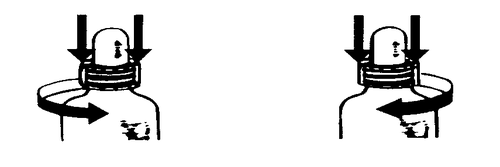
To avoid improper use by children who accidentally come into contact with the product, the
packaging is equipped with a rational and non-instinctive opening cap. It is therefore necessary:
To open: To close:
press and simultaneously turn screw down firmly while pressing
Duration of treatment
Take this medicine for the time prescribed by your doctor.
If you take more Trittico than you should
In case of ingestion/accidental intake of an excessive dose of Trittico, immediately notify your
doctor or go to the nearest hospital. Bring this leaflet with you.
In case of taking an excessive dose of the medicine, you may experience the following symptoms:
- drowsiness
- dizziness
- nausea
- vomiting. In more severe cases, you may experience:
- coma
- tachycardia (increased heart rate per minute)
- hypotension (low blood pressure)
- hyponatremia (decreased sodium in the blood causing a general state of malaise)
- convulsions
- severe breathing difficulties
- heart disorders including bradycardia (decreased heart rate, i.e. the number of heartbeats per minute), arrhythmias (alterations in heart rhythm). These symptoms may appear within 24 hours or more. The doctor, based on the nature and severity of the symptoms, will carry out the appropriate supportive therapy.
Symptoms may appear within 24 hours or more after an overdose.
If you forget to take Trittico
Do not take a double dose to make up for a missed dose.
If you stop taking Trittico
Do not abruptly stop treatment with trazodone, especially if prolonged. Discontinuation of
treatment with this medicine must occur gradually and under medical supervision, in order to
minimize the appearance of withdrawal symptoms such as nausea, headache, malaise.
If you have any doubts about the use of this medicine, ask your doctor or pharmacist.
4. Possible side effects
Like all medicines, this medicine can cause side effects, although not everyone will experience them.
If you experience the following side effects or notice them in someone you are caring for STOPtreatment with
this medicine and contact your doctor immediately:
- jaundice (yellowing of the skin and whites of the eyes)
- worsening of depressive state characterized by manic behaviors (obsessive behaviors and/or ideas)
- priapism (abnormal and persistent erection). If you experience the following side effects or notice them in someone you are caring for ,contact your doctor immediately:
- suicidal thoughts or suicidal behavior, or any other change in behavior. You may experience these effects both during therapy and in the early stages following discontinuation of treatment, therefore your doctor will monitor you. Furthermore, you may experience the following side effects for which the frequency is unknown: Not known(the frequency cannot be defined based on available data)
- agranulocytosis/leukopenia (reduction in the number of white blood cells in the blood)
- eosinophilia (increase in the number of white blood cells in the blood)
- thrombocytopenia (reduction in the number of platelets in the blood)
- anemia (reduction of hemoglobin in the blood, a substance that carries oxygen in the blood)
- allergic reactions
- syndrome of inappropriate antidiuretic hormone secretion(disease characterized by a decrease in sodium in the blood)
- lowering of sodium levels in the blood
- weight loss, decreased appetite with severe weight loss, increased appetite
- confusion, insomnia, disorientation, anxiety, nervousness and agitation (which occasionally worsen to delirium)
- delirium, aggressive reaction, hallucinations (perception of things that do not exist in reality), nightmares
- decreased sexual desire
- withdrawal syndrome (appearance of withdrawal symptoms with symptoms such as nausea, headache, malaise)
- serotonin syndrome (disease characterized by an excessive increase in the effect of a substance called "serotonin", which causes a series of effects including headache, agitation, mental confusion, hallucinations, coma)
- convulsions
- neuroleptic malignant syndrome (severe disease of the nervous system)
- dizziness, vertigo, headache
- drowsiness, restlessness, decreased alertness
- tremor
- blurred vision
- memory impairment
- muscle contractions (myoclonus)
- expressive aphasia (speech disorder)
- altered sensitivity (paresthesia)
- altered muscle tone (dystonia)
- altered taste
- cardiac arrhythmias (alterations in heart rhythm), bradycardia (reduction in heart rate per minute), tachycardia (increase in heart rate per minute), alteration in electrocardiogram
- hypotension (low blood pressure), including orthostatic hypotension (severe drop in blood pressure when reaching an upright position)
- syncope (fainting)
- hypertension (high blood pressure)
- nasal congestion (stuffy nose), dyspnea (difficulty breathing)
- nausea, vomiting, dry mouth, constipation, diarrhea, digestive difficulties, stomach pain, gastroenteritis (inflammation involving the stomach and the first part of the intestine), increased salivation, paralytic ileus (obstruction of the intestine)
- altered liver function (including liver damage and cholestasis)
- skin rash, itching, hyperhidrosis (excessive sweating)
- pain in legs and arms, back pain, myalgia (muscle pain), arthralgia (joint pain)
- problems with urination, urinary incontinence (loss of urine) or urinary retention (inability to urinate)
- weakness, edema (swelling due to fluid accumulation), flu-like symptoms, fatigue, chest pain, fever
- increased liver enzymes (substances present in the liver whose increase may indicate the presence of liver damage).
Reporting of side effects
If anyone taking the medicine experiences any side effect, including those not listed in this
leaflet, please inform your doctor or pharmacist. You can also report side effects directly through
the national reporting system at https://www.aifa.gov.it/content/segnalazioni-reazioni-
avverse .
Reporting side effects can help provide more information on the safety of this
medicine.
5. How to store Trittico
Keep this medicine out of the sight and reach of children.
Do not use this medicine after the expiry date which is stated on the pack after Exp. The expiry date refers to the last day of that month.
This medicine does not require any particular storage conditions.
Period of validity after first opening: 3 months. The excess product must be discarded.
Do not dispose of any medicine in wastewater or household waste. Ask your pharmacist how to dispose of medicines that you no longer use. This will help protect the environment.
6. Contents of the pack and other information
What Trittico contains
- the active ingredient is: trazodone hydrochloride (100 ml of solution contain 6 g of trazodone hydrochloride equivalent to trazodone 5.5 g. 1 drop is equivalent to 2 mg of trazodone hydrochloride)
- the other components are: propylene glycol(see paragraph “Trittico contains propylene glycol”), Macrogol 400, propyl gallate, sodium edetate, sodium hydroxide, sucralose, anhydrous citric acid, purified water.
Description of the appearance of Trittico and contents of the pack
Trittico oral drops is presented as a clear solution from colorless to slightly yellow contained in an amber glass bottle of
30 ml with a polypropylene (PP) cap, with a tamper-evident system in polyethylene (PE) and
a polypropylene dropper.
The dropper is equipped with a pump in thermoplastic elastomer (TPE).
Marketing Authorisation Holder
Angelini Pharma S.p.A.
Viale Amelia 70 - 00181 Rome.
Manufacturer
Aziende Chimiche Riunite Angelini Francesco - A.C.R.A.F. S.p.A
Via Vecchia del Pinocchio, 22 - 60131 Ancona.

Виникли питання під час прийому ліків?
Обговоріть свої симптоми та лікування з лікарем онлайн.
TRITTICO 75 mg prolonged-release tablets, 150 mg prolonged-release tablets
Trazodone hydrochloride
Read this leaflet carefully before taking this medicine because it contains important
information for you.
- Keep this leaflet. You may need to read it again.
- If you have any questions, ask your doctor or pharmacist.
- This medicine has been prescribed for you only. Do not pass it on to others, even if their symptoms are the same as yours, as it could be harmful.
- If you get any side effects, even those not listed in this leaflet, tell your doctor or pharmacist. See section 4.
Contents of this leaflet:
- 1. What Trittico is and what it is used for
- 2. What you need to know before you take Trittico
- 3. How to take Trittico
- 4. Possible side effects
- 5. How to store Trittico
- 6. Contents of the pack and other information
1. What is Trittico and what is it used for
Trittico contains the active ingredient trazodone hydrochloride, belonging to the group of medicines called
“antidepressants”.
Trittico is used in adultsin the treatment of depression, even when it is accompanied by anxiety.
2. What you need to know before you take Trittico
Do not take Trittico
- if you are allergic to trazodone hydrochloride or to any of the other ingredients of this medicine (listed in section 6)
- if you abuse alcohol
- if you abuse medicines that help you sleep (hypnotic medicines)
- during an acute heart attack
Warnings and precautions
Talk to your doctor or pharmacist before taking Trittico.
In particular, tell your doctor:
- if you or someone caring for you notices a change or worsening of your depression, or in your usual behavior, or the appearance of thoughts of suicide. In these cases, the doctor must be informed immediately
- if you suffer from epilepsy, in this case the doctor will avoid sudden increases or decreases in dose
- if you suffer from reduced liver function, especially if severe (hepatic insufficiency)
- if you suffer from reduced kidney function, especially if severe (renal insufficiency)
- if you suffer from heart and blood vessel diseases, such as for example: chest pain (angina pectoris), disturbances of the heart's electrical conduction system, recent heart attack
- if you suffer from hyperthyroidism(alteration of thyroid function)
- if you have difficulty urinating, such as in the case of prostatic hypertrophy (enlargement of the prostate)
- if you suffer from acute angle-closure glaucoma(increased pressure inside the eye)
- if you suffer from schizophrenia or other mental disorders, as the use of Trittico may worsen the symptoms of these diseases, for example increased paranoid thoughts (having beliefs that do not correspond to reality). See section 4 “Possible side effects”
- if you experience sore throat and fever. In this case, the doctor may recommend that you undergo blood tests because they may be symptoms of a blood disease (agranulocytosis)
- if you experience discomfort and feeling of fainting(especially when getting up from bed or a chair), as these may be signs of a decrease in blood pressure
- if you are male and you experience a painful and prolonged erection. If this happens, stop treatment immediately.
If you are elderly
If you are elderly, use this medicine with caution as you are more likely to experience side effects, for
example a decrease in blood pressure when you stand up (orthostatic hypotension) or
drowsiness.
If you or someone caring for you notices these side effects, you should inform your doctor who will keep you under
close control, especially at the beginning of treatment, before and during dose increases.
If you suffer from any illness or are taking other medicines (see section “Other medicines and
Trittico”), tell your doctor who will take the necessary precautions to avoid an increase in side
effects.
Interference with urine tests
If you are taking Trittico and have a urine test for drug screening, using
special techniques (immunological tests), it may result in a false positive for amphetamine. In this
case, consult your doctor and ask for a confirmatory analysis based on other techniques.
CHILDREN AND ADOLESCENTS
DO NOT GIVE TRITTICO TO CHILDREN AND ADOLESCENTS UNDER THE AGE OF 18 YEARS.
Other medicines and Trittico
Tell your doctor or pharmacist if you are taking, have recently taken or might take any other
medicines.
In particular, tell your doctor if you are taking the following medicines.
Medicines that increase the possible side effects of Trittico
- medicines that change the way the liver works, such as:
- erythromycin (an antibiotic)
- ketoconazole, itraconazole (medicines to treat fungal infections)
- ritonavir, indinavir (medicines to treat HIV infection)
- nefazodone (medicine to treat various forms of depression). Avoid taking Trittico together with these medicines. If necessary, your doctor will reduce the dose of Trittico
- tricyclic antidepressants (medicines to treat depression). Avoid the concurrent use of these medicines with trazodone
- fluoxetine (medicine to treat anxiety and depression)
- neuroleptics (medicines to treat mental disorders such as schizophrenia)
- phenothiazines (medicines to treat mental disorders such as schizophrenia) such as chlorpromazine, fluphenazine, levomepromazine, perphenazine
- medicines that prolong the QT interval, i.e. medicines that cause a change in the electrocardiogram
- preparations based on Hypericum perforatum (St. John's wort, a plant used as an antidepressant).
Medicines that reduce the effect of Trittico
- oral contraceptives (the pill)
- phenytoin (medicine to treat epilepsy)
- carbamazepine (medicine to treat epilepsy). The doctor will monitor you to assess whether to increase the dose of Trittico
- barbiturates (medicines used as sedatives, anesthetics, antiepileptics, hypnotics).
Medicines that increase the effect of Trittico
- cimetidine (medicine used in case of stomach ulcer).
Other medicines that interfere with Trittico
- antipsychotics (medicines used to treat certain mental illnesses), hypnotics (sleeping pills), sedatives (tranquilizers), anxiolytics (medicines for anxiety) and antihistamines (medicines for allergies), as their sedative effect may increase. In this case, the doctor may reduce the dose of these medicines. MAOIs, monoamine oxidase inhibitors (medicines to treat anxiety and depression). Avoid taking trazodone with MAOIs for two weeks after stopping treatment with MAOIs. Similarly, the use of MAOIs is not recommended for the week following discontinuation of trazodone treatment
- anesthetics. If you are to undergo a surgical operation requiring the use of volatile anesthetics, inform the anesthesiologist that you are taking Trittico. Trittico may increase the effect of the anesthetic.
- muscle relaxants (medicines that cause muscle relaxation). If you are to undergo a surgical operation requiring the use of muscle relaxants, inform the anesthesiologist that you are taking Trittico. Trittico may increase the effect of these medicines
- levodopa (medicine used to treat Parkinson's disease), as the effect of levodopa may decrease
- clonidine (medicine to reduce high blood pressure), as trazodone may decrease the effect of clonidine
- anticoagulants and/or antiplatelet agents (for reducing blood clotting): blood clotting may be altered with a risk of bleeding
- antihypertensives (medicines to treat high blood pressure), as the doctor may need to reduce the dose of the antihypertensive
- digoxin (medicine to treat heart disorders).
Trittico with drinks and alcohol
Do nottake Trittico if you abuse alcohol (see section “Do not take Trittico”).
Trazodone enhances the sedative effects of alcohol, therefore avoid consuming alcohol during therapy with
trazodone.
Pregnancy and breastfeeding
If you are pregnant, suspect you may be pregnant or are planning to become pregnant, or if you are breastfeeding, ask your doctor or pharmacist for advice before taking this medicine.
If you are pregnant and breastfeeding, take Trittico only if absolutely necessary and under strict
medical supervision.
Driving and using machines
Trittico has a mild or moderate influence on the ability to drive and operate machines, therefore
be particularly careful if you need to drive or use machines. Do not drive or operate machines if you should
experience side effects such as drowsiness, sedation, dizziness, confusion or blurred vision.
Trittico contains sucrose
If your doctor has diagnosed you with an intolerance to certain sugars, contact him before taking this
medicine.
3. How to take Trittico
Take this medicine following exactly the instructions of your doctor or pharmacist. If you have
any doubts, consult your doctor or pharmacist.
Adults
- The recommended dose ranges from 75 mg (1 Trittico 75 mg tablet) to 150 mg (2 Trittico 75 mg tablets or 1 Trittico 150 mg tablet) per day, to be taken as a single dose in the evening before bedtime.
- During therapy, your doctor may increase the dose up to 300 mg (4 Trittico 75 mg tablets or 2 Trittico 150 mg tablets) per day, to be taken in two administrations. If you are hospitalized, the dose may further increase up to 600 mg per day.
If you are elderly
If you are elderly, your doctor will adjust the dose based on your state of health and your tolerability to the medicine. In
general, the recommended initial dose is 100 mg per day administered in divided doses or as a single dose, to be
taken in the evening. Single doses greater than 100 mg should be avoided in these patients. It is however
unlikely that dosages higher than 300 mg per day will be necessary.
Instructions for administration
You can take the tablets on an empty stomach or after meals, according to your doctor's judgment. The evening dose should
be taken before bedtime.
The tablet can be divided into three equal parts. This allows you to divide the doses throughout the
day, as prescribed by your doctor.
Duration of treatment
Take this medicine for the time prescribed by your doctor.
If you take more Trittico than you should
In case of accidental ingestion/intake of an excessive dose of Trittico, immediately inform your
doctor or go to the nearest hospital. Bring this leaflet with you.
In case of taking an excessive dose of the medicine, you may experience the following symptoms:
- drowsiness
- dizziness
- nausea
- vomiting. In more severe cases, you may experience:
- coma
- tachycardia (increased heart rate per minute)
- hypotension (low blood pressure)
- hyponatremia (decreased sodium in the blood causing a general state of malaise)
- convulsions
- severe breathing difficulties
- heart disorders including bradycardia (decreased heart rate, i.e. the number of heartbeats per minute), arrhythmias (alterations in heart rhythm). These symptoms may appear within 24 hours or more.
Symptoms may appear within 24 hours or more after an overdose.
The doctor, based on the nature and severity of the symptoms, will carry out the appropriate supportive therapy.
If you forget to take Trittico
Do not take a double dose to make up for a missed dose.
If you stop taking Trittico
Do not abruptly stop treatment with trazodone, especially if prolonged. Discontinuation of
treatment with this medicine must occur gradually and under medical supervision, in order to
minimize the occurrence of withdrawal symptoms such as nausea, headache, malaise.
If you have any doubts about the use of this medicine, consult your doctor or pharmacist.
4. Possible side effects
Like all medicines, this medicine can cause side effects, although not everybody gets them.
If you experience the following side effects or they are noticed by anyone caring for you STOPtreatment with
this medicine and contact your doctor immediately:
- jaundice (yellowing of the skin and whites of the eyes)
- worsening of depressive state characterized by manic behaviors (obsessive behaviors and/or ideas)
- priapism (an abnormal and persistent erection).
If you experience the following side effects or they are noticed by anyone caring for you ,contact your
doctor immediately:
- suicidal thoughts or suicidal behavior, or any other change in behavior. These effects may occur both during therapy and in the early stages following discontinuation of treatment, therefore your doctor will monitor you.
In addition, you may experience the following side effects for which the frequency is not known:
Not known(the frequency cannot be defined on the basis of the available data)
- agranulocytosis/leukopenia (reduction in the number of white blood cells)
- eosinophilia (increase in the number of white blood cells)
- thrombocytopenia (reduction in the number of platelets)
- anemia (reduction of hemoglobin in the blood, a substance that carries oxygen in the blood)
- allergic reactions
- syndrome of inappropriate antidiuretic hormone secretion (disease characterized by a decrease in sodium in the blood)
- lowering of sodium levels in the blood
- weight loss, loss of appetite with severe weight loss, increased appetite, confusion, insomnia, disorientation, anxiety, nervousness and agitation (which occasionally worsen to delirium)
- delirium, aggressive reaction, hallucinations (perception of things that do not exist in reality), nightmares
- decreased sexual desire
- withdrawal syndrome (appearance of withdrawal symptoms with symptoms such as nausea, headache, malaise)
- serotonin syndrome (disease characterized by an excessive increase in the effect of a substance called "serotonin", which causes a series of effects including headache, agitation, confusion, hallucinations, coma)
- convulsions
- neuroleptic malignant syndrome (severe disease of the nervous system)
- dizziness, vertigo, headache
- drowsiness, restlessness, decreased alertness
- tremor
- blurred vision
- memory impairment
- muscle contractions (myoclonus)
- expressive aphasia (speech disorder)
- altered sensitivity (paresthesia)
- altered muscle tone (dystonia)
- altered taste
- cardiac arrhythmias (alterations in heart rhythm), bradycardia (reduction in heart rate), tachycardia (increase in heart rate), alteration in electrocardiogram
- hypotension (low blood pressure), including orthostatic hypotension (severe drop in blood pressure when reaching an upright position)
- syncope (fainting)
- hypertension (high blood pressure)
- nasal congestion (stuffy nose), dyspnea (difficulty breathing)
- nausea, vomiting, dry mouth, constipation, diarrhea, digestive difficulties, stomach pain, gastroenteritis (inflammation involving the stomach and the first part of the intestine), increased salivation, paralytic ileus (intestinal obstruction)
- altered liver function (including liver damage and cholestasis)
- skin rash, itching, hyperhidrosis (excessive sweating)
- pain in legs and arms, back pain, myalgia (muscle pain), arthralgia (joint pain)
- problems with urination, urinary incontinence (loss of urine) or urinary retention (inability to urinate)
- weakness, edema (swelling due to fluid accumulation), flu-like symptoms, fatigue, chest pain, fever
- increased liver enzymes (substances present in the liver whose increase may indicate the presence of liver damage).
Reporting of side effects
If anyone taking this medicine gets any side effect, including those not listed in this
leaflet, please tell your doctor or pharmacist. You can also report side effects directly
through the national reporting system at https://www.aifa.gov.it/content/segnalazioni-
reazioni-avverse.
By reporting side effects you can help provide more information on the safety of this
medicine.
5. How to store Trittico
Keep this medicine out of the sight and reach of children.
Do not use this medicine after the expiry date which is stated on the pack after Exp. The expiry date refers to the last day of that month.
Do not store at a temperature above 25°C.
Do not dispose of any medicine in waste water or household waste. Ask your pharmacist how to dispose of medicines you no longer use. This will help protect the environment.
6. Contents of the pack and other information
What Trittico contains
TRITTICO 75 mg prolonged-release tablets
- the active ingredient is: trazodone hydrochloride (1 tablet contains 75 mg of trazodone hydrochloride equivalent to trazodone 68.3 mg
- the other ingredients are: sucrose(see paragraph “Trittico contains sucrose”), povidone, carnauba wax, magnesium stearate.
TRITTICO 150 mg prolonged-release tablets
- the active ingredient is: trazodone hydrochloride (1 tablet contains 150 mg of trazodone hydrochloride equivalent to trazodone 136.6 mg
- the other ingredients are: sucrose(see paragraph “Trittico contains sucrose”), povidone, carnauba wax, magnesium stearate.
Description of the appearance of Trittico and contents of the pack
Trittico is presented in 75 mg or 150 mg tablets of colour from white to whitish-yellow, lozenge-shaped, biconvex, with a double incision line on both sides.
The 75 mg tabletsare packaged in blisters in a carton containing 30 tablets (2 blisters of 15 tablets
each).
The 150 mg tabletsare packaged in blisters in a carton containing 20 tablets (1 blister of 20 tablets
or 2 blisters of 10 tablets each).
Marketing Authorisation Holder
Angelini Pharma S.p.A.
Viale Amelia 70 - 00181 Rome.
Manufacturer
Aziende Chimiche Riunite Angelini Francesco - A.C.R.A.F. S.p.A - Via Vecchia del Pinocchio, 22 - 60131 Ancona
or
ISTITUTO DE ANGELI S.r.l. - Località Prulli 103/C- 50066 Reggello (FI)
TRITTICO 150 mg film-coated prolonged-release tablets – CONTRAMID tablets
TRITTICO 300 mg film-coated prolonged-release tablets – CONTRAMID tablets
Trazodone hydrochloride
Read this leaflet carefully before you start taking this medicine as it contains important
information for you.
- Keep this leaflet. You may need to read it again.
- If you have any questions, ask your doctor or pharmacist.
- This medicine has been prescribed for you only. Do not pass it on to others, even if they have the same symptoms as you, as it may be harmful.
- If you get any side effects, even those not listed in this leaflet, tell your doctor or pharmacist. See section 4.
Contents of this leaflet:
- 1. What Trittico is and what it is used for
- 2. What you need to know before you take Trittico
- 3. How to take Trittico
- 4. Possible side effects
- 5. How to store Trittico
- 6. Contents of the pack and other information
1. What is Trittico and what is it used for
Trittico contains the active ingredient trazodone hydrochloride, belonging to the group of medicines called
“antidepressants”.
Trittico is used in adultsin the treatment of depression, even when it is accompanied by anxiety.
2. What you need to know before you take Trittico
Do not take Trittico
- if you are allergic to trazodone hydrochloride or to any of the other ingredients of this medicine (listed in section 6)
- if you abuse alcohol
- if you abuse medicines that help you sleep (hypnotic medicines)
- during an acute heart attack
Warnings and precautions
Talk to your doctor or pharmacist before taking Trittico.
In particular, tell your doctor:
- if you or someone caring for you notices a change or worsening of your depression, or in your usual behaviour, or the appearance of thoughts of suicide. In these cases, the doctor must be informed immediately
- if you suffer from epilepsy, in this case the doctor will avoid sudden increases or decreases in dose
- if you suffer from reduced liver function, especially if severe (hepatic insufficiency)
- if you suffer from reduced kidney function, especially if severe (renal insufficiency)
- if you suffer from heart and blood vessel diseases, such as for example: chest pain (angina pectoris), disturbances of the heart's electrical conduction system, recent heart attack
- if you suffer from hyperthyroidism(alteration of thyroid function)
- if you have difficulty urinating, such as in the case of prostatic hypertrophy (enlargement of the prostate)
- if you suffer from acute angle-closure glaucoma(increased pressure inside the eye)
- if you suffer from schizophrenia or other mental disorders, as the use of Trittico may worsen the symptoms of these diseases, for example increased paranoid thoughts (having beliefs that do not correspond to reality). See section 4 “Possible side effects”
- if you experience sore throat and fever. In this case, the doctor may recommend that you undergo blood tests because they may be symptoms of a blood disease (agranulocytosis)
- if you experience discomfort and feeling of fainting(especially when getting up from bed or a chair), as these may be signs of a decrease in blood pressure
- if you are male and experience a painful and prolonged erection. If this happens, stop treatment immediately.
If you are elderly
If you are elderly, use this medicine with caution as you are more likely to experience side effects, for
example a decrease in blood pressure when you stand up (orthostatic hypotension) or
drowsiness.
If you or someone caring for you notices these side effects, you should inform your doctor who will keep you under
close control, especially at the beginning of treatment, before and during dose increases.
If you suffer from any illness or are taking other medicines (see section “Other medicines and
Trittico”), tell your doctor who will take the appropriate precautions to avoid an increase in side
effects.
Interference with urine tests
If you are taking Trittico and have a urine test for drug screening, using
particular techniques (immunological tests), it may result in a false positive for amphetamine. In this
case, consult your doctor and ask for a confirmatory analysis based on other techniques.
CHILDREN AND ADOLESCENTS
DO NOT GIVE TRITTICO TO CHILDREN AND ADOLESCENTS UNDER THE AGE OF 18 YEARS.
Other medicines and Trittico
Tell your doctor or pharmacist if you are taking, have recently taken or might take any
other medicines.
In particular, tell your doctor if you are taking the following medicines.
Medicines that increase the possible side effects of Trittico
- medicines that change the way the liver works, such as:
- erythromycin (an antibiotic)
- ketoconazole, itraconazole (medicines to treat fungal infections)
- ritonavir, indinavir (medicines to treat HIV infection)
- nefazodone (medicine to treat various forms of depression). Avoid taking Trittico together with these medicines. If necessary, your doctor will reduce the dose of Trittico
- tricyclic antidepressants (medicines to treat depression). Avoid the concurrent use of these medicines with trazodone
- fluoxetine (medicine to treat anxiety and depression)
- neuroleptics (medicines to treat mental disorders such as schizophrenia)
- phenothiazines (medicines to treat mental disorders such as schizophrenia) such as chlorpromazine, fluphenazine, levomepromazine, perphenazine
- medicines that prolong the QT interval, i.e. medicines that cause an alteration in the electrocardiogram
- preparations based on Hypericum perforatum (St. John's wort, a plant used as an antidepressant).
Medicines that reduce the effect of Trittico
- oral contraceptives (the pill)
- phenytoin (medicine to treat epilepsy)
- carbamazepine (medicine to treat epilepsy). Your doctor will monitor you to assess whether to increase the dose of Trittico
- barbiturates (medicines used as sedatives, anesthetics, antiepileptics, hypnotics).
Medicines that increase the effect of Trittico
- cimetidine (medicine used for stomach ulcers).
Other medicines that interfere with Trittico
- antipsychotics (medicines used to treat certain mental illnesses), hypnotics (sleeping pills), sedatives (tranquilizers), anxiolytics (medicines for anxiety) and antihistamines (medicines for allergies), as their sedative effect may increase. In this case, your doctor may reduce the dose of these medicines. MAOIs, monoamine oxidase inhibitors (medicines to treat anxiety and depression). Avoid taking trazodone with MAOIs for two weeks after stopping treatment with MAOIs. Similarly, the use of MAOIs is not recommended for the week following discontinuation of trazodone treatment
- anesthetics. If you are going to have surgery requiring the use of volatile anesthetics, tell the anesthesiologist that you are taking Trittico. Trittico may increase the effect of the anesthetic.
- muscle relaxants (medicines that cause muscle relaxation). If you are going to have surgery requiring the use of muscle relaxants, tell the anesthesiologist that you are taking Trittico. Trittico may increase the effect of these medicines
- levodopa (medicine used for the treatment of Parkinson's disease), as the effect of levodopa may decrease
- clonidine (medicine to reduce high blood pressure), as trazodone may decrease the effect of clonidine
- anticoagulants and/or antiplatelet agents (for reducing blood clotting): blood clotting may be altered with a risk of bleeding
- antihypertensives (medicines to treat high blood pressure), as the doctor may need to reduce the dose of the antihypertensive
- digoxin (medicine to treat heart disorders).
Trittico with drinks and alcohol
Do nottake Trittico if you abuse alcohol (see section “Do not take Trittico”).
Trazodone enhances the sedative effects of alcohol, therefore avoid consuming alcohol during therapy with
trazodone.
Pregnancy and breastfeeding
If you are pregnant, suspect you are pregnant or are planning a pregnancy, ask your doctor or pharmacist for advice before taking this medicine.
If you are pregnant and breastfeeding, take Trittico only if absolutely necessary and under strict
medical supervision.
Driving and using machines
Trittico has a mild or moderate influence on the ability to drive and operate machines, therefore
be particularly careful if you need to drive or use machines. Do not drive or operate machinery if you should
experience side effects such as drowsiness, sedation, dizziness, confusion or blurred vision.
Trittico contains sodium
This medicine contains less than 1 mmol (23 mg) of sodium per dose, i.e. essentially ‘sodium-free’.
3. How to take Trittico
Take this medicine following exactly the instructions of your doctor or pharmacist. If you have
any doubts, consult your doctor or pharmacist.
Adults
- The recommended initial dose ranges from 75 mg (half a 150 mg tablet) to 150 mg (1 tablet of 150 mg or half a 300 mg tablet) daily, to be taken as a single dose in the evening, preferably before bedtime.
- During therapy, your doctor may increase the dose by 75 mg per day (half a 150 mg tablet) every 3 days.
- Your doctor may increase the dose up to 300 mg (2 tablets of 150 mg or 1 tablet of 300 mg) daily, to be taken as a single evening dose, preferably before bedtime.
- Generally, your doctor will start therapy with lower doses and will subsequently prescribe increasing daily doses, based on the severity of the illness, weight, age and your general condition. If switching from treatment with other formulations of Trittico to treatment with Trittico - Contramid tablets, your doctor will re-evaluate the dose and method of administration, monitoring your health status. If you are elderlyIf you are elderly, your doctor will adjust the dose based on your health status and your tolerability to the medicine.
If you suffer from hepatic insufficiency
The medicine will be administered with caution and your doctor will carefully monitor the function of your
liver.
If you suffer from renal insufficiency
The medicine will be administered with caution.
Instructions for administration
Take the tablets with a glass of water on an empty stomach in the evening or preferably shortly before
going to bed.
Do not chew or crush the tablets.
The tablet can be divided into two equal doses. This allows you to divide the doses, as
prescribed by your doctor.
Duration of treatment
Take this medicine as prescribed by your doctor.
If you take more Trittico than you should
In case of accidental ingestion/intake of an excessive dose of Trittico, immediately inform your
doctor or go to the nearest hospital. Bring this leaflet with you.
In case of taking an excessive dose of the medicine, you may experience the following symptoms:
- drowsiness
- dizziness
- nausea
- vomiting. In more severe cases, you may experience:
- coma
- tachycardia (increased heart rate per minute)
- hypotension (low blood pressure)
- hyponatremia (decreased sodium in the blood causing a general state of malaise)
- convulsions
- severe breathing difficulties
- heart disorders including bradycardia (decreased heart rate, i.e. the number of heartbeats per minute), arrhythmias (alterations in heart rhythm). These symptoms may appear within 24 hours or more. The doctor, based on the nature and severity of the symptoms, will administer appropriate supportive therapy. Symptoms may appear within 24 hours or more after an overdose.
If you forget to take Trittico
Do not take a double dose to make up for a missed dose.
If you stop taking Trittico
Do not abruptly stop treatment with trazodone, especially if prolonged. Discontinuation of
treatment with this medicine must occur gradually and under medical supervision, in order to
minimize the appearance of withdrawal symptoms such as nausea, headache, malaise.
If you have any doubts about the use of this medicine, consult your doctor or pharmacist.
4. Possible side effects
Like all medicines, this medicine can cause side effects, although not everybody gets them.
If you experience the following side effects or they are noticed by someone caring for you STOPtreatment with
this medicine and contact your doctor immediately:
- jaundice (yellowing of the skin and whites of the eyes)
- worsening of depressive state characterized by manic behaviors (obsessive behaviors and/or ideas)
- priapism (an abnormal and persistent erection).
If you experience the following side effects or they are noticed by someone caring for you ,contact your
doctor immediately:
- suicidal thoughts or suicidal behavior, or any other change in behavior. These effects may occur both during therapy and in the early stages following discontinuation of treatment, therefore your doctor will monitor you.
In addition, you may experience the following side effects for which the frequency is not known:
Not known(the frequency cannot be defined on the basis of available data)
- agranulocytosis/leukopenia (reduction in the number of white blood cells in the blood)
- eosinophilia (increase in the number of white blood cells in the blood)
- thrombocytopenia (reduction in the number of platelets in the blood)
- anemia (reduction of hemoglobin in the blood, a substance that carries oxygen in the blood)
- allergic reactions
- syndrome of inappropriate antidiuretic hormone secretion(a condition characterized by decreased sodium levels in the blood)
- lowering of sodium levels in the blood
- weight loss, loss of appetite with severe weight loss, increased appetite
- confusion, insomnia, disorientation, anxiety, nervousness and agitation (which occasionally worsen to delirium)
- delirium, aggressive reaction, hallucinations (perception of things that do not exist in reality), nightmares
- decreased libido
- withdrawal syndrome (appearance of withdrawal symptoms with symptoms such as nausea, headache, malaise)
- serotonin syndrome (a condition characterized by an excessive increase in the effect of a substance called "serotonin," which causes a range of effects including headache, agitation, mental confusion, hallucinations, coma)
- convulsions
- neuroleptic malignant syndrome (a severe disease of the nervous system)
- dizziness, vertigo, headache
- drowsiness, restlessness, decreased alertness
- tremor
- blurred vision
- memory impairment
- muscle contractions (myoclonus)
- expressive aphasia (speech disorder)
- altered sensitivity (paresthesia)
- altered muscle tone (dystonia)
- altered taste
- cardiac arrhythmias (alterations in heart rhythm), bradycardia (reduction in heart rate), tachycardia (increase in heart rate), changes in electrocardiogram
- hypotension (low blood pressure), including orthostatic hypotension (severe drop in blood pressure when reaching an upright position)
- syncope (fainting)
- hypertension (high blood pressure)
- nasal congestion (stuffy nose), dyspnea (difficulty breathing)
- nausea, vomiting, dry mouth, constipation, diarrhea, digestive difficulties, stomach pain, gastroenteritis (inflammation involving the stomach and the first part of the intestine), increased salivation, paralytic ileus (obstruction of the intestine)
- altered liver function (including liver damage and cholestasis)
- skin rash, itching, hyperhidrosis (excessive sweating)
- pain in legs and arms, back pain, myalgia (muscle pain), arthralgia (joint pain)
- problems with urination, urinary incontinence (loss of urine) or urinary retention (inability to urinate)
- weakness, edema (swelling due to fluid accumulation), flu-like symptoms, fatigue, chest pain, fever
- increased liver enzymes (substances present in the liver whose increase may indicate the presence of liver damage).
Reporting of side effects
If anyone taking this medicine gets any side effect, including those not listed in this
leaflet, please tell your doctor or pharmacist. You can also report side effects directly
through the national reporting system at
https://www.aifa.gov.it/content/segnalazioni-reazioni-avverse.
By reporting side effects you can help provide more information on the safety of this
medicine.
5. How to store Trittico
Keep this medicine out of sight and reach of children.
Do not use this medicine after the expiry date which is stated on the pack after Exp. The expiry date refers to the last day of that month.
This medicine does not require any particular storage conditions.
Do not dispose of any medicine in wastewater or household waste. Ask your pharmacist how to dispose of medicines you no longer use. This will help protect the environment.
6. Package Contents and Other Information
What Trittico contains
TRITTICO 150 mg film-coated prolonged-release tablets – CONTRAMID tablets
- the active ingredient is: trazodone hydrochloride (1 tablet contains 150 mg of trazodone hydrochloride equivalent to 136.6 mg of trazodone)
- the other ingredients are: tablet core: hypromellose, anhydrous colloidal silica, sodiumstearyl fumarate, pregelatinized modified starch (E1442); tablet coating: partially hydrolyzed polyvinyl alcohol, titanium dioxide (E171), macrogol, talc, yellow iron oxide (E172), red iron oxide (E172).
TRITTICO 300 mg film-coated prolonged-release tablets – CONTRAMID tablets
- the active ingredient is: trazodone hydrochloride (1 tablet contains 300 mg of trazodone hydrochloride equivalent to 273.2 mg of trazodone)
- the other ingredients are: tablet core: hypromellose, anhydrous colloidal silica, sodiumstearyl fumarate, pregelatinized modified starch (E1442); tablet coating: partially hydrolyzed polyvinyl alcohol, titanium dioxide (E171), macrogol, talc, yellow iron oxide (E172), red iron oxide (E172).
Description of the appearance of Trittico and package contents
Trittico is presented in 150 mg (yellow – beige) or 300 mg (beige-orange) tablets, of
oblong shape with a central incision line on both sides of the tablet.
The tablets are packaged in opaque blisters in packs of 10, 14, 20, 28 and 30 tablets.
Not all pack sizes may be marketed.
Marketing Authorisation Holder
Angelini Pharma S.p.A.
Viale Amelia 70 - 00181 Rome.
Manufacturer
Aziende Chimiche Riunite Angelini Francesco - A.C.R.A.F. S.p.A
Via Vecchia del Pinocchio, 22 - 60131 Ancona.
- Країна реєстрації
- Лікарська формаInjectable solution, 50 MG/5ML
- Код АТХN06AX05
- Діюча речовина
- Потрібен рецептТак
- Виробник
- Ця інформація надана лише для ознайомлення і не є медичною порадою. Рішення щодо лікування завжди приймає лікар.
- Альтернативи до TRITTIKOЛікарська форма: Film-coated tablet, 5 MGДіюча речовина: vortioxetineВиробник: H. LUNDBECK A/SПотрібен рецептЛікарська форма: Modified-release tablet, 150 MGДіюча речовина: bupropionВиробник: DOC GENERICI SRLПотрібен рецептЛікарська форма: Modified-release tablet, 150 MGДіюча речовина: bupropionВиробник: SANDOZ S.P.A.Потрібен рецепт
Аналоги TRITTIKO в інших країнах
Препарати з тією самою діючою речовиною, доступні в інших країнах.
Аналог TRITTIKO у Іспанія
Аналог TRITTIKO у Польща
Аналог TRITTIKO у Україна
Лікарі онлайн щодо TRITTIKO
Застосування, безпека та можливість призначення рецепта — за результатами медичної оцінки.







Отримайте рецепт на TRITTIKO онлайн
Заповніть форму за 2 хвилини
Розкажіть про симптоми, історію хвороби та потрібний препарат.
Оберіть лікаря або ми призначимо
Оберіть спеціаліста або ми підберемо найближчого доступного лікаря.
Лікар розглядає ваш випадок
Зазвичай протягом 30 хвилин. Може ставити уточнювальні запитання в чаті.
Отримайте в будь-якій аптеці
Електронний рецепт надсилається на вашу пошту — дійсний по всій Польщі.
Часті запитання
TRITTIKO потребує рецепта в Італія. Ви можете обговорити з лікарем онлайн, чи підходить цей лікарський засіб для вашої ситуації.
Діюча речовина у TRITTIKO — trazodone. Це допомагає визначити препарати з тим самим складом, але під іншими торговими назвами.
TRITTIKO виробляється компанією AZIENDE CHIMICHE RIUNITE ANGELINI FRANCESCO A.C.R.A.F. S.P.A.. Назва бренду та упаковка можуть відрізнятися залежно від дистрибʼютора.
Лікарі, зокрема Сімейні лікарі, Психіатри, Дерматологи, Кардіологи, Ендокринологи, Гастроентерологи, Пульмонологи, Нефрологи, Ревматологи, Гематологи, Інфекціоністи, Алергологи, Геріатри, Педіатри, Онкологи, можуть оцінити доцільність застосування TRITTIKO з урахуванням вашого стану та місцевих правил. Ви можете записатися на онлайн-консультацію, щоб обговорити симптоми та можливі подальші кроки.
Польща має добре розвинену систему охорони здоров'я у великих містах, таких як Варшава, Краків, Вроцлав і Гданськ. Аптеки широко доступні та працюють відповідно до чинного законодавства, забезпечуючи доступ до рецептурних препаратів.
Ви можете придбати TRITTIKO у Варшаві, Кракові, Вроцлаві або Гданську в будь-якій аптеці за наявності дійсного рецепта.
Щоб отримати рецепт, ви можете скористатися Oladoctor:
Інші препарати з тією самою діючою речовиною (trazodone) включають BRINTELLIX, BUPROPIONE DOK, BUPROPIONE SANDOTS. Вони можуть відрізнятися торговою назвою або формою випуску, але містять той самий терапевтичний компонент. Перед зміною або початком прийому нового препарату варто проконсультуватися з лікарем.
