



IMMUTREX 2.5 mg Injectable solution

Запит на рецепт онлайн
Лікар розгляне ваш випадок і визначить, чи є рецепт медично доцільним.

Поговоріть з лікарем про ці ліки
Обговоріть симптоми та можливі подальші кроки під час короткої онлайн-консультації.



Інструкція із застосування IMMUTREX
Зміст інструкції
IMMUTREX
2.5 mg, 7.5 mg, 10 mg, 12.5 mg, 15 mg, 17.5 mg, 20 mg, 22.5 mg, 25 mg, 27.5 mg and 30 mg
injectable solution in pre-filled syringe
Methotrexate
Read this leaflet carefully before using this medicine as it contains
important information for you.
- Keep this leaflet. You may need to read it again.
- If you have any questions, ask your doctor or pharmacist.
- This medicine has been prescribed for you only. Do not pass it on to others, even if their symptoms are the same as yours, as it could be harmful.
- If you get any side effects, even those not listed in this leaflet, tell your doctor or pharmacist. See section 4.
Contents of this leaflet:
- 1. What IMMUTREX is and what it is used for
- 2. What you need to know before you use IMMUTREX
- 3. How to use IMMUTREX
- 4. Possible side effects
- 5. How to store IMMUTREX
- 6. Contents of the pack and other information
1. What is IMMUTREX and what is it used for
IMMUTREX contains methotrexate as the active ingredient.
Methotrexate is a substance with the following properties:
- interferes with the growth of certain cells in the body that reproduce rapidly
- reduces the activity of the immune system (the body's defense mechanism)
- has anti-inflammatory effects.
IMMUTREX is indicated for the treatment of:
- active rheumatoid arthritis in adult patients;
- polyarticular forms of severe active juvenile idiopathic arthritis, with inadequate response to non-steroidal anti-inflammatory drugs (NSAIDs);
- severe, recurrent and disabling psoriasis that does not respond adequately to other forms of therapy such as phototherapy, PUVA and retinoids, and severe psoriatic arthritis in adult patients;
- mild to moderate Crohn's disease in adult patients, in cases where adequate treatment with other drugs is not possible.
Rheumatoid arthritis (RA) is a chronic connective tissue disease, characterized
by inflammation of the synovial membranes (joint membranes). These
membranes produce a fluid that acts as a lubricant for many joints.
Inflammation causes thickening of these membranes and swelling of the joints.
Juvenile idiopathic arthritis affects children and adolescents under the age of 16. The
polyarticular forms are those that affect 5 or more joints within the first six months
from the onset of the disease.
Psoriatic arthritis is a type of arthritis with psoriatic lesions of the skin and nails,
especially at the level of the joints of the hands and feet.
Psoriasis is a common chronic skin disease, characterized by red patches covered
with dry, thick, silvery scales that are difficult to remove.
IMMUTREX has been shown to be able to modify and slow the progression of
these diseases.
Crohn's disease is a type of inflammatory bowel disease that can affect any
part of the gastrointestinal tract causing symptoms such as abdominal pain, diarrhea, vomiting
or weight loss.
2. What you need to know before using IMMUTREX
Do not use IMMUTREX
- if you are allergic to methotrexate or any of the other ingredients of this medicine (listed in section 6).
- if you have severe liver or kidney problems or blood diseases.
- if you regularly drink large amounts of alcoholic beverages.
- if you have a serious infection, e.g. tuberculosis, HIV or other immunodeficiency syndromes.
- if you have ulcers in your mouth or stomach or intestinal ulcers.
- if you are pregnant or breastfeeding (see section “Pregnancy, breastfeeding and fertility”).
- if you are receiving vaccinations with live vaccines at the same time.
Warnings and precautions
Talk to your doctor or pharmacist before using IMMUTREX if:
- you are elderly or if you generally feel unwell and weak.
- you have problems with liver function.
- you suffer from dehydration (loss of water).
Special precautionary measures for treatment with Immutrex
Methotrexate temporarily affects the production of sperm and eggs, an
effect that is reversible in most cases. Methotrexate can cause abortion and serious
birth defects. During the use of methotrexate and for at least six months after the end of
treatment you should avoid pregnancy. Also consult the section “Pregnancy,
breastfeeding and fertility”.
Further tests and recommended safety measures
Even if IMMUTREX is administered at a low dose, serious side
effects can occur. To identify them promptly, the doctor must perform checks and
laboratory tests.
Before therapy
Before starting treatment, a blood sample must be taken to check
that there are enough blood cells and tests must be performed to check the
function of the liver and kidneys, and the amount of serum albumin (a blood protein). The doctor will also make sure that you do not have tuberculosis (an infectious
disease associated with small nodules in the affected tissue) by performing a chest X-ray.
During therapy
At least once a month for the first six months and then at least every three months, the following tests should be performed:
- Examination of the mouth and throat to check for changes in the mucous membranes
- Blood tests
- Liver function test
- Kidney function test
- Respiratory system check and, if necessary, lung function tests
Cases of acute pulmonary bleeding have been reported in patients with rheumatic disease
treated with methotrexate. If you notice blood in your saliva or after
coughing, contact your doctor immediately.
Methotrexate can affect the immune system and vaccination results. It can also
affect the results of immunological tests. Inactive chronic infections can recur
(e.g. herpes zoster [shingles], tuberculosis, hepatitis B or C). During
therapy with IMMUTREX, you should not be vaccinated with live vaccines.
Radiation dermatitis and sunburn can reappear during methotrexate therapy (recall reaction). Psoriatic lesions may worsen following
concurrent use of ultraviolet radiation and methotrexate.
Enlarged lymph nodes (lymphoma) may appear and therapy should therefore be
discontinued.
Diarrhea can be a possible side effect of IMMUTREX and requires discontinuation of
therapy. If you have diarrhea, tell your doctor.
Some brain diseases (encephalopathy/leukoencephalopathy) have occurred in patients
with tumors treated with methotrexate. Such side effects cannot be excluded
when methotrexate is used to treat other diseases.
Children
IMMUTREX is not recommended in children under 3 years of age due to the limited experience
acquired with this age group.
Other medicines and IMMUTREX
Tell your doctor or pharmacist if you are taking, have recently taken or might
take any other medicines. Consider that this applies to medicines that
you will take in the future.
The effect of treatment may be altered if IMMUTREX is administered in
conjunction with other medicines such as:
- Antibioticssuch as: tetracyclines, chloramphenicol, non-absorbable broad-spectrum antibiotics, penicillins, glycopeptides, sulfonamides, ciprofloxacin and cephalothin (medicines that prevent/fight some infections)
- Non-steroidal anti-inflammatory drugs or salicylates(medicines against pain and/or inflammation as well as acetylsalicylic acid, diclofenac and ibuprofen or pyrazolone drugs)
- Probenecid(medicine for gout)
- Weak organic acids such as loop diuretics(diuretic medicines)
- Medicines that can have adverse effects on the bone marrow, e.g. trimethoprim-sulfamethoxazole (an antibiotic) and pyrimethamine
- Other medicines used for the treatment of rheumatoid arthritissuch as leflunomide, sulfasalazine and azathioprine
- Mercaptopurine (a cytostaticmedicine)
- Retinoids (medicine against psoriasisand other dermatological diseases)
- Theophylline (medicine against bronchial asthmaand other lung diseases)
- Some medicines against stomach problemssuch as omeprazole and pantoprazole
- Hypoglycemic agents (medicines used to lower blood sugar)
Vitamin complexes containing folic acid may compromise the effect of
treatment and should only be taken under the control of a doctor.
Live vaccines should be avoided.
IMMUTREX with food, drinks and alcohol
Alcoholic beverages, large amounts of coffee, caffeinated beverages and black tea should be avoided during treatment with IMMUTREX.
Pregnancy, breastfeeding and fertility
If you are pregnant, suspect you are pregnant or are planning a pregnancy, or if you are
breastfeeding, ask your doctor or pharmacist for advice before using
this medicine.
Pregnancy
Do not use Immutrex during pregnancy or if you are trying to become pregnant. The
methotrexate can cause birth defects, be harmful to the fetus or cause
abortion. It is associated with malformations that can affect the skull, face, heart and blood
vessels, brain and limbs. Therefore, it is very important that patients who are expecting a
baby or who desire a pregnancy are not treated with methotrexate. Therefore,
in women of childbearing potential, the possibility of pregnancy must be excluded during
treatment, adopting appropriate measures, for example, performing a pregnancy test,
before starting treatment.
During treatment with methotrexate and for at least 6 months after the end of treatment
you should avoid pregnancy, using a reliable method of contraception (see also the
section “Warnings and precautions”).
If you notice or suspect you are pregnant during treatment, contact
your doctor as soon as possible, who will advise you on the risk of harmful effects
to the baby for the duration of treatment.
If you want to become pregnant, you should consult your doctor, who may refer you to a specialist
before the planned start of treatment.
Breastfeeding
Do not breastfeed while taking methotrexate, as methotrexate passes into
breast milk. If your doctor considers treatment with
methotrexate absolutely necessary during breastfeeding, you should stop breastfeeding
your baby.
Male fertility
Available data do not indicate an increased risk of malformations or abortions if the father
takes less than 30 mg of methotrexate per week. However, the risk cannot be completely excluded.
Methotrexate can be genotoxic. That is, this medicine
can cause genetic mutations. Methotrexate can affect sperm production
with the possibility of causing birth defects. Therefore, while using methotrexate and
for at least 6 months after the end of treatment, you should avoid procreation or donating
sperm.
Driving and operating machinery
Treatment with IMMUTREX can cause adverse reactions affecting the central nervous
system, such as fatigue and dizziness. Therefore, the ability to drive a vehicle and/or operate
machinery may be impaired in some cases. If you feel tired or sleepy,
do not drive or operate machinery.
IMMUTREX contains sodium
This medicine contains less than 1 mmol (23 mg) of sodium per dose, i.e. it is practically
“sodium-free”.
3. How to use IMMUTREX
Important warning regarding the dose of IMMUTREX (methotrexate):
Use IMMUTREX exclusively once a weekfor the treatment of rheumatoid arthritis,
polyarticular forms of severe juvenile idiopathic arthritis, psoriasis vulgaris,
psoriatic arthritis and Crohn's disease. The use of excessive doses of IMMUTREX (methotrexate)
can be fatal. Read paragraph 3 of this leaflet very carefully. If you have
any doubts, ask your doctor or pharmacist before taking this medicine.
Use this medicine following the instructions of your doctor exactly. Check with your
doctor or pharmacist if you are not sure.
The doctor will decide the dose, to be adapted to the individual patient. Generally, the effects of
treatment are noticeable after 4-8 weeks of treatment.
IMMUTREX is administered by a doctor or under his/her supervision or by healthcare personnel in the form of an injection once a week only. Decide, together with your
doctor, the day of the week to perform the weekly injection. IMMUTREX must be
injected subcutaneously (under the skin).
The doctor will decide the appropriate dosage for children and adolescents with
polyarticular forms of juvenile idiopathic arthritis.
Use in children
IMMUTREX is not recommended in children under 3 years of age due to the limited
experience gained with this age group.
Method of administration and duration of treatment
IMMUTREX is injected once a week!
The duration of treatment is decided by the treating physician. Treatments for rheumatoid arthritis,
juvenile idiopathic arthritis, psoriasis vulgaris, psoriatic arthritis and Crohn's disease with
IMMUTREX are long-term treatments.
At the beginning of treatment, IMMUTREX will be injected by medical personnel. However, the
doctor may believe that you are able to learn how to administer IMMUTREX injections
yourself. In this case, you will receive adequate training.
Under no circumstances should you attempt to administer the injection yourself without having received
adequate training.
Handling and disposal must be carried out as with other cytostatic preparations
in accordance with current local regulations. Healthcare personnel who are pregnant must
refrain from handling and/or administering IMMUTREX.
Methotrexate must not come into contact with the surface of the skin or mucous membranes. In case of
contamination, the affected area must be immediately rinsed with plenty of
water.
If you use more IMMUTREX than you should
Follow your doctor's dose recommendations. Do not change the dose on your own initiative.
If you suspect you have used too much IMMUTREX, contact your doctor immediately. He/She will decide
what treatment is appropriate depending on the severity of the intoxication.
If you forget to use IMMUTREX
Do not use a double dose to make up for forgetting a single dose. Ask
your doctor for advice. Take the dose prescribed by your doctor as soon as possible and then every
week.
If you stop using IMMUTREX
Do not stop or suspend treatment with IMMUTREX unless you have
discussed it with your doctor. If you suspect serious side effects, contact your
doctor immediately for advice.
If you feel that the effect of IMMUTREX is too strong or too weak, inform your
doctor or pharmacist.
4. Possible side effects
Like all medicines, this medicine can cause side effects, although not everyone will experience them.
The frequency and severity of side effects depend on the dosage and
frequency of administration. Because some serious side effects can occur
even at a low dosage, it is important that the doctor performs regular monitoring. The
doctor will therefore prescribe you teststo identify the possible presence of
abnormalitiesin the blood (e.g. reduced number of white blood cells, reduced number of platelets and
lymphoma) and alterations in the function of the kidneys and liver.
Immediately inform your doctorif you notice any of the following symptoms, which may
indicate serious side effects, potentially life-threatening, that require
urgent specific treatment:
- dry, persistent cough without phlegm, shortness of breath and fever; these may be signs of lung inflammation [common];
- blood in saliva or after coughing,may be a sign of bleeding from the lungs [frequency not known];
- symptoms of liver damage such as yellowing of the skin and the white of theeyes;methotrexate can cause chronic liver damage (liver cirrhosis), formation of scar tissue in the liver (liver fibrosis), fatty degeneration of the liver [all uncommon], liver inflammation (acute hepatitis) [rare] and liver failure [very rare]
- allergic symptoms such as skin rashes including red and itchy skin,swelling of hands, feet, ankles, face, lips, mouth or throat (which can causedifficulty swallowing or breathing) and a feeling of fainting: these may be signs of severe allergic reactions or anaphylactic shock [rare]
- symptoms of kidney damage such as swelling of hands, ankles, feet or changesin the frequency of urination or decreased (oliguria) or absence of urine (anuria): these may be signs of kidney failure [rare]
- symptoms of infection, e.g. fever, chills, aches, sore throat; methotrexate can make you more susceptible to infections. Serious infections such as a specific type of pneumonia (Pneumocystis jirovecii pneumonia) or blood poisoning (sepsis) may occur [rare]
- symptoms such as weakness on one side of the body (stroke) or pain, swelling,unusual redness and warmth in a leg (deep vein thrombosis). Thiscan happen when a blood clot breaks loose and blocks ablood vessel(thromboembolic event) [rare]
- fever and severe deterioration of general condition, or sudden feveraccompanied by sore throat or inflamed mouth, or urinary problems: methotrexate can cause a sharp reduction in the number of certain types of white blood cells (agranulocytosis) and severe bone marrow depression [very rare]
- sudden bleeding, e.g. bleeding gums, blood inurine, vomiting with blood or bruising: these may be signs of a severe reduction in the number of platelets caused by severe bone marrow depression [very rare]
- symptoms such as severe headache often associated with fever, stiff neck,illness, vomiting, disorientation and sensitivity to lightmay indicate inflammation of the membranes of the brain (acute aseptic meningitis) [very rare]
- some brain diseases (encephalopathy/leukoencephalopathy) have been found in cancer patients treated with methotrexate. Some side effects cannot be ruled out when methotrexate therapy is used to treat other conditions. Symptoms of these types of brain diseases may include mental confusion, movement disorders (ataxia), visual disturbances ormemory disorders[not known]
- severe skin rash or blisters (may also occur on the mouth,eyes and genitals): these may be signs of a condition called Stevens Johnson syndrome or toxic skin syndrome (toxic epidermal necrolysis/Lyell's syndrome) [very rare]
Other side effects may also occur, listed below:
Very common: may affect more than 1 in 10 people
- Inflammation of the mucous membranes of the mouth, indigestion, malaise, loss of appetite, abdominal pain
- Alteration of liver function test (ASAT, ALAT, bilirubin, alkaline phosphatase)
Common: may affect up to 1 in 10 people
- Mouth ulcers, diarrhea.
- Skin rash, red skin, itching.
- Headache, fatigue, drowsiness.
- Reduced formation of blood cells with a decrease in white blood cells and/or red blood cells and/or platelets.
Uncommon: may affect up to 1 in 100 people
- Inflammation of the throat.
- Inflammation of the intestine, vomiting, inflammation of the pancreas, black or tarry stools, gastrointestinal ulcers and bleeding.
- Increased sensitivity to light, hair loss, increased number of rheumatic nodules, skin ulcers, shingles, inflammation of blood vessels, skin rashes similar to herpes, hives.
- Onset of diabetes mellitus.
- Dizziness, confusion, depression.
- Decreased serum albumin.
- Reduction in the number of all blood cells and platelets.
- Inflammation and ulceration of the urinary bladder or vagina, reduced kidney function, problems with urination.
- Joint pain, muscle pain, decreased bone mass.
Rare: may affect up to 1 in 1,000 people
- Inflammation of the gums
- Increased skin pigmentation, acne, bruising of the skin due to bleeding from blood vessels (ecchymosis, petechiae), allergic inflammation of blood vessels.
- Reduction in the number of antibodies in the blood.
- Infection (including reactivation of inactive chronic infections), red eyes (conjunctivitis).
- Mood swings (mood changes).
- Visual disturbances
- Inflammation of the membrane surrounding the heart, accumulation of fluid in the membrane surrounding the heart, ventricular obstruction due to the presence of fluid in the membrane around the heart.
- Low blood pressure.
- Formation of scar tissue in the lungs (pulmonary fibrosis), shortness of breath and bronchial asthma, accumulation of fluid in the membrane lining the lungs.
- Stress fractures
- Electrolyte disorders.
- Fever, delayed wound healing.
Very rare: may affect up to 1 in 10,000 people
- Toxic acute dilation of the intestine (toxic megacolon).
- Increased pigmentation of the nails, inflammation of the areas around the cuticles (acute paronychia infection), deep infection of hair follicles (furuncles), visible enlargement of small blood vessels.
- Local damage (formation of sterile abscesses, changes in adipose tissue) at the injection site after intramuscular or subcutaneous administration.
- Pain, loss of strength or sensation of numbness or tingling/decreased sensitivity to normal stimulation, changes in taste (metallic taste), convulsions, paralysis, meningitis.
- Visual disturbances, eye disorders of non-inflammatory origin (retinopathy).
- Loss of libido, impotence, enlargement of male breast glands, abnormal sperm formation (oligospermia), menstrual disorders, vaginal discharge.
- Enlargement of lymph nodes (lymphoma).
- Lymphoproliferative diseases (excessive growth of white blood cells).
Frequency not known: cannot be determined based on available data:
- Increased number of certain types of white blood cells.
- Nosebleeds.
- Presence of protein in the urine.
- Feeling of weakness.
- Bone damage in the mandible/jaw (secondary to excessive growth of white blood cells).
- Redness and peeling of the skin.
- Destruction of tissues at the injection site.
- Swelling.
Subcutaneous administration of methotrexate is locally well tolerated. Only mild local skin reactions have been observed which have decreased during therapy.
Reporting of side effects
If you experience any side effects, including those not listed in this leaflet,
please tell your doctor or pharmacist. You can also report side effects directly
through the national reporting system at
https://www.aifa.gov.it/content/segnalazioni-reazioni-avverse.
By reporting side effects you can help provide more information on the
safety of this medicine.
5. How to store IMMUTREX
Keep this medicine out of the sight and reach of children.
Store at a temperature below 25 C.
Store the pre-filled syringes in the outer carton to protect the medicine from
light.
Do not use this medicine after the expiry date which is stated on the label and on the
carton after EXP. The expiry date refers to the last day of that month.
Single use only. Any remaining solution must be discarded.
Do not dispose of any medicine in wastewater or household waste. Ask your pharmacist
how to dispose of medicines you no longer use. This will help protect the environment.
6. Contents of the pack and other information
What IMMUTREX contains
- The active ingredient is methotrexate.
- IMMUTREX 2.5 mg:Each pre-filled syringe of 0.33 ml contains 2.5 mg of methotrexate.
- IMMUTREX 7.5 mg: Each pre-filled syringe of 0.30 ml contains 7.5 mg of methotrexate.
- IMMUTREX 10 mg: Each pre-filled syringe of 0.40 ml contains 10 mg of methotrexate.
- IMMUTREX 12.5 mg: Each pre-filled syringe of 0.31 ml contains 12.5 mg of methotrexate.
- IMMUTREX 15 mg: Each pre-filled syringe of 0.38 ml contains 15 mg of methotrexate.
- IMMUTREX 17.5 mg: Each pre-filled syringe of 0.44 ml contains 17.5 mg of methotrexate.
- IMMUTREX 20 mg: Each pre-filled syringe of 0.50 ml contains 20 mg of methotrexate.
- IMMUTREX 22.5 mg: Each pre-filled syringe of 0.56 ml contains 22.5 mg of methotrexate.
- IMMUTREX 25 mg: Each pre-filled syringe of 0.63 ml contains 25 mg of methotrexate.
- IMMUTREX 27.5 mg: Each pre-filled syringe of 0.69 ml contains 27.5 mg of methotrexate.
- IMMUTREX 30 mg: Each pre-filled syringe of 0.75 ml contains 30 mg of methotrexate.
- The other components are sodium chloride, sodium hydroxide, water for injections.
Description of the appearance of IMMUTREX and contents of the pack
IMMUTREX syringes contain a clear, yellow-orange solution free from visible particles.
Packs: prevent injuries due to needle puncture after use.> Marketing Authorisation Holder Manufacturers Instructions for use Preparation Injection site Injecting the solution environment. Carefully remove the plastic protective cap by pulling it straight off the syringe. If the Using two fingers, pinch up the skin and quickly insert the needle into the skin at a Note: it is normal to have a small air bubble in the syringe. Do not try to remove Pre-filled syringes without the needle protection safety system: Insert the needle completely into the pinched skin. Inject the liquid subcutaneously by slowly To avoid any injury, replace the needle in the protective cap using one Pre-filled syringes with the needle protection safety system: The IMMUTREX pre-filled syringe is equipped with a safety system that helps to ….. Methotrexate must not come into contact with the skin or mucous membranes. In Disposal and other handling
IMMUTREX pre-filled syringes with a fixed needle for subcutaneous injection and a rigid
protective cap and alcohol-soaked swabs are available in packs of 1, 4 and 12
syringes.
Not all pack sizes may be marketed.
S.F. Group S.r.l.
Via Tiburtina, 1143
Actavis Italy S.p.A.
Via Pasteur 10, Nerviano (Milan)
20014
Italy and
S.C. Sindan-Pharma S.r..l.
11 Ion Mihalache Blvd, Bucharest
011171
Romania
---------------------------------------------------------------------------------------------------------------------------
-----
Read these instructions carefully before starting the injection and always use the injection
technique recommended by your doctor, pharmacist or nurse.
For single use only. Any residual solution must be discarded.
The solution must be clear and free from particles.
If you have any problems or questions, contact your doctor, pharmacist or nurse.
Choose a clean, well-lit and flat working surface.
The best injection sites are: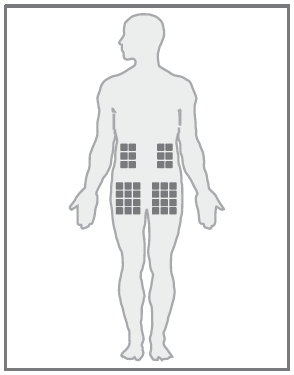
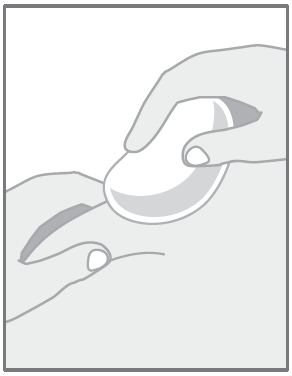
cap is very tight, rotate it gently while pulling.
Important: Do not touchthe needle of the pre-filled syringe!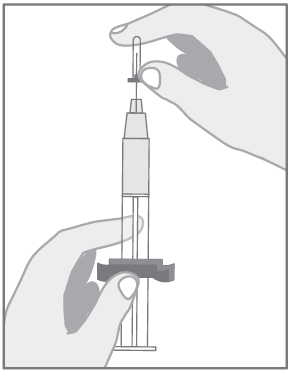
90-degree angle.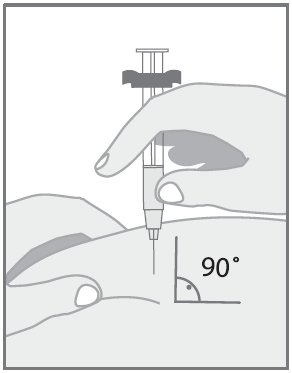
this air bubble before giving the injection – if you do, you may lose some of the
medicine.
pressing the plunger all the way down into the syringe. Keep a firm hold of the skin pinch
until the injection is complete.
Carefully withdraw the needle vertically.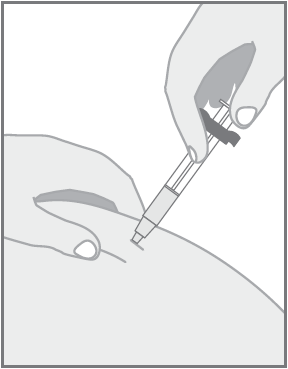
hand and gently press the cap back into place.
prevent needle injuries after use. The following instructions are specific to this
safety system and may differ from the instructions for other injection systems.
Insert the needle completely into the pinched skin. Inject the liquid subcutaneously by slowly
pressing the plunger all the way down into the syringe. Keep a firm hold of the skin pinch
until the injection is complete.
Carefully withdraw the needle vertically, keeping your finger on the plunger.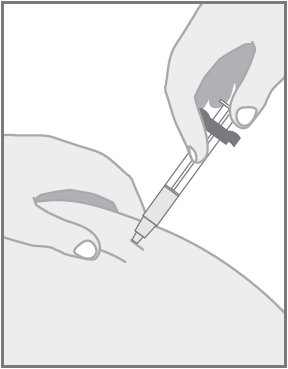
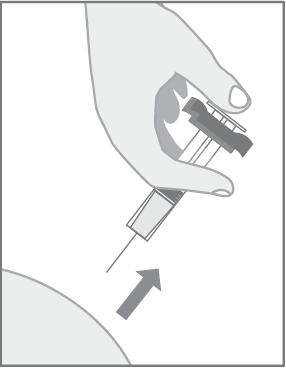
Facing the needle away from yourself and others, activate the safety system by firmly
pressing the plunger. The protective cover will automatically cover the needle and you will hear a
click confirming activation of the shield.
case of contamination, the affected area must be immediately rinsed with plenty of
water.
If you or someone near you is injured with the needle, consult a doctor immediately and do not use the pre-filled syringe.
Handling and disposal must be carried out as for other cytotoxic preparations
in accordance with local regulations. Healthcare professionals who are pregnant must
refrain from handling and/or administering IMMUTREX.

Не впевнені, чи підходить вам цей лікарський засіб?
Обговоріть симптоми та можливі варіанти лікування з лікарем онлайн.

Виникли питання під час прийому ліків?
Обговоріть свої симптоми та лікування з лікарем онлайн.
- Країна реєстрації
- Лікарська формаInjectable solution, 2.5 MG
- Код АТХL04AX03
- Діюча речовина
- Потрібен рецептТак
- Виробник
- Ця інформація надана лише для ознайомлення і не є медичною порадою. Рішення щодо лікування завжди приймає лікар.
- Альтернативи до IMMUTREXЛікарська форма: Coated tablet, 2.5 MGДіюча речовина: МетотрексатВиробник: PFIZER ITALIA S.R.L.Потрібен рецептЛікарська форма: Injectable solution in pre-filled syringe, 50 MG/MLДіюча речовина: МетотрексатВиробник: ACCORD HEALTHCARE, S.L.U.Потрібен рецептЛікарська форма: Coated tablet, 2.5 MGДіюча речовина: МетотрексатВиробник: Eugia Pharma (Malta) LimitedПотрібен рецепт
Аналоги IMMUTREX в інших країнах
Препарати з тією самою діючою речовиною, доступні в інших країнах.
Аналог IMMUTREX у Іспанія
Аналог IMMUTREX у Польща
Аналог IMMUTREX у Україна
Лікарі онлайн щодо IMMUTREX
Застосування, безпека та можливість призначення рецепта — за результатами медичної оцінки.
Отримайте рецепт на IMMUTREX онлайн
Заповніть форму за 2 хвилини
Розкажіть про симптоми, історію хвороби та потрібний препарат.
Оберіть лікаря або ми призначимо
Оберіть спеціаліста або ми підберемо найближчого доступного лікаря.
Лікар розглядає ваш випадок
Зазвичай протягом 30 хвилин. Може ставити уточнювальні запитання в чаті.
Отримайте в будь-якій аптеці
Електронний рецепт надсилається на вашу пошту — дійсний по всій Польщі.
Часті запитання
IMMUTREX потребує рецепта в Італія. Ви можете обговорити з лікарем онлайн, чи підходить цей лікарський засіб для вашої ситуації.
Діюча речовина у IMMUTREX — Метотрексат. Це допомагає визначити препарати з тим самим складом, але під іншими торговими назвами.
IMMUTREX виробляється компанією S.F. GROUP S.R.L.. Назва бренду та упаковка можуть відрізнятися залежно від дистрибʼютора.
Лікарі, зокрема Сімейні лікарі, Психіатри, Дерматологи, Кардіологи, Ендокринологи, Гастроентерологи, Пульмонологи, Нефрологи, Ревматологи, Гематологи, Інфекціоністи, Алергологи, Геріатри, Педіатри, Онкологи, можуть оцінити доцільність застосування IMMUTREX з урахуванням вашого стану та місцевих правил. Ви можете записатися на онлайн-консультацію, щоб обговорити симптоми та можливі подальші кроки.
Польща має добре розвинену систему охорони здоров'я у великих містах, таких як Варшава, Краків, Вроцлав і Гданськ. Аптеки широко доступні та працюють відповідно до чинного законодавства, забезпечуючи доступ до рецептурних препаратів.
Ви можете придбати IMMUTREX у Варшаві, Кракові, Вроцлаві або Гданську в будь-якій аптеці за наявності дійсного рецепта.
Щоб отримати рецепт, ви можете скористатися Oladoctor:
Інші препарати з тією самою діючою речовиною (Метотрексат) включають METOTREXATE, METOTER, METOTREXATO AUROBINDO. Вони можуть відрізнятися торговою назвою або формою випуску, але містять той самий терапевтичний компонент. Перед зміною або початком прийому нового препарату варто проконсультуватися з лікарем.
