



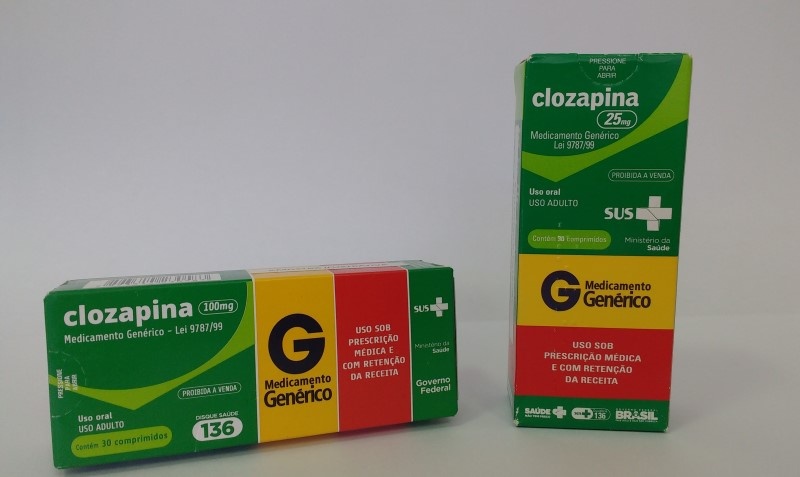
CLOZAPINA 25 mg Coated Tablet

Запит на рецепт онлайн
Лікар розгляне ваш випадок і визначить, чи є рецепт медично доцільним.

Поговоріть з лікарем про ці ліки
Обговоріть симптоми та можливі подальші кроки під час короткої онлайн-консультації.



Інструкція із застосування KLOTSAPINA TEVA
Зміст інструкції
Clozapina Teva 25 mg tablets, 100 mg tablets, 200 mg tablets
Generic medicine
Read this leaflet carefully before taking this medicine, as it contains important information for you.
- Keep this leaflet. You may need to read it again.
- If you have any questions, ask your doctor or pharmacist.
- This medicine has been prescribed for you only. Do not pass it on to others, even if they have the same symptoms as you, as it could be harmful.
- If you get any side effects, even those not listed in this leaflet, tell your doctor or pharmacist. See section 4.
Contents of this leaflet:
- 1. What Clozapina Teva is and what it is used for
- 2. What you need to know before you take Clozapina Teva
- 3. How to take Clozapina Teva
- 4. Possible side effects
- 5. How to store Clozapina Teva
- 6. Contents of the pack and other information
1. What is Clozapina Teva and what is it used for
The active ingredient of Clozapina Teva is clozapine, which belongs to a group of medicines
called antipsychotics (medicines that are used to treat specific mental disorders such as
psychoses).
Clozapina Teva is used to treat people with schizophrenia who have not benefited from
other medicines.
Schizophrenia is a mental illness that influences the way you think, how you feel and
how you behave. You must only use this medicine after having tried at least two other
antipsychotic medicines for the treatment of schizophrenia, including one of the more recent
atypical antipsychotics, and only if these medicines have not worked or have caused serious side
effects that cannot be treated.
For the 25 and 100 mg tablets only:
Clozapina Teva is also used to treat severe disorders of thought, emotions and
behaviour in people with Parkinson's disease in whom other medicines have not
worked.
2. What you need to know before taking Clozapina Teva
Do not take Clozapina Teva
- If you are allergic to clozapine or to any of the other ingredients of this medicine (listed in section 6).
- If you cannot have regular blood tests.
- If you have previously been found to have a low number of white blood cells (for example leucopenia or agranulocytosis), especially if this was caused by medicines. This does not apply to you if the low number of white blood cells was caused by previous chemotherapy.
- If you have had to stop taking Clozapina Teva in the past due to serious side effects (for example agranulocytosis or heart problems).
- If you are or have been treated with long-acting depot antipsychotic injections.
- If you suffer from a disease of the bone marrow or have ever suffered from bone marrow diseases.
- If you suffer from uncontrolled epilepsy (seizures or convulsions).
- If you are affected by an acute mental illness caused by alcohol or drugs (for example narcotics).
- If you suffer from decreased state of consciousness and severe drowsiness.
- If you suffer from circulatory collapse which can occur following a severe shock.
- If you suffer from any serious kidney disease.
- If you suffer from myocarditis (inflammation of the heart muscle).
- If you suffer from any other serious heart disease.
- If you have symptoms of active liver disease, such as jaundice (yellowing of the skin and eyes, feeling unwell and loss of appetite).
- If you suffer from any other serious liver disease.
- If you suffer from paralytic ileus (your intestines are not working properly and you have severe constipation).
- If you are using any medicine that prevents the bone marrow from working properly.
- If you are using any medicine that reduces the number of white blood cells in the blood.
If any of the situations described above apply to you, tell your doctor or pharmacist and
do not take Clozapina Teva.
Clozapina Teva must not be given to people who are unconscious or in
a coma.
Warnings and precautions
The safety measures described in this paragraph are very important and must be
respected to minimize the risk of serious, life-threatening side effects.
Before starting treatment with Clozapina Teva, tell your doctor if you suffer or have ever suffered from:
- Blood clots or have a family history of blood clots, as medicines like these have been associated with blood clot formation.
- Glaucoma (increased pressure in the eye).
- Diabetes. High levels of sugar in the blood (sometimes even very high) have occurred in patients with or without a history of diabetes mellitus (see section 4).
- Problems with the prostate or difficulty urinating.
- Any disease of the heart, kidneys or liver.
- Chronic constipation, or if you are taking medicines that cause constipation (such as anticholinergics).
- Galactose intolerance, Lapp lactase deficiency or glucose/galactose malabsorption.
- Controlled epilepsy.
- Diseases of the large intestine.
- Tell your doctor if you have ever had abdominal surgery.
- If you have had a heart disorder or have a family history of a heart conduction abnormality known as “prolongation of the QT interval”.
- If you are at risk of having a stroke, for example if you suffer from high blood pressure, cardiovascular problems or if you have problems with the blood vessels in the brain.
Tell your doctor immediately before taking the next Clozapina Teva tablet:
- If you develop signs of cold, fever, flu-like symptoms, sore throator anyother infection. You will need to have an urgent blood test to check if the symptoms you are experiencing are related to the medicine.
- If you have a sudden and rapid increase in body temperature, muscle stiffness that can lead to a state of unconsciousness (neuroleptic malignant syndrome), as there is a possibility that a serious side effect is occurring that requires immediate treatment.
- If you have a fast and irregular heartbeateven at rest, palpitations, breathing problems, chest painor unexplained fatigue. The doctor will need to check your heart and, if necessary, will refer you immediately to a cardiologist.
- If you experience nausea(feeling sick), vomitingand/or loss of appetite. The doctor will need to check your liver.
- If you have severe constipation. The doctor will need to treat this condition to avoid further complications.
Clinical checks and blood tests
Before starting to take this medicine, your doctor will ask about your medical
history and will give you a blood test to make sure your white blood cell count is
normal. It is important to know this, because the body needs white blood cells to fight
infections.
Make sure you have blood tests regularly before starting treatment,
during treatment and after stopping treatment with Clozapina Teva.
- The doctor will tell you exactly when and where to have the blood tests. Clozapina Teva can only be taken if the number of blood cells is normal.
- This medicine can cause a serious decrease in the number of white blood cells in the blood (agranulocytosis). Only regular blood tests can tell the doctor if you are at risk of developing agranulocytosis.
- During the first 18 weeks of treatment, blood tests must be done once a week. Afterwards, blood tests must be done at least once a month.
- If there is a decrease in the number of white blood cells, you must stop taking clozapine immediately. The number of white blood cells must then return to normal.
- After stopping treatment with clozapine, you must have blood tests for another 4 weeks.
The doctor will also give you a general check-up before starting treatment. The doctor may
also give you an electrocardiogram (ECG) to check your heart, but only if necessary or if you
have any particular concerns about it.
If you suffer from liver disorders, you will need to have regular liver function tests
while being treated with this medicine.
If you have high blood sugar levels (diabetes), the doctor may need to
regularly check your blood sugar levels.
This medicine can cause changes in blood fats. This medicine can cause
weight gain. The doctor may need to check your weight and blood fat levels.
If this medicine makes you feel lightheaded, dizzy or
faint, be careful when getting up from a sitting or lying position.
If you need to have surgery or if for some reason you are unable to walk for a
long time, talk to your doctor about the fact that you are taking this medicine. You may be at risk
of thrombosis (formation of blood clots in the veins).
Children and adolescents under 16 years of age
If you are under 16 years of age you should not take Clozapina Teva as there is insufficient
information on its use in this age group.
Elderly people (aged 60 years or over)
Elderly people (aged 60 years or over) may be more likely to
experience the following side effects during treatment with this medicine:
weakness or feeling lightheaded after changing position, dizziness, rapid heartbeat, difficulty in
urination and constipation.
Tell your doctor or pharmacist if you suffer from a condition called dementia.
Other medicines and Clozapina Teva
Tell your doctor or pharmacist if you are taking, have recently taken or might
take any other medicines, including those available without a prescription or herbal remedies. It may be necessary to change the dose of your medicines or take different medicines.
Do not take Clozapina Teva together with medicines that prevent the bone marrow from working
properly and/or decrease the number of blood cells produced by the body,such as:
- Carbamazepine, a medicine used in epilepsy.
- Some antibiotics: chloramphenicol, sulfonamides such as co-trimoxazole.
- Some painkillers: pyrazolone analgesics such as phenylbutazone.
- Penicillamine, a medicine used to treat rheumatoid inflammation of the joints.
- Cytotoxic agents, medicines used for chemotherapy.
- Injections of long-acting depot antipsychotic medicines.
These medicines increase the risk of developing agranulocytosis (lack of white blood cells).
Taking Clozapina Teva with another medicine can affect the effect of
Clozapina Teva and/or the other medicine. Tell your doctor if you intend to take, if you are
taking (even if the treatment is almost finished) or if you have recently stopped
taking any of the following medicines:
- Medicines for the treatment of depression, such as lithium, fluvoxamine, tricyclic antidepressants, MAO inhibitors, citalopram, paroxetine, fluoxetine and sertraline.
- Other antipsychotic medicines used to treat mental disorders, such as perazine.
- Benzodiazepines and other medicines used to treat anxiety or sleep disorders.
- Narcotics and other medicines that can affect breathing.
- Medicines used to control epilepsy, such as phenytoin and valproic acid.
- Medicines used to treat high or low blood pressure, such as adrenaline and noradrenaline.
- Warfarin, a medicine used to prevent blood clots.
- Antihistamines, medicines used for colds or allergies such as hay fever.
- Anticholinergic medicines, which are used to relieve stomach cramps, spasms and travel sickness.
- Medicines used to treat Parkinson's disease.
- Digoxin, a medicine used to treat heart problems.
- Medicines used to treat a fast or irregular heartbeat.
- Some medicines used to treat stomach ulcers, such as omeprazole or cimetidine.
- Some antibiotics, such as erythromycin and rifampicin.
- Some medicines used to treat fungal infections (such as ketoconazole) or viral infections (such as protease inhibitors, used to treat HIV infections).
- Atropine, a medicine that can be used in some eye drops or cough and cold preparations.
- Adrenaline, a medicine used in emergency situations.
- Hormonal contraceptives (birth control pills).
This list is not exhaustive. Your doctor and pharmacist have more information about
medicines to be used with caution or to be avoided while taking Clozapina Teva, and
know whether the medicines you are taking belong to those described in the list. Talk to them.
Taking Clozapina Teva with food, drink and alcohol
Do not drink alcohol while taking this medicine.
Tell your doctor if you smoke and how often you drink beverages containing caffeine (coffee, tea,
cola). Even sudden changes in smoking habits or caffeine intake can change the effects of this medicine.
Pregnancy and breastfeeding
If you are pregnant, suspect you may be pregnant or are planning to become pregnant, ask your doctor for advice before taking this medicine. The doctor
will discuss with you the benefits and possible risks of using this medicine during
pregnancy.
Tell your doctor or pharmacist promptly if you become pregnant while taking
Clozapina Teva.
The following symptoms may occur in newborns of mothers who have taken clozapine during
the last trimester (the last three months of pregnancy): tremor, muscle stiffness and/or weakness,
drowsiness, agitation, breathing problems, and difficulty feeding. If your
baby develops any of these symptoms, contact your doctor.
Some women who take certain medicines to treat mental disorders have irregular periods
or do not have periods. If this is the case, your periods may
return when you switch from the medicine you are taking to Clozapina Teva. This means
you will need to use an effective method of contraception.
Do not breastfeed while taking this medicine. Clozapine, the active ingredient of
Clozapina Teva, can pass into breast milk and have effects on your baby.
Driving and using machines
This medicine can cause fatigue, drowsiness and seizures, especially at the beginning
of treatment. You must not drive vehicles or operate machinery while experiencing these symptoms.
Clozapina Teva contains lactose
Clozapina Teva contains lactose. If your doctor or pharmacist has told you that you have
an intolerance to some sugars, talk to your doctor before taking this medicine.
3. How to take Clozapina Teva
To minimise the risk of low blood pressure, seizures and drowsiness, the doctor must increase the dose gradually. Take this medicine following exactly the instructions of your doctor. If you have doubts, consult your doctor or pharmacist.
It is important that you do not change the dose or stop treatment with this medicine without first consulting your doctor. Continue to take the tablets until otherwise indicated by your doctor. If you are 60 years old or over 60 years old, your doctor may start treatment with a lower dose and increase it more gradually, as some side effects may be more likely to occur (see section 2 “What you need to know before taking Clozapina Teva”).
If the dose prescribed for you cannot be obtained with the tablet of this dosage, other dosages of this medicine are available to reach the dose.
25 mg: the tablet can be divided into two equal doses.
100 mg: the tablet can be divided into two equal doses.
200 mg: the score line on the tablet is only to aid in breaking it to make it easier to swallow.
Treatment of schizophrenia
The initial dose is usually 12.5 mg (half a 25 mg tablet) once or twice a day on the first day, followed by 25 mg once or twice a day on the second day. Swallow the tablet with water. If well tolerated, your doctor will gradually increase the dose by 25-50 mg at a time over the next 2-3 weeks to reach a dose of 300 mg per day.
Subsequently, if necessary, the daily dose may be increased by 50-100 mg at a time every 3-4 days or, preferably, at weekly intervals.
The effective daily dose is generally between 200 and 450 mg, divided into several single doses throughout the day.
Some people may need a higher dose. A daily dose of up to 900 mg is permitted. An increase in undesirable effects (in particular seizures) is possible with daily doses greater than 450 mg. Always take the lowest effective dose for you. Most people take part of the dose in the morning and part in the evening. Your doctor will tell you exactly how to divide the daily dose. If the daily dose is only 200 mg, you can take it as a single dose in the evening. After taking Clozapina Teva for some time with positive results, your doctor may try to lower the dose. You will need to take this medicine for at least 6 months.
Only for 25 and 100 mg tablets:
Treatment of severe thought disorders in patients with Parkinson's disease
The initial dose is usually 12.5 mg (half a 25 mg tablet) in the evening. Take the tablet with water. The doctor will gradually increase the dose by 12.5 mg at a time, with a maximum of 2 increases per week, up to a maximum dose of 50 mg by the end of the second week. Increases in dosage should be stopped or postponed if you feel weak, dizzy or confused. To avoid these symptoms, you should measure your blood pressure during the first weeks of treatment.
The effective daily dose is generally between 25 mg and 37.5 mg, taken as a single dose in the evening. Doses of 50 mg per day should only be exceeded in exceptional cases. The maximum daily dose is 100 mg.
Always take the lowest effective dose for you.
If you take more Clozapina Teva than you should
If you think you have taken too many tablets, or if someone else takes some of your tablets, contact your doctor immediately or call for urgent medical assistance.
Symptoms of overdose are:
Drowsiness, fatigue, lack of energy, loss of consciousness, coma, confusion, hallucinations, agitation, incoherent speech, stiff limbs, hand tremors, seizures (convulsions), increased saliva production, enlargement of the black part of the eye, blurred vision, low blood pressure, collapse, fast or irregular heartbeat, difficulty or shallow breathing.
If you forget to take Clozapina Teva
If you forget to take a dose, take it as soon as you remember. If it is almost time for the next dose, do not take the forgotten dose and take the next dose at the exact time. Do not take a double dose to make up for the missed dose. Contact your doctor as soon as possible if you have not taken Clozapina Teva for more than 48 hours.
If you stop taking Clozapina Teva
Do not stop treatment with Clozapina Teva without consulting your doctor, as you may experience withdrawal reactions. These reactions include sweating, headache, nausea (feeling unwell), vomiting and diarrhoea. If any of these signs occur, seek immediate medical attention. These signs may be followed by more serious side effects unless you are immediately given appropriate treatment.Your original symptoms may reappear. If you need to stop treatment, a gradual reduction of the dose in fractions of 12.5 mg over one/two weeks is recommended. Your doctor will advise you on how to reduce the daily dose. If you need to stop treatment with Clozapina Teva abruptly, you should be monitored by your doctor.
If your doctor decides to restart treatment with this medicine and more than two days have passed since your last dose of Clozapina Teva, you will need to start again with the starting dose of 12.5 mg.
If you have any doubts about the use of this medicine, ask your doctor or pharmacist.
4. Possible side effects
Like all medicines, this medicine can cause side effects, although not everybody gets them.
Some side effects can be serious and require immediate medical attention.
Inform your doctor immediately before taking the next tablet of
Clozapina Teva:
Very common(may affect more than 1 in 10 people):
- if you have severe constipation. Your doctor will need to treat this condition to avoid further complications.
Common(may affect up to 1 in 10 people):
- if you develop signs of cold, fever, flu-like symptoms, sore throat or anyother infection. You should urgently have a blood test to check if the symptoms you are experiencing are related to the medicine.
- if you experience seizures.
Uncommon(may affect up to 1 in 100 people):
- if you have a sudden and rapid increase in body temperature, muscle stiffness that can lead to a state of unconsciousness (neuroleptic malignant syndrome), as there is a possibility that you are experiencing a serious side effect that requires immediate treatment.
Rare(may affect up to 1 in 1,000 people):
- if you develop signs of respiratory tract or pneumonia infection, such as fever, cough, difficulty breathing, wheezing.
- if you have nausea (feeling sick), vomitingand/or loss of appetite. Your doctor will need to check your liver.
Rare(may affect up to 1 in 1,000 people)or very rare(may affect up to 1 in
- 10,000):
- if you have a fast and irregular heartbeateven when you are at rest, palpitations,breathing problems, chest painor unexplained fatigue. Your doctor will need to check your heart and, if necessary, will refer you immediately to a cardiologist.
Very rare(may affect up to 1 in 10,000 people):
- if you are a man and suffer from episodes of painful and persistent erection of the penis. This condition is known as priapism. If you experience an erection that lasts for more than 4 hours, you may need immediate medical treatment to avoid further complications.
Not known(frequency cannot be estimated from the available data):
- if you experience unbearable chest pain, a feeling of pressure in the chest, pressure or tightness in the chest (chest pain can radiate to the left arm, jaw, neck and upper abdomen), shortness of breath, sweating, weakness, dizziness, nausea, vomiting and palpitations (symptoms of a heart attack). In this case, call immediately for urgent medical assistance.
- if you experience chest pressure, heaviness, tightness, burning or a feeling of suffocation (signs of insufficient blood and oxygen supply to the heart muscle). In this case, your doctor will need to check your heart.
- if you develop signs of blood clots in the veins, especially in the legs (symptoms include swelling, pain and redness in the legs), which can move through the blood vessels to the lungs, causing chest pain and difficulty breathing.
- if you experience excessive sweating, headache, nausea, vomiting and diarrhea (symptoms of cholinergic syndrome).
- if there is a severe decrease in the amount of urine (sign of kidney failure).
- if you experience an allergic reaction (swelling mainly of the face, mouth and throat, but also of the tongue, which can cause itching or pain).
If any of the situations described above apply to you, consult your doctor immediately
before taking the next tablet of Clozapina Teva.
Other side effects:
Very common(may affect more than 1 in 10 ):
Drowsiness, dizziness, fast heartbeat, increased saliva production.
Common(may affect up to 1 in 10 ):
High levels of white blood cells in the blood (leukocytosis), high levels of a particular type of
white blood cells (eosinophilia), weight gain, blurred vision, headache, tremor, stiffness,
restlessness, seizures, spasms, abnormal movements, inability to start movements,
inability to remain still, changes in ECG, high blood pressure, fainting or
feeling lightheaded after changing position, sudden loss of consciousness,
nausea (feeling sick), vomiting, loss of appetite, dry mouth, slightly
altered values in liver function tests, loss of bladder control, difficulty
urinating, fatigue, fever, increased sweating, increased body
temperature, speech disorders (e.g. slurred speech).
Uncommon(may affect up to 1 in 100 ):
Lack of white blood cells in the blood (agranulocytosis), speech disorders (e.g. stuttering).
Rare(may affect up to 1 in 1,000 ):
Low levels of red blood cells in the blood (anemia), restlessness, agitation, confusion, delirium,
circulatory collapse, irregular heartbeat, inflammation of the heart muscle (myocarditis)
or the membrane surrounding the heart muscle (pericarditis), fluid retention around the
heart (pericardial effusion), difficulty swallowing (e.g. food goes down the wrong way),
high levels of sugars in the blood, diabetes mellitus, blood clots in the lungs
(pulmonary thromboembolism), inflammation of the liver (hepatitis), liver disease that causes
yellowing of the skin/dark urine/itching, inflammation of the pancreas causing severe
pain in the upper abdomen, increased levels in the blood of an enzyme called
creatine phosphokinase.
Very rare(may affect up to 1 in 10,000 ):
Increased number of platelets in the blood with possible formation of clots in the blood
vessels, decreased number of platelets in the blood, uncontrolled movements of the
mouth, tongue and limbs, obsessive thoughts and repetitive compulsive behaviors (obsessive/compulsive
symptoms), skin reactions, swelling of the front of the ears
(swelling of the salivary glands), difficulty breathing, complications due to
uncontrolled blood sugar levels (e.g. coma or ketoacidosis), very high levels of
triglycerides or cholesterol in the blood, heart muscle disease (cardiomyopathy), cardiac arrest
(cardiac arrest), severe constipation with abdominal pain and stomach cramps
caused by intestinal obstruction (paralytic ileus), swollen abdomen, abdominal pain, severe
liver damage (fulminant hepatic necrosis), kidney inflammation, sudden unexplained
death.
Not known(frequency cannot be estimated from the available data)
Liver disorders including fatty liver disease, death of liver cells,
toxicity/damage to the liver, liver disorders involving the replacement of normal liver
tissue with scar tissue causing loss of functionality: these include hepatic events that can lead to
life-threatening consequences such as liver failure (which can lead to death), liver damage (injury to
liver cells, bile duct in the liver or both) and liver transplantation, changes in the trace
performed with the brain wave apparatus (electroencephalogram/EEG), diarrhea, stomach discomfort,
heartburn, stomach discomfort after a meal, muscle weakness, muscle spasms,
muscle pain, nasal congestion, nocturnal urinary loss, sudden and
uncontrolled increase in blood pressure (pseudopheochromocytoma), uncontrolled flexion of the
body to one side (pleurototonic), if you are a male disorders of ejaculation in which sperm
enters the bladder instead of being ejaculated through the penis (dry orgasm or retrograde
ejaculation), rash, reddish-purple spots, fever or itching due to inflammation
of the blood vessels, inflammation of the colon causing diarrhea, abdominal pain, fever,
change in skin color, lupus erythematosus-like rash, joint pain,
muscle pain, fever and fatigue (lupus erythematosus).
In elderly people with dementia, a small increase in the number of deaths has been reported
among patients taking antipsychotics compared to those who were not taking them.
Reporting of side effects.
If you get any side effects, talk to your doctor or pharmacist.
You can also report side effects directly through the national reporting system at
www.agenziafarmaco.gov.it/it/responsabili. By reporting side effects you can help provide more
information on the safety of this medicine.
5. How to store Clozapina Teva
This medicine does not require any special storage conditions.
Keep this medicine out of the sight and reach of children.
Do not use this medicine after the expiry date which is stated on the package or blister after
“Exp.” The expiry date refers to the last day of that month.
Do not use this medicine if the package is damaged or shows signs of tampering.
Do not dispose of any medicine in wastewater or household waste. Ask your pharmacist
how to dispose of medicines you no longer use. This will help protect the environment.
6. Contents of the pack and other information
What Clozapina Teva contains
The active ingredient is clozapine.
25 mg: Each tablet contains 25 mg of clozapine.
100 mg: Each tablet contains 100 mg of clozapine.
200 mg: Each tablet contains 200 mg of clozapine.
The other ingredients are lactose monohydrate, corn starch, povidone K30, colloidal anhydrous
silica,
magnesium stearate and talc.
Description of the appearance of Clozapina Teva and contents of the pack
25 mg: Tablet of colour from pale yellow to yellow, round, with a diameter of approximately 6.0 mm, not
coated, with “FC” and “1” imprinted on one side on either side of a fracture line, smooth on the
opposite side.
100 mg: Tablet of colour from pale yellow to yellow, round, with a diameter of approximately 10.0 mm, not
coated, with “FC” and “3” imprinted on one side on either side of the fracture line, and smooth on the
opposite side.
200 mg: Uncoated tablets of colour from pale yellow to yellow, capsule-shaped, approximately 17 mm long
and 8 mm wide, with “FC” and “C” imprinted on one side with three fracture lines and “7” imprinted on the other side with three fracture lines.
25 mg: the tablet can be divided into two equal doses.
100 mg: the tablet can be divided into two equal doses.
200 mg: the notch on the tablet is only intended to aid breaking for easier
swallowing and not for dividing into equal doses.
Clozapina Teva is available in PVC/PVDC aluminium blisters.
Packs:
25 mg: 7, 14, 28, 30, 50, 100 or 500 tablets in blisters
100 mg: 14, 28, 30, 50, 60, 84, 100 or 500 tablets in blisters
200 mg: 100 tablets in blisters
Not all pack sizes may be marketed.
Marketing Authorisation Holder and Manufacturer
TEVA Italia S.r.l. - Piazzale Luigi Cadorna 4, 20123 Milano
Manufacturer:
Laboratorios Fundació DAU - C/ C, 12-14 Pol. Ind. Zona Franca, Barcelona, 08040 – Spain
Accord Healthcare Limited - Ground Floor, Sage house, 319 Pinner road, North Harrow, Middlesex, HA1
4HF – United Kingdom
Wessling Hungary Kft., - Fóti út 56., Budapest, 1047 - Hungary

Не впевнені, чи підходить вам цей лікарський засіб?
Обговоріть симптоми та можливі варіанти лікування з лікарем онлайн.

Виникли питання під час прийому ліків?
Обговоріть свої симптоми та лікування з лікарем онлайн.
- Країна реєстрації
- Лікарська формаCoated tablet, 25 MG
- Код АТХN05AH02
- Діюча речовина
- Потрібен рецептТак
- Виробник
- Ця інформація надана лише для ознайомлення і не є медичною порадою. Рішення щодо лікування завжди приймає лікар.
- Альтернативи до KLOTSAPINA TEVAЛікарська форма: Coated tablet, 25 MGДіюча речовина: клозапинаВиробник: ACCORD HEALTHCARE, S.L.U.Потрібен рецептЛікарська форма: Coated tablet, 25 MGДіюча речовина: клозапинаВиробник: AUROBINDO PHARMA (ITALIA) S.R.L.Потрібен рецептЛікарська форма: Coated tablet, 25 MGДіюча речовина: клозапинаВиробник: DOC GENERICI SRLПотрібен рецепт
Аналоги KLOTSAPINA TEVA в інших країнах
Препарати з тією самою діючою речовиною, доступні в інших країнах.
Аналог KLOTSAPINA TEVA у Іспанія
Аналог KLOTSAPINA TEVA у Польща
Аналог KLOTSAPINA TEVA у Україна
Лікарі онлайн щодо KLOTSAPINA TEVA
Застосування, безпека та можливість призначення рецепта — за результатами медичної оцінки.







Отримайте рецепт на KLOTSAPINA TEVA онлайн
Заповніть форму за 2 хвилини
Розкажіть про симптоми, історію хвороби та потрібний препарат.
Оберіть лікаря або ми призначимо
Оберіть спеціаліста або ми підберемо найближчого доступного лікаря.
Лікар розглядає ваш випадок
Зазвичай протягом 30 хвилин. Може ставити уточнювальні запитання в чаті.
Отримайте в будь-якій аптеці
Електронний рецепт надсилається на вашу пошту — дійсний по всій Польщі.
Часті запитання
KLOTSAPINA TEVA потребує рецепта в Італія. Ви можете обговорити з лікарем онлайн, чи підходить цей лікарський засіб для вашої ситуації.
Діюча речовина у KLOTSAPINA TEVA — клозапина. Це допомагає визначити препарати з тим самим складом, але під іншими торговими назвами.
KLOTSAPINA TEVA виробляється компанією TEVA ITALIA S.R.L.. Назва бренду та упаковка можуть відрізнятися залежно від дистрибʼютора.
Лікарі, зокрема Сімейні лікарі, Психіатри, Дерматологи, Кардіологи, Ендокринологи, Гастроентерологи, Пульмонологи, Нефрологи, Ревматологи, Гематологи, Інфекціоністи, Алергологи, Геріатри, Педіатри, Онкологи, можуть оцінити доцільність застосування KLOTSAPINA TEVA з урахуванням вашого стану та місцевих правил. Ви можете записатися на онлайн-консультацію, щоб обговорити симптоми та можливі подальші кроки.
Польща має добре розвинену систему охорони здоров'я у великих містах, таких як Варшава, Краків, Вроцлав і Гданськ. Аптеки широко доступні та працюють відповідно до чинного законодавства, забезпечуючи доступ до рецептурних препаратів.
Ви можете придбати KLOTSAPINA TEVA у Варшаві, Кракові, Вроцлаві або Гданську в будь-якій аптеці за наявності дійсного рецепта.
Щоб отримати рецепт, ви можете скористатися Oladoctor:
Інші препарати з тією самою діючою речовиною (клозапина) включають KLOTSAPINA AKKORD, KLOTSAPINA AUROBINDO, KLOTSAPINA DOK JENERIKI. Вони можуть відрізнятися торговою назвою або формою випуску, але містять той самий терапевтичний компонент. Перед зміною або початком прийому нового препарату варто проконсультуватися з лікарем.
