



CITALOPRAM 20 mg Film-Coated Tablets

Запит на рецепт онлайн
Лікар розгляне ваш випадок і визначить, чи є рецепт медично доцільним.

Поговоріть з лікарем про ці ліки
Обговоріть симптоми та можливі подальші кроки під час короткої онлайн-консультації.



Інструкція із застосування KITALOPRAM SANDOTS BV
Зміст інструкції
Citalopram Sandoz BV 20 mg film-coated tablets, 40 mg film-coated tablets
Generic medicine
Read this leaflet carefully before taking this medicine as it contains important
information for you
- Keep this leaflet. You may need to read it again.
- If you have any questions, ask your doctor or pharmacist.
- This medicine has been prescribed for you only. Do not pass it on to others, even if they have the same symptoms as you, as it may be harmful.
- If you get any side effects, even those not listed in this leaflet, tell your doctor or pharmacist. See section 4.
Contents of this leaflet:
- 1. What Citalopram Sandoz BV is and what it is used for
- 2. What you need to know before you take Citalopram Sandoz BV
- 3. How to take Citalopram Sandoz BV
- 4. Possible side effects
- 5. How to store Citalopram Sandoz BV
- 6. Contents of the pack and other information
1. What is Citalopram Sandoz BV and what is it used for
Citalopram Sandoz BV belongs to a group of antidepressants known as selective serotonin reuptake inhibitors (SSRIs).
Citalopram Sandoz BV is used for the treatment of:
- depressive illnesses (major depressive episodes)
- panic disorder with or without agoraphobia (for example, a strong fear of leaving one's home, entering shops or visiting public places)
2. What you need to know before taking Citalopram Sandoz BV
Do not take Citalopram Sandoz BV
- if you are allergic to citalopram or any of the other ingredients of this medicine (listed in section 6)
- if you are taking MAO inhibitors (monoamine oxidase inhibitors),
- for example the antidepressant moclobemide or
- if you are being treated with the non-selective MAO inhibitor linezolid (an antibiotic) unless you are under strict observation and monitoring of your blood pressure.
- selegiline, an irreversibleMAO inhibitor (a medicine used to treat Parkinson's disease), can be used in combination with citalopram at daily dosages of selegiline not exceeding 10 mg (see “Other medicines and Citalopram Sandoz BV”)
- if you have taken irreversible MAO inhibitors in the last two weeks or if you have taken an inhibitor
of RIMA (see “Other medicines and Citalopram Sandoz BV”)
- if you stop taking citalopram and intend to start taking MAO inhibitors, you must wait at least 7 days (see “Other medicines and Citalopram Sandoz BV”).
- if you were born with an abnormal heart rhythm or have a history of abnormal heart rhythm (identified with an ECG, a test to check the functioning of the heart)
- if you are taking medicines for heart rhythm problems or that alter the heart rhythm
See also the paragraph below “Other medicines and Citalopram Sandoz BV”
Warnings and precautions
Talk to your doctor before taking Citalopram Sandoz BV.
Suicidal thoughts and worsening of depression or anxiety disorders
If you are depressed and/or suffer from anxiety disorders, you may sometimes develop thoughts of harming yourself or of killing yourself.
These thoughts may increase at the beginning of therapy, since all these medicines require
some time to be able to work, usually about two weeks but sometimes even longer.
You may be more likely to develop thoughts of this kind:
- if you have had thoughts of killing yourself or of harming yourself in the past
- if you are a young adult. Information from clinical studies has shown an increased risk of suicidal behavior in adults under 25 years of age suffering from psychiatric illnesses treated with antidepressants. If you have thoughts of harming yourself or of killing yourself at any time , contact your doctor immediately or go to hospital.
It may be the case to inform a friend or a relativeof your depressed state or your disorder
they think that your depression or your anxiety is getting worse, or if they are worried about any
changes in your behavior.
Restlessness and difficulty staying still
During the first few weeks of treatment, symptoms such as restlessness or
inability to sit or stay still (akathisia) may occur. If you experience any of these symptoms, tell your
doctor immediately. A dose adjustment may then be helpful.
Increased anxiety
In the treatment of panic disorder, it usually takes 2-4 weeks before
an improvement can be observed. At the beginning of treatment, some patients may experience an increase
in anxiety, which however will disappear with the continuation of therapy. For this reason it is very
important that you follow your doctor's prescriptions exactly and that you do not interrupt the treatment or modify
the dosage without consulting him first.
Mania (hyperactive behaviors or thoughts)
If you notice that you are entering a manic phase, characterized by unusual and sudden changes in thoughts,
abnormal cheerfulness and excessive physical activity, contact your doctor.
Discontinuation symptoms observed when stopping treatment with SSRI antidepressants
When you stop taking Citalopram Sandoz BV, especially if this happens suddenly,
discontinuation symptoms may occur (see sections “How to take Citalopram Sandoz BV” and
“Possible side effects”). These symptoms commonly occur when stopping the
treatment. The risk is greater when Citalopram Sandoz BV has been used for a long period or at
high doses, or when the dose reduction is carried out too quickly. In most cases the symptoms are mild and disappear on their own within two weeks. In some patients
however, they may occur in a severe and persistent form (2-3 months or more).
If you experience severe discontinuation symptoms when you stop therapy with Citalopram Sandoz BV, contact
your doctor, who may ask you to resume taking the tablets and to discontinue treatment in
a more gradual manner.
Children and adolescents under 18 years of age
Generally, antidepressants should not be used in children and adolescents under 18 years of age. In addition,
you should know that patients under 18 years of age, when taking these medicines, have a
higher risk of side effects, such as suicide attempts, suicidal thoughts and hostility (in
prevalence aggression, oppositional behavior and anger).
However, it is possible that the doctor may prescribe Citalopram Sandoz BV even to patients under 18
years of age, because he believes that this is in their interest. If the doctor has prescribed Citalopram Sandoz BV to a
patient under 18 years of age and you want clarification, contact the doctor again. You must inform the doctor if
any of the symptoms listed above appear or worsen in a patient under 18 years of age
who is taking Citalopram Sandoz BV. Furthermore, the effects relating to long-term safety of
Citalopram Sandoz BV relating to growth, maturation and cognitive and behavioral development in
this age group have not yet been demonstrated.
Consult your doctor if:
- you start to develop fever, muscle rigidity or tremor and extreme agitation: you may be suffering from the so-called serotonin syndrome. This syndrome, although rare, can give rise to potentially life-threatening conditions. Contact your doctor immediately, treatment with Citalopram Sandoz BV may need to be stopped.
- you are taking herbal products containing St. John's Wort ( Hypericum perforatum- see “Other medicines and Citalopram Sandoz BV”).
- you are taking serotonergic medicines, such as sumatriptan or other triptans, tramadol, oxitriptan and tryptophan (see “Other medicines and Citalopram Sandoz BV”).
- you are sensitive to changes in heart rhythm (prolongation of the QT interval) or if you have a suspected congenital long QT syndrome or if you suffer from low levels of potassium or magnesium in the blood (hypokalemia/hypomagnesemia).
- you suffer from or have suffered from heart problems or have recently had a heart attack
- you have a low resting heart rate and/or you know you may have salt depletion due to prolonged severe diarrhea and vomiting (being sick) or the use of diuretics
- you have a fast or irregular heartbeat, faint, collapse or dizziness when standing up which may indicate abnormal heart rate function
- you are at risk of low sodium levels in the blood (hyponatremia), for example due to concomitant medicines or cirrhosis. Hyponatremia associated with inappropriate secretion of antidiuretic hormone (SIADH) syndrome has been rarely reported during therapy with Citalopram Sandoz BV, predominantly in elderly patients.
- you suffer from diabetes. It may, possibly, be necessary to adjust the dosage of the antidiabetic medicine.
- you suffer from epilepsy. In case of a convulsive seizure, the treatment must be interrupted. Contact your doctor.
- you suffer from bleeding disorders, for example gynecological or gastric bleeding, or you are using medicines that affect blood coagulation and increase the risk of bleeding (see “Other medicines and Citalopram Sandoz BV”), as the use of Citalopram Sandoz BV may increase the risk of bleeding, or if you are pregnant (see paragraph “Pregnancy”).
- difficulty falling asleep or a state of excitement occur at the beginning of treatment; the doctor may adjust the dose.
- you have to undergo electroconvulsive therapy.
- you suffer from the so-called psychosis with depressive episodes, as the psychotic symptoms may intensify.
- you have or have had panic disorders
- you have problems with your eyes, such as some types of glaucoma
Medicines such as Citalopram Sandoz BV (so-called selective serotonin reuptake inhibitors
(SSRIs) and serotonin-noradrenaline (SNRIs) can cause symptoms of sexual dysfunction (see
paragraph 4). In some cases, persistence of these symptoms has been observed after discontinuation of treatment.
Other medicines and Citalopram Sandoz BV
DO NOT TAKE Citalopram Sandoz BVif you are taking medicines for heart rhythm problems or
medicines that can affect the heart rhythm, for example Class IA and III antiarrhythmics, antipsychotics
(e.g. phenothiazine derivatives, pimozide, haloperidol), tricyclic antidepressants, some antimicrobial
agents (e.g. sparfloxacin, moxifloxacin, erythromycin IV, pentamidine, anti-malarial medicines in
particular halofantrine), some antihistamines (astemizole, mizolastine). If you have further doubts in this regard, contact
your doctor.
Other medicines can influence or be influenced by Citalopram Sandoz BV. Some of these
medicines are listed below:
- desipramine (used to treat depression). The level of desipramine in the blood may increase and therefore a reduction in the dose of desipramine may be necessary.
- metoprolol (used for example to treat heart disorders), flecainide and propafenone (used to treat irregular heartbeat), other medicines to treat depression (clomipramine, nortriptyline) or medicines used to treat psychoses (risperidone, thioridazine, haloperidol). An increase in the level of these medicines in the blood has been reported or may be possible.
- Pimozide (an antipsychotic medicine). Concomitant treatment with citalopram and pimozide is contraindicated due to the influence of this combination on cardiac function.
- medicines that reduce potassium or magnesium levels in the blood as these conditions increase the risk of life-threatening heart rhythm disorders (prolonged QT interval, Torsades de Pointes).
- medicines that lower the seizure threshold, for example other antidepressants (SSRIs), antipsychotic medicines (e.g. butyrophenones, thioxanthenes), mefloquine, bupropion and tramadol (painkiller).
The following medicines can increase the serotonergic effects of Citalopram Sandoz BV and can
therefore cause an increase in side effects:
- MAO inhibitors (used for depression or Parkinson's disease, for example moclobemide and selegiline or linezolid, an antibiotic medicine). Except for selegiline (at a dose not exceeding 10 mg per day), you must not use Citalopram Sandoz BV in combination with MAO inhibitors, as serious and even fatal reactions (serotonin syndrome) may occur. There must be a break between treatments (see paragraph “Do not take Citalopram Sandoz BV”). Ask your doctor for advice.
- oxitriptan and tryptophan (serotonin precursors)
- lithium (used to treat mental disorders)
- sumatriptan and other triptans (used for migraine)
- opioids, such as tramadol and buprenorphine (for severe pain)
- St. John's Wort ( Hypericum perforatum)
- cimetidine (a medicine for the stomach) and other medicines to treat stomach ulcers, e.g. omeprazole, esomeprazole, lansoprazole, fluconazole (used for the treatment of fungal infections), ticlopidine or fluvoxamine (another medicine for treating depression). Association with citalopram may cause an increase in the level of citalopram in the blood.
The following medicines can increase the risk of bleeding:
- warfarin and other anticoagulant medicines
- acetylsalicylic acid and other painkillers such as NSAIDs (non-steroidal anti-inflammatory drugs), for example ibuprofen
- dipyridamole and ticlopidine (heart medicines)
- phenothiazines and atypical antipsychotics (used to treat mental disorders)
- tricyclic antidepressants (used to treat depression), for example imipramine.
Tell your doctor or pharmacist if you are taking, have recently taken or might take any
other medicines.
Citalopram Sandoz BV with food and drink
Food has no influence on the effects of Citalopram Sandoz BV.
Concomitant intake of alcohol is not recommended.
Pregnancy, breastfeeding and fertility
If you are pregnant, suspect you are pregnant, or are planning a pregnancy, or if you are breastfeeding,
ask your doctor or pharmacist for advice before taking this medicine.
Pregnancy
Do not take Citalopram Sandoz BV if you are pregnant or are planning to become pregnant, unless you
and your doctor have discussed the risks and benefits.
Do not suddenly stop treatment with Citalopram Sandoz BV during pregnancy.
Tell your doctor if you wish to stop or discontinue treatment.
Make sure your midwife and/or doctor know that you are taking Citalopram Sandoz BV.
If taken during pregnancy, especially in the last 3 months of pregnancy, medicines like
Citalopram Sandoz BV can increase the risk of a serious condition in babies, called
persistent pulmonary hypertension of the newborn (PPHN), which makes them breathe faster and gives them a
bluish skin colour. These symptoms usually start within the first 24 hours after the baby is born. If
this happens to your baby, you need to contact your midwife and/or doctor.
If you are taking Citalopram Sandoz BV during the last trimester of pregnancy and up to childbirth, your
baby may experience serious adverse effects or withdrawal symptoms, such as difficulty breathing,
bluish skin/lips, irregular breathing with pauses, changes in body temperature, convulsions,
lethargy, difficulty sleeping, difficulty feeding, vomiting, low blood sugar levels, stiffness or
flaccidity of muscles, increased reflexes, tremor, extreme nervousness or agitation, irritability,
constant crying and drowsiness.
If your baby shows any of these symptoms shortly after birth, contact your midwife and/or
doctor immediately, who will be able to advise you.
If you take Citalopram Sandoz near the end of pregnancy, there may be an increased risk of
excessive vaginal bleeding shortly after delivery, especially if you suffer from bleeding disorders
(easy bleeding). Inform your doctor or midwife/obstetrician that you are taking Citalopram
Sandoz, so that they can advise you on what to do.
Breastfeeding
Citalopram passes into breast milk in small amounts. As there is a risk that this medicine may have an effect on
the newborn, if you are taking Citalopram Sandoz BV consult your doctor before breastfeeding.
Fertility
Citalopram has been shown to reduce sperm quality in animal studies. Theoretically, this
could affect fertility, but the impact on human fertility has not yet been observed.
Driving and using machines
Citalopram has a mild to moderate influence on the ability to drive and use machines.
Do not drive or use machines until you know how the medicine affects you. Citalopram usually
does not impair the ability to perform normal daily activities. However, if you experience dizziness or
drowsiness when you start taking this medicine, you should be careful while driving, using
machines or performing work that requires you to be alert until these effects wear off.
If you are unsure, ask your doctor if you are unable to perform these activities.
Citalopram Sandoz BV contains lactose and sodium
This medicine contains lactose. If you have been told by your doctor that you have an intolerance to some sugars, contact
your doctor before taking this medicine.
This medicine contains less than 1 mmol (23 mg) of sodium per film-coated tablet, i.e.
essentially “sodium-free”.
3. How to take Citalopram Sandoz BV
Please note that it may take 2 to 4 weeks before you notice an improvement. The
treatment should continue for 4-6 months after the disappearance of symptoms. When it is time to
stop therapy, the dosage must be gradually reduced over a period of at least 1-2
weeks.
Citalopram Sandoz BV should be taken once a day, in the morning or evening. Drink a glass
of water with the medicine; it can be taken with or without food.
For prescribed quantities not adaptable to this dosage, other dosages of this medicine are available.
How much to take
Adults:
Depression:
The recommended dosage is 20 mg per day. The dosage may be increased by the doctor up to a maximum
of 40 mg per day.
Panic disorder:
The initial dosage corresponds to 10 mg per day for the first few weeks before increasing the dosage to
20-30 mg once a day. The dosage may be increased up to a maximum of 40 mg per day. Up to three months of treatment may be required to achieve a full therapeutic response.
Elderly patients (over 65 years of age):
Depression and panic disorder
The initial dosage should be reduced to half the recommended dose, e.g. 10-20 mg per day. Elderly patients should usually not take more than 20 mg per day.
Use in children and adolescents under 18 years of age:
Citalopram Sandoz BV should normally not be used in children and adolescents under 18 years of age
(see section 2 “Warnings and precautions”).
Hepatic impairment:
The usual initial dosage corresponds to 10 mg once a day. Patients with liver disorders should not
take more than 20 mg per day.
Renal impairment:
It may be necessary to adjust the dosage; follow the doctor's instructions.
Always take this medicine exactly as your doctor or pharmacist has told you. If you have
any doubts, ask your doctor or pharmacist.
20 mg, 40 mg film-coated tablets:
The film-coated tablets can be divided into equal doses.
If you take more Citalopram Sandoz BV than you should
If you accidentally take a dose of Citalopram Sandoz BV higher than that indicated in this leaflet
or that prescribed for you, contact your doctor or pharmacist immediately, or go to the
nearest hospital emergency room. Some signs of overdose may be life-threatening.
Depending on the dose ingested, cases of overdose with citalopram manifest as disorders such as
irregular heartbeat, convulsions, changes in heart rhythm (faster or slower heartbeat), malaise (nausea), vomiting, sweating, drowsiness, loss of consciousness, tremor, changes in
blood pressure (may increase or decrease), serotonin syndrome (see section 4), agitation,
dizziness, dilated pupils, bluish skin, rapid breathing, cardiac arrest, coma.
If you forget to take Citalopram Sandoz BV
Donot take a double dose to make up for a missed dose.
If you stop taking Citalopram Sandoz BV
Treatment should not be stopped abruptly.
When stopping treatment with Citalopram Sandoz BV, the dosage should be gradually reduced
over at least one to two weeks, in order to reduce the risk of withdrawal symptoms.
If intolerable symptoms occur following a dose reduction or discontinuation of treatment, it may then be considered to resume the previously prescribed dose.
Subsequently, the doctor may continue to reduce the dose, but at a more gradual rate.
If you have any doubts about using this medicine, ask your doctor or pharmacist.
4. Possible side effects
Like all medicines, this medicine can cause side effects, although not everyone gets them.
Side effects usually disappear after a few weeks of treatment.
Many of the effects listed below can also be a symptom of the illness and may disappear
as soon as you start to feel better.
If you experience one or more of the side effects listed below, you should stop therapy with
Citalopram Sandoz BV and immediately consult a doctor or emergency room.
Common side effects (may affect up to 1 in 10 people)
- severe heart rhythm disturbances with a fast, irregular pulse.
Uncommon side effects (may affect up to 1 in 100 people)
- severe skin itching (with raised bumps).
- difficulty breathing (dyspnea).
Rare side effects (may affect up to 1 in 1000 people)
- nausea, muscle weakness, confusion, fatigue and muscle spasms due to low sodium levels in the blood. In some patients this may develop into a serious side effect. Contact your doctor.
- hepatitis, jaundice.
- seizures you have suffered in the past may become more frequent.
Very rare side effects (may affect up to 1 in 10,000 people)
- skin rash (urticaria) and swelling.
Side effects with unknown frequency (frequency cannot be estimated on the basis of the available data)
- suicidal thoughts, suicidal behaviors. Cases of suicidal thoughts and behaviors have been reported during treatment with citalopram or immediately after discontinuation of treatment (see "Warnings and precautions"). Consult a doctor or emergency room.
- high fever, chills and sudden muscle contractions, confusion, pathological euphoria and agitation.
- decreased platelet count, leading to an increased risk of bleeding and bruising.
- unusual bleeding, including gastrointestinal bleeding (vomiting blood and/or black stools due to bleeding in the stomach and intestines) and bleeding from the uterus.
- irregular, fast heartbeat, fainting which may be a symptom of a life-threatening condition known as torsade de pointes.
- you start to have seizures for the first time.
- cases involving swelling of the face, lips and tongue can be life-threatening (angioedema).
- sudden allergic reaction (within minutes or hours), e.g. skin rashes, dizziness and fainting (anaphylactic reaction).
The following side effects have also been reported:
Very common side effects (may affect more than 1 in 10 people)
- increased sweating.
- lethargy (need to sleep), drowsiness, weakness and fragility.
- sleep disturbances.
- blurred vision (difficulty reading small print).
- dry mouth which may increase the risk of tooth decay - you should brush your teeth more often than usual while taking Citalopram Sandoz BV.
- nausea.
- headache.
Common side effects (may affect up to 1 in 10 people)
- decreased appetite, weight loss.
- agitation, nervousness.
- diarrhea, constipation, vomiting, gastrointestinal disorders (including acid reflux, heartburn), stomach pain, flatulence, increased salivation.
- high blood pressure. Inform your doctor. High blood pressure needs to be treated. Very high blood pressure is serious.
- low blood pressure.
- dizziness.
- fever.
- tremors.
- tingling, prickling or pins and needles sensation on the skin.
- fatigue, difficulty sleeping, abnormal dreams.
- migraine, ringing in the ears (tinnitus).
- runny nose, sinusitis, yawning.
- difficulty urinating.
- itching.
- muscle pain, joint pain.
- problems with ejaculation, impotence (erectile dysfunction).
- menstrual pain, difficulty reaching orgasm.
- decreased libido.
- anxiety, confusion, indifference.
- difficulty concentrating, attention disorders, abnormal dreams, memory loss.
- excessive urination (polyuria).
Uncommon side effects (may affect up to 1 in 100 people)
- hallucinations. These can be serious. Consult a doctor or emergency room.
- fainting.
- seizures.
- palpitations.
- movement disorders and involuntary movements.
- dilated pupils.
- difficulty urinating, possible urinary retention. This may be or become serious. Contact your doctor.
- edema (fluid retention), rash.
- hair loss.
- urticaria, itchy rash, rash, increased sensitivity of the skin to light (photosensitivity).
- unusually heavy menstrual bleeding.
- aggressiveness (threatening behavior, possibly violent), feeling of unreality or detachment from yourself.
- pathological exaltation (mania).
- exaltation (euphoria).
- increased libido.
- anorexia.
- malaise.
- weight gain, increased appetite.
- slower heartbeat, increased heartbeat.
Rare side effects (may affect up to 1 in 1000 people)
- involuntary movements.
- bleeding.
- taste disorders.
- Restless legs.
- Cough.
- inappropriate secretion of antidiuretic hormone (SIADH).
Side effects with unknown frequency (frequency cannot be estimated on the basis of the available data)
- weakness, reduced muscle strength, abnormal heart rhythm and tremors due to low potassium levels in the blood (hypokalemia). In some patients this may develop into a serious side effect. Contact your doctor.
- nosebleeds.
- bruises under the skin.
- irregular menstrual bleeding, heavy bleeding.
- painful, persistent erection. Inform a doctor or emergency room as soon as possible.
- panic attacks.
- teeth grinding.
- an increased risk of bone fractures has been observed in patients taking this type of medicine.
- inability to stand still, excessive movement, cramps.
- visual disturbances.
- dizziness and possible fainting (probably only when getting up) due to low blood pressure.
- secretion of breast milk.
- inflammation of the pancreas.
- elevated levels of prolactin in the blood.
In addition, Citalopram Sandoz BV can cause side effects that are usually not noticed. These are
changes in some laboratory test results, such as liver values, which return to normal once
treatment is stopped.
Reporting of side effects
If you experience any side effects, including those not listed in this leaflet, tell your
doctor or pharmacist. You can also report side effects directly through the national
reporting system at https://www.aifa.gov.it/content/segnalazioni-reazioni-avverse. By reporting
side effects you can help provide more information on the safety of this medicine.
5. How to store Citalopram Sandoz BV
Keep this medicine out of the sight and reach of children.
Do not use this medicine after the expiry date, which is stated on the blister and the cardboard packaging and
after “Exp.”. The expiry date refers to the last day of that month.
This medicine does not require any particular storage precautions.
Do not dispose of any medicine in wastewater or household waste. Ask your pharmacist how to dispose of
medicines you no longer use. This will help protect the environment.
6. Package contents and other information
What Citalopram Sandoz BV contains
- The active ingredient is citalopram. Citalopram Sandoz BV 20 mg film-coated tabletsEach film-coated tablet contains 20 mg of citalopram (as hydrobromide).
Citalopram Sandoz BV 40 mg film-coated tablets
Each film-coated tablet contains 40 mg of citalopram (as hydrobromide).
- The other ingredients are ( tablet core) microcrystalline cellulose, glycerol 85%, magnesium stearate, corn starch, lactose monohydrate, copovidone, sodium starch glycolate (type A), ( coating film) macrogol 6000, hypromellose, talc, titanium dioxide (E171).
Description of the appearance of Citalopram Sandoz BV and package contents
Citalopram Sandoz BV 20 mg film-coated tablets
White, oblong, biconvex film-coated tablets, with a fracture line on one side and imprinted C20.
Citalopram Sandoz BV 40 mg film-coated tablets
White, oblong, biconvex film-coated tablets, with a fracture line on one side and imprinted C40.
The film-coated tablets are packaged in PVDC/PVC/aluminum blisters or packaged in
HDPE bottles and inserted into a cardboard box.
Packs:
Citalopram Sandoz BV 20 mg film-coated tablets
Blister: 7, 10, 12, 14, 20, 28, 30, 40, 49, 49x1, 50, 50x1, 56, 98, 100, 100x1, 250 film-coated tablets
Bottle: 100, 105 and 250*: film-coated tablets.
Citalopram Sandoz BV 40 mg film-coated tablets
Blister: 7, 10, 14, 20, 28, 30, 40, 49, 49x1, 50, 56, 98, 100, 100x1 film-coated tablets
Bottle: 105 film-coated tablets.
* only for dispensers and hospitals
Not all pack sizes may be marketed.
Marketing Authorisation Holder and Manufacturers
Marketing Authorisation Holder
Sandoz BV – Veluwezoom 22- 1327 AH Almere (Netherlands)
Representative for Italy: Sandoz Spa – Largo U. Boccioni, 1 – 21040 Origgio (VA)
Manufacturers responsible for batch release
Salutas Pharma GmbH - Otto-von-Guericke-Allee 1, - 39179 Barleben – Germany
LEK S.A. - ul. Domaniewska 50 c - 02-672 Warszawa – Poland
Lek Pharmaceuticals d.d. - Verovškova 57 -1526 Ljubljana – Slovenia
This medicinal product is authorised in the member states of the European Economic Area with the following
names:
Germany Citalopram HEXAL 10 mg Filmtabletten
Citalopram HEXAL 20 mg Filmtabletten
Citalopram HEXAL 30 mg Filmtabletten
Citalopram HEXAL 40 mg Filmtabletten
Ireland Citrol 10 mg Film-coated Tablets
Citrol 20 mg Film-coated Tablets
Citrol 30 mg Film-coated Tablets
Italy Citalopram Sandoz BV
Luxembourg Citalopram HEXAL 20 mg Filmtabletten
Norway Citalopram Sandoz 10 mg tabletter, filmdrasjerte
Citalopram Sandoz 20 mg tabletter, filmdrasjerte
Citalopram Sandoz 40 mg tabletter, filmdrasjerte
Sweden Citalopram Sandoz 10 mg filmdragerade tabletter
Citalopram Sandoz 20 mg filmdragerade tabletter
Citalopram Sandoz 30 mg filmdragerade tabletter
Citalopram Sandoz 40 mg filmdragerade tabletter
United Kingdom (Northern Ireland) Citalopram 10 mg Tablets

Не впевнені, чи підходить вам цей лікарський засіб?
Обговоріть симптоми та можливі варіанти лікування з лікарем онлайн.

Виникли питання під час прийому ліків?
Обговоріть свої симптоми та лікування з лікарем онлайн.
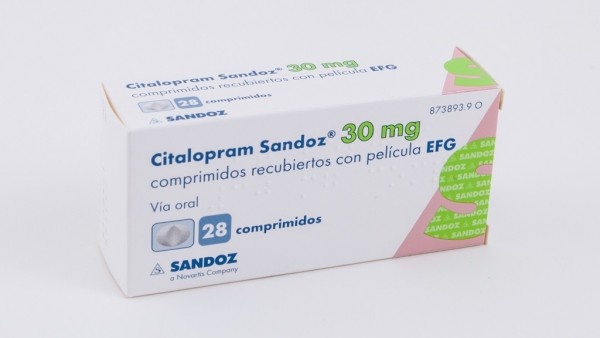
- Країна реєстрації
- Лікарська формаFilm-coated tablet, 20 MG
- Код АТХN06AB04
- Діюча речовина
- Потрібен рецептТак
- Виробник
- Ця інформація надана лише для ознайомлення і не є медичною порадою. Рішення щодо лікування завжди приймає лікар.
- Альтернативи до KITALOPRAM SANDOTS BVЛікарська форма: Oral drops, solution, 40 MG/ MLДіюча речовина: citalopramВиробник: ABC FARMACEUTICI S.P.A.Потрібен рецептЛікарська форма: Oral drops, solution, 40 MG/MLДіюча речовина: citalopramВиробник: ALMUS S.R.L.Потрібен рецептЛікарська форма: Film-coated tablet, 20 MGДіюча речовина: citalopramВиробник: ALMUS S.R.L.Потрібен рецепт
Аналоги KITALOPRAM SANDOTS BV в інших країнах
Препарати з тією самою діючою речовиною, доступні в інших країнах.
Аналог KITALOPRAM SANDOTS BV у Іспанія
Аналог KITALOPRAM SANDOTS BV у Польща
Аналог KITALOPRAM SANDOTS BV у Україна
Лікарі онлайн щодо KITALOPRAM SANDOTS BV
Застосування, безпека та можливість призначення рецепта — за результатами медичної оцінки.







Отримайте рецепт на KITALOPRAM SANDOTS BV онлайн
Заповніть форму за 2 хвилини
Розкажіть про симптоми, історію хвороби та потрібний препарат.
Оберіть лікаря або ми призначимо
Оберіть спеціаліста або ми підберемо найближчого доступного лікаря.
Лікар розглядає ваш випадок
Зазвичай протягом 30 хвилин. Може ставити уточнювальні запитання в чаті.
Отримайте в будь-якій аптеці
Електронний рецепт надсилається на вашу пошту — дійсний по всій Польщі.
Часті запитання
KITALOPRAM SANDOTS BV потребує рецепта в Італія. Ви можете обговорити з лікарем онлайн, чи підходить цей лікарський засіб для вашої ситуації.
Діюча речовина у KITALOPRAM SANDOTS BV — citalopram. Це допомагає визначити препарати з тим самим складом, але під іншими торговими назвами.
KITALOPRAM SANDOTS BV виробляється компанією SANDOZ BV. Назва бренду та упаковка можуть відрізнятися залежно від дистрибʼютора.
Лікарі, зокрема Сімейні лікарі, Психіатри, Дерматологи, Кардіологи, Ендокринологи, Гастроентерологи, Пульмонологи, Нефрологи, Ревматологи, Гематологи, Інфекціоністи, Алергологи, Геріатри, Педіатри, Онкологи, можуть оцінити доцільність застосування KITALOPRAM SANDOTS BV з урахуванням вашого стану та місцевих правил. Ви можете записатися на онлайн-консультацію, щоб обговорити симптоми та можливі подальші кроки.
Польща має добре розвинену систему охорони здоров'я у великих містах, таких як Варшава, Краків, Вроцлав і Гданськ. Аптеки широко доступні та працюють відповідно до чинного законодавства, забезпечуючи доступ до рецептурних препаратів.
Ви можете придбати KITALOPRAM SANDOTS BV у Варшаві, Кракові, Вроцлаві або Гданську в будь-якій аптеці за наявності дійсного рецепта.
Щоб отримати рецепт, ви можете скористатися Oladoctor:
Інші препарати з тією самою діючою речовиною (citalopram) включають KITALOPRAM ABK, KITALOPRAM ALMUS PARMA, KITALOPRAM ALMUS. Вони можуть відрізнятися торговою назвою або формою випуску, але містять той самий терапевтичний компонент. Перед зміною або початком прийому нового препарату варто проконсультуватися з лікарем.
