



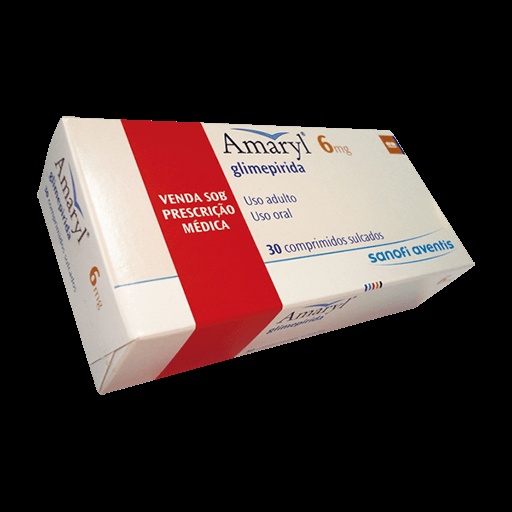
AMARYL 2 mg Coated Tablet

Запит на рецепт онлайн
Лікар розгляне ваш випадок і визначить, чи є рецепт медично доцільним.

Поговоріть з лікарем про ці ліки
Обговоріть симптоми та можливі подальші кроки під час короткої онлайн-консультації.



Інструкція із застосування AMARYL
Зміст інструкції
AMARYL 2 mg, 3 mg and 4 mg tablets
glimepiride
Read this leaflet carefully before you start taking this medicine because it contains important
information for you.
- Keep this leaflet. You may need to read it again.
- If you have any questions, ask your doctor or pharmacist.
- This medicine has been prescribed for you only. Do not pass it on to others, even if they have the same symptoms as you, as it may be harmful.
- If you get any side effects, even those not listed in this leaflet, tell your doctor or pharmacist.
Contents of this leaflet:
- 1. What Amaryl is and what it is used for
- 2. What you need to know before you take Amaryl
- 3. How to take Amaryl
- 4. Possible side effects
- 5. How to store Amaryl
- 6. Contents of the pack and other information
1. What is Amaryl and what is it used for
Amaryl is an orally active medicine that lowers blood sugar levels. This medicine
belongs to a group of drugs that lower blood sugar levels called sulfonylureas.
Amaryl works by increasing the amount of insulin released by the pancreas. Insulin then lowers blood
sugar levels.
What is Amaryl used for:
- Amaryl is used to treat a form of diabetes (type 2 diabetes mellitus) when diet, exercise, and weight reduction alone are not sufficient to control blood sugar levels.
2. What you need to know before taking Amaryl
Do not take Amaryl and tell your doctor if:
- You are allergic to: glimepiride or other sulfonylureas (medicines used to lower blood sugar levels such as glibenclamide) or sulfonamides (medicines for bacterial infections such as sulfamethoxazole) or any of the other ingredients of this medicine (listed in section 6)
- You have type 1 diabetes mellitus
- You have diabetic ketoacidosis (a complication of diabetes in which acid levels in the body are increased and you may experience some of the following symptoms: fatigue, nausea, frequent urination, and muscle soreness)
- You are in a diabetic coma
- You suffer from a severe kidney disease
- You suffer from a severe liver disease
Do not take this medicine if any of these conditions apply to you. If you are unsure, consult your doctor or pharmacist before taking Amaryl.
1/8
Warnings and precautions
Consult your doctor or pharmacist before taking the medicine if:
- you are recovering from injuries, surgery, an infection with fever, or other forms of stress, inform your doctor because it may be necessary to temporarily adjust the treatment
- you suffer from a severe liver or kidney disease
If you are not sure if any of these conditions apply to you, consult your doctor or pharmacist before taking Amaryl.
In patients who do not have the glucose-6-phosphate dehydrogenase enzyme, a decrease in hemoglobin levels and the breakdown of red blood cells (hemolytic anemia) may occur.
Available information on the use of Amaryl in people under 18 years of age is limited.
Therefore, use in these patients is not recommended.
Important information about hypoglycemia (low blood sugar)
When you take Amaryl, you may experience hypoglycemia (low blood sugar). Read below for
more information about hypoglycemia, its symptoms, and its treatment.
The following factors can increase the risk of having hypoglycemia:
- You are not eating enough, eat at irregular times, have skipped or delayed meals, or are on a period of fasting
- You have changed your diet
- You have taken more Amaryl than necessary
- You have decreased kidney function
- You suffer from a severe liver disease
- You suffer from certain hormone-induced disorders (thyroid, pituitary, or adrenal cortex disorders)
- You drink alcoholic beverages (especially if you skip a meal)
- You are taking certain other medicines (see below 'Other medicines and Amaryl').
- If you are doing more exercise and do not eat enough or eat foods that contain less carbohydrates than usual
Warning symptoms of hypoglycemia include:
- Hunger, headache, nausea, vomiting, slowness, drowsiness, sleep disturbances, restlessness, aggressiveness, difficulty concentrating, reduced alertness, reduced ability to react, depression, confusion, and speech and vision disorders, difficulty speaking, tremors, partial paralysis, sensory disturbances, dizziness, weakness
- You may also experience the following symptoms: sweating, clammy skin, anxiety, rapid heartbeat, high blood pressure, palpitations, sudden chest pain that may spread to nearby areas (angina pectoris and cardiac arrhythmias) If blood sugar levels continue to decrease, you may experience significant confusion (delirium), develop seizures, loss of self-control, breathing may become weak, and the heartbeat may slow down and you may lose consciousness. The clinical picture of very low blood sugar levels can resemble that of a stroke.
Treatment of hypoglycemia:
In many cases, the symptoms of low blood sugar levels disappear very quickly if you consume
sugars, such as sugar cubes, sugar-sweetened beverages, or sugared tea.
Therefore, always carry some sugar with you (e.g. sugar cubes)
Remember that artificial sweeteners are not effective. Contact your doctor or go to a hospital if you
notice that taking sugar does not help you or if the symptoms occur again.
2/8
Laboratory tests
You should regularly check your blood sugar or urine levels. Your doctor may also prescribe
blood tests to check your blood cell levels and liver function.
Children and adolescents
The use of Amaryl in children under 18 years of age is not recommended.
Other medicines and Amaryl
Tell your doctor or pharmacist if you are taking, have recently taken, or might take any
other medicines.
Your doctor may change your dose of Amaryl if you take other medicines that can decrease or
increase the effects of Amaryl on blood sugar levels.
The following medicines can increase the blood sugar-lowering effects of
Amaryl. This can lead to a risk of hypoglycemia (low blood sugar):
- Other medicines used to treat diabetes mellitus (such as insulin or metformin)
- Medicines used to treat pain and inflammation (phenylbutazone, azapropazone, oxyphenbutazone, aspirin-like drugs)
- Medicines used to treat urinary tract infections (such as some long-acting sulfonamides)
- Medicines used to treat bacterial and fungal infections (tetracyclines, chloramphenicol, fluconazole, miconazole, quinolones, clarithromycin)
- Medicines used to inhibit blood clotting (coumarin derivatives such as warfarin)
- Medicines used to enhance muscle mass (anabolic steroids)
- Medicines used for hormone replacement therapy in men
- Medicines used to treat depression (fluoxetine, MAO inhibitors)
- Medicines used to lower high cholesterol levels (fibrates)
- Medicines used to lower high blood pressure (ACE inhibitors)
- Medicines called antiarrhythmic agents used to control irregular heartbeats (disopyramide)
- Medicines used to treat gout (allopurinol, probenecid, sulfinpyrazone)
- Medicines used to treat cancer (cyclophosphamide, ifosfamide, trofosfamide)
- Medicines used to reduce weight (fenfluramine)
- Medicines used to increase circulation when given intravenously at high doses (pentoxifylline)
- Medicines used to treat nose allergies, such as hay fever (tritoqualine)
- Medicines called sympatholytics used to treat high blood pressure, heart failure, or prostate symptoms
The following medicines can decrease the blood sugar-lowering effects of
Amaryl. This can lead to a risk of hyperglycemia (high blood sugar):
- Medicines that contain female sex hormones (estrogens, progestins)
- Medicines used to help produce urine (thiazide diuretics)
- Medicines used to stimulate the thyroid (such as levothyroxine)
- Medicines used to treat allergies and inflammation (glucocorticoids)
- Medicines used to treat severe mental disorders (chlorpromazine and other phenothiazine derivatives)
- Medicines used to increase the heartbeat, to treat asthma or nasal congestion, cough and cold, used to reduce weight, or used in life-threatening emergencies (adrenaline and sympathomimetics)
- Medicines used to treat high cholesterol (nicotinic acid)
- Medicines used to treat constipation if used for a long time (laxatives)
- Medicines used to treat seizures (phenytoin)
- Medicines used to treat nervousness and sleep disorders (barbiturates)
3/8
- Medicines used to treat glaucoma (acetazolamide)
- Medicines used to treat high blood pressure or low blood sugar (diazoxide)
- Medicines used to treat infections and tuberculosis (rifampicin)
- Medicines used to treat very low sugar levels (glucagon)
The following medicines can increase or decrease the blood sugar-lowering effects of Amaryl:
- Medicines used to treat stomach ulcers (so-called anti-H2)
- Medicines used to treat high blood pressure or heart failure such as beta-blockers, clonidine, guanethidine and reserpine. These can also mask the symptoms of hypoglycemia, so particular care is required when taking these medicines.
Amaryl can increase or decrease the effects of the following medicines:
- Medicines used to inhibit blood clotting (coumarin derivatives such as warfarin)
Colesevelam, a medicine used to lower cholesterol, has an effect on the absorption of Amaryl. To
avoid this effect, you are recommended to take Amaryl at least 4 hours before colesevelam.
Amaryl with food, drinks and alcohol
Drinking alcoholic beverages can increase or decrease the blood sugar-lowering effects of Amaryl in an unpredictable way.
Pregnancy and breastfeeding
Pregnancy
Amaryl should not be taken during pregnancy. Tell your doctor if you are planning a pregnancy or if you are already
pregnant or think you may be pregnant.
Breastfeeding
Amaryl can pass into breast milk. Amaryl should not be taken if you are breastfeeding.
Ask your doctor or pharmacist for advice before taking any medicine.
Driving and using machines
Your ability to concentrate or react may be impaired if your blood sugar levels are low (hypoglycemia) or high (hyperglycemia), or if you develop vision problems
as a result of these conditions. Keep in mind that you may pose a risk to yourself and others (e.g. driving a car or using machinery). Consult your doctor for
advice on whether it is appropriate for you to drive if:
- you have frequent hypoglycemic attacks,
- you have few or no warning symptoms of hypoglycemia.
Amaryl contains lactose.
If your doctor has diagnosed you with an intolerance to certain sugars, contact him before taking this
medicine.
Amaryl contains sodium
This medicine contains less than 1 mmol (23 mg) of sodium per dose, which is essentially ‘sodium-free’.
4/8
3. How to take Amaryl
Take this medicine following exactly the instructions of your doctor. If you have any doubts, ask your doctor or pharmacist.
Taking this medicine
- Take this medicine by mouth, immediately before or during your first main meal of the day (usually breakfast). If you do not have breakfast, you should take the medicine at the time prescribed by your doctor. It is important not to skip any meals when taking Amaryl.
- Swallow the tablets with at least half a glass of water. Do not crush or chew the tablets.
- Each tablet can be divided into equal doses.
How much medicine to take
The dose of Amaryl depends on your needs, condition and the results of your blood and urine sugar tests and is determined by your doctor. Do not take more tablets than prescribed by your doctor.
Usually the initial dose of Amaryl is 1 mg once a day.
If necessary, your doctor may increase the dose every 1-2 weeks of treatment.
The maximum recommended dose of Amaryl is 6 mg per day.
Combination therapy glimepiride + metformin or glimepiride + insulin may be started. In this case, your doctor will determine the correct dose of glimepiride, metformin or insulin specific for you.
If your weight changes, or you change your lifestyle, or you are in a stressful situation, a change in the dose of Amaryl may be necessary, so inform your doctor.
If you feel that the effects of the medicine are too weak or too strong, do not change the dose yourself, but ask your doctor.
If you take more Amaryl than you should
If you have taken too much Amaryl or have taken an extra dose, there is a risk of hypoglycemia (see Paragraph 2 for symptoms of hypoglycemia) and therefore you should immediately take a sufficient amount of sugar (e.g. a small sugar cube, sugary drinks or sweetened tea) and inform your doctor immediately. If you are treating hypoglycemia due to accidental ingestion in children, the amount of sugar administered must be carefully controlled to avoid producing dangerous hyperglycemia. Food or drinks should not be given to people who are unconscious.
Since the state of hypoglycemia can last for some time, it is very important that the patient is carefully monitored until the danger has passed. Hospitalization may be necessary, even as a precautionary measure. Show the doctor the box or the remaining tablets, so that the doctor can see what has been taken.
Severe cases of hypoglycemia with loss of consciousness and severe neurological insufficiency are medical emergencies that require immediate medical treatment and hospitalization. Make sure there is always an informed person who can call the doctor in case of emergency.
If you forget to take Amaryl
If you have forgotten to take a dose, do not take a double dose to make up for a missed dose.
If you stop taking Amaryl
If you stop or discontinue treatment, you should know that you will not achieve the desired effect of lowering blood sugar levels and that the disease will worsen. Continue taking Amaryl until your doctor tells you to stop.
If you have any questions about the use of this medicine, ask your doctor or pharmacist.
5/8
4. Possible side effects
Like all medicines, this medicine can cause side effects, although not everybody gets them.
Tell your doctor immediately if any of the following symptoms occur:
- Allergic reactions (including inflammation of blood vessels, often with skin rash) which can become a serious reaction with difficulty breathing, low blood pressure and sometimes progressing to shock.
- Abnormal liver function including yellowing of the skin and eyes (jaundice), problems with bile flow (cholestasis), inflammation of the liver (hepatitis) or liver failure.
- Skin allergy (hypersensitivity) such as itching, rash, hives and increased sensitivity to the sun. Some mild allergic reactions can become serious reactions.
- Severe hypoglycaemia with loss of consciousness, convulsions or coma.
Some patients have experienced the following adverse events while taking Amaryl:
Rare side effects(may affect 1 to 10 patients in 10,000)
- Lower than normal blood sugar levels (hypoglycaemia) (See section 2)
- Decreased number of blood cells:
- Platelets (which increases the risk of bleeding or bruising)
- White blood cells (which increases the risk of infections)
- Red blood cells (which can make the skin pale and cause weakness and shortness of breath) These problems generally improve when stopping Amaryl
- Weight gain
- Hair loss
- Disturbance of taste
Very rare side effects(may affect less than 1 patient in 10,000)
- Allergic reactions (including inflammation of blood vessels, often with skin rash) which can become a serious reaction with difficulty breathing, low blood pressure and sometimes progressing to shock. If any of these symptoms occur, tell your doctor immediately
- Abnormal liver function including yellowing of the skin and eyes (jaundice), impaired bile flow (cholestasis), inflammation of the liver (hepatitis) or liver failure. If any of these symptoms occur, tell your doctor immediately
- Nausea or vomiting, diarrhoea, feeling of fullness or bloating and abdominal pain
- Decreased levels of sodium in the blood (seen with blood tests)
Not known, frequency cannot be estimated from available data:
- Skin allergy (hypersensitivity) such as itching, rash, hives and increased sensitivity to the sun. Some mild allergic reactions can become serious reactions with problems swallowing or breathing, swelling of the lips, throat or tongue. Therefore, if any of these adverse events occur, tell your doctor immediately
- Allergic reactions may occur with sulphonylureas, sulfonamides or related drugs
- Vision problems may occur at the start of treatment with Amaryl. This is due to changes in blood sugar levels, and should improve soon
- Increased liver enzymes
- Severe unusual bleeding or bruising under the skin
Reporting of side effects
If you get any side effects, talk to your doctor, pharmacist or nurse.
You can also report side effects directly through the national reporting system
at https://www.aifa.gov.it/content/segnalazioni-reazioni-avverse.
By reporting side effects you can help provide more information on the safety of
this medicine.
6/8
5. How to store Amaryl
Keep this medicine out of sight and reach of children.
Do not use this medicine after the expiry date which is stated on the package and on the blister after Exp. The
expiry date refers to the last day of that month.
Amaryl 2 mg, 3 mg and 4 mg tablets: do not store at a temperature above 30°C.
Store in the original package to protect the medicine from moisture.
Do not use this medicine if you notice visible signs of deterioration.
Do not dispose of any medicine in wastewater or household waste. Ask your pharmacist how to dispose of
medicines you no longer use. This will help protect the environment.
6. Package Contents and Other Information
What Amaryl contains
- The active ingredient is glimepiride. Each tablet contains 2 mg, 3 mg or 4 mg of glimepiride, according to the dosage indicated on the blister and on the box.
- The other ingredients are: lactose monohydrate, sodium carboxymethylcellulose (type A), magnesium stearate, microcrystalline cellulose, povidone 25000.
- In addition, the tablets contain colorants:
- 2 mg tablets contain yellow iron oxide (E172) and indigo carmine aluminium lake (E132)
- 3 mg tablets contain yellow iron oxide (E172)
- 4 mg tablets contain indigo carmine aluminium lake (E132)
Description of the appearance of Amaryl and the contents of the pack
All Amaryl tablets are oblong and notched on both sides. Each tablet can be divided into
two equal doses. They are of different colors:
2 mg tablets are green
3 mg tablets are pale yellow
4 mg tablets are blue
They are available in blister packs of 14, 20, 28, 30, 50, 60, 90, 112, 120, 280 and 300 tablets.
Not all pack sizes and strengths may be marketed.
Marketing Authorisation Holder and Manufacturer
Marketing Authorisation Holder:
Sanofi S.r.l. – Viale L. Bodio, 37/B – Milan
Manufacturer:
For all strengths
Sanofi S.r.l. Strada Statale 17, Km 22, 67019 Scoppito (L’Aquila), Italy
Sanofi-Aventis Deutschland GmbH, Industriepark Höchst-Brüningstraße50, 65926 Frankfurt am Main,
Germany
For 2 mg, 3 mg, 4 mg tablets:
Sanofi Winthrop Industrie, 30-36 avenue Gustave Eiffel, 37100 Tours, France
For 2 mg and 3 mg tablets
7/8
Sanofi-Aventis Private Co. Ltd, Budapest Logistics e Distribution Platform Bdg. DC5, Campona utca1.
Budapest, 1225, Hungary
This medicinal product is authorised in the Member States of the European Economic Area and in the United
Kingdom (Northern Ireland) under the following denominations:
- Amaryl: Austria, Bulgaria, Cyprus, Denmark, Estonia, Finland, Germany, Iceland, Ireland, Italy, Netherlands, Norway, Romania, Slovakia, Spain, Sweden, United Kingdom, Czech Republic
- Amaryl Tablete: Slovenia
- Amaryl Tablètes: Latvia
- Amaryl Tablètes: Lithuania
- Amarylle: Belgium, Luxembourg
- Amarel: France
- Solosa: Greece
8/8

Не впевнені, чи підходить вам цей лікарський засіб?
Обговоріть симптоми та можливі варіанти лікування з лікарем онлайн.

Виникли питання під час прийому ліків?
Обговоріть свої симптоми та лікування з лікарем онлайн.
- Країна реєстрації
- Лікарська формаCoated tablet, 2 MG
- Код АТХA10BB12
- Діюча речовина
- Потрібен рецептТак
- Виробник
- Ця інформація надана лише для ознайомлення і не є медичною порадою. Рішення щодо лікування завжди приймає лікар.
- Альтернативи до AMARYLЛікарська форма: Tablet, 1 MGДіюча речовина: ГлимепиридВиробник: ACCORD HEALTHCARE, S.L.U.Потрібен рецептЛікарська форма: Coated tablet, 2 MGДіюча речовина: ГлимепиридВиробник: AUROBINDO PHARMA (ITALIA) S.R.L.Потрібен рецептЛікарська форма: Coated tablet, 1 MGДіюча речовина: ГлимепиридВиробник: SANDOZ GMBHПотрібен рецепт
Аналоги AMARYL в інших країнах
Препарати з тією самою діючою речовиною, доступні в інших країнах.
Аналог AMARYL у Польща
Аналог AMARYL у Україна
Аналог AMARYL у Іспанія
Лікарі онлайн щодо AMARYL
Застосування, безпека та можливість призначення рецепта — за результатами медичної оцінки.


Отримайте рецепт на AMARYL онлайн
Заповніть форму за 2 хвилини
Розкажіть про симптоми, історію хвороби та потрібний препарат.
Оберіть лікаря або ми призначимо
Оберіть спеціаліста або ми підберемо найближчого доступного лікаря.
Лікар розглядає ваш випадок
Зазвичай протягом 30 хвилин. Може ставити уточнювальні запитання в чаті.
Отримайте в будь-якій аптеці
Електронний рецепт надсилається на вашу пошту — дійсний по всій Польщі.
Часті запитання
AMARYL потребує рецепта в Італія. Ви можете обговорити з лікарем онлайн, чи підходить цей лікарський засіб для вашої ситуації.
Діюча речовина у AMARYL — Глимепирид. Це допомагає визначити препарати з тим самим складом, але під іншими торговими назвами.
AMARYL виробляється компанією SANOFI S.R.L.. Назва бренду та упаковка можуть відрізнятися залежно від дистрибʼютора.
Лікарі, зокрема Сімейні лікарі, Психіатри, Дерматологи, Кардіологи, Ендокринологи, Гастроентерологи, Пульмонологи, Нефрологи, Ревматологи, Гематологи, Інфекціоністи, Алергологи, Геріатри, Педіатри, Онкологи, можуть оцінити доцільність застосування AMARYL з урахуванням вашого стану та місцевих правил. Ви можете записатися на онлайн-консультацію, щоб обговорити симптоми та можливі подальші кроки.
Польща має добре розвинену систему охорони здоров'я у великих містах, таких як Варшава, Краків, Вроцлав і Гданськ. Аптеки широко доступні та працюють відповідно до чинного законодавства, забезпечуючи доступ до рецептурних препаратів.
Ви можете придбати AMARYL у Варшаві, Кракові, Вроцлаві або Гданську в будь-якій аптеці за наявності дійсного рецепта.
Щоб отримати рецепт, ви можете скористатися Oladoctor:
Інші препарати з тією самою діючою речовиною (Глимепирид) включають LYMEPIRIDE AKKORD EALTKARE, LYMEPIRIDE AUROBINDO, LYMEPIRIDE SANDOTS GMB. Вони можуть відрізнятися торговою назвою або формою випуску, але містять той самий терапевтичний компонент. Перед зміною або початком прийому нового препарату варто проконсультуватися з лікарем.
