



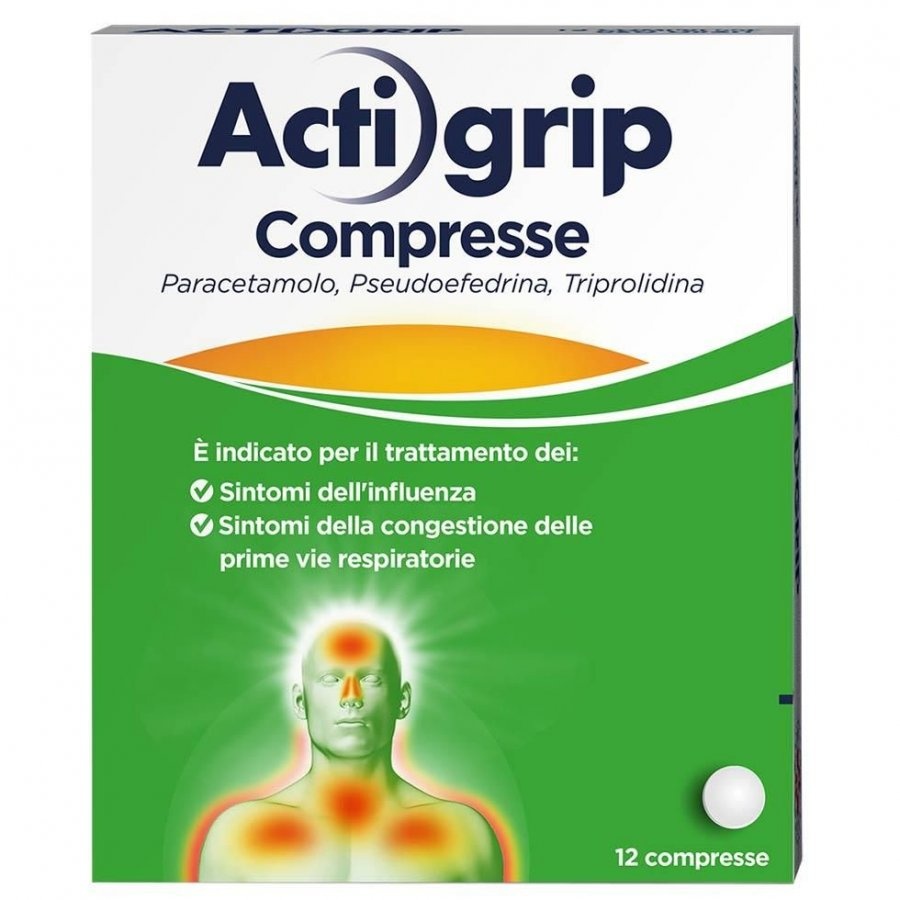
ACTIGRIP <2.5 mg/60 mg/300 mg Tablets

Запит на рецепт онлайн
Лікар розгляне ваш випадок і визначить, чи є рецепт медично доцільним.

Поговоріть з лікарем про ці ліки
Обговоріть симптоми та можливі подальші кроки під час короткої онлайн-консультації.



Інструкція із застосування AKTIGRIP
Зміст інструкції
ACTIGRIP 2.5 mg / 60 mg/ 300 mg tablets
Paracetamol, Pseudoephedrine hydrochloride, Triprolidine hydrochloride
Read this leaflet carefully before taking this medicine as it contains
important information for you.
Always take this medicine exactly as described in this leaflet or as your doctor or
pharmacist has told you.
- Keep this leaflet. You may need to read it again.
- If you want more information or advice, ask your pharmacist.
- If any side effects occur, including those not listed in this leaflet, tell your doctor or pharmacist. See section 4.
- See a doctor if you do not feel better or if your symptoms worsen after 3-5 days of treatment.
Contents of this leaflet:
- 1. What Actigrip is and what it is used for
- 2. What you need to know before you take Actigrip
- 3. How to take Actigrip
- 4. Possible side effects
- 5. How to store Actigrip
- 6. Contents of the pack and other information
1. What is Actigrip and what is it used for
Actigrip contains three active ingredients: paracetamol (which relieves pain and reduces fever),
pseudoephedrine hydrochloride (a decongestant for nasal congestion) and triprolidine hydrochloride (an
antihistamine that reduces nasal secretion and dilates the bronchi).
Actigrip is used for the treatment of symptoms associated with influenza or congestion of the
upper respiratory tract.
Actigrip should be used by adults and children over 12 years of age.
Consult your doctor if you do not feel better or if you feel worse after 3-5 days of treatment
2. What you need to know before taking Actigrip
Do not take Actigrip if:
- you are allergic to paracetamol, pseudoephedrine hydrochloride, triprolidina hydrochloride, other antihistamines, or any of the other ingredients of this medicine (listed in section 6);
- you have high blood pressure (hypertension) or pre-existing cardiovascular disease or have had a stroke;
- if you have very high blood pressure (severe hypertension) or hypertension not controlled by medication;
- if you suffer from severe acute (sudden) or chronic (long-term) kidney disease or renal failure;
- you are taking or have taken in the last two weeks medications for depression known as monoamine oxidase inhibitors (MAOIs) because in these cases the concomitant use of Actigrip may cause an increase in blood pressure or hypertensive crises (see “Other medicines and Actigrip”);
- you are taking, orally and/or nasally, sympathomimetic vasoconstrictor drugs (see “Other medicines and Actigrip”);
- you suffer from epilepsy;
- you have glaucoma (increased pressure inside the eye with possible worsening of vision);
- you suffer from severe hemolytic anemia (a disease that destroys red blood cells);
- you have had symptoms due to a disease known as favism or fava bean disease, which causes a decrease in red blood cells (glucose-6-phosphate dehydrogenase deficiency);
- you have a narrowing (stenosis) of the stomach or intestine, bladder, urethra or ureters (urogenital system);
- you have breathing problems or suffer from asthma;
- you have diabetes;
- you have serious liver or kidney problems;
- you have thyroid disease;
- you have an enlarged prostate (which causes problems such as difficulty urinating or needing to urinate frequently);
- you are pregnant or breastfeeding.
Do not use Actigrip in children under 12 years of age.
Warnings and precautions
- Talk to your doctor or pharmacist before taking Actigrip if: you have decreased kidney function;
- you suffer from liver disease or have severe hepatocellular insufficiency;
- you have breathing problems such as emphysema and chronic bronchitis;
- if you suffer from migraine and are being treated with ergot alkaloids (such as dihydroergotamine, ergotamine or methylergometrine)
- you suffer from alcoholism
During treatment with Actigrip, immediately inform your doctor if:
If you suffer from serious illnesses, including severe kidney impairment or sepsis (when bacteria and their
toxins circulate in the blood causing organ damage) or malnutrition, chronic alcoholism or if
you are also taking flucloxacillin (an antibiotic). In patients in these situations, a serious condition called metabolic acidosis (an abnormality of the blood and fluids) has been reported
when paracetamol is used at regular doses for a prolonged period or when paracetamol
is taken in combination with flucloxacillin. Symptoms of metabolic acidosis may include: severe
difficulty breathing with rapid, deep breathing, drowsiness, nausea and vomiting.
Serious skin reactions
Very rarely, serious skin reactions such as acute generalized exanthematous pustulosis (AGEP), Stevens-Johnson syndrome (SJS),
toxic epidermal necrolysis (TEN) and drug reaction with eosinophilia and systemic symptoms (known
as DRESS syndrome) have been reported in patients treated with paracetamol. Talk to your doctor or pharmacist before taking Actigrip to know
the signs of serious skin reactions and stop use at the first signs of rash
or any other signs of hypersensitivity (see section 4 “Possible side effects”). Patients seem to be at higher risk in the early stages of therapy: the onset of the reaction
occurs in most cases in the early stages of treatment.
Serious skin reactions such as acute generalized pustulosis have
been reported very rarely with products containing pseudoephedrine. This acute pustular
eruption may occur within the first 2 days of treatment, with fever and numerous, small pustules,
mostly non-follicular, arising from a widespread edematous erythema and localized
mainly on the skin folds, trunk and upper limbs. If you observe signs and symptoms
such as the formation of numerous small pustules with or without fever or erythema, the administration
of ACTIGRIP must be stopped and a doctor must be consulted (see section “4.
Possible side effects”).
Consult a doctor if the fever persists for more than 3 days or if you do not feel better or feel worse
after 5 days of treatment, for example, high fever, notice skin lesions or have persistent cough and excessive mucus.
High doses of paracetamol can cause adverse reactions, even serious, especially on the liver, kidneys and blood. If you take more than the recommended dose, for both adults and
children, you should consult a doctor even if no signs or symptoms appear, for
careful monitoring.
Do not use Actigrip at doses higher than those recommended, or for a long time, or at the same time
with other medicines containing paracetamol(see “Other medicines and Actigrip”).
Due to the paracetamol content, Actigrip may affect the results of some laboratory tests,
such as tests for measuring uric acid (uricemia) and glucose (glycemia) in the blood.
- It may cause drowsiness.
- Due to the pseudoephedrine content, Actigrip should be discontinued if, for example, high blood pressure, rapid heartbeat, feeling unwell, nausea, headache or worsening headache occur.
- Due to the triprolidina content, Actigrip may increase the sedative effects of substances that depress the central nervous system such as alcohol, sedatives, tranquilizers (see “Other medicines and Actigrip”). You should therefore avoid the use of alcoholic beverages during treatment with Actigrip and you should consult your doctor before taking Actigrip in combination with medicines that depress the central nervous system.
- If you experience sudden abdominal pain, rectal bleeding or other signs of ischemic colitis (see section “4. Possible side effects”), stop using ACTIGRIP and see your doctor.
- With Actigrip, a reduction in blood flow to the optic nerve may occur. If you experience sudden vision loss, stop taking Actigrip and see your doctor or a healthcare facility immediately. See paragraph 4.
Cases of reversible posterior encephalopathy syndrome (PRES) and reversible cerebral vasoconstriction syndrome (RCVS) have been reported following the use of medicines containing
pseudoephedrine. PRES and RCVS are rare conditions that can lead to reduced blood supply to the brain. Stop using Actigrip immediately and seek immediate medical attention
if you develop symptoms that may be signs of PRES or RCVS (see paragraph 4 “Possible side effects” for symptoms).
One of the active ingredients of Actigrip, pseudoephedrine, can cause abuse and high doses of
pseudoephedrine can be toxic. Continuous use can lead to taking an amount
of Actigrip greater than the recommended dose to obtain the desired effect, resulting in
increased risk of overdose. The maximum recommended dose and duration of treatment
must not be exceeded (see paragraph 3).
Avoid taking this medicine if you are being treated with anti-inflammatory drugs.
For athletes: the use of the drug without therapeutic need constitutes doping and
may still result in positive doping tests.
Other medicines and Actigrip
Tell your doctor or pharmacist if you are taking, have recently taken or might take
any other medicine.
Do not take Actigrip with:
- other medicines that contain paracetamol or that reduce fever and pain.
- tricyclic antidepressants (drugs used to treat mood disorders), antipsychotics or other medicines that act on the brain such as barbiturates, sedatives, tranquilizers, hypnotics;
- medicines used for depression known as monoamine oxidase inhibitors (MAOIs) or have taken them in the last 2 weeks, as this may cause a sudden increase in blood pressure (see “Do not take ACTIGRIP”);
- furazolidone, an antibiotic
- sympathomimetic drugs used to reduce nasal congestion (decongestants);
- appetite suppressants (anorectics, amphetamine-like);
BE CAREFUL if you are taking the following medicines, because they may interact with Actigrip:
- antihypertensives (drugs against high blood pressure) such as methyldopa, alpha and beta-blockers, debrisochine, guanetidine, betanidine and bretylium: their effect may be partially counteracted by Actigrip;
- ergot alkaloids (such as dihydroergotamine, ergotamine or methylergometrine) used to treat headaches as they may induce vasoconstriction with a sudden increase in blood pressure;
- oral hypoglycemic agents, drugs that lower blood sugar;
- metoclopramide (used to treat nausea and vomiting);
- other substances with anticholinergic action
- blood-thinning drugs (anticoagulants, such as warfarin and coumarin derivatives); anticonvulsants or antiepileptics (drugs used to treat epilepsy) such as glutethimide, phenobarbital, carbamazepine;
- oral contraceptives;
- rifampicin (drugs used to treat tuberculosis);
- cimetidine (drugs used for peptic ulcer);
- antibiotics that cause damage to the ear (ototoxic), such as neomycin;
- flucloxacillin (antibiotic), due to a serious risk of blood and fluid abnormality (called metabolic acidosis) that needs to be treated urgently (see paragraph 2). if you are waiting
to undergo surgery, your doctor may advise you to stop
taking ACTIGRIP a few days before.
Actigrip with alcohol
Do not drink alcohol while using Actigrip as this may interfere with your treatment and/or
increase the risk of adverse events, especially on the liver.
Pregnancy and breastfeeding
Do not take Actigrip if you are pregnant or breastfeeding.
Driving and operating machinery
Actigrip may cause drowsiness. Make sure you do not suffer from this side effect before
driving vehicles or using machinery.
Actigrip contains: methyl parahydroxybenzoate. It may cause allergic reactions (even delayed).
3. How to take Actigrip
Take this medicine following exactly as indicated in this leaflet or as instructed by your doctor or pharmacist. If you have any doubts, consult your doctor or pharmacist.
Adults
The recommended dose is 1 tablet, 2-3 times a day, for a maximum of 5 days of therapy.
- Take the tablets by mouth (oral use), with a glass of water and on a full stomach.
- Do not exceed the recommended doses. If you have any doubts, consult your doctor or pharmacist.
Paediatric population (adolescents over 12 years up to 18 years of age): 1 tablet 2 - 3 times a day, for a maximum of 3 days of therapy.
Children under 12 years of age
Do not use Actigrip in children under 12 years of age.
Elderly
Elderly patients are more sensitive to this medicine. If you are elderly, adhere to the minimum dosage indicated.
If you take more Actigrip than you should,you may experience the following undesirable effects:
- nausea, vomiting, insomnia, tremors, dilation of the pupils (mydriasis), anxiety, agitation, hallucinations, palpitations, increase or decrease in heart rate (tachycardia and bradycardia), even deep sleepiness (lethargy), irritability, convulsions, increased pressure (hypertension and hypertensive crisis) and difficulty breathing, heart rhythm alterations (arrhythmia), intracranial haemorrhage, heart attack, psychosis, muscle breakdown (rhabdomyolysis), decreased potassium in the blood (hypokalaemia) and intestinal infarction;
- in children, inability to fall asleep (insomnia), drowsiness, hyperactivity, convulsions and tremors;
- pallor, loss of appetite (anorexia), nausea, vomiting and serious liver problems, caused by high doses of paracetamol,
Overdosage can cause hepatic cytolysis (rupture of liver cells) and can progress to massive (massive cell death) and irreversible necrosis, caused by high doses of paracetamol.
If you take more Actigrip than you should, immediately inform your doctor or go to the nearest hospital even if you feel well, as some undesirable effects may manifest even several hours after taking it.
Keep this medicine out of the reach of children. In case of overdose, seek medical help or contact a poison control centre immediately.
If you forget to take Actigrip
Do not take a double dose to make up for the missed tablet.
If you have any doubts about the use of this medicine, consult your doctor or pharmacist.
4. Possible side effects
Like all medicines, this medicine can cause side effects, although not everyone will experience them.
Immediately stop treatment with Actigrip and urgently consult your doctor if any of the
following conditions occur:
- develops symptoms that may be signs of reversible posterior encephalopathy syndrome (PRES) and reversible cerebral vasoconstriction syndrome (RCVS). These include: o severe headache with sudden onset o nausea o vomiting o confusion o seizures o changes in vision
- allergic reactions, even severe ones, such as swelling (angioedema) of the face, eyes, lips, throat (laryngeal edema) with difficulty breathing, a sudden drop in blood pressure (anaphylactic shock);
- seizures, excitation of the central nervous system, such as inability to fall asleep (insomnia), excessive happiness (euphoria) and tremors;
Very rare cases of severe skin reactions have been reported with the use of paracetamol, which manifest, for example, with redness, formation of blisters or pus and exfoliation (e.g.
multiforme erythema, Stevens Johnson syndrome and toxic epidermal necrolysis) (see paragraph
2 “Warnings and precautions”).
Not known (frequency cannot be estimated on the basis of available data):
- serious conditions affecting the cerebral blood vessels known as reversible posterior encephalopathy syndrome (PRES) and reversible cerebral vasoconstriction syndrome (RCVS);
- hallucinations, even visual, anxiety, nervousness, restlessness;
- alterations in sensitivity (paresthesia), psychomotor hyperactivity, stroke (cerebrovascular accidents);
- alterations in heart rhythm (arrhythmia), sensation of a lump in the throat (palpitations), myocardial infarction;
- nosebleeds (epistaxis);
- itchy rash, urticaria, itching;
- skin reactions due to taking drugs (fixed drug eruption);
- severe skin rash characterized by the formation of pustules (acute generalized exanthematous pustulosis) (see paragraph 2 “Warnings and precautions”);
- difficulty urinating (dysuria);
- feeling of nervousness;
- ischemic colitis;
- increased transaminases (a slight increase in transaminase levels may occur in some patients taking recommended doses of paracetamol. These cases are not accompanied by liver failure and generally resolve with continued or discontinuation of paracetamol therapy);
- increased blood pressure;
- reduced blood flow to the optic nerve (ischemic optic neuropathy);
- severe condition that can make the blood more acidic (called metabolic acidosis), in patients with a serious illness who use paracetamol (see paragraph 2).
Inform your doctor if any other side effects occur during therapy with ACTIGRIP:
- more or less sudden appearance of skin lesions, for example, color changes in patches or widespread (rash) skin reactions after exposure to the sun (photosensitization);
- reactions to the stomach or intestines such as constipation, nausea, diarrhea, vomiting (possibly reduced by taking the medicine after meals), dry mouth;
- alteration of liver function, liver inflammation (hepatitis);
- sleepiness, feeling of tiredness (asthenia), sweating, dizziness;
- increased density of bronchial secretions;
- headache, low blood pressure, alteration or increase in heartbeats (extrasystoles, tachycardia) especially in the elderly;
- alterations in the blood such as a decrease in platelets (thrombocytopenia) or white blood cells (leukopenia, neutropenia) or red blood cells (anemia), reduced number of granulocytes (agranulocytosis);
- kidney problems, such as unusual changes in the amount of urine produced, for example, no urine production (anuria), inability to empty the bladder (urinary retention), blood in the urine (hematuria), kidney inflammation (interstitial nephritis) or impaired kidney function (acute renal failure).
- increased pressure inside the eye with possible worsening of vision (acute glaucoma attack), blurred vision, dilation of the pupils (mydriasis).
In isolated cases, hemorrhagic stroke has occurred in patients who have used medicines containing a
vasoconstrictor (such as pseudoephedrine). In particular, these cerebrovascular accidents have
occurred due to an overdose, improper use and/or in patients with vascular risk factors
(see paragraph “2.What you need to know before taking Actigrip”- Do not take Actigrip if -
Warnings and precautions”.
Reporting of side effects
If you experience any side effects, including those not listed in this leaflet, tell your doctor or
pharmacist. You can also report side effects directly through the national reporting system at the
address: https://www.aifa.gov.it/content/segnalazioni-reazioni-avverse. By reporting side effects you
can help provide more information on the safety of this medicine.
5. How to store Actigrip
Keep this medicine out of the sight and reach of children.
Store in a dry place at a temperature not exceeding 25°C.
Do not use this medicine after the expiry date which is stated on the packaging after “EXP”.
The expiry date refers to the last day of that month.
Do not dispose of any medicine in wastewater or household waste. Ask your pharmacist how
to dispose of medicines you no longer use. This will help protect the environment.
6. Contents of the pack and other information
What Actigrip contains
The active ingredients are: paracetamol, pseudoephedrine hydrochloride and triprolidine hydrochloride.
One tablet contains: 300 mg of paracetamol, 60 mg of pseudoephedrine hydrochloride and 2.5 mg
triprolidine hydrochloride.
The other ingredients are: microcrystalline cellulose, corn starch, stearic acid, pregelatinized starch, methyl parahydroxybenzoate.
Description of the appearance of Actigrip and contents of the pack
Actigrip is available in a pack containing a blister of 12 tablets.
Marketing Authorisation Holder
Johnson & Johnson S.p.A., Via Ardeatina, km 23,500 - 00071 Santa Palomba – Pomezia - Roma
Manufacturer
Istituto Biochimico Nazionale Savio S.r.l. - Via del Mare, 36 – 00040 Pomezia (Roma)
ACTIGRIP 2.5 mg/60 mg/500 mg tablets
Paracetamol, Pseudoephedrine hydrochloride, Triprolidine hydrochloride
Read this leaflet carefully before taking this medicine as it contains
important information for you.
Always take this medicine exactly as described in this leaflet or as your doctor or
pharmacist has told you.
- Keep this leaflet. You may need to read it again.
- If you want more information or advice, ask your pharmacist.
- If any side effects occur, including those not listed in this leaflet, tell your doctor or pharmacist. See section 4.
- See a doctor if you do not feel better or if your symptoms worsen after 3-5 days of treatment.
Contents of this leaflet:
- 1. What Actigrip is and what it is used for
- 2. What you need to know before you take Actigrip
- 3. How to take Actigrip
- 4. Possible side effects
- 5. How to store Actigrip
- 6. Contents of the pack and other information
1. What is Actigrip and what is it used for
Actigrip contains three active ingredients: paracetamol (which relieves pain and reduces fever),
pseudoephedrine hydrochloride (a decongestant for nasal congestion) and triprolidine hydrochloride (an
antihistamine that reduces nasal secretion and dilates the bronchi).
Actigrip is used for the treatment of cold symptoms characterized by
nasal obstruction, watery rhinorrhea, headache and/or fever.
Actigrip should be used by adults and children over 12 years of age.
Consult your doctor if you do not feel better or feel worse after 3-5 days of treatment
2. What you need to know before taking Actigrip
Do not take Actigrip if:
- you are allergic to paracetamol, pseudoephedrine hydrochloride, triprolidine hydrochloride, other antihistamines, or any of the other ingredients of this medicine (listed in section 6);
- you have high blood pressure (hypertension) or pre-existing cardiovascular disease or have had a stroke;
- if you have very high blood pressure (severe hypertension) or hypertension not controlled by medication;
- if you suffer from severe acute (sudden) or chronic (long-term) kidney disease or kidney failure;
- you are taking or have taken in the last two weeks medications for depression known as monoamine oxidase inhibitors (MAOIs) because in these cases the concomitant use of Actigrip
can cause an increase in blood pressure or hypertensive crises (see “Other medicines and Actigrip”);
- you are taking, orally and/or nasally, sympathomimetic vasoconstrictor medications (see “Other medicines and Actigrip”);
- you suffer from epilepsy;
- you have glaucoma (increased pressure inside the eye with possible worsening of vision);
- you suffer from severe hemolytic anemia (a disease that destroys red blood cells);
- you have had symptoms due to a disease known as favism or fava bean disease, which causes a decrease in red blood cells (glucose-6-phosphate dehydrogenase deficiency);
- you have a narrowing (stenosis) of the stomach or intestine, bladder, urethra, or ureters (urogenital system);
- you have breathing problems or suffer from asthma;
- you have diabetes;
- you have serious liver or kidney problems;
- you have thyroid disease;
- you have an enlarged prostate volume (which causes problems such as difficulty urinating or needing to urinate frequently);
- you are pregnant or breastfeeding.
Do not use Actigrip in children under 12 years of age.
Warnings and precautions
Talk to your doctor or pharmacist before taking Actigrip if:
- you have decreased kidney function;
- you suffer from liver disease or have severe hepatocellular insufficiency;
- you have respiratory problems such as emphysema and chronic bronchitis;
- if you suffer from migraine and are being treated with ergot alkaloids (such as dihydroergotamine, ergotamine or methylergometrine)
- you suffer from alcoholism
During treatment with Actigrip, immediately inform your doctor if:
If you suffer from serious illnesses, including severe kidney impairment or sepsis (when bacteria and their
toxins circulate in the blood causing organ damage) or malnutrition, chronic alcoholism or if
you are also taking flucloxacillin (an antibiotic). In patients in these situations, a serious condition called metabolic acidosis (an abnormality of the blood and fluids) has been reported
when paracetamol is used at regular doses for a prolonged period or when
paracetamol is taken in combination with flucloxacillin. Symptoms of metabolic acidosis may
include: severe difficulty breathing with rapid, deep breathing, drowsiness, nausea and
vomiting.
Severe skin reactions
Very rare, serious skin reactions such as acute generalized exanthematous pustulosis (AGEP), Stevens-Johnson
syndrome (SJS), toxic epidermal necrolysis (TEN) and drug reaction with eosinophilia and systemic symptoms
(known as DRESS syndrome) have been reported in patients treated with paracetamol. Consult your doctor or pharmacist before taking Actigrip to
know the signs of serious skin reactions and stop use at the first signs of rash or any other signs of hypersensitivity (see section “4. Possible side effects”). In the early stages of therapy, patients appear to be at higher risk:
the onset of the reaction occurs in most cases in the early stages of treatment
Severe skin reactions such as acute generalized pustulosis and exanthematous have
been reported very rarely with products containing pseudoephedrine. This acute pustular
eruption may occur within the first 2 days of treatment, with fever and numerous, small pustules,
mostly non-follicular, arising from a very widespread edematous erythema and localized
mainly on the skin folds, trunk and upper limbs. If you observe signs and
symptoms such as the formation of numerous small pustules with or without fever or erythema, the
administration of ACTIGRIP must be stopped and a doctor must be consulted
(see section “4. Possible side effects”).
Consult a doctor if the fever persists for more than 3 days or if you do not feel better or feel worse
after 5 days of treatment, for example, high fever, note skin lesions or have persistent cough and excessive mucus.
- High doses of paracetamol can cause adverse reactions, including serious ones, especially affecting the liver, kidneys and blood. If you take more than the recommended dose, both for adults and children, you should consult a doctor even if no signs or symptoms appear, for careful supervision. Do not use Actigrip at doses higher than those recommended, or for a long time, or at the same time as other medicines containing paracetamol (see “Other medicines and Actigrip”).
- Due to the paracetamol content, Actigrip may affect the results of some laboratory tests, such as tests for measuring uric acid (uricemia) and glucose (glycemia) in the blood.
- It may cause drowsiness.
- Due to the pseudoephedrine content, Actigrip should be discontinued if, for example, high blood pressure, rapid heartbeat, feeling unwell, nausea, headache or worsening headache occur.
- Due to the triprolidine content, Actigrip may increase the sedative effects of substances that depress the central nervous system such as alcohol, sedatives, tranquilizers (see “Other medicines and Actigrip”). You should therefore avoid the use of alcoholic beverages during treatment with Actigrip and you should consult your doctor before taking Actigrip in combination with medicines that depress the central nervous system.
- If you experience sudden abdominal pain, rectal bleeding or other signs of ischemic colitis (see section “4. Possible side effects”), stop using ACTIGRIP and see your doctor;
- With Actigrip, a reduction in blood flow to the optic nerve may occur. If you experience sudden loss of vision, stop taking Actigrip and immediately consult your doctor or a healthcare facility. See section 4.
Cases of reversible posterior encephalopathy syndrome (PRES) and reversible cerebral vasoconstriction syndrome (RCVS) have been reported following the use of medicines containing
pseudoephedrine. PRES and RCVS are rare conditions that can lead to reduced blood supply to the brain. Stop using Actigrip immediately and seek immediate medical attention
if you develop symptoms that may be signs of PRES or RCVS (see section 4 “Possible side effects” for symptoms).
One of the active ingredients of Actigrip, pseudoephedrine, can cause abuse and high doses of
pseudoephedrine can be toxic. Continued use can lead to taking an amount
of Actigrip greater than the recommended dose to obtain the desired effect, resulting in
increased risk of overdose. The maximum recommended dose and duration of treatment
must not be exceeded (see section 3).
Avoid taking this medicine if you are being treated with anti-inflammatory drugs.
For those who engage in sports: the use of the drug without therapeutic necessity constitutes doping and
may still result in a positive doping test.
Other medicines and Actigrip
Tell your doctor or pharmacist if you are taking, have recently taken or might take
any other medicines.
Do not take Actigrip with:
- other medicines that contain paracetamol or that reduce fever and pain.
- tricyclic antidepressants (medicines used to treat mood disorders), antipsychotics or other medicines that act on the brain such as barbiturates, sedatives, tranquilizers, hypnotics;
- medicines used for depression known as monoamine oxidase inhibitors (MAOIs) or have taken them in the last 2 weeks, as this may cause a sudden increase in blood pressure (see “Do not take ACTIGRIP”);
- furazolidone, an antibiotic
- sympathomimetic medicines that are used to reduce nasal congestion (decongestants);
- medicines that reduce appetite (anorexigenics, amphetamine-like);
Be CAREFUL if you are taking the following medicines, because they may interact with Actigrip:
- antihypertensives (medicines against high blood pressure) such as methyldopa, alpha and beta-blockers, debrisochine, guanetidine, betanidine and bretylium: their effect may be partially counteracted by Actigrip;
- ergot alkaloids (such as dihydroergotamine, ergotamine or methylergometrine) used to treat headaches as they may induce vasoconstriction with a sudden increase in blood pressure;
- oral hypoglycemic agents, medicines that lower blood sugar;
- metoclopramide (used to treat nausea and vomiting);
- other substances with anticholinergic action
- blood-thinning medicines (anticoagulants, such as warfarin and coumarin derivatives); anticonvulsants or antiepileptics (medicines used to treat epilepsy) such as glutethimide, phenobarbital, carbamazepine;
- oral contraceptives;
- rifampicin (medicines used to treat tuberculosis);
- cimetidine (medicines used for peptic ulcer);
- antibiotics that cause damage to the ear (ototoxic), such as neomycin;
- flucloxacillin (antibiotic), due to a serious risk of blood and fluid abnormality (called metabolic acidosis) which needs to be treated urgently (see section 2).
- if you are going to undergo surgery, your doctor may advise you to stop taking ACTIGRIP a few days before.
Actigrip with alcohol
Do not drink alcohol while using Actigrip as this may interfere with your treatment and/or
increase the risk of adverse events, especially affecting the liver.
Pregnancy and breastfeeding
Do not take Actigrip if you are pregnant or breastfeeding.
Driving and operating machinery
Actigrip may cause drowsiness. Make sure you do not suffer from this side effect before
driving vehicles or using machinery.
3. How to take Actigrip
Take this medicine following exactly as indicated in this leaflet or as instructed by your doctor or pharmacist. If you have any doubts, consult your doctor or pharmacist.
Adults
The recommended dose is 1 tablet, 2-3 times a day, for a maximum of 5 days of therapy.
- Take the tablets by mouth (oral use), with a glass of water and on a full stomach.
- The tablet should be swallowed whole
- Do not exceed the recommended doses. If you have any doubts, consult your doctor or pharmacist.
Paediatric population (children over 12 years up to 18 years of age): 1 tablet 2 - 3 times a day, for a maximum of 3 days of therapy.
Children under 12 years of age
Do not use Actigrip in children under 12 years of age.
Elderly
Elderly patients are more sensitive to this medicine. If you are elderly, adhere to the minimum dosage indicated.
If you take more Actigrip than you should,you may notice the following undesirable effects:
- nausea, vomiting, insomnia, tremors, dilation of the pupils (mydriasis), anxiety, agitation, hallucinations, palpitations, increase or decrease in heartbeats (tachycardia and bradycardia), drowsiness even profound (lethargy), irritability, convulsions, increased pressure (hypertension and hypertensive crisis) and difficulty breathing, alterations in heart rhythm (arrhythmia), intracerebral haemorrhage, heart attack, psychosis, muscle breakdown (rhabdomyolysis), decreased potassium in the blood (hypokalaemia) and intestinal infarction;
- in children, inability to fall asleep (insomnia), drowsiness, hyperactivity, convulsions and tremors;
- pallor, loss of appetite (anorexia), nausea, vomiting and severe liver problems, caused by high doses of paracetamol,
Overdosage can cause hepatic cytolysis (rupture of liver cells) and can progress to massive (massive cell death) and irreversible necrosis, caused by high doses of paracetamol.
If you take more Actigrip than you should, immediately notify your doctor or go to the nearest hospital even if you feel well, as some undesirable effects may manifest even several hours after taking it.
Keep this medicine out of the reach of children. In case of overdose, seek medical help or contact a poison control center immediately.
If you forget to take Actigrip
Do not take a double dose to make up for the missed tablet.
If you have any doubts about the use of this medicine, consult your doctor or pharmacist.
4. Possible side effects
Like all medicines, this medicine can cause side effects, although not everyone will experience them.
Stop treatment with Actigrip immediately and urgently consult a doctor if any of the following conditions occur:
- develops symptoms that may be signs of reversible posterior encephalopathy syndrome (PRES) and reversible cerebral vasoconstriction syndrome (RCVS). These include:
- severe headache with sudden onset
- nausea
- vomiting
- confusion
- convulsions
- changes in vision
- allergic reactions, even severe ones, such as swelling (angioedema) of the face, eyes, lips, sudden drop in blood pressure (anaphylactic shock);
- convulsions, excitation of the central nervous system, such as inability to fall asleep (insomnia), excessive happiness (euphoria) and tremors;
- Very rare cases of severe skin reactions have been reported with the use of paracetamol, which manifest, for example, with redness, formation of blisters or pus and exfoliation (e.g. erythema multiforme, Stevens Johnson syndrome and toxic epidermal necrolysis) (see paragraph 2 “Warnings and precautions”).
Not known (frequency cannot be estimated based on available data):
- serious conditions affecting the cerebral blood vessels known as reversible posterior encephalopathy syndrome (PRES) and reversible cerebral vasoconstriction syndrome (RCVS);
- hallucinations, even visual, anxiety, nervousness, restlessness;
- alterations in sensitivity (paresthesia), psychomotor hyperactivity, stroke (cerebrovascular accidents);
- alterations in heart rhythm (arrhythmia), sensation of heart in the throat (palpitations), myocardial infarction;
- nosebleeds (epistaxis);
- itchy rash, urticaria, itching, photosensitization;
- skin reactions due to taking drugs (fixed eruption);
- severe rash characterized by the formation of pustules (acute generalized exanthematous pustulosis) (see paragraph 2 “Warnings and precautions”);
- difficulty urinating (dysuria);
- ischemic colitis;
- increased transaminases (a slight increase in transaminase levels may occur in some patients taking recommended doses of paracetamol. These cases are not accompanied by liver failure and generally resolve with continued or discontinuation of paracetamol therapy);
- increased blood pressure;
- reduction of blood flow to the optic nerve (ischemic optic neuropathy);
- severe condition that can make the blood more acidic (called metabolic acidosis), in patients with a serious illness who use paracetamol (see paragraph 2).
Inform your doctor if you experience other side effects during therapy with ACTIGRIP:
- more or less sudden appearance of skin lesions, for example, color changes in patches or widespread (rash);
- reactions to the stomach or intestines such as, abdominal discomfort, constipation, nausea, vomiting, diarrhea (possibly reduced by taking the medicine after meals), dry mouth;
- alteration of liver function, liver inflammation (hepatitis);
- drowsiness, feeling of fatigue (asthenia), sweating, dizziness;
- increased density of bronchial secretions;
- headache, lowering of blood pressure, increased heart rate (tachycardia) especially in the elderly;
- alterations in the blood such as a decrease in platelets (thrombocytopenia) or white blood cells (leukopenia, neutropenia, agranulocytosis) or red blood cells (anemia);
- alterations affecting the kidney, such as unusual changes in the amount of urine produced, inability to empty the bladder (urinary retention), presence of blood in the urine (hematuria), kidney inflammation (interstitial nephritis) or impaired kidney function (acute renal failure).
- increased pressure inside the eye with possible worsening of vision (acute glaucoma attack), blurred vision, dilation of the pupils (mydriasis).
In isolated cases, hemorrhagic stroke has occurred in patients who have used medicines containing a
vasoconstrictor (such as pseudoephedrine). In particular, these cerebrovascular incidents have
occurred due to an overdose, misuse and/or in patients with vascular risk factors
(see paragraph “2.What you need to know before taking Actigrip” - Do not take Actigrip if -
Warnings and precautions”.
Reporting of side effects
If you get any side effect, even if not listed in this leaflet, tell your doctor or pharmacist. You can also report side effects directly through
the national reporting system at the address: https://www.aifa.gov.it/content/segnalazioni-
reazioni-avverse. By reporting side effects you can help provide more information
on the safety of this medicine.
5. How to store Actigrip
Keep this medicine out of sight and reach of children.
Store in a dry place at a temperature not exceeding 25°C.
Do not use this medicine after the expiry date which is stated on the packaging after “EXP”.
The expiry date refers to the last day of that month.
Do not dispose of any medicine in waste water or household waste. Ask your pharmacist how
to dispose of medicines you no longer use. This will help protect the environment.
6. Contents of the pack and other information
What Actigrip contains
The active ingredients are: paracetamol, pseudoephedrine hydrochloride and triprolidine hydrochloride.
One tablet contains: 500 mg of paracetamol, 60 mg of pseudoephedrine hydrochloride
(pseudoephedrine 49.154 mg) and 2.5 mg triprolidine hydrochloride (triprolidine 2.091 mg).
The other ingredients are: pregelatinized corn starch, povidone, crospovidone, stearic acid,
microcrystalline cellulose, anhydrous colloidal silica, magnesium stearate.
Description of the appearance of Actigrip and contents of the pack
Actigrip 2.5 mg/60 mg/500 mg tablets are white, round tablets with beveled edges
and parallel faces; the tablets have a partial score line and are engraved with
the letters “X9B” on one side.
Actigrip is available in a pack containing a blister of 12 tablets in Al/PVC/PVDC.
Marketing Authorisation Holder
Johnson & Johnson S.p.A., Via Ardeatina, km 23,500 - 00071 Santa Palomba – Pomezia - Roma
Manufacturer
JNTL Consumer Health (France) SAS - Domaine de Maigremont F27100 Val de Reuil, France

Не впевнені, чи підходить вам цей лікарський засіб?
Обговоріть симптоми та можливі варіанти лікування з лікарем онлайн.

Виникли питання під час прийому ліків?
Обговоріть свої симптоми та лікування з лікарем онлайн.
- Країна реєстрації
- Лікарська формаTablet, <2.5 mg/60 mg/300 mg
- Код АТХR01BA52
- Діюча речовина
- Потрібен рецептНі
- Виробник
- Ця інформація надана лише для ознайомлення і не є медичною порадою. Рішення щодо лікування завжди приймає лікар.
- Альтернативи до AKTIGRIPЛікарська форма: Coated tablet, 2.5 MG + 60 MGДіюча речовина: pseudoephedrine, combinationsВиробник: KENVUE ITALIA S.P.A.Рецепт не потрібенЛікарська форма: Film-coated tablet, 200 MG/30 MGДіюча речовина: pseudoephedrine, combinationsВиробник: KENVUE ITALIA S.P.A.Рецепт не потрібенЛікарська форма: Modified-release tablet, 2.5 MG / 120 MGДіюча речовина: pseudoephedrine, combinationsВиробник: N.V. ORGANONПотрібен рецепт
Аналоги AKTIGRIP в інших країнах
Препарати з тією самою діючою речовиною, доступні в інших країнах.
Аналог AKTIGRIP у Іспанія
Аналог AKTIGRIP у Польща
Аналог AKTIGRIP у Україна
Лікарі онлайн щодо AKTIGRIP
Застосування, безпека та можливість призначення рецепта — за результатами медичної оцінки.

Отримайте рецепт на AKTIGRIP онлайн
Заповніть форму за 2 хвилини
Розкажіть про симптоми, історію хвороби та потрібний препарат.
Оберіть лікаря або ми призначимо
Оберіть спеціаліста або ми підберемо найближчого доступного лікаря.
Лікар розглядає ваш випадок
Зазвичай протягом 30 хвилин. Може ставити уточнювальні запитання в чаті.
Отримайте в будь-якій аптеці
Електронний рецепт надсилається на вашу пошту — дійсний по всій Польщі.
Часті запитання
AKTIGRIP не потребує рецепта в Італія. Ви можете обговорити з лікарем онлайн, чи підходить цей лікарський засіб для вашої ситуації.
Діюча речовина у AKTIGRIP — pseudoephedrine, combinations. Це допомагає визначити препарати з тим самим складом, але під іншими торговими назвами.
AKTIGRIP виробляється компанією KENVUE ITALIA S.P.A.. Назва бренду та упаковка можуть відрізнятися залежно від дистрибʼютора.
Лікарі, зокрема Сімейні лікарі, Психіатри, Дерматологи, Кардіологи, Ендокринологи, Гастроентерологи, Пульмонологи, Нефрологи, Ревматологи, Гематологи, Інфекціоністи, Алергологи, Геріатри, Педіатри, Онкологи, можуть оцінити доцільність застосування AKTIGRIP з урахуванням вашого стану та місцевих правил. Ви можете записатися на онлайн-консультацію, щоб обговорити симптоми та можливі подальші кроки.
Польща має добре розвинену систему охорони здоров'я у великих містах, таких як Варшава, Краків, Вроцлав і Гданськ. Аптеки широко доступні та працюють відповідно до чинного законодавства, забезпечуючи доступ до рецептурних препаратів.
Ви можете придбати AKTIGRIP у Варшаві, Кракові, Вроцлаві або Гданську в будь-якій аптеці за наявності дійсного рецепта.
Щоб отримати рецепт, ви можете скористатися Oladoctor:
Інші препарати з тією самою діючою речовиною (pseudoephedrine, combinations) включають AKTIFED, AKTISINU, AERINATSE. Вони можуть відрізнятися торговою назвою або формою випуску, але містять той самий терапевтичний компонент. Перед зміною або початком прийому нового препарату варто проконсультуватися з лікарем.
