



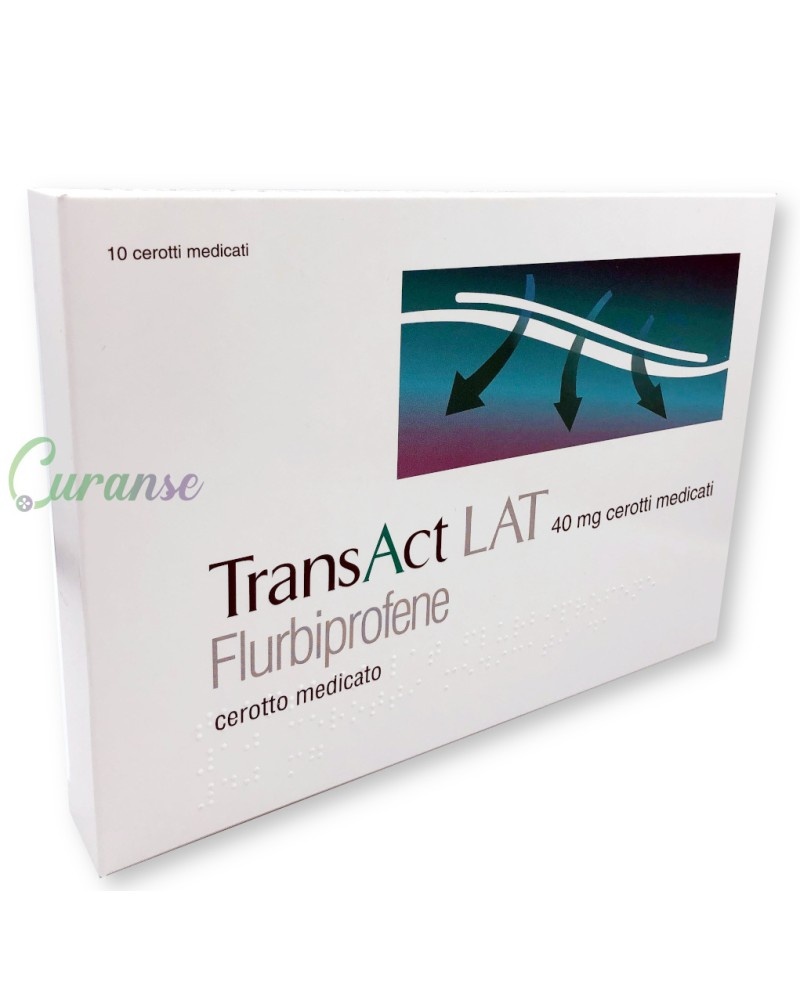
TRANSACT LAT 40 MG Медицинский пластырь

Рассмотрение рецепта онлайн
Врач рассмотрит ваш случай и примет решение о назначении рецепта, если это медицински оправдано.

Поговорите с врачом об этом лекарстве
Обсудите симптомы и возможные дальнейшие шаги на онлайн-консультации.



Инструкция по применению TRANSAKT LAT
Содержание инструкции
TRANSACT Lat 40 mg medicated patches
Flurbiprofene
Read this leaflet carefully before using this medicine as it contains
important information for you.
Always use this medicine exactly as described in this leaflet or as your doctor or
pharmacist has told you.
- Keep this leaflet. You may need to read it again.
- If you want more information or advice, ask your pharmacist.
- If any side effects occur, including those not listed in this leaflet, tell your doctor or pharmacist. See section 4.
- See a doctor if you do not feel better or if your symptoms worsen after a short period of treatment.
Contents of this leaflet:
- 1. What TRANSACT Lat is and what it is used for
- 2. What you need to know before you use TRANSACT Lat
- 3. How to use TRANSACT Lat
- 4. Possible side effects
- 5. How to store TRANSACT Lat
- 6. Contents of the pack and other information
1. What is TRANSACT Lat and what is it used for
TRANSACT Lat contains the active ingredient flurbiprofen and belongs to the category of non-steroidal anti-inflammatory drugs for topical use (local use).
TRANSACT Lat is indicated for the symptomatic treatment of local pain in the musculoskeletal system.
Consult your doctor if you do not feel better or if you feel worse after a short period of treatment (a few days).
2. What you need to know before using TRANSACT Lat
Do not use TRANSACT Lat
- If you are allergic to flurbiprofen, acetylsalicylic acid, other NSAIDs (non-steroidal anti-inflammatory drugs) or any of the other ingredients of this medicine (listed in section 6).
- If you suffer from or have suffered from gastrointestinal bleeding or perforation related to previous treatments with NSAIDs.
- If you suffer from or have suffered from ulcerative colitis or Crohn's disease (chronic inflammation of the intestines), recurrent peptic ulcer (painful lesions or ulcers of the stomach and the first part of the intestine) or gastrointestinal bleeding (defined as two or more distinct episodes of demonstrated ulceration or bleeding).
- If you have severe heart failure (a condition in which the heart is unable to pump enough blood).
- If you are in the third trimester of pregnancy.
Warnings and precautions
Consult your doctor or pharmacist before using TRANSACT Lat.
- The patch should only be applied to intact skin, without lesions: do not apply the patch
on wounds or open lesions. Remove the patch during bathing or showering.
- The patch must not come into contact with or be applied to mucous membranes (membranes that line and protect the inside of the body) or eyes.
- Do not use with occlusive bandages (airtight and waterproof dressings).
- Stop treatment if a rash appears on the skin.
Gastrointestinal effects
- The risk of bleeding, ulceration or perforation of the stomach and intestines is higher with increasing doses of flurbiprofen in patients with a history of peptic ulcer (painful lesions or ulcers of the stomach and the first part of the intestine), especially if complicated by bleeding and perforation, and in elderly patients. In these situations, you should inform your doctor of the appearance of abnormal symptoms, especially during the initial phase of treatment. You should start treatment with the lowest effective dose possible.
- Flurbiprofen should be administered with caution if you have a history of ulcerative colitis and Crohn's disease (chronic inflammation of the intestines), as treatment with the medicine may worsen these conditions.
- Treatment should be discontinued in case of gastrointestinal bleeding or ulceration.
Effects on heart, brain and blood vessels
- If you have a history of high blood pressure and/or heart failure, medical monitoring will be necessary, and your doctor will also provide appropriate instructions on managing therapy, as fluid retention and swelling have been found in association with NSAID treatment. The use of some NSAIDs (especially at high doses and for long-term treatments) may be associated with a modest increase in the risk of myocardial infarction (heart attack) or stroke.
- If you suffer from uncontrolled high blood pressure, heart failure, ischemic heart disease (reduced blood supply to the heart), peripheral arterial disease (affecting blood vessels) and/or cerebrovascular disease (problems with blood circulation in the brain), treatment with flurbiprofen can only be carried out after careful evaluation by your doctor (see section 2).
- Similar considerations should be observed before starting long-term treatment if you have risk factors for heart and blood vessel disease (increased levels of fats in the blood, diabetes mellitus, smoking habit): ask your doctor or pharmacist for advice.
- Medicines like TRANSACT Lat may be associated with an increased risk of myocardial infarction (heart attack) or stroke. The risk is higher at high doses and with long-term treatments. Do not exceed the recommended dose and duration of treatment.
- Flurbiprofen, like other NSAIDs, can block platelet aggregation (the cells in the blood responsible for coagulation) and prolong bleeding time.
Effects on the skin
Very rarely, severe skin reactions, some of which have been fatal, including exfoliative dermatitis (shedding of large areas of skin), Stevens-Johnson syndrome (severe allergic reaction with characteristic skin rash), toxic epidermal necrolysis (rare skin condition, which can be fatal, caused by a reaction to a medicine, associated with the administration of NSAIDs [see section 4 “Possible side effects”]) have been reported. The risk of these reactions appears to be greater at the beginning of treatment, as most of these occur during the first month of treatment. At the first signs of rash, oral lesions or manifestations of hypersensitivity, you must stop treatment with TRANSACT Lat and inform your doctor.
Effects on the respiratory system
TRANSACT Lat must be used with caution if you have a history of non-allergic asthma.
Cases of bronchospasm (closure of the bronchi) have been reported with the use of flurbiprofen in patients with a history of asthma.
Effects on the liver
Flurbiprofen should be administered with caution if you suffer from liver problems: you may be at greater risk of bleeding and fluid retention. NSAIDs should be avoided in case of severe liver disease.
Effects on the kidneys
NSAIDs should be avoided if possible or used with caution in patients with impaired renal function; the lowest possible dose should be used for the shortest time and renal function should be monitored. NSAIDs can cause renal failure, especially in patients who have or have had kidney problems.
Effects on fertility
Long-term use of some NSAIDs is associated with reduced female fertility, which resolves after discontinuation of treatment. The use of NSAIDs during pregnancy may delay labor and increase its duration (see section 2).
Other effects
- At the beginning of treatment, flurbiprofen, like all NSAIDs, should be administered with caution if you are dehydrated (lack of fluids).
- If you have systemic lupus erythematosus (an autoimmune multisystemic disease that predominantly affects the skin and joints, although all parts of the body may be involved) and mixed connective tissue disease (an autoimmune disorder), there may be an increased risk of aseptic meningitis (a disease characterized by severe inflammation of the membranes lining the brain).
- As absorption of the active ingredient of TRANSACT Lat through the skin is possible, the manifestation of general effects cannot be excluded. The risk of manifestation of these effects depends, among other things, on the area exposed, the amount applied and the exposure time.
Elderly
Elderly people have an increased frequency of adverse effects from NSAIDs, especially gastrointestinal bleeding and perforation, which can be very serious and life-threatening.
Children
Use is not recommended in children.
Other medicines and TRANSACT Lat
Tell your doctor or pharmacist if you are taking, have recently taken or might take any other medicines.
You should be careful if you are being treated with any of the medicines listed below, as interactions have been reported in some patients.
- Possible interactions may occur with the systemic administration of tolbutamide(for the treatment of non-insulin-dependent diabetes), antacids(medicines that lower stomach acidity).
- Diuretics, ACE inhibitors and angiotensin II antagonists:non-steroidal anti-inflammatory drugs (NSAIDs) can reduce the effect of medicines used to treat high blood pressure. In some patients with impaired renal function (for example, dehydrated patients or elderly patients with impaired renal function), the concomitant use of an ACE inhibitor or angiotensin II antagonist and anti-inflammatory agents such as flurbiprofen can lead to a further deterioration of renal function. These interactions should be considered in patients applying flurbiprofen patches, particularly when applied to large areas of skin and for a prolonged period, concurrently with ACE inhibitors (medicines predominantly used for the treatment of high blood pressure and heart failure) or angiotensin II antagonists (medicines used to control high blood pressure, treat heart failure and prevent kidney failure in patients with diabetes and high blood pressure). Therefore, the combination of these medicines should be taken with caution, especially in elderly patients.
You should be adequately hydrated and your doctor will monitor your renal function both after starting concomitant therapy and subsequently. - Cardiac glycosides(such as digoxin, used for the treatment of heart failure and some heart rhythm disturbances): NSAIDs can exacerbate heart failure and increase the risk of glycoside toxicity.
- Anticoagulants(a class of medicines that thin the blood): NSAIDs can increase the effect of anticoagulants (such as warfarin).
- Acetylsalicylic acid, other NSAIDs and COX-2 selective inhibitors(used to reduce fever and pain and as anti-inflammatory drugs): the concomitant administration of flurbiprofen and aspirin or other anti-inflammatory drugs is not recommended due to the potential for increased side effects.
- Antiplatelet agents(agents that reduce platelet aggregation and therefore thin the blood) and selective serotonin reuptake inhibitors(medicines used to treat depression): increased risk of gastrointestinal bleeding.
- Lithium salts(used to stabilize mood): NSAIDs can reduce the elimination of lithium with an increase in plasma levels and toxicity. If flurbiprofen is used in patients undergoing lithium therapy, lithium levels should be carefully monitored.
- Methotrexate(a medicine that suppresses the immune system): caution is advised when co-administering flurbiprofen and methotrexate as NSAIDs can increase methotrexate levels.
- Cyclosporine(a medicine that reduces the body's ability to reject a transplanted organ): increased risk of renal toxicity in concomitant treatment with NSAIDs.
- Corticosteroids (cortisone and similar):increased risk of ulcers or gastrointestinal bleeding.
- Quinolone antibiotics(antibacterial medicines used to treat bacterial infections): patients taking NSAIDs and quinolones may have an increased risk of developing seizures.
- Mifepristone(a medicine that blocks the hormone called progesterone necessary to complete a pregnancy): NSAIDs should not be taken for 8-12 days after the administration of mifepristone as they can reduce its effect.
- Tacrolimus(a medicine used to reduce inflammatory skin reactions): possible increased risk of renal toxicity when administered concurrently with NSAIDs.
- Zidovudine(a medicine used to treat HIV): increased risk of blood toxicity in case of concomitant administration with NSAIDs; increased risk of hemarthrosis (bleeding into the joints) and hematomas (localized blood collection outside the blood vessels) in hemophilic patients (patients with a genetic coagulation disorder) infected with HIV, undergoing concomitant treatment with zidovudine and other NSAIDs.
Pregnancy, breastfeeding and fertility
If you are pregnant, suspect you may be pregnant or are planning to become pregnant, or if you are breastfeeding, ask your doctor or pharmacist for advice before using this medicine.
Pregnancy
The safety of TRANSACT Lat during pregnancy and breastfeeding has not been established.
Study results suggest an increased risk of miscarriage, heart malformations and gastroschisis (birth defect of the abdominal wall) in children whose mothers were treated with this medicine early in pregnancy. Therefore, flurbiprofen should not be administered during the first and second trimester of pregnancy unless strictly necessary.
The administration of flurbiprofen is contraindicated during the third trimester of pregnancy.
The use of NSAIDs during pregnancy may delay the onset of labor and increase its duration.
Breastfeeding
The administration of flurbiprofen is not recommended in mothers who are breastfeeding.
Fertility
Long-term use of some NSAIDs is associated with reduced female fertility, which is reversible after discontinuation of treatment.
Driving and using machines
TRANSACT Lat does not impair the ability to drive vehicles or operate machinery.
3. How to use TRANSACT Lat
Use this medicine following exactly as described in this leaflet or as instructed by your doctor or pharmacist. If you have any doubts, consult your doctor or pharmacist.
Undesirable effects can be minimized by using the lowest effective dose for the shortest duration possible to control symptoms (see section
"Warnings and precautions").
Method and route of administration
TRANSACT Lat is for external use only, strictly following the following instructions for use.
Fig. 1
Wash and dry the painful area thoroughly.
[image]
Fig. 3
Grasp the two shorter sides of the TRANSACT Lat patch with both hands and pull
lightly in opposite directions as
indicated by the arrows. This will cause the
protective film to lift in the
[image]
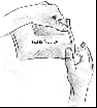
Fig. 2
Remove a medicated patch from the sachet and
reseal it carefully.
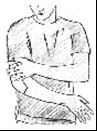
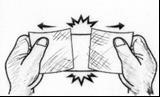
Fig. 4
Apply the medicated patch to the painful part
by smoothing it lightly to
avoid the formation of wrinkles. Immediately after
application, a sensation of cold may appear.
central part of the patch. Remove the
protective film and apply the adhesive side
directly to the skin.
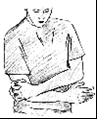
Fig. 6
If TRANSACT Lat needs to
be applied to highly mobile joints, such as the
elbow or
knee, it is advisable to use the enclosed retention bandage.
Apply only one medicated patch at a time to the affected area every 12 hours.
Use in children
Use is not recommended in children.
Use in the elderly or in patients with impaired renal function
The elderly, especially those with renal insufficiency, eliminate NSAIDs more slowly. In these
cases, TRANSACT Lat should be administered with caution.
If you use more TRANSACT Lat than you should
In case of incorrect application of the patch, symptoms of overdose may include
abdominal pain, irritation of the stomach and intestines, nausea and vomiting. There is no specific antidote for flurbiprofen: in case of accidental ingestion/intake of an excessive dose of
TRANSACT Lat, you should immediately notify your doctor or go to the nearest
hospital in order to implement the measures provided for overdose from non-steroidal
anti-inflammatory drugs.
If you have any doubts about the use of this medicine, ask your doctor or pharmacist.
4. Possible side effects
Like all medicines, TRANSACT Lat can cause side effects, although not everybody gets them.
Very rare (may affect 1 in 10,000 people)
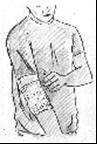
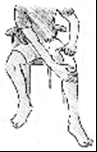
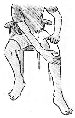
Fig. 5
If the affected part is a joint,
bend the joint slightly
before application.
- Pancreatitis (inflammation of the pancreas)
- Bullous dermatitis (an autoimmune disorder with skin blisters)
- Stevens-Johnson syndrome (severe allergic reaction with characteristic skin rash), toxic epidermal necrolysis (a severe skin condition, which can be fatal,
caused by a reaction to a medicine), erythema multiforme (skin reaction caused by
allergy or infection)
Not known (frequency cannot be estimated from available data)
- Thrombocytopenia (decreased platelets)
- Aplastic anemia (severe decrease in the production of blood cells)
- Agranulocytosis (low level of white blood cells)
- Neutropenia (decrease in neutrophils, a type of white blood cells)
- Hemolytic anemia (condition in which the destruction of red blood cells exceeds their production by the bone marrow)
- Allergic reactions
- Angioedema (localized swelling of the skin and mucous membranes)
- Anaphylactic reactions (severe, rapid-onset allergic reactions)
- Depression
- Dizziness
- Cerebrovascular accident (stroke)
- Optic neuritis (inflammation of the optic nerve that can cause partial or total loss of vision)
- Migraine
- Paresthesia (sensation of tingling, itching, pricking, or burning of the skin)
- Formication
- Dysesthesia (an abnormal and unpleasant sensation perceived to the touch)
- Confusion
- Hallucinations
- Vertigo
- Somnolence
- Aseptic meningitis (severe inflammation of the membranes surrounding the brain), particularly in patients with pre-existing autoimmune disorders, such as systemic lupus erythematosus (autoimmune disease that primarily affects the skin and joints, but can affect any part of the body) and mixed connective tissue disease with symptoms of stiff neck, migraine, nausea, vomiting, fever, or disorientation
- Vision disorders
- Tinnitus (perception of noise or ringing in the ear)
- Edema (swelling)
- Heart failure
- Hypertension (high blood pressure)
- Arterial thromboembolic events (blockage of blood vessels)
- Respiratory tract reactivity (asthma, bronchospasm, i.e. closure of the bronchi and dyspnea, difficulty breathing)
- Abdominal pain
- Indigestion (disturbed digestion)
- Nausea
- Diarrhea
- Vomiting
- Melena (emission of black stools, due to the presence of blood)
- Hematemesis (vomiting blood)
- Ulcerative stomatitis (inflamed and painful mouth)
- Peptic ulcer (painful wound or ulcer of the stomach lining)
- Perforated ulcer (a very serious condition in which an untreated ulcer can perforate the stomach wall) and bleeding ulcer
- Gastritis (inflammation of the stomach)
- Gastrointestinal hemorrhage
- Flatulence (gas in the stomach)
- Constipation
- Worsening of colitis (inflammation of the colon)
- Crohn's disease (a chronic inflammatory bowel disease)
- Interstitial nephritis (inflammation of the kidney tissue) and nephrotic syndrome (a kidney problem characterized by a set of signs or symptoms)
- Renal insufficiency (poor kidney function)
- Malaise (general feeling of discomfort or unease)
- Fatigue
- Eruptions
- Redness
- Urticaria (skin rash with redness and bumps, mild localized swelling)
- Pruritus
- Rash
- Purpura (red or purple discoloration of the skin that does not disappear with pressure)
Reporting of side effects
If you get any side effects, even those not listed in this leaflet, tell your doctor or pharmacist. You can also report side effects directly through the national reporting system at
https://www.aifa.gov.it/content/segnalazioni-reazioni-avverse. By reporting side effects you can help provide more information on the safety of this medicine.
5. How to store TRANSACT Lat
Keep this medicine out of the sight and reach of children.
Do not use this medicine after the expiry date which is stated on the packaging.
The expiry date refers to the product in intact packaging, correctly stored.
Store at a temperature below 25°C.
Do not dispose of any medicine in wastewater or household waste. Ask your pharmacist how
to dispose of medicines you no longer use. This will help protect the environment.
6. Contents of the pack and other information
What TRANSACT Lat contains
- The active ingredient is flurbiprofen. One medicated patch contains 40.0 mg of flurbiprofen.
- The other ingredients are: tartaric acid, purified water, titanium dioxide (E 171), kaolin, sodium carboxymethylcellulose, peppermint essence, glycerol, isopropyl myristate, sodium polyacrylate, polysorbate 80, sorbitan sesquioleate. Polyester backing with a protective film of polypropylene, to be removed before use. Description of the appearance of TRANSACT Lat and contents of the packPack of 5 medicated patches containing 40 mg Pack of 10 medicated patches containing 40 mg
Marketing Authorisation Holder
AMDIPHARM LIMITED
3 Burlington Road, Dublin
4 Temple Chambers - Ireland
Licensed by: Lead Chemical Co. Ltd.
Distributor for sale:
RECORDATI INDUSTRIA CHIMICA E FARMACEUTICA S.p.A., Via Matteo Civitali, 1 – 20148 Milano
Manufacturer
Famar A.V.E. - Avlon Plant (48th), 48th km National Road, Athens – Lamia, Avlona Attiki 19011 –
Greece
Drehm Pharma GmbH, Hietzinger Hauptstraβe 37/2 Wien, 1130, Austria

Не уверены, подходит ли вам это лекарство?
Обсудите симптомы и варианты лечения с врачом онлайн.

Уже начали прием и появились вопросы?
Обсудите свое состояние и дальнейшие шаги с врачом онлайн.
- Страна регистрации
- Форма выпускаMedicated patch, 40 MG
- Код АТХM02AA19
- Действующее вещество
- Отпускается по рецептуНет
- Производитель
- Информация на этой странице носит справочный характер и не является медицинской консультацией. Перед началом приема лекарства обязательно проконсультируйтесь с врачом.
- Аналоги TRANSAKT LATФорма выпуска: Gel, 10 MG/GДействующее вещество: ДиклофенакПроизводитель: SIGILLATA LIMITEDОтпускается без рецептаФорма выпуска: Cream, 3%Действующее вещество: benzydamineОтпускается без рецептаФорма выпуска: Cutaneous spray, solution, 40 MG/MLДействующее вещество: ДиклофенакПроизводитель: FARMALIDER SAОтпускается без рецепта
Аналоги TRANSAKT LAT в других странах
Лекарства с тем же действующим веществом, доступные в других странах.
Аналог TRANSAKT LAT в Украина
Аналог TRANSAKT LAT в Испания
Врачи онлайн по TRANSAKT LAT
Обсудите применение TRANSAKT LAT и возможные следующие шаги — по оценке врача.
Получите рецепт на TRANSAKT LAT онлайн
Заполните форму за 2 минуты
Расскажите о симптомах, истории болезни и нужном препарате.
Выберите врача или мы назначим
Выберите специалиста или мы подберём ближайшего доступного врача.
Врач рассматривает ваш случай
Обычно в течение 30 минут. Может задать уточняющие вопросы в чате.
Получите в любой аптеке
Электронный рецепт отправляется на вашу почту — действителен по всей Польше.
Часто задаваемые вопросы
TRANSAKT LAT не требует рецепта в Италия. Вы можете уточнить у врача онлайн, подходит ли это лекарство для вашей ситуации.
Действующее вещество TRANSAKT LAT — Флурбипрофен. Эта информация помогает определить лекарства с тем же составом под другими торговыми названиями.
TRANSAKT LAT производится компанией AMDIPHARM LTD. Упаковка и торговое название могут отличаться в зависимости от дистрибьютора.
Врачи, включая Семейные врачи, Психиатры, Дерматологи, Кардиологи, Эндокринологи, Гастроэнтерологи, Пульмонологи, Нефрологи, Ревматологи, Гематологи, Инфекционисты, Аллергологи, Гериатры, Педиатры, Онкологи, могут оценить целесообразность применения TRANSAKT LAT с учетом вашей ситуации и местных правил. Вы можете записаться на онлайн-консультацию, чтобы обсудить возможные варианты.
Польша имеет хорошо развитую систему здравоохранения в крупных городах, таких как Варшава, Краков, Вроцлав и Гданьск. Аптеки широко доступны и работают в соответствии с действующим законодательством, обеспечивая доступ к рецептурным препаратам.
Вы можете купить TRANSAKT LAT в Варшаве, Кракове, Вроцлаве или Гданьске в любой аптеке при наличии действующего рецепта.
Чтобы получить рецепт, вы можете воспользоваться Oladoctor:
Другие лекарства с тем же действующим веществом (Флурбипрофен) включают ATLIMARBAI, BENTSIDAMINA AKRAF, BREXIADVANKE. Они могут отличаться торговым названием или формой выпуска, но содержат одинаковый терапевтический компонент. Перед изменением лечения рекомендуется проконсультироваться с врачом.
