



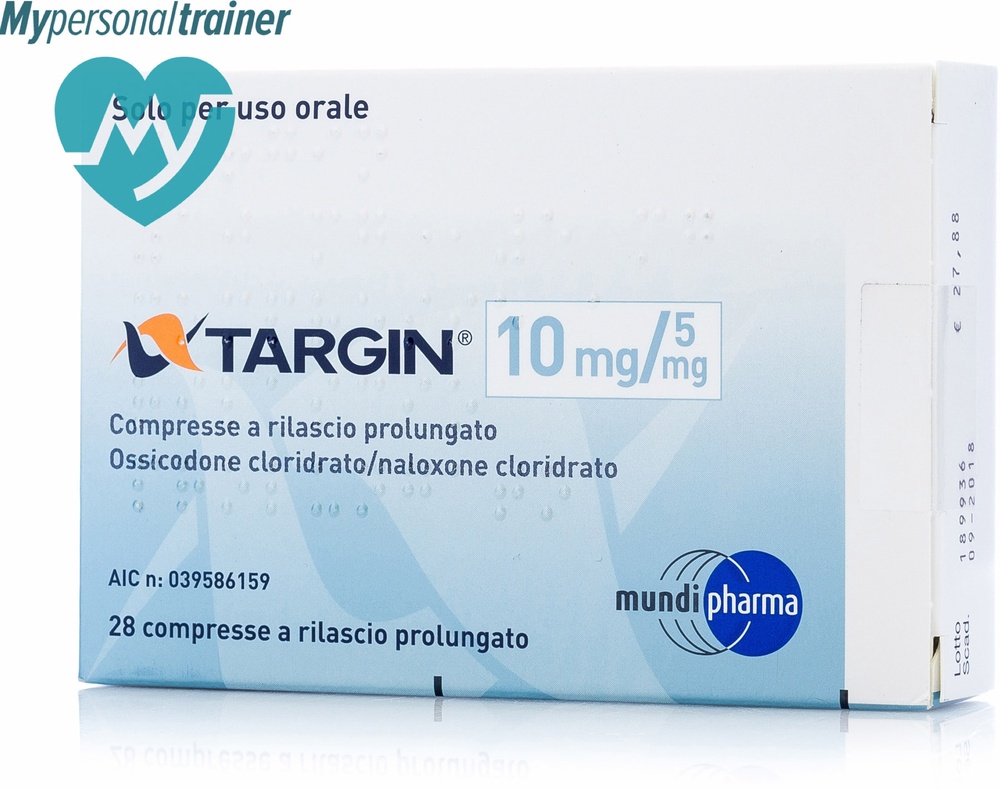
ТАРДЖИН 5 мг/2,5 мг Таблетки с пролонгированным высвобождением

Рассмотрение рецепта онлайн
Врач рассмотрит ваш случай и примет решение о назначении рецепта, если это медицински оправдано.

Поговорите с врачом об этом лекарстве
Обсудите симптомы и возможные дальнейшие шаги на онлайн-консультации.



Инструкция по применению TARJIN
Содержание инструкции
- Targin 5mg/2.5 mg prolonged-release tablets, 10mg/5 mg prolonged-release tablets
- Targin 2.5 mg/1.25 mg prolonged-release tablets, 15 mg/7.5 mg prolonged-release tablets
Targin 5mg/2.5 mg prolonged-release tablets, 10mg/5 mg prolonged-release tablets
Targin 20mg/10 mg prolonged-release tablets
Targin 40mg/20 mg prolonged-release tablets
Oxycodone hydrochloride/naloxone hydrochloride
Read this leaflet carefully before you start taking this medicine because it contains important information for you.
- Keep this leaflet. You may need to read it again.
- If you have any questions, ask your doctor or pharmacist.
- This medicine has been prescribed for you only. Do not pass it on to others, even if their symptoms are the same as yours, as it could be harmful.
- If you get any side effects, even those not listed in this leaflet, tell your doctor or pharmacist. See section 4. Contents of this leaflet:
- 1. What Targin is and what it is used for
- 2. What you need to know before you take Targin
- 3. How to take Targin
- 4. Possible side effects
- 5. How to store Targin
- 6. Contents of the pack and other information
1. What is Targin and what is it used for
Targin contains oxycodone hydrochloride and naloxone hydrochloride as active ingredients.
These tablets are for use in adults only.
Pain treatment
Targin is used for the treatment of severe pain, which can only be adequately managed with opioid
analgesics.
How Targin works for pain treatment
Oxycodone hydrochloride is responsible for the pain relief of Targin and is a potent analgesic (pain reliever)
belonging to the opioid group.
The second active ingredient of Targin, naloxone hydrochloride, acts against constipation. Intestinal dysfunction
(e.g., constipation) is a typical undesirable effect of treatment with opioid pain relievers.
Restless Legs Syndrome
Targin is used as a second-line medicine in the symptomatic treatment of severe to very severe restless legs
syndrome in patients who cannot be treated with dopaminergic medicines. Patients with restless legs
syndrome have an unpleasant sensation in their legs. This sensation may appear as soon as they sit or lie down
and is only reduced by an irresistible urge to move their legs, sometimes their arms and other parts of the
body. This makes it very difficult to sit still and sleep.
How Targin works in restless legs syndrome
Targin helps to relieve the unpleasant sensation, thus reducing the urge to move the legs.
The second active ingredient of Targin, naloxone hydrochloride, acts against constipation. Intestinal dysfunction
(e.g., constipation) is a typical undesirable effect in treatment with opioid pain relievers.
2. What you need to know before taking Targin
DO NOT use Targin
- if you are allergic to oxycodone hydrochloride, naloxone hydrochloride or any of the other ingredients of this medicine (listed in section 6),
- if your breathing is unable to provide enough oxygen to the blood, and to eliminate the carbon dioxide produced (respiratory depression),
- if you suffer from a severe lung disease associated with narrowing of the airways (chronic obstructive pulmonary disease or COPD),
- if you suffer from a condition known as cor pulmonale. In this condition, the right side of the heart becomes enlarged, as a result of increased pressure within the blood vessels in the lung etc. (e.g. as a consequence of COPD - see above),
- if you suffer from severe bronchial asthma,
- if you suffer from paralytic ileus (a type of intestinal obstruction) not caused by opioids,
- if you have moderate or severe hepatic impairment.
In addition for restless legs syndrome
- if you have a history of opioid abuse.
Warnings and precautions
Consult your doctor or pharmacist before taking Targin
- in case of elderly or debilitated (weak) patients
- if you suffer from paralytic ileus (a type of intestinal obstruction) caused by opioids
- if you have impaired kidney function
- if you have mild liver function impairment
- if you have severe lung impairment (e.g. reduced respiratory capacity)
- if you suffer from a condition characterized by frequent pauses in breathing during the night that can make you feel very sleepy during the day (sleep apnea)
- if you have myxedema (a thyroid disorder, with dry, cold and swollen skin in the areas of the face and limbs)
- if your thyroid gland does not produce enough hormones (thyroid insufficiency or hypothyroidism)
- if your adrenal glands do not produce enough hormones (adrenal insufficiency or Addison's disease)
- if you have mental disorders accompanied by a (partial) loss of sense of reality (psychosis) due to alcohol or intoxication with other substances (substance-induced psychosis)
- if you suffer from gallstones or if you suffer from any other disorder of the biliary tract (disease affecting the bile ducts, gallbladder, etc.)
- if your prostate gland is abnormally enlarged (prostatic hypertrophy)
- if you suffer from alcoholism or delirium tremens
- if your pancreas is inflamed (pancreatitis)
- if you have low blood pressure (hypotension)
- if you have high blood pressure (hypertension)
- if you have pre-existing cardiovascular diseases
- if you have a head injury (due to the risk of increased intracranial pressure)
- if you suffer from epilepsy or are prone to seizures
- if you are also taking MAO inhibitors (used to treat depression or Parkinson's disease), or if you have taken this type of medicine in the last 2 weeks, e.g. medicines containing tranylcypromine, phenelzine, isocarboxazide, moclobemide, linezolid
- if you experience drowsiness or sudden sleepiness.
Sleep-related breathing disorders
Targin can cause sleep-related breathing disorders, such as sleep apnea (pauses in breathing
during sleep) and sleep-related hypoxemia (low levels of oxygen in the blood). Symptoms may include
pauses in breathing during sleep, nighttime awakenings due to labored breathing, difficulty maintaining
sleep, or excessive daytime sleepiness. If you or another person observe these symptoms, consult your
doctor. The doctor may consider reducing the dose.
Inform your doctor if any of the above cases have occurred in the past. Also inform your doctor if any of the
above disorders occur while you are taking Targin.
The most serious effect of an opioid overdose is respiratory depression (slow and shallow breathing).
This can also cause a decrease in oxygen levels in the blood, leading to possible fainting
etc.
You must swallow the prolonged-release tablets whole, so as not to affect the slow release of oxycodone
hydrochloride from the prolonged-release tablets. Do not break, chew or crush the tablets. Taking
broken, chewed or crushed tablets can lead to the absorption of a potentially lethal dose of
oxycodone hydrochloride (see paragraph 3 “If you take more Targin than you should”).
If severe diarrhea occurs at the beginning of treatment, this may be due to the effect of naloxone. It may be
a sign that bowel function is returning to normal. Diarrhea can occur in the first 3 - 5 days
of treatment. If the diarrhea persists after 3-5 days, or if it causes you concern,
contact your doctor.
When switching to treatment with Targin, if you have used high doses of another opioid, withdrawal symptoms may occur initially, such as agitation, sweating and muscle pain. If
these symptoms occur, close monitoring by the doctor may be necessary.
Tolerance, dependence and abuse
This medicine contains oxycodone, which is an opioid medicine. Repeated use of opioid painkillers
can reduce the effectiveness of the medicine (you get used to the medicine, a phenomenon known as tolerance). Repeated use
of Targin can also cause dependence, abuse, and habituation, which can lead to a potentially fatal overdose. The risk of these adverse effects may increase with a higher dose and a longer
duration of use.
Dependence or abuse can make you feel like you no longer have control over how much medicine you
need to take or how often you need to take it. You may feel like you need to continue taking the medicine,
even when it doesn't help relieve pain or severe restless legs syndrome.
The risk of becoming dependent or habituated varies from person to person. You may be at greater risk of becoming dependent or habituated to Targin if:
- you or a family member has ever abused or been dependent on alcohol, prescription drugs or illegal drugs (“addiction”);
- you are a smoker;
- you have had mood disorders (depression, anxiety or personality disorders) or have been treated by a psychiatrist for other mental illnesses.
If one of the following signals appears while you are taking Targin, this may indicate that you have become dependent
or habituated:
- you need to take more medicine than prescribed by your doctor;
- you need to take a higher dose than recommended;
- you are using the medicine for reasons other than those prescribed, for example “to stay calm” or “to promote sleep”;
- you have repeatedly tried, unsuccessfully, to stop or control the use of the medicine;
- when you stop taking the medicine you feel unwell, and you feel better after resuming it (“withdrawal symptoms”). If any of these signals appear, consult your doctor to discuss the best treatment path for you, including when it is appropriate to stop treatment and how to do so safely (see paragraph 3 “If you stop taking Targin”). Inform your doctor if you have cancer associated with peritoneal metastases or with the onset of intestinal occlusion in advanced stages of digestive and pelvic tumors. If you need surgery, inform your doctor that you are taking Targin. Similar to other opioids, oxycodone can affect the normal production of body hormones such as cortisol or sex hormones, especially when taken in high doses for prolonged periods. If you experience persistent symptoms, such as feeling unwell or sick (including vomiting), loss of appetite, fatigue, weakness, dizziness, changes in your menstrual cycle, impotence, infertility, or decreased sexual desire, talk to your doctor as it may require a check of your hormone levels. This medicine can increase your sensitivity to pain, especially at high doses. Inform your doctor if this happens. A dose reduction or a change of medicine may be necessary. Residues of the prolonged-release tablet can be traced in the stool. Do not be alarmed, as the active ingredients (oxycodone hydrochloride and naloxone hydrochloride) have already been released into the stomach and intestine, and absorbed into your body. Improper use of Targin Targin is not suitable for the treatment of withdrawal. You should never abuse Targin, especially if you have a drug addiction. If you are addicted to substances such as heroin, morphine or methadone, severe withdrawal symptoms are likely to occur if you abuse Targin because it contains naloxone. Pre-existing withdrawal symptoms may be worsened. You should not use the prolonged-release tablets improperly, by dissolving and injecting them (e.g. into a blood vessel). In particular, they contain talc, which can locally destroy tissue (necrosis) and alterations in lung tissue (pulmonary granuloma). Such abuse can also have other serious consequences and can be fatal. For athletes: Targin can lead to positive doping tests. The use of Targin as a doping agent can pose a health risk. Other medicines and TarginInform your doctor or pharmacist if you are taking, have recently taken or might take any other medicines. The risk of side effects increases if you use antidepressants (such as citalopram, duloxetine, escitalopram, fluoxetine, fluvoxamine, paroxetine, sertraline, venlafaxine). These medicines can interact with oxycodone and you may experience symptoms such as involuntary and rhythmic muscle contractions, including the muscles that control eye movement, agitation, excessive sweating, tremor, exaggerated reflexes, increased muscle tension, body temperature above 38°C. See a doctor if you experience these symptoms.
The concomitant use of opioids, including oxycodone hydrochloride and sedatives such as benzodiazepines, or
similar medicines, increases the risk of drowsiness, difficulty breathing (respiratory depression), coma and
can be life-threatening. For these reasons, concomitant use should only be considered if there are no
alternative treatments.
However, if your doctor prescribes Targin to you, together with sedatives, the dose and duration of treatment
concomitant should be limited by your doctor.
Inform your doctor of all sedatives you are taking and strictly follow the doses recommended by
your doctor. It is advisable to inform friends and relatives to pay attention to the signs and symptoms indicated above.
Contact your doctor when you experience these symptoms. Examples of sedatives or similar medicines include:
- other potent painkillers (opioids);
- - medicines for the treatment of epilepsy, pain and anxiety, such as gabapentin and pregabalin
- sleeping pills and tranquillizers (sedatives including benzodiazepines, hypnotics, anxiolytics);
- medicines for the treatment of depression;
- medicines used to treat allergies, motion sickness or nausea (antiemetics or antihistamines);
- medicines for the treatment of psychiatric or mental illnesses (antipsychotics including phenothiazines and neuroleptics). If you take these tablets in conjunction with other medicines, the effect of these tablets or other medicines may vary, as reported below. Inform your doctor if you are taking:
- medicines that decrease the ability of blood to coagulate (coumarin derivatives), the coagulation time may be accelerated or slowed down;
- macrolide antibiotics (such as clarithromycin, erythromycin or telithromycin);
- azole antifungals (such as ketoconazole, voriconazole, itraconazole or posaconazole)
- a specific type of medicine known as a protease inhibitor used to treat HIV (examples include ritonavir indinavir, nelfinavir or saquinavir);
- cimetidine (a medicine for the treatment of stomach ulcers, indigestion or heartburn);
- rifampicin (used to treat tuberculosis);
- carbamazepine (used to treat seizures, attacks or convulsions and in some conditions of pain);
- phenytoin (which is used to treat seizures, attacks or convulsions);
- a herbal remedy known as St. John's wort (also known as Hypericum perforatum);
- quinidine (a medicine used to treat irregular heartbeat). No interactions are expected between Targin and paracetamol, acetylsalicylic acid or naltrexone. Targin with food, drinks and alcoholDrinking alcohol while taking Targin can cause drowsiness or increase the risk of serious side effects such as shallow breathing with the risk of respiratory depression and loss of consciousness. It is recommended not to drink alcohol while taking Targin. You should avoid drinking grapefruit juice when taking Targin. Pregnancy and breastfeedingIf you are pregnant, suspect you are pregnant or are planning a pregnancy, or if you are breastfeeding, ask your doctor or pharmacist for advice before taking or using this medicine. Pregnancy The use of Targin should be avoided as much as possible during pregnancy. If used for prolonged periods
during pregnancy, oxycodone hydrochloride can lead to withdrawal symptoms in newborns. If oxycodone
hydrochloride is administered during childbirth, respiratory depression (slow and
shallow breathing) may occur in the newborn.
Breastfeeding
Breastfeeding should be discontinued during treatment with Targin. Oxycodone hydrochloride
passes into breast milk. It is not known whether naloxone hydrochloride also passes into breast milk. Therefore, a risk to the infant cannot be
excluded, especially after taking multiple doses of Targin.
Driving and using machines
Targin can affect your ability to drive vehicles or use machines. In particular, this is more likely
to happen at the beginning of therapy with Targin, after a dose increase or after switching from a different
medicine. However, these side effects disappear once the dose of Targin has been stabilized.
Targin has been associated with drowsiness and sudden sleepiness. If you experience these side effects
you should not drive vehicles or use machines. You should report this to your doctor if these episodes occur.
Ask your doctor if you can drive or use machines.
Targin contains lactose
This medicine contains lactose (milk sugar). If your doctor has diagnosed you with intolerance to
some sugars, contact him before taking this medicine.
3. How to take Targin
Take this medicine exactly as your doctor or pharmacist has told you. If you have any doubts
consult your doctor or pharmacist.
Before starting treatment and regularly during treatment, your doctor will talk to you about what you can
expect from using Targin, when and for how long you should take it, when to contact your doctor and
when you should stop taking it (see also “If you stop taking Targin”).
Targin is available as an extended-release tablet, meaning its active ingredients are released over an
extended period of time. Their action lasts for 12 hours.
You must swallow the extended-release tablet whole, in order not to affect the slow release of
oxycodone hydrochloride from the tablet. The tablets must not be broken, chewed or crushed.
Swallowing broken, chewed or crushed tablets may result in the absorption of a potentially
lethal dose of oxycodone hydrochloride (see section 3 “If you take more Targin than you should”).
Unless otherwise prescribed by your doctor, the recommended dose is:
For treating pain
Adults
The usual starting dose of Targin is 10 mg of oxycodone hydrochloride / 5 mg of naloxone hydrochloride every 12 hours.
The doctor will decide how much Targin you should take each day and how to divide the total daily dose of
medicine between morning and evening. The doctor will also decide on any dose adjustments that may be necessary
during treatment. The dose will be adjusted according to the level of pain and individual sensitivity. You should be
given the lowest dose necessary for pain relief. If you have already been treated with opioids, Targin may be
started at a higher dose.
The maximum daily dose of Targin is 160 mg of oxycodone hydrochloride and 80 mg of naloxone hydrochloride. If you
need a higher dose, your doctor may give you higher doses of oxycodone hydrochloride without naloxone hydrochloride.
However, the maximum daily dose of oxycodone hydrochloride should not exceed 400 mg. The benefit of
naloxone hydrochloride on bowel function may be reduced with higher doses of oxycodone hydrochloride administered
without further doses of naloxone hydrochloride.
If you switch from Targin to another opioid medicine for pain treatment, bowel function will
likely worsen.
If you feel pain between doses of Targin, you may need a pain reliever that works quickly. Targin
is not suitable for this. In this case, consult your doctor.
If you feel that the effect of Targin is too strong or too weak, talk to your doctor or pharmacist.
For treating restless legs syndrome
Adults
The usual starting dose is 5 mg of oxycodone hydrochloride/2.5 mg naloxone hydrochloride every 12 hours.
The doctor will decide how much Targin you should take each day and how to divide the total daily dose of
medicine between morning and evening. The doctor will also decide on any dose adjustments that may be necessary
during treatment. The dose will be adjusted according to individual sensitivity. You should be given the lowest
dose necessary for relief of restless legs syndrome symptoms.
If you feel that the effect of Targin is too strong or too weak, talk to your doctor or pharmacist.
The maximum daily dose is 60 mg of oxycodone hydrochloride and 30 mg of naloxone hydrochloride.
For treating pain or restless legs syndrome
Elderly patients
In general, a dose adjustment is not necessary in elderly patients with normal kidney
and/or liver function.
Kidney or liver impairment
If you have impaired kidney function or mild liver impairment, your doctor will prescribe Targin with particular caution. If you have moderate or severe
liver impairment, Targin should not be used (see also section 2 "Do not take Targin..." and "Warnings and precautions").
Children and adolescents under 18 years of age
Targin has not yet been studied in children and adolescents under 18 years of age. Its safety
and efficacy have not been demonstrated in children and adolescents. For this reason, the use of Targin in children and
adolescents under 18 years of age is not recommended.
How to administer
Targin is for oral use.
Swallow the extended-release tablets whole (without chewing), with an adequate amount of liquid (½
glass of water). You can take the extended-release tablets with or without food. Take the tablets every
12 hours, according to a fixed schedule (e.g., at 8 am and 8 pm).
The extended-release tablets must not be divided, chewed or crushed (see section 2
“Warnings and precautions”).
Duration of use
In general, you should not take Targin for longer than necessary. If you have been treated for a long time,
your doctor should regularly check whether you still need Targin.
If you take more Targin than you should
If you have taken more than the prescribed dose of Targin, you should inform your doctor immediately.
An overdose can cause:
- constricted pupils
- slow and shallow breathing (respiratory depression)
- drowsiness up to loss of consciousness
- low muscle tone (hypotonia)
- reduced pulse rate
- low blood pressure
- a brain disorder (known as toxic leukoencephalopathy).
In severe cases, loss of consciousness (coma), fluid accumulation in the lungs and circulatory collapse may occur,
which in some cases can be fatal.
Avoid situations that require a high level of alertness, such as driving.
If you forget to take Targin
Or if you take a dose lower than prescribed, you may not feel any analgesic effect.
If you forget to take your dose, follow the instructions below:
- If your next usual dose is 8 hours or more away: take the forgotten dose immediately, then continue with your normal prescription schedule.
- If your next usual dose is less than 8 hours away: take the forgotten dose. Then wait at least 8 hours before taking your next dose. Try to get back on your original schedule (e.g. 8 am and 8 pm). Do not take more than one dose within an 8-hour period. Do not take a double dose to make up for a missed dose. If you stop taking TarginDo not stop treatment without consulting your doctor. If you no longer need further treatment, you should gradually reduce the daily dose after talking to your doctor. This will avoid withdrawal symptoms such as agitation, sweating and muscle pain. If you have any questions about using this medicine, ask your doctor or pharmacist.
4. Possible side effects
Like all medicines, this medicine can cause side effects, although not everybody gets them.
manifest.
Important side effects to look out for and what to do if they occur:
If you notice the onset of any of the following important side effects, consult
your nearest doctor immediately.
Slow and shallow breathing (respiratory depression) is the main danger of an opioid overdose.
It occurs especially in elderly and debilitated (weak) patients. Opioids can also cause a severe
drop in blood pressure in predisposed patients.
The following side effects have been observed in patients treated for pain
Common (may affect up to 1 in 10 people)
- abdominal pain
- constipation
- diarrhoea
- dry mouth
- indigestion
- vomiting (feeling sick)
- a feeling of general weakness
- fatigue or tiredness
- itchy skin
- skin reactions/rash
- sweating
- dizziness
- difficulty sleeping
- drowsiness Uncommon (may affect up to 1 in 100 people)
- feeling unwell
- flatulence
- decreased to loss of appetite
- feeling of dizziness or “lightheadedness”
- headache
- hot flushes
- abdominal bloating
- abnormal thoughts
- anxiety
- confusion
- depression
- nervousness
- chest tightness especially if you already suffer from coronary heart disease
- decreased blood pressure
- withdrawal symptoms such as agitation
- fainting
- lack of energy
- thirst
- altered taste
- reduced sexual drive
- palpitations
- biliary colic
- chest pain
- general feeling of unwellness
- pain
- swelling in hands, ankles or feet
- weight loss
- difficulty concentrating
- impaired speech
- tremors
- difficulty breathing
- restlessness
- chills
- increased liver enzymes
- increased blood pressure
- runny nose
- cough
- hypersensitivity/allergic reactions
- injury due to accidents
- increased urge to urinate
- muscle cramps
- muscle spasms
- muscle pain
- vision problems
- seizures (especially in people with epilepsy or a predisposition to convulsions)
Rare (may affect up to 1 in 1,000)
- increased heart rate
- drug dependence
- dental changes - yawning
- weight gain
Not known (frequency cannot be estimated based on available data)
- euphoric mood
- severe drowsiness
- erectile dysfunction
- nightmares
- tingling skin
- belching
- aggression
- sleep apnea (pauses in breathing during sleep).
The active ingredient oxycodone hydrochloride, if not in combination with naloxone hydrochloride, has the following effects
undesirable:
Oxycodone can cause breathing problems (respiratory depression), reduction in pupil diameter
of the eye, spasm of the bronchial muscles and spasm of the smooth muscles, and depression of the cough reflex.
- hallucinations
- shallow breathing
- difficulty urinating
Common (may affect up to 1 in 10 people)
- altered mood and personality changes (e.g., depression, feeling of extreme happiness)
- decreased activity
- increased activity
- difficulty urinating
- hiccups
Uncommon (may affect up to 1 in 100 people)
- impaired ability to concentrate
- migraine
- increased muscle tension
- involuntary muscle contractions
- a condition in which the intestine stops functioning properly (ileus)
- dry skin
- tolerance to the drug
- gum pain
- perception disorders (e.g. hallucinations, derealization)
- skin flushing
- dehydration
- agitation
- decreased levels of sex hormones which may alter sperm production in men or the menstrual cycle in women
Rare (may affect up to 1 in 1,000)
- itchy, blistering rash (urticaria)
- infections such as herpes (which can cause blisters around the mouth or genitals)
- reduced sensitivity to pain or touch
- abnormal coordination
- changes in voice (dysphonia)
- water retention
- hearing difficulties
- mouth ulcers
- difficulty swallowing
- increased appetite
- black (tarry) stools
- gum bleeding
Not known (frequency cannot be estimated from available data)
- acute generalized allergic reactions (anaphylactic reactions)
- increased sensitivity to pain
- absence of menstruation
- withdrawal syndrome in newborns
- Dysfunction of the sphincter of Oddi (a condition that affects the normal functioning of the bile duct)
- problems in the flow of bile
- tooth decay
The following side effects have been observed in patients treated for restless legs
syndrome
Very common (may affect more than 1 in 10 people)
- headache
- drowsiness
- constipation
- feeling unwell
- sweating
- fatigue or tiredness
Common (may affect up to 1 in 10 people)
- decreased to loss of appetite
- difficulty sleeping
- depression
- feeling of dizziness or “lightheadedness”
- difficulty concentrating
- tremor
- vomiting (feeling sick)
- increased liver enzymes (increased alanine aminotransferase, gamma glutamyltransferase)
- itchy skin
- skin reactions/rash
- chest pain
- chills
- pain
- thirst
Uncommon (may affect up to 1 in 100 people)
- reduced sexual drive
- sudden episodes of falling asleep
- altered taste
- difficulty breathing
- flatulence
- tingling in hands or feet
- vision disorders
- vertigo
- hot flushes
- decreased blood pressure
- increased blood pressure
- abdominal pain
- dry mouth
- erectile dysfunction
- withdrawal symptoms such as agitation
- swelling of hands, ankles or feet
- injury due to accidents
Not known (frequency cannot be estimated from available data)
- hypersensitivity/allergic reactions
- abnormal thoughts
- anxiety
- confusion
- nervousness
- restlessness
- euphoric mood
- hallucinations
- nightmares
- seizures (especially in people with epilepsy or a predisposition to seizures)
- drug dependence
- indigestion
- eructation
- dental changes
- biliary colic
- muscle cramps
- muscle spasms
- muscle pain
- difficulty urinating
- increased urge to urinate
- general feeling of unwellness
- weight loss
- weight gain
- unusual weakness
- lack of energy
Reporting of side effects
If you get any side effects, even those not listed in this leaflet, tell your
doctor or pharmacist. You can also report side effects directly through the national
reporting system at https://www.aifa.gov.it/content/segnalazioni-reazioni-avverse. Reporting of
- severe drowsiness
- impaired speech
- fainting
- chest tightness especially if you already have heart disease
- palpitations
- increased heart rate
- shallow breathing
- cough
- runny nose
- yawning
- abdominal bloating
- diarrhoea
- aggression
adverse events will help provide more information on the safety of this medicine.
5. How to store Targin
Keep this medicine out of the sight and reach of children. Store this medicine in a secure place, out of reach of others. It may cause serious harm and be fatal to people for whom it was not prescribed.
Do not use this medicine after the expiry date which is stated on the box and blister after “Exp.”. The expiry date refers to the last day of that month.
Do not store at a temperature above 25°C
Targin 5 mg/2,5 mg
Store in the original package to protect the medicine from light.
For vials only
Use within 6 months of opening
Do not dispose of any medicine in wastewater or household waste. Ask your pharmacist how to dispose of medicines you no longer use. This will help protect the environment.
- 6.Contents of the pack and other information What Targin containsThe active ingredients are: oxycodone hydrochloride and naloxone hydrochloride {Targin 5mg/2,5 mg}Each prolonged-release tablet contains 5 mg of oxycodone hydrochloride equivalent to 4.5 mg of oxycodone and 2.5 mg of naloxone hydrochloride equivalent to 2.73 mg of naloxone hydrochloride dihydrate, and 2.25 mg of naloxone {Targin 10mg/5 mg}Each prolonged-release tablet contains 10 mg of oxycodone hydrochloride equivalent to 9 mg of oxycodone and 5 mg of naloxone hydrochloride equivalent to 5.45 mg of naloxone hydrochloride dihydrate, which corresponds to 4.5 of naloxone {Targin 20mg/10mg}Each prolonged-release tablet contains 20 mg of oxycodone hydrochloride equivalent to 18 mg of oxycodone and 10 mg of naloxone hydrochloride equivalent to 10.9 mg of naloxone hydrochloride dihydrate which corresponds to 9 mg of naloxone. {Targin 40mg/20 mg}Each prolonged-release tablet contains 40 mg of oxycodone hydrochloride equivalent to 36 mg of oxycodone and 20 mg of naloxone hydrochloride equivalent to 21.8 mg of naloxone hydrochloride dihydrate which corresponds to 18 mg of naloxone. The other ingredients are: {Targin 5mg/2,5 mg}Tablet core: Ethylcellulose, stearyl alcohol, lactose monohydrate, talc, magnesium stearate, hydroxypropylcellulose. Tablet coating: Partially hydrolysed polyvinyl alcohol, titanium dioxide (E171), macrogol 3350, talc, brilliant blue FCF aluminium lake (E133) {Targin 10mg/5 mg}Tablet core:
Povidone K30, ethylcellulose, stearyl alcohol, lactose monohydrate, talc, magnesium stearate.
Tablet coating:
Partially hydrolysed polyvinyl alcohol, titanium dioxide (E171), macrogol 3350, talc.
{Targin 20mg/10mg}
Tablet core:
Povidone K30, ethylcellulose, stearyl alcohol, lactose monohydrate, talc, magnesium stearate.
Tablet coating:
Partially hydrolysed polyvinyl alcohol, titanium dioxide (E171), macrogol 3350, talc, iron oxide red (E172).
{Targin 40mg/20 mg}
Tablet core:
Povidone K30, ethylcellulose, stearyl alcohol, lactose monohydrate, talc, magnesium stearate.
Tablet coating:
Partially hydrolysed polyvinyl alcohol, titanium dioxide (E171), macrogol 3350, talc, iron oxide yellow (E172).
Description of Targin and contents of the pack
{Targin 5mg/2,5 mg}
Blue, oblong compressed tablets with a nominal length of 9.5 mm and a film coating, marked “OXN” on one side and “5” on the other.
{Targin 10mg/5 mg}
White, oblong compressed tablets with a nominal length of 9.5 mm and a film coating, marked “OXN” on one side and “10” on the other.
{Targin 20mg/10mg}
Pink, oblong compressed tablets with a nominal length of 9.5 mm and a film coating, marked with “OXN” on one side and “20” on the other.
{Targin 40mg/20 mg}
Yellow, oblong compressed tablets with a nominal length of 14 mm and a film coating, marked with “OXN” on one side and “40” on the other.
Targin prolonged-release tablets are available in packs of 10, 14, 20, 28, 30, 50, 56, 60, 98 and 100 or in a child-resistant container with 100 tablets.
Not all pack sizes may be marketed.
Marketing Authorisation Holder
Mundipharma Pharmaceuticals S.r.l. – via F. Turati n° 40, 20121 Milan, Italy
Manufacturer responsible for batch release:
Fidelio Healthcare Limburg GmbH
Mundipharmastraße 2
65549 Limburg
Tel - +49 6431 9088-300
BARD Pharmaceutics Ltd.,
191 Cambridge Science Park, Milton Road,
Cambridge CB40GW
United Kingdom
This medicinal product is authorised in the Member States of the European Economic Area with the following denominations:
| Austria | Targin 5 mg/2.5 mg <10 mg/5 mg> <20 mg/10 mg> <40 mg/20 mg> Retardtabletten |
| Belgium | a Targinact 5 mg/2.5 mg <10 mg/5 mg> <20 mg/10 mg><40 mg/20 mg |
| Cyprus | m Targinact 5/2.5mg <10/5mg> <20/10mg> <40/20mg> Δισκίο παρατεταμένης αποδέσμενσης |
| Czech Republic | Targin |
| Germany | Targin 5 mg/2.5 mg <10 mg/5 mg> <20 mg/10 mg> <40 mg/20 mg> Retardtabletten |
| Denmark | r Targin |
| Estonia | a Targinact 5 mg/2.5 mg <10 mg/5 mg> <20 mg/10 mg> <40 mg/20 mg> Toimeainet prolongeeritult vabastavad tabletid |
| Spain | F Targin 5/2.5mg <10/5mg> <20/10mg> <40/20mg> Comprimido de liberación prolongada |
| Finland | Targiniq |
| Ireland | l Targin 5 mg/2.5 mg <10 mg/5 mg> <20 mg/10 mg> <40 mg/20 mg> prolonged-release tablets |
| Iceland | e Targin |
| Italy | Targin |
| Latvia | d Targin 5 mg/2.5 mg <10 mg/5 mg> <20 mg/10 mg> <40 mg/20 mg> Ilgstošās darbības tablet |
| Luxembourg | Targinact-5/2,5 <10 mg/5 mg> <20 mg/10 mg> <40/20> |
| Netherlands | a Targinact Retard 5 mg/ 2,5 mg <10 mg/5 mg> <20 mg/10 mg> <40 mg/40 mg>, tabletten met verlengde afgifte |
| Norway | n Targiniq |
| Poland | Targin |
| Portugal | a Targin |
| Romania | Targin 5/2.5mg <10/5mg> <20/10mg> <40/20mg> Comprimate cu eliberare prelungitǎ |
| Slovakia | i l Targin 5 mg/2.5 mg <10 mg/5 mg> <20 mg/10 mg> <40 mg/20 mg> Tableta s pred´lženým uvoľňovaním |
| Slovenia | a Targinact 5 mg/2.5 mg <10 mg/5 mg> <20 mg/10 mg> <40 mg/20 mg> Tableta s podaljšanim sproščanjem |
| Sweden | t Targiniq |
Targin 2.5 mg/1.25 mg prolonged-release tablets, 15 mg/7.5 mg prolonged-release tablets
Targin 30 mg/15 mg prolonged-release tablets
Oxycodone hydrochloride/naloxone hydrochloride
Read this leaflet carefully before you start taking this medicine because it contains important information for you.
- Keep this leaflet. You may need to read it again.
- If you have any questions, ask your doctor or pharmacist.
- This medicine has been prescribed for you only. Do not pass it on to others, even if their symptoms are the same as yours, as it could be harmful.
- If you get any side effects, even those not listed in this leaflet, tell your doctor or pharmacist. See section 4. Contents of this leaflet:
- 1. What Targin is and what it is used for
- 2. What you need to know before you take Targin
- 3. How to take Targin
- 4. Possible side effects
- 5. How to store Targin
- 6. Contents of the pack and other information
1. What is Targin and what is it used for
Targin contains oxycodone hydrochloride and naloxone hydrochloride as active ingredients.
These tablets are for use in adults only.
Targin is used for the treatment of severe pain, which can only be adequately managed with opioid
analgesics.
How Targin works
Oxycodone hydrochloride is responsible for the pain relief of Targin and is a potent analgesic (pain reliever)
belonging to the opioid group.
The second active ingredient of Targin, naloxone hydrochloride, acts against constipation. Intestinal dysfunction
(e.g. constipation) is a typical undesirable effect of treatment with opioid pain relievers.
2. Cosa deve sapere prima di prendere Targin
DO NOT use Targin:
- if you are allergic to oxycodone hydrochloride, naloxone hydrochloride or any of the other ingredients of this medicine (listed in section 6),
- if your breathing is not able to provide enough oxygen to the blood, and to eliminate the carbon dioxide produced (respiratory depression),
- if you suffer from a severe lung disease associated with narrowing of the airways (chronic obstructive pulmonary disease or COPD),
- if you suffer from a condition known as cor pulmonale. In this condition, the right side of the heart becomes enlarged, as a result of increased pressure within the blood vessels in the lung etc. (e.g. as a consequence of COPD - see above),
- if you suffer from severe bronchial asthma,
- if you suffer from paralytic ileus (a type of intestinal obstruction) not caused by opioids,
- if you have moderate or severe hepatic dysfunction.
Warnings and precautions
Talk to your doctor or pharmacist before taking Targin:
- in case of elderly or debilitated (weak) patients
- if you suffer from paralytic ileus (a type of intestinal obstruction) caused by opioids
- if you have impaired kidney function
- if you have mild impaired liver function
- if you have severe pulmonary impairment (e.g. reduced respiratory capacity)
- if you have myxedema (a thyroid disorder, with dry, cold and swollen skin in the face and limbs)
- if your thyroid gland does not produce enough hormones (thyroid insufficiency or hypothyroidism)
- if your adrenal glands do not produce enough hormones (adrenal insufficiency or Addison's disease)
- if you have mental disorders accompanied by a (partial) loss of sense of reality (psychosis) due to alcohol or intoxication with other substances (substance-induced psychosis)
- if you suffer from gallstones or if you suffer from any other disorder of the biliary tract (disease affecting the bile ducts, gallbladder, etc.)
- if your prostate gland is abnormally enlarged (prostatic hypertrophy)
- if you suffer from alcoholism or delirium tremens
- if your pancreas is inflamed (pancreatitis)
- if you have low blood pressure (hypotension)
- if you have high blood pressure (hypertension)
- if you have pre-existing cardiovascular diseases
- if you have a head injury (due to the risk of increased intracranial pressure)
- if you suffer from epilepsy or are prone to seizures
- if you are also taking MAO inhibitors (used to treat depression or Parkinson's disease), or if you have taken this type of medicine in the last 2 weeks, e.g. medicines containing tranylcypromine, phenelzine, isocarboxazide, moclobemide, linezolid. Sleep-related breathing disorders Targin can cause sleep-related breathing disorders, such as sleep apnea (pauses in breathing during sleep) and sleep-related hypoxemia (low levels of oxygen in the blood). Symptoms may include pauses in breathing during sleep, night-time awakenings due to labored breathing, difficulty maintaining sleep or excessive daytime sleepiness. If you or another person observe these symptoms, see your doctor. The doctor may consider reducing the dose. Tell your doctor if any of the above cases have occurred in the past. Also, inform your doctor if any of the above disorders occur while you are taking Targin. The most serious effect of an opioid overdose is respiratory depression (slow and shallow breathing). This can also cause a lowering of oxygen levels in the blood, with possible fainting, etc. You must swallow the prolonged-release tablets whole, so as not to affect the slow release of oxycodone hydrochloride from the prolonged-release tablets. Do not break, chew or crush the tablets. Taking broken, chewed or crushed tablets can lead to the absorption of a potentially lethal dose of oxycodone hydrochloride (see section 3 “If you take more Targin than you should”). If you experience severe diarrhea at the beginning of treatment, this may be due to the effect of naloxone. It may be a sign that bowel function is returning to normal. Diarrhea can occur within the first 3 - 5 days of treatment. If diarrhea persists after 3-5 days, or if it causes you concern, contact your doctor. When switching to treatment with Targin, if you have used high doses of another opioid, withdrawal symptoms may initially occur, such as agitation, sweating and muscle pain. If such symptoms occur, close monitoring by the doctor may be necessary. Tolerance, dependence and abuse This medicine contains oxycodone, which is an opioid medicine. Repeated use of opioid painkillers can reduce the effectiveness of the medicine (you get used to the medicine, a phenomenon known as tolerance). Repeated use of Targin can also cause dependence, abuse, and habituation, which can lead to a potentially fatal overdose. The risk of these adverse effects may increase with a higher dose and a longer duration of use. Dependence or abuse can make you feel like you no longer have control over how much medicine you need to take or how often you need to take it. You may feel like you need to continue taking the medicine, even when it does not help relieve the pain. The risk of becoming dependent or habituated varies from person to person. You may be at greater risk of becoming dependent or habituated to Targin if: you or a family member has ever abused or been dependent on alcohol, prescription medicines or illegal drugs (“dependence”); you are a smoker; you have had mood disorders (depression, anxiety or personality disorders) or have been treated by a psychiatrist for other mental illnesses. If any of the following signs appear while you are taking Targin, this may indicate that you have become dependent or habituated: you need to take more medicine than prescribed by your doctor; you need to take a higher dose than recommended; you are using the medicine for reasons other than prescribed, for example “to stay calm” or “to aid sleep”; you have repeatedly tried, without success, to stop or control the use of the medicine; when you stop taking the medicine you feel unwell, and you feel better after resuming it (“withdrawal effects”). If any of these signs appear, see your doctor to discuss the best therapeutic course for you, including when it is appropriate to stop treatment and how to do so safely (see section 3 “If you stop taking Targin”). Inform your doctor if you have cancer associated with peritoneal metastases or with the onset of intestinal obstruction in advanced stages of tumors of the digestive and pelvic organs. If you need surgery, tell your doctor that you are taking Targin. Similarly to other opioids, oxycodone can affect the normal production of body hormones such as cortisol or sex hormones, especially when taking high doses for prolonged periods. If you experience persistent symptoms, such as feeling unwell or sick (including vomiting), loss of appetite, fatigue, weakness, dizziness, changes in your menstrual cycle, impotence, infertility or decreased sexual desire, talk to your doctor as it may require a check of your hormone levels. This medicine may increase your sensitivity to pain, especially at high doses. Tell your doctor if this happens. The dose may need to be reduced or the medicine changed. Residues of the prolonged-release tablet can be traced in the stool. Do not be alarmed, as the active ingredients (oxycodone hydrochloride and naloxone hydrochloride) have already been released into the stomach and intestines, and absorbed into your body. Improper use of Targin Targin is not suitable for the treatment of withdrawal. You should never abuse Targin, especially if you have a drug addiction. If you are addicted to substances such as heroin, morphine or methadone, severe withdrawal symptoms are likely if you abuse Targin because it contains naloxone. Pre-existing withdrawal symptoms may be worsened. You should not use the prolonged-release tablets improperly, by dissolving and injecting them (e.g. into a blood vessel). In particular, they contain talc, which can locally destroy tissue (necrosis) and cause changes in lung tissue (pulmonary granuloma). Such abuse can also have other serious consequences and can be fatal. For those who play sports: Targin can lead to positive doping tests. The use of Targin as a doping agent may pose a health risk.
Other medicines and Targin
Tell your doctor or pharmacist if you are taking, have recently taken or might take any other medicines.
The risk of side effects increases if you use antidepressants (such as citalopram, duloxetine, escitalopram, fluoxetine, fluvoxamine, paroxetine, sertraline, venlafaxine). These medicines can interact with oxycodone and you may experience symptoms such as involuntary and rhythmic muscle contractions, including the muscles that control eye movement, agitation, excessive sweating, tremor, exaggeration of reflexes, increased muscle tension, a temperature above 38°C. Contact your doctor when these symptoms occur.
The concomitant use of opioids, including oxycodone hydrochloride and sedatives such as benzodiazepines, or similar medicines, increases the risk of drowsiness, difficulty breathing (respiratory depression), coma and can be life-threatening. For these reasons, concomitant use should only be considered if there are no alternative treatments. However, if your doctor prescribes Targin, together with sedatives, the dose and duration of concomitant treatment must be limited by your doctor.
Tell your doctor about all the sedatives you are taking and strictly follow the doses recommended by your doctor. It is helpful to inform friends and relatives to pay attention to the signs and symptoms indicated above. Contact your doctor when you experience these symptoms. Examples of sedatives or similar medicines include:
- other potent painkillers (opioids);
- medicines for the treatment of epilepsy, pain and anxiety such as gabapentin and pregabalin;
- sleeping and tranquillizing medicines (sedatives including benzodiazepines, hypnotics, anxiolytics);
- medicines for the treatment of depression;
- medicines used to treat allergies, motion sickness or nausea (antiemetics or antihistamines);
- other medicines used to treat psychiatric or mental illnesses (antipsychotics including phenothiazines and neuroleptics).
If you take these tablets in conjunction with other medicines, the effect of these tablets or the other medicines may vary, as follows.
Tell your doctor if you are taking:
- medicines that decrease the ability of blood to coagulate (coumarin derivatives): the coagulation time may be accelerated or slowed down;
- macrolide antibiotics (such as clarithromycin, erythromycin or telithromycin);
- azole antifungals (such as ketoconazole, voriconazole, itraconazole or posaconazole);
- a specific type of medicine known as a protease inhibitor used to treat HIV (examples include ritonavir indinavir, nelfinavir or saquinavir);
- cimetidine (a medicine for the treatment of stomach ulcers, indigestion or heartburn);
- rifampicin (used to treat tuberculosis);
- carbamazepine (which is used to treat seizures, attacks or convulsions and in some conditions of pain);
- phenytoin (which is used to treat seizures, attacks or convulsions);
- a herbal remedy known as St John's Wort (also known as Hypericum perforatum);
- quinidine (a medicine used to treat irregular heartbeat). No interactions are expected between Targin and paracetamol, acetylsalicylic acid or naltrexone. Targin with food, drinks and alcoholDrinking alcohol while taking Targin can cause drowsiness or increase the risk of serious side effects such as shallow breathing with the risk of respiratory depression and loss of consciousness. It is recommended not to drink alcohol while taking Targin. You should avoid drinking grapefruit juice when taking Targin.
Pregnancy and breastfeeding
If you are pregnant, suspect you may be pregnant or are planning to become pregnant, or if you are breastfeeding, ask your doctor or pharmacist for advice before taking this medicine.
Pregnancy
The use of Tagin should be avoided as much as possible during pregnancy. If used for prolonged periods during pregnancy, oxycodone hydrochloride may lead to withdrawal symptoms in newborns. If oxycodone hydrochloride is administered during childbirth, respiratory depression (slow and shallow breathing) may occur in the newborn.
Breastfeeding
Breastfeeding with breast milk should be discontinued during treatment with Targin. Oxycodone hydrochloride passes into breast milk. It is not known whether naloxone hydrochloride also passes into breast milk. Therefore, a risk to the infant cannot be excluded, especially after taking multiple doses of Targin.
Driving and operating machinery
Targin may affect the ability to drive vehicles or use machinery. In particular, this is more likely
to happen at the beginning of therapy with Targin, after a dose increase, or after switching from a different
medicine. However, these undesirable effects disappear once the dose of Targin has been stabilized.
Ask your doctor if you can drive or use machinery.
Targin contains lactose
This medicine contains lactose (milk sugar). If your doctor has diagnosed you with an intolerance to
certain sugars, contact them before taking this medicine.
3. How to take Targin
Take this medicine exactly as your doctor or pharmacist has told you. If you have doubts
consult your doctor or pharmacist.
Before starting treatment and regularly during treatment, your doctor will talk to you about what you can
expect from using Targin, when and for how long you should take it, when to contact your doctor and
when you should stop taking it (see also “If you stop taking Targin”).
Unless otherwise prescribed by your doctor, the recommended dose is:
Adults
The usual starting dose is 10 mg of oxycodone hydrochloride / 5 mg of naloxone hydrochloride every 12 hours.
The doctor will decide how much Targin you should take each day and how to divide the daily dose of medicine
between morning and evening. The doctor will also decide on any dose adjustments that may be necessary during
treatment. The dose will be adjusted according to the level of pain and individual sensitivity. You should be given the
lowest dose necessary for pain relief. If you have already been treated with opioids, Targin may be started
at a higher dose.
The maximum daily dose of Targin is 160 mg of oxycodone hydrochloride and 80 mg of naloxone hydrochloride. If you
need a higher dose, your doctor may give you higher doses of oxycodone hydrochloride without naloxone hydrochloride.
However, the maximum daily dose of oxycodone hydrochloride should still not exceed 400 mg. The benefit
of naloxone hydrochloride on bowel function may be reduced with higher doses of oxycodone hydrochloride
administered without further doses of naloxone hydrochloride.
If you switch from Targin to another opioid medicine for pain treatment, your bowel function will
probably worsen.
If you feel pain between two doses of Targin, you may need a pain reliever that works quickly. Targin
is not suitable for this. In this case, consult your doctor.
If you feel that the effect of Targin is too strong or too weak, talk to your doctor or pharmacist.
Elderly patients
In general, no dose adjustment is necessary in elderly patients with normal kidney
and/or liver function.
Kidney or liver impairment
If you have impaired kidney function or mild liver impairment, your doctor will prescribe Targin with particular caution. If you have moderate or severe
liver impairment, Targin should not be used (see also section 2 "Do not take Targin" and "Warnings and Precautions").
Children and adolescents under 18 years of age
Targin has not yet been studied in children and adolescents under 18 years of age. Its safety
and efficacy have not been demonstrated in children and adolescents. For this reason, the use of Targin in children and
adolescents under 18 years of age is not recommended.
How to administer
Targin is for oral use.
Swallow the prolonged-release tablets whole (do not chew), with an adequate amount of liquid (½
glass of water). You can take the prolonged-release tablets with or without food. Take the tablets every
12 hours, according to a fixed schedule (e.g., at 8 am and 8 pm).
You must swallow the prolonged-release tablet whole, so as not to affect the slow release of
oxycodone hydrochloride from the tablet.
The tablets must not be broken, chewed or crushed.
Swallowing broken, chewed or crushed tablets may result in the absorption of a potentially
lethal dose of oxycodone hydrochloride (see section 3 “If you take more Targin than you should”).
Duration of use
In general, you should not take Targin for longer than necessary. If you are being treated for a long time, your
doctor should regularly check if you still need Targin.
If you take more Targin than you should
If you have taken more than the prescribed dose of Targin, you should inform your doctor immediately.
An overdose can cause:
- constricted pupils
- slow and shallow breathing (respiratory depression)
- drowsiness (up to loss of consciousness)
- low muscle tone (hypotonia)
- reduced pulse rate
- decreased blood pressure
- a brain condition (known as toxic leukoencephalopathy).
In severe cases, loss of consciousness (coma), fluid accumulation in the lungs and circulatory collapse may occur, which in some cases may be fatal.
Avoid situations that require a high level of alertness, such as driving.
If you forget to take Targin
Or if you take a dose lower than prescribed, you may not feel any analgesic effect.
If you forget to take your dose, follow the instructions below:
- If your next usual dose is 8 hours or more away: take the missed dose immediately, then continue with your normal prescribing schedule.
- If your next usual dose is less than 8 hours away: take the missed dose. Then wait at least 8 hours before taking your next dose. Try to get back on your original schedule (e.g. 8 am and 8 pm). Do not take more than one dose within an 8-hour period. Do not take a double dose to make up for a missed dose. If you stop taking TarginDo not stop treatment without consulting your doctor. If you no longer need further treatment, you should gradually reduce the daily dose after talking to your doctor. This will avoid withdrawal symptoms such as agitation, sweating and muscle pain. If you have any questions about using this medicine, ask your doctor or pharmacist.
4. Possible side effects
Like all medicines, this medicine can cause side effects, although not everyone gets them.
manifest.
Important side effects or signs to look for, and what to do if they occur:
If you notice the onset of any of the following important side effects, consult
your nearest doctor immediately.
Slow and shallow breathing (respiratory depression) is the main danger of opioid overdose.
It occurs especially in elderly and debilitated (weak) patients. Opioids can also cause a severe
drop in blood pressure in predisposed patients.
Common (may affect up to 1 in 10 people)
- abdominal pain
- constipation
- diarrhea
- dry mouth
- indigestion
- vomiting (feeling sick)
- a feeling of unusual weakness
- fatigue or exhaustion
- skin itching
- skin reactions/rash
- sweating
- dizziness
- difficulty sleeping
- drowsiness Uncommon (may affect up to 1 in 100 people)
- feeling unwell
- flatulence
- decreased appetite up to loss of appetite
- feeling dizzy or “lightheaded”
- headache
- hot flushes
- abdominal bloating
- abnormal thoughts
- anxiety
- confusion
- depression
- nervousness
- chest tightness especially if you already suffer from coronary heart disease
- decreased blood pressure
- withdrawal symptoms such as agitation
- fainting
- lack of energy
- thirst
- altered taste
- reduced sexual drive
- palpitations
- biliary colic
- chest pain
- general feeling of discomfort
- pain
- swelling in hands, ankles or feet
- weight loss
- difficulty concentrating
- impaired speech
- tremors
- difficulty breathing
- restlessness
- chills
- increased liver enzymes
- increased blood pressure
- runny nose
- cough
- hypersensitivity/allergic reactions
- injury from accidents
- increased urge to urinate
- muscle cramps
- muscle spasms
- muscle pain
- vision problems
- seizures (especially in people with epilepsy or a predisposition to convulsions)
Rare (may affect up to 1 in 1,000 people)
- increased heart rate
- drug dependence
- dental changes - yawning
- weight gain
Frequency not known (the frequency cannot be estimated based on the available data)
- euphoric mood
- severe drowsiness
- erectile dysfunction
- nightmares
- hallucinations
- shallow breathing
- difficulty urinating
- tingling skin
- belching
- aggression
- sleep apnea (pauses in breathing during
sleep)
The active ingredient oxycodone hydrochloride, if not in combination with naloxone hydrochloride, has the following effects
undesirable:
Oxycodone can cause respiratory problems (respiratory depression), reduction in the diameter of the pupil
of the eye, spasms of the bronchial muscles and spasms of the smooth muscles, and depression of the cough reflex.
Common (may affect up to 1 in 10 people)
- altered mood and personality changes (e.g., depression, feeling of extreme happiness)
- decreased activity
- increased activity
- difficulty urinating
- hiccups
Uncommon (may affect up to 1 in 100 people)
- impaired concentration ability
- migraine
- increased muscle tension
- involuntary muscle contractions a condition in which the intestine stops functioning properly (ileus)
- dry skin
- drug tolerance
- gum pain
- perception disorders (e.g. hallucinations, derealization)
- skin flushing
- dehydration
- agitation
- decreased levels of sex hormones that can alter sperm production in men or the menstrual cycle in women Rare (may affect up to 1 in 1,000 people)
- itchy rash (urticaria)
- infections such as herpes (which can cause blisters around the mouth or genitals)
- reduced sensitivity to pain or touch
- abnormal coordination
- changes in voice (dysphonia)
- water retention
- hearing difficulties
- mouth ulcers
- difficulty swallowing
- increased appetite
- black (tarry) stools
- gum bleeding
Frequency not known (cannot be estimated from available data)
- acute generalized allergic reactions (anaphylactic reactions)
- increased sensitivity to pain
- absence of menstruation
- neonatal abstinence syndrome
- Dysfunction of the sphincter of Oddi (a condition that affects the normal functioning of the bile duct)
- problems in the flow of bile
- dental caries
biliary)
Reporting of side effects
If you experience any side effects, including those not listed in this leaflet, please tell your
doctor or pharmacist. You can also report side effects directly through the national reporting system at
https://www.aifa.gov.it/content/segnalazioni-reazioni-avverse .
By reporting side effects, you can help provide more information on the safety of this medicine.
5. How to store Targin
Keep this medicine out of the sight and reach of children. Store this medicine in a secure place, inaccessible to others. It may cause serious harm and be fatal to people for whom it was not prescribed.
Do not use this medicine after the expiry date which is stated on the pack and blister after “Exp.”. The expiry date refers to the last day of that month.
Do not store above 25°C
Do not dispose of any medicine in wastewater or household waste. Ask your pharmacist how to dispose of medicines you no longer use. This will help protect the environment.
- 6.Contents of the pack and other informationWhat Targin containsThe active ingredients are: oxycodone hydrochloride and naloxone hydrochloride {Targin 2.5 mg/1.25 mg}Each prolonged-release tablet contains 2.5 mg of oxycodone hydrochloride equivalent to 2.25 mg of oxycodone and 1.25 mg of naloxone hydrochloride equivalent to 1.37 mg of naloxone hydrochloride dihydrate, and 1.13 mg of naloxone {Targin 15 mg/7.5 mg}Each prolonged-release tablet contains 15 mg of oxycodone hydrochloride equivalent to 13.5 mg of oxycodone and 7.5 mg of naloxone hydrochloride equivalent to 8.24 mg of naloxone hydrochloride dihydrate, which corresponds to 6.75 mg of naloxone {Targin 30 mg/15 mg}Each prolonged-release tablet contains 30 mg of oxycodone hydrochloride equivalent to 27 mg of oxycodone and 15 mg of naloxone hydrochloride equivalent to 16.48 mg of naloxone hydrochloride dihydrate, which corresponds to 13.5 mg of naloxone
The other ingredients are:
{Targin 2.5 mg/1.25 mg}
Tablet core:
Ethylcellulose, stearyl alcohol, lactose monohydrate, talc, magnesium stearate.
Tablet coating:
Partially hydrolysed polyvinyl alcohol, titanium dioxide (E171), macrogol 3350, talc, red iron oxide (E172), yellow iron oxide (E172).
{Targin 15 mg/7.5 mg}
Tablet core:
Hydroxypropylcellulose, ethylcellulose, stearyl alcohol, lactose monohydrate, talc, magnesium stearate.
Tablet coating:
Partially hydrolysed polyvinyl alcohol, titanium dioxide (E171), macrogol 3350, talc, black iron oxide (E172),
red iron oxide (E172), yellow iron oxide (E172).
{Targin 30 mg/15 mg}
Tablet core:
Povidone K30, ethylcellulose, stearyl alcohol, lactose monohydrate, talc, magnesium stearate.
Tablet coating:
Partially hydrolysed polyvinyl alcohol, titanium dioxide (E171), macrogol 3350, talc, black iron oxide (E172),
red iron oxide (E172), yellow iron oxide (E172).
Description of Targin and contents of the pack
Targin is available as a prolonged-release tablet, meaning that its active ingredients are released over an extended period of time. Their action lasts for 12 hours.
{Targin 2.5 mg/1.25 mg}
Light yellow, round tablets with a nominal length of 5 mm and with a film coating.
{Targin 15 mg/7.5 mg}
Grey, oblong tablets with a nominal length of 9.5 mm and with a film coating, marked “OXN” on one side
and “15” on the other.
{Targin 30 mg/15 mg}
Brown, oblong tablets with a nominal length of 9.5 mm and with a film coating, marked “OXN” on one
side and “30” on the other.
Targin prolonged-release tablets are available in packs of 10, 14, 20, 28, 30, 50, 56, 60, 98
and 100
Not all pack sizes may be marketed.
Marketing Authorisation Holder
MUNDIPHARMA PHARMACEUTICALS SRL – via F. Turati n° 40, 20121 Milan, Italy
Manufacturer:
Mundipharma GmbH, Mundipharma str.2, 65549 Limburg – Germany
BARD Pharmaceutics Ltd., 191 Cambridge Science Park, Milton Road, Cambridge CB40GW – United Kingdom
This medicinal product is authorised in the Member States of the European Economic Area with the following
denominations:
| Austria | a Targin 2.5 mg/1.25 mg, <15 mg/7.5 mg> <30 mg/15 mg> Retardtabletten |
| i Germany | Targin 2.5 mg/1.25 mg, <15 mg/7.5 mg> <30 mg/15 mg> Retardtabletten |
| Denmark | Targin |
| z Estonia | Targin 2.5 mg/1.25 mg, <15 mg/7.5 mg> <30 mg/15 mg> Toimeainet prolongeeritult vabastavad tabletid |
| n Spain | Targin 2.5 mg/1.25 mg, <15 mg/7.5 mg> <30 mg/15 mg> Comprimido de liberación prolongada |
| e Finland | Tariniq |
| g France | Targin 2.5 mg/1.25 mg, <15 mg/7.5 mg> <30 mg/15 mg> Comprimé à liberation prolongée |
| Ireland | Targin 2.5 mg/1.25 mg, <15 mg/7.5 mg> <30 mg/15 mg> prolonged-release tablets |
| A Italy | Targin |
| Latvia | c Targin 2.5 mg/1.25 mg, <15 mg/7.5 mg> <30 mg/15 mg> Ilgstošās darbības tablet |
| Norway | Targiniq |
| Poland | a Targin |
| Portugal | Targin |
| Slovenia | m Targin 2.5 mg/1.25 mg, <15 mg/7.5 mg> <30 mg/15 mg> Tableta s podaljšanim sproščanjem |

Не уверены, подходит ли вам это лекарство?
Обсудите симптомы и варианты лечения с врачом онлайн.

Уже начали прием и появились вопросы?
Обсудите свое состояние и дальнейшие шаги с врачом онлайн.
- Страна регистрации
- Форма выпускаExtended-release tablet, 5 MG/2,5 MG
- Код АТХN02AA55
- Действующее вещество
- Отпускается по рецептуДа
- Производитель
- Информация на этой странице носит справочный характер и не является медицинской консультацией. Перед началом приема лекарства обязательно проконсультируйтесь с врачом.
- Аналоги TARJINФорма выпуска: Extended-release tablet, 5 MG/2,5 MGДействующее вещество: oxycodone and naloxoneПроизводитель: SANDOZ S.P.A.Отпускается без рецептаФорма выпуска: Extended-release tablet, 5 MG/2,5 MGДействующее вещество: oxycodone and naloxoneПроизводитель: MYLAN S.P.A.Отпускается по рецептуФорма выпуска: Extended-release tablet, 5 MG/2,5 MGДействующее вещество: oxycodone and naloxoneОтпускается по рецепту
Аналоги TARJIN в других странах
Лекарства с тем же действующим веществом, доступные в других странах.
Аналог TARJIN в Испания
Аналог TARJIN в Польша
Врачи онлайн по TARJIN
Обсудите применение TARJIN и возможные следующие шаги — по оценке врача.









Получите рецепт на TARJIN онлайн
Заполните форму за 2 минуты
Расскажите о симптомах, истории болезни и нужном препарате.
Выберите врача или мы назначим
Выберите специалиста или мы подберём ближайшего доступного врача.
Врач рассматривает ваш случай
Обычно в течение 30 минут. Может задать уточняющие вопросы в чате.
Получите в любой аптеке
Электронный рецепт отправляется на вашу почту — действителен по всей Польше.
Часто задаваемые вопросы
TARJIN требует рецепта в Италия. Вы можете уточнить у врача онлайн, подходит ли это лекарство для вашей ситуации.
Действующее вещество TARJIN — oxycodone and naloxone. Эта информация помогает определить лекарства с тем же составом под другими торговыми названиями.
TARJIN производится компанией MUNDIPHARMA PHARMACEUTICALS S.R.L.. Упаковка и торговое название могут отличаться в зависимости от дистрибьютора.
Врачи, включая Семейные врачи, Психиатры, Дерматологи, Кардиологи, Эндокринологи, Гастроэнтерологи, Пульмонологи, Нефрологи, Ревматологи, Гематологи, Инфекционисты, Аллергологи, Гериатры, Педиатры, Онкологи, могут оценить целесообразность применения TARJIN с учетом вашей ситуации и местных правил. Вы можете записаться на онлайн-консультацию, чтобы обсудить возможные варианты.
Польша имеет хорошо развитую систему здравоохранения в крупных городах, таких как Варшава, Краков, Вроцлав и Гданьск. Аптеки широко доступны и работают в соответствии с действующим законодательством, обеспечивая доступ к рецептурным препаратам.
Вы можете купить TARJIN в Варшаве, Кракове, Вроцлаве или Гданьске в любой аптеке при наличии действующего рецепта.
Чтобы получить рецепт, вы можете воспользоваться Oladoctor:
Другие лекарства с тем же действующим веществом (oxycodone and naloxone) включают DOLSTIP, ELATREX, ELIPSODOX. Они могут отличаться торговым названием или формой выпуска, но содержат одинаковый терапевтический компонент. Перед изменением лечения рекомендуется проконсультироваться с врачом.
